Los Angeles
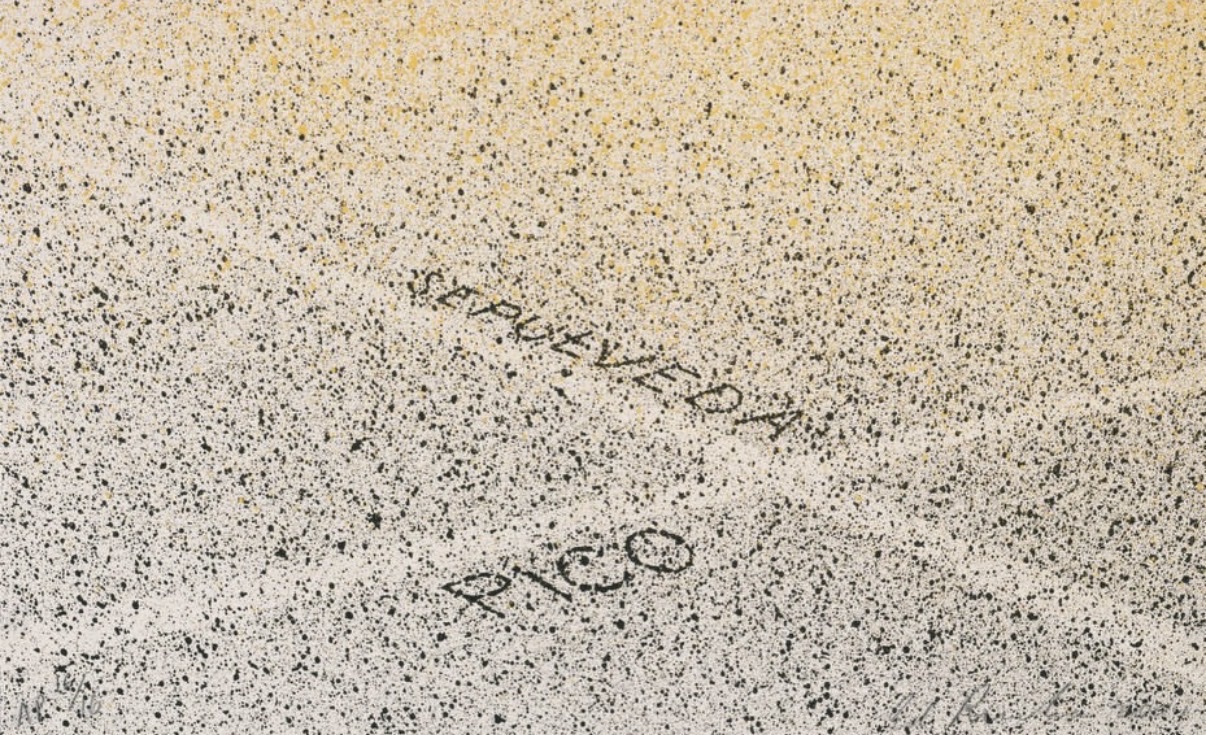
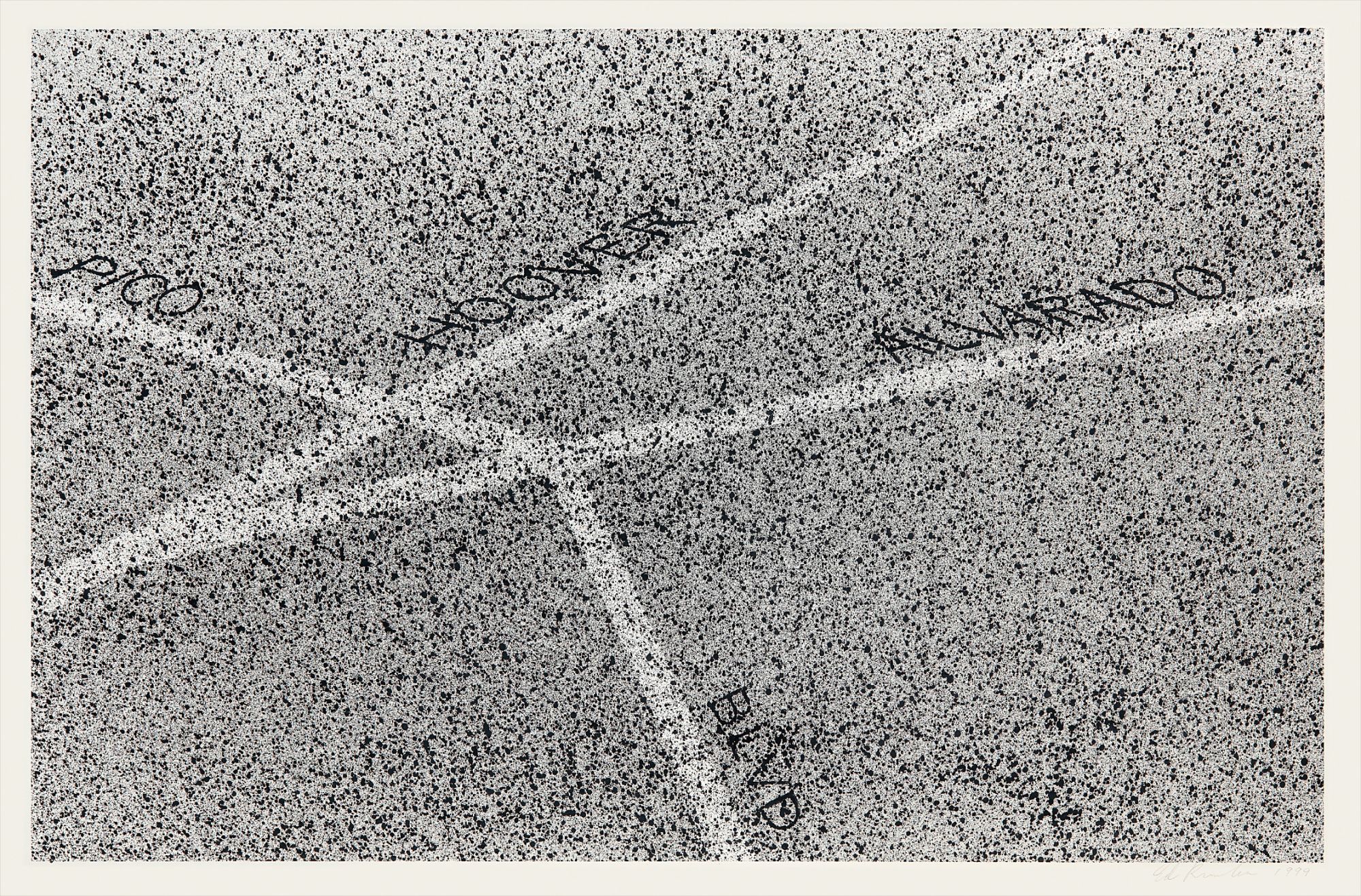
Ed Ruscha
Pico and Sepulveda, 2001
The City That Keeps Inventing Itself
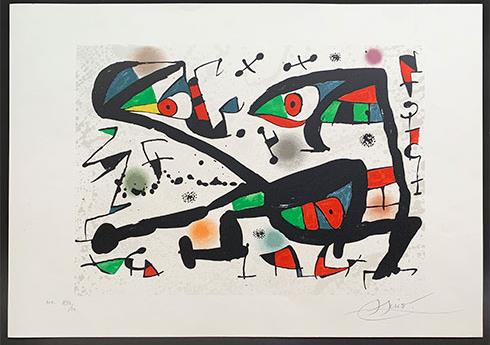
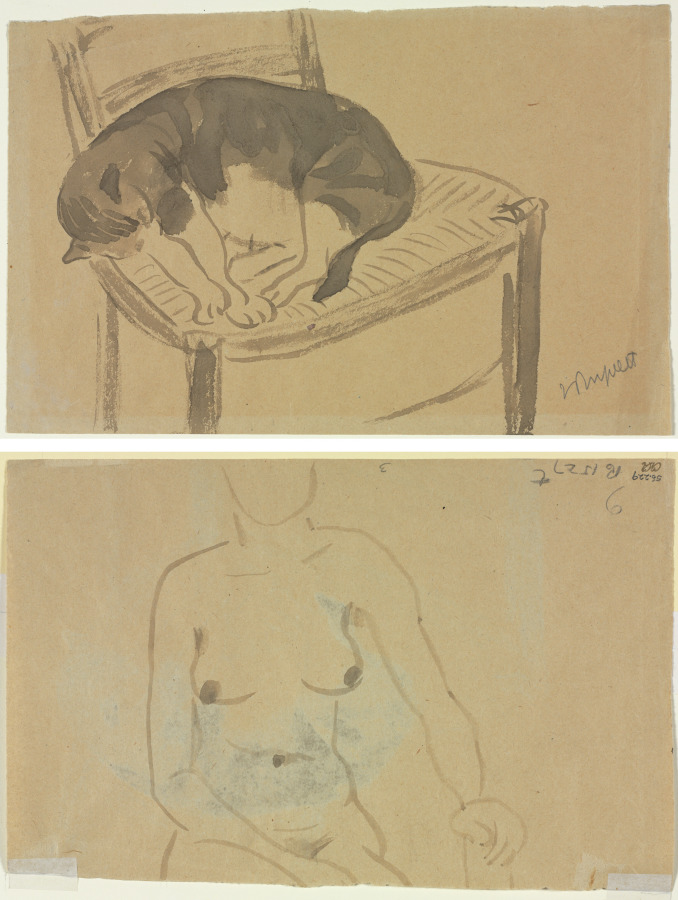
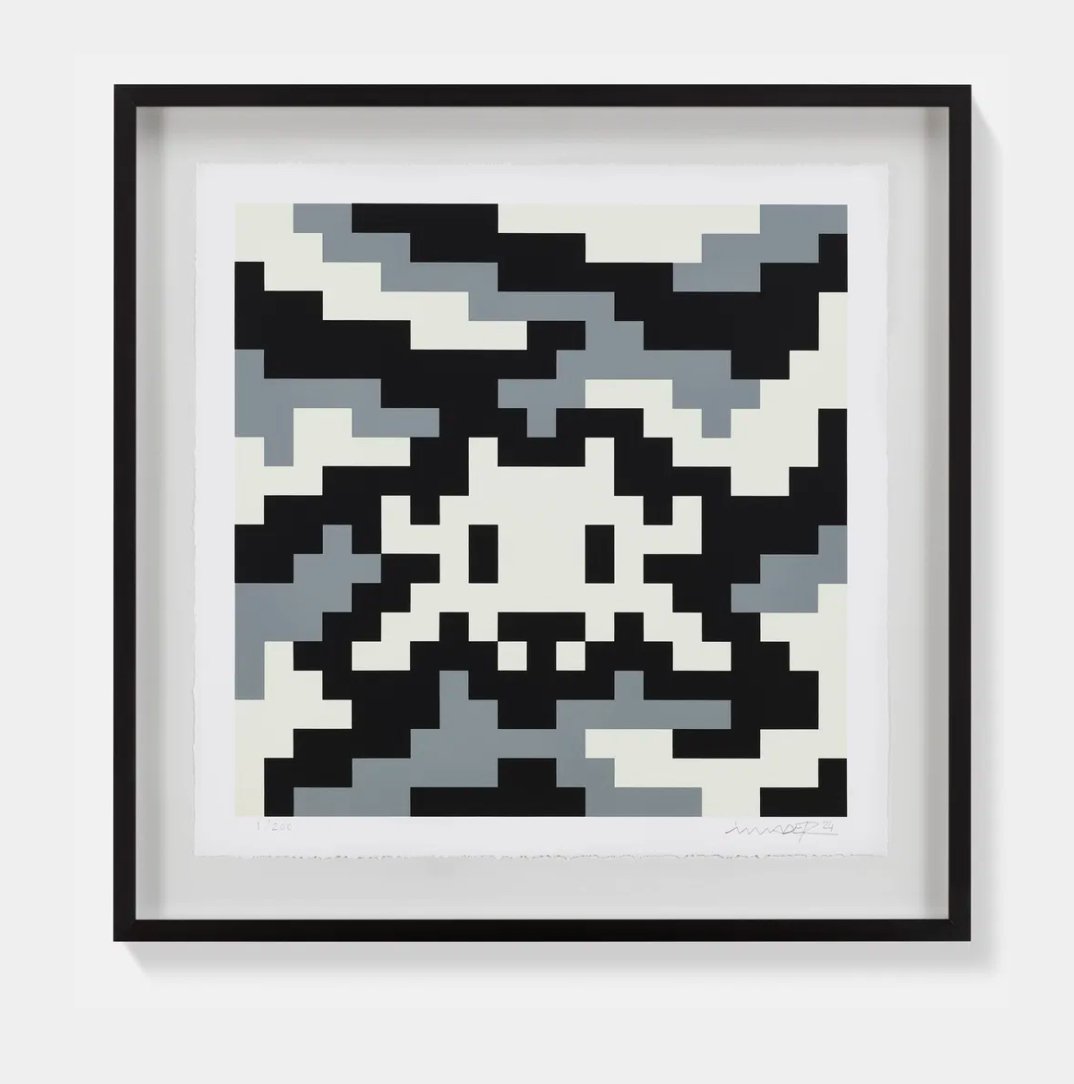
There is no city in the world that has been more obsessively mythologized, more relentlessly interrogated, and more stubbornly resistant to a single meaning than Los Angeles. It sprawls, it glitters, it disappoints, it seduces. For artists, it has functioned less as a backdrop than as a protagonist, a force that shapes perception as much as it is shaped by it. The body of work it has inspired across photography, painting, printmaking, and conceptual art constitutes one of the most sustained acts of collective attention in modern art history.
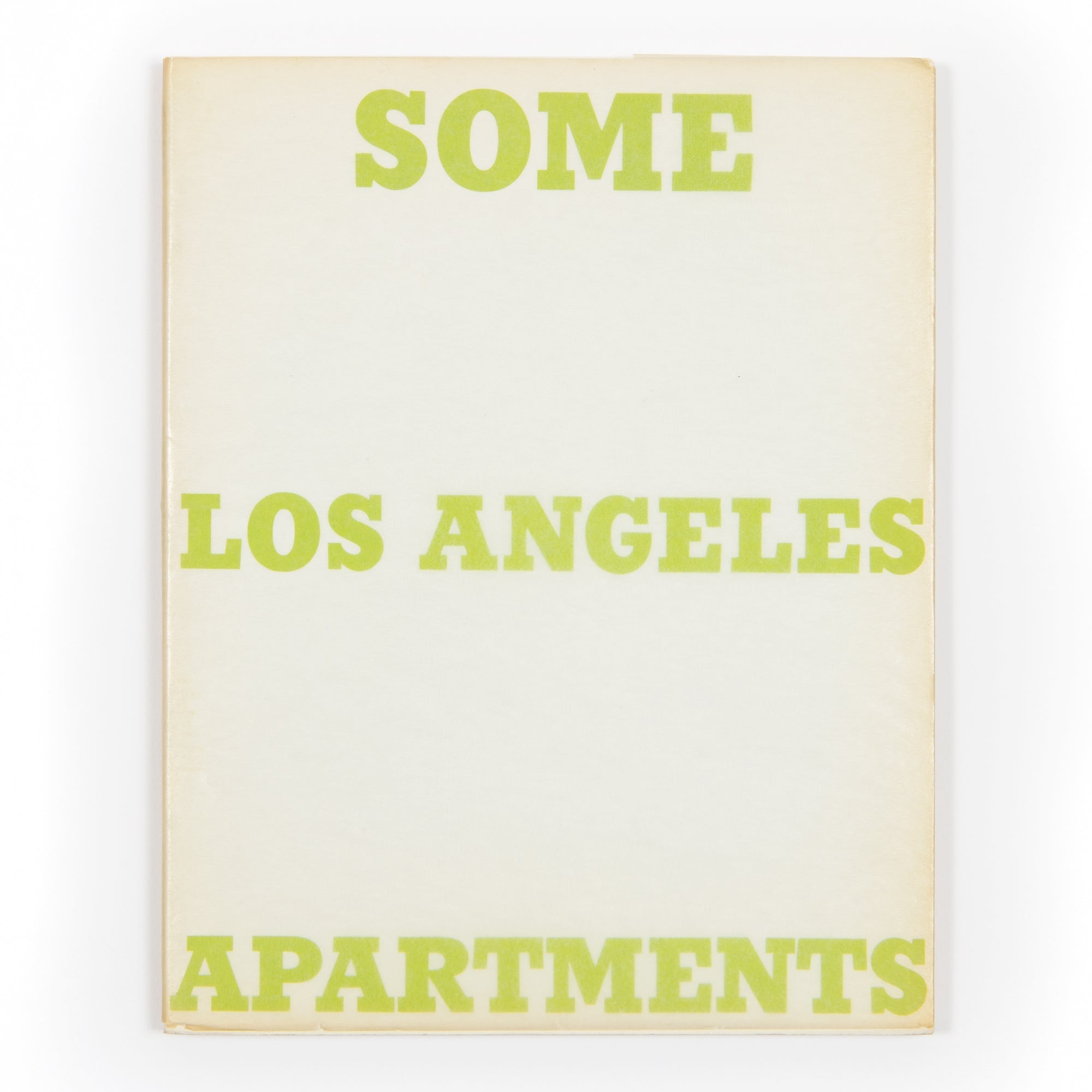
The serious artistic engagement with Los Angeles as subject matter began to crystallize in the early 1960s, when a confluence of forces made the city genuinely interesting to a new generation of image makers. The Ferus Gallery, founded in 1957 on La Cienega Boulevard by Edward Kienholz and Walter Hopps, gave West Coast artists a platform that felt urgent rather than provincial. It was there that Ed Ruscha first showed, and it was there that the idea of an authentically Californian avant garde began to take hold. Ruscha's 1963 artist book Twentysix Gasoline Stations, produced in an edition of 400, reframed the vernacular landscape of Route 66 and greater Los Angeles as a legitimate subject for conceptual inquiry.
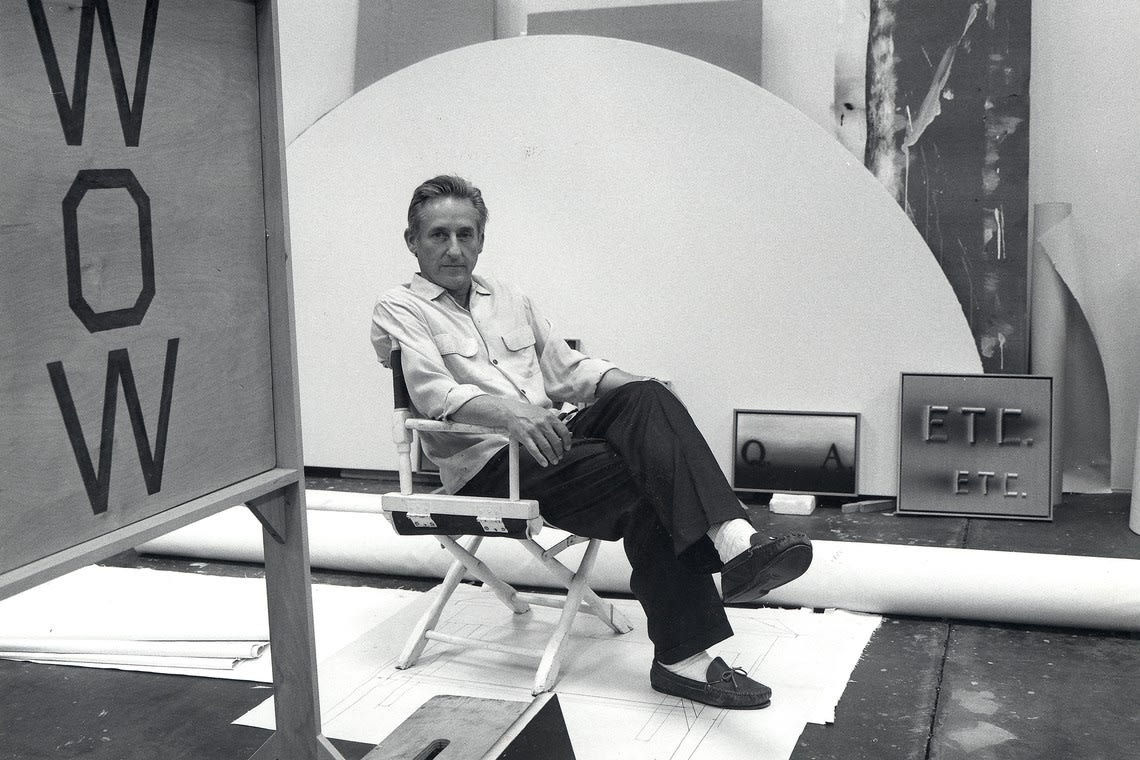
Ed Ruscha
Some Los Angeles Apartments, 2006
It was deadpan, it was radical, and it changed everything. Ruscha remains the presiding genius of the Los Angeles art world, and his presence on The Collection is substantial and deserved. His word paintings and silkscreens treat the city's signage, its sunsets, its freeways as raw material for something approaching poetry. The Hollywood sign, the Standard station, the vast horizontal geography of the basin itself all become, under his hand, objects of wonder and irony simultaneously.
Lawrence Weiner, also represented here, shares Ruscha's investment in language as both medium and message, though his conceptual framework extends beyond the specifically Californian into something more universal. David Hockney arrived in Los Angeles from Bradford in 1964 and fell in love with what he found. His swimming pool paintings, produced from the mid 1960s onward, captured a quality of light and leisure that felt genuinely new in the history of painting. Works like A Bigger Splash, completed in 1967, turned the splash of a diver into a freeze frame of pure California optimism.
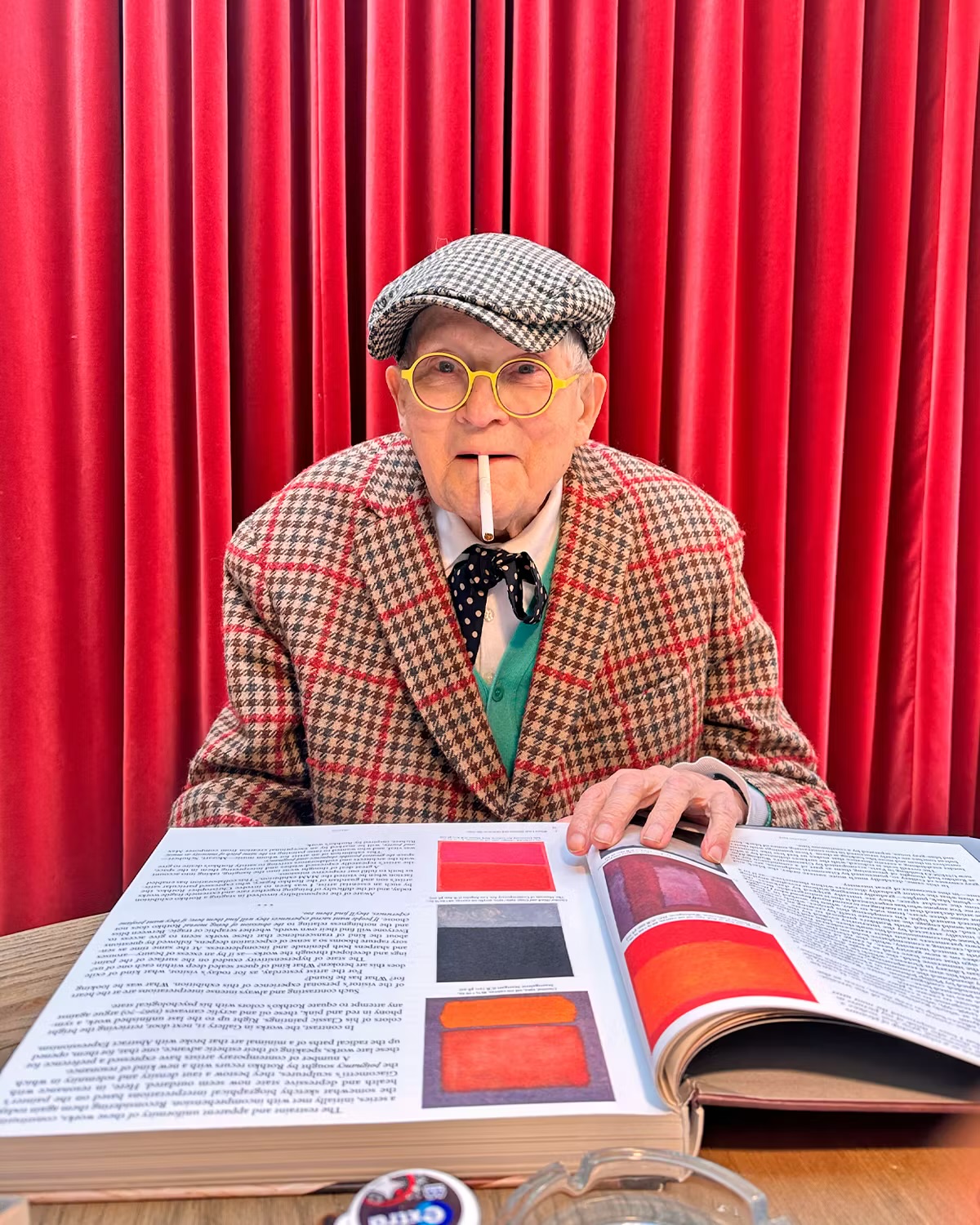
David Hockney
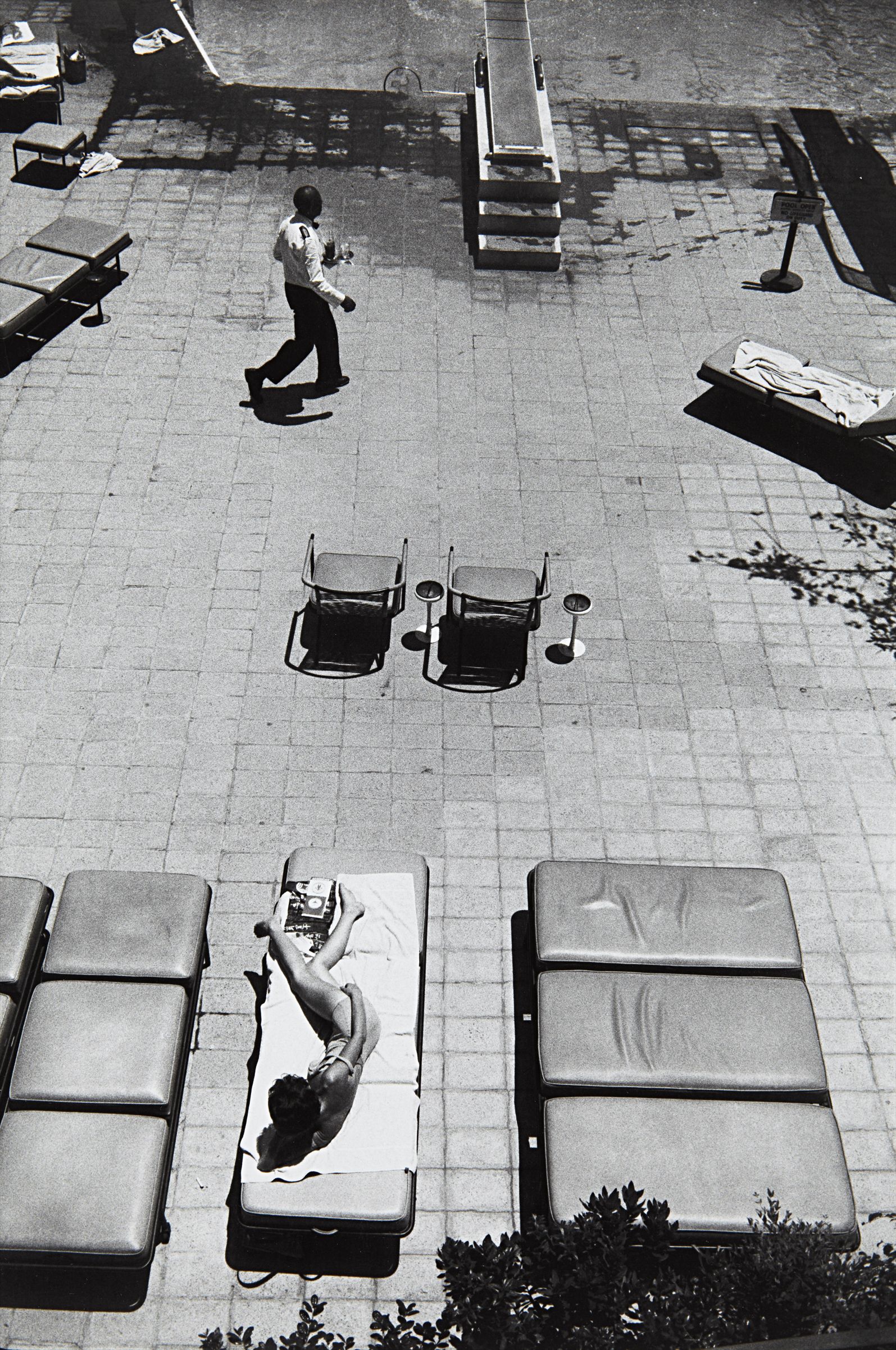
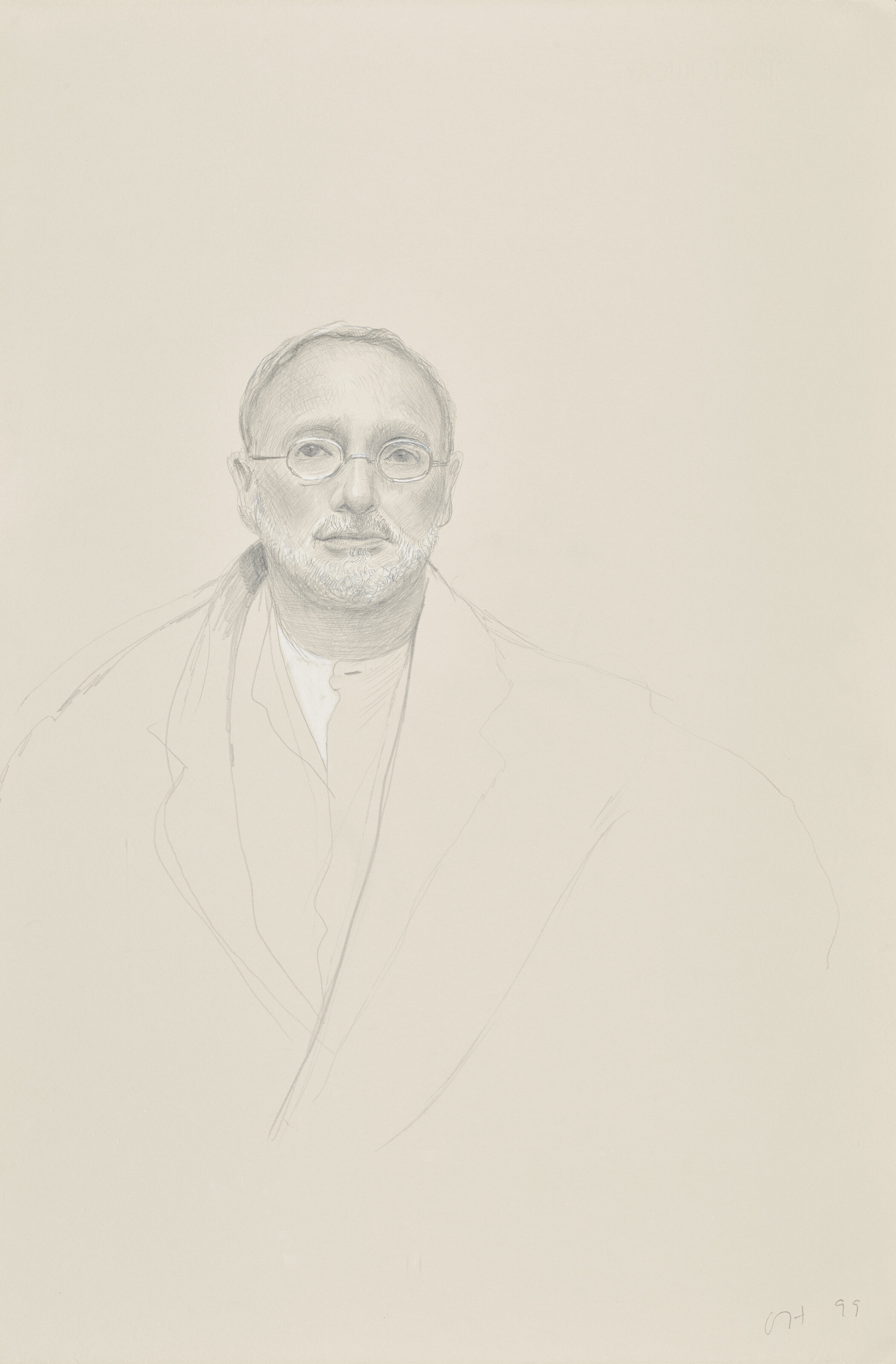
Robert Littman, Los Angeles, 3 September 1999
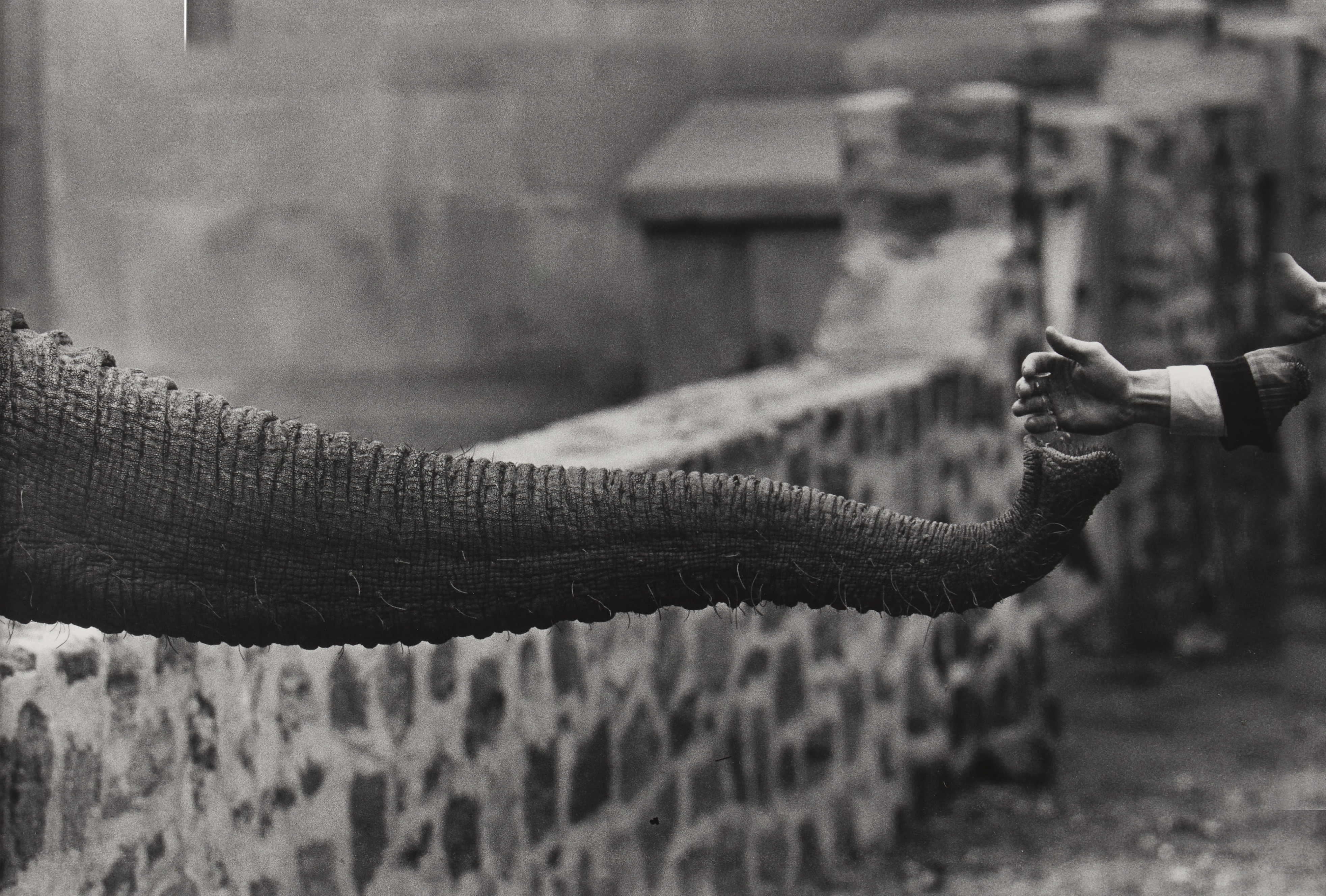
Hockney's sustained engagement with Los Angeles across six decades of work, his shifts from paint to photography to iPad drawing, make him one of the few artists to have kept pace with the city's own restless reinvention. His significant presence on The Collection reflects just how central his vision remains to any serious reading of Los Angeles as subject. Photography has always been the medium most naturally suited to Los Angeles, perhaps because both depend on light so completely. Garry Winogrand visited the city repeatedly and brought his characteristic street energy to its parking lots, its racetracks, its social gatherings.
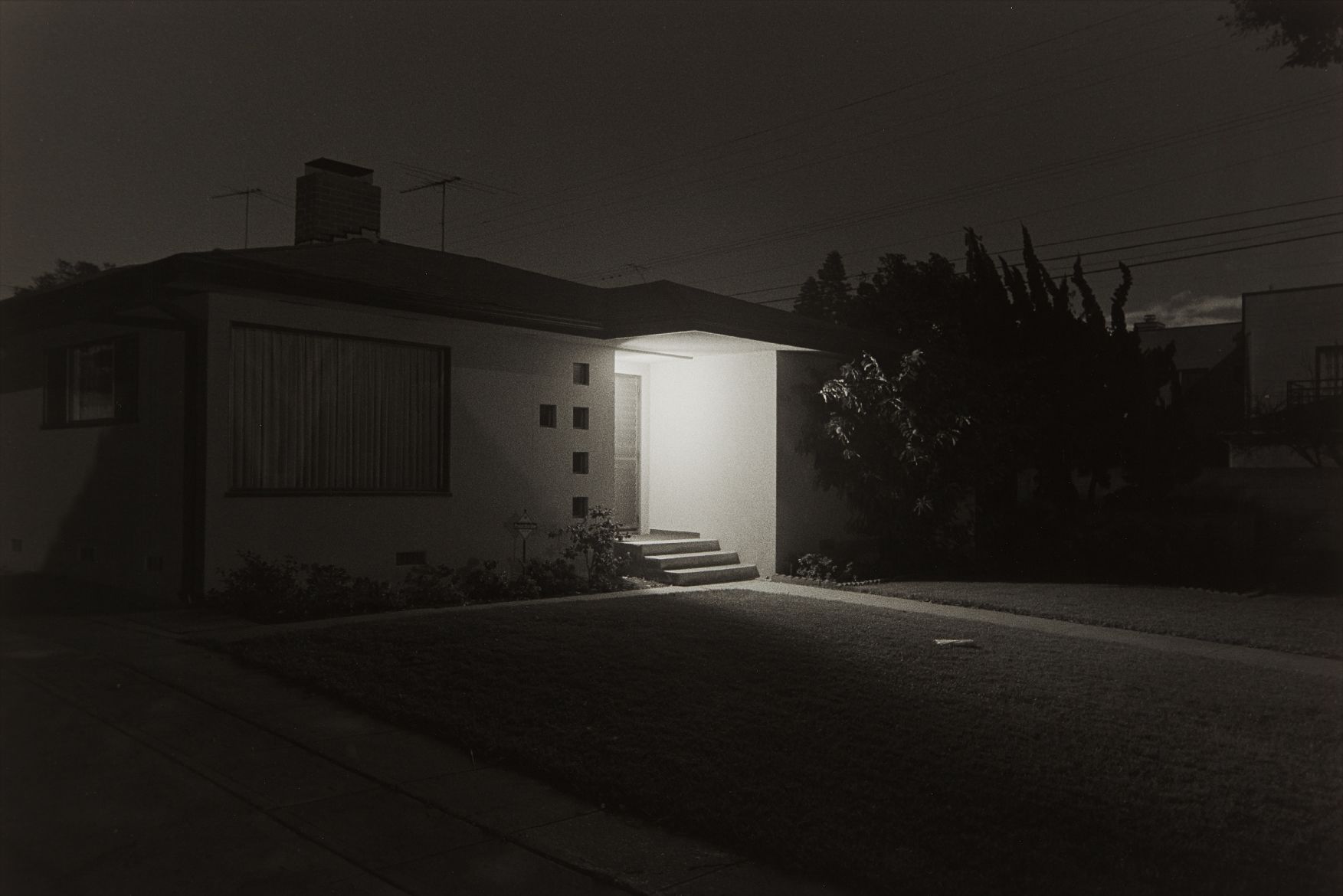
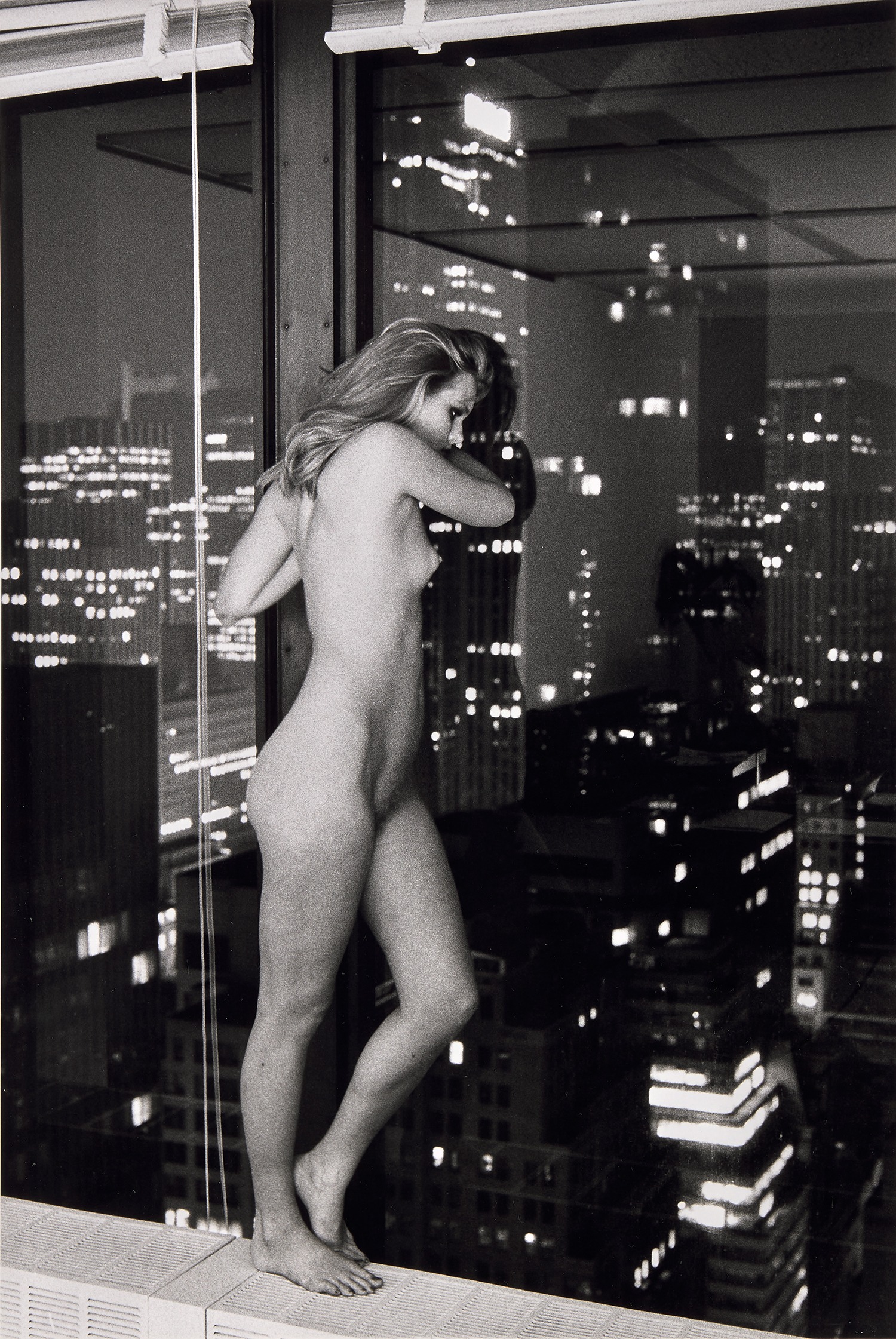
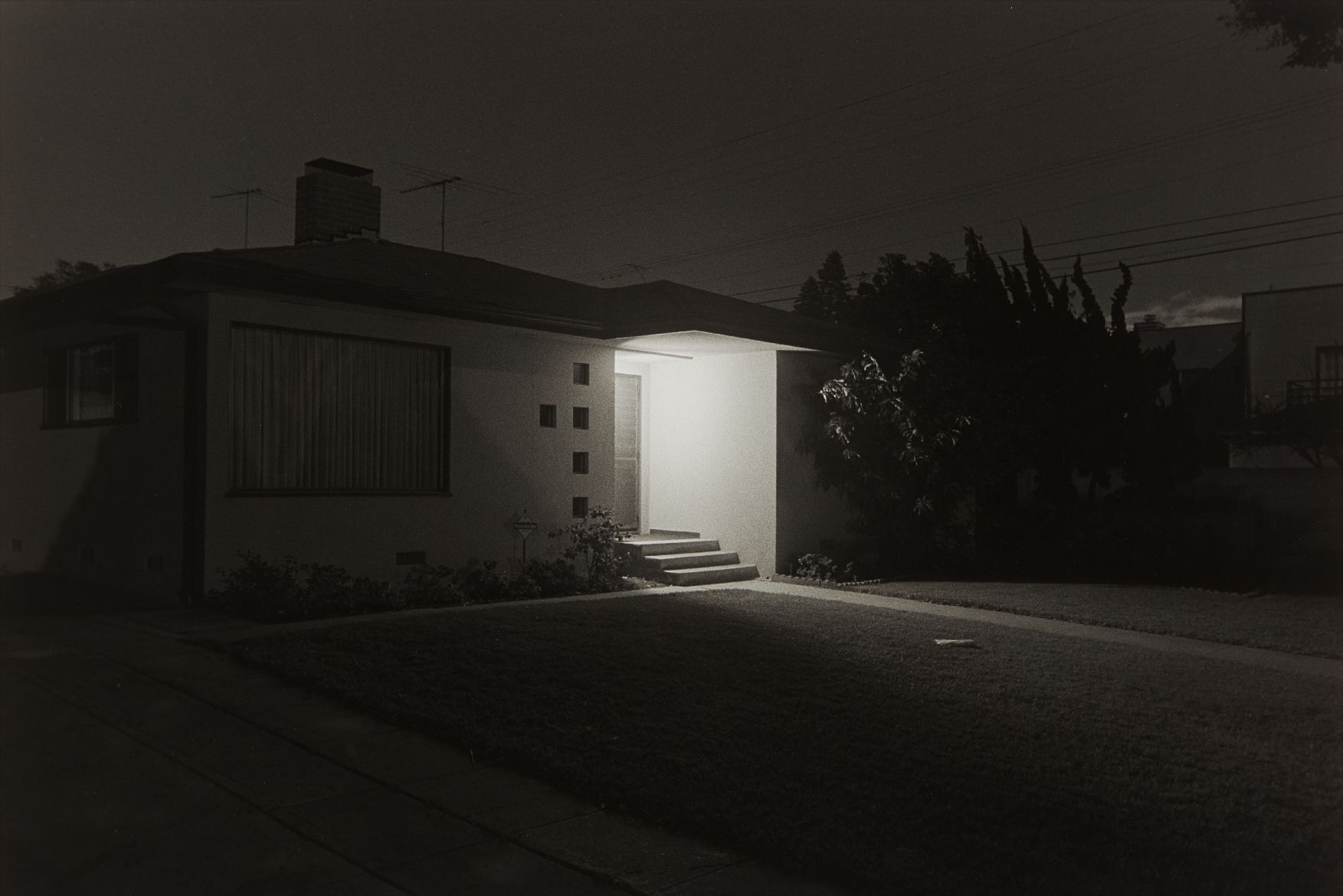
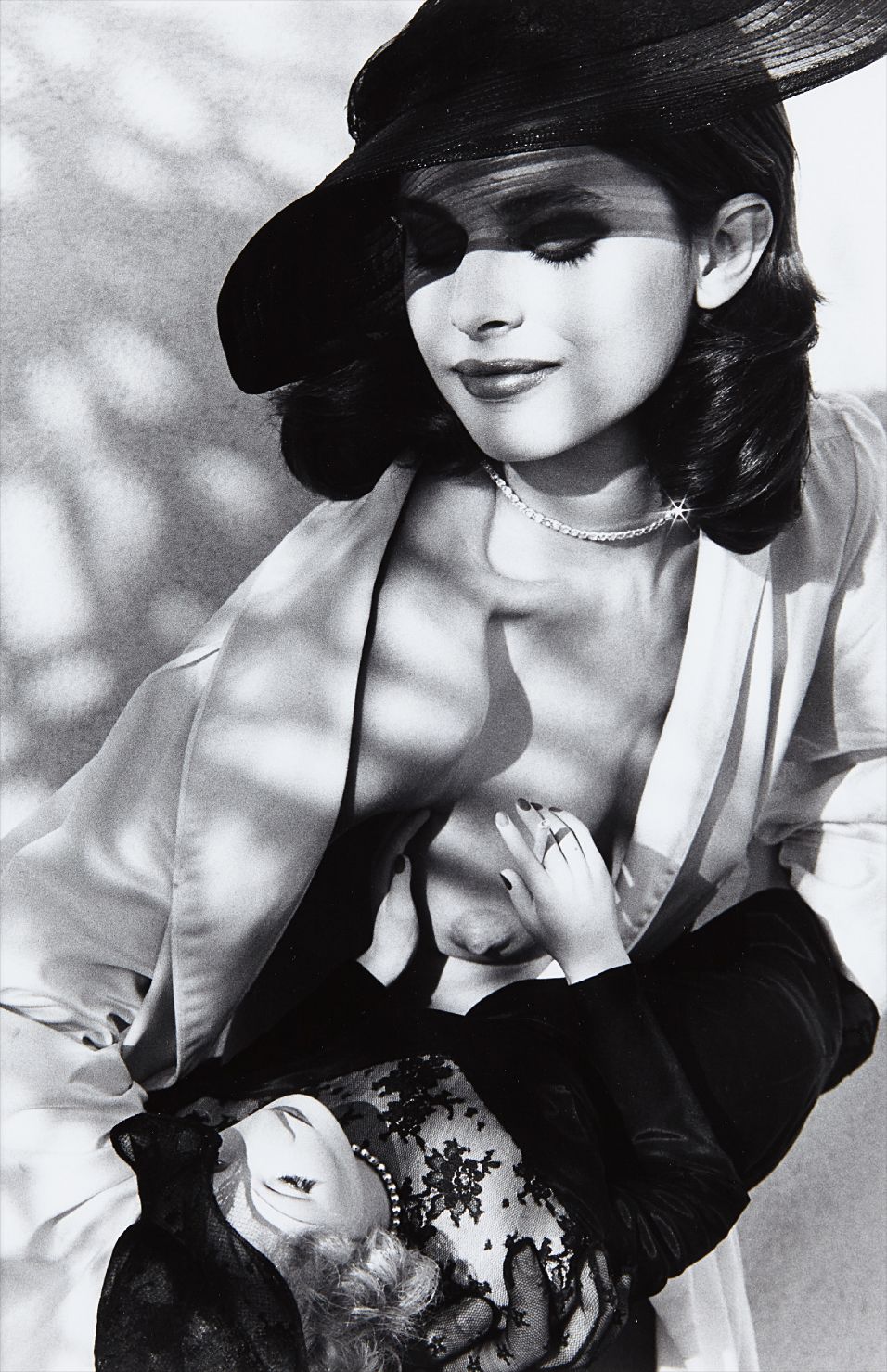
His images carry the same nervous curiosity he applied to New York, but in California the body language is different, more relaxed on the surface, more anxious underneath. Helmut Newton spent considerable time in Los Angeles and made some of his most charged work there, finding in the city's culture of beauty and display a subject that matched his own theatrical instincts. Henry Wessel Jr. worked the Southern California suburbs with a quieter devotion, finding the uncanny in ordinary afternoon light.
Helmut Newton
Nastassja Kinski, Los Angeles
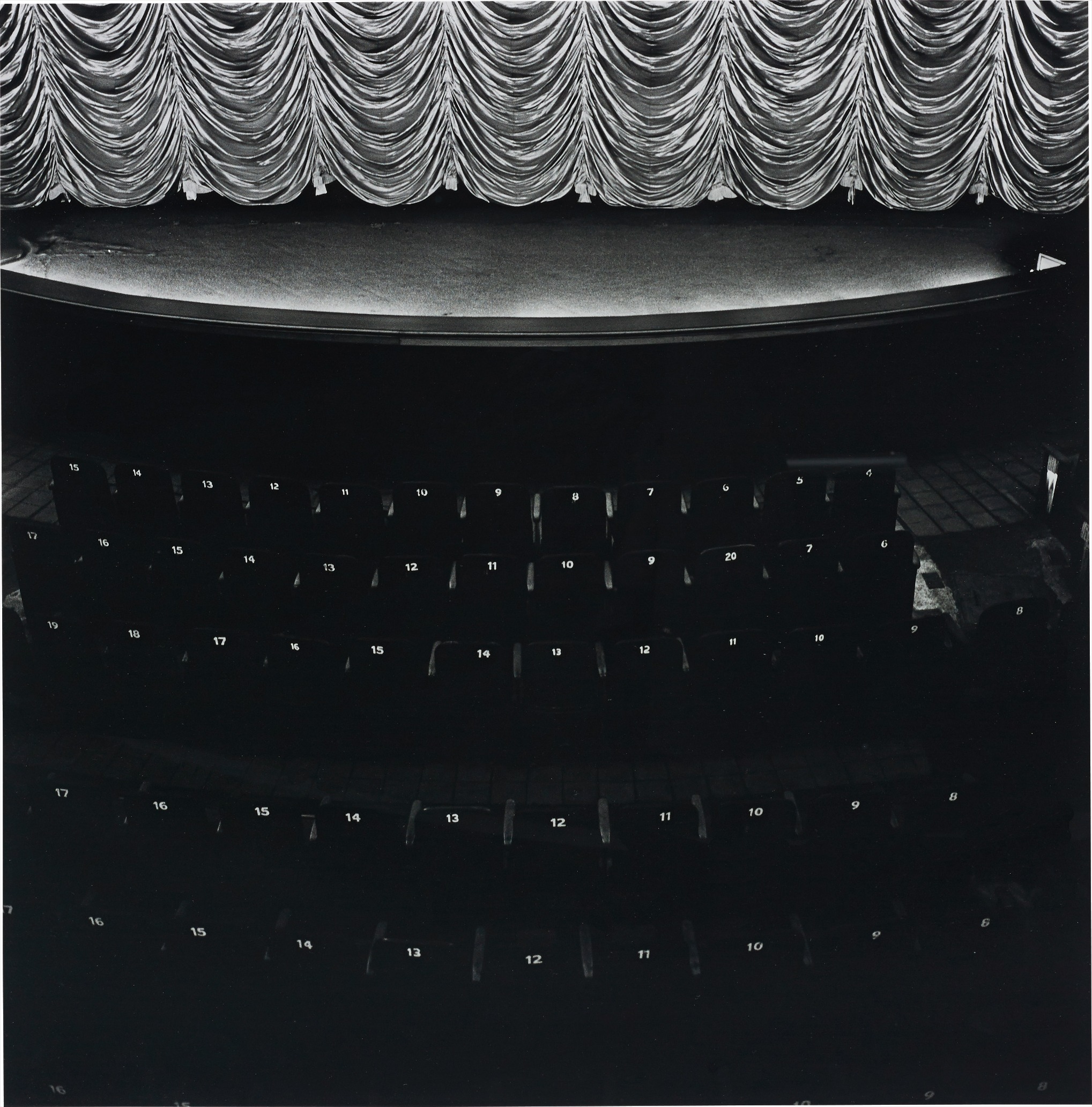
The generation of artists who came to maturity in Los Angeles during the 1980s and 1990s brought a more theoretically sophisticated lens to the city. Hiroshi Sugimoto's drive in theater photographs, taken across America but deeply resonant with the particular dreamspace of Southern California, use long exposures to make the movie screen glow with an almost supernatural whiteness. Catherine Opie has documented the city's communities and its coastlines with equal rigor, her portrait practice insisting on visibility for those the city would prefer to overlook. Walead Beshty, working with photographic processes that register the physical conditions of their own making, engages the city's infrastructure in a more oblique but no less pointed way.
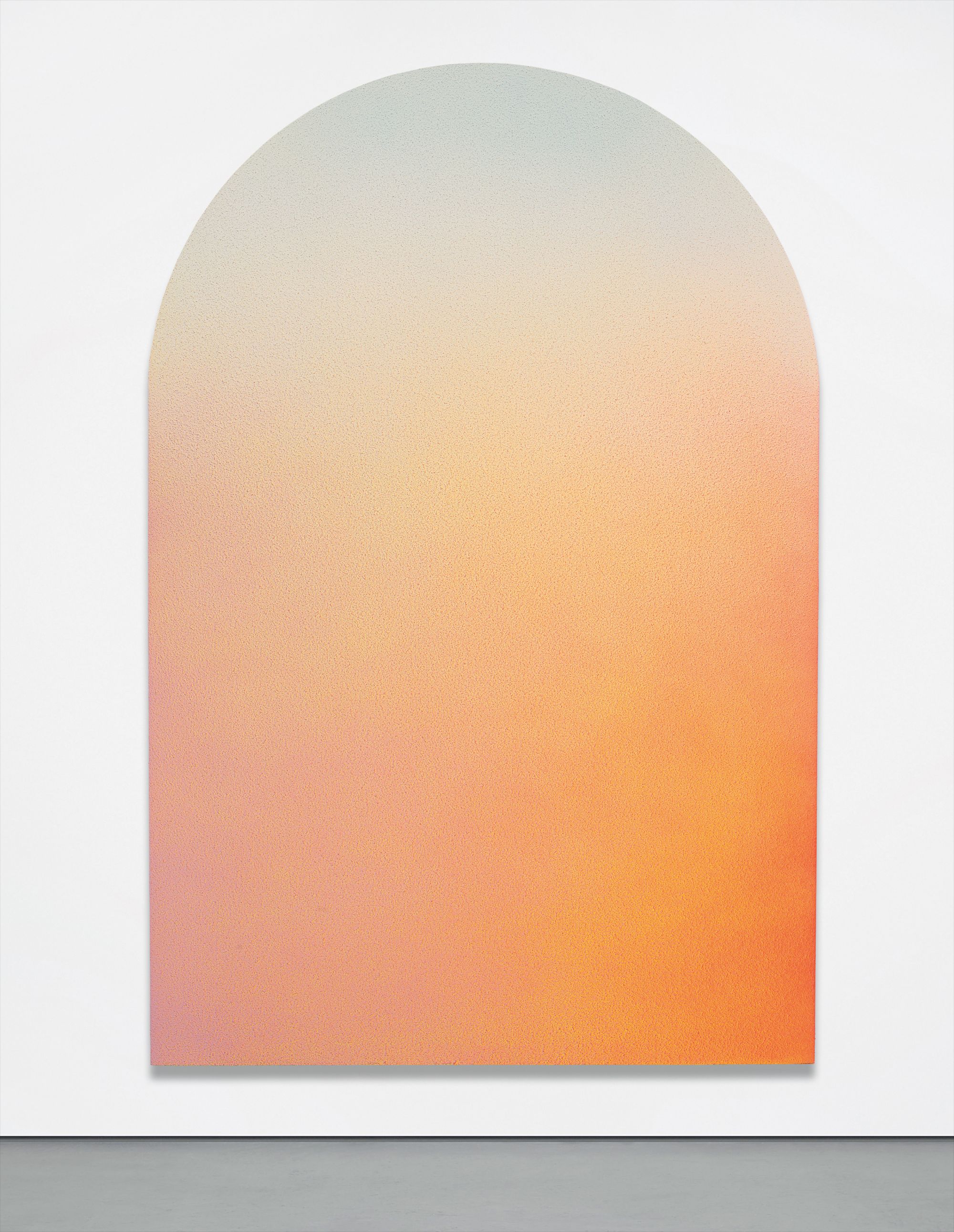
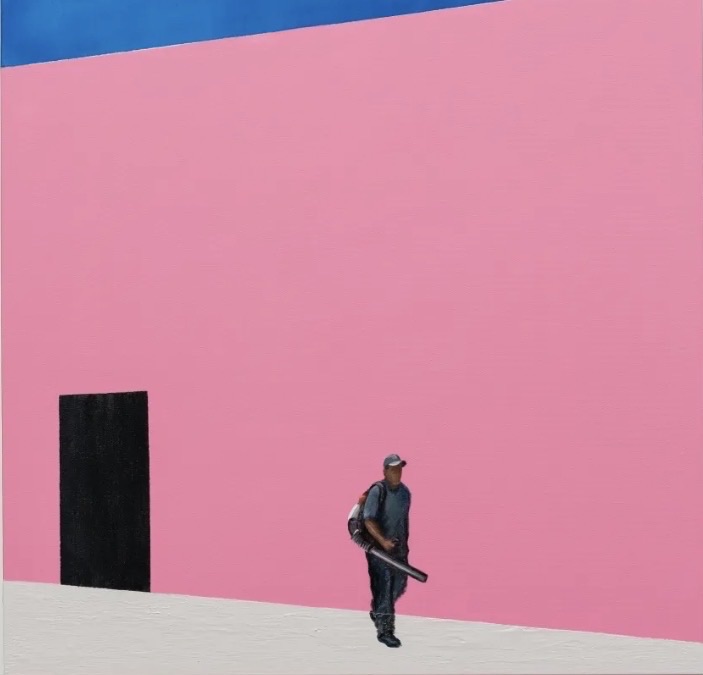
Alex Israel has become one of the sharpest contemporary interpreters of the Los Angeles image. His self portraits set against painted freeway backdrops, his engagement with the city's entertainment industry and its surfaces of glamour, position him as a direct heir to Ruscha's tradition of cool observation. Ramiro Gomez, now known as Jay Lynn Gomez, takes a more explicitly political approach, inserting images of the Latino workers who maintain the lifestyles of the wealthy into the visual language of those very lifestyles. Gomez's work is one of the most necessary correctives in contemporary California art, insisting that the full picture of the city includes those who are habitually cropped out of it.
Alex Israel
"Los Angeles is one of the main subjects of my work. Every day is an experience of all of this material, which for me, is an art material. Every day, as I move through this city, I’m experimenting with it. It’s a constant process." Alex Israel
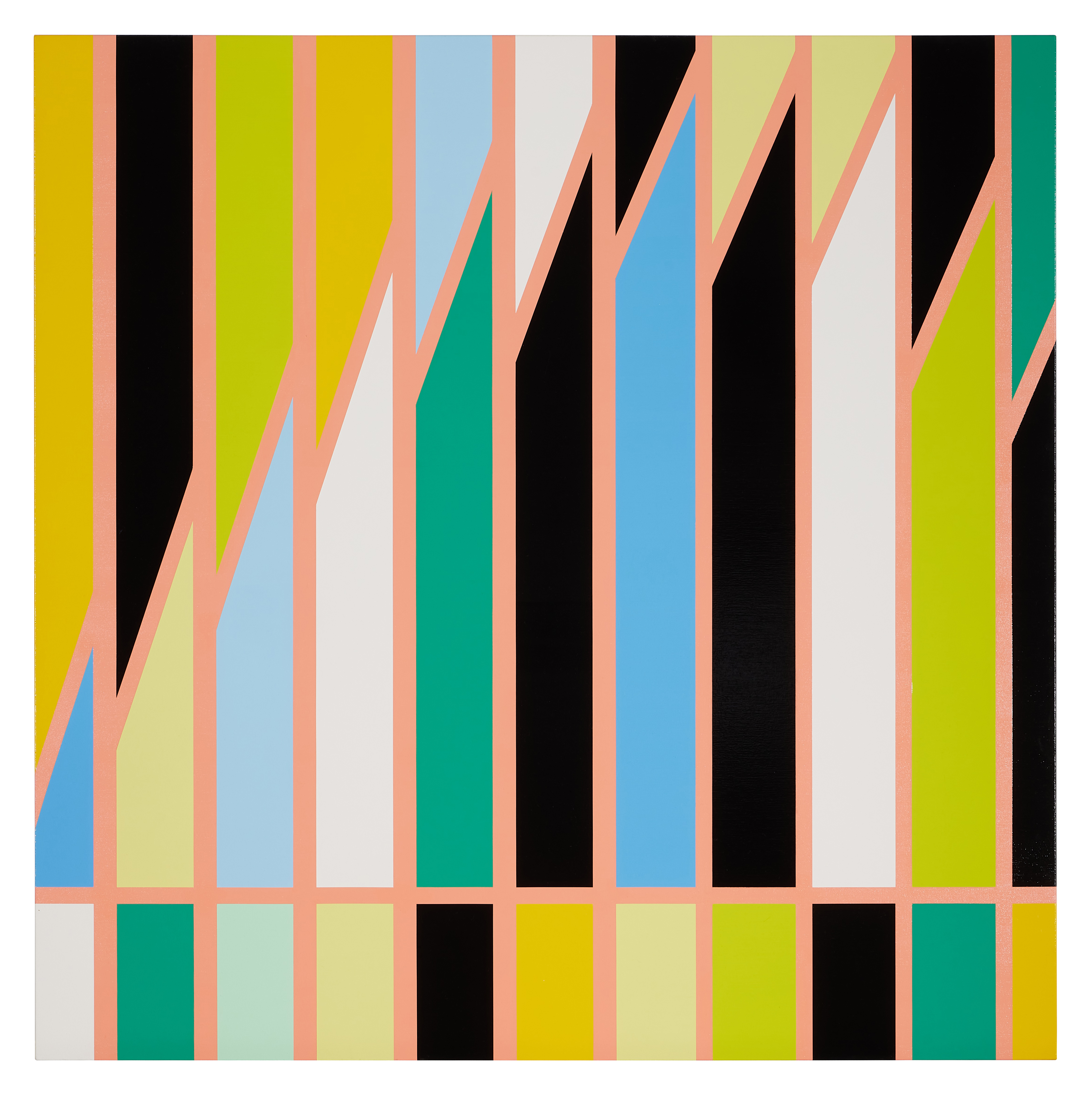
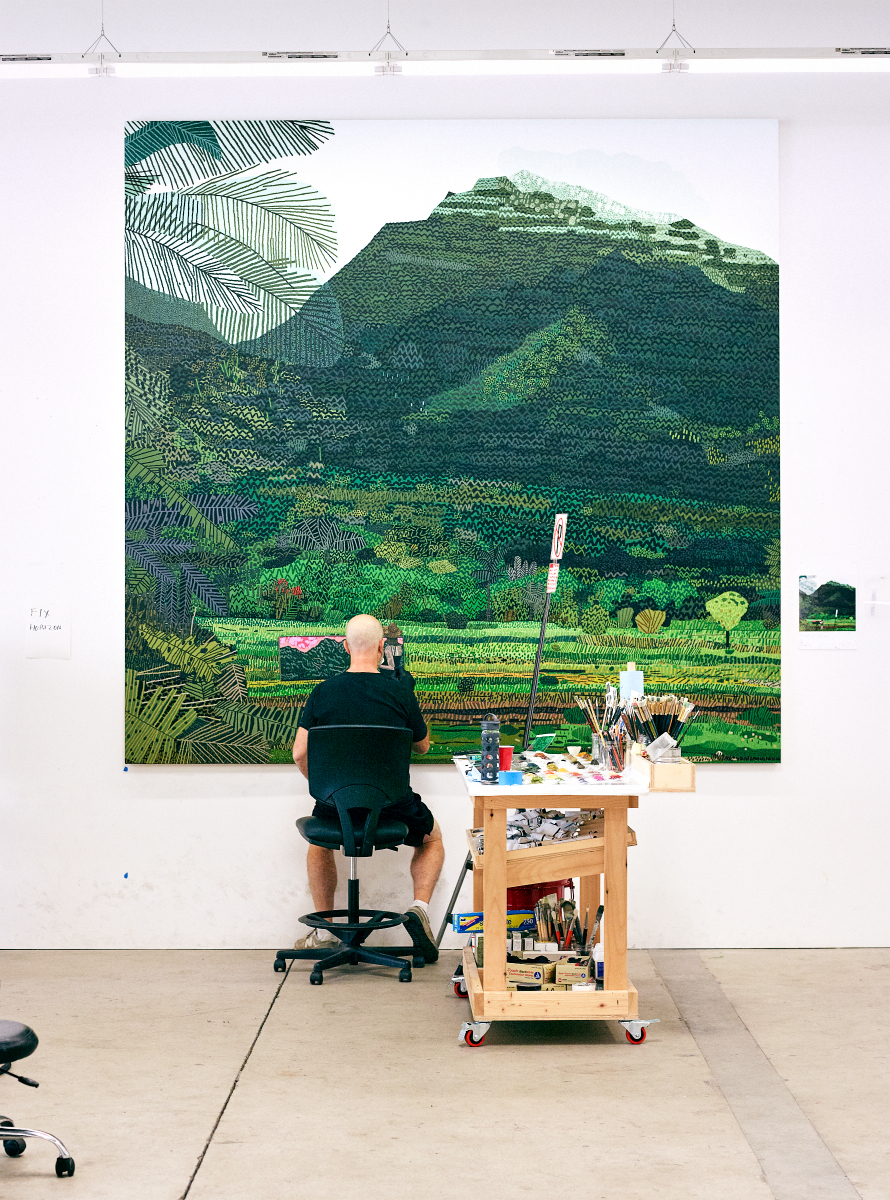
Sarah Morris brings a different formal language to the conversation. Her geometric paintings derived from the gridded architecture of corporate and institutional spaces treat Los Angeles as an abstracted system, a network of power and capital rendered in high gloss enamel. Her films, made in parallel with the paintings, extend this analysis into duration and movement. Jake Longstreth works in a quieter register, painting the strip mall and the parking structure with a melancholy affection that finds in these unglamorous spaces a kind of architectural honesty.
What makes Los Angeles so generative for artists is its fundamental contradictions. It is a city built on fantasy that contains some of the most brutal economic inequalities in the United States. It promises reinvention while enforcing rigid social hierarchies. It is both the most photographed and the most misunderstood city in America.
The works gathered on The Collection under this heading do not resolve those contradictions. They inhabit them, turn them over, make them visible. That is what the best art about place has always done, and what the best art about Los Angeles continues to do with a vitality that shows no signs of fading.