Italian Scenery
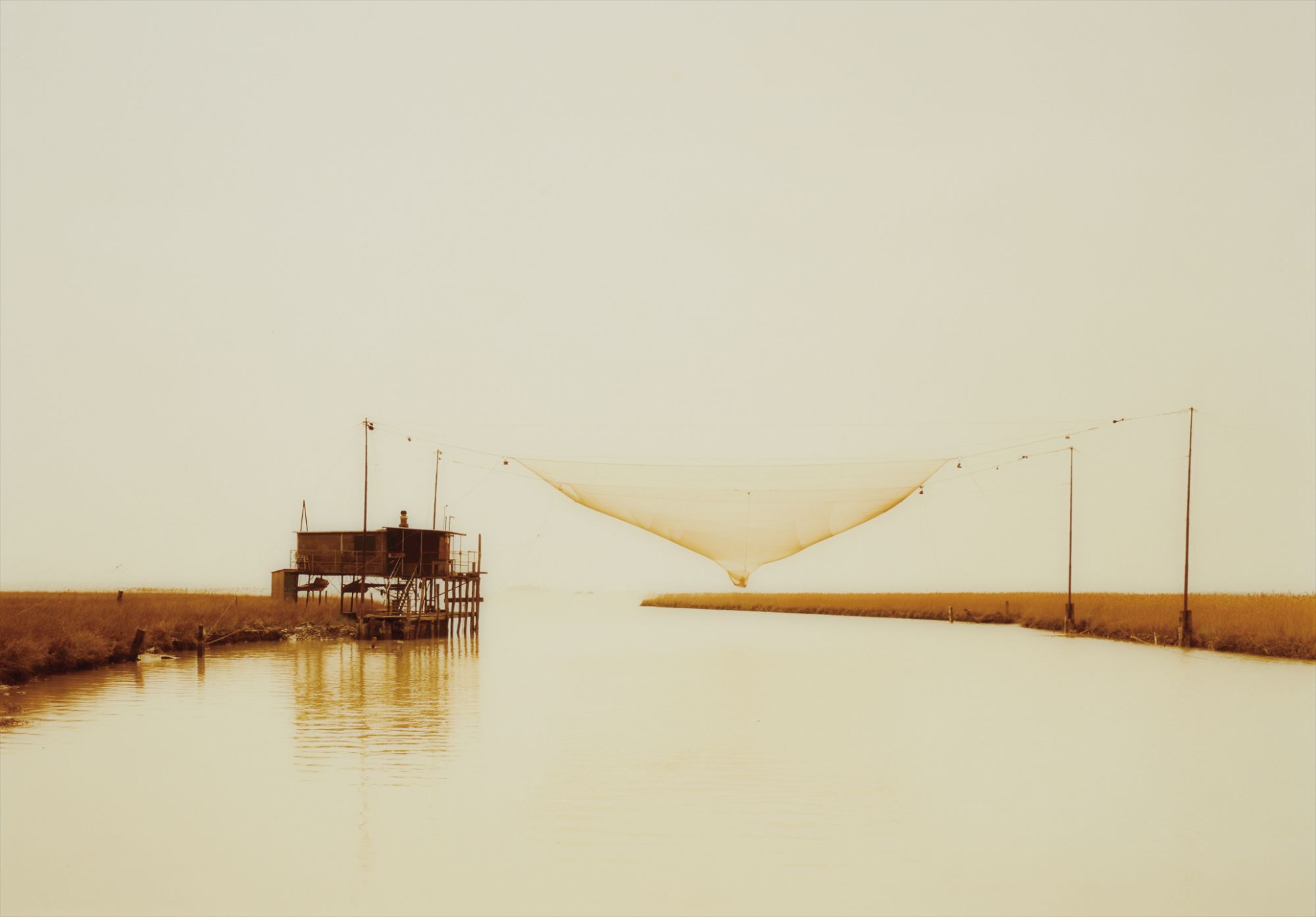
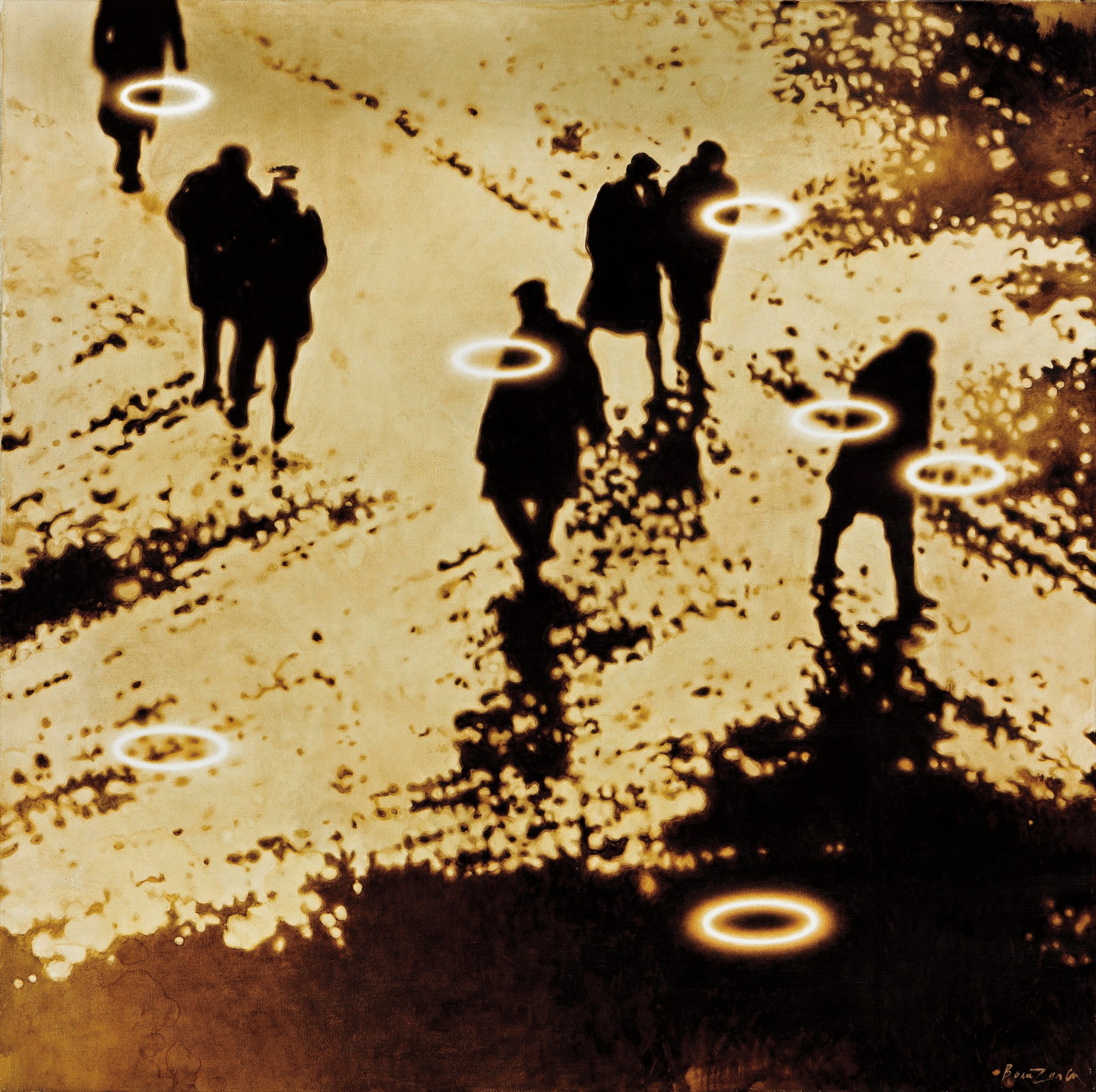
Elger Esser
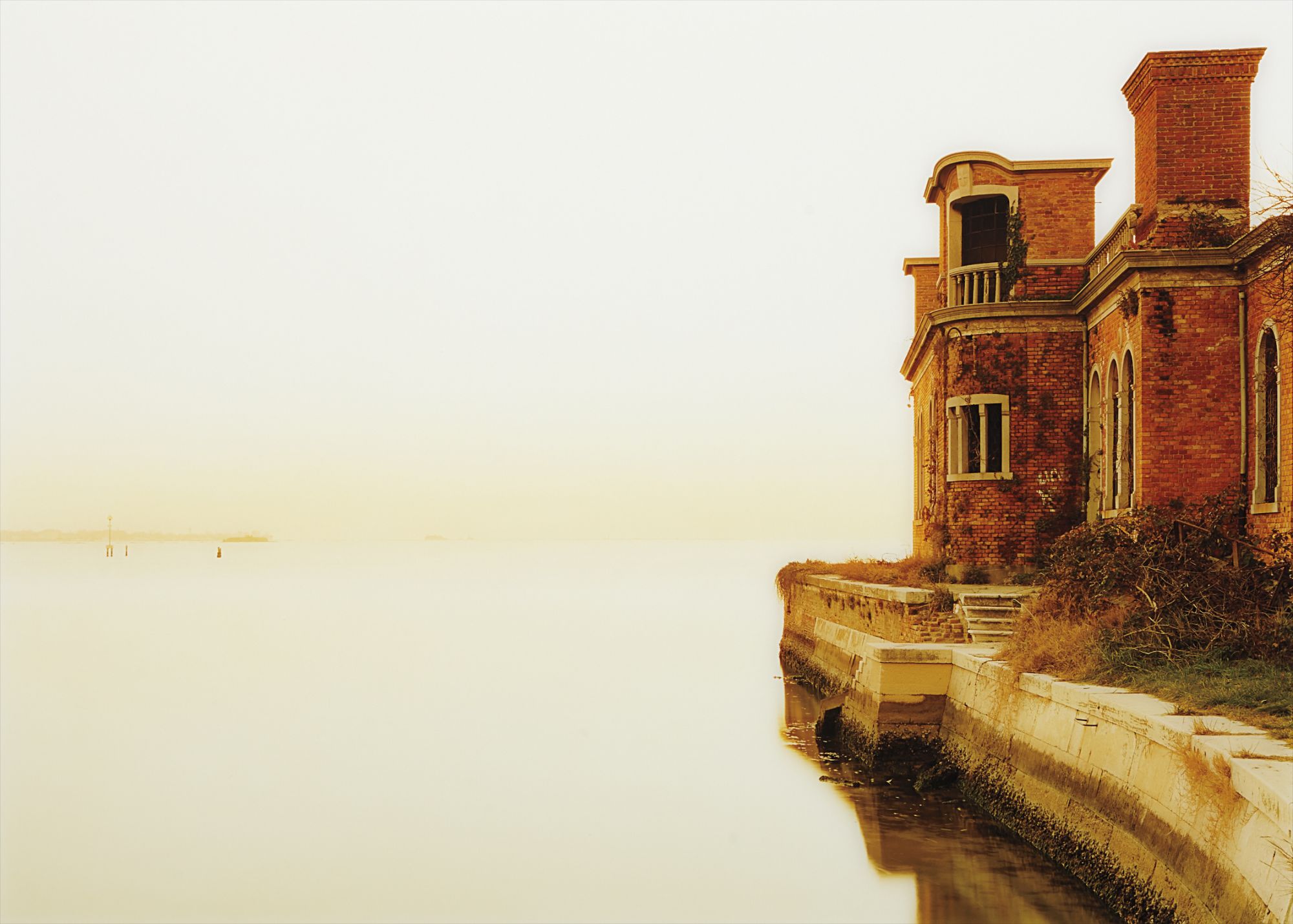
Palude dei Laghi, Italien
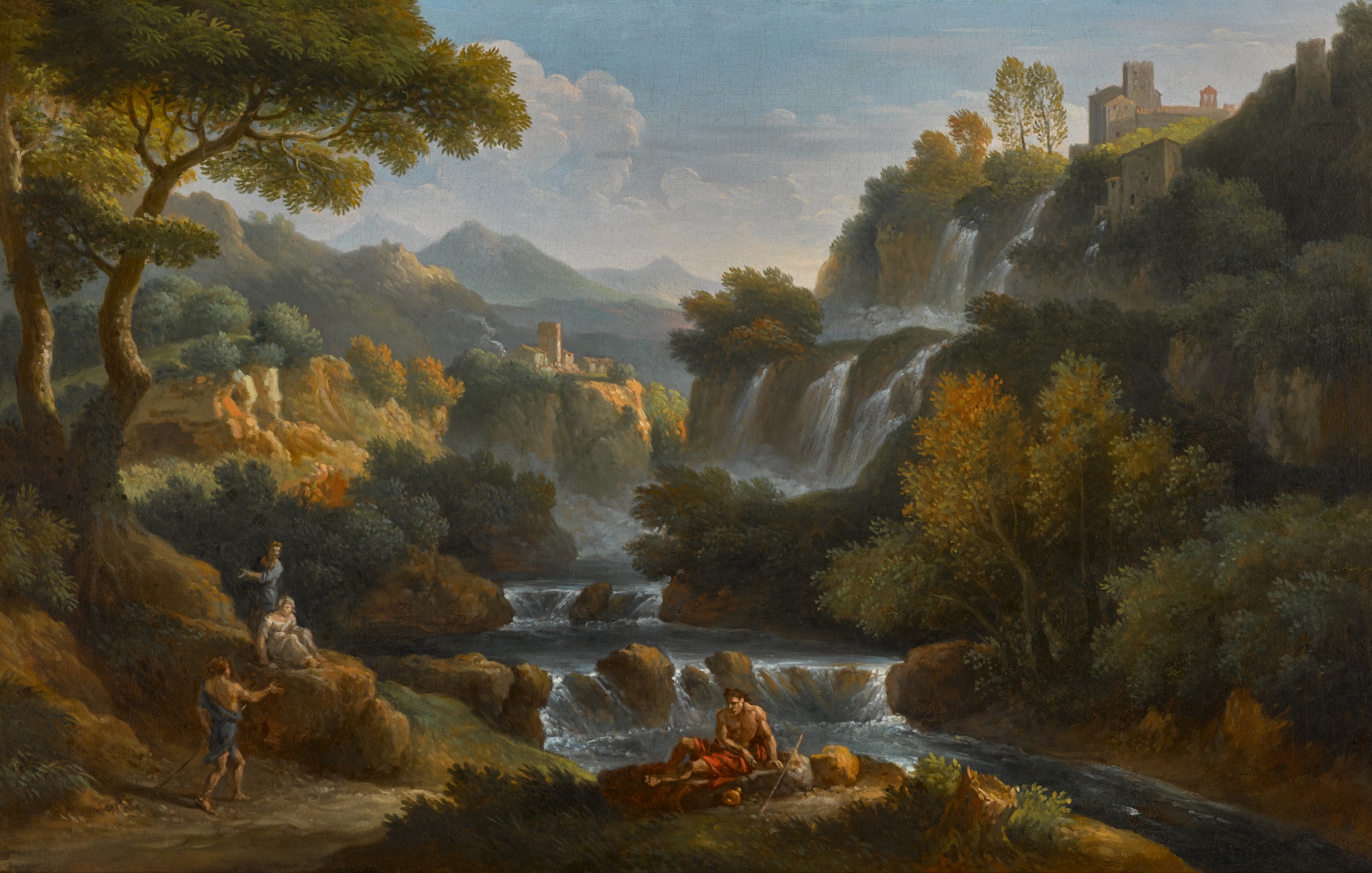
The Italian Light That Never Goes Away
When a large format photograph by Elger Esser sold at auction several years ago for a figure well into six figures, the room took notice in a particular way. This was not a painting of the Roman Campagna or a Grand Tour watercolor. It was a contemporary photograph that somehow carried the same gravitational pull as a seventeenth century landscape, the same longing for a southern light that European culture has been unable to shake for centuries. That result said something important: the appetite for Italian scenery, understood broadly as a category of feeling as much as geography, has not dimmed.
If anything, it has grown more complicated and more interesting. The idea of Italy as a landscape of the imagination has a long history in Western art, but what is striking right now is how that tradition is being reconsidered from multiple directions at once. Museum shows in recent years have worked to reframe the Grand Tour not simply as a chapter in aristocratic tourism but as a foundational moment in how European and later American collectors learned to look. The Getty's ongoing attention to Italian landscapes and Roman views, along with the sustained programming around veduta painting at institutions like the Dulwich Picture Gallery in London, has kept this conversation lively and scholarly without making it feel antiquarian.
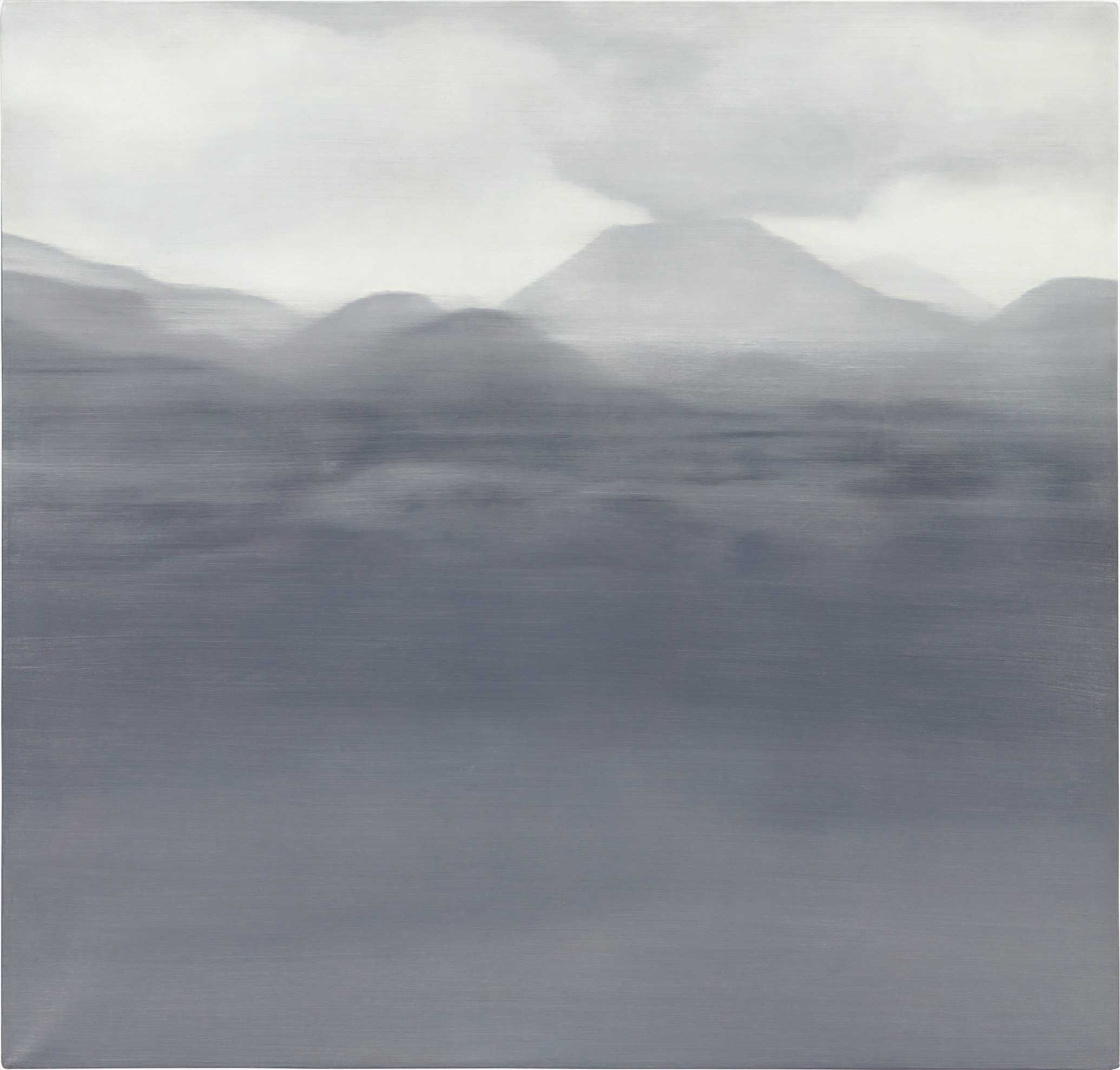
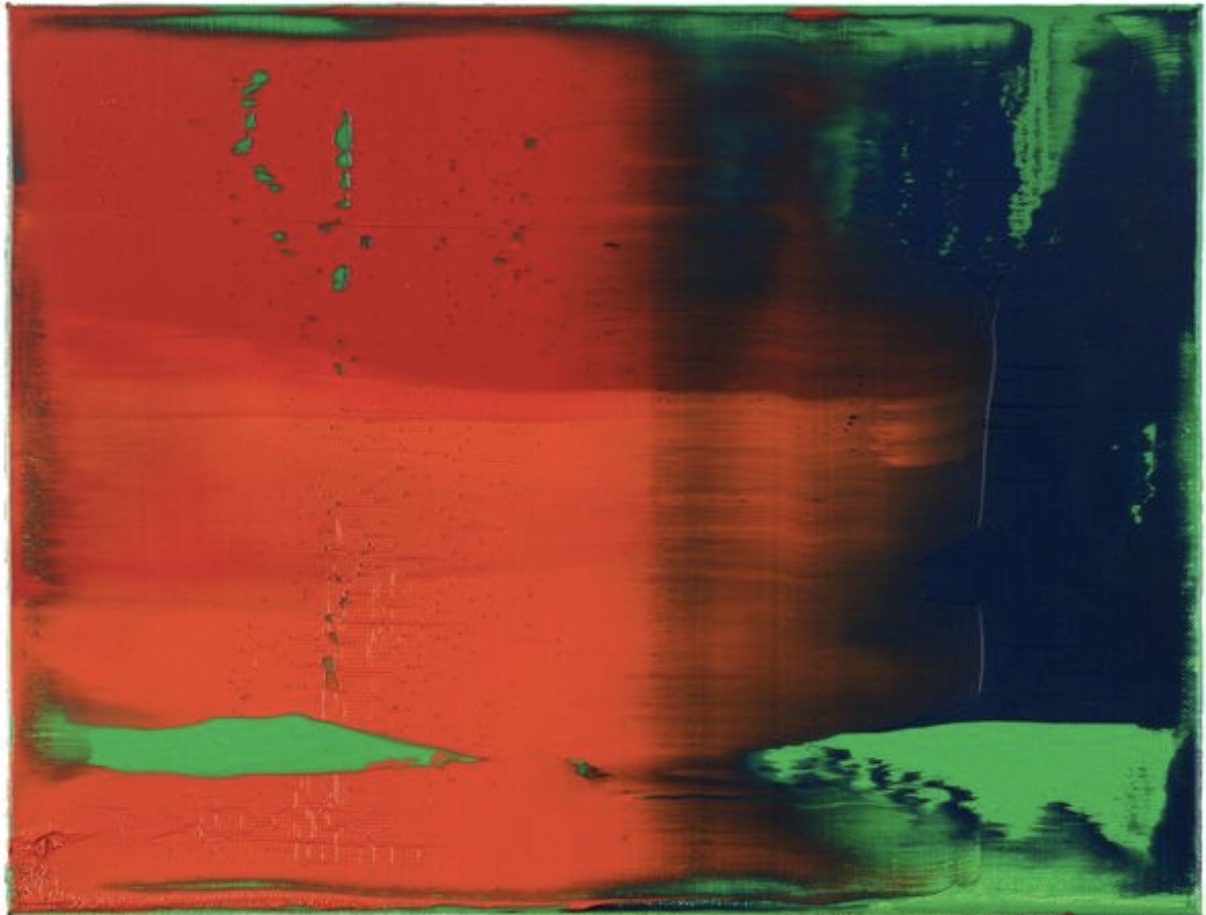
Gerhard Richter
Italienische Landschaft (Italian Landscape), 1966
These are not dusty retrospectives. They are arguments about how desire and place interact in the history of seeing. Within that longer tradition, Jan Frans van Bloemen occupies a fascinating and somewhat underappreciated position. Known as Orizzonte, a nickname given to him by Roman contemporaries who admired his distinctive handling of the horizon line, this Flemish painter spent most of his working life in Rome and became one of the most sought after landscape painters of the early eighteenth century.
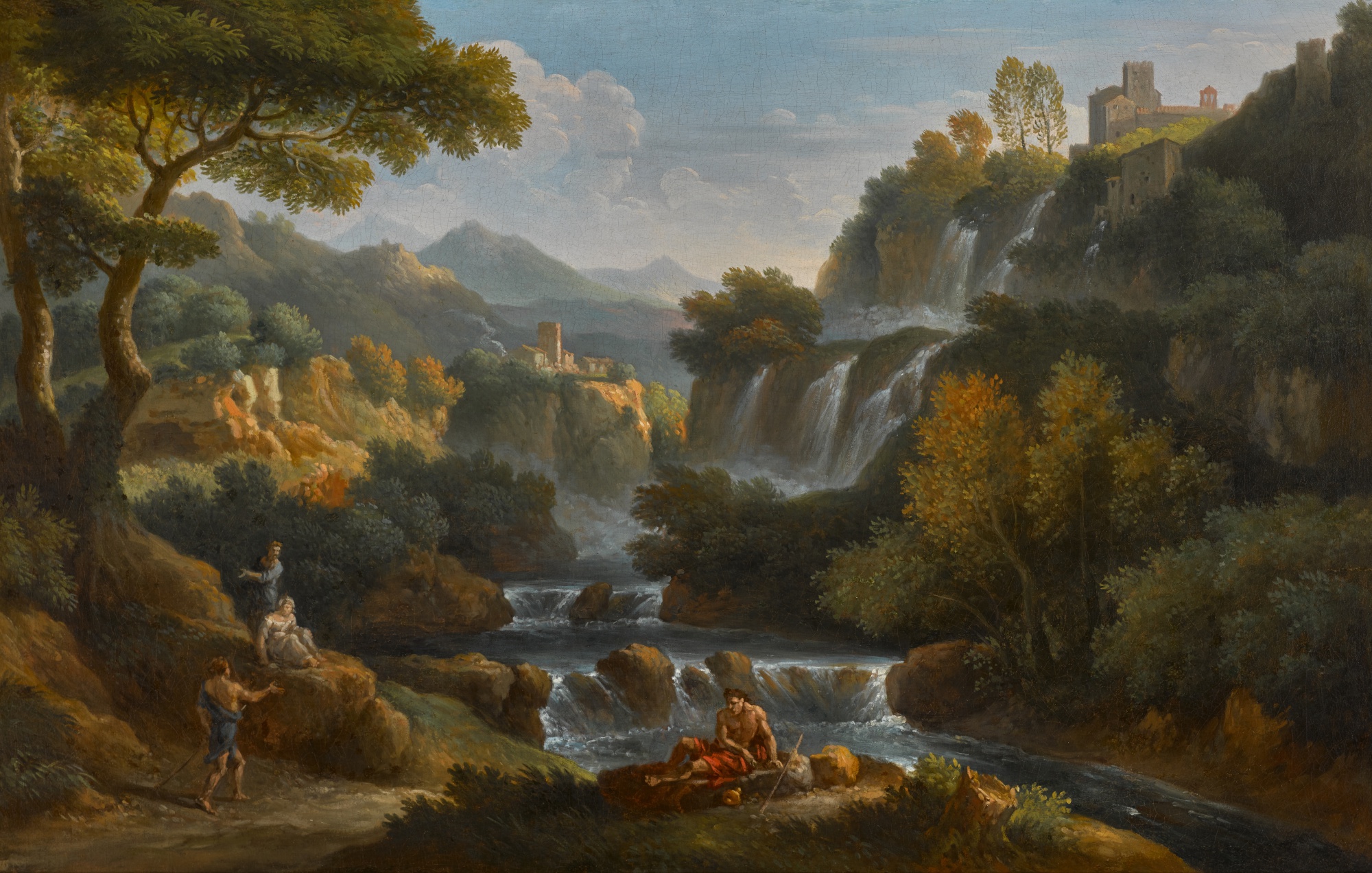
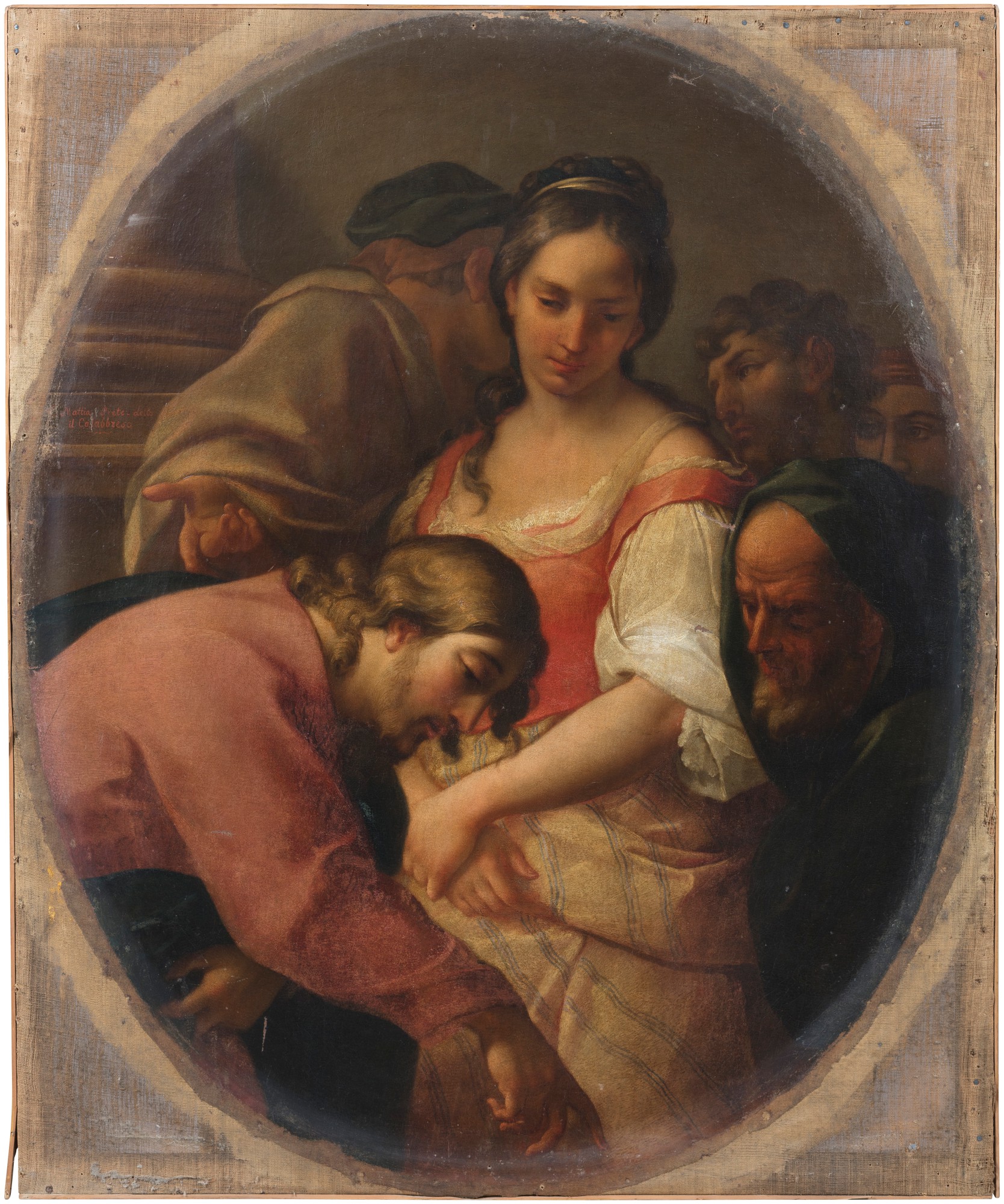
His work sits at the intersection of the Roman School and the Northern European tradition, and auction results for his paintings have shown steady and sometimes surprising strength. A signed and dated Campagna view in good condition can move into the low six figures at the major London houses, and collectors who have followed his market carefully know that fine examples appear rarely enough to make them worth pursuing when they do. The Roman School of the eighteenth century more broadly has benefited from a gradual critical rehabilitation. For a long time these works were treated as handsome but essentially decorative, the wallpaper of the Grand Tour.
Elger Esser
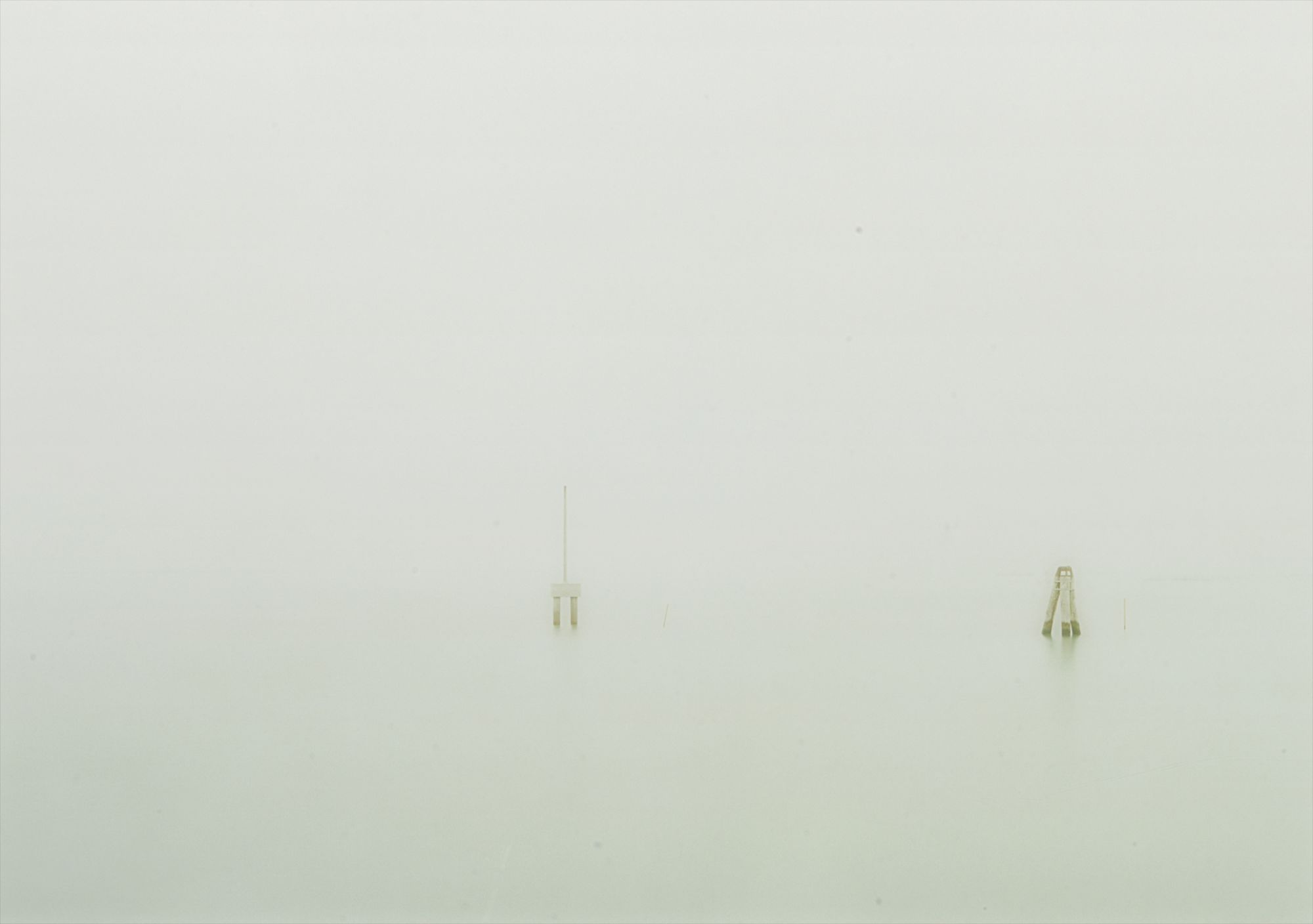
Palude dei Laghi, Italien
Curators and scholars including those writing in the Burlington Magazine and the pages of Apollo have pushed back on that assessment, making the case that the best of these landscapes encode sophisticated ideas about classical memory and the relationship between ruin and renewal. That critical revision has not gone unnoticed by the market. Collectors who came to this area early, often through the decorative arts trade, have watched their holdings appreciate quietly and consistently. Elger Esser represents the most compelling contemporary extension of this sensibility.
His large scale photographs of Italian and Mediterranean sites function almost as a philosophical response to the painted tradition, acknowledging its weight while finding something genuinely new within it. Esser, who studied under Bernd and Hilla Becher at the Kunstakademie Düsseldorf, brings that school's rigorous attention to typology and seriality into dialogue with a more lyrical and frankly romantic relationship to southern light. His work has been collected seriously by institutions including the Museum of Modern Art and major German museums, and his auction trajectory has been upward for over a decade. For collectors who find Richter too expensive at the top of the market and too unpredictable at the lower end, Esser offers a genuinely significant photographic practice at a price point that still makes sense.
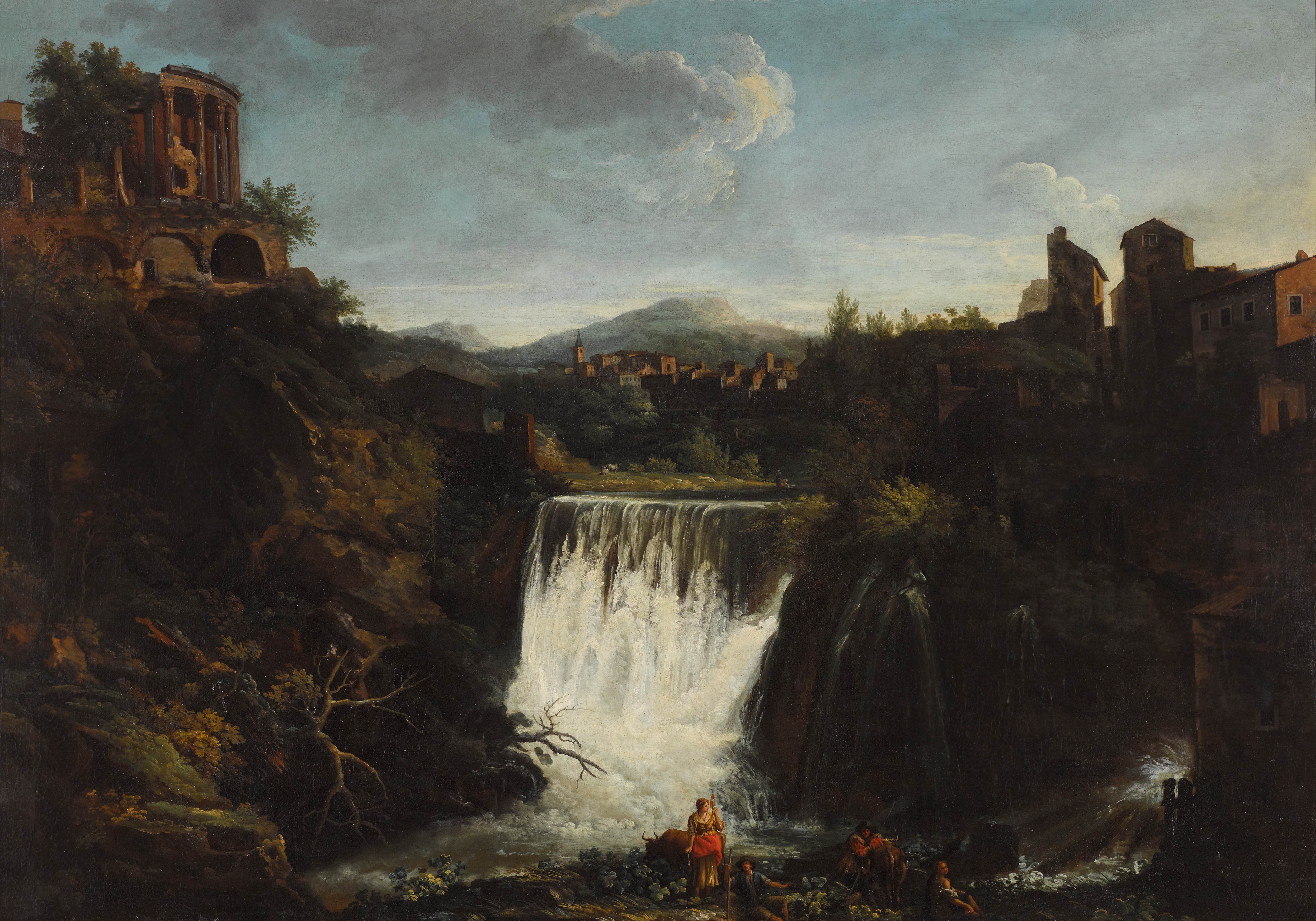
Roman School, 18th century
The Falls at Tivoli
Gerhard Richter's relationship to the Italian landscape tradition is oblique but worth considering. His photo paintings from the 1960s and 1970s occasionally take tourist imagery as their source material, and there is a persistent critical argument that his grey paintings owe something to the tonal restraint of the northern painters who went south and found their palettes changed by Mediterranean light. Richter's market is its own ecosystem and needs little introduction, but his presence alongside more explicitly Italian subject matter on a platform like The Collection is a reminder that influence moves in unexpected directions. The tradition of Italian scenery is not just a subject.
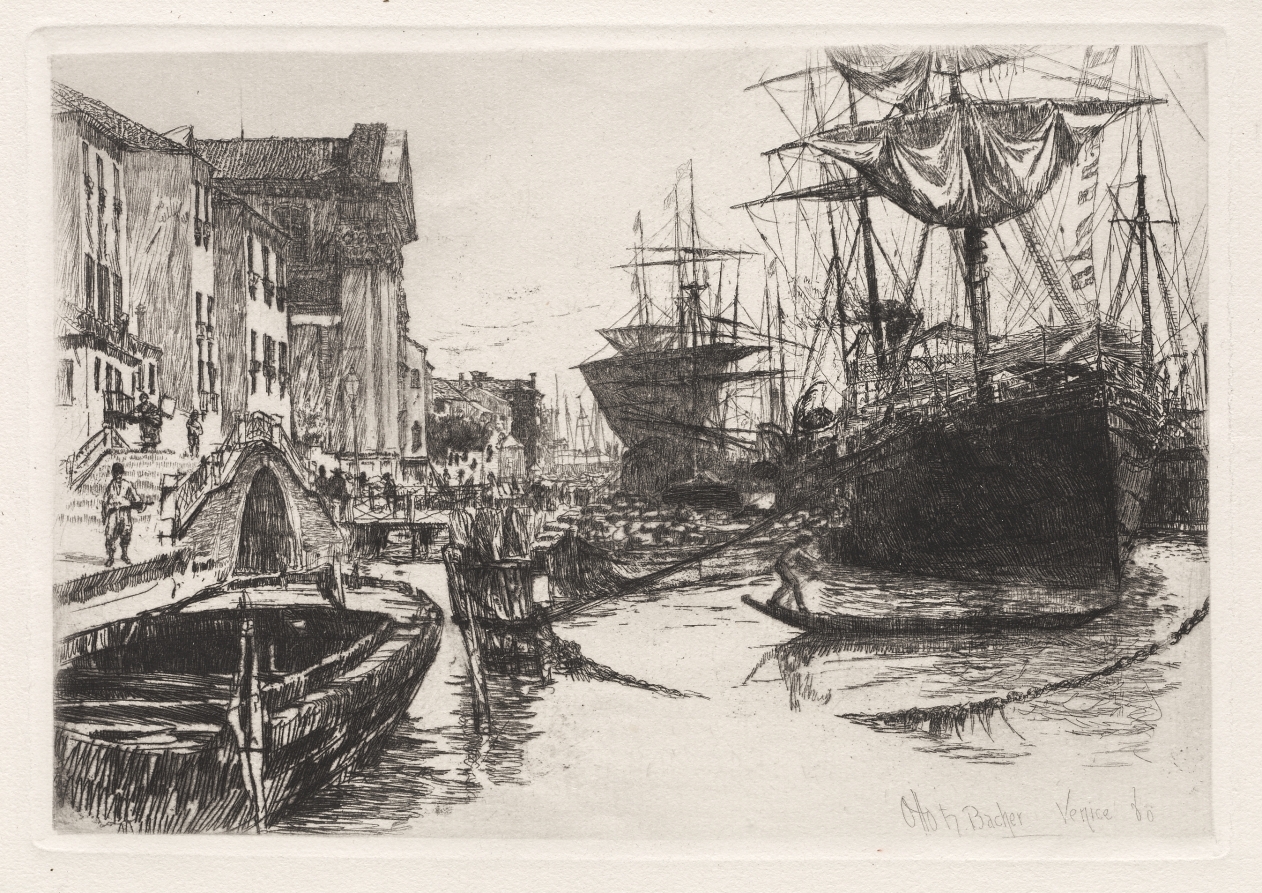
It is a way of organizing visual attention that has shaped modernism more deeply than most accounts acknowledge. Otto Bacher brings a specifically American angle into this conversation. An etcher and painter associated with the group of American artists who gathered around James McNeill Whistler in Venice in 1880 and 1881, Bacher documented the city with a directness and intimacy that still feels fresh. His Venetian etchings are collected by institutions including the Cleveland Museum of Art, and his work appears regularly at the specialized print sales where knowledgeable buyers compete quietly for the best impressions.
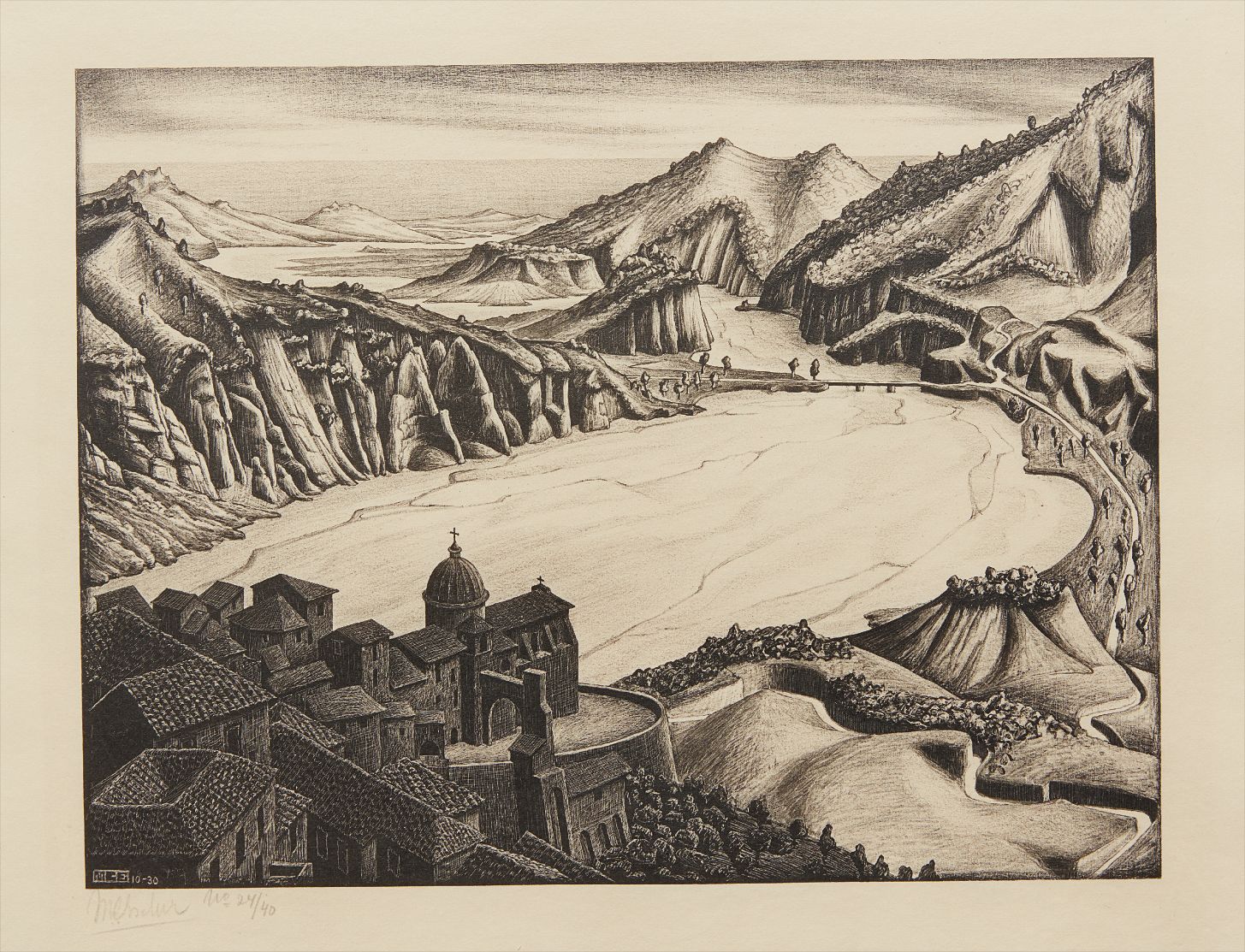
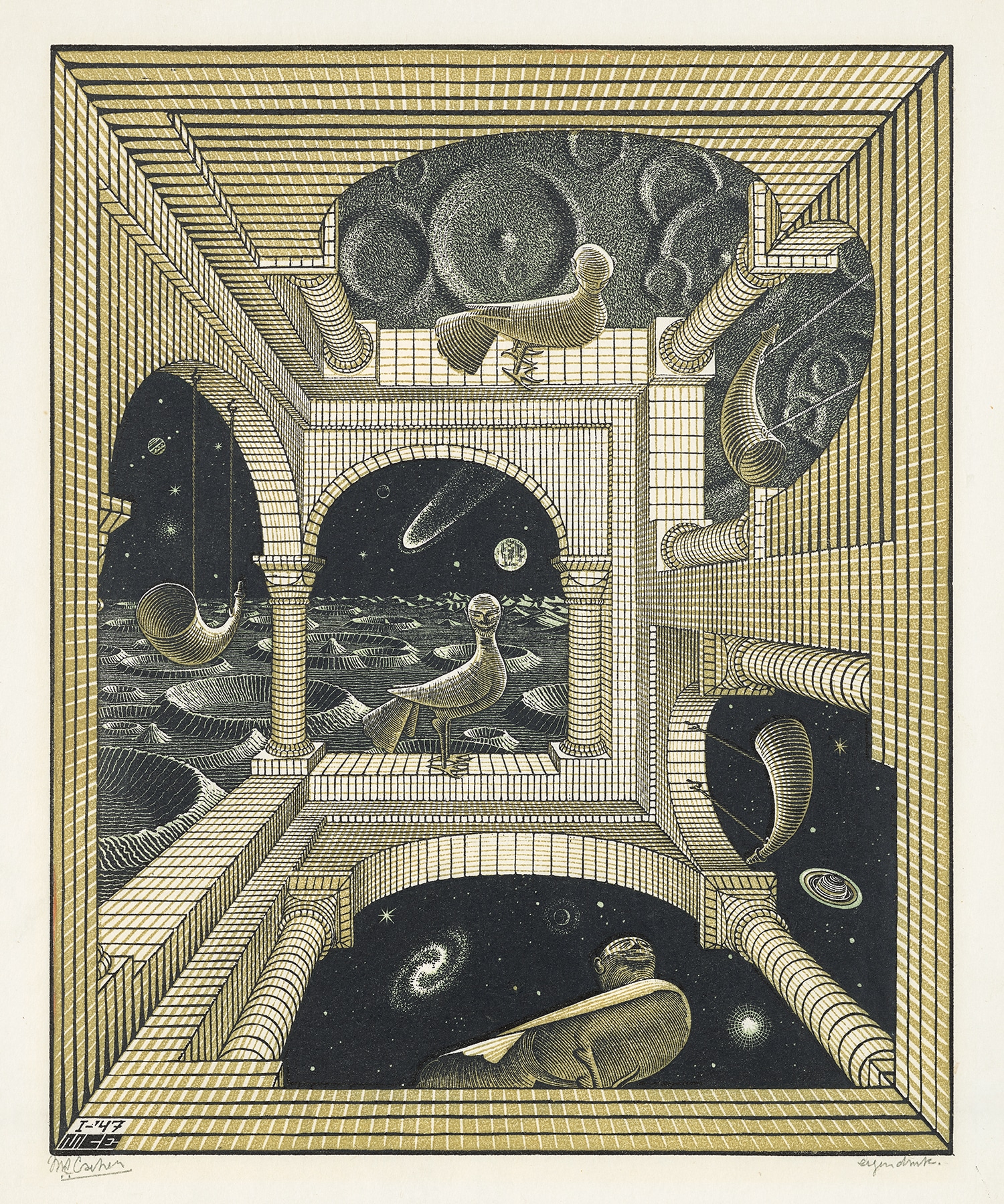
M.C. Escher
Fiumara (of Stilo), Calabria
He is not a household name outside specialist circles, but that relative obscurity is part of what makes his work interesting to a certain kind of collector. The presence of M.C. Escher in any conversation about Italian scenery requires a moment of reorientation.
Escher spent significant time in Italy during the 1920s and 1930s, and his early work from that period, the landscapes and architectural studies made before the mathematical fantasies took over, shows a genuine sensitivity to place. It is a part of his output that tends to be overshadowed by the more famous tessellations and impossible structures, but it connects him to a real tradition of northern artists whose visual thinking was transformed by Italian experience. Where is the energy going in this category? The most interesting signal right now is the convergence of institutional interest in the veduta tradition with serious collector appetite for contemporary artists who are consciously working within or against that tradition.
The gap between the eighteenth century Roman School and a photographer like Elger Esser turns out to be narrower than it first appears. Both are asking the same fundamental question: what does it mean to stand in a landscape that already carries centuries of expectation, and how do you make something true there. That question does not have an answer, which is precisely why it keeps producing interesting art.