Israeli Artist
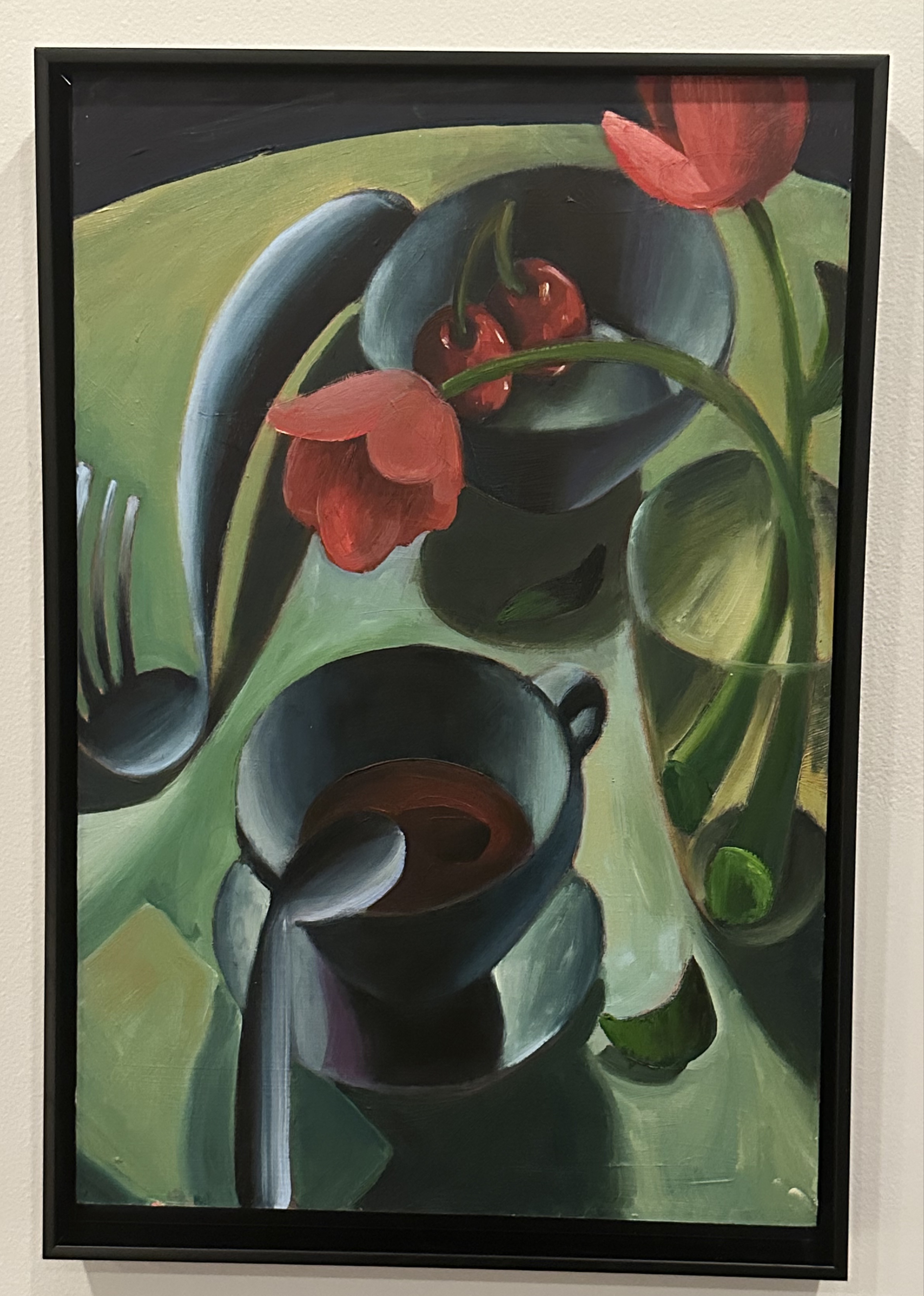
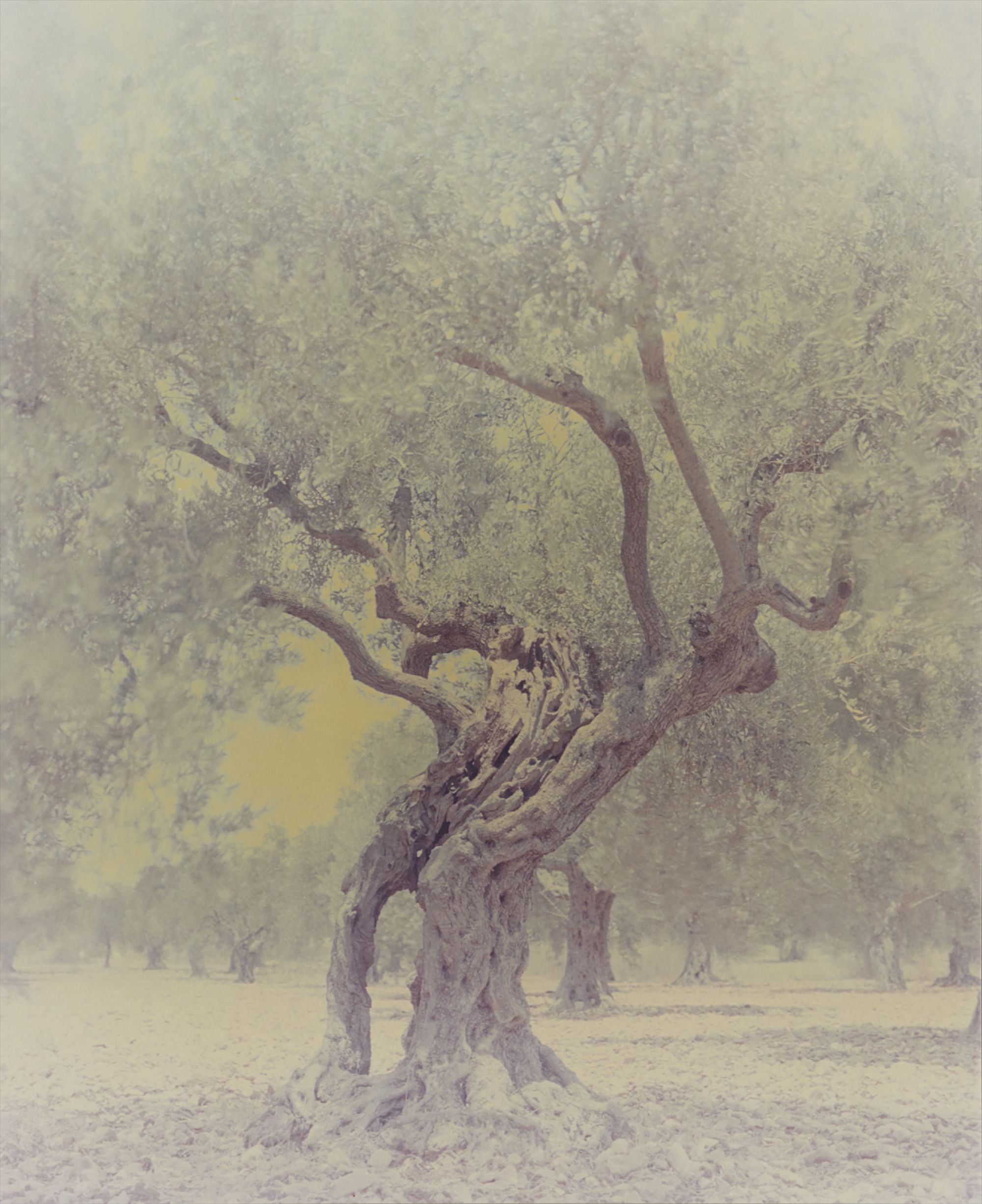
Yam Shalev
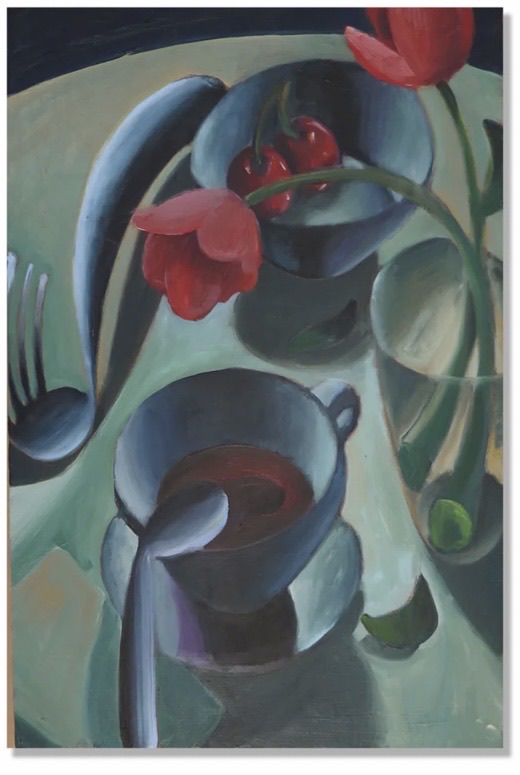
"Table Corner" 2026, 2026
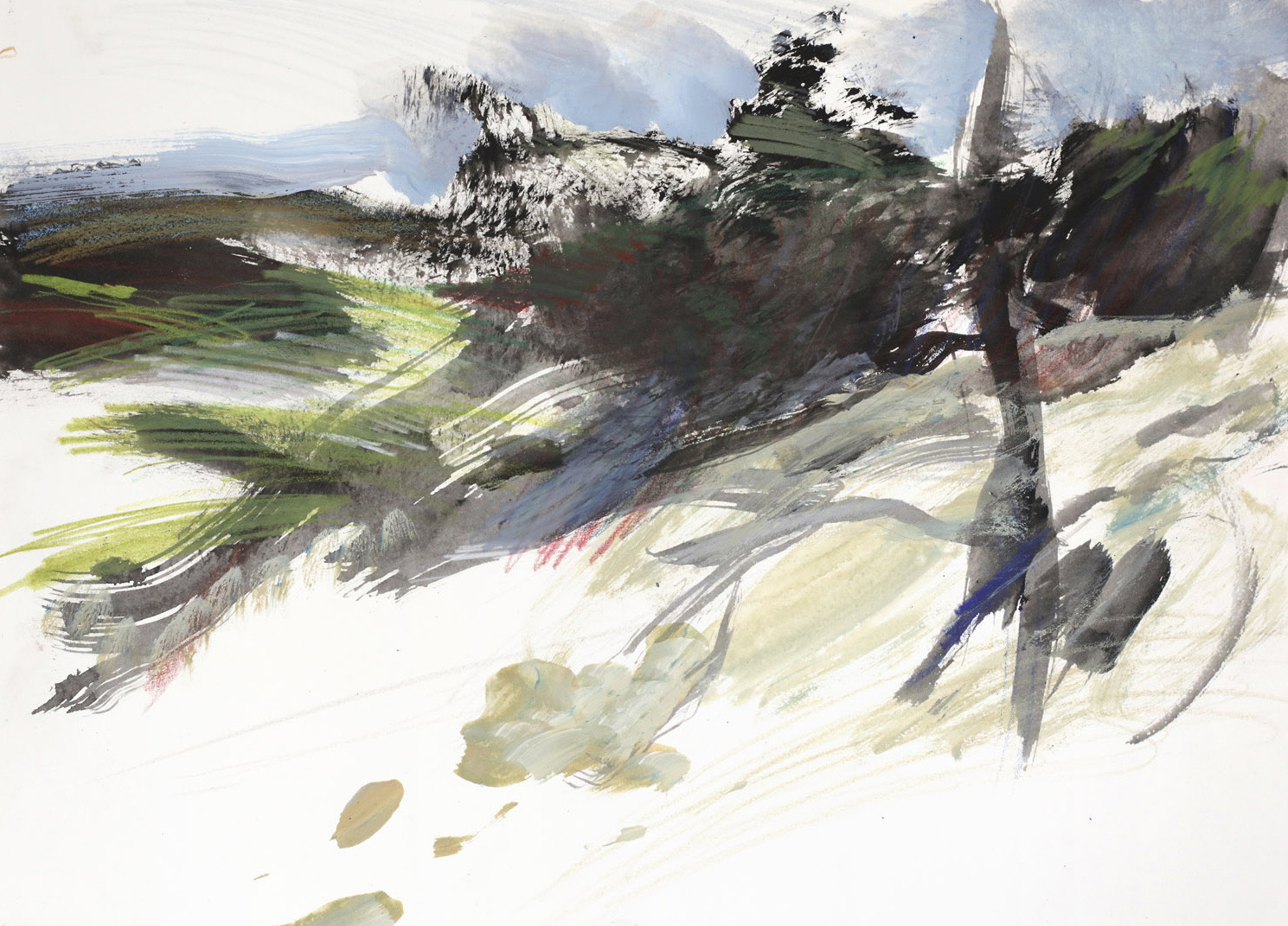


The Israeli Eye Reshaping Global Art
There is a particular quality of light in Israeli art that has nothing to do with geography and everything to do with urgency. It is the light of a culture that has processed displacement, statehood, war, and technological acceleration within a single century, and somehow translated all of it into objects of startling beauty and uncompromising vision. To look closely at the arc of Israeli art from the early twentieth century to the present is to encounter one of the most compressed and consequential artistic traditions in the modern world. The story begins long before the establishment of the State of Israel in 1948, in the studios and salons of early Zionist pioneers who brought European academic training to the shores of the Mediterranean.
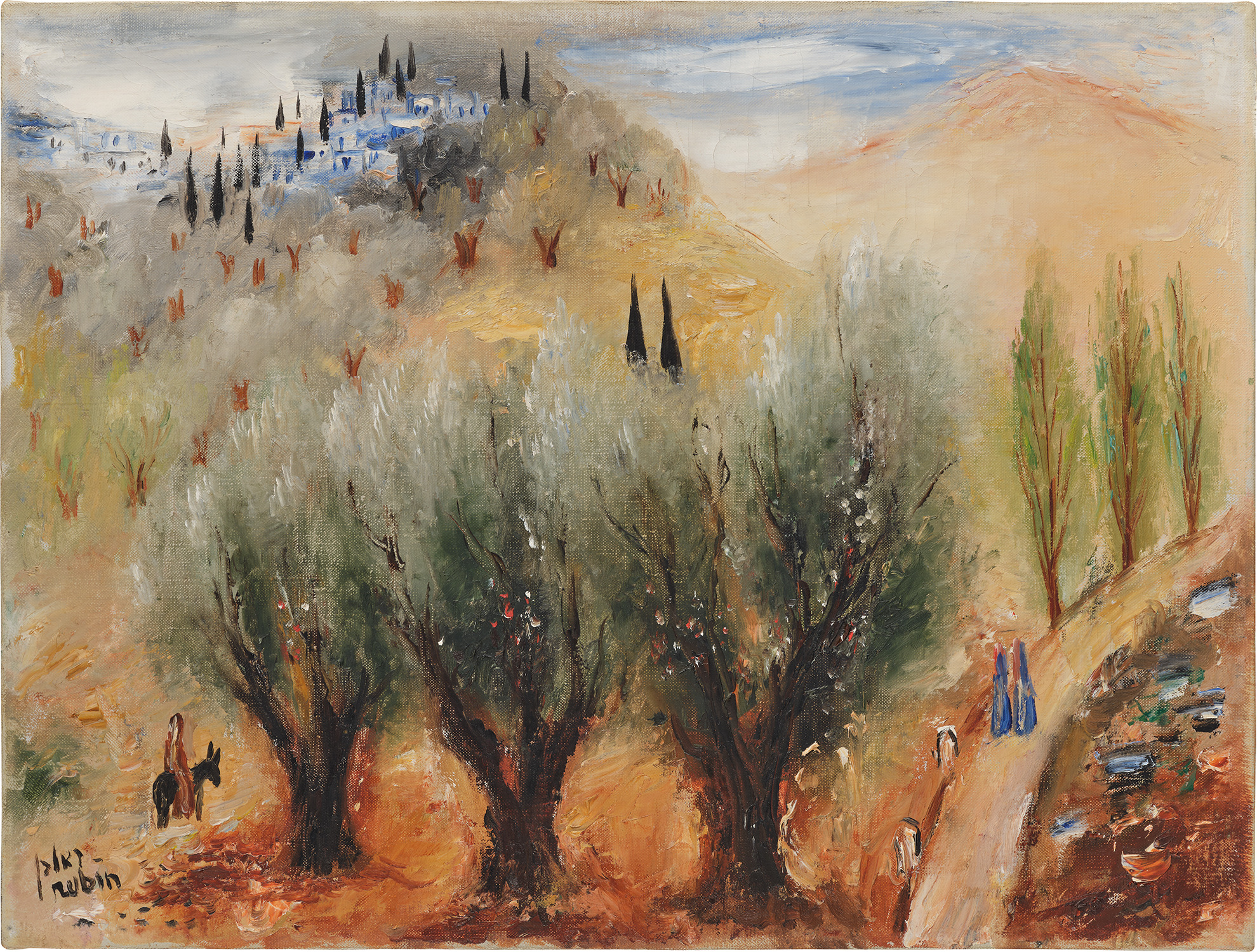
Reuven Rubin, born in Romania in 1893, arrived in Palestine in the 1920s and found something he had been searching for across Paris and Florence: a landscape that felt mythic and immediate at the same time. His paintings of Jaffa fishermen and flowering cactus groves fused post impressionist color with an almost devotional relationship to place. Rubin became the first Israeli ambassador to Romania after independence, but his real diplomatic work was done on canvas, teaching the world how this new nation saw itself. His works on The Collection carry that founding energy, the sense of a culture in the act of inventing its own visual language.
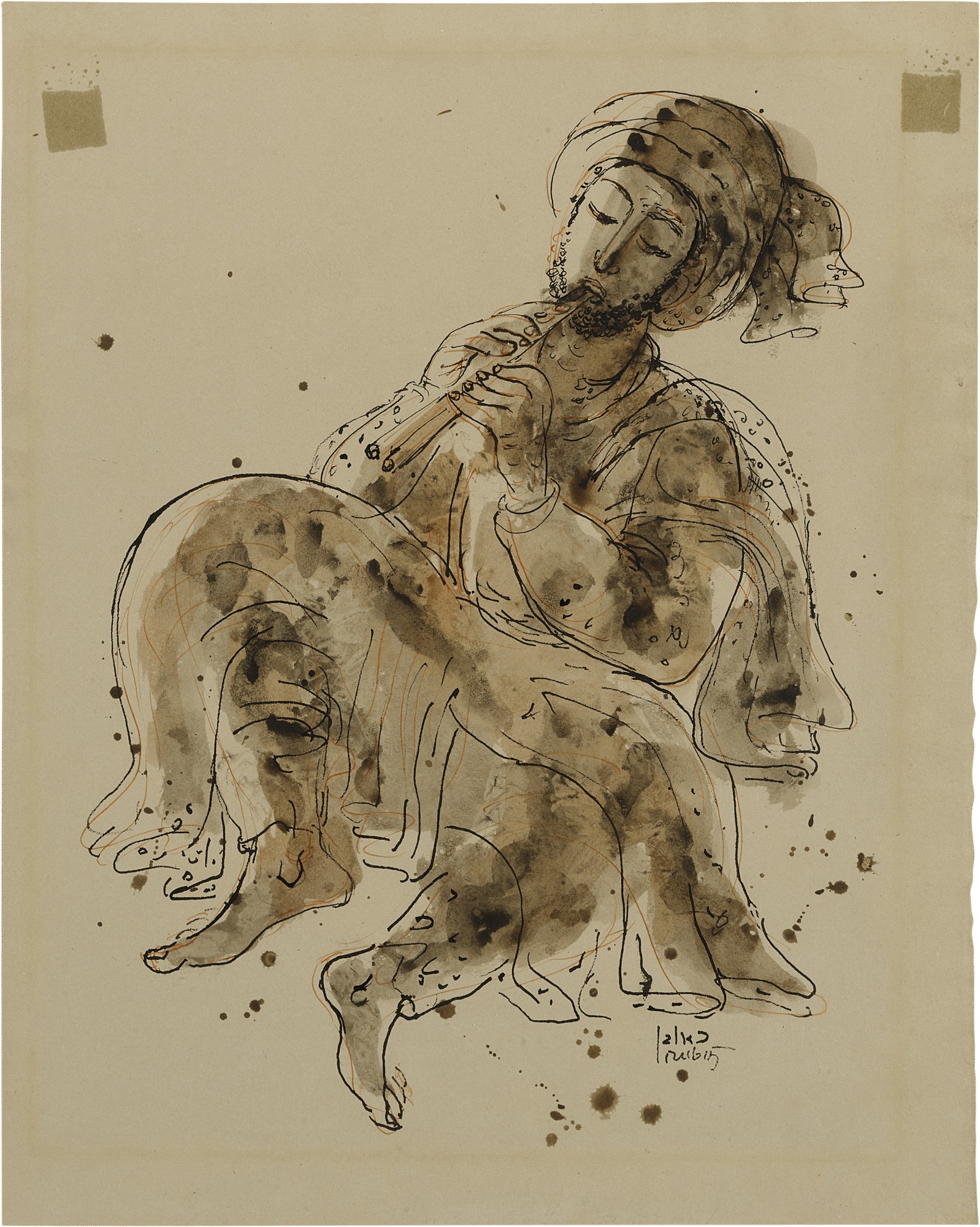
Reuven Rubin
Flute Player, 1950
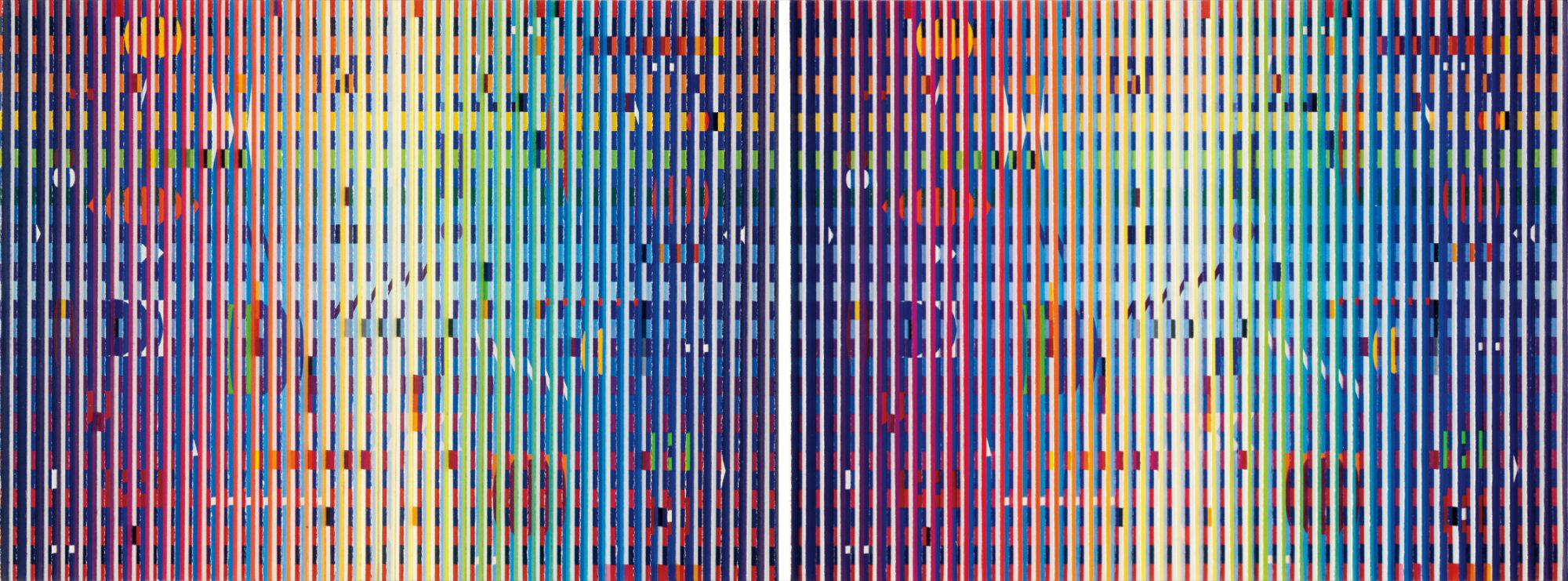
The decade following Israeli independence saw the emergence of the New Horizons group, formed in 1948, which pushed Israeli painting decisively toward abstraction. Yaacov Agam, who would go on to international prominence with his kinetic and optical works, was shaped by this climate of formal experimentation even as he moved beyond it. Agam studied under Johannes Itten at the Kunstgewerbeschule in Zurich and later became associated with the Galerie Denise René in Paris, where he exhibited alongside Calder and Tinguely. His signature works, those rippled reliefs that shift and recombine as the viewer moves past them, anticipated participatory and interactive art by decades.
Agam was not merely interested in the eye. He was interested in time, in the idea that a single image could contain multiple truths depending on where you stood. By the 1980s and 1990s, a generation of Israeli artists had absorbed the critical vocabulary of conceptualism, photography, and video without abandoning the emotional directness that marks so much of the tradition. Michal Rovner, who trained in Tel Aviv and later New York, became one of the most internationally recognized figures of this era.
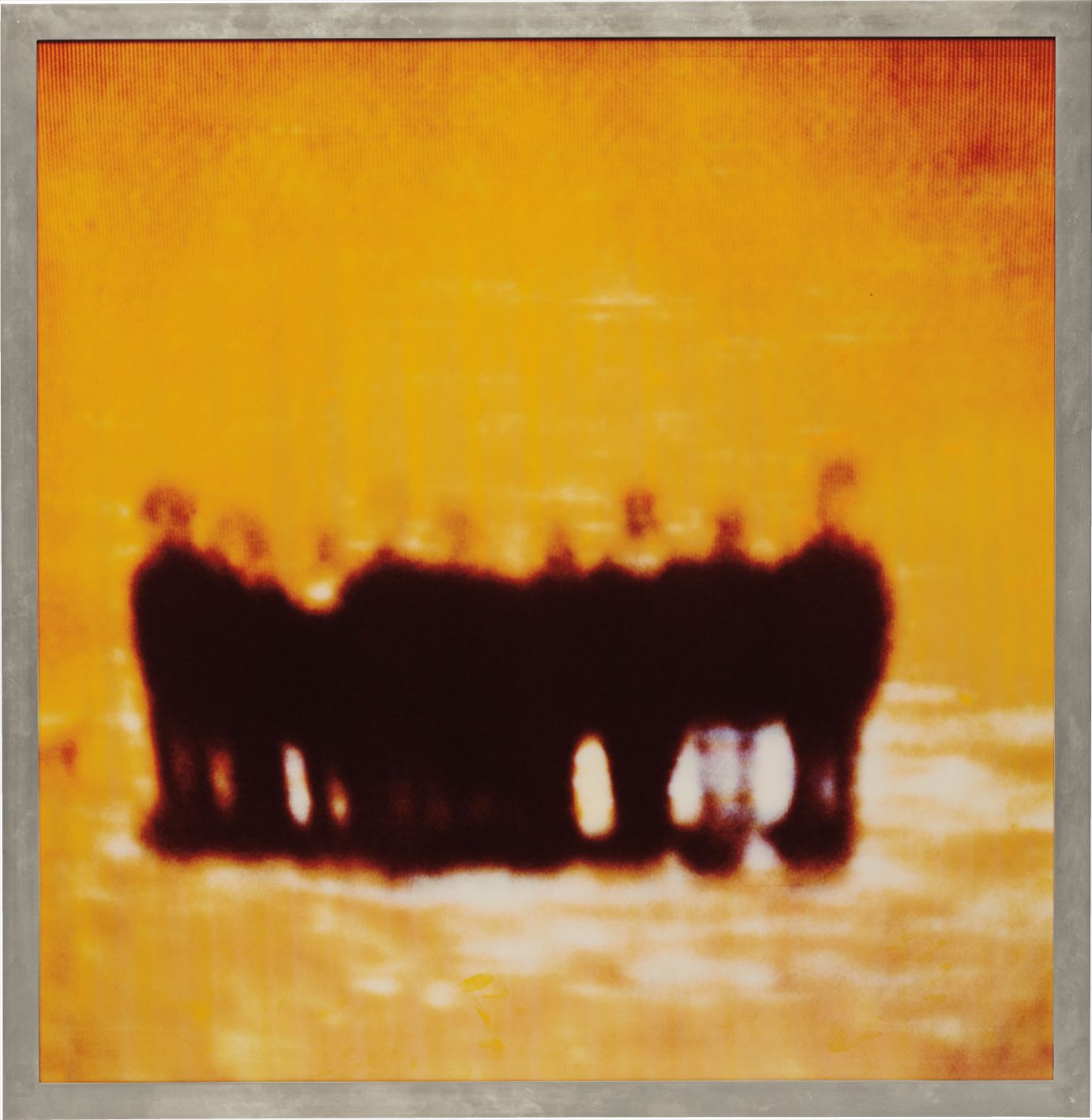
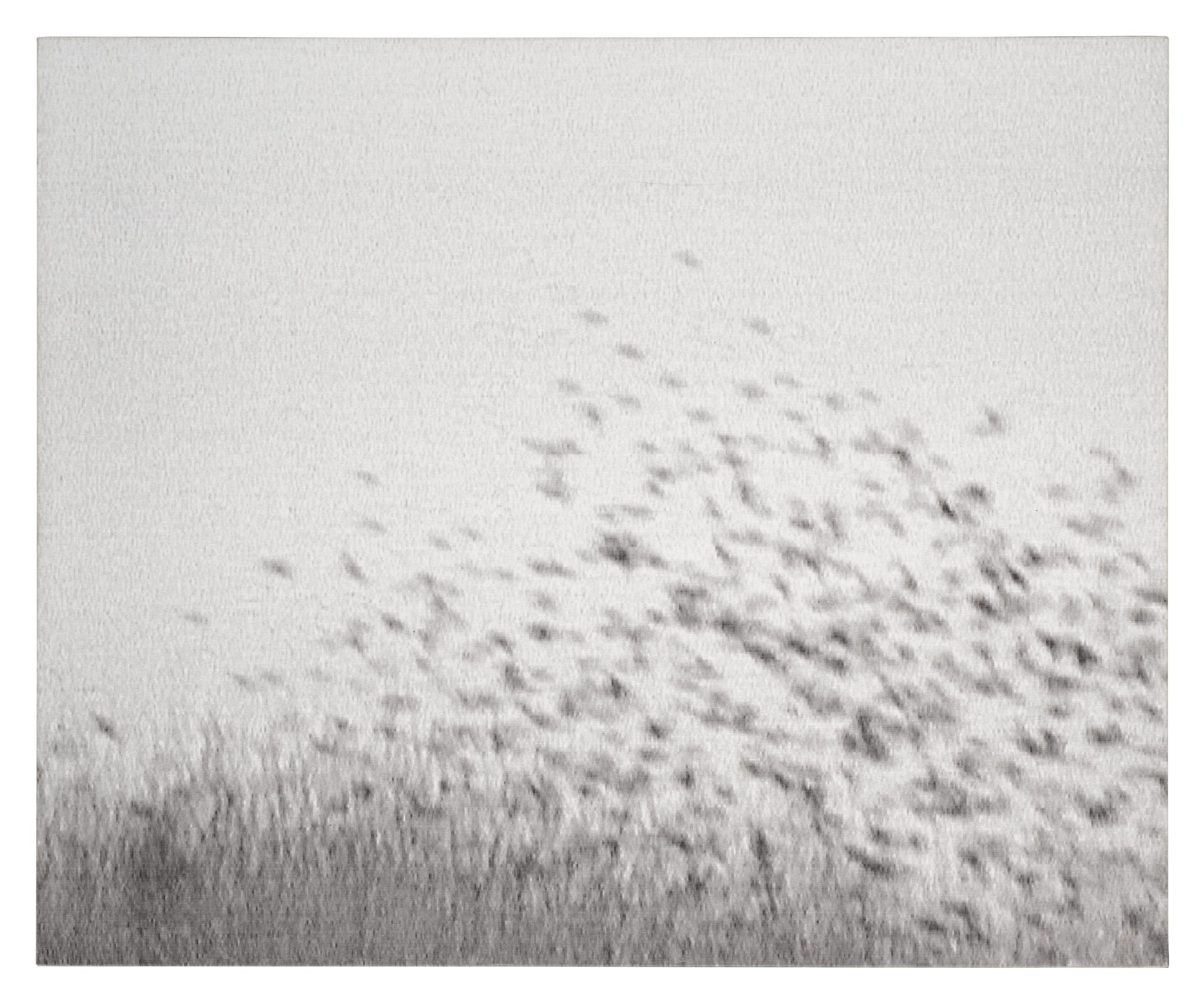
Michal Rovner
Merging P#1
Her large scale video installations, which blur human figures into abstract masses and flows, were shown at Documenta 11 in 2002 and acquired by major museums including the Whitney. Rovner works at the intersection of the individual and the collective, asking what remains of a person when they are reduced to a gesture or a silhouette. It is a question with profound resonance given the history she moves through, though she always refuses to let the work become merely illustrative. Her presence on The Collection speaks to a sensibility that operates on a genuinely global frequency.
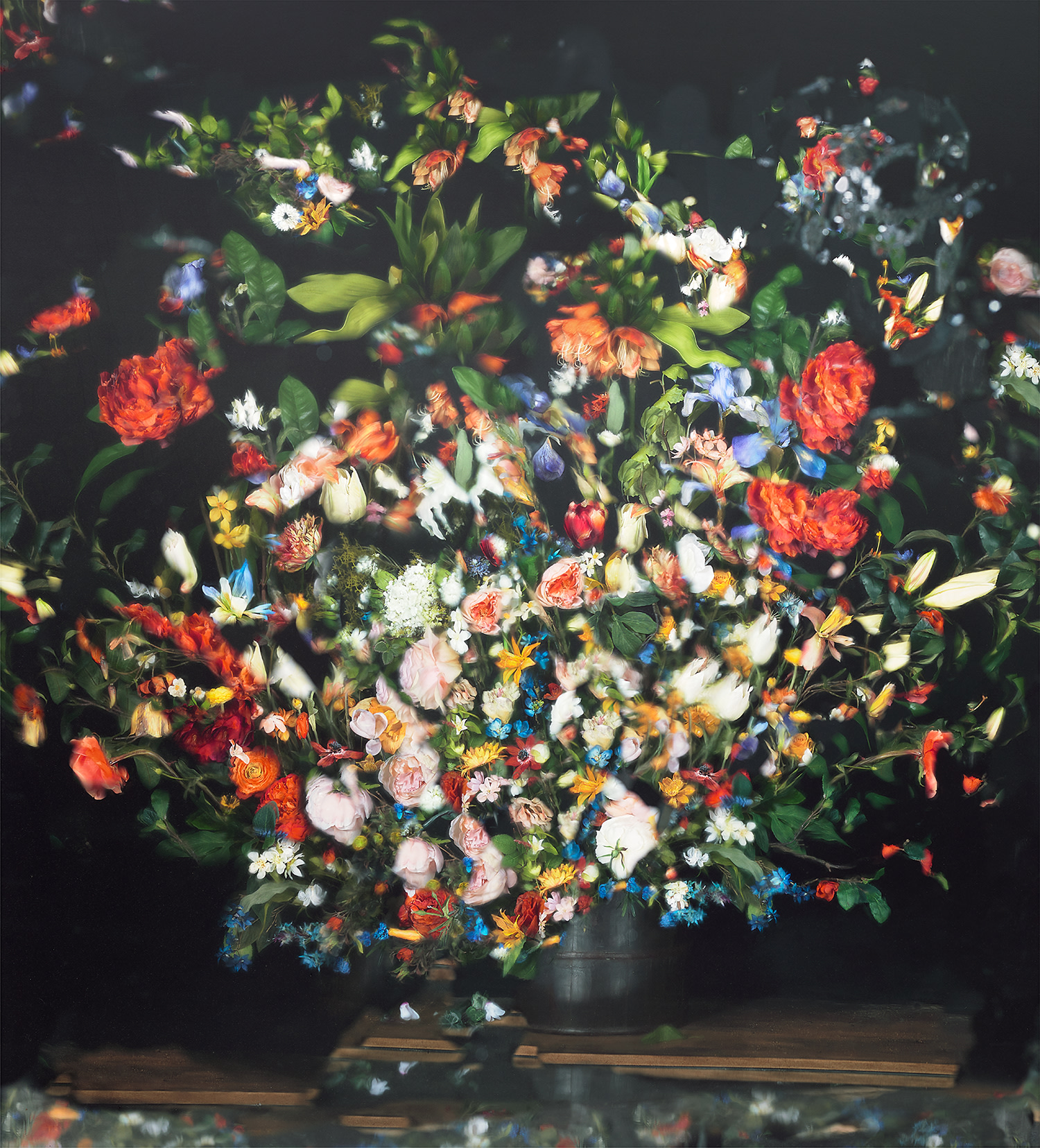
The photography that came out of Israel in the 1990s and 2000s was similarly ambitious and internationally attuned. Barry Frydlender spent years developing his composite photographic works, painstakingly layering images taken over extended periods to produce panoramas that contain multiple moments within a single surface. His piece Power (2004) collapses hours of activity at a Tel Aviv beachfront into one seamless image, creating something that looks like a photograph but behaves like painting. Ori Gersht, working from London, brought a different intensity to image making, filming flowers exploding in slow motion, photographing landscapes scarred by memory and history.
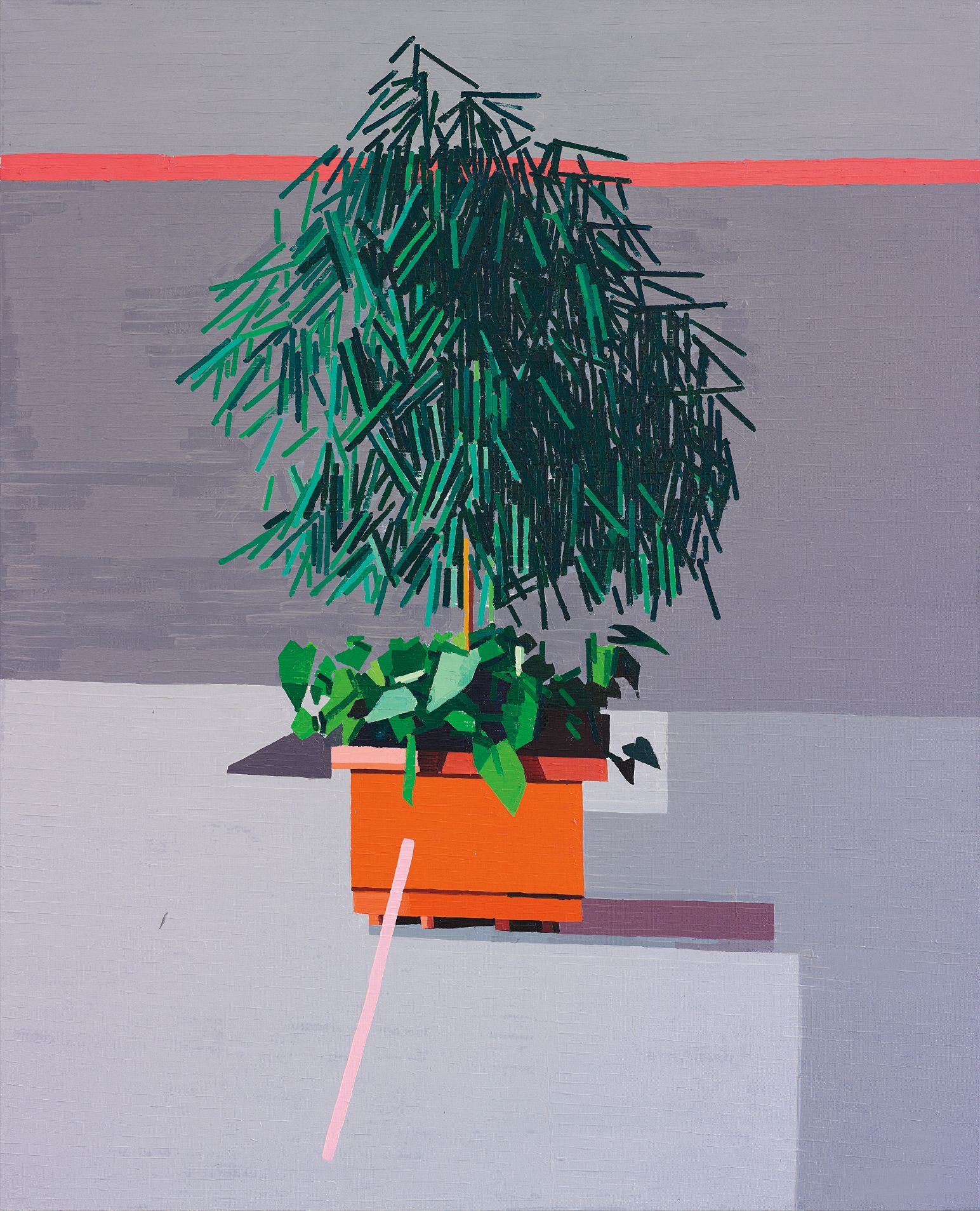
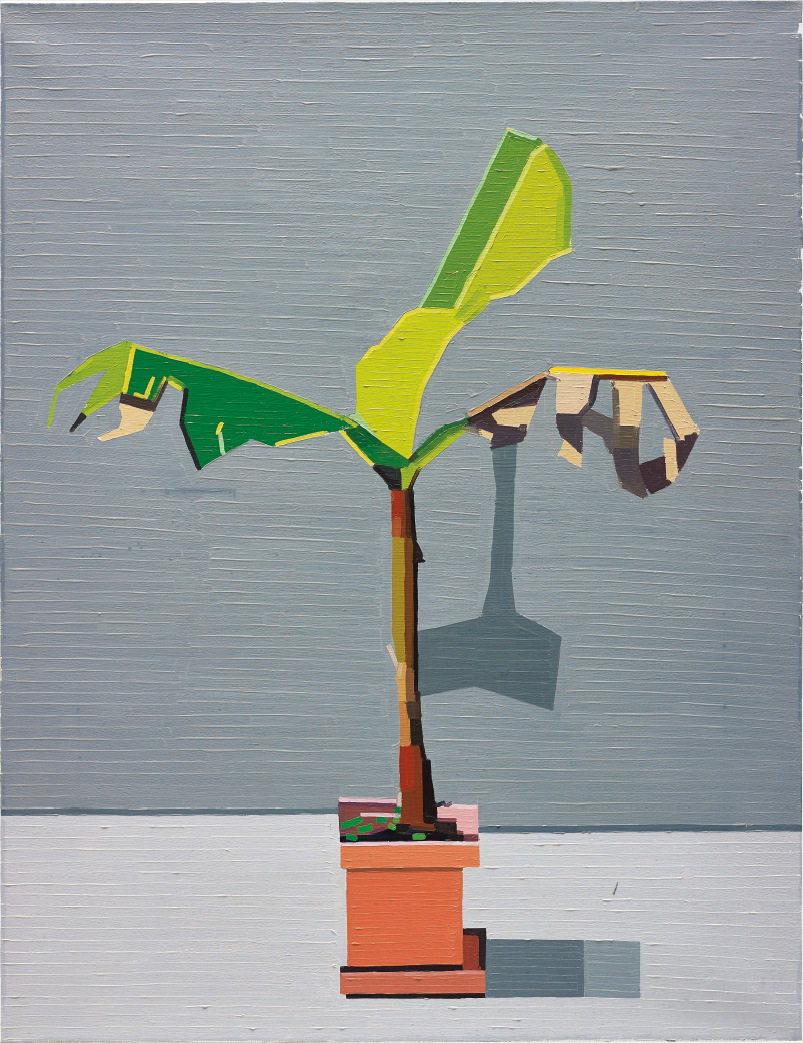
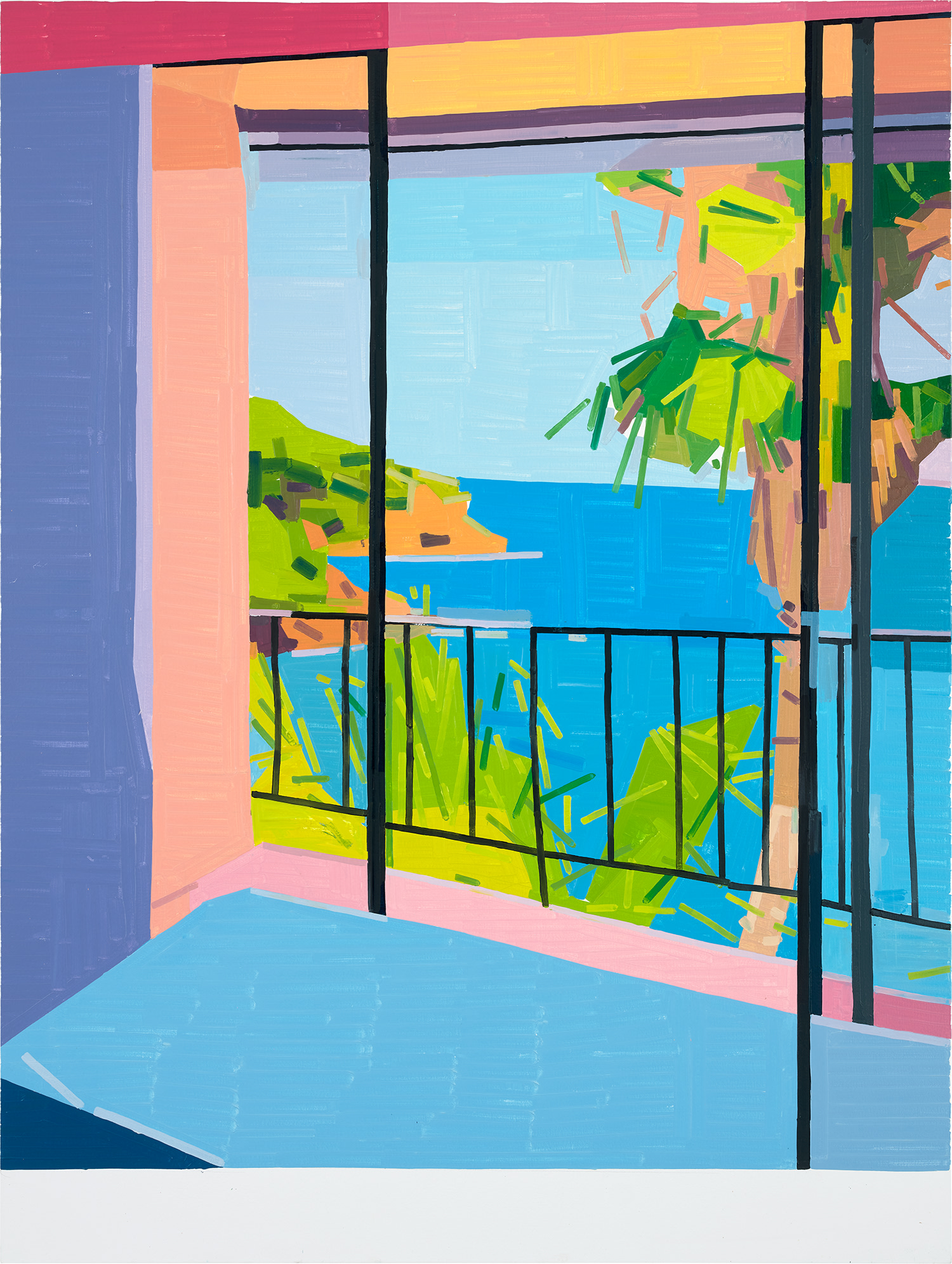
Guy Yanai
Bye Torino
Gersht studied at the University of Westminster and has exhibited at institutions across Europe and the United States, earning recognition for a practice that treats beauty as something that must be reckoned with rather than simply received. A younger wave of artists has dispersed across New York, Los Angeles, and London while remaining in active dialogue with their Israeli formation. Guy Yanai, who divides his time between New York and Tel Aviv, makes paintings of domestic interiors and everyday moments that carry an almost unbearable delicacy. His color sense, flattened and precise, owes something to Matisse and something to the graphic clarity of design, but the emotional register is entirely his own.
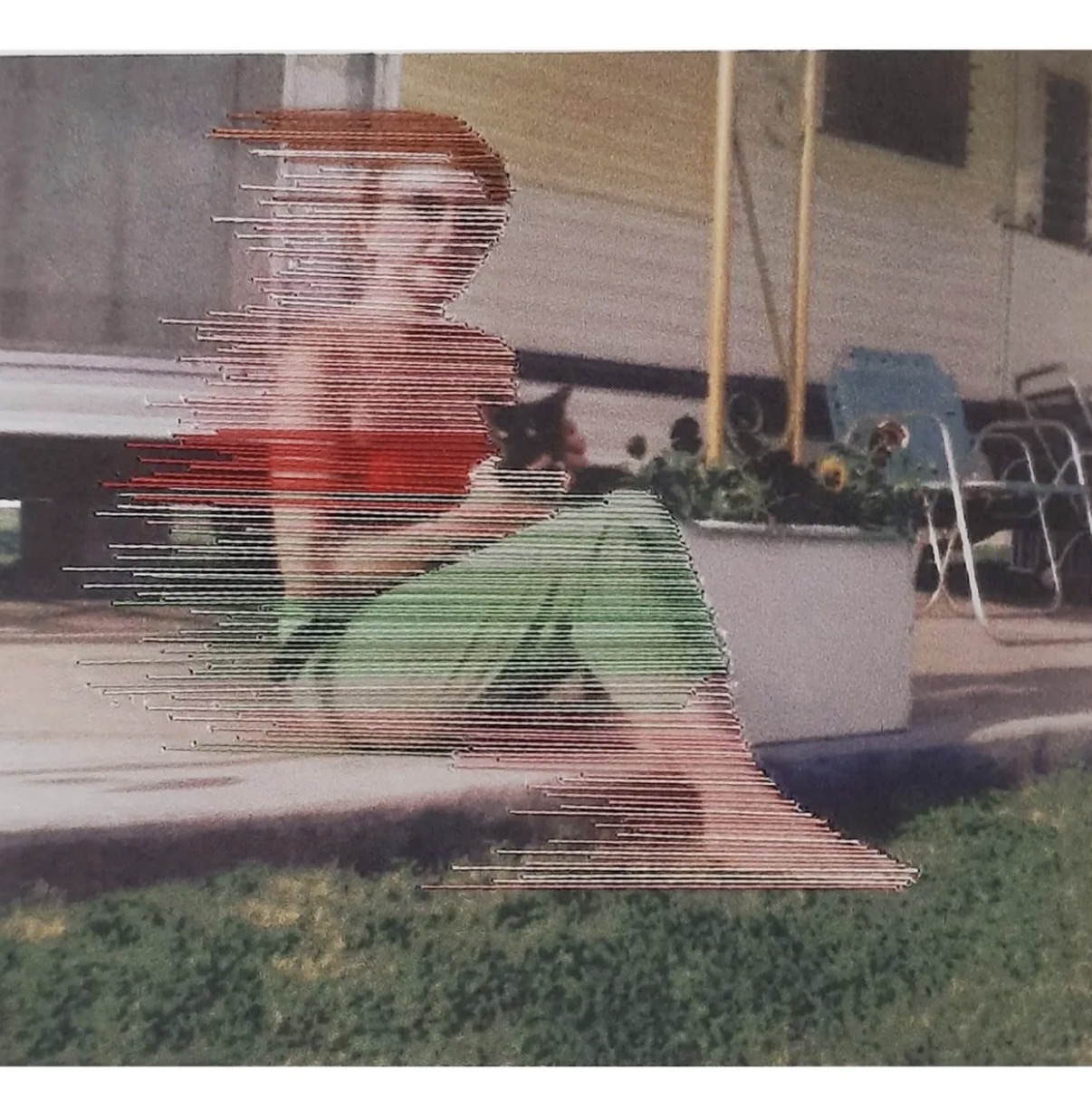
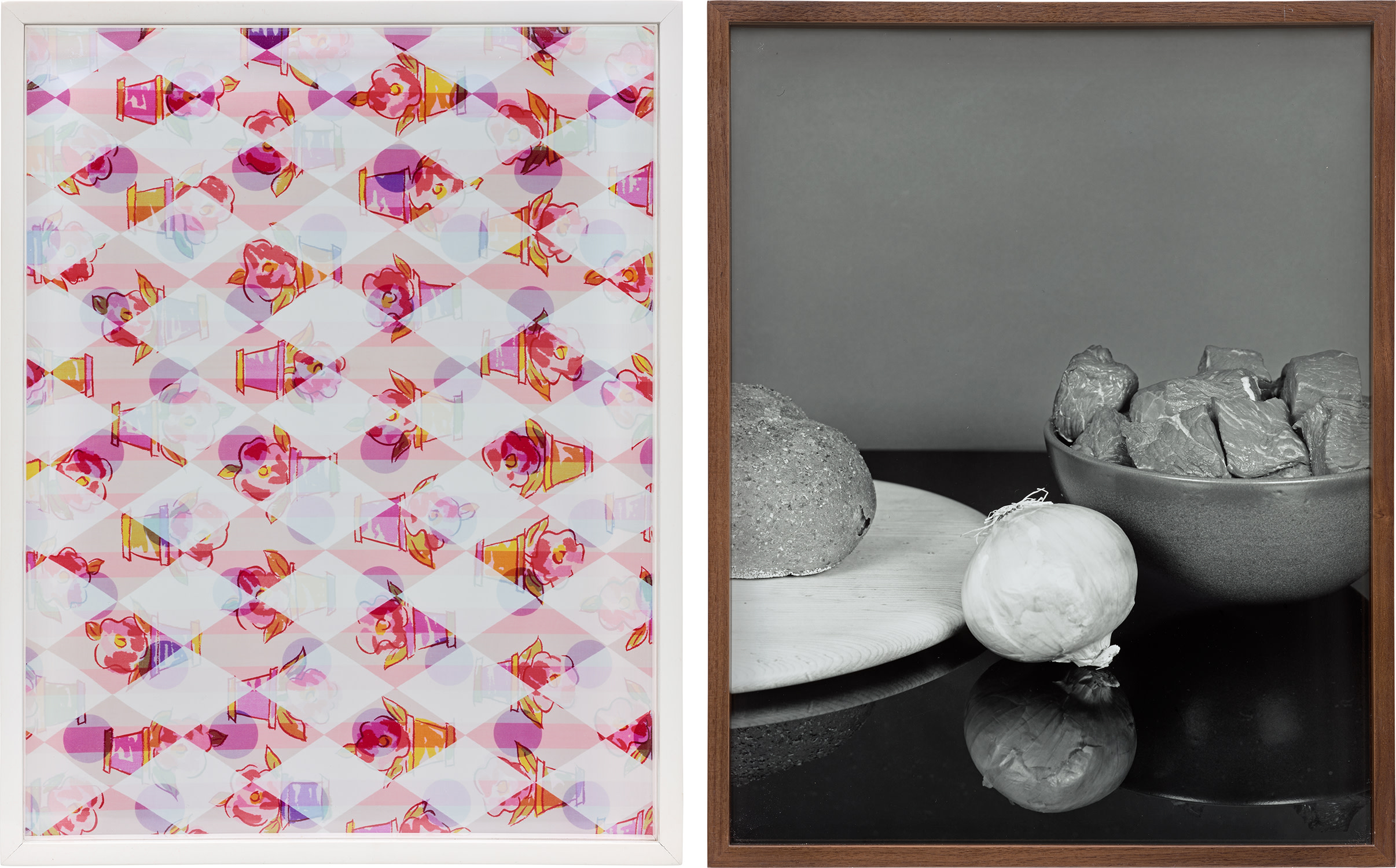
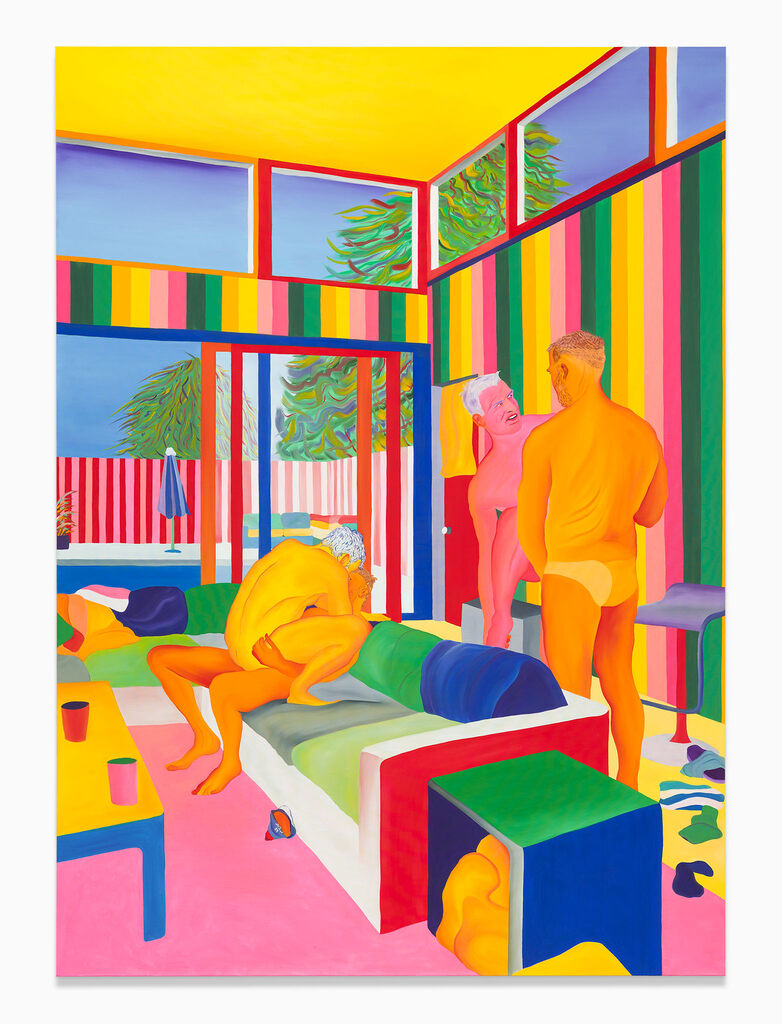
Elad Lassry, based in Los Angeles, works with found photography in ways that interrogate how images circulate and accrue meaning over time. Doron Langberg, a queer painter whose lush figurative canvases have attracted serious institutional attention, was born in Israel and trained in the United States, and his work exemplifies the ease with which this generation moves between contexts without losing a grounded perspective. Yigal Ozeri brings photorealist technique to the female figure with an intensity that invites comparison to the old masters even as it remains stubbornly contemporary. What unites artists as formally diverse as Naama Tsabar, whose sculptures and performances often transform musical instruments into bodies, and Hagar Vardimon, or Avner Ben Gal with his psychologically pressured canvases, is a willingness to work at genuine extremes.
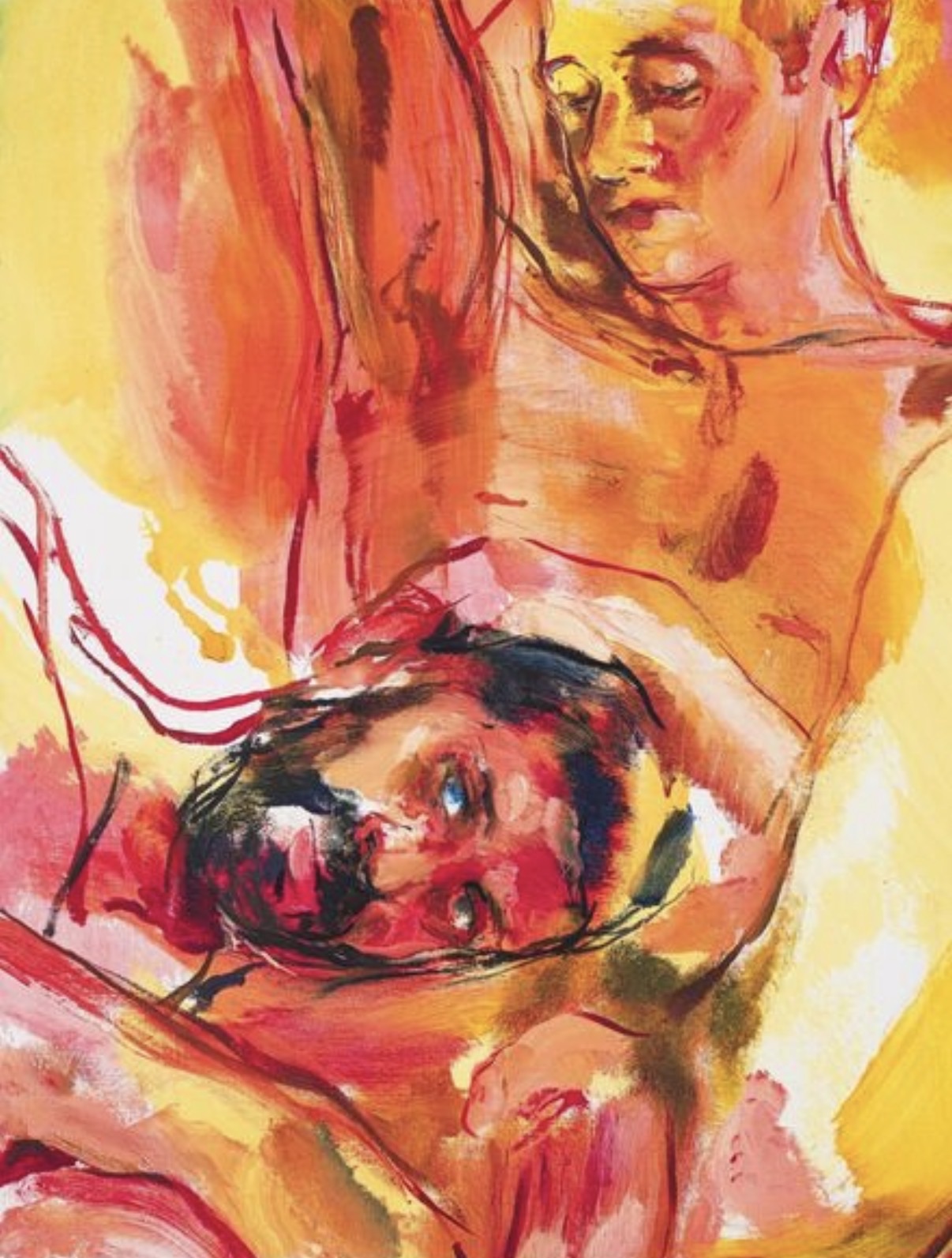
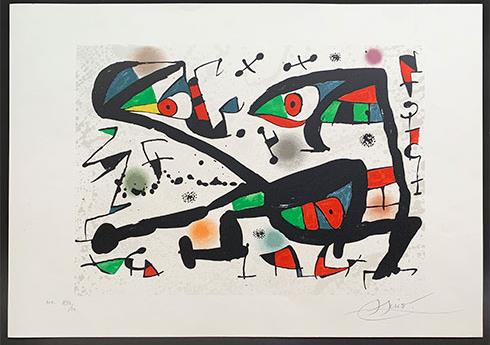
Doron Langberg
Untitled
Israeli art does not tend toward the safe middle. It has been forged in conditions that make ironic distance feel insufficient, and the best work demands that you meet it at full attention. The critic and curator Sarit Shapiro wrote years ago that Israeli art is always negotiating between the local and the universal, between deep rootedness and radical openness, and this remains the most accurate description of what makes the tradition so generative. For collectors, the field rewards serious looking and sustained engagement.
The works gathered on The Collection offer an unusually coherent view of a tradition that spans the founding generation through to artists who are reshaping international conversations right now. To collect Israeli art is not simply to invest in individual objects. It is to participate in one of the most compelling ongoing arguments in contemporary culture, an argument about identity, history, visibility, and what it means to make something beautiful in the face of everything that resists beauty.