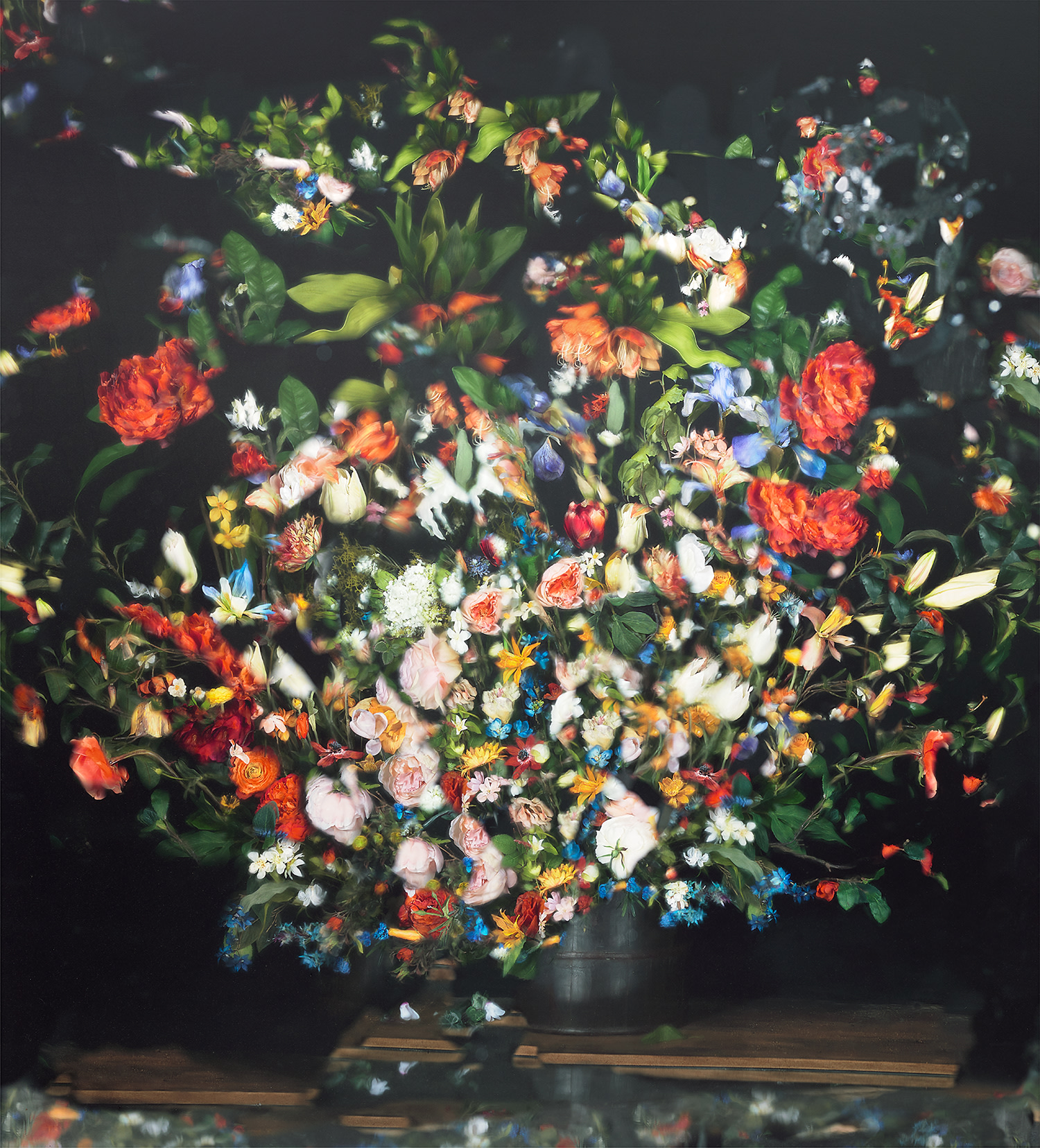
Ori Gersht
Artist Spotlight
Beauty and Memory, Brilliantly Illuminated
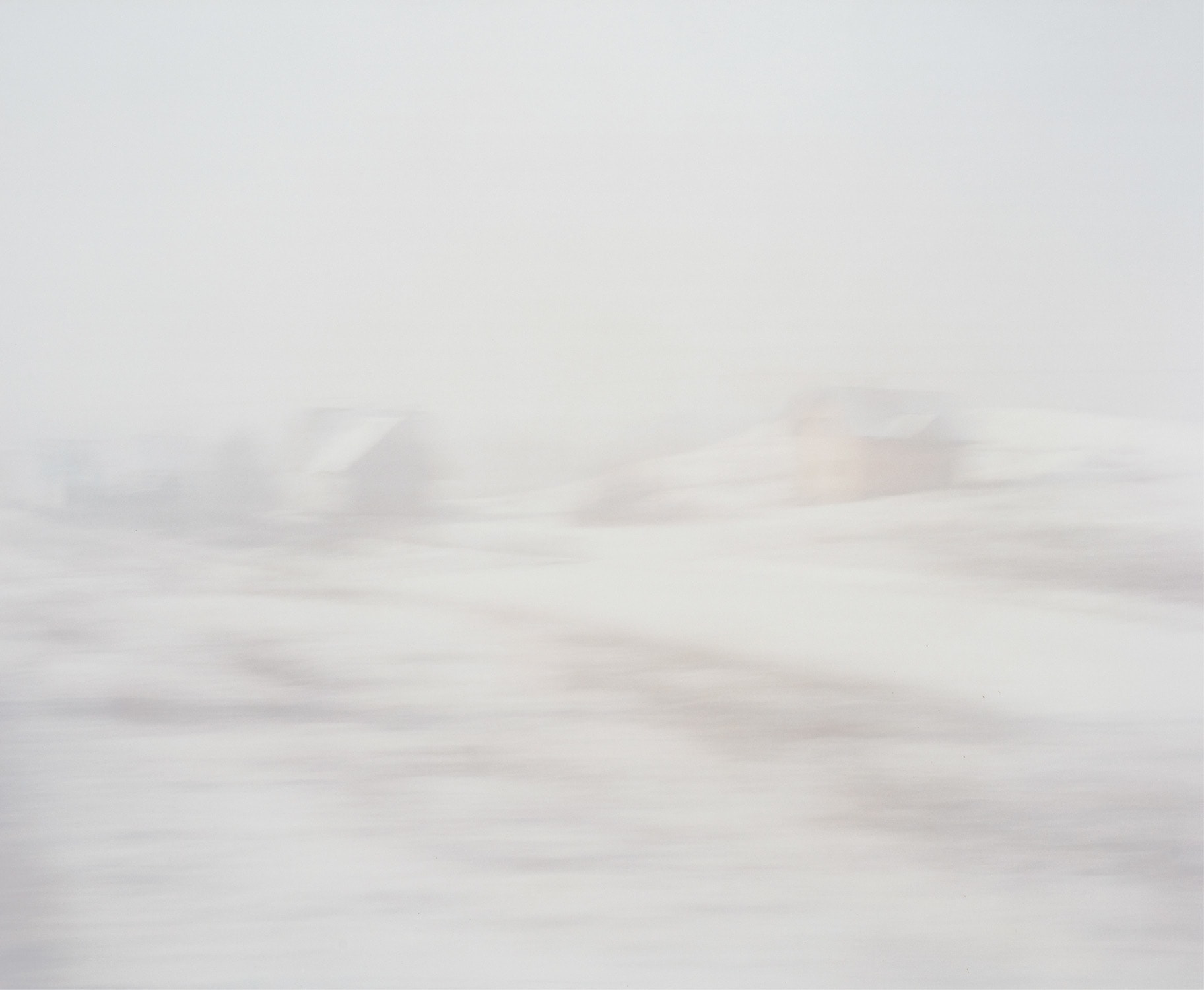
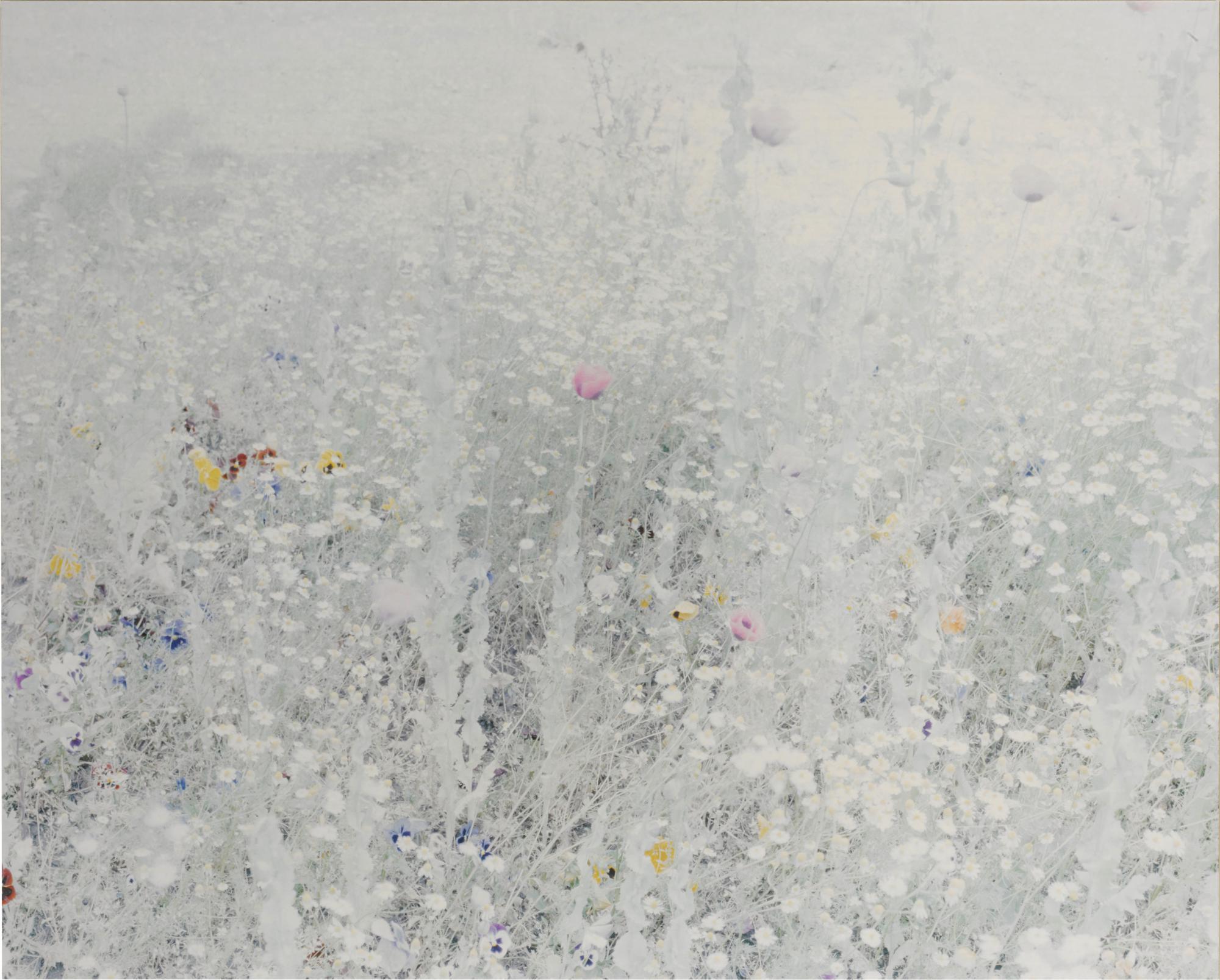
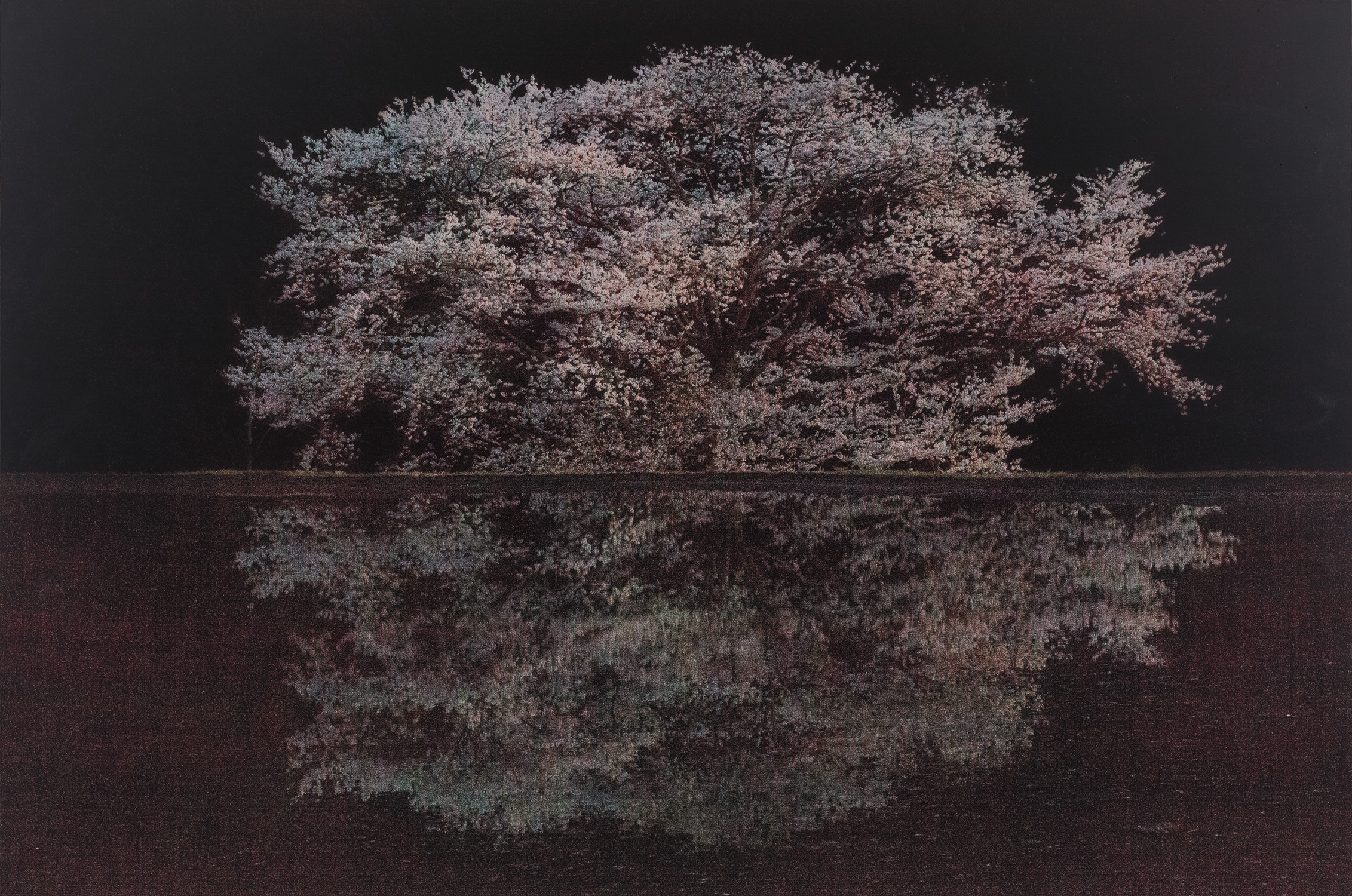
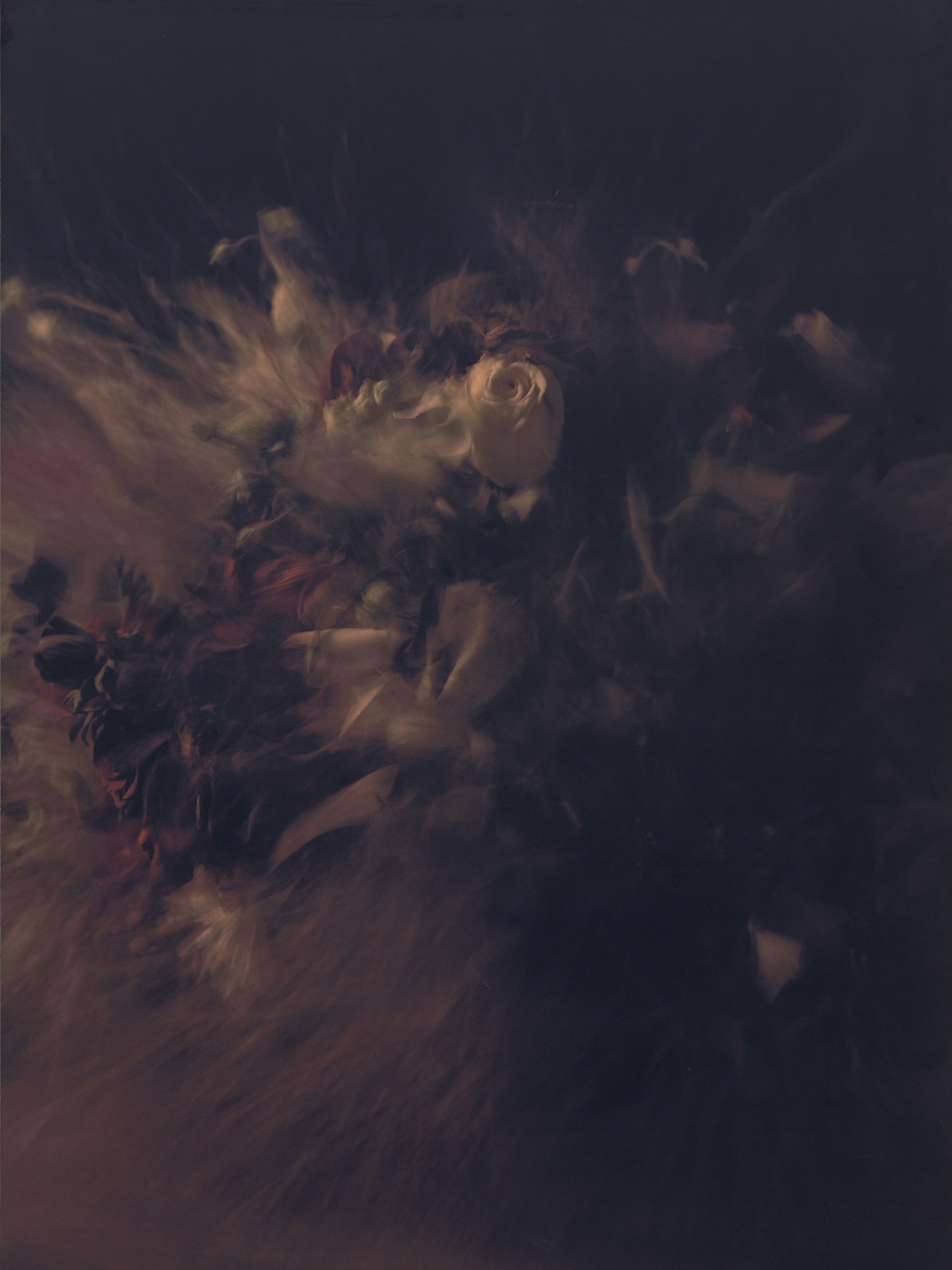
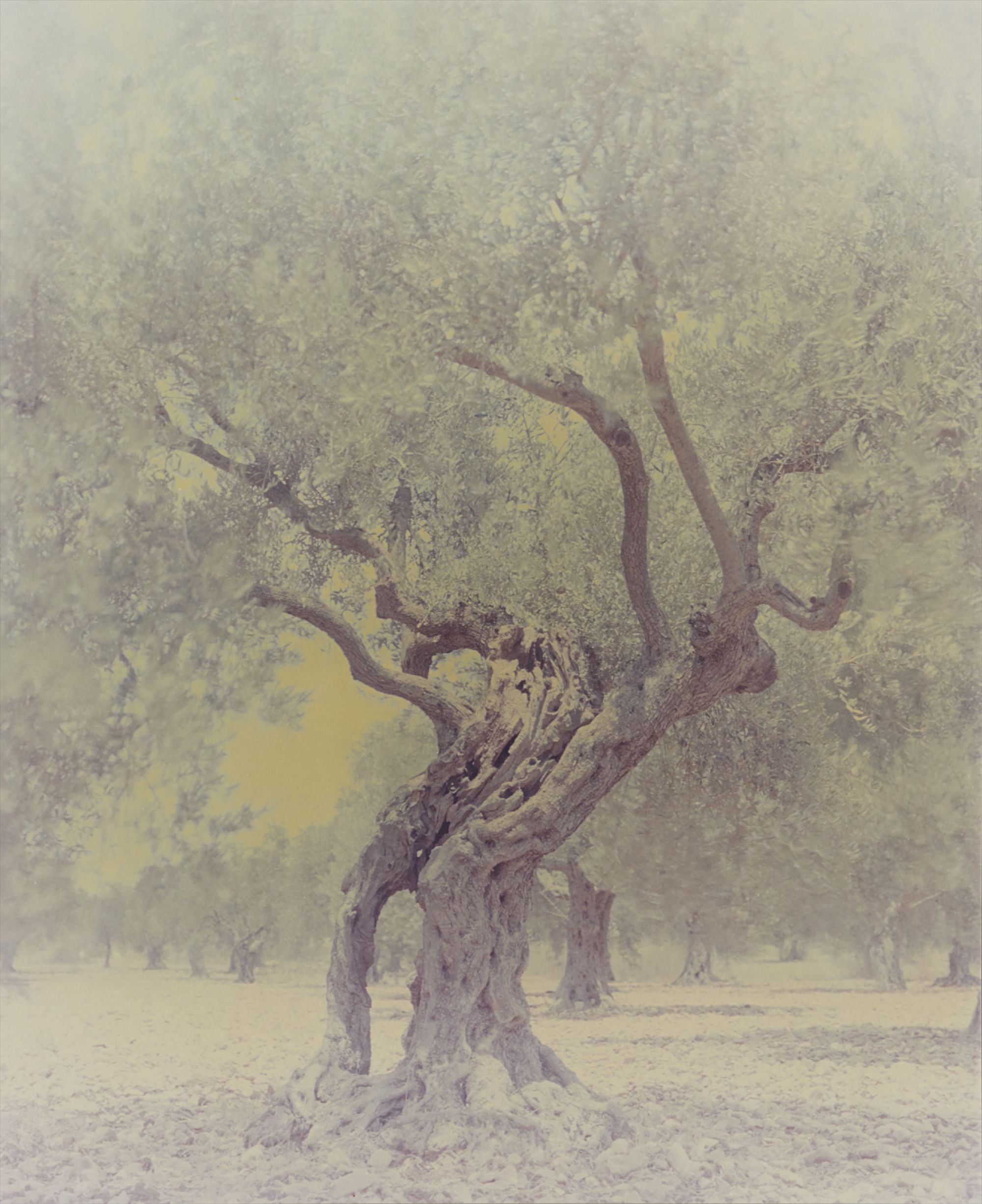
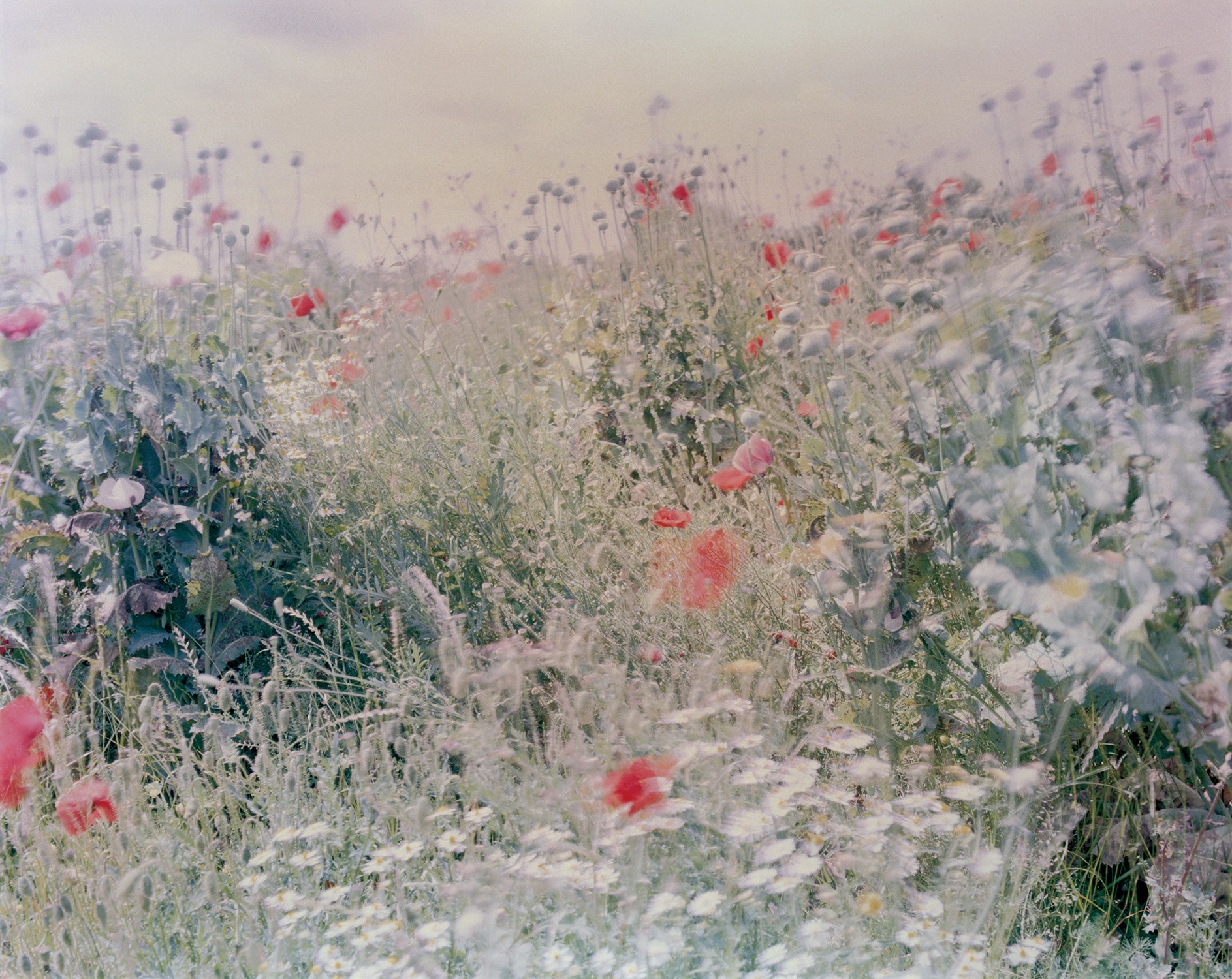
In recent years, Ori Gersht has moved from the status of a critically admired photographer to something rarer: an artist whose work feels genuinely necessary. Major institutional surveys have brought his photographs and films to audiences at the Museum of Fine Arts Boston, the Tel Aviv Museum of Art, and the Photographers Gallery in London, each exhibition deepening the sense that Gersht occupies a singular position in contemporary art. His work asks profound questions about what images are for, what they cost us emotionally, and what they reveal about the civilizations that make them. To… Continue reading
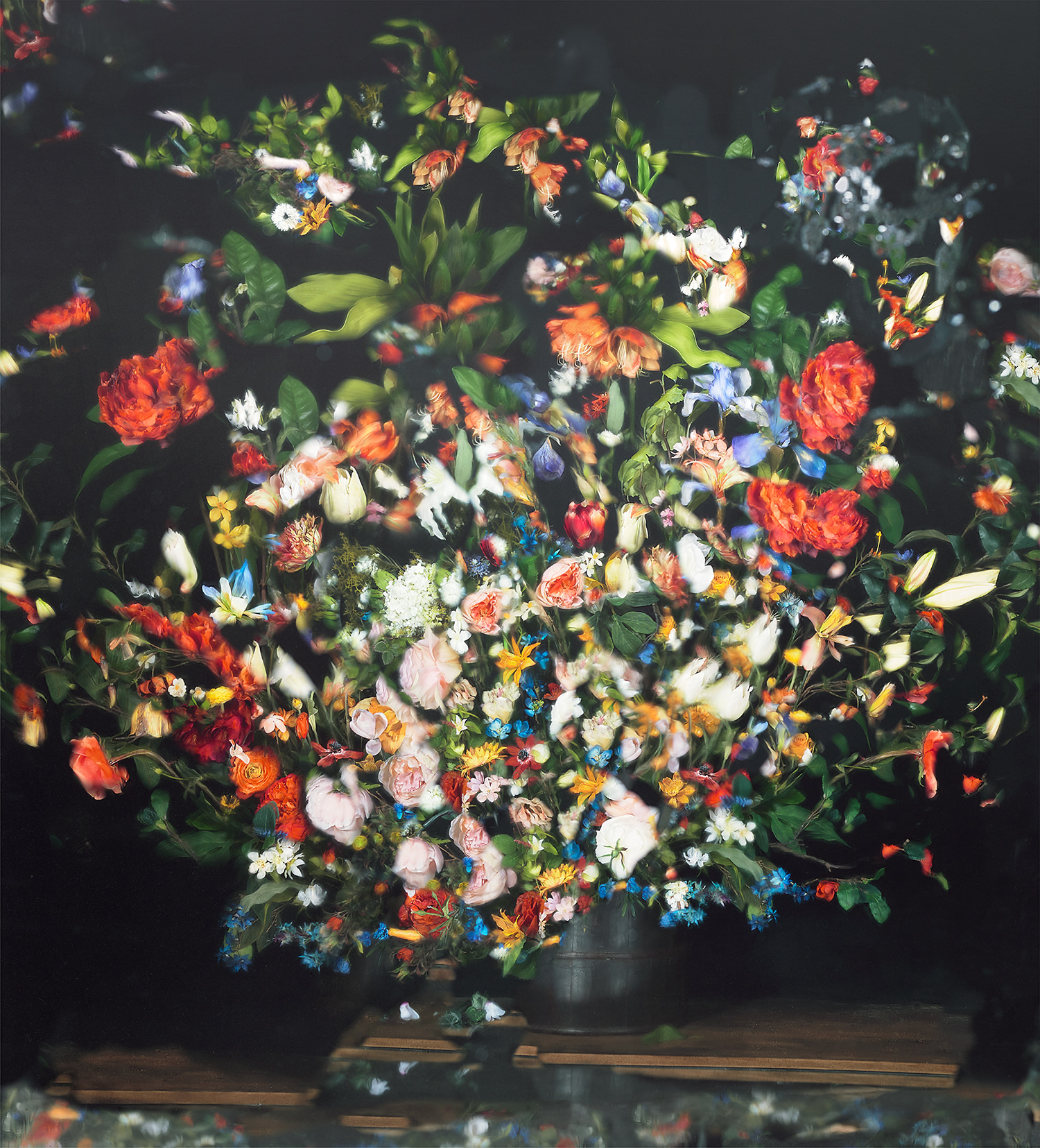
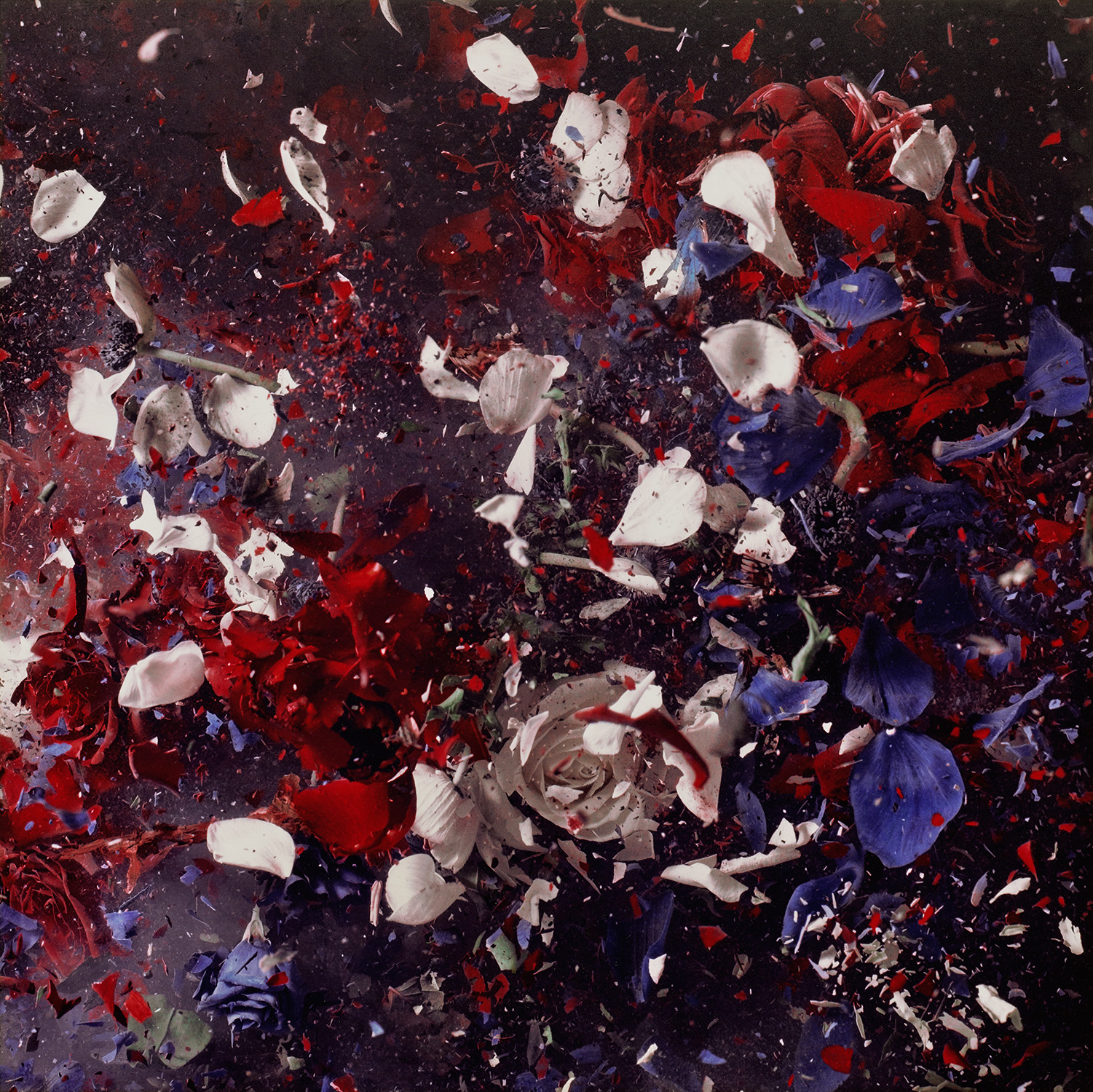
Artists in conversation
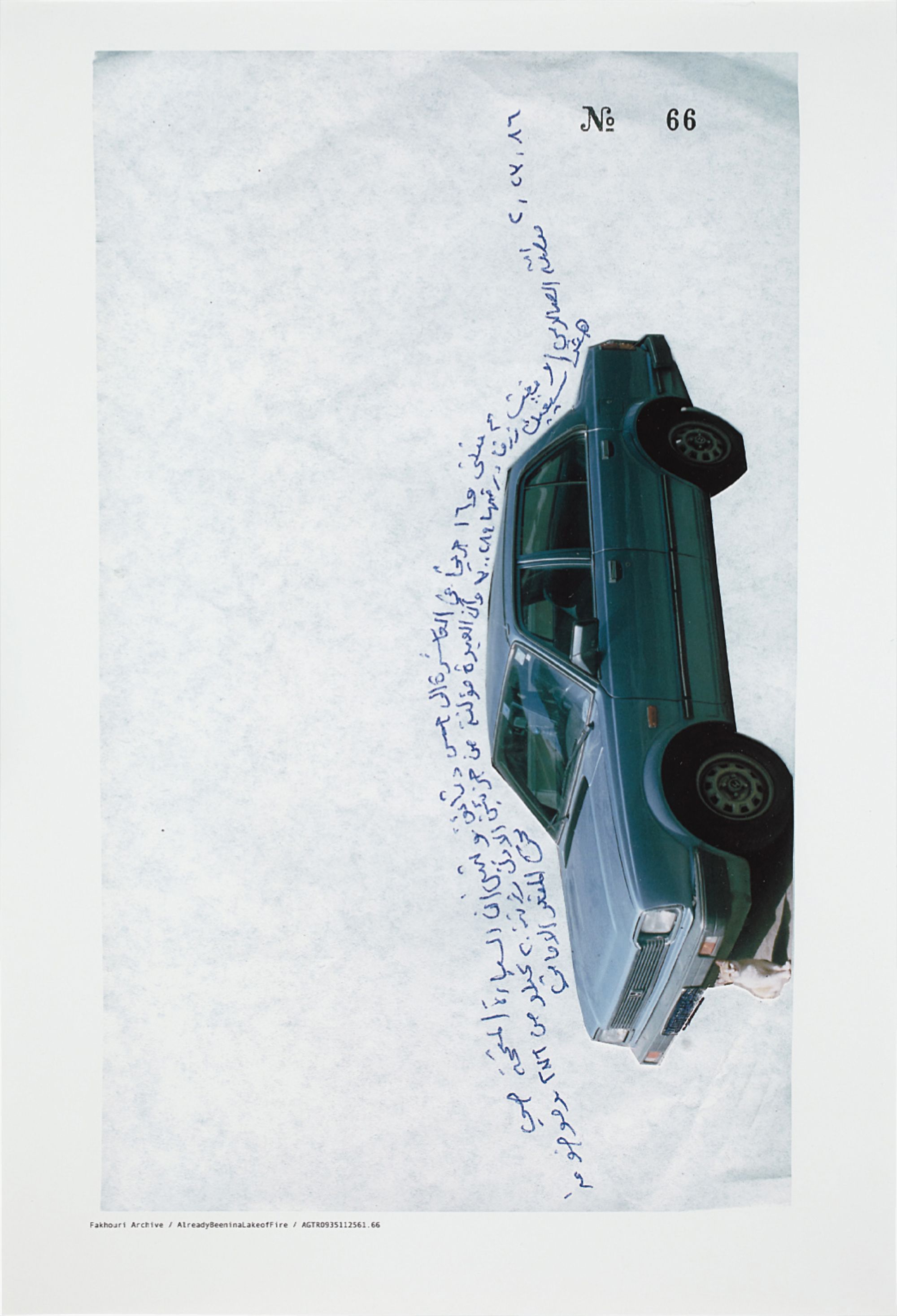
Walid Raad
Raad similarly uses photography and video to excavate collective trauma and historical violence, constructing layered conceptual works that blur documentary and aesthetic registers in ways closely parallel to Gersht's practice.
Luc Delahaye
Delahaye creates large scale photographic works that confront sites of historical conflict and political violence with a painterly grandeur, sharing Gersht's tension between aesthetic beauty and disturbing subject matter.
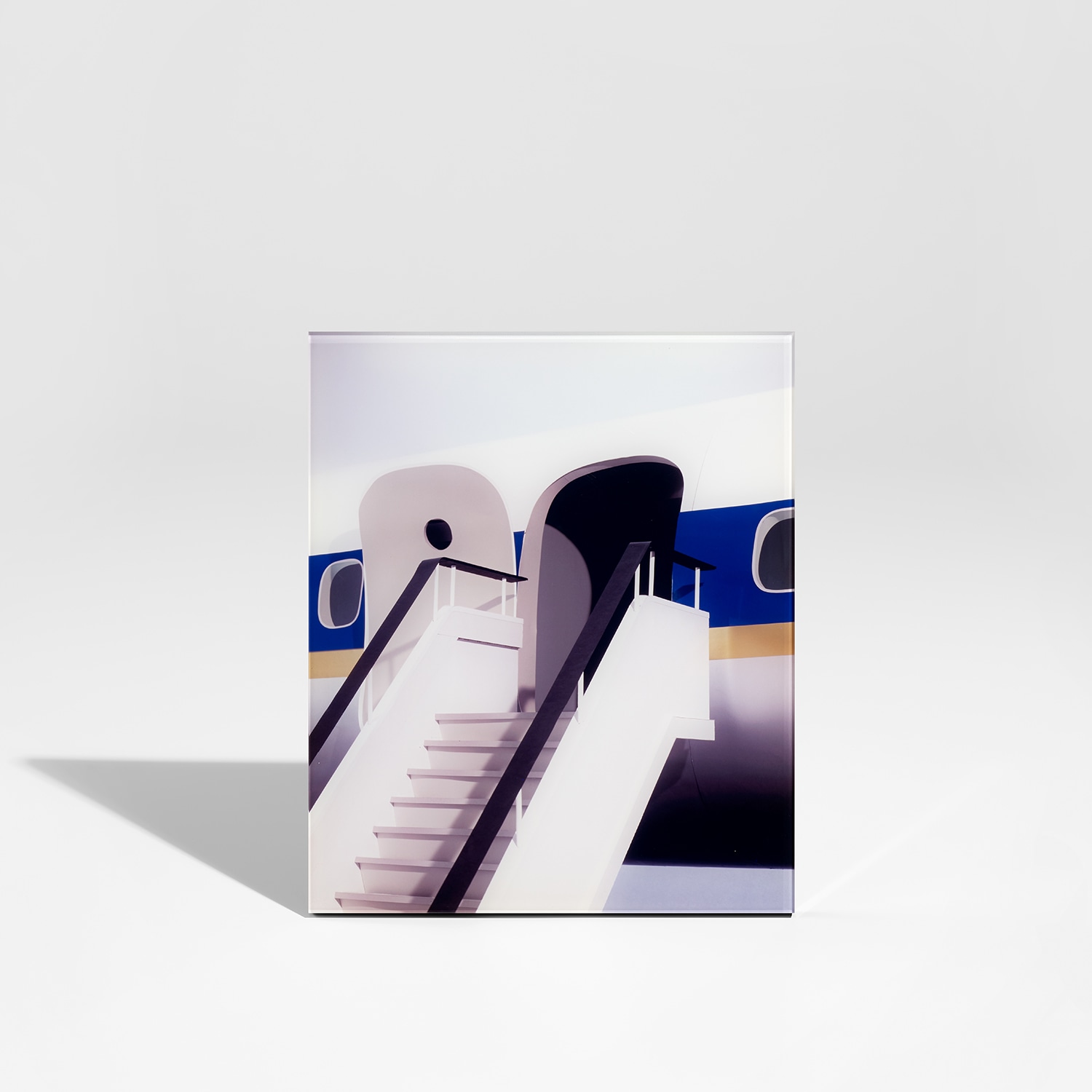
Thomas Demand
Demand's conceptual photography probes memory, history, and representation through meticulously constructed imagery, engaging similar philosophical questions about how pictures mediate our understanding of traumatic events.
Artists who inspired them
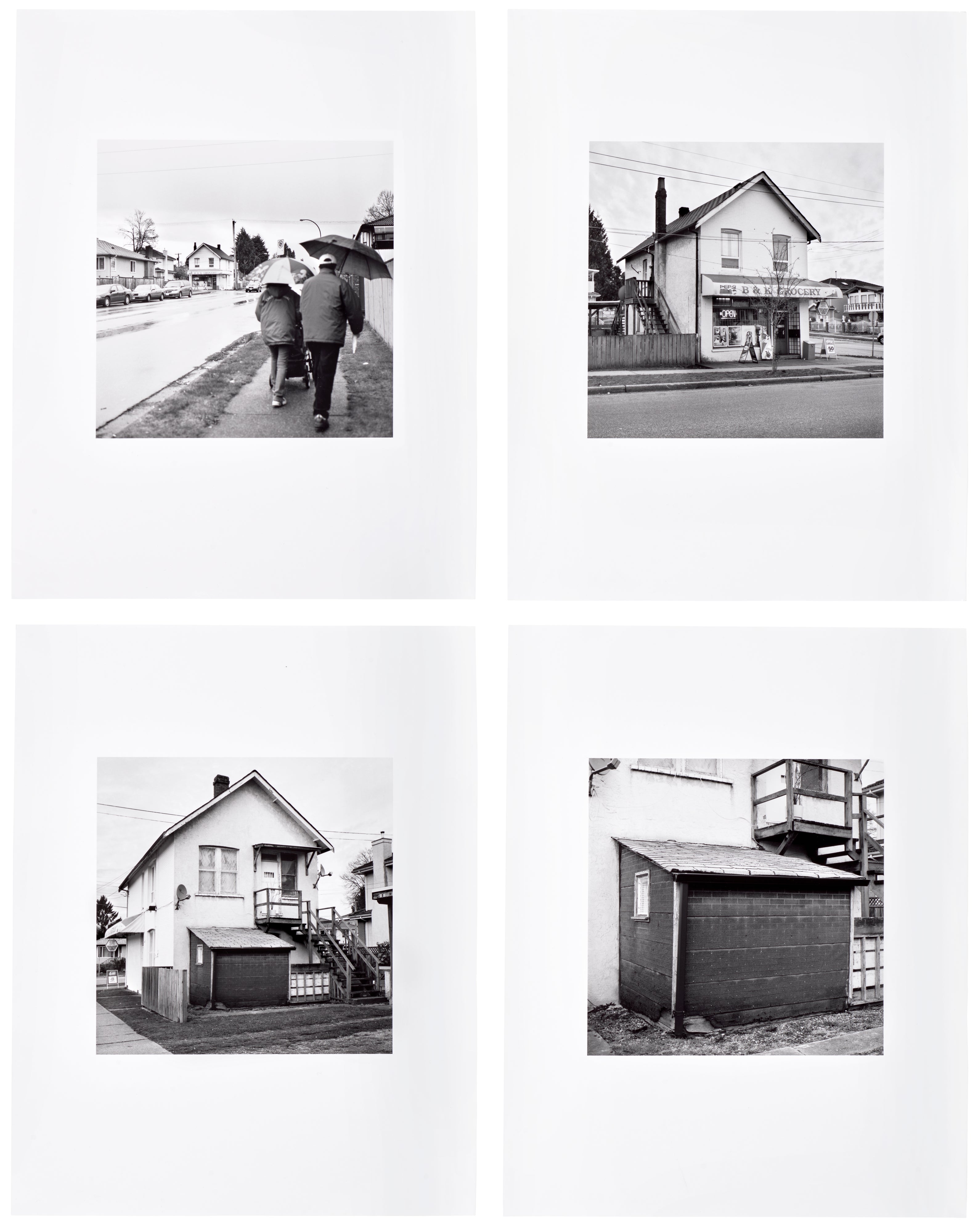
Jeff Wall
Wall's cinematically staged large scale photography and his deep engagement with art historical traditions in the photographic medium were formative references for Gersht's approach to constructing visually operatic and conceptually loaded images.
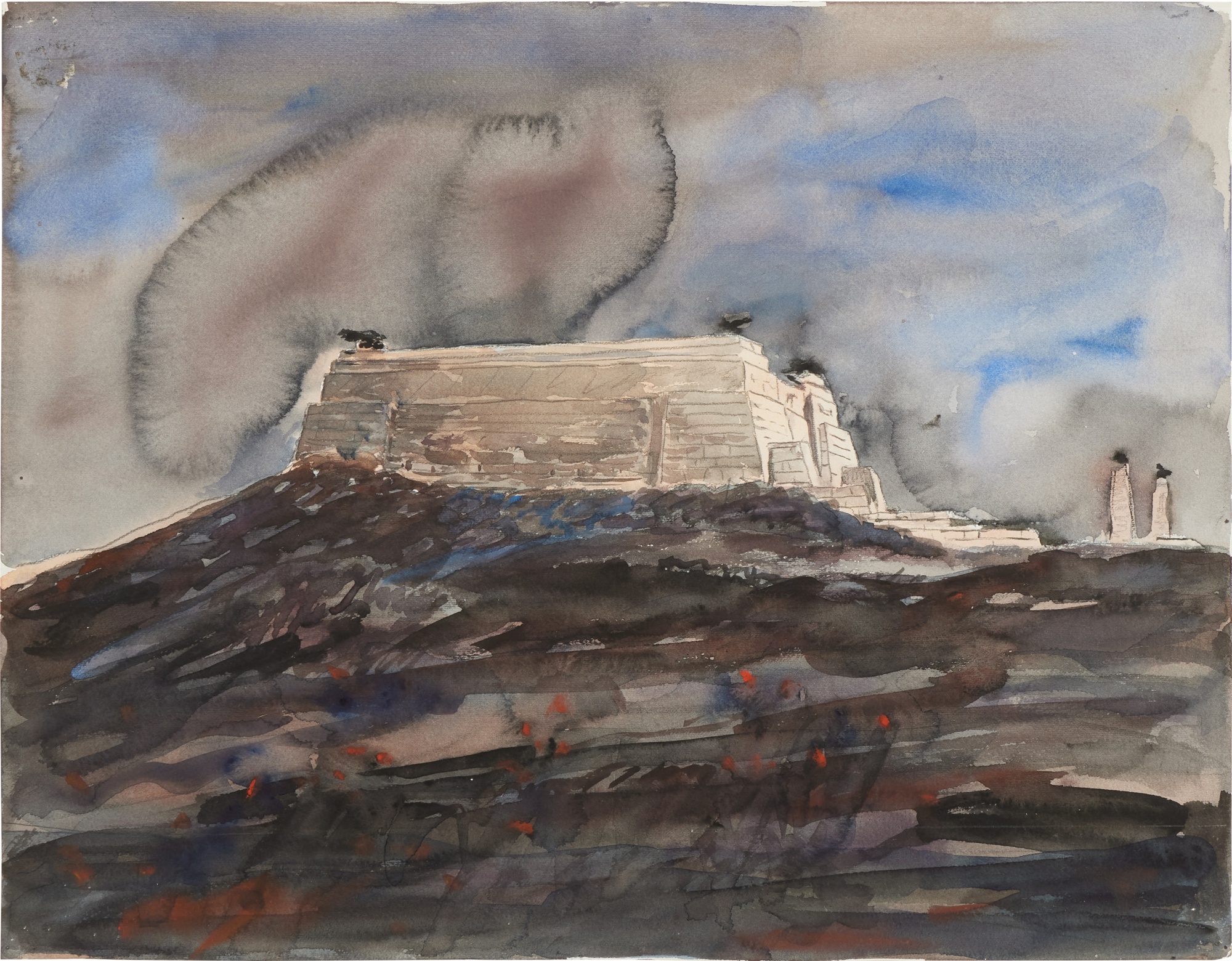
Anselm Kiefer
Kiefer's monumental confrontations with historical trauma, landscape as a site of collective memory, and the weight of European catastrophe deeply inform Gersht's thematic preoccupations with violence embedded in terrain and natural beauty.
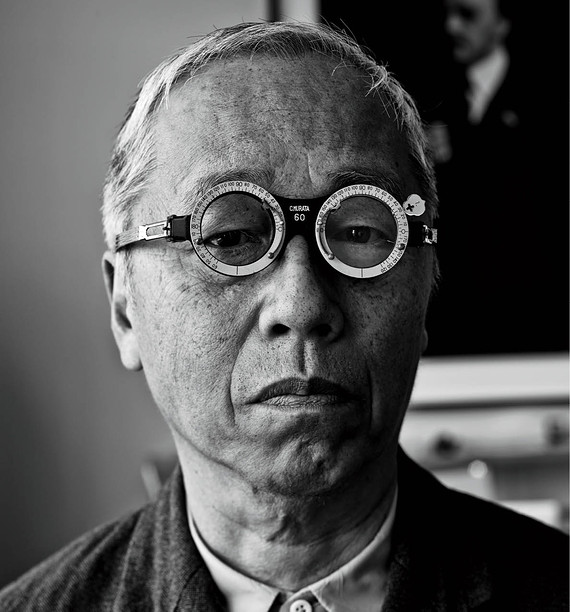
Hiroshi Sugimoto
Sugimoto's meditative large format photography exploring time, impermanence, and the boundaries of perception provided an important precedent for Gersht's technically rigorous and philosophically contemplative approach to the photographic image.