Horizontal Composition
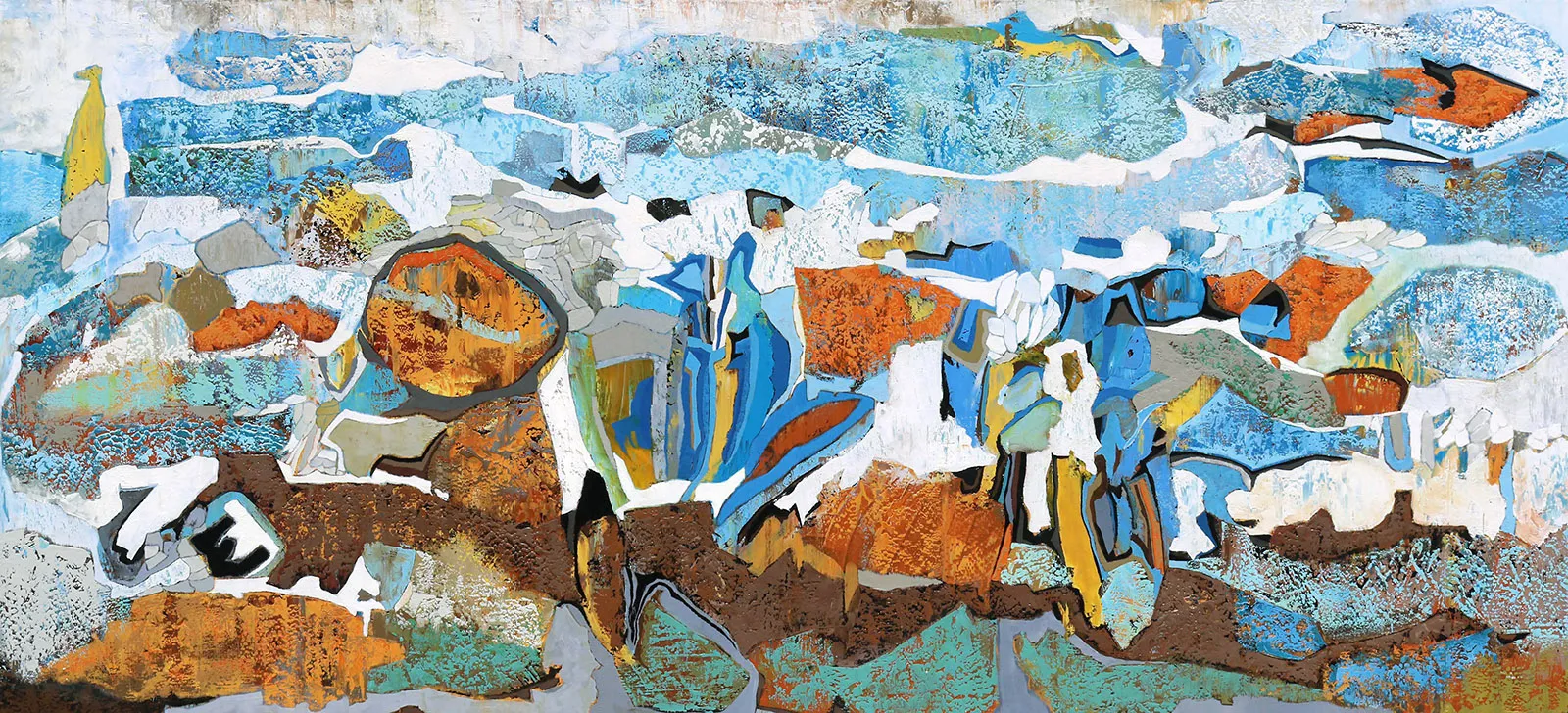
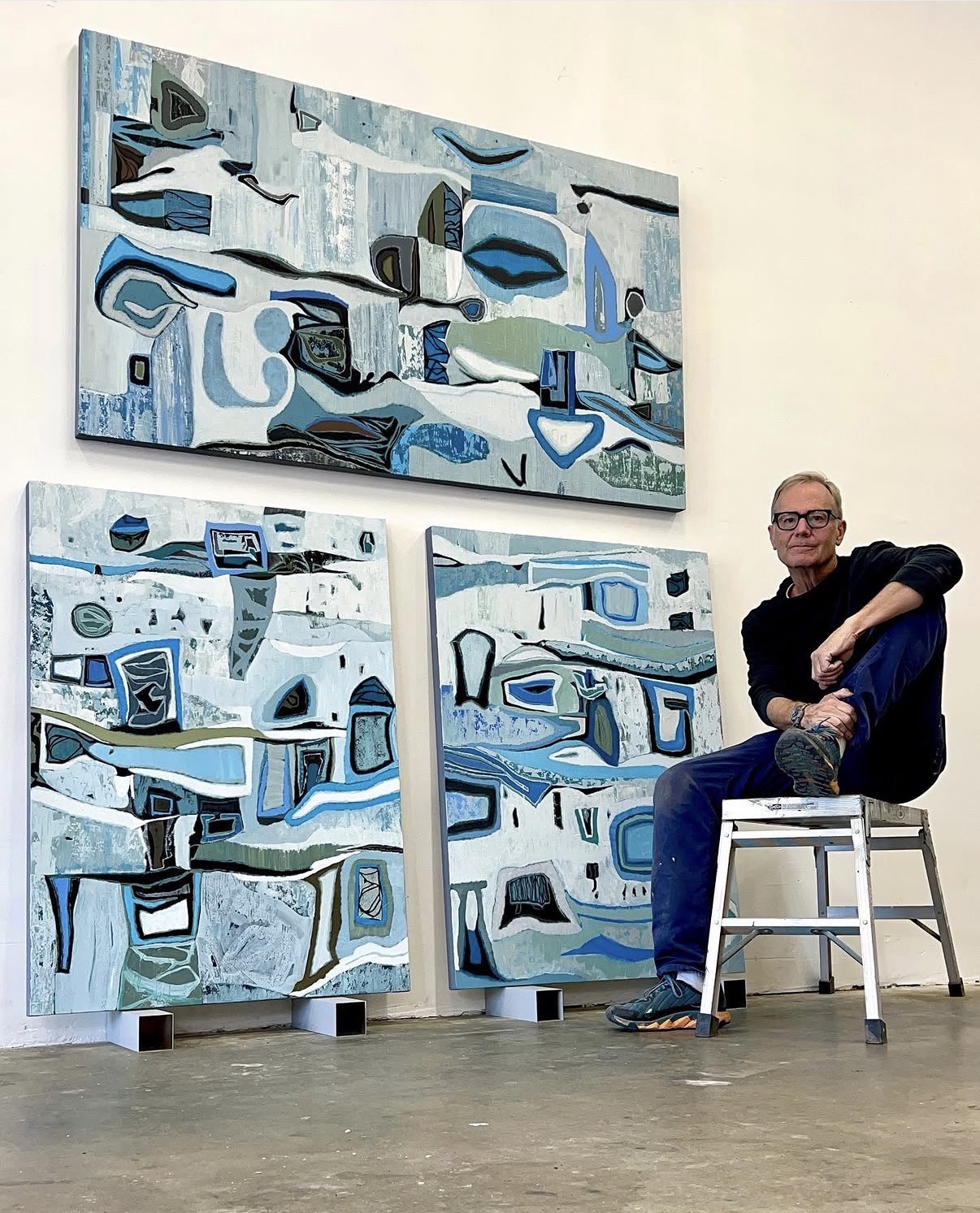
Chase Langford
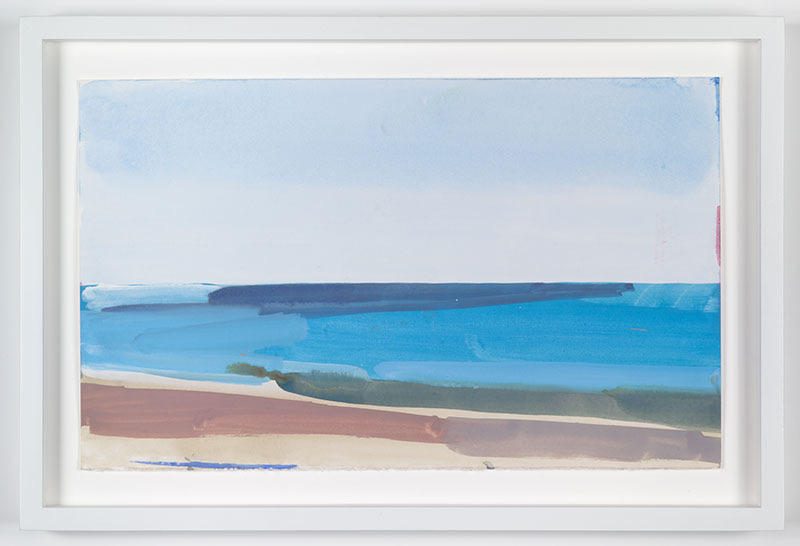
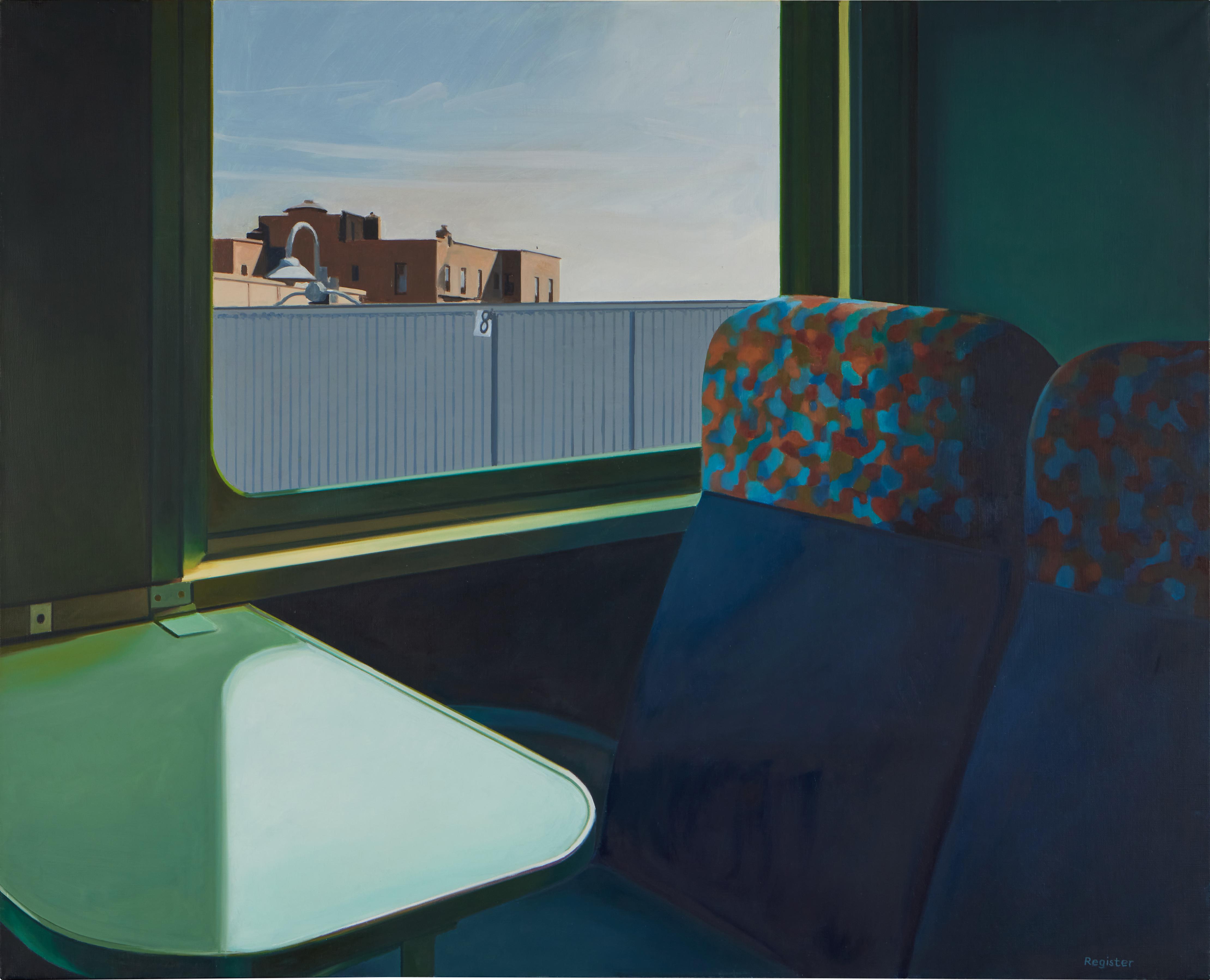
Palm Springs Panorama, 2015

The Long Line That Changed Everything
There is something almost physiological about a strong horizontal composition. The eye relaxes, the breath slows, and the body remembers what it is to lie down, to look out across water or field or sky. No other structural choice in visual art carries quite this weight of sensation, and no other choice has proven quite so durable across centuries of radically different aesthetic ambitions. To trace the history of horizontal composition is, in a real sense, to trace the history of how human beings have tried to make peace with the world they inhabit.
The impulse toward the horizontal predates the canvas entirely. The great friezes of ancient Greece and the painted walls of Egyptian tombs already understood that lateral expansion could convey both narrative and grandeur in ways that vertical stacking could not. But it was the development of the Western landscape tradition in the seventeenth century that gave horizontal composition its true cultural home. Dutch painters of the Golden Age, working in a country defined by flat horizons and enormous skies, practically invented the grammar we still use today.
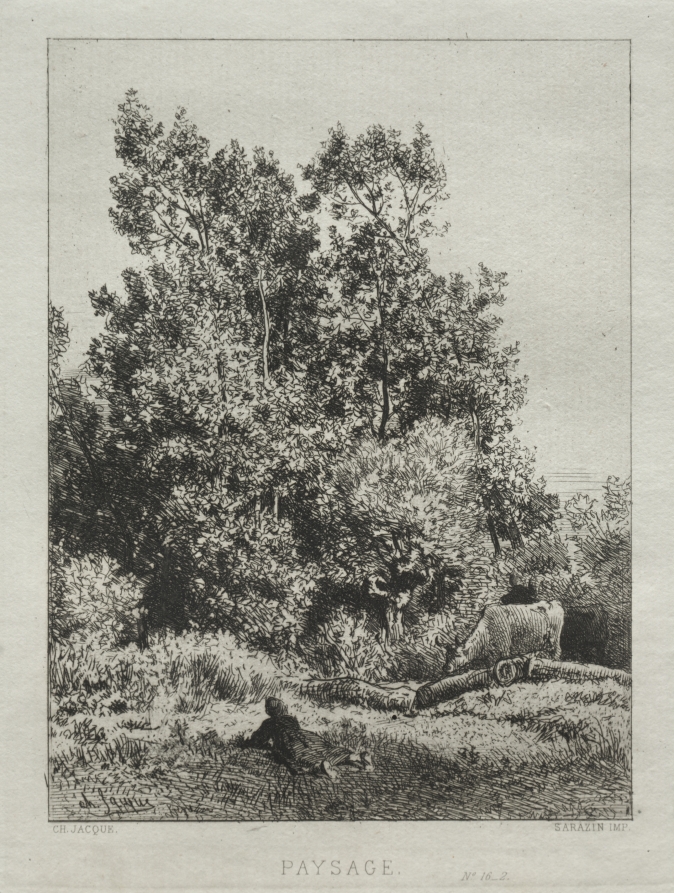
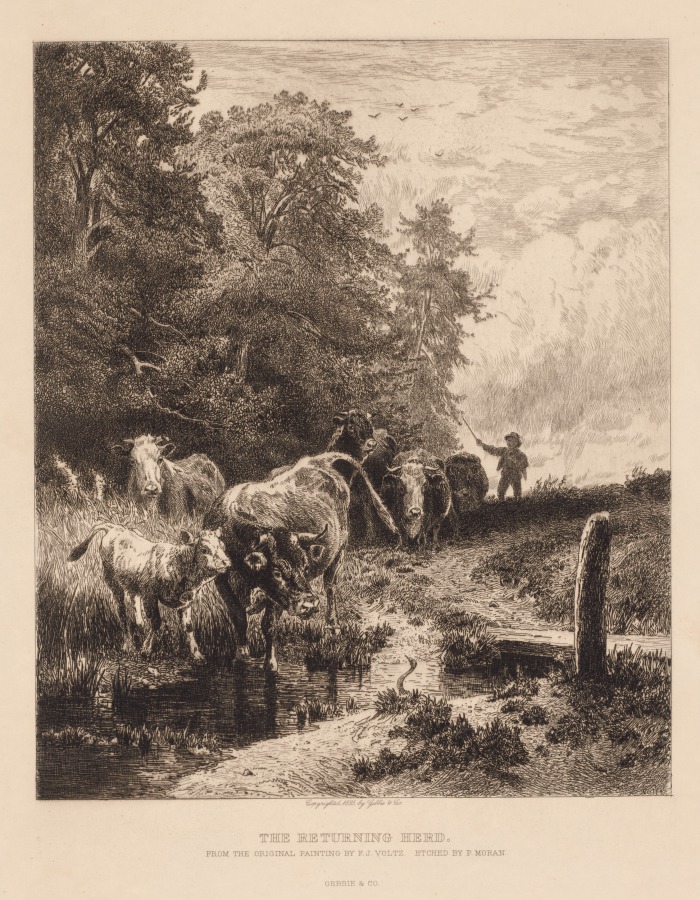
Charles-Émile Jacque
Landscape, 1864
The horizon line placed low, the sky given sovereignty, the land a thin ribbon of fact beneath a theatre of atmosphere. This was not merely a stylistic preference. It was a philosophical position about where meaning lived. By the nineteenth century, the horizontal had become the dominant mode for landscape painting across Europe and America, and artists were beginning to push against its conventions even as they worked within them.
Charles François Daubigny, painting along the rivers of France in the 1850s and 1860s, used the horizontal format to extraordinary emotional effect, his riverscapes so low and wide they feel almost like memory rather than observation. His influence on the Impressionists was profound and often underacknowledged. Working from his famous studio boat, the Botin, Daubigny dissolved the boundary between the painter and the painted world in ways that Monet would later take to their logical conclusion. His work, represented on The Collection, shows just how charged a simple waterline can be.
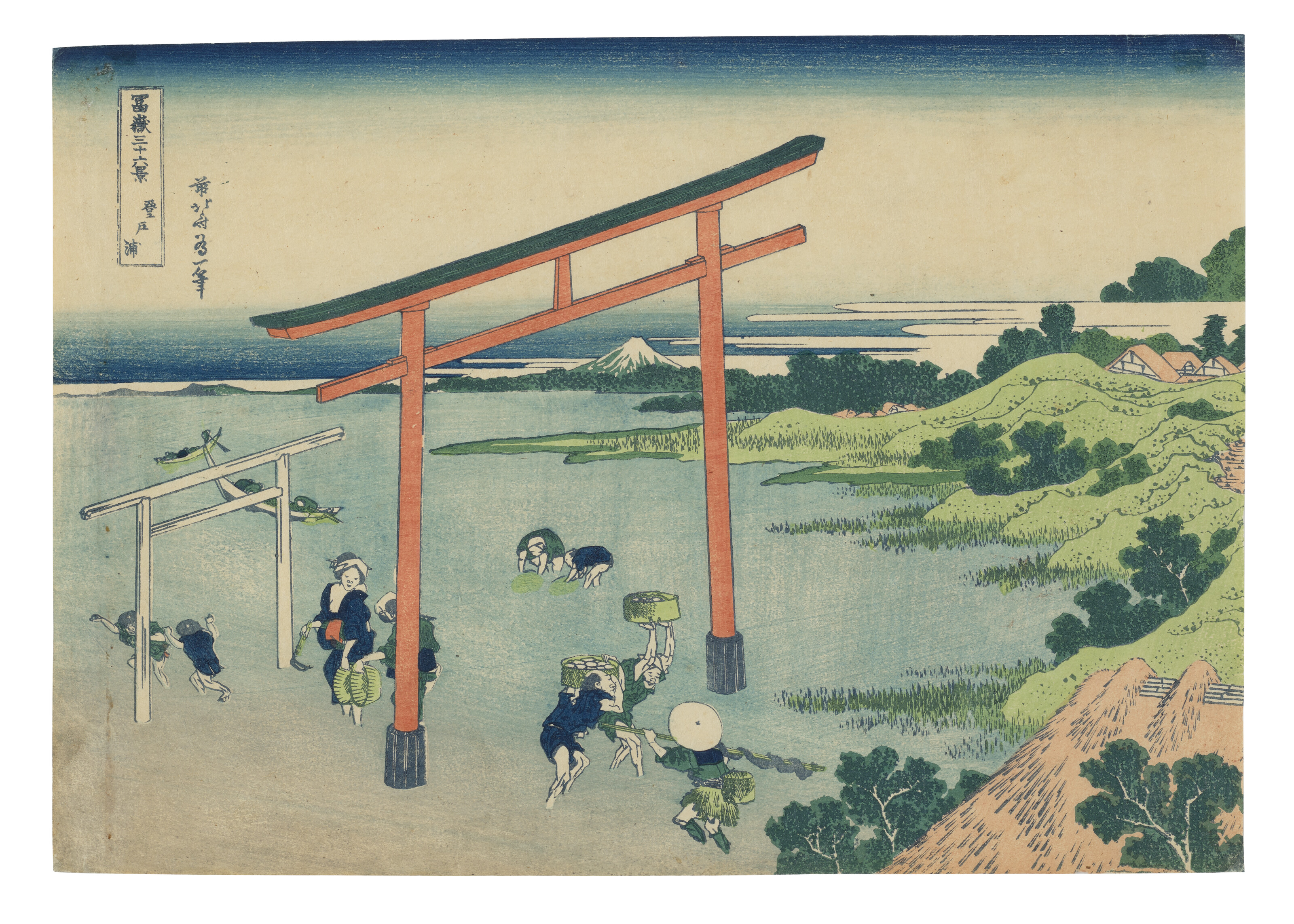
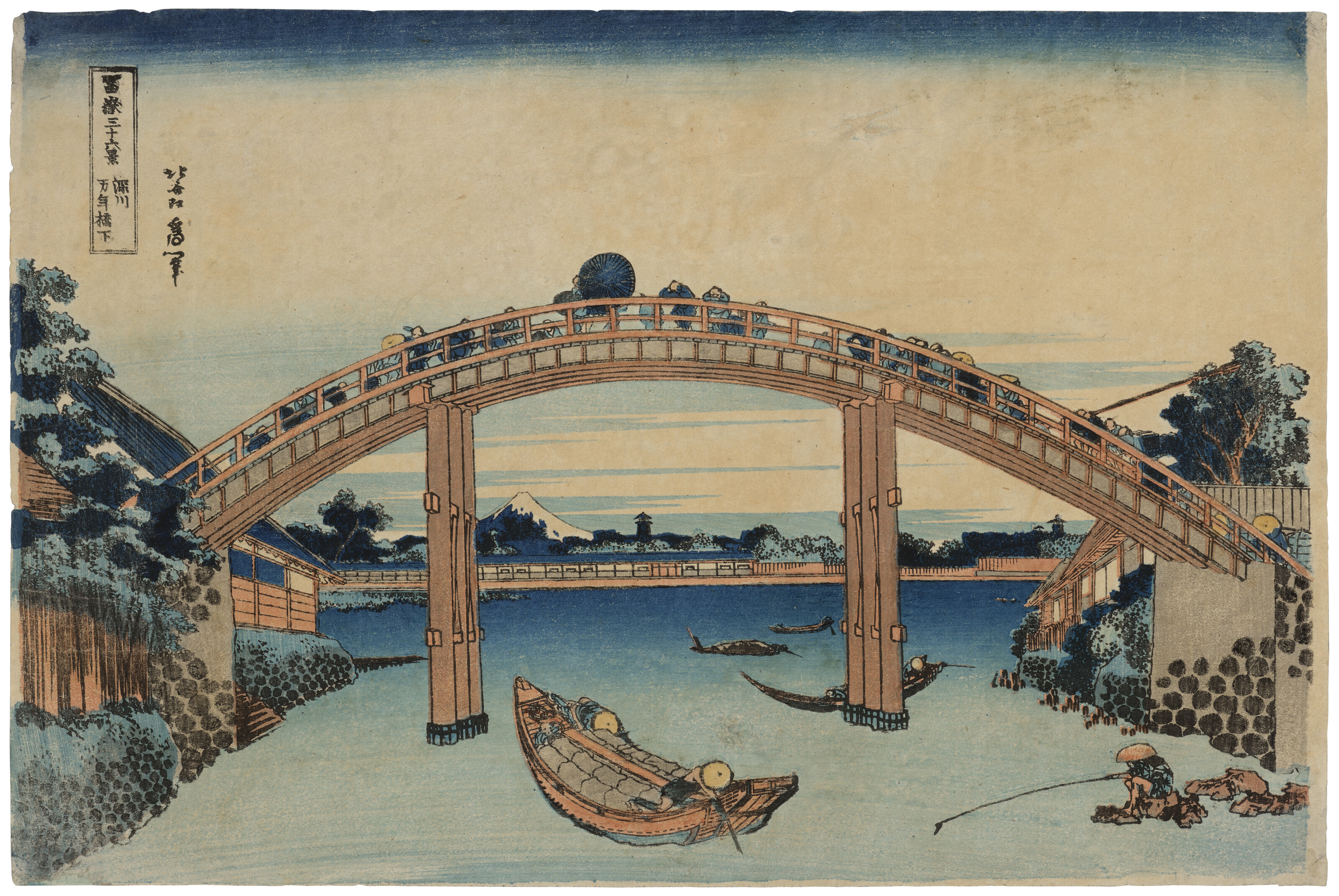
Katsushika Hokusai
Noboto ura (The Coast of Noboto)
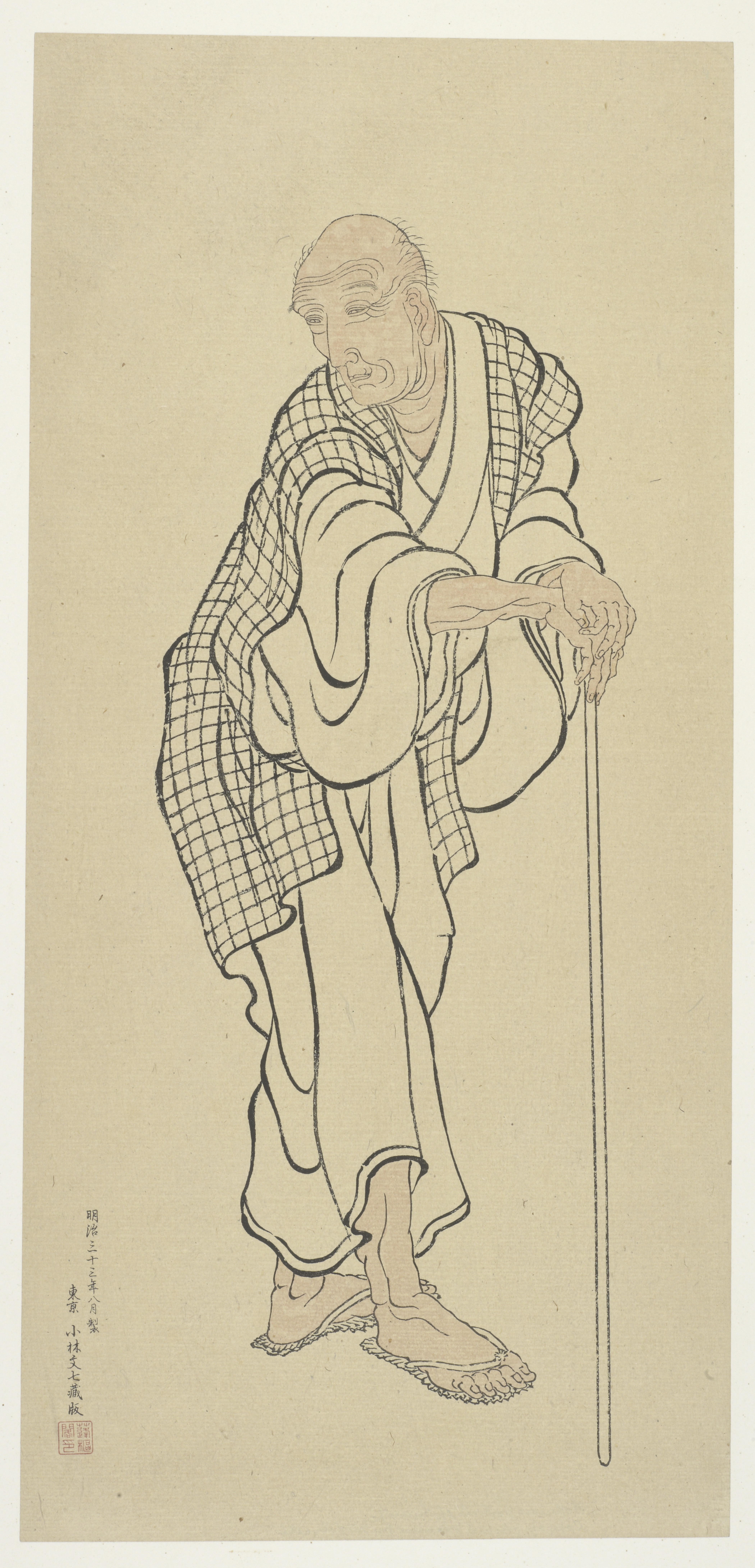
At nearly the same moment, and working in a very different tradition, Katsushika Hokusai was demonstrating that the horizontal was not a Western invention but something closer to a universal intuition. His series Thirty Six Views of Mount Fuji, published between 1830 and 1833, used wide lateral compositions to situate the mountain within the rhythms of ordinary life and extraordinary weather. The great wave, the fishing boats, the travelers on the road all exist within a horizontal sweep that feels both monumental and intimate. Hokusai's work, well represented on The Collection, became one of the most powerful vectors through which Japanese compositional thinking entered the Western imagination, influencing everyone from Vincent van Gogh to the Art Nouveau movement.
James McNeill Whistler absorbed that influence deeply. His Nocturnes, painted primarily in the 1870s, are among the most radical horizontal compositions in Western art history. Whistler understood the horizon not as a fact but as a proposition, a suggestion that the world continues beyond what we can see. His Thames nocturnes reduce the landscape to near abstraction, a dark band of water, a thin shimmer of lights, a sky that is almost indistinguishable from the surface below.
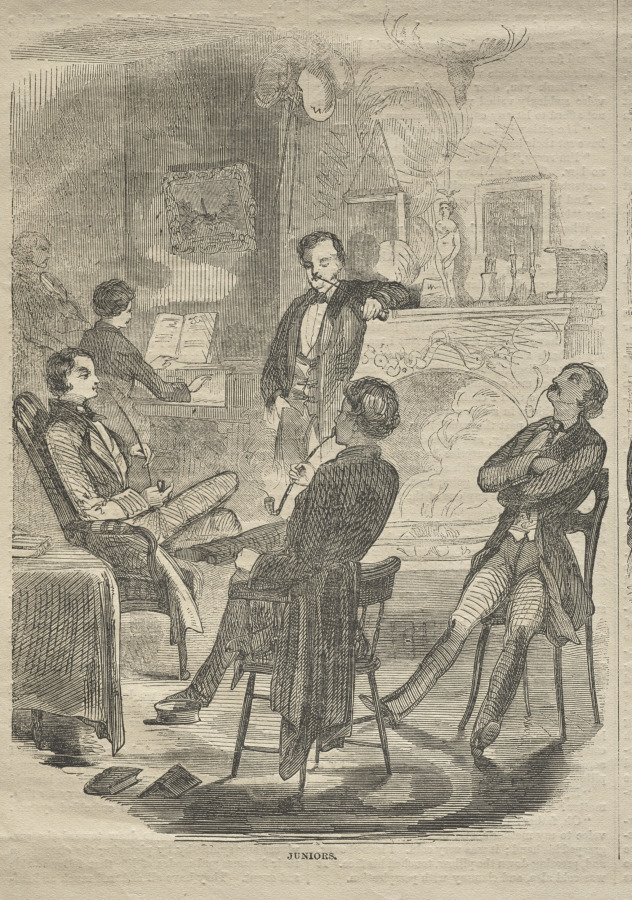
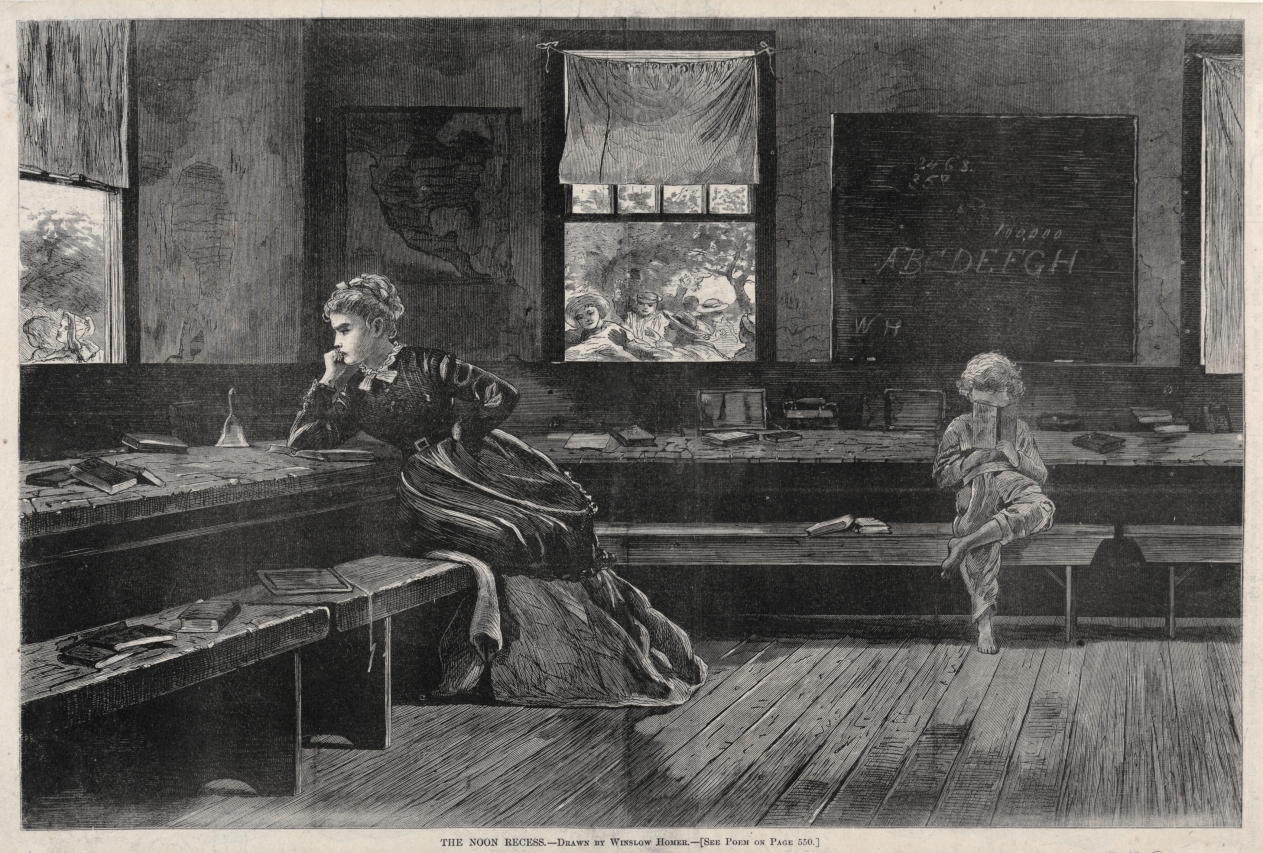
Winslow Homer
Juniors, 1857
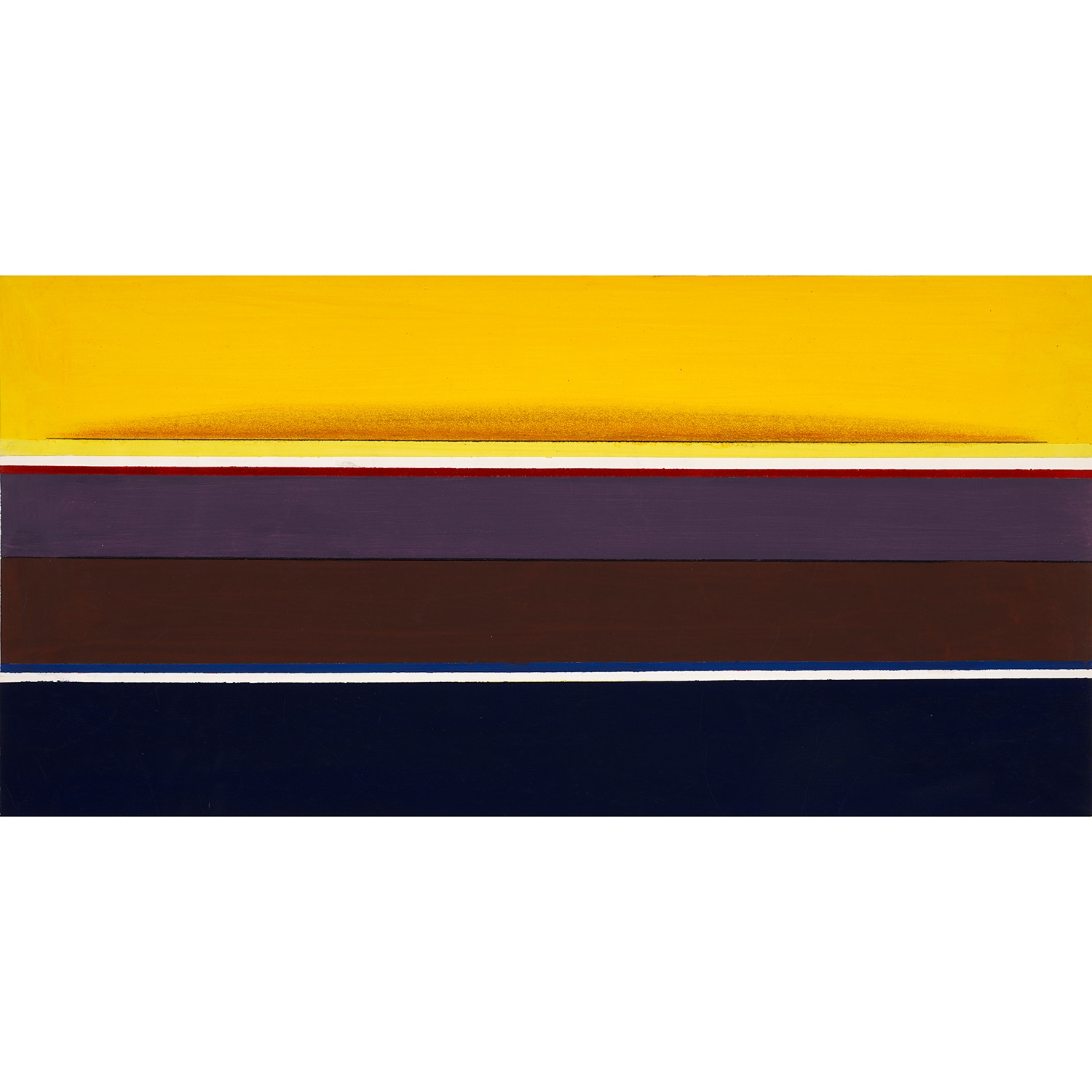
The works by Whistler on The Collection carry this same quality of deliberate restraint, the sense that everything unnecessary has been removed and what remains is essential. Winslow Homer, his American contemporary, applied a similar structural seriousness to very different emotional ends, his seascapes using the horizontal to generate tension rather than tranquility. The twentieth century brought the horizontal composition into the realm of pure abstraction, and in doing so revealed something fundamental about its power. The Color Field painters understood that a wide horizontal canvas could produce not just a representation of expansiveness but the actual sensation of it.
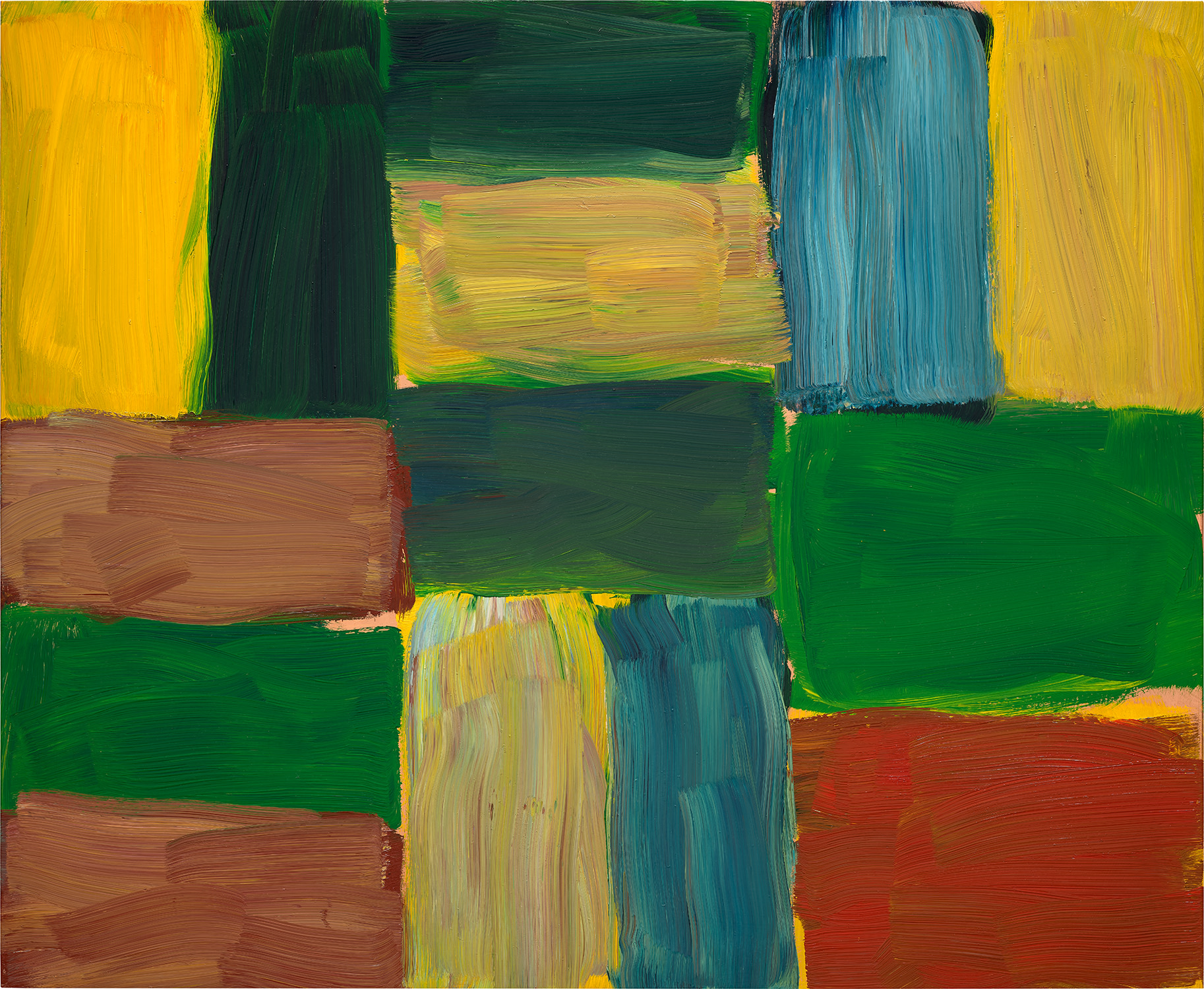
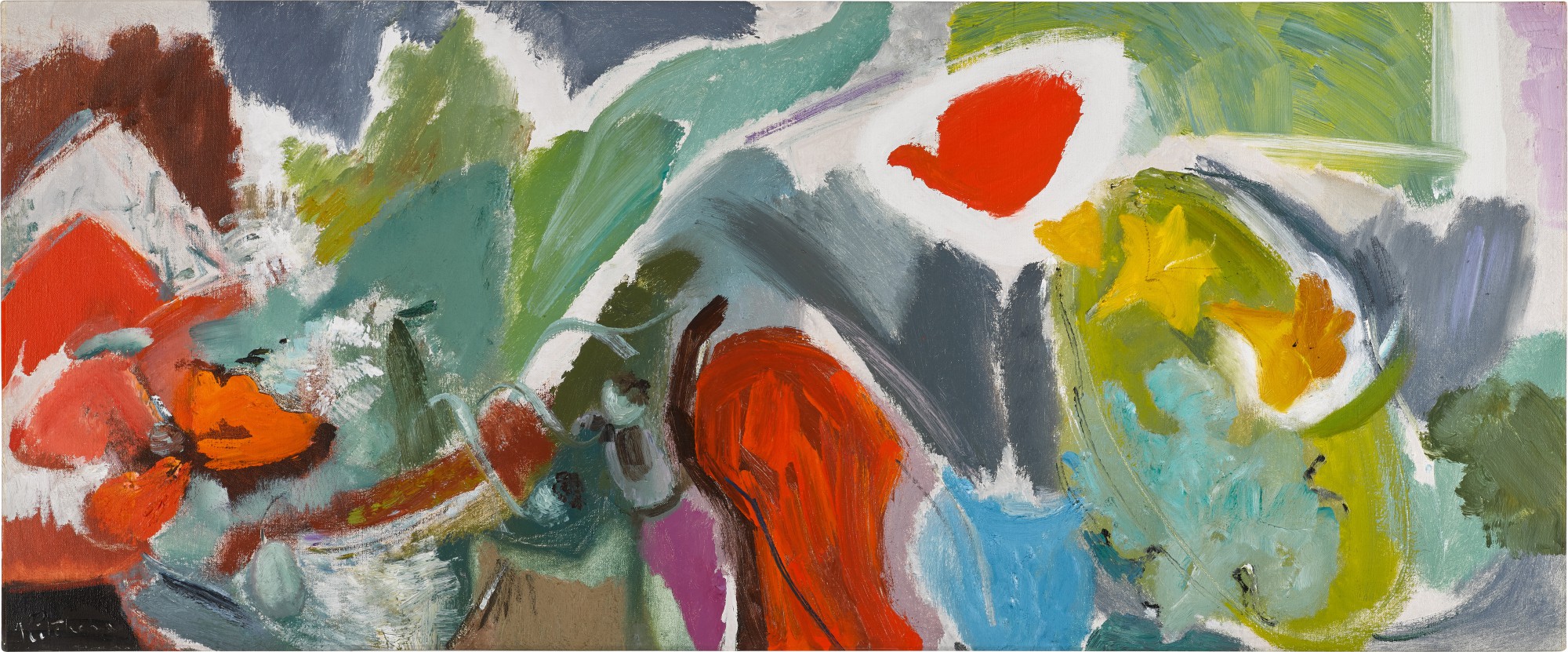
Sean Scully, whose work appears on The Collection, has spent decades investigating what happens when the horizontal band is stripped of all representational content and allowed to carry meaning through color, texture, and rhythm alone. His striped canvases feel simultaneously architectural and bodily, as if they are measuring something between the external world and the nervous system. Lawrence Calcagno, working in the orbit of Abstract Expressionism, brought a similar ambition to his horizontal fields, finding in the wide format a space where gesture and stillness could coexist. Photography entered this conversation with its own set of pressures and possibilities.
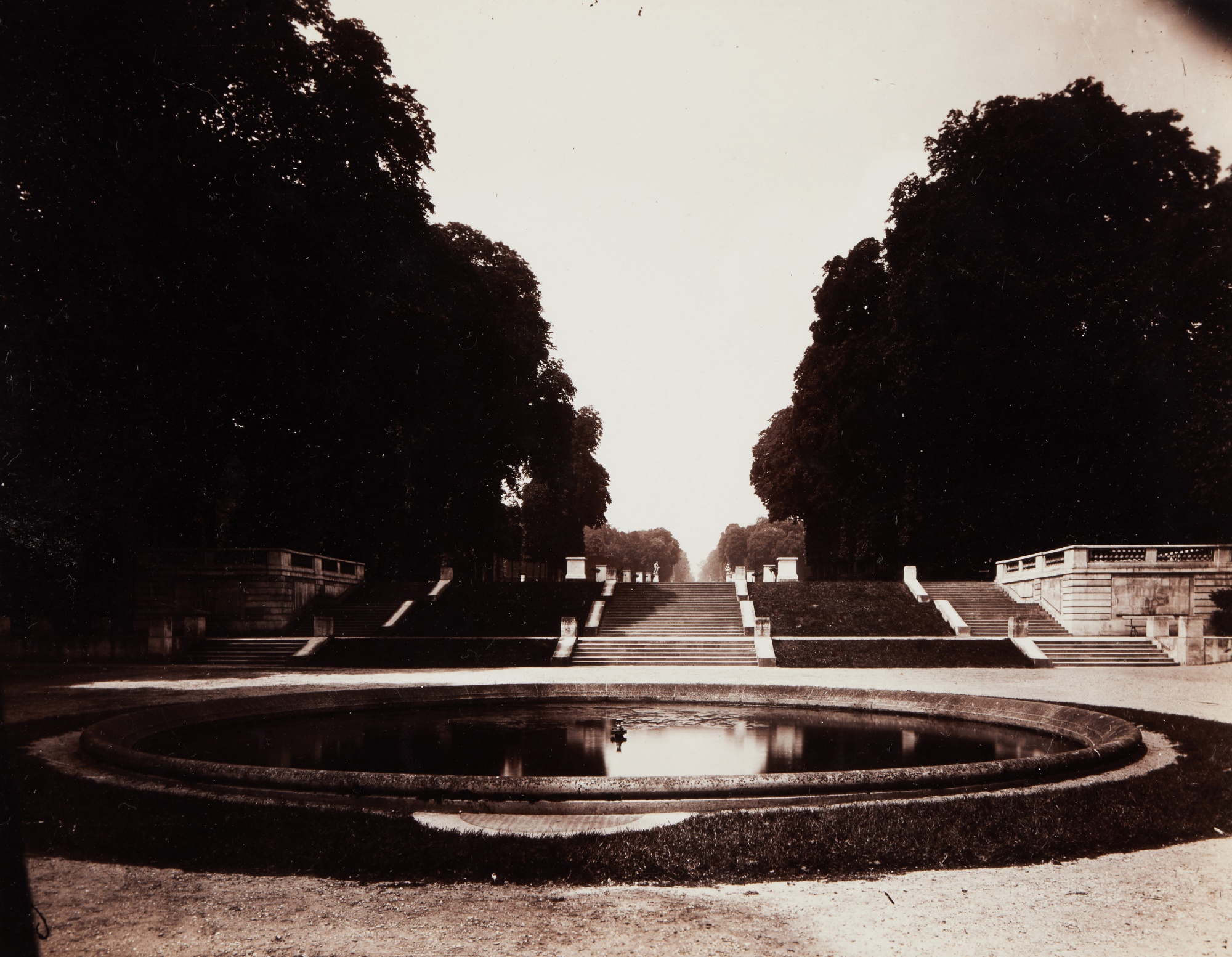
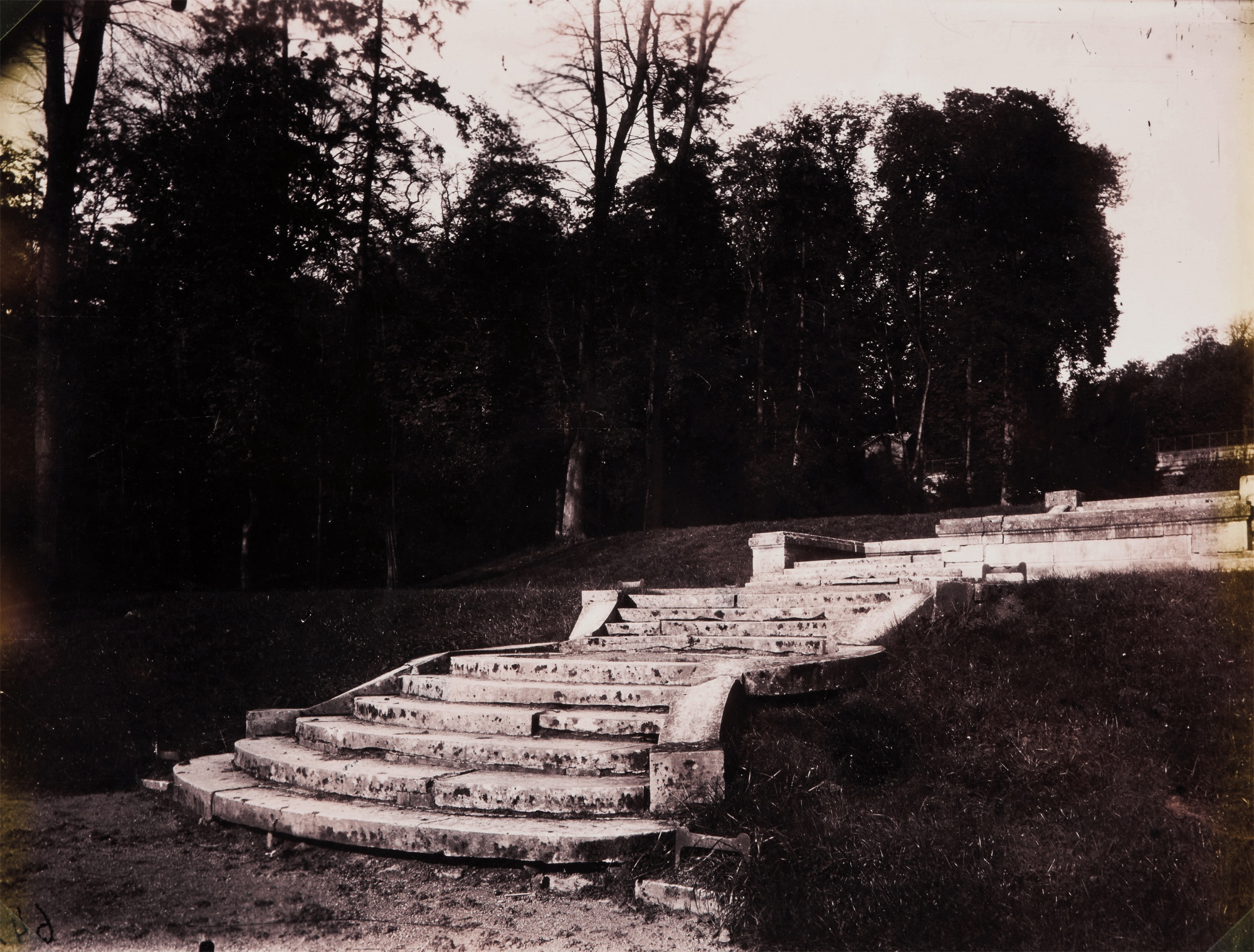
Eugène Atget
Parc de Saint-Cloud (horizontal fountain), 1904
The standard photographic frame, oriented horizontally, seemed almost purpose built for landscape, but the great practitioners knew that format was only the beginning of the question. Eugène Atget, photographing Paris in the early decades of the twentieth century, used the horizontal to create images of radical stillness, empty streets and shopfronts that feel suspended in time. Dorothea Lange, working in a very different social register during the 1930s, understood that the horizontal could accommodate both the vastness of the American landscape and the particular dignity of the human figure placed within it. What connects Hokusai to Whistler to Scully to Lange is not a shared style or ideology but a shared understanding of what the horizontal asks of both the maker and the viewer.
It asks for patience. It asks for peripheral vision. It asks us to resist the impulse to locate a single focal point and instead allow meaning to accumulate across the whole width of the work. In a visual culture increasingly defined by the vertical scroll and the portrait format phone screen, there is something almost countercultural about a strong horizontal composition.
It refuses urgency. It insists on duration. And in that insistence, it offers something that feels increasingly rare: the experience of genuine stillness in a world that has largely forgotten how to stop moving.