Graphite Drawing
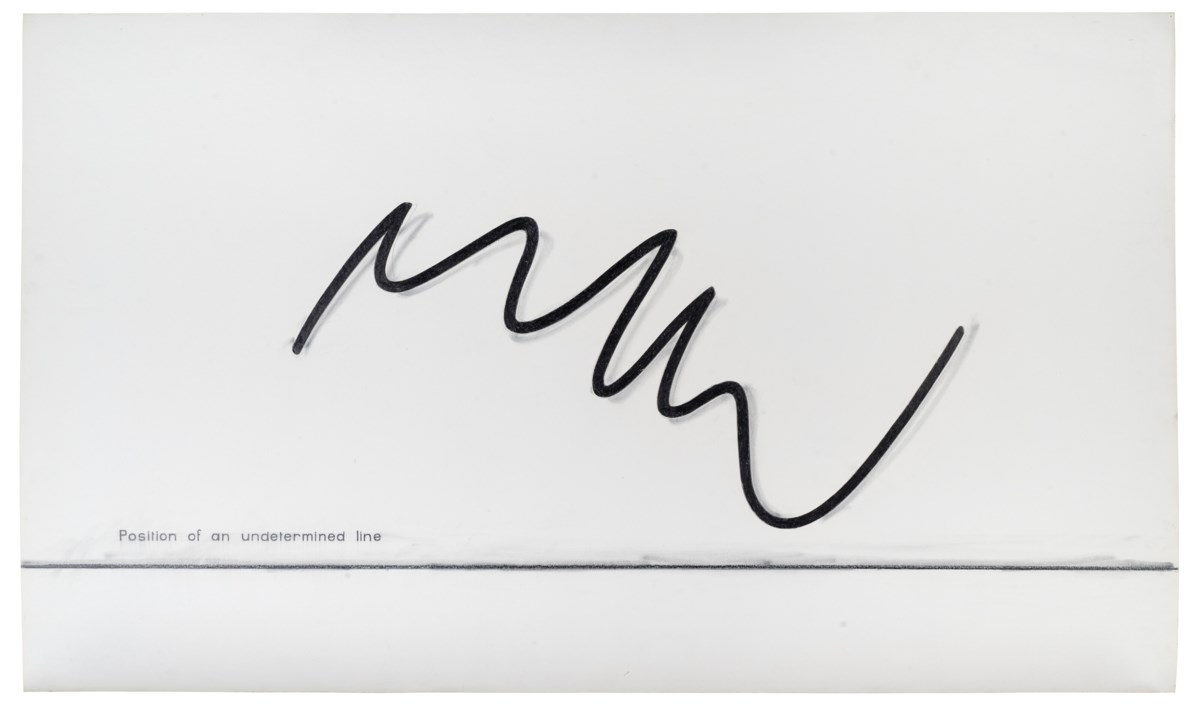
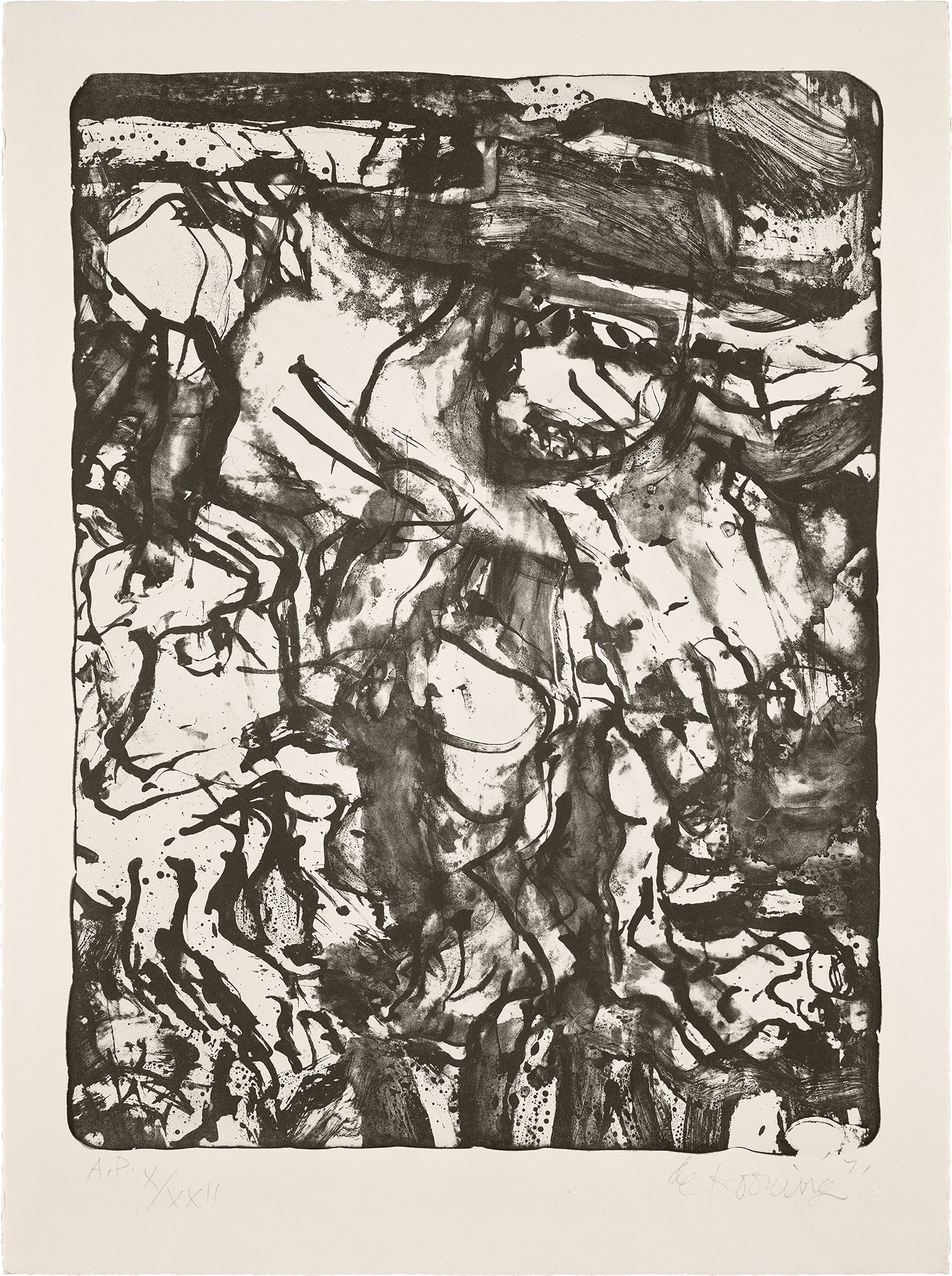
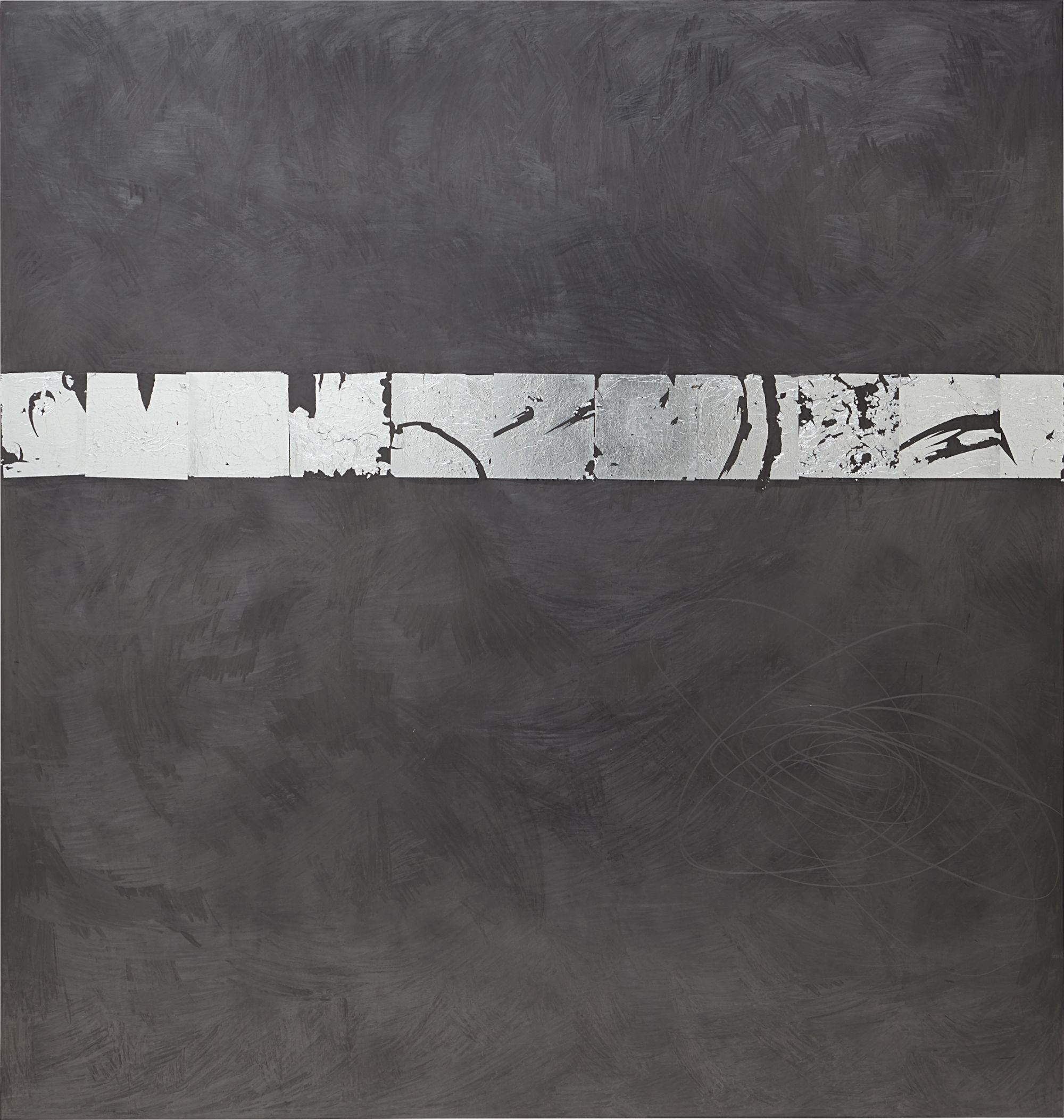
Bernar Venet
Position of an undetermined line, 1981


The Pencil Is Having Its Moment
When a Vija Celmins graphite drawing of the ocean surface sold at Christie's for well over a million dollars, it confirmed something that collectors and curators had been quietly registering for years: graphite, the most elemental of mark making tools, had become one of the most contested and commercially vital mediums in the contemporary art market. That result was not an anomaly. It was a signal. The pencil, long condescended to as a preparatory tool, a sketch medium, something you use before the real work begins, had arrived as the destination itself.
The critical rehabilitation of drawing as a primary rather than secondary medium has been building since at least the early 2000s, but several landmark exhibitions accelerated the conversation significantly. The Museum of Modern Art's 2005 survey "Drawing Now: Eight Propositions" was an early institutional marker, making the case that drawing was not auxiliary to painting or sculpture but a distinct conceptual space with its own grammar. In the years since, the Drawing Center in SoHo has remained the essential institutional conscience of this shift, consistently platforming artists for whom graphite is not a warm up but a life's work. Their programming has shaped taste in ways that took a decade to fully register in the auction room.
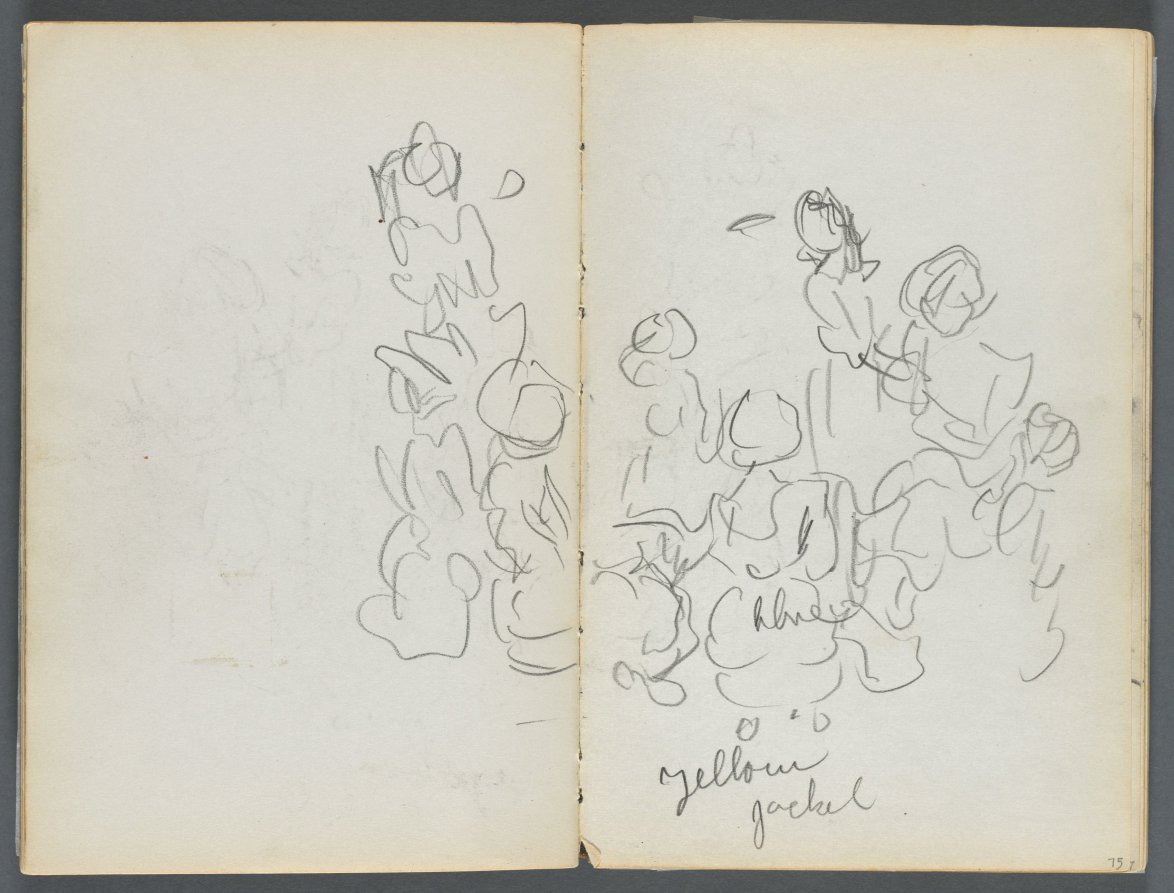
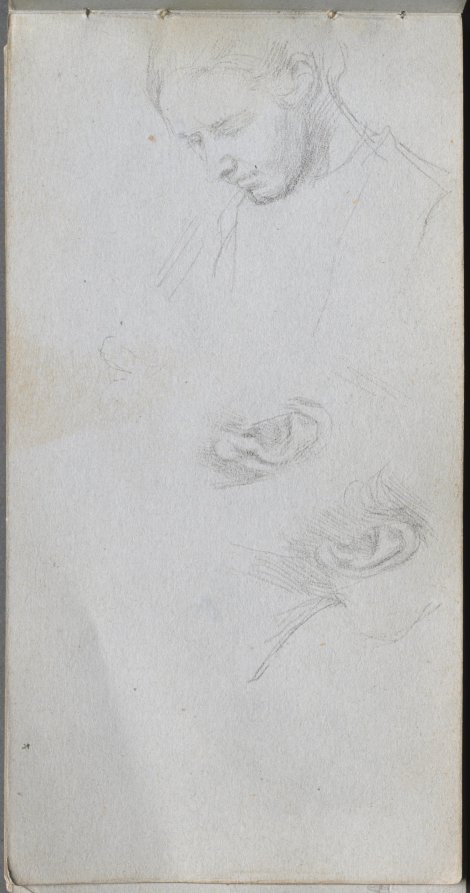
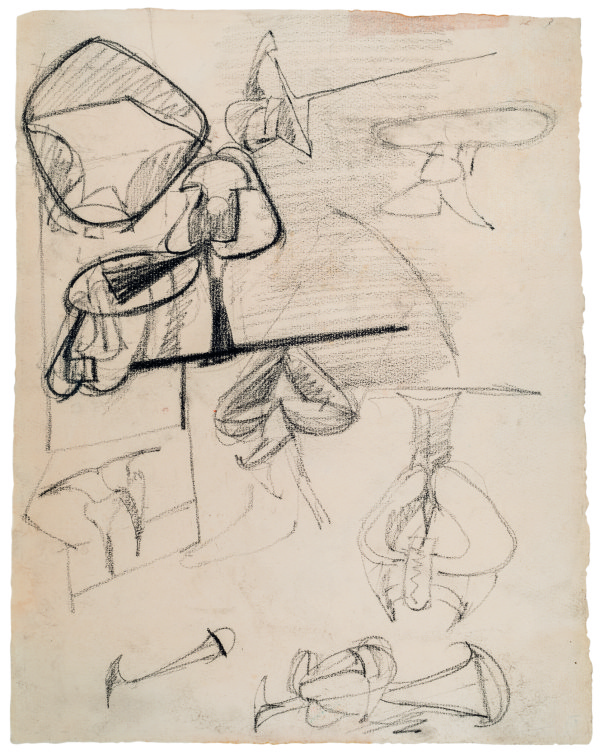
Maurice Prendergast
Sketchbook, The Dells, N° 127, page 074 & 75: Figures with color notations, 1919
The market data now bears this out with some clarity. Celmins commands the highest prices for graphite work among living artists represented on The Collection, and for good reason. Her obsessive replication of ocean surfaces, spider webs, and night skies from the late 1960s onward established a template for what graphite could do philosophically, not just technically. She made slowness and attention into subject matter.
The 2019 retrospective organized jointly by the Met Breuer and the San Francisco Museum of Modern Art was the institutional consecration of a reputation that serious collectors had already been acting on for years, and prices adjusted accordingly in the seasons that followed. Among historical artists on The Collection, Ernest Meissonier occupies a different but fascinating position. His graphite studies, precise and almost forensic in their attention to military dress and equine anatomy, were never out of fashion among a specific tier of European collecting institutions, but they have found renewed interest as the conversation around academic draftsmanship has been reconsidered outside the old modernist hierarchy that dismissed such rigor as mere illustration. There is something happening in the market right now where technical mastery, long treated as suspect by critics shaped by Clement Greenberg's legacy, is being looked at again without embarrassment.
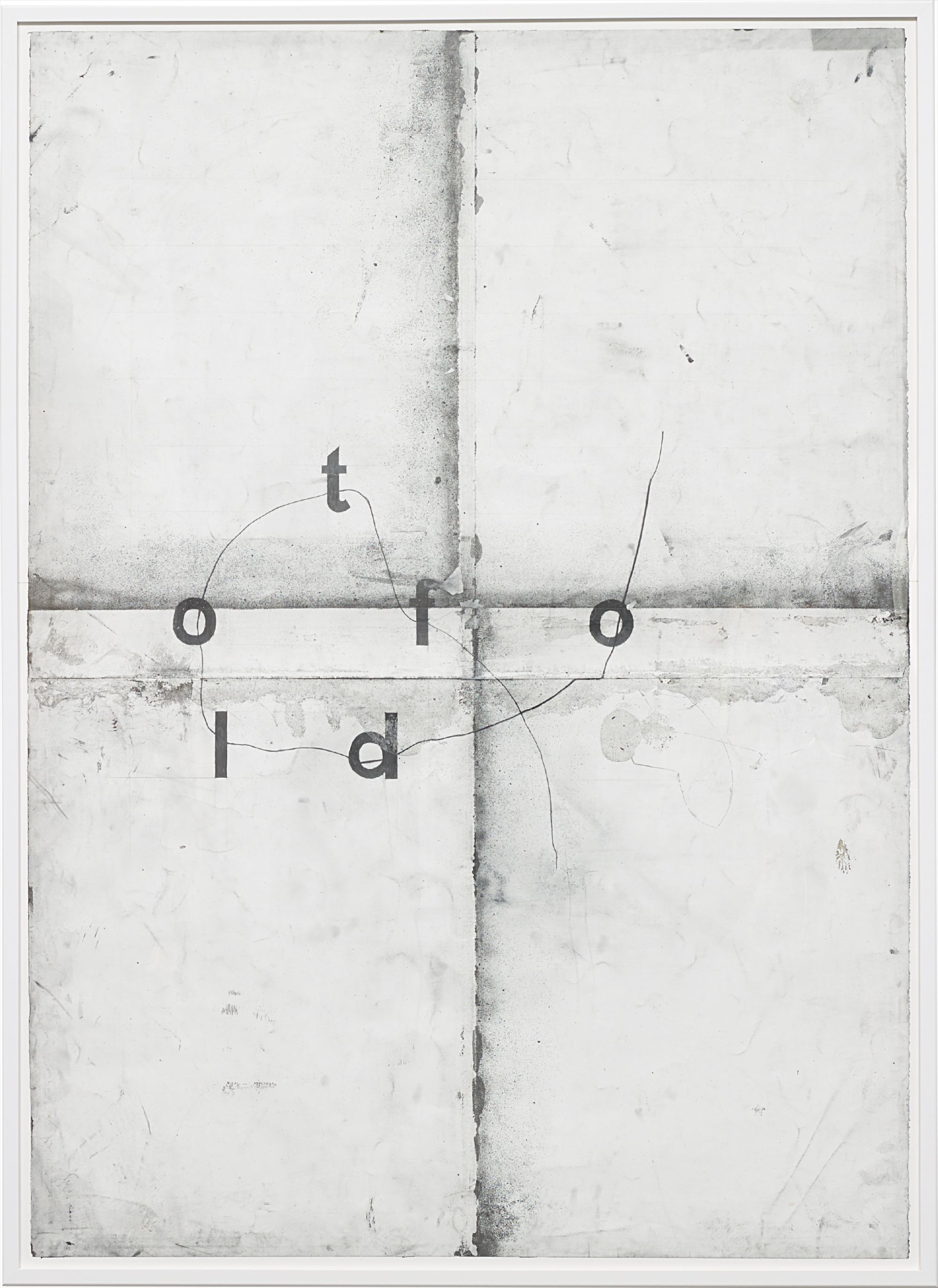
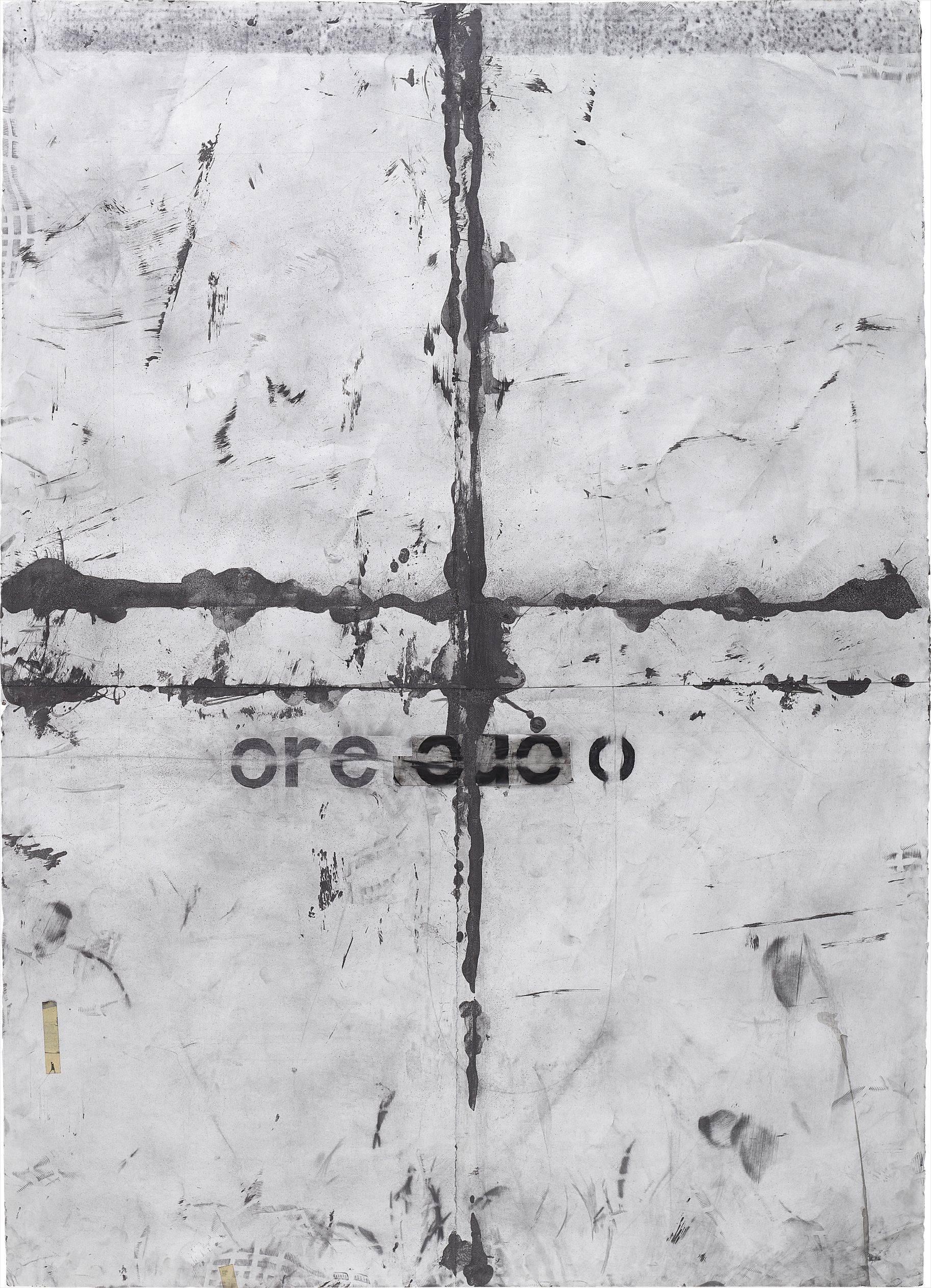
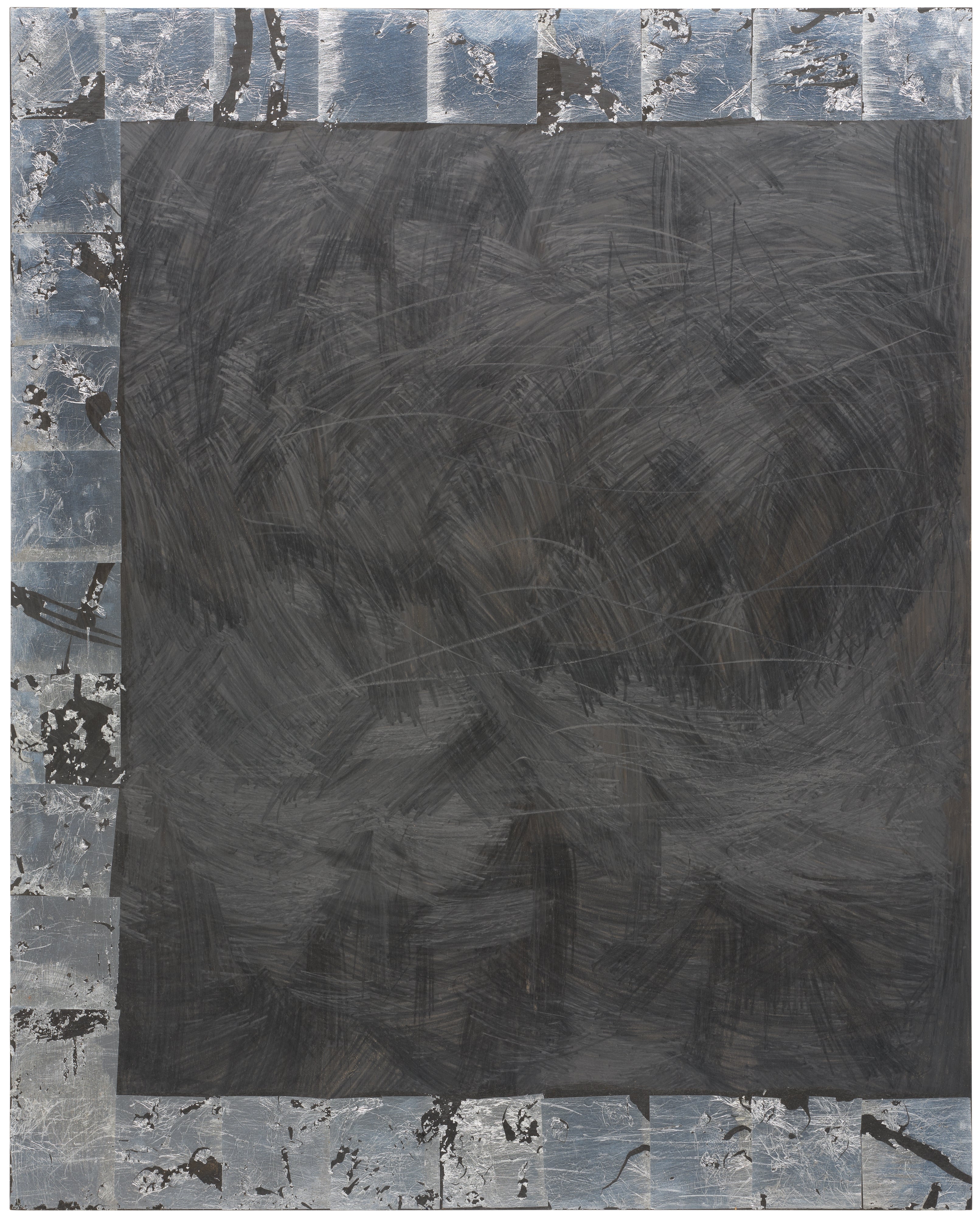
Tony Lewis
F told o
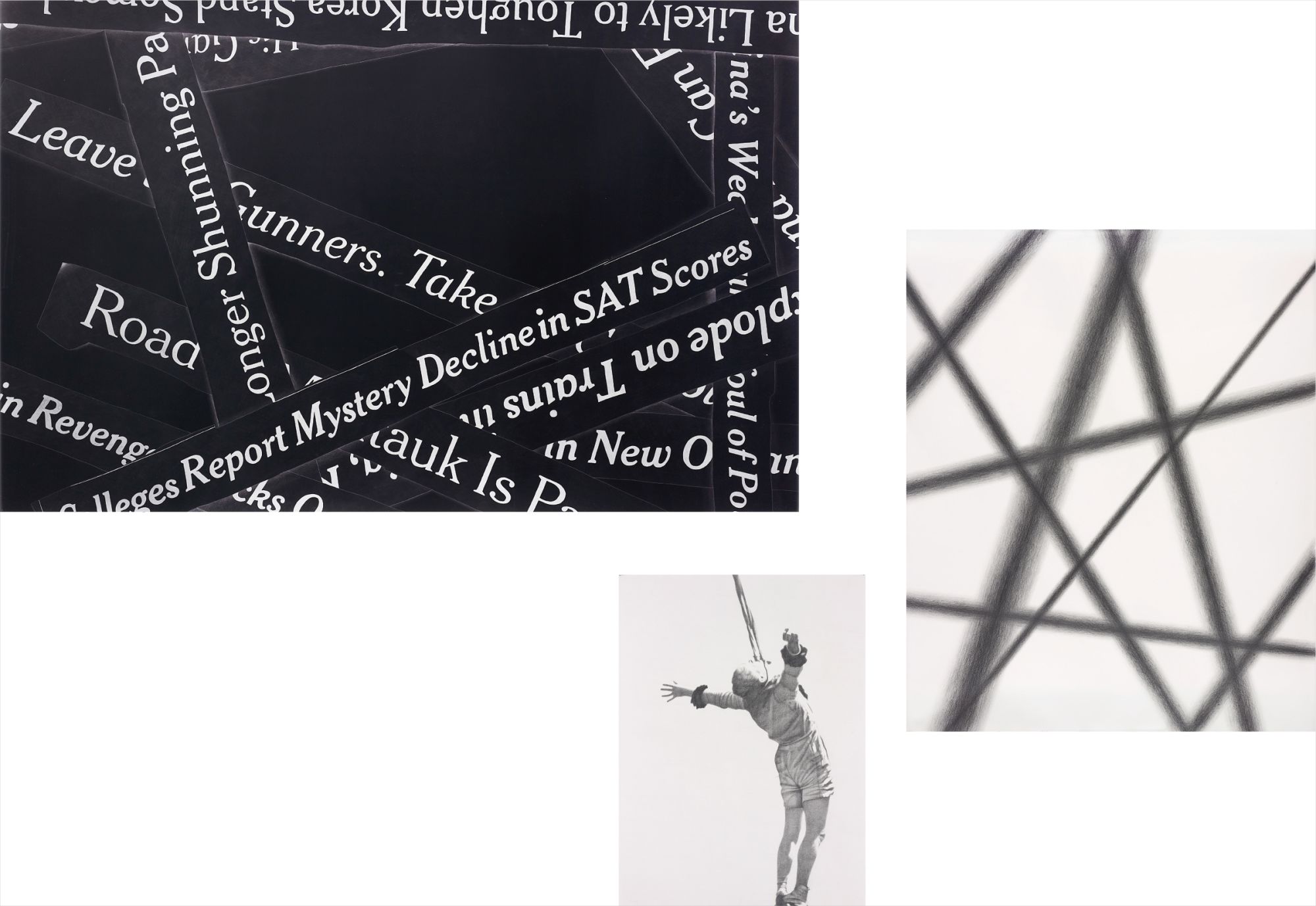
Meissonier's drawings feel newly relevant in that light. The contemporary end of the graphite market is defined by a different kind of ambition. Karl Haendel works in large scale, filling entire sheets with text and imagery that refuses the intimacy usually associated with the medium. Tony Lewis pushes graphite into near abstraction, his marks accumulating into fields that read as both linguistic and atmospheric.
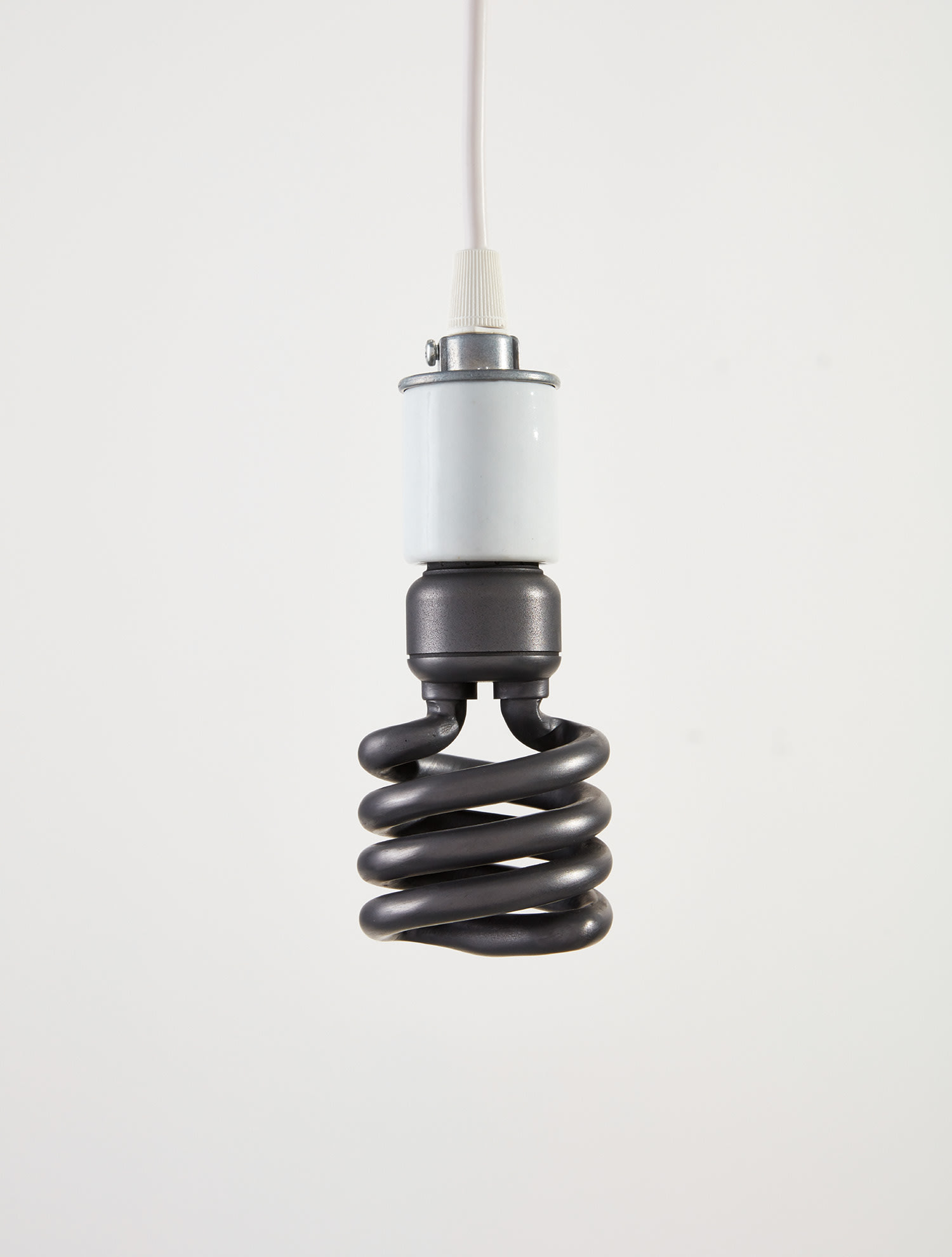
Adam McEwen uses graphite to construct objects that function as sculptures, challenging every assumption about where drawing ends and three dimensional work begins. What is striking about all of these practices is that they arrived at graphite conceptually rather than academically. They are not trained draftsmen who graduated to bigger ideas. They chose the pencil precisely because it carries no pretension, because it is the medium of the provisional, and they have turned that modesty into a kind of power.
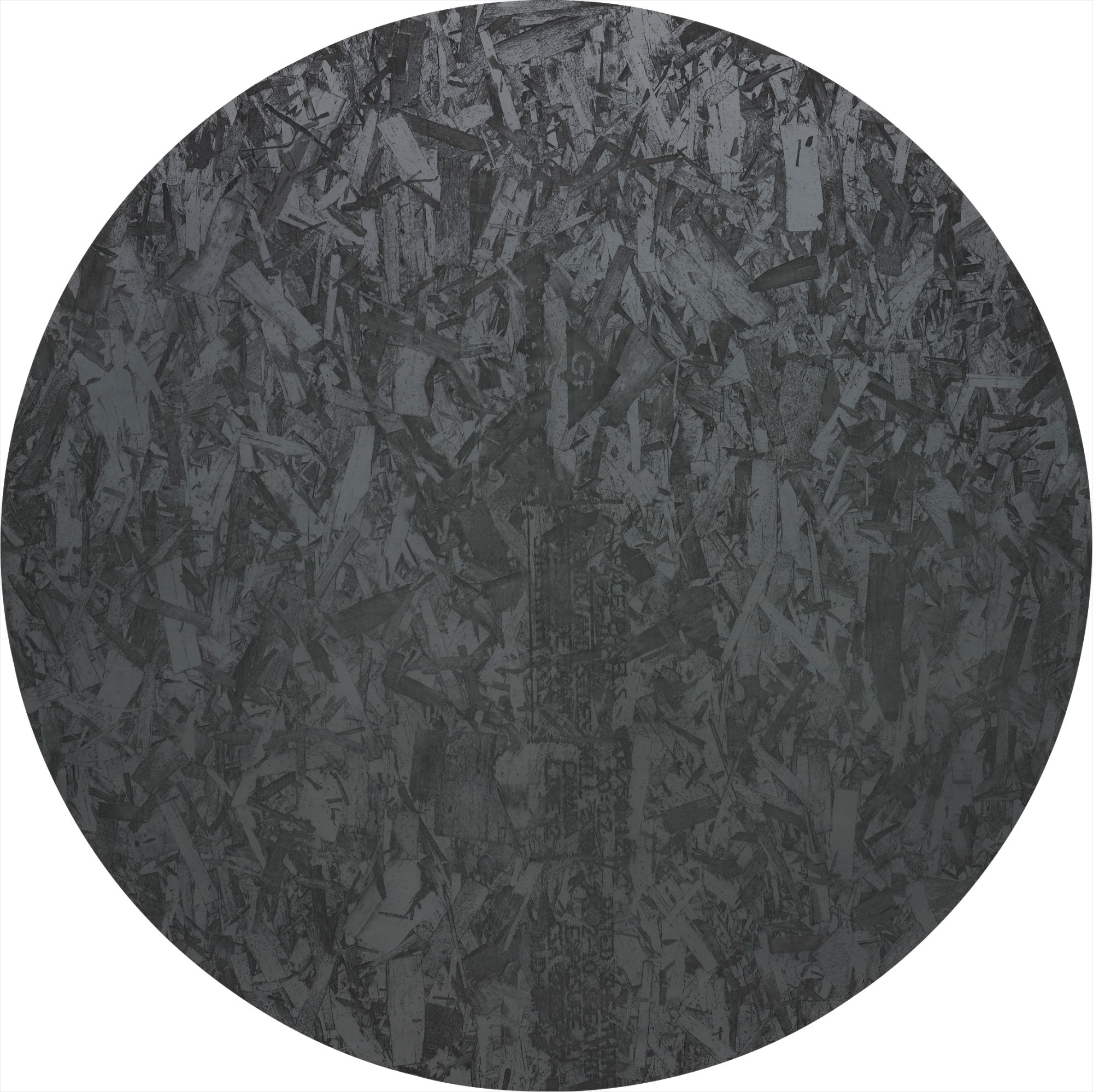
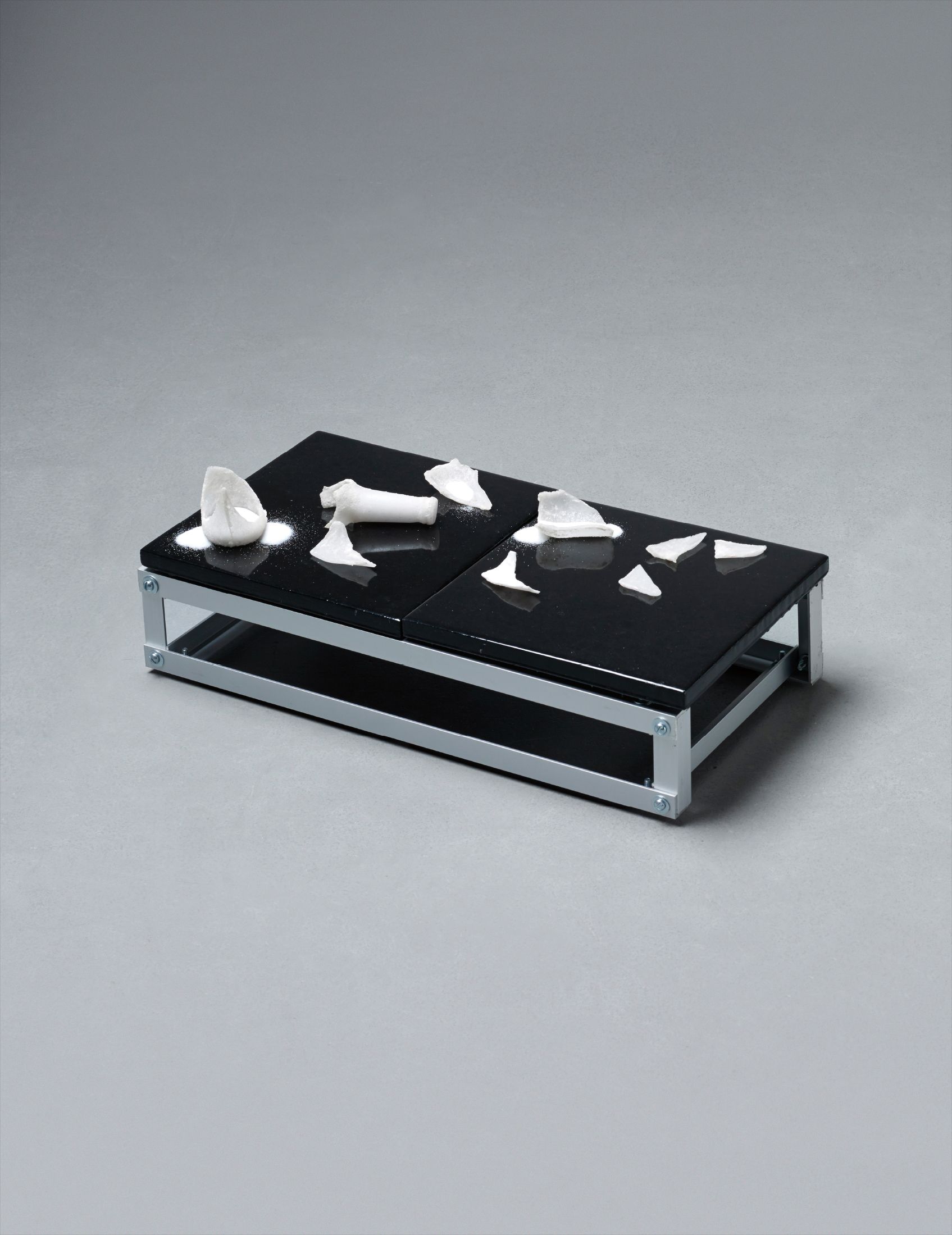
Adam McEwen
diameter: 121.9 cm (47 7/8 in.), 2013
Institutional collecting in this space has broadened considerably. The Hammer Museum in Los Angeles, the Menil Collection in Houston, and the Whitney have all made significant acquisitions in graphite based work over the past decade, and the signal that sends to the secondary market is real. When a museum commits to a medium in depth, it establishes a floor. It creates a historical argument that dealers and auction houses can then build around.
The Art Institute of Chicago has one of the great drawing collections in North America, and its continued engagement with contemporary work in the medium suggests that graphite is not being treated as a transitional enthusiasm but as a permanent strand in the story of art making. The critical conversation has been shaped by a handful of writers and curators who were early and insistent. Cornelia Butler, whose career has moved through MoMA, the Hammer, and the Museum of Contemporary Art in Los Angeles, has consistently returned to drawing as a critical category worth sustained attention. The catalogue she edited for "WACK!
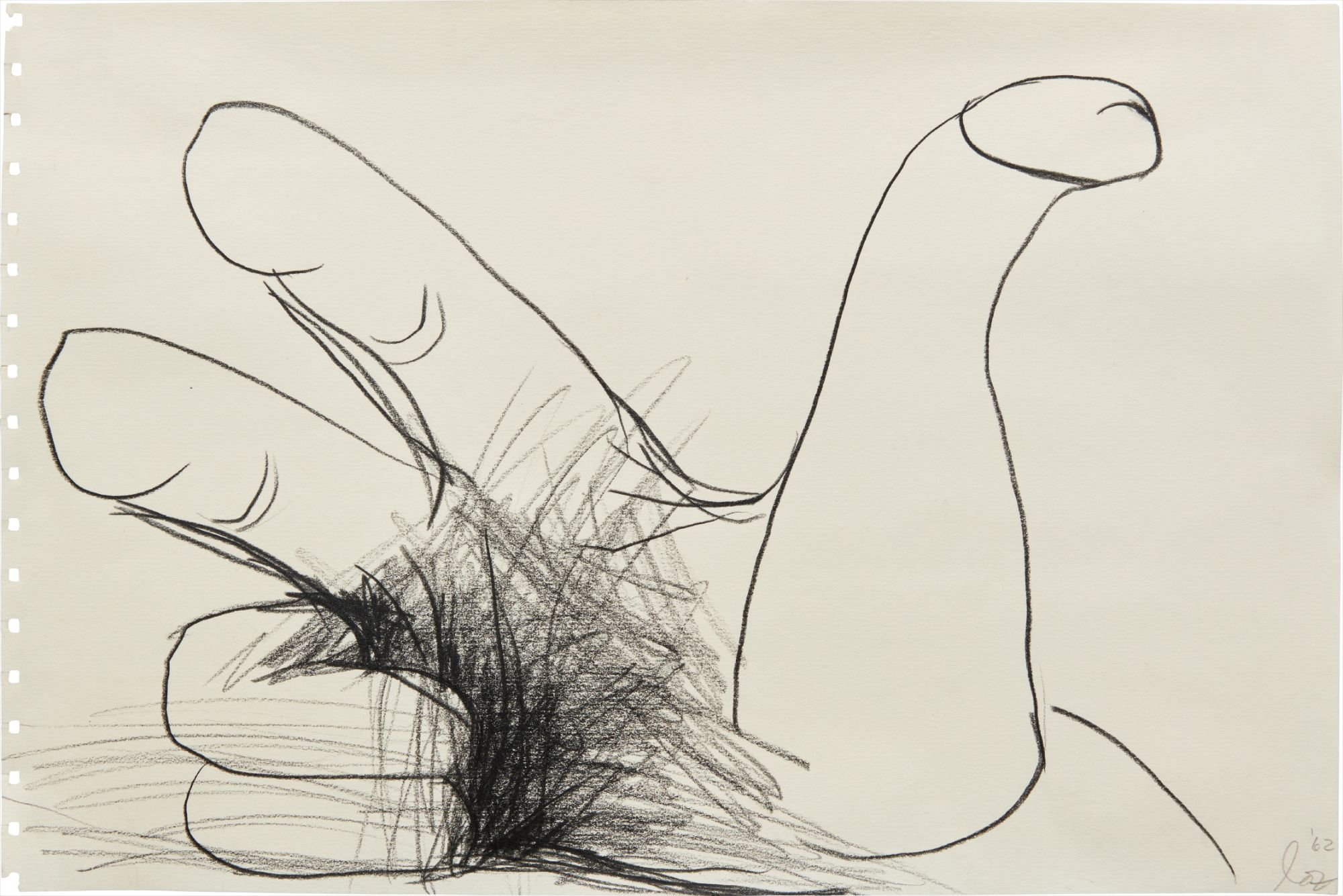
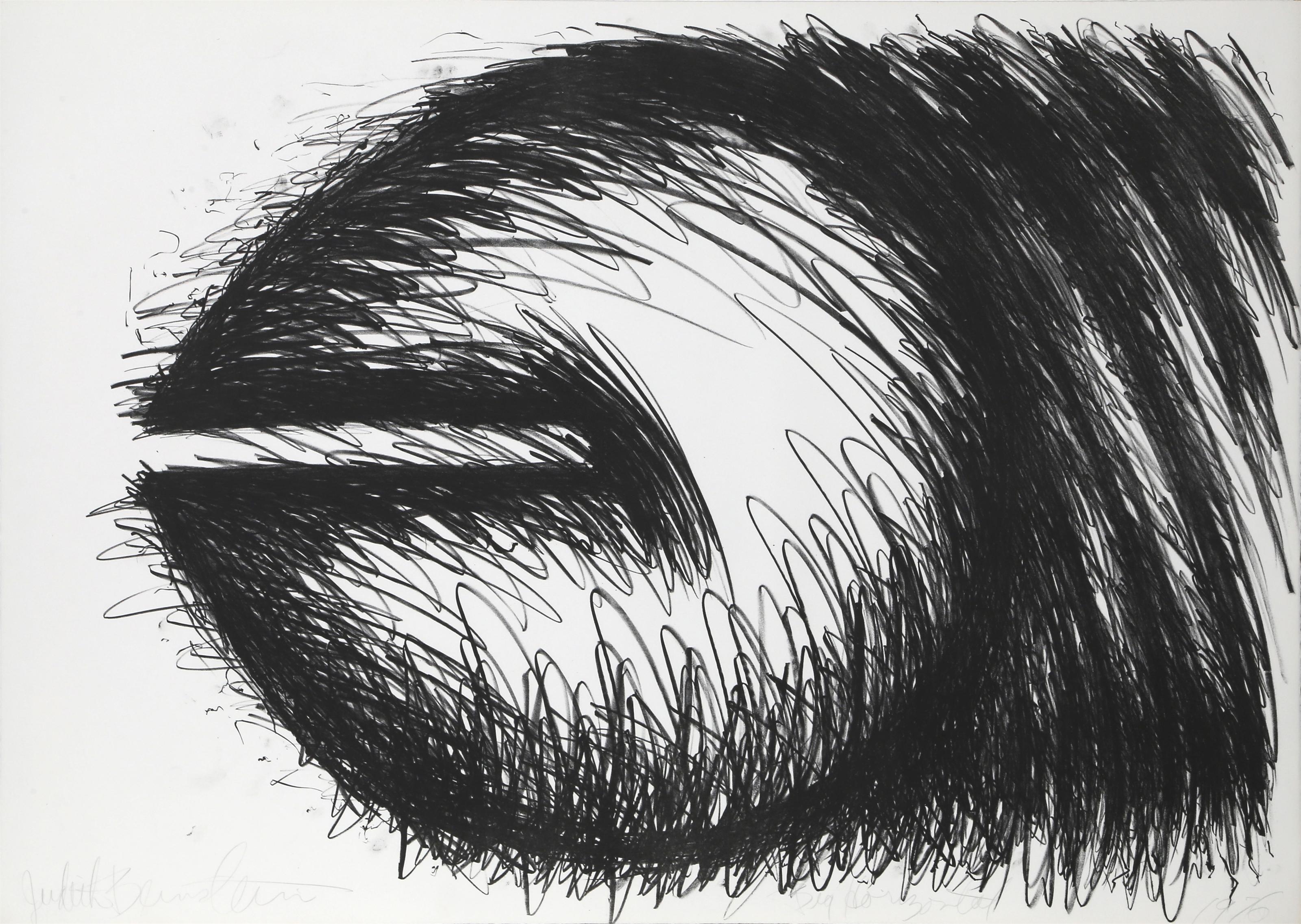
Lee Lozano
graphite on paper, 1962
Art and the Feminist Revolution" in 2007 touched on how many feminist artists of the 1960s and 1970s, including Lee Lozano and Judith Bernstein, used drawing not as preparation but as confrontation, the directness of graphite serving a directness of address that paint could not always match. That reframing has had a long tail in how we understand those practices today. What feels alive right now is the intersection of graphite with language. Artists like Kenneth Goldsmith and Robert Montgomery are working in zones where the drawn mark and the written word collapse into each other, asking whether the act of inscription is always already a drawing.
Mark Tansey's pencil works, meticulous and conceptually layered, remain undervalued relative to his painted output, which suggests an opportunity for collectors paying attention. And there is a younger generation, not yet fully legible in the auction room, that is treating graphite as the medium through which to process information overload, precisely because the pencil is slow and the hand is analog in an irreducible way. What feels settled is the high end, the Celmins market, the canonical feminist rediscoveries, the blue chip drawing auctions at the major houses that now routinely perform at levels once reserved for painting. What feels genuinely surprising is how deep the appetite goes below that level, how many serious collectors are now building focused collections in graphite rather than treating drawings as supplements to a painting collection.
The pencil turned out to be the whole argument.
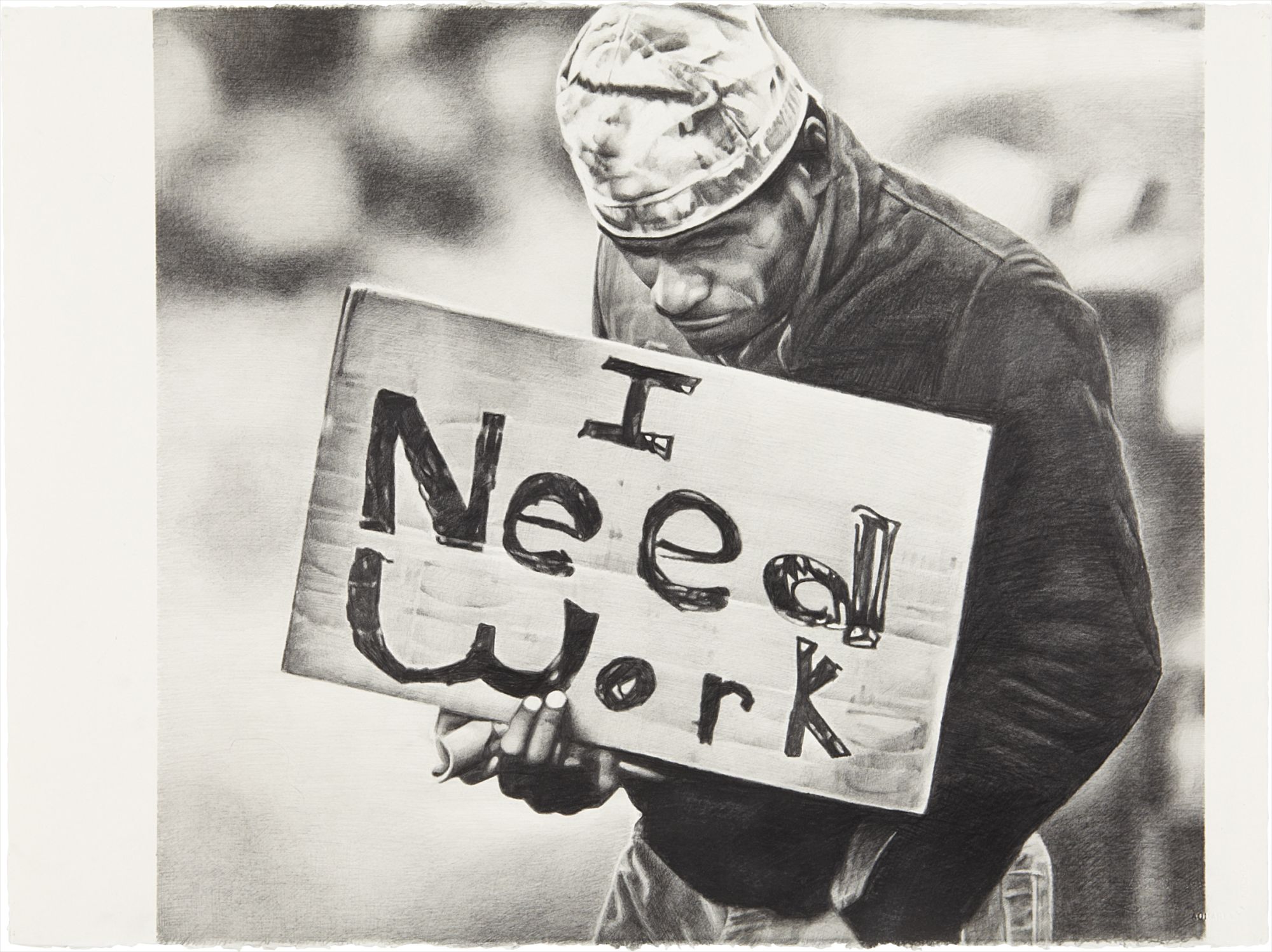
![Joan Miró — [Visage/Oiseau]: two works](https://rtwaymdozgnhgluydsys.supabase.co/storage/v1/object/public/artwork-images/auction-lots/NY030117-182017-lot1774297093313.jpg)