Gouache And Watercolor
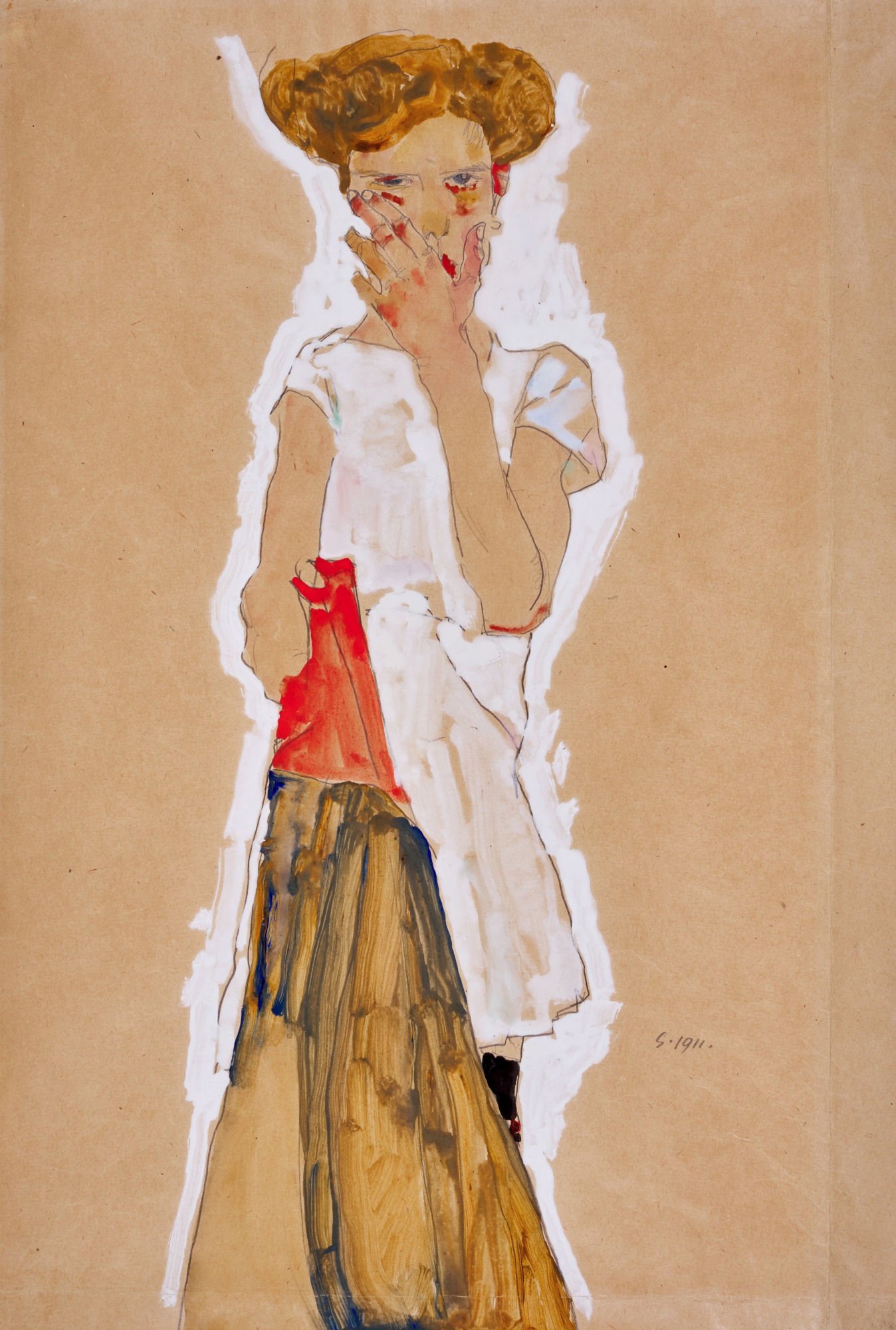
Egon Schiele
Stehendes Mädchen in Weissem Unterkleid (Standing Girl in White Petticoat), 1911

Water, Pigment, and the Art of Restraint
When a small Egon Schiele gouache on paper sold at Christie's Vienna for well over a million euros a few seasons ago, the room understood something that casual observers sometimes miss: works on paper are not consolation prizes. They are, for certain artists and certain moments, where the most urgent thinking happens. The result sent a familiar ripple through the collecting community, a reminder that gouache and watercolor occupy a space in the market that keeps defying expectations, quietly and then all at once. The renewed appetite for works on paper has been building for the better part of a decade, but the last few years have made it undeniable.
Major auction houses have restructured their dedicated works on paper sales, expanding them and moving prime lots into evening sale territory that was once reserved exclusively for oil on canvas. The logic is simple and the data supports it: collectors who might have once viewed a Raoul Dufy watercolor as a charming secondary acquisition are now pursuing such works as centerpieces. Dufy's facility with watercolor was not a sideline. His loose, luminous handling of harbor scenes and studio interiors represents some of the most purely joyful mark making of the twentieth century, and the market has caught up to that critical consensus.
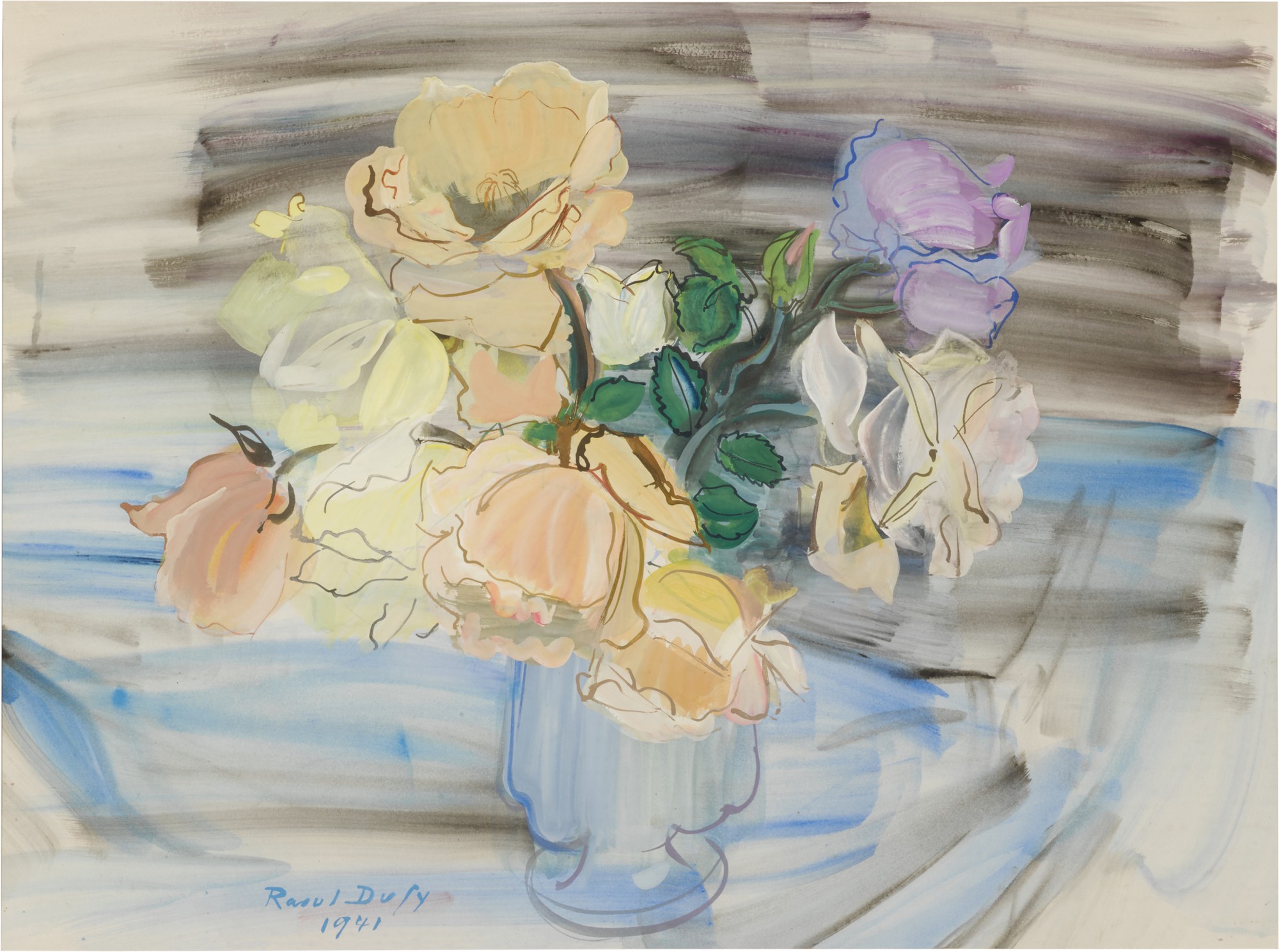
Raoul Dufy
Bouquet des roses, 1941
Exhibitions have played a meaningful role in reshaping the conversation. The Albertina in Vienna, which holds one of the great collections of works on paper on earth, has mounted several shows in recent years that reframed how we look at the medium. Their sustained institutional commitment to gouache and watercolor, from the old masters through to the twentieth century avant garde, lends scholarly weight to what collectors are already feeling in their bones. Similarly, the Morgan Library in New York continues to be essential viewing for anyone serious about this space.
When the Morgan devotes gallery space and catalogue scholarship to a particular artist's works on paper, it tends to recalibrate market attention in ways that persist long after the show closes. The critical conversation around gouache specifically has grown more sophisticated. Writers and curators have pushed back against the old hierarchy that placed works on paper beneath paintings in terms of ambition or significance. The case of František Kupka is instructive here.
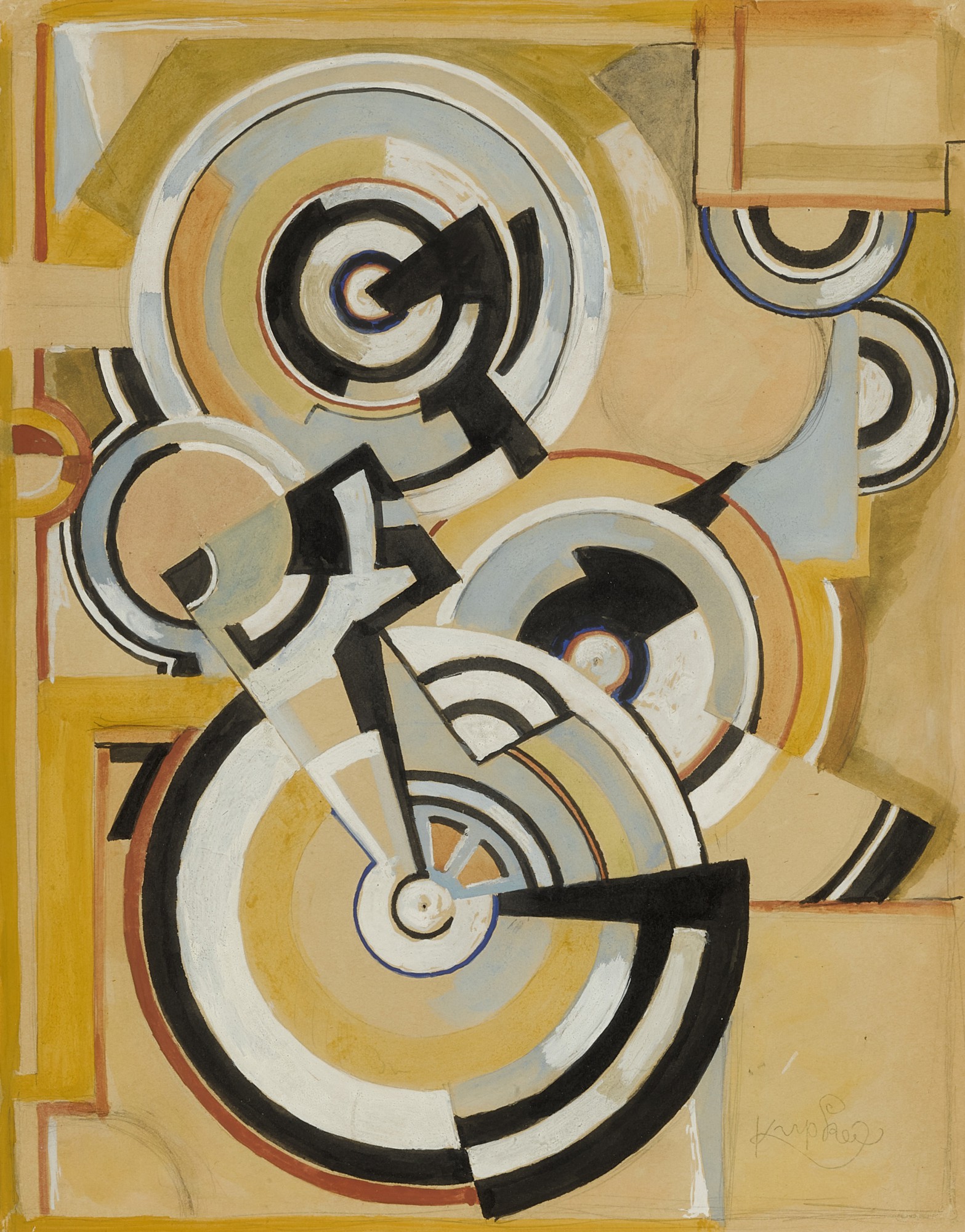
František Kupka
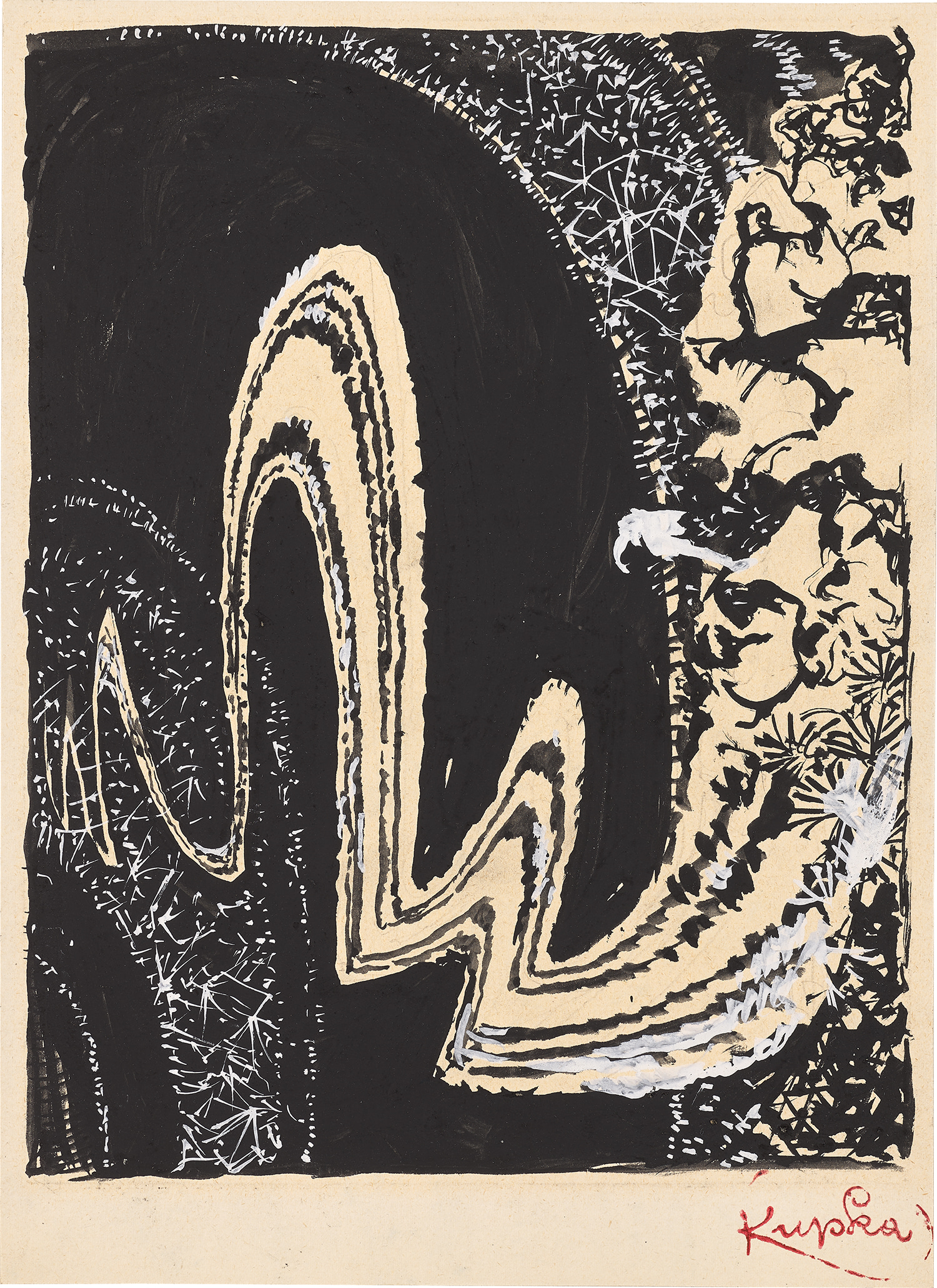
Formes circulaires, 1929
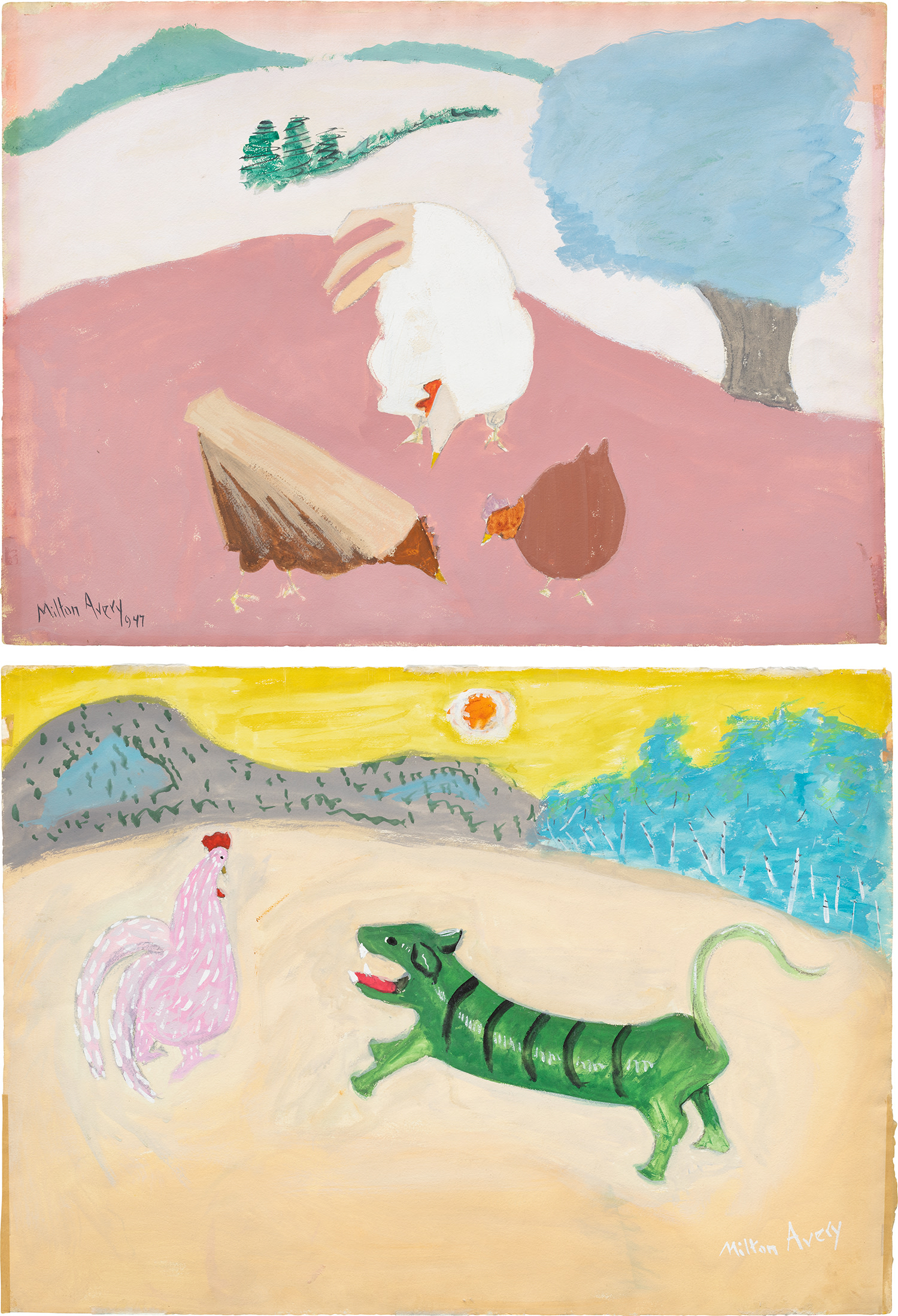
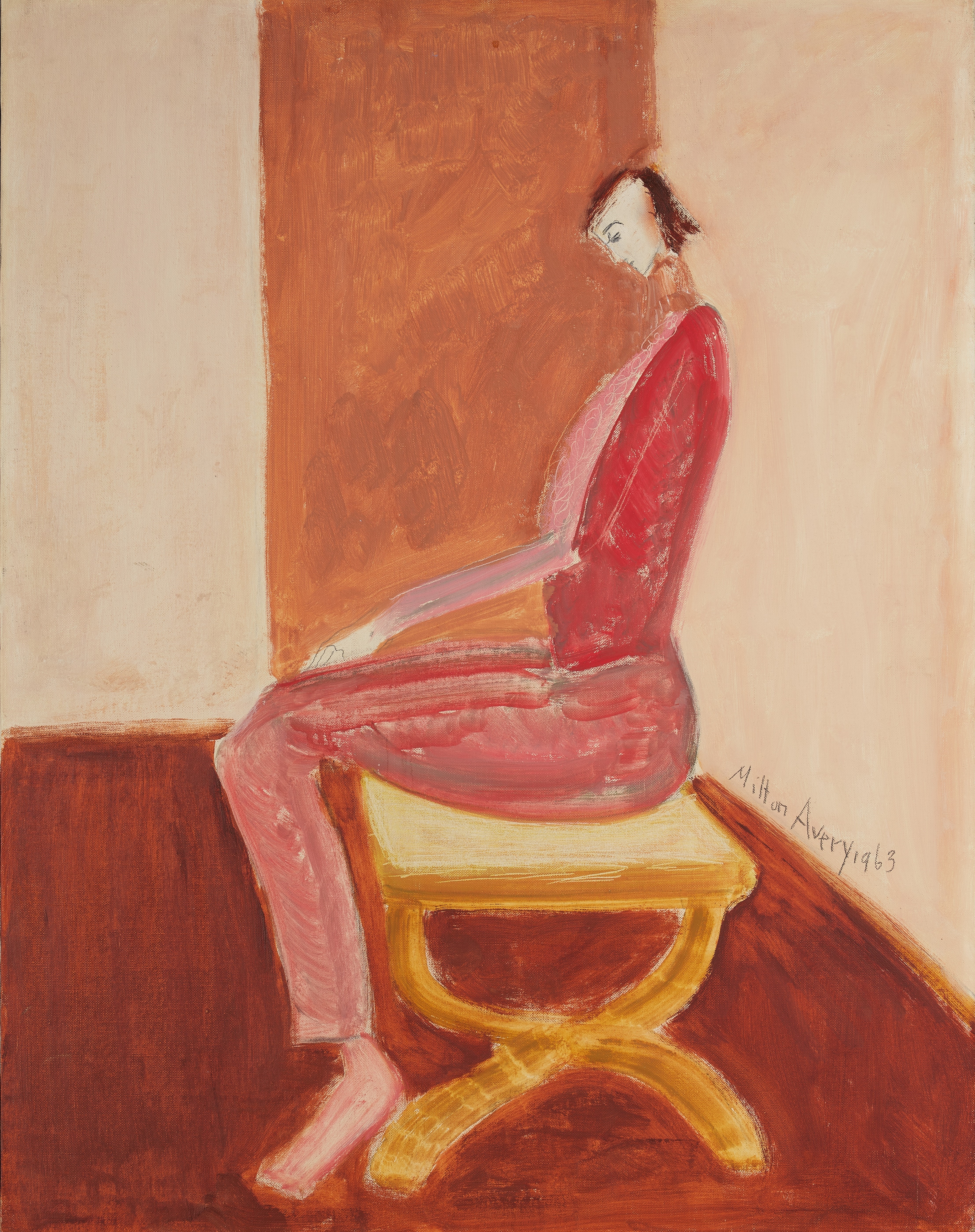
Kupka's abstract works on paper, made in the early decades of the twentieth century, are now understood as primary documents of his thinking rather than studies for something more finished. When those works appear at auction, they carry the authority of ideas fully realized on their own terms. The same reappraisal applies to Milton Avery, whose watercolors distill his color philosophy into forms of remarkable economy. Avery on paper is not a smaller Avery.
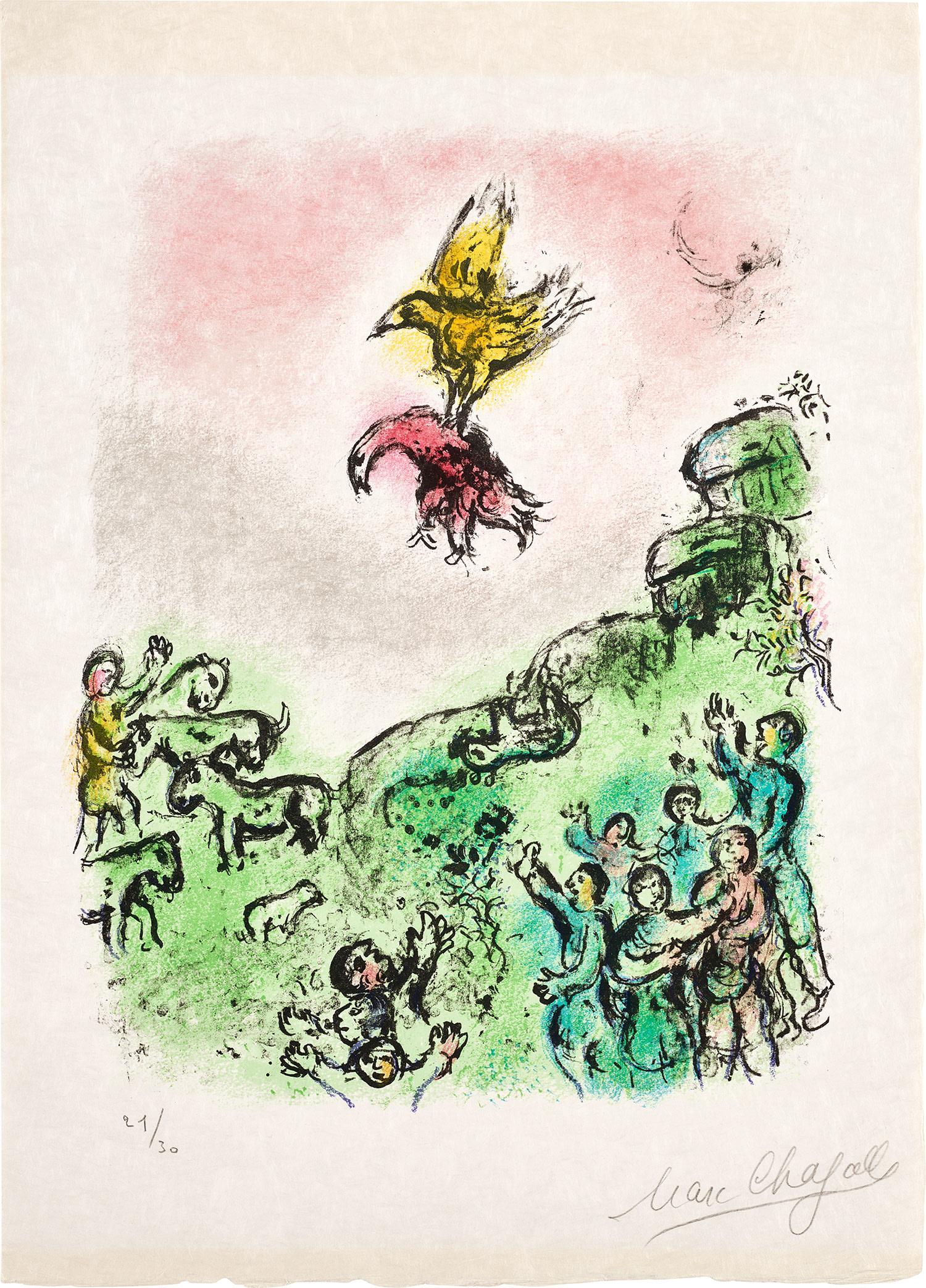
It is often a more direct one. Marc Chagall's gouaches represent a different kind of case study in market psychology. Because Chagall produced so prolifically and because his imagery is so beloved and recognizable, his works on paper have sometimes been underestimated relative to his major canvases. But strong examples, particularly those connected to his theatrical work or to specific periods in France and New York, continue to find enthusiastic bidders.
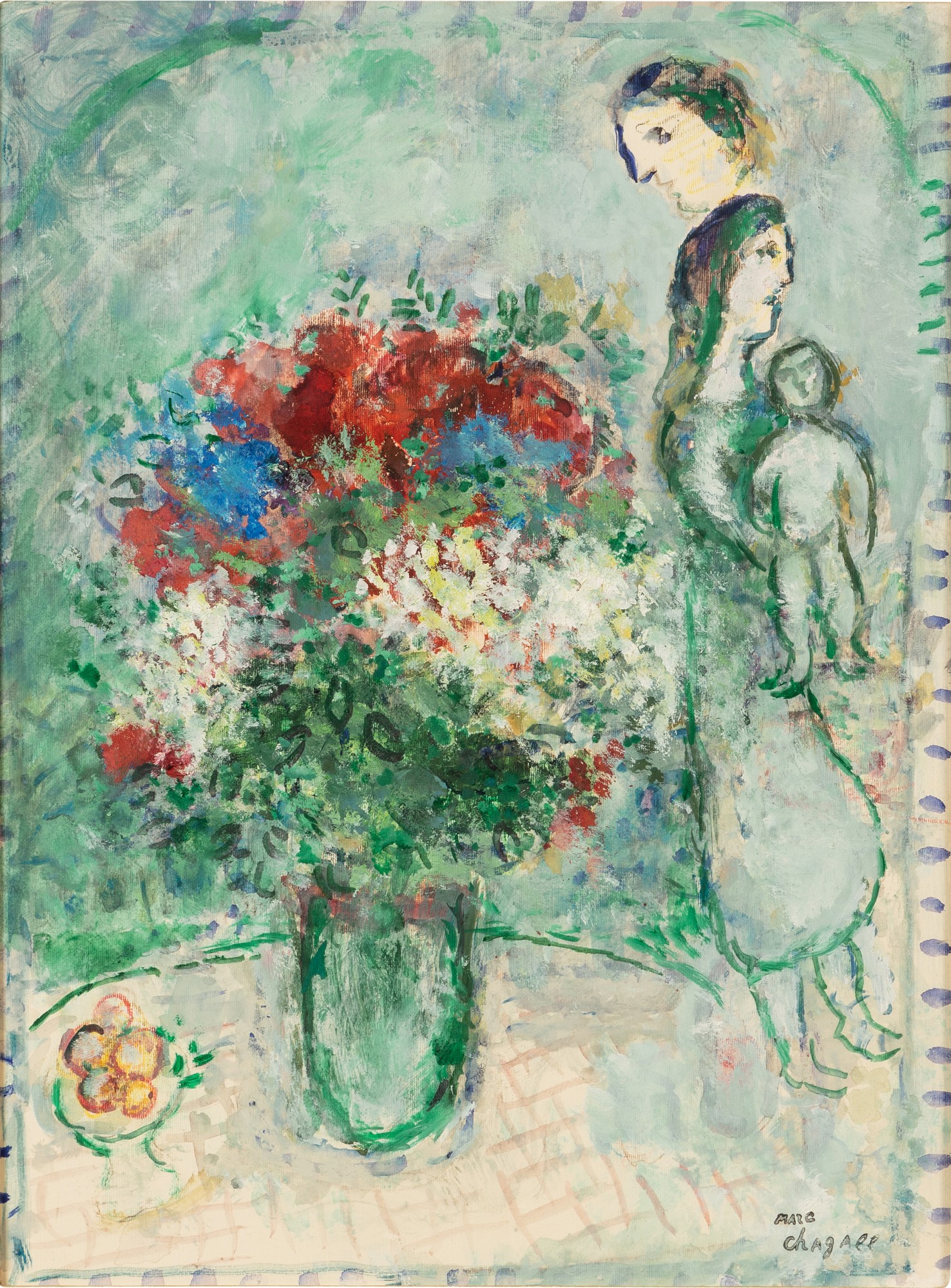
Marc Chagall
Bouquet et famille
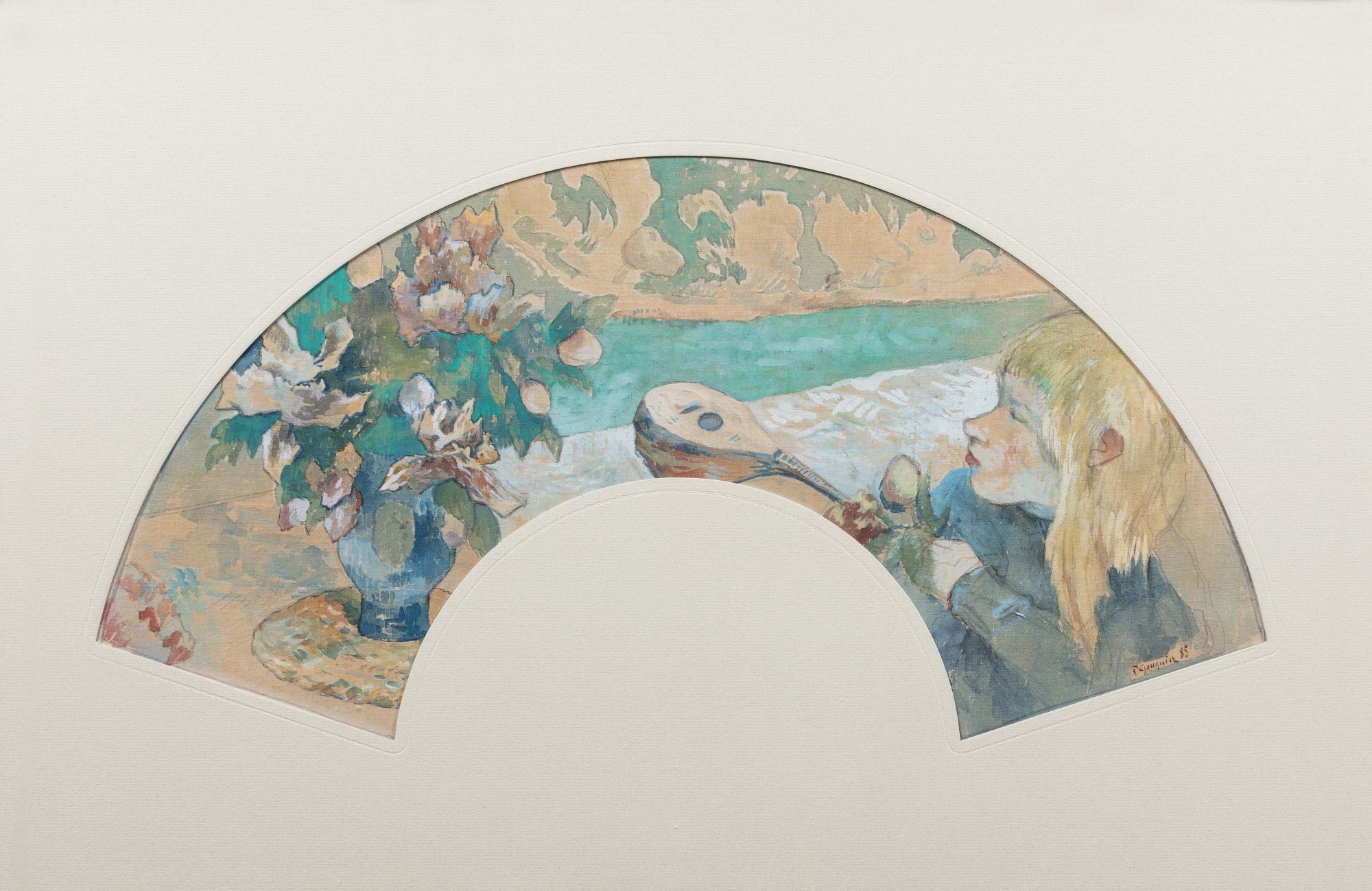
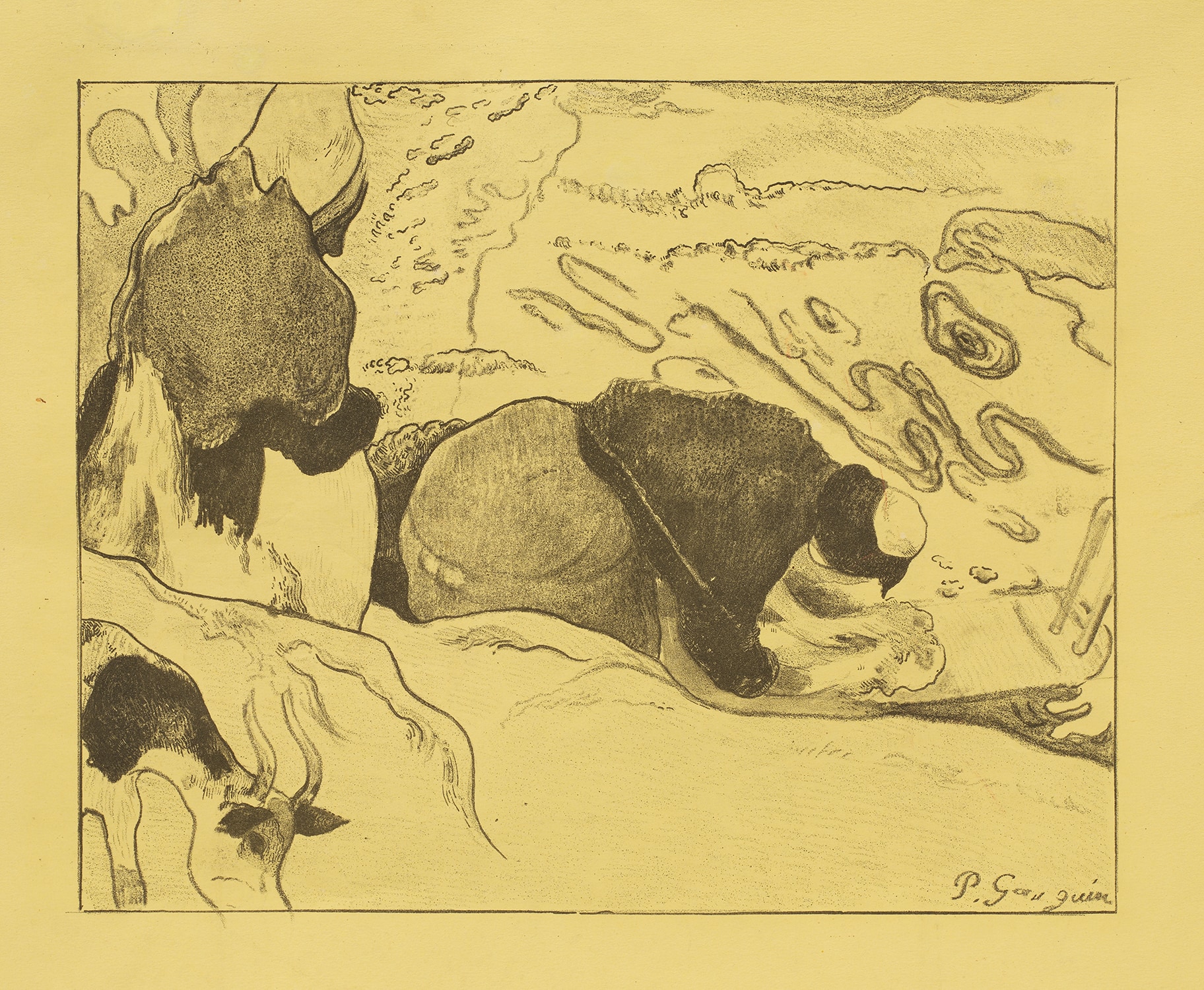
The challenge with Chagall, as with any artist whose output was enormous, is condition and provenance. Collectors working in this space have learned to be precise, and that precision has made the strongest examples more valuable, not less. Paul Gauguin's rare works on paper carry an entirely different weight, closer to manuscript than decoration, and when they surface they command attention from institutions and private collectors simultaneously. Institutional collecting in this area is one of the more telling signals of where the field is heading.
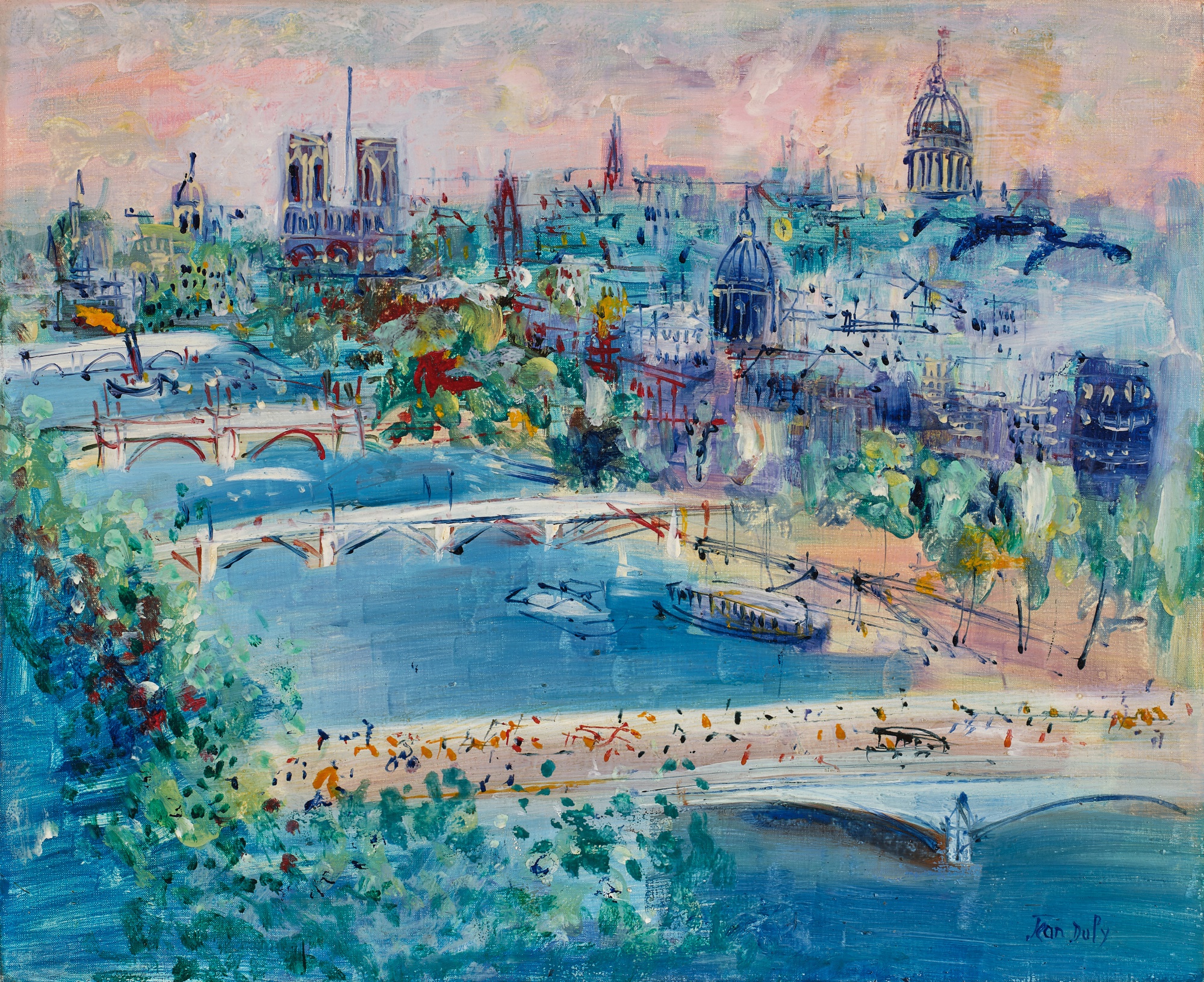
American museums including the Art Institute of Chicago and the Metropolitan Museum of Art have been selectively but meaningfully expanding their holdings of twentieth century works on paper in recent acquisition cycles. European institutions, particularly in France and the Netherlands, have long understood the medium as central rather than peripheral to the story of modernism. When Jean Dufy's atmospheric watercolors enter public collections, they do so not as filler but as evidence of a particular moment in French culture that deserves sustained attention. The institutional appetite legitimizes the collector appetite, and the two reinforce each other.
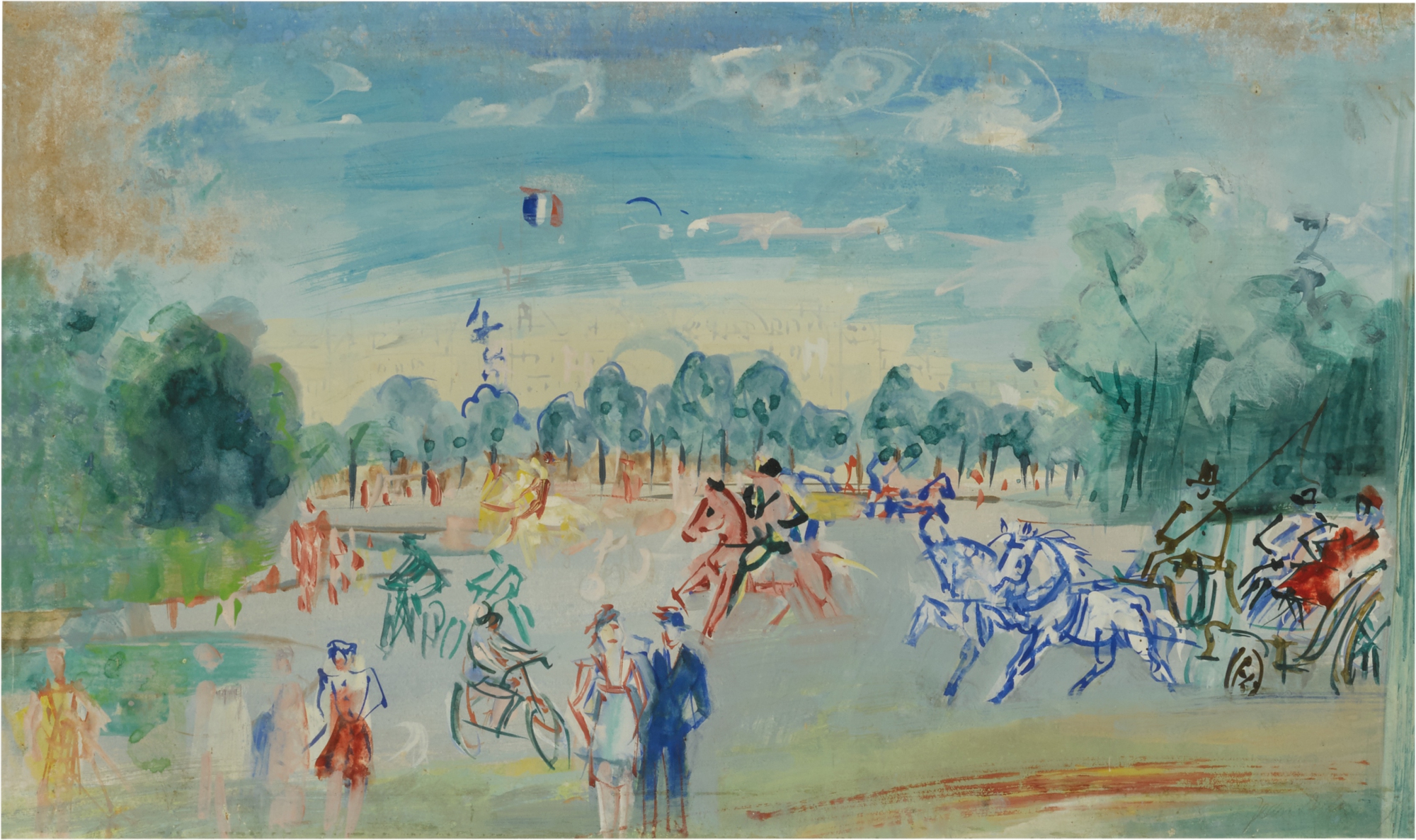
Jean Dufy
Calèche et cavaliers
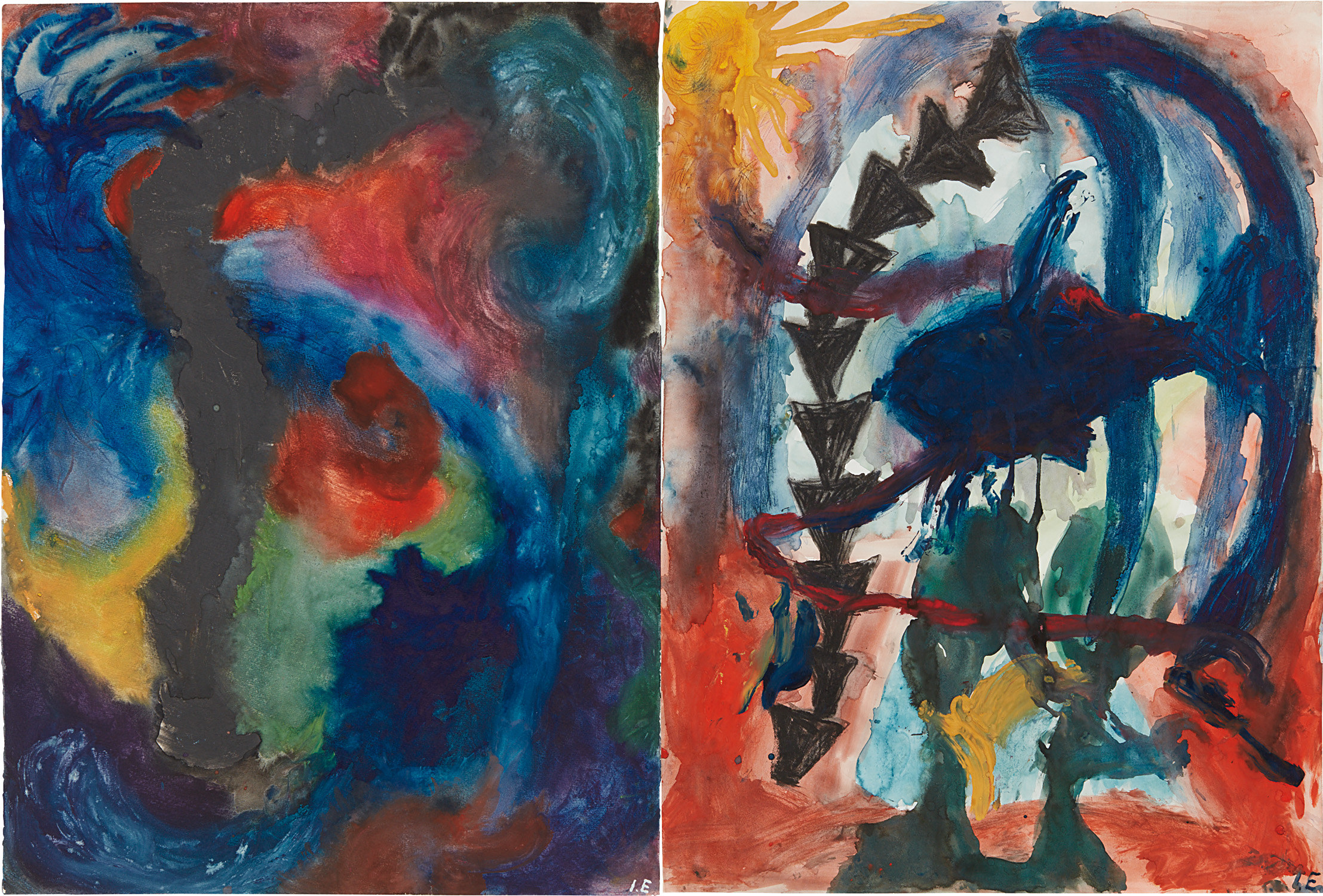
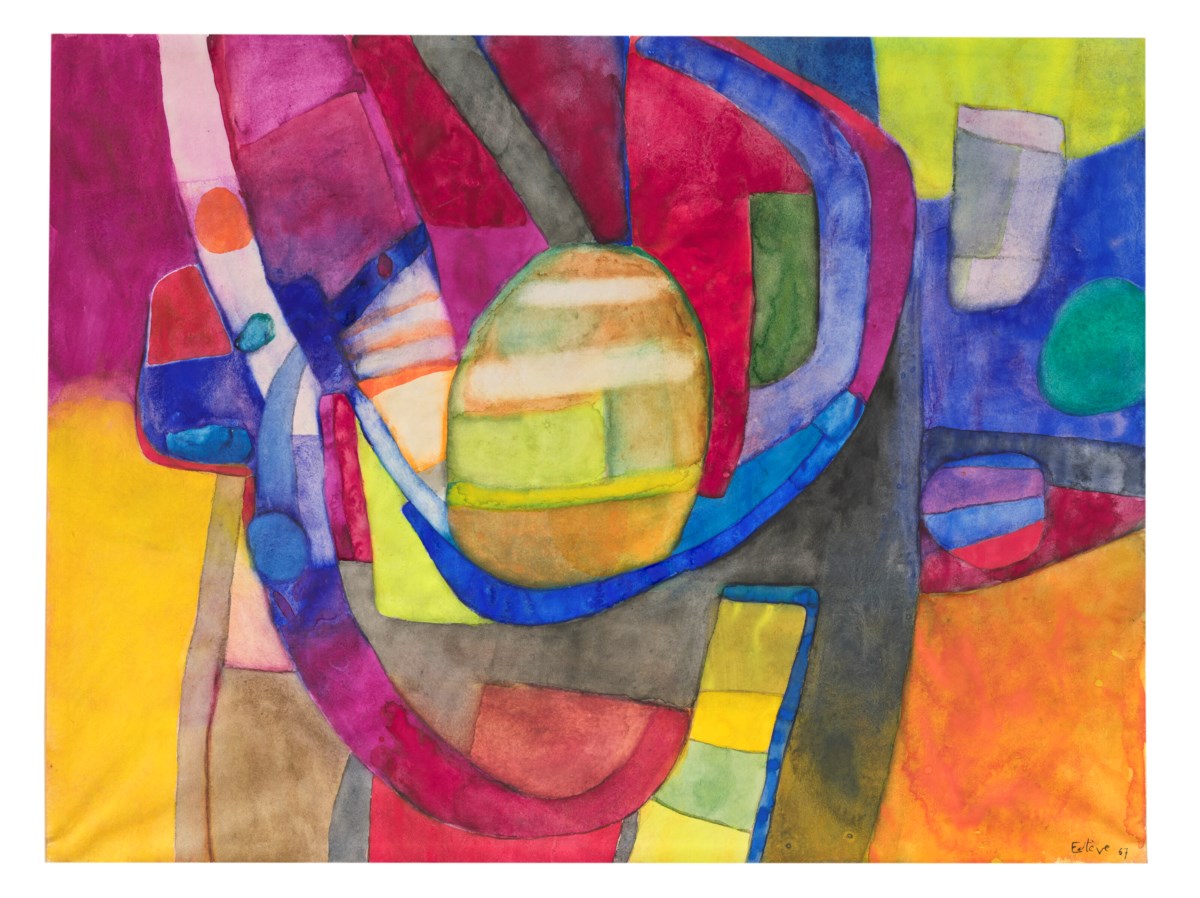
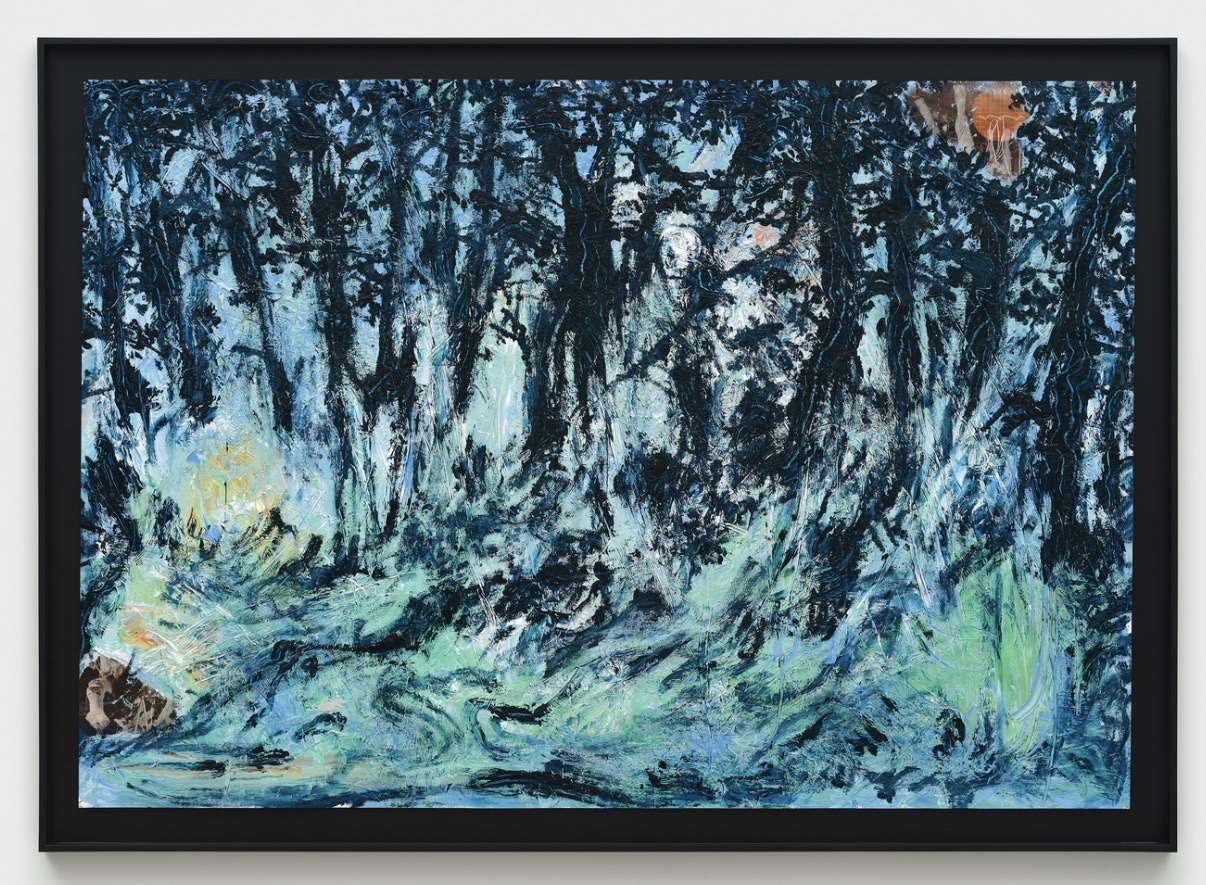
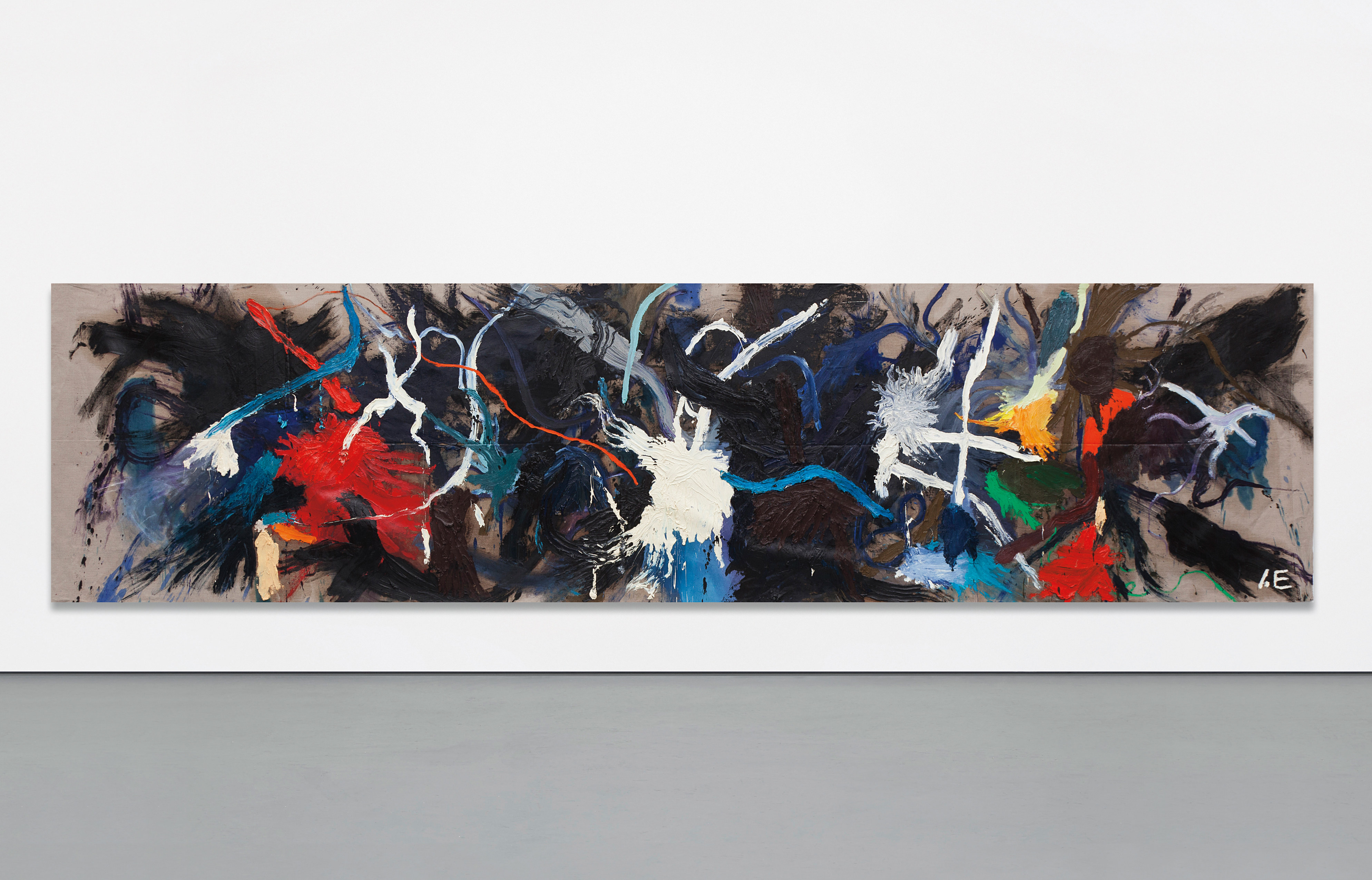
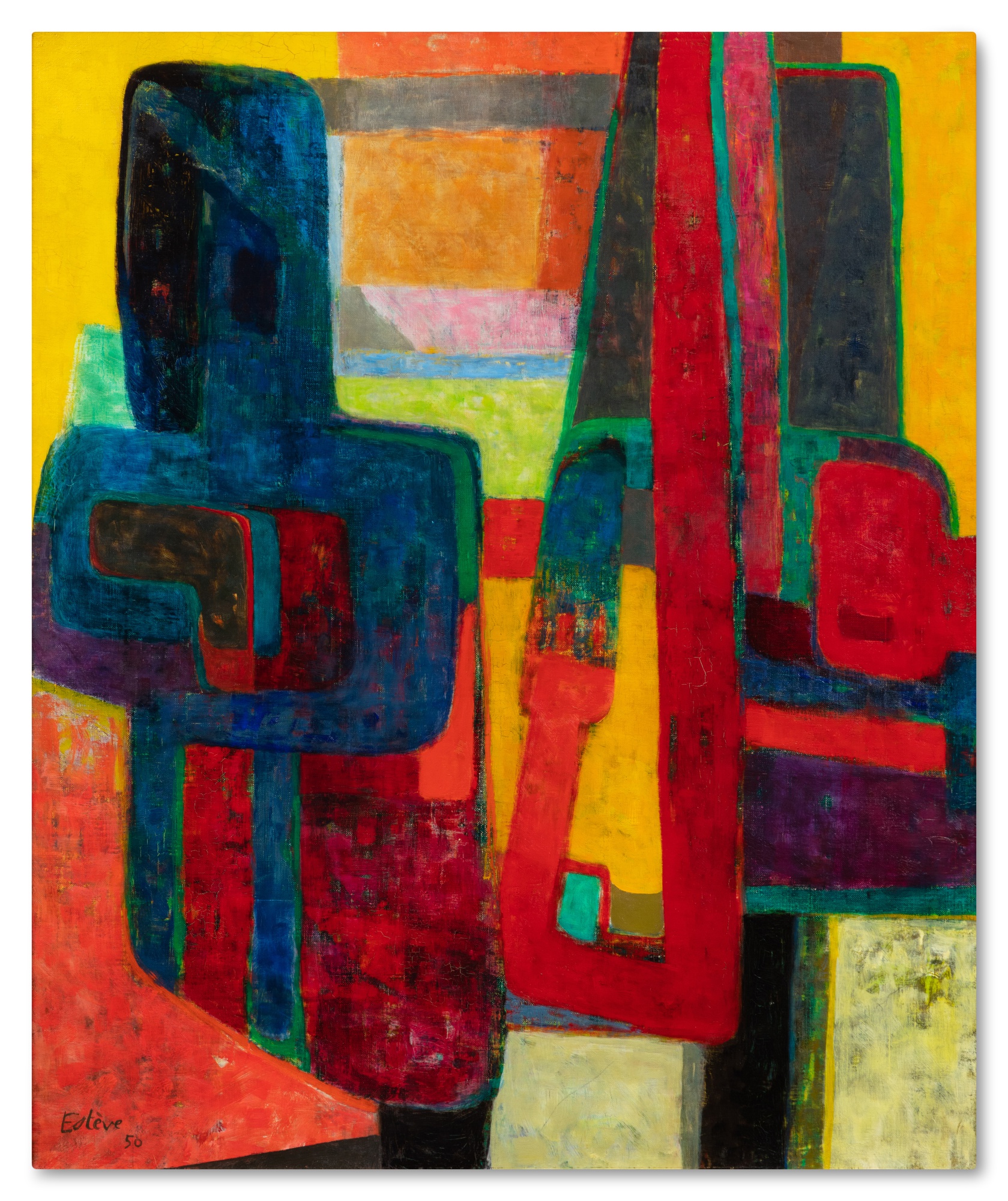
The most interesting energy right now sits at the intersection of historical and contemporary. Younger artists and galleries are returning to gouache with real conviction, drawn to its opacity, its capacity for revision, and its deep roots in both folk tradition and high modernism. Ida Ekblad, whose practice ranges widely across materials and registers, brings to works on paper a restless intelligence that connects to longer genealogies without being defined by them. Seeing her work in proximity to historical figures like Maurice Estève, whose postwar abstractions in gouache are among the most underappreciated achievements of their era, creates productive conversations about what the medium can still do.
Estève in particular feels ripe for broader recognition. His color sense is extraordinary and his works on paper have not yet reached the auction prices that their quality would seem to justify. What surprises are coming? The consensus among advisors who watch this space closely is that works on paper by artists currently understood primarily through their paintings will continue to attract serious interest, particularly as major canvases by the same hands become either unavailable or priced beyond reach for all but the most capitalized collectors.
The gouache and the watercolor have always served, among other functions, as points of entry. But the best of them are not entry points. They are destinations. The works on The Collection reflect this breadth and depth, from the intimately scaled to the conceptually expansive, and they reward the kind of close looking that this medium has always quietly demanded.