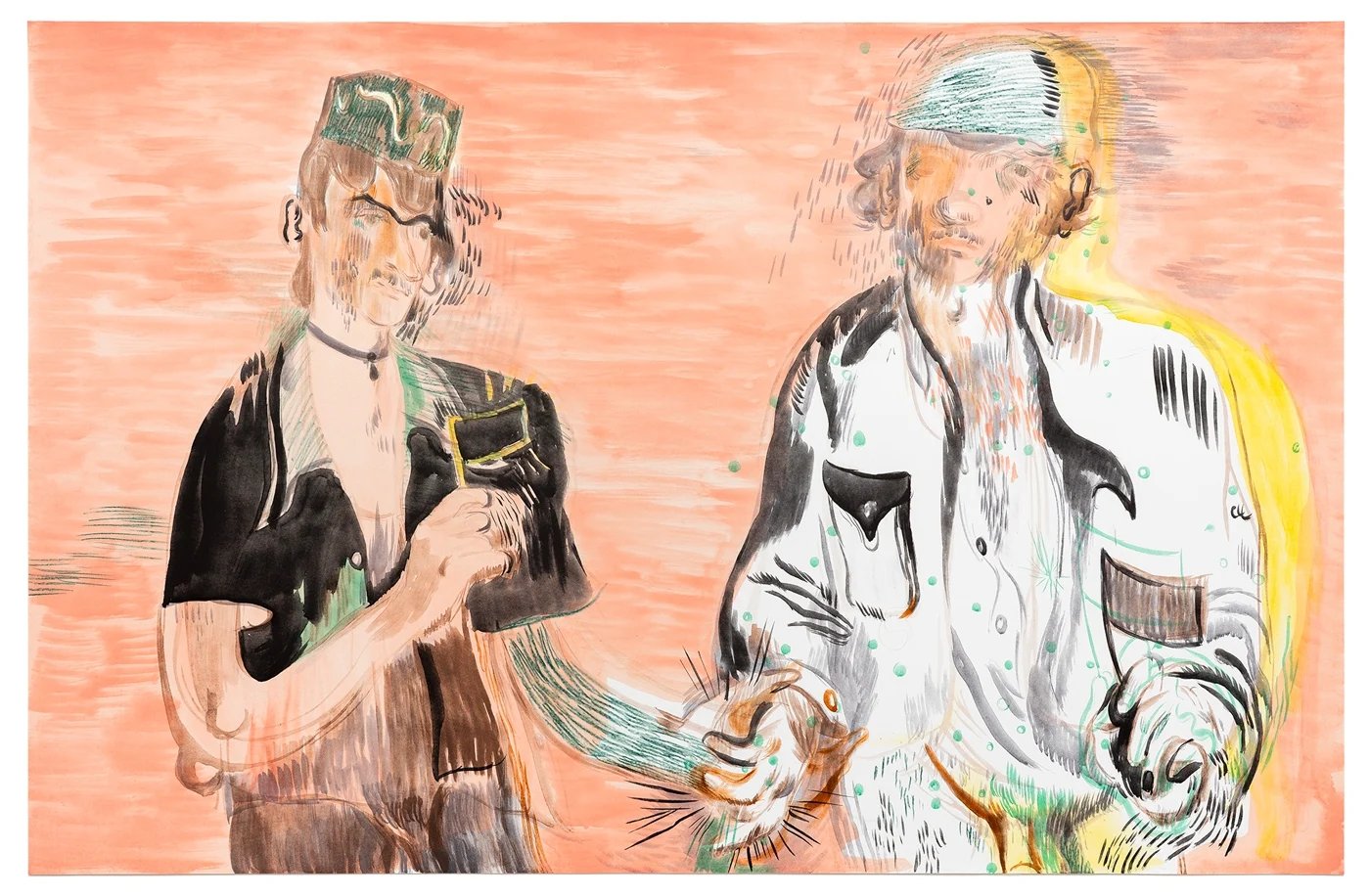
Feminist
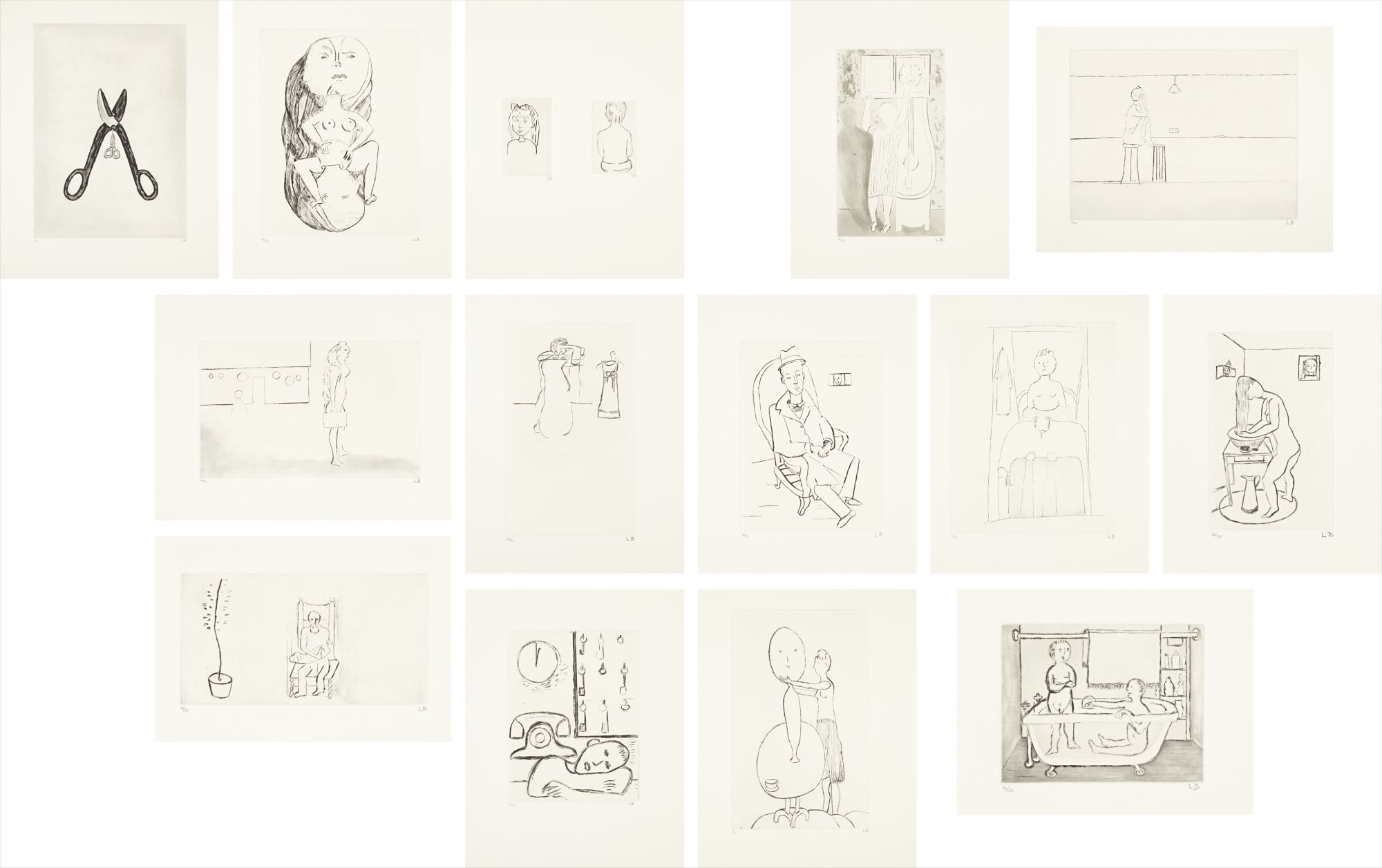
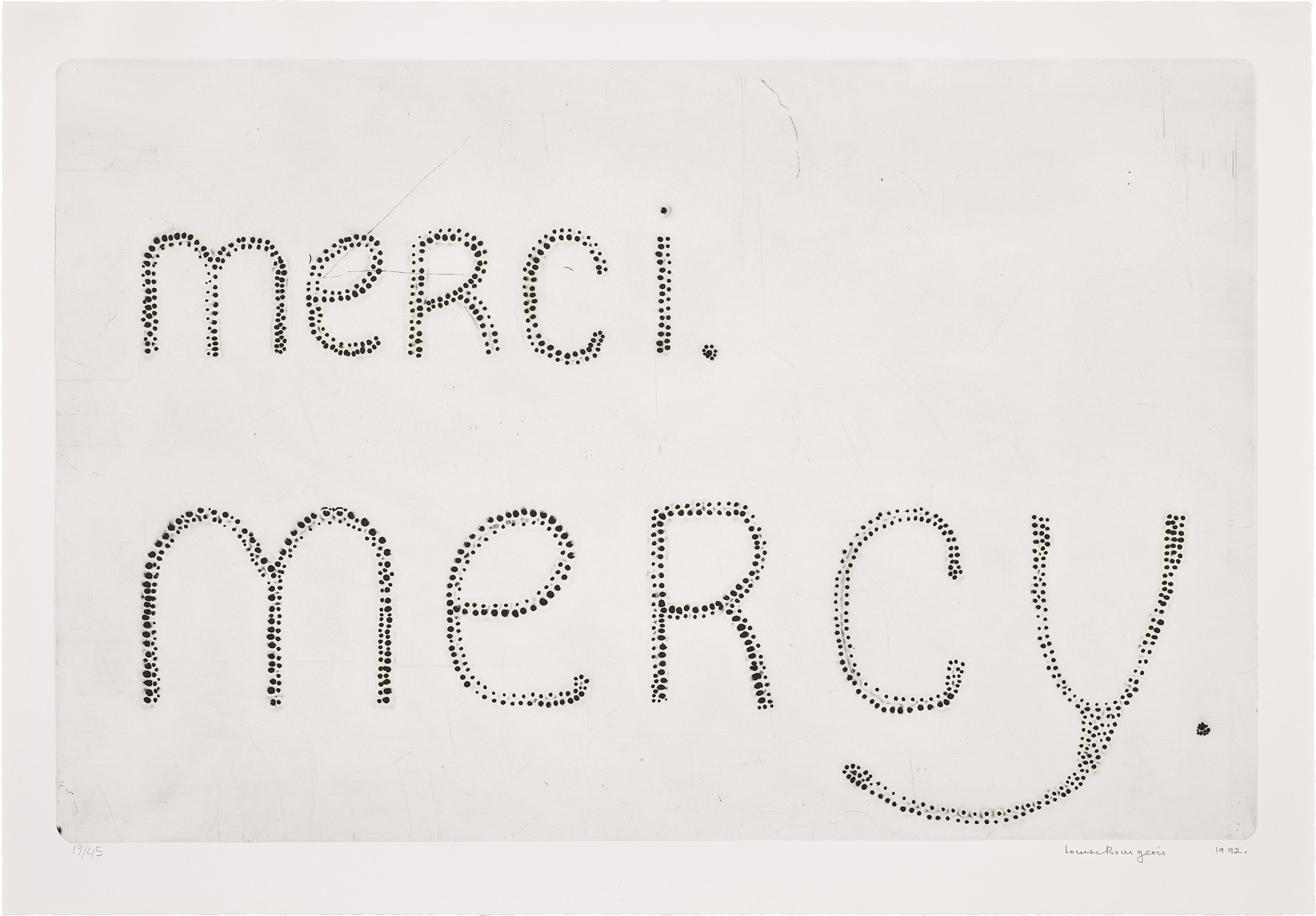
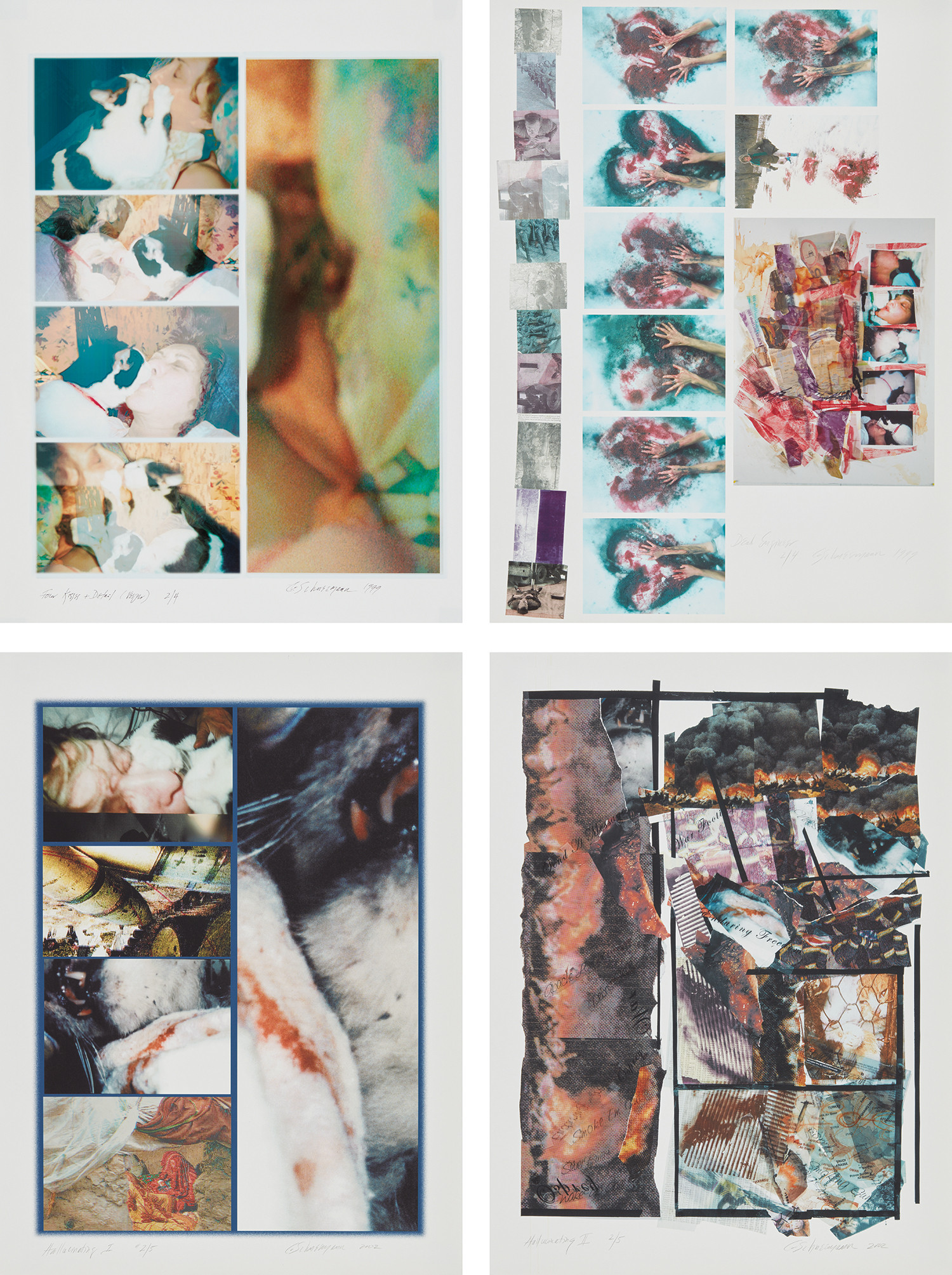
Louise Bourgeois
Autobiographical Series

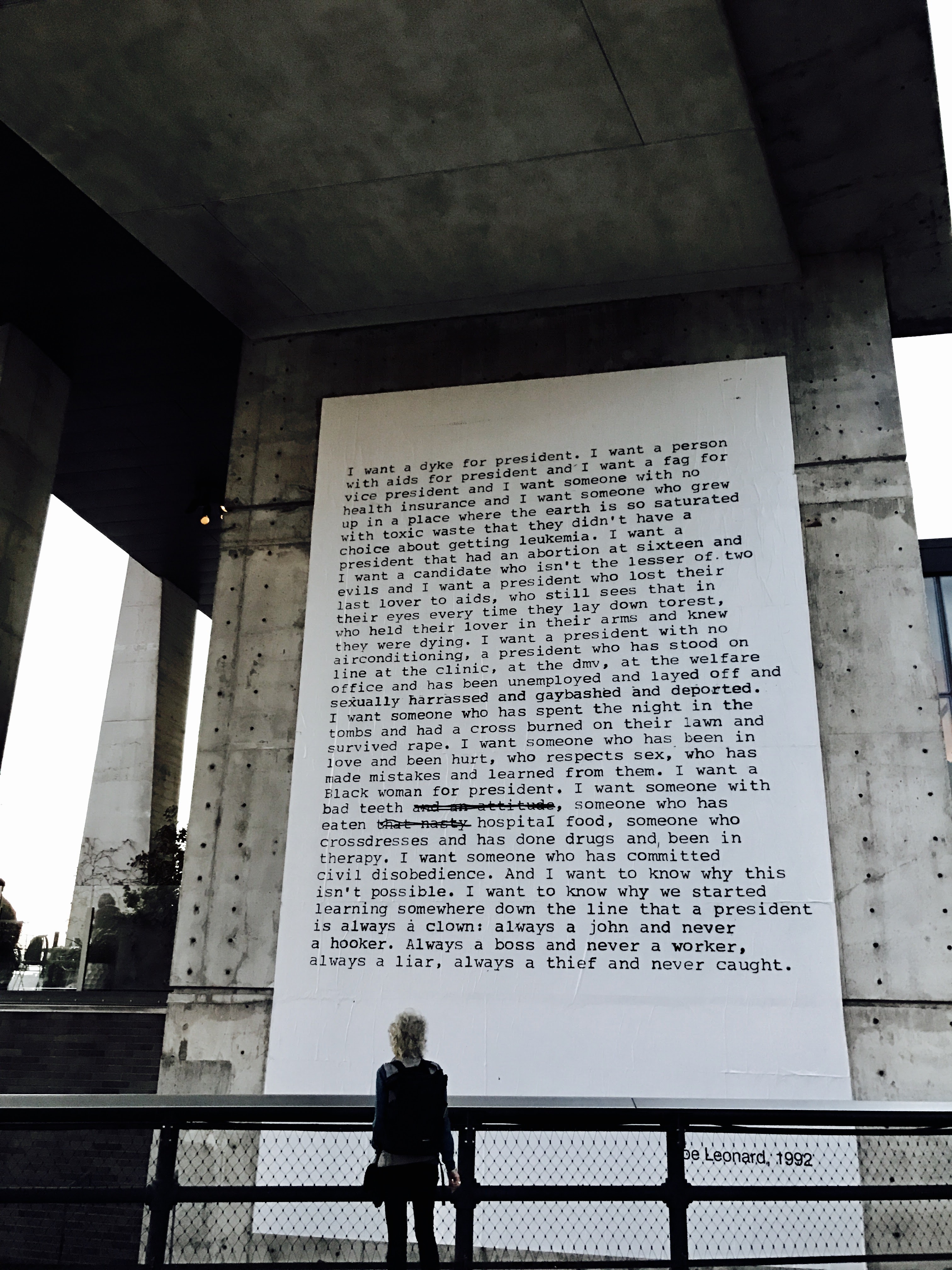
The Art That Still Makes People Uncomfortable
There is a particular kind of collector who discovers feminist art and never quite looks at anything the same way again. It is not simply that the work is politically charged or historically significant, though it is both. It is that the best of it operates at a frequency that gets under your skin and stays there. Works by artists like Louise Bourgeois or Barbara Kruger do not sit quietly on a wall.
They demand a reckoning, a re examination of what you thought you knew about power, desire, and the body. Collectors who live with this work often describe something close to a sustained conversation, one that shifts depending on who is in the room and what is happening in the world outside. The appeal is partly intellectual and partly visceral, and the greatest works hold both registers simultaneously. What separates a good piece from a truly exceptional one in this space is often a question of risk.
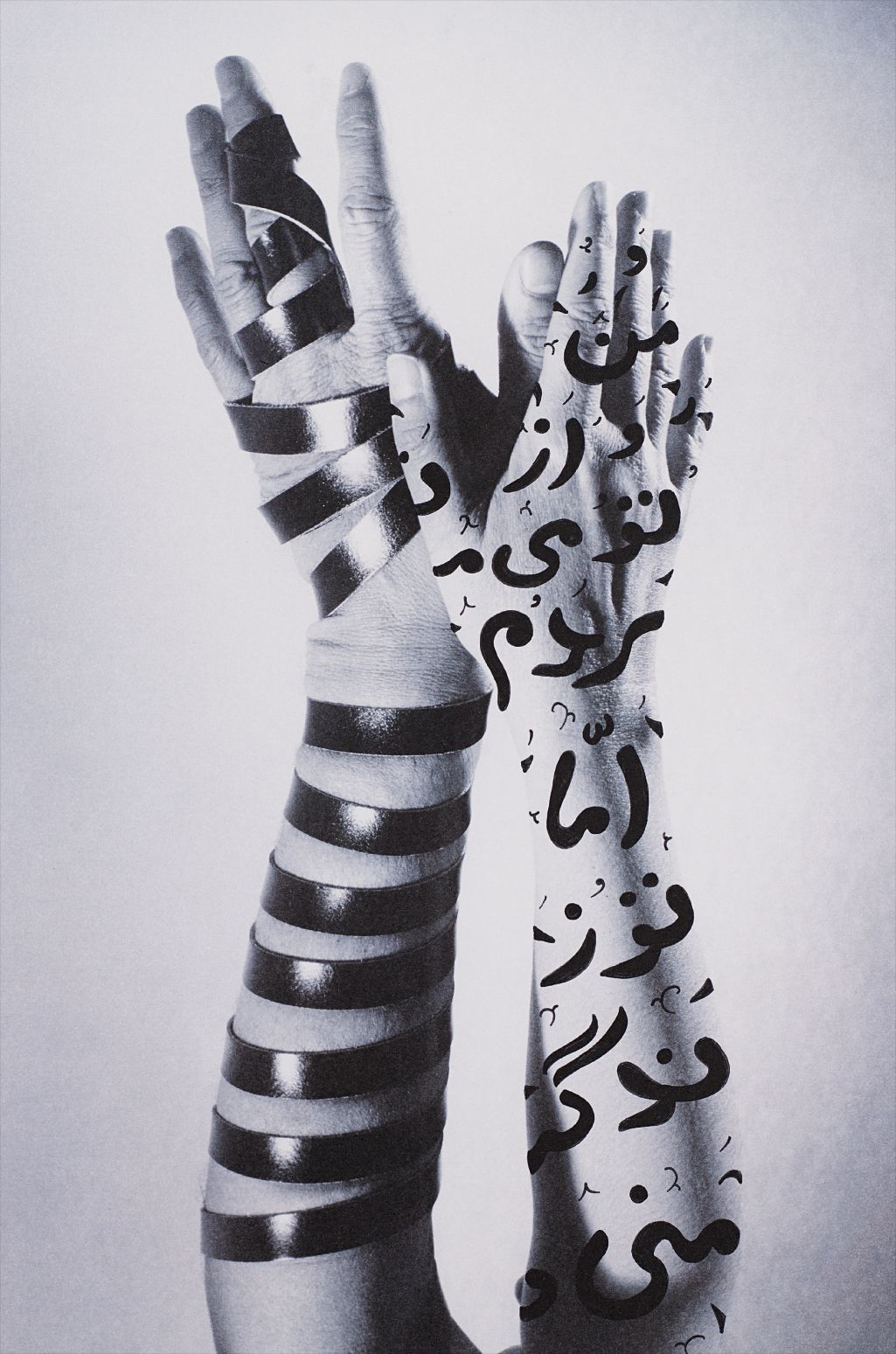
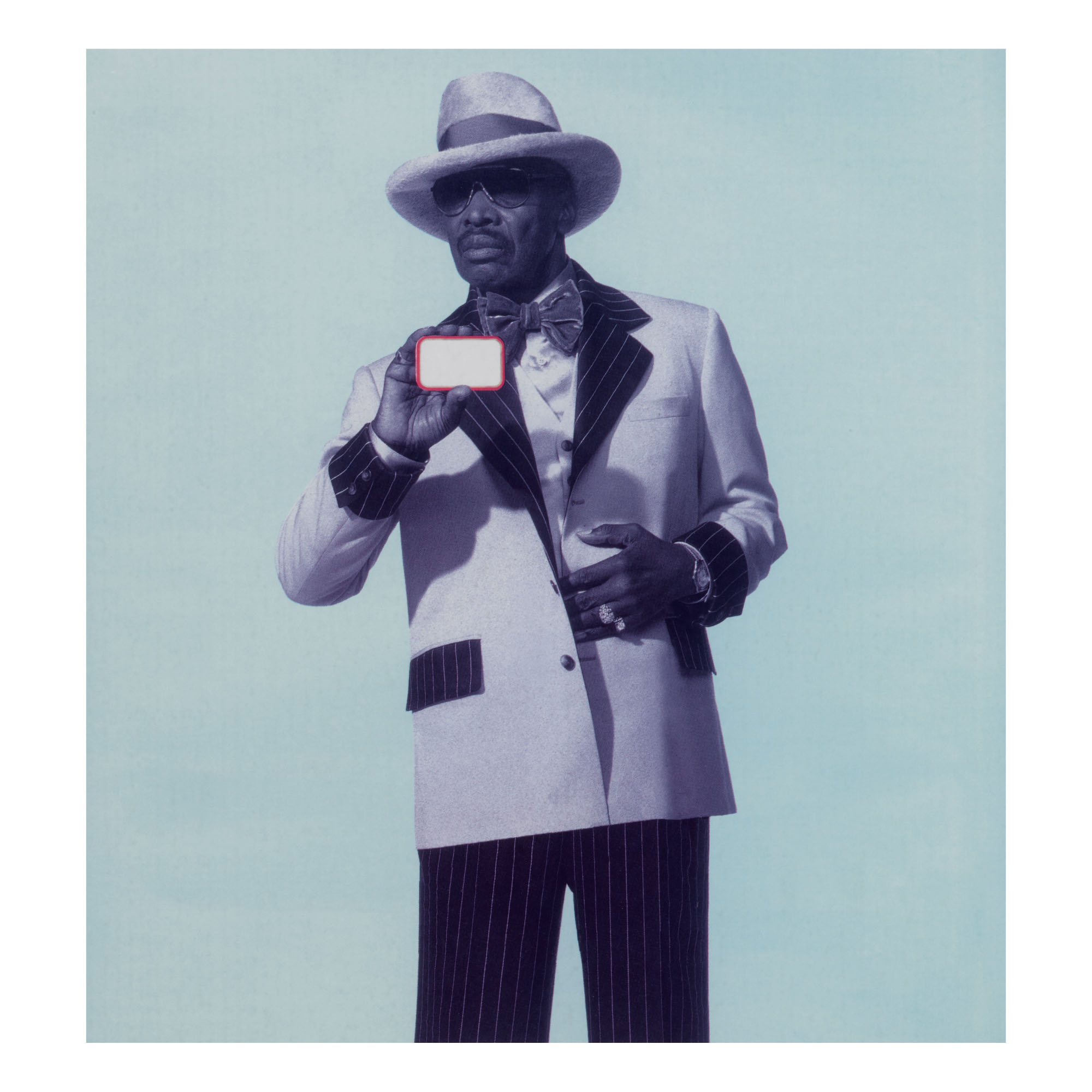
Shirin Neshat
Mystified
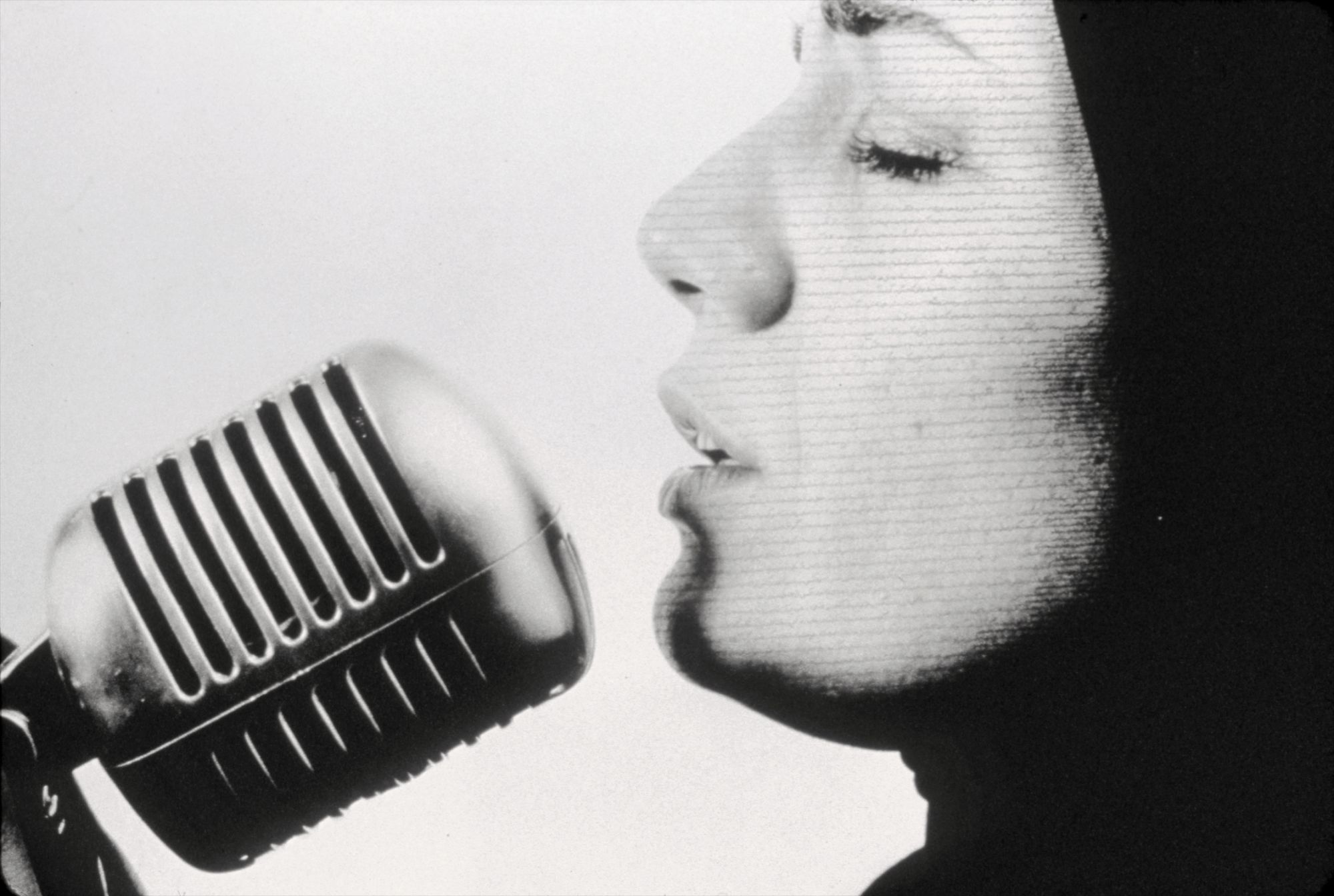
Safe feminist art announces its politics tidily and then steps back. Great feminist art stays in the room with you and refuses to resolve. Look at how Carolee Schneemann's practice collapses the boundary between the artist's body and the work itself, or how Shirin Neshat constructs images of women that carry an almost unbearable tension between visibility and erasure. The work that lasts is the work that cannot be reduced to a single reading.
Collectors should look for that quality of irreducibility. A Cindy Sherman photograph from any of her major series rewards decades of looking because the surface and the meaning keep shifting. The same is true of works by Mona Hatoum, whose installations and objects carry a physical unease that goes well beyond their political content. When you are standing in front of a potential acquisition, ask yourself whether the work still feels surprising on the fifth viewing or whether it has already told you everything it knows.
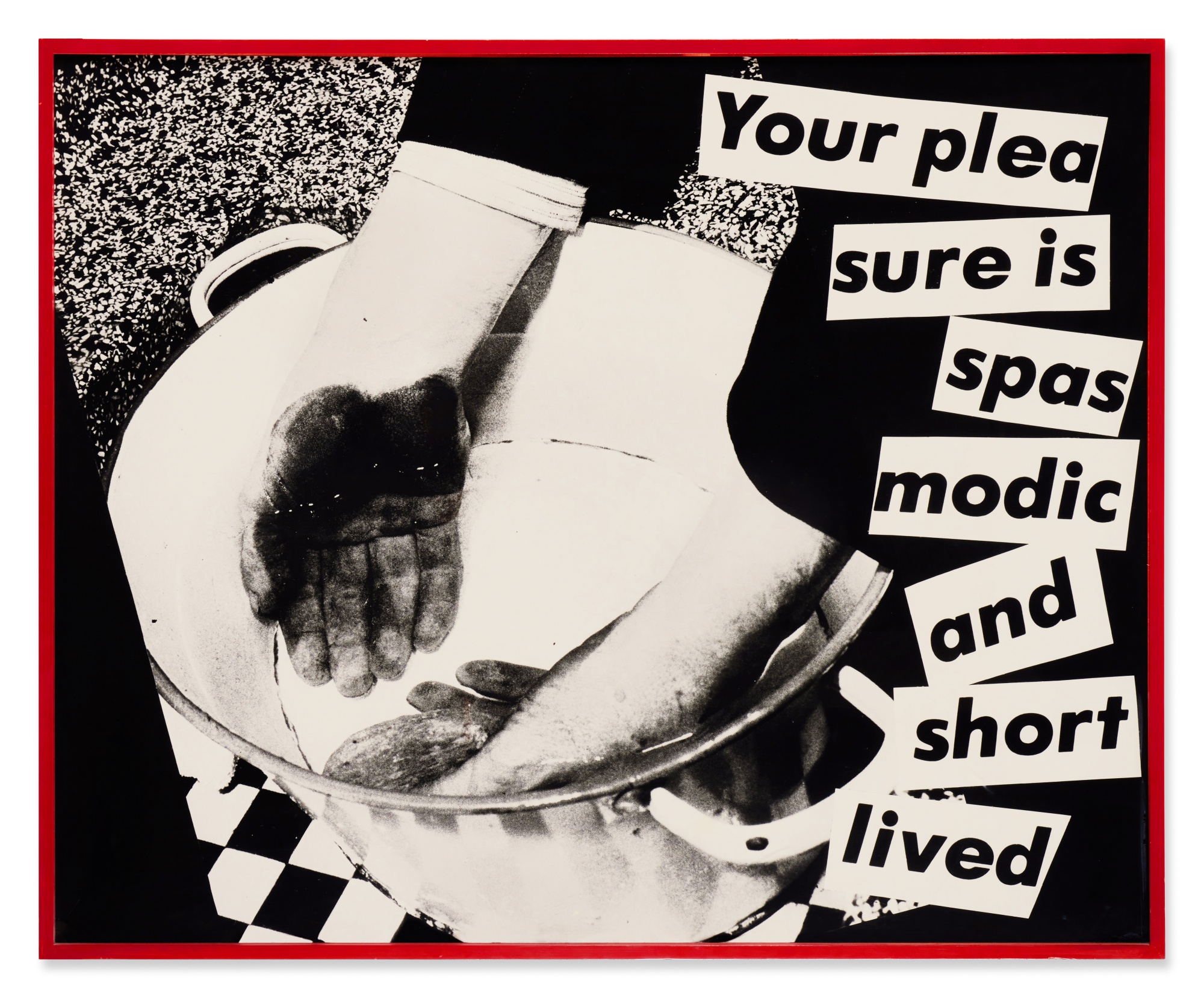
Barbara Kruger
Untitled (Your pleasure is spasmodic and short lived), 1981
The ones that keep surprising you are the ones worth acquiring. In terms of established value, the anchors of this category are well documented. Louise Bourgeois built a market over decades that now places her among the most consistently sought after artists of the twentieth century. Barbara Kruger's text based photographic works, which emerged from her background in graphic design and came to define a certain mode of institutional critique in the 1980s, now command serious attention at auction and continue to appreciate.
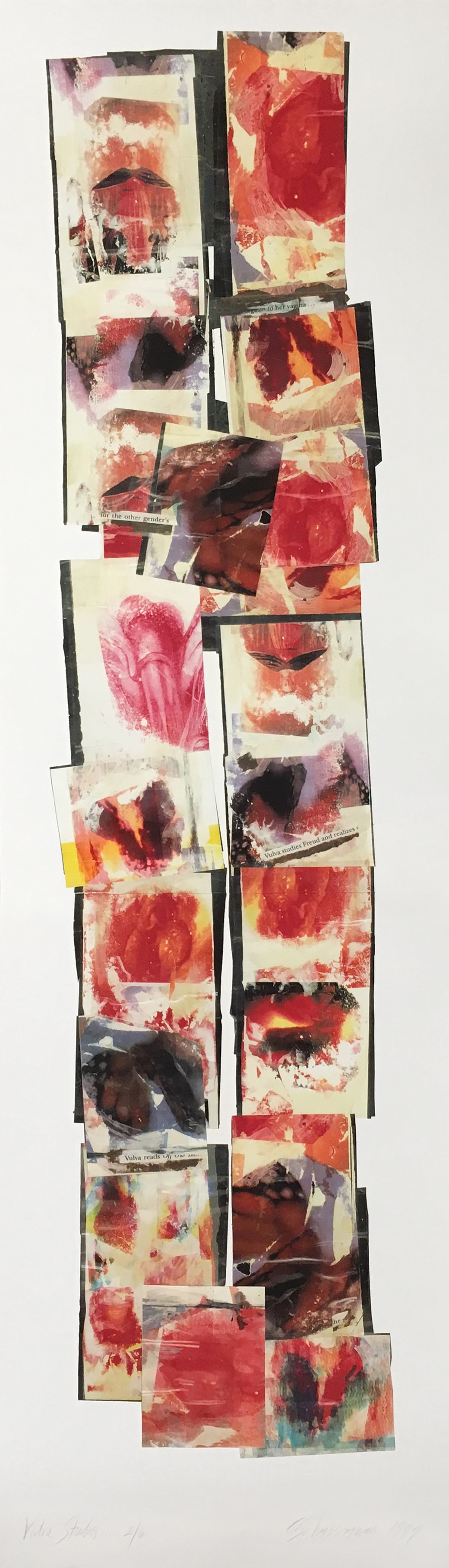
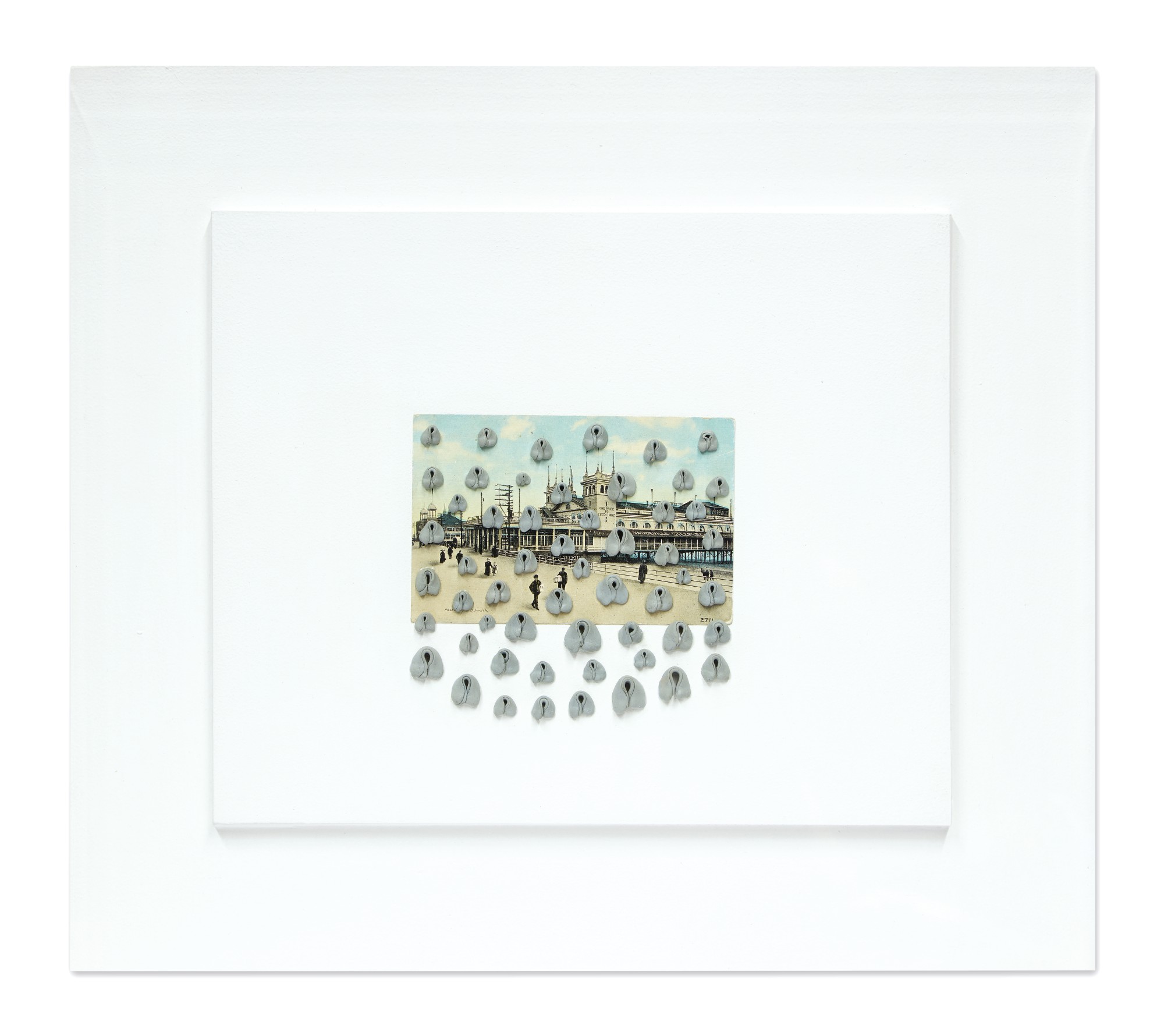
Hannah Wilke, whose work was sometimes dismissed during her lifetime for what critics reductively called narcissism, has been substantially reappraised in the years since her death in 1993. Her SOS Starification Object Series from the 1970s, in which she pressed small vulvic forms of chewing gum onto her own body and photographed herself, is now recognized as one of the more conceptually rigorous bodies of work from that era. Collectors who recognized her value early have seen that judgment confirmed again and again. Tracey Emin and Sarah Lucas, who emerged together from the Young British Artists scene in the 1990s and showed work in the landmark 1993 exhibition The Shop, represent different but related opportunities.
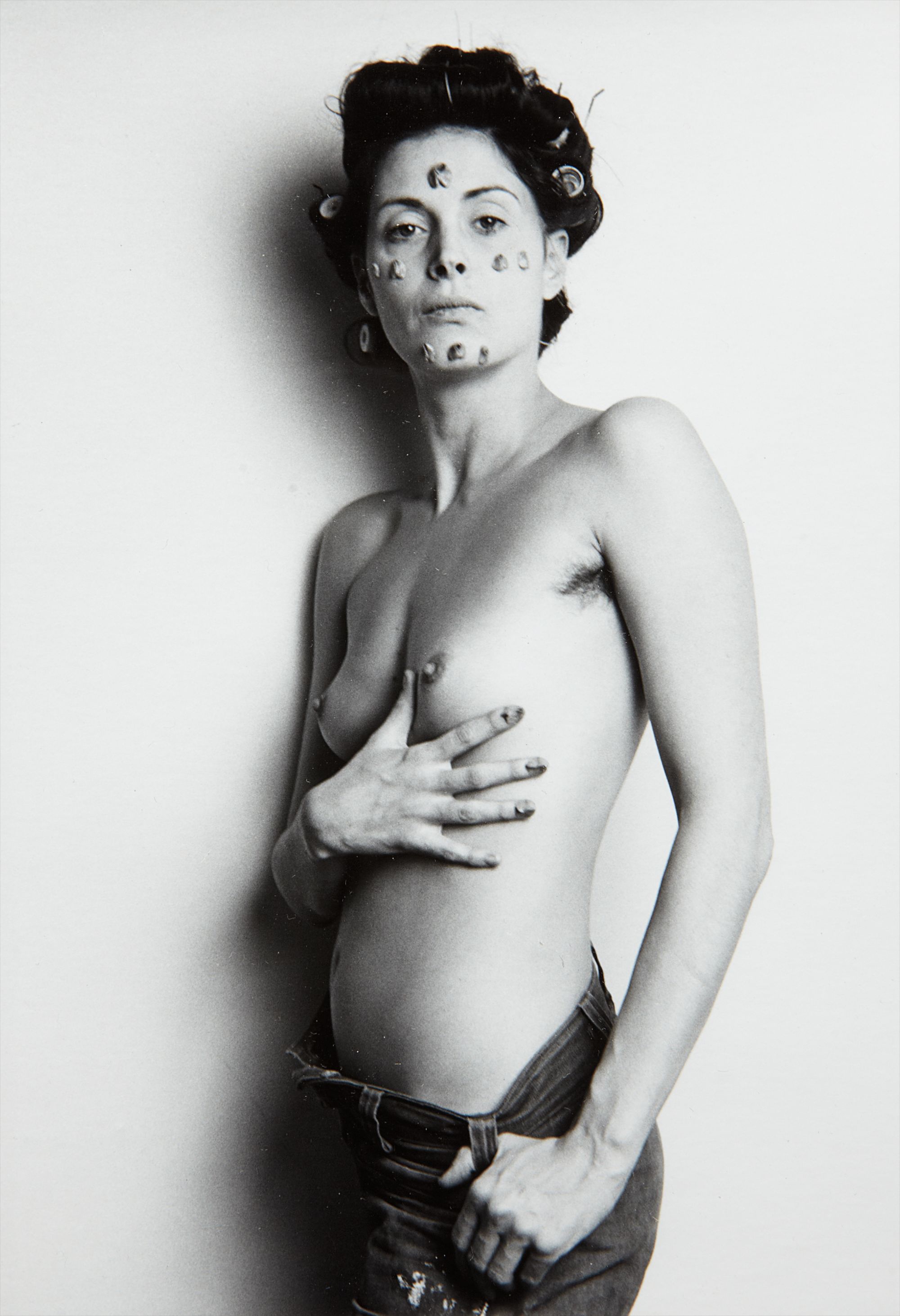
Hannah Wilke
S.0.S. Starification Object Series
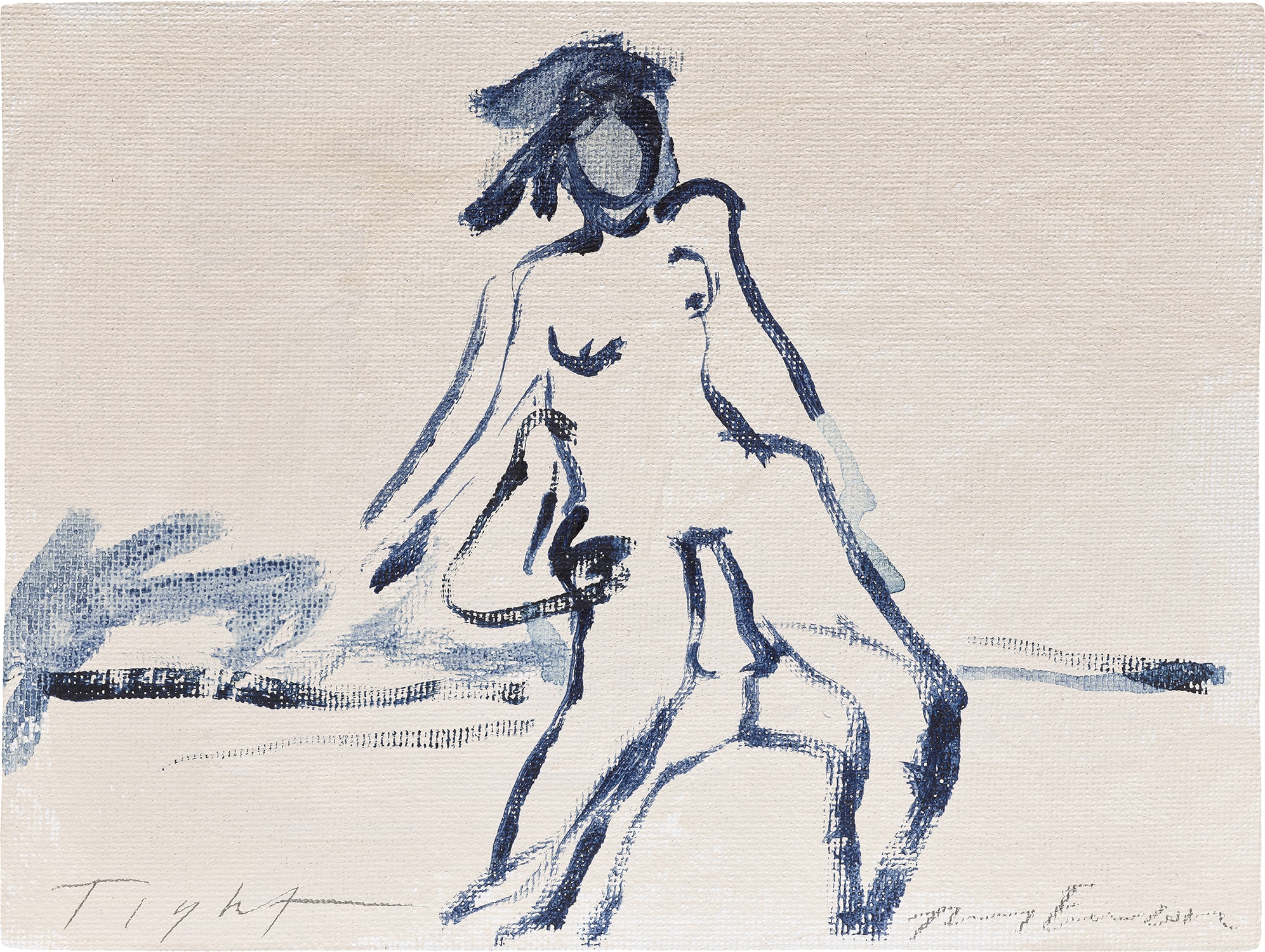
Emin's monoprints and neon works carry strong emotional charge and have built a loyal secondary market. Lucas's work, which uses found objects and crude humor to interrogate gender, remains somewhat undervalued relative to her male YBA contemporaries, which suggests room to move. The Guerrilla Girls, the anonymous activist collective whose banana masked appearances and provocative statistics have been part of the art world conversation since 1985, have works that function almost as art historical documents alongside their ongoing relevance. For collectors willing to look a little further, there are genuinely exciting opportunities at the emerging and mid career level.
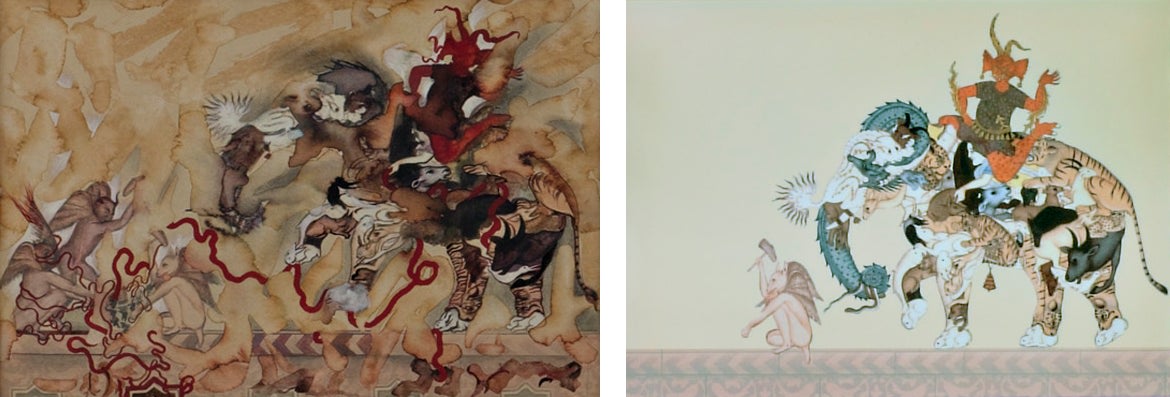
Ghada Amer, who incorporates embroidery into her painted canvases to explore female sexuality and representation, has a rigorous practice that has not yet received the broad market recognition it deserves. Shahzia Sikander, whose miniature painting practice draws on South Asian tradition to examine questions of identity and femininity, has built a critical reputation that the market is only beginning to catch up to. Fátima de Juan and Roberta Colombo are names worth tracking for collectors who want to be ahead of the curve rather than following it. At auction, the strongest feminist works have demonstrated resilience through market cycles in ways that surprised some earlier skeptics.
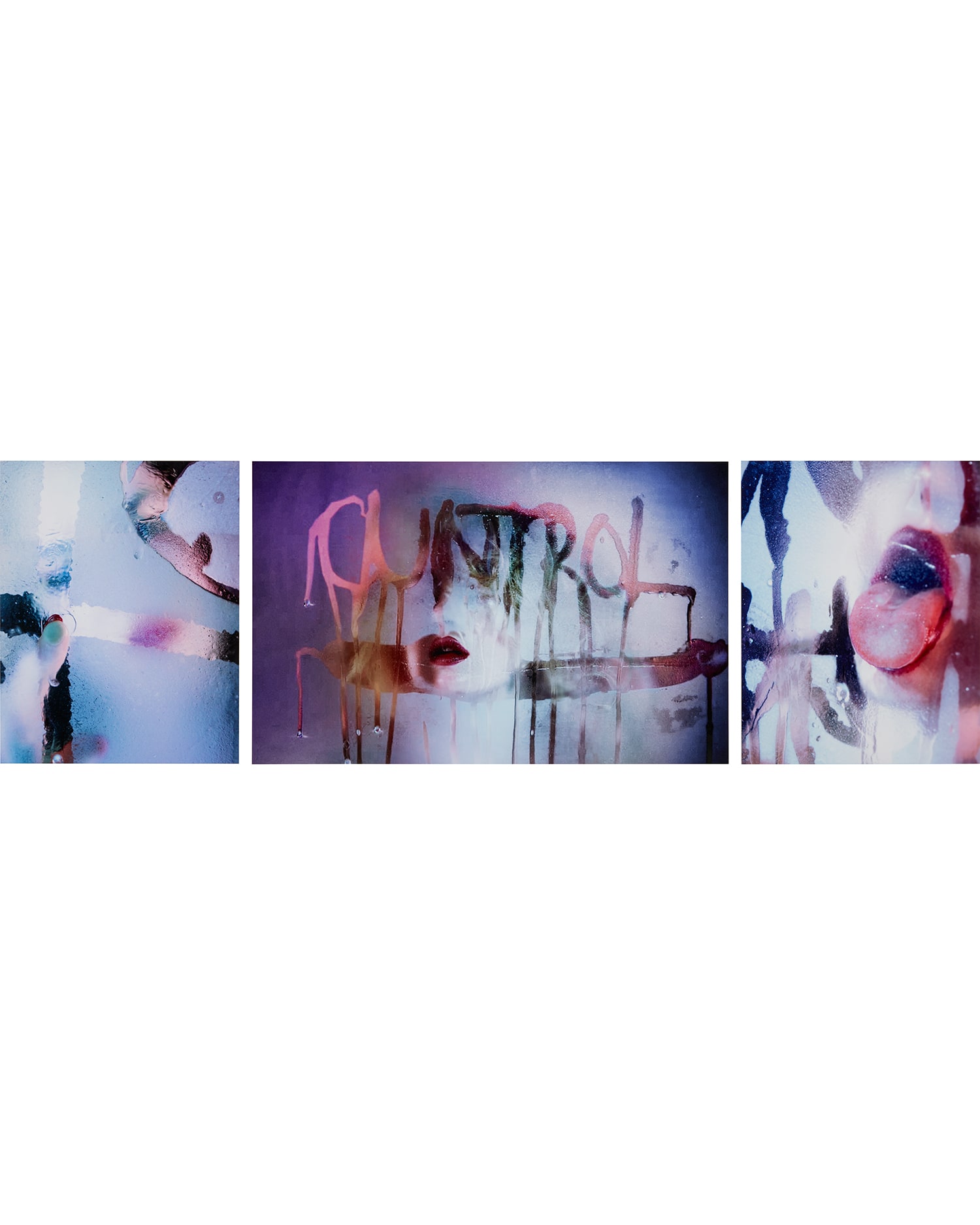
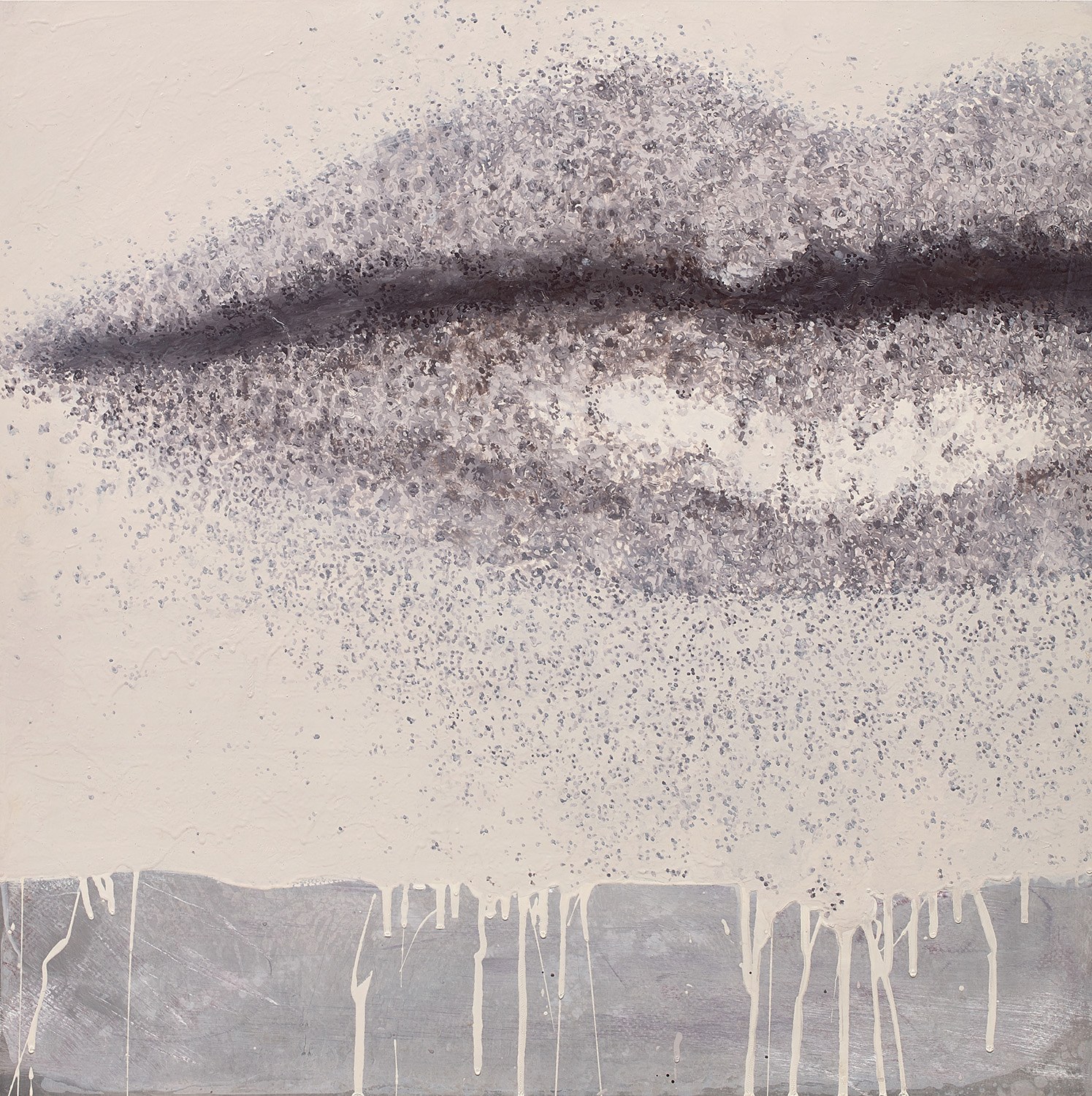
Marilyn Minter
Cuntrol, 2020
Yayoi Kusama's prices reached stratospheric levels over the past fifteen years, though her work sits somewhat at an angle to strictly political feminism. More instructive is the performance of Louise Lawler, whose practice of photographing other artists' works in institutional and domestic contexts has attracted serious collector attention as the market for conceptual photography has matured. Marilyn Minter's highly saturated photographs and paintings, which reclaim the visual language of commercial beauty culture, have performed strongly and continue to attract institutional support, which generally precedes secondary market strength. On the practical side, condition is particularly important in this category because so many artists work with unconventional materials.
Wilke used chewing gum, Liza Lou uses glass beads, Joana Vasconcelos incorporates industrial and domestic materials that require specific care. Before acquiring, ask the gallery or vendor for a full condition report and materials list, and if possible consult a conservator familiar with the specific medium. For works in editions, understand the edition size and where your number falls. A work from an edition of three carries different weight than one from an edition of fifty, regardless of what the gallery tells you about availability.
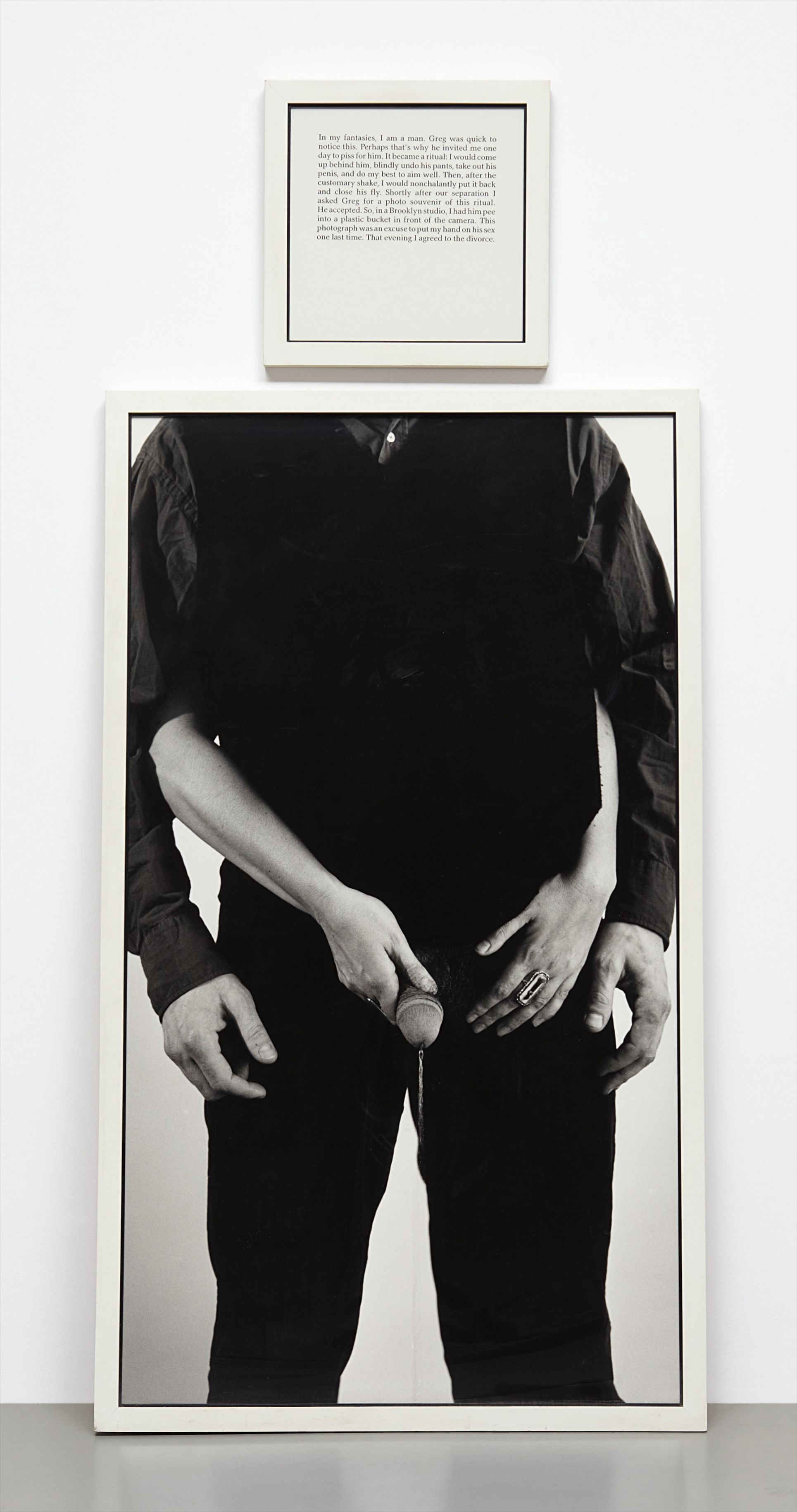
Unique works and artist's proofs will almost always hold value more robustly over time. The question collectors sometimes ask is whether this category carries political risk, whether the work might feel dated as conversations shift. The honest answer is that the work grounded in formal and material intelligence rather than topical statement has always outlasted the news cycle. Sophie Calle's investigations into intimacy and vulnerability feel as alive today as they did when she first began pursuing strangers through Venice in the early 1980s.
That staying power is what you are really buying. The art that made people uncomfortable forty years ago still does, and that is not a problem. It is the point.