Environmental
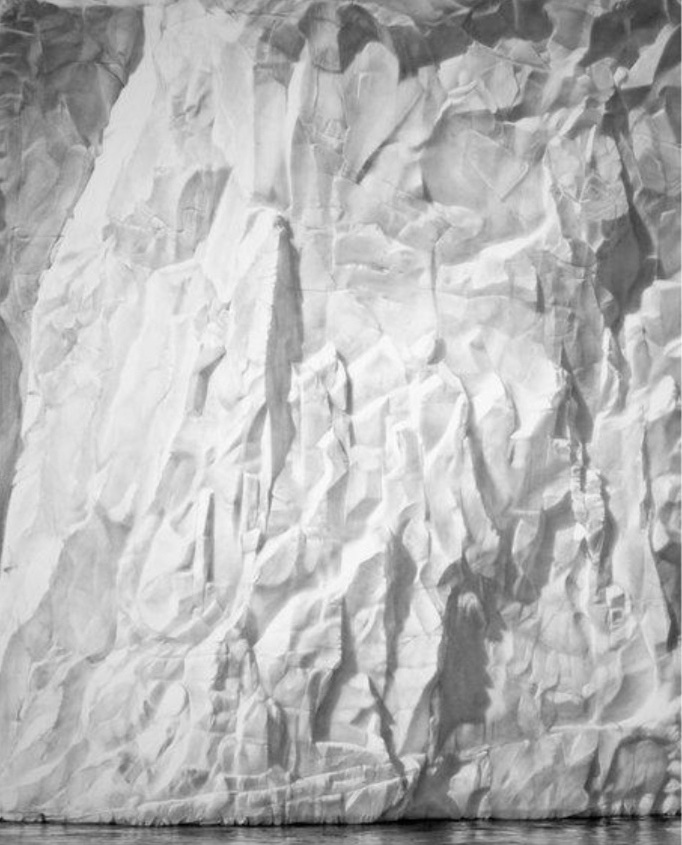
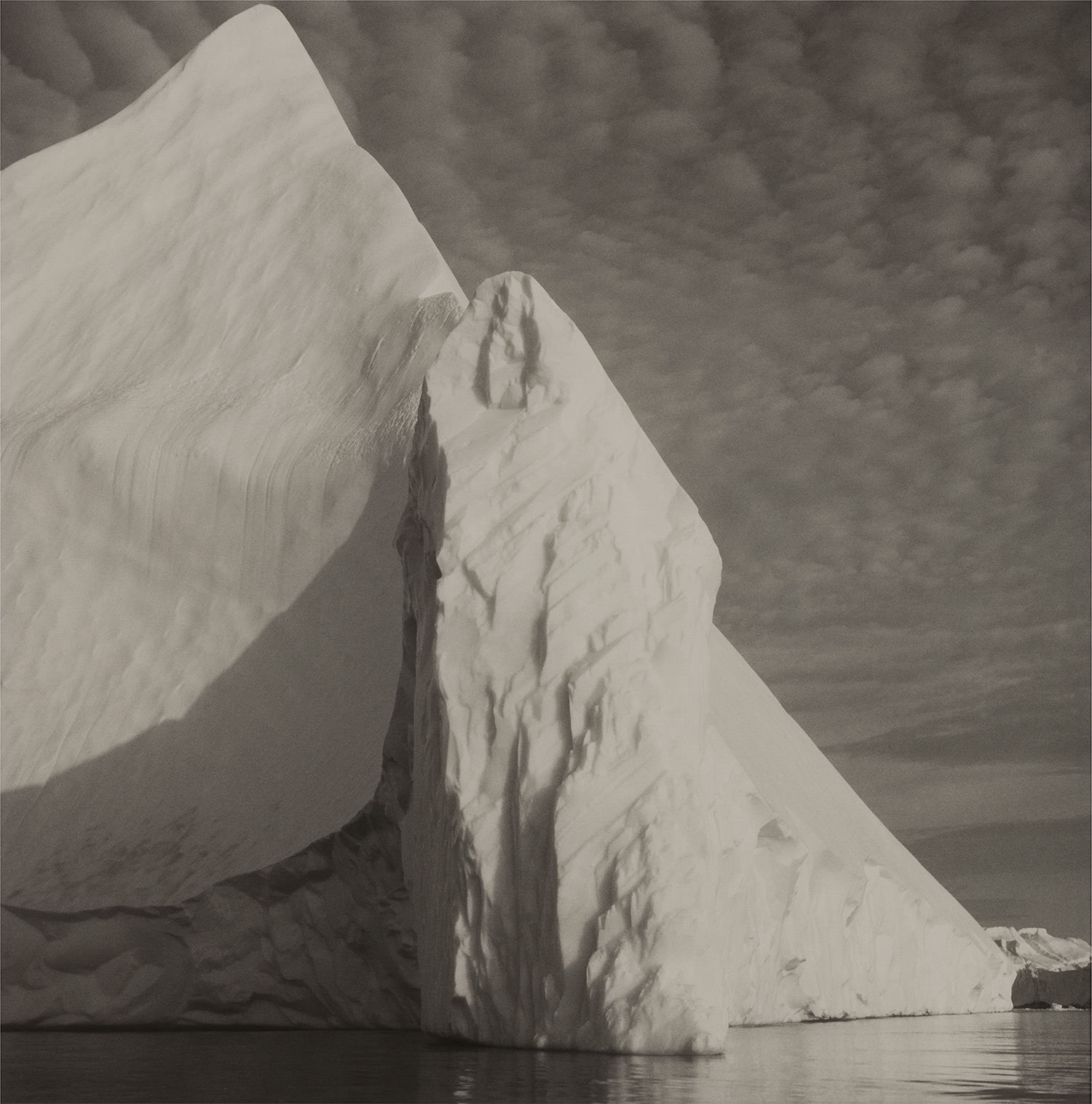
Robert Longo
Untitled (Wall of Ice), 2017


The Land Fights Back Through Art
There is a particular kind of vertigo that comes from standing before a large format photograph of a landscape that has been fundamentally altered by human industry. You recognize the earth, its contours and colors, and yet something is irreparably wrong. This sensation, at once aesthetic and moral, sits at the heart of environmental art, a category so vast and so urgent that it has come to define some of the most consequential work made in the last half century. To collect in this space is to engage with beauty and catastrophe simultaneously, which is perhaps why the works feel so charged, so impossible to ignore.
The roots of environmental art stretch back to the late 1960s and early 1970s, a moment when artists began to reject the white cube and venture into the land itself. Robert Smithson's Spiral Jetty, completed in 1970 on the shore of the Great Salt Lake in Utah, is the canonical origin point, a work that collapsed sculpture, geology, and ecological thinking into a single gesture. Around the same time, Christo and Jeanne Claude were wrapping coastlines and draping valleys in fabric, making the landscape strange and newly visible. Their interventions, temporary by design, forced audiences to see terrain they had otherwise taken for granted.
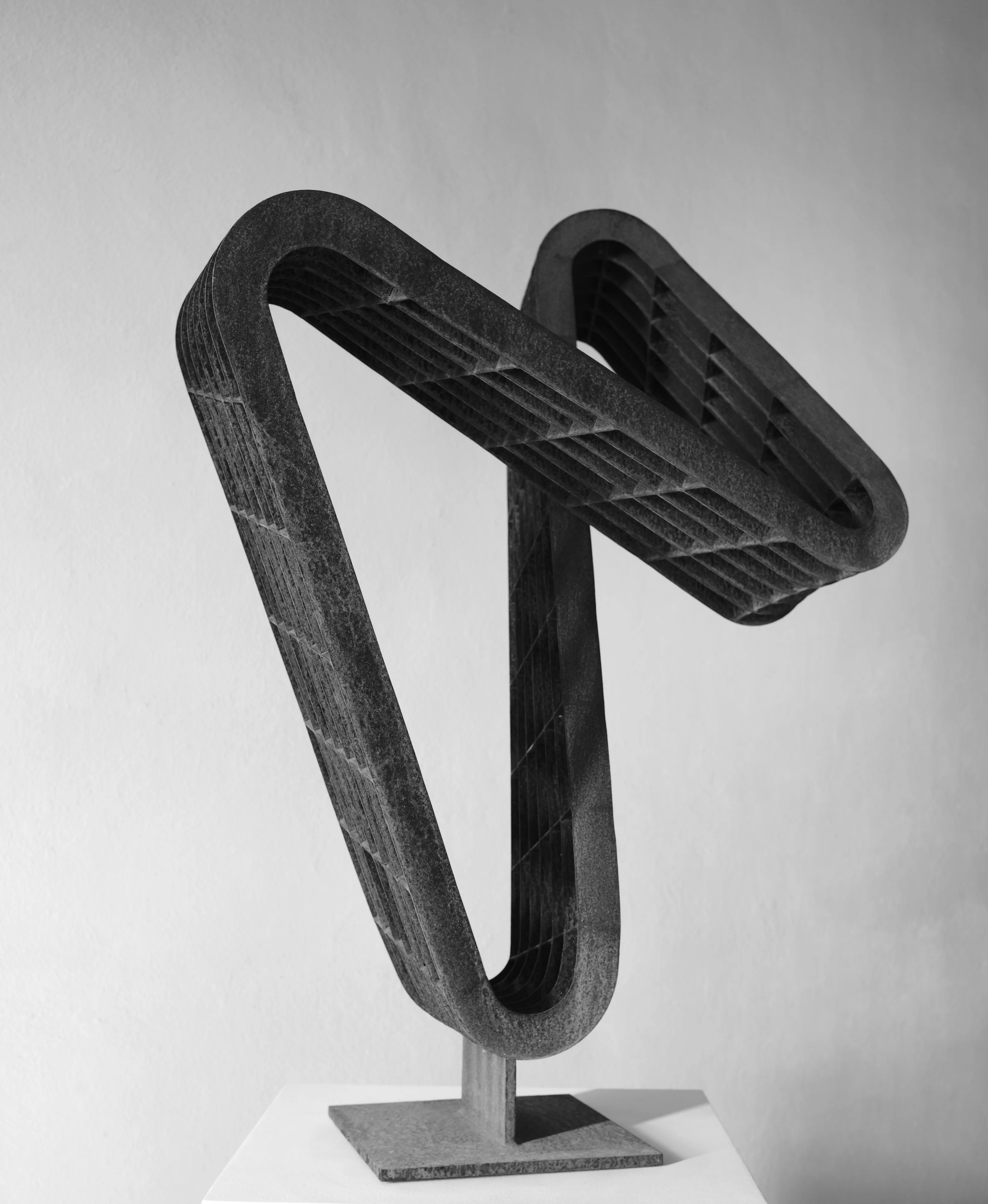
Gianpietro Carlesso
Interazione 9, 2025
The works on The Collection include pieces by Christo that carry this spirit of monumental transformation, of nature encountered on unfamiliar terms. Andy Goldsworthy arrived in the 1980s with a quieter and more intimate approach, building sculptures from leaves, ice, stones, and thorns, all of which were returned to the earth after being photographed. Goldsworthy's practice asked something philosophically rigorous of its audience, that they accept impermanence as a condition of beauty rather than a failure of it. His work on The Collection reflects this ongoing negotiation between making and unmaking, between the artist's hand and the world's indifference.
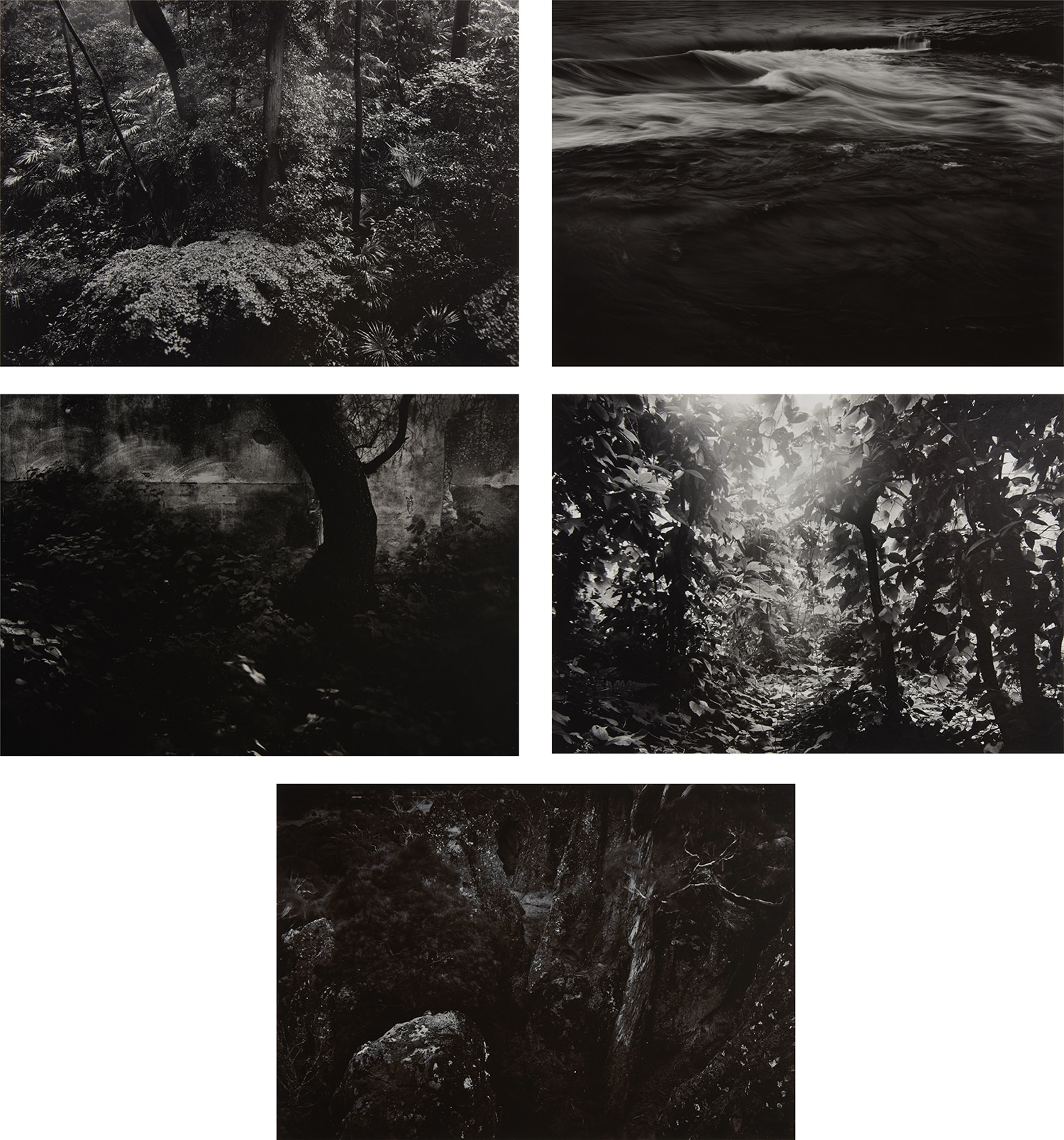
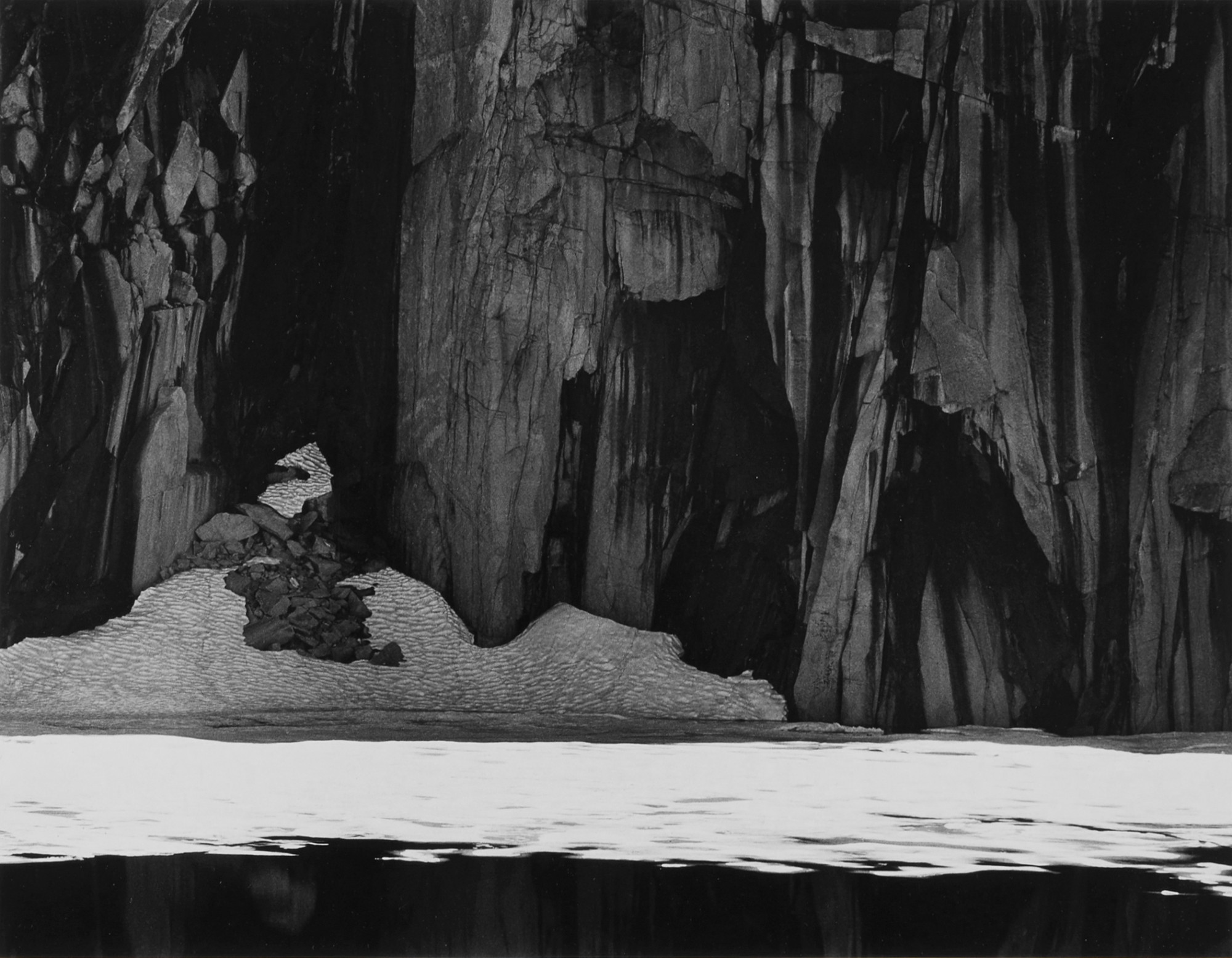
Meanwhile, the American West was generating a different kind of environmental image, one rooted in the legacy of Ansel Adams. Adams had spent decades photographing Yosemite and the Sierra Nevada with a technical precision that turned wilderness into argument, into evidence that certain landscapes deserved protection. His pictures were instrumental in shaping public support for the national parks system, and they established photography as a vehicle for environmental advocacy long before anyone used that word. By the 1980s and 1990s, a new generation of photographers began to question the Adamsian sublime, finding it insufficient for an era of accelerating industrial damage.
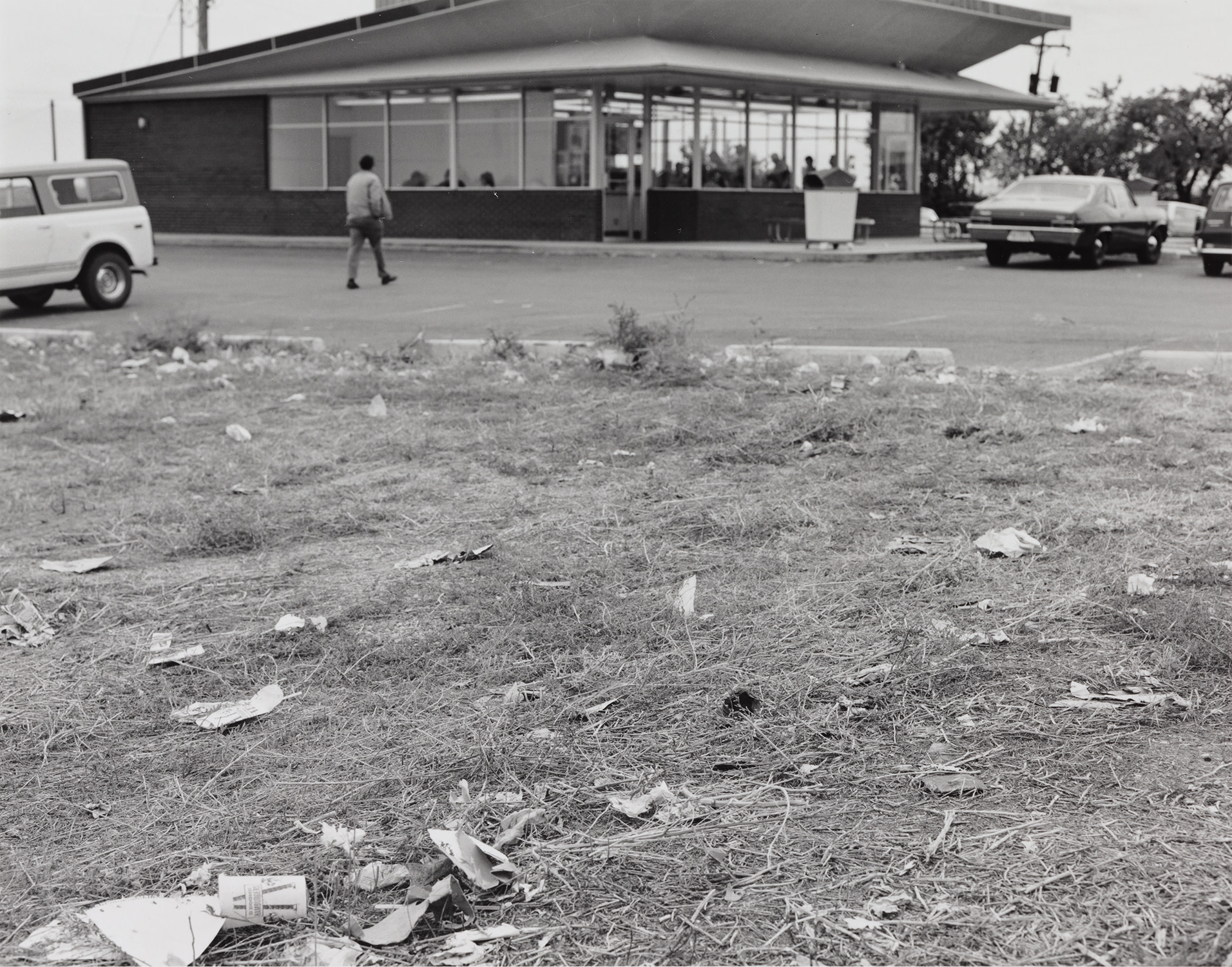
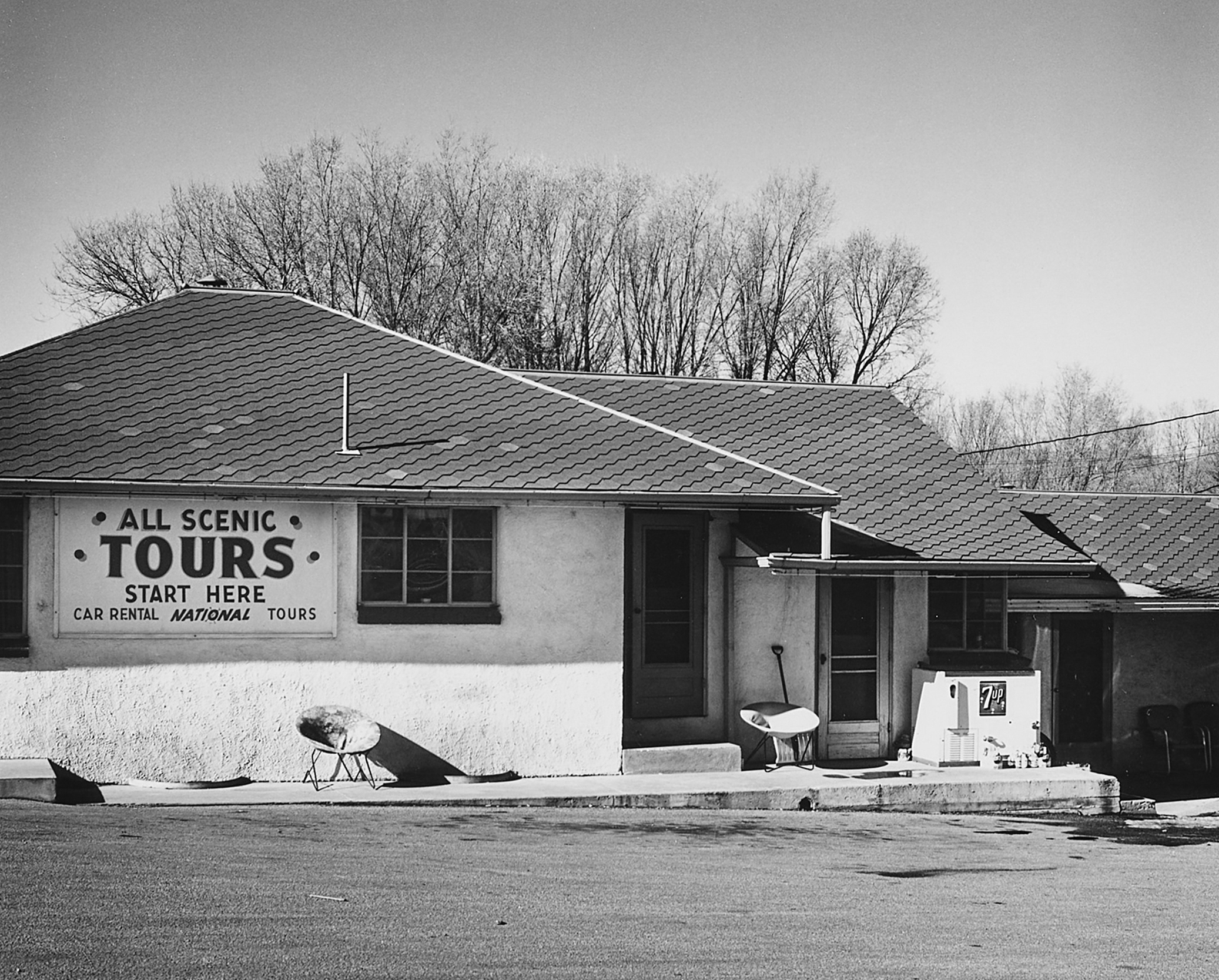
Robert Adams
North Denver
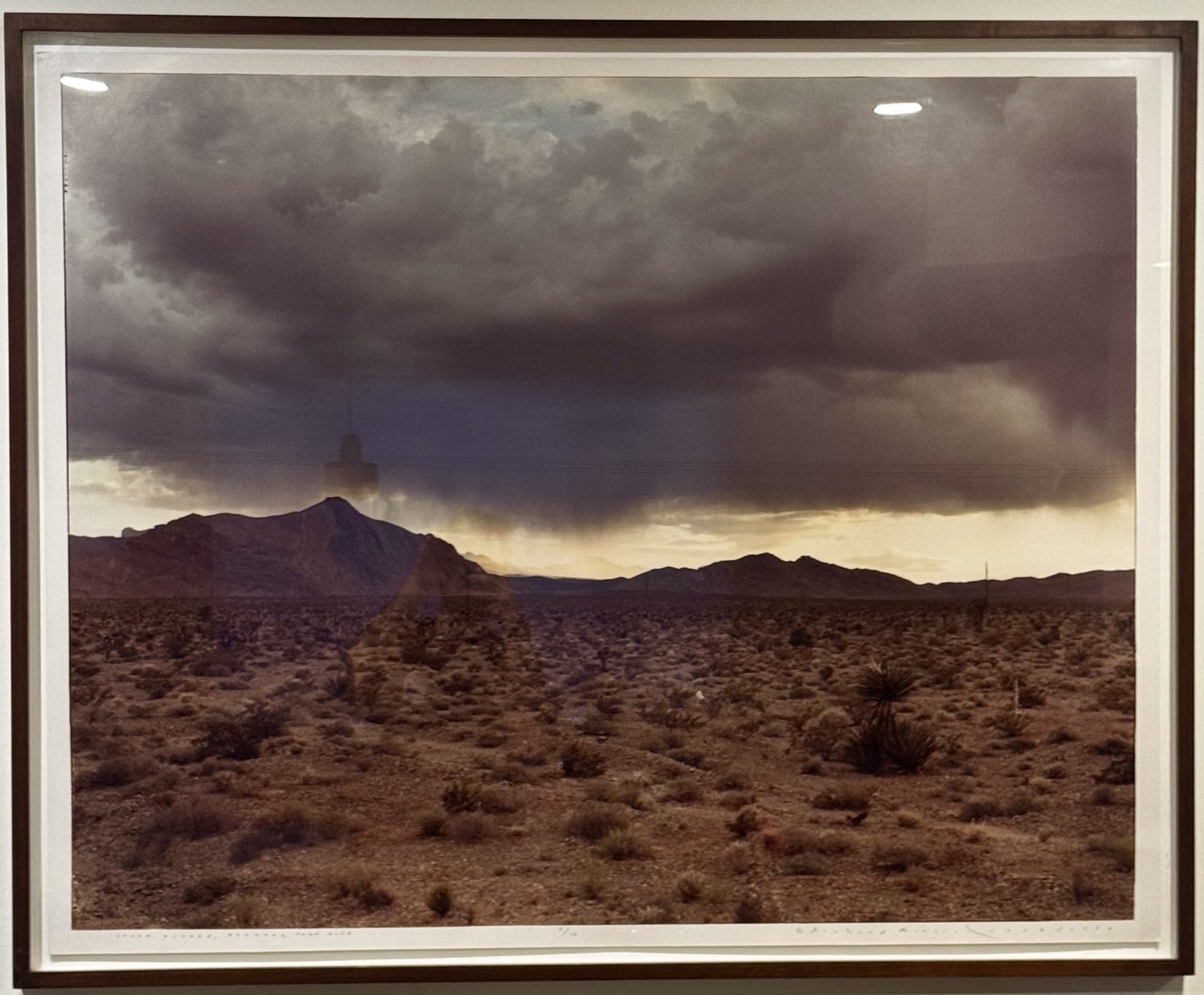
Robert Adams, no relation, produced spare and quietly devastating images of logged forests and suburban sprawl across the American West, work that resisted romanticism in favor of something more honest and more difficult. His photographs on The Collection exemplify this willingness to look at what has been lost without flinching and without sentimentality. Richard Misrach was documenting the American desert during this same period, confronting nuclear test sites, petrochemical corridors, and the eerie beauty of landscapes that had been used and discarded. His ongoing series Desert Cantos, begun in 1979, became one of the defining projects of the era, a work of sustained attention to a land that the rest of the country preferred not to see.
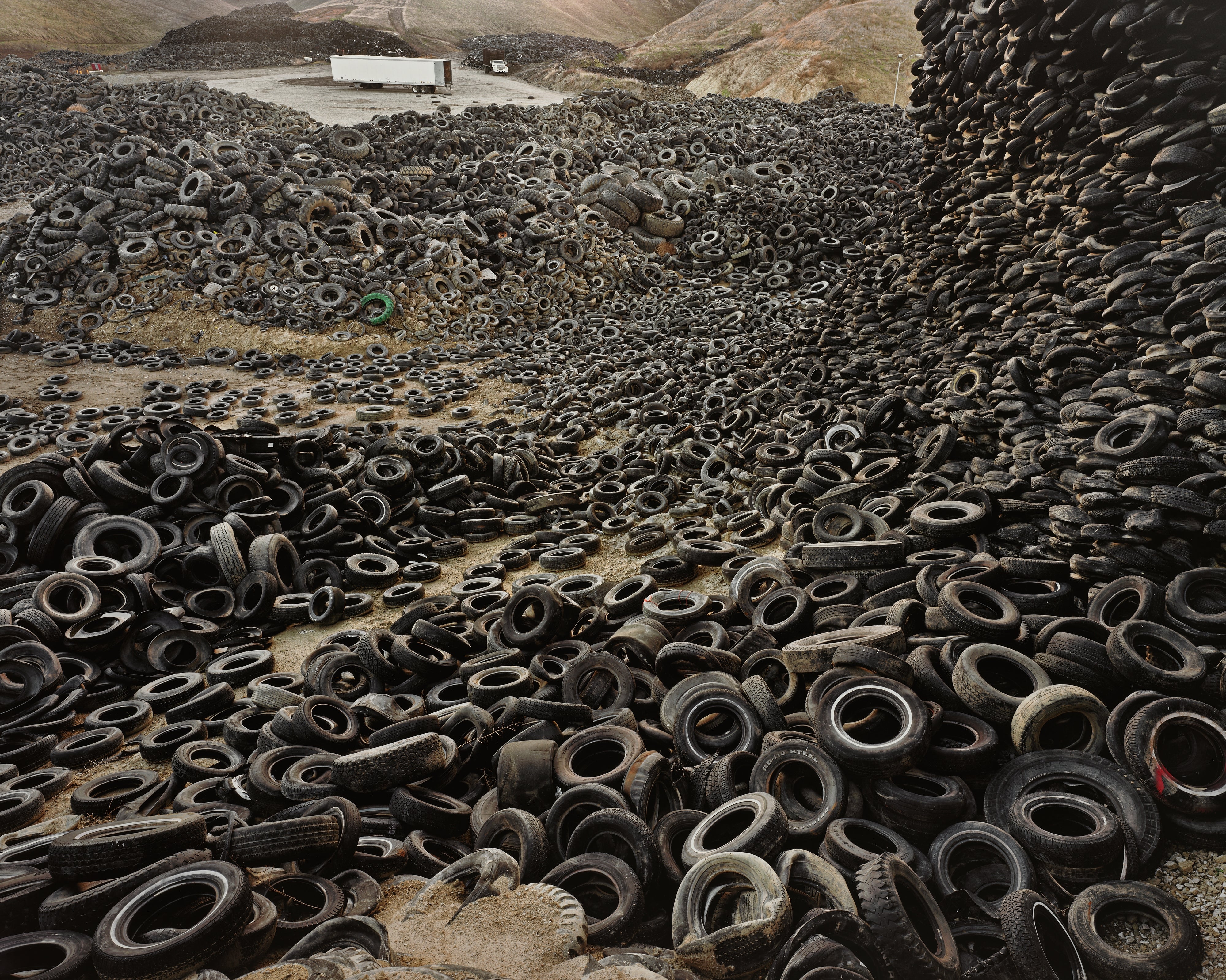
Edward Burtynsky emerged in the 1990s and early 2000s as perhaps the most globally ambitious of these photographers, traveling to shipbreaking yards in Bangladesh, nickel tailings in Ontario, and oil fields in California to produce images of industrial scale that were simultaneously horrifying and visually ravishing. Burtynsky's genius, if that is the right word for something so uncomfortable, lies in his refusal to make the images ugly. They are gorgeous. That gorgeousness is the trap.
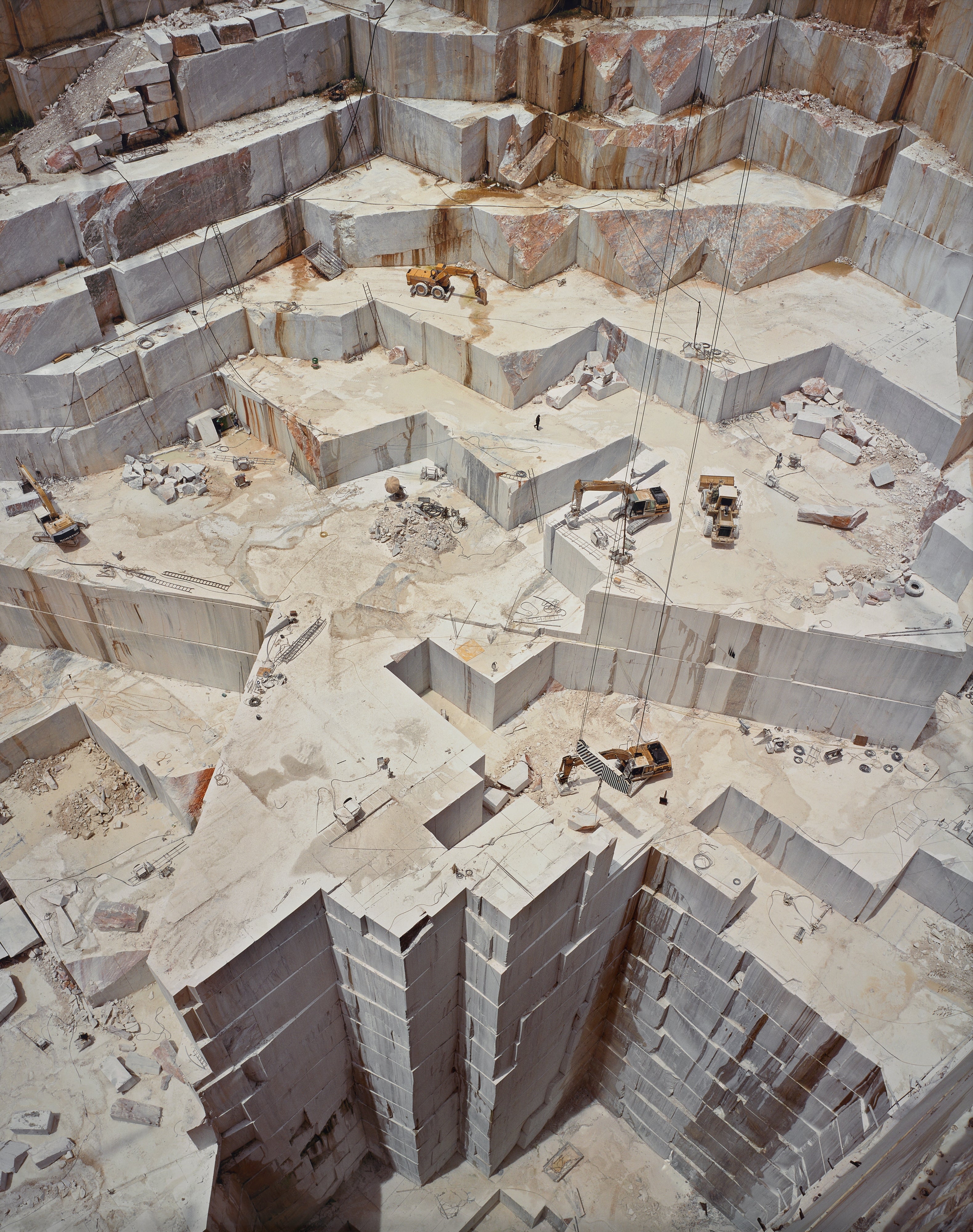
Edward Burtynsky
Iberia Quarries #3, Pardais, Portugal
You are drawn in by color and composition and then confronted by what you are actually looking at, which is the material cost of the world you live in. He is exceptionally well represented on The Collection, and for good reason. Alongside him, Sebastião Salgado brought a humanist documentary tradition to environmental photography, most notably in his project Genesis, completed in 2013, which sought out places on earth that had not yet been significantly altered by industry, recording them as testimony and as elegy. The environmental turn in art is not limited to photography, though the medium has served it with particular power.
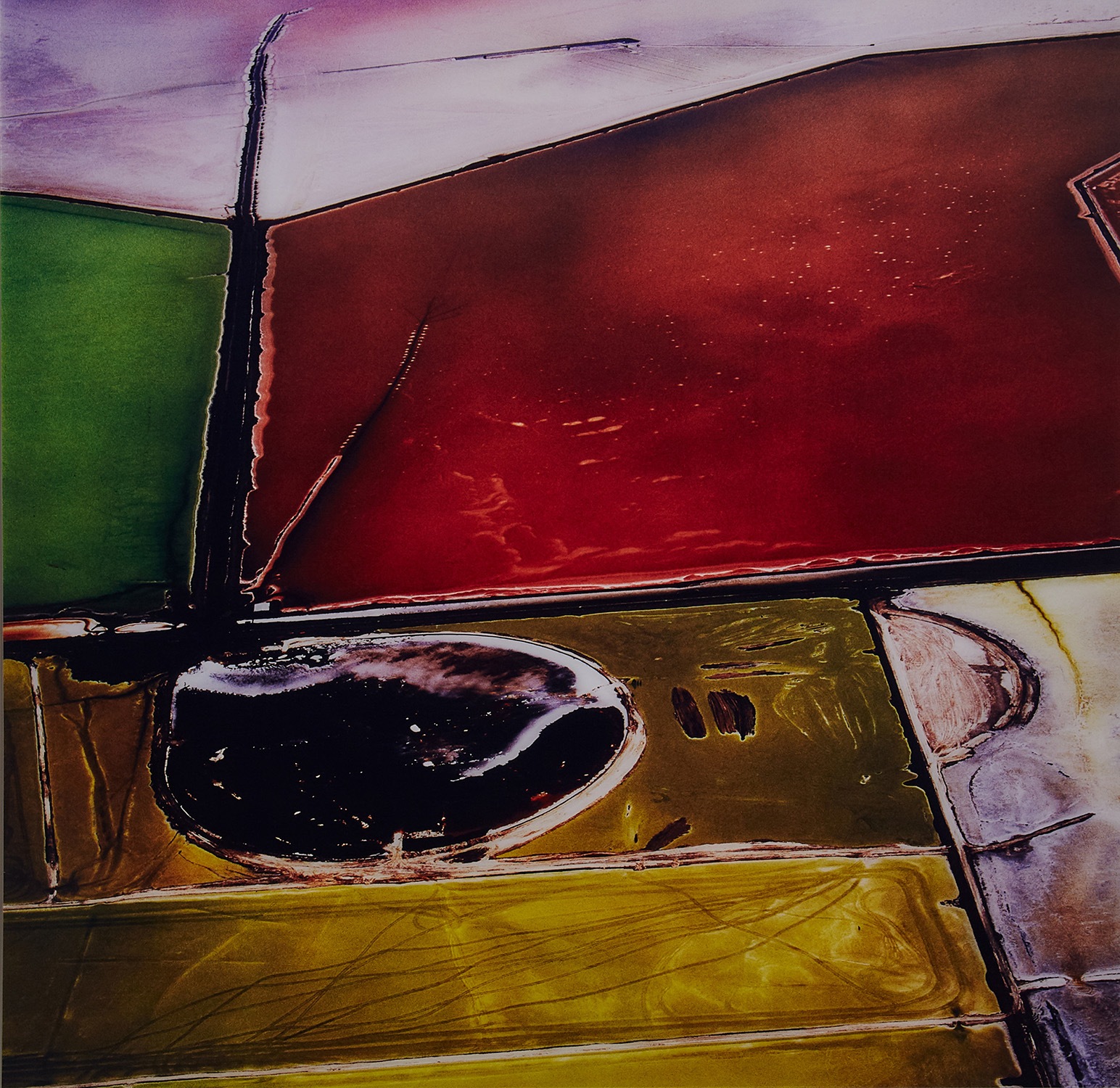
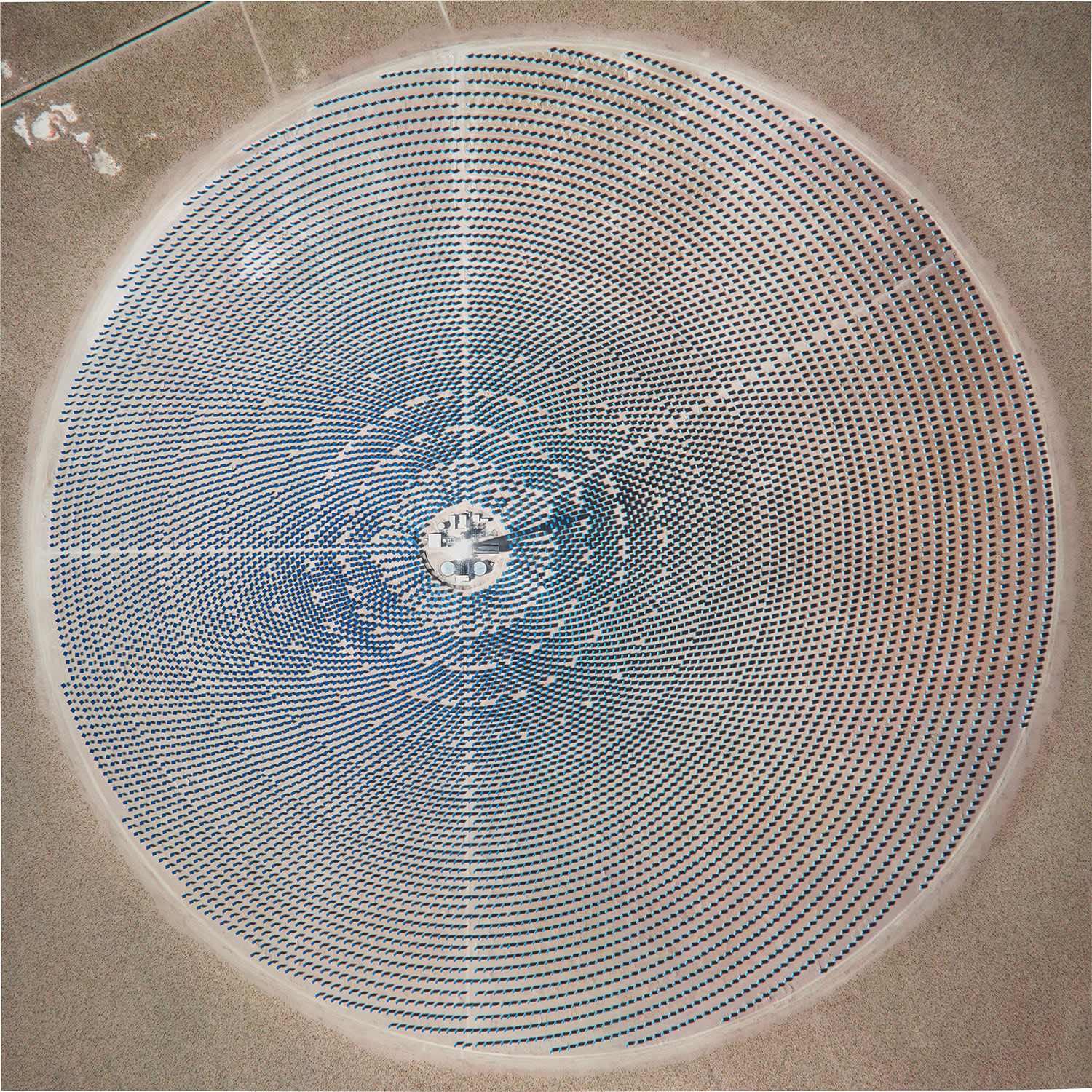
David Maisel produces aerial photographs of industrial sites and toxic lakes that read almost as abstract painting, the colors surreal and wrong in ways that are hard to place until you understand their source. John Gerrard works in digital simulation, constructing virtual environments that run in real time to examine energy consumption and solar geography. His practice sits at the intersection of computation and ecology, a genuinely new space that earlier generations of environmental artists could not have imagined. Mitch Epstein's American Power series, published in 2009, brought a narrative photographer's eye to the infrastructure of energy production across the United States, finding in cooling towers and coal plants a portrait of national contradiction.
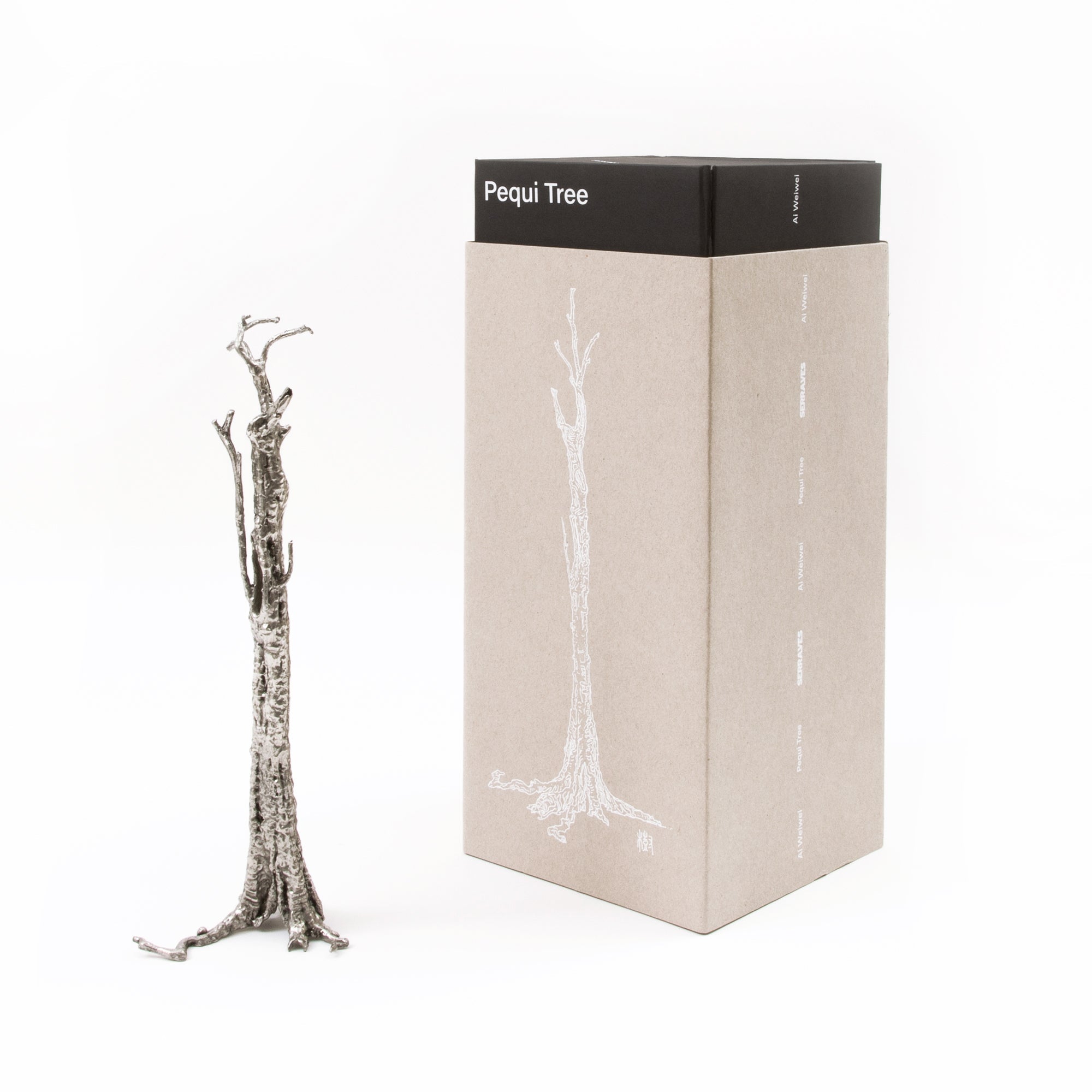
Ai Weiwei
Pequi Tree Miniature, 2021
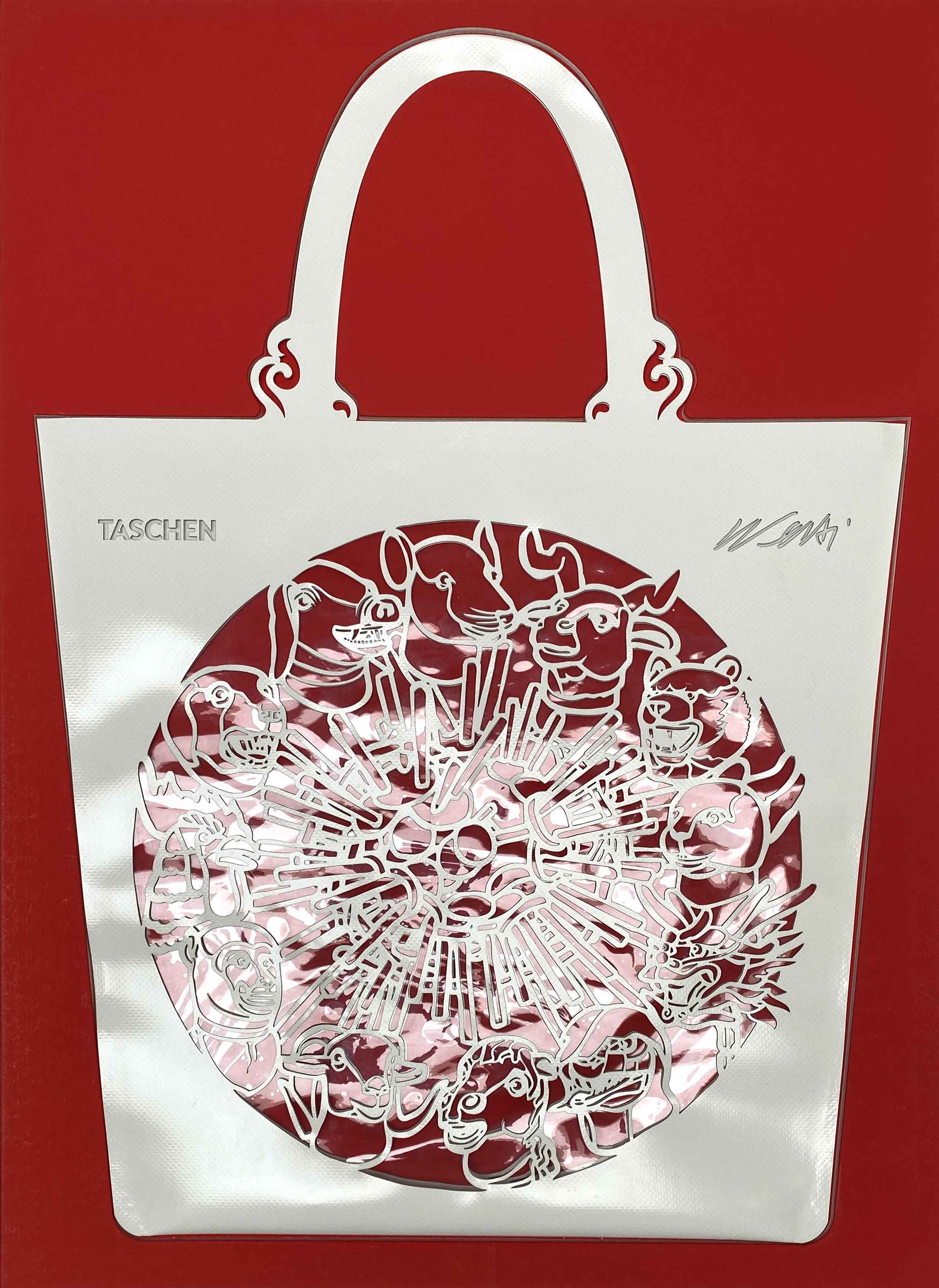
All of these artists are present on The Collection, forming a conversation across decades and across media. What unites environmental art at its strongest is a refusal to aestheticize without accountability. The best works in this tradition carry a double charge, they succeed as art and they demand something of you as a witness. Nick Brandt's large scale photographs of African wildlife in industrially altered landscapes, Matthew Brandt's experiments with water and chemical process, and Ai Weiwei's ongoing engagement with displacement and environmental crisis all push at the edges of what the category can contain.
Ackroyd and Harvey, who work with living grass and biological material, extend the conversation into questions of growth, time, and photosynthesis as artistic medium. Joel Sternfeld's On This Site documentation of traumatic American locations reminds us that landscape carries memory whether we acknowledge it or not. To collect environmental art is to build an archive of awareness, a set of objects that refuse to let the world look away from itself.