Emotional Intensity
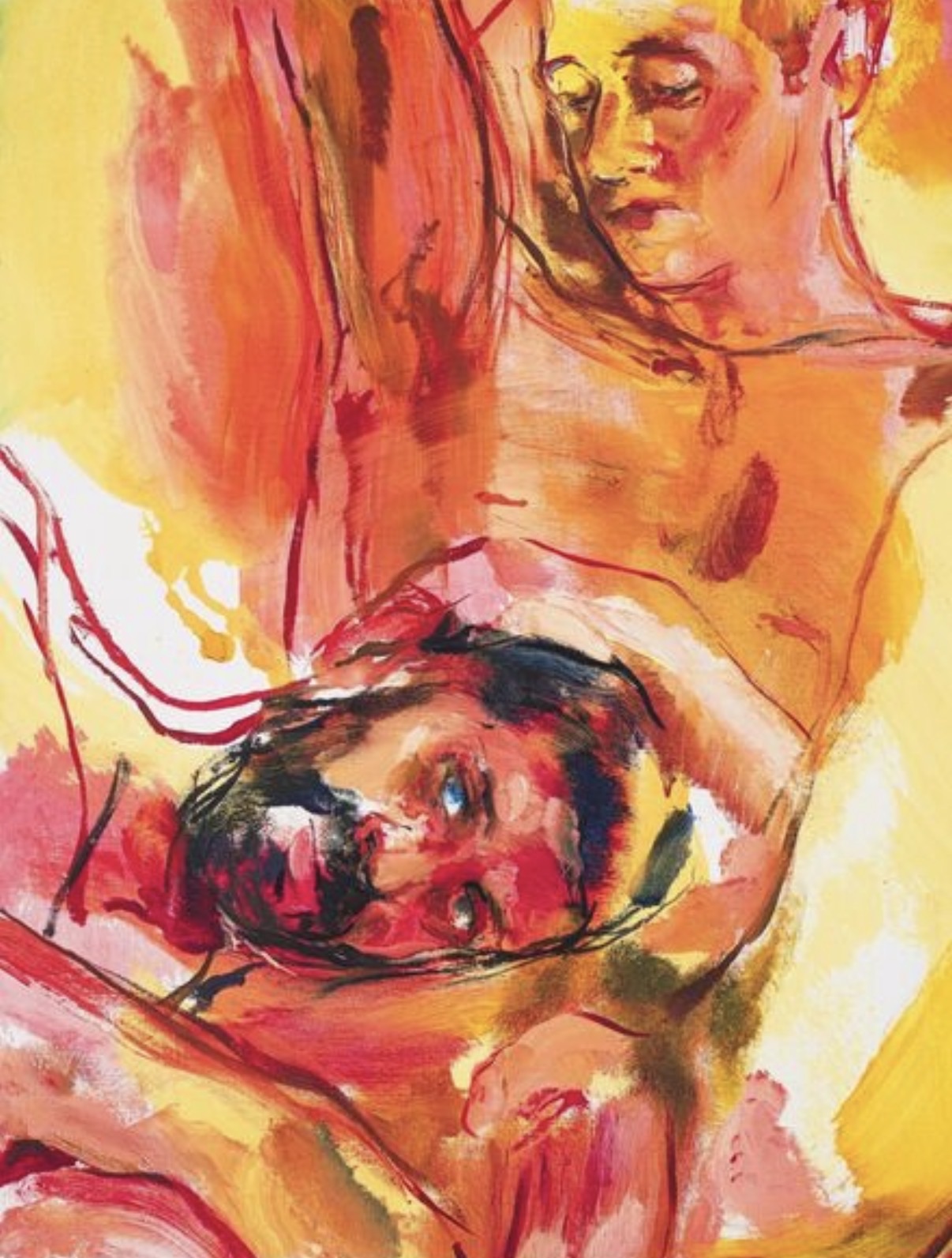
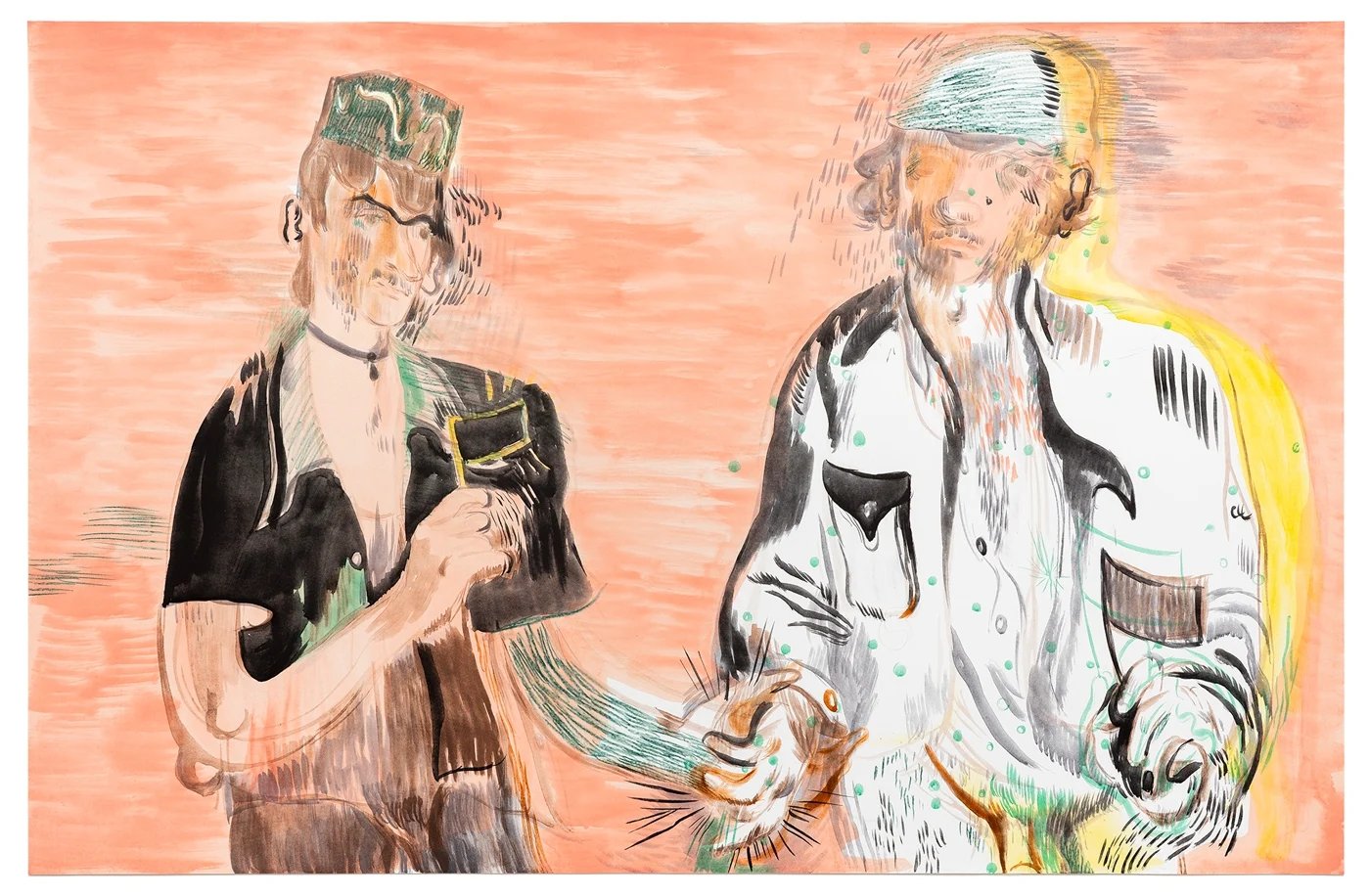
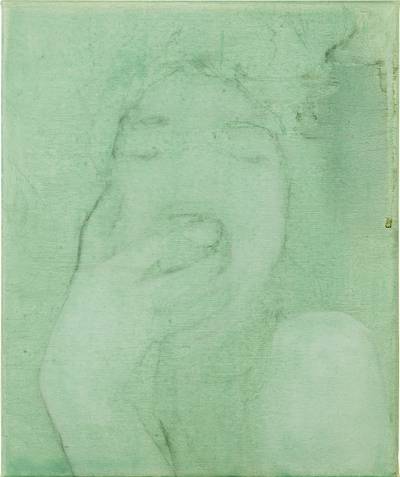
Doron Langberg
Untitled
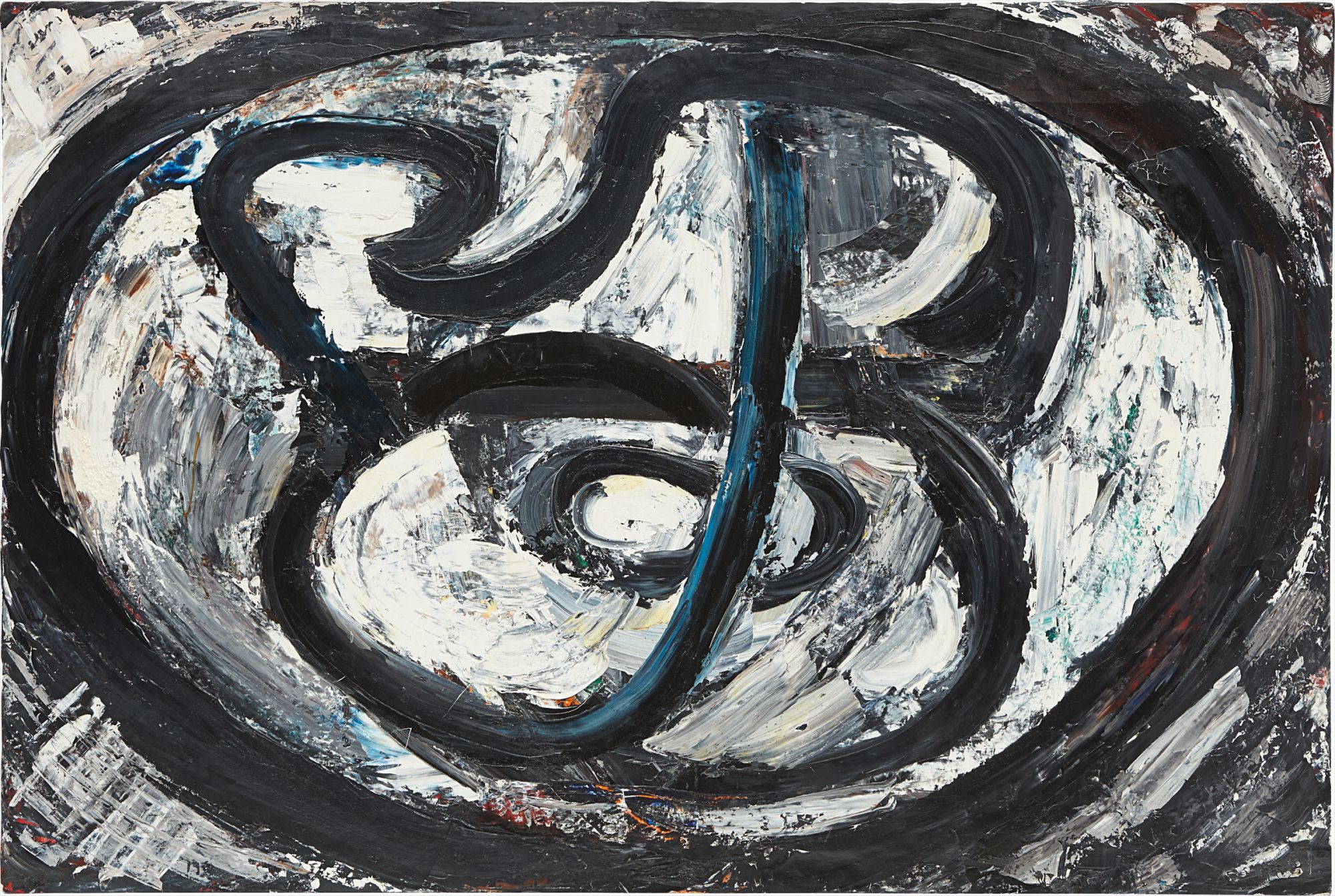
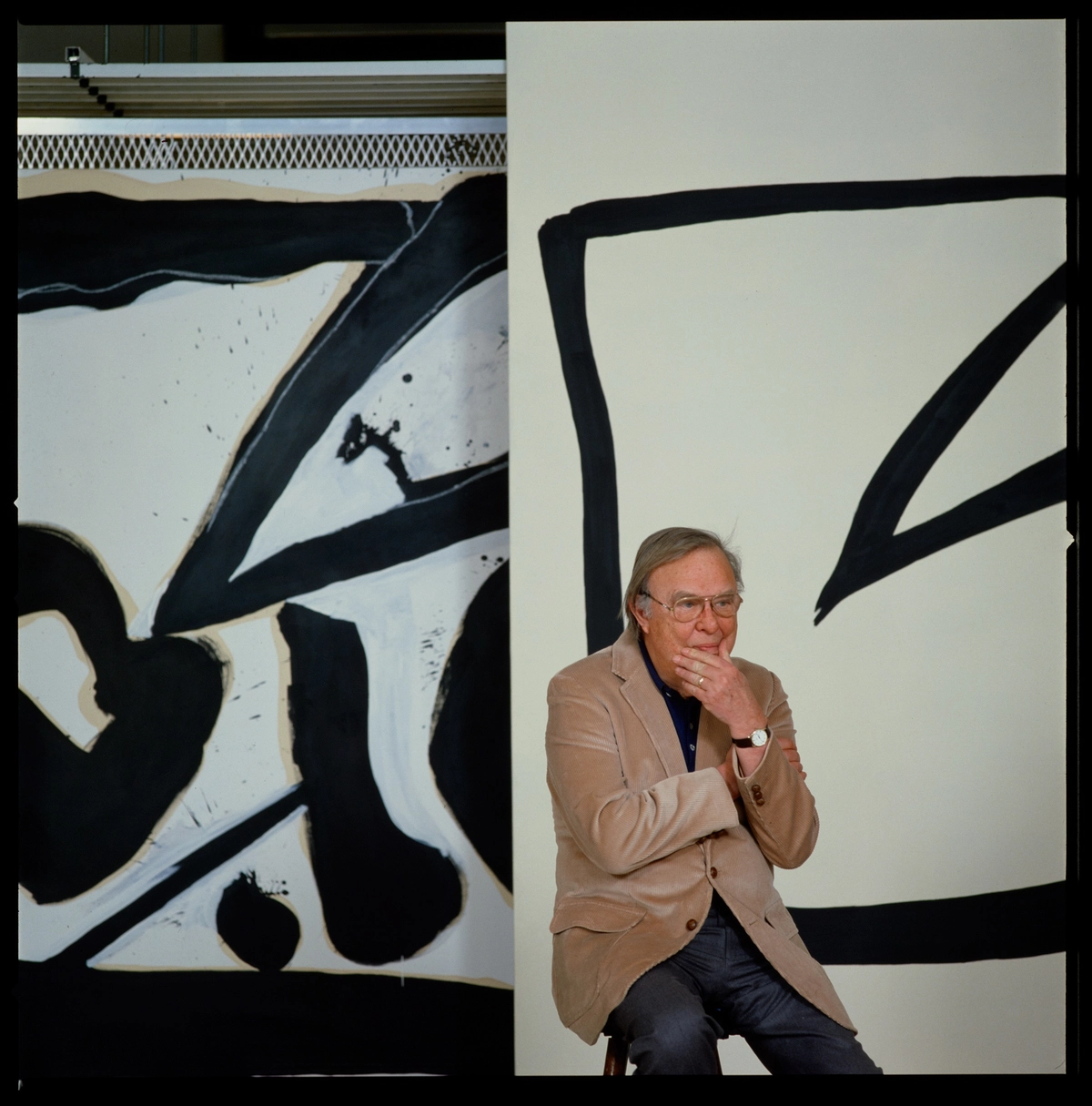
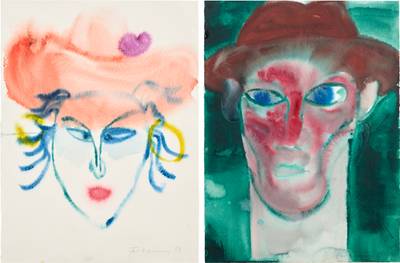
Paint It Raw: The Return of Emotional Intensity
When Marlene Dumas's 'The Visitor' sold at Christie's London for well over its estimate in 2023, the room understood something it had perhaps already felt for years: the market for psychologically charged, emotionally unguarded painting was not a passing mood. It was a conviction. Dumas, whose work operates in the uncomfortable territory between tenderness and accusation, between portraiture and autopsy, has become one of the clearest indicators of where serious collecting appetite lives right now. The fact that her prices hold and climb even as the broader market softens tells you something important about how collectors are orienting themselves.
Emotional intensity as a category defies easy periodization. It is not a movement with a manifesto or a moment with a clean start date. It is more like a persistent counterargument to whatever is cool or detached in the prevailing aesthetic conversation. What we are seeing right now is a genuine reckoning with that tradition, a willingness among institutions, critics, and buyers to take seriously the artists who never made their feelings small.
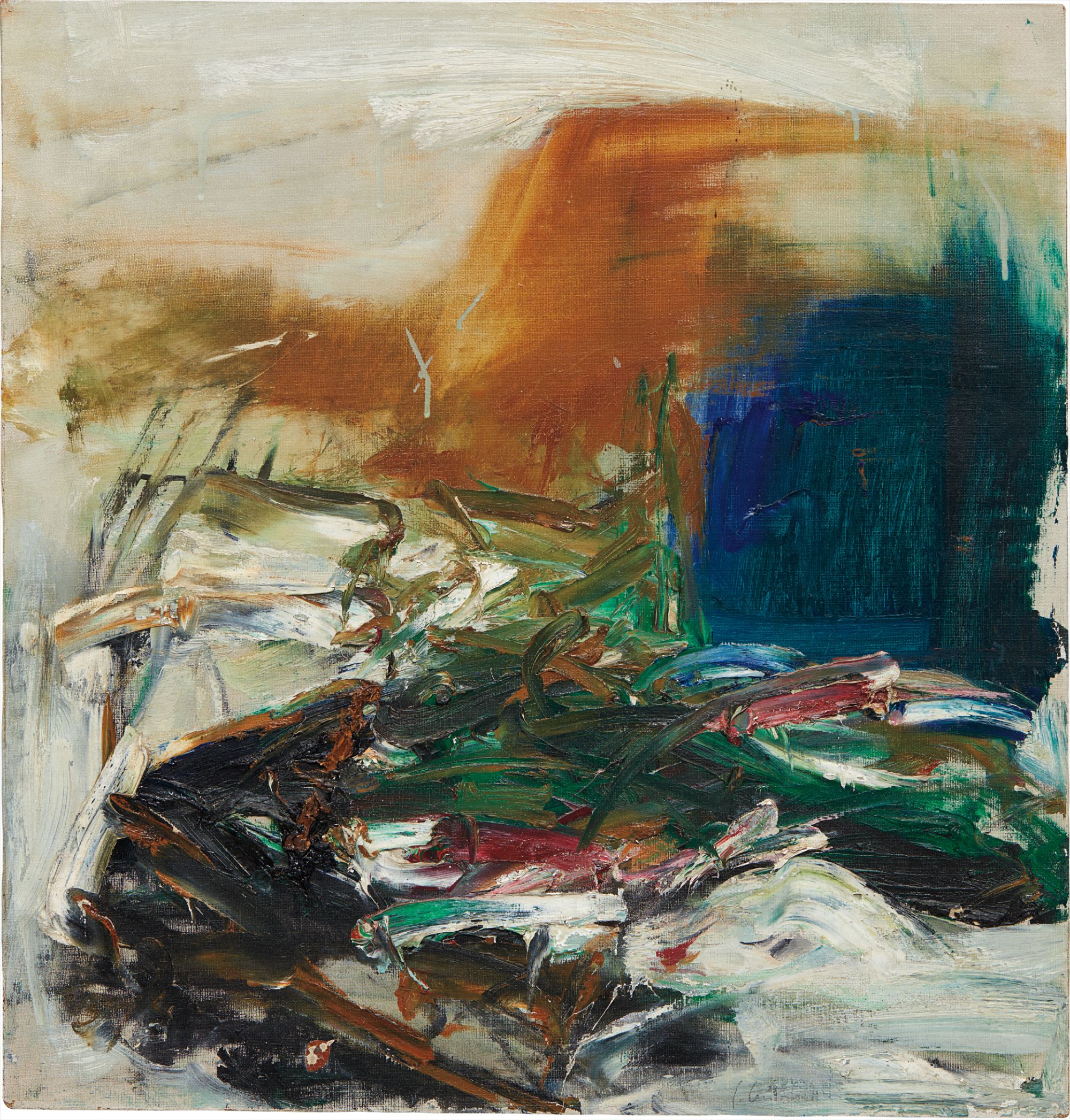
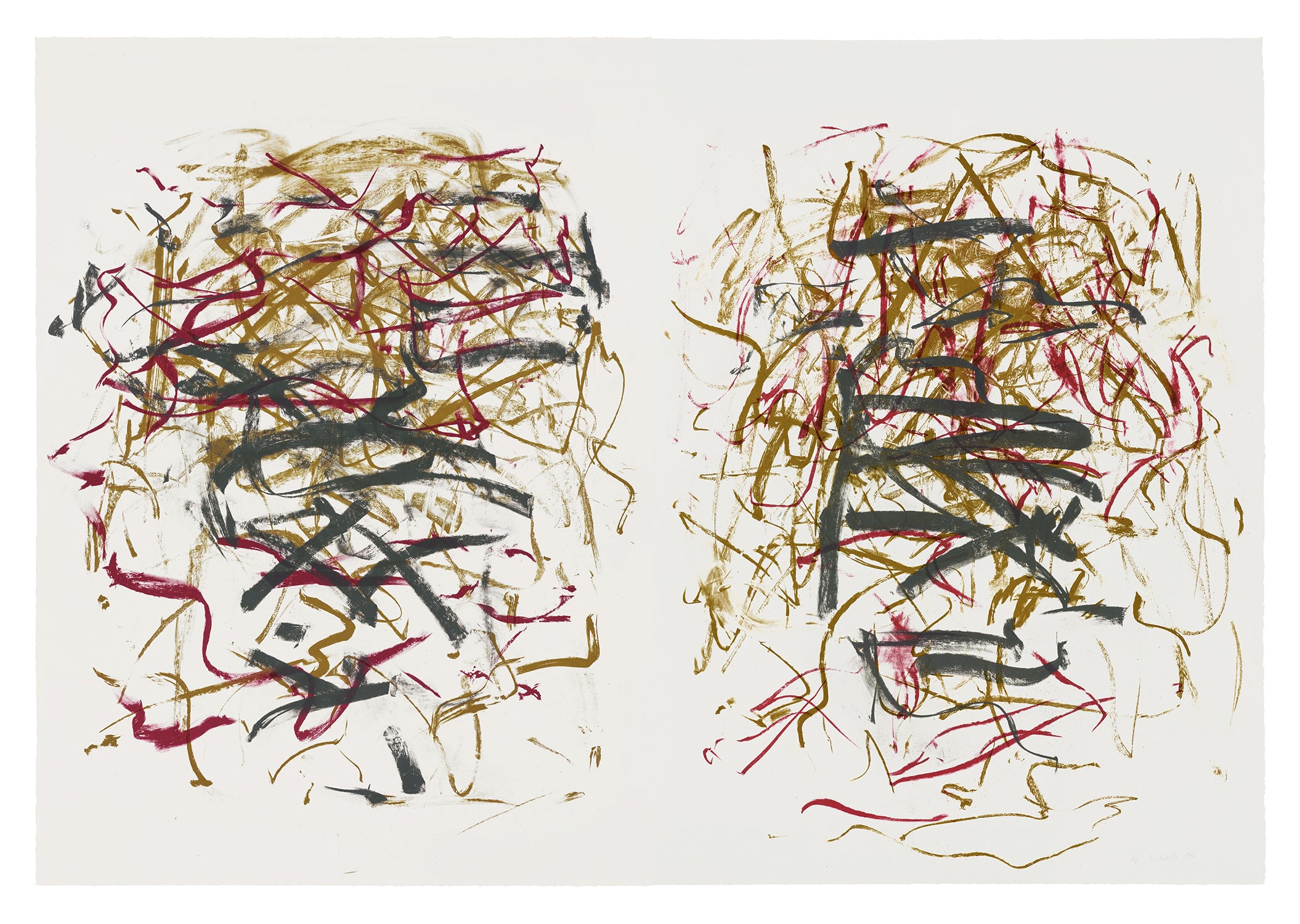
Joan Mitchell
“I try to eliminate clichés, extraneous material. I try to make it exact. My painting is not an allegory or a story. It is more like a poem." Joan Mitchell, 1958
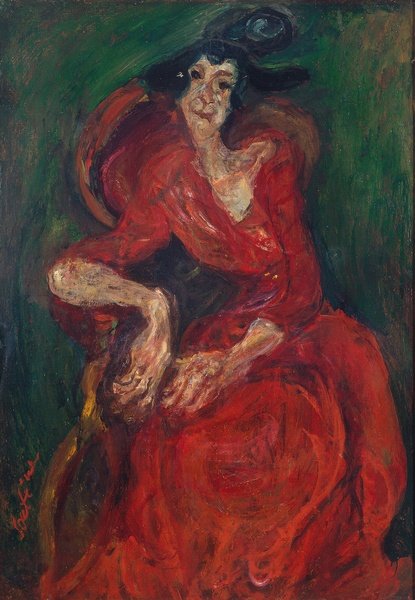
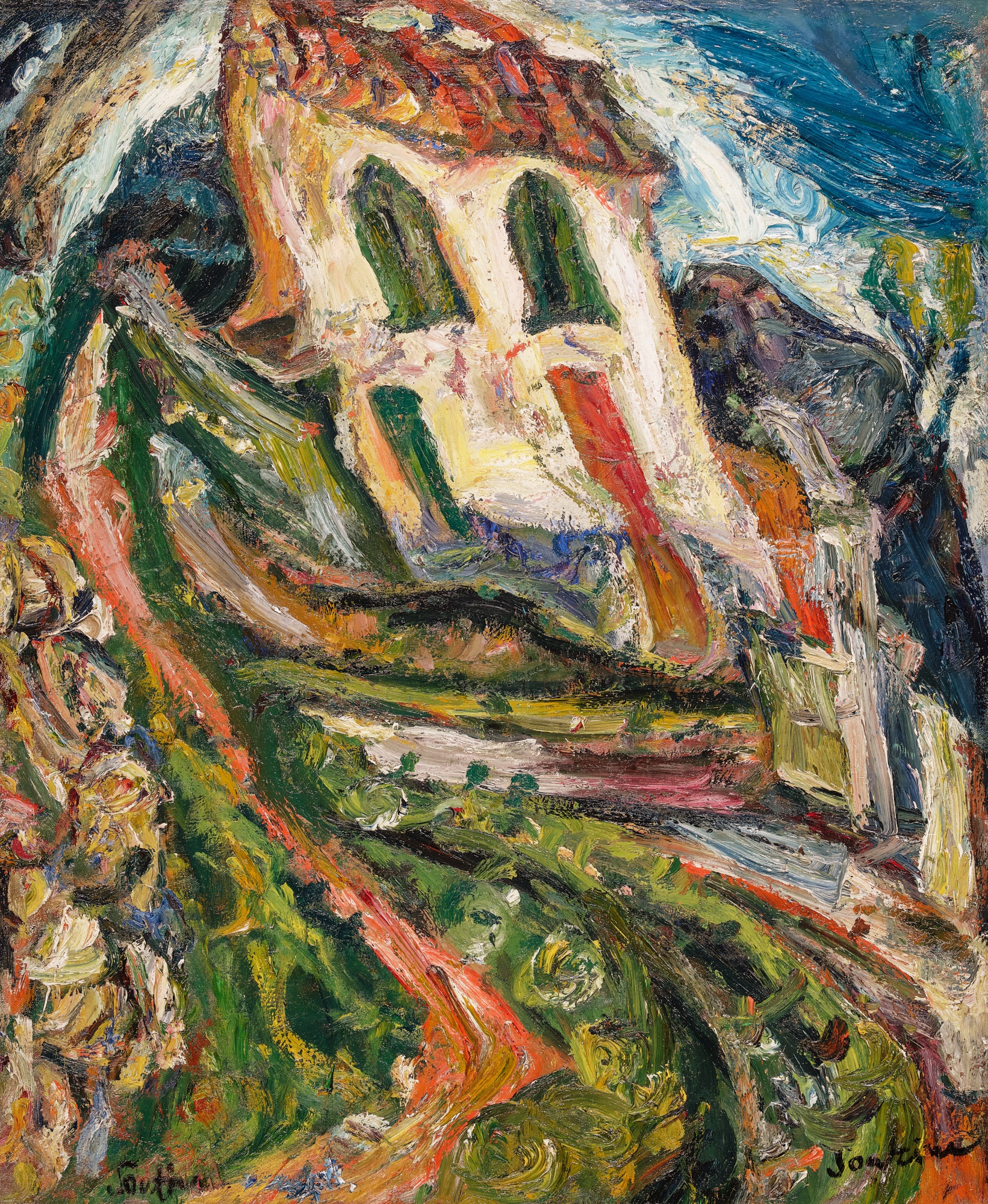
The works on The Collection that fall into this territory are not accidental companions. From Chaïm Soutine to Jadé Fadojutimi, there is a shared commitment to the idea that feeling is not a weakness in a painting but its entire reason for existing. The exhibition record of recent years tells this story with unusual clarity. Joan Mitchell's retrospective at the San Francisco Museum of Modern Art and the Baltimore Museum of Art in 2021 and 2022 was a transformative cultural moment, not just a career survey.
It reintroduced Mitchell to a generation of collectors who had grown up in the age of post internet cool, and the response was visceral. Attendance was strong, the critical writing was serious, and the secondary market responded almost immediately. Mitchell's works, already significant in price, moved into a different register entirely. Her presence on The Collection feels entirely right for this moment.
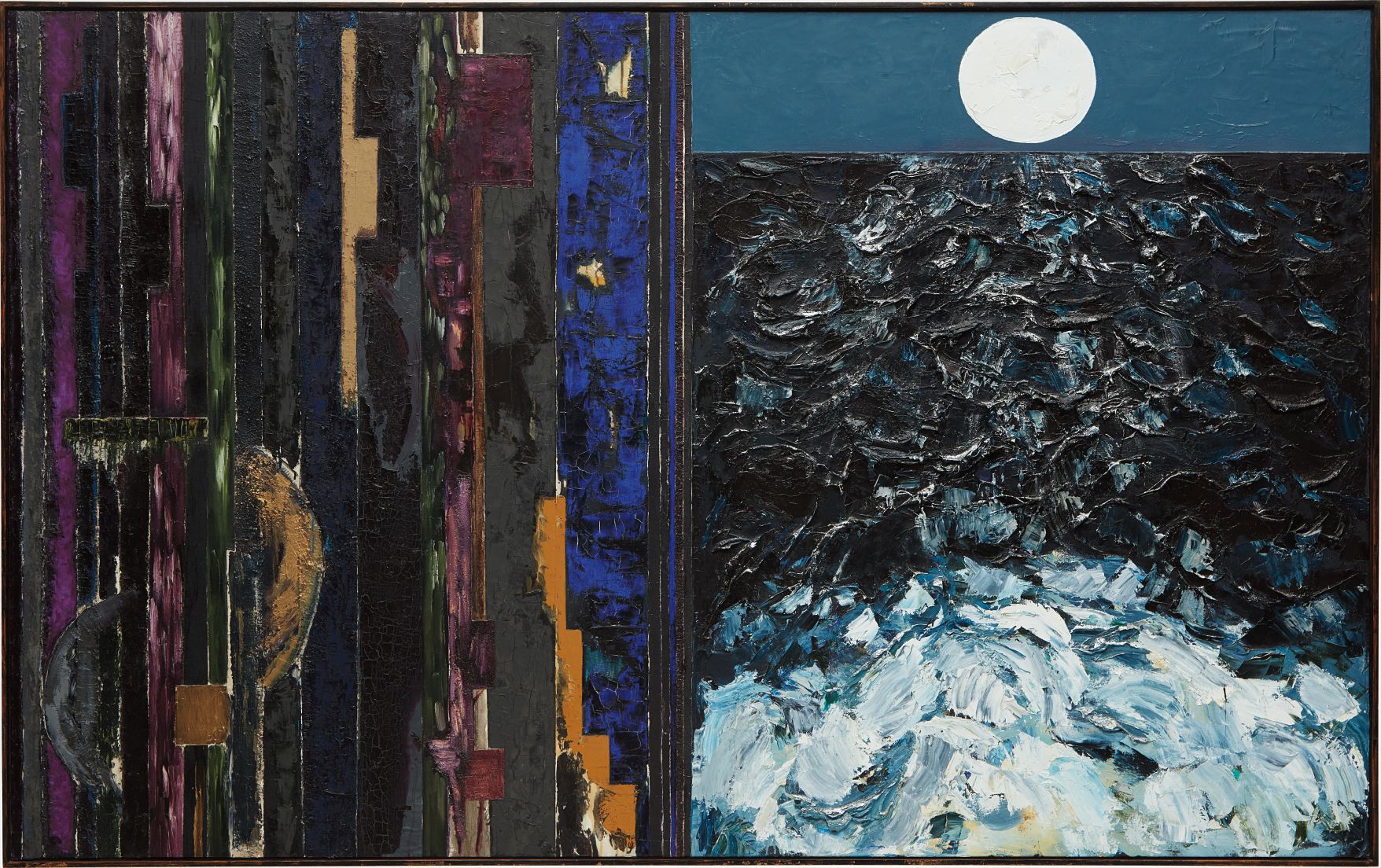
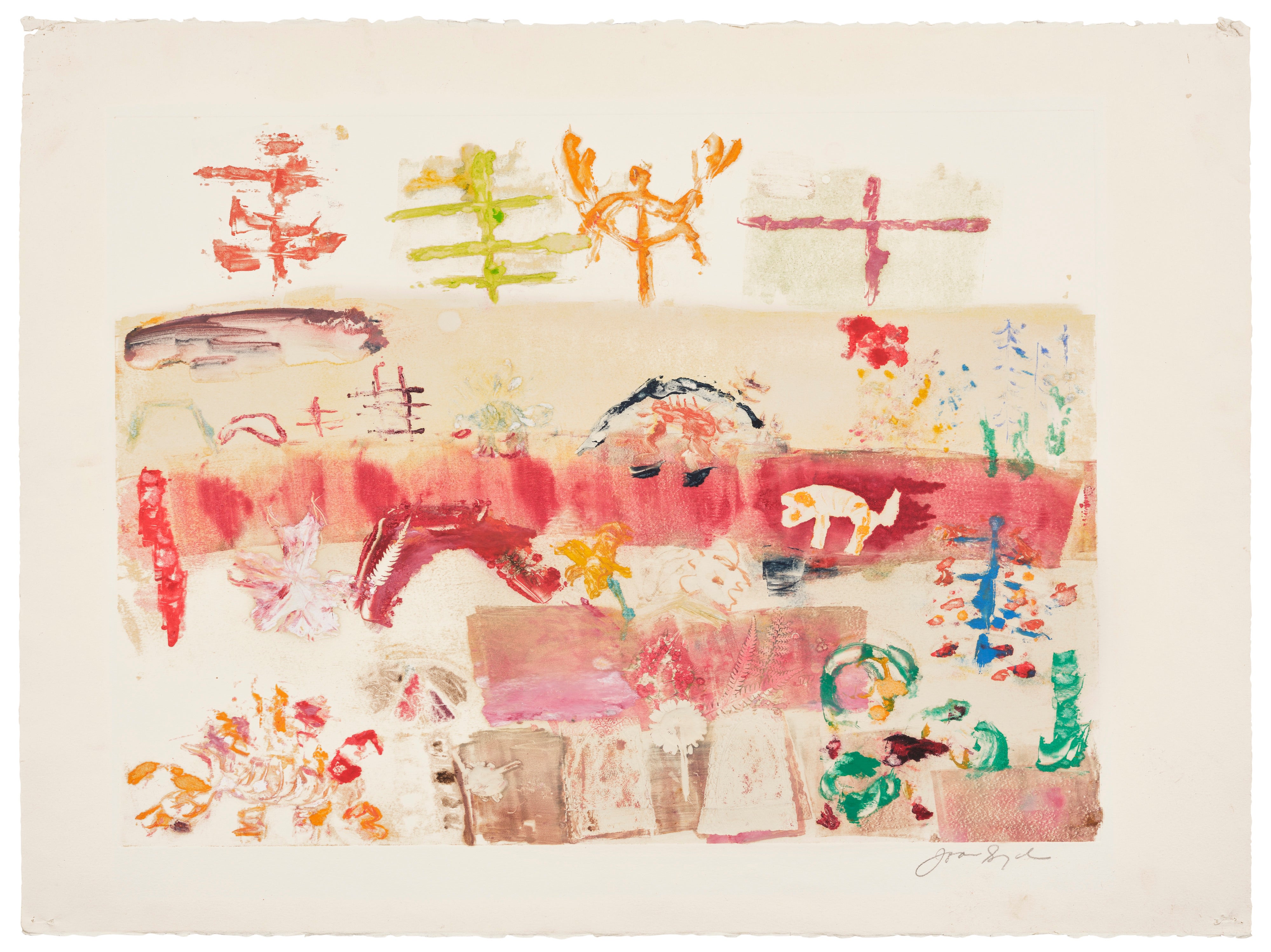
Joan Snyder
To Transcend/ The Moon, 1985
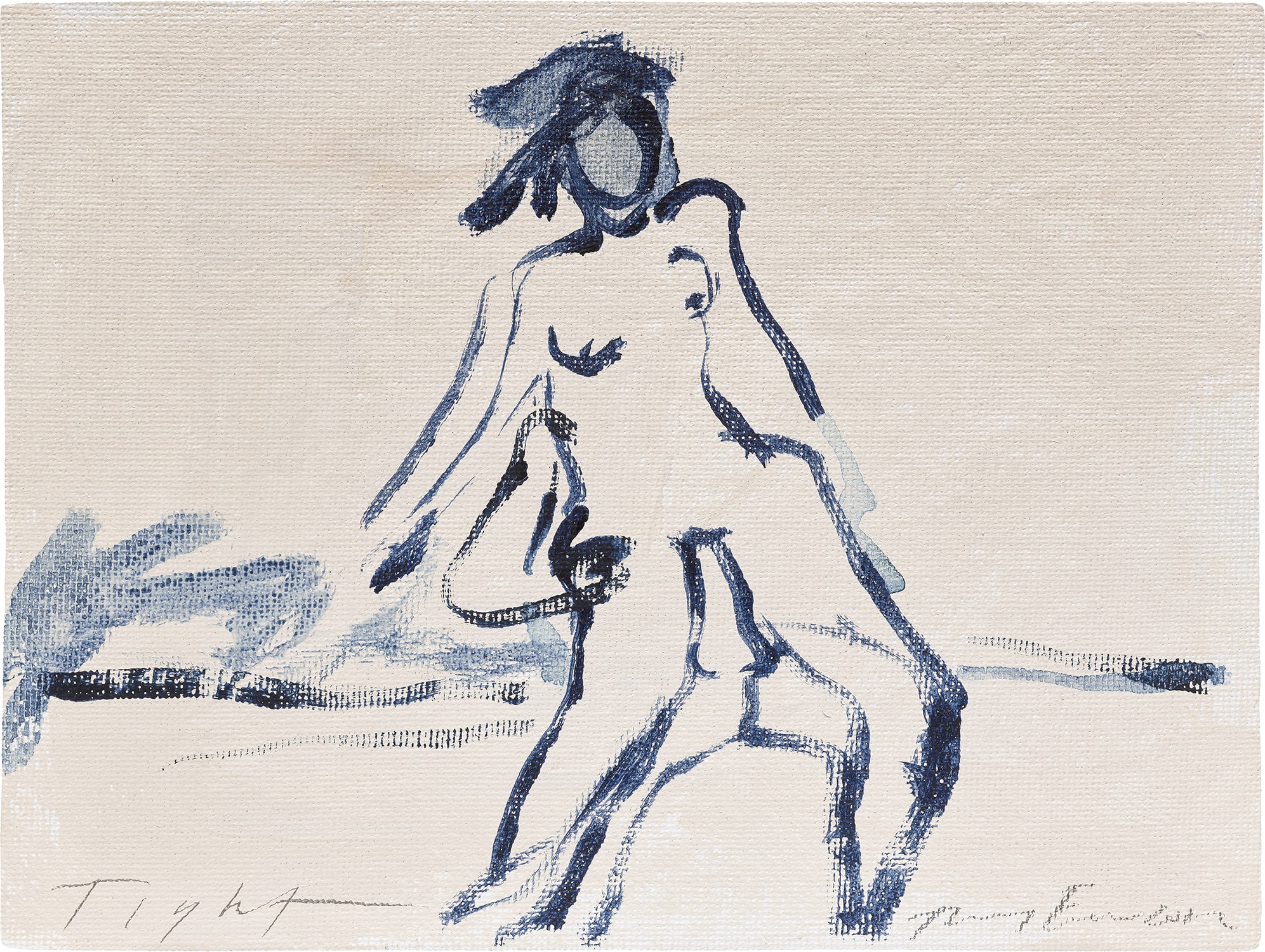
The retrospective reminded people that abstraction, when it comes from somewhere real, is among the most demanding and rewarding things a painting can do. Joan Snyder, who has spent decades developing a visual language that is almost diary like in its intimacy, has also seen growing institutional recognition. Her work sits at the intersection of feminist art history and expressive abstraction in a way that feels newly legible to younger audiences. Tracey Emin, whose neon texts and raw autobiographical canvases once seemed almost too confessional for the white cube, is now the subject of serious retrospective attention in Europe.
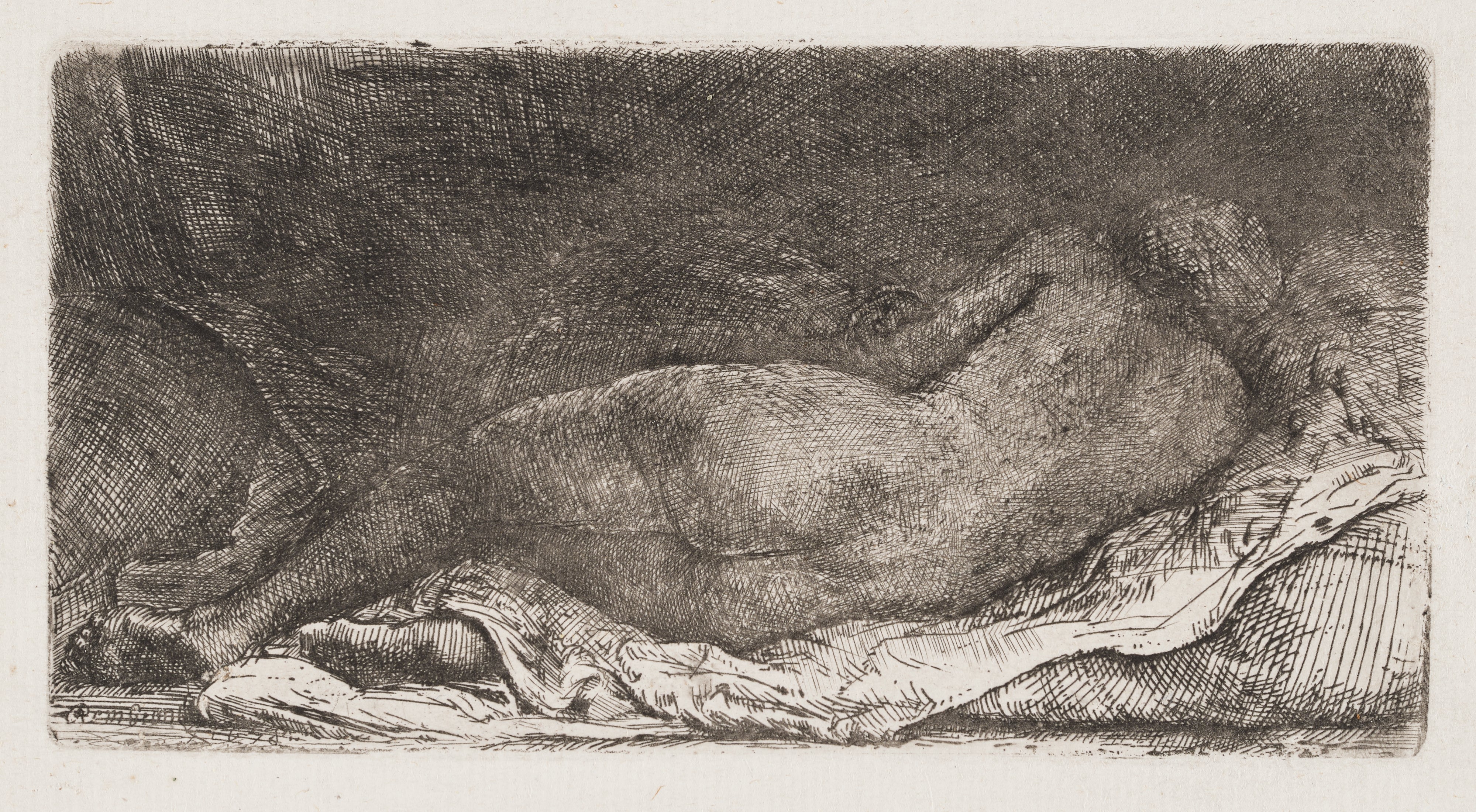
The Tracey Emin Museum in Margate, her ongoing presence at major international fairs, and her continued gallery relationships in London and New York confirm that what once read as oversharing now reads as precision. She knew something about emotional directness that the art world needed time to catch up with. At auction, the signals have been consistent. Rembrandt remains the supreme historical case for emotional intensity in portraiture, and his works, when they appear at auction, command the kind of attention that reminds you why old master sales still matter.
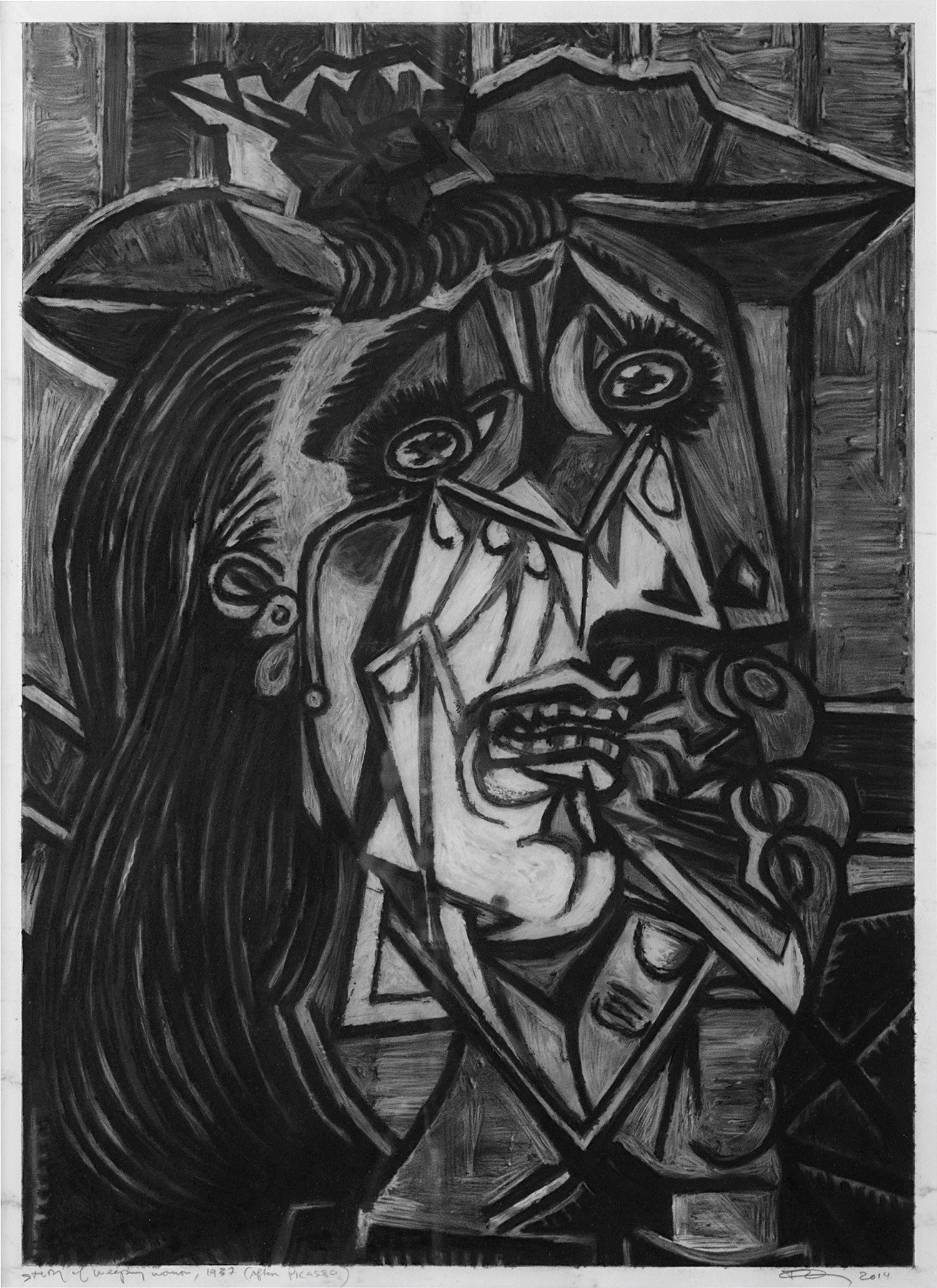
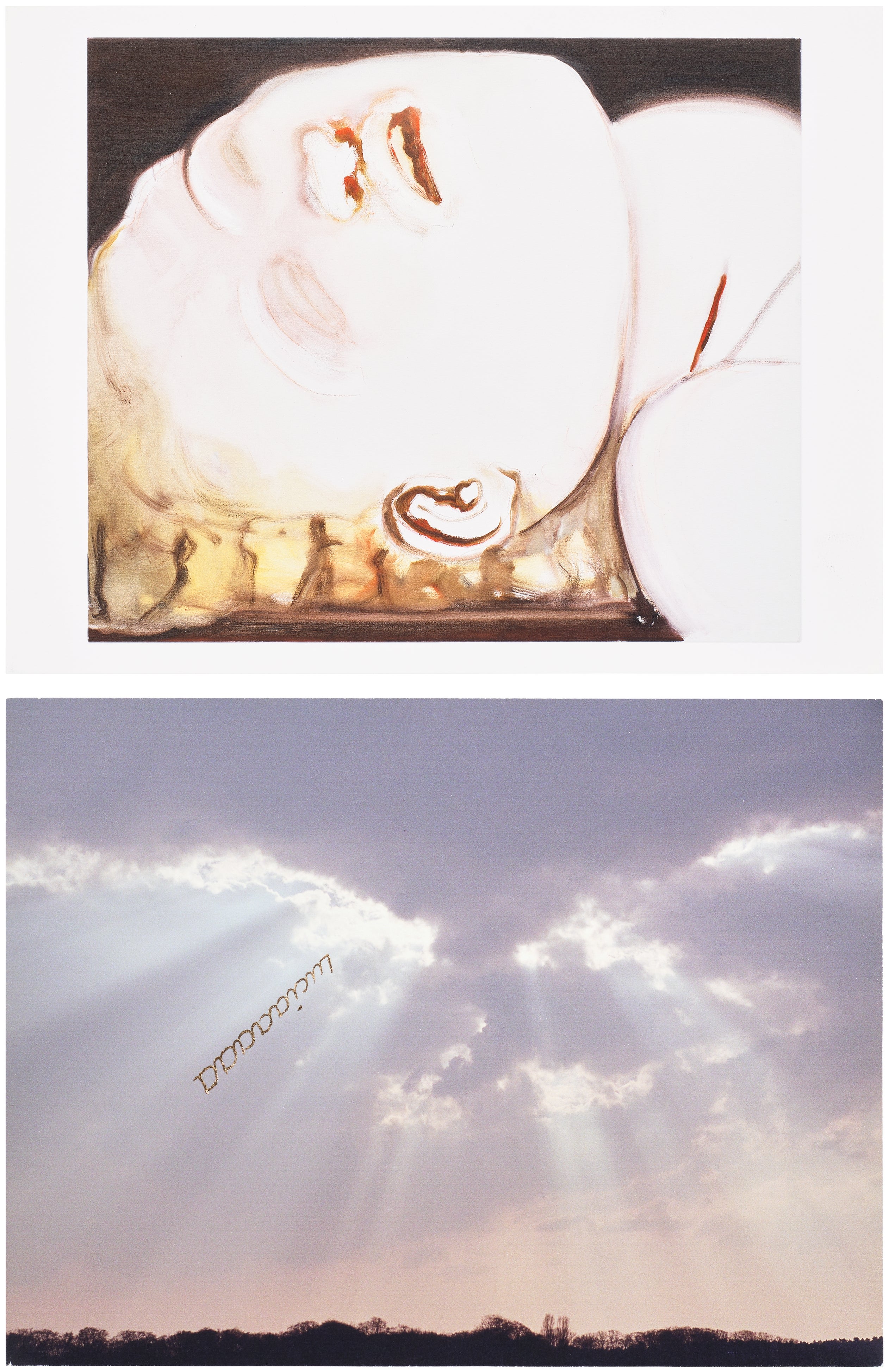
Robert Longo
Study of Weeping Woman, 1937 (After Picasso), 2014
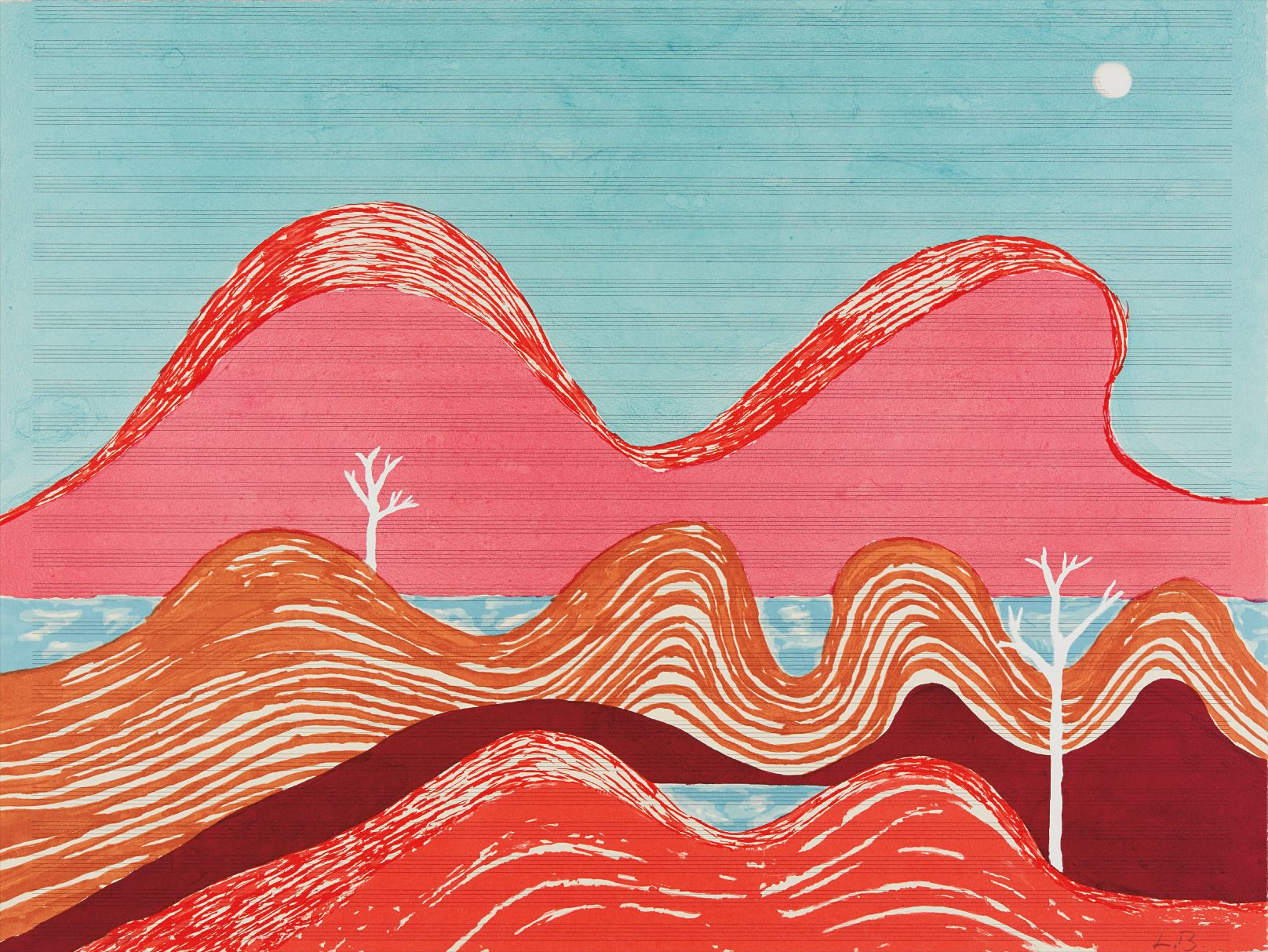
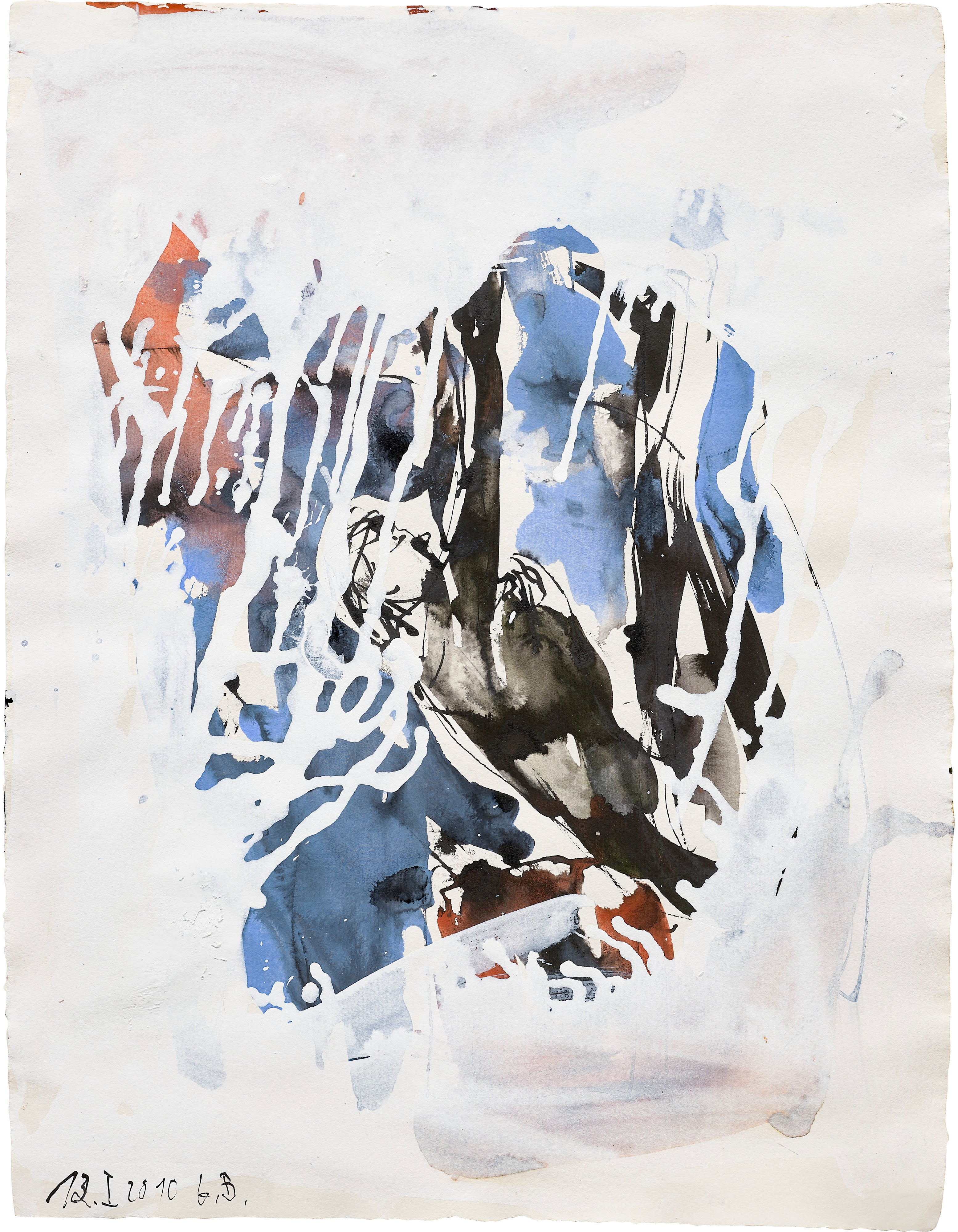
His ability to render interior life through the subtlest manipulation of light has never felt more relevant in a market that rewards psychological depth. Georg Baselitz, whose practice of inverting figures was always as much an emotional gesture as a formal one, continues to perform strongly at Christie's, Sotheby's, and Phillips. Robert Motherwell, Louise Bourgeois, and Robert Longo each represent different registers of the same essential ambition: to make you feel the weight of being alive while standing in front of a work of art. The institutions driving this conversation are not all the obvious suspects.
The Fondation Louis Vuitton in Paris has been consistent in championing work that carries emotional risk. The Louisiana Museum of Modern Art in Denmark has long understood this territory better than almost any other institution in Europe, and its programming continues to shape how collectors and critics think about expressive work. In the United States, the Museum of Contemporary Art in Los Angeles and the Hammer Museum have made collecting decisions that signal ongoing commitment to artists who work in this mode. When a major public institution acquires Louise Fishman or Rita Ackermann, it is not simply adding to a collection.
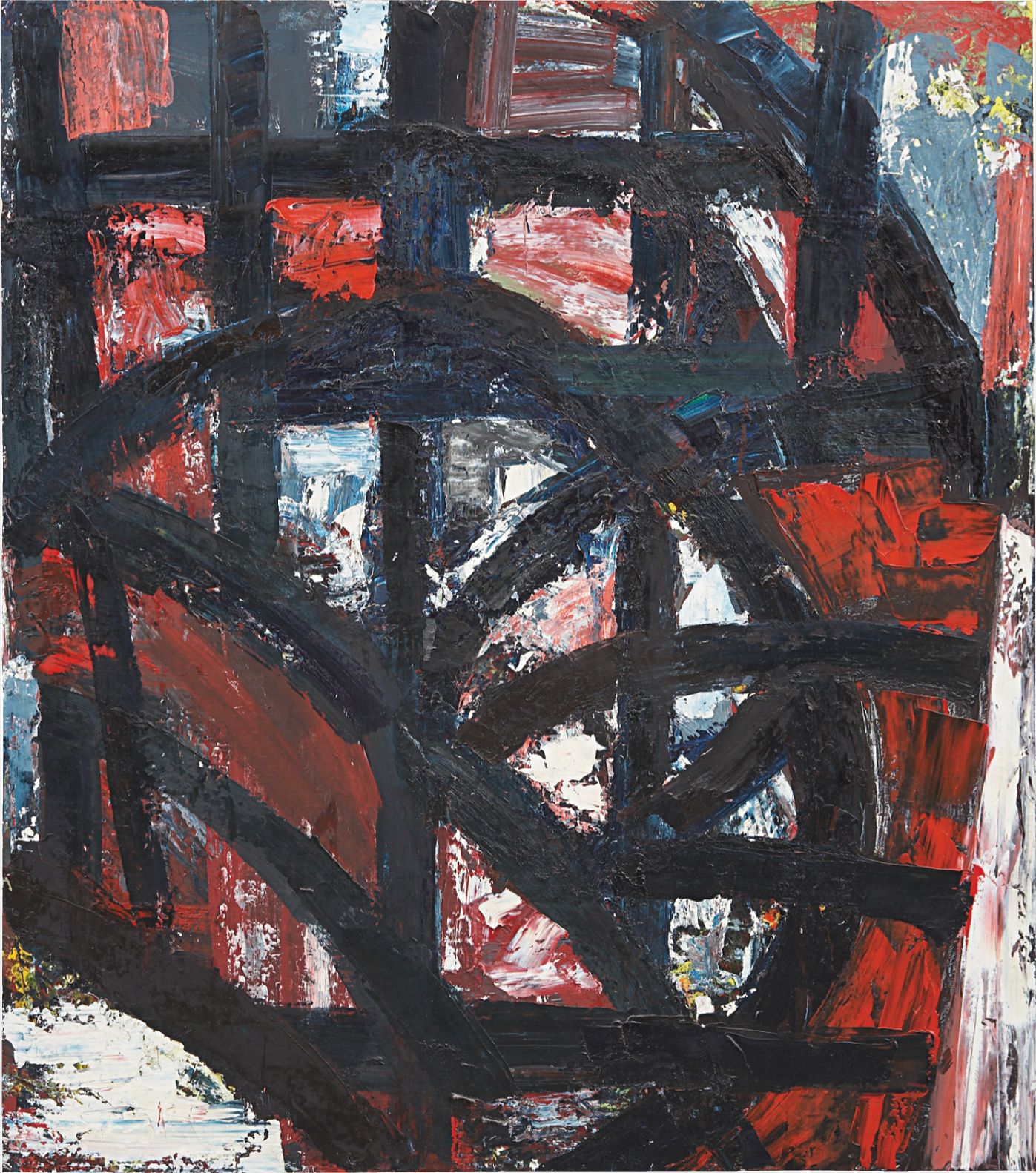
Louise Fishman
I'll Be Seeing You
It is making an argument about what painting can do. The critical conversation has been shaped significantly by a generation of writers who are more comfortable with vulnerability than their predecessors. Publications like Artforum, Frieze, and frieze magazine's online editorial have increasingly made room for writing that meets emotionally intense work on its own terms rather than aestheticizing it from a safe distance. Curators like Johanna Burton, Helen Molesworth, and Katy Siegel have written and organized work in ways that restore dignity and intellectual seriousness to artists whose emotional directness was once used against them.
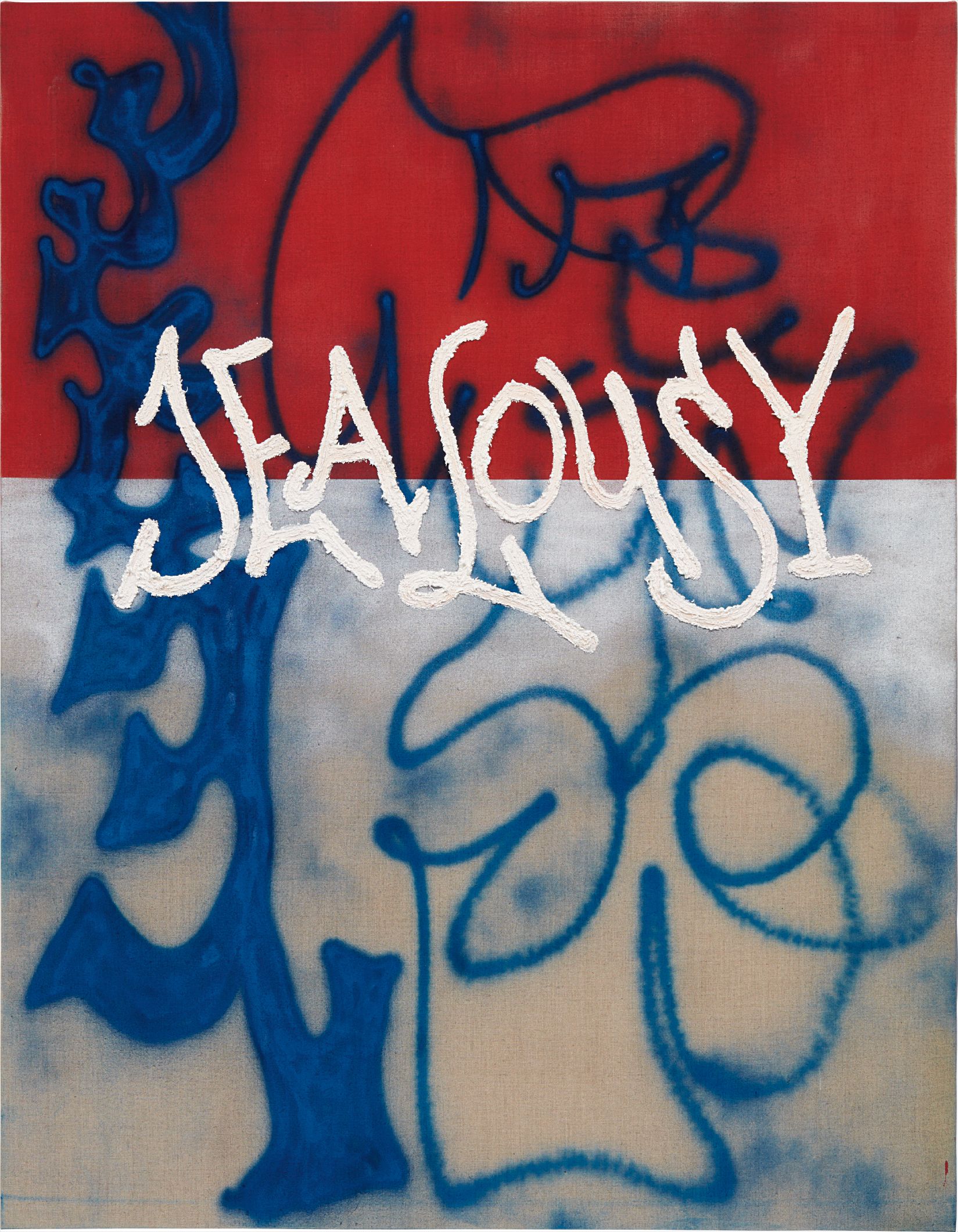
This is a meaningful shift, and it is one that the collecting world has noticed. What feels genuinely alive right now is the younger generation working within this tradition. Jadé Fadojutimi brings a kind of chromatic ferocity to the canvas that feels completely of its moment while being deeply indebted to the gestural lineage of Mitchell and Snyder. Rachel Howard's paintings carry a moral weight that is rare and difficult to ignore.
Sanya Kantarovsky makes pictures that feel like they are remembering something painful and beautiful at the same time. These are artists whose prices are still in the range where serious collectors can build meaningful holdings before the market catches up fully with what the institutions already know. The question that animates this entire category is not whether emotional intensity is fashionable. Fashion is beside the point.
The question is whether a work of art can make you feel something that matters, something you will carry with you after you leave the room. The artists gathered on The Collection who answer that question most compellingly are not all canonical, not all expensive, and not all easy. But they share a quality of conviction that is increasingly rare and, because of that rarity, increasingly valuable in every sense of the word.