Education
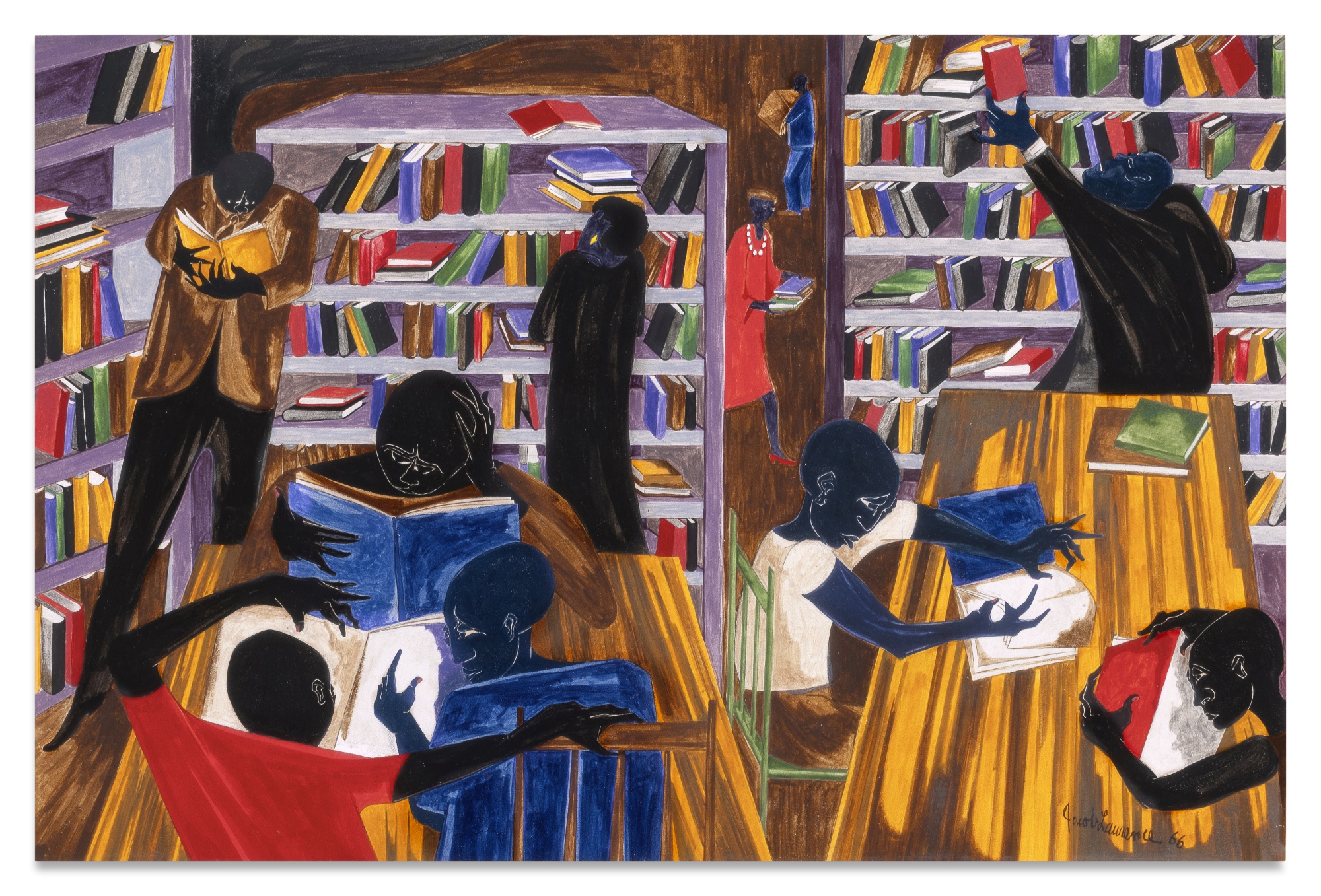
Jacob Lawrence
Students and Books, 1966
What Art About Learning Actually Teaches Collectors
There is something quietly radical about building a collection around education as a subject. It is not a theme that announces itself with the glamour of portraiture or the prestige of landscape. And yet collectors who have found their way into this space tend to describe a particular kind of engagement with their works, a feeling that the paintings and photographs looking back at them from the wall are asking something of them in return. That exchange, that sense of mutual inquiry, is part of what makes education such a compelling lens through which to think about collecting.
The subject carries enormous emotional range. A classroom can be a site of liberation or confinement, wonder or discipline, depending entirely on who holds the chalk and who sits in the chair. Works that understand this complexity, that hold the tension between institution and individual, between the transmission of knowledge and the assertion of power, are the ones worth living with for decades. When you are drawn to a piece depicting a lesson, a school room, a moment of focused attention between teacher and student, ask yourself whether the image is complicating that scene or merely illustrating it.
Jacob Lawrence
Students and Books, 1966
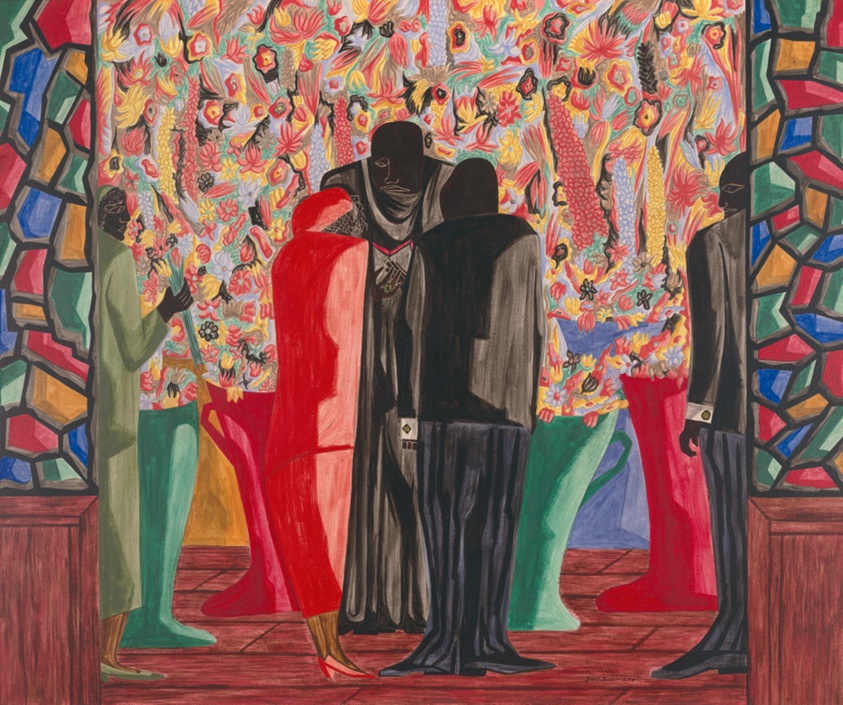
The best works in this category refuse sentimentality while remaining deeply human. Jacob Lawrence is the obvious starting point for any serious conversation here. His engagement with Black American education, particularly his work related to the Great Migration and the hunger for literacy and opportunity that drove that movement northward, gives his imagery a historical and moral weight that very few artists working in any genre have matched. His formal vocabulary, those flat planes of color and bold compositional geometry rooted in his experience with the Harlem Arts Guild in the 1930s, means that even when reproductions circulate widely, an original work carries an irreplaceable presence.
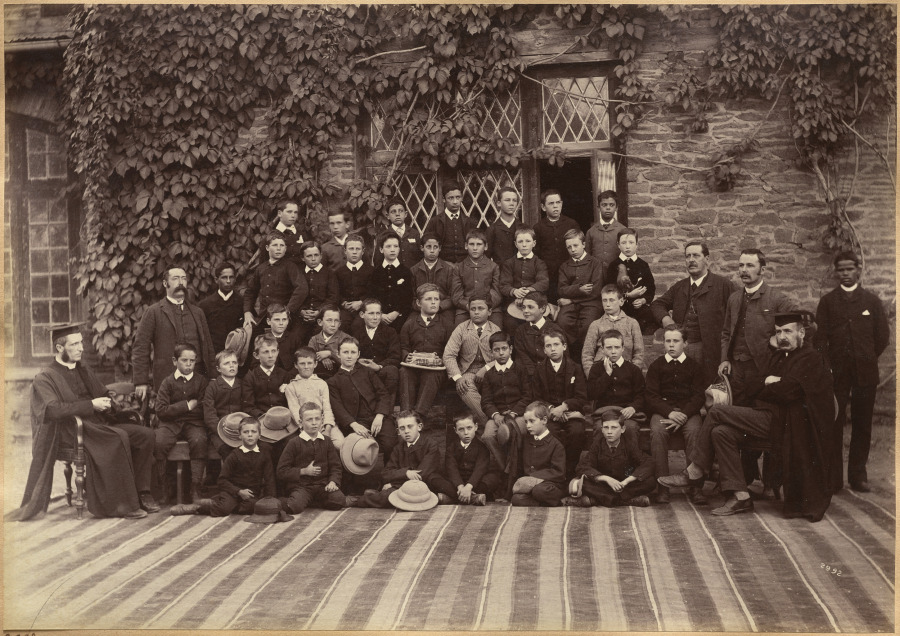
Collectors entering this space should understand that Lawrence's market is mature and competitive, which means condition and provenance documentation become especially critical considerations. Raja Deen Dayal occupies a different but equally significant position. As the court photographer to the Nizam of Hyderabad in the late nineteenth century, Dayal documented colonial India with a technical mastery and compositional sophistication that has taken the Western market decades to fully appreciate. His photographs of institutional and ceremonial life offer a form of visual education in themselves, showing collectors scenes of learning, hierarchy, and cultural transmission in a society navigating enormous change.
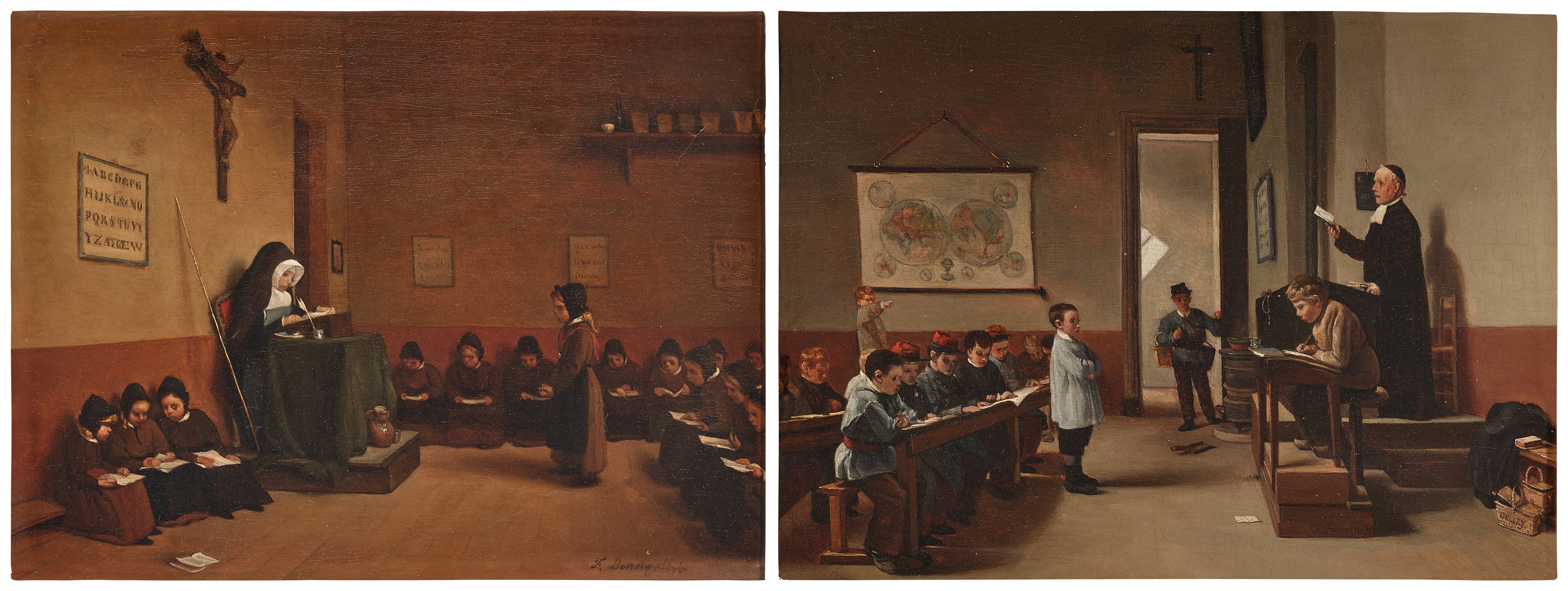
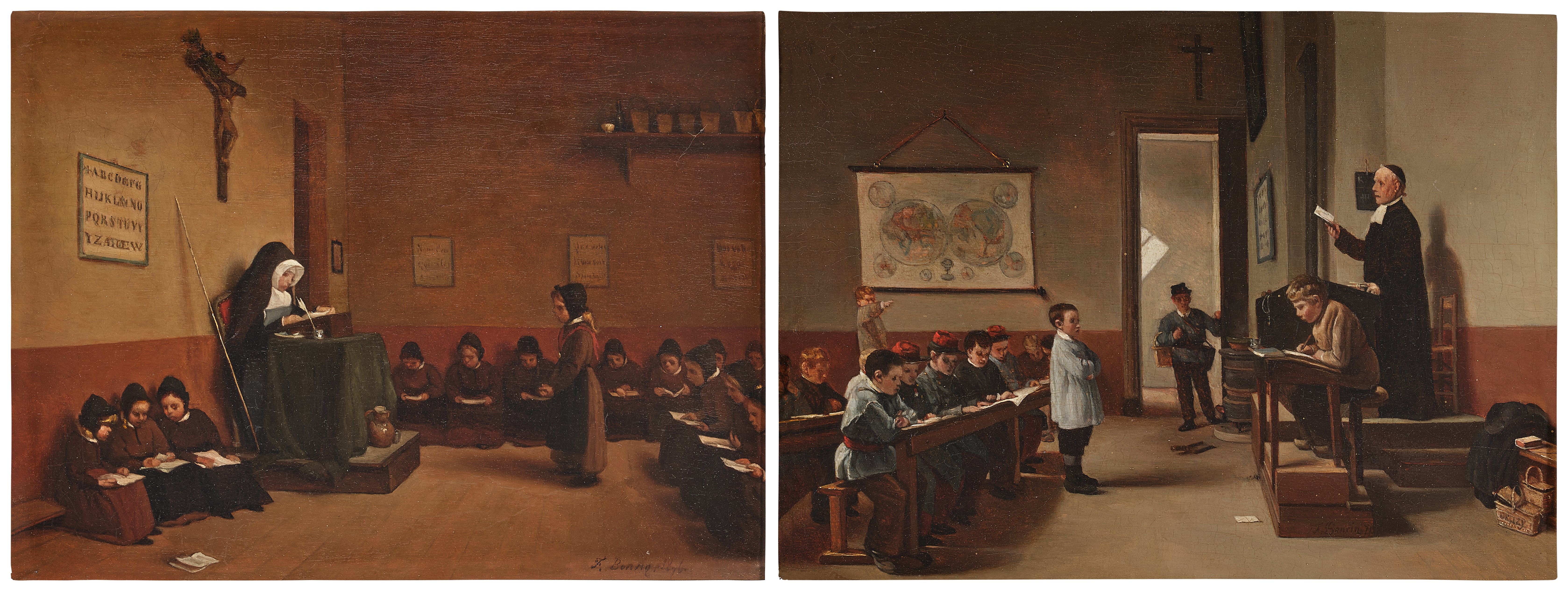
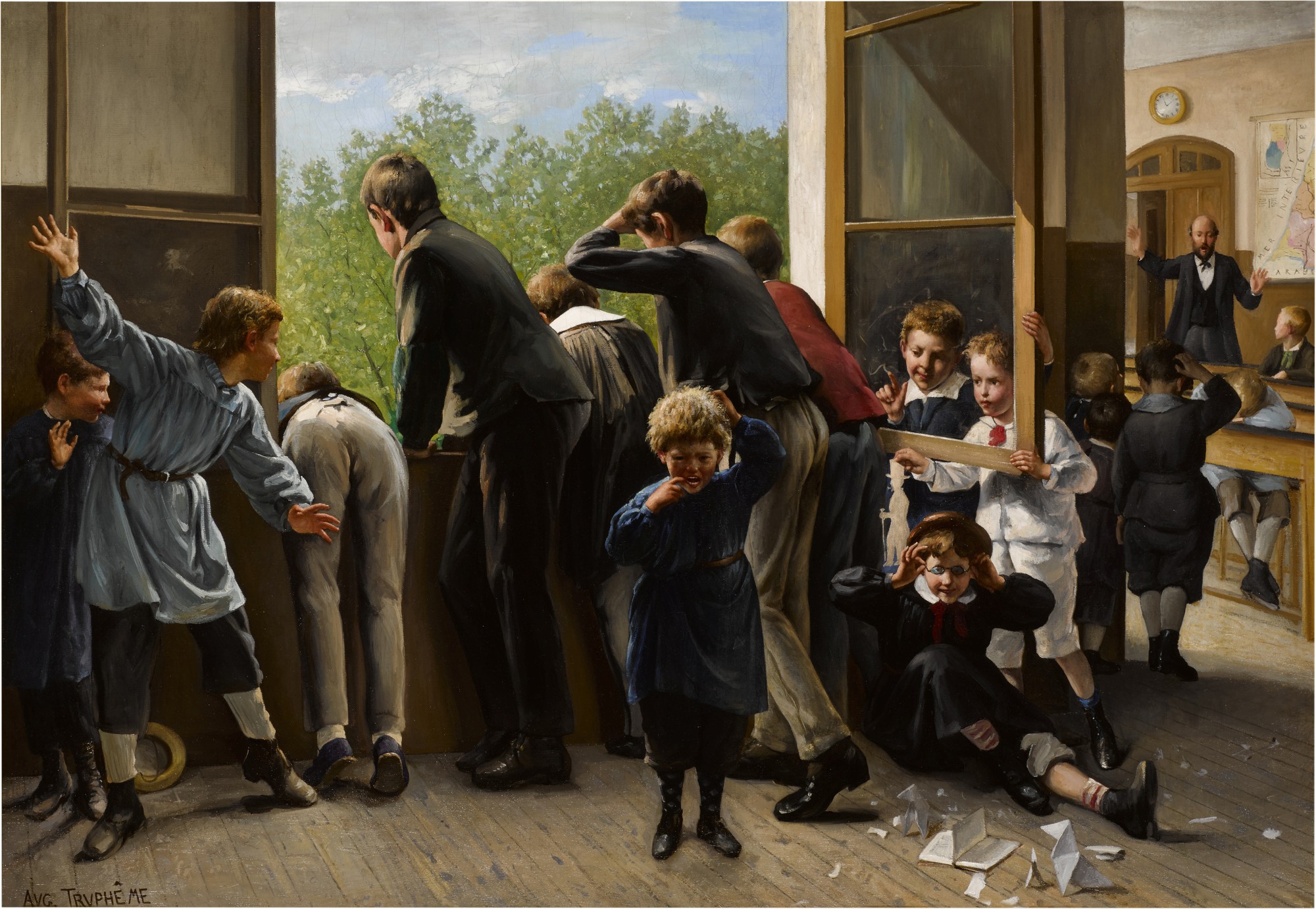
François Bonvin
L'Ecole des soeurs; L'Ecole des frères
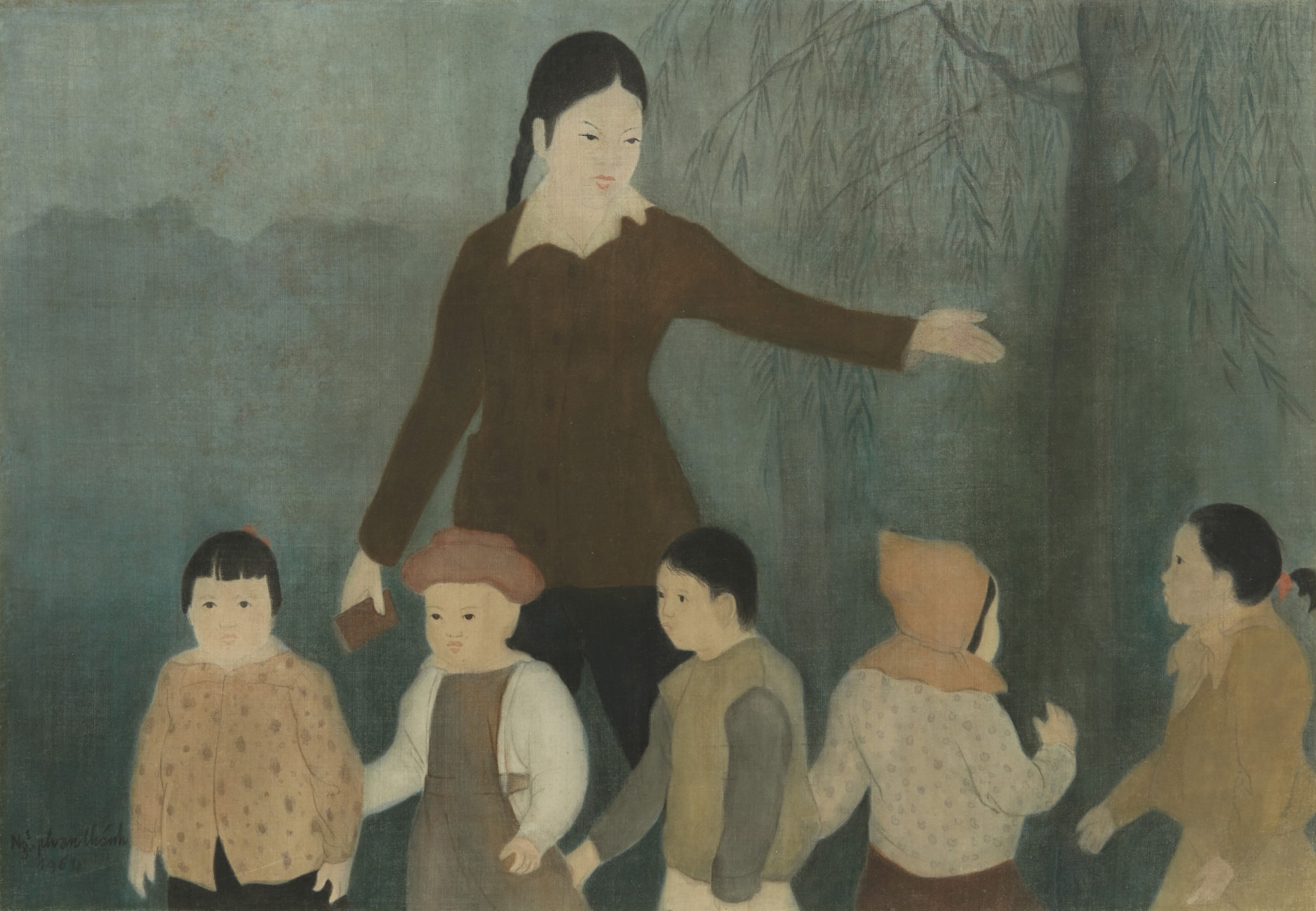
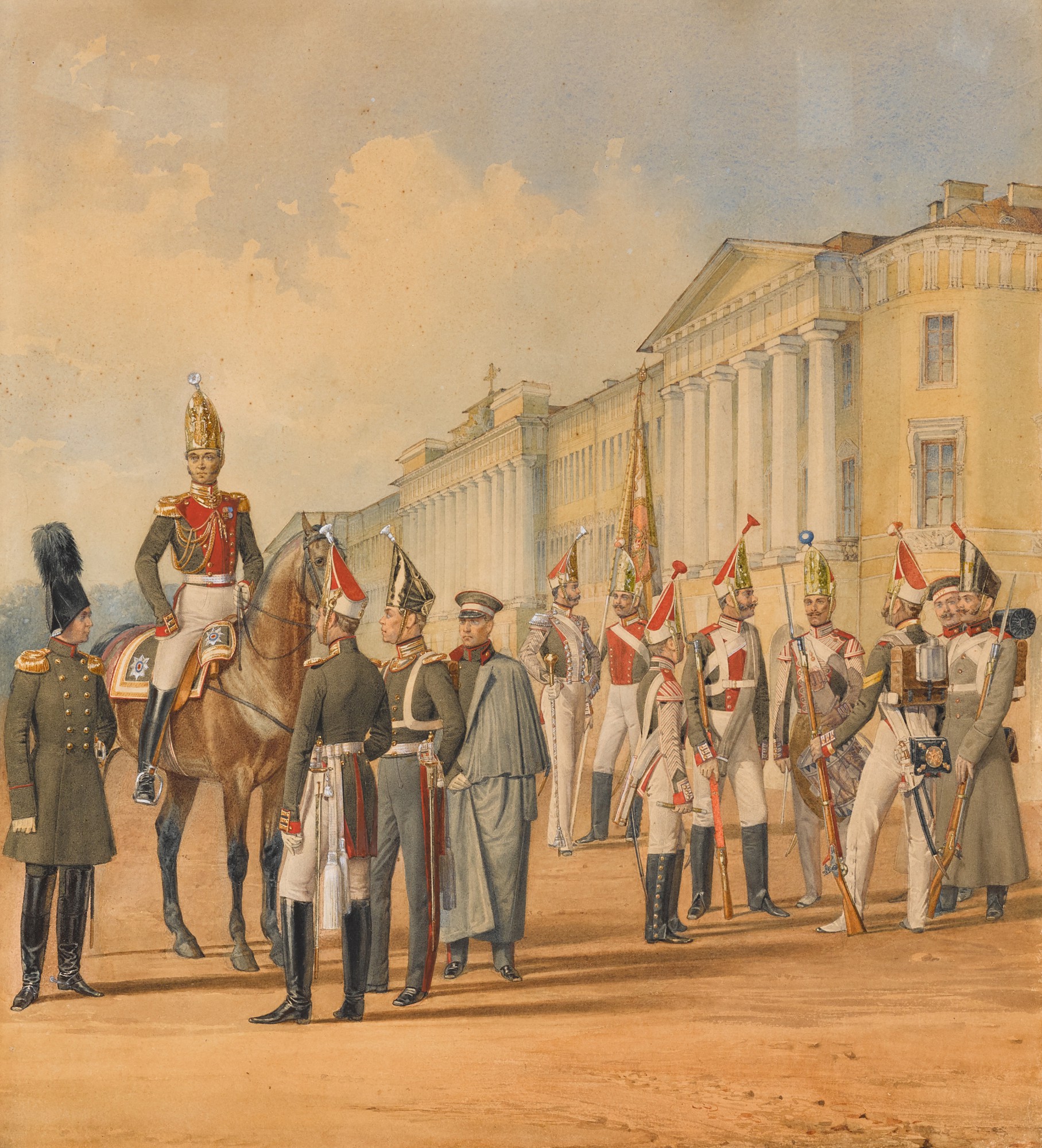
Works by Dayal on the secondary market remain undervalued relative to their historical importance, which is precisely the kind of asymmetry that experienced collectors watch for. François Bonvin, the French realist working in the tradition of Chardin, brought similar attentiveness to scenes of domestic instruction and quiet study. His interiors of schoolrooms and convents, painted with careful observation and without idealization, connect to a lineage of northern European genre painting that the current market has been reassessing with considerable enthusiasm. Nguyen Phan Chanh and Mai Trung Thu offer yet another register entirely.
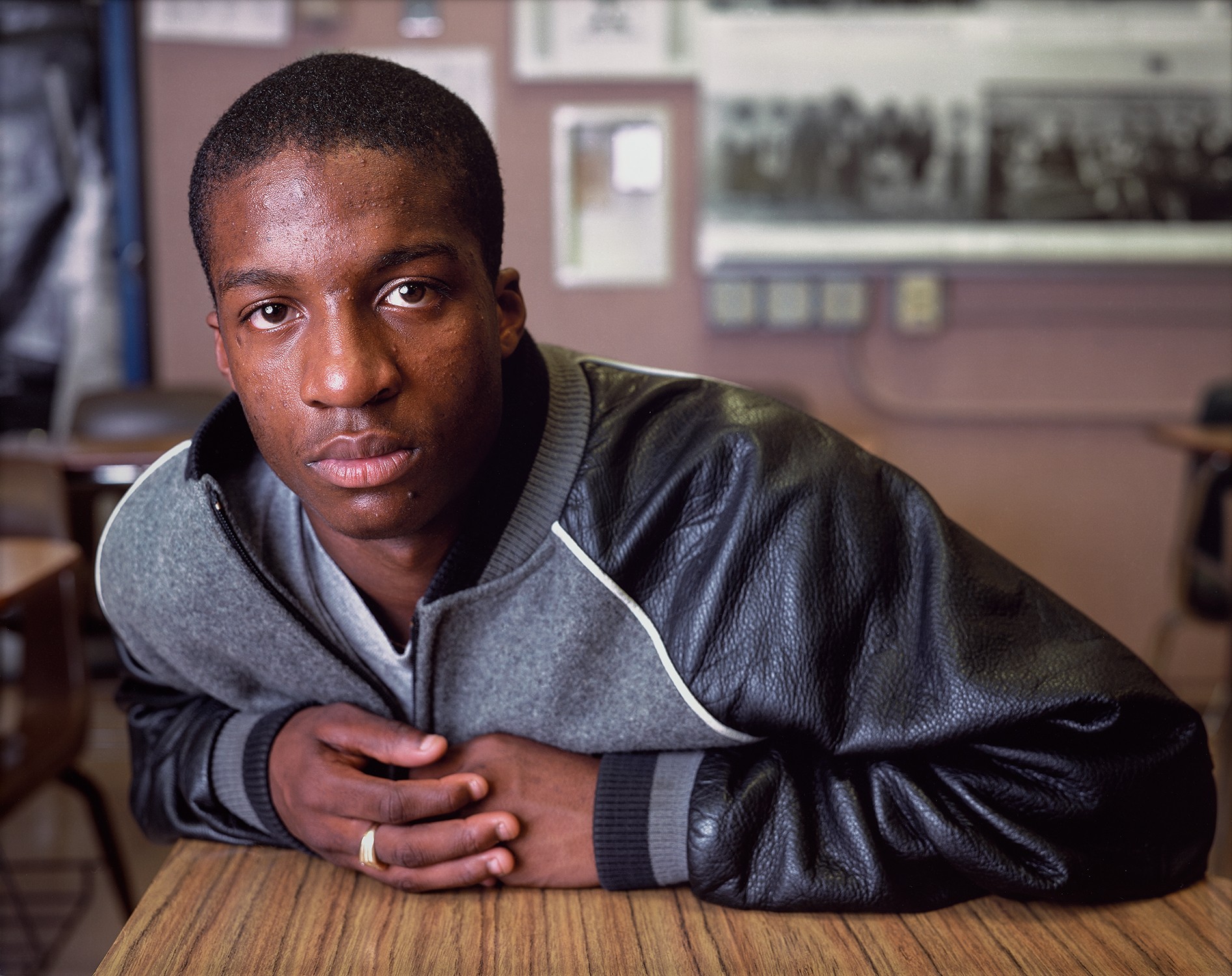
Both Vietnamese artists trained at the École des Beaux Arts de l'Indochine in Hanoi during the 1920s and 1930s, and both brought Western academic training into dialogue with traditional silk painting techniques. Their work, particularly around themes of childhood, learning, and domestic life, has seen meaningful price appreciation in the past decade as collectors in Southeast Asia and internationally have recognized the historical importance of this generation. For collectors interested in the contemporary end of the spectrum, Dawoud Bey's photographic practice is essential. His long engagement with young people, particularly young Black Americans in educational and urban settings, carries the documentary rigor of a social historian alongside the visual intelligence of a major artist.
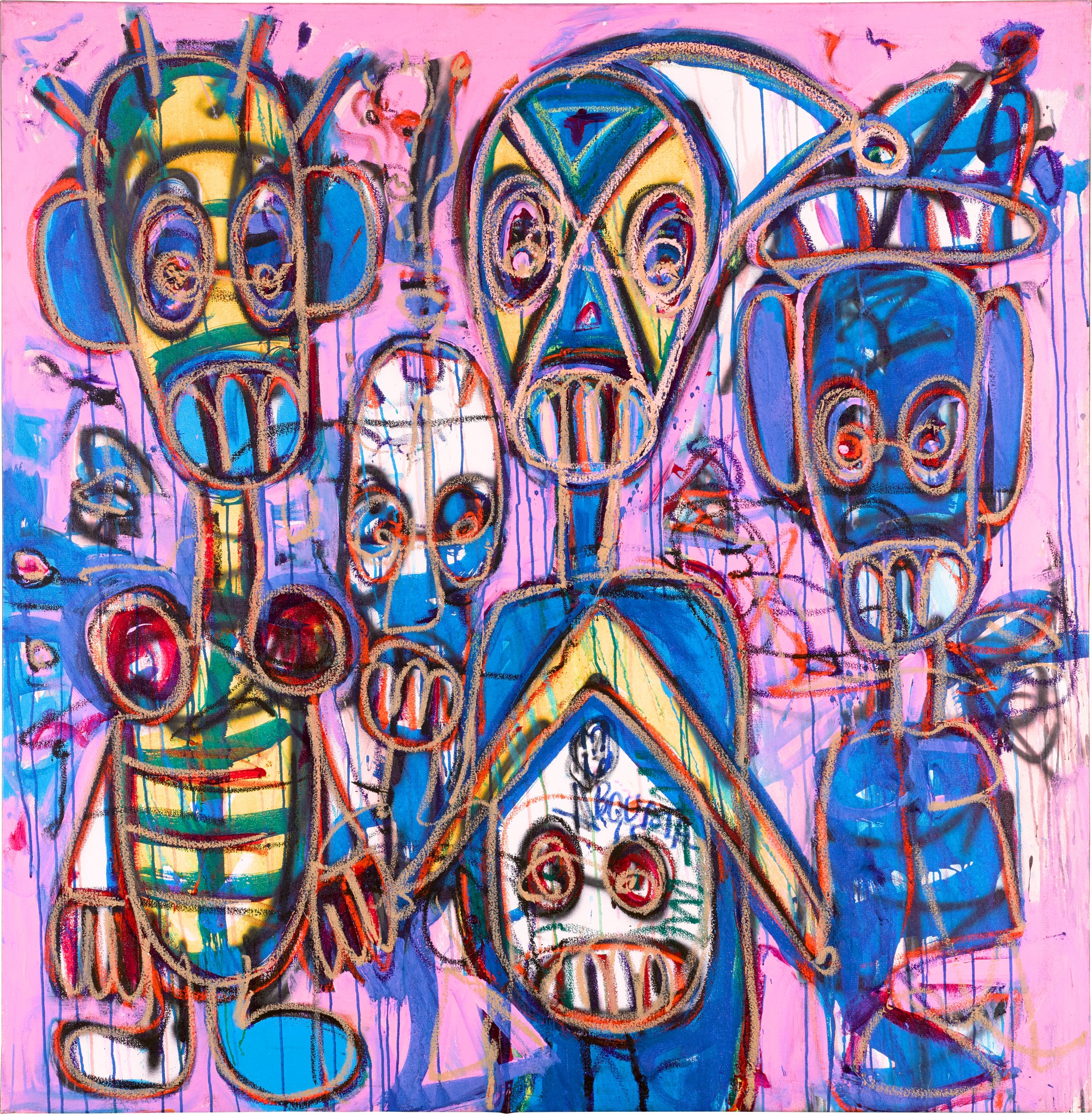
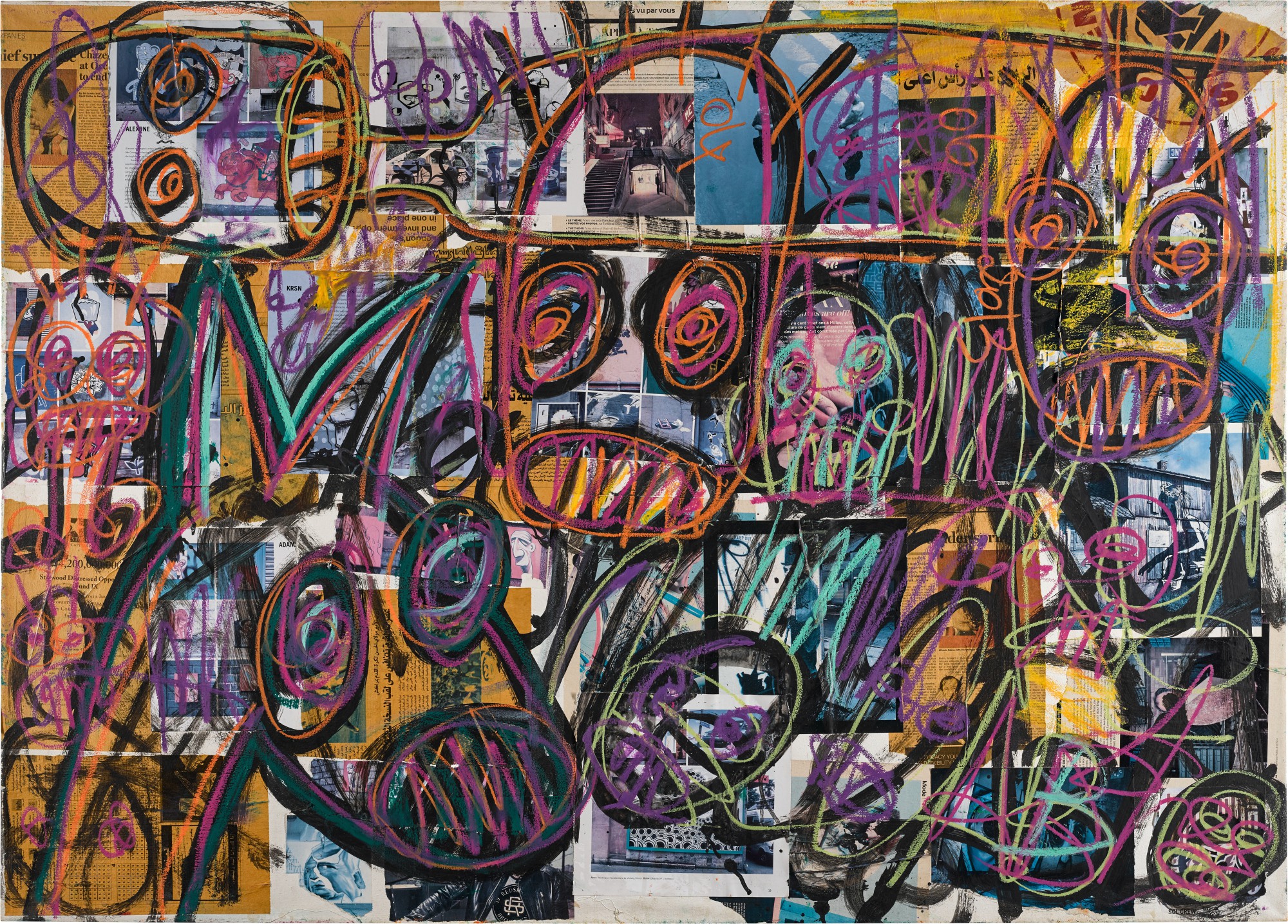
Aboudia
L'education de la jeunesse, 2020
His project At Passage, as well as his earlier work in Harlem in the 1970s, established a framework for thinking about youth, community, and visibility that remains urgently relevant. Aboudia, the Ivorian painter whose raw and energetic canvases document childhood and conflict in Abidjan, brings a very different kind of intensity to themes of learning and survival. His work has moved quickly through the market since his emergence in the early 2010s, though the strongest examples still offer room for appreciation as institutional attention continues to build. At auction, works touching on education as a theme tend to perform most reliably when they are also strong examples of a given artist's core practice.
A Lawrence gouache depicting a classroom will outperform a peripheral sketch not simply because of subject matter but because buyers in the room understand they are acquiring something central to his project. The same logic applies across the category. Condition is paramount, particularly for works on paper and photographs. Ask galleries and auction specialists directly about any restoration, about light exposure history, and about the stability of the support.
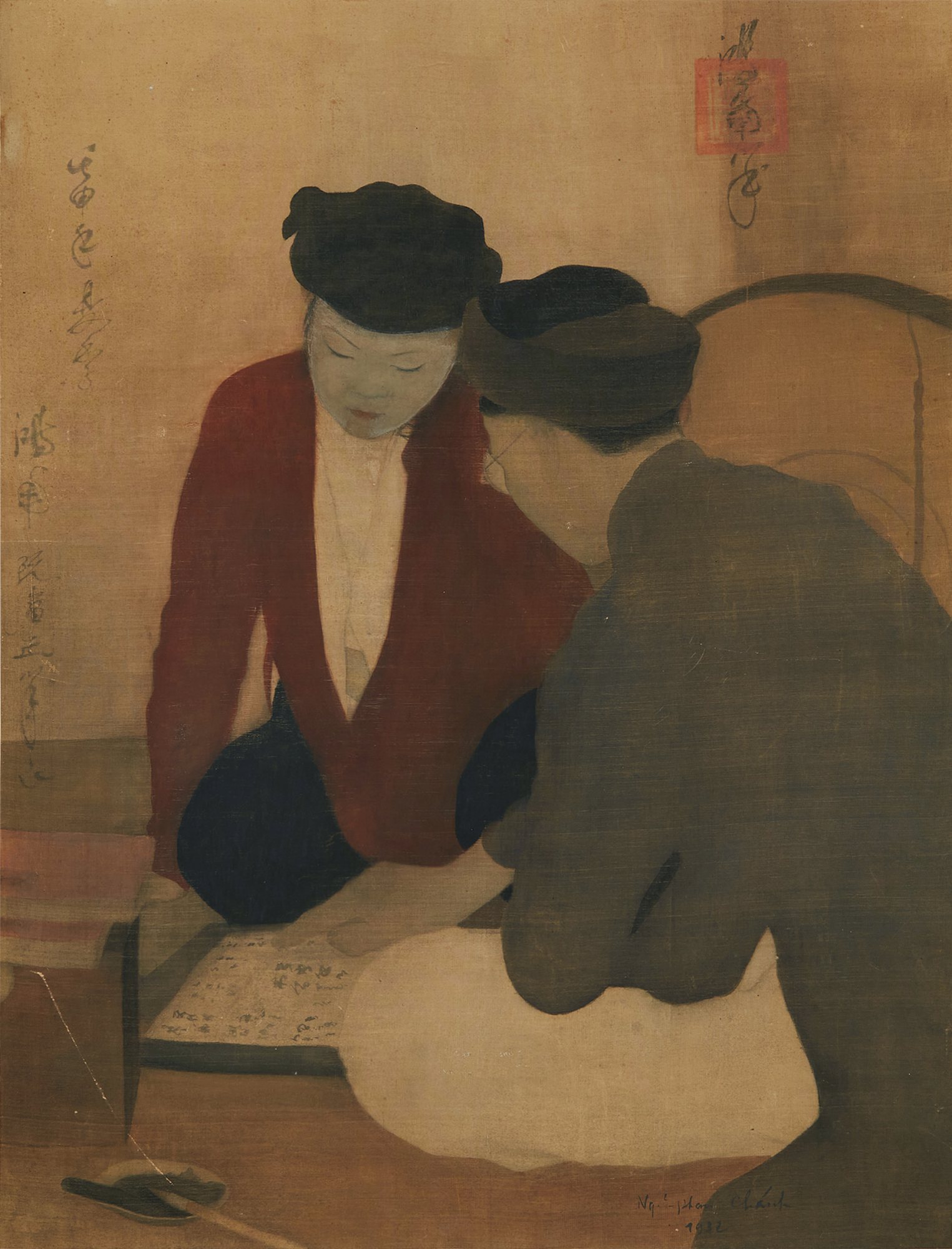
Nguyen Phan Chanh
Lesson in Chinese calligraphy 中國書法課, 1932
For photographers like Bey or Dayal, the distinction between a vintage print and a later edition print is not merely technical but can represent a significant difference in market value and long term desirability. If you are building in this area, speak to galleries who specialize in the regional traditions represented by artists like Nguyen Phan Chanh or Karl Karlovich Piratsky, the Russian academic painter whose careful documentary work offers an underexplored window into institutional life in the nineteenth century. Ask whether a work has been exhibited, and where. Ask whether it appears in catalogue raisonné scholarship.
Ask what the gallery knows about the previous owners. These questions are not bureaucratic formalities. They are the difference between a purchase and a collection. The collectors who understand this, who approach each acquisition as an act of research as much as desire, are the ones who end up with something worth handing on.