
François Bonvin
16
Works
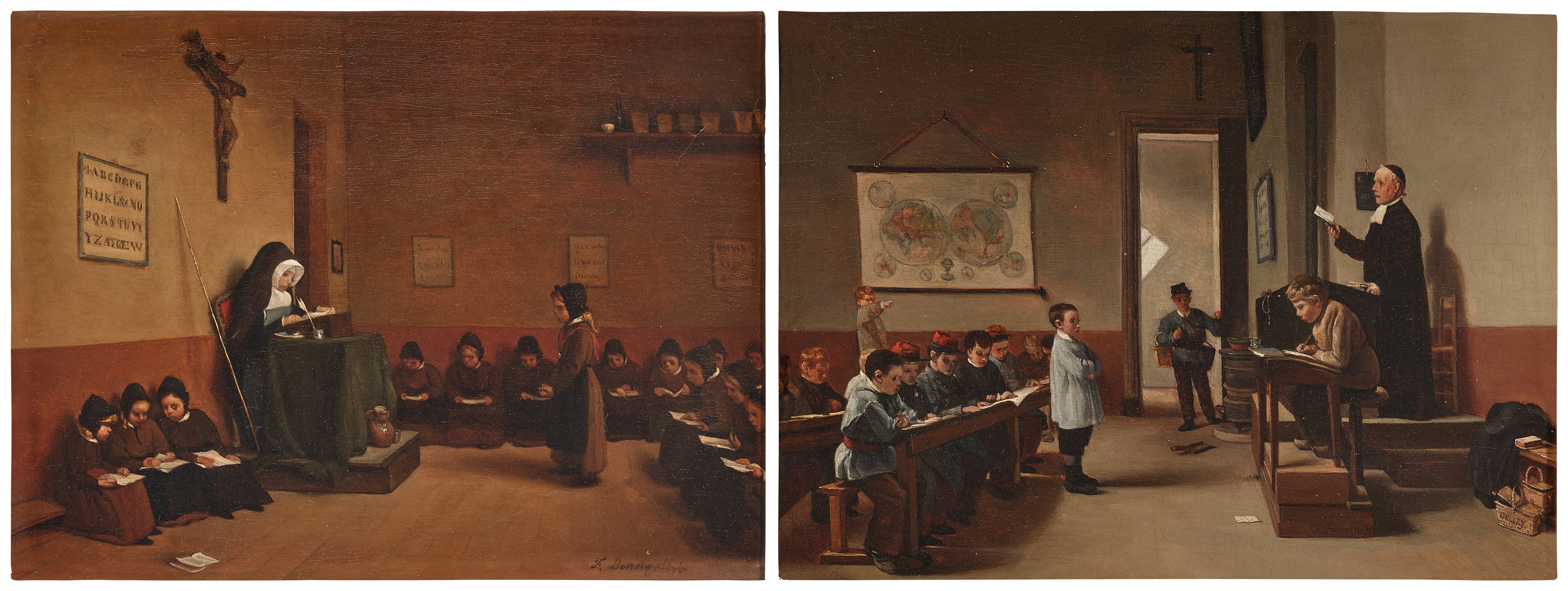
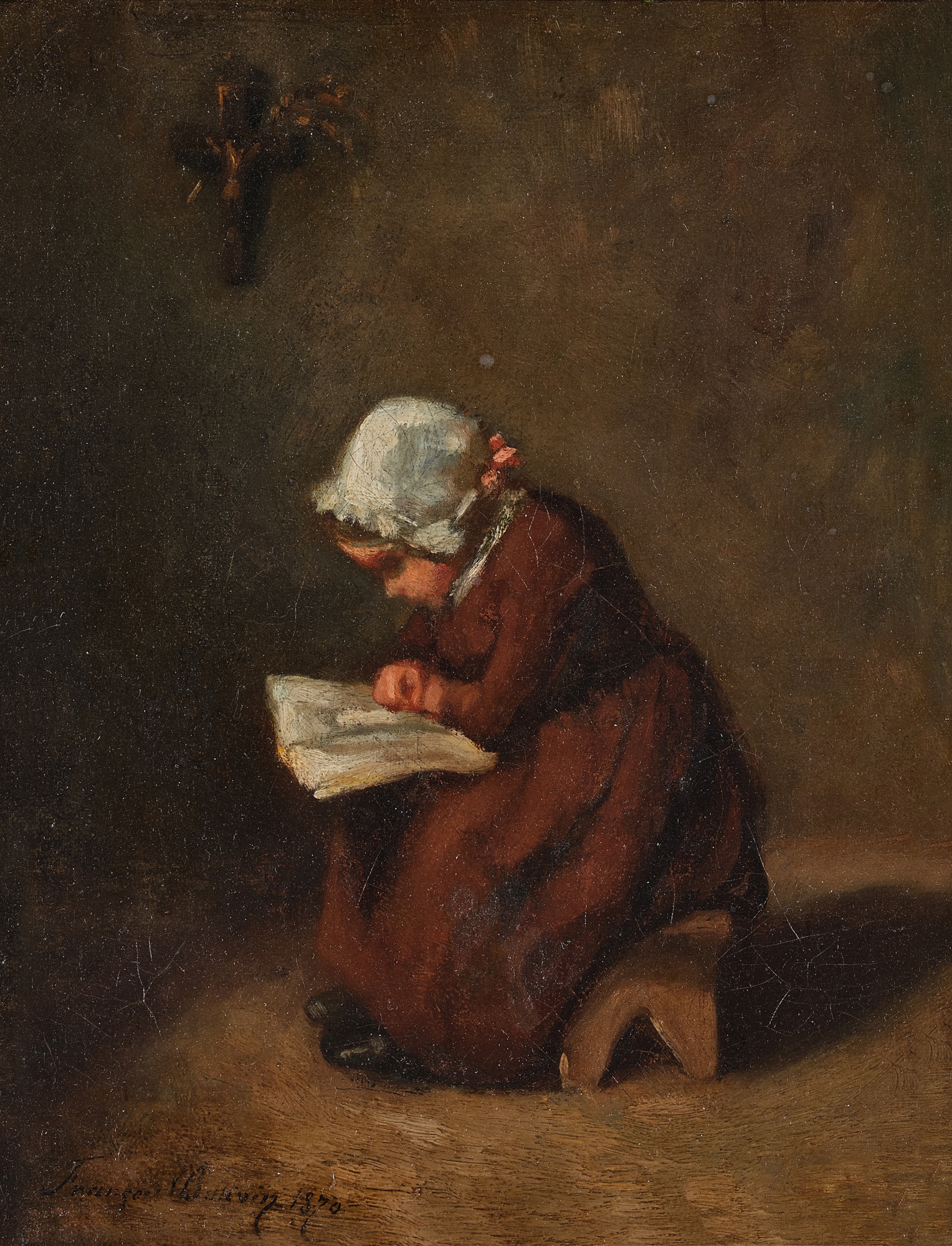
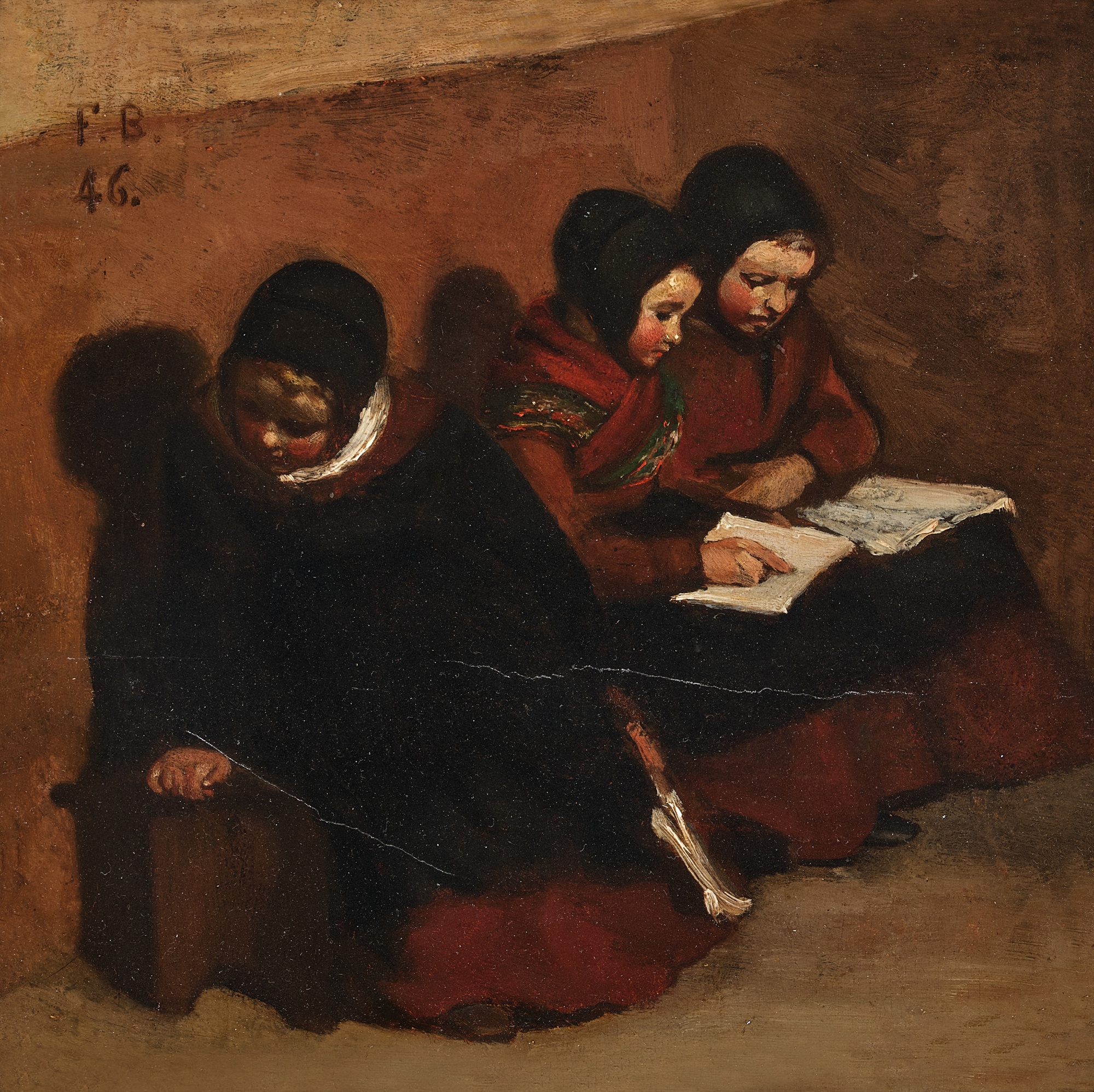
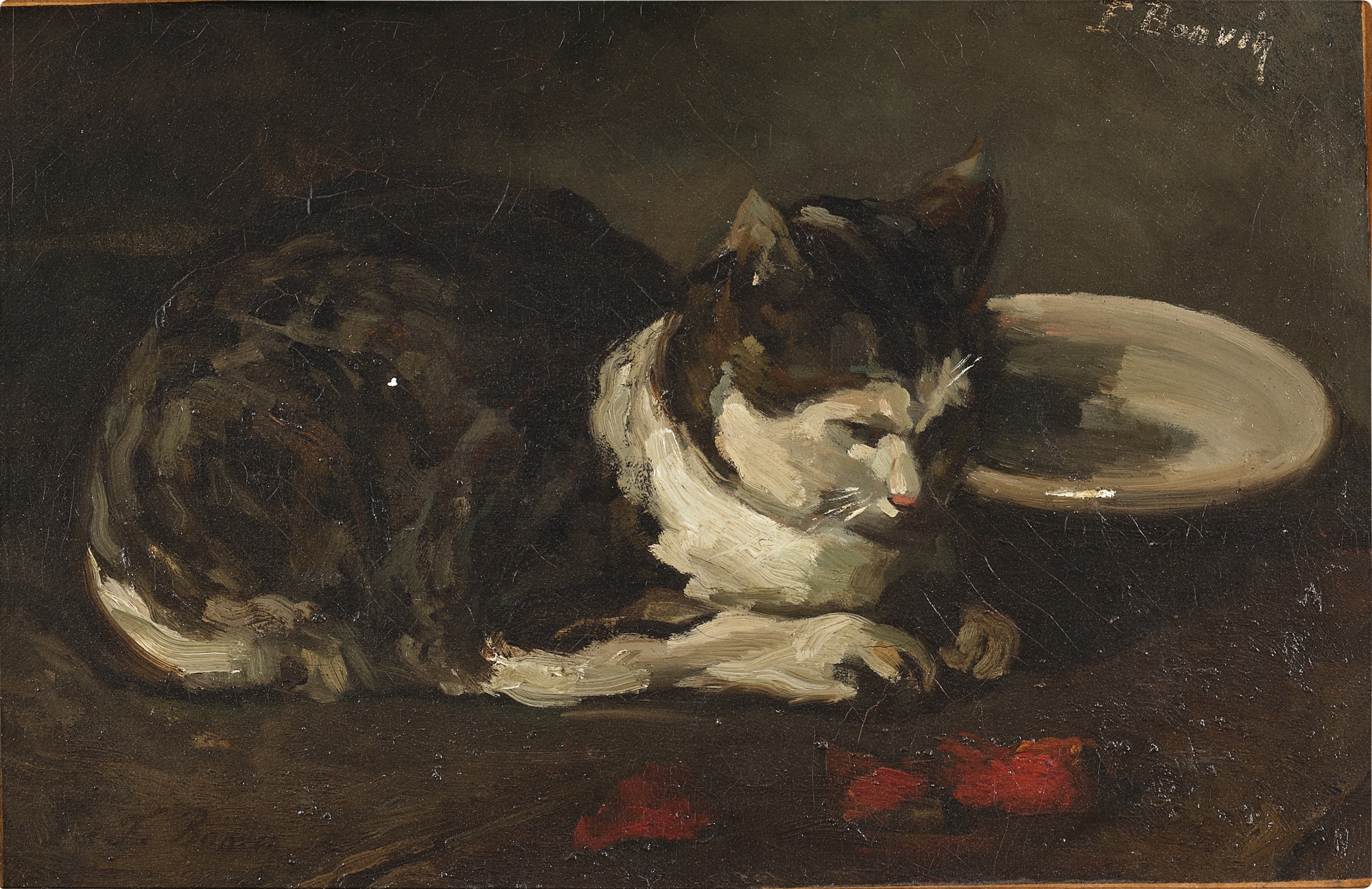
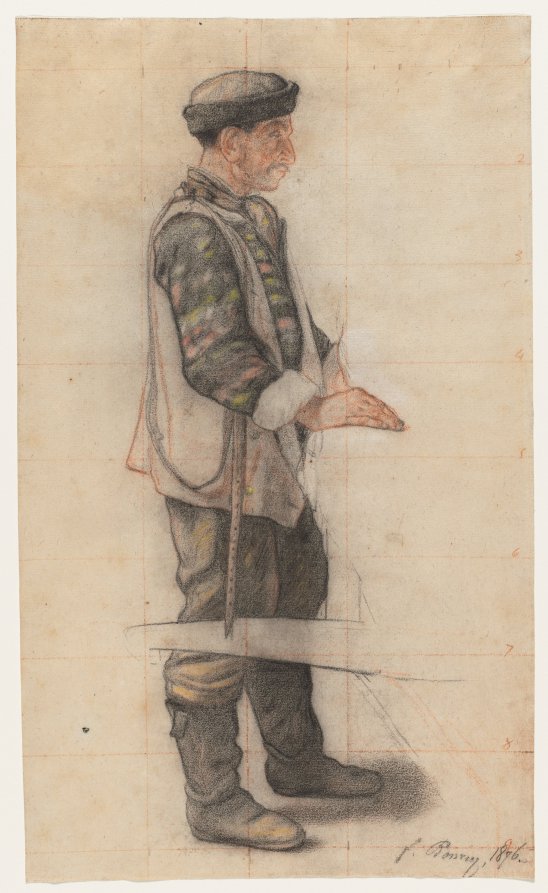
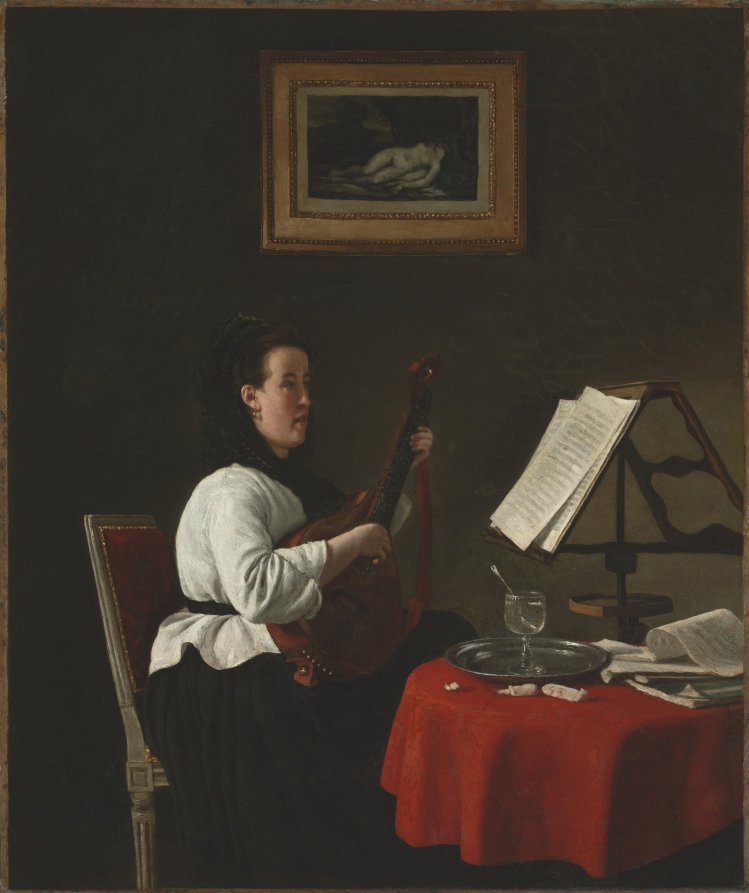
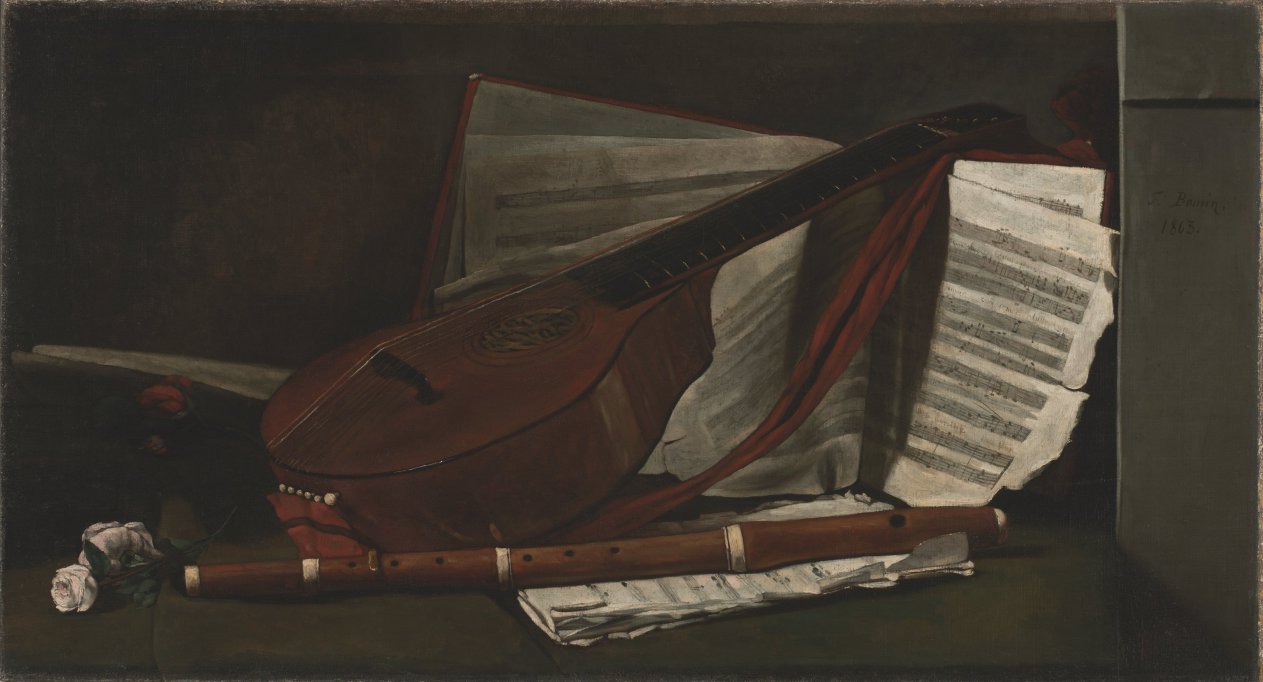
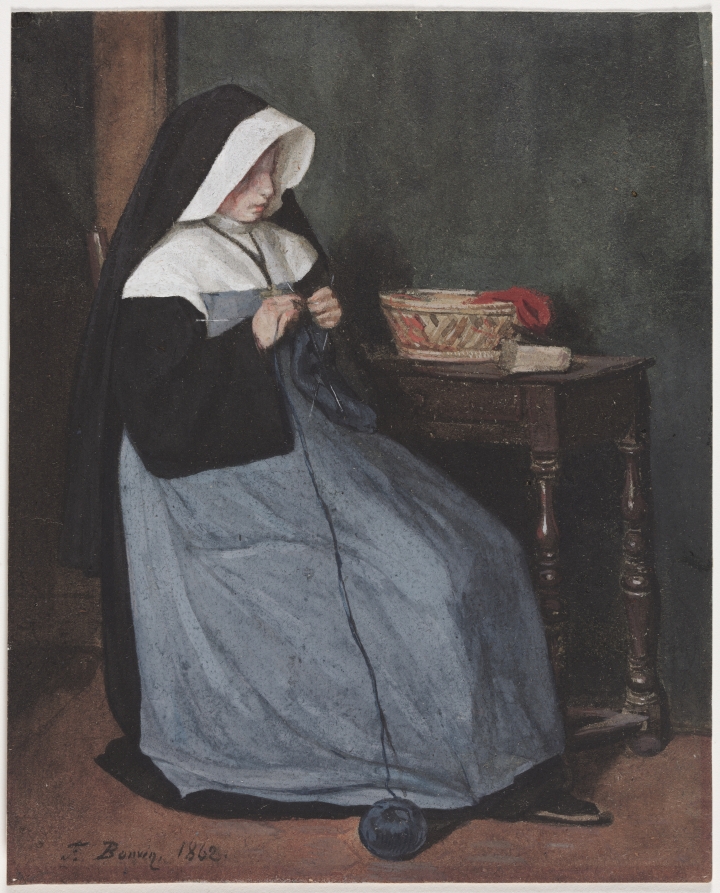
François Bonvin was a French realist painter who emerged as a significant figure in 19th-century art, particularly known for his intimate still lifes, domestic interiors, and genre scenes. Born in Vaugirard (now part of Paris) to working-class parents, Bonvin was largely self-taught, developing his artistic skills while working as a printer and clerk. He was deeply influenced by the Dutch and Flemish Old Masters, particularly Chardin, whose quiet dignity and careful observation of everyday objects profoundly shaped his aesthetic approach. Bonvin's work is characterized by subdued color palettes, masterful control of light and shadow, and a profound respect for humble subject matter—kitchen utensils, simple meals, working-class interiors, and ordinary people engaged in daily activities. Bonvin became associated with the Realist movement alongside Gustave Courbet, though his approach was more intimate and less politically charged than Courbet's monumental scenes. He exhibited regularly at the Paris Salon from 1847 onwards and gained critical recognition for his technical skill and poetic treatment of modest subjects. Notable works include "The School for Orphan Girls" (1850), "Still Life with Book, Papers and Inkwell" (1876), and numerous kitchen still lifes that demonstrate his exceptional ability to render texture and atmosphere. His studio became a gathering place for younger realist artists, and he was particularly supportive of emerging talents, helping to organize independent exhibitions and championing artists who struggled for recognition. Despite his considerable talent and influence on his contemporaries, Bonvin never achieved the commercial success or lasting fame of some of his peers, perhaps due to the quiet, unassuming nature of his subject matter. His work represents a bridge between the classical traditions of Chardin and the modern realist sensibility of the 19th century. Today, his paintings are held in major museums including the Musée d'Orsay, the Louvre, and various American collections, where they are appreciated for their technical mastery, atmospheric quality, and dignified representation of working-class life and simple objects.
Spotted by
Artists in conversation