Dramatic Mood
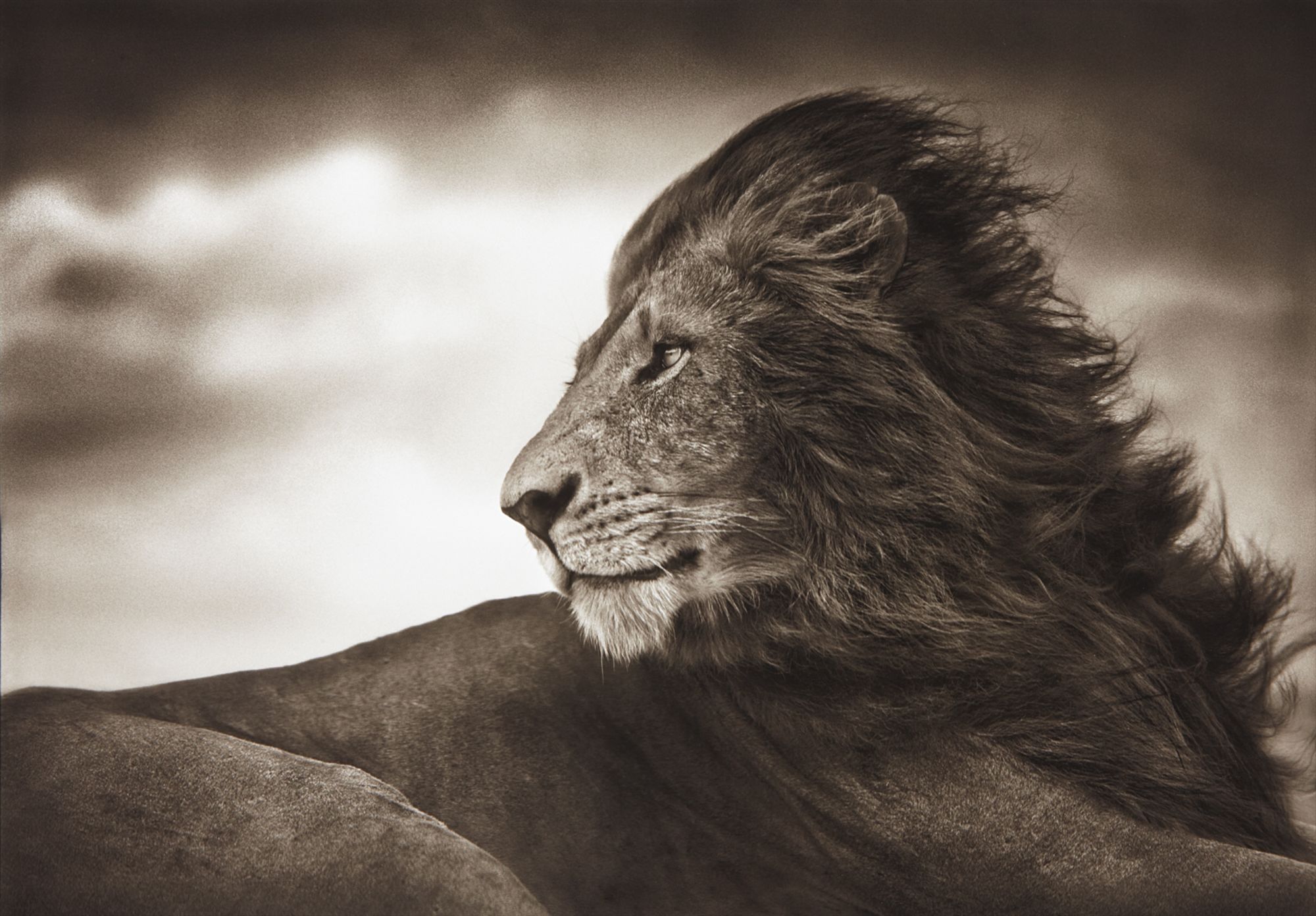
Nick Brandt
Lion Before Storm, Close Up, Maasai Mara

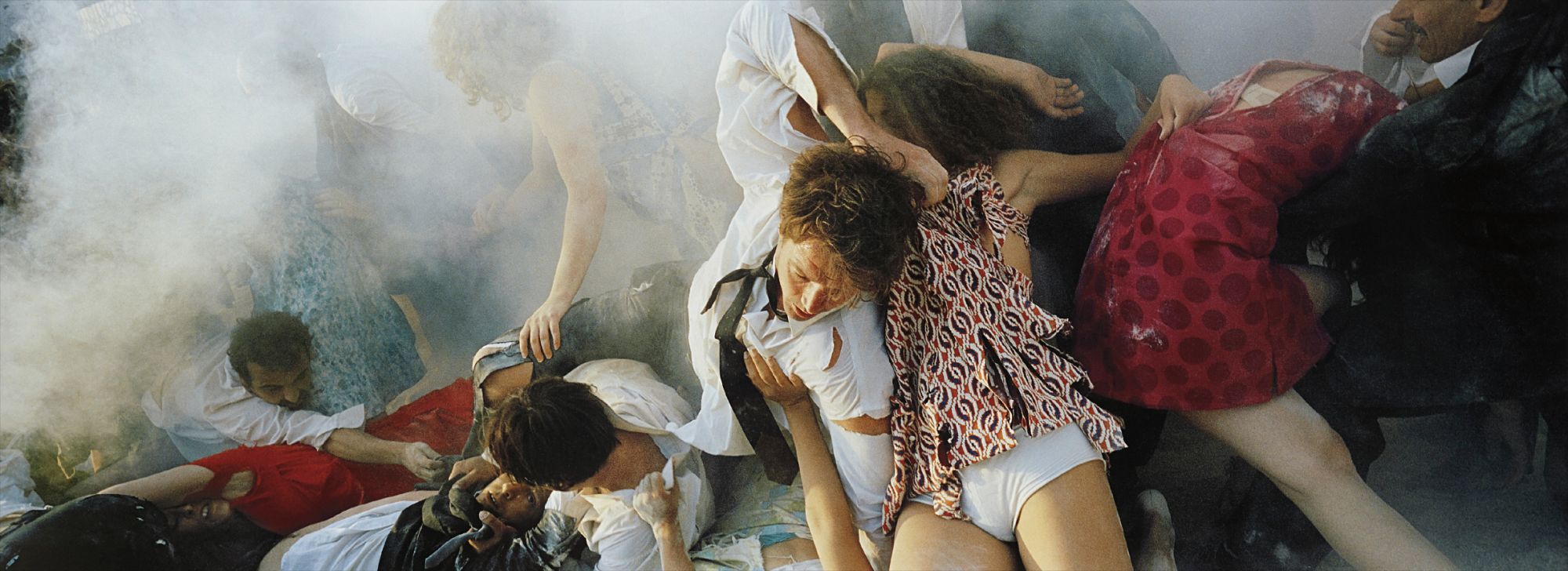
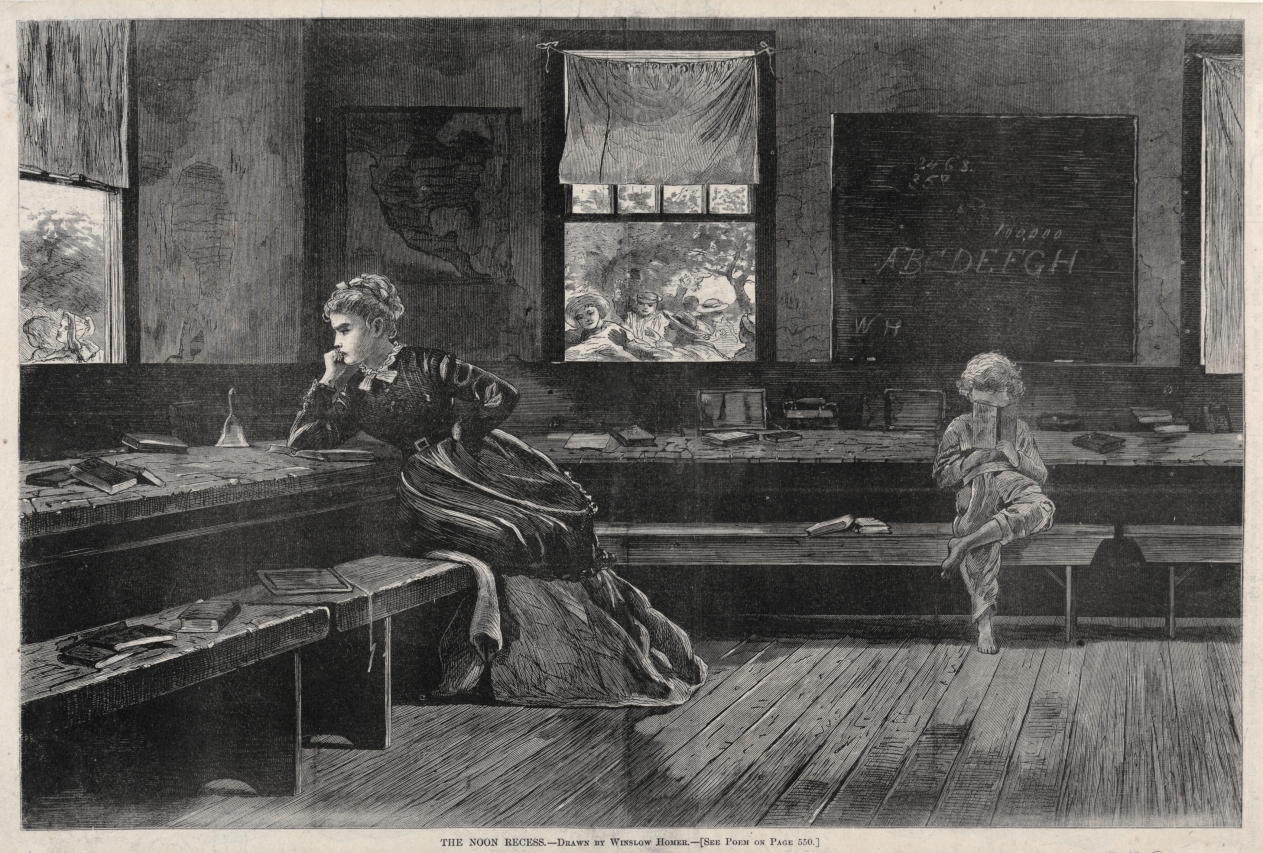
The Art of Living Inside a Storm
There is a particular kind of collector who cannot live with quiet paintings. They need something that presses back, that shifts the atmosphere of a room the way weather does. Works that carry dramatic mood are not simply dark or intense, they are emotionally intelligent, and the collectors drawn to them tend to understand that art is not decoration but a form of continuous conversation. Living with a powerful, mood laden work means accepting that some mornings it will unsettle you, and that this is precisely the point.
The appeal goes beyond aesthetics. Collectors who gravitate toward dramatic mood often describe their acquisitions in psychological terms, as presences rather than objects. There is a long tradition here, from the Romantic painters who understood that sublime terror and beauty were the same sensation, to the twentieth century photographers who found that shadow and contrast could carry as much narrative weight as any painted canvas. What these collectors share is a tolerance for tension and a desire for art that does not resolve easily.
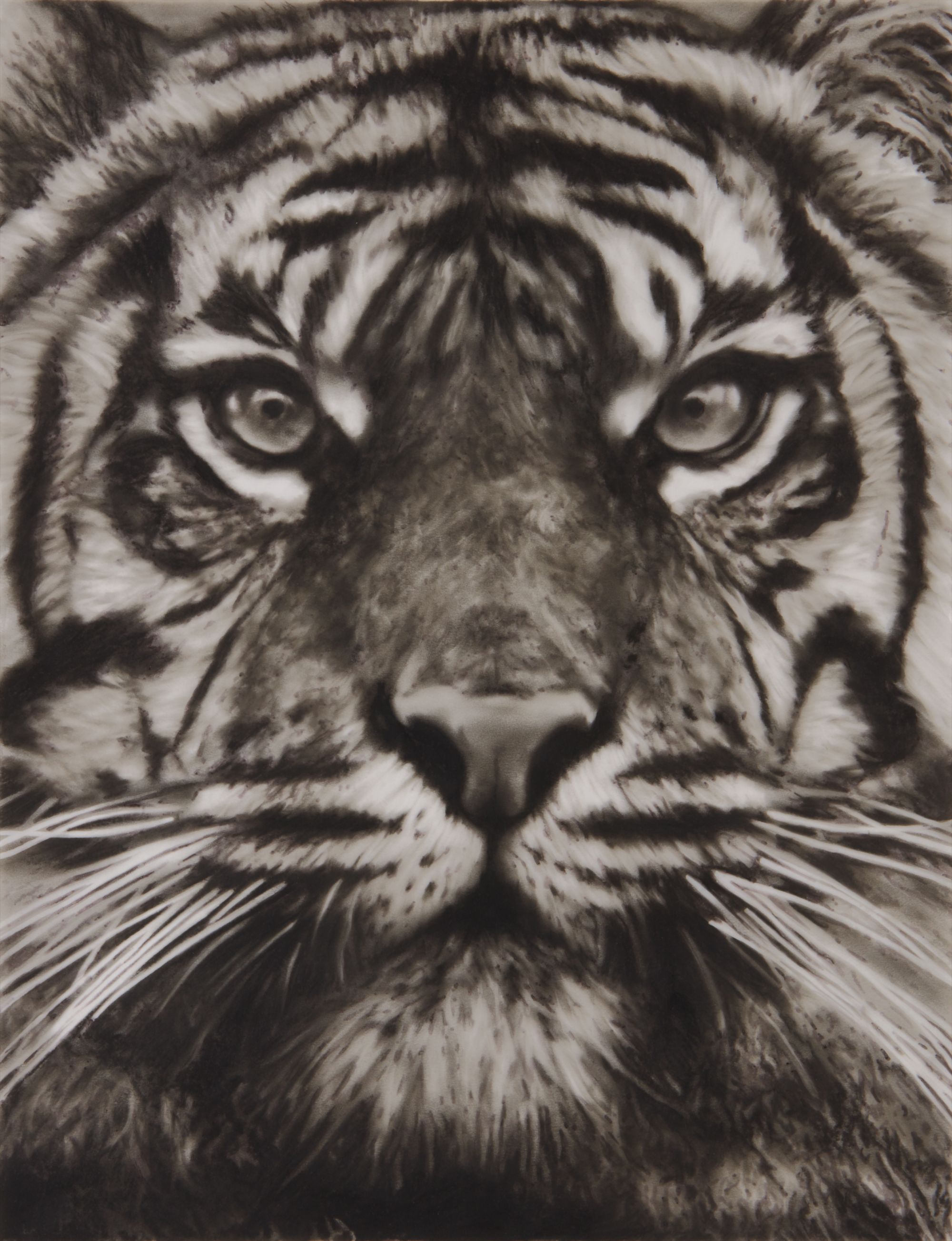
Robert Longo
Study of Tiger Head 18, 2013
So what separates a merely intense work from a truly great one in this space? The difference almost always lies in control. The artists who succeed at dramatic mood are not simply turning up the contrast or reaching for obvious symbolism. They are orchestrating every element, the quality of light, the compression of the frame, the weight of silence within the composition, to produce a single unified emotional effect.
A work that announces its own drama too loudly becomes theater. A great work in this category draws you in before you have understood why, and holds you there. Robert Longo is perhaps the most forceful example of an artist who has made this kind of control his entire practice. His large scale charcoal drawings, which he has pursued with extraordinary commitment since the 1980s, achieve something that resists easy description.
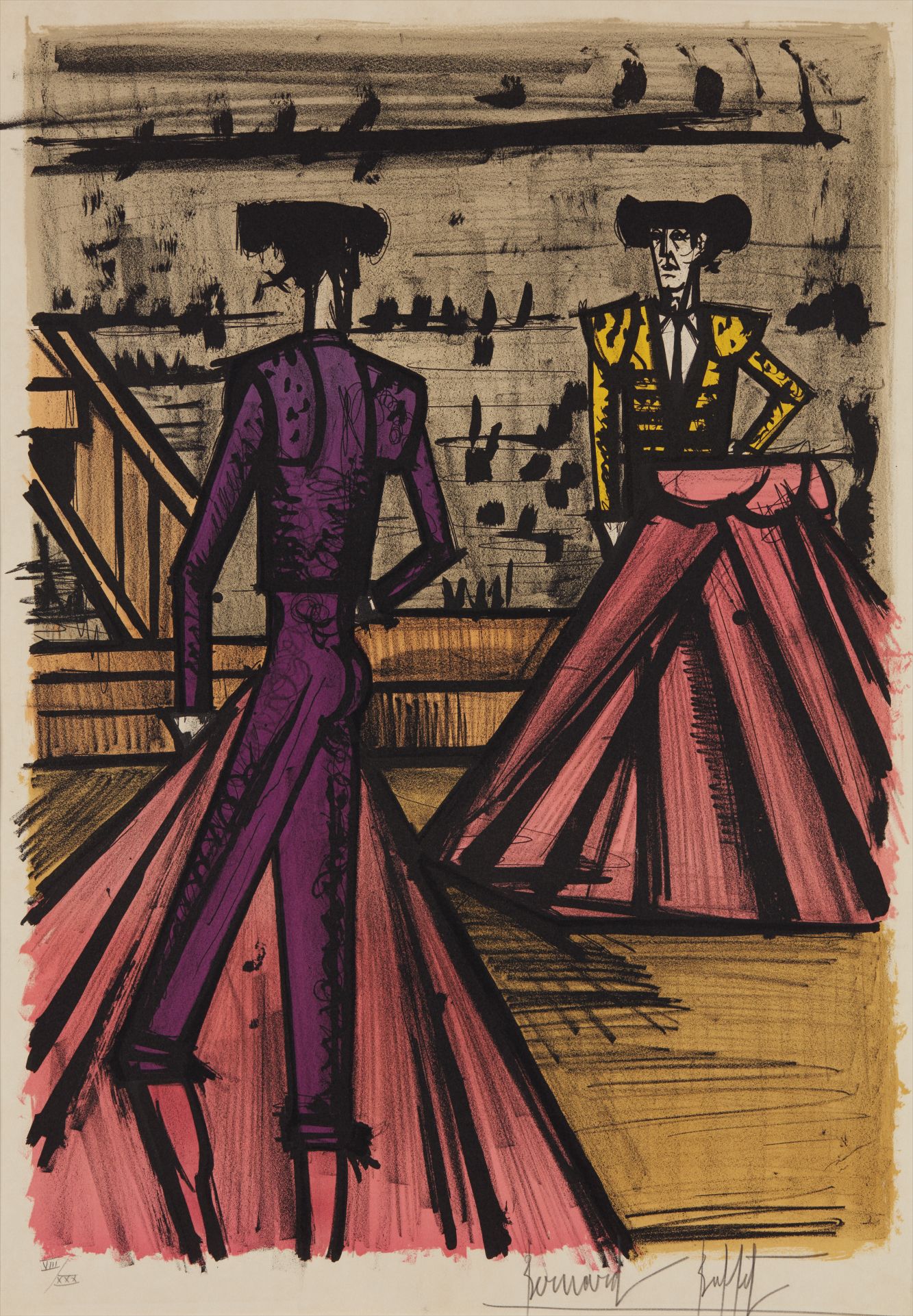
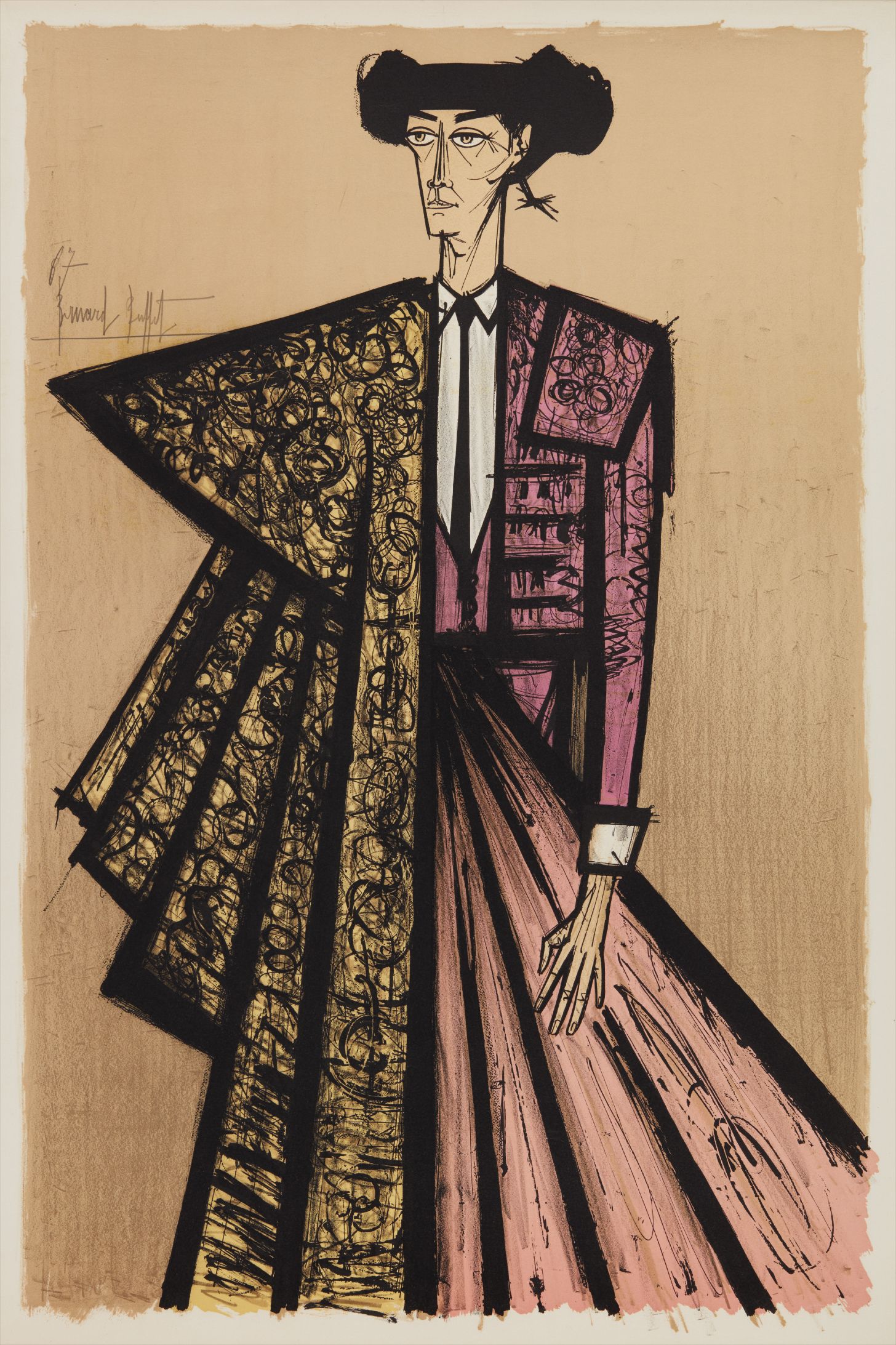
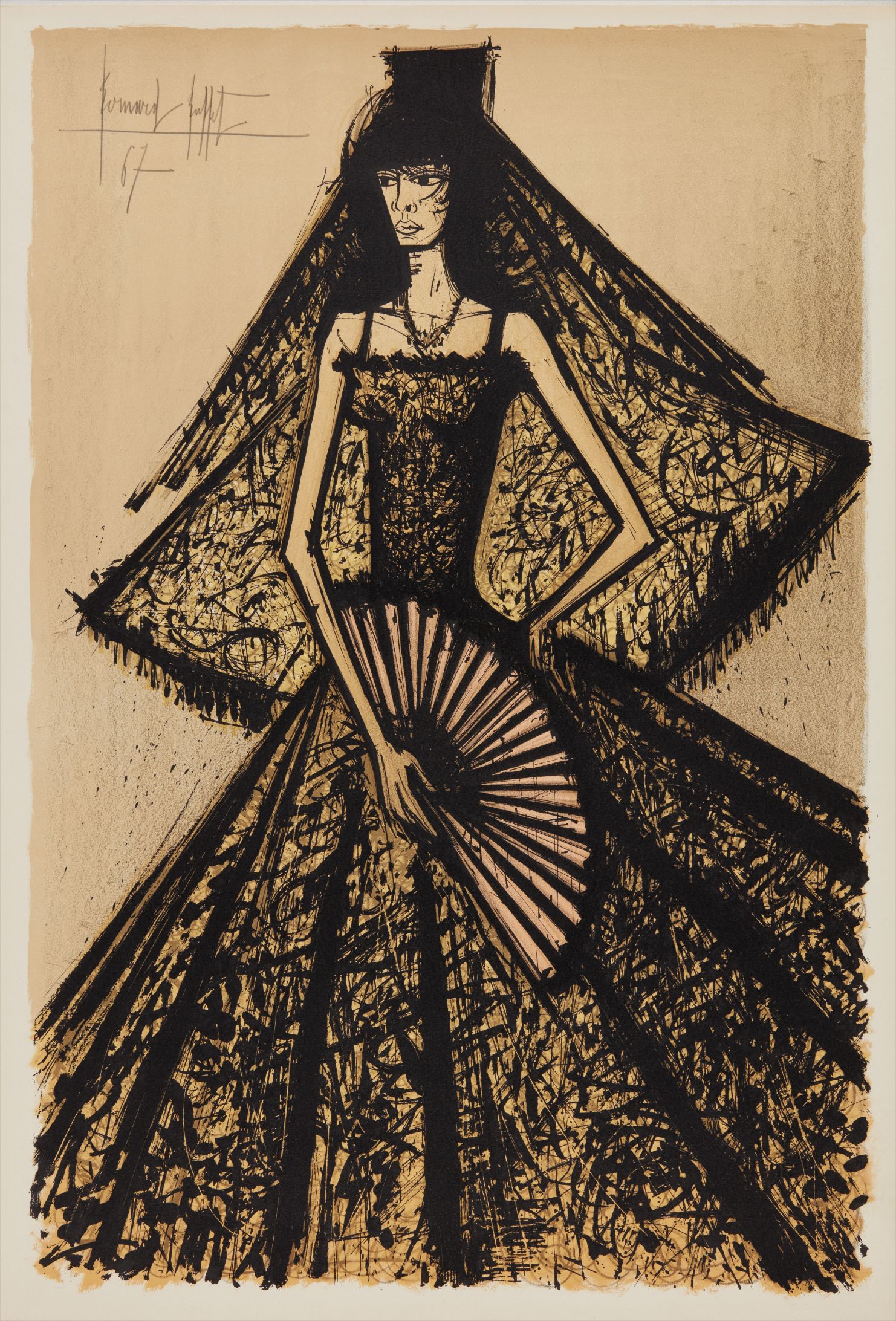
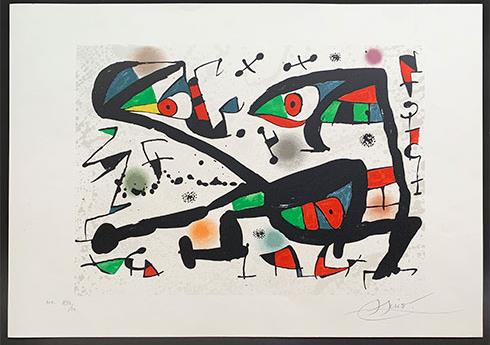
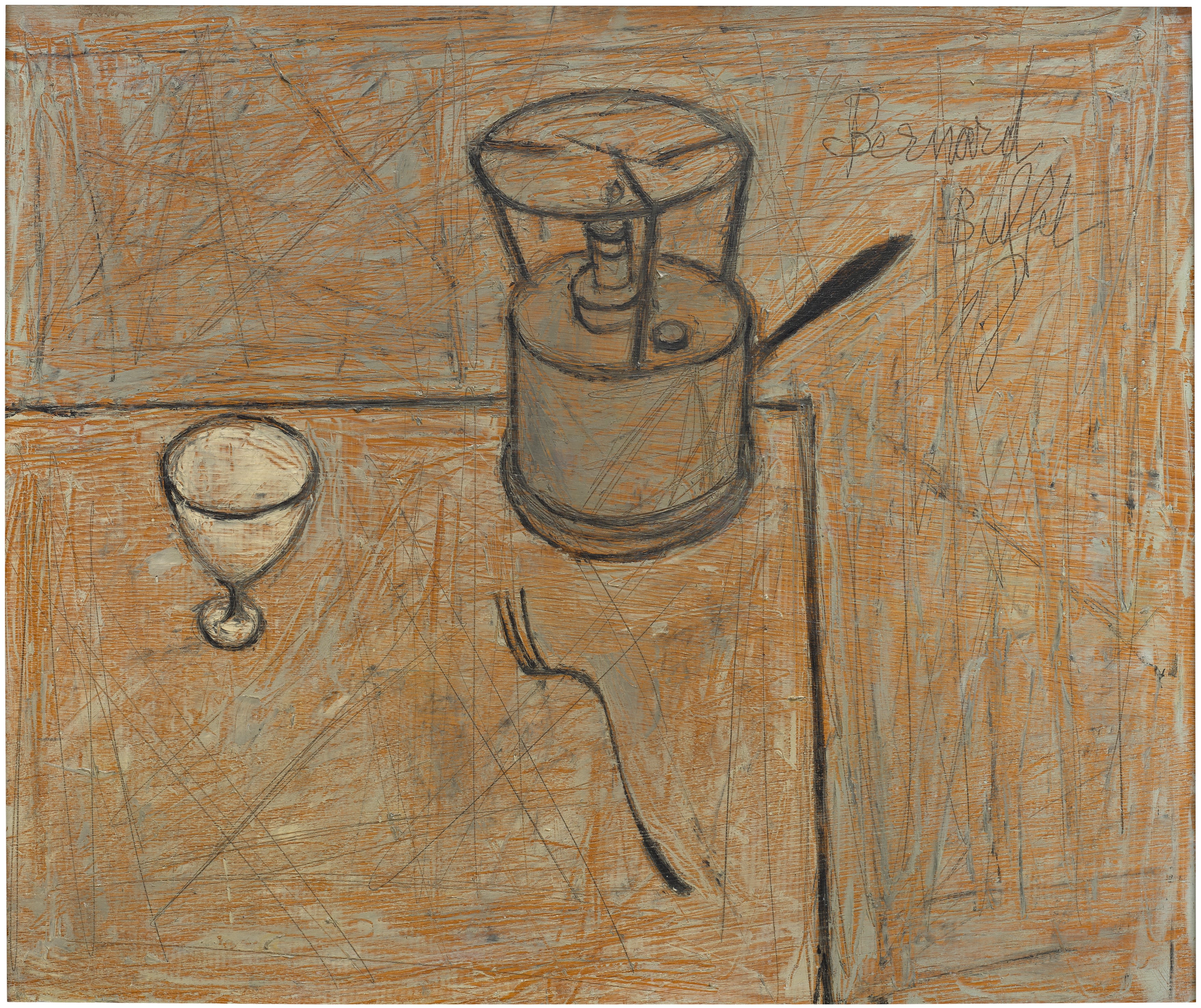
Bernard Buffet
Deux toréadors (Two Bullfighters), from Album Toréros
They look like photographs but they behave like paintings, and the subjects he chooses, whether crashing waves, nuclear clouds, or crowds of figures in arrested motion, carry a weight that comes entirely from the painstaking accumulation of marks. When you stand before a Longo at the scale he intends, the experience is genuinely physical. His work is well represented on The Collection and it rewards careful attention from collectors who want works with both critical depth and sustained market relevance. Longo has shown with Metro Pictures in New York for decades, and his institutional presence, including major acquisitions by the Museum of Modern Art and the Smithsonian, makes his work a considered choice for collectors building with one eye on long term value.
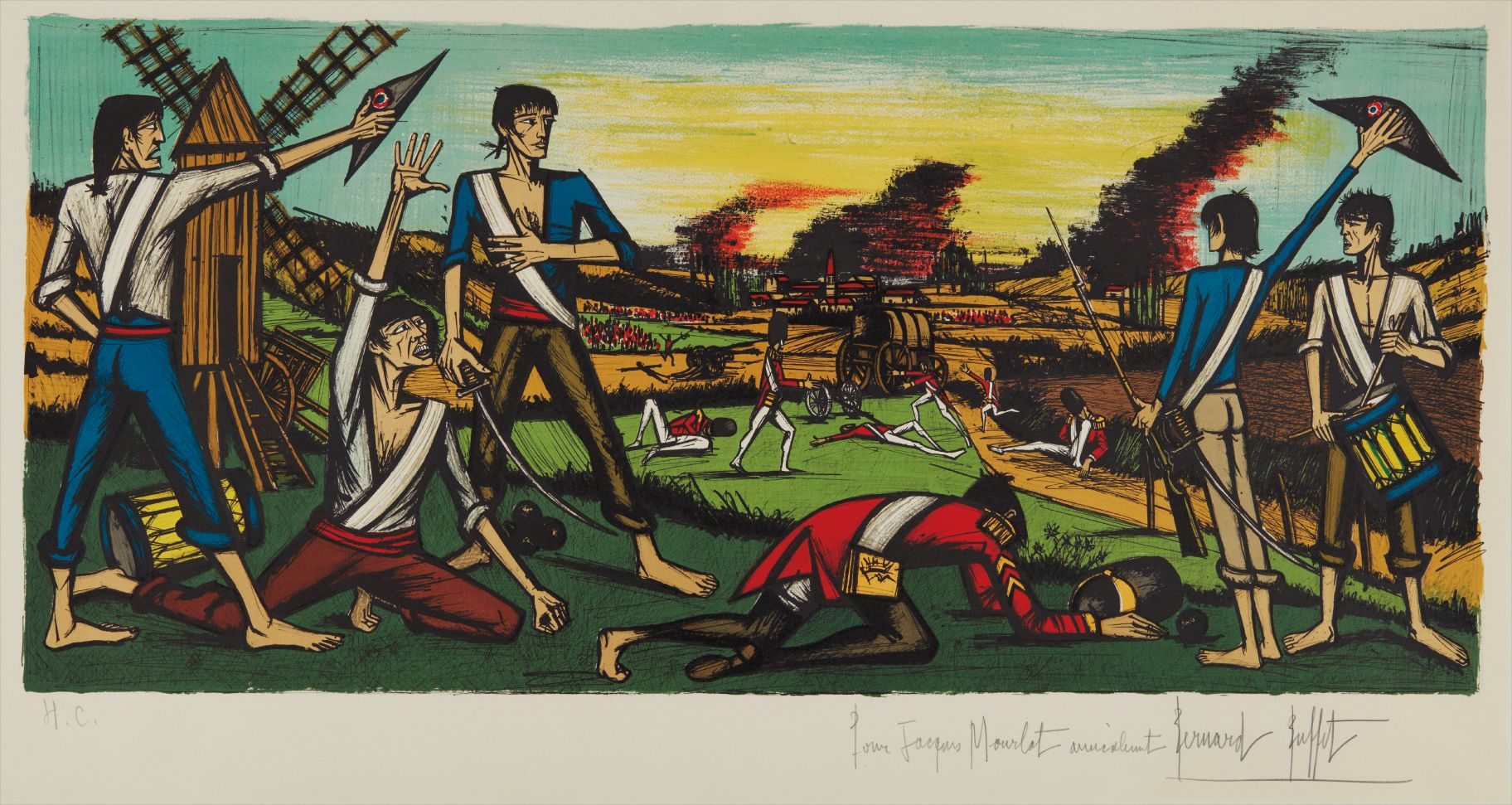
Bernard Buffet offers a different and underappreciated entry point into this territory. His angular, scratched figuration and relentlessly grey palette were enormously fashionable in Paris during the 1950s, when existentialist melancholy was the dominant cultural mood, and then fell sharply out of critical favor. That fall was probably overdone. Buffet's work has been quietly rehabilitating itself in the market, particularly in Asia and among European collectors who came of age without the baggage of the original critical reaction.
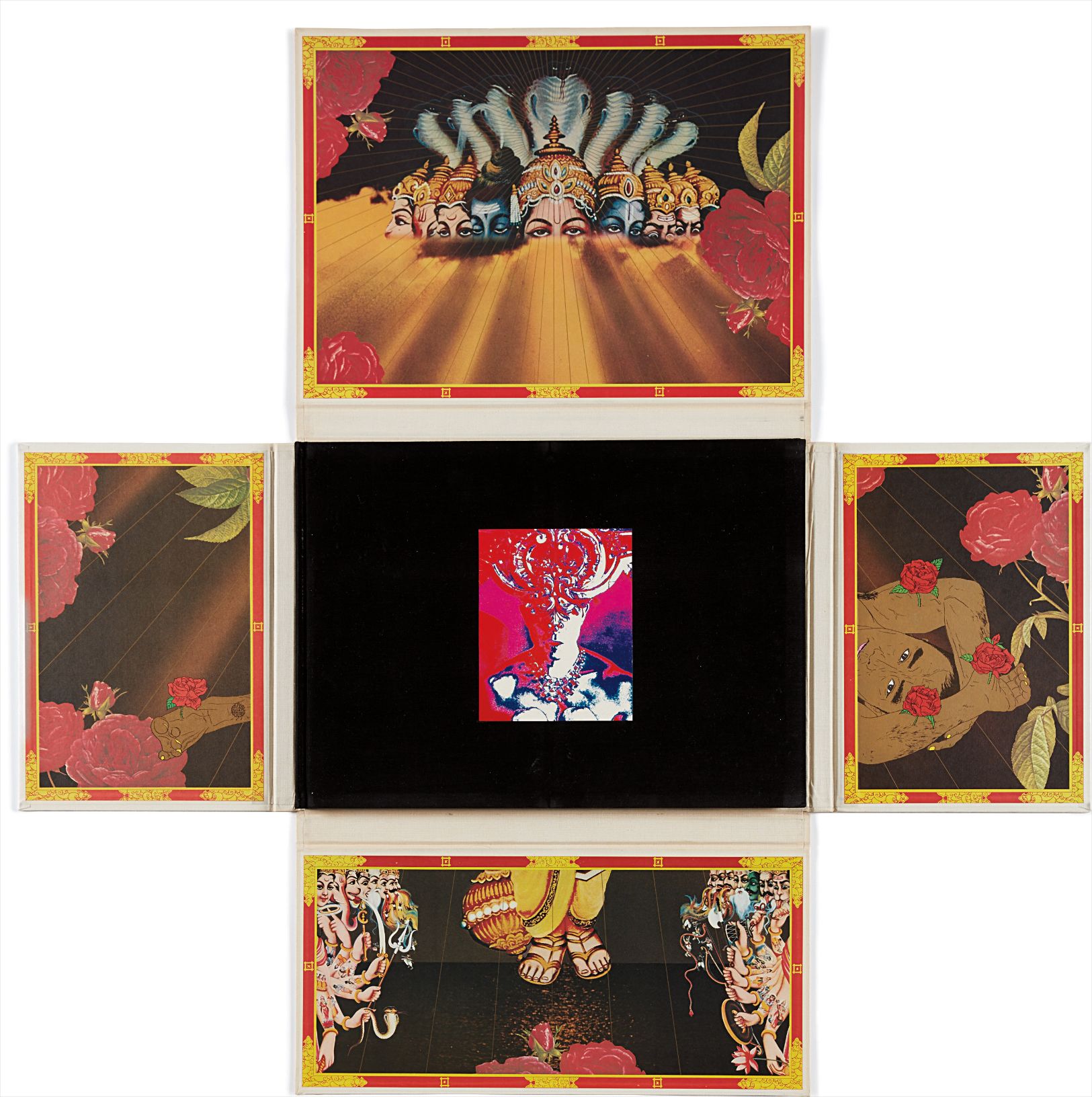
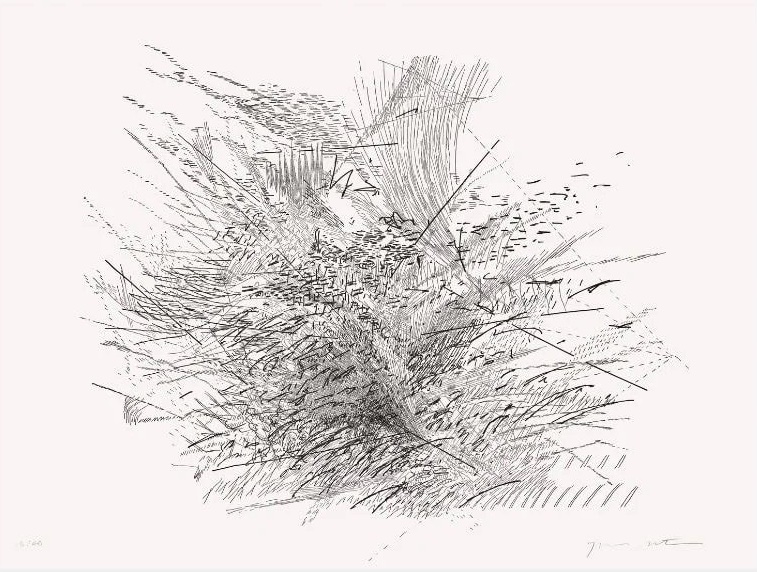
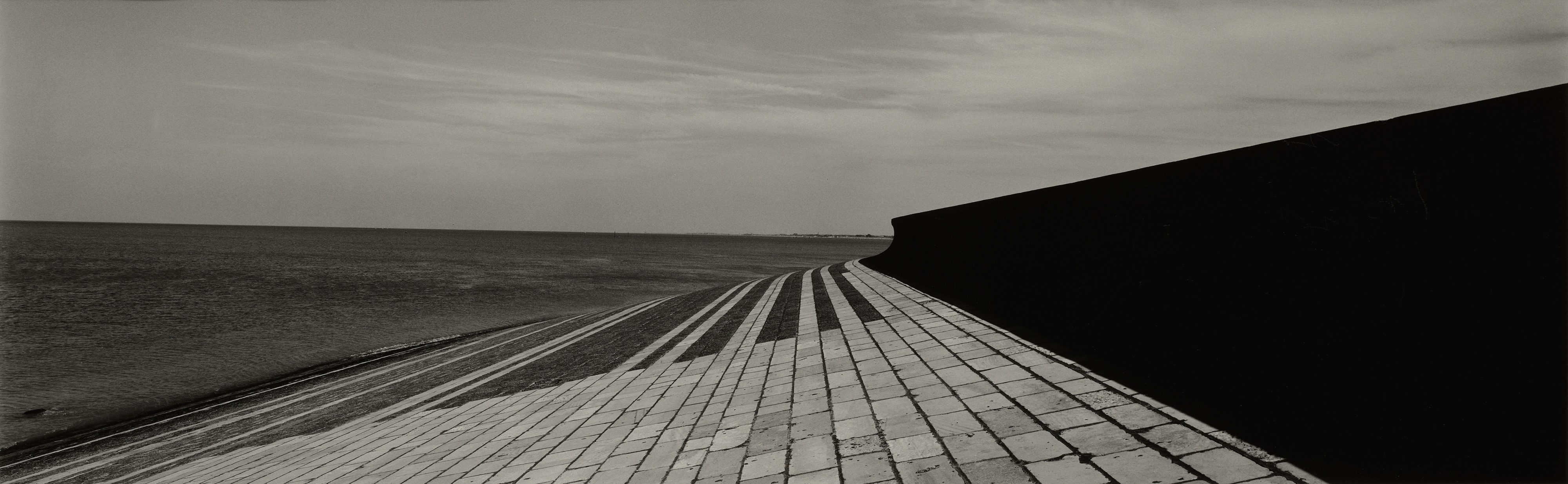
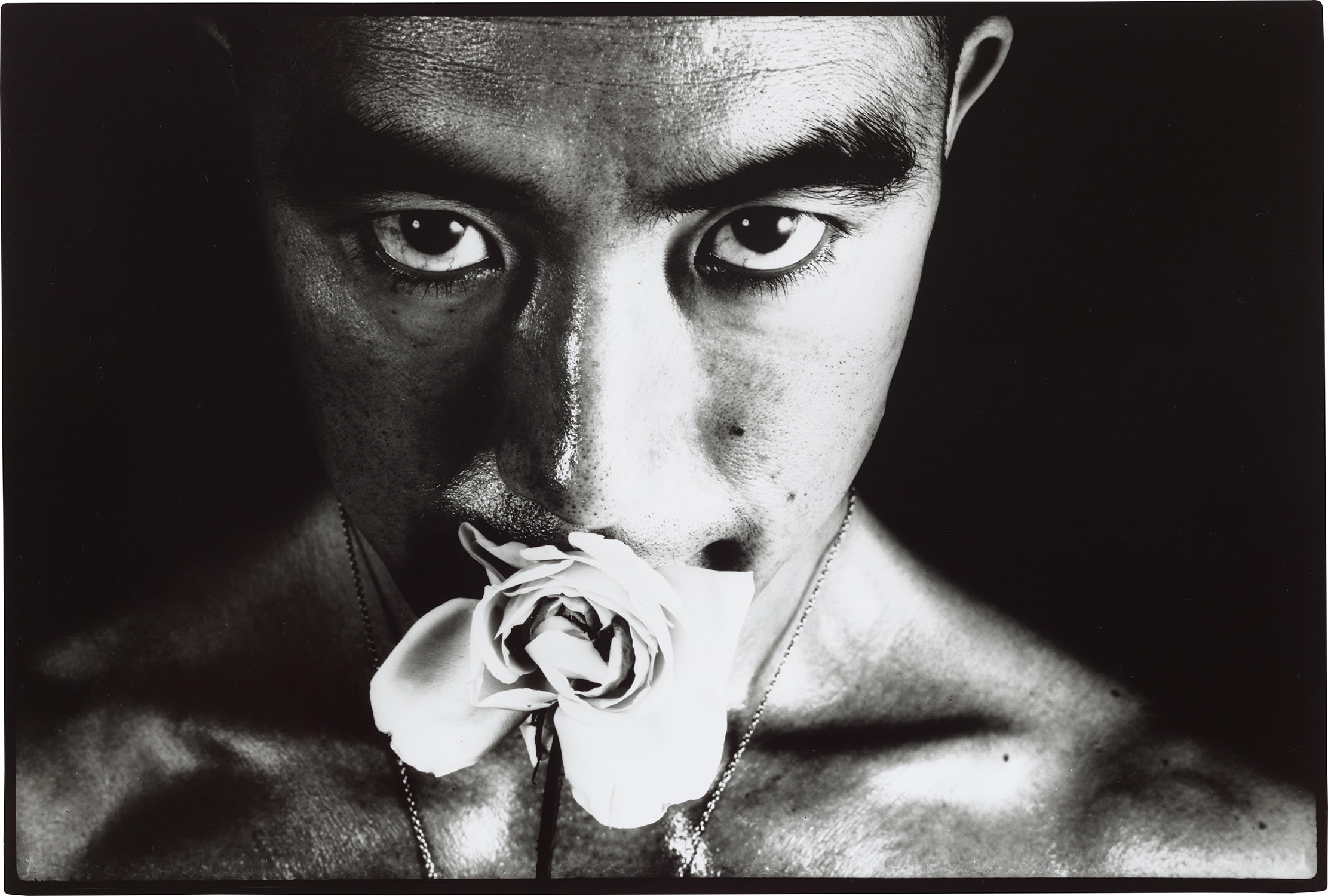
Eikoh Hosoe
Barakei Shinshuban – Ordeal by Roses Re-Edited
His paintings carry genuine menace and a kind of bravura pessimism that holds up well. For collectors willing to acquire against the grain, he represents real opportunity. In photography, the case for dramatic mood is particularly strong from a collecting standpoint. Josef Koudelka's work, shaped by his documentation of the Soviet invasion of Czechoslovakia in 1968 and his subsequent decades of wandering across Europe, operates in a register of existential intensity that few photographers have matched.
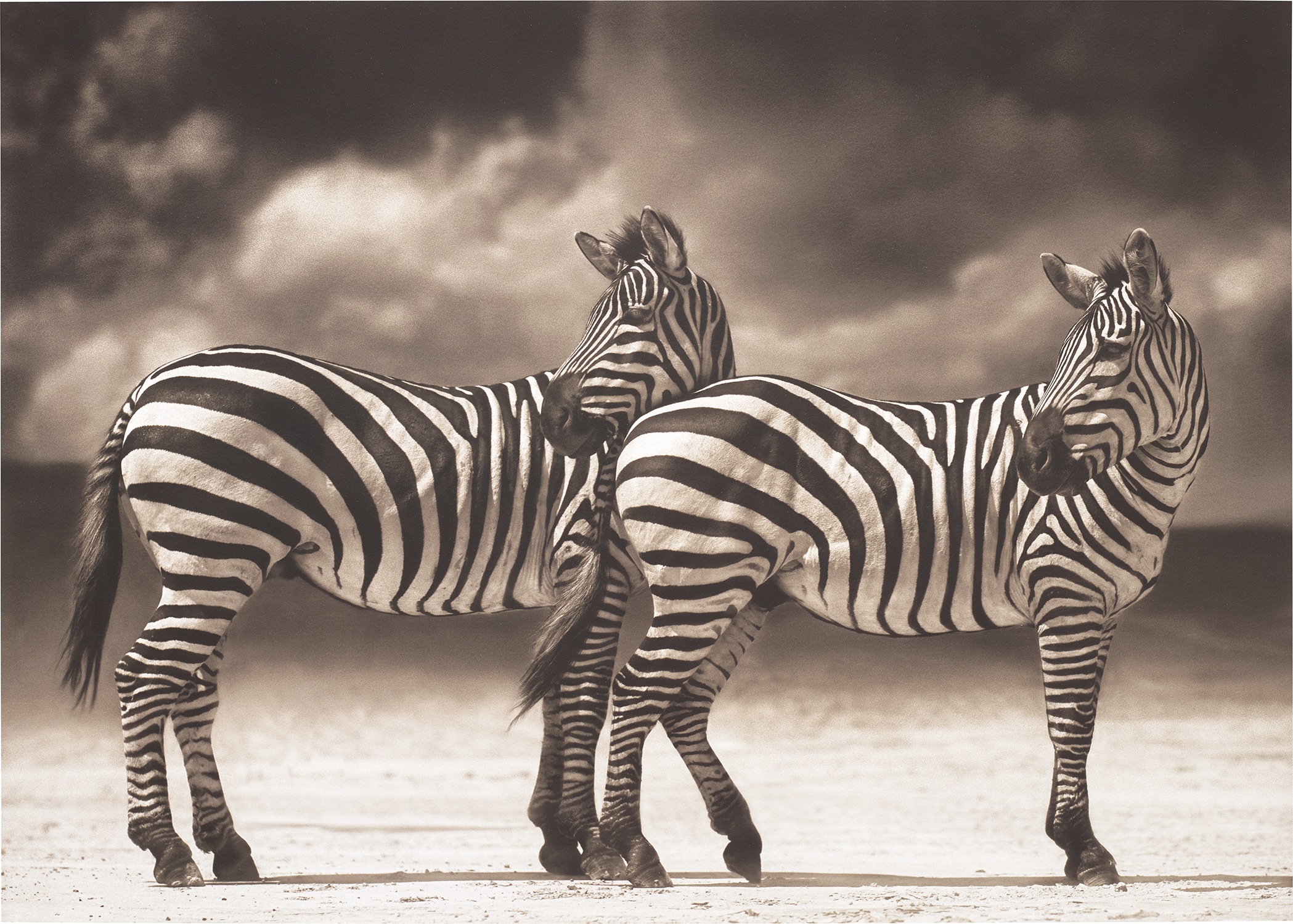
His prints have performed consistently well at auction, and the depth of his archive means that works at various price points remain accessible. Similarly, Sebastião Salgado's large format silver gelatin prints bring a sculptural grandeur to documentary photography that makes them genuinely monumental objects when properly framed and displayed. Nick Brandt works in a different register, his large scale color work mourning a vanishing natural world with an operatic stillness that photographs well in reproductions but only fully registers in person. For collectors looking toward less established names, Egor Zigura is worth serious attention.
Nick Brandt
Lion Before Storm, Close Up, Maasai Mara
His work in painting carries a brooding figurative intensity that sits in productive conversation with both the German Neo Expressionist tradition and the broader current appetite for emotionally direct painting. He is at a stage in his career where prices remain accessible relative to where comparable artists have ended up, and his work on The Collection demonstrates a consistent seriousness of purpose. Emerging artists working in dramatic mood often benefit from the fact that this is a category where the work tends to be immediately readable to a broad audience, which can translate into faster market traction than more conceptually opaque practices. At auction, works in this category have a reliable emotional pull that translates into competitive bidding when the right buyers are in the room.
The risk, as with any emotionally legible category, is that weaker works or works by lesser known artists can stall if the market is thin. Condition is a particular concern with large scale charcoal and works on paper, which are vulnerable to light and humidity in ways that oil on canvas is not. When considering photography, always ask whether you are looking at a vintage print or a later printing, what edition number you are buying within a limited series, and whether the work comes with full provenance documentation. For paintings with heavy impasto surfaces, as in some of Buffet's work, ask specifically about condition reports relating to cracking or flaking, since restoration in this area can be costly and will affect resale value.
Display matters enormously with works in this category. A dramatically lit room can elevate an already powerful piece into something genuinely transformative, while poor lighting can drain it of everything that made it worth buying. Many serious collectors in this space work with lighting designers rather than simply following standard installation practice. Ask your gallery whether the artist has specific framing or installation preferences, since artists working at this level often have considered opinions on how their work should live in the world, and following those preferences is both a form of respect and a practical way to ensure the work performs at its best.