Dramatic Composition
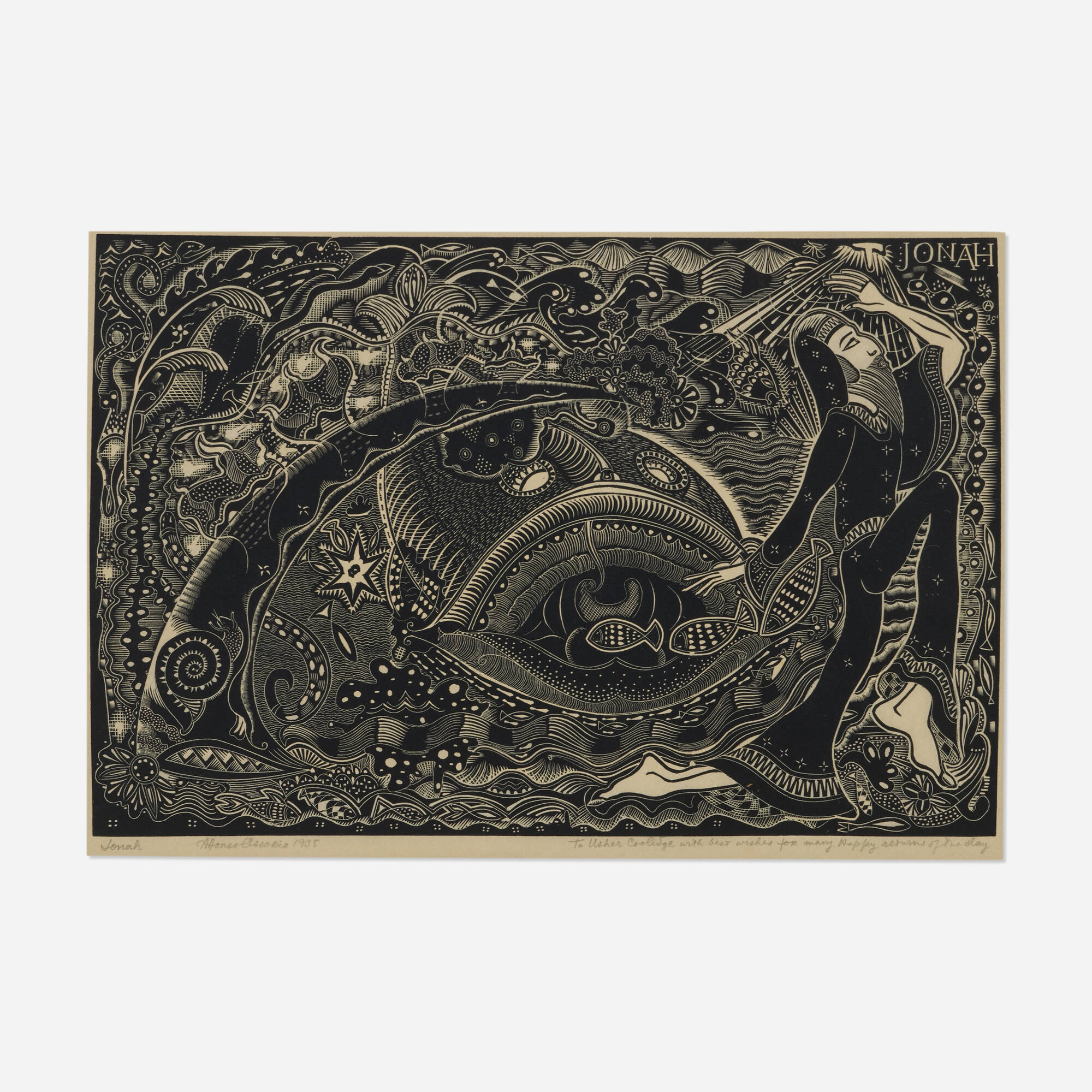
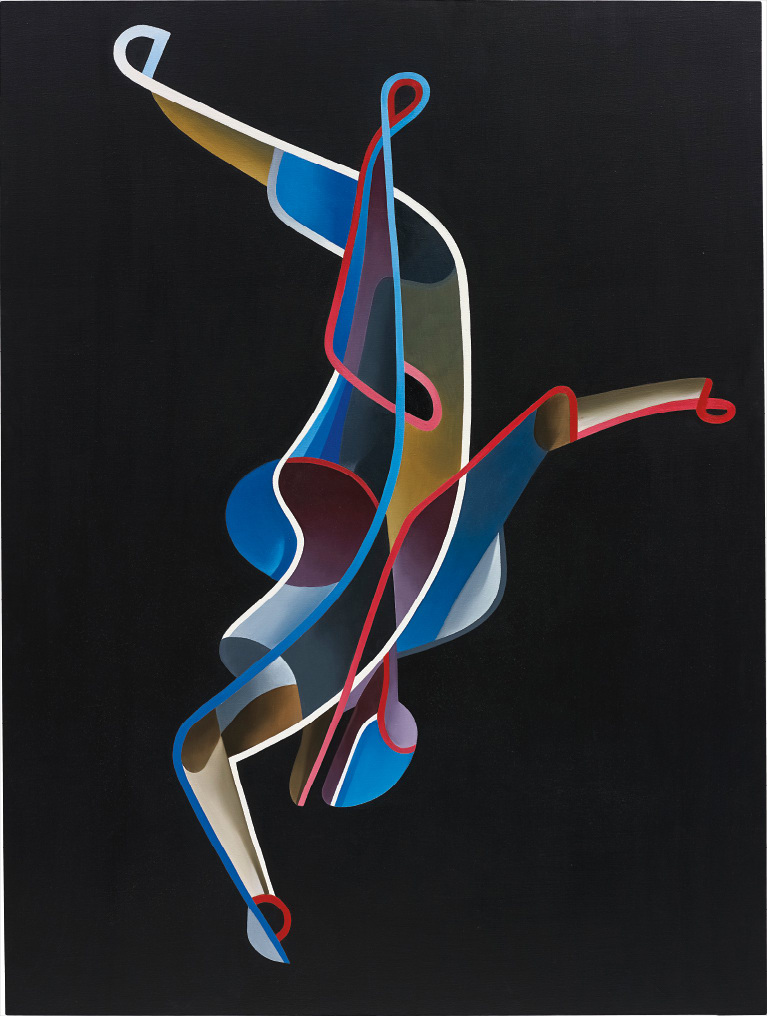
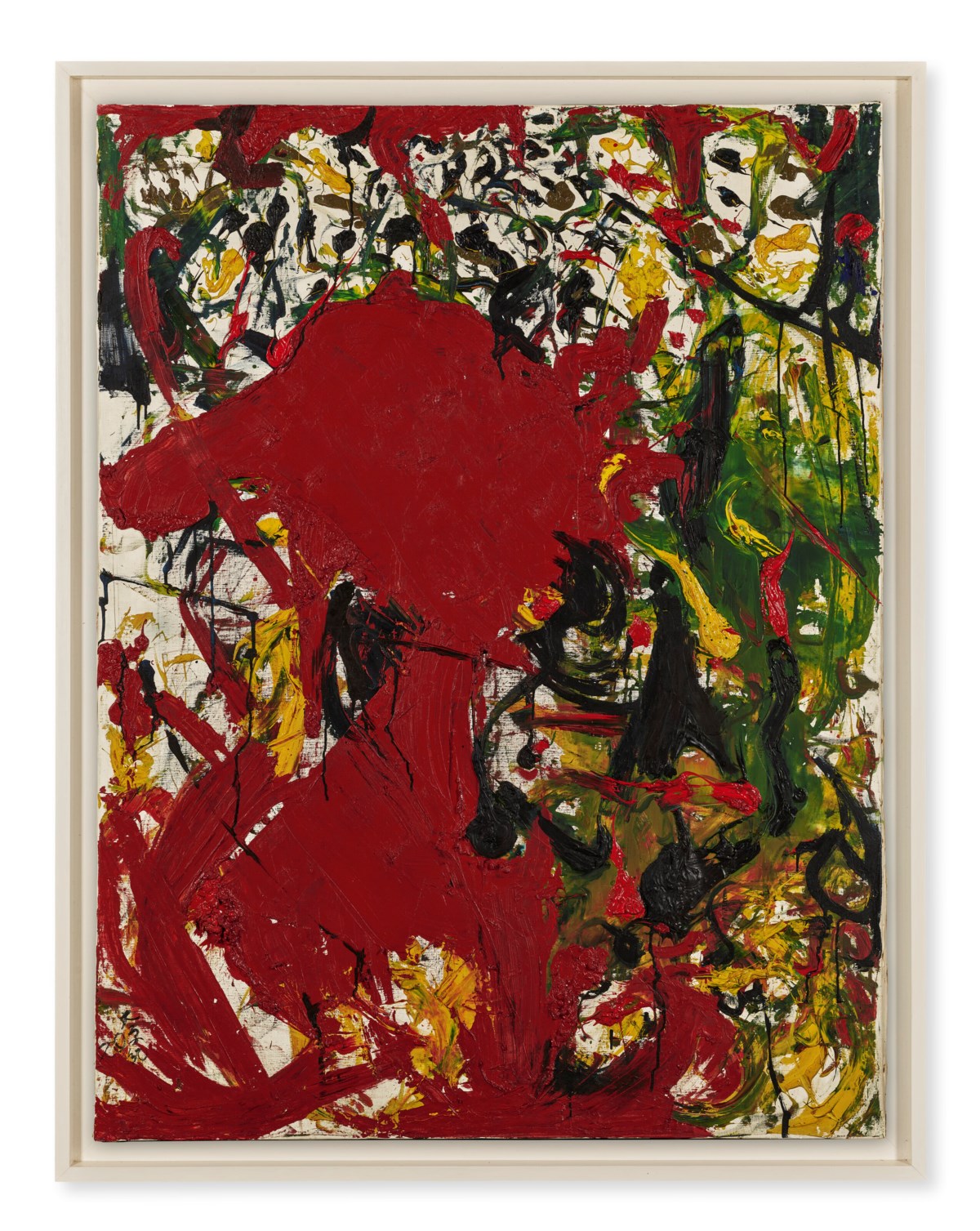
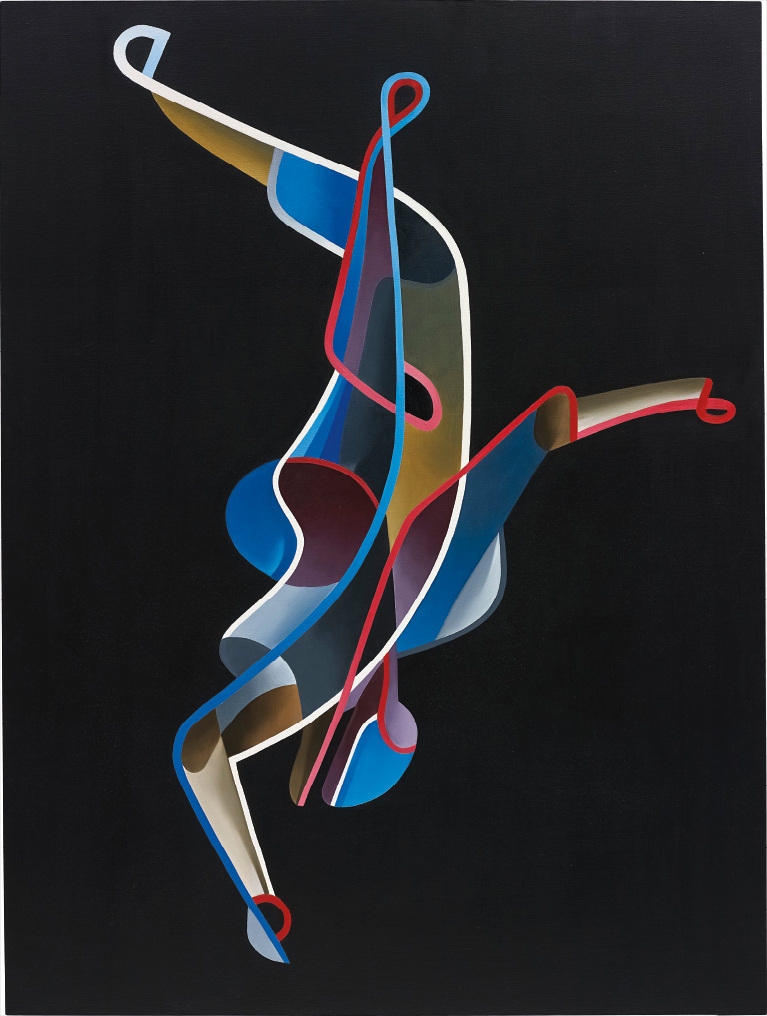
Alfonso Ossorio
Jonah, 1935
The Art of Tension: Collecting Works That Command
There is a particular kind of artwork that stops you in the middle of a room. Not because it is loud, exactly, but because it insists on being reckoned with. Dramatic composition operates on this principle: it organizes visual elements with such deliberate force that the eye cannot rest, cannot simply wander and drift. Collectors who fall for this category tend to describe the experience in almost physical terms, a pull in the chest, a held breath.
Living with works of genuinely dramatic composition means accepting that your walls will never be neutral. For many serious collectors, that is precisely the point. What separates a competent composition from a great one is harder to articulate than it might seem, but you know it the moment you stop comparing and simply look. Scale plays a role, but it is not decisive.
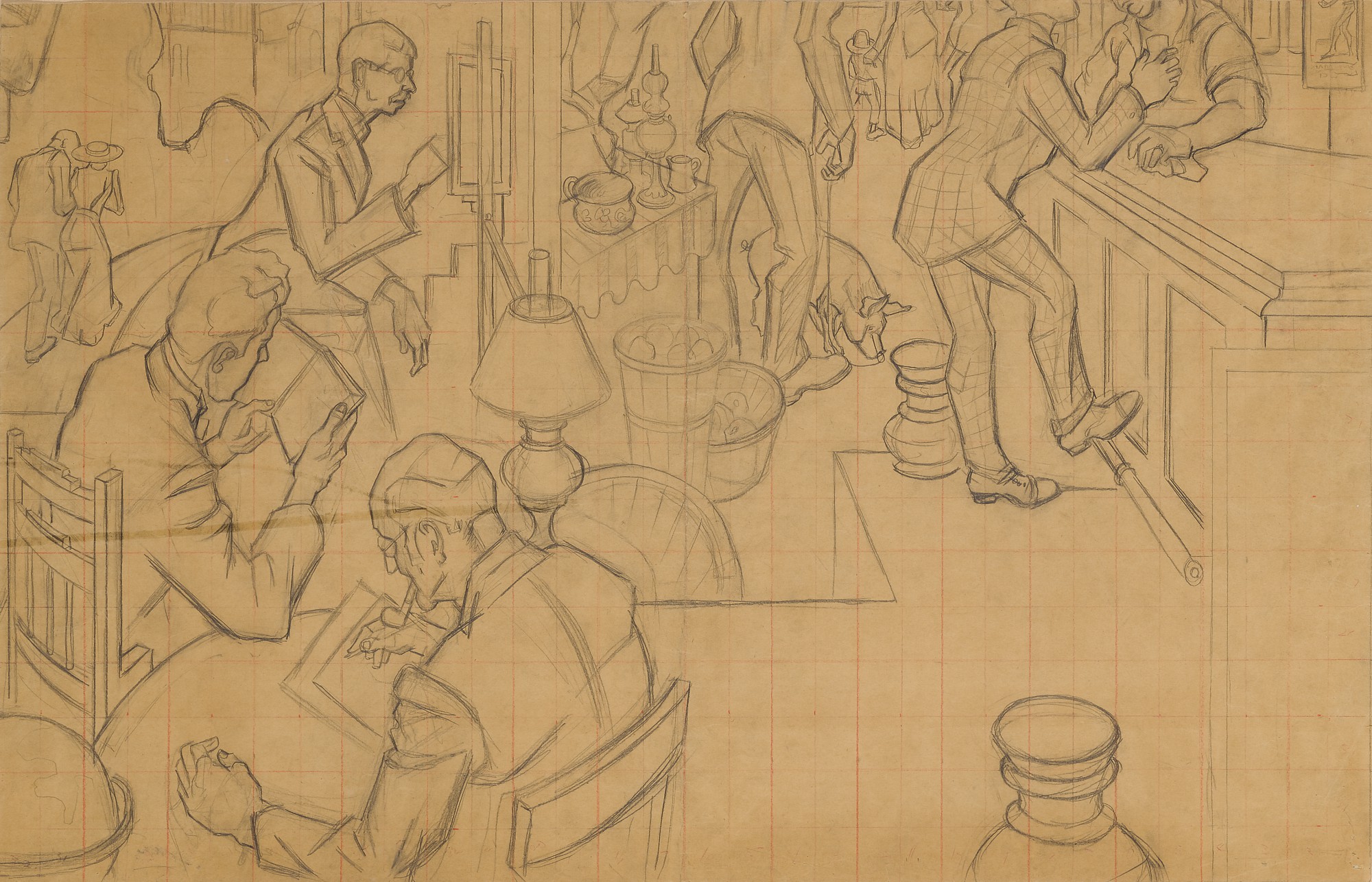
Thomas Hart Benton
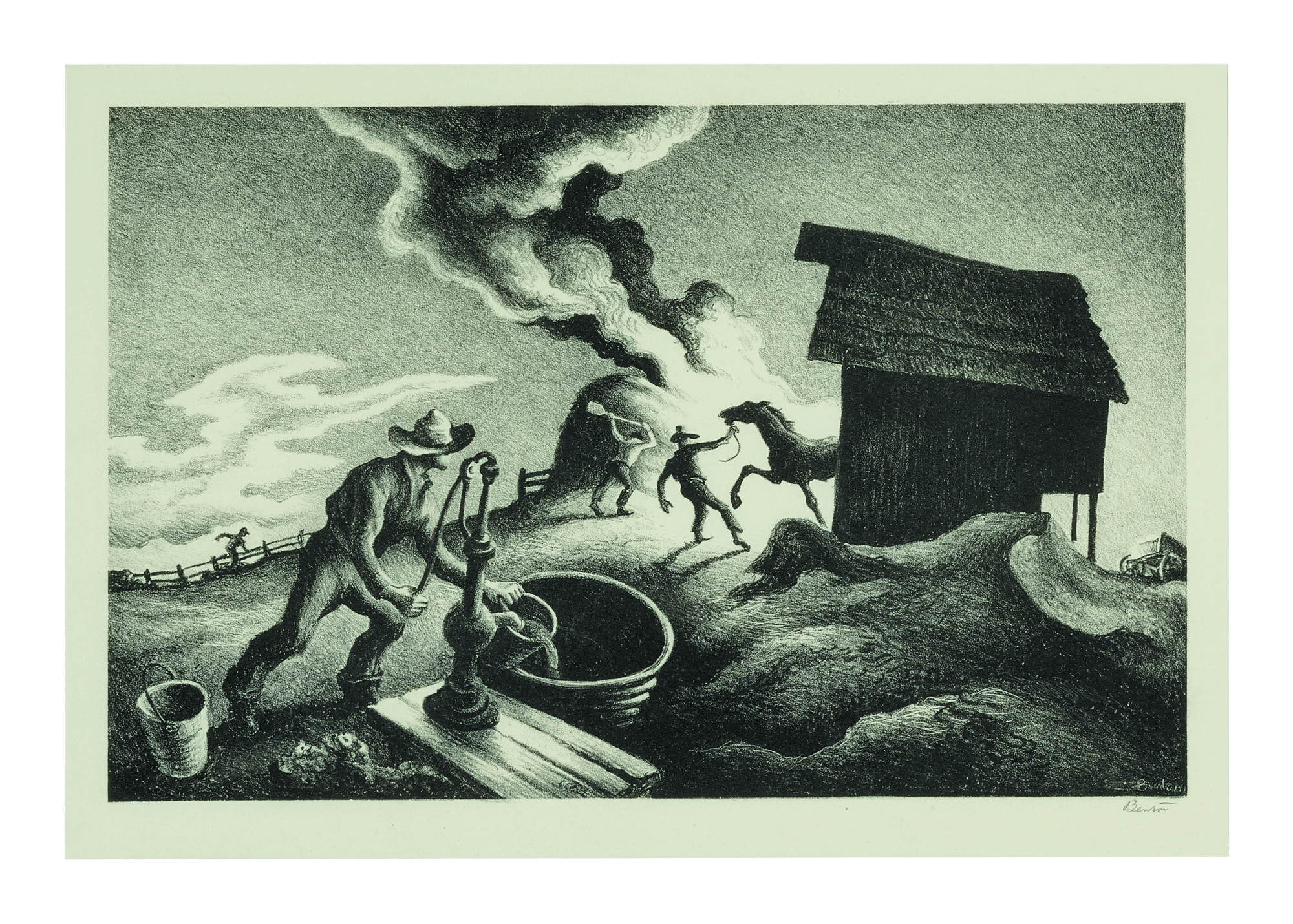
Fire In The Barnyard (fath 64)
Some of the most dramatically composed works are intimate in size and devastating in effect. What matters more is the internal logic of the image: how tension is built between elements, how light is deployed not just as illumination but as argument, how the human figure or the landscape or the abstracted form is positioned against everything else in the picture plane. The best dramatic compositions have a quality of inevitability. Every element feels like it could not possibly be anywhere else.
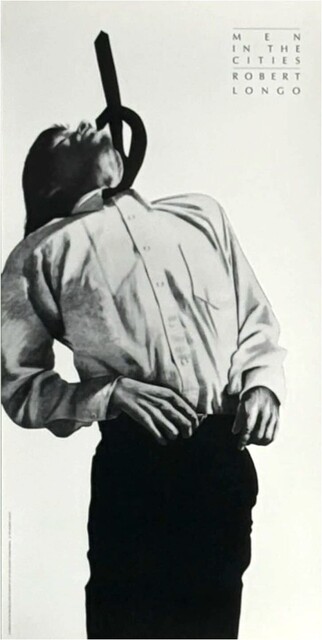
For collectors building a serious collection, the works of Robert Longo offer a masterclass in what dramatic composition can achieve at the highest level. His monumental charcoal drawings, executed with a photographic precision that feels almost confrontational, take subjects from mass media and contemporary life and render them in a register that is simultaneously documentary and mythological. Longo has been a significant figure since his emergence with the Pictures Generation in the late 1970s, and his market has remained robust precisely because his work rewards sustained attention. Collectors who acquired his work early, particularly in the 1980s and 1990s, have seen substantial appreciation, and secondary market performance for major works remains strong with competition at auction reflecting genuine institutional and private demand.
Robert Longo
Men in Cities - Eric 1981, 1991
Thomas Hart Benton represents a different but equally compelling argument for dramatic composition as collecting strategy. His regionalist murals and panel paintings from the 1930s and 1940s are structured with an almost muscular dynamism, figures and landscapes locked into sweeping diagonal rhythms that feel cinematic before cinema had fully developed its own visual language. Benton's market has been reassessed thoughtfully over the past two decades as American modernism has received more sustained scholarly attention. Works with strong provenance and exhibition history continue to perform well, and there is genuine collector appetite for his smaller easel paintings, which bring the compositional ambition of the murals into a more domestic scale.
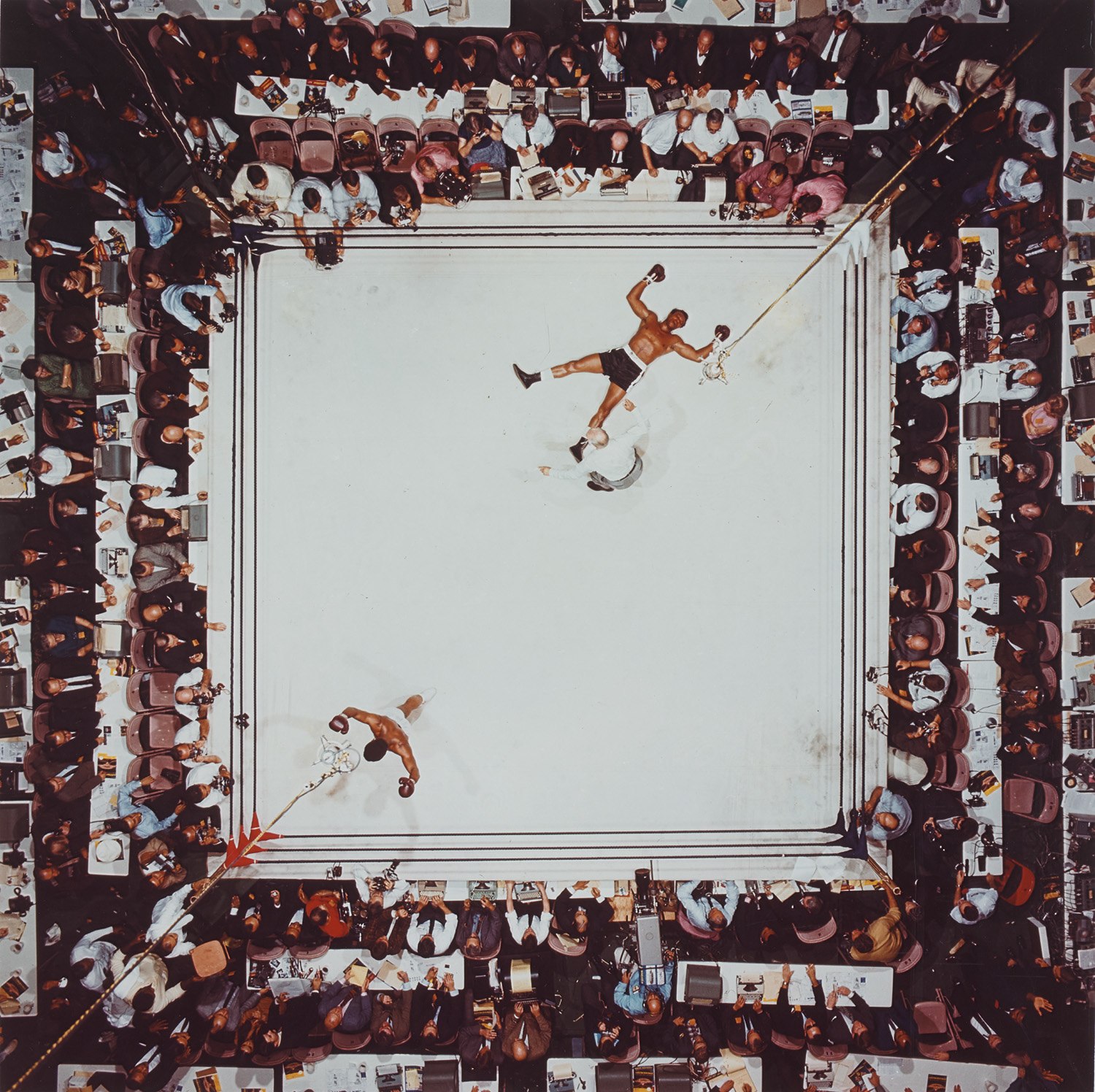
Neil Leifer built his reputation through sports photography, and his iconic images from the 1960s and 1970s demonstrate that dramatic composition is as native to photography as to painting. His aerial shot of Muhammad Ali standing over Sonny Liston in 1965 is one of the most reproduced sports photographs ever made, but reproductibility is not the same as collectibility. Leifer's prints, particularly vintage prints from the period of original production, carry significant weight in the photography market. The question to ask any gallery offering photographic works is always about edition size, print date, and whether the work is accompanied by documentation from the artist or estate.
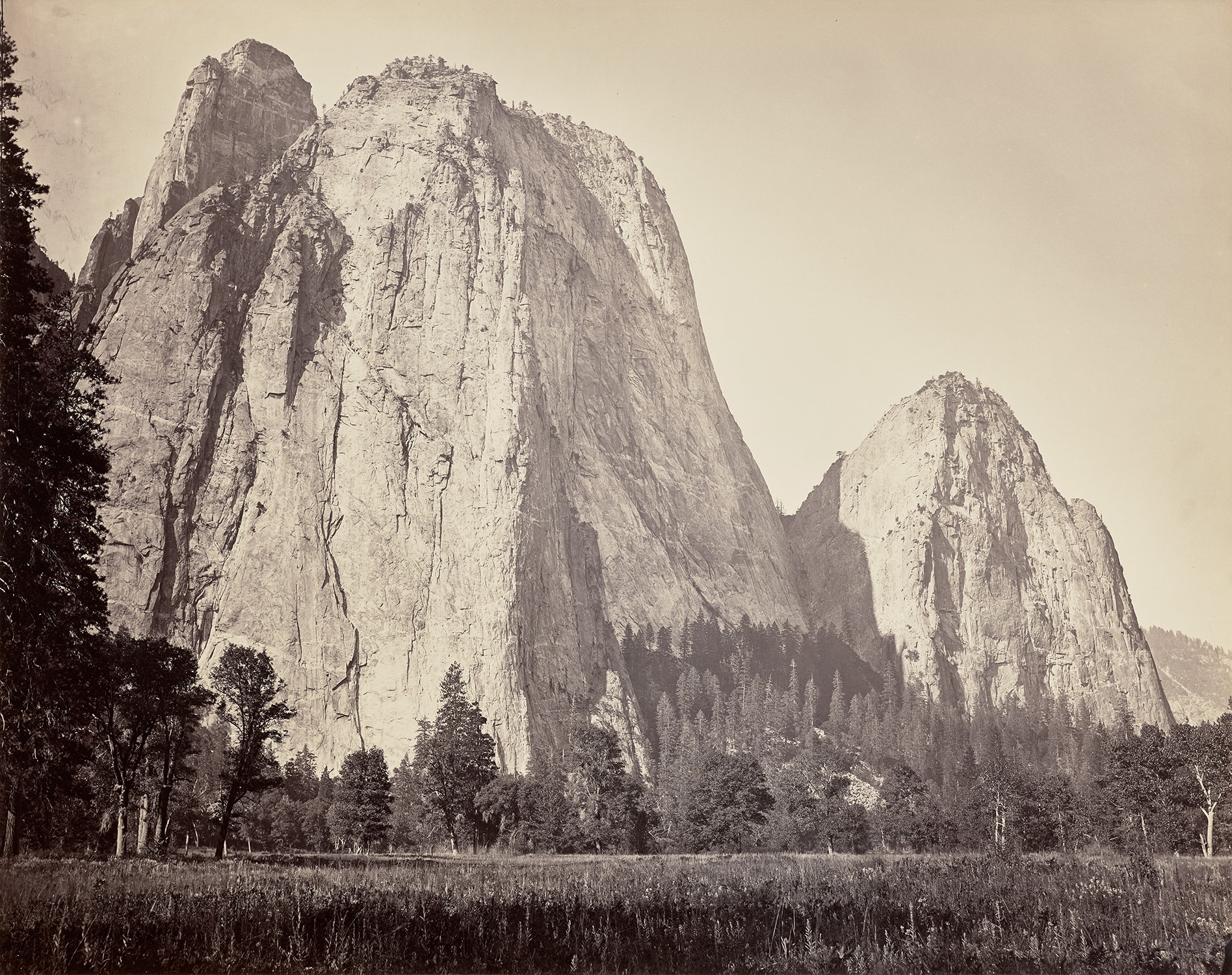
Kent Monkman
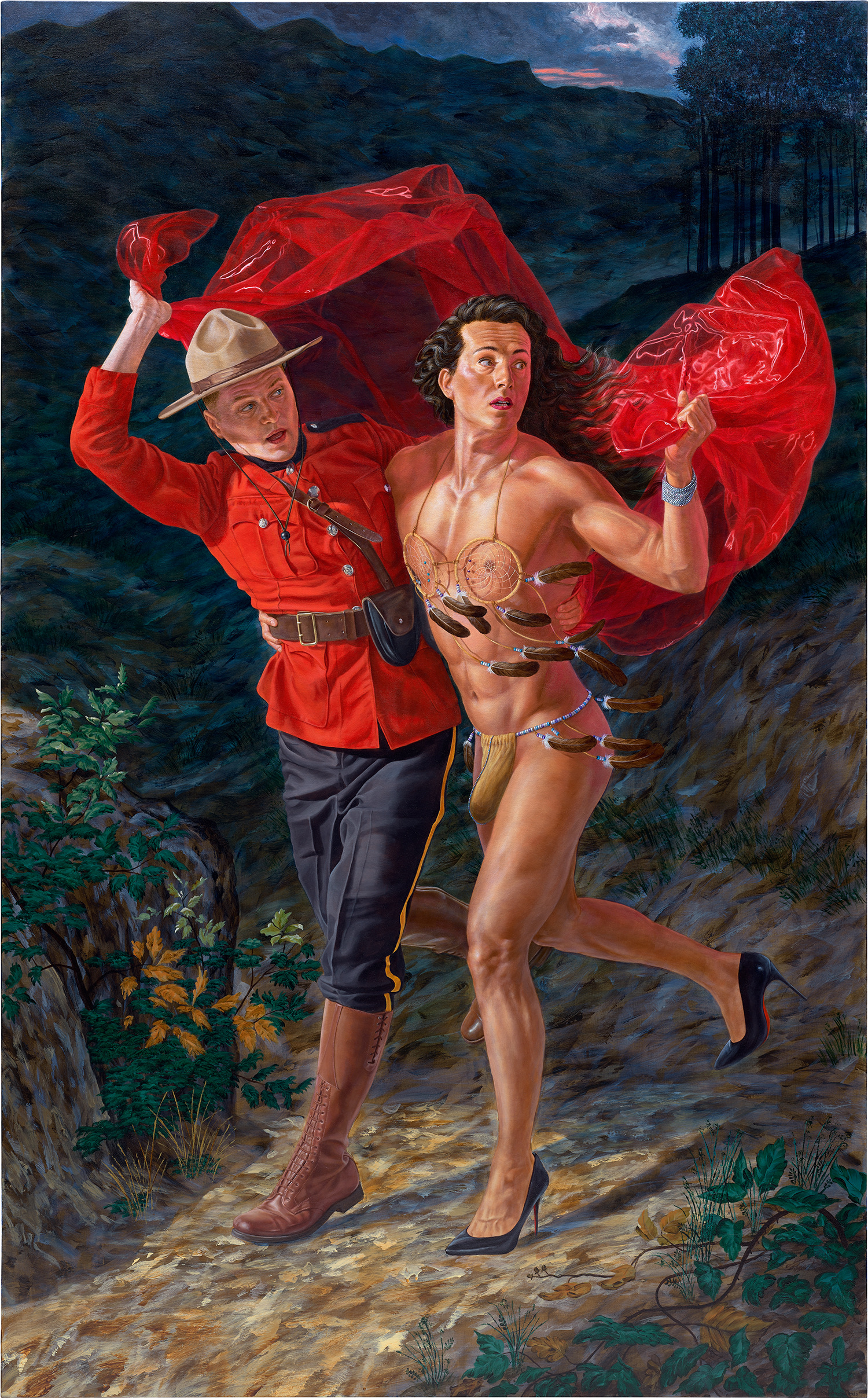
The Storm, 2020
These details matter enormously to long term value. The work of Kent Monkman brings dramatic composition into urgent conversation with contemporary questions of identity, history, and representation. His large scale paintings, which transpose the visual conventions of nineteenth century Hudson River School and European academic painting into a revisionist Indigenous perspective, are structurally theatrical in the most deliberate way. Monkman uses the grammar of dramatic composition to assert a counter narrative, and the critical and institutional response has been substantial, including major commissions for the Metropolitan Museum of Art in New York.
For collectors interested in work that is both aesthetically commanding and culturally significant, Monkman represents one of the most compelling opportunities in the current market. Alfonso Ossorio, who lived and worked at The Creeks on Long Island and was closely associated with Abstract Expressionism, offers a different entry point entirely. His congregations, as he called his encrusted assemblage works from the 1960s onward, are exercises in dramatic tension through accumulation and contrast. Ossorio's market is somewhat underappreciated relative to his historical significance and his direct relationships with figures like Jean Dubuffet and Jackson Pollock.
Alfonso Ossorio
Jonah, 1935
For collectors willing to do the research, this represents genuine value. Works with strong exhibition history and clear documentation of the encrustation process command the highest prices, and condition is particularly important here given the fragility of the embedded materials. Condition is always the conversation you need to have before committing to any dramatic composition, and the more physically complex the work, the more important that conversation becomes. For paintings, ask about any restoration history and request condition reports from a conservator rather than just the gallery.
For works on paper, including charcoal and photography, ask about light exposure history and framing materials, as acid free mounting and UV protective glazing are not optional considerations but essential ones. For sculptural or assemblage works, ask specifically about structural integrity and any previous repairs. A dramatic work that is compromised in condition loses not just monetary value but the very quality that made it compelling in the first place. The emerging space worth watching includes artists working in a tradition of staged and constructed photography, where the drama is built into the image making process itself.
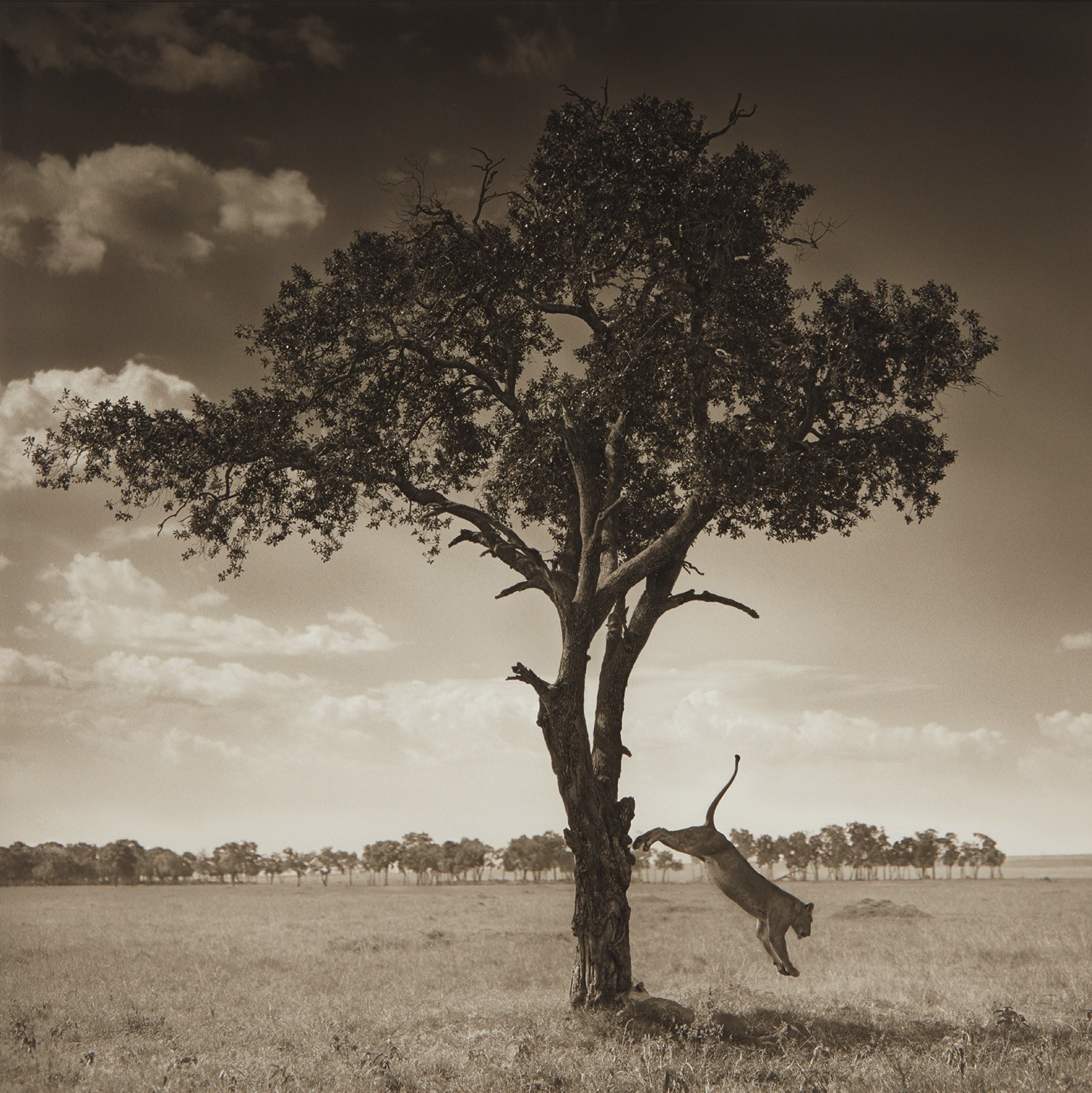
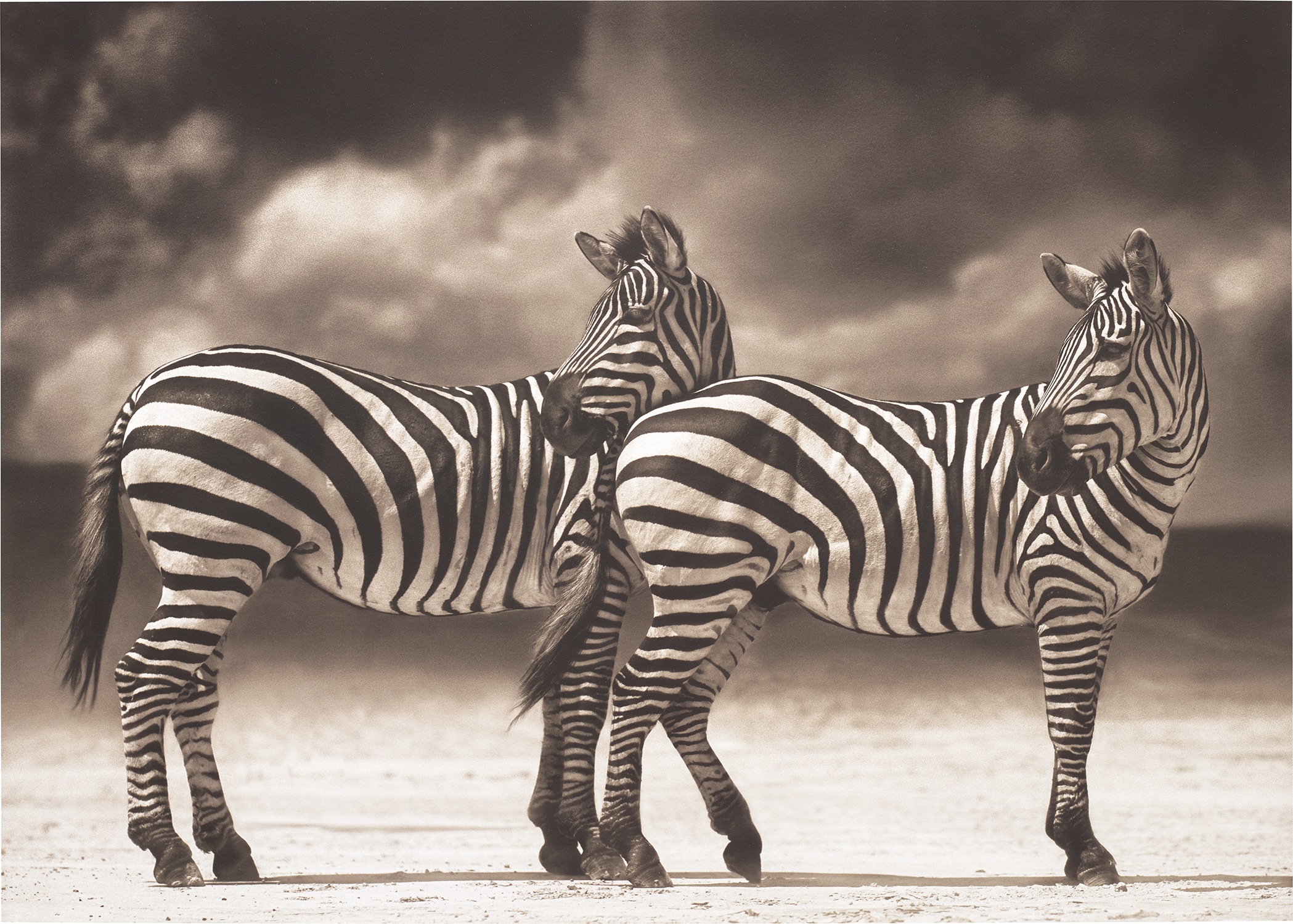
Nick Brandt's large scale black and white photographs of African wildlife and landscapes carry a compositional weight that owes as much to painting as to documentary tradition, and his focus on environmentally threatened subjects gives the work a narrative urgency that collectors respond to strongly. As the photography market continues to mature and blur the lines between photographic and painterly practice, works like Brandt's occupy a position that is both aesthetically significant and strategically interesting for collectors building across media. The rule, as always, is to collect what moves you, but to collect it with your eyes wide open.