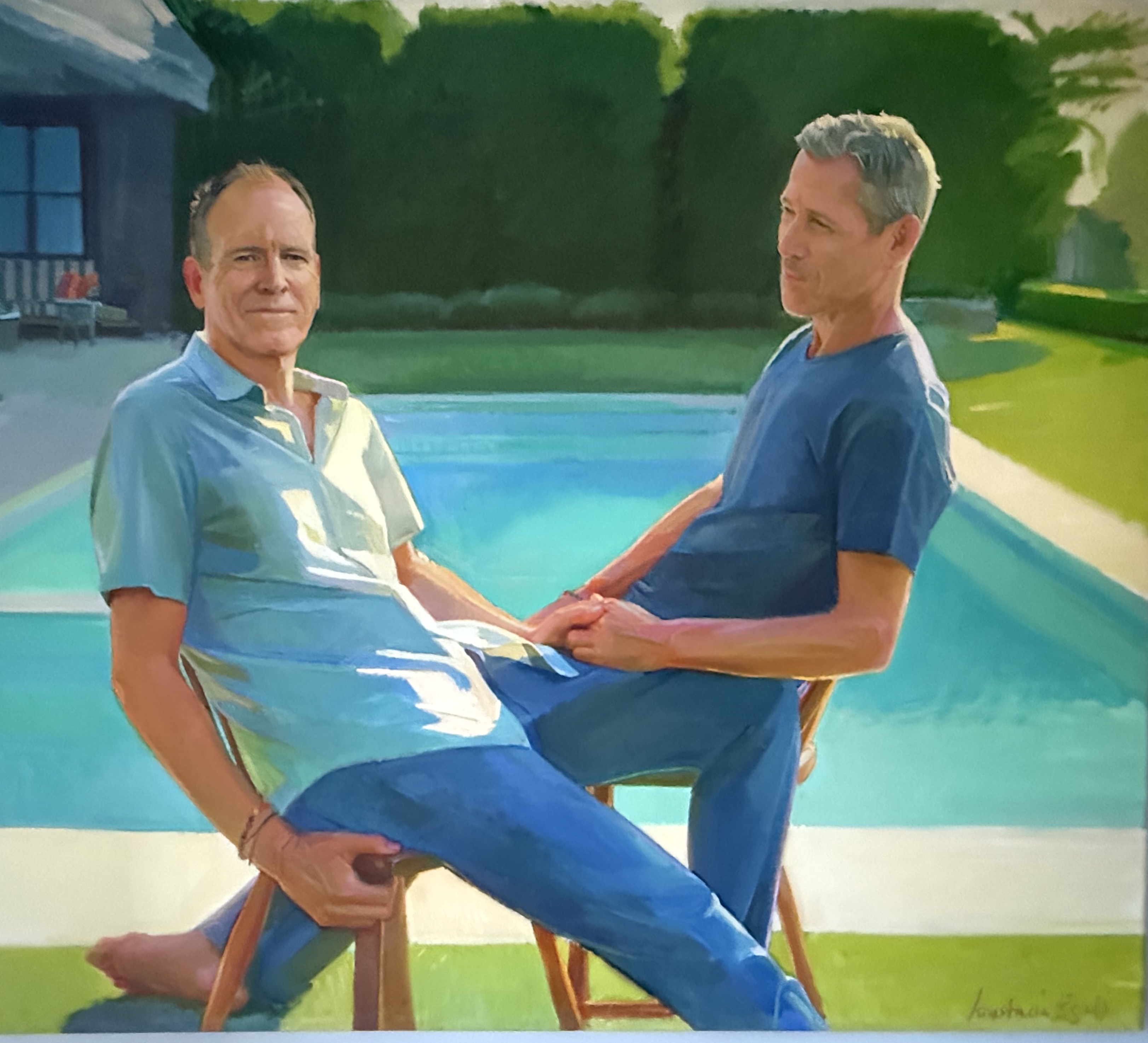
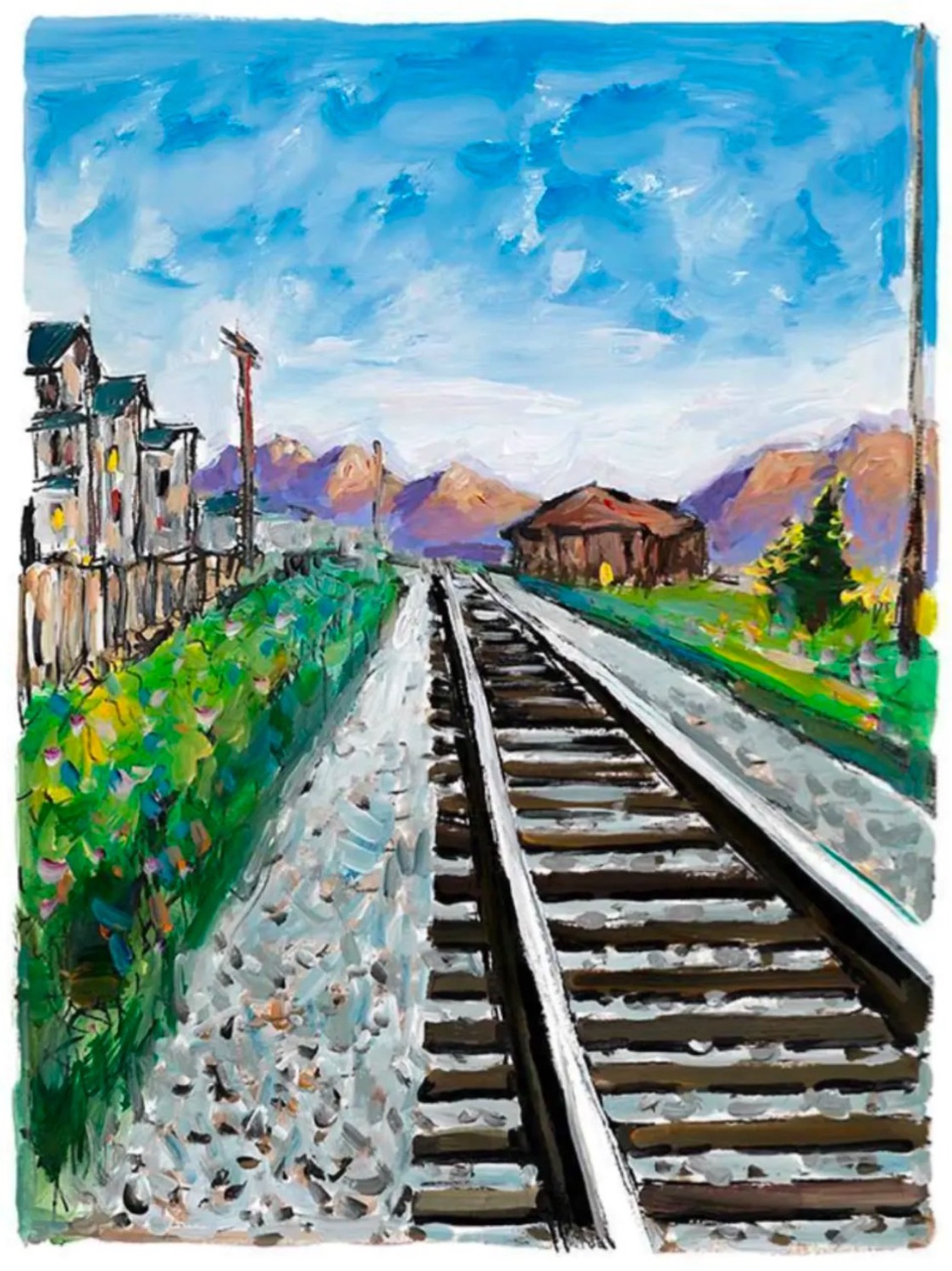
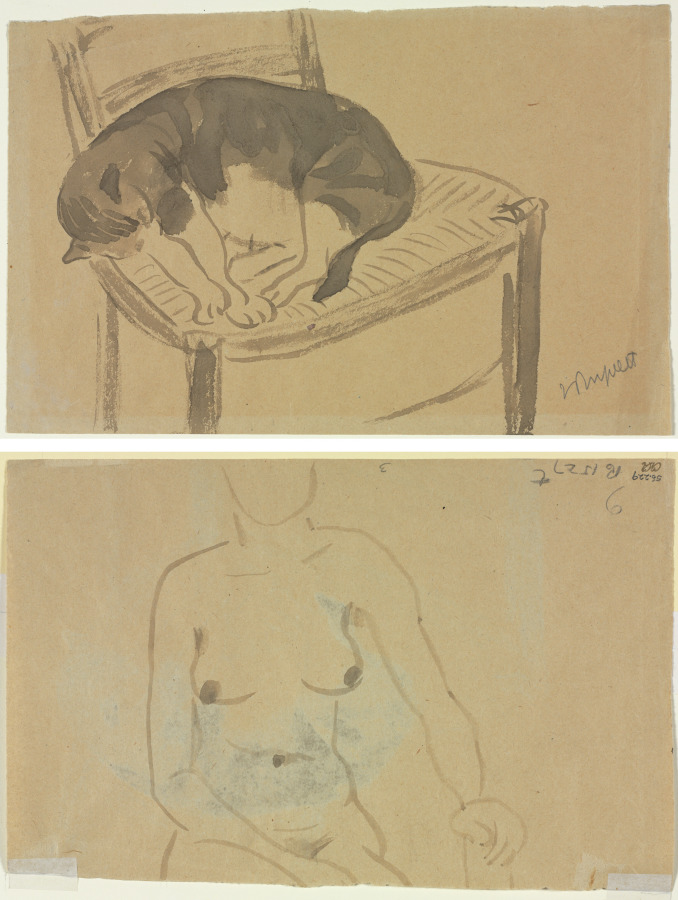
Digital
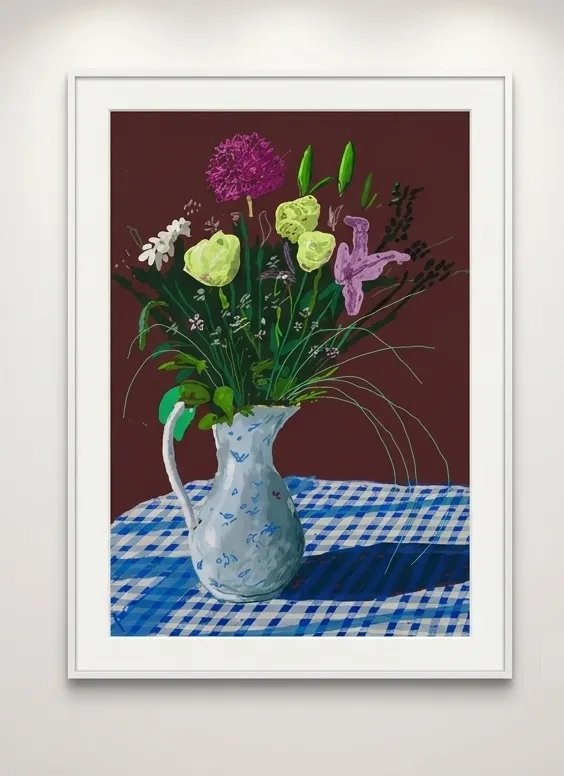
David Hockney
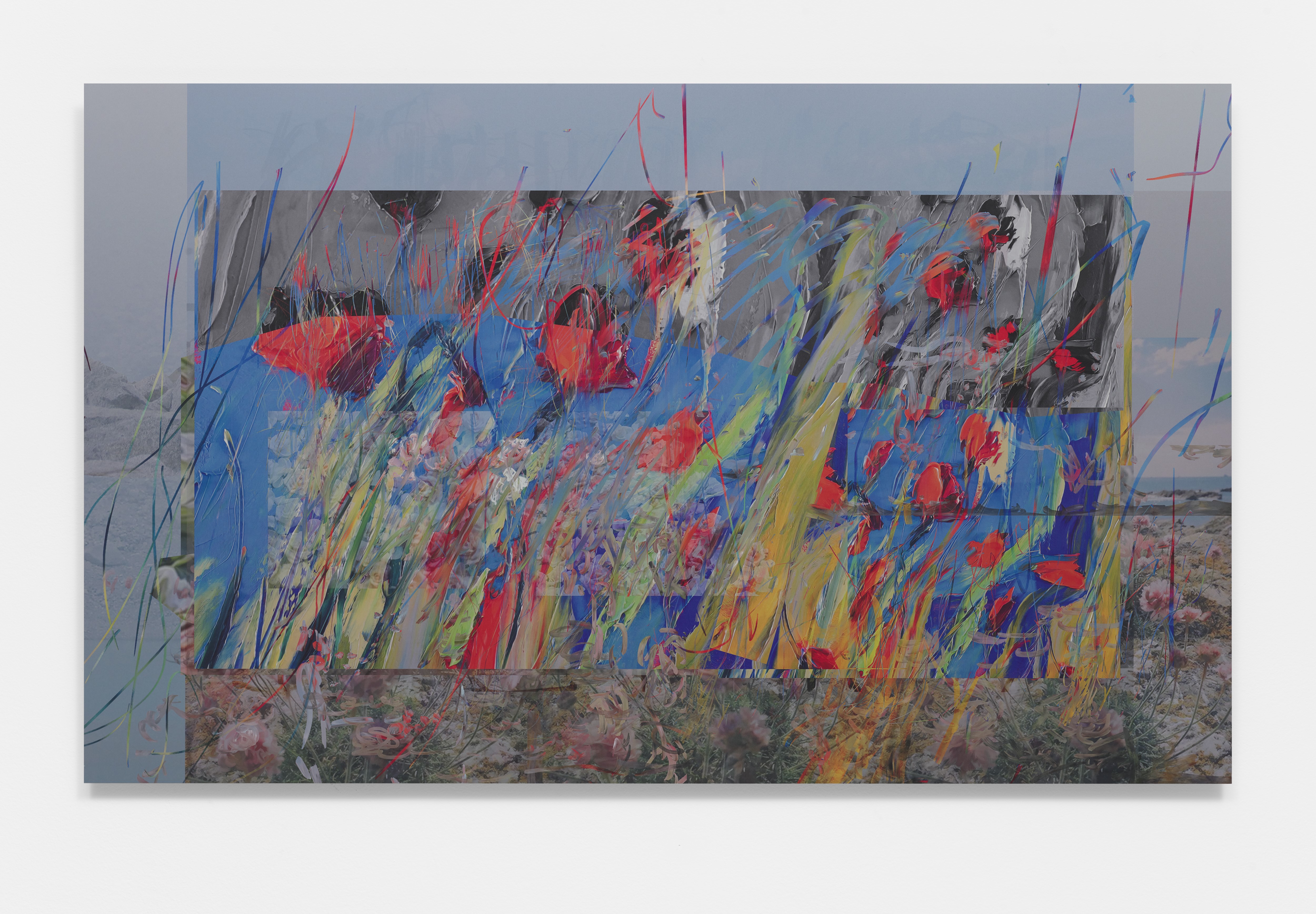
20th February, Jug with Flowers, 2021




Collecting Digital: Where the Real Rewards Are
There is something quietly radical about choosing to live with digital art. It asks more of you than a canvas on a wall. It demands a different kind of attention, a willingness to let the work change over time, to accept light and movement and code as legitimate materials. Collectors who have crossed this threshold tend to describe the same experience: an initial hesitation followed by a dawning understanding that the work holds them in a way they did not anticipate.
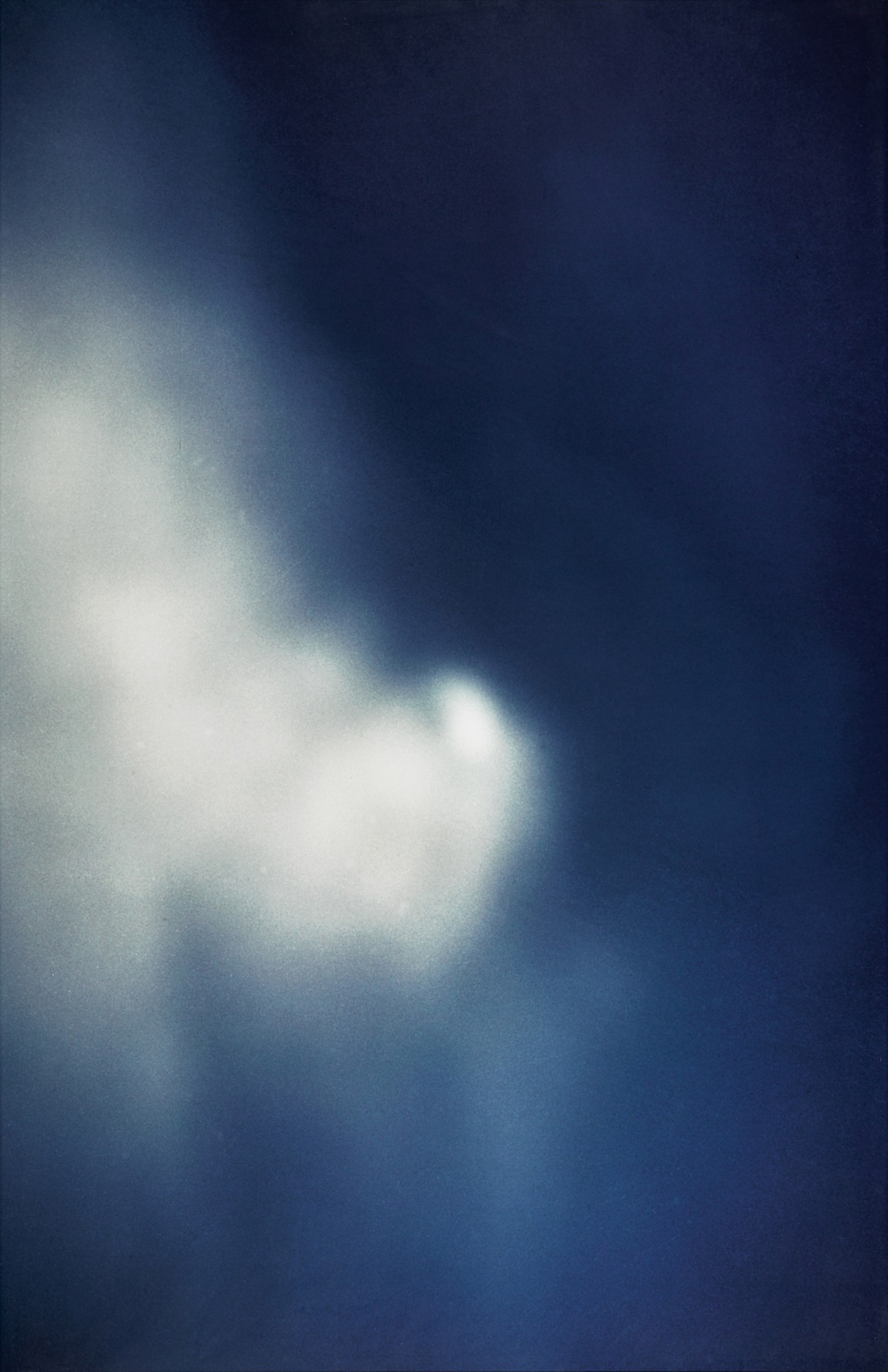
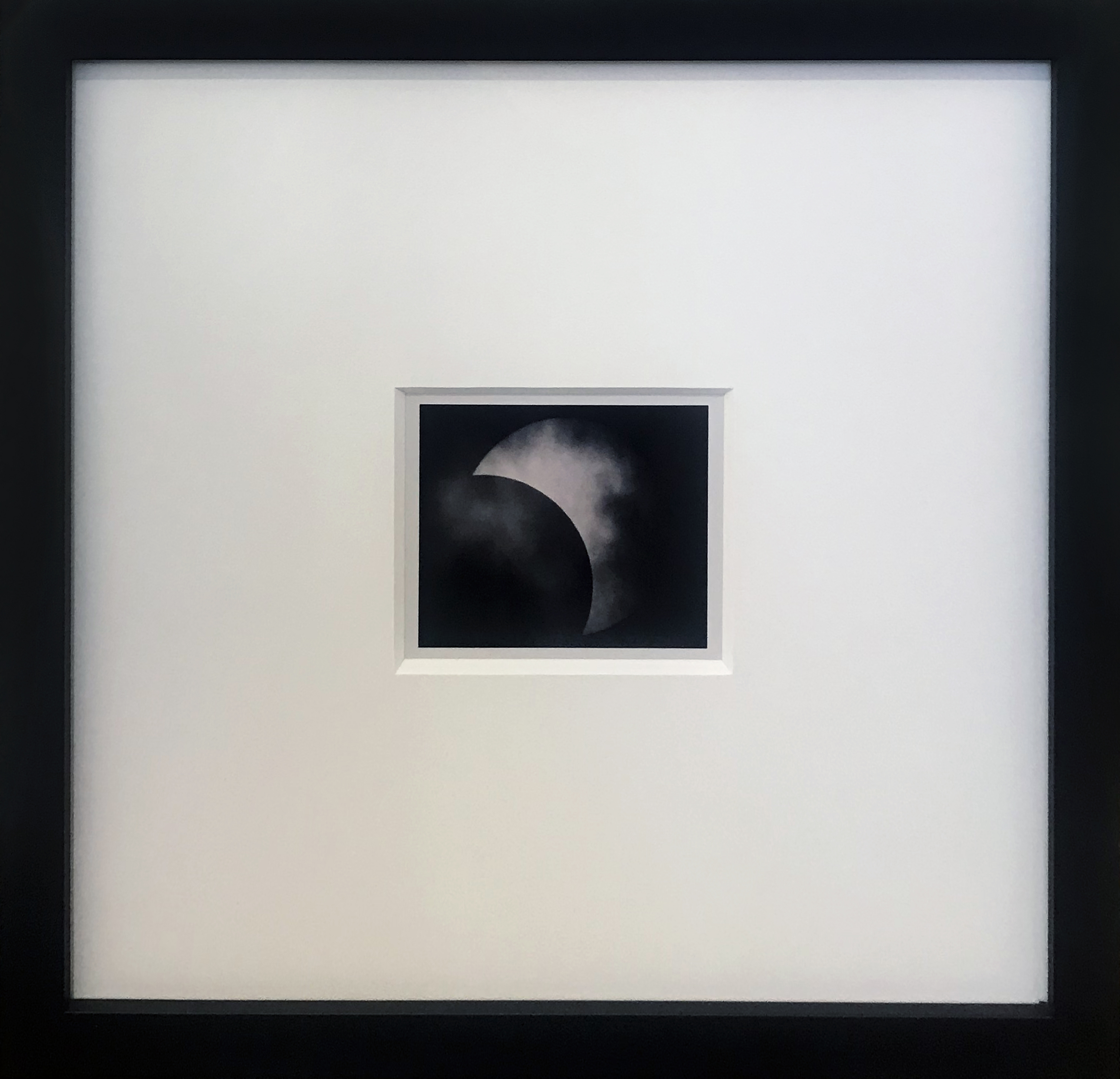
That hold is part of what makes this category so compelling right now. The appeal is not purely aesthetic. Digital art sits at the intersection of technology, culture, and art history in a way that feels genuinely alive. When you acquire a work by Thomas Ruff, for instance, you are not simply buying an image.
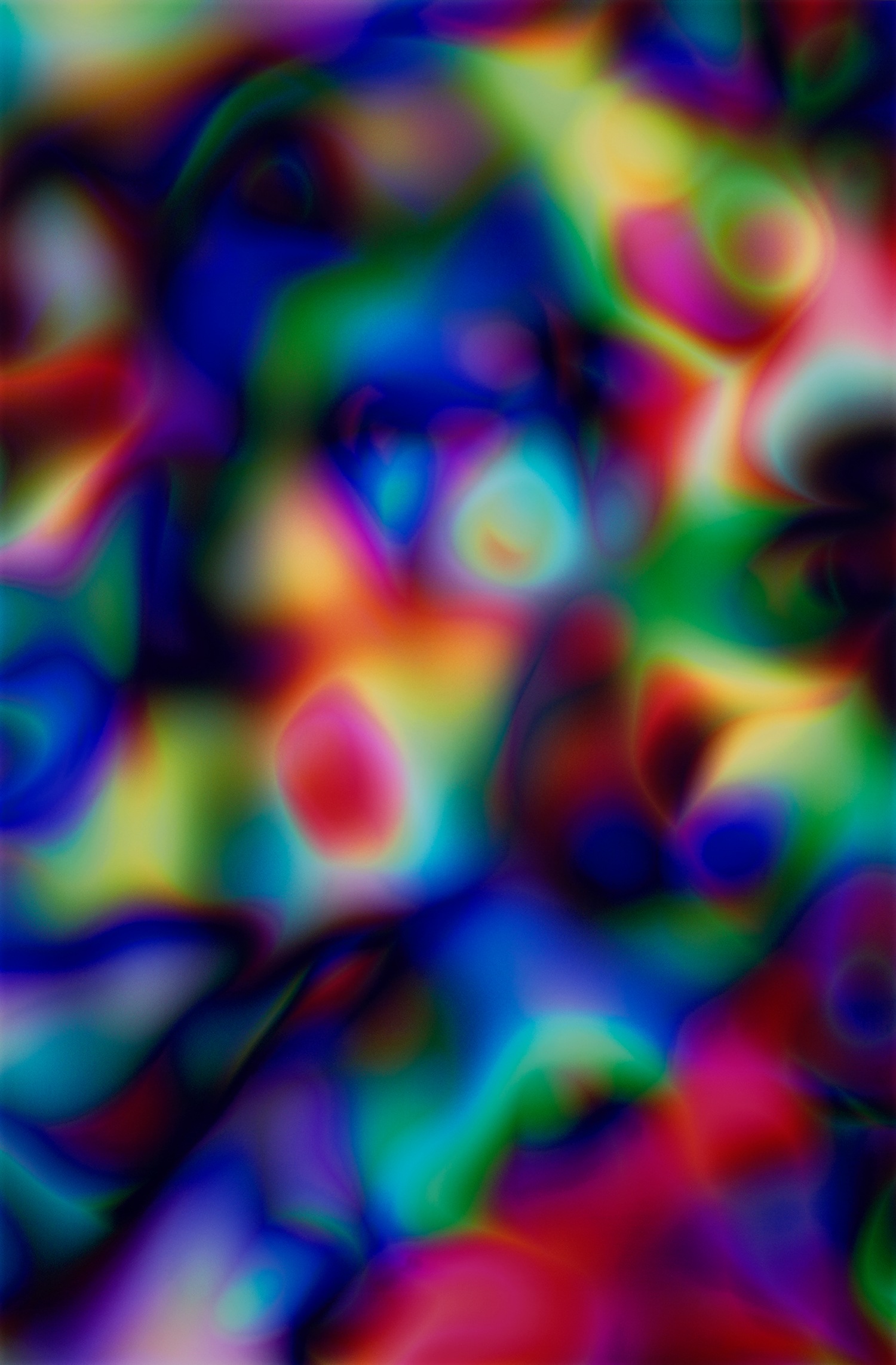
Thomas Ruff
Substrat 23 I
You are entering a sustained inquiry into what images are, how they are made, and what happens when the photographic document is pushed past recognition through digital manipulation. His jpeg series, begun in the early 2000s, transformed low resolution internet imagery into monumental prints that feel simultaneously of our moment and deeply considered. Works like these reward the collector who wants their collection to have an argument, a point of view. Separating a good digital work from a great one requires asking a harder set of questions than you might apply to painting or sculpture.
The medium is young enough that critical consensus is still forming, which means the collector carries more responsibility. Look first at whether the work is making meaningful use of its medium, not simply reproducing in digital form what could have been done with traditional materials. Julian Opie is a useful reference here. His pedestrian figures and portrait works engage digital language in a way that could not exist outside it, building on a lineage that runs from Pop Art through information design, arriving somewhere entirely his own.
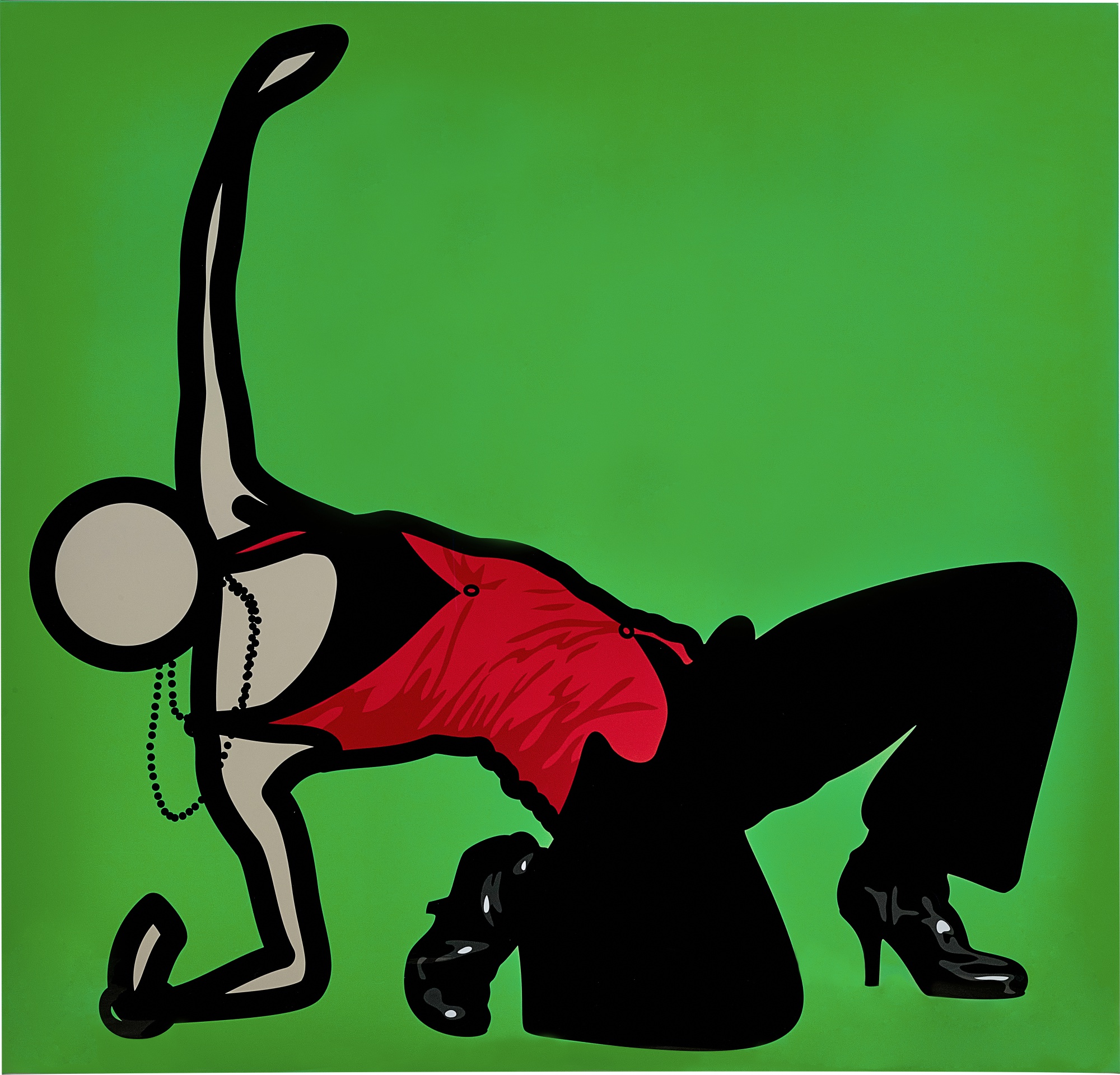
Julian Opie
Caterina Dancing in Black Trousers 3 凱特蕊娜穿著黑褲子跳舞 3, 2009
The simplicity is earned, not lazy. Edition structure matters enormously in this category. Unlike a painting, a digital work can theoretically be reproduced infinitely, which is precisely why edition size and certificate of authenticity documentation are foundational to value. Smaller editions with rigorous provenance chains command stronger secondary market prices and hold up better over time.
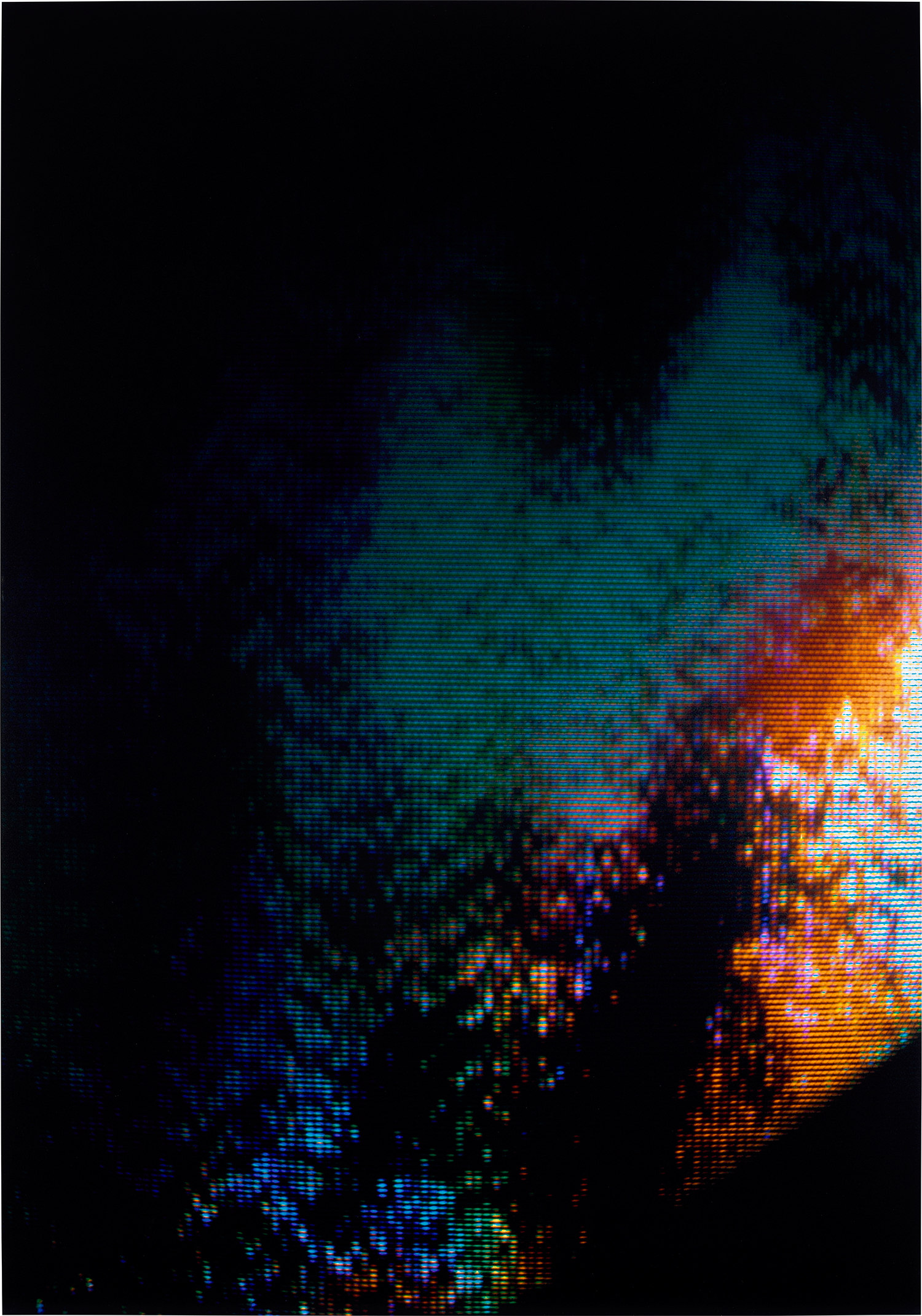
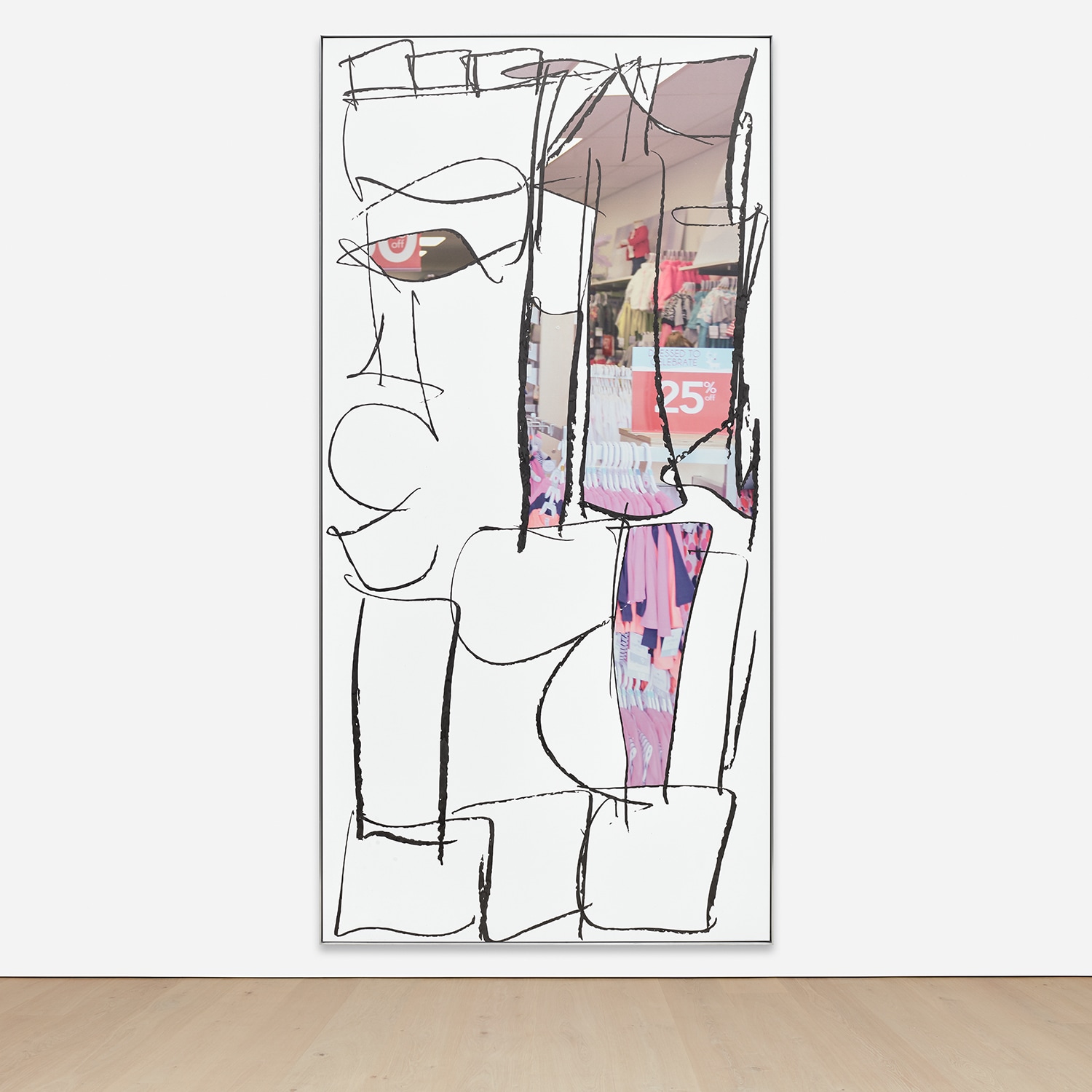
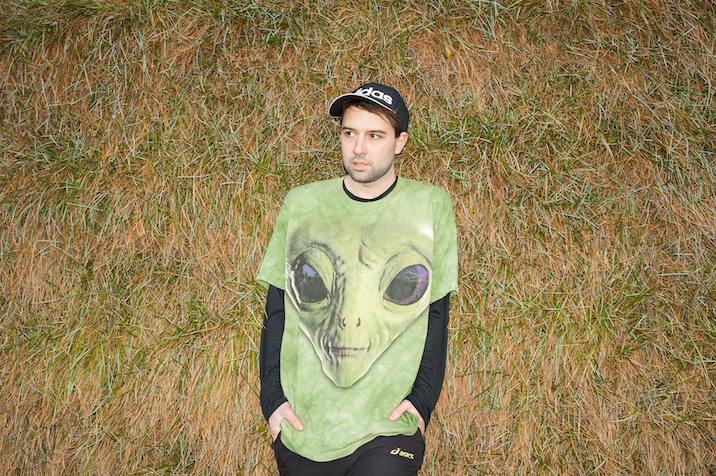
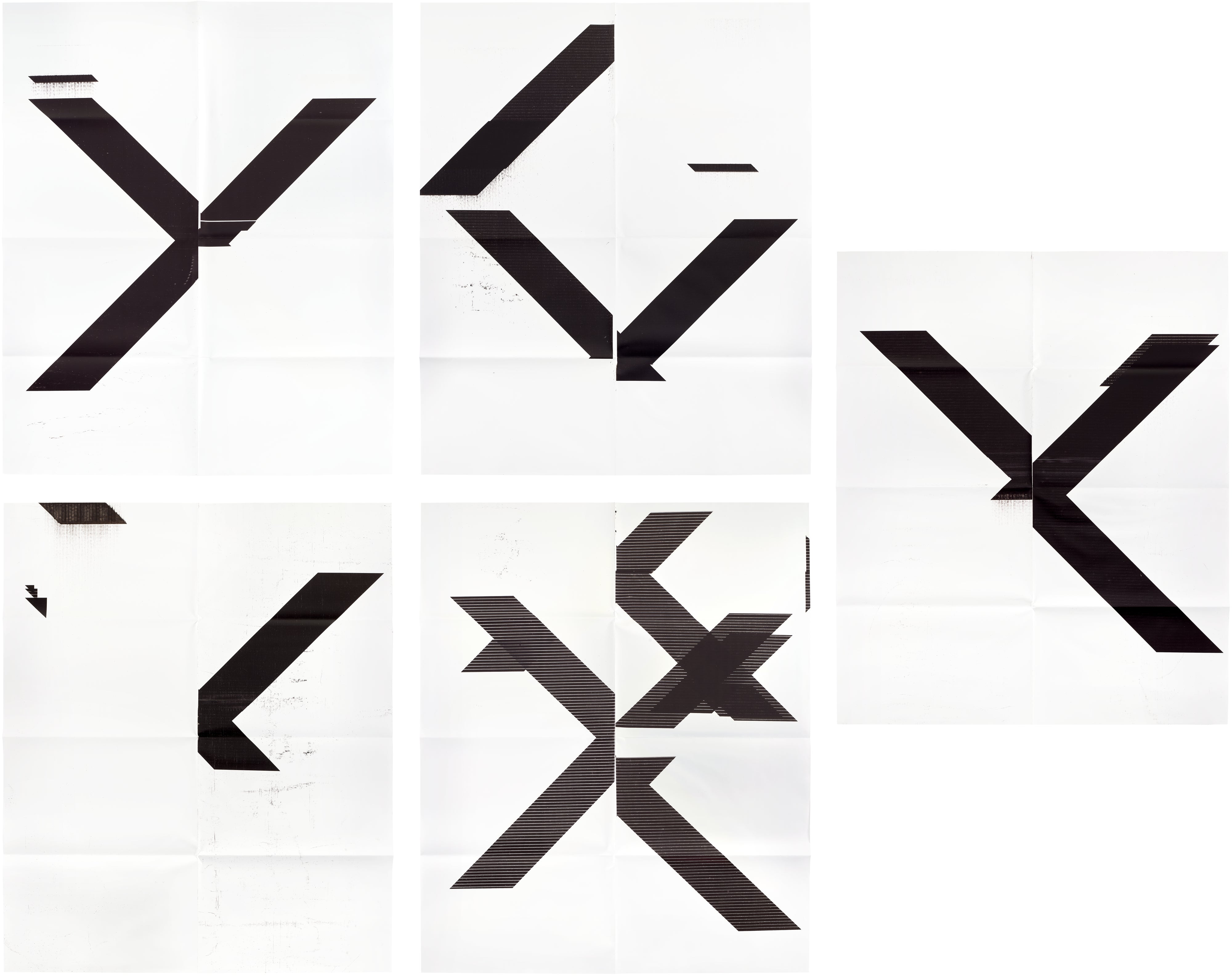
Wade Guyton's practice, which runs inkjet printing to its structural and conceptual limits, has attracted sustained institutional attention in part because the work is embedded in a sophisticated critical framework. When institutional interest and limited editions coincide, you are looking at a collecting opportunity with durability. For collectors building positions in this space, certain artists represent genuinely strong value. Petra Cortright has developed one of the most distinctive voices working entirely in digital painting and video, accumulating a following that spans tech culture and traditional gallery circuits.
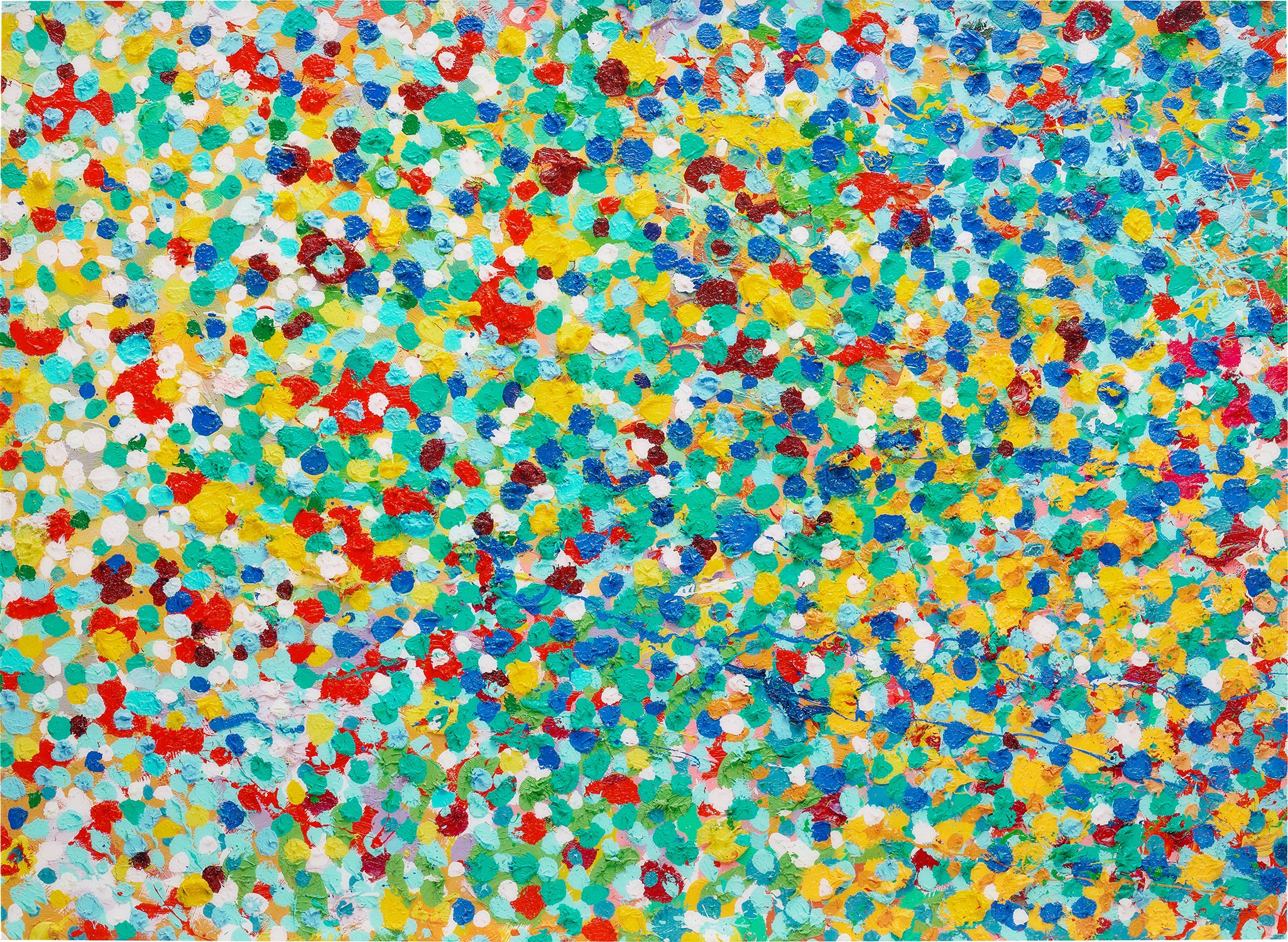
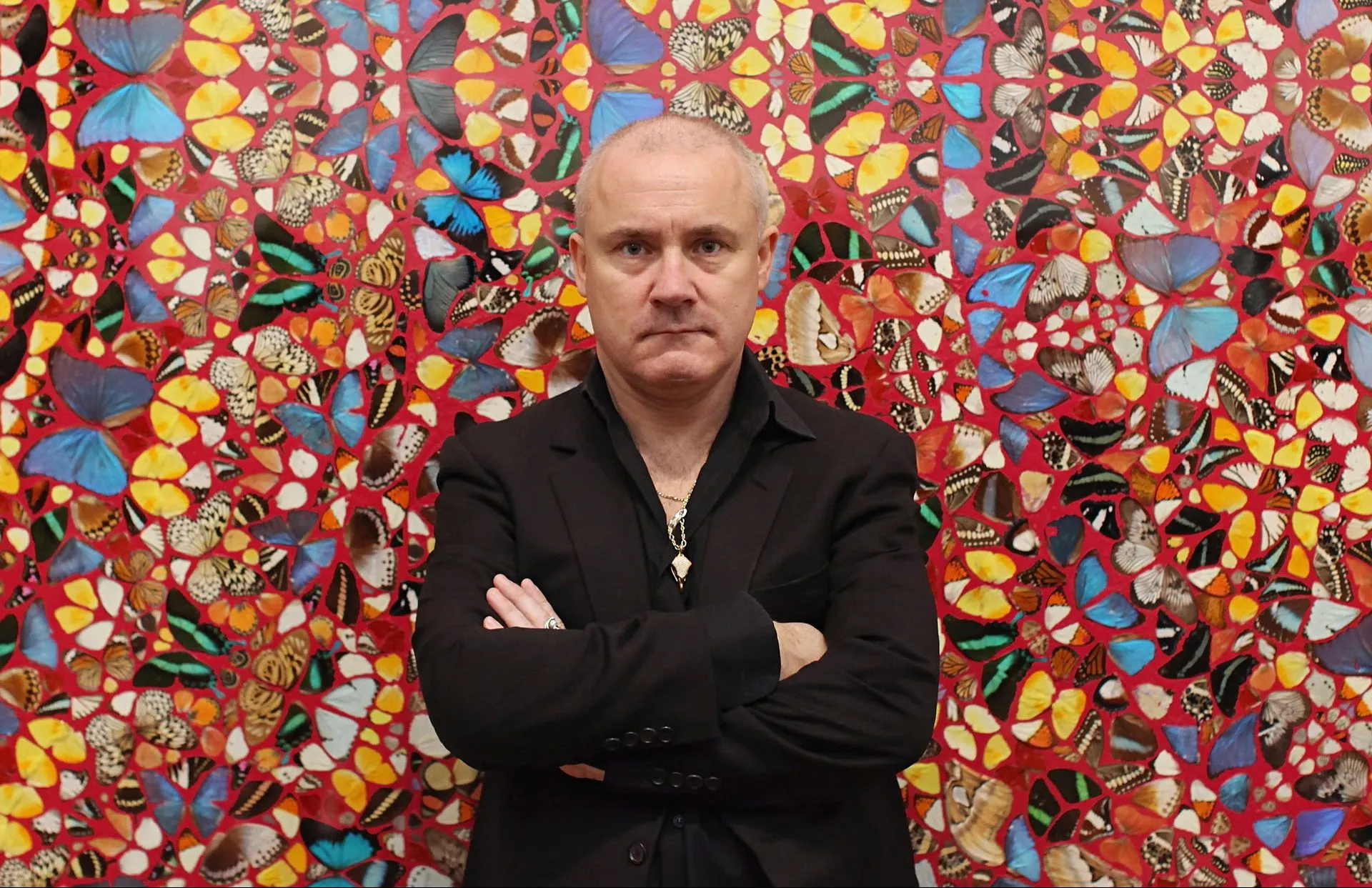
Damien Hirst
Kew, from Veils (H4-6)
Her practice is document rich and critically engaged, and her prices remain accessible relative to her standing. Cory Arcangel, whose work dismantles the cultural codes of software and pop music with deadpan precision, has institutional credibility from MoMA to the Whitney and has achieved real auction results without yet reaching the ceiling his reputation might justify. Parker Ito and Seth Price are similarly positioned: serious critical reputations, institutional exhibition histories, and secondary market prices that still offer room. Damien Hirst's move into fully digital work through his Currency project, completed in 2022, demonstrated how a major market figure can use digital formats to test collector loyalty and provoke genuine debate about what physical and digital ownership mean.
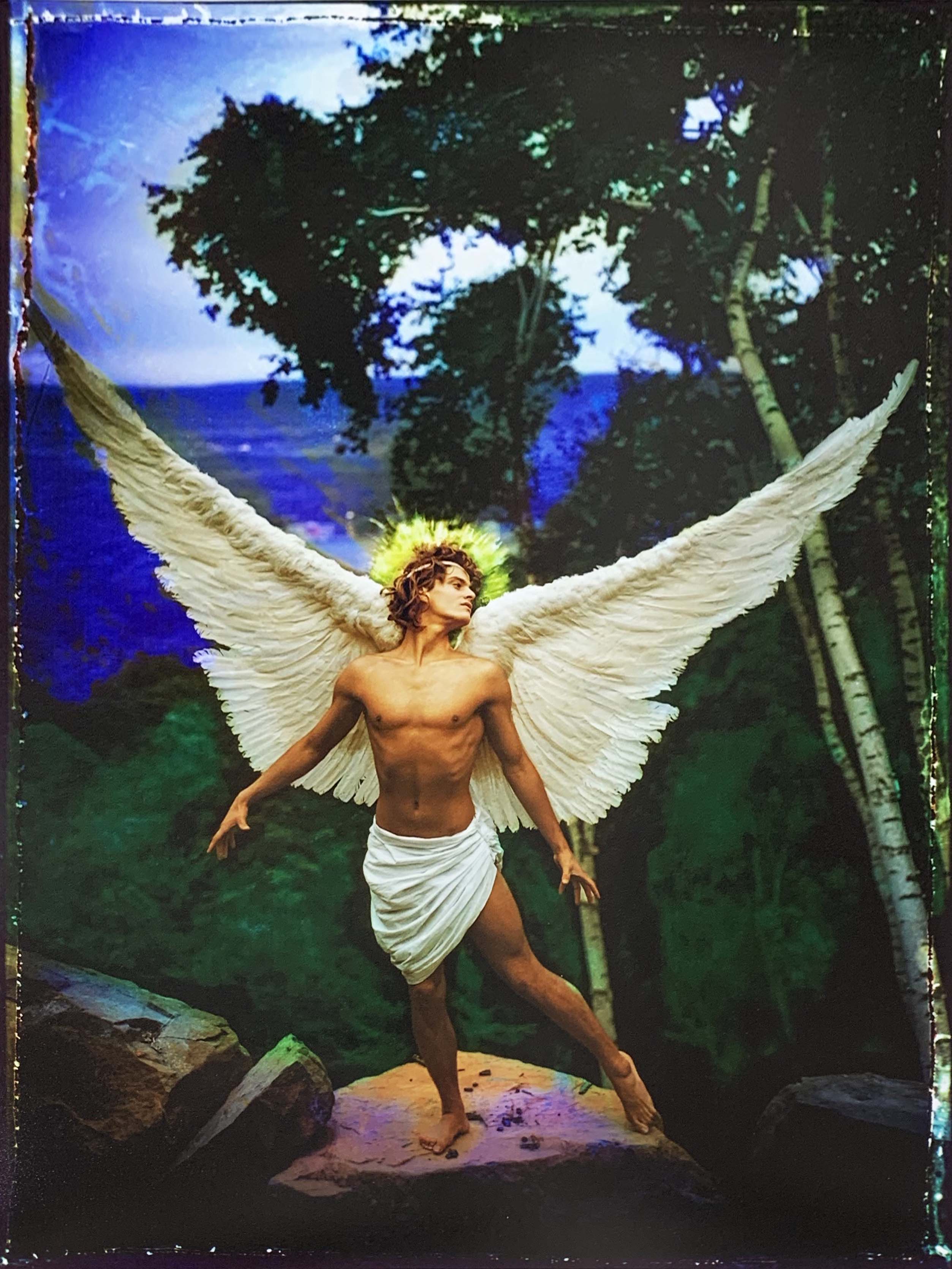
The project invited owners to choose between burning their physical works and receiving an NFT, or keeping the physical and forfeiting the digital counterpart. Whatever you think of the outcome, it was a genuinely interesting conceptual gesture that generated real market data and real collector anxiety in equal measure. David Hockney's iPad drawings, meanwhile, proved that a painter with decades of market strength could translate his practice into entirely new tools and find immediate collector appetite. Emerging talent worth tracking includes artists working at the boundary between digital and physical materiality.
David Hockney
20th February, Jug with Flowers, 2021
John Gerrard has been making work about data infrastructure and energy consumption with a rigour that feels increasingly urgent, and his prices remain far below what his critical standing might suggest. Jordan Wolfson continues to polarise, which is usually a sign that something real is happening. Neil Beloufa makes work that refuses easy categorisation across video, sculpture, and digital installation, and the collectors who have been paying attention are sitting on positions that look smarter each year. At auction, the digital category behaved erratically during the NFT boom of 2021 and 2022, which has made some traditional collectors wary.
That wariness is understandable but worth interrogating. The speculative frenzy around certain NFT projects had little to do with the serious digital art practice that has been developing in galleries and institutions since the 1990s. Works by artists with genuine critical histories and institutional support have shown far more stability, and some have quietly continued to appreciate through the correction. The noise and the signal were always distinct categories; the market is now better at telling them apart.
Practically speaking, display is a real consideration that galleries sometimes underplay. Screen based works require hardware decisions that will affect how the work looks and how long the display technology remains viable. Ask galleries specifically about the recommended display specifications and whether the edition includes hardware or only the software and certificate. Condition for digital works is primarily about file integrity and documentation, so confirm that files are stored in formats with long term stability and that the certificate chain is unambiguous.
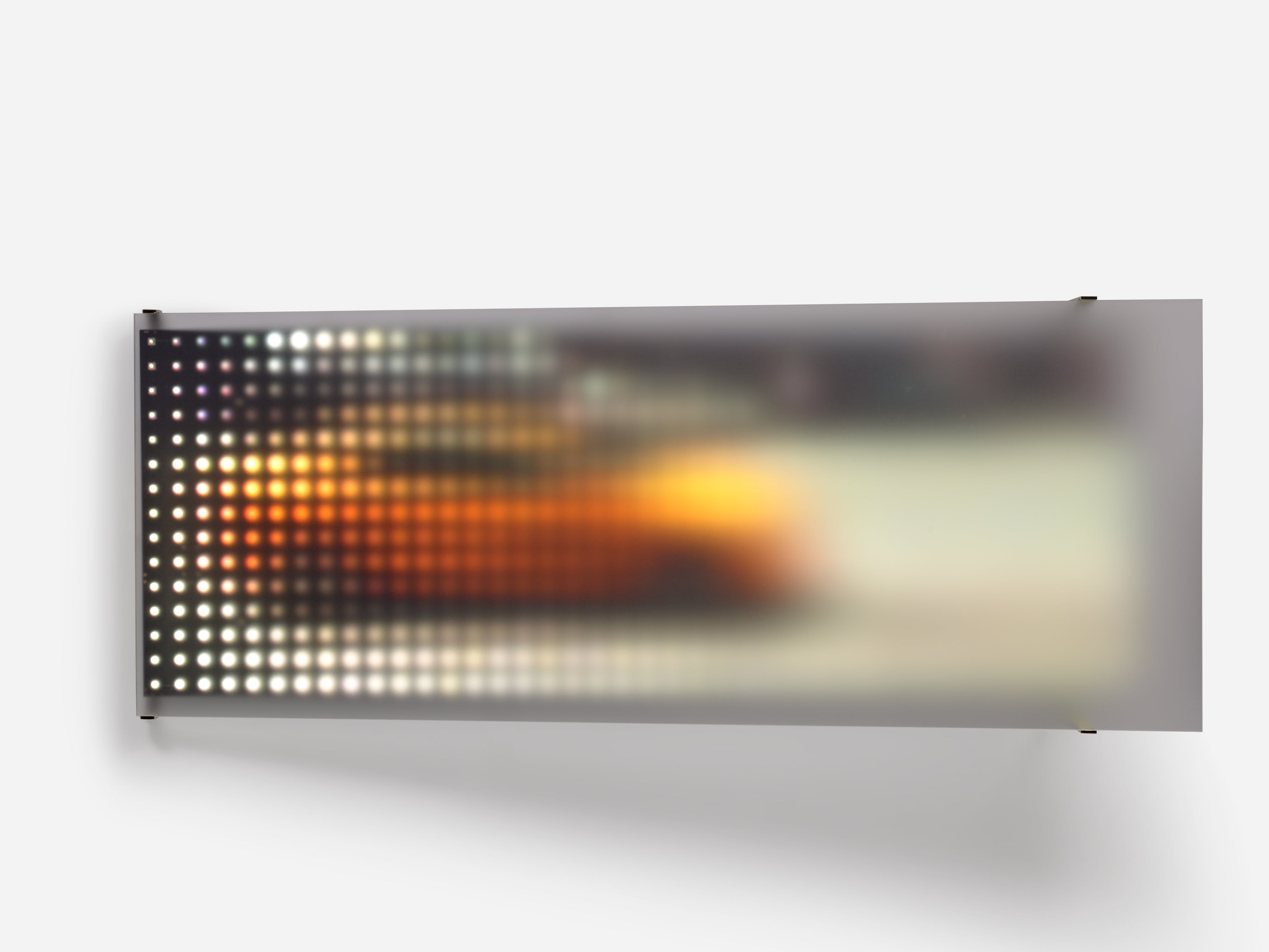
Tatsuo Miyajima's LED number works, for example, involve hardware that requires maintenance planning over a long collection lifetime. These are not obstacles to collecting in this space. They are simply part of understanding what you own.