Colored Crayon
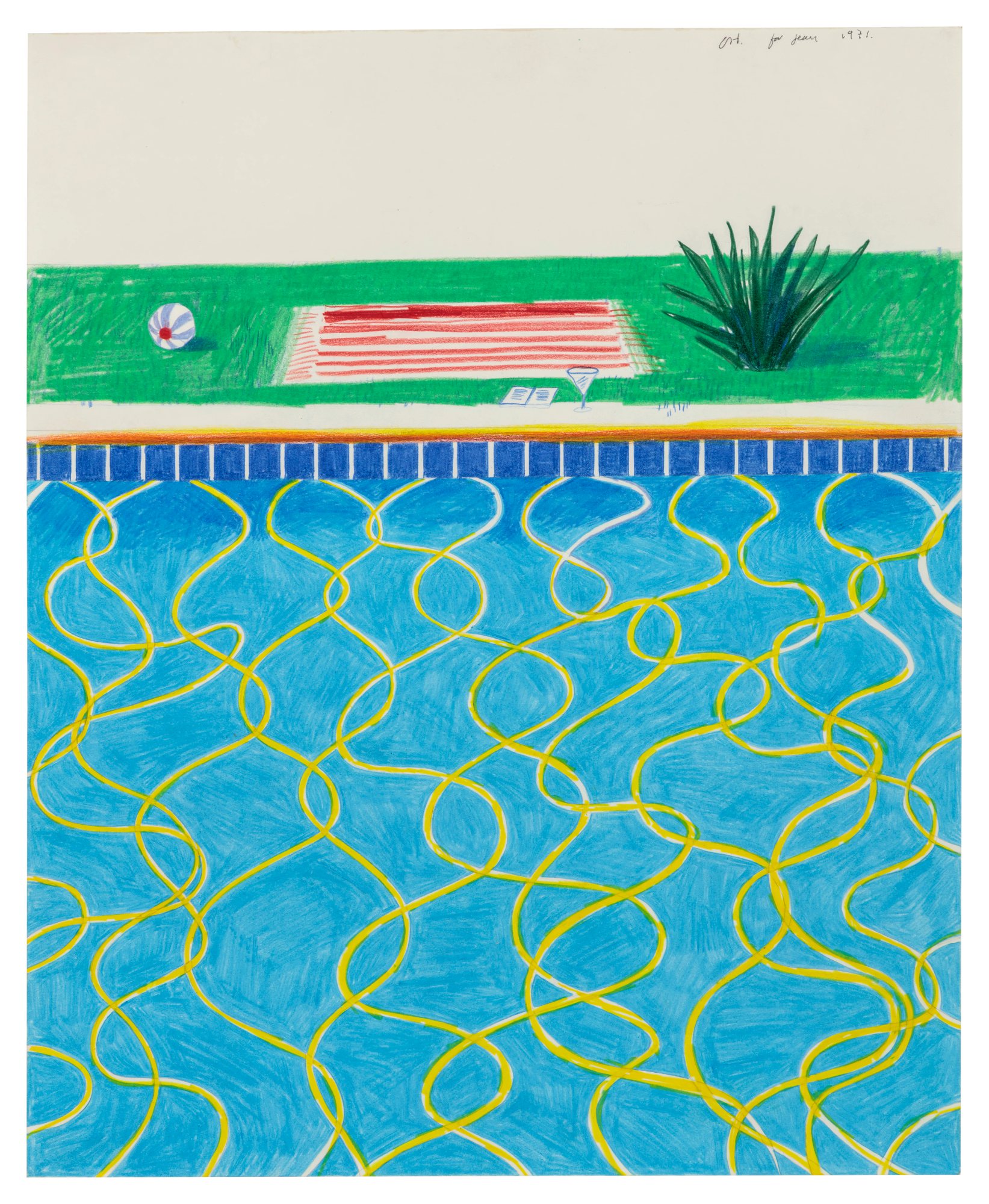
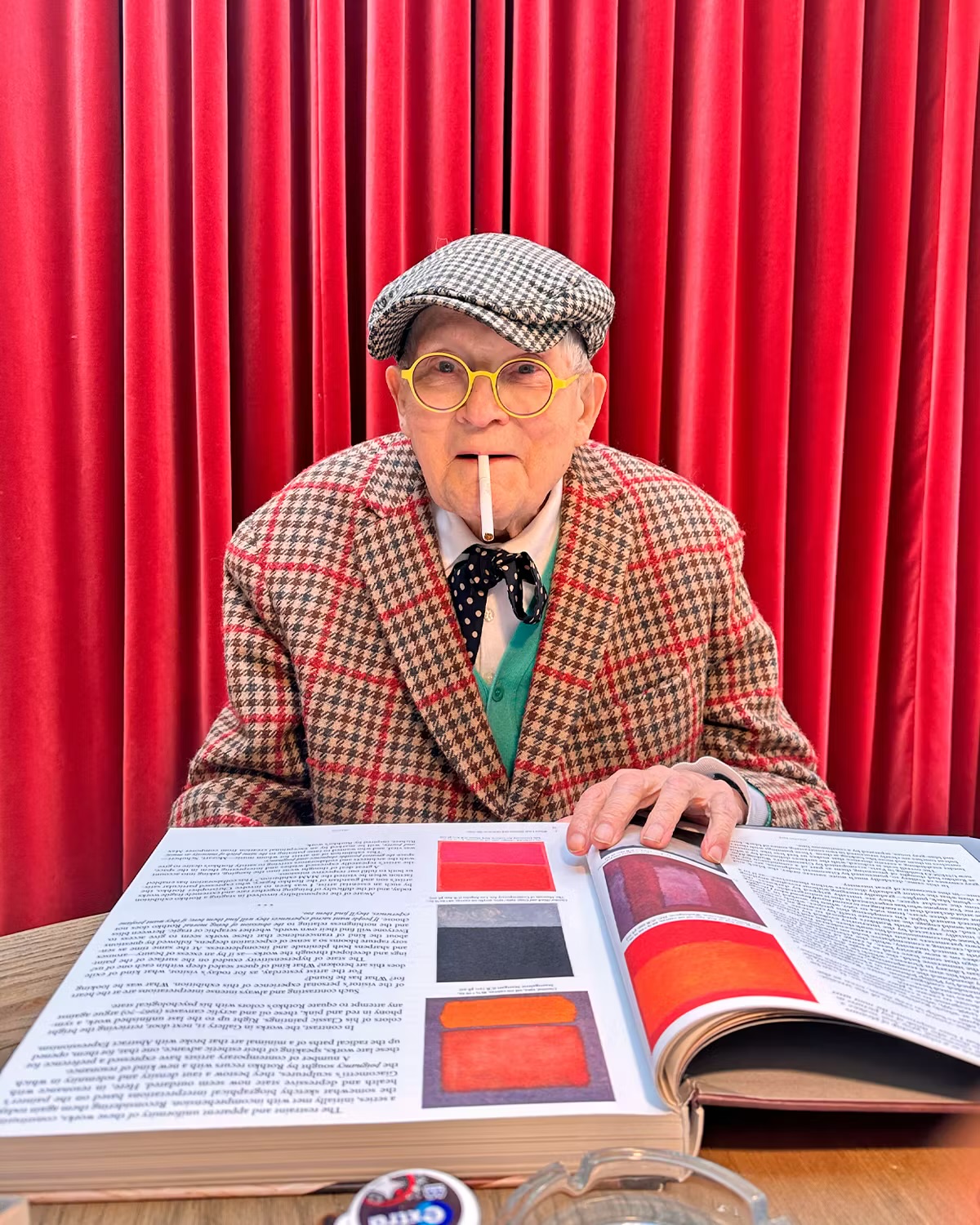
David Hockney
Drawing of a Pool and Towel, 1971

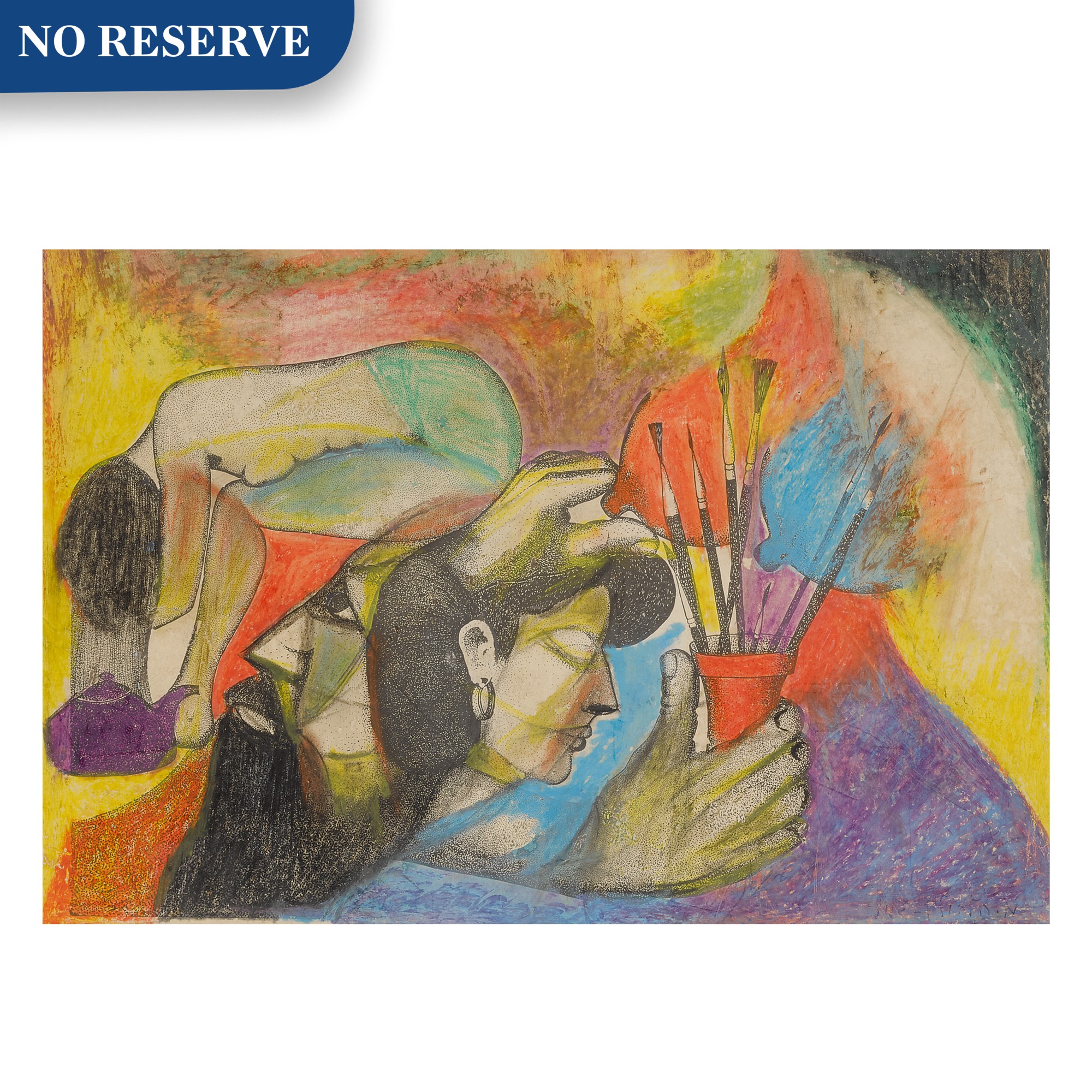
The Humble Crayon Has Always Been Radical
There is something disarming about a crayon. It sits in the hand with an ease that other drawing tools resist, and its waxy, pigment saturated mark carries a directness that neither pencil nor charcoal can quite replicate. For much of art history, this directness was precisely what serious artists were after, and the colored crayon, in all its forms, became one of the most quietly consequential tools in the modern studio. To encounter crayon work in a collection is to encounter drawing at its most unguarded, and its most honest.
The story of the colored crayon as an artistic medium begins well before the familiar school supply. Pastel crayons, made from powdered pigment bound with gum or resin, were in use by the sixteenth century, and by the eighteenth century they had become a fashionable medium for portraiture across Europe. But the waxy crayon as we understand it today, with its oil or paraffin binder, took on new urgency in the late nineteenth century when artists seeking alternatives to the flatness of lithography and the formality of oil began experimenting with its textural possibilities. The medium was cheap, portable, and vivid.
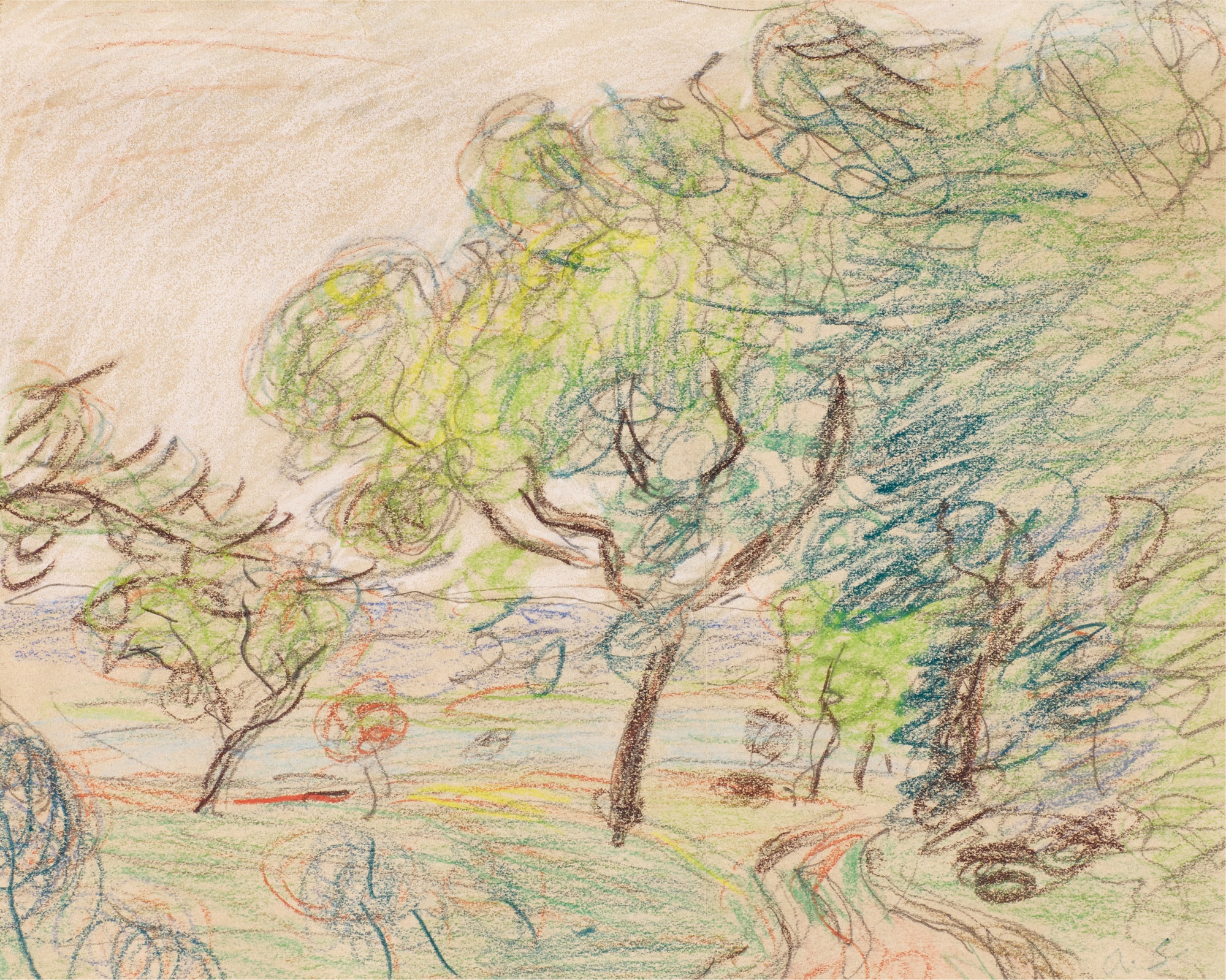
Alfred Sisley
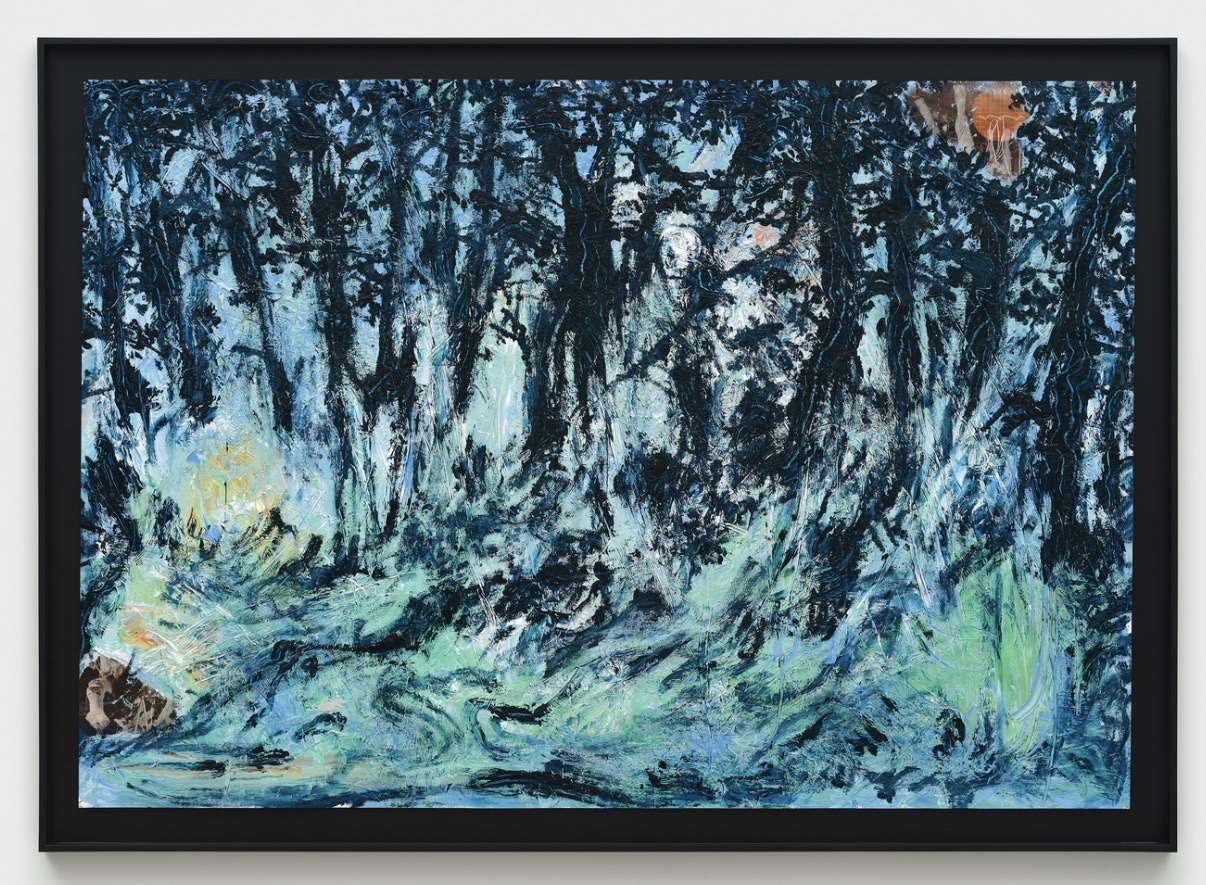
Chemin à la lisière d'un bois
These were not incidental virtues. The Impressionist generation understood portability as a philosophical position. Alfred Sisley, whose work in oil is well represented on The Collection, was part of a broader movement that treated the act of looking outdoors as inseparable from the act of making. His contemporaries increasingly carried drawing materials into the landscape, and the colored crayon became a natural companion to the sketch, the study, and the notation.
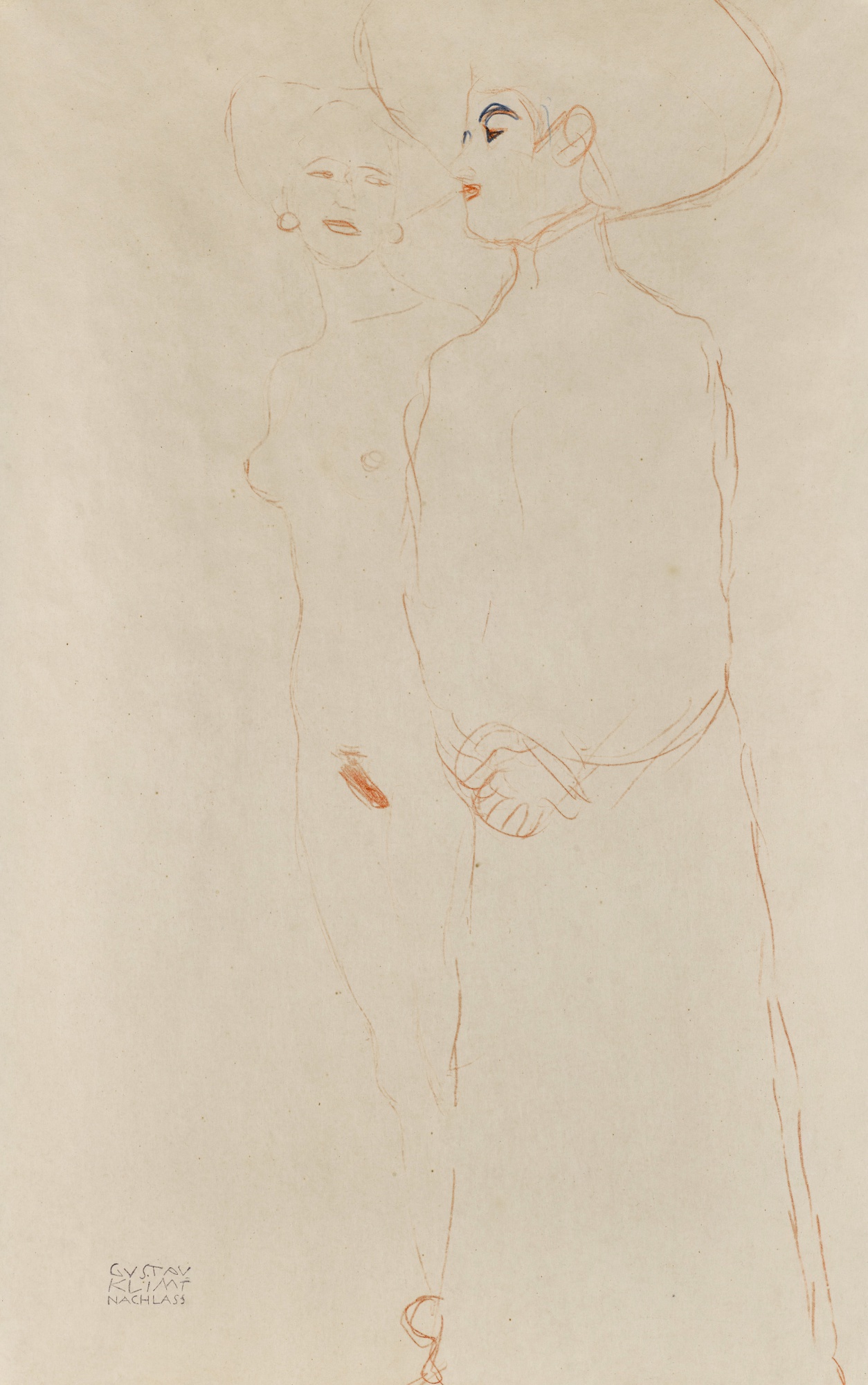
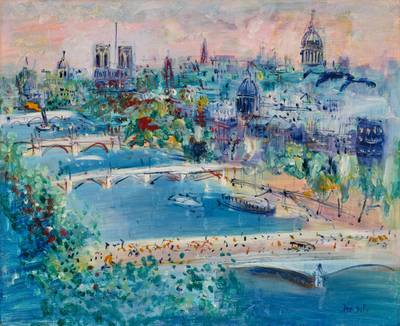
Jean Dufy, who shared with his more famous brother Raoul a love of light and seafront color, worked in a tradition where drawing and painting existed in constant conversation, and crayon and watercolor served as equal partners in recording the world's joyful surfaces. By the early twentieth century, the colored crayon had been absorbed into the broader project of modernism. Pablo Picasso used pastel and wax crayon at various points in his career, particularly during the Rose and Blue Periods, when the softness of the medium suited the tenderness of his subjects. Gustav Klimt, whose extraordinary sense of ornament and surface made him one of the most technically adventurous draughtsmen of his era, produced crayon drawings that rival his paintings in their intimacy and intensity.
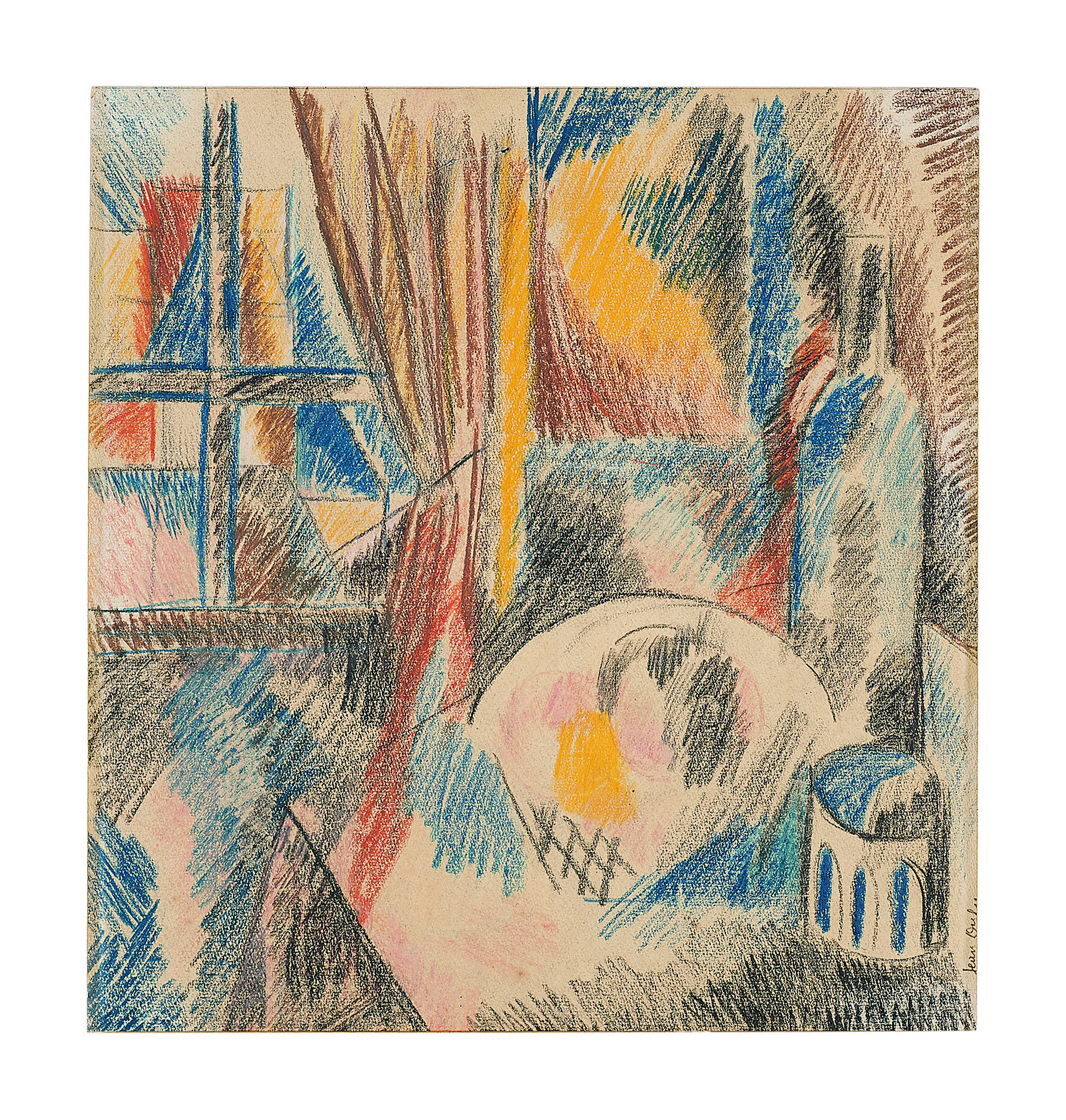
Jean Dufy
Nature Morte
Klimt understood the drawn line as something alive, and crayon gave him a way to build up tone and warmth that graphite alone could not achieve. These were not preparatory works in any subordinate sense. They were complete utterances. The surrealist movement brought crayon to the center of a new kind of inquiry.
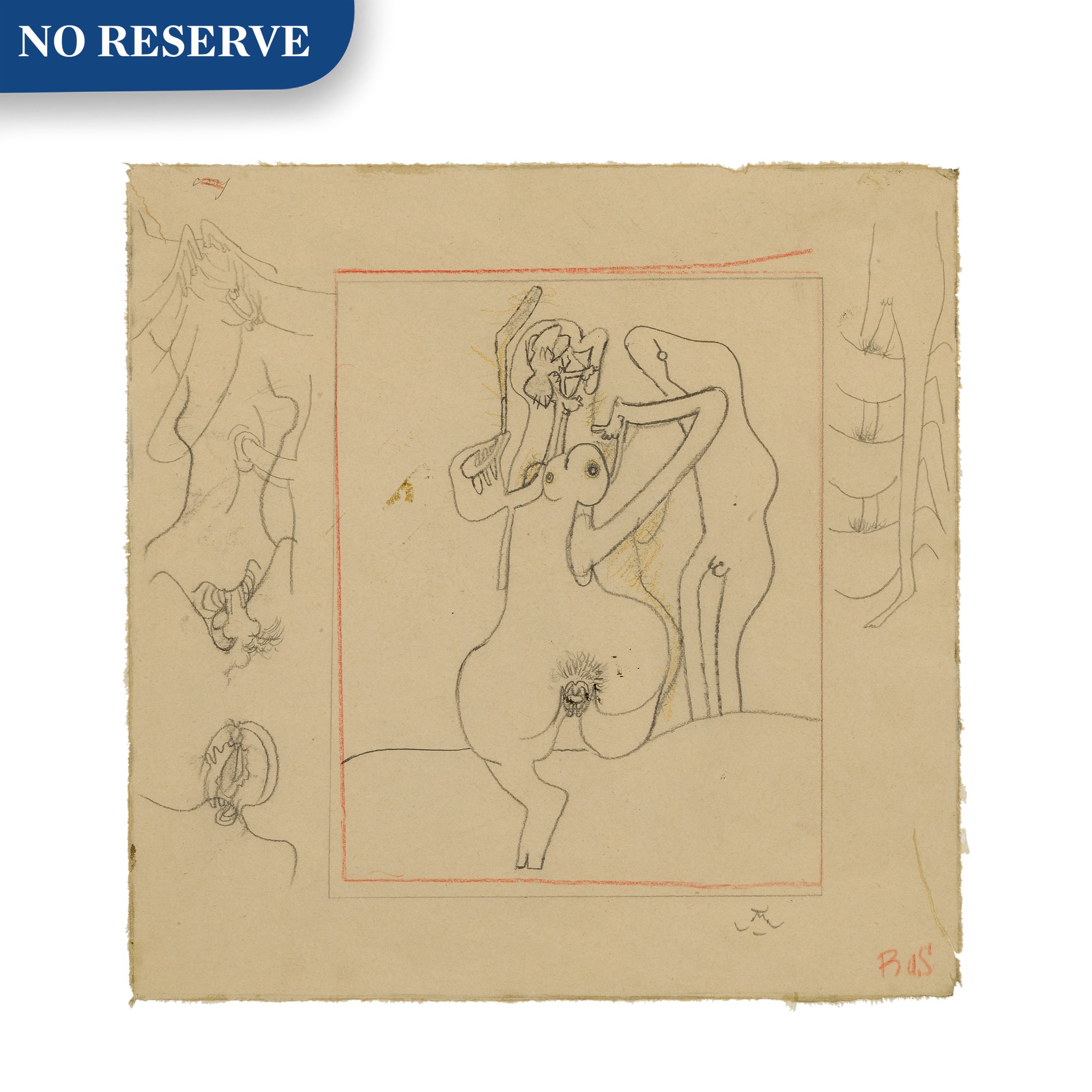
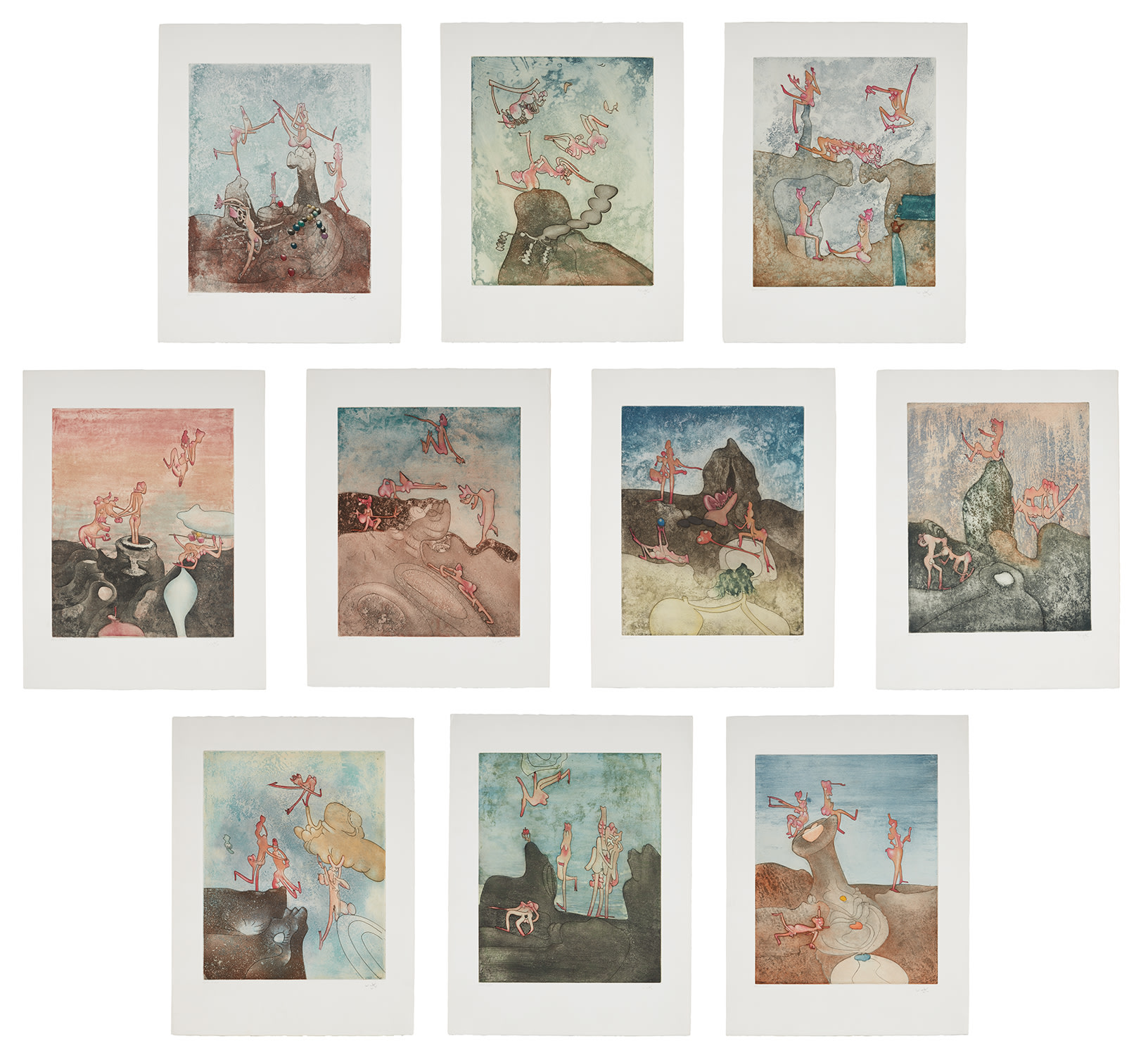
Roberto Matta, the Chilean born painter whose work is well represented on The Collection, developed a practice of automatic drawing that relied on the crayon's capacity to move quickly and leave a trace that felt simultaneously accidental and inevitable. Matta's cosmic interiors, his scenes of psychic architecture and liquid space, began in drawing, and the colored crayon was part of how he trained himself to see beyond the conventions of academic representation. His work from the 1940s onward demonstrates how a medium associated with childhood could become the instrument of profound conceptual ambition. The connection between crayon and childhood is worth taking seriously rather than dismissing.
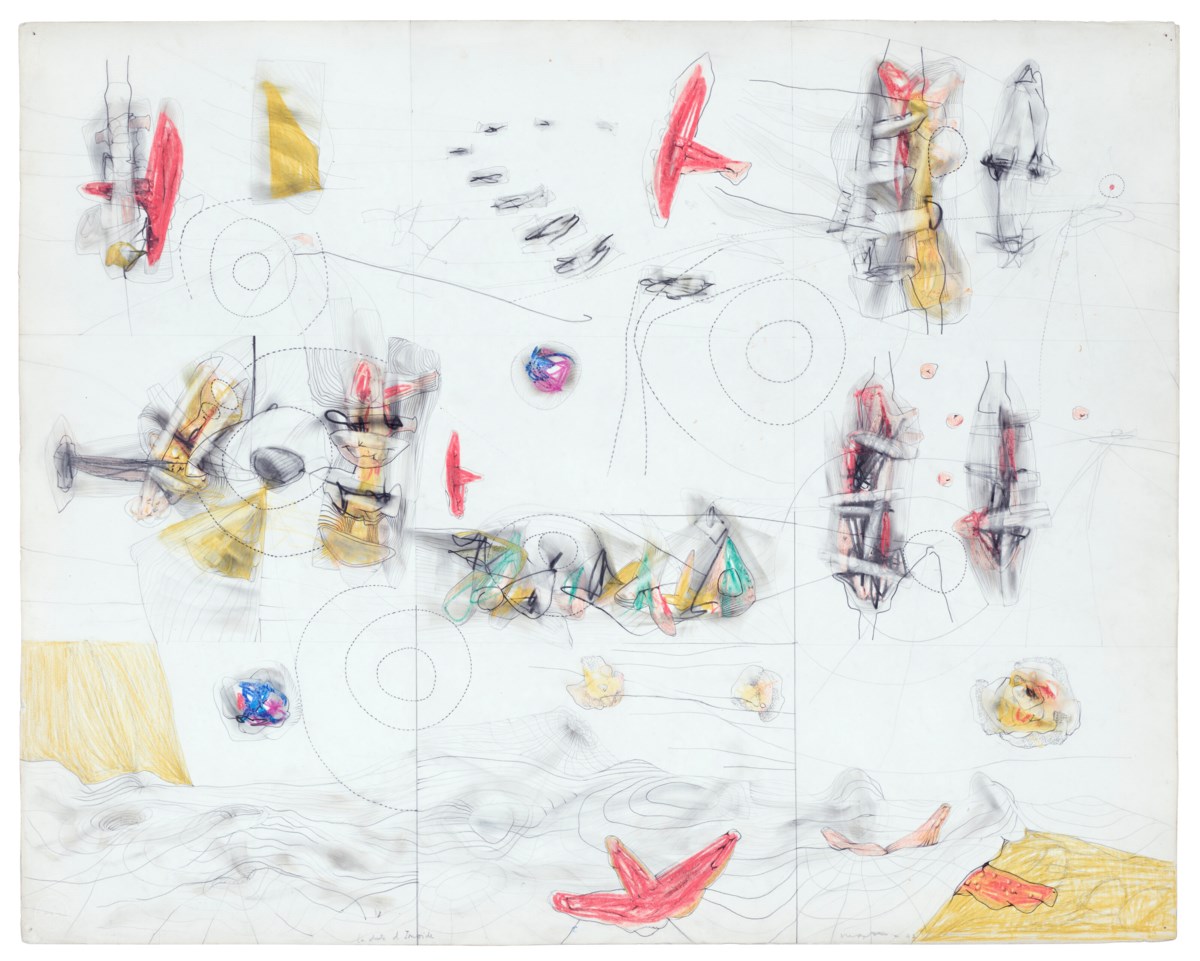
Roberto Matta
Le doute d'Inside, 1942
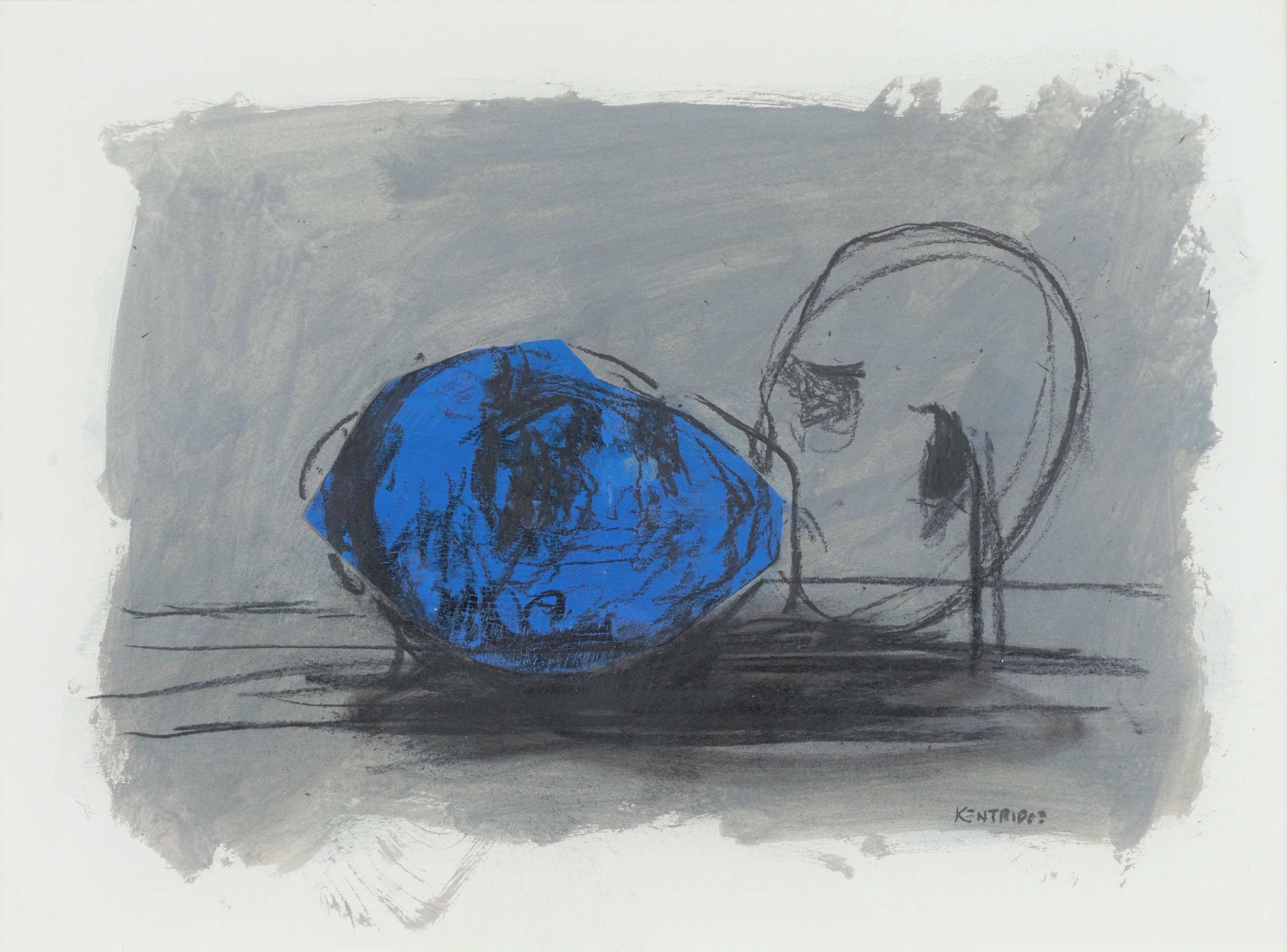
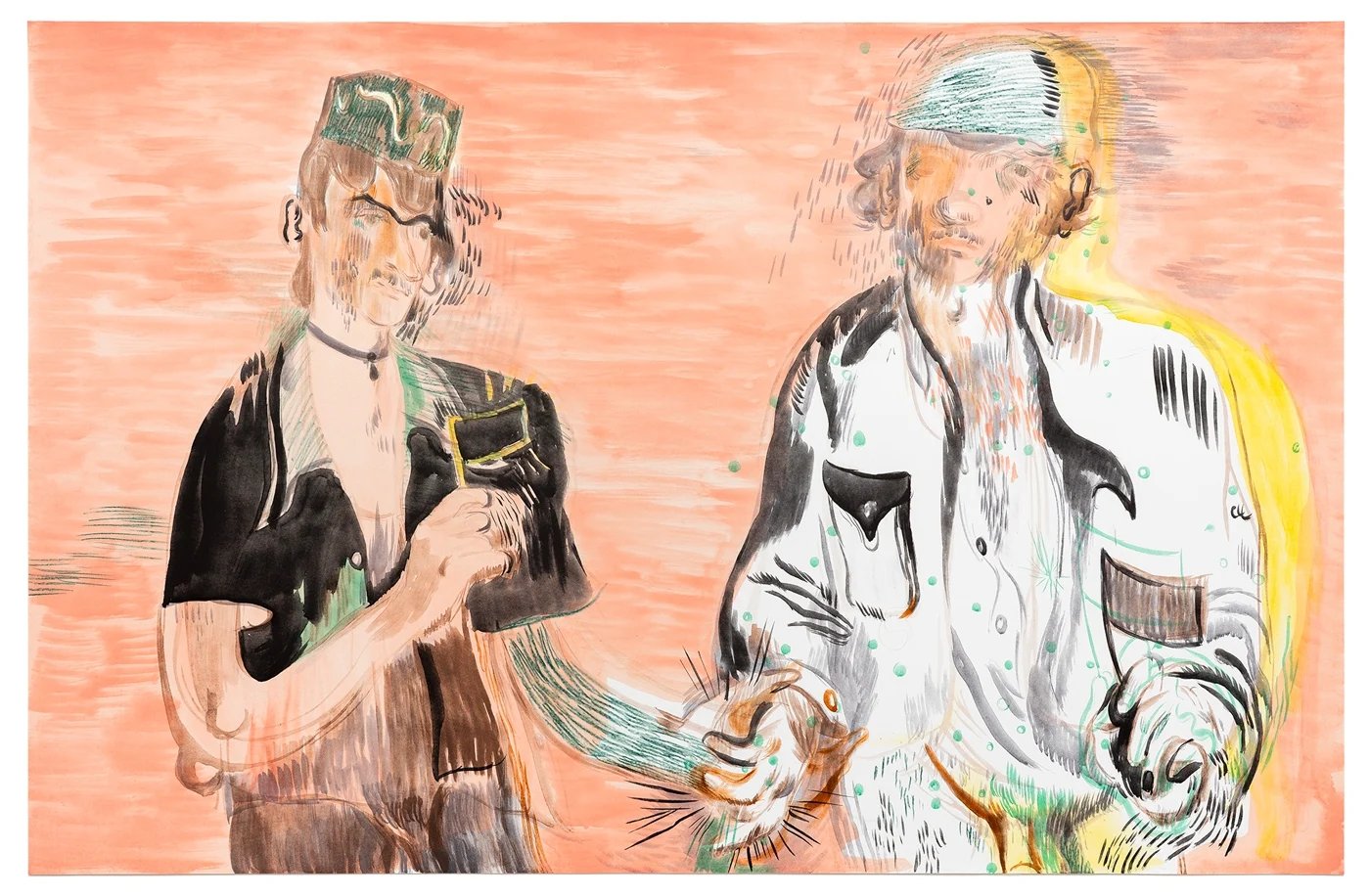
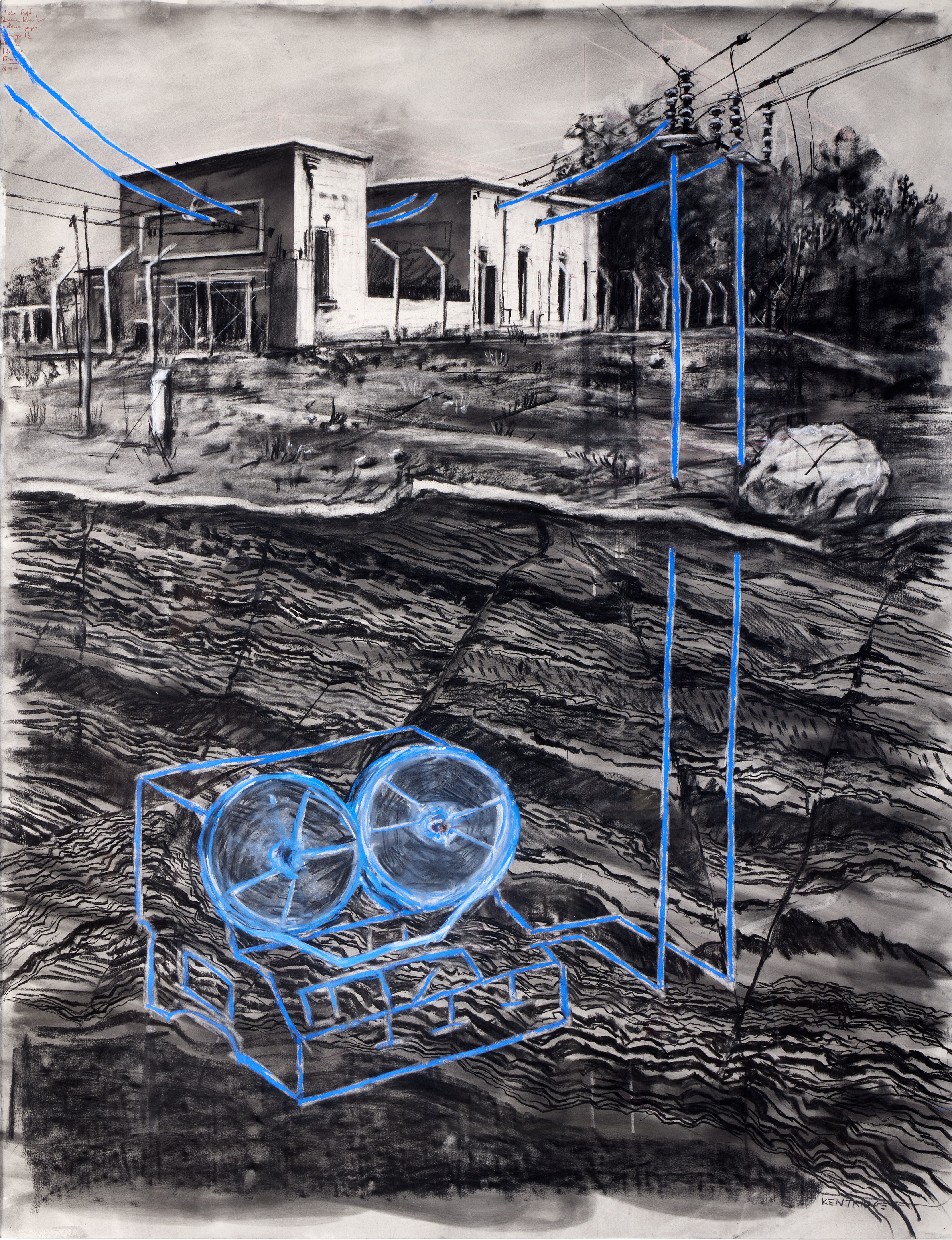
When artists like William Kentridge engage with drawing as a form of thinking, they are drawing on a lineage that includes the marks children make before they are taught to be careful. Kentridge, whose charcoal and pastel work evolves through processes of erasure and accumulation, understands the drawn mark as something temporal as much as spatial. His drawings record their own making, and in this they share something essential with the crayon tradition, in which the waxy residue of each stroke remains visible as both color and texture, neither fully absorbed into the surface nor entirely separate from it. David Hockney's long engagement with drawing materials of all kinds has always included a democratic appreciation for the colored crayon.
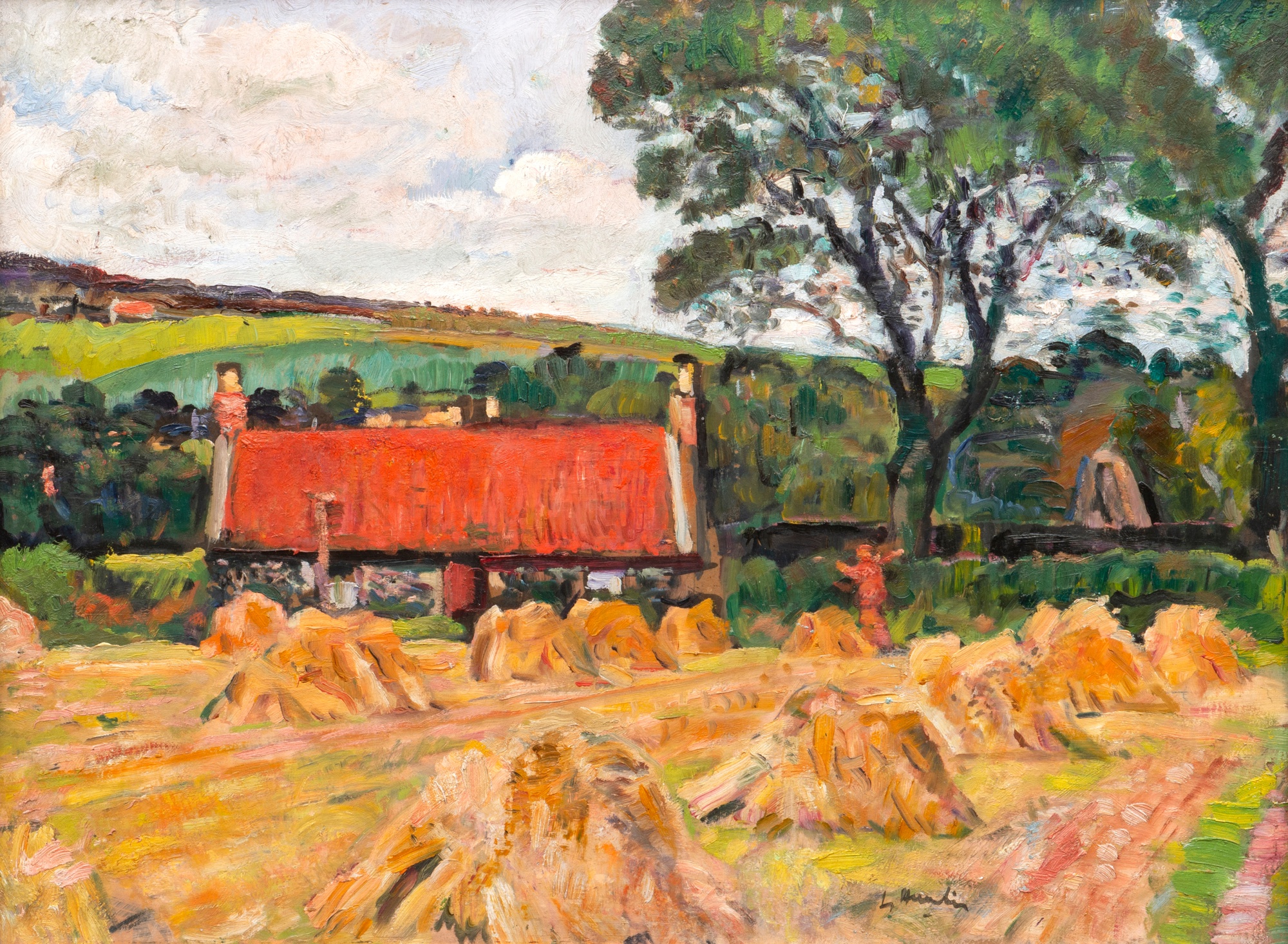
His works on paper from the 1960s and 1970s, made during his years in Los Angeles, use color with a frankness that oil sometimes suppresses. Hockney has spoken about the pleasure of materials that respond immediately, that do not require drying time or elaborate preparation. The colored crayon offered him exactly that kind of urgency, and his crayon drawings from this period are among the most pleasurable works of his career to spend time with. George Leslie Hunter, the Scottish Colourist whose sunny Mediterranean palette placed him somewhat outside the dominant schools of his time, used drawing materials to capture the same luminosity he pursued in oil.
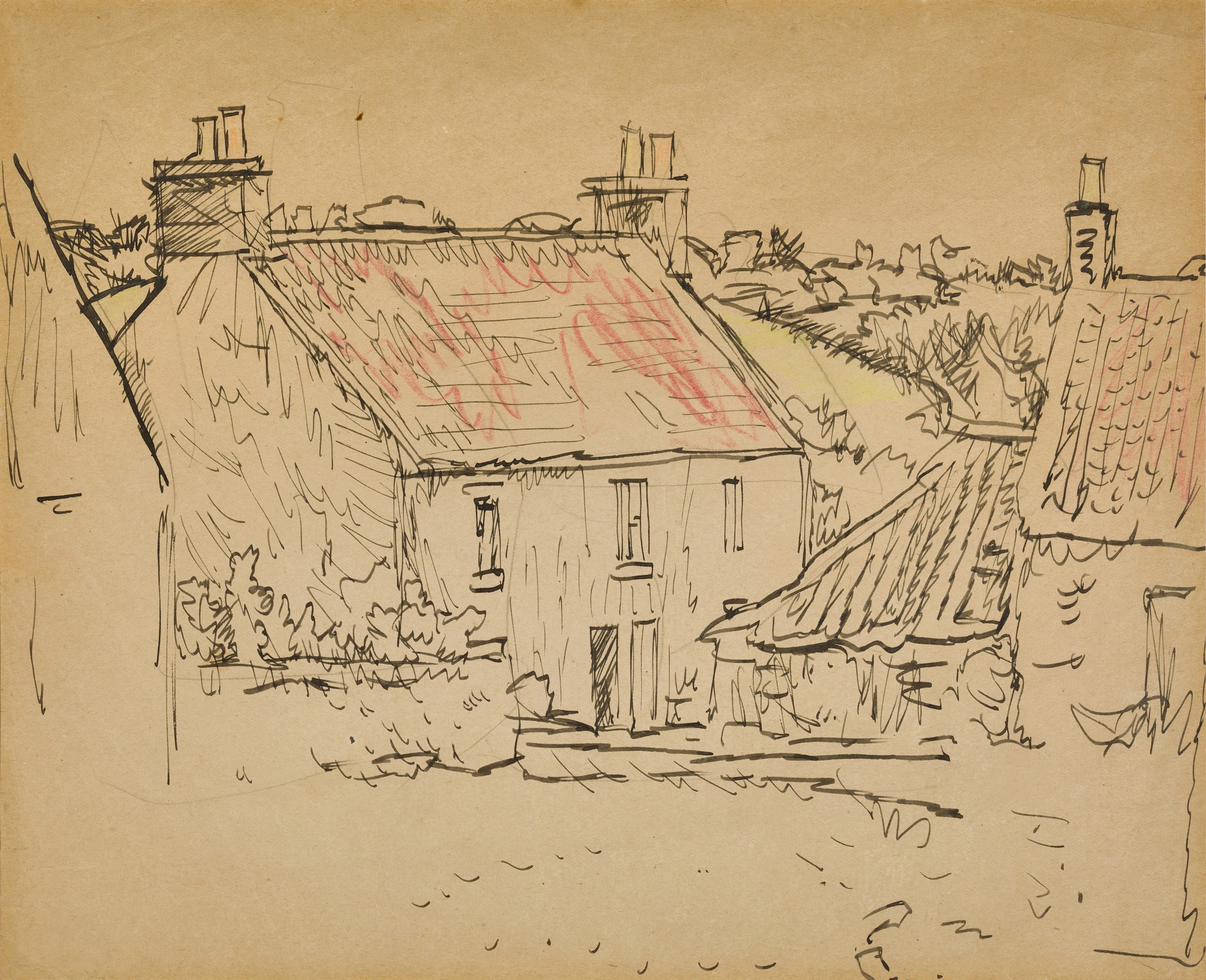
George Leslie Hunter
A Cottage
Hunter's work reminds us that the colored crayon belongs to a broader tradition of color thinking that cuts across national and stylistic boundaries. The Colourists were not doctrinaire in their methods. They used whatever tools produced the sensation of color as light, and drawing was never a lesser pursuit. Today, the colored crayon occupies an interesting position in the market and in critical conversation.
Works on paper, once considered the supporting cast to paintings, have steadily gained recognition as primary works. Major collecting institutions and auction houses have revised their attitudes accordingly, and the past two decades have seen extraordinary prices achieved for drawings that in an earlier era might have been described as studies. The colored crayon, in particular, benefits from a renewed interest in process and materiality, two of the defining preoccupations of contemporary collecting. What the best crayon works offer a collector is something paintings sometimes resist giving.
They are close to the artist's thinking. They preserve the evidence of decision and revision. They are immediate in a way that can feel almost conversational, as though the artist is still in the room. For a platform like The Collection, where works on paper sit alongside oils and prints in a genuinely diverse gathering of serious art, colored crayon represents not a lesser category but a distinct and rewarding one, full of works that reward long looking and reward it differently each time.