Cattle
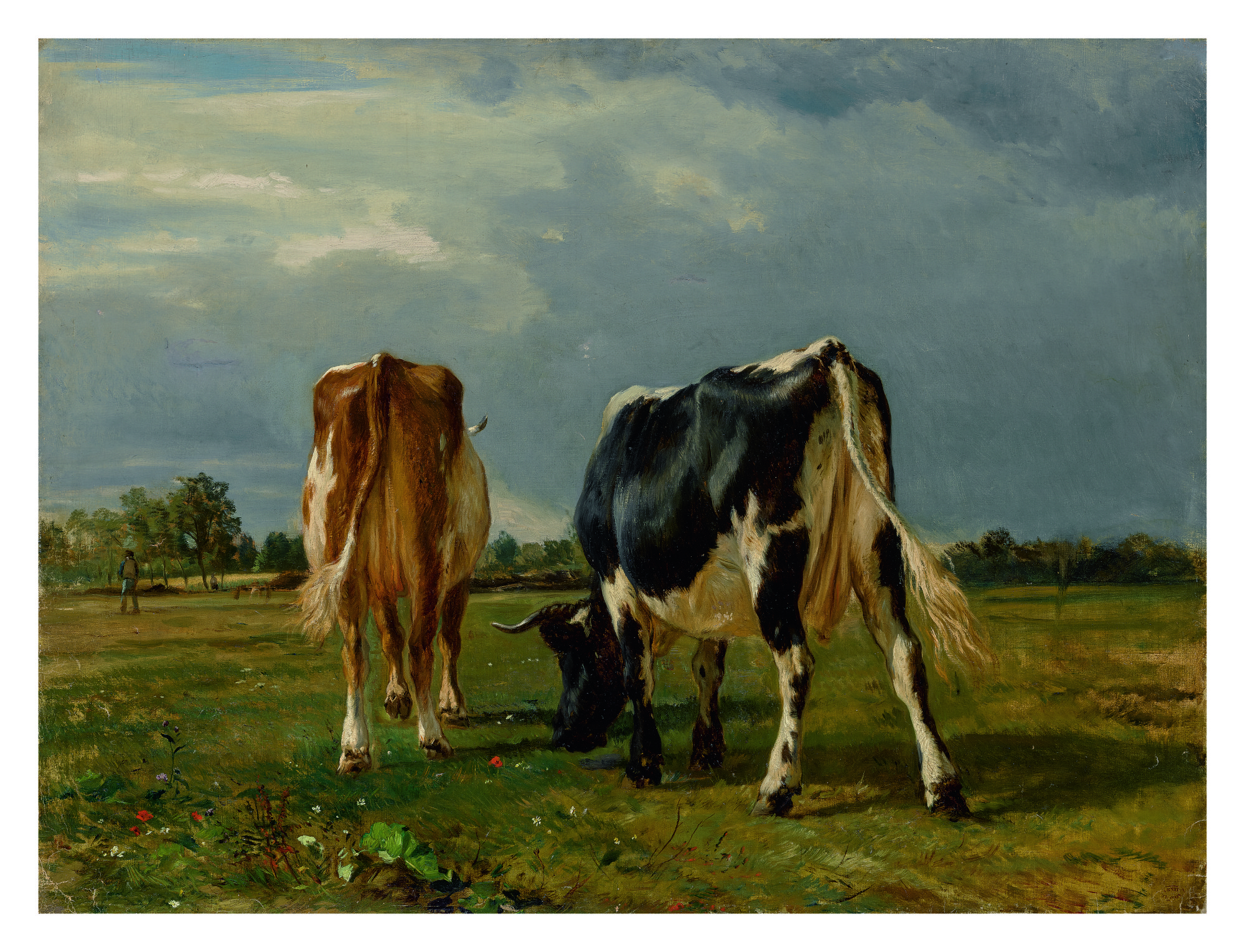
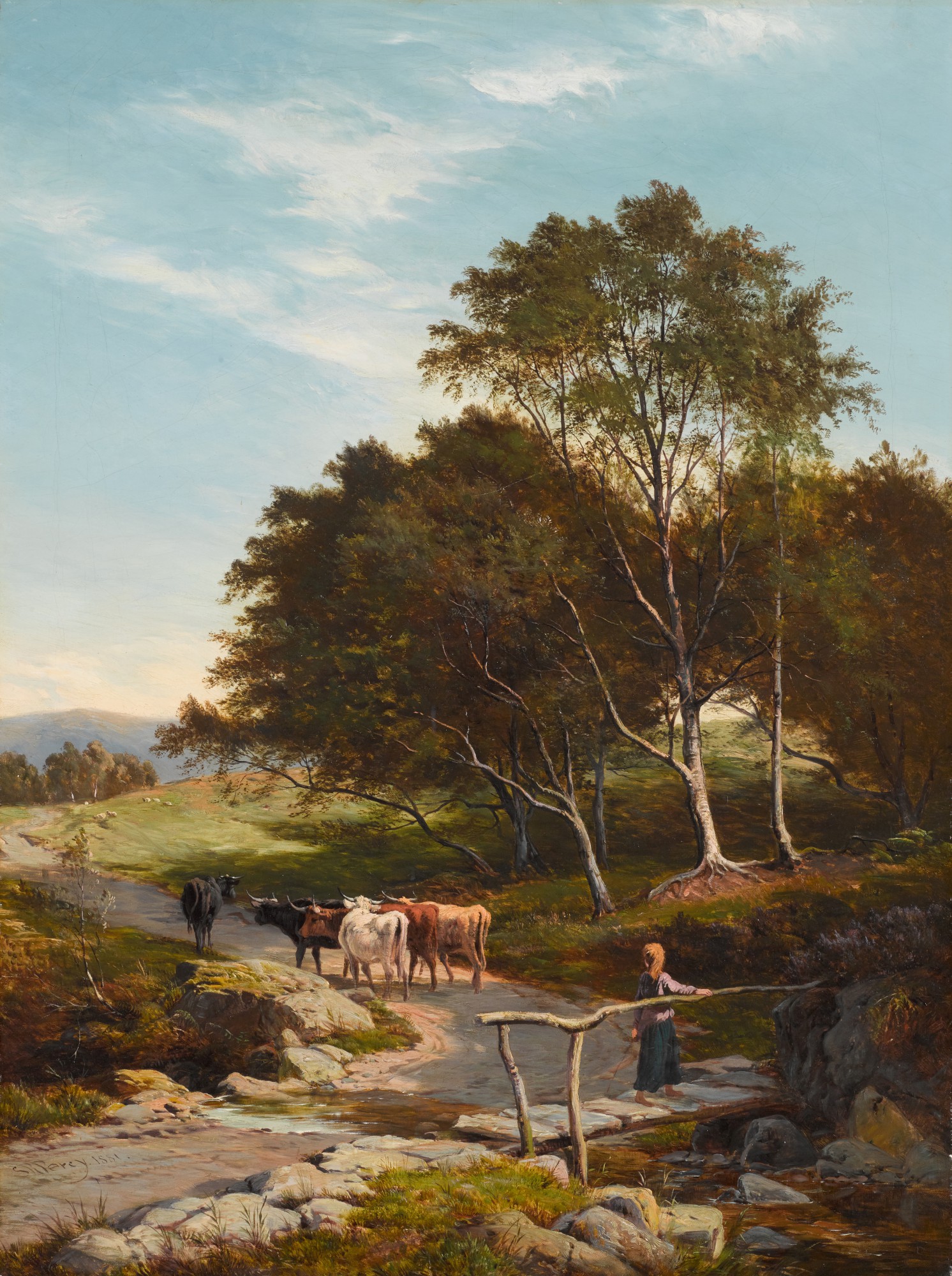
Constant Troyon
Cows In A Pasture
The Animal That Made Landscape Mean Something
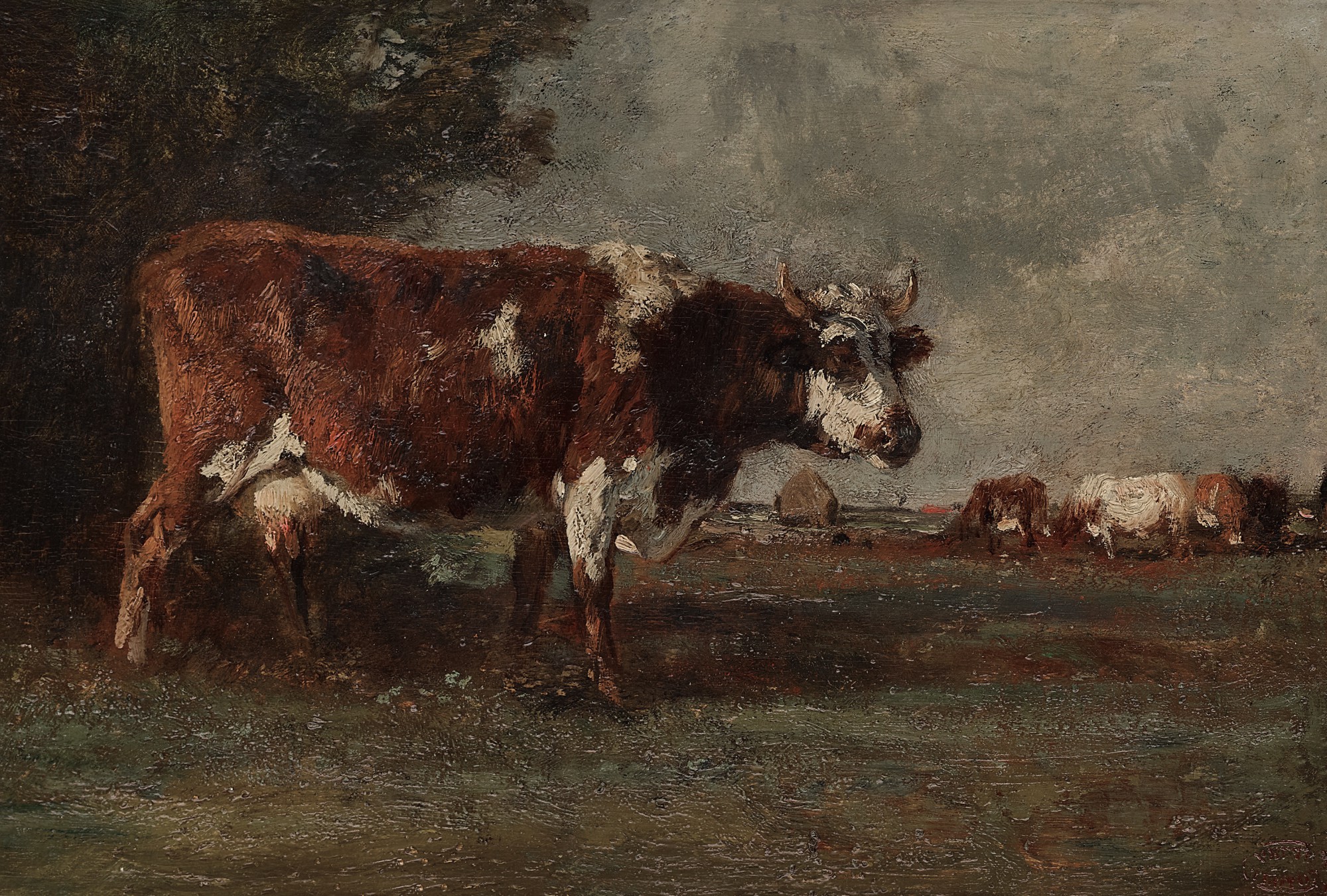
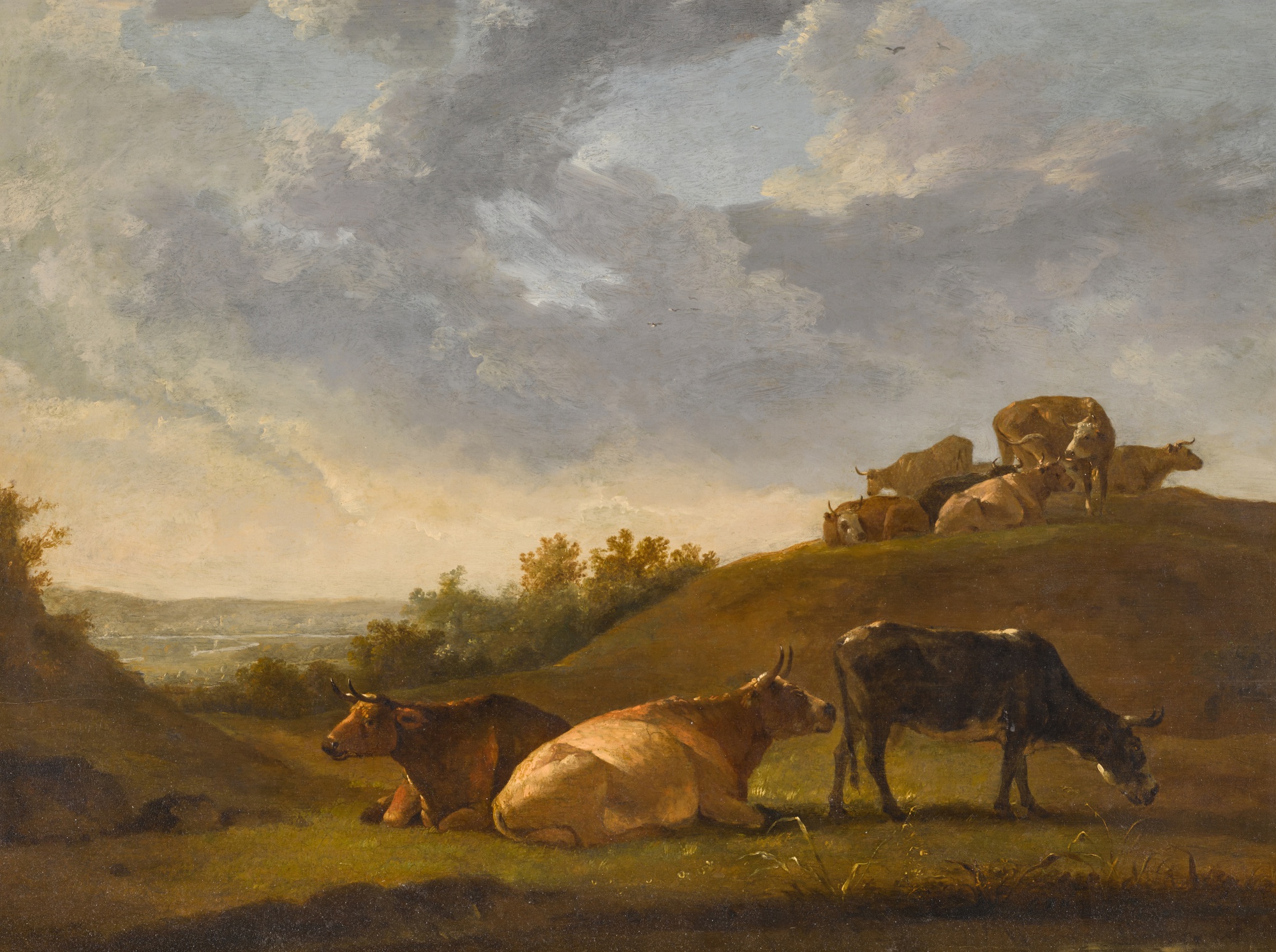
When a work attributed to the manner of Aelbert Cuyp sold at Christie's London a few seasons ago, the room paid attention in a way that surprised even seasoned observers. Not because of provocation or novelty, but because of an almost physical sense of recognition, the kind that only certain subjects can produce. Cattle in landscape, golden afternoon light, a stillness so complete it borders on the metaphysical. The result came in well above estimate, a reminder that this territory, which some had written off as decorative and settled, carries a stubbornness of its own.
The pastoral tradition in European painting has always been more philosophically loaded than it appears. When Constant Troyon was working at the height of his powers in the 1850s and 1860s, his cattle paintings were not simply beloved by collectors and the Salon establishment, they were making an argument about what painting was for. Nature, labor, the uncomplicated dignity of animals going about their business while clouds shifted overhead: these were not nostalgic subjects so much as counter arguments to an industrializing world. The market has never entirely forgotten this.
Constant Troyon
Cows In A Pasture
Troyon commands serious prices at auction today, particularly when the handling is confident and the atmospheric conditions are right, which is to say when the light does what light in his best work does, which is everything. The broader Barbizon conversation has had a genuine critical revival over the past decade, and cattle painting sits at the center of it. The Musée d'Orsay has done considerable work repositioning the Barbizon painters away from the cozy category of proto Impressionist footnotes and toward something more complex and contested. Charles Émile Jacque, who is well represented on The Collection, was as much an etcher as a painter, and recent scholarship has paid serious attention to the way his graphic work shaped his pictorial instincts, the line quality in his painted sheep and cattle carrying something that oils alone could not entirely explain.
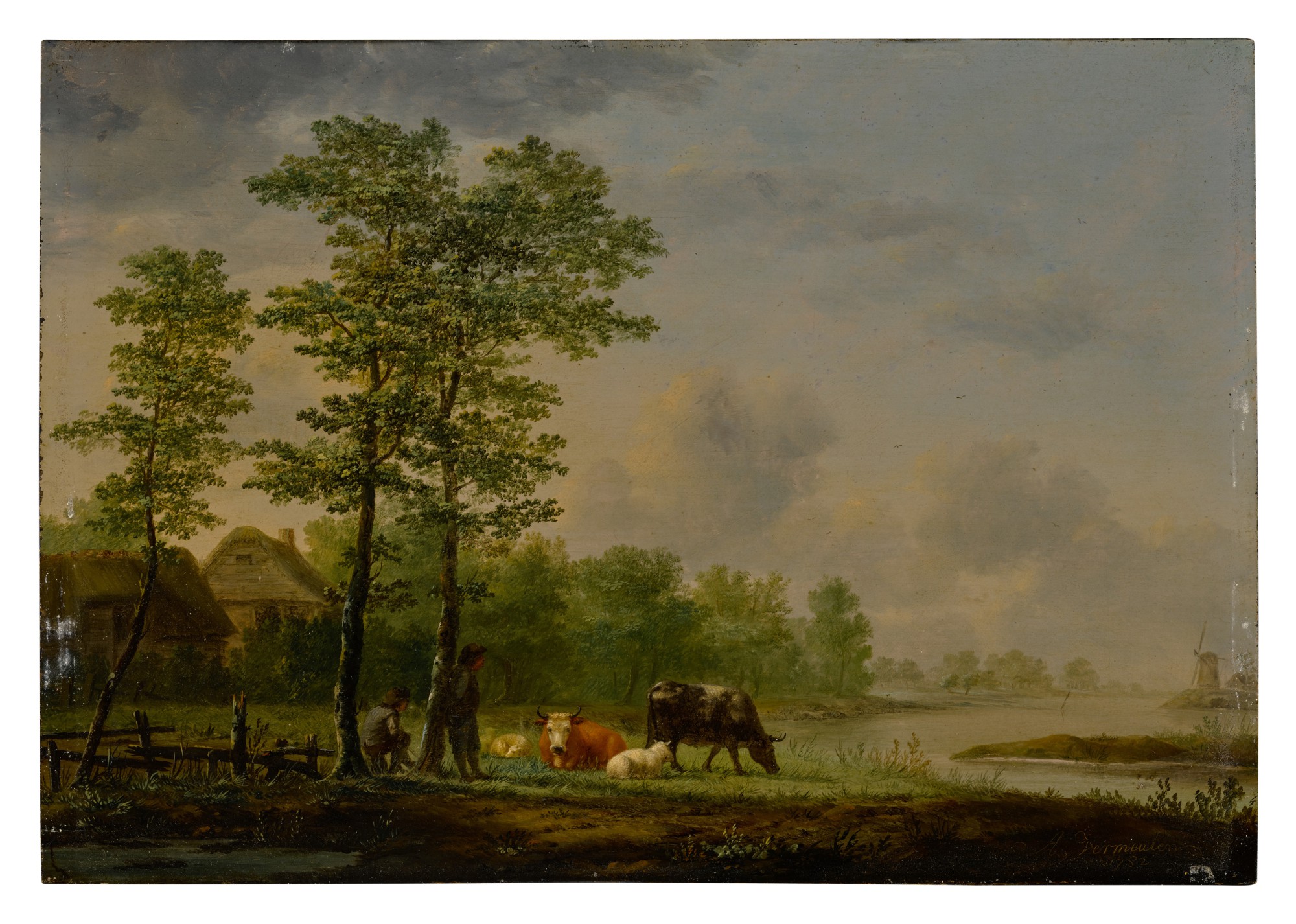
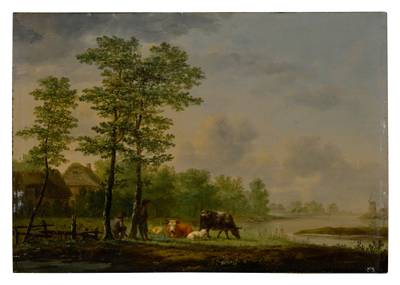
When institutions start looking carefully at the printmaking alongside the painting, you know the conversation has matured. The Dutch and Flemish side of this tradition operates in a different register entirely, and the market treats it accordingly. Works associated with Aelbert Cuyp have long attracted the kind of collector who takes the long view, patient, confident in quality, willing to wait for the right moment. Jacob van Strij and Andries Vermeulen, both present in The Collection, worked in a tradition that was already consciously revivalist in their own time, looking back to the golden age with a mixture of admiration and ambition.
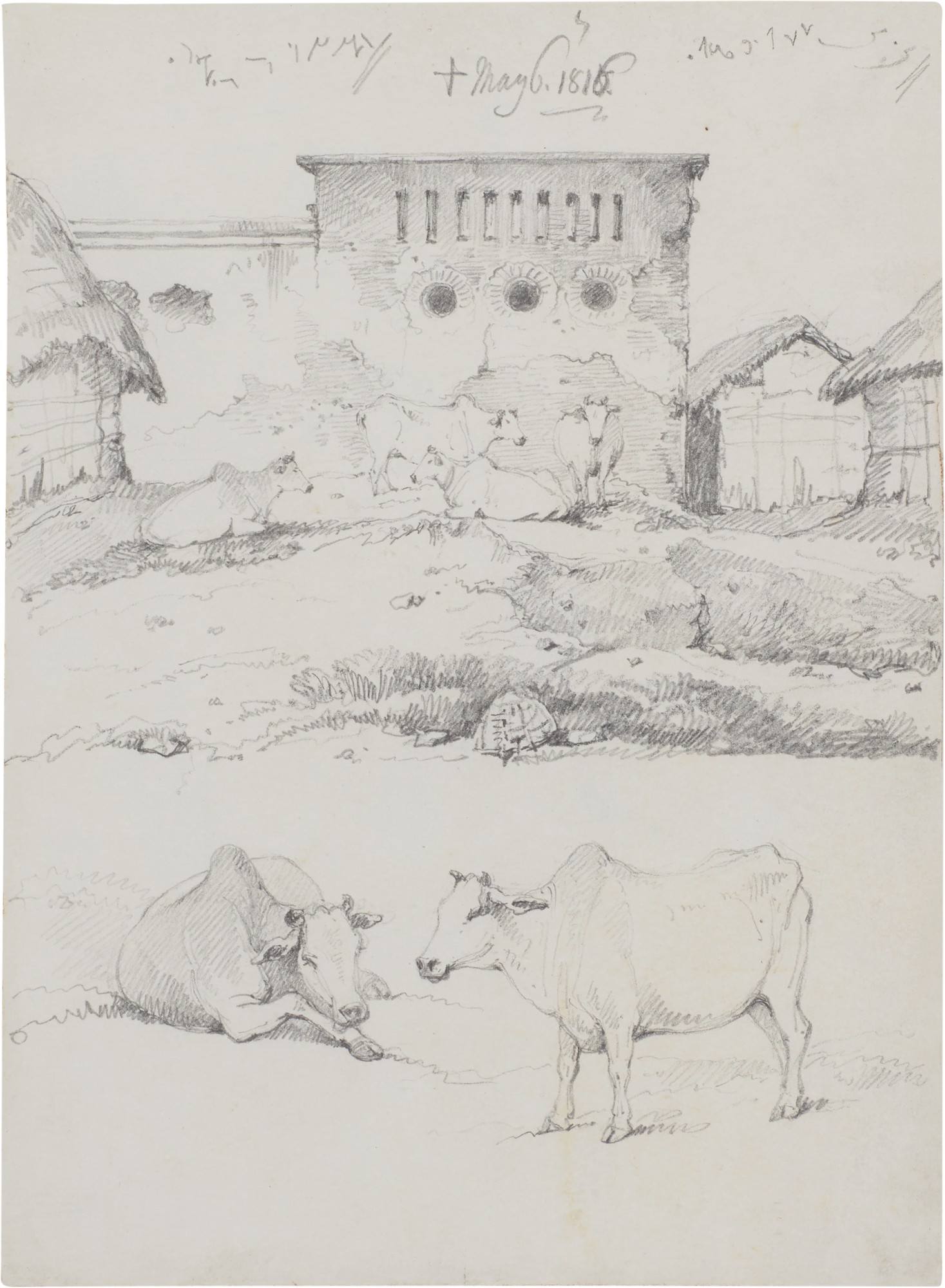
George Chinnery
Cattle in an Indian village
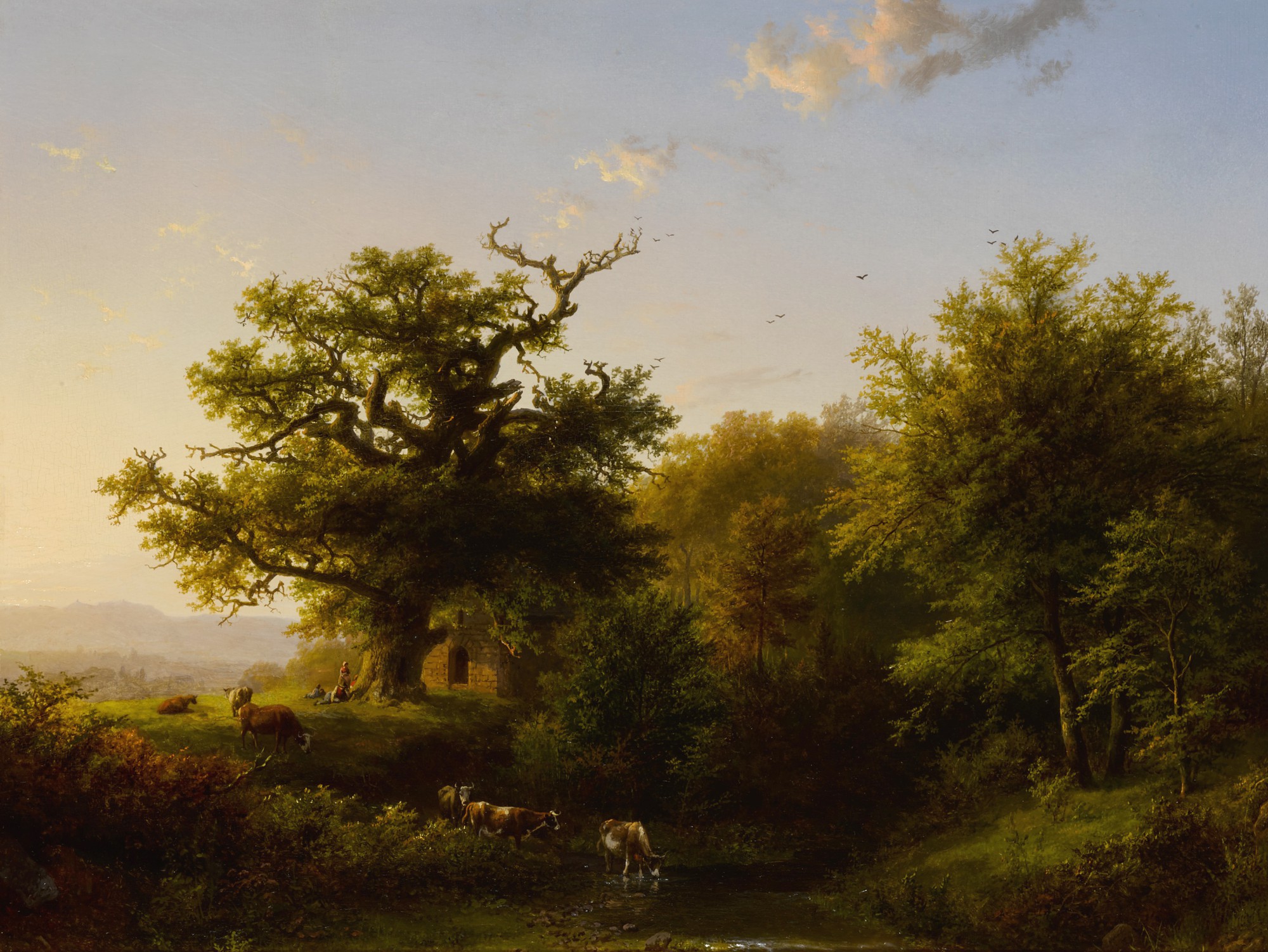
That layered quality, paintings that were already thinking about their own tradition, gives them an intellectual texture that some newer collectors find unexpectedly engaging. Barend Cornelis Koekkoek operates in a similar spirit, a painter of such technical accomplishment that his work has held value through multiple cycles of taste. What has surprised the market in recent years is the energy around non European contributions to this tradition. George Chinnery, working in Macau and along the China coast in the early nineteenth century, brought the conventions of British pastoral into contact with entirely different landscapes and entirely different cattle, and the results are genuinely strange and genuinely wonderful.
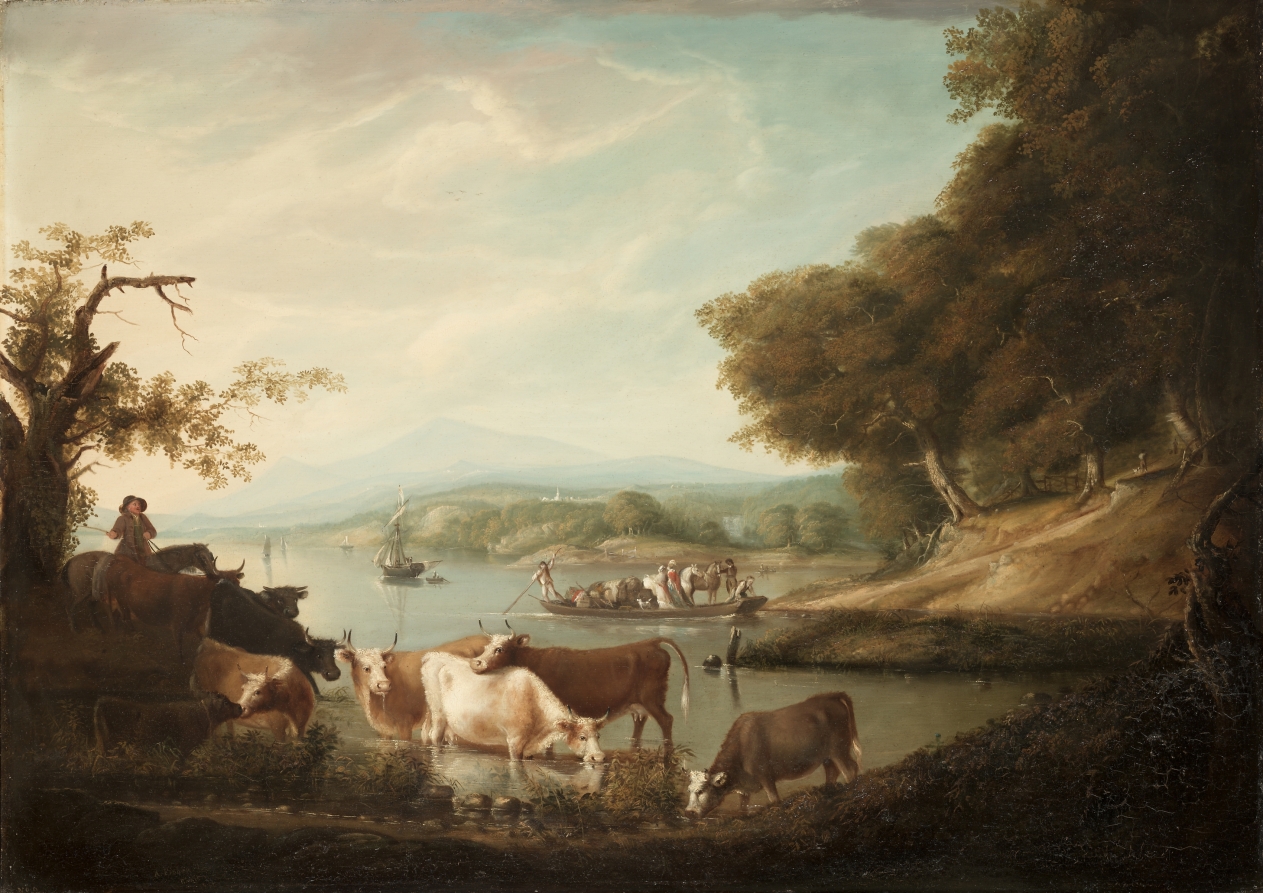
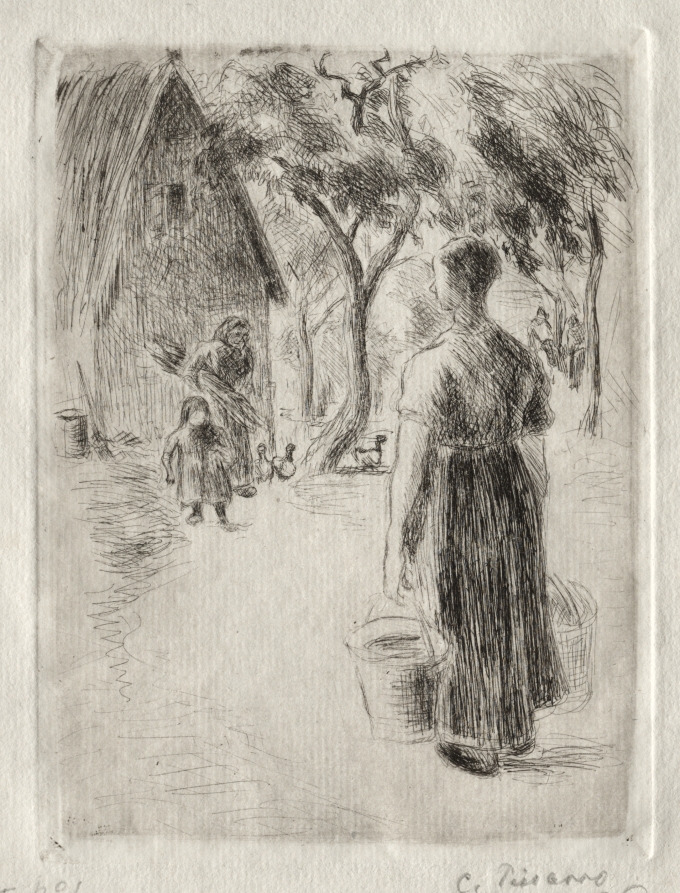
Alvan Fisher, the American who was painting cattle in New England before the Hudson River School had fully crystallized its identity, is having a quiet reassessment moment, with American museums and private collectors both showing renewed appetite. The question of where pastoral tradition traveled, how it adapted to new geographies and new cultural pressures, is animating a lot of curatorial thinking right now. Camille Pissarro's occasional cattle subjects are instructive precisely because they sit at an angle to his better known work. When one of these pieces surfaces at auction, it tends to generate a particular kind of excitement among collectors who understand that Pissarro's engagement with rural labor was not incidental to his politics or his pictorial experiments, it was central.
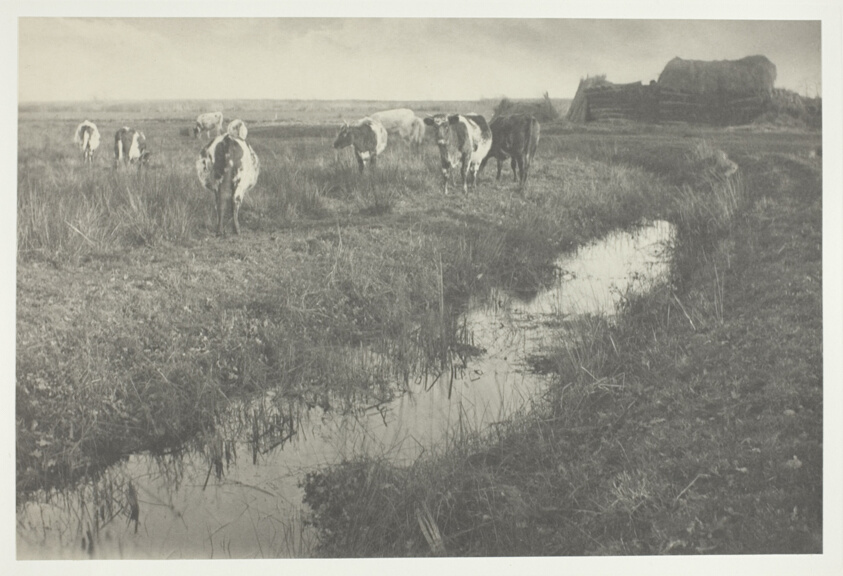
Peter Henry Emerson
Cattle on the Marshes, 1886
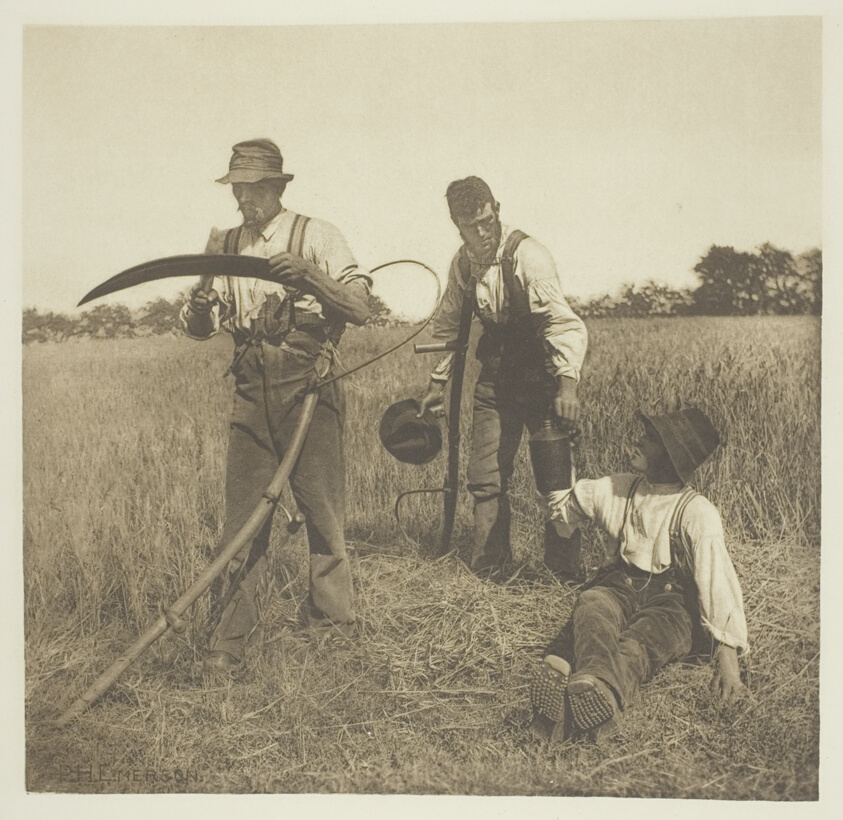
Peter Henry Emerson brought the camera to similar territory in the 1880s, his photographs of East Anglian marshes and the people and animals who inhabited them arguing for photography as a naturalist practice rather than a mechanical one. That his work appears alongside painters in collections devoted to this subject says something real about how seriously the photographic tradition in pastoral subjects is now being taken. The institutional collecting picture is telling. The Rijksmuseum, the National Gallery in London, and the Wadsworth Atheneum in Hartford have all made meaningful acquisitions in related territory over the past several years, not headline grabbing purchases but the kind of steady, considered additions that indicate genuine scholarly conviction.
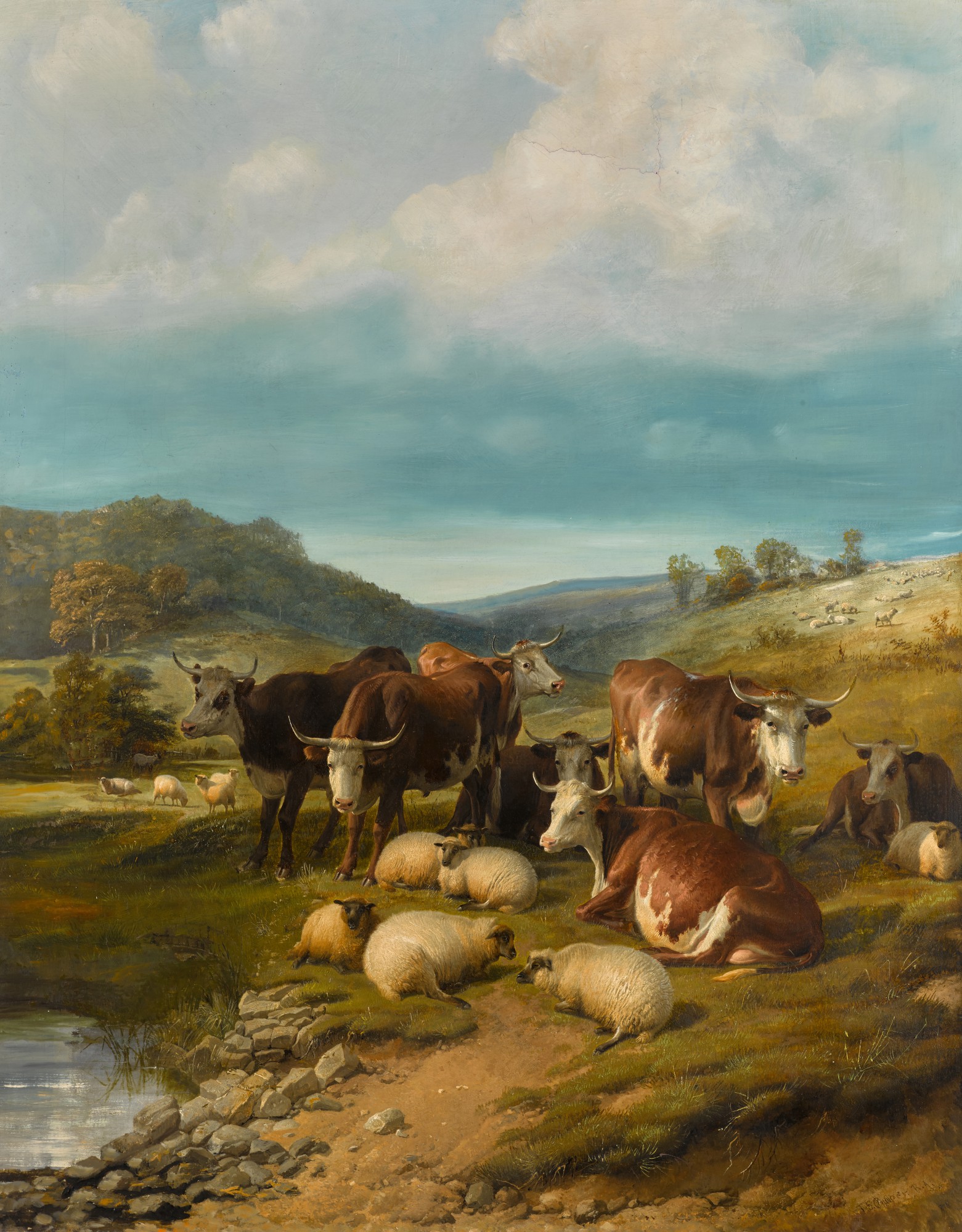
When museums are buying, they are also programming, and programming means publications, loans, and the slow accumulation of critical mass that changes how a category is understood. Thomas Sidney Cooper, who exhibited at the Royal Academy for an almost incomprehensible span of decades and built a reputation so solid it eventually became a liability in modernist eyes, is being reconsidered with fresh patience. The critical writing around this territory has become more sophisticated as the category has attracted more serious attention. Historians working at the intersection of environmental thought and art history have found pastoral painting to be unusually rich material, not as innocent images of nature but as complex negotiations with what nature meant to people living through specific historical moments.
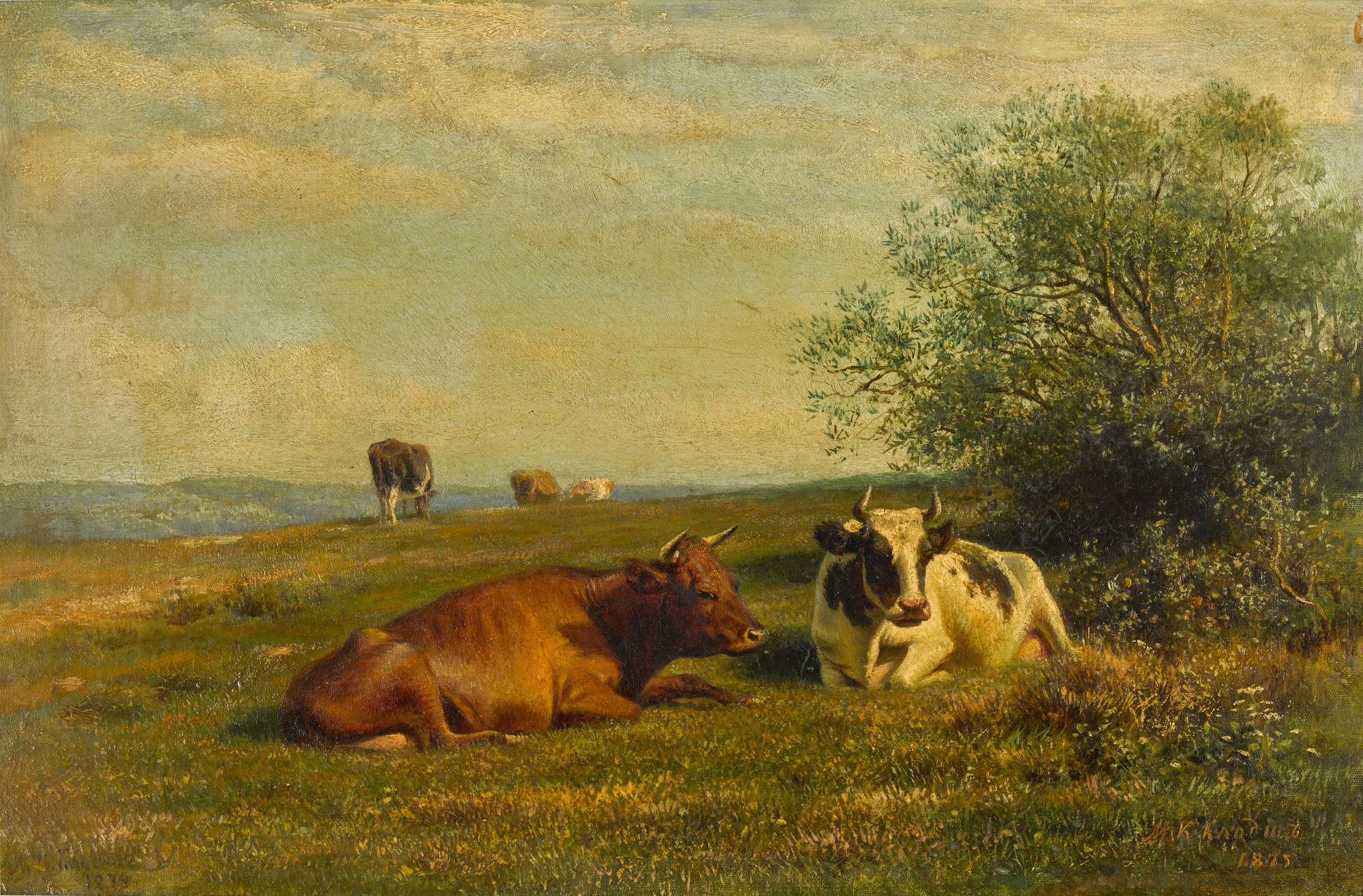
Mikhail Petrovich Klodt
Cows in the Pasture
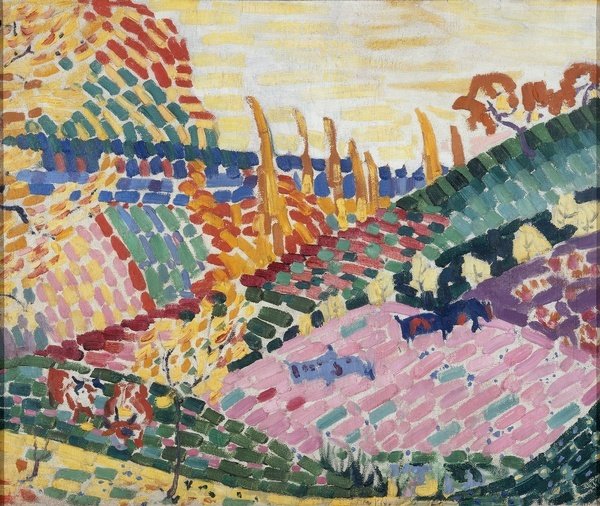
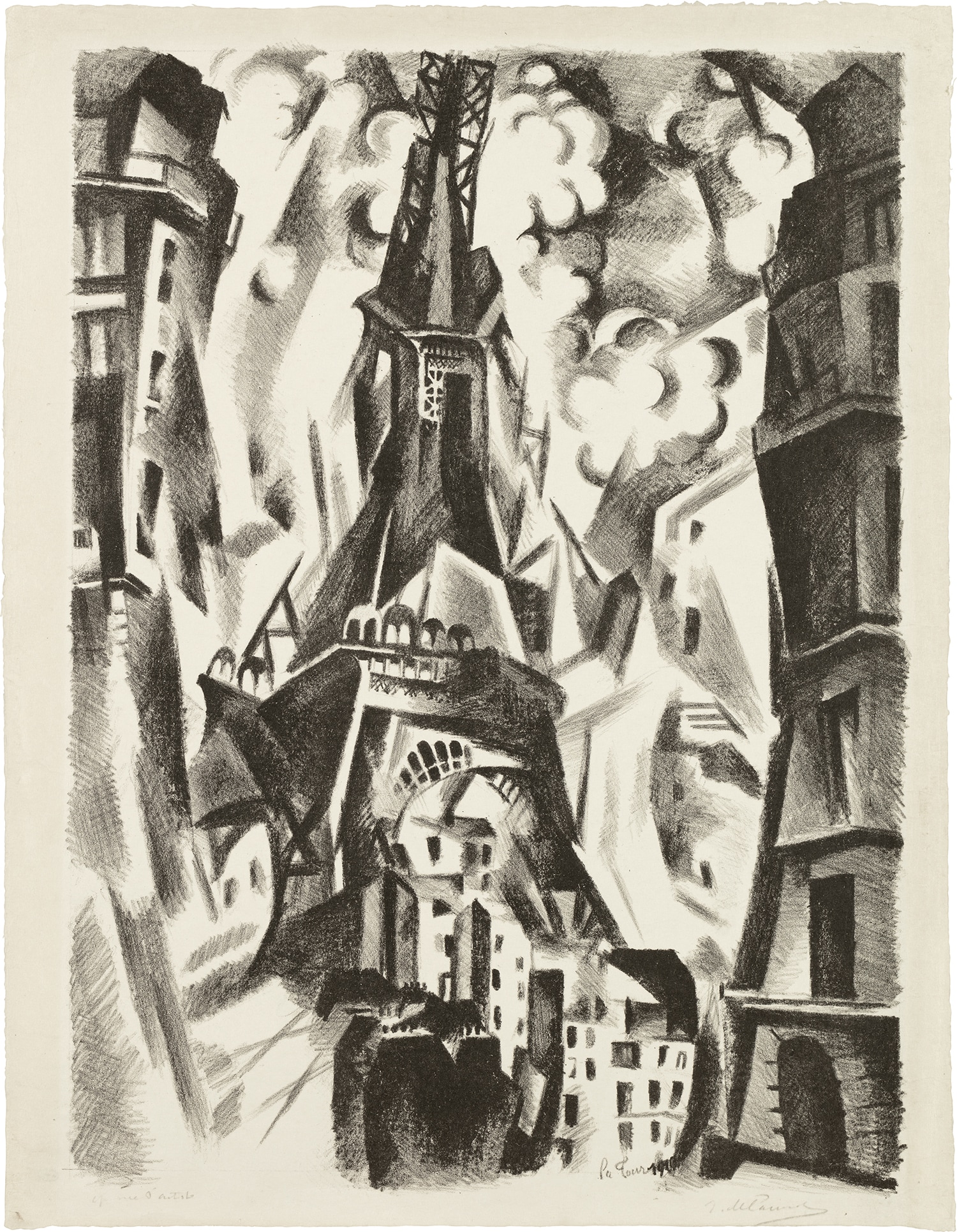
Robert Delaunay on The Collection might seem an unlikely presence in this conversation, but the question of how modernism processed and transformed the conventions it inherited from the pastoral tradition is one that serious critics have begun to ask more directly. What feels alive right now is the willingness to look across national traditions and across media simultaneously, to put Troyon and Emerson and Chinnery and Mikhail Petrovich Klodt in the same room and ask what they share and what separates them. Klodt, working in the Russian naturalist tradition, reminds us that the pastoral impulse was not confined to Western Europe, that questions of land, labor, and light were being worked out in paint across the continent and beyond. The collector who enters this territory now enters it at a moment when the scholarship is catching up with what the best works have always known.
The surprise that may be coming is how contemporary artists engage with these conventions, not in quotation but in genuine reckoning. The cattle are still in the field. The conversation around them has never been more interesting.