Castle
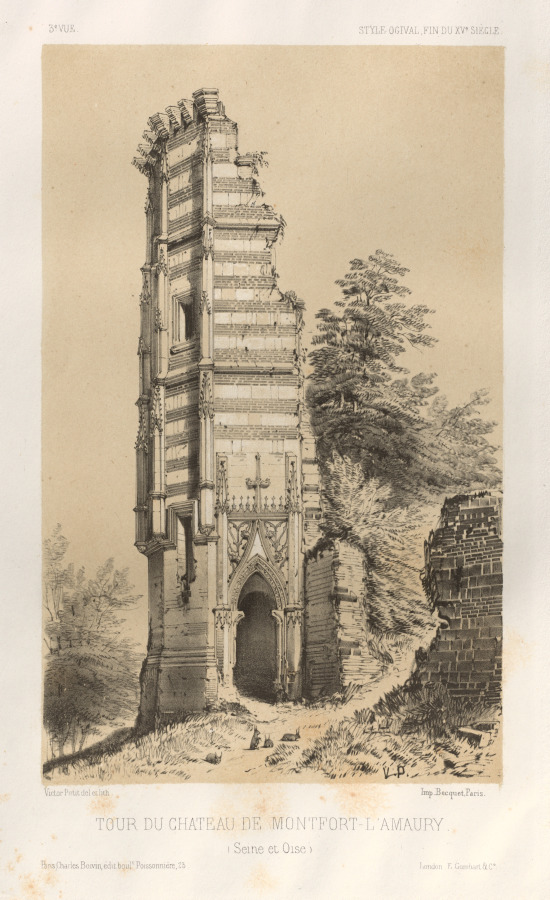
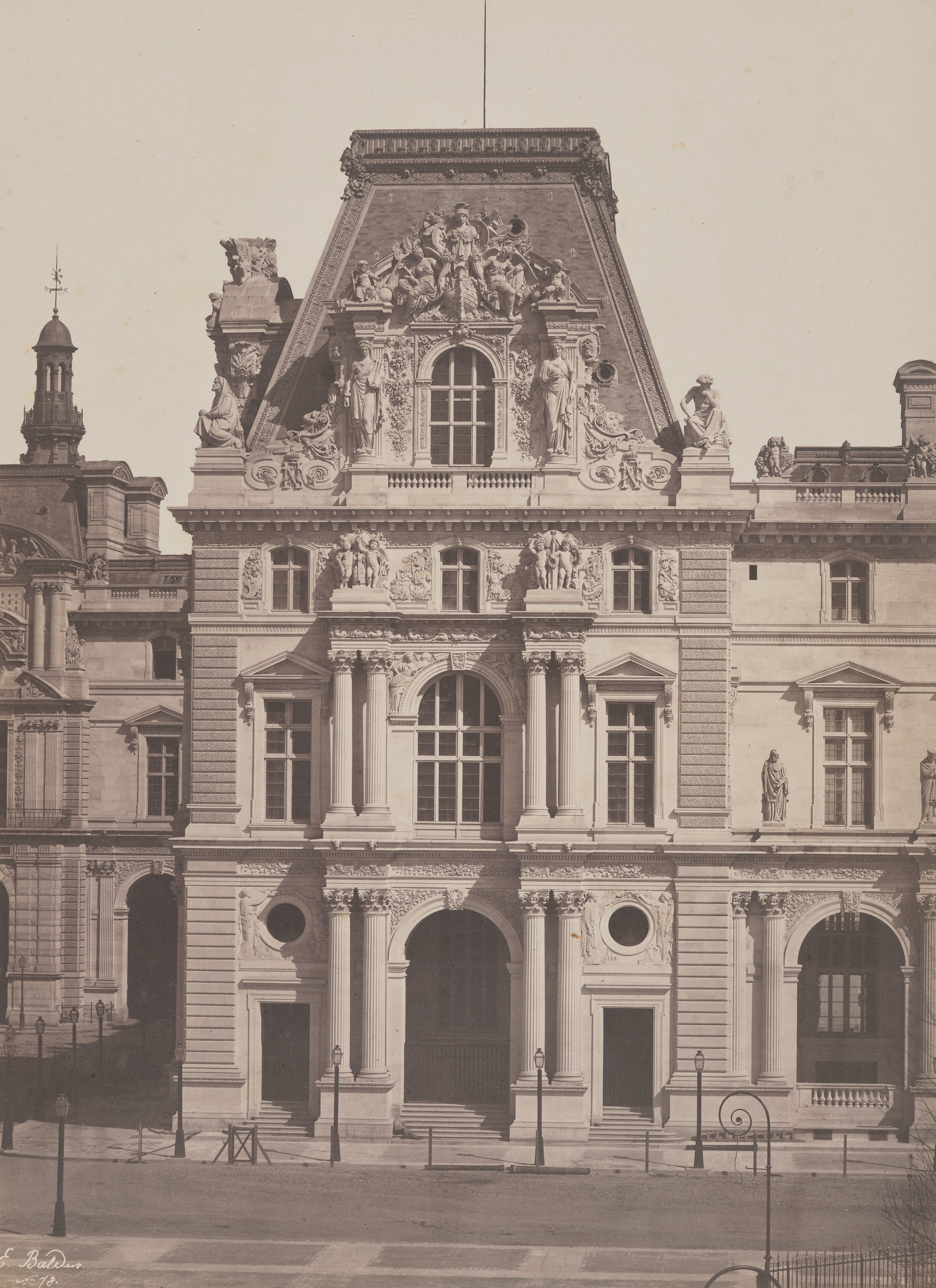
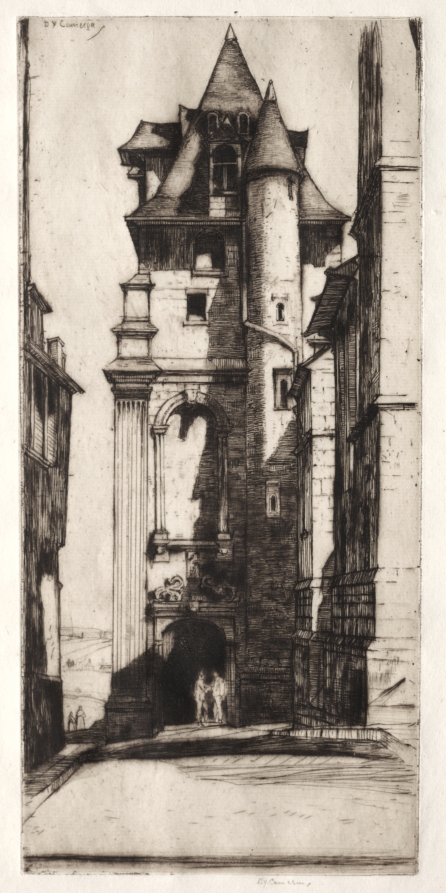
Victor Petit
Architecture Pittoresque ou Monuments des xveme. Et xvieme. Siecles: Chateaux De France des XV et XVI Siecles: Pl.3, Tour du chateau de Montfort-l'Amaury (Seine-et-Oise), 1860
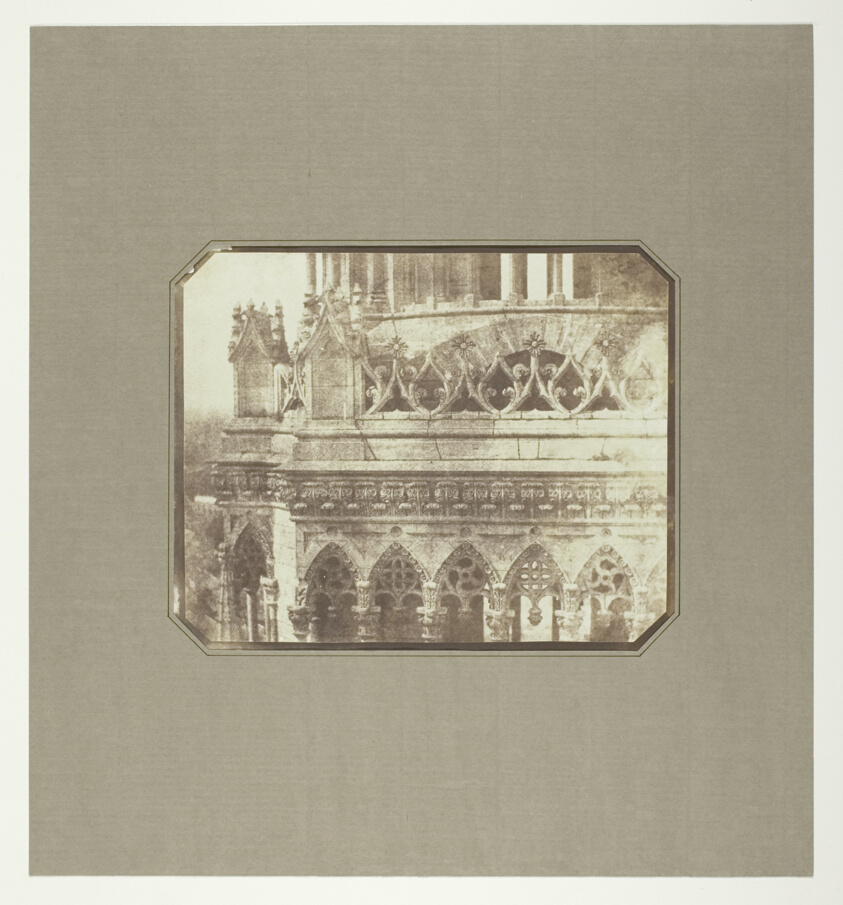
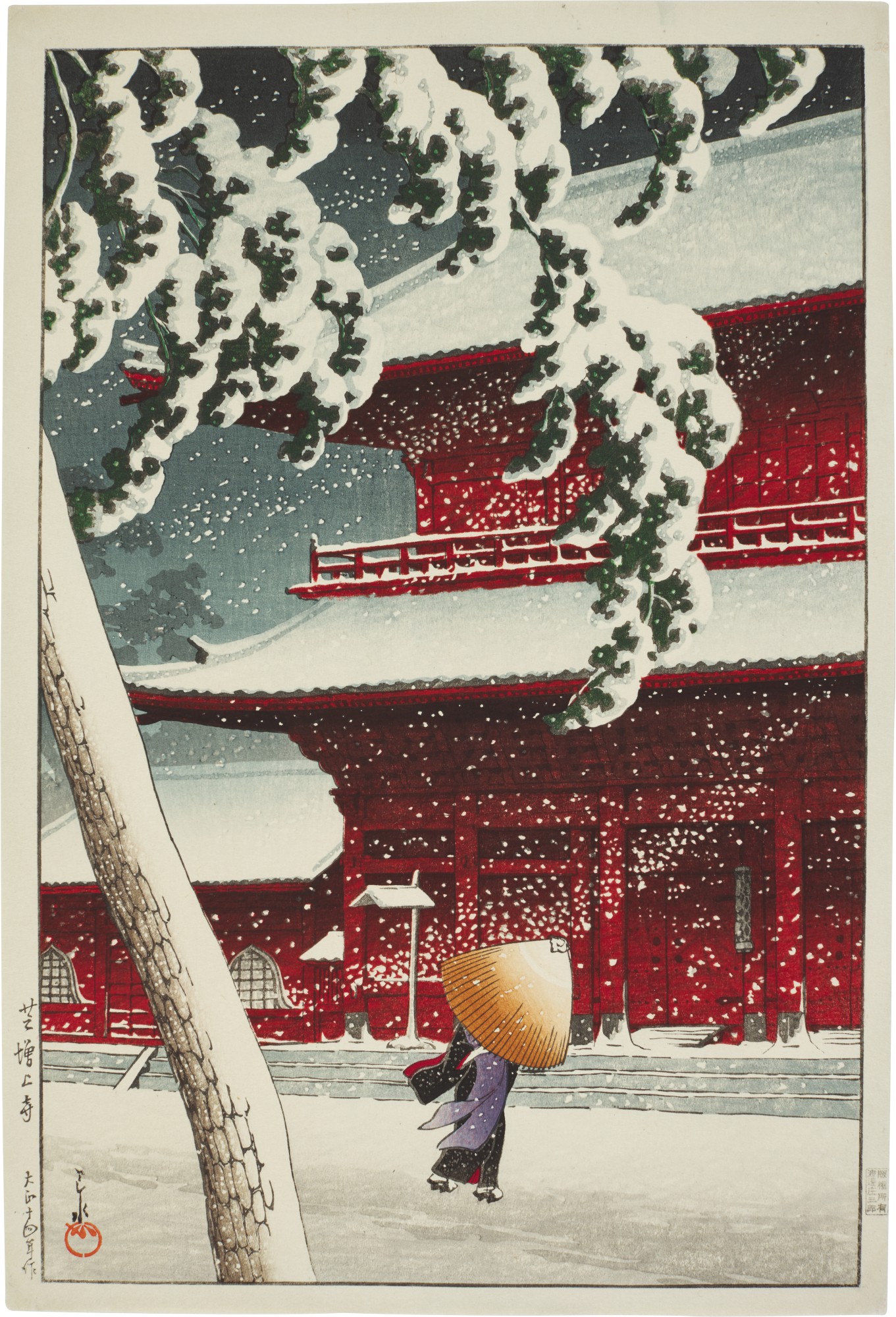
The Castle Endures: Why Collectors Keep Coming Back
There is something about the castle as a subject that bypasses intellectual defenses and goes straight to feeling. Collectors who pursue works depicting fortifications, towers, ruined keeps, and walled strongholds often describe the experience in emotional rather than analytical terms. It is not just the romance of it, though that is certainly present. It is something more fundamental: the castle as a symbol of time made visible, of human ambition meeting natural entropy, of a landscape that has been shaped by violence and beauty in equal measure.
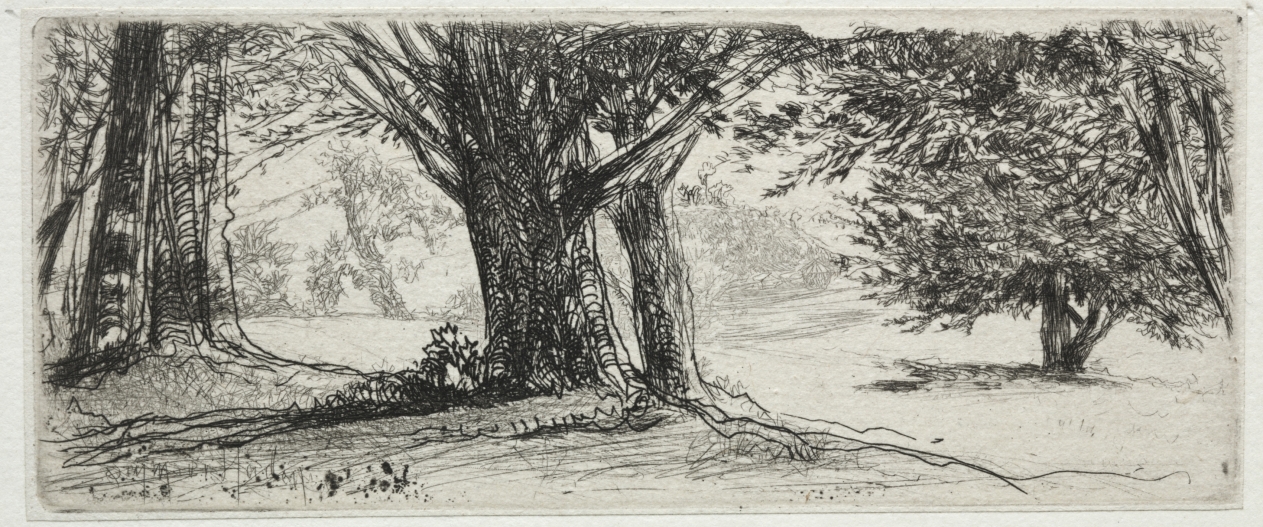
To live with a strong castle image is to live with a particular quality of silence, the kind that accumulates in stone over centuries. What draws serious collectors to this territory is the breadth of interpretation available across media and period. The subject has attracted printmakers, photographers, painters, and draughtsmen across generations, each bringing entirely different concerns to the same essential form. A collector building thoughtfully in this area can construct something genuinely cross medium and cross historical, where a nineteenth century etching by Francis Seymour Haden, with its nervous bitten lines and atmospheric looseness, might sit in productive conversation with a photograph by Francis Bedford, whose documentary precision brought a completely different kind of honesty to the same stone walls.
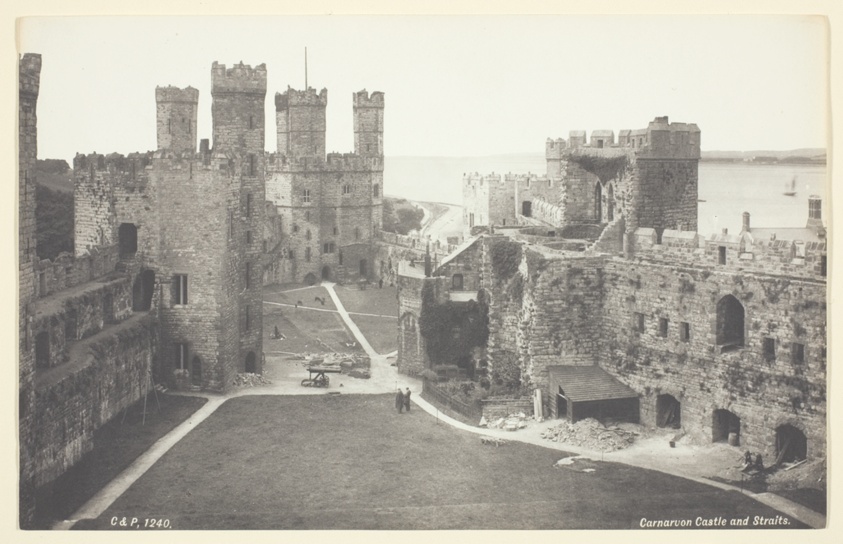
Francis Bedford
Carnavon Castle and Straights, 1860
That kind of collection rewards sustained looking in a way that a more thematically narrow approach rarely does. The question of what separates a good work from a great one in this category is worth sitting with carefully. Technical accomplishment matters, but it is not sufficient. The finest castle works tend to achieve something beyond picturesque documentation.
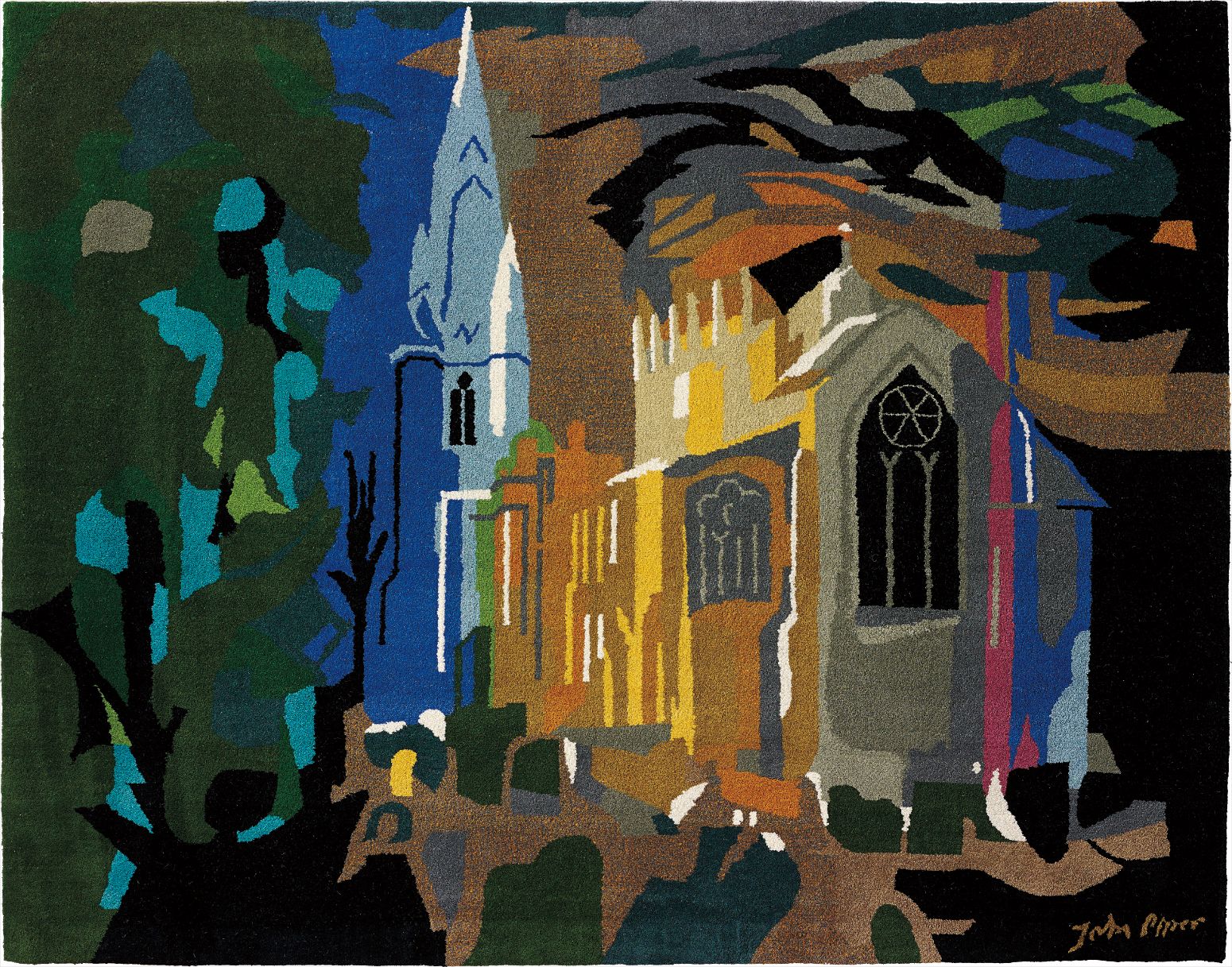
They find a psychological register, a sense that the structure means something beyond itself. When John Piper painted ruins and fortifications in the 1940s, his works were saturated with the anxiety of wartime Britain, the medieval and the modern collapsing into each other with genuine urgency. A Piper in this vein carries that historical weight whether you know the context or not. Similarly, collectors should be attentive to how an artist handles light and atmosphere relative to architecture.
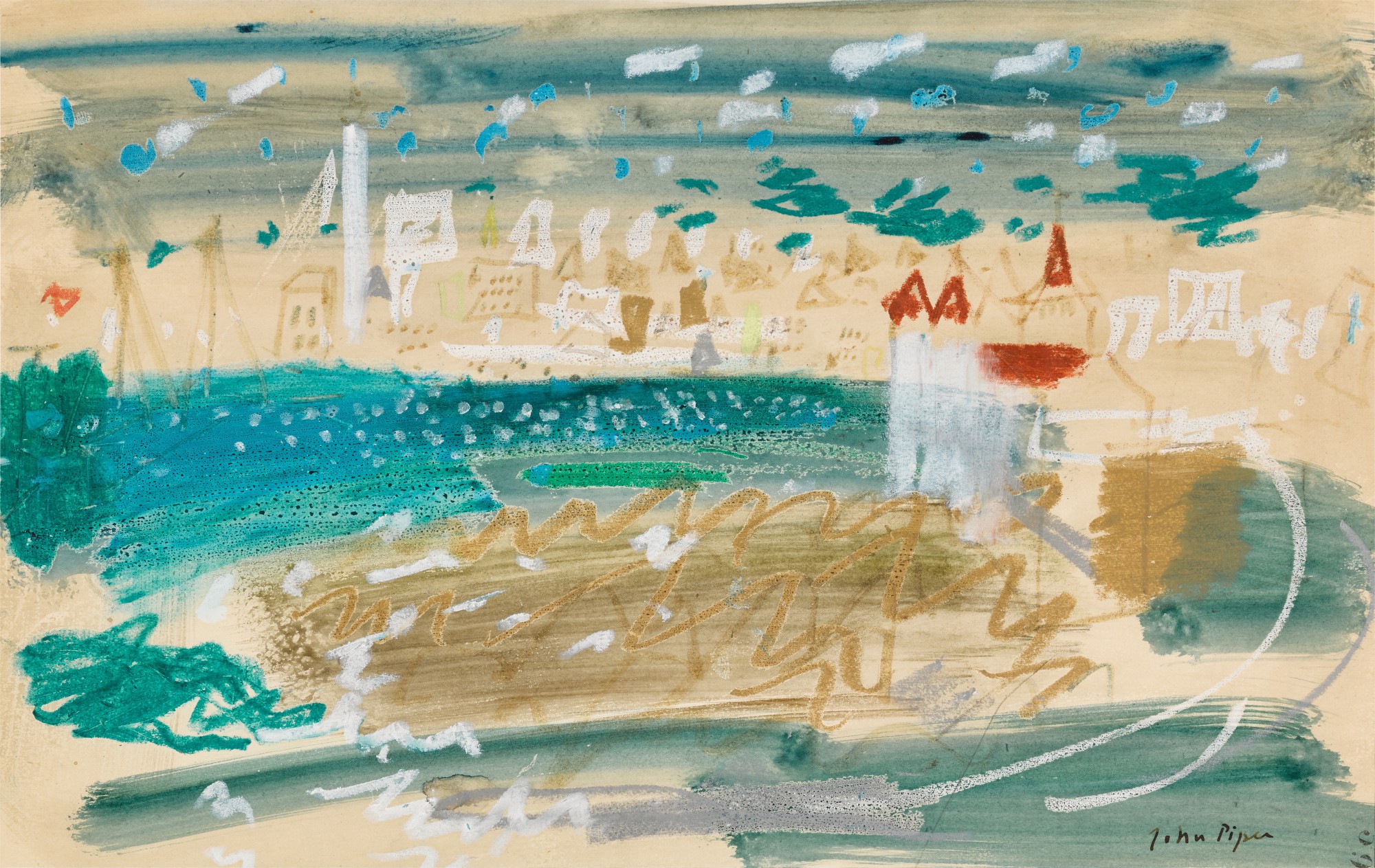
John Piper
Turpault Castle
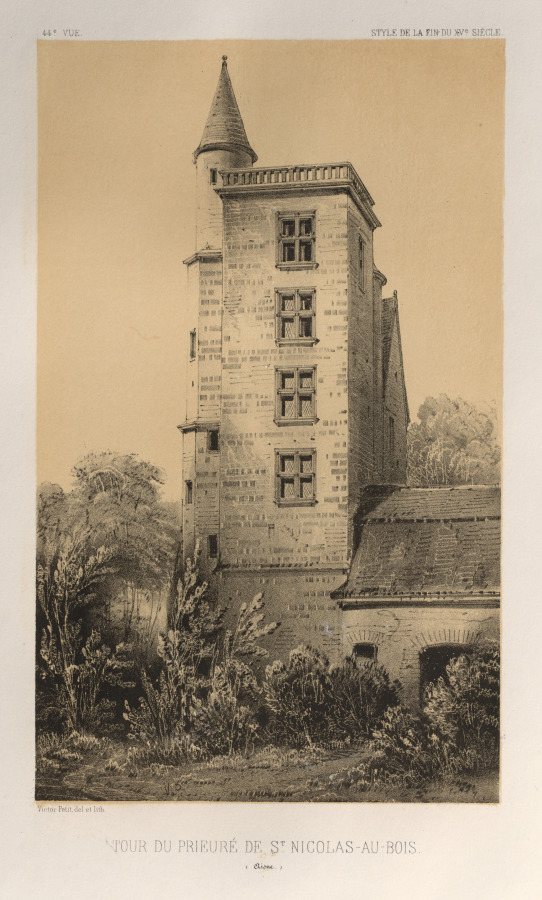
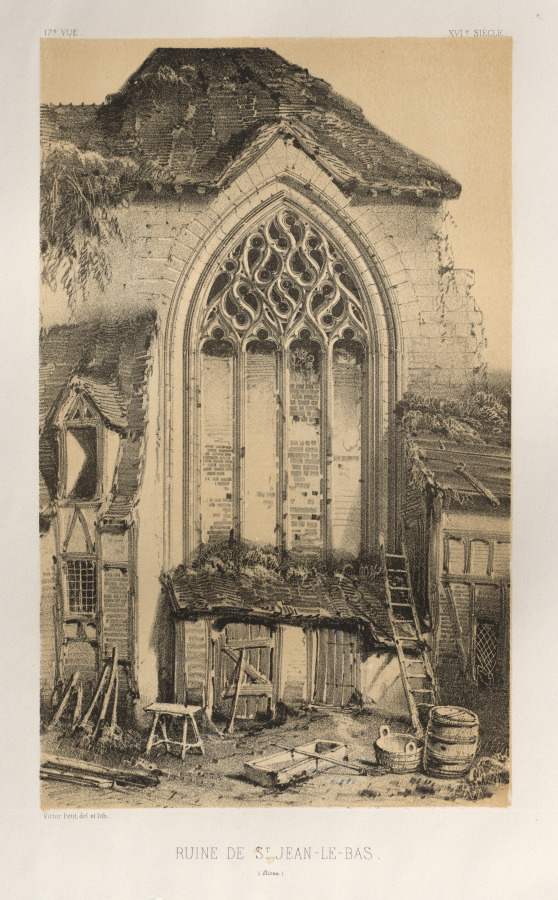
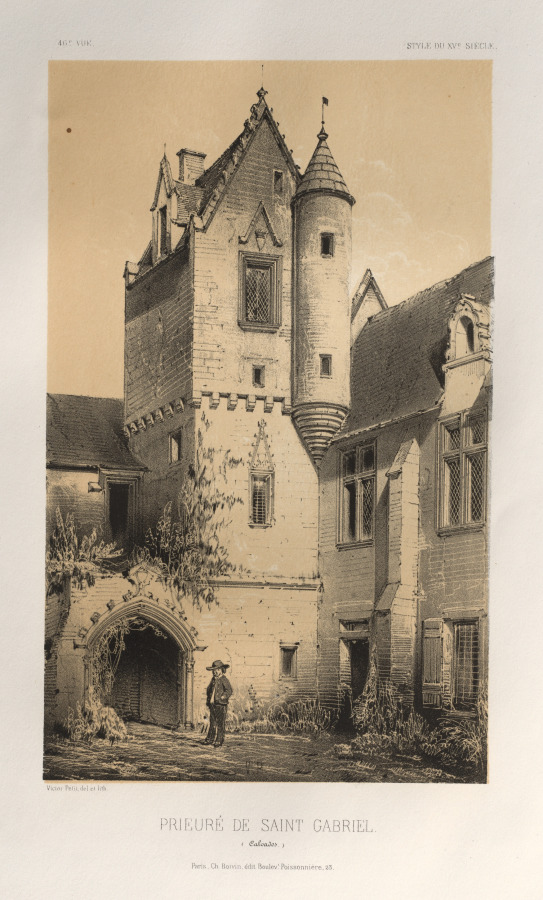
The best works in this category use the castle as an anchor while allowing the surrounding world, sky, water, vegetation, to be genuinely alive rather than merely decorative fill. Among the artists well represented on The Collection, a few stand out as particularly strong propositions for collectors with a serious long term outlook. Victor Petit, the prolific French engraver whose architectural views appeared widely in illustrated publications of the nineteenth century, offers remarkable access to a high level of draftsmanship at prices that have not yet fully reflected his quality. His castle and chateau subjects reward close looking and are exceptionally well suited to intimate display in a domestic setting.
Joseph Mallord William Turner represents the apex of the romantic tradition in this territory, and even minor works on paper connected to his castle subjects carry substantial art historical weight and market stability. At the other end of the tonal spectrum, Francis Seymour Haden brings the etcher's particular gift for translating mood into mark, and his prints have a dedicated collector base that supports consistent secondary market performance. David Young Cameron is another name worth pursuing actively. His etchings of Scottish and European fortifications have a brooding intensity that newer collectors consistently underestimate, and his market remains accessible relative to his critical standing.
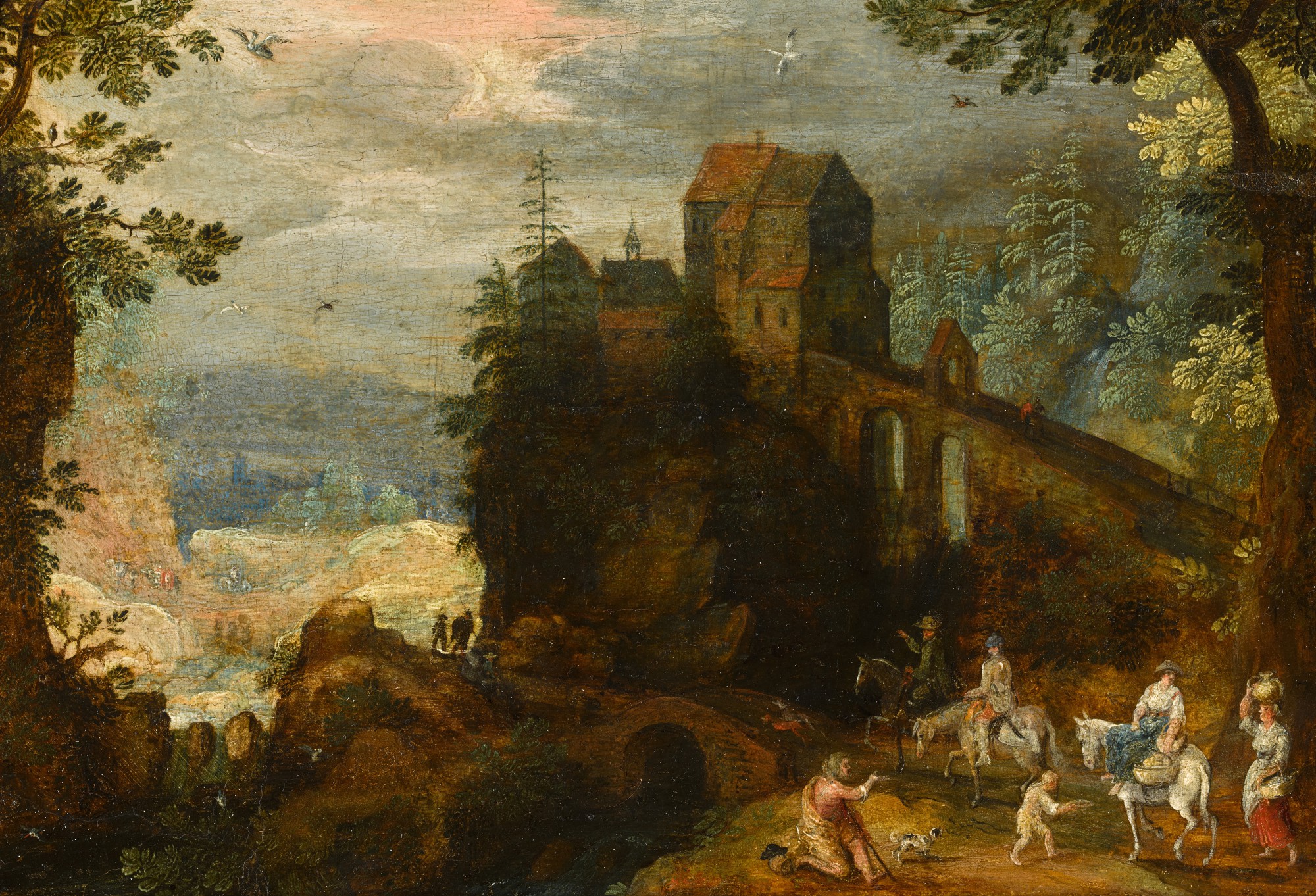
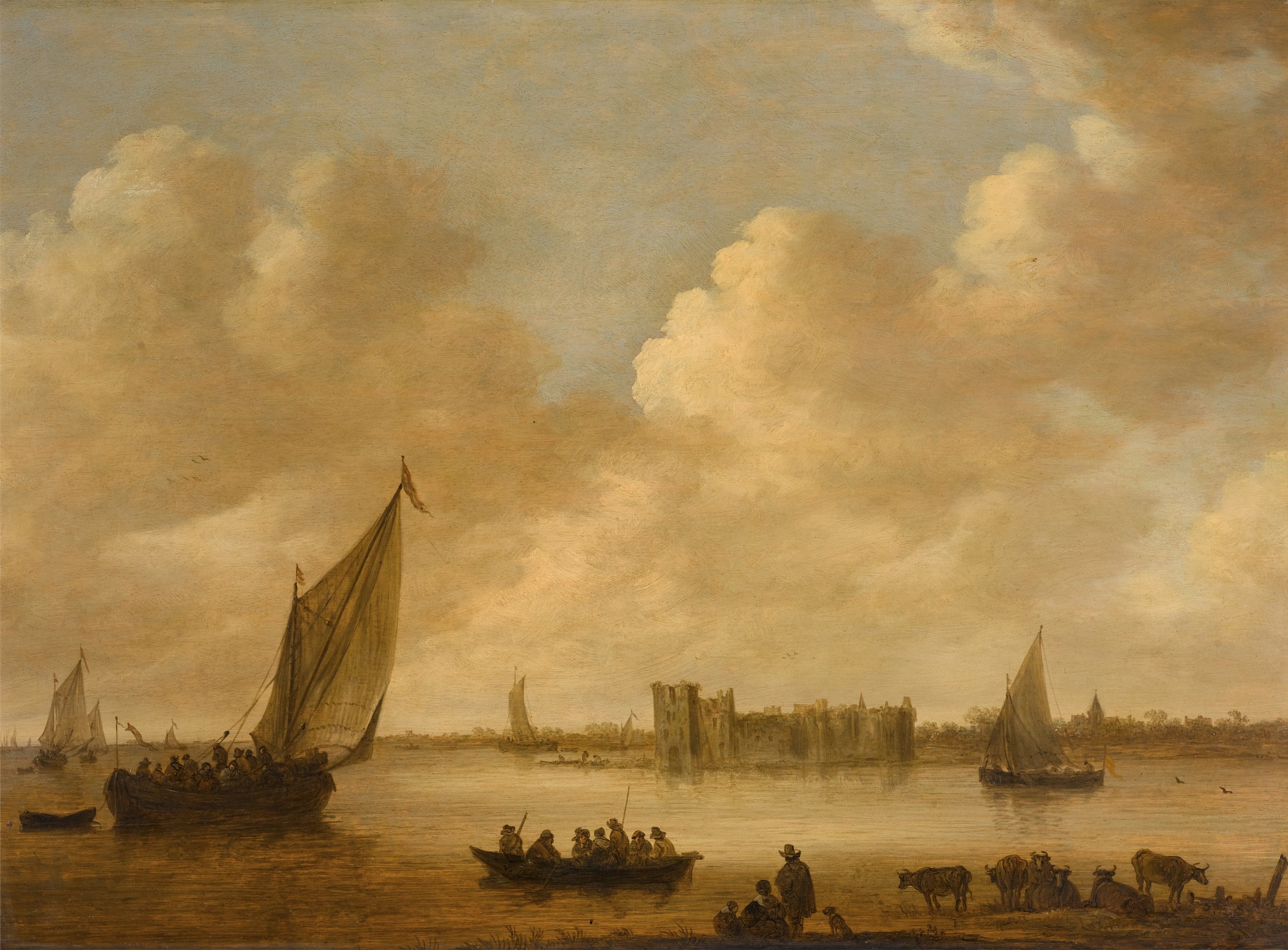
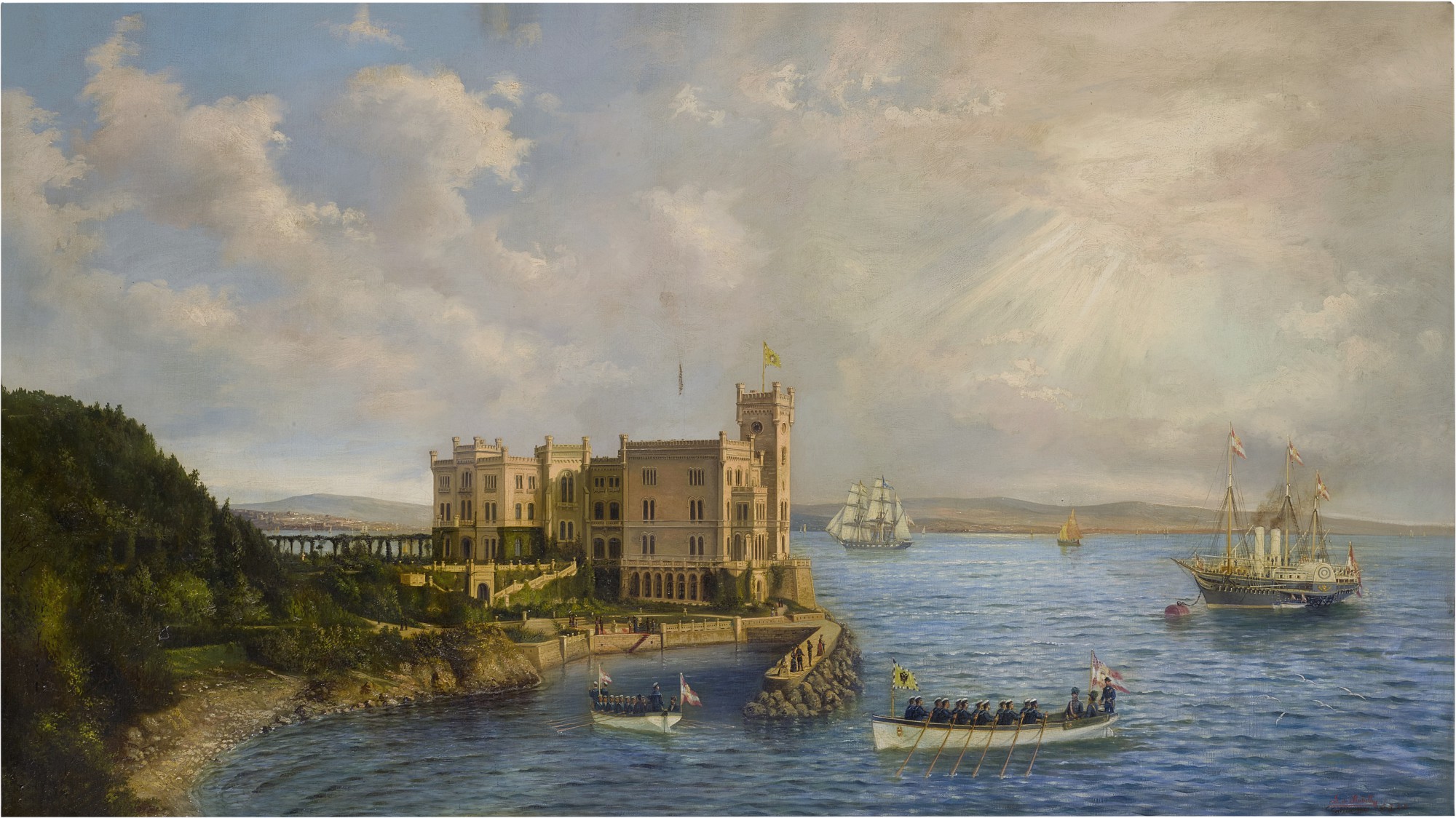
Unknown
A landscape with a castle and figures
For collectors interested in where genuine value discovery remains possible, a few areas deserve attention. Photographers working in the nineteenth and early twentieth century who documented castle subjects as part of broader topographic or travel commissions remain significantly undervalued relative to their painterly contemporaries. Archibald Burns and G. W.
Wilson both worked in Scotland producing photographs of castle sites with a compositional intelligence that goes well beyond mere documentation. The broader market for nineteenth century British topographic photography has been slow to absorb the kind of critical reassessment these practitioners deserve, which creates genuine opportunity for the collector willing to look carefully and acquire now. J. Craig Annan, who worked in a more pictorialist tradition and brought a different atmospheric ambition to architectural subjects, sits at an interesting intersection of fine art photography and historical record that the market has not fully resolved, and unresolved markets are where thoughtful collectors build positions.
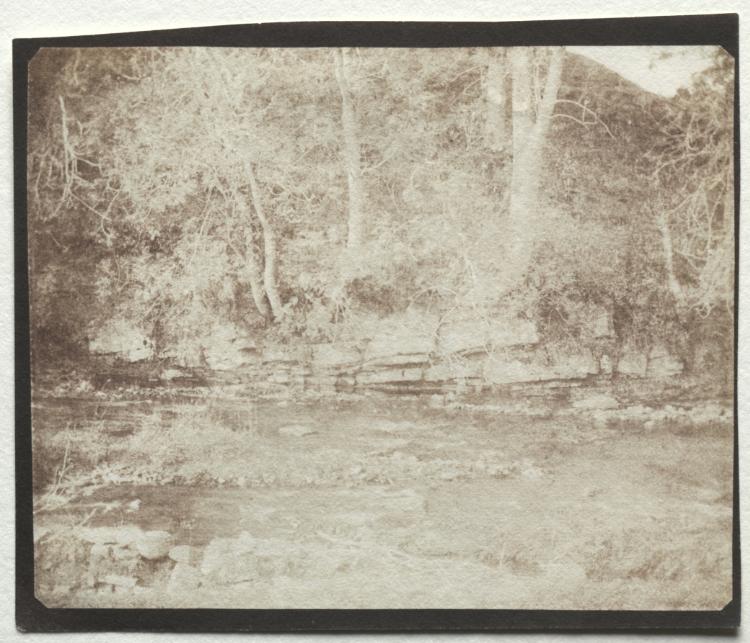
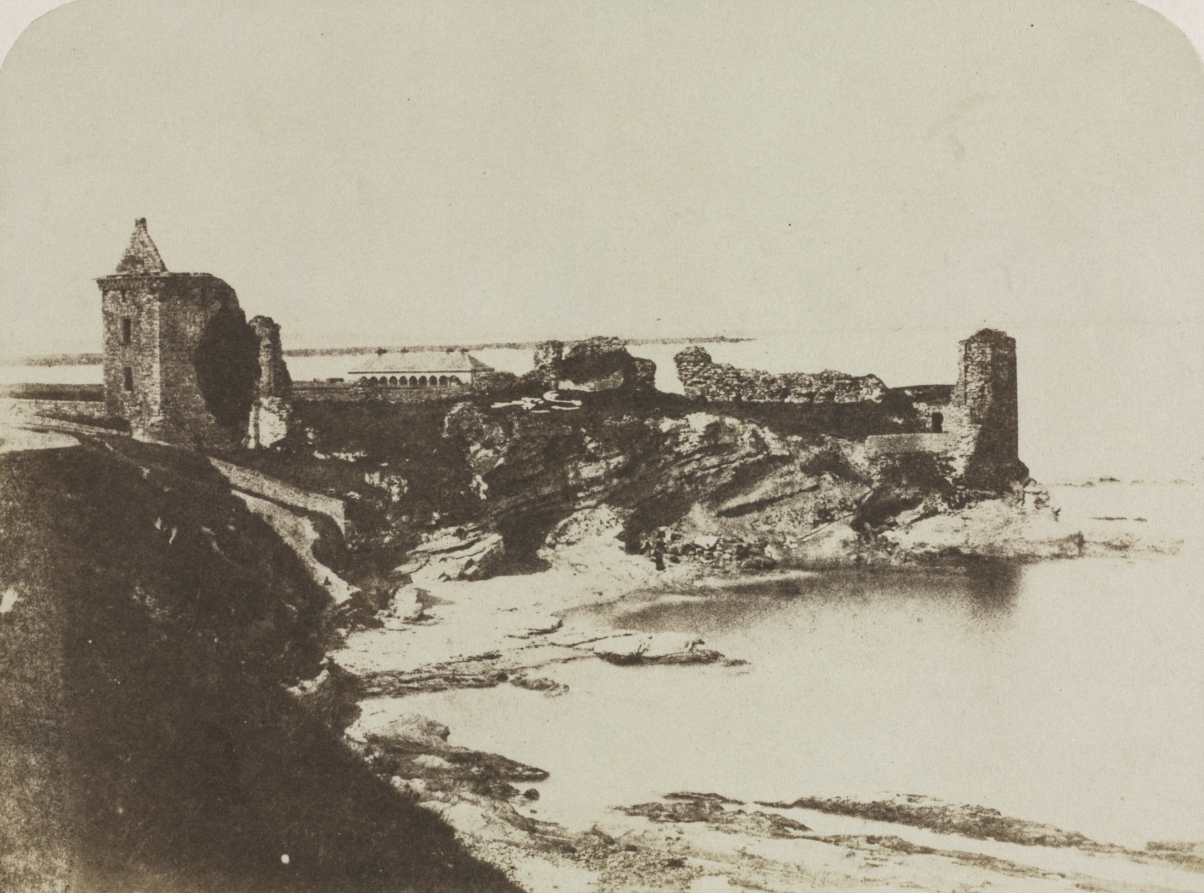
William Henry Fox Talbot
A Mountain Rivulet Which Flows at the Foot of Doune Castle, 1844
At auction, castle subjects across media tend to perform with notable consistency rather than spectacular volatility. This is both a feature and a consideration. The romantic and topographic tradition that houses most of this work has a stable, loyal collector base that prevents the kind of precipitous drops seen in trendier categories. Turner works on paper with castle connections regularly achieve strong results at the major London and New York sales.
Prints by Haden and Cameron appear frequently at specialist print auctions where knowledgeable buyers keep pricing honest in both directions. Photography in this subject area is increasingly competitive at auction as institutional interest in nineteenth century British and European photography continues to grow. The category rewards patience and specificity: the collector who knows exactly what they are looking for will find moments of genuine value that the generalist buyer misses entirely. Practically speaking, condition is everything in works on paper and prints, and castle subjects present some particular considerations.
Works that have been displayed without UV protection for decades often show differential fading where the sky areas, typically the lightest portions of the composition, have browned unevenly. Always ask about provenance and exhibition history, not just for authenticity but to understand the light exposure a work has accumulated. For photographs, albumen prints especially, ask specifically about whether any fixing or toning issues are present under raking light. When considering editions, the question of printing date relative to the artist's lifetime matters enormously for value, and for nineteenth century etchings the distinction between a lifetime impression and a posthumous one can be the difference between a serious acquisition and a decorative object.
Display these works generously. A castle image needs room around it to breathe. It is a subject that rewards being looked at slowly, and a collector who gives it space will find it gives considerably back.