Canvas Format
Sigmar Polke
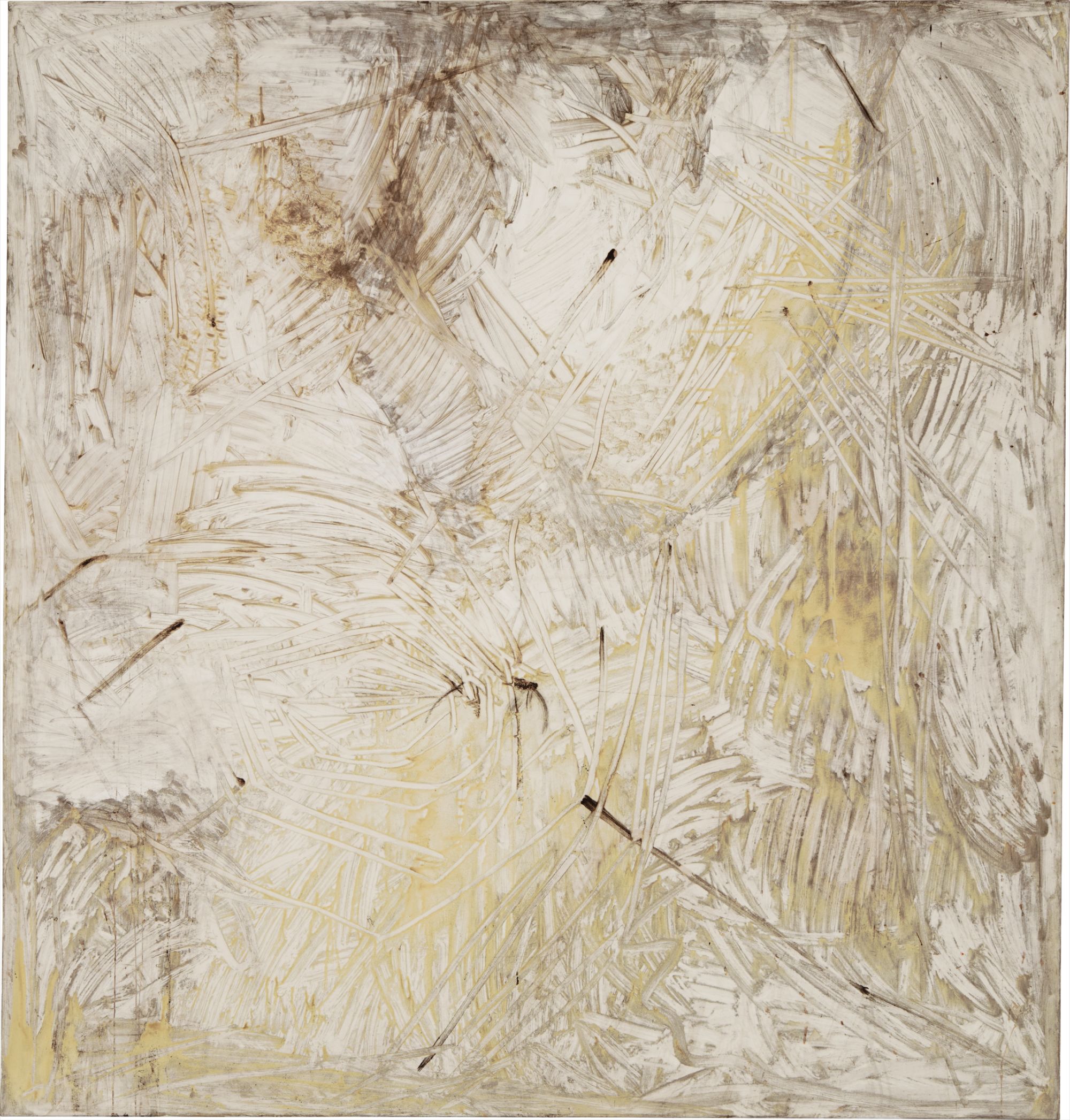
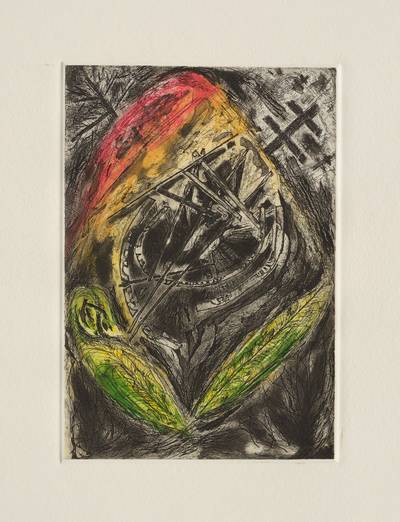
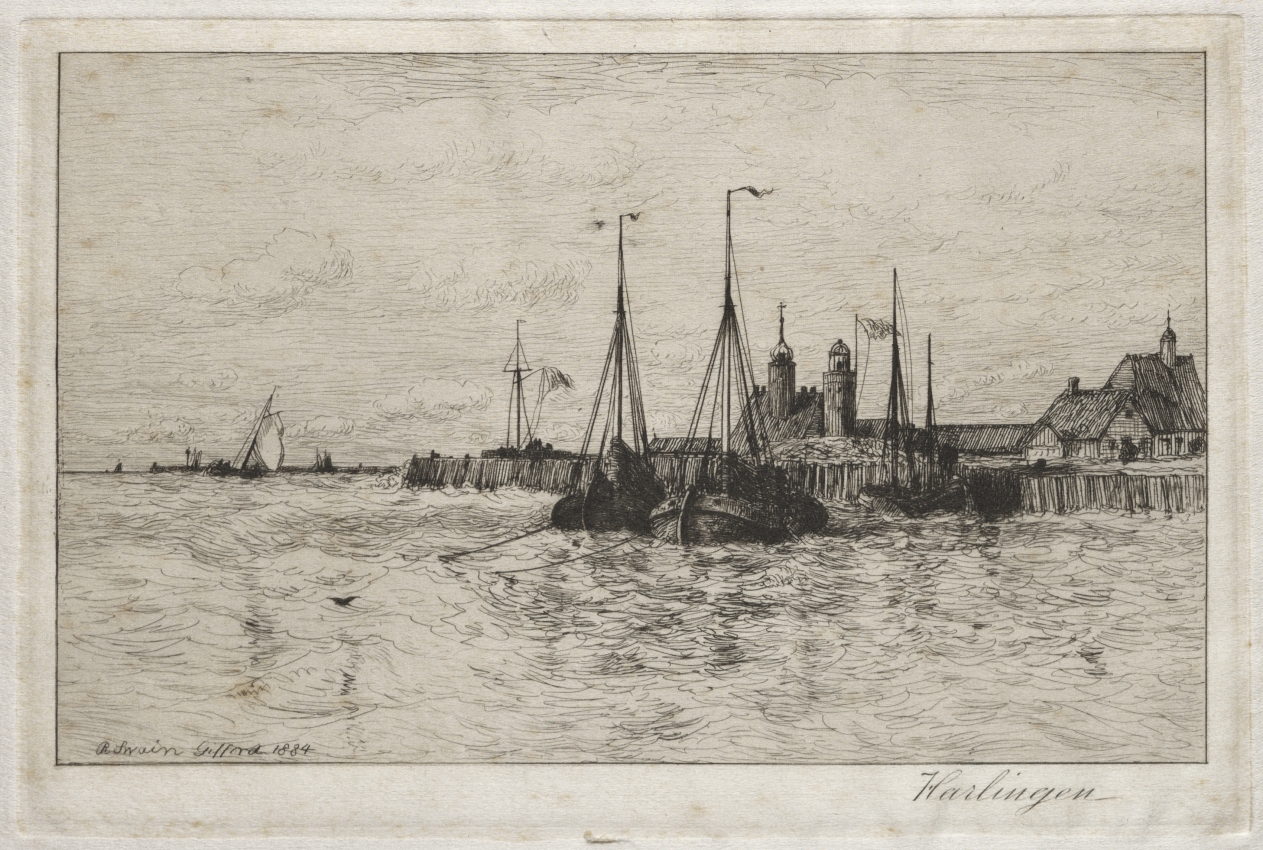
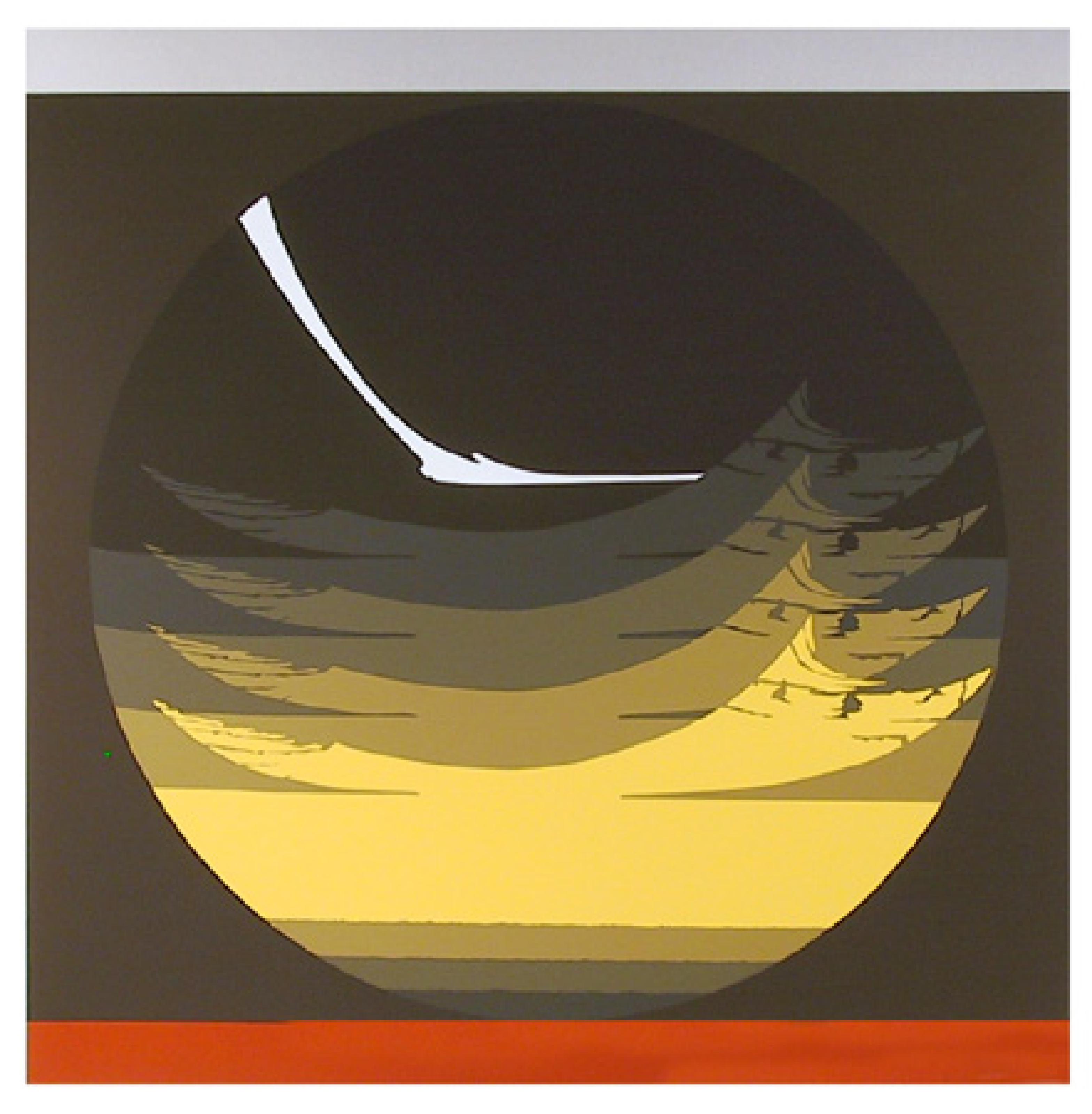
Regarded as the consummate Postmodern painter, Sigmar Polke created an oeuvre that is wildly diverse in its exploration of techniques and materials, one that culminated with a superlative group of late works including the ethereal, 1990

The Canvas Still Has Something to Say
When a Ryan Sullivan painting sold at Phillips in 2022 for well above its high estimate, the room paid attention in a way that felt almost defiant. Here was a painter who pours and pools resin and oil in processes that resist every romantic notion of the artist's hand, and yet the market responded with the kind of appetite usually reserved for blue chip modernists. That result crystallized something that had been building quietly for years: canvas painting is not simply surviving its many obituaries, it is generating some of the most contested and genuinely exciting conversations in the contemporary market. The critical rehabilitation of painting has been underway since at least the early 2000s, but recent institutional endorsement has given it renewed urgency.
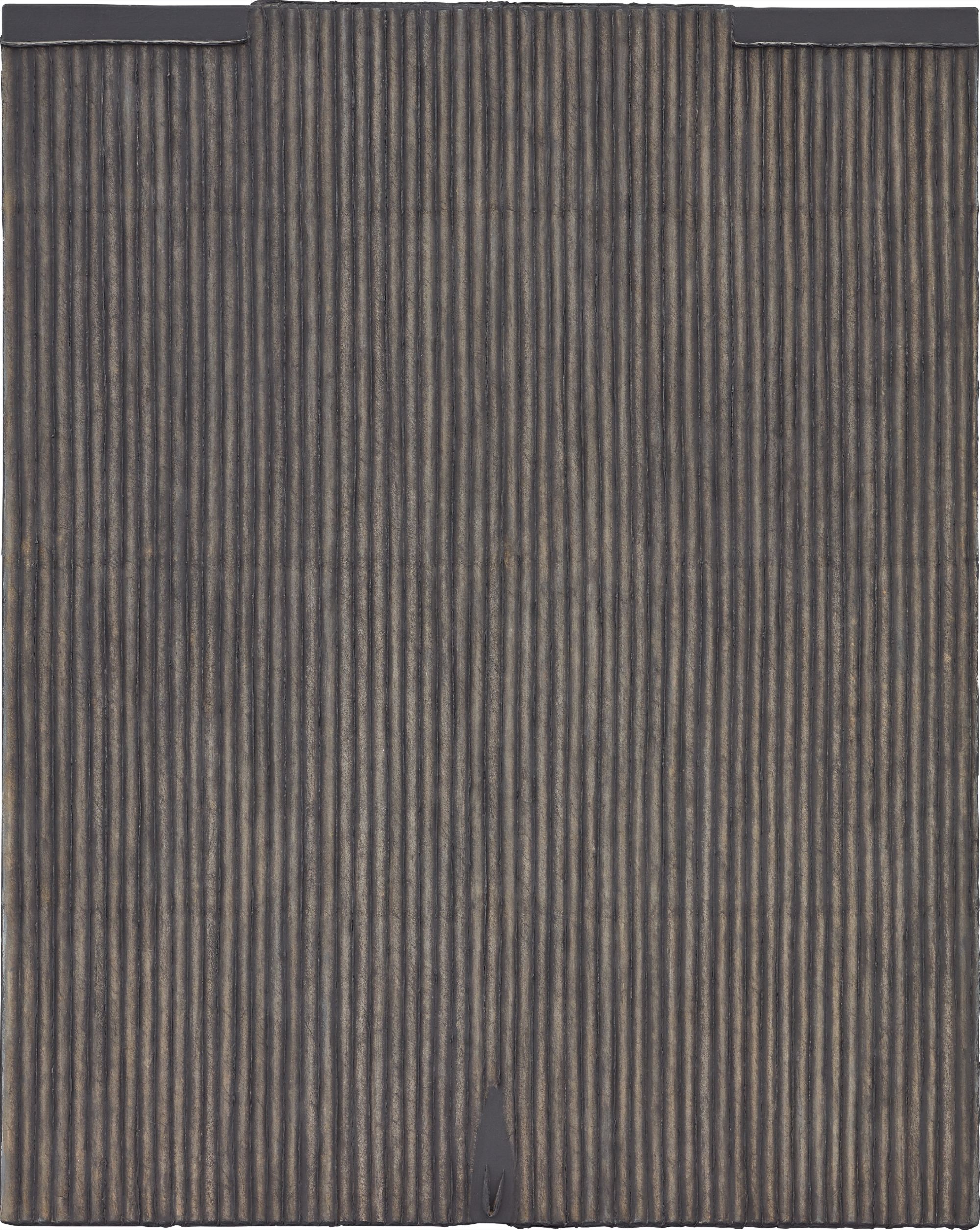
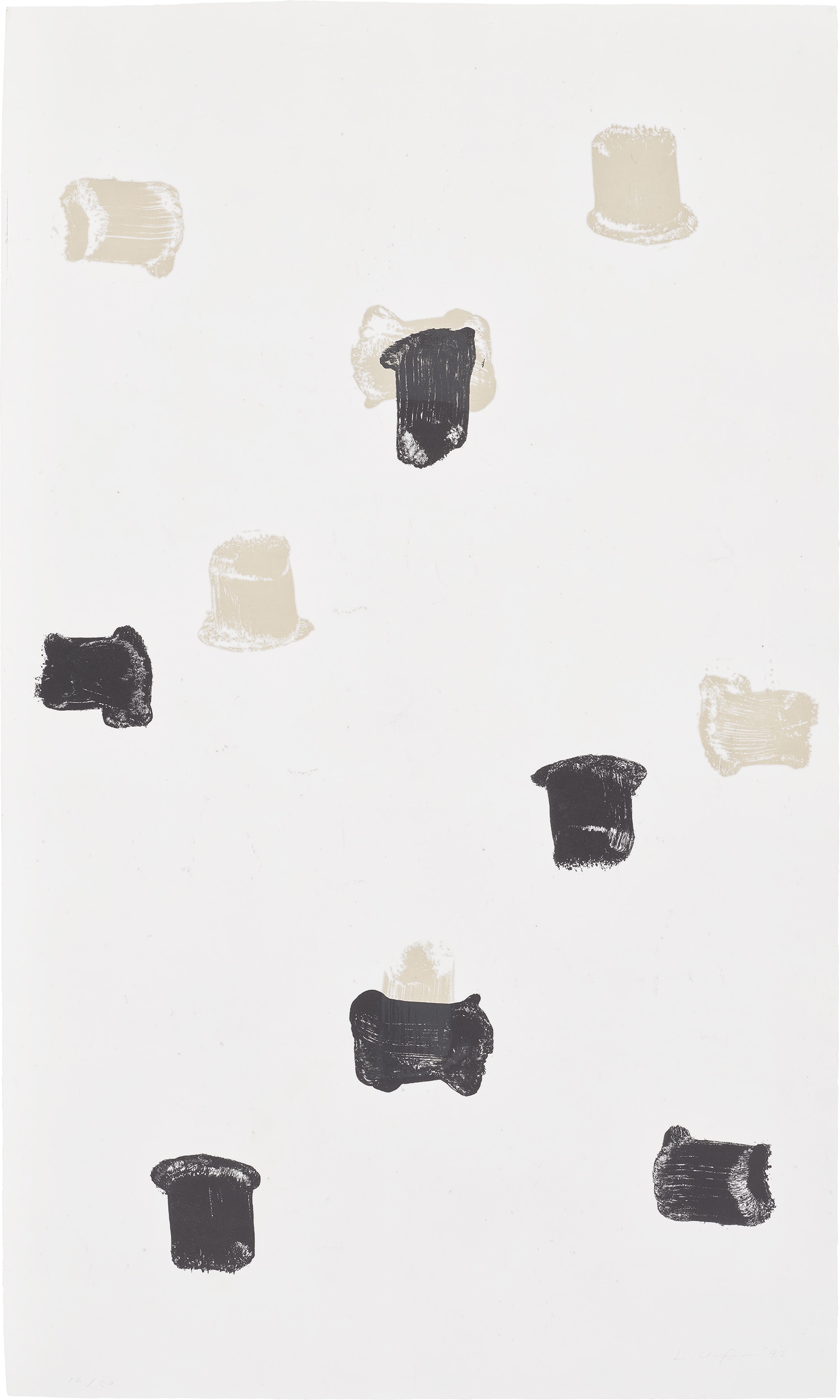
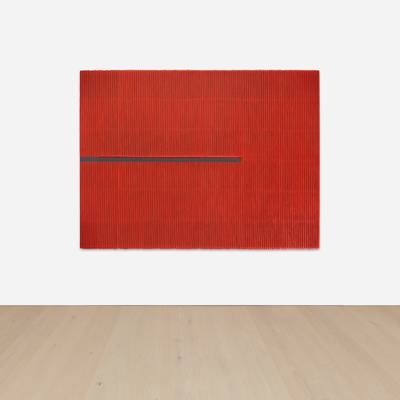
The Museum of Modern Art's 2021 survey 'Membership: Fourteen Painters' brought younger voices into dialogue with the postwar canon in ways that felt genuinely curatorial rather than trend driven. The show drew direct lines between the material investigations of Lee Ufan, whose sparse mark making on raw canvas redefined what a gesture could mean, and younger painters wrestling with similar questions about presence and absence on a surface. Ufan's work, well represented on The Collection, continues to attract serious institutional attention, with his retrospective at the Guggenheim Bilbao cementing his position as one of the essential painters of the last half century. Auction results tell their own story about where confidence pools.
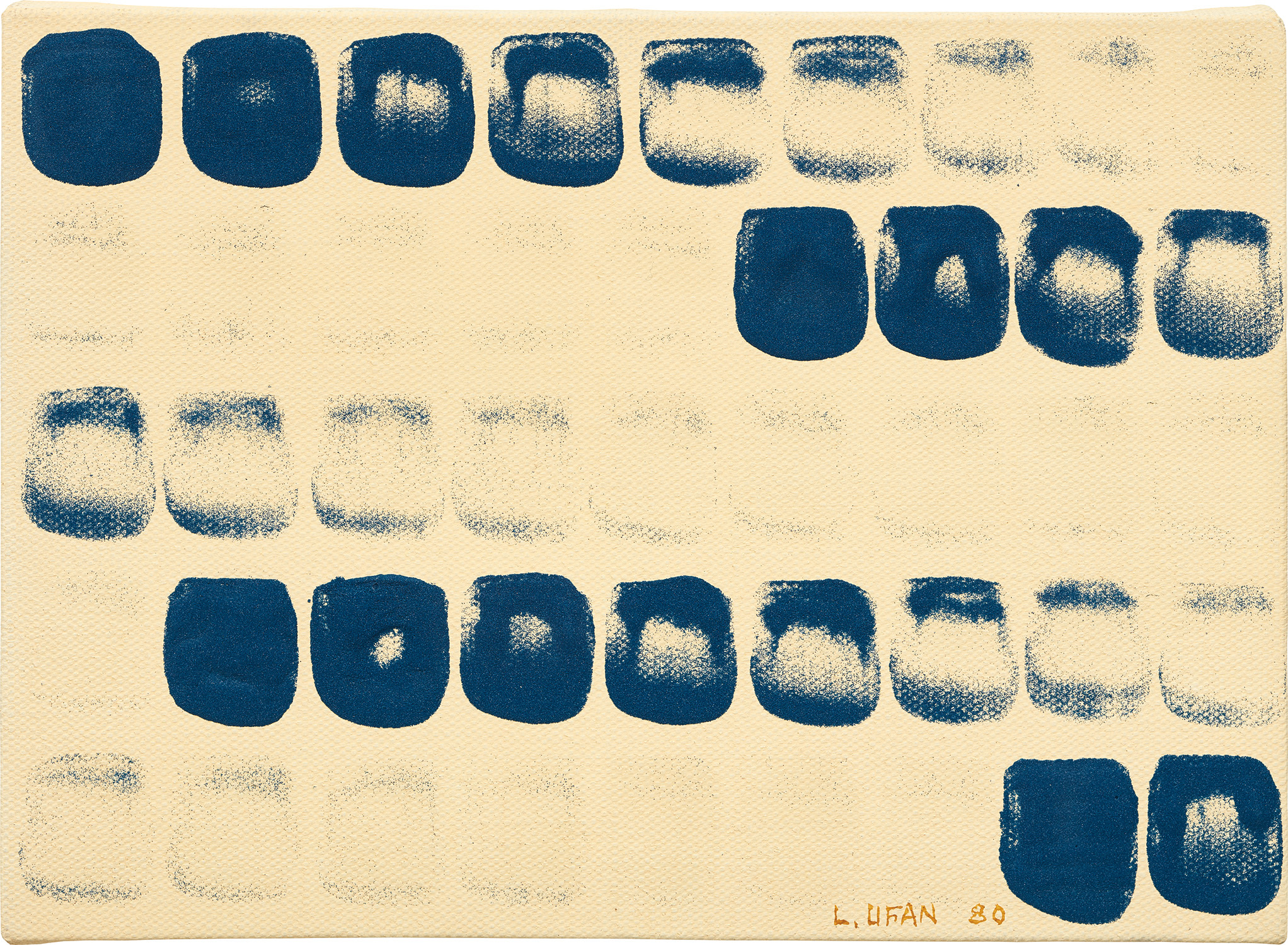
Lee Ufan
From Point No. 800115, 1980
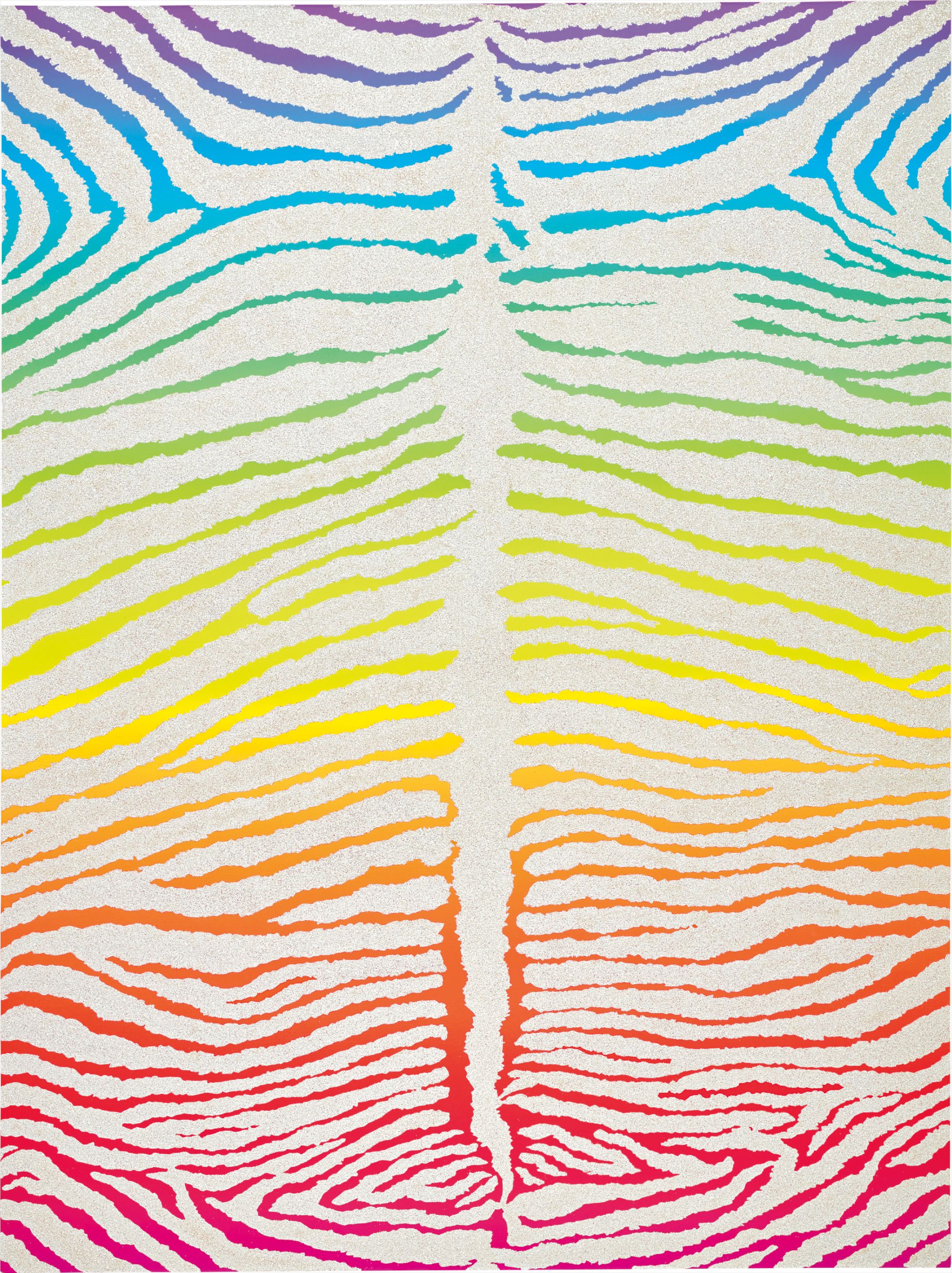
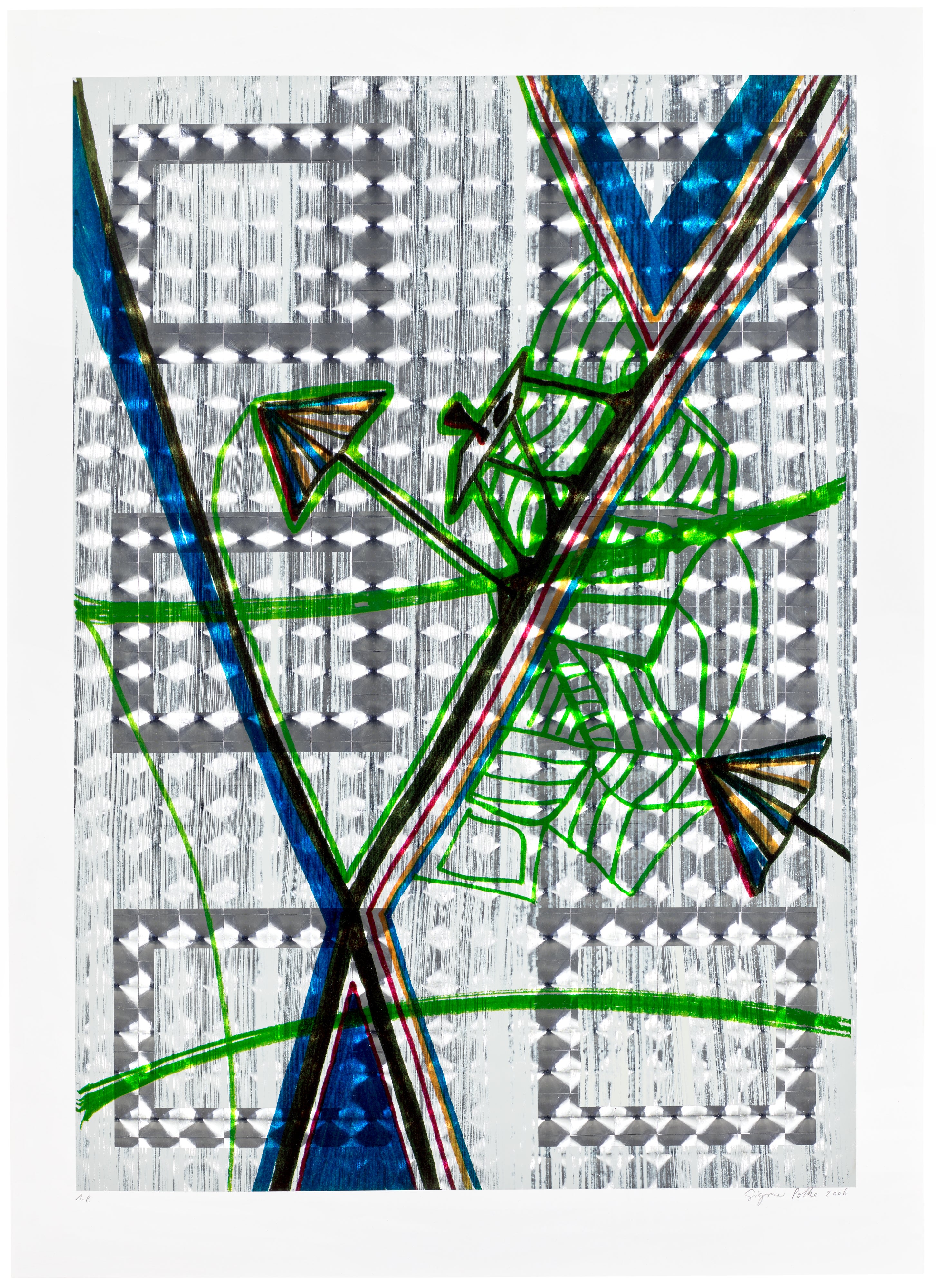
Park Seo Bo, whose Ecriture series reduced painting to near ritual repetition, achieved record results at Christie's Hong Kong in recent years, reflecting not just Korean market enthusiasm but a global reassessment of Dansaekhwa as a movement that anticipated many of the concerns now central to contemporary practice. The prices for Seo Bo's work have climbed steadily as Western institutions catch up to what Asian collectors have understood for decades. Sigmar Polke, represented on The Collection, occupies a different register entirely: his market is driven by a sense that his sardonic layering of photographic images, patterned fabrics, and painted surfaces remains one of the most sophisticated interrogations of postwar image culture ever committed to canvas. The institutions collecting most aggressively in this space tend to share a particular disposition: they are interested in painting that thinks about itself.
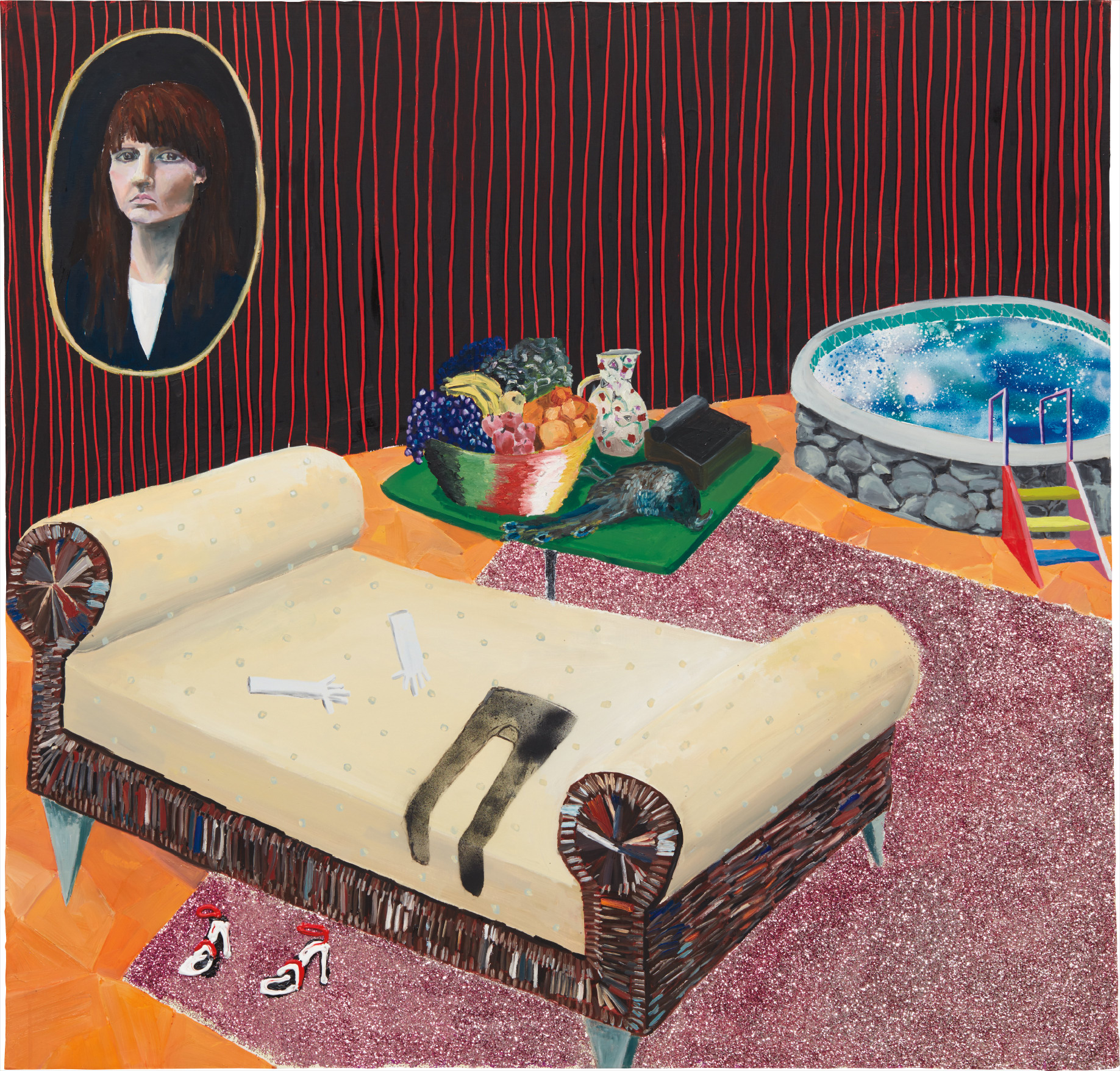
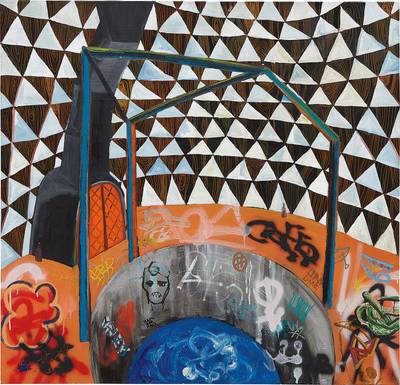
The Broad in Los Angeles, the Rubell Museum in Miami, and the Fondation Louis Vuitton in Paris have all made significant canvas acquisitions over the last five years that prioritize painters who bring conceptual rigor to a medium that can easily slide into pure decoration. Shara Hughes, whose hallucinatory landscapes seem to place the viewer inside a psyche rather than a scene, has been acquired by major American museums with a speed that surprised even enthusiastic early supporters. Her work feels genuinely unresolved in the best sense, as though the canvas is still negotiating with itself. The critical conversation around canvas format has been shaped substantially by a handful of writers and curators willing to make arguments rather than simply describe.
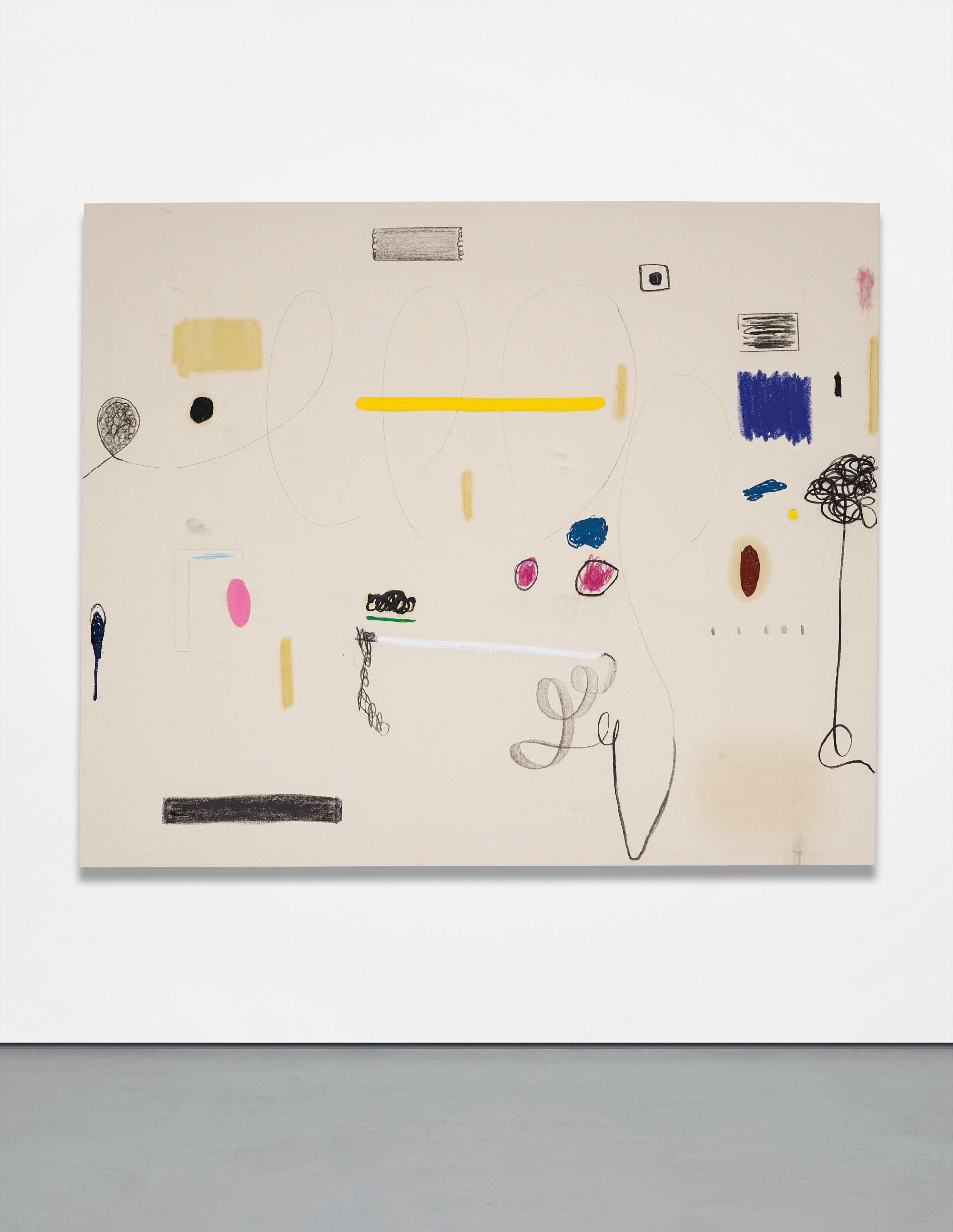
Christian Rosa
Flora or Floral
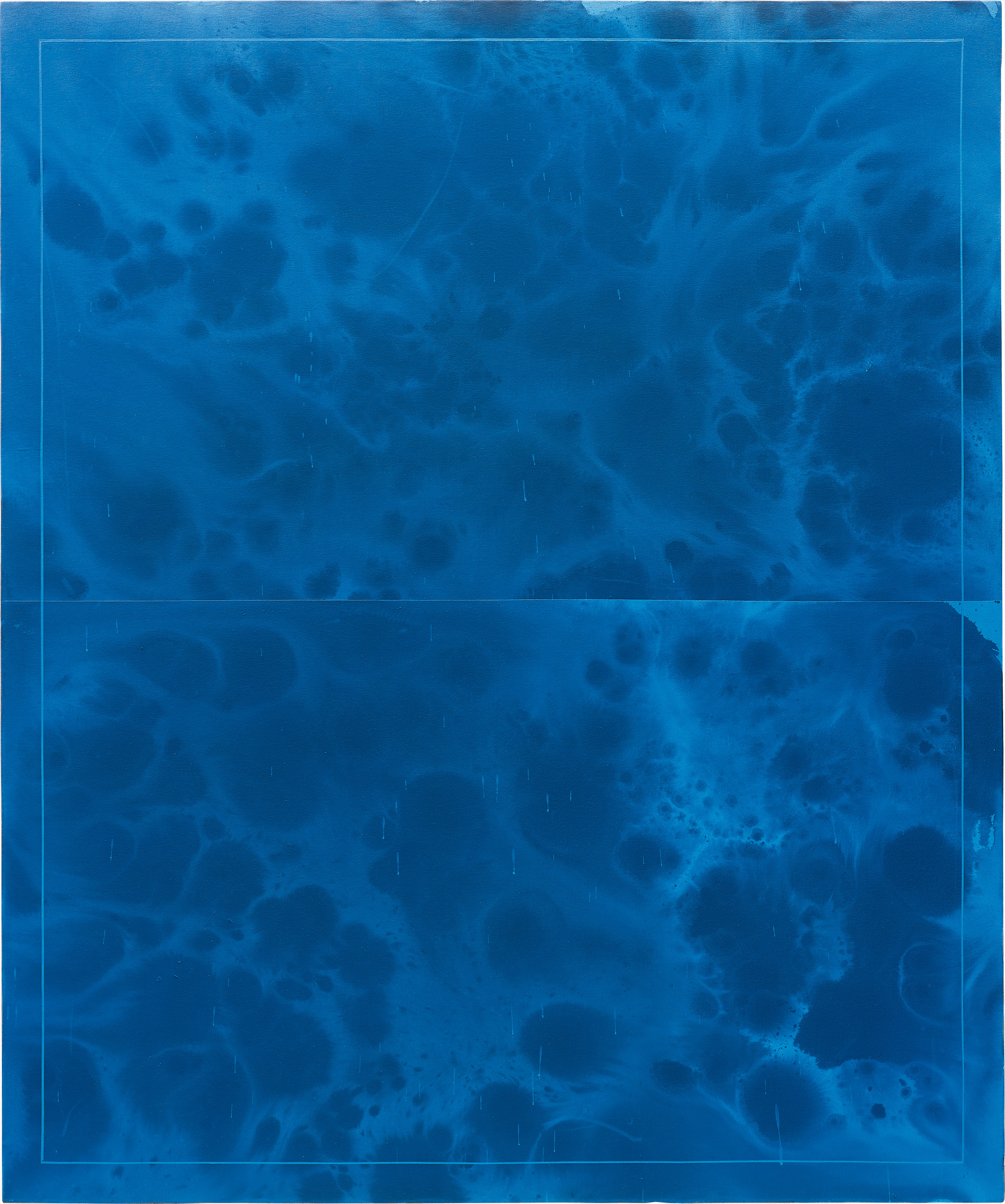
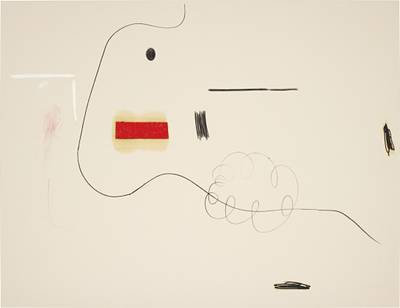
Katy Siegel's writing on abstraction, Brian Dillon's essays on surface and material memory, and the sustained advocacy of curators like Joachim Pissarro for painters who resist easy categorization have all contributed to a climate where a collector can feel intellectually supported in pursuing work that a simpler market moment might have dismissed. Publications like Artforum and Frieze have given sustained attention to painters such as Christian Rosa and David Ostrowski, both of whom work with a kind of aggressive economy, leaving as much to accident and restraint as to intention. Rosa's São Paulo to Los Angeles trajectory and Ostrowski's Düsseldorf inflected practice both suggest that the most interesting canvas painting right now is happening at the intersection of gesture and skepticism about gesture. The surprises in this space tend to come from painters who operate slightly outside the main conversation.
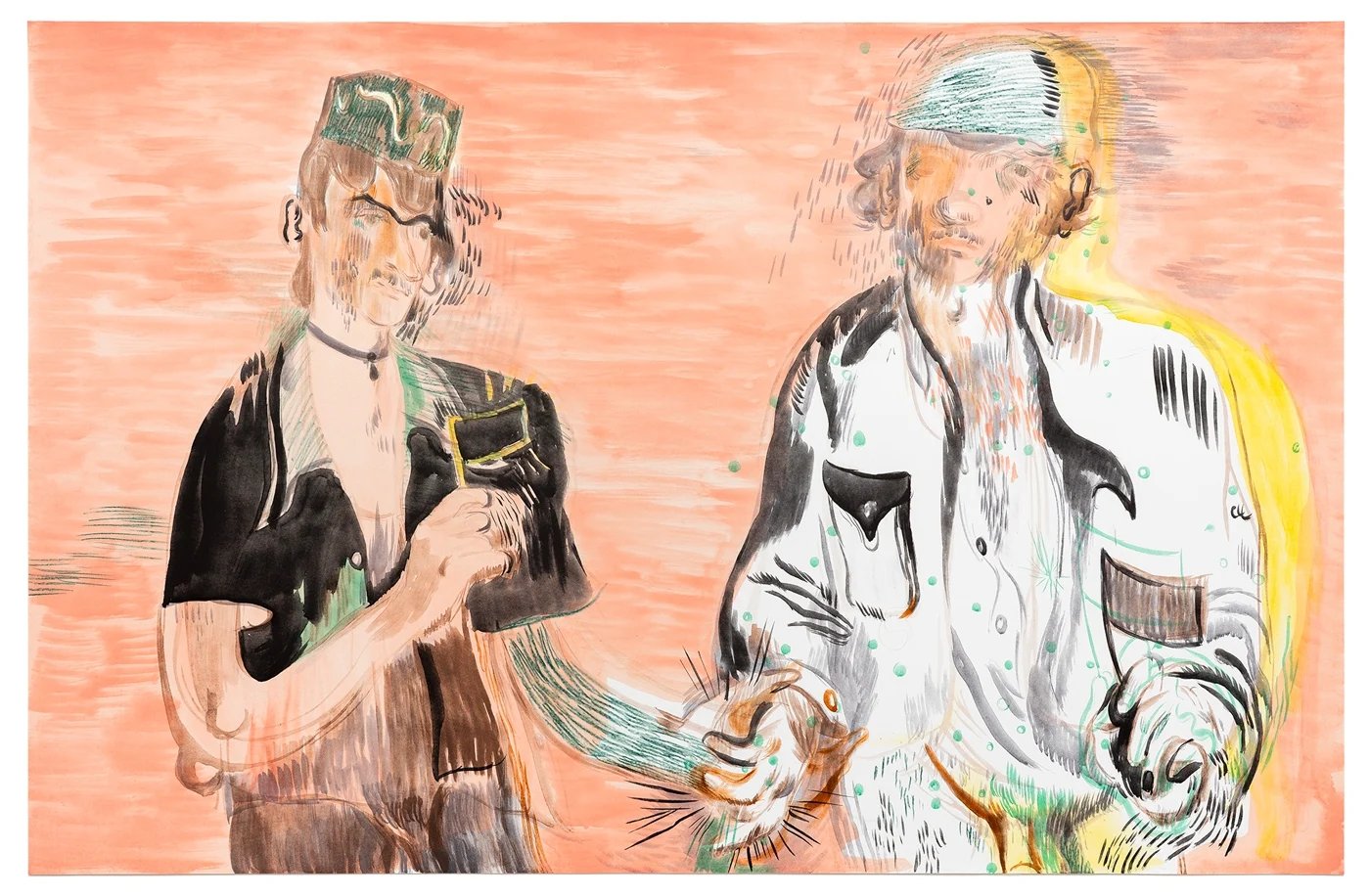
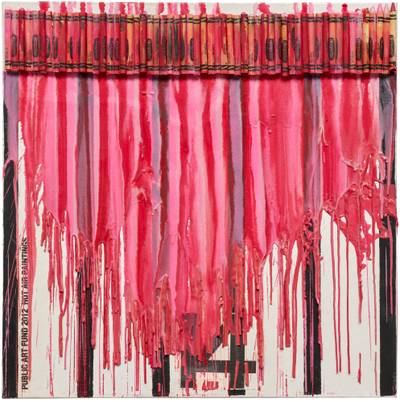
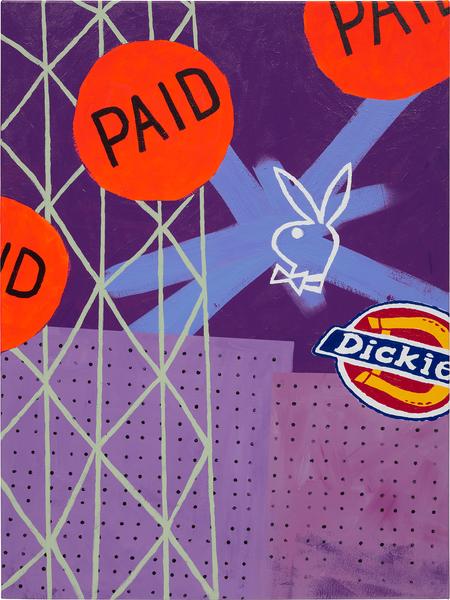
Bill Jensen, who has worked in relative quietude for decades, has seen renewed collector interest as younger painters cite him as a touchstone for how abstract work can carry genuine emotional weight without sentimentality. Lucien Smith, who arrived with considerable noise around his rain paintings made with fire extinguishers, has settled into a more considered practice that the market is reassessing with fresh eyes. And Wendy Park, whose surfaces accumulate color in ways that reward sustained looking, represents exactly the kind of discovery that private platforms like The Collection are particularly well positioned to surface before institutional consensus catches up. What feels settled in this territory is the argument that canvas painting needed saving.
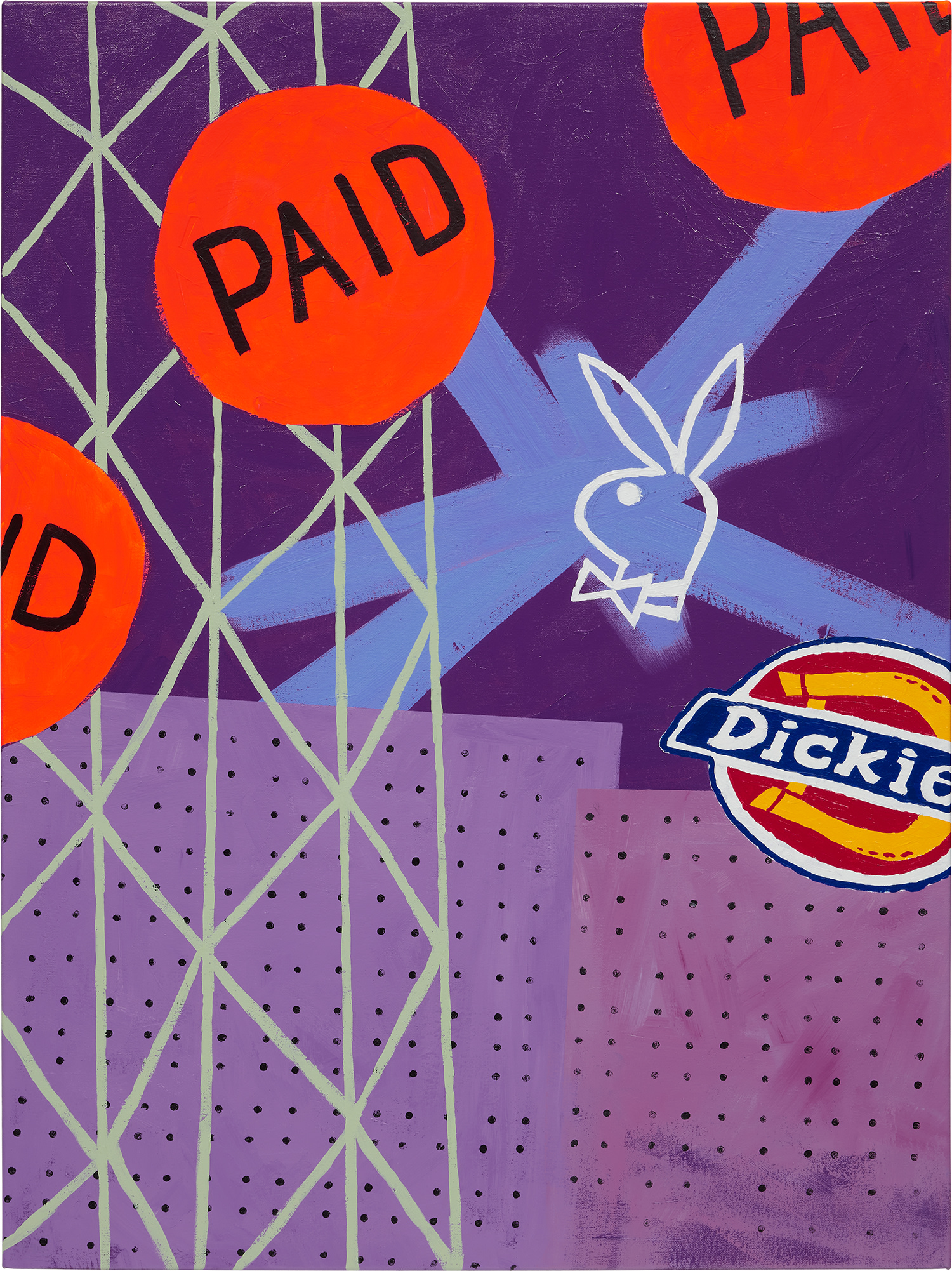
Wendy Park
Lil Dickie, 2021
That debate is over. What feels alive is the question of which painters will define how the medium develops across the next decade. The energy right now surrounds artists who treat the canvas not as a vehicle for expression but as a site of inquiry, a place where questions about perception, materiality, and cultural memory get worked out in real time. The work of Mimmo Rotella, whose decollage practice tore through the painted and printed surface to find meaning in destruction, anticipated this sensibility decades ago and looks more prescient every year.
For collectors paying attention, the canvas format in 2024 rewards patience and specificity. The broad strokes of the market, the headline names and the auction theater, are only part of the picture. The more interesting opportunity lies in understanding why certain painters are being looked at again, why institutions are committing resources to survey shows of artists who never fully registered during their most active years, and why younger painters are returning to questions of scale, support, and surface that might have seemed exhausted. The canvas is not a neutral object.
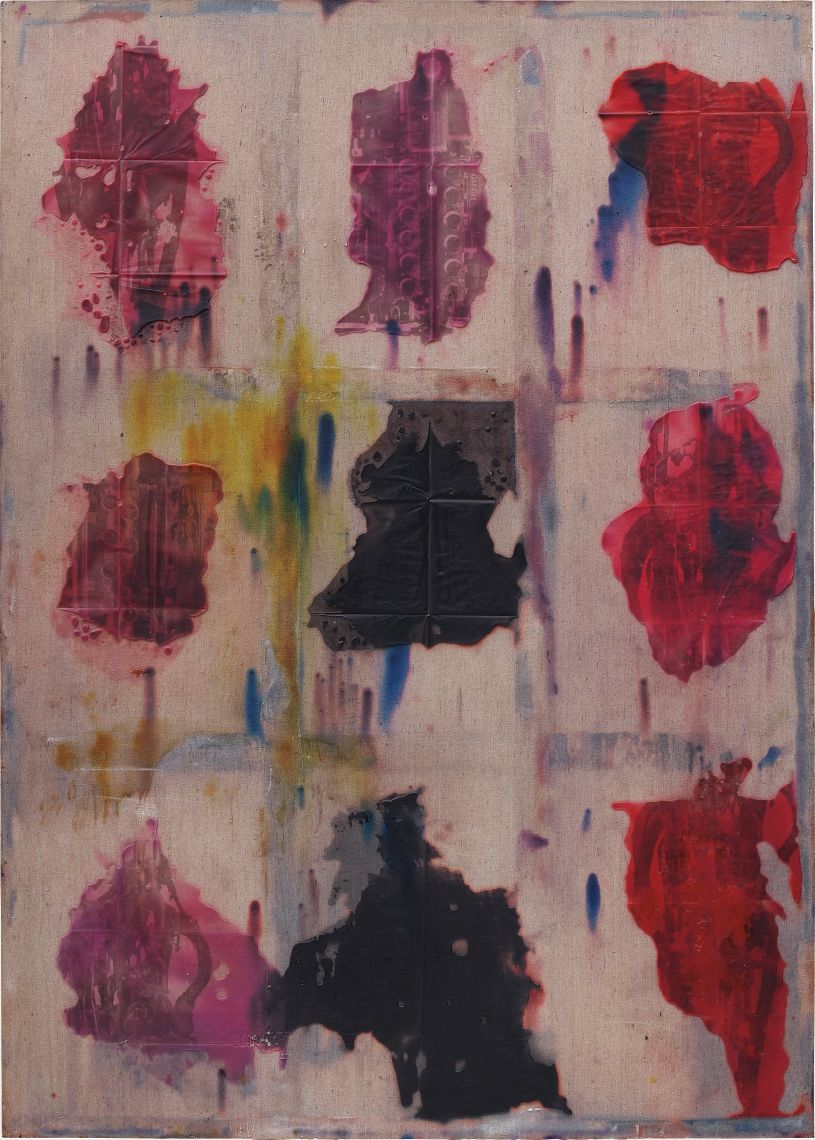
Jpw3
9, 2014
It never was. And the most compelling work being made on it right now knows that completely.