Candid Photography
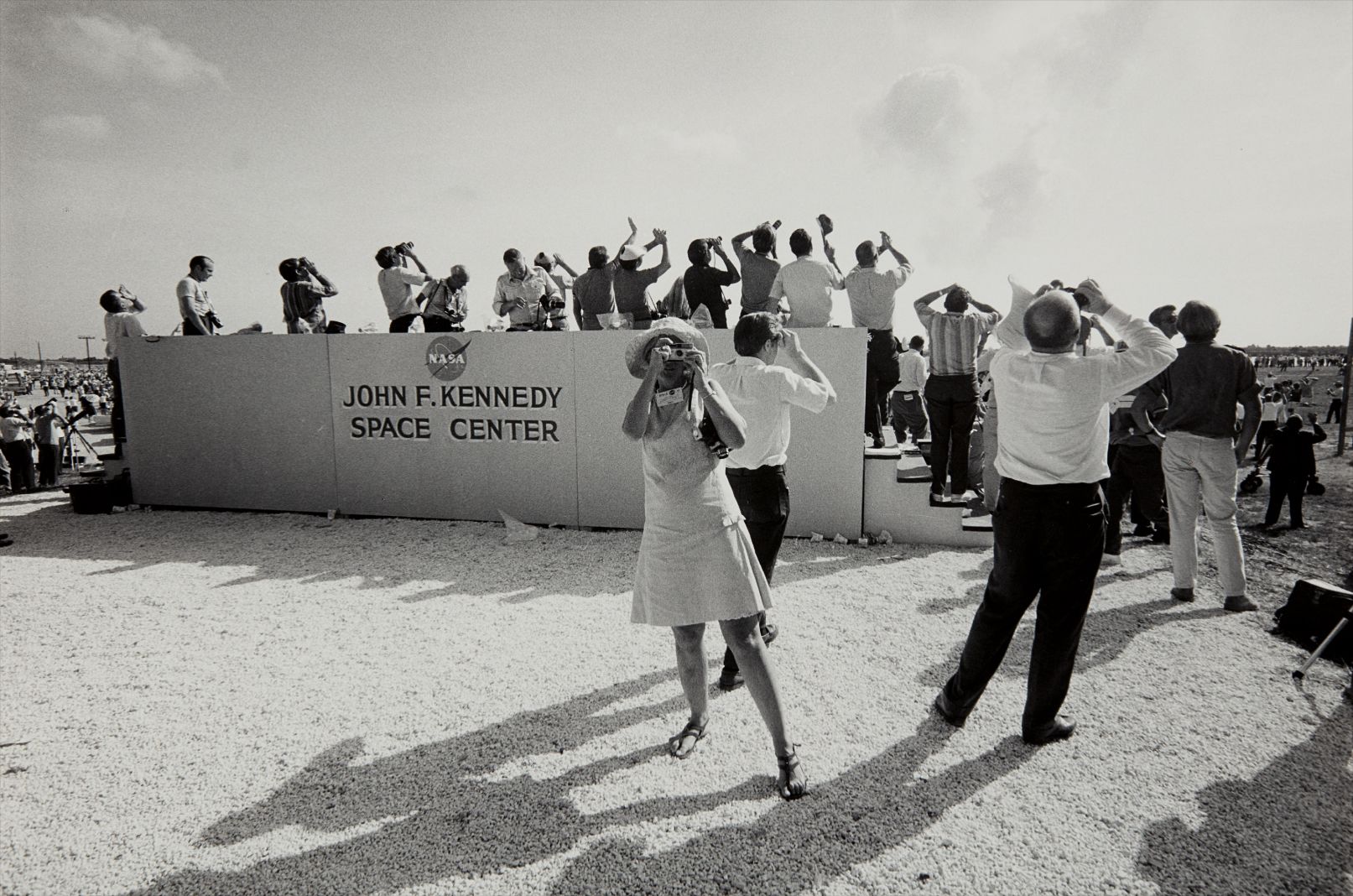
Garry Winogrand
Apollo 11 Moon Shot, Cape Kennedy, Florida
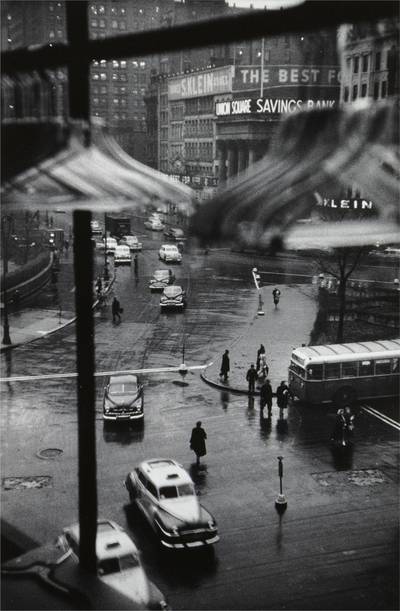
The Stolen Moment Is Worth Everything Now
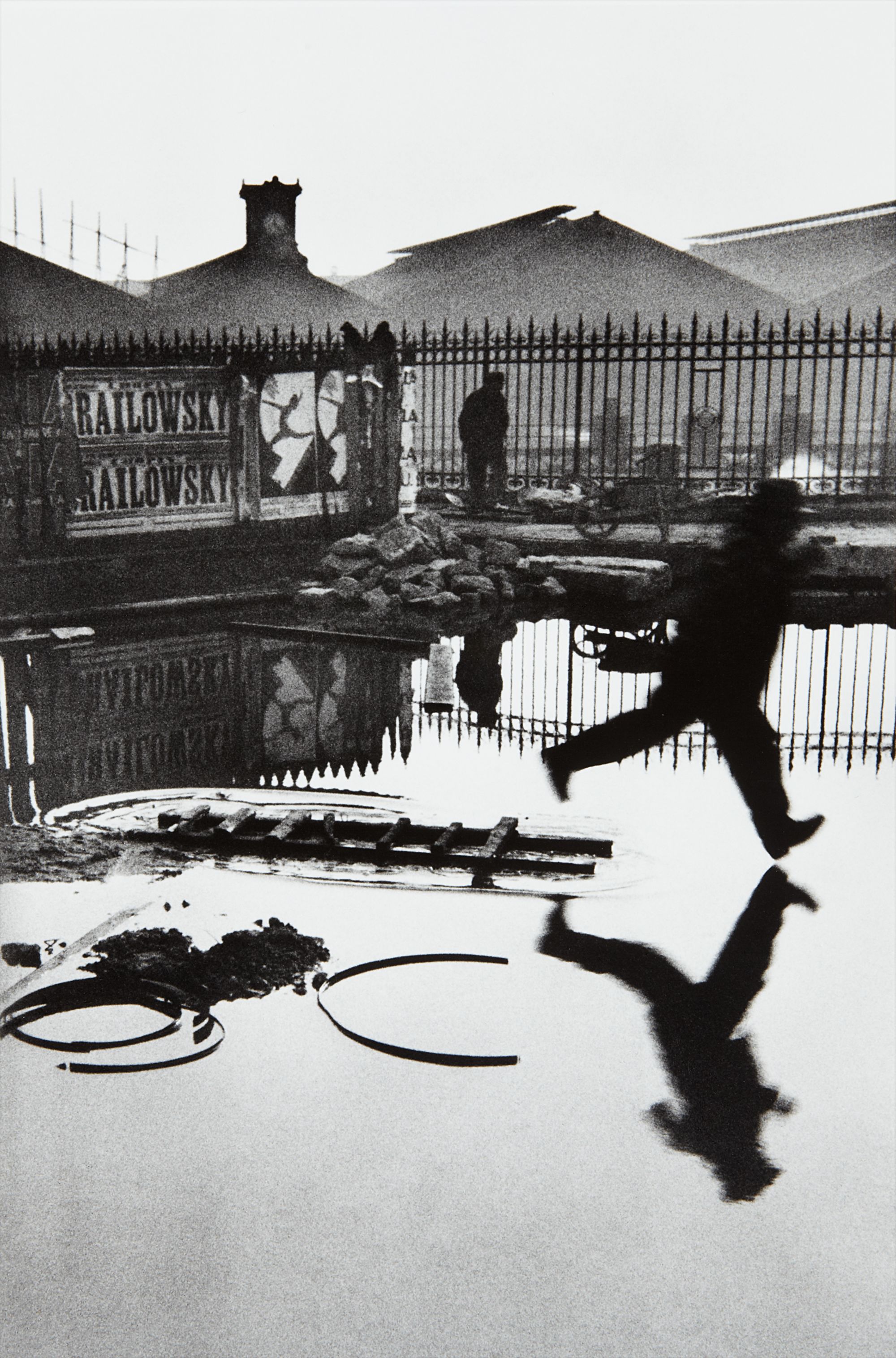
Last year, a vintage print by Henri Cartier Bresson sold at Christie's for well above its high estimate, a result that would have surprised almost no one in the room. What was striking was who was bidding. Alongside the expected European institutions and established print collectors were younger buyers, some of them acquiring their first serious photograph, drawn not by nostalgia but by something more urgent: a genuine hunger for images that feel true. Candid photography, the art of pictures taken without arrangement or permission or pretense, has quietly become one of the most contested and coveted territories in the contemporary art market.
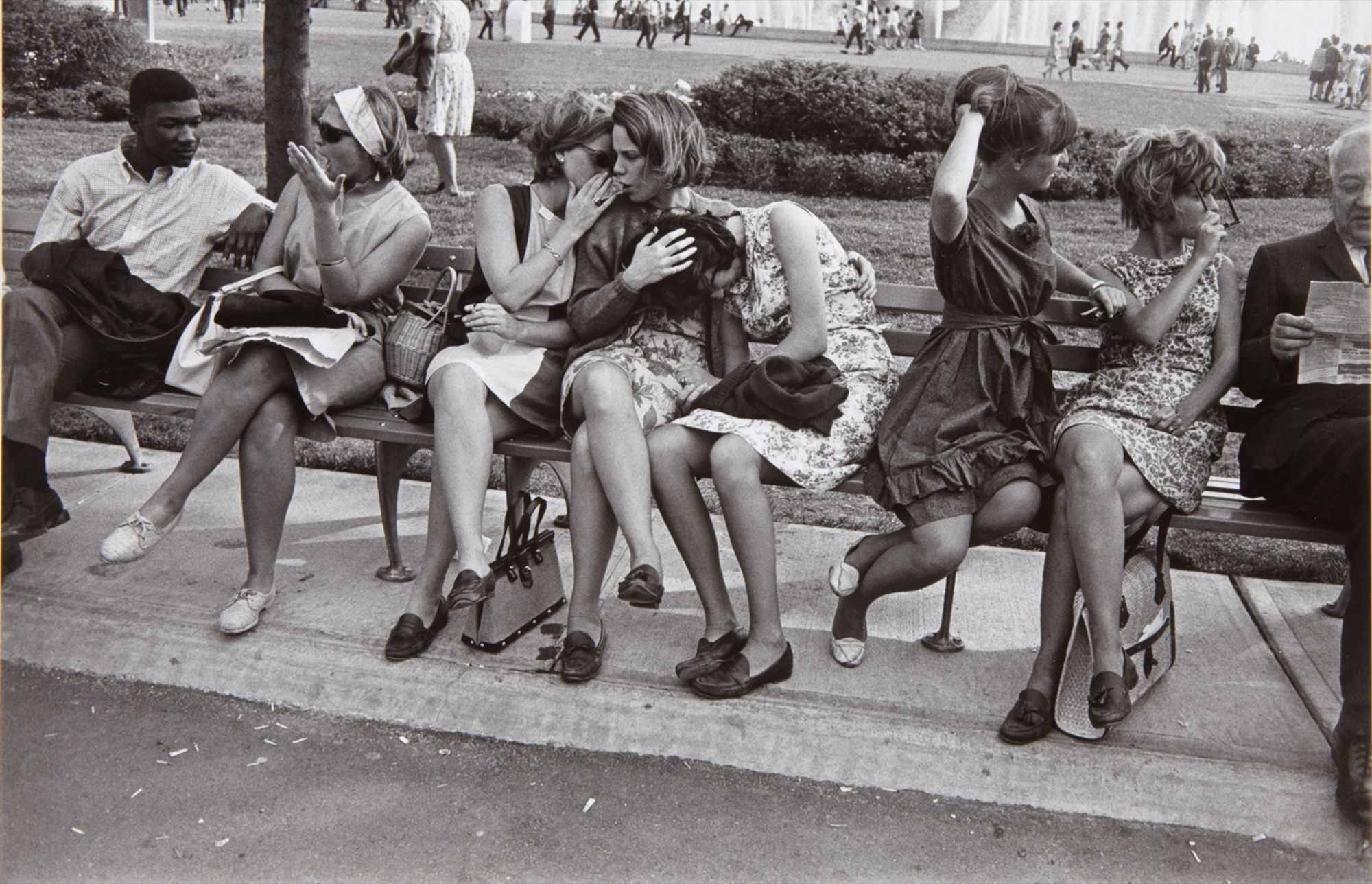
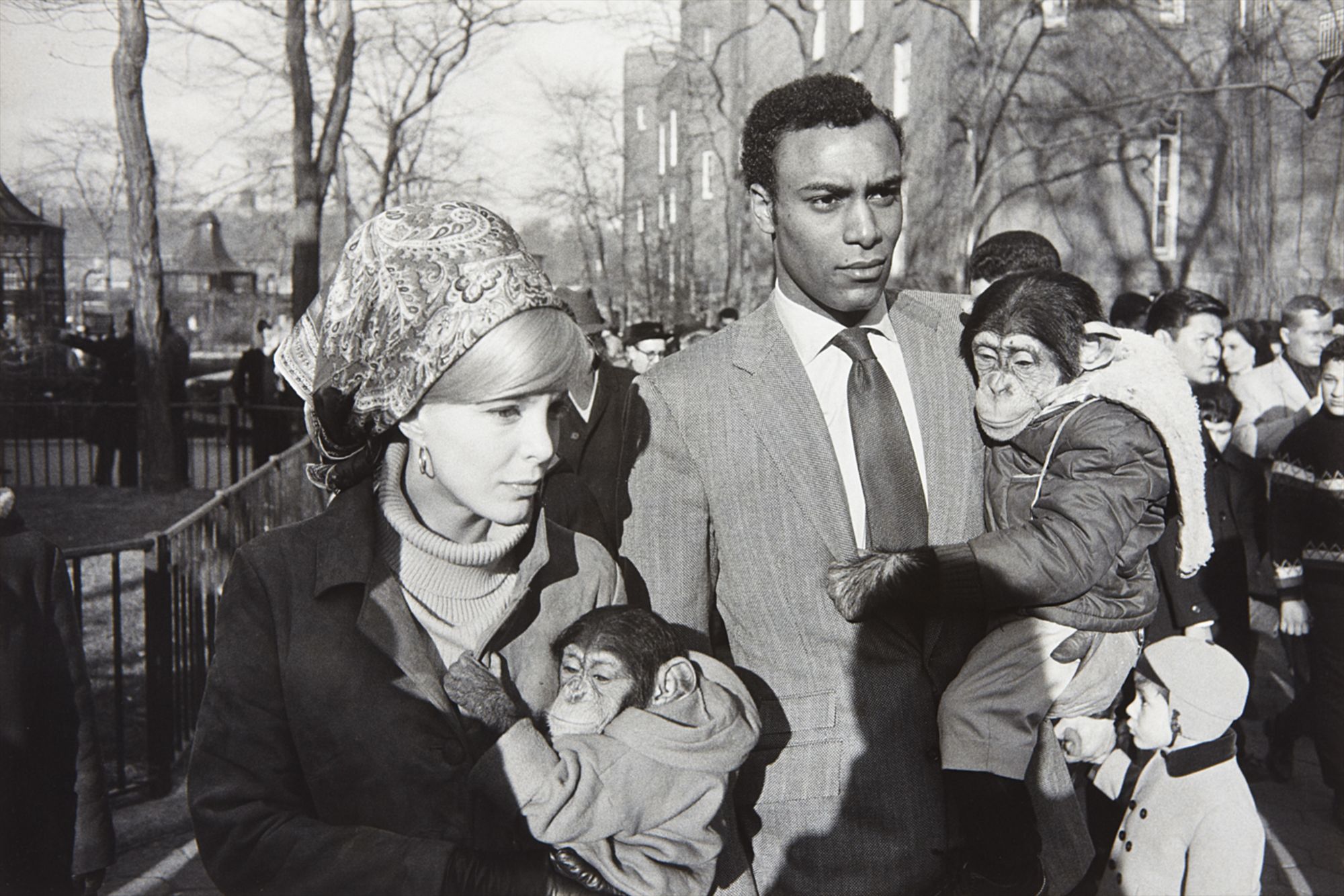
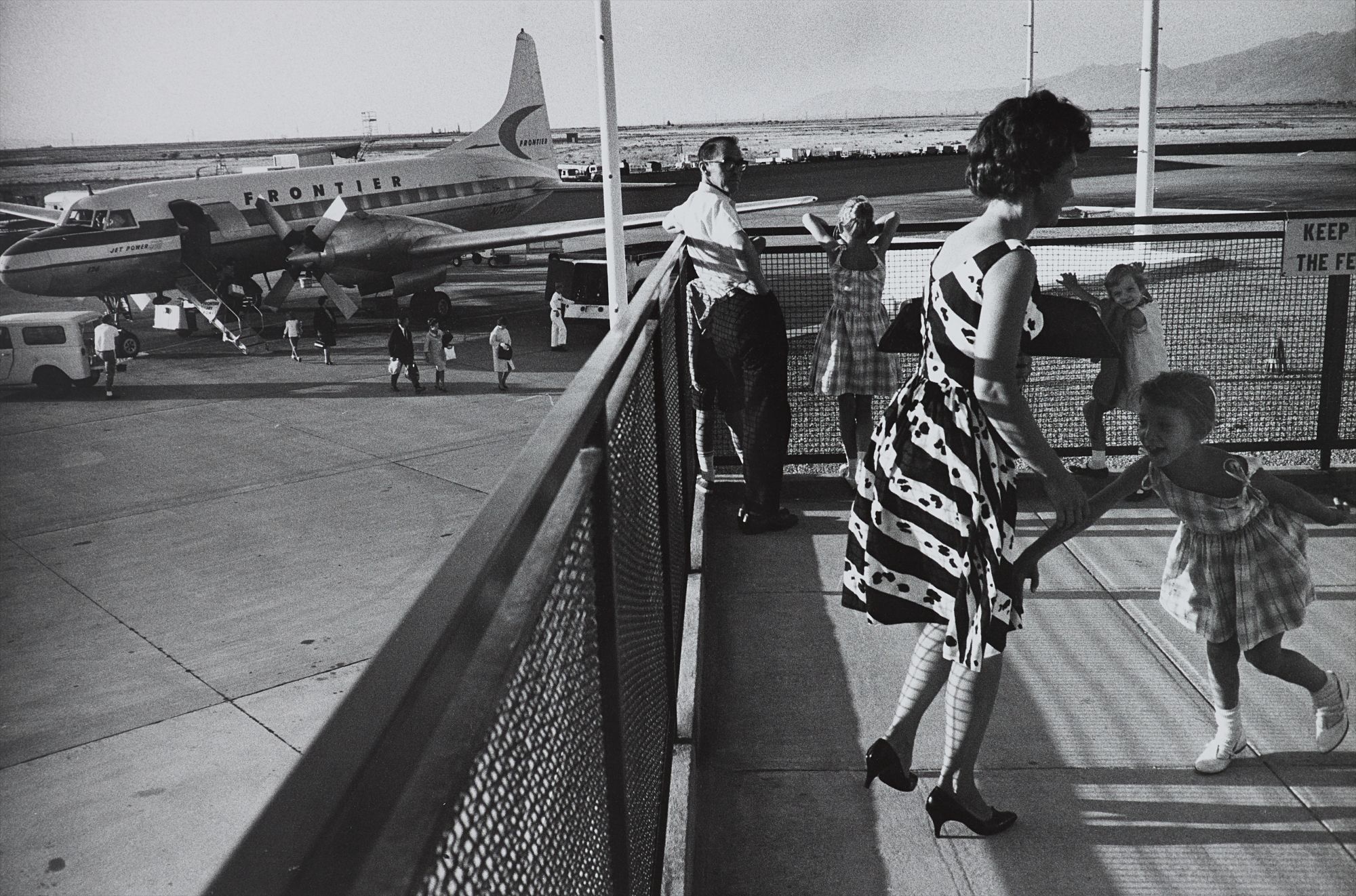
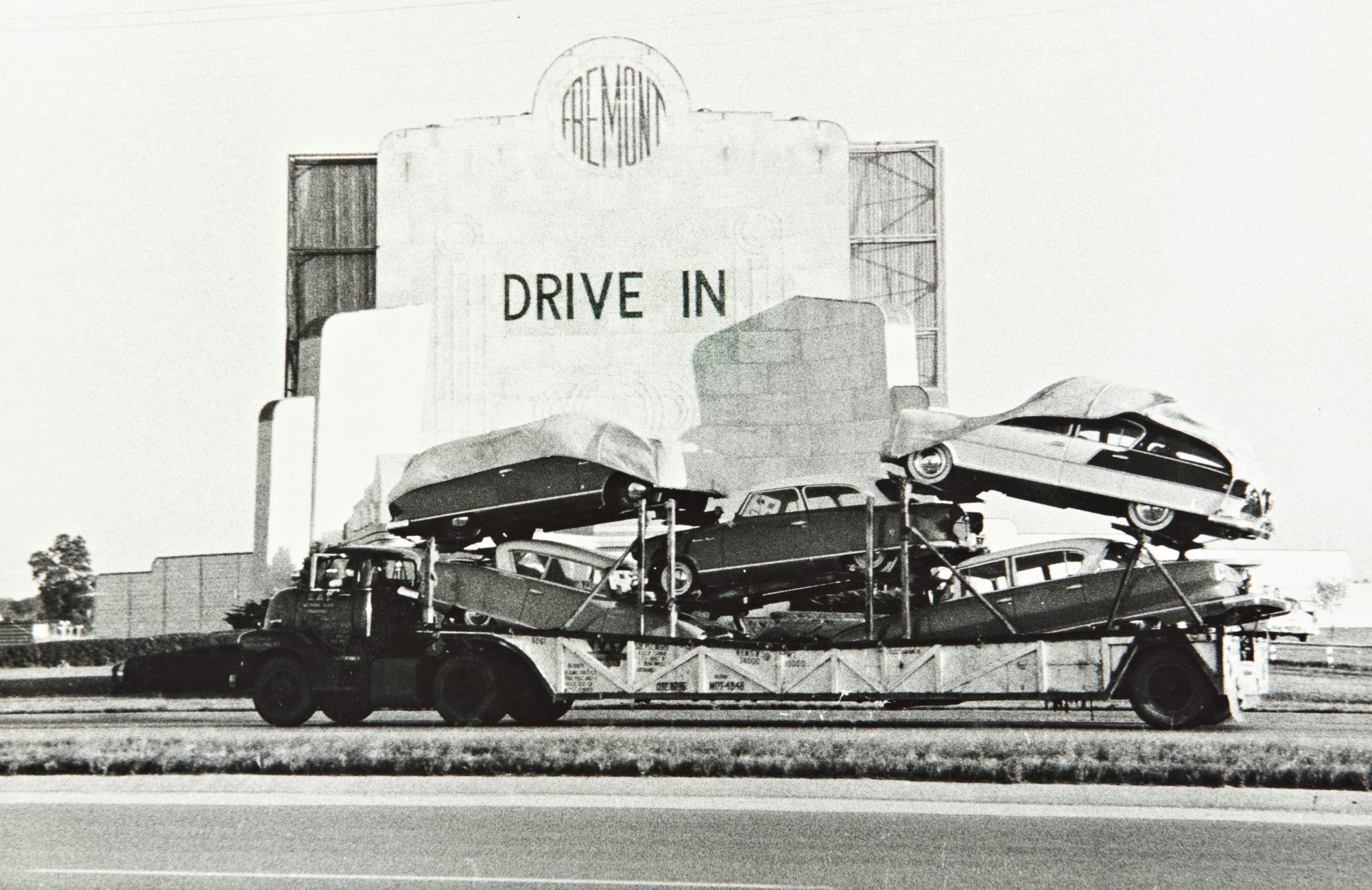
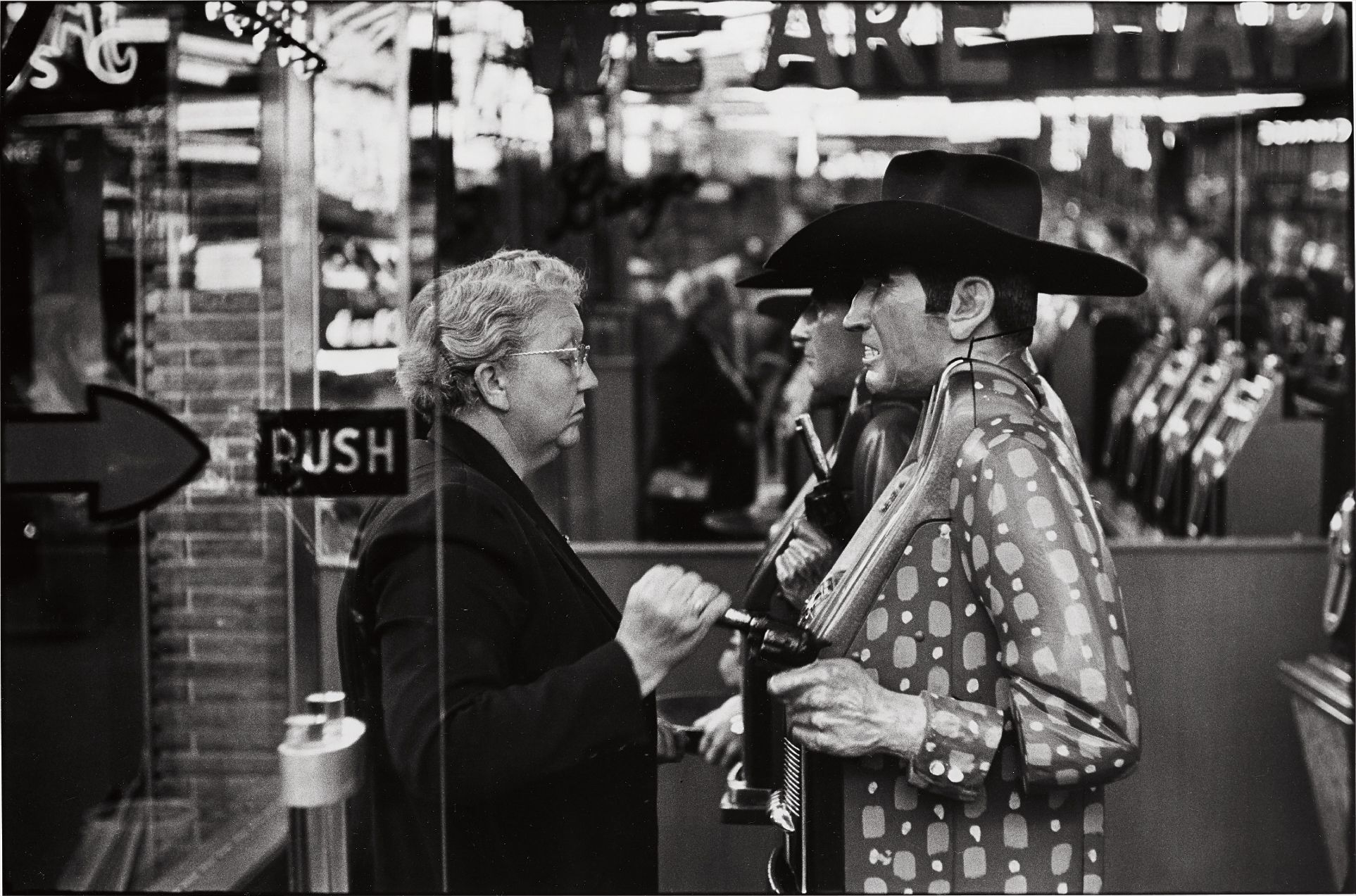
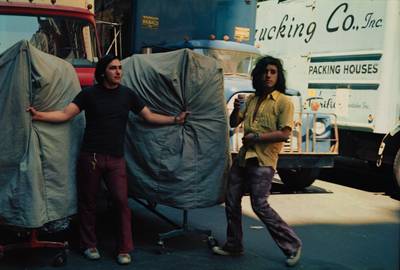
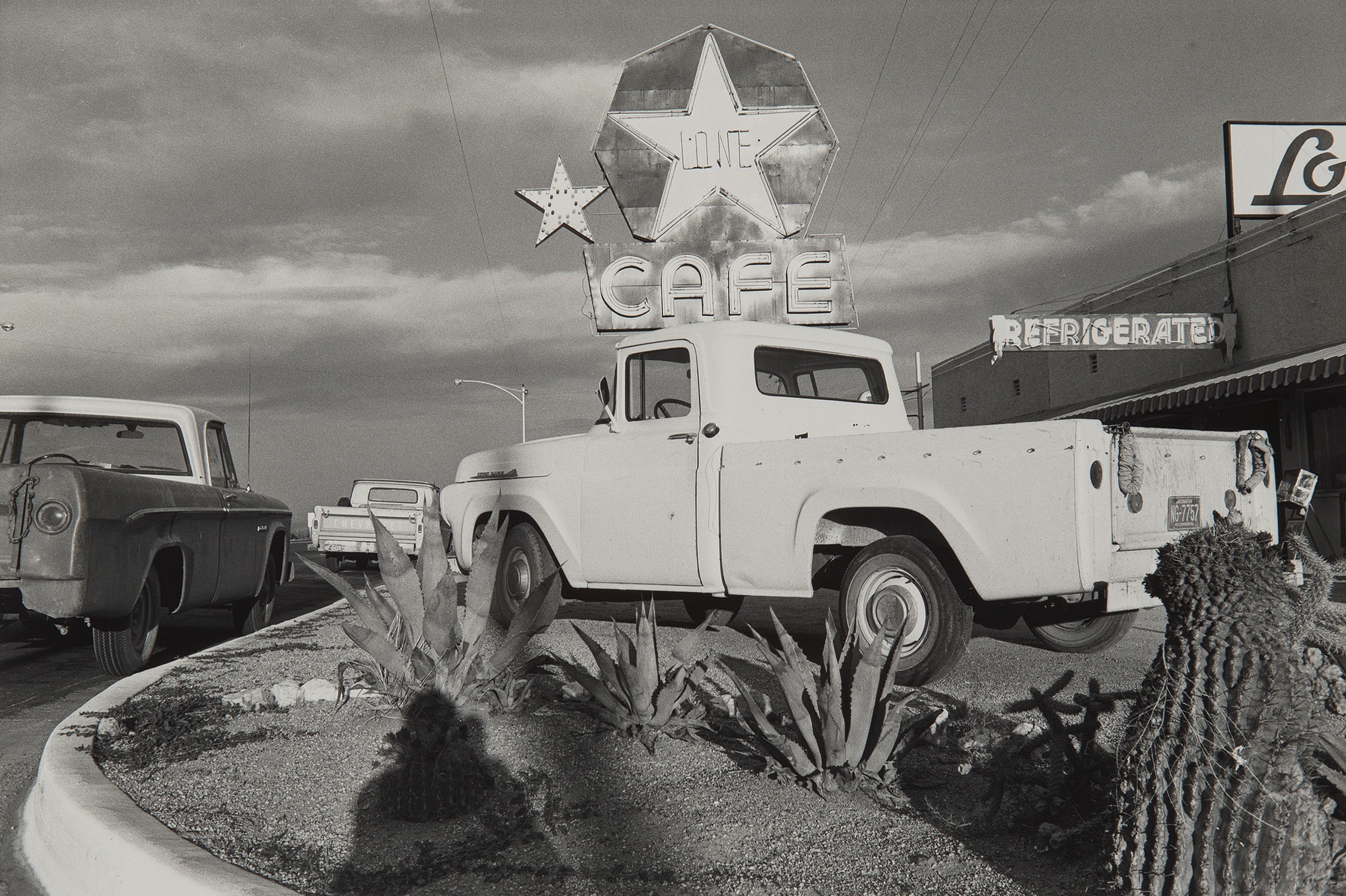
The timing is not accidental. We live in an era saturated with images that are, in one way or another, managed. Social media has produced a global visual culture of performance and curation, and against that backdrop the candid image carries almost radical weight. A photograph by Garry Winogrand taken on Fifth Avenue in 1969 feels, to a contemporary eye, like a document of something that no longer exists: unself conscious life caught in the open.
Garry Winogrand
Apollo 11 Moon Shot, Cape Kennedy, Florida
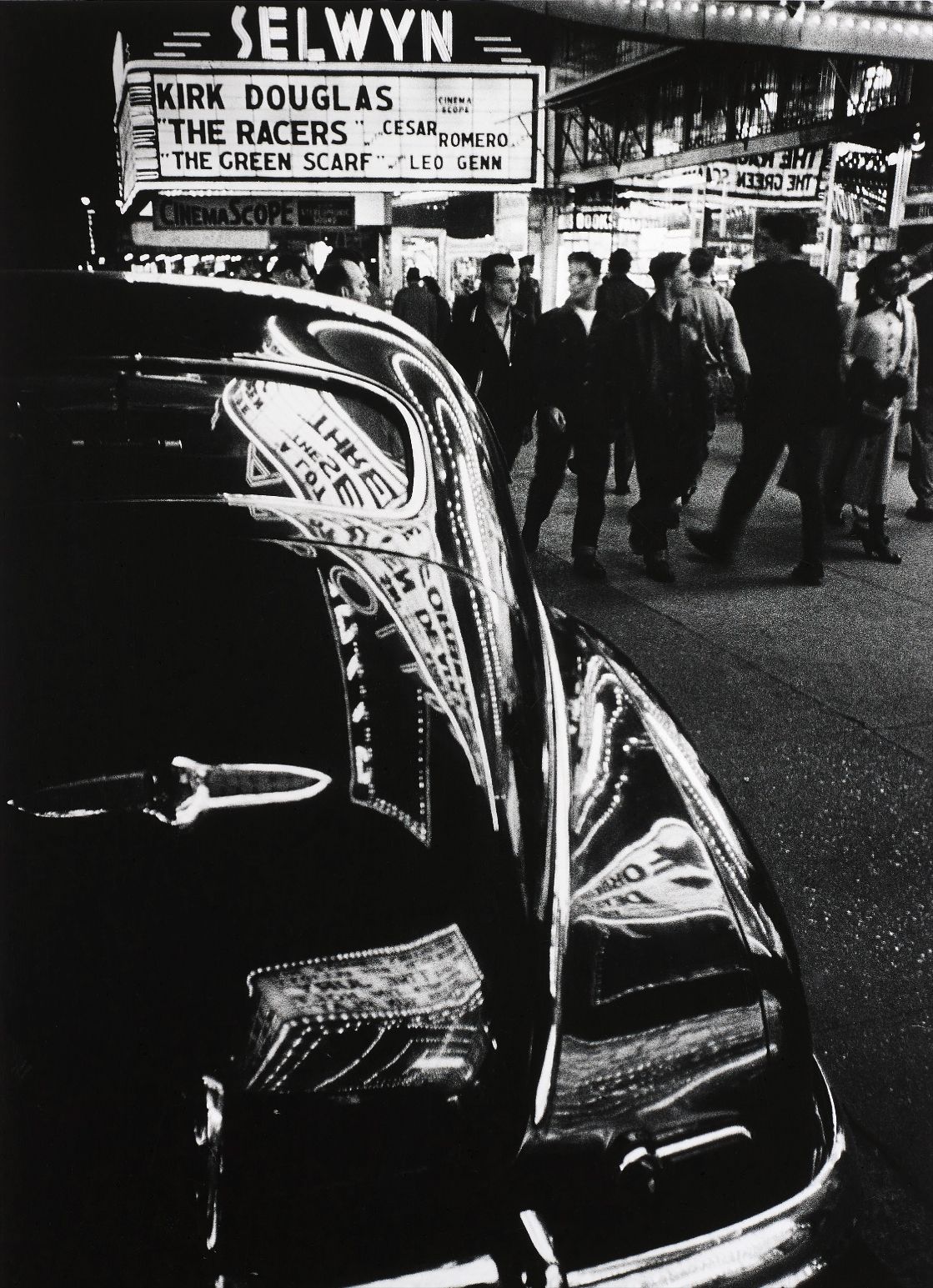
Winogrand famously said he photographed to find out what something will look like photographed, and that spirit of genuine discovery is precisely what the market and the culture are reaching for right now. The exhibition record of the past decade reflects this appetite clearly. The Museum of Modern Art's 2014 retrospective devoted to Garry Winogrand was a watershed moment, drawing new attention not only to his vast and sometimes chaotic archive but to the broader question of what it means to make photographs instinctively, at speed, without second guessing. Around the same time, the San Francisco Museum of Modern Art mounted a significant survey of Robert Frank, whose 1958 book The Americans remains the single most influential photobook in the medium's history.
These shows did not merely celebrate historical achievement. They reopened arguments about authorship, intention, and the ethics of picturing strangers, arguments that feel as alive today as they did when the pictures were first made. At auction, the hierarchy within the genre is fairly clear, though it continues to shift. Cartier Bresson commands the top tier, with strong prints consistently achieving six figure results and exceptional works climbing well beyond that.
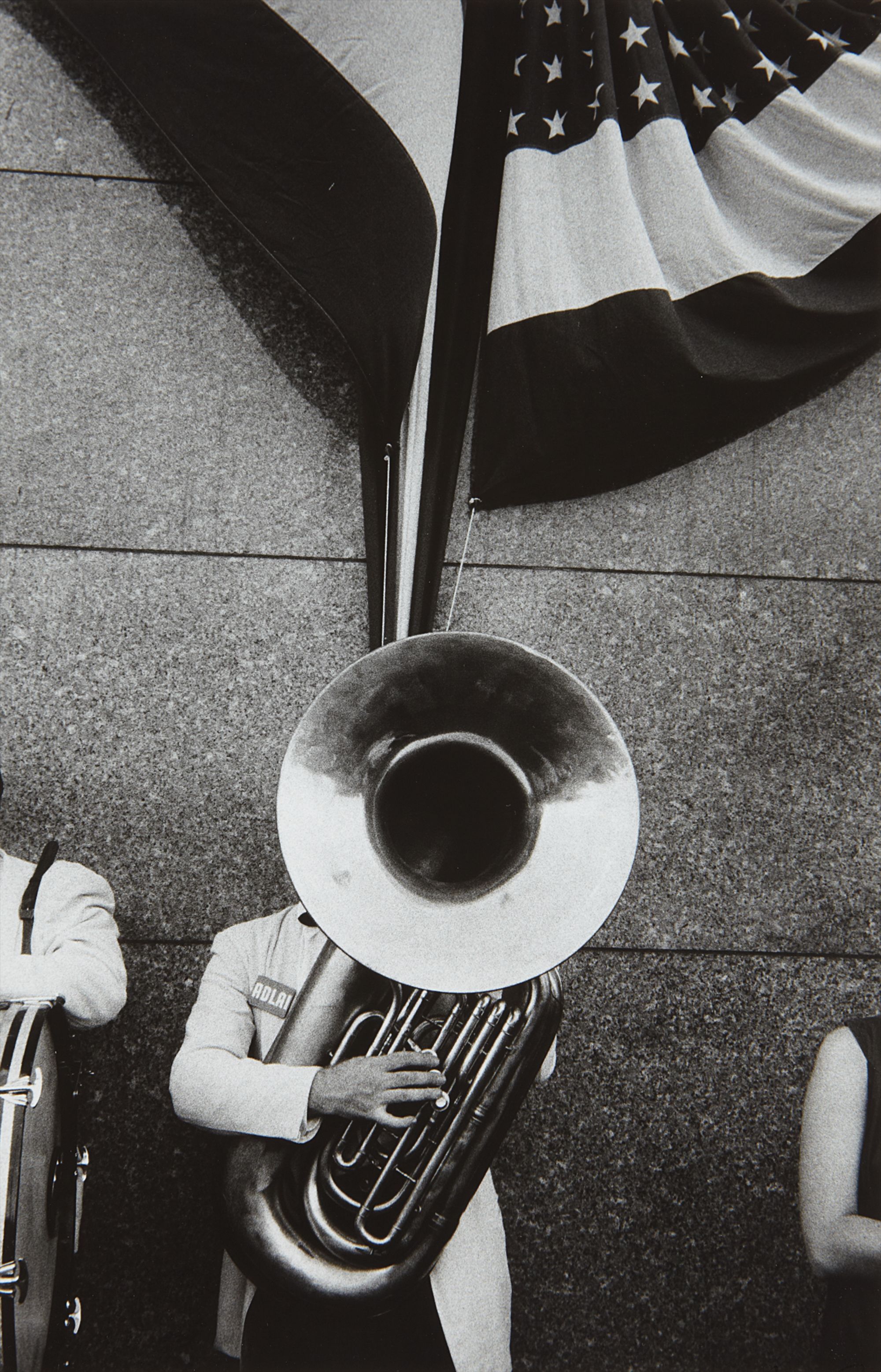
Robert Frank
Chicago-Political Rally
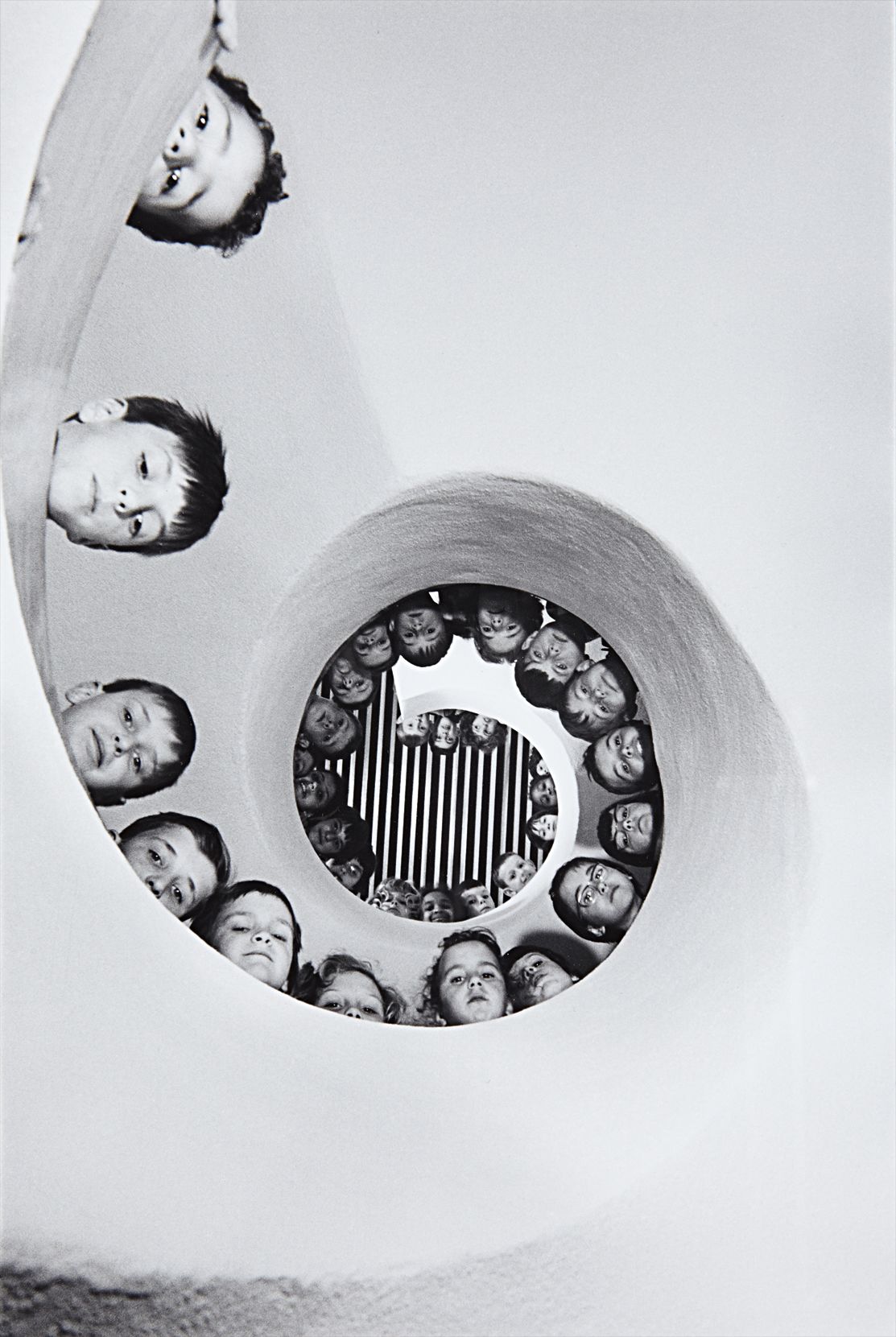
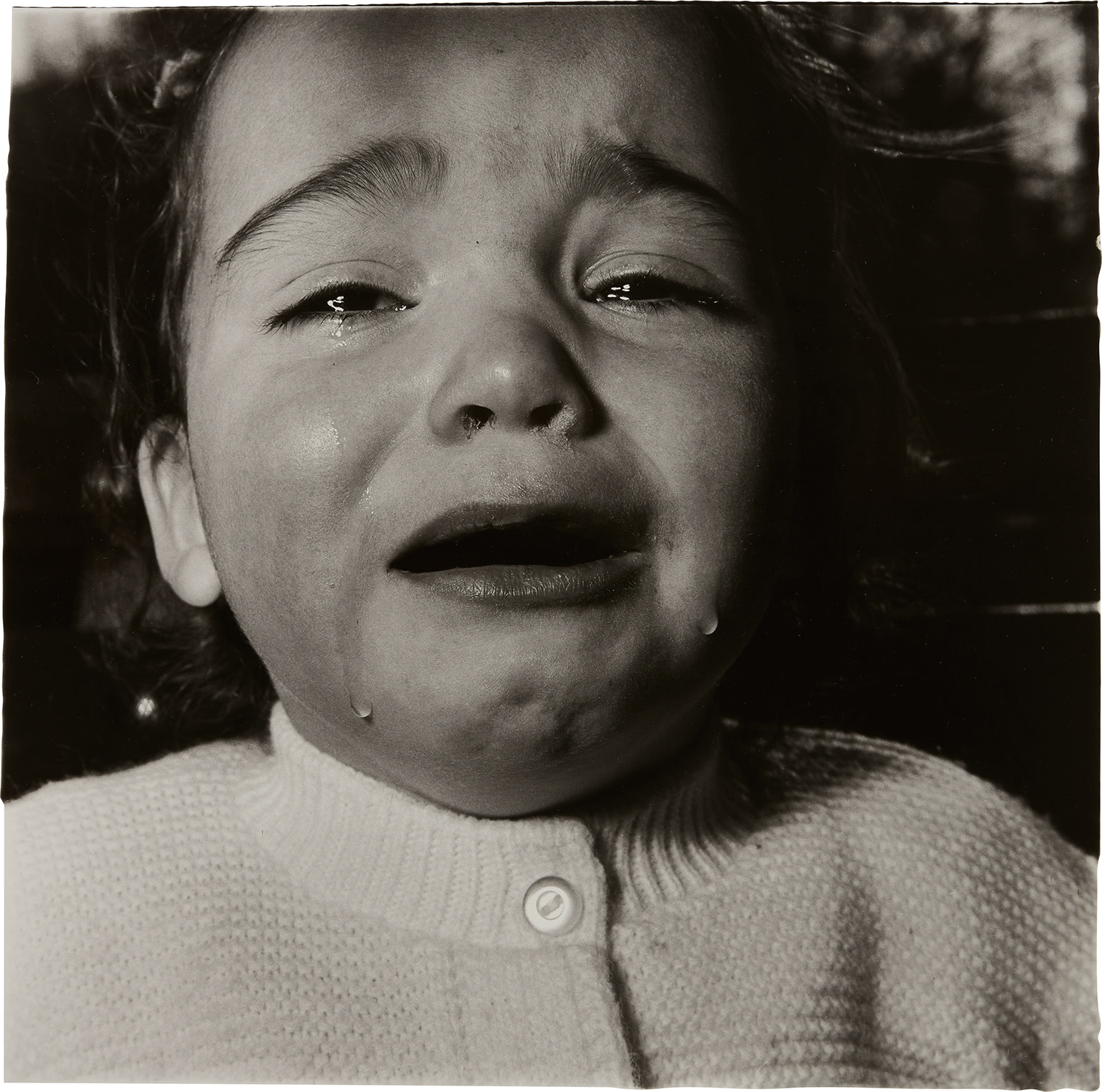
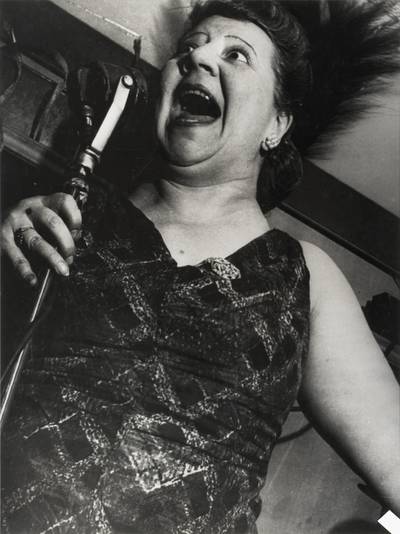
His influence on The Collection is substantial, and the range of work available there reflects his extraordinary span, from wartime reportage to postwar street poetry in Paris and beyond. Robert Frank and Diane Arbus follow as market anchors, with Arbus in particular having benefited from sustained institutional attention over the past fifteen years. Her photographs of marginalized and overlooked Americans, made in the 1960s, have never felt more urgent to curators working through questions of representation and visibility. Winogrand's market has also matured considerably, driven in part by the MoMA retrospective and by a wider recognition that his work rewards repeated looking in ways that photographs made for effect rarely do.
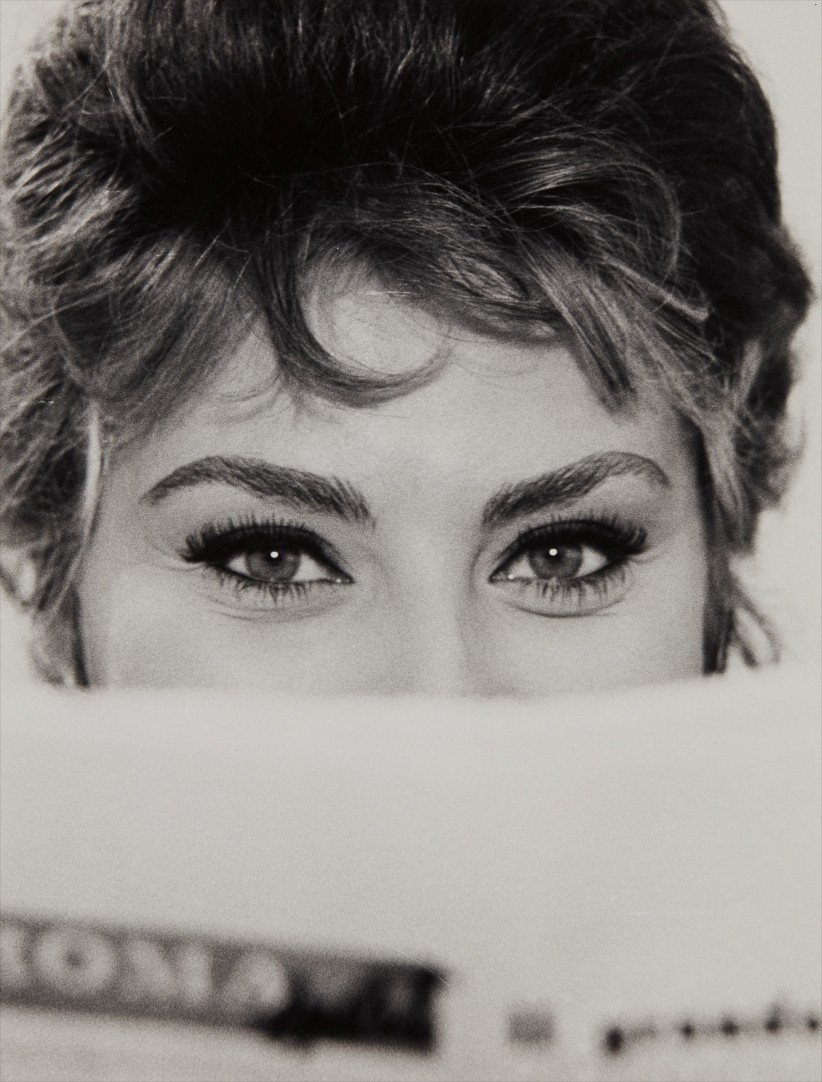
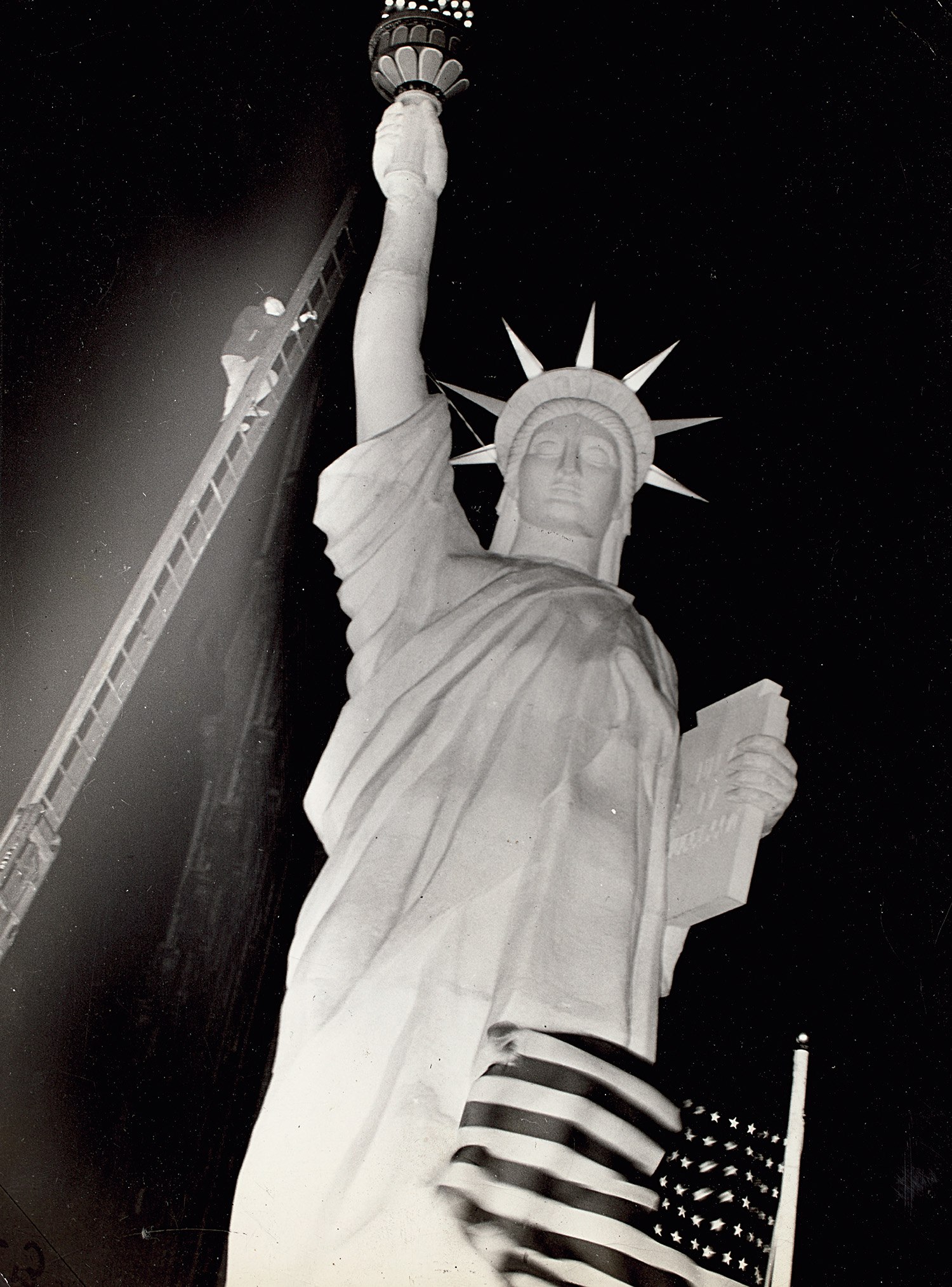
Further along the spectrum, collectors are paying close attention to artists who occupied the edges of the genre. Helen Levitt, who spent decades photographing children and street life in New York with a tenderness that never slipped into sentimentality, is consistently undervalued relative to her male contemporaries, and serious collectors have noticed. Elliott Erwitt built a career on wit and timing that made his photographs seem effortless, which is perhaps why the market has sometimes underestimated the craft involved. Weegee, whose real name was Arthur Fellig, remains a singular case: his pictures of crime scenes, fires, and curbside grief in 1940s New York are as formally rigorous as they are sensationally compelling, and institutions that once dismissed him as a tabloid photographer have quietly revised that position.
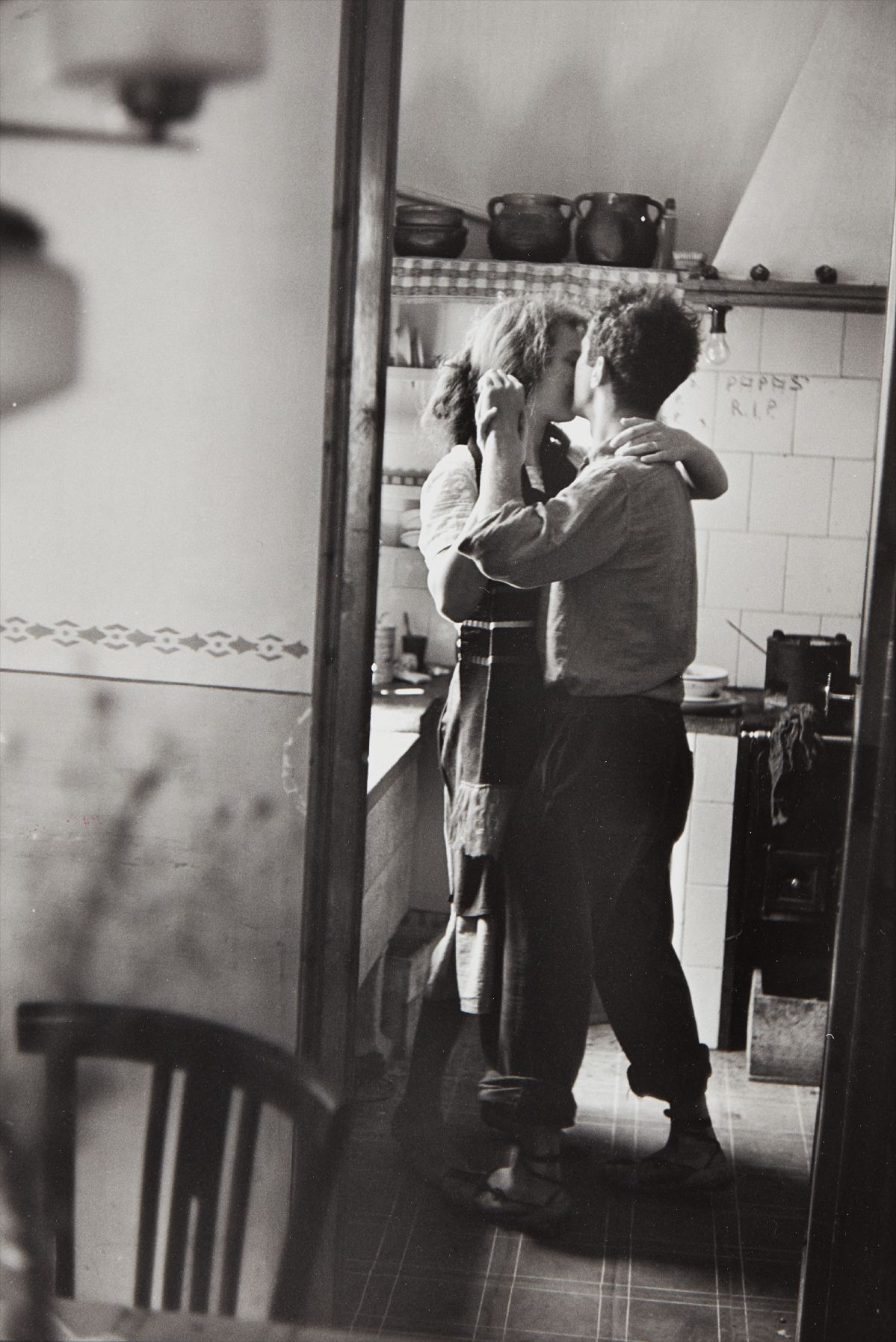
Elliott Erwitt
Valencia, Spain (Robert and Mary Frank)
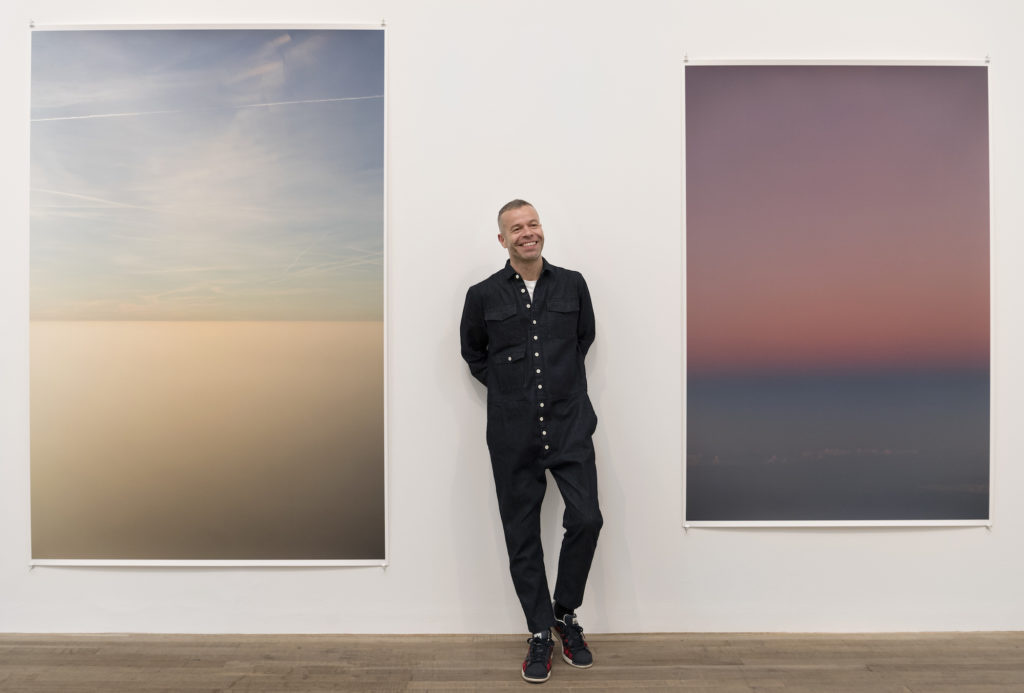
Wolfgang Tillmans, the youngest major figure represented in this territory, occupies a different register entirely, connecting the candid tradition to queer community, political resistance, and the texture of everyday intimacy in ways that have earned him both a Turner Prize and a devoted following among younger collectors. The institutions doing the most interesting collecting in this space right now include the Getty Museum in Los Angeles, which has built one of the strongest photography holdings in the world and continues to acquire actively across the candid tradition, and the Aperture Foundation in New York, which functions as a cultural hub as much as a collecting institution, publishing, exhibiting, and keeping the critical conversation moving. The George Eastman Museum in Rochester remains the field's great repository, with depth that no private collector can match. What these institutions signal collectively is that candid photography is no longer a secondary concern within the photography market.
It sits at the center. The critical writing shaping how we understand this area is increasingly coming from unexpected directions. Geoff Dyer's book The Ongoing Moment, published in 2005 but still widely read and argued over, proposed that great photographers are always in dialogue with each other across time, returning again and again to the same essential subjects: the blind, the street corner, the open road. More recently, curators including Roxana Marcoci at MoMA have framed the genre within broader questions about public space, surveillance, and the right to an image.
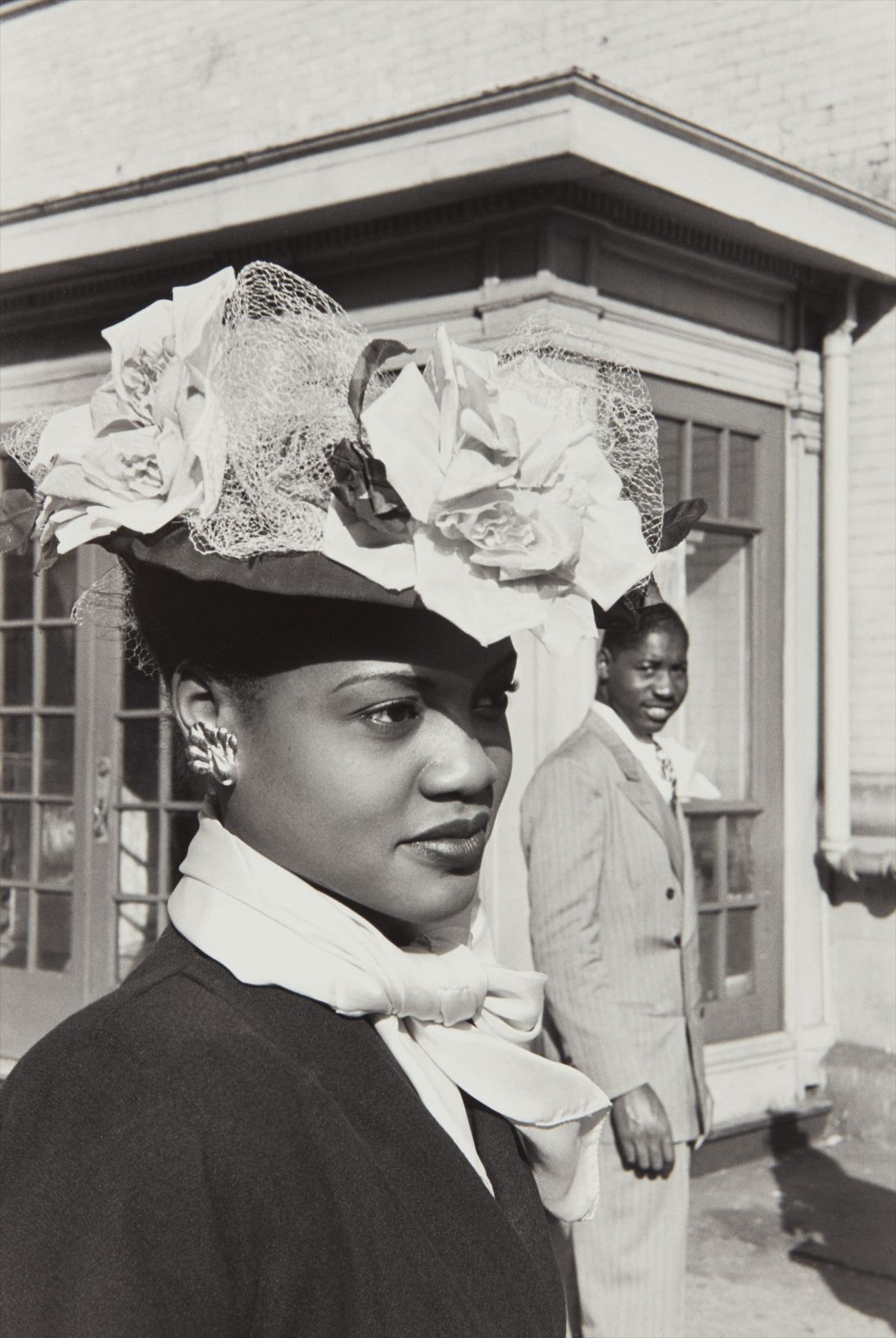
Henri Cartier-Bresson
Easter Sunday in Harlem
These are not merely academic concerns. They bear directly on how we value and read the photographs. What feels genuinely alive at this moment is the reappraisal of figures who worked in the shadow of the canonical names. Fan Ho, the Hong Kong photographer whose work from the 1950s and 1960s combines documentary instinct with an almost painterly eye for light, is attracting serious attention from Asian collectors and Western institutions alike.
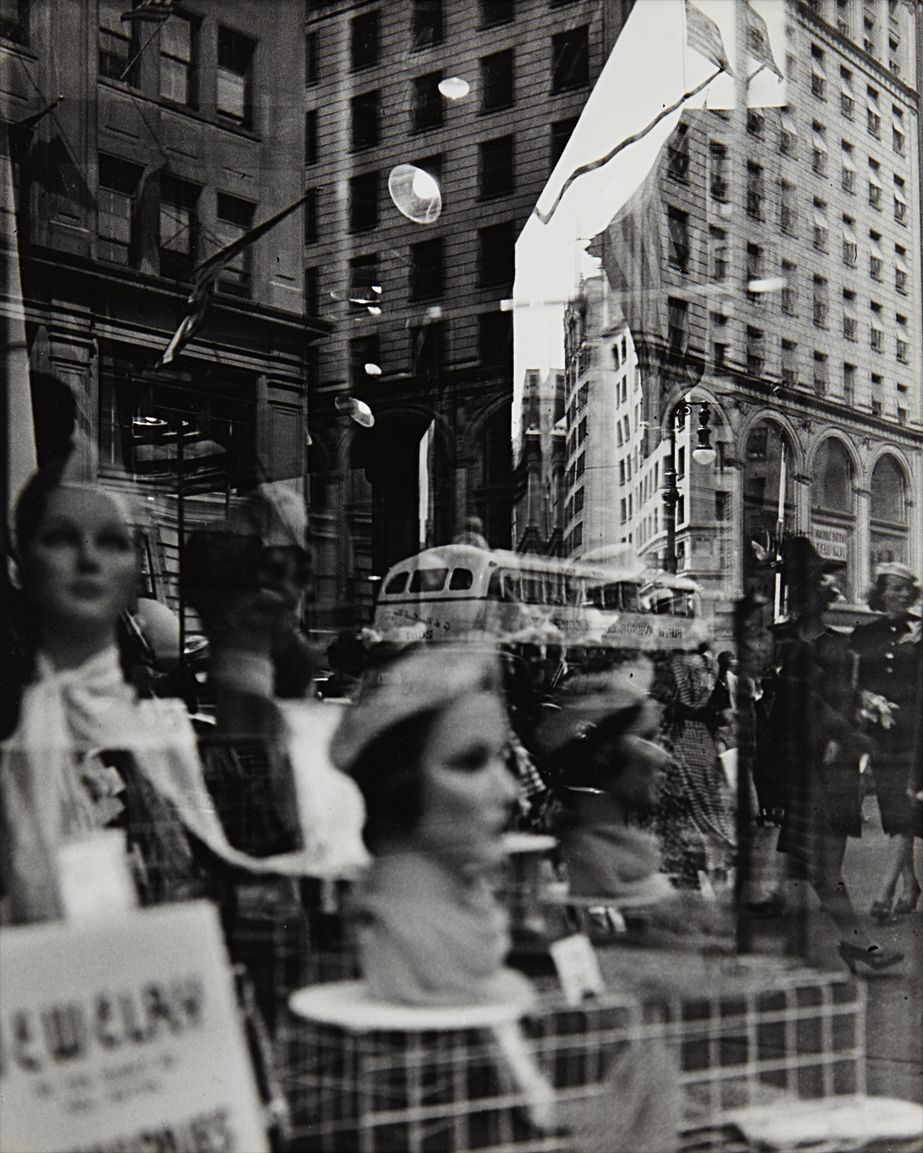
André Kertész, whose long career stretched from Budapest to Paris to New York, remains somewhat undersold relative to his influence. Martine Franck, Lisette Model, and Louis Faurer are all names worth watching as the market corrects for decades of gendered and geographic blind spots. The great candid photographers understood that the world is endlessly surprising if you are paying attention. It turns out the same is true of the market that has grown up around them.