Black And White Photography
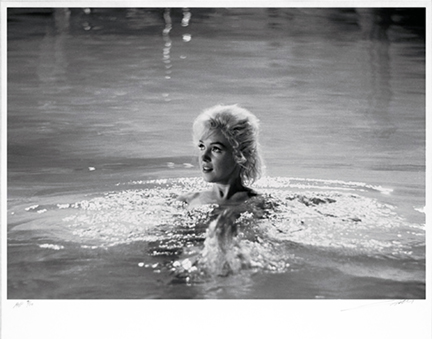
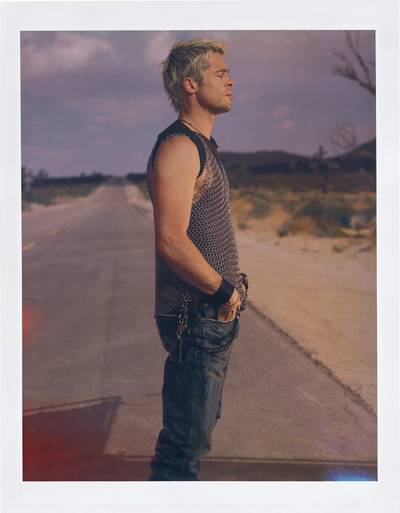
Lawrence Schiller
Marilyn Monroe (small): Roll 2 Frame 2, 1962

The World Looks Different Without Color
There is a particular kind of attention that black and white photography demands. Strip away color and something unexpected happens: the image becomes more itself, more concentrated, as if the photographer has reached past the surface of things to find the structure beneath. It is a paradox that has animated the medium since its earliest days, and it continues to pull collectors, curators, and viewers into a conversation that feels, against all odds, urgently contemporary. Photography arrived in the world without color by necessity.
The daguerreotype, announced to the public by the French Academy of Sciences in 1839, rendered the world in silver and shadow. For the first hundred years of the medium's life, monochrome was simply the condition of photography, not a choice but a fact. Yet something curious happened when color film became widely available in the mid twentieth century and later when digital capture made color effortless and essentially free. Many of the greatest photographers chose to stay in the dark.
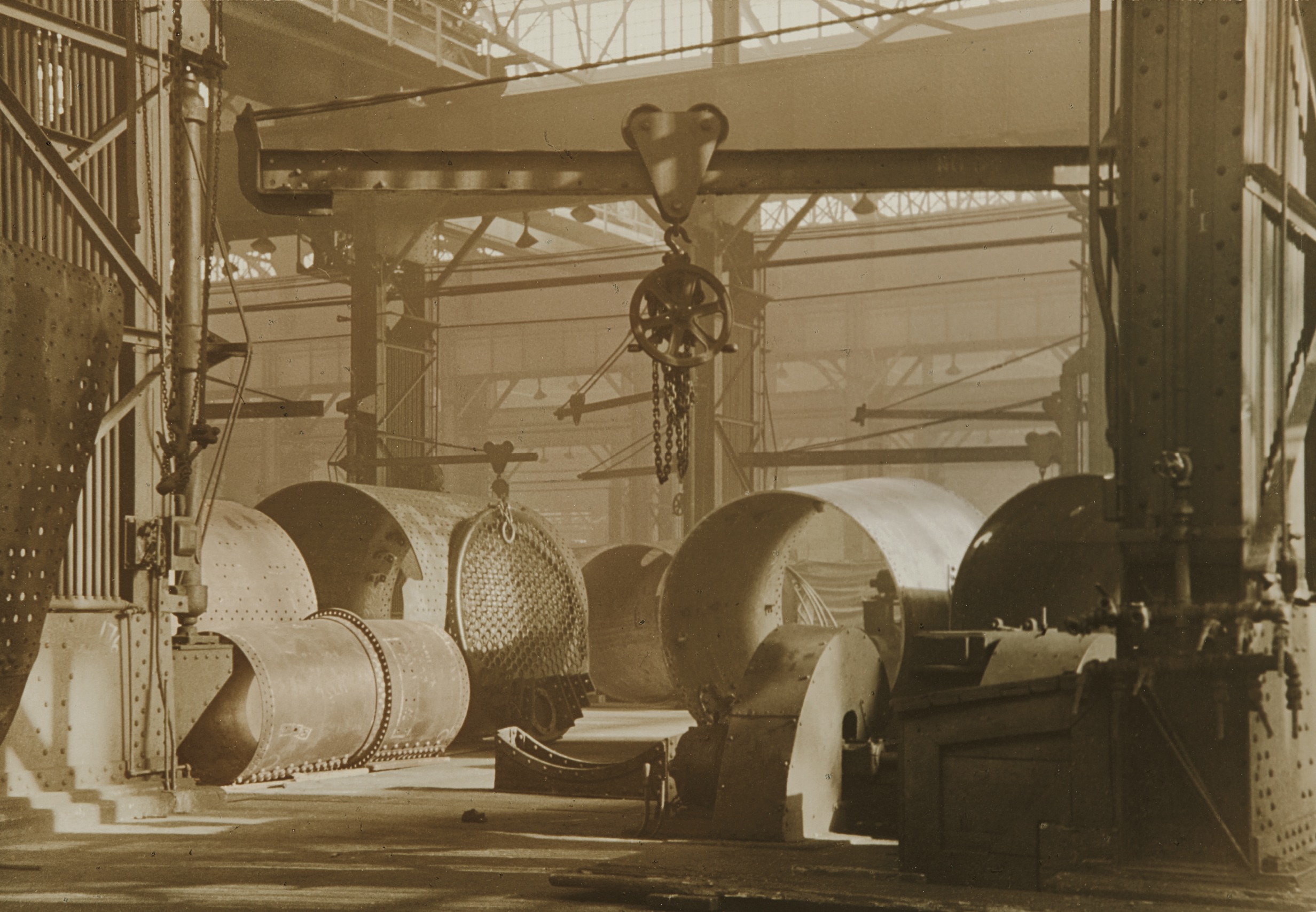
Charles Sheeler
Baldwin Locomotive Plant
They recognized that what had seemed like a limitation was in truth a language, one with a grammar and a vocabulary precise enough to say things that color cannot. The decisive figures who shaped this language are well represented on The Collection, and spending time among their work is something close to a tutorial in the possibilities of monochrome. Henri Cartier Bresson, whose archive here is substantial, famously built his entire practice around the geometry of the unrepeatable instant. His 1952 book Images à la Sauvette, published in English as The Decisive Moment, gave a name to an idea that photographers had been circling since the medium's beginning: that the camera could freeze a fraction of a second in which form and meaning align perfectly.
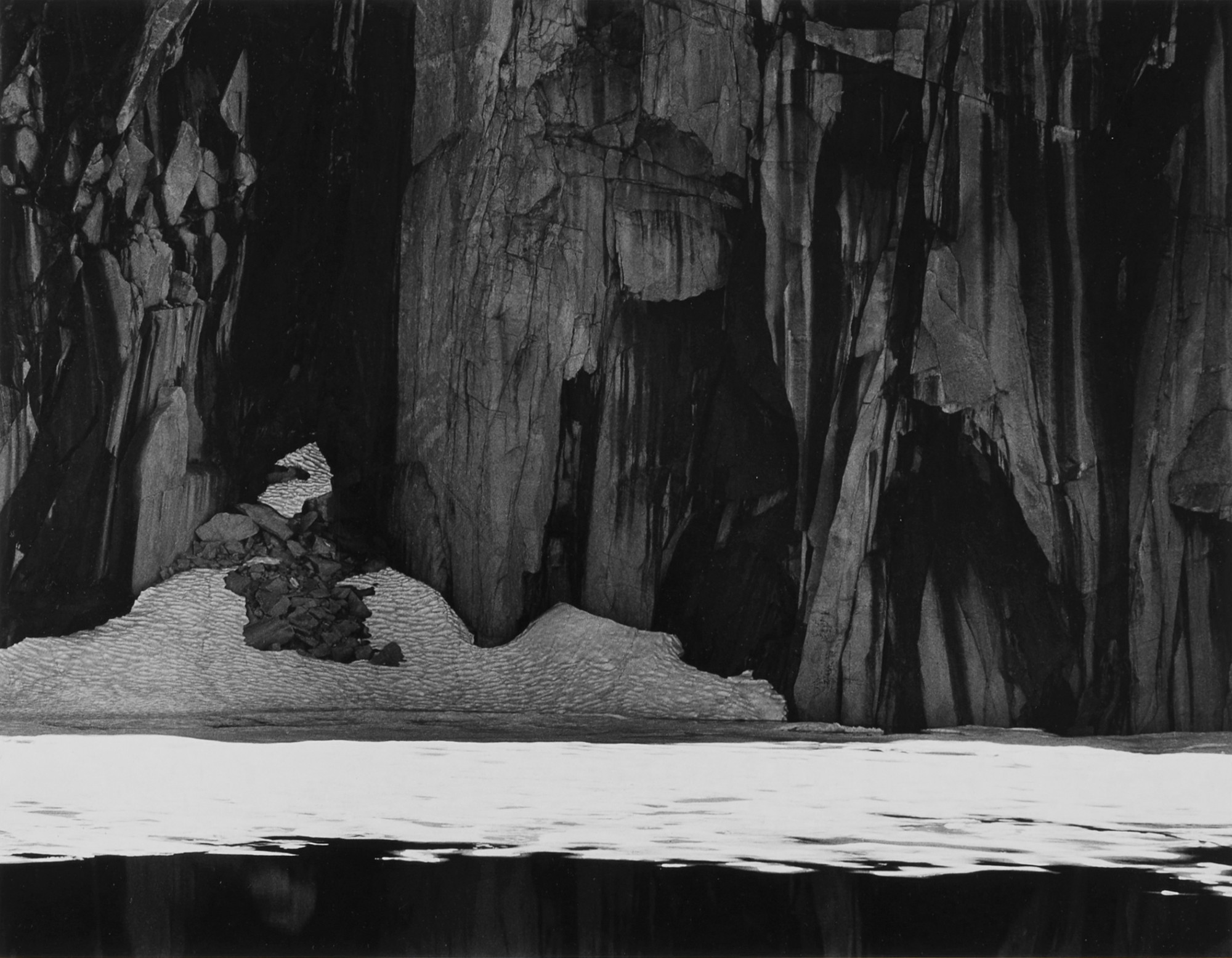
His photographs of Spain, France, Mexico, and India read like visual poems, and their tonal precision, the way gray becomes weight and shadow becomes architecture, is inseparable from their emotional force. Ansel Adams approached the monochrome differently, from the direction of science as much as art. Working in the American West throughout the 1930s and beyond, Adams developed the Zone System alongside Fred Archer, a method for controlling tonal range from the deepest black to the brightest white with technical exactness. His photographs of Yosemite and the American Southwest are often described as sublime, and they earn the word.
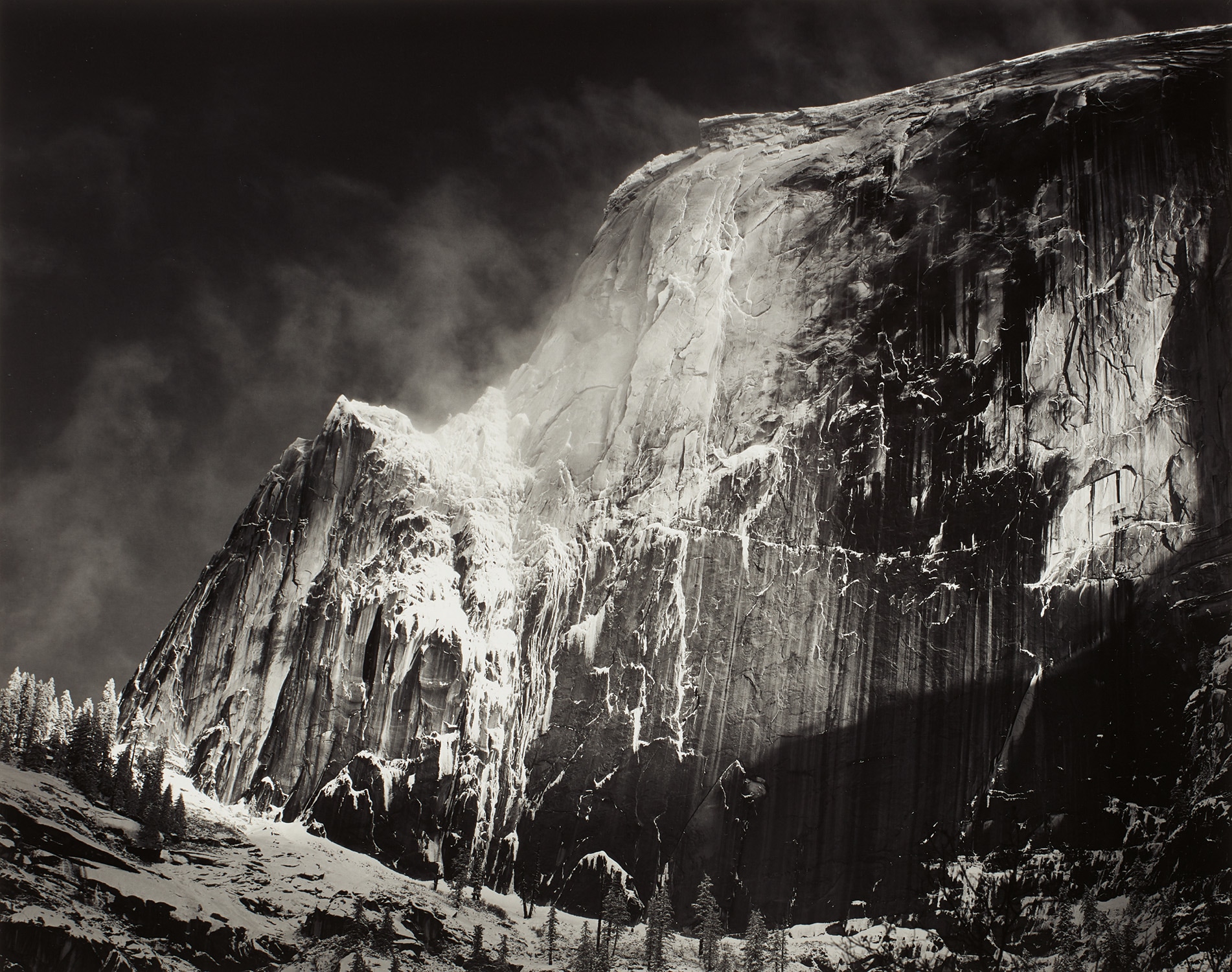
Ansel Adams
Half Dome, Blowing Snow, Yosemite National Park, California
But they are also arguments, made quietly through light and shadow, about what the natural world is worth. Edward Weston, his contemporary and sometime collaborator in spirit if not always in method, brought a different sensibility to the landscape and to the still life, finding in the curves of a pepper or a nautilus shell a formal intensity that feels almost sculptural. In Europe, other conversations were happening simultaneously. André Kertész arrived in Paris from Hungary in 1925 and began making photographs of a lyrical, slightly melancholy character that influenced virtually everyone who came after him.
Brassaï, the Romanian born photographer whose real name was Gyula Halász, worked the streets of Paris by night through the 1930s, turning gas light and wet cobblestones into an atmosphere so complete it feels novelistic. Bill Brandt in Britain was doing something stranger still, distorting space and scale in his nudes and his portraits to create images that sit on the border between documentary and dream. All three are represented on The Collection, and seen together they suggest how much territory the monochrome tradition claimed in that remarkable prewar decade. Fashion and portraiture brought their own demands and their own masters.
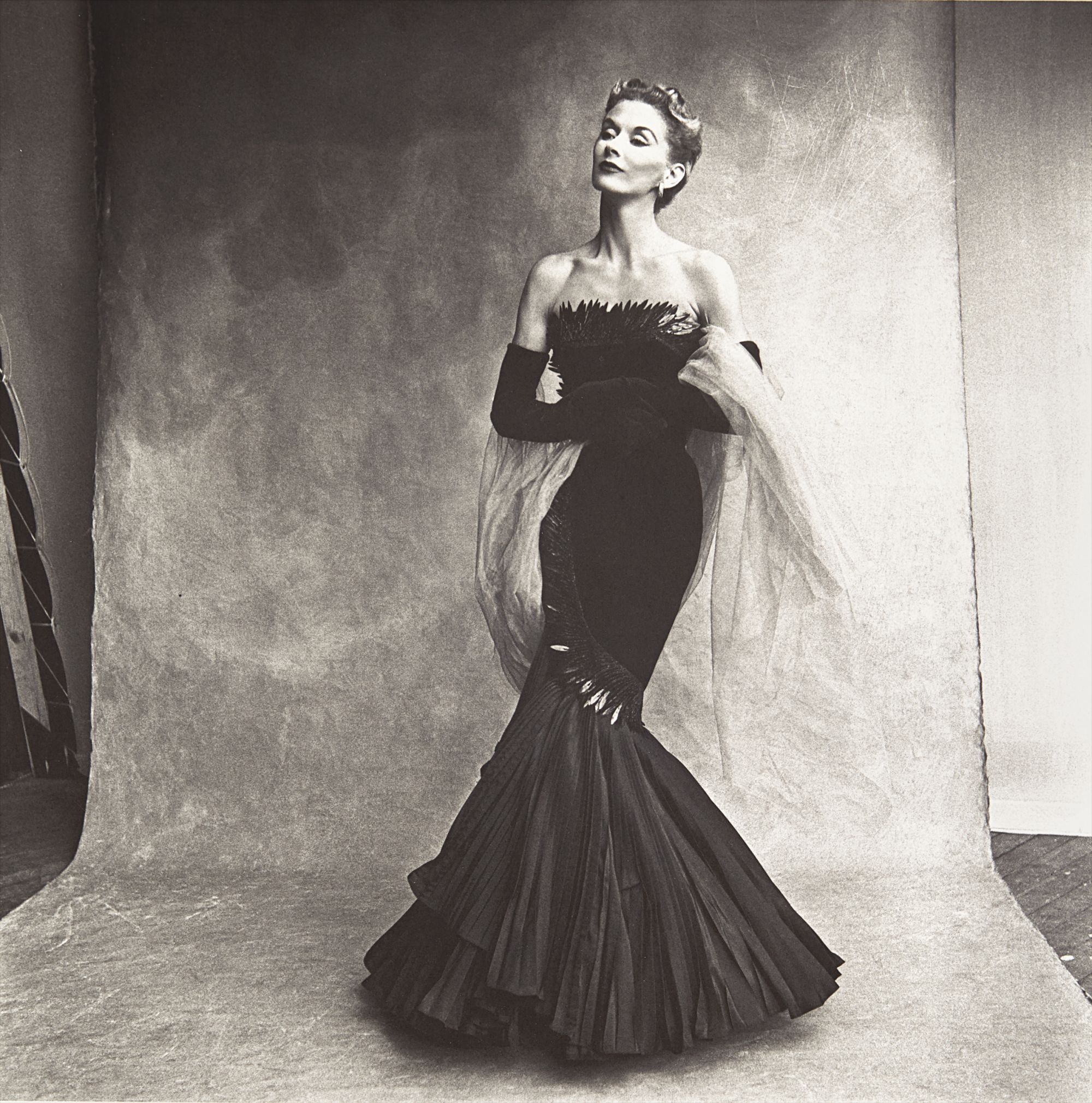
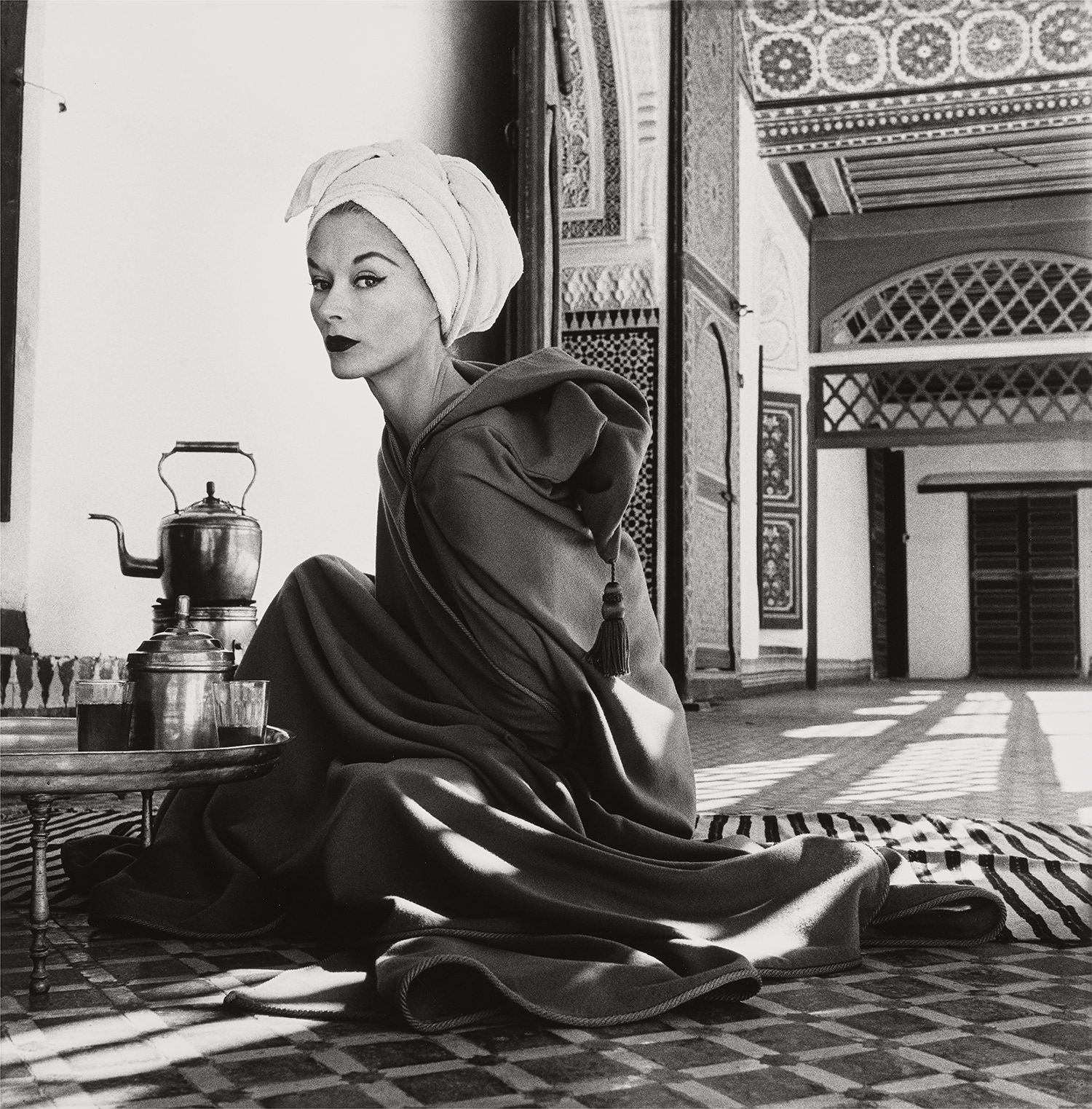
Irving Penn
Mermaid Dress (Rochas), Lisa Fonssagrives-Penn, 1979
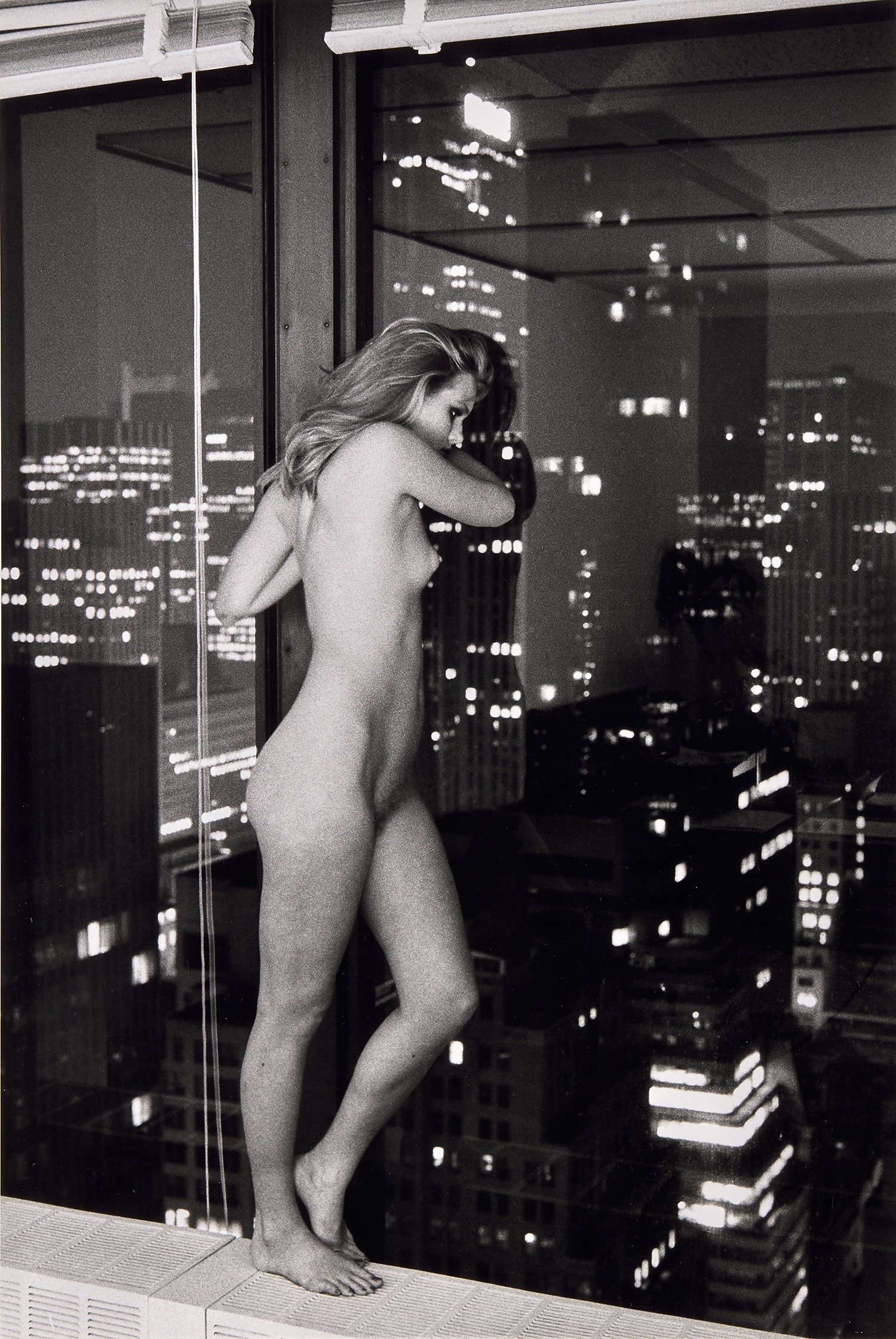
Irving Penn, who began his career at Vogue in 1943 and continued working for more than sixty years, brought to the studio portrait a severity and elegance that still feels modern. His platinum palladium prints, made from negatives exposed decades earlier, have a tonal richness that no digital reproduction fully captures. Richard Avedon, his great peer and occasional rival, preferred a stark white background and a confrontational directness that stripped his subjects of any comfortable distance. Helmut Newton took the fashion photograph somewhere more unsettling, charging it with power, irony, and an ambiguous sexuality that still generates argument.
Herb Ritts and Horst P. Horst each brought classical references and a sculptural sensibility to the body, finding in black and white the ideal medium for photographs that want to feel timeless. The documentary tradition runs through this history like a spine. Diane Arbus spent the late 1950s and 1960s photographing people on the margins, carnival performers, nudists, twins, and residents of institutions, with a directness that felt then and still feels radical.
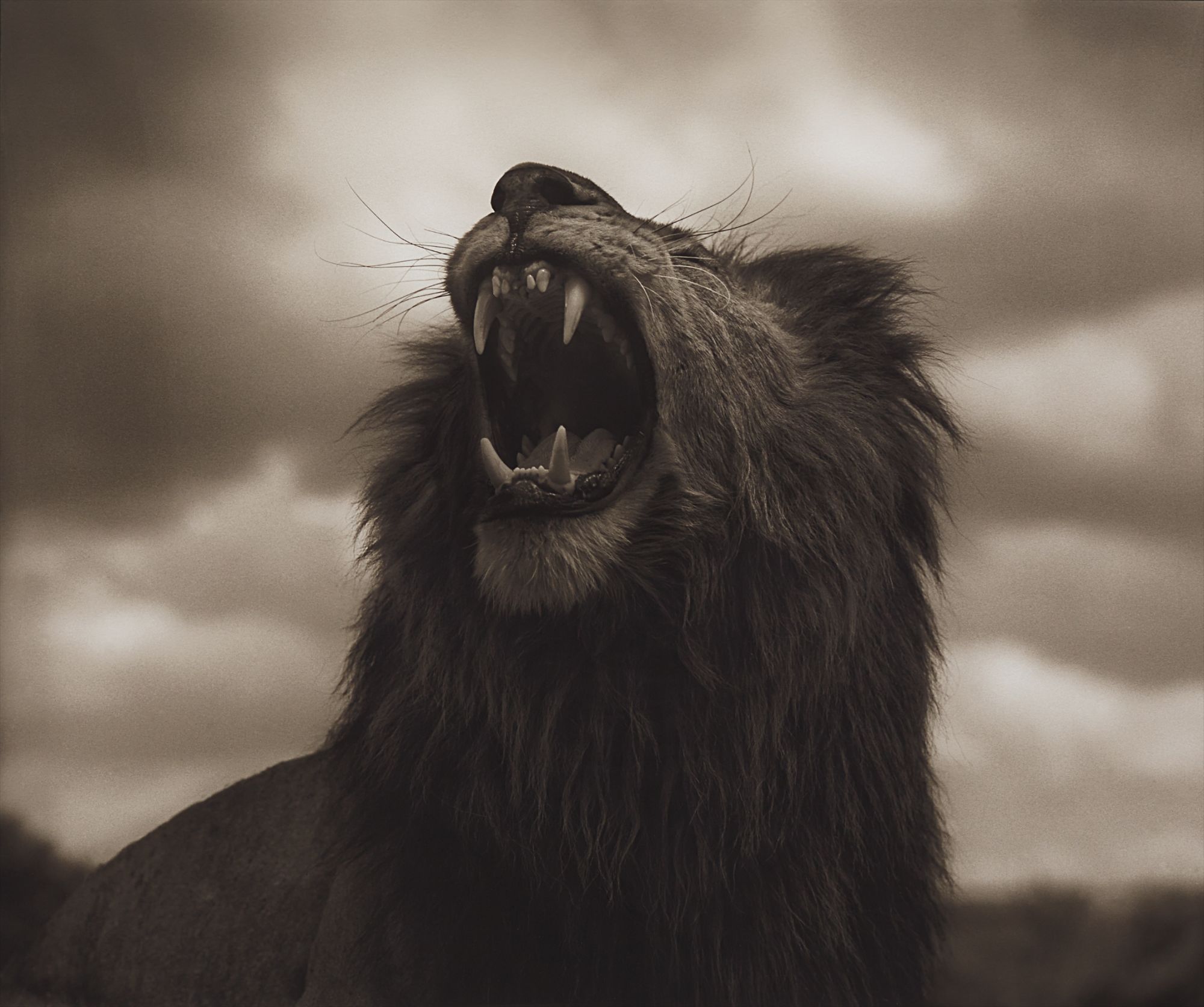
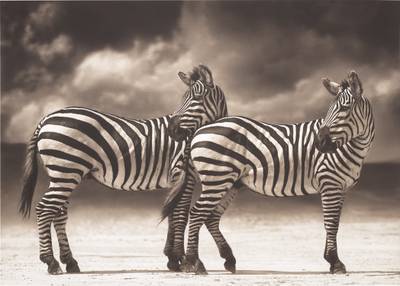
Nick Brandt
Lion Roar, Maasai Mara from Across the Ravaged Land
Robert Frank's The Americans, published in 1958 after being rejected by American publishers and first released in France, changed what documentary photography was allowed to say. Sebastião Salgado has carried that tradition forward across decades of work in mining communities, refugee camps, and endangered wilderness, his prints so beautiful and so devastating that they create a productive discomfort in the viewer. Nick Brandt, working more recently across East Africa, has continued this lineage with large format portraits of animals and landscapes that feel both elegiac and accusatory. What draws collectors to black and white photography now is partly historical weight, the sense of inheriting a tradition with genuine depth, and partly something more immediate.
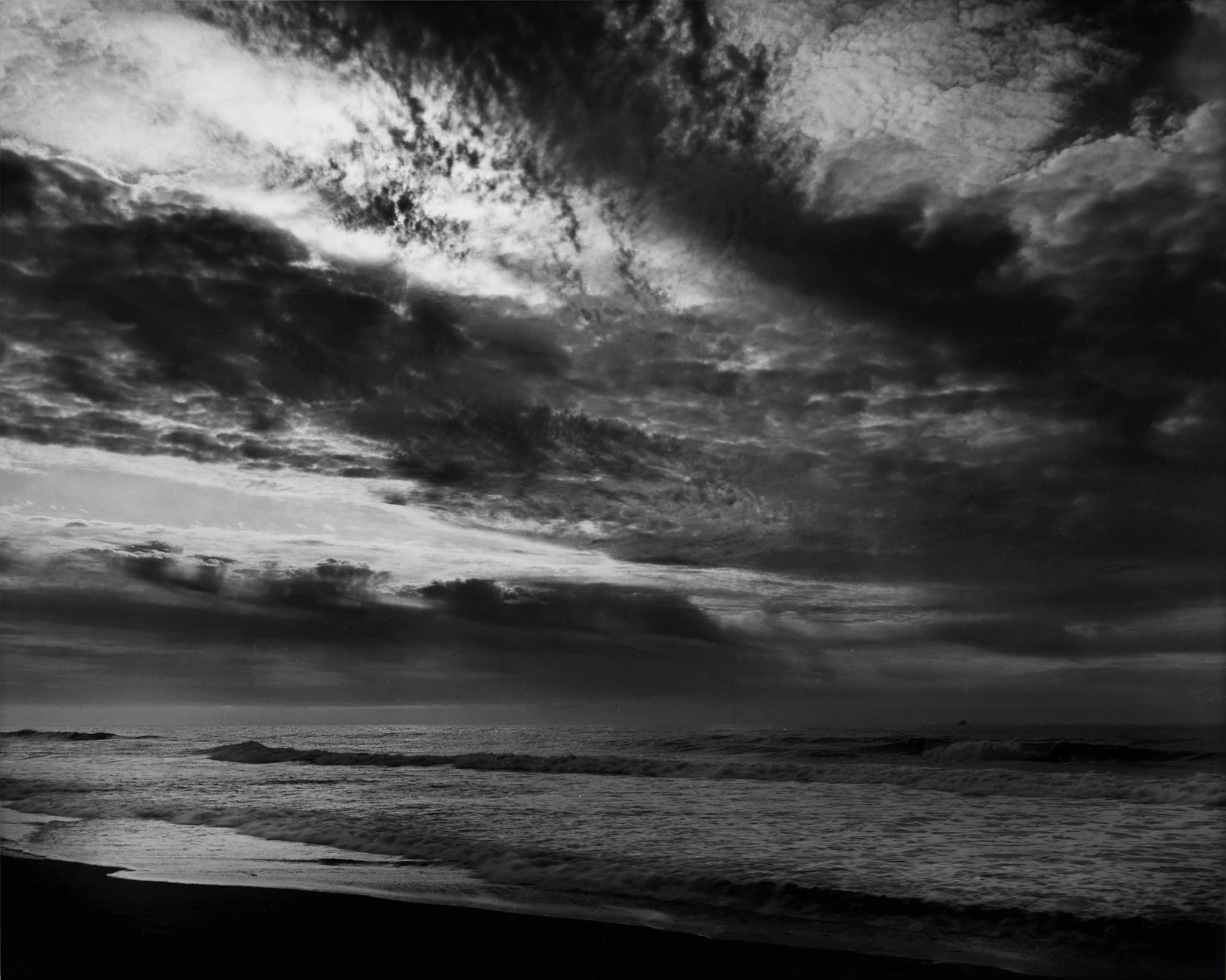
In an era of relentless, saturated, algorithmically optimized imagery, a great silver gelatin print or a contact printed platinum work asks for a different kind of looking. Hiroshi Sugimoto's long exposure seascapes, which reduce ocean and sky to a single horizon, demand stillness. Sally Mann's photographs of the American South require slow attention before they yield their complicated, gorgeous, troubling meanings. The works gathered on The Collection across this tradition represent one of the most serious bodies of photographic history available to private collectors, and browsing them amounts to something like a private education in how the world has been seen by people who looked harder than most of us ever will.