Belle ÉPoque
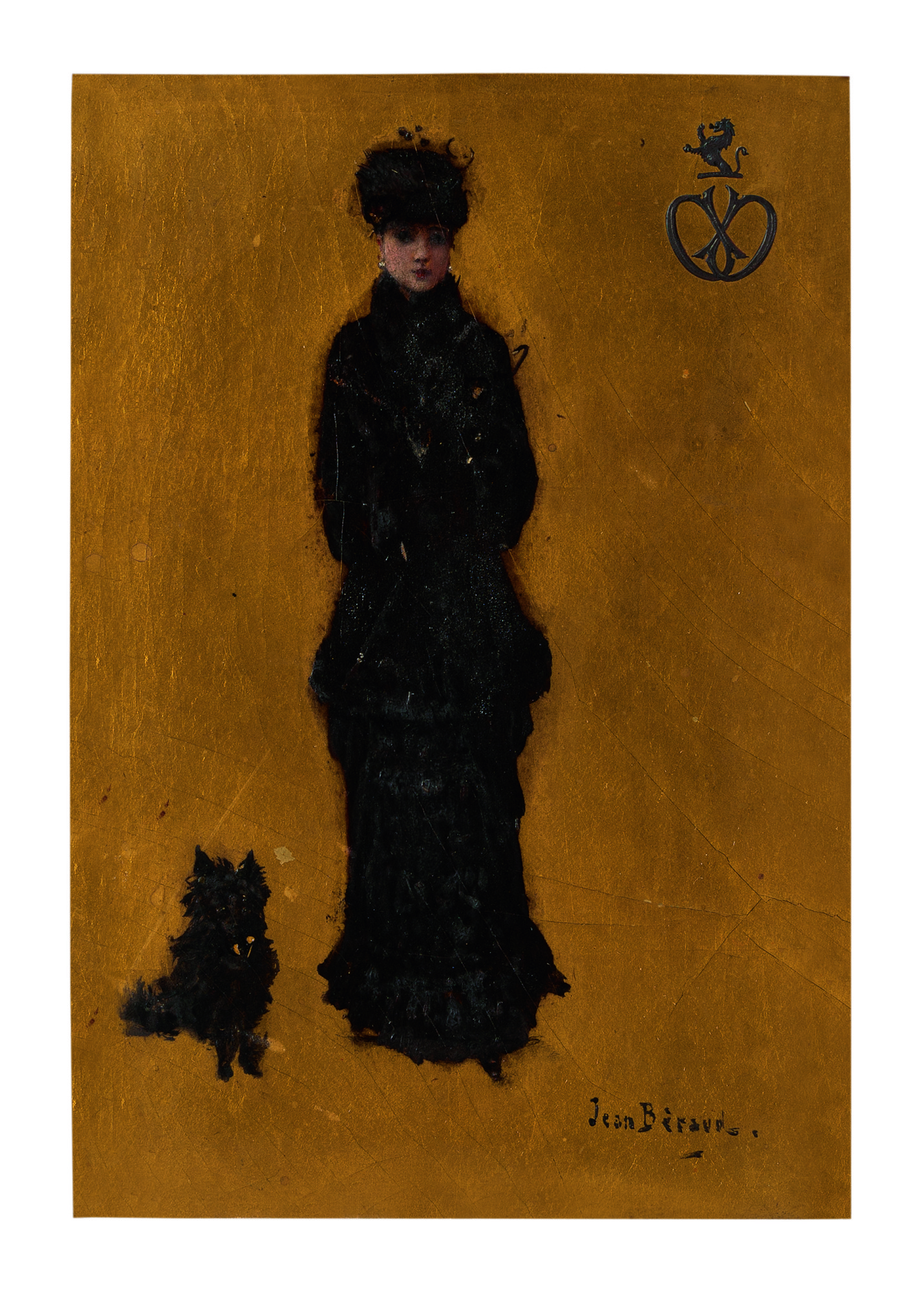
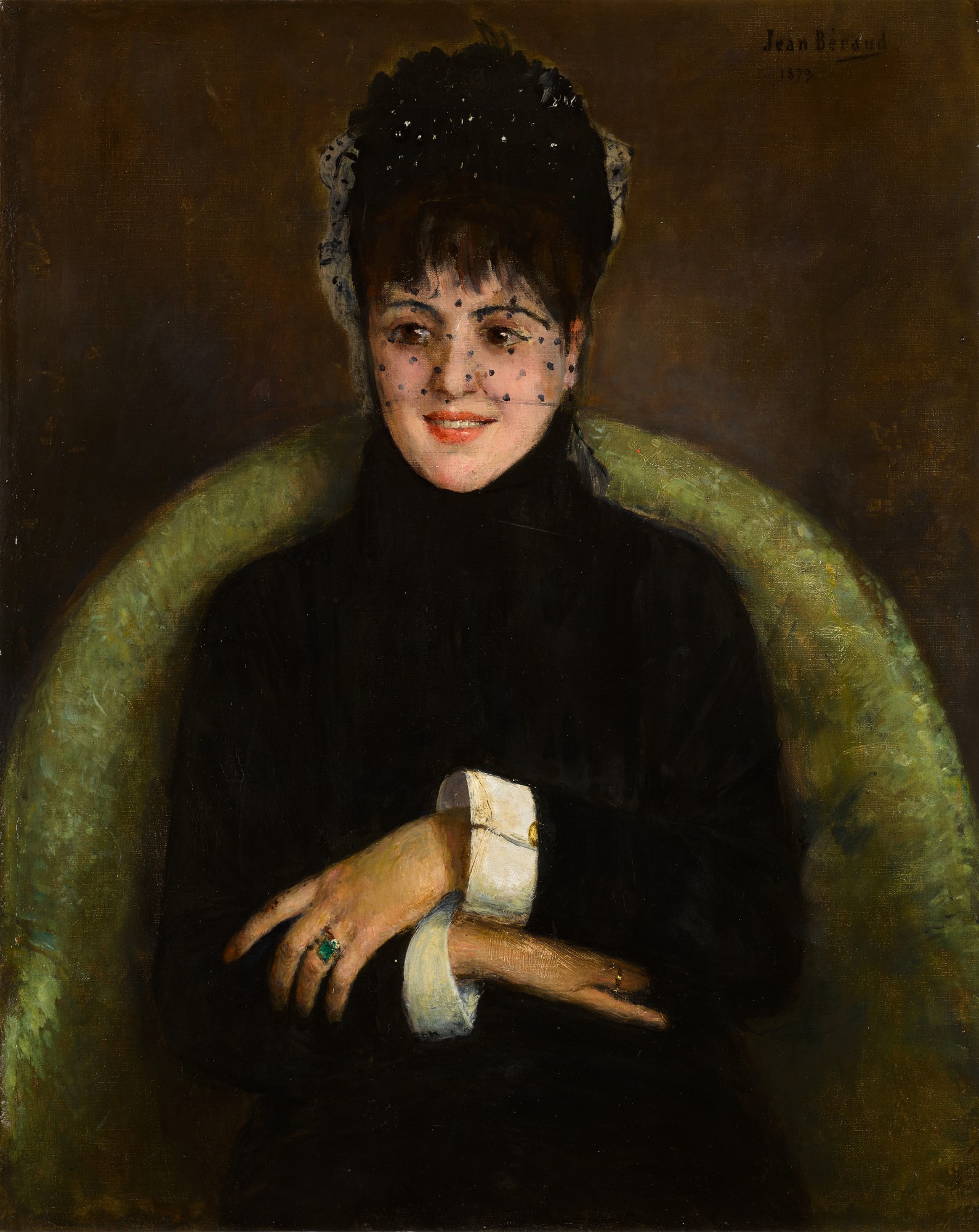
Jean Béraud
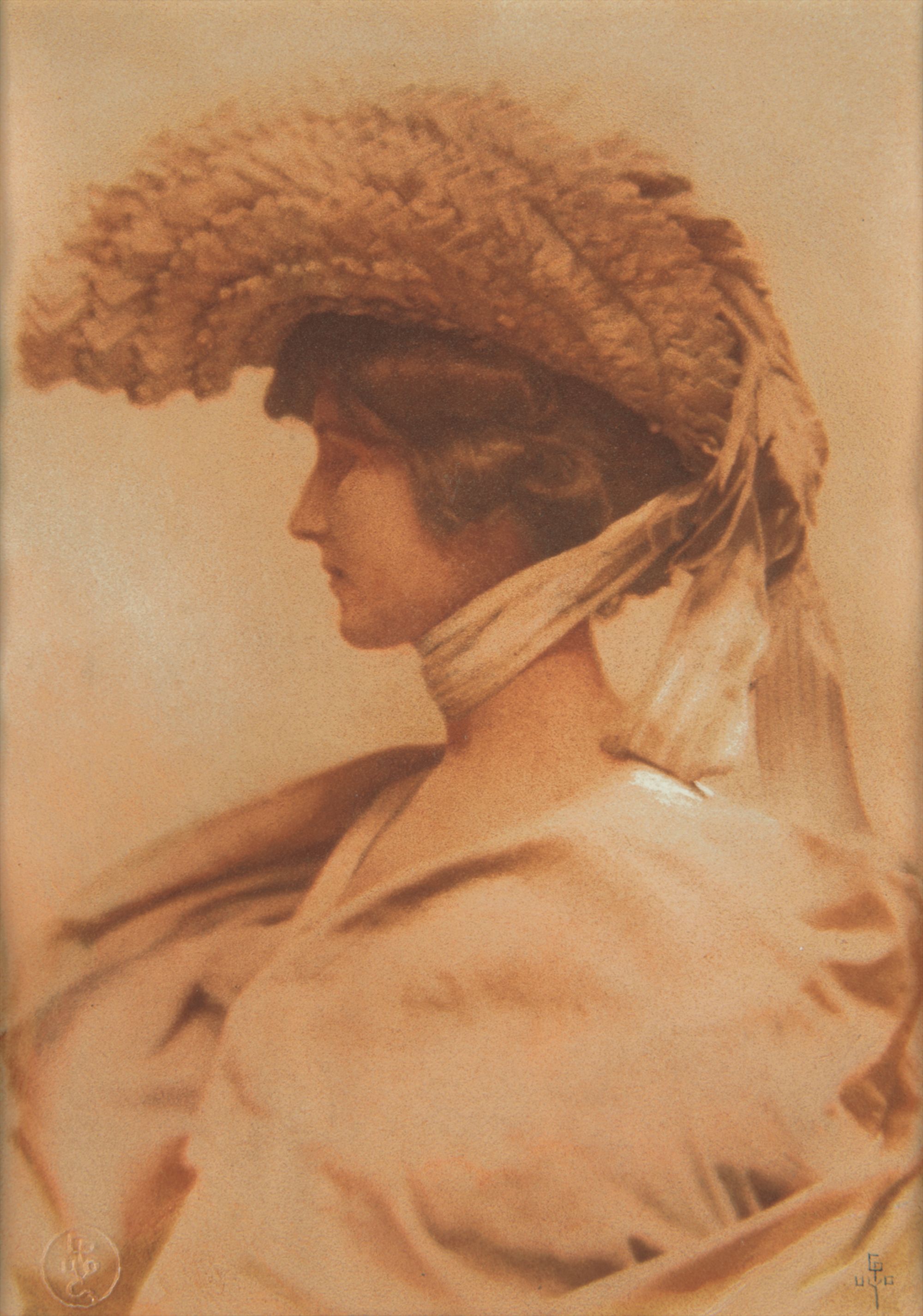
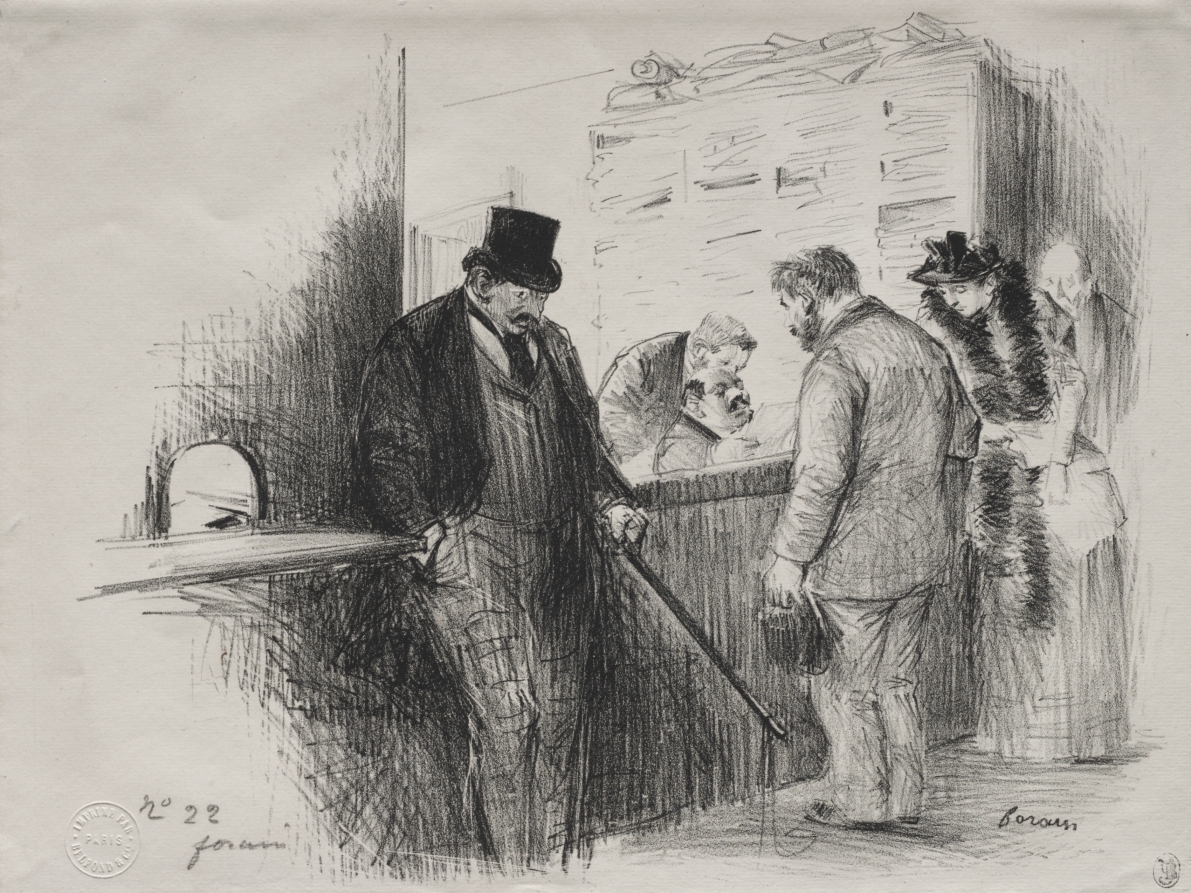
Portrait De Madame Delphine Deligné
Paris at Its Most Gloriously, Tragically Alive
There is a particular quality of light that belongs to Paris in the final decades of the nineteenth century, a light that exists not just in memory but on paper, on canvas, in the phosphorescent shimmer of lithographic ink. The Belle Époque, that gilded interval running roughly from the 1880s through to the outbreak of the First World War in 1914, was not simply a period of prosperity and style. It was a civilisation at full pitch, aware on some level that it was burning brightly, that modernity was accelerating beneath its feet, that everything it loved and feared was changing at once. The art it produced carries that tension in every mark.
The term itself, Beautiful Era, was coined largely in retrospect, a kind of collective nostalgia that crystallised after the catastrophe of the war. But the artists working through those years were not making nostalgic art. They were making urgent, immediate, sometimes furious art about the world they actually inhabited: the gas lamps giving way to electric light, the department stores drawing newly wealthy bourgeois crowds, the cabarets and dance halls where class and bohemia briefly mingled, the streets of Montmartre that functioned as both stage and social laboratory. Paris was also absorbing the shock of new reproductive technologies, particularly colour lithography, which transformed what an image could be and who could encounter it.
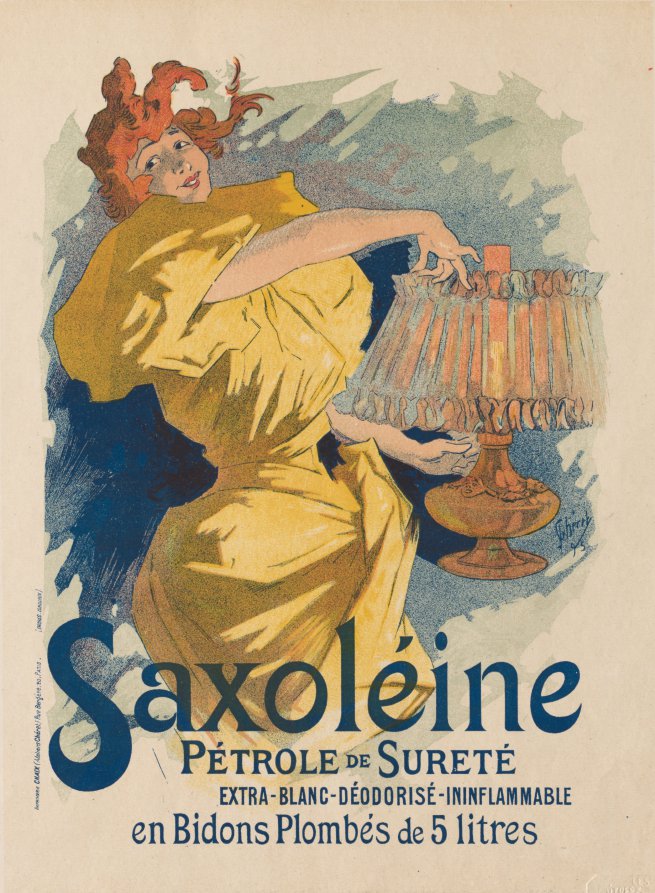
Jules Chéret
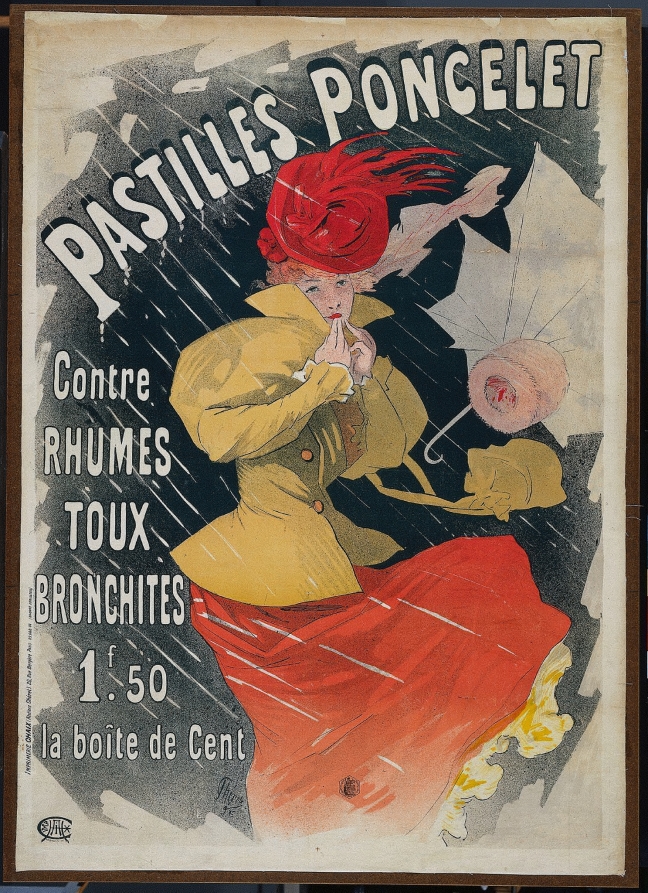
Pastilles Poncelet, 1896
Jules Chéret is the figure you have to start with if you want to understand how visual culture in this period actually circulated. Often called the father of the modern poster, Chéret developed a method of chromolithography in the 1860s and 1870s that allowed large format, vivid, commercially printed images to cover the walls of Paris at a scale previously unimaginable. His posters were not merely advertisements. They were a new kind of public art, democratic in reach if not in conception, and they fundamentally changed what ordinary people expected images to look like.
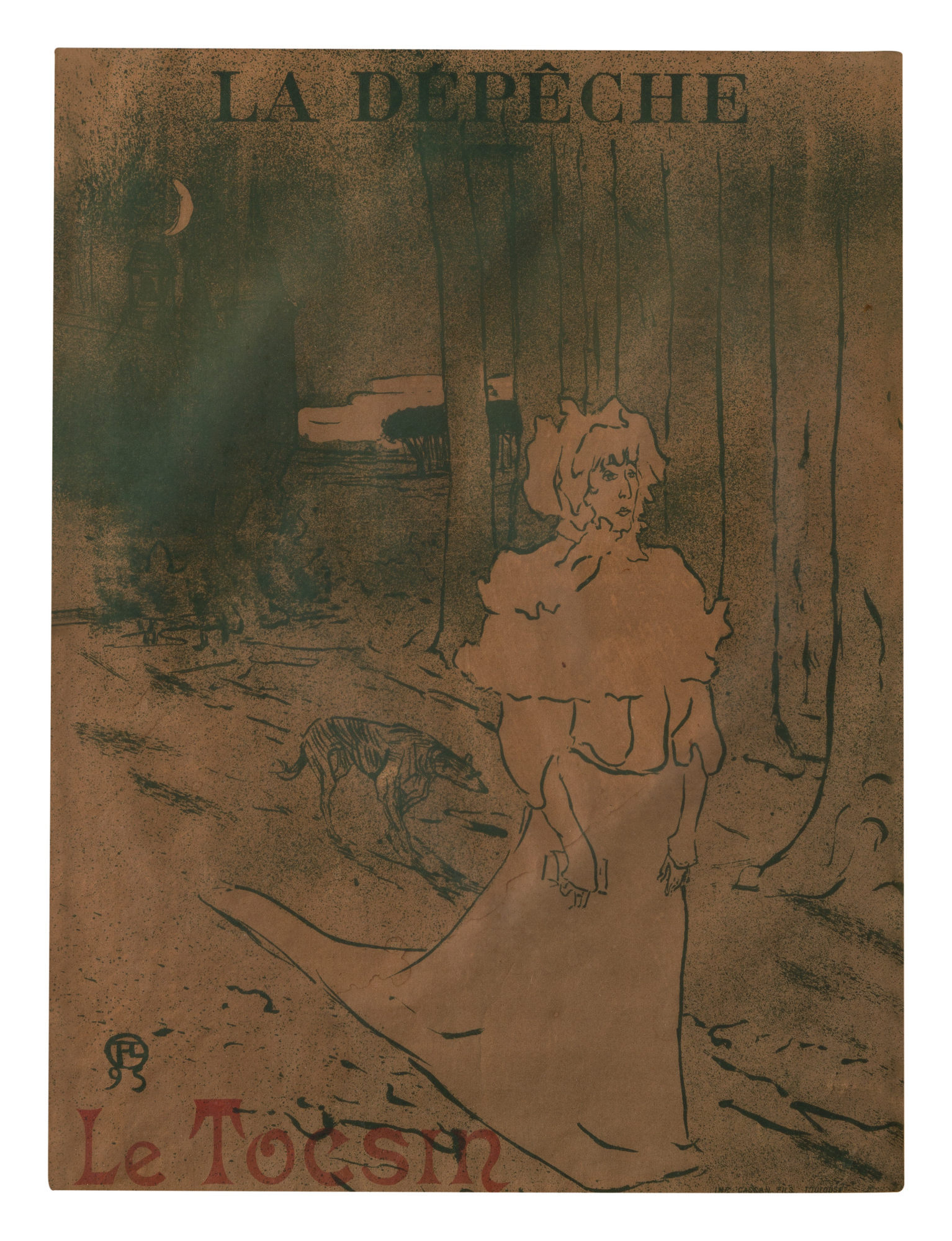
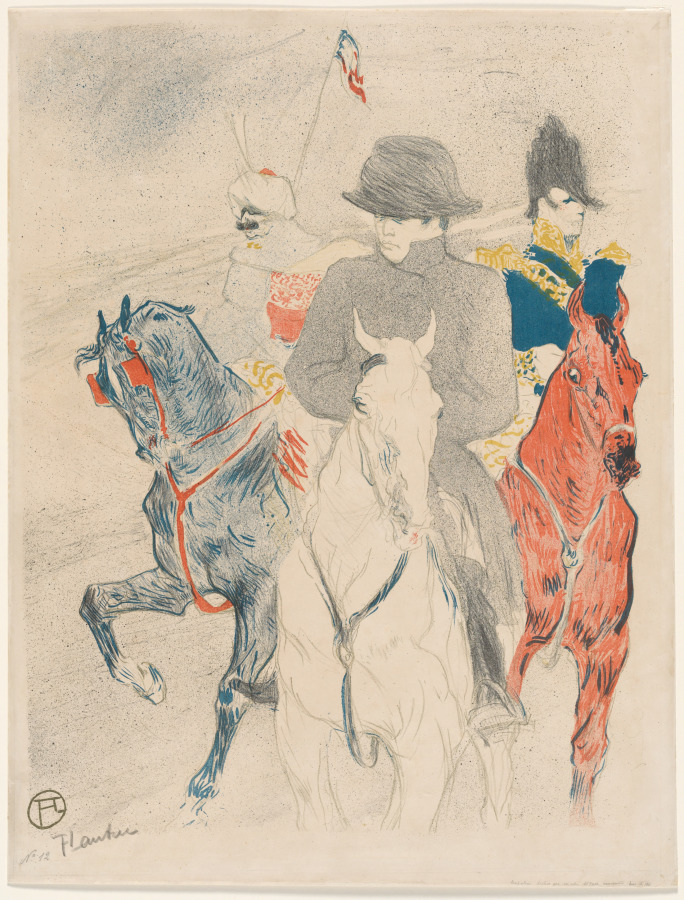
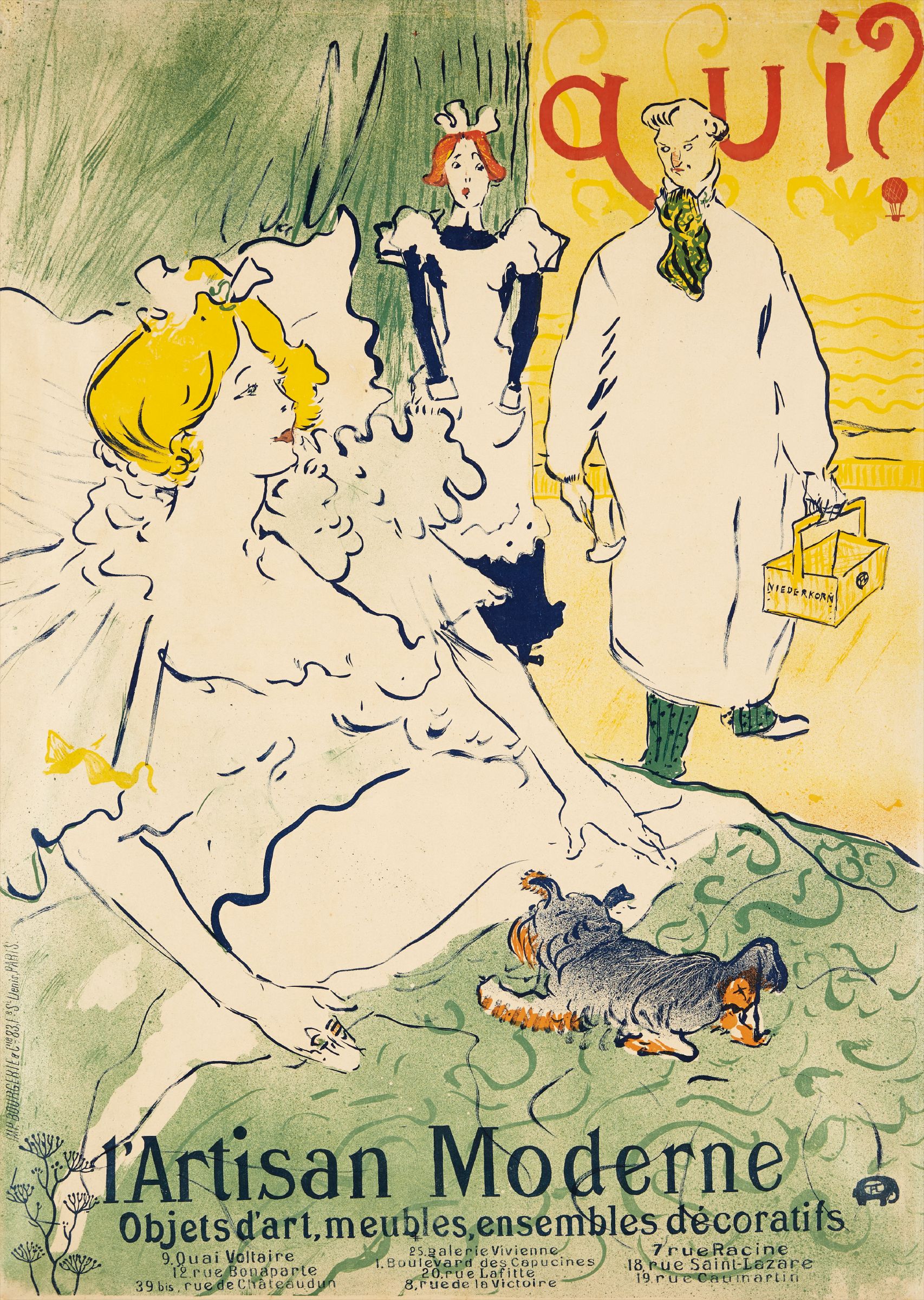
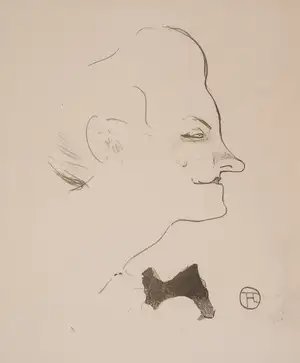
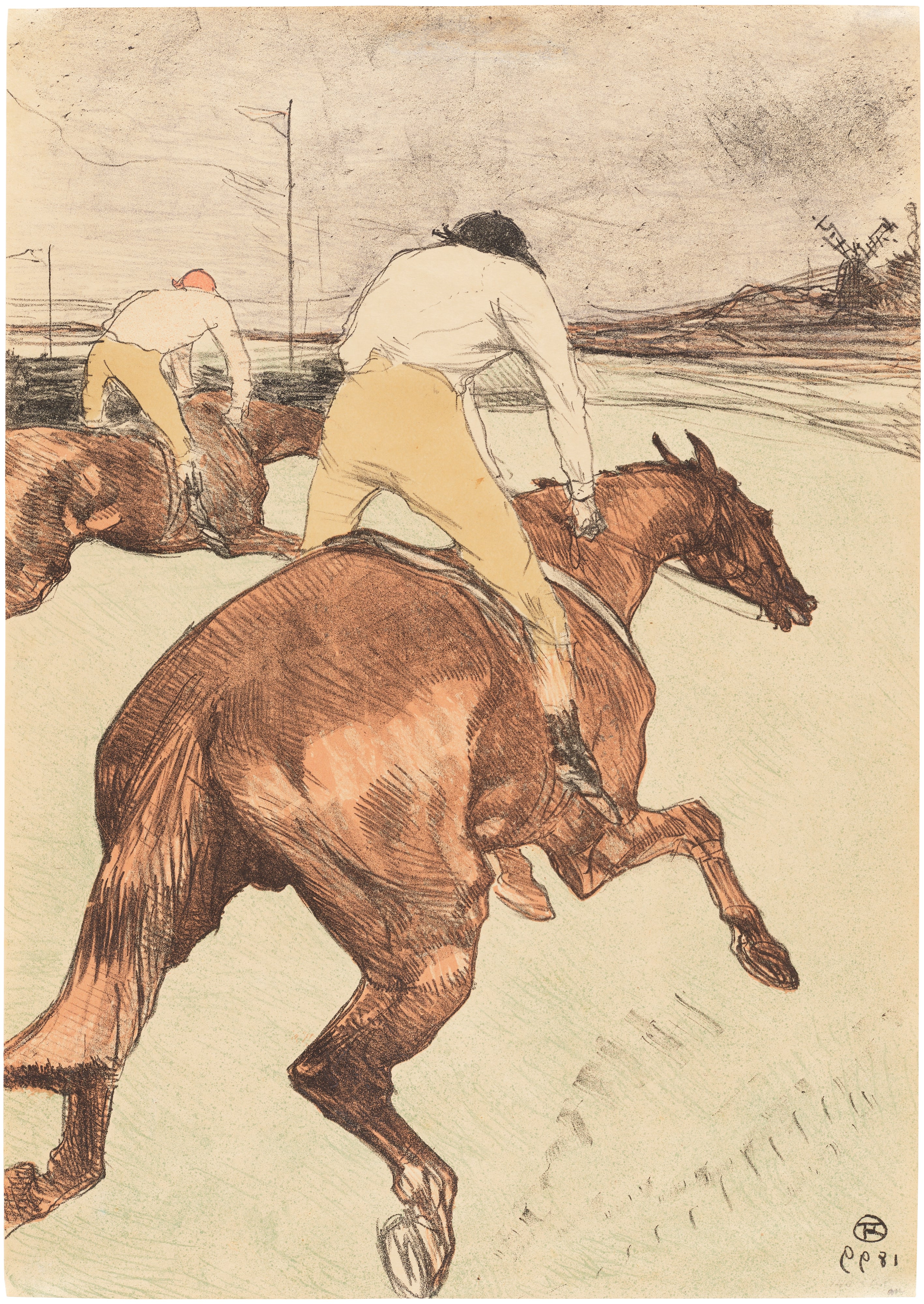
His work is well represented on The Collection, and seeing it now you understand immediately why the streets of Paris during this period felt, to contemporaries, visually electric. Henri de Toulouse Lautrec absorbed everything Chéret had established and then pushed it into stranger, more psychologically acute territory. His posters for the Moulin Rouge, produced from 1891 onward, are perhaps the most recognised images of the entire period, but familiarity has a way of blunting what makes them extraordinary. Lautrec's use of flat planes of colour, his radical cropping borrowed partly from Japanese woodblock prints, his unflinching interest in the humanity of performers like La Goulue and Jane Avril, these were not decorative choices.
Théophile Alexandre Steinlen
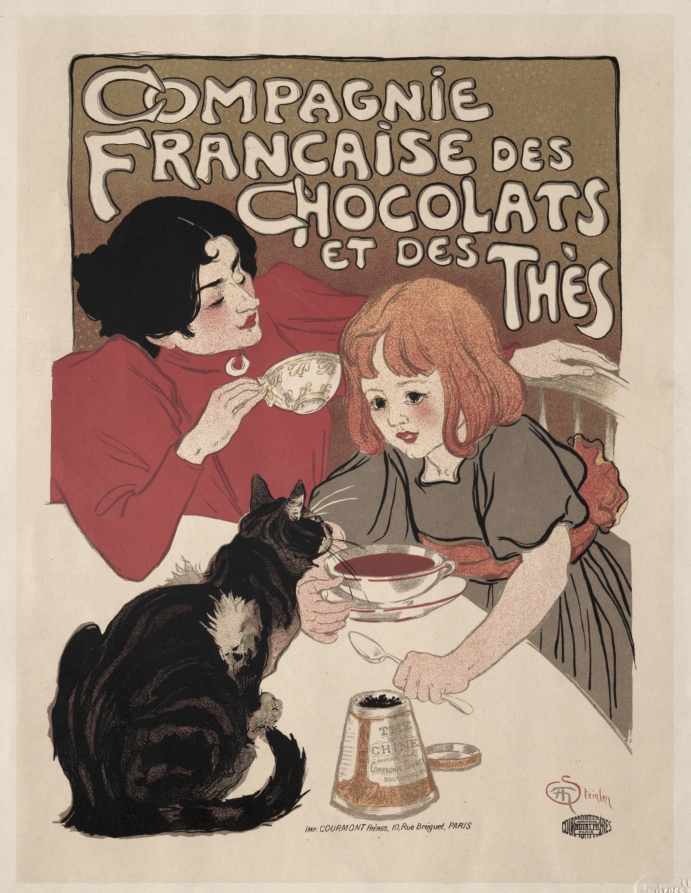
Compagnie Française des Chocolate et des Thés, 1895
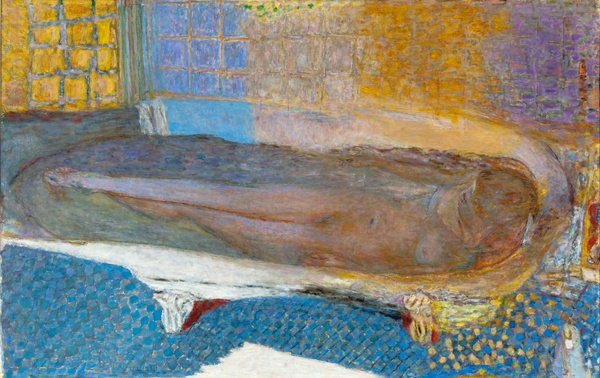
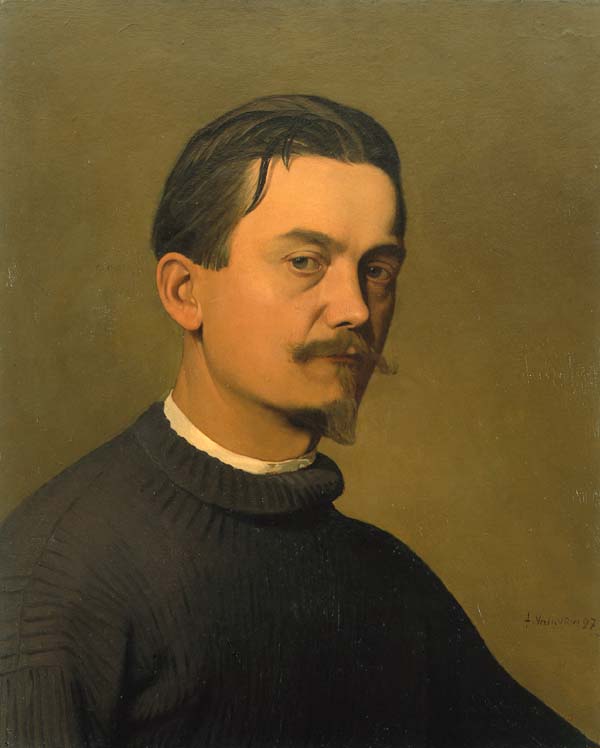
They were a method of looking that was entirely new. Toulouse Lautrec is the dominant presence on The Collection, and the breadth of work available there allows you to trace the full arc of his restless, abbreviated career. Alongside him, Théophile Alexandre Steinlen brought a darker social consciousness to the same graphic language, his images of working class Parisians and stray cats carrying a moral weight that balanced Lautrec's more mercurial glamour. Pierre Bonnard, who along with Édouard Vuillard and Félix Vallotton formed the core of the Nabis group in the early 1890s, arrived at a completely different relationship with the image.
Where Lautrec's line is swift and decisive, Bonnard's is intimate, patterned, almost domestic. The Nabis were deeply influenced by Paul Gauguin's idea of the painting as a flat arrangement of colour rather than a window onto three dimensional space, and they applied this thinking to scenes of bourgeois interiors and quiet streets that seem, on the surface, unassuming. But the psychological density in a Bonnard is considerable. His work on The Collection rewards sustained looking.
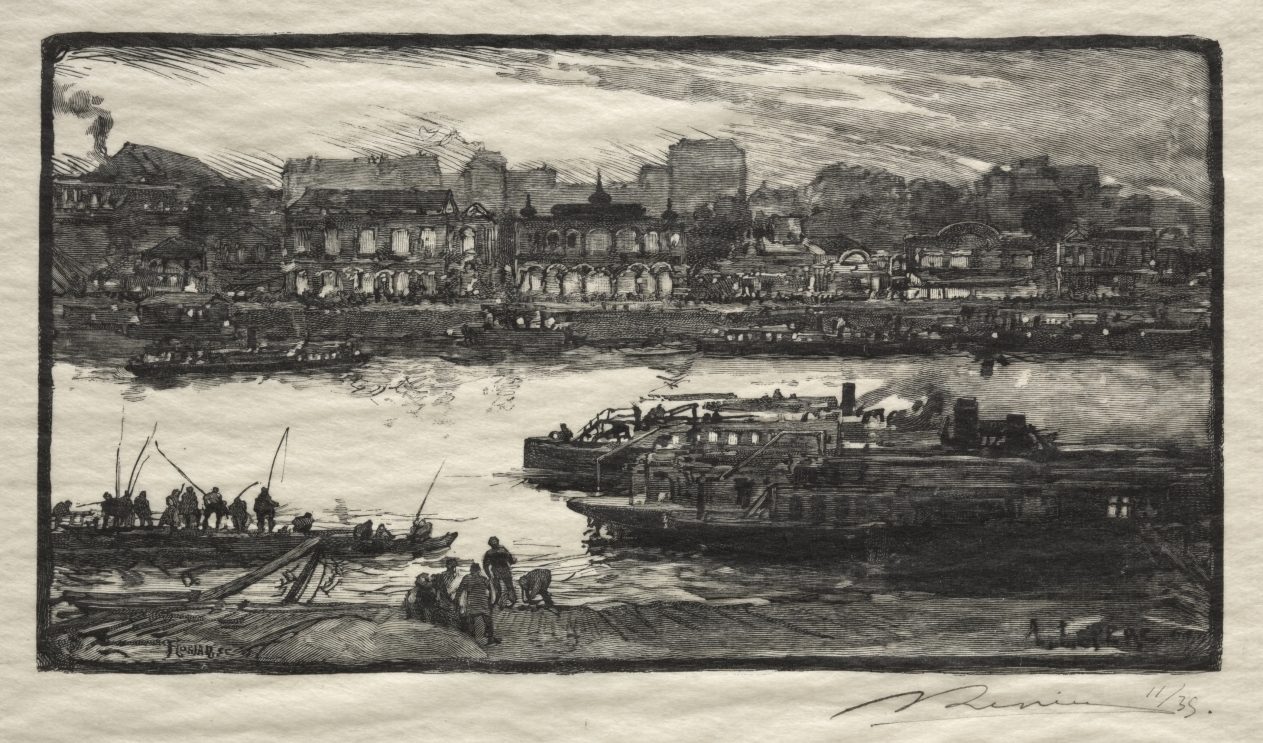
Auguste Louis Lepère
Cafès - Chantants, 1886
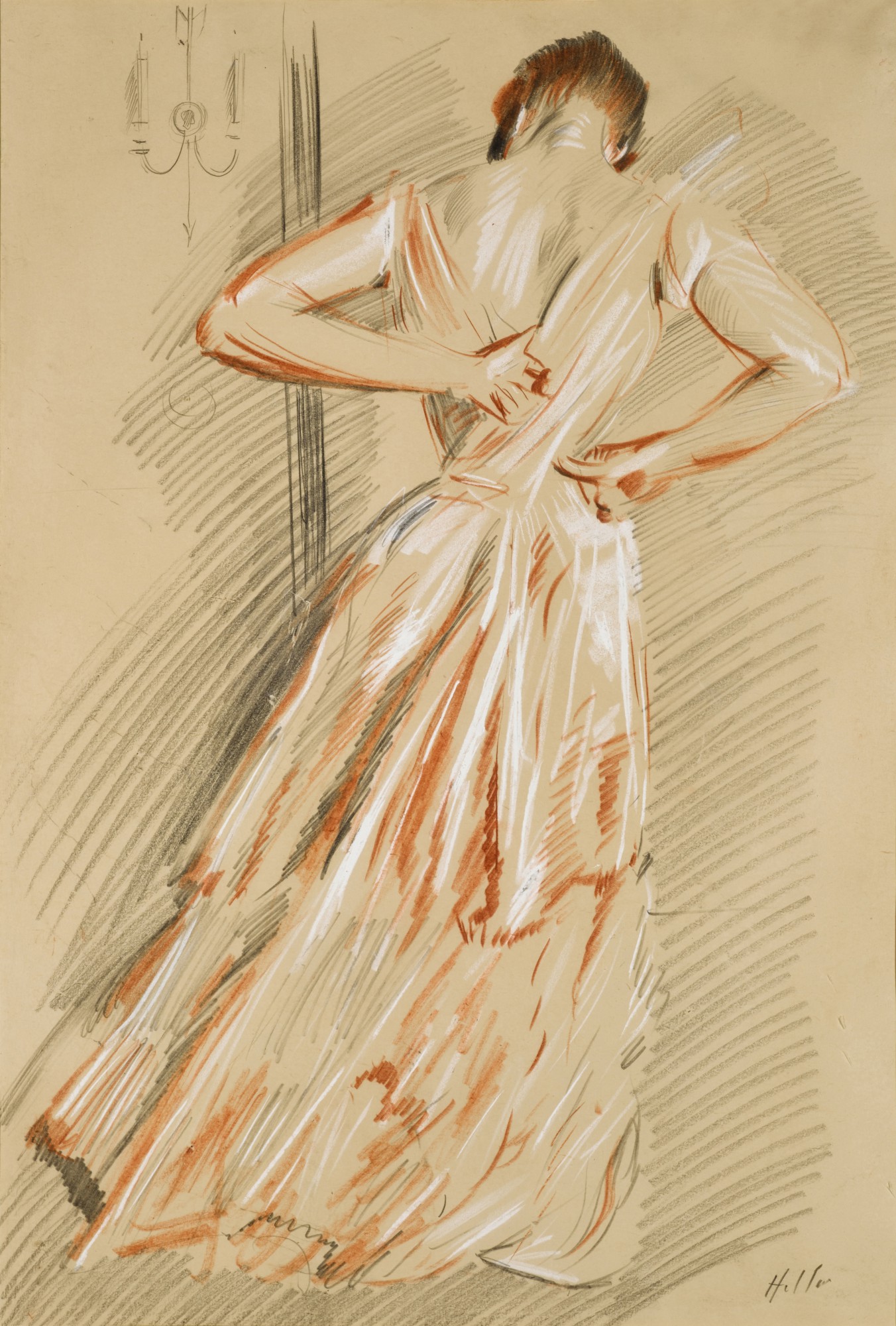
Vallotton, meanwhile, brought a Swiss severity to the group's sensibility, his woodcuts in particular achieving a kind of stark, almost brutal elegance that feels entirely modern. The Belle Époque was also a golden age for printmaking more broadly, and figures like Auguste Louis Lepère and Alexandre Lunois worked within an extraordinary revival of wood engraving and lithography that attracted serious critical attention from collectors and curators who had previously focused exclusively on painting. The periodical Le Figaro Illustré and publications like L'Estampe originale, which ran from 1893 to 1895, treated prints as fine art objects worthy of serious critical engagement, and the market responded. Paul César Helleu, whose elegant drypoints captured a particular kind of Parisian womanhood with both admiration and acute formal intelligence, occupied a fascinating position between the commercial and the artistic that the period made possible.
Jean Béraud, less radical in method but invaluable as a witness, painted the social rituals of the boulevards and cafés with a documentary precision that historians of the period return to again and again. What the Belle Époque gave the art world, beyond its extraordinary individual achievements, was a model for how art and popular culture might coexist and cross pollinate without either being diminished. The poster, the illustrated magazine, the cabaret programme, the fine art print: these were not separate categories but overlapping channels, and the artists who moved between them with the most fluidity, Toulouse Lautrec above all, produced work that belongs equally to the history of graphic design and the history of painting. The young Pablo Picasso arrived in Paris in 1900, in time to absorb the full impact of this visual culture before the Belle Époque began its slow collapse into the violence that would end it.
Jean Béraud
Portrait De Madame Delphine Deligné
Collectors returning to this period now are not simply buying history. They are buying a model of creative ambition that refused the hierarchy between high and low, fine and applied, gallery and street. The works that came out of those decades between 1880 and 1914 are vivid proof that aesthetic innovation and broad cultural reach are not mutually exclusive. In a moment when those questions feel urgently contemporary again, the Belle Époque has never seemed more worth understanding.