Arte Povera
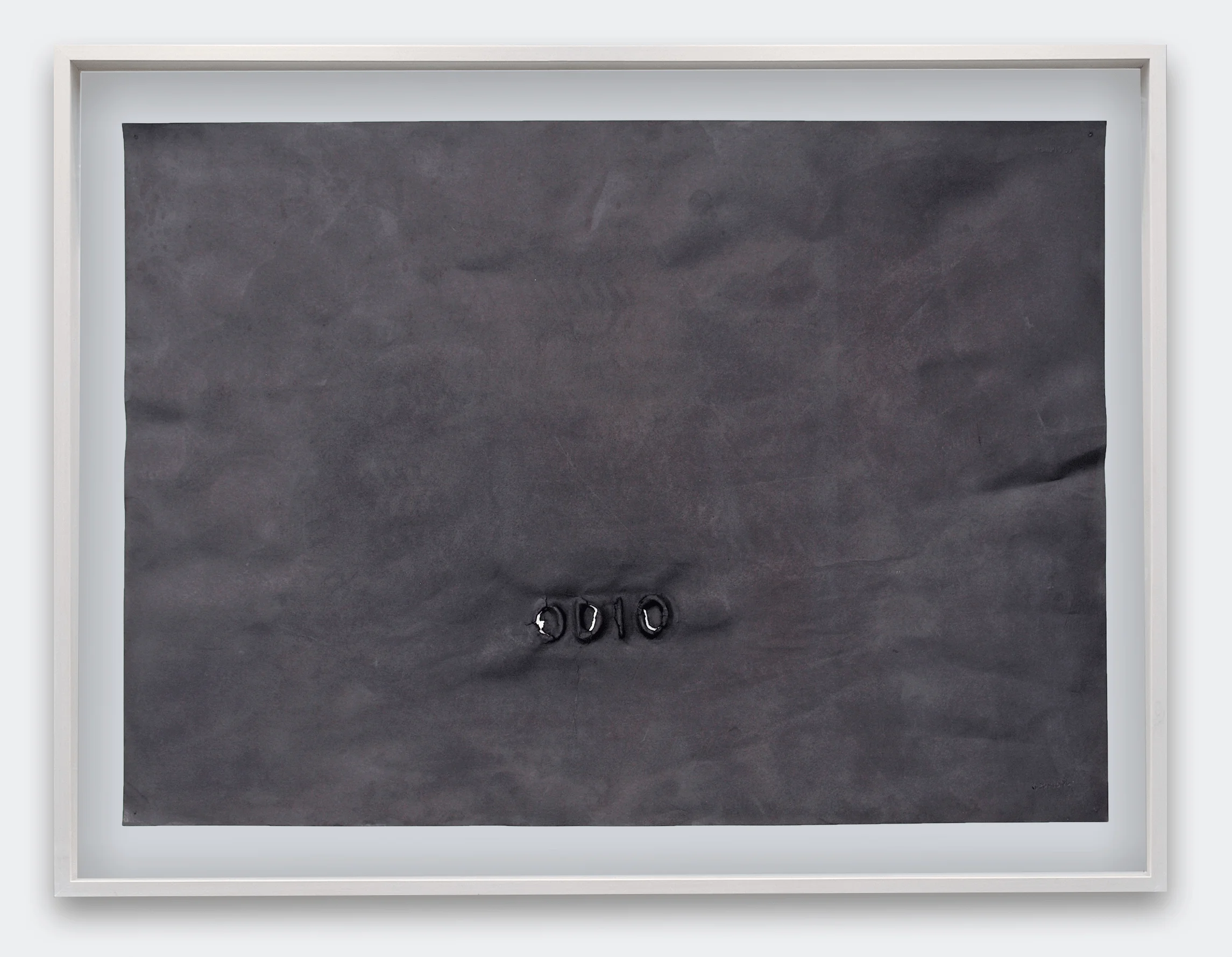
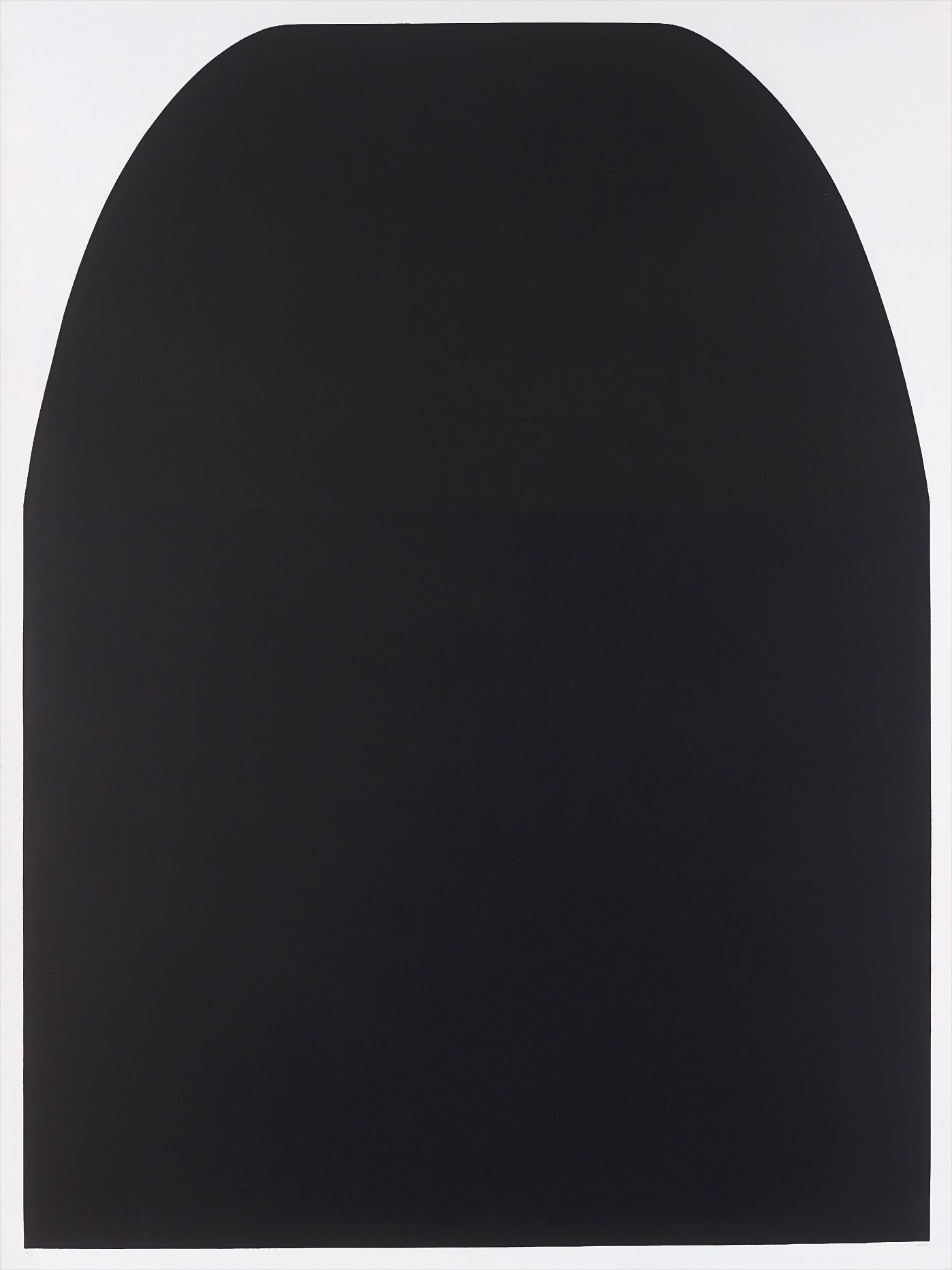
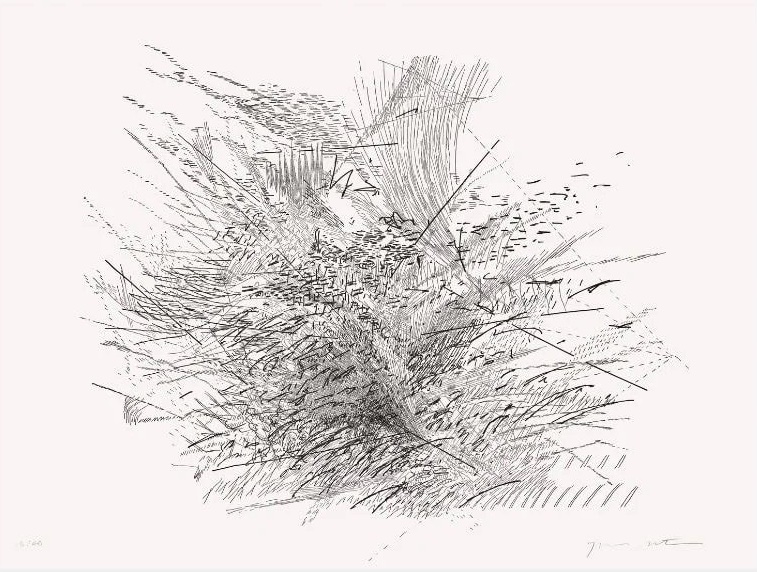
Gilberto Zorio
Odio, 1970
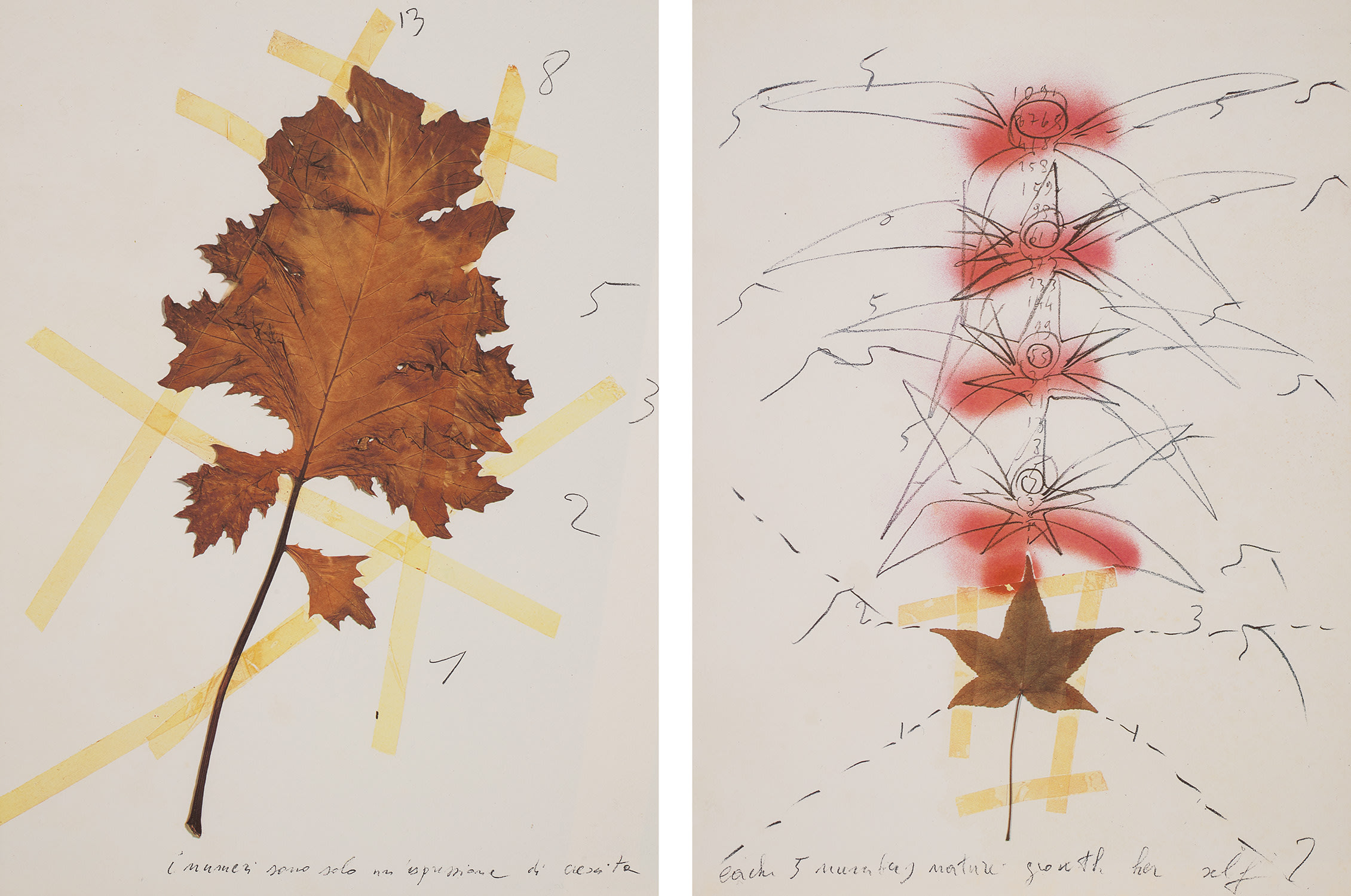

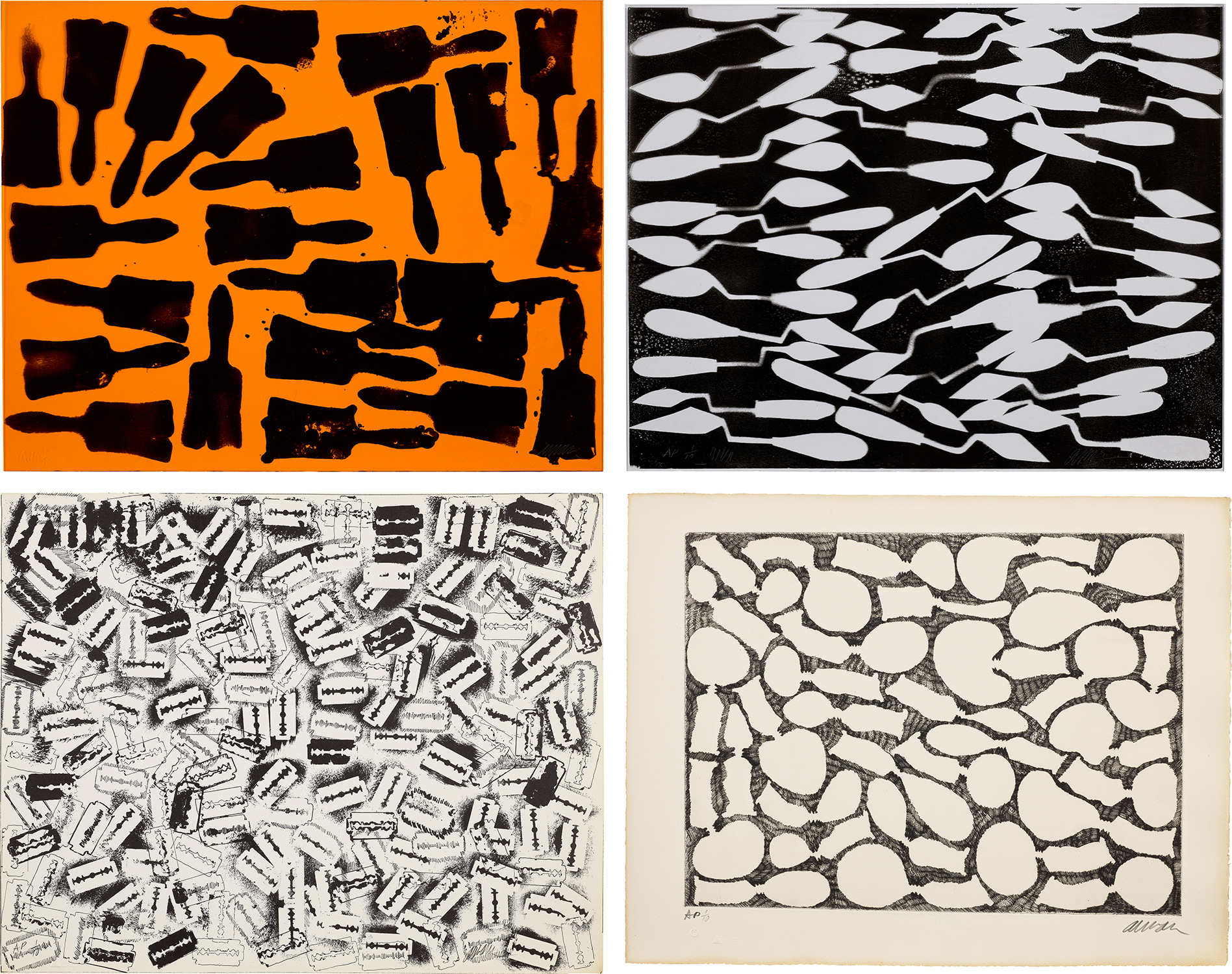
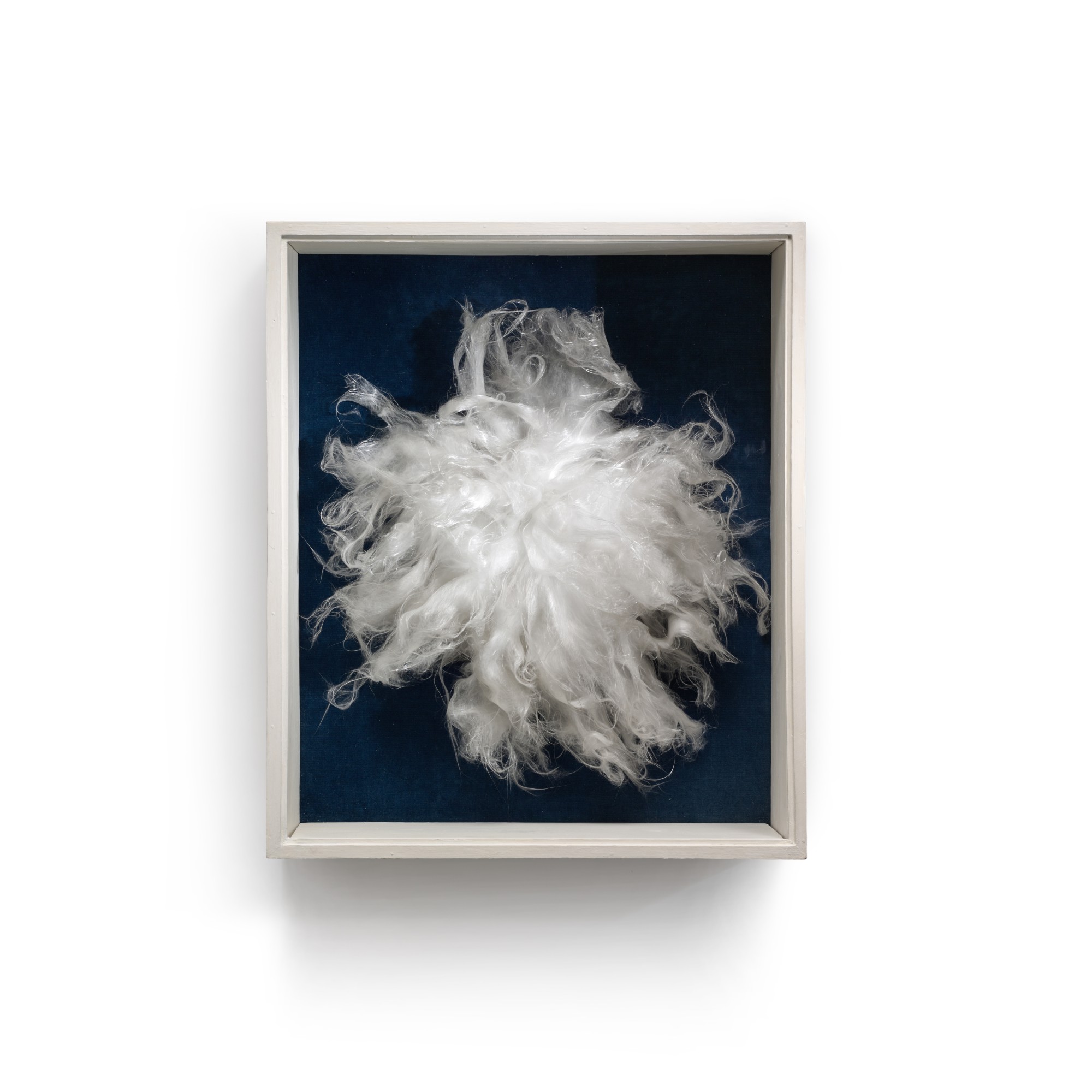
Poor Materials, Rich Returns: The Arte Povera Bet
There is something almost perverse about the appeal of Arte Povera to serious collectors. The movement built its identity around rejection: of commercial culture, of refined materials, of the tidy object sitting politely on a plinth. And yet living with these works turns out to be one of the more rewarding experiences collecting can offer. The presence of raw earth, scorched metal, bundled twigs, or mirrored glass in a domestic space does something that a beautifully rendered painting simply cannot.
It creates a conversation between the object and the room, between the made thing and the material world, that never quite resolves. That productive tension is exactly what keeps collectors returning to this territory decades after Germano Celant first gathered these artists under a single roof in Genoa in 1967. What draws people in initially is often the politics, or the romance of the politics. These were artists who wanted to short circuit the entire apparatus of late capitalism as it applied to art.
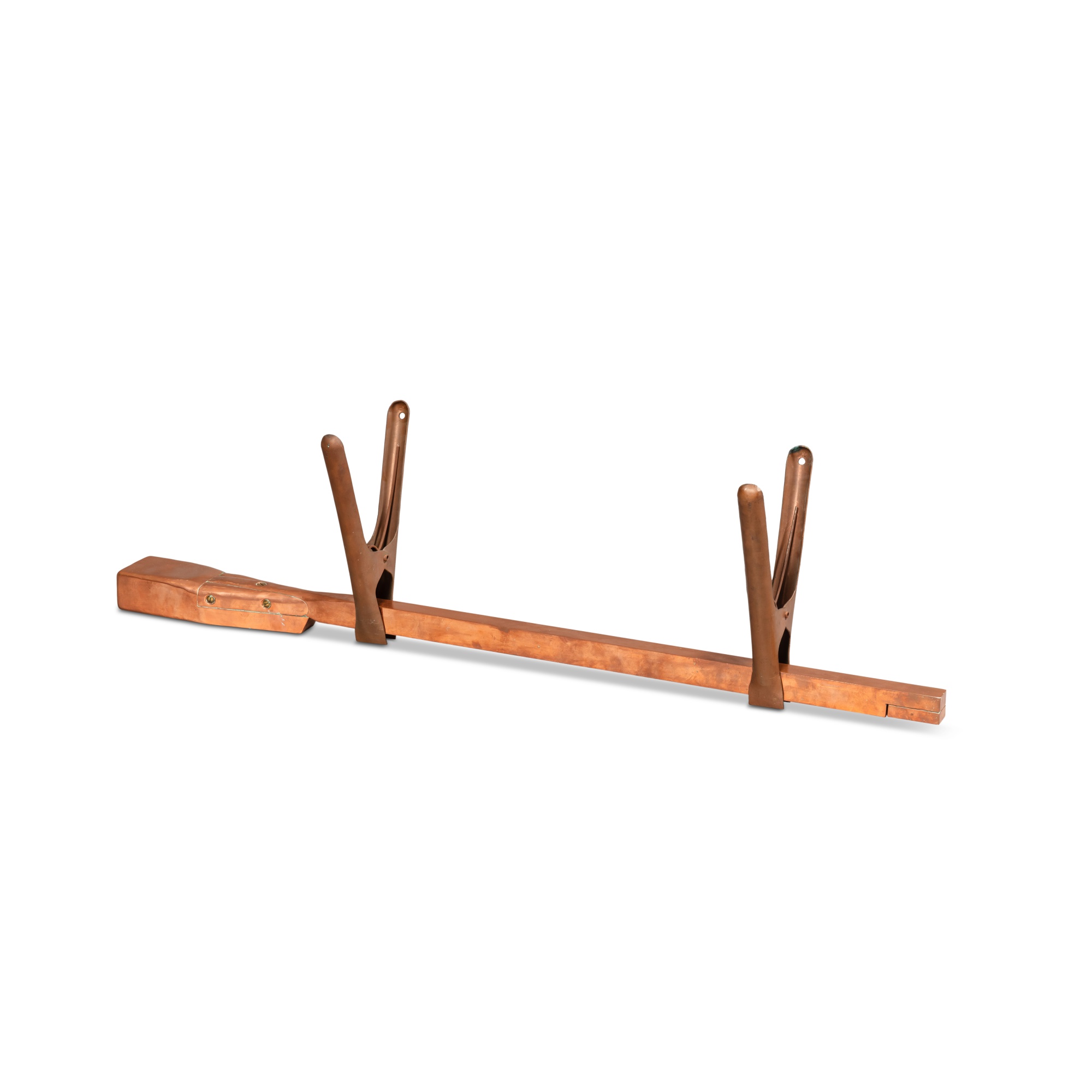
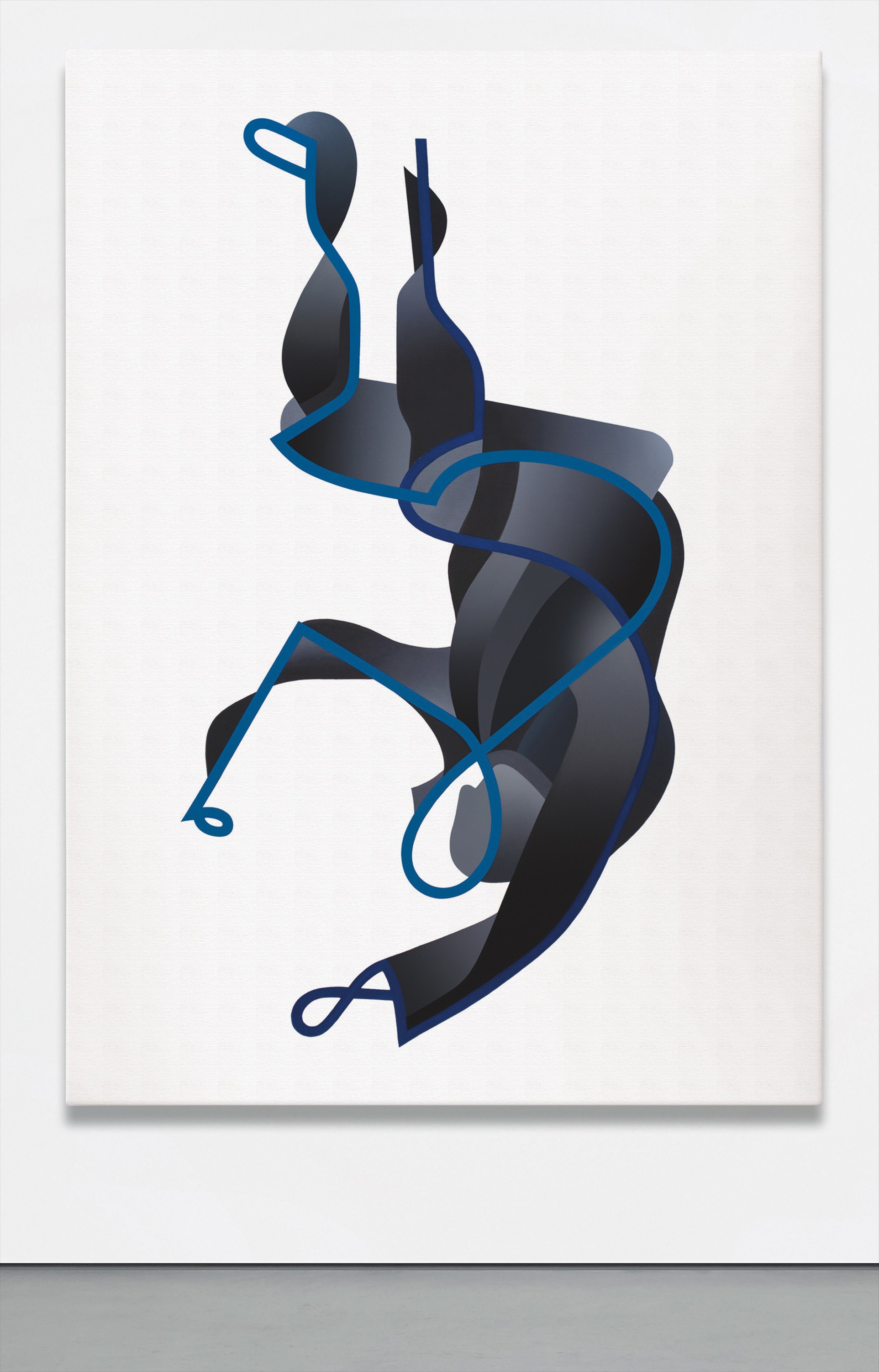
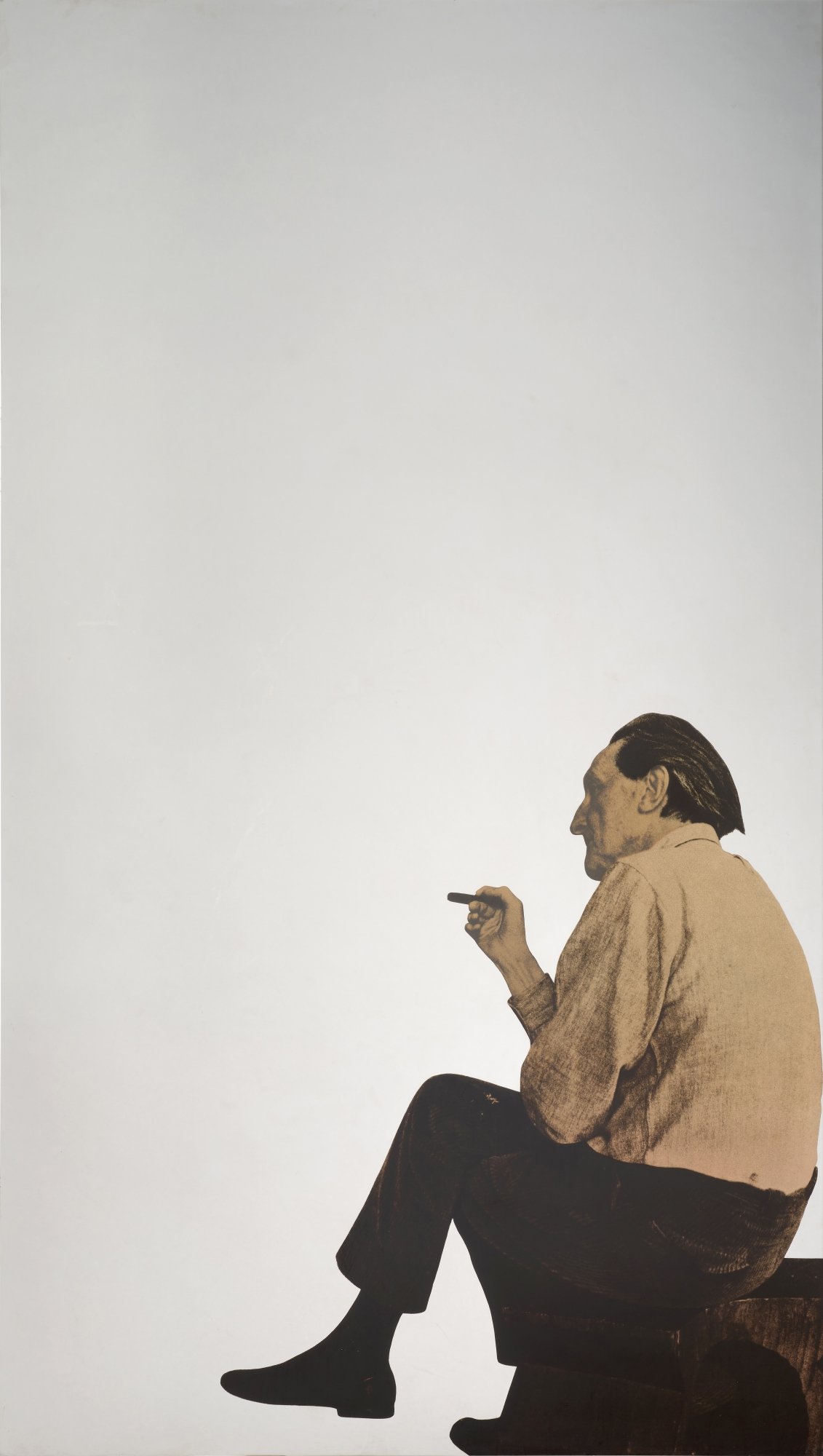
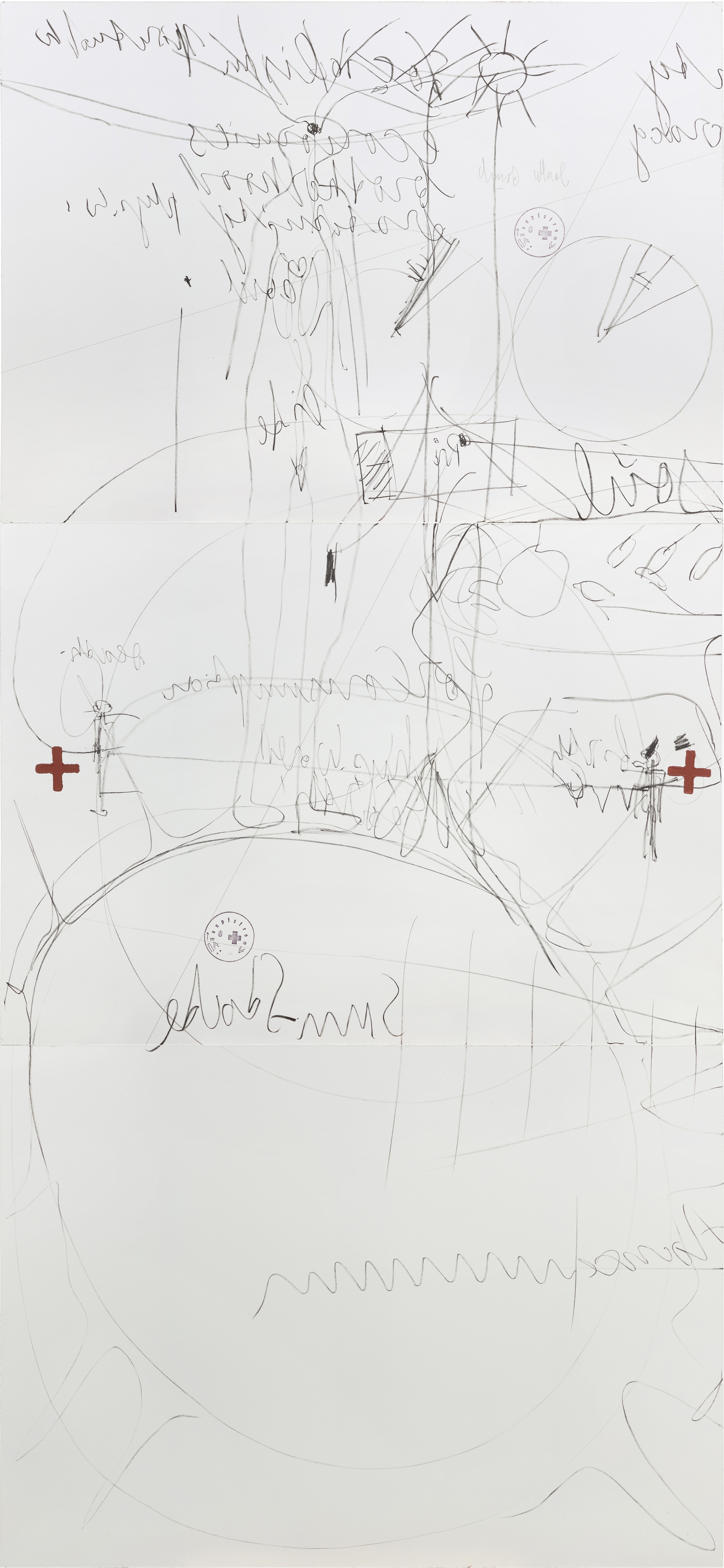
Joseph Beuys
Bein mit Kupferklammern (Leg with Copper Clamps), 1984
But what keeps collectors engaged, what makes these works genuinely pleasurable to live with, is something more intimate than ideology. Arte Povera works tend to age with extraordinary grace. Materials that were chosen for their rawness and impermanence acquire a kind of authority over time. A work that looked like a provocation in 1969 can look, fifty years on, like something quietly inevitable, as though the form had always existed and the artist simply noticed it.
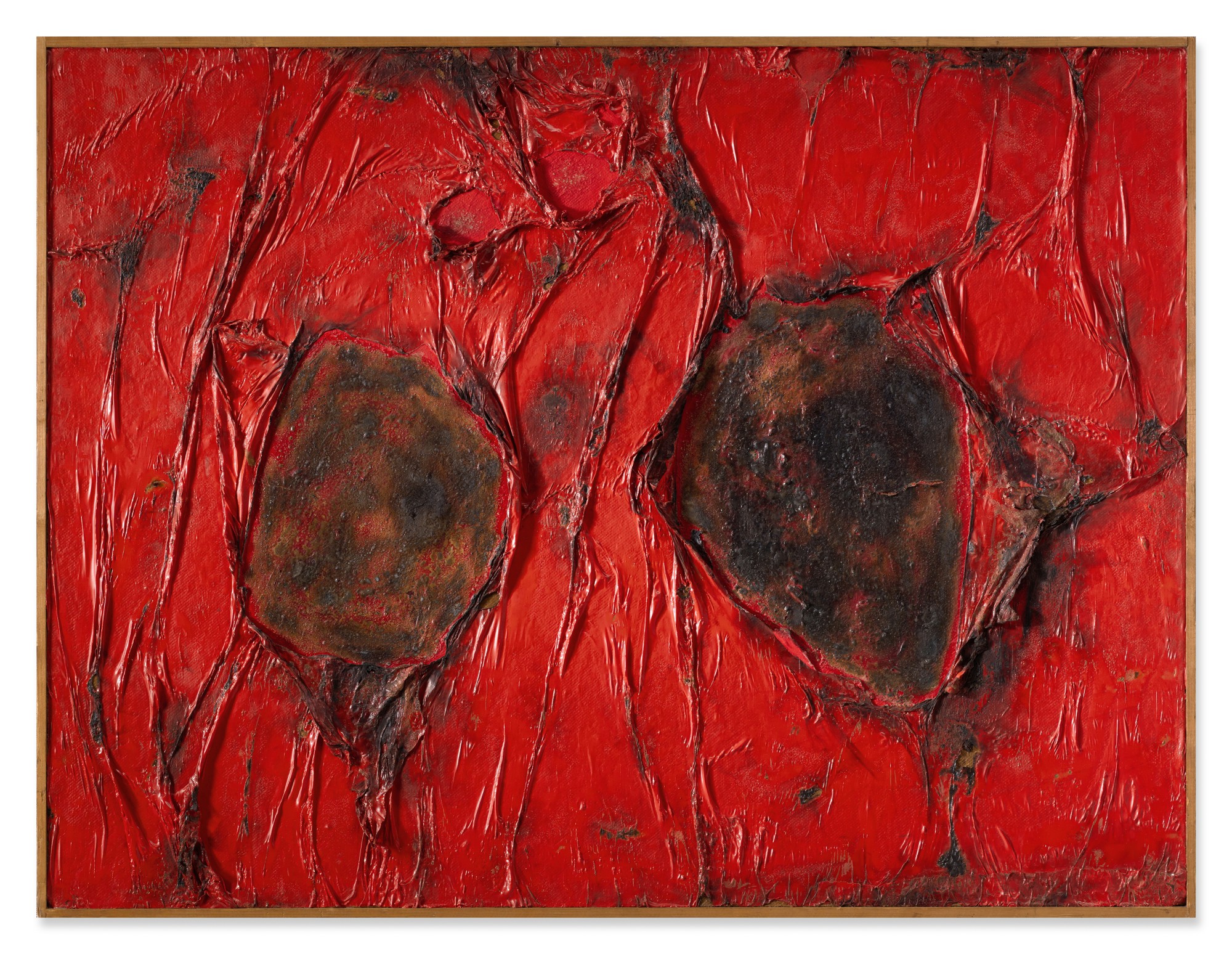
Separating a good Arte Povera work from a great one requires understanding what the best examples in this category actually do. The movement produced plenty of objects that are conceptually coherent but visually inert, works that make sense as footnotes to a manifesto but fail to generate much feeling in a room. The great works are the ones where the material choice carries genuine necessity. When Jannis Kounellis used live animals, fire, or raw wool, the decision was never decorative.
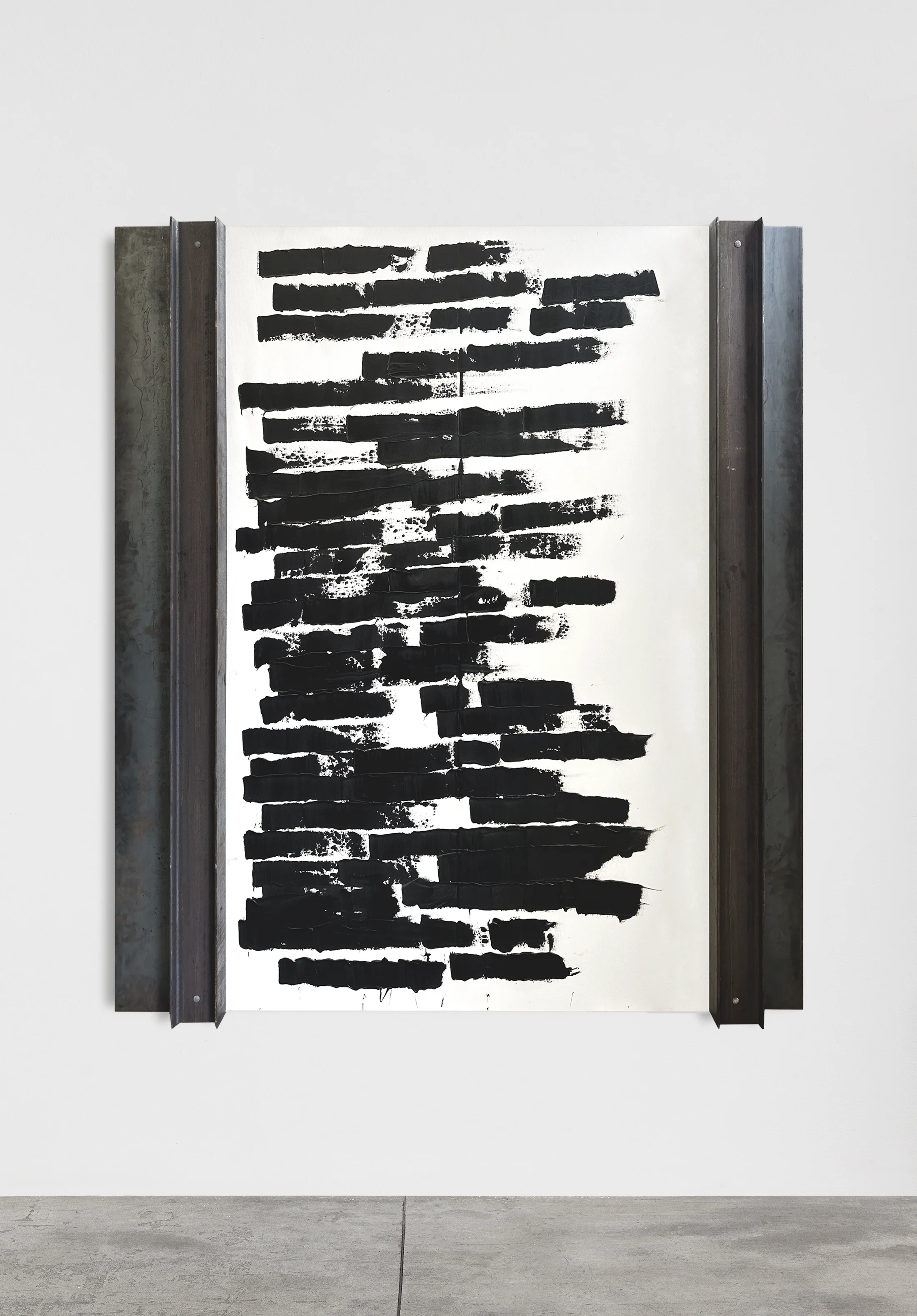
Jannis Kounellis
Untitled, 2014
The works available from Kounellis on The Collection reflect this urgency. His command of industrial and organic materials in tension with one another is something that weaker imitators never quite captured. A collector should always ask whether the material could be substituted without loss. If the answer is yes, the work is probably not a great one.
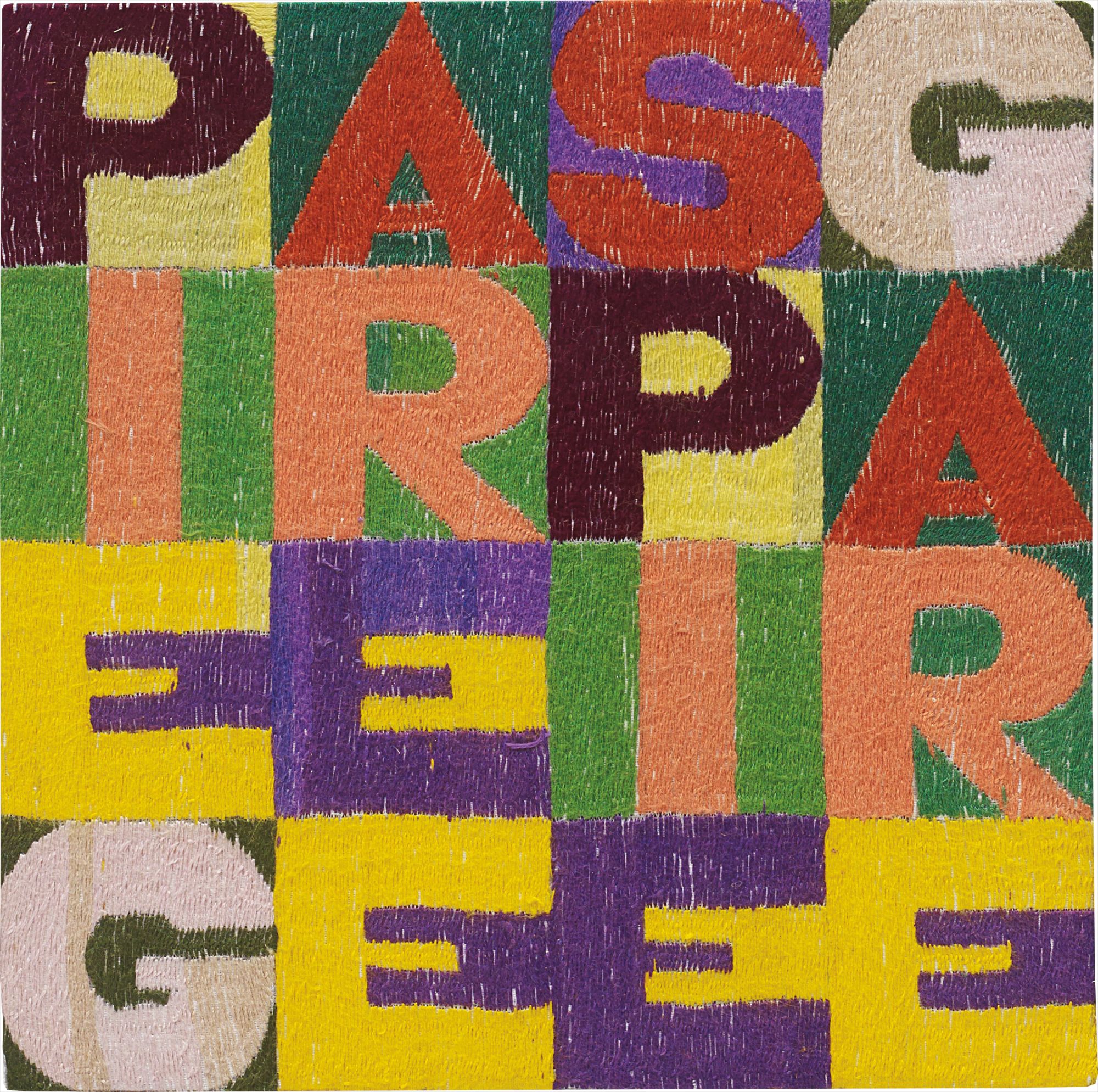
In terms of artists representing strong and durable value within this movement, the names that keep asserting themselves are the ones whose practices had the most internal consistency and the widest range of expression. Alighiero Boetti stands apart as a figure whose appeal continues to broaden with every passing year. His conceptual rigor combined with a genuine delight in craft, paradox, and seriality makes his work accessible to collectors who might otherwise find Arte Povera too austere. The embroidered maps produced with Afghan artisans are among the most recognisable works in postwar Italian art, but Boetti's output across postal works, ballpoint drawings, and word games rewards sustained attention across a serious collection.
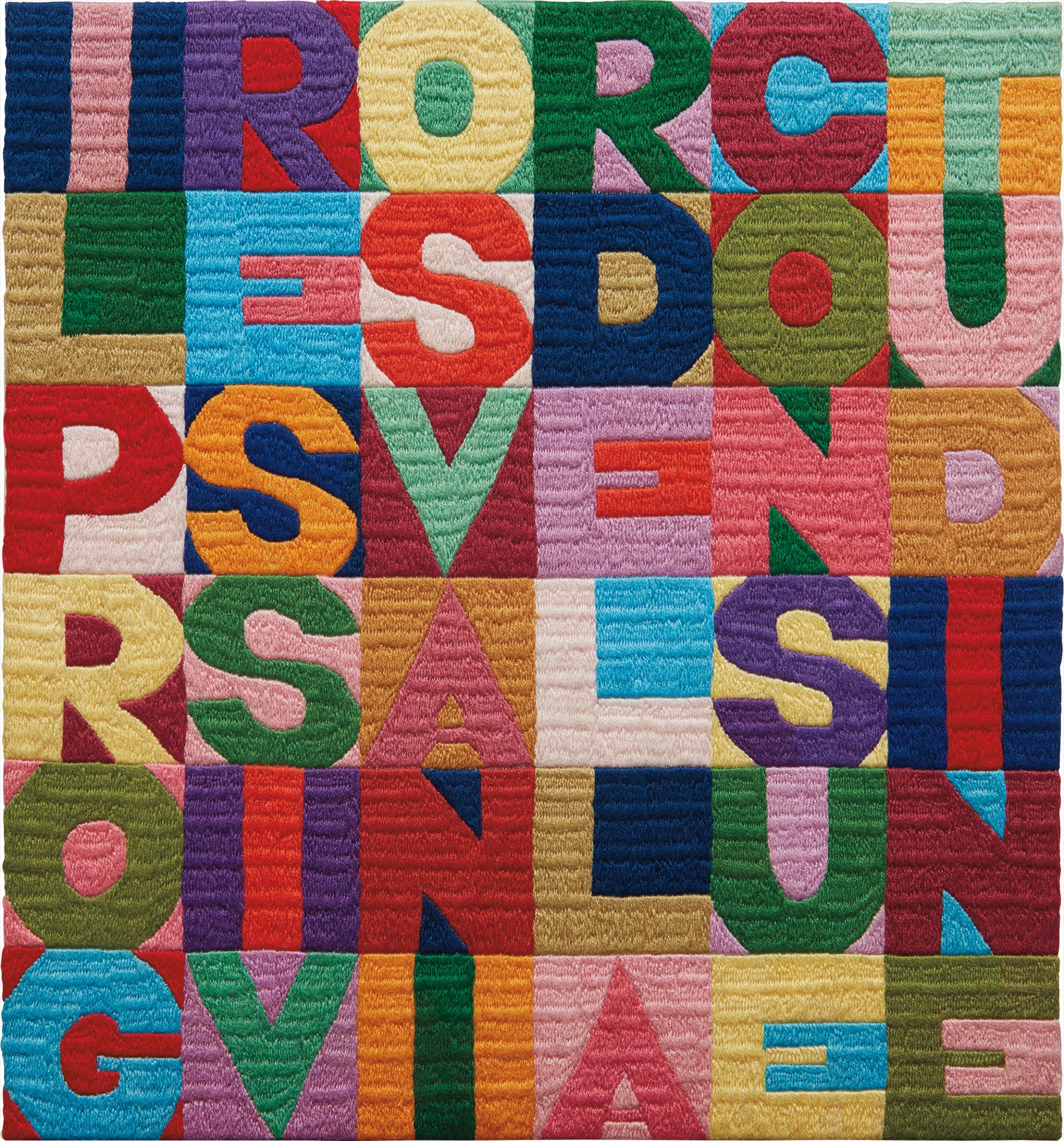
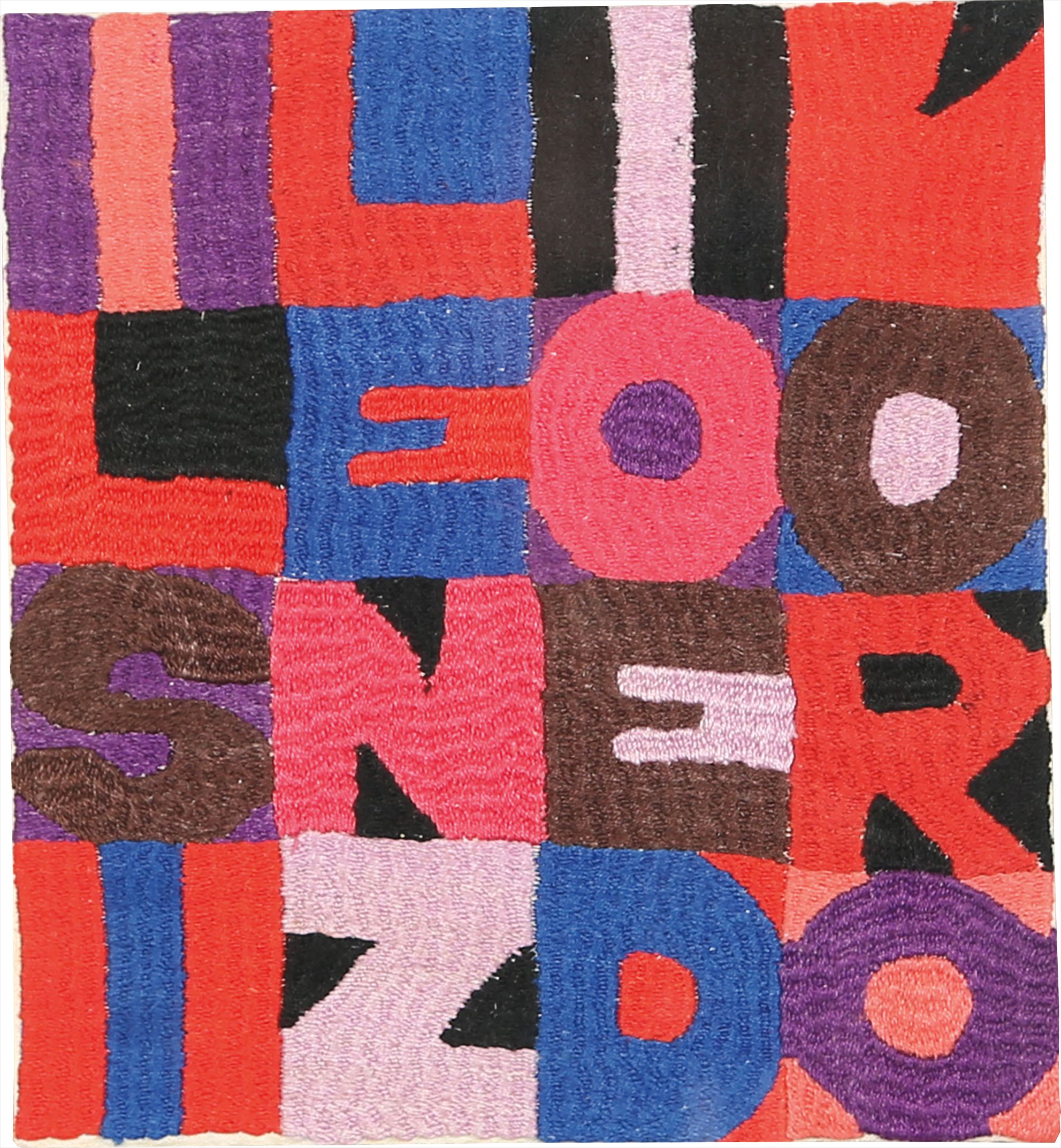
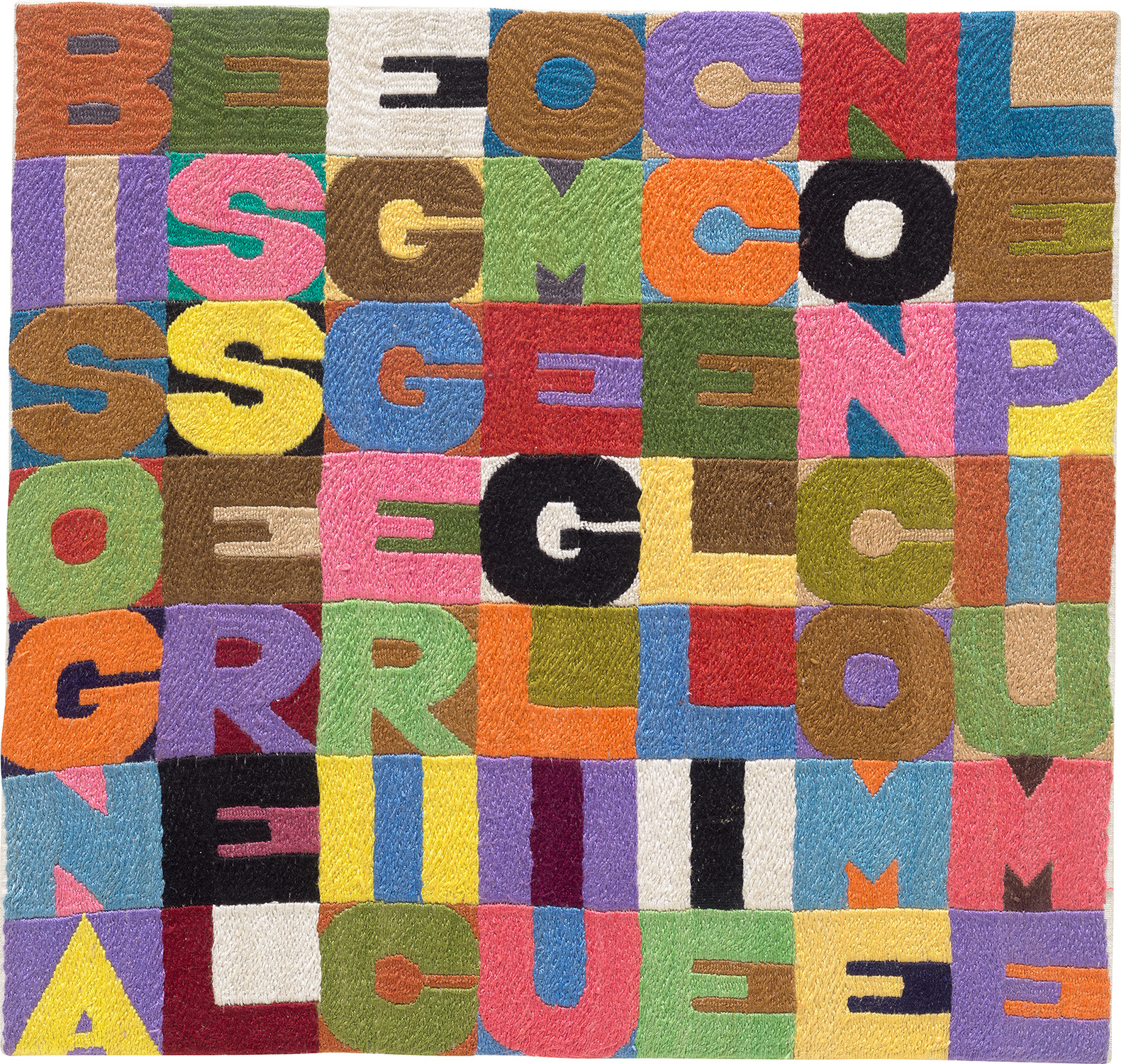
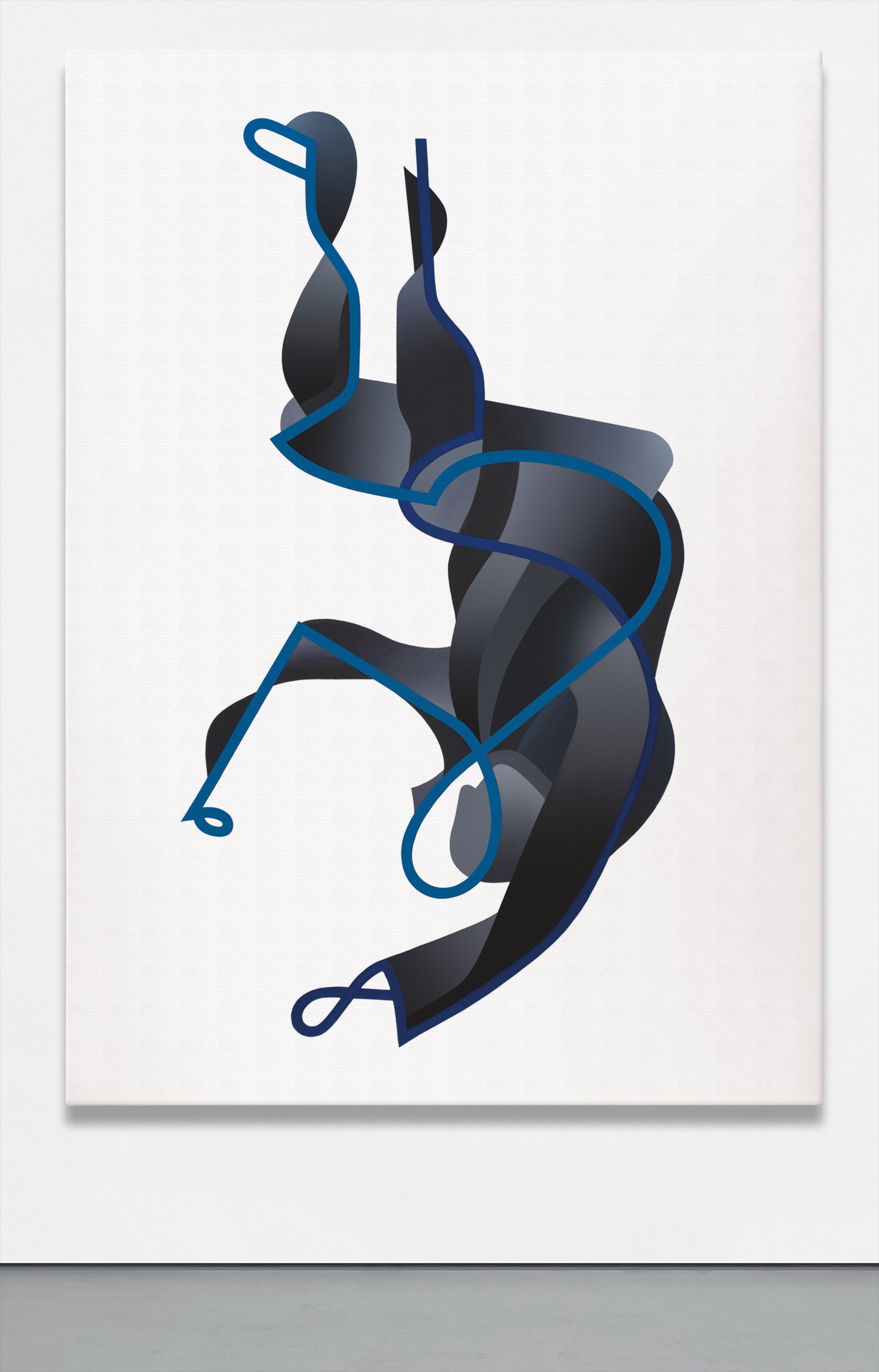
Alighiero Boetti
ll progressivo svanire della consuetudine, 1990
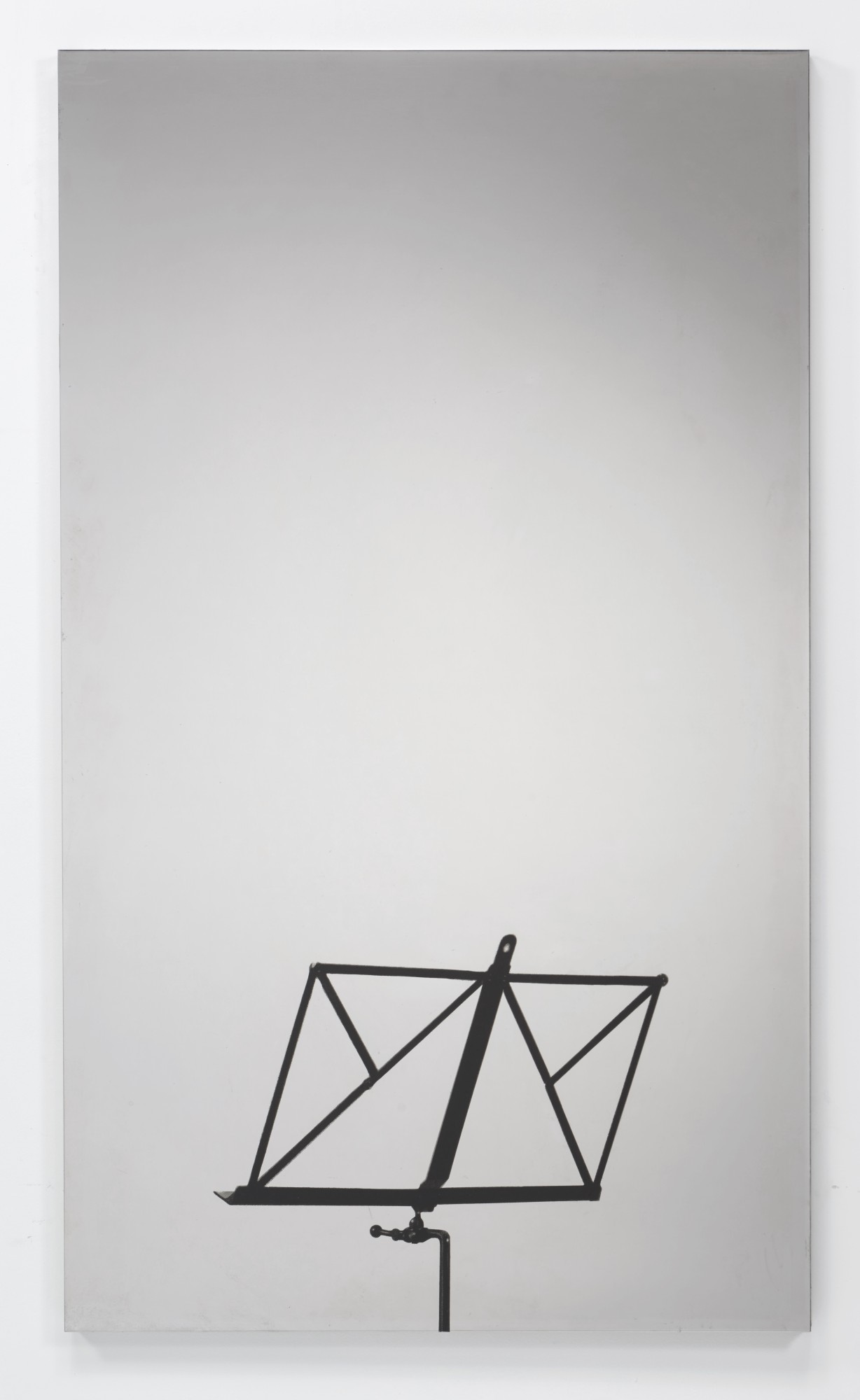
Michelangelo Pistoletto is similarly foundational. His mirror paintings, which began to appear in the early 1960s, remain among the most philosophically and visually compelling objects the movement produced. They implicate the viewer in a way that feels as fresh now as it did then, and their market has reflected that sustained relevance. Both artists are well represented on The Collection and for good reason.
Beyond those two anchors, there are artists whose market positions have not yet caught up with their historical importance. Gilberto Zorio, whose work deals with energy, transformation, and precarious equilibria, remains undervalued relative to his peers. Pier Paolo Calzolari, with his use of frost, lead, and moss, made works of genuine strangeness that sit beautifully in contemporary interiors and have attracted growing institutional attention in recent years. Giuseppe Penone's explorations of the relationship between the human body and plant life have become increasingly sought after, particularly as ecological thinking has moved toward the centre of curatorial discourse.
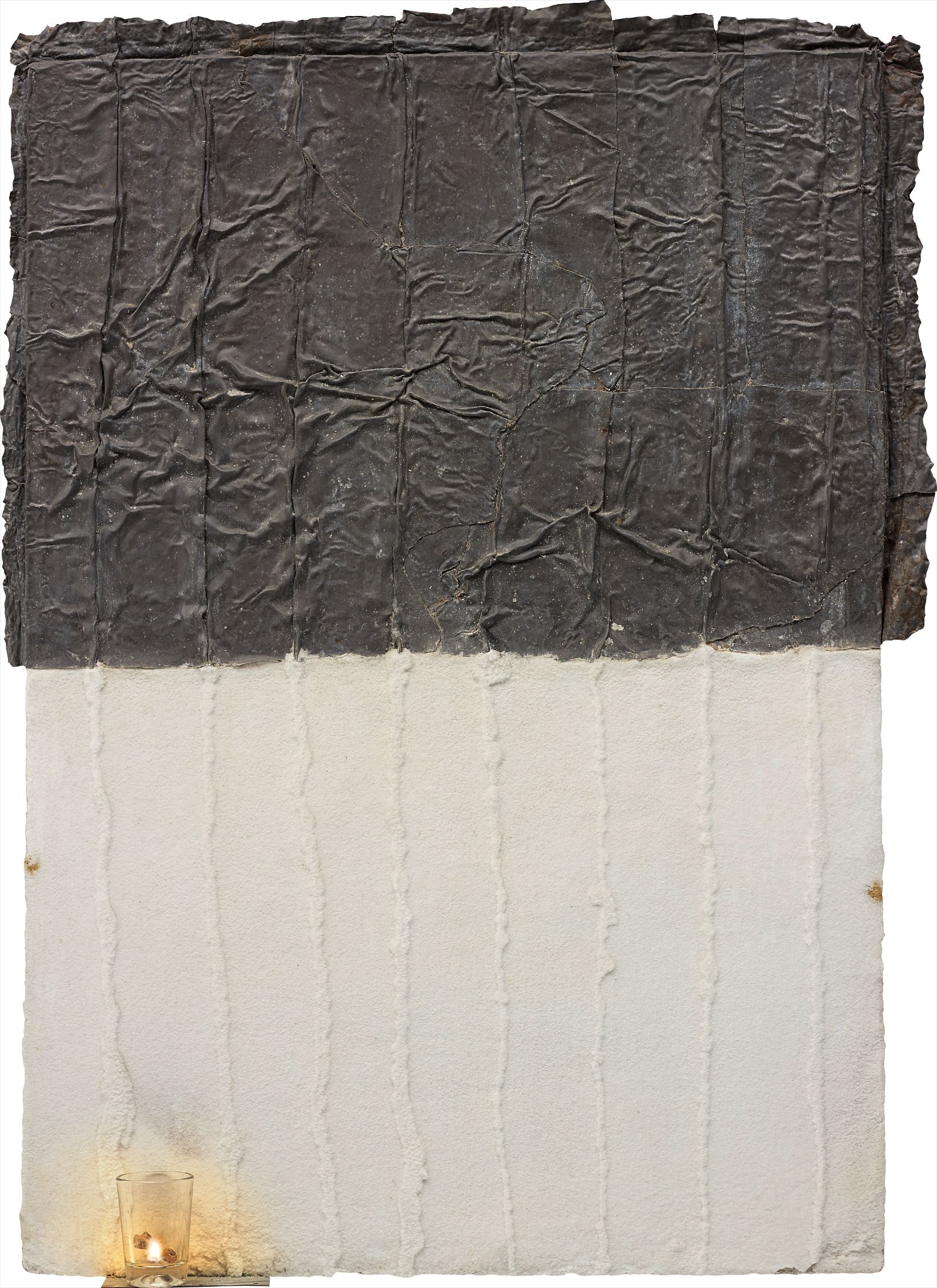
Gilberto Zorio
Odio, 1970
These artists represent real opportunity for collectors willing to move slightly outside the most obvious names. Carol Rama, whose relationship to Arte Povera was tangential but whose material inventiveness is entirely in keeping with its spirit, is another figure whose critical reappraisal has been gathering force. At auction, the Arte Povera market has shown remarkable resilience across cycles, though it is not without its hierarchies. Boetti consistently performs at the top of the range and has seen strong results at Christie's and Sotheby's throughout the past decade.
Pistoletto's mirror works command significant prices when they come to market, and condition plays an enormous role in those results, a point we will return to. Works by Kounellis have had more variable outcomes depending on the specific piece, as his practice ranged from the iconic to the more provisional. The secondary market for artists like Merz and Zorio tends to reward patience, with works sometimes sitting below their potential for years before a major retrospective or institutional survey triggers renewed demand. Condition is the practical issue that deserves the most candid conversation when collecting in this space.
Works made from organic materials, industrial byproducts, or unstable compounds require specialist conservation knowledge. Before acquiring any significant Arte Povera work, a collector should ask the gallery for a full condition report prepared by a conservator with specific experience in postwar Italian material art. This is not optional. Ask also about the history of display: whether a work has been kept in controlled conditions, whether any elements have been replaced or restored, and whether the artist or their estate has issued any guidelines on acceptable substitution of materials.
For works involving living or perishable elements, editions and documented recreations exist in a complex ethical space, and a collector should understand exactly what they are acquiring. Unique works from the period carry a different kind of authority, but they also carry greater responsibility. The broader argument for collecting Arte Povera with seriousness and ambition remains as compelling as it has ever been. This was a movement that asked fundamental questions about what art is made of, who it is for, and what relationship it bears to the natural and political world.
Those questions have not dated. If anything, they feel more urgent now than they did when Celant first articulated them. Collectors who engage with this territory thoughtfully, who look beyond the canonical names and understand the material logic of individual works, will find a field that rewards genuine curiosity with both intellectual depth and lasting market value.