Animal Subject
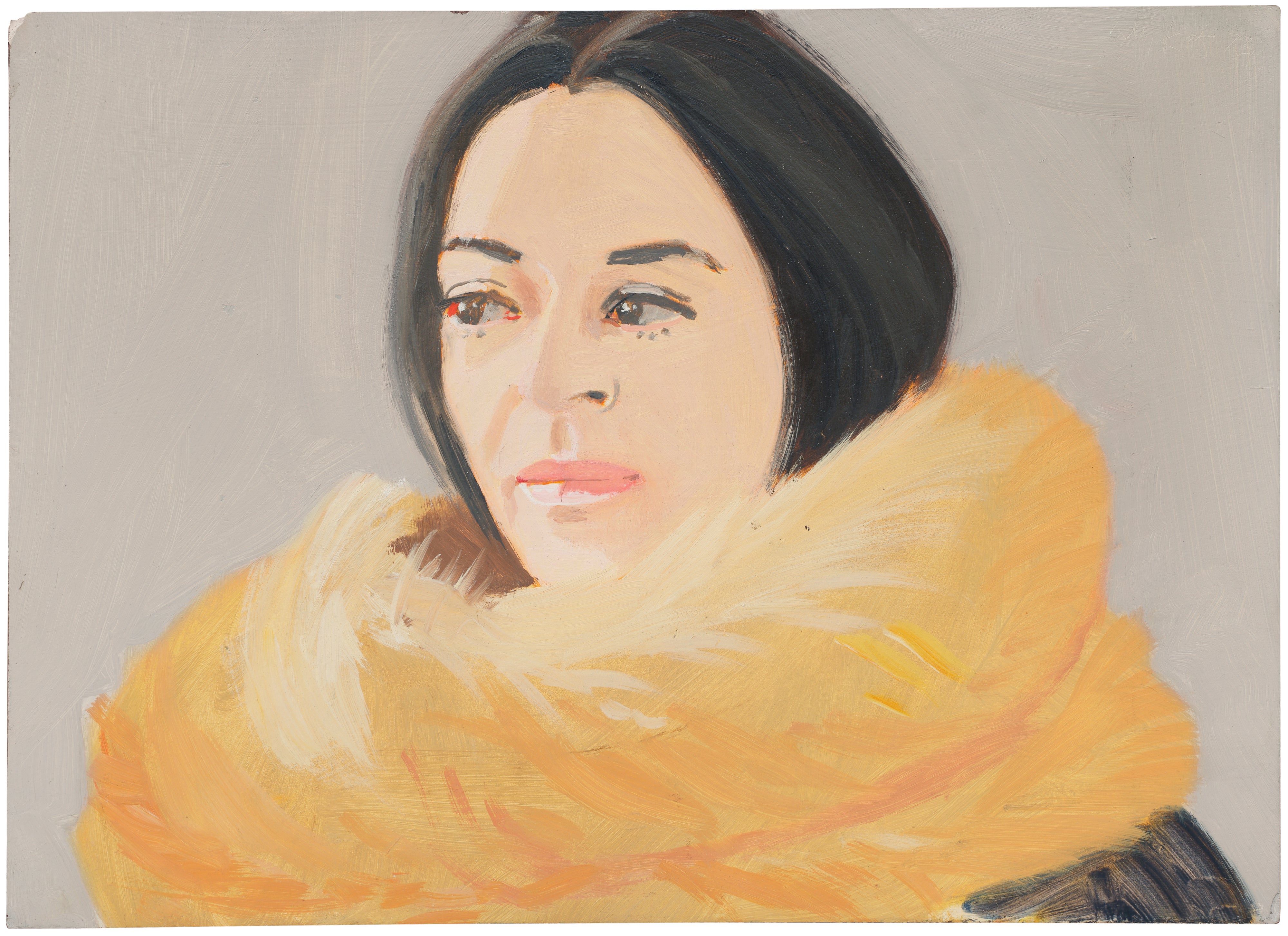
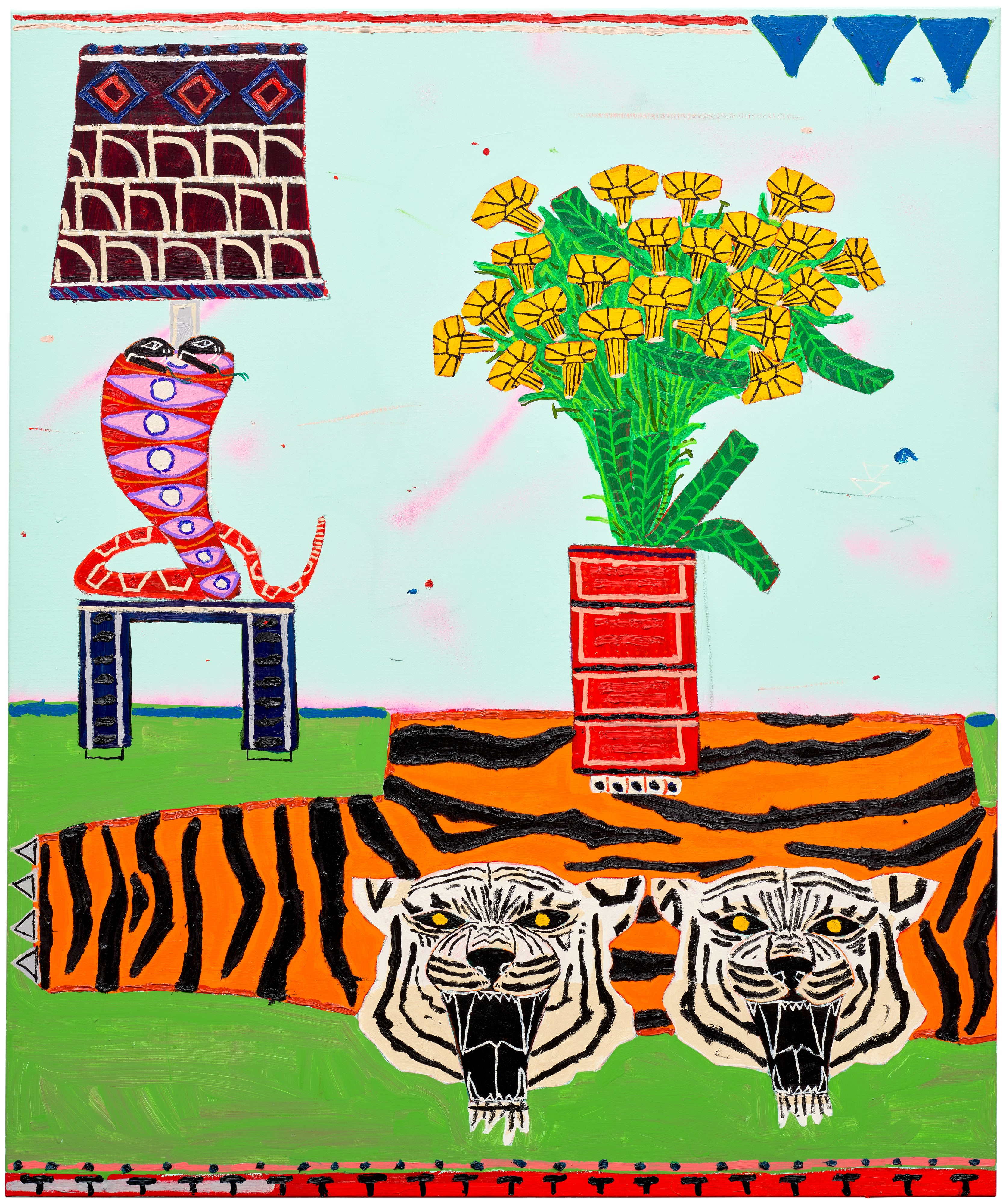
Alex Katz
Study for Fox, 1973


The Animal Gaze That Stares Back
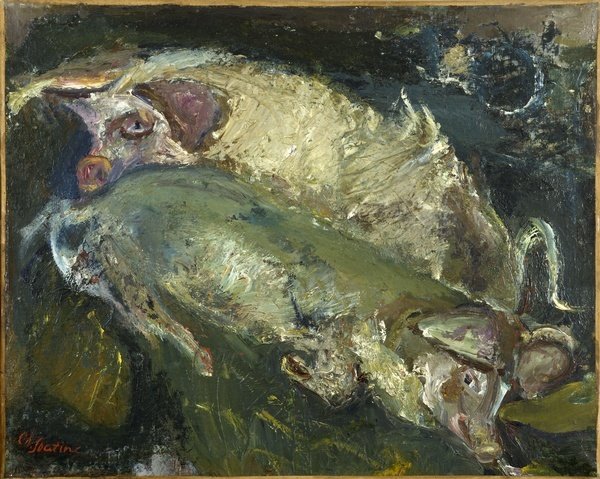
When Jeff Koons's 'Rabbit' sold at Christie's New York in May 2019 for just over 91 million dollars, becoming the most expensive work by a living artist at auction at that time, the art world registered it as a triumph of surface and spectacle. But there was something else happening in that room: a collective acknowledgment that the animal as artistic subject had never really left the center of the conversation. It had simply been waiting, patient as its subject matter, for the culture to catch up. The animal has haunted art for as long as humans have made marks.
What feels different right now is the urgency. Climate grief, rewilding movements, and a renewed philosophical reckoning with human exceptionalism have given collectors and curators fresh reasons to look at animal imagery with different eyes. The question is no longer simply what an artist has made of an animal, but what the animal reveals about the artist, the culture, and the moment. This is a category where formal beauty and ethical weight have become genuinely inseparable.
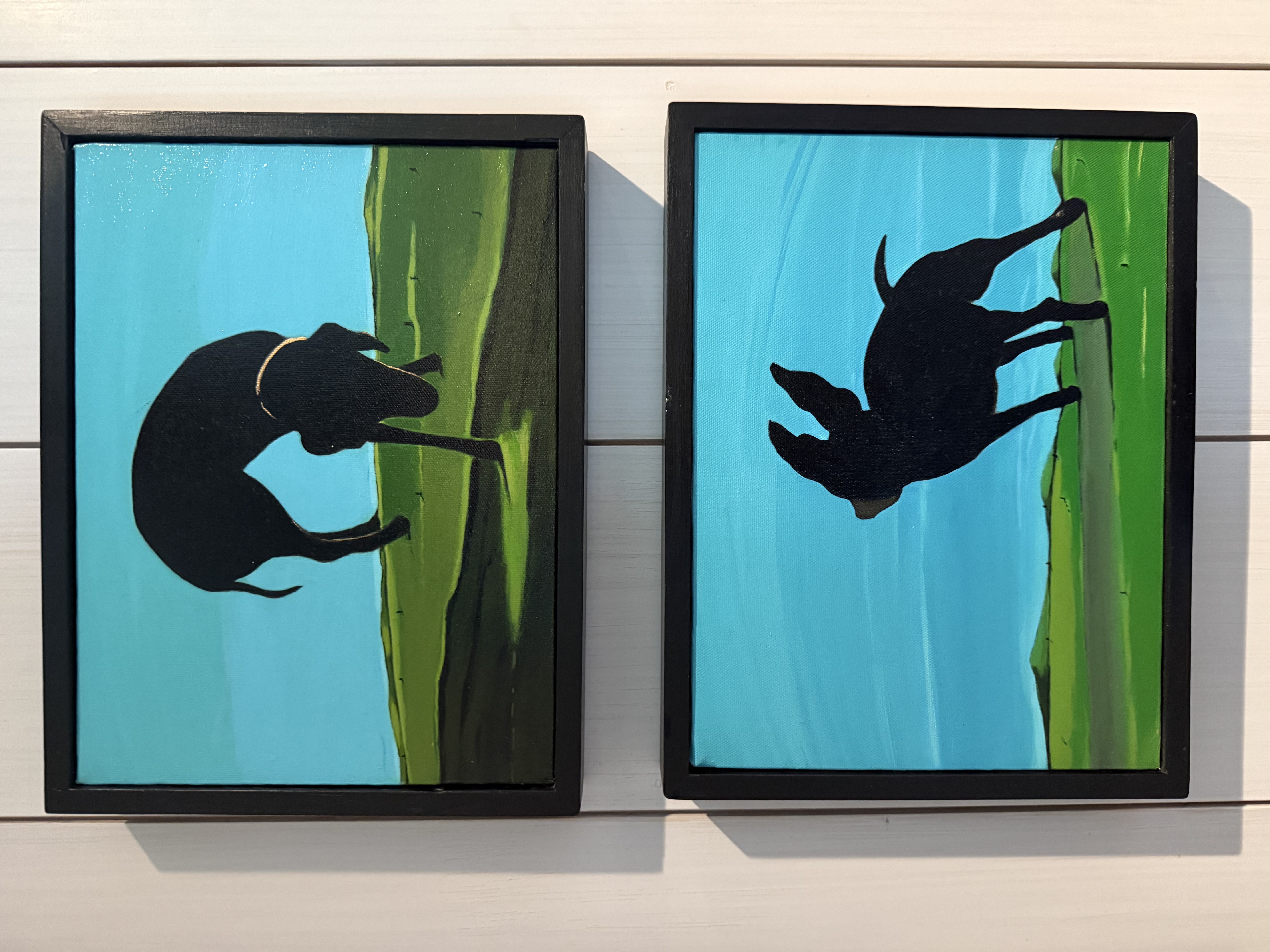
Marjorie Weiss
Joe's Black Dog, 1997
Among the artists well represented on The Collection, Walton Ford stands as one of the most critically serious voices working in this space. His large scale watercolors, indebted to Audubon in technique but deeply subversive in content, have been the subject of major institutional attention for years. His 2020 survey at the Paul Kasmin Gallery reminded viewers how powerfully his work connects colonial history, extinction narratives, and animal psychology. Auction results for Ford have climbed steadily, reflecting the critical consensus that he is one of the essential painters of his generation.
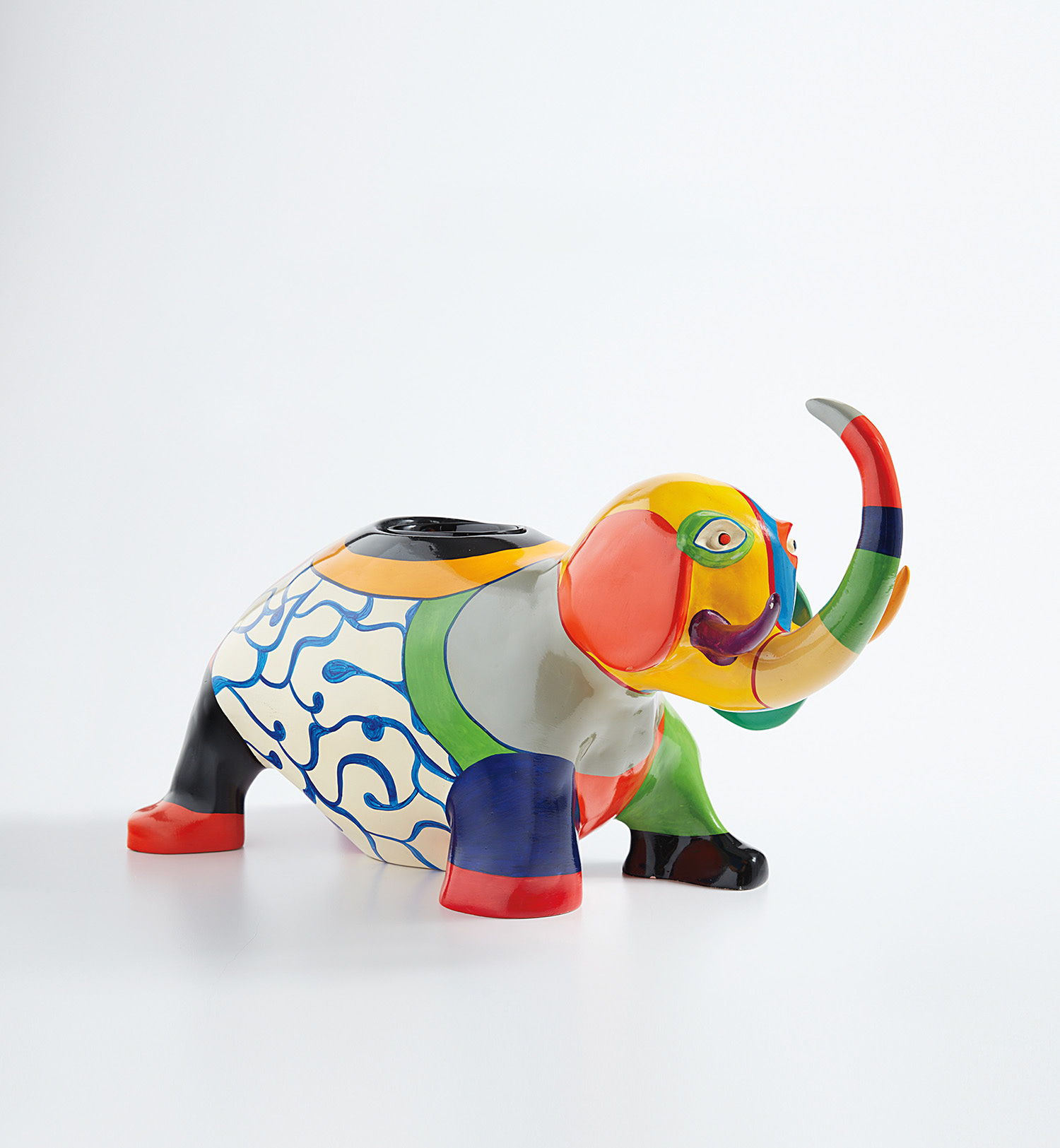
When a Ford appears at sale, bidding tends to open confidently and close higher than expected. Francois Xavier Lalanne occupies a different but equally compelling corner of this market. The sculptures he made alongside his wife Claude, known collectively as Les Lalanne, have experienced a remarkable reappraisal over the past decade. The 2019 Sotheby's Paris sale dedicated entirely to their work set multiple records and signaled that the playful, surrealist animal forms they championed, rhinoceroses rendered as functional furniture, sheep cast in wool textured bronze, had moved definitively from decorative curiosity to serious collecting territory.
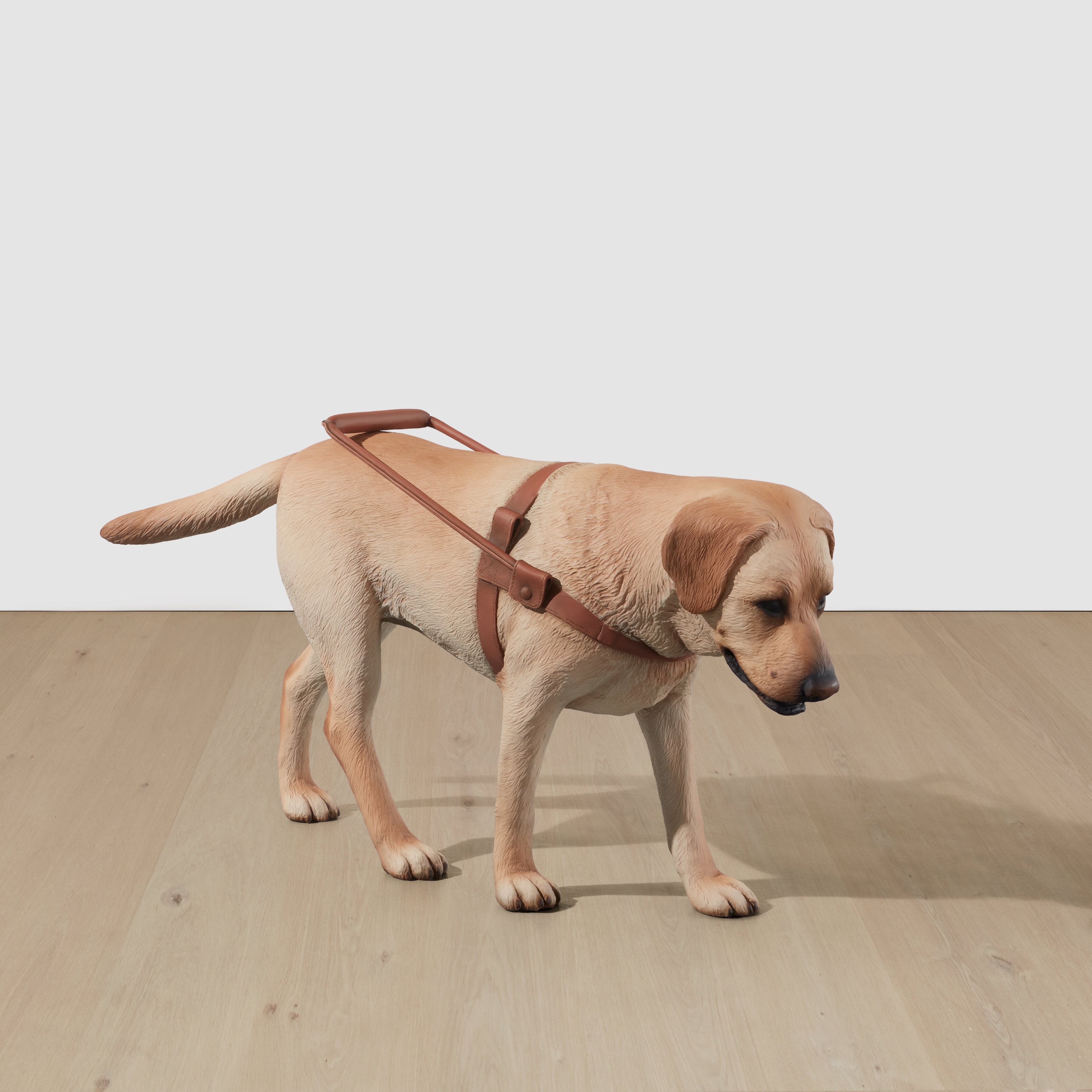
Tony Matelli
Stray Dog, 2000
Institutions including the Musee des Arts Decoratifs in Paris have helped cement that legitimacy. On The Collection, the Lalanne presence speaks to how the animal subject resists easy categorization between fine art and applied art, and why that ambiguity now feels like a strength rather than a liability. The critical conversation around animal subjects has been shaped significantly by curator and writer Steve Baker, whose book 'The Postmodern Animal' remains a foundational text, and by the broader posthumanist turn in critical theory associated with thinkers like Donna Haraway. These frameworks have given curators tools for talking about animal imagery that go beyond iconography or naturalism.
When the Hayward Gallery staged its 2009 exhibition 'Altermodern,' animal motifs appeared across multiple works as markers of instability and transformation. More recently, venues like the Fondation Cartier pour l'art contemporain in Paris have built entire programs around the animal, with their ongoing series of exhibitions devoted to particular species drawing serious critical attention and significant attendance. Looking at the range of artists on The Collection, a few themes emerge with particular clarity. Rob Pruitt's pandas, which have become a signature motif over more than two decades, operate in a zone where cuteness becomes a form of cultural critique.
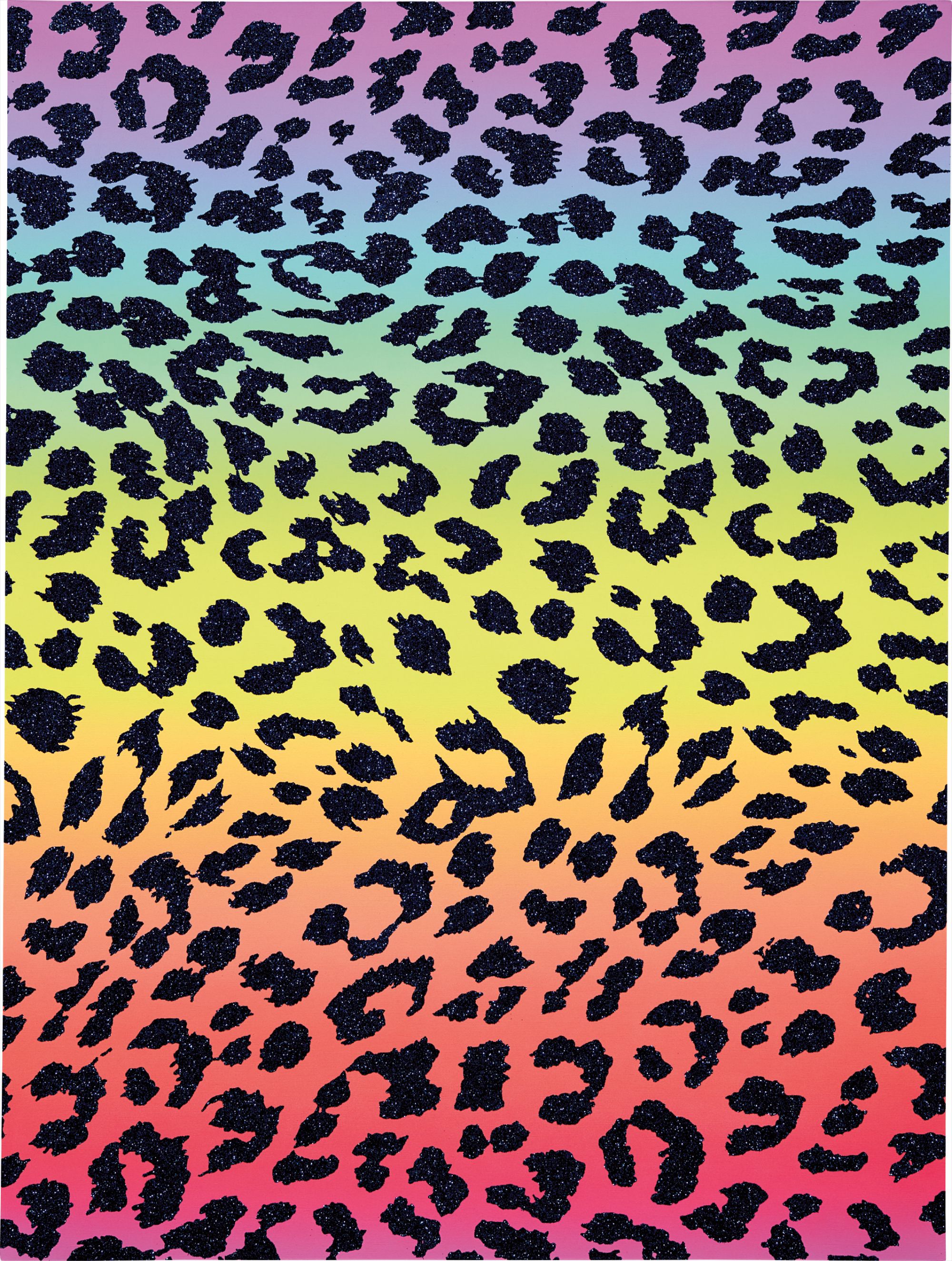
Rob Pruitt
Radioactive Cheetah, 2013
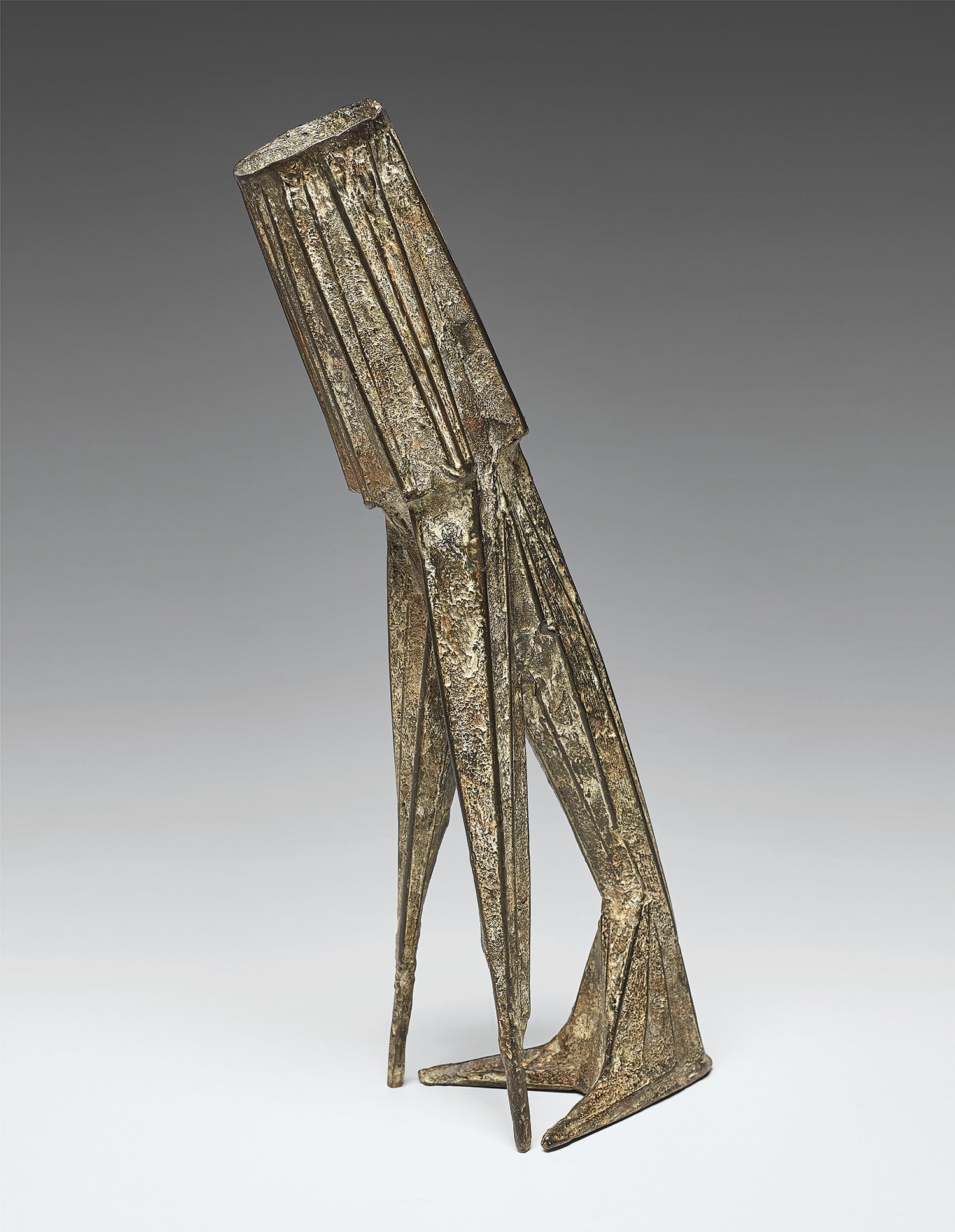
His work asks how sentimentality is manufactured and who profits from it. Barry Flanagan's bronze hares, joyful and kinetic, carry a different kind of charge: they are about liberation, about the animal as a figure of pure becoming. Francisco Toledo, the Mexican painter and printmaker whose work draws deeply on Zapotec cosmology, treats animals as spiritual presences and political actors simultaneously. These are not decorative choices.
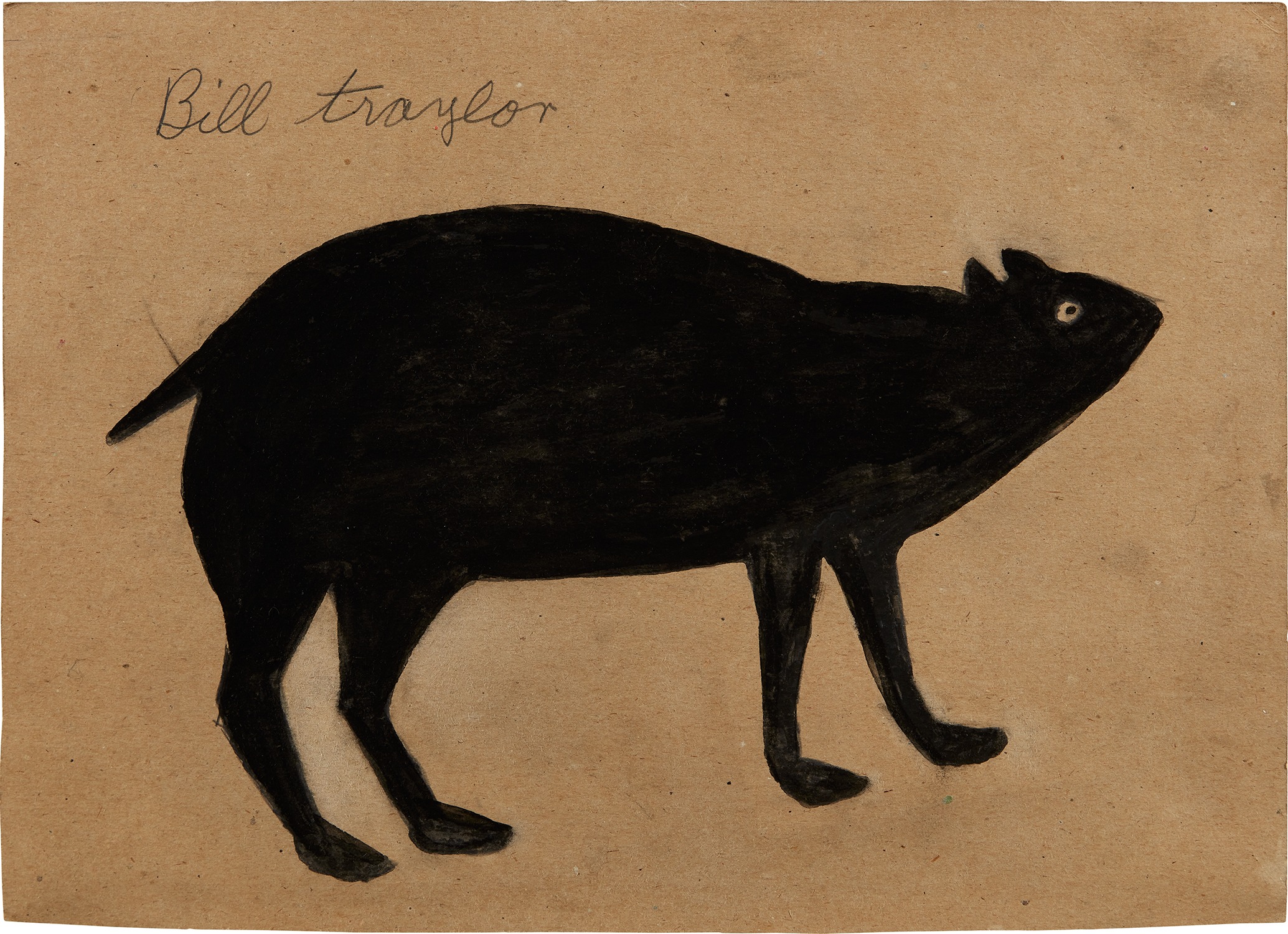
They are worldviews. At the institutional level, the Museum of Modern Art's collection has long included significant animal subjects, from Picasso's bulls and birds through to contemporary work. The Getty and the Smithsonian American Art Museum have been active in this space, and the latter's acquisition of Bill Traylor works in recent years signals a growing institutional appetite for self taught artists whose animal imagery carries autobiographical and historical weight. Traylor, who was born into slavery in Alabama and began drawing in his eighties, made animals that are simultaneously joyful and haunted.
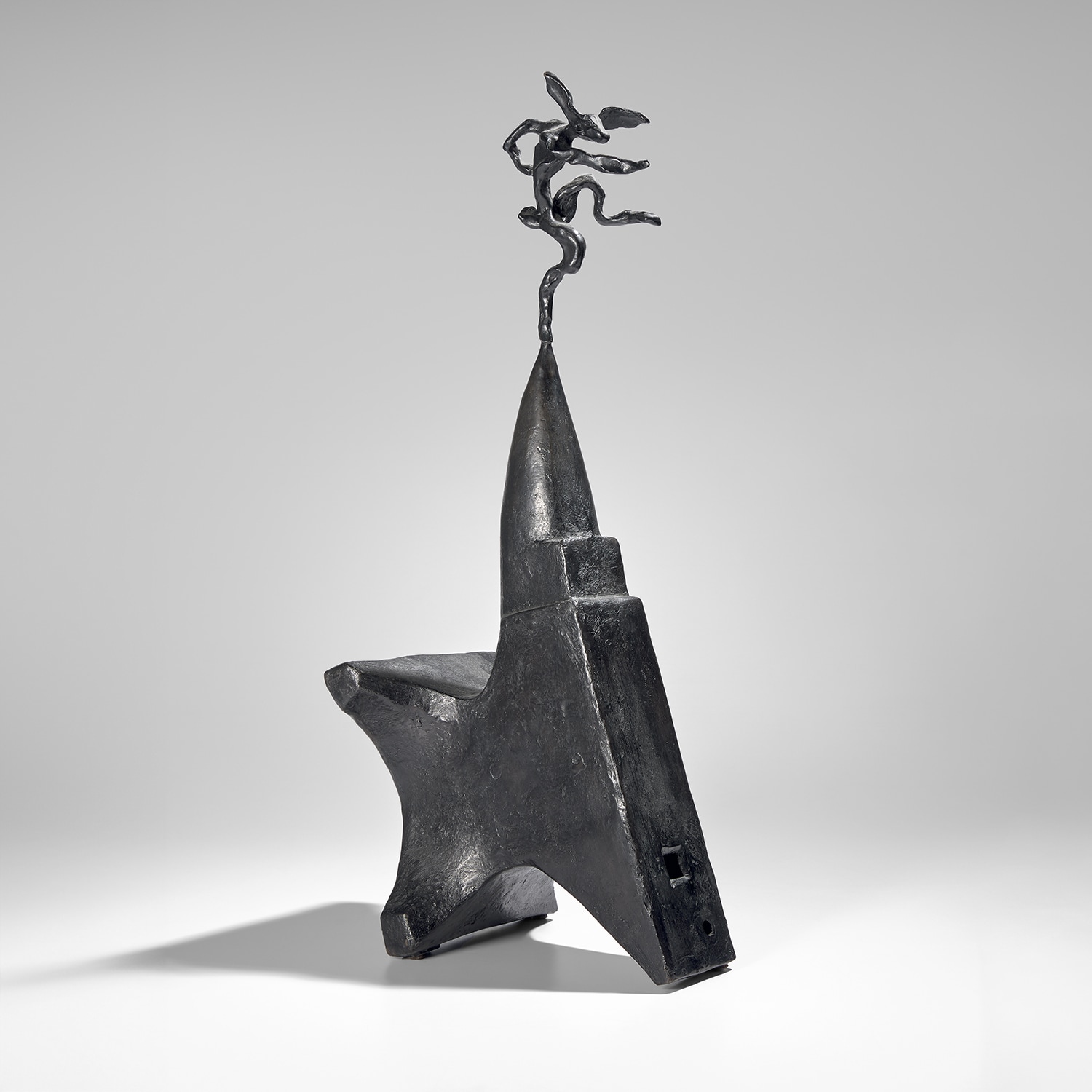
Barry Flanagan
Small Nijinsky on Anvil, 2001
His work on The Collection stands alongside Picasso and Miró as evidence of how wide the category truly is. The energy right now feels concentrated in a few directions. Younger artists working with AI and digital tools are generating animal imagery at extraordinary scale and complexity, prompting questions about what it means to depict a creature one has never encountered directly. The category of AI art, which sits alongside animal subject on The Collection, is beginning to intersect with it in ways that feel genuinely new.
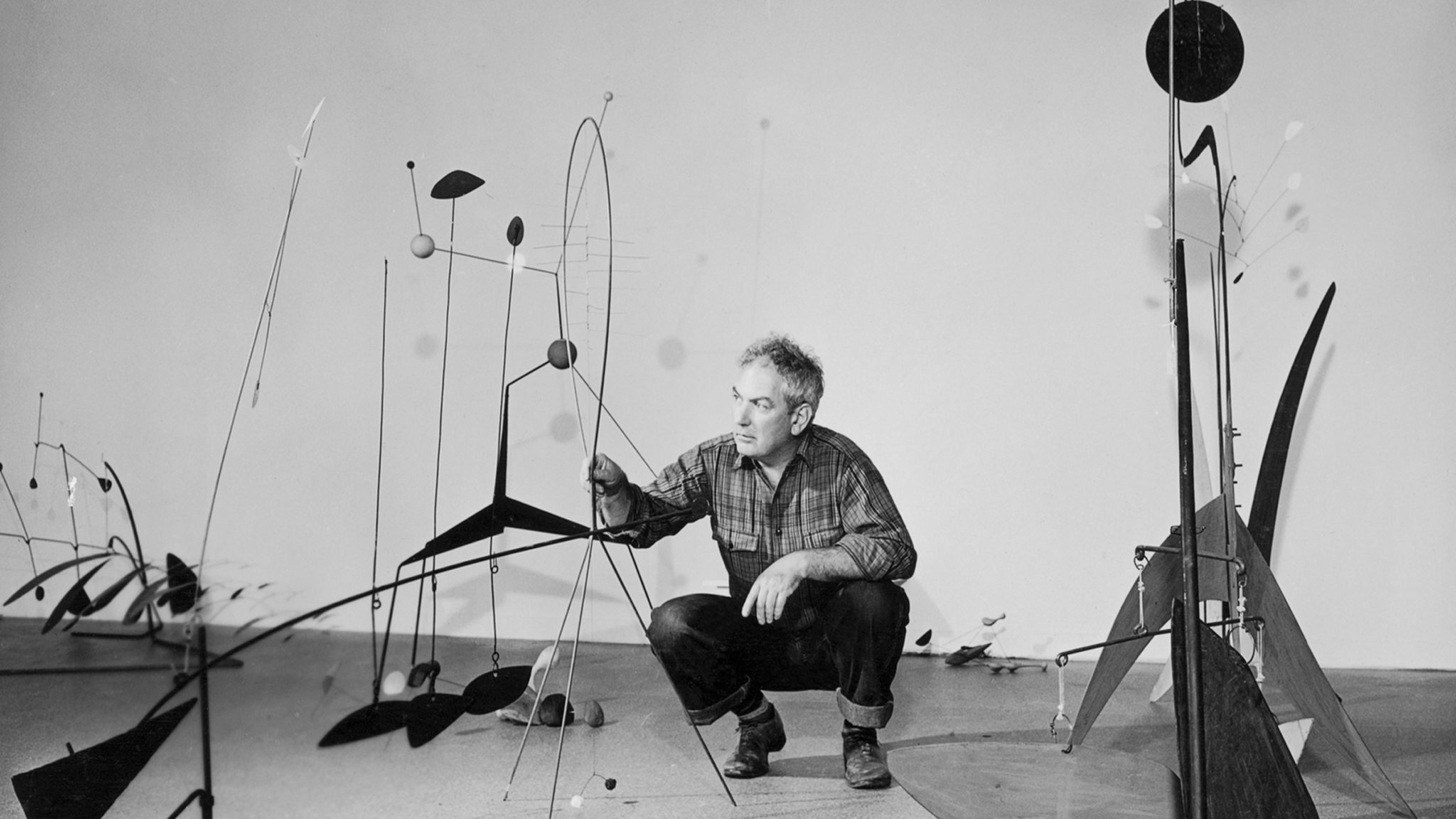
Separately, the market for twentieth century works by artists like Alexander Calder, whose mobiles traced animal forms through air and light, and Joan Miró, whose biomorphic creatures blurred the line between human and beast, remains robust. These works benefit from institutional validation and from a collector base that understands them as anchors rather than risks. What surprises are coming is harder to say, though the directional signals are readable. The reappraisal of overlooked or undervalued artists who worked with animal subjects, particularly women artists and artists from outside the Western European and North American canon, feels overdue and imminent.
The critical infrastructure is in place. The institutional appetite is there. And collectors who have been quietly building in this area for the past decade are beginning to look very far sighted indeed. The animal, it turns out, was never just a subject.
It was always a mirror.