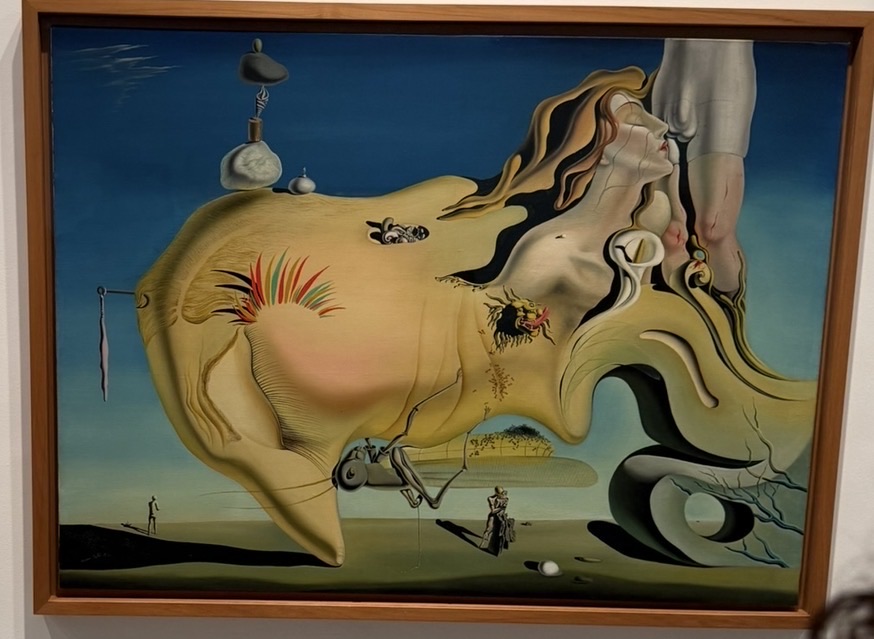
The Great Masturbator
Salvador Dalí painted The Great Masturbator in 1929 as one of the most iconic and psychologically charged works of the Surrealist movement, now housed in the Museo Reina Sofía in Madrid. The monumental canvas features a large amorphous central form derived from a coastal rock formation near Cadaqués that dissolves into a female face believed to represent Gala, who became Dalís muse and lifelong partner around the very time this work was created. Collectors prize this painting as a landmark of Surrealism that openly channels Freudian themes of desire, anxiety, and the unconscious into a single hypnotic composition. Its dense symbolic vocabulary including the lion, the colorful eyelashes, the grasshopper, and the tiny human figures scattered across a dreamlike landscape makes it endlessly rewarding for serious collectors and scholars alike.
- Spotted At
- Museum
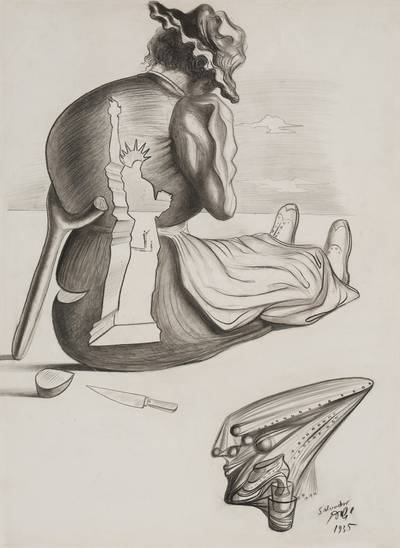
More by Salvador Dalí


Artists in conversation
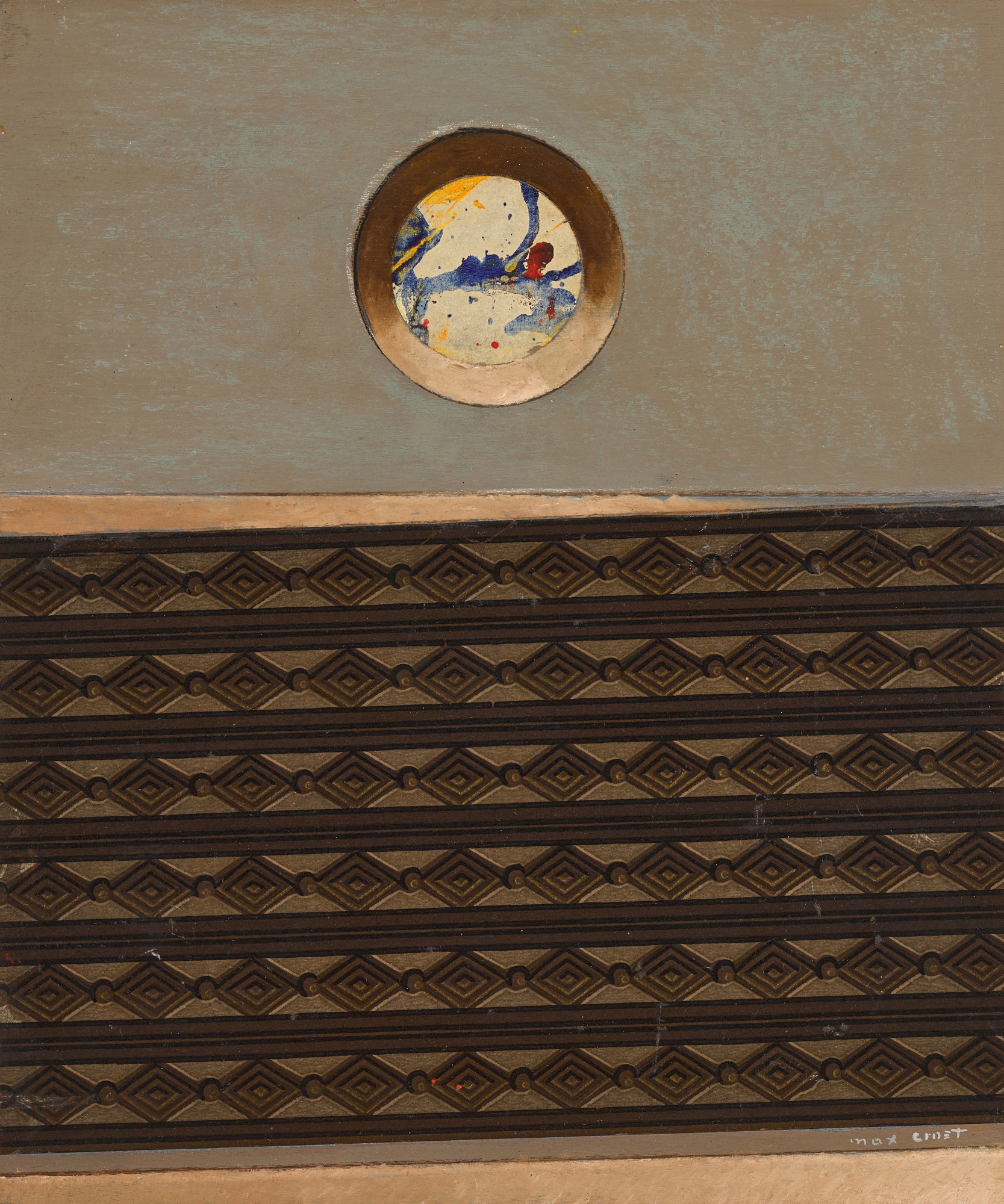
Max Ernst
German · b. 1891
Ernst created large scale Surrealist oil paintings with biomorphic forms, dream imagery, and deeply Freudian psychological symbolism virtually identical in spirit to The Great Masturbator, including dissolving figures emerging from ambiguous organic landscapes with strong erotic and unconscious undertones.
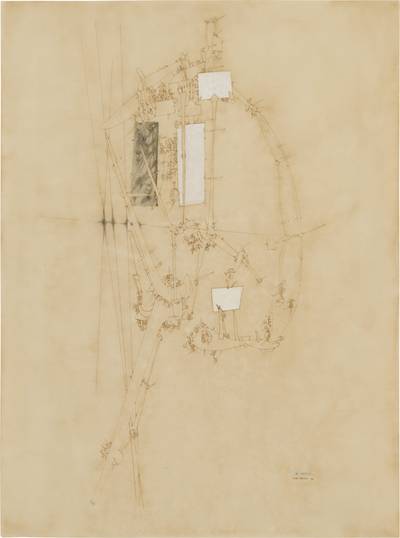
Yves Tanguy
French · b. 1900
Tanguy populated his Surrealist canvases with amorphous biomorphic forms floating across barren dreamlike landscapes rendered in precise oil technique, sharing the same combination of coastal geological abstraction, psychological tension, and eerily lit symbolic imagery central to The Great Masturbator.
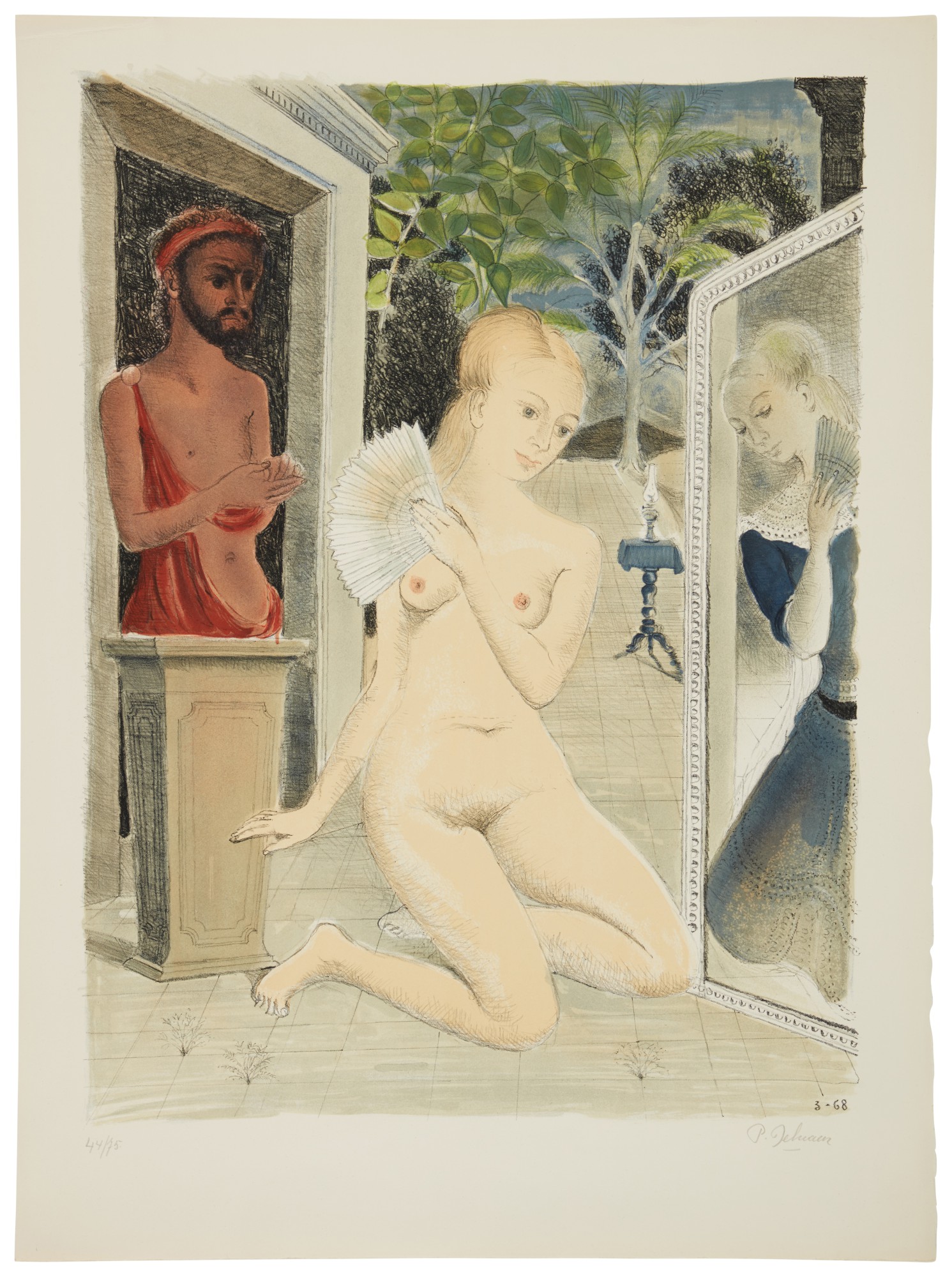
Paul Delvaux
Belgian · b. 1897
Delvaux painted large scale figurative Surrealist oils combining explicit erotic symbolism, idealized female figures rendered with dreamlike precision, and deeply Freudian psychological atmosphere that closely parallels the erotic charge and symbolic figuration present in The Great Masturbator.
Start the Discussion
Request access to join the discussion