Large Scale Painting
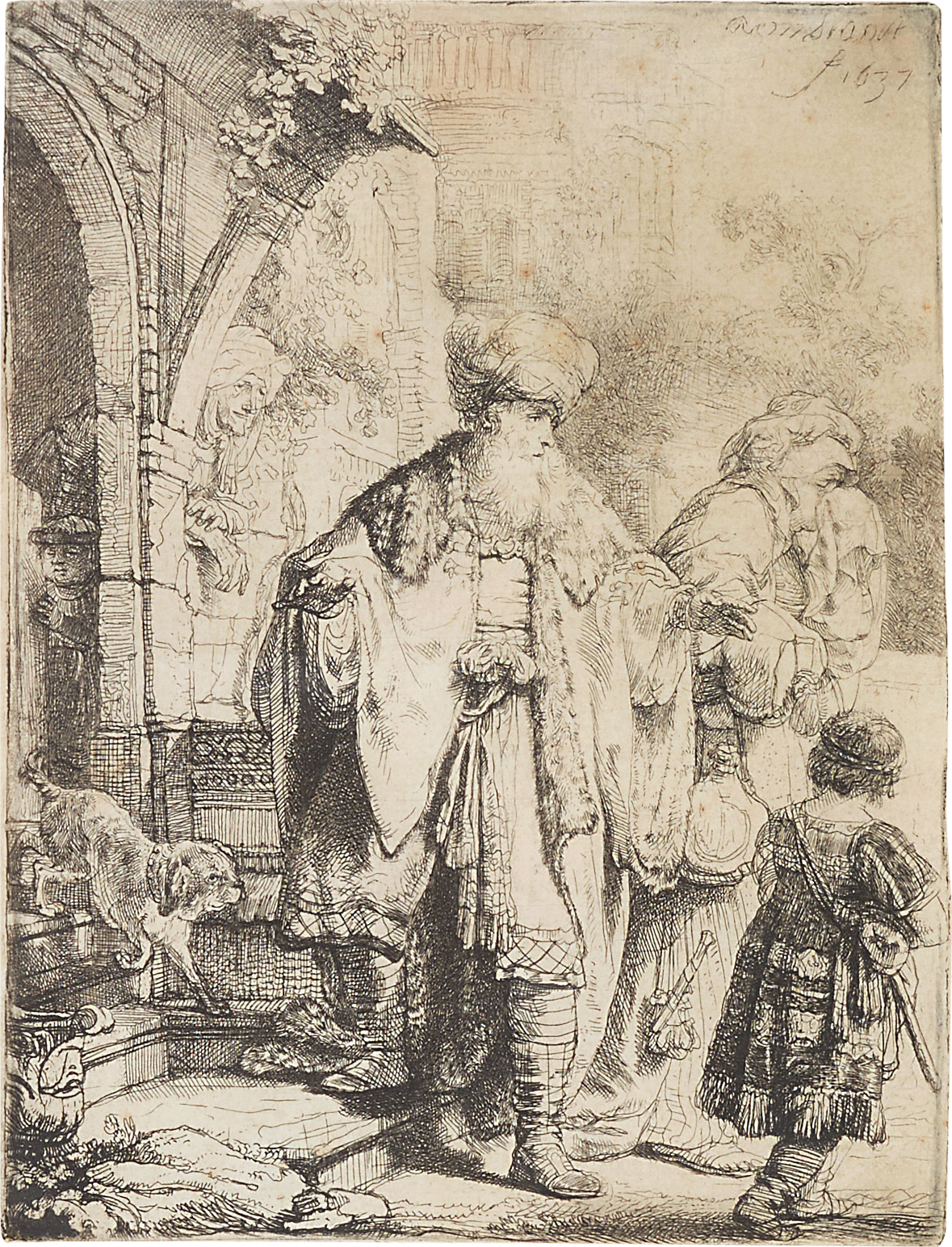
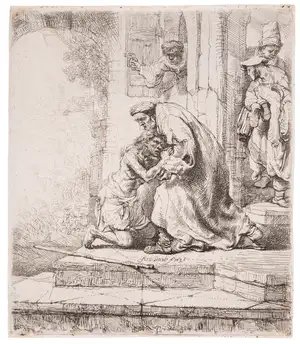
Rembrandt Harmensz. van Rijn
Abraham Casting out Hagar and Ishmael


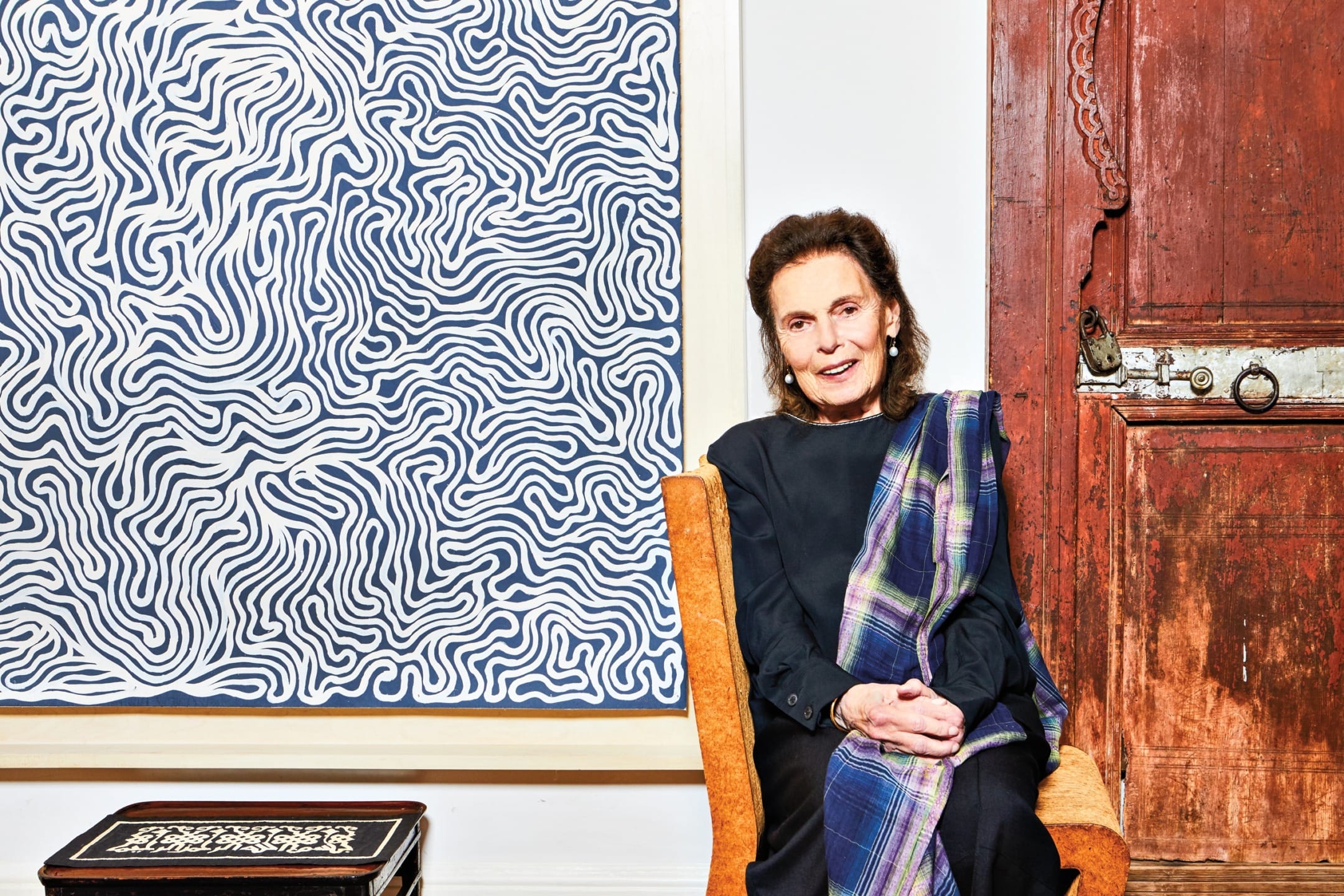


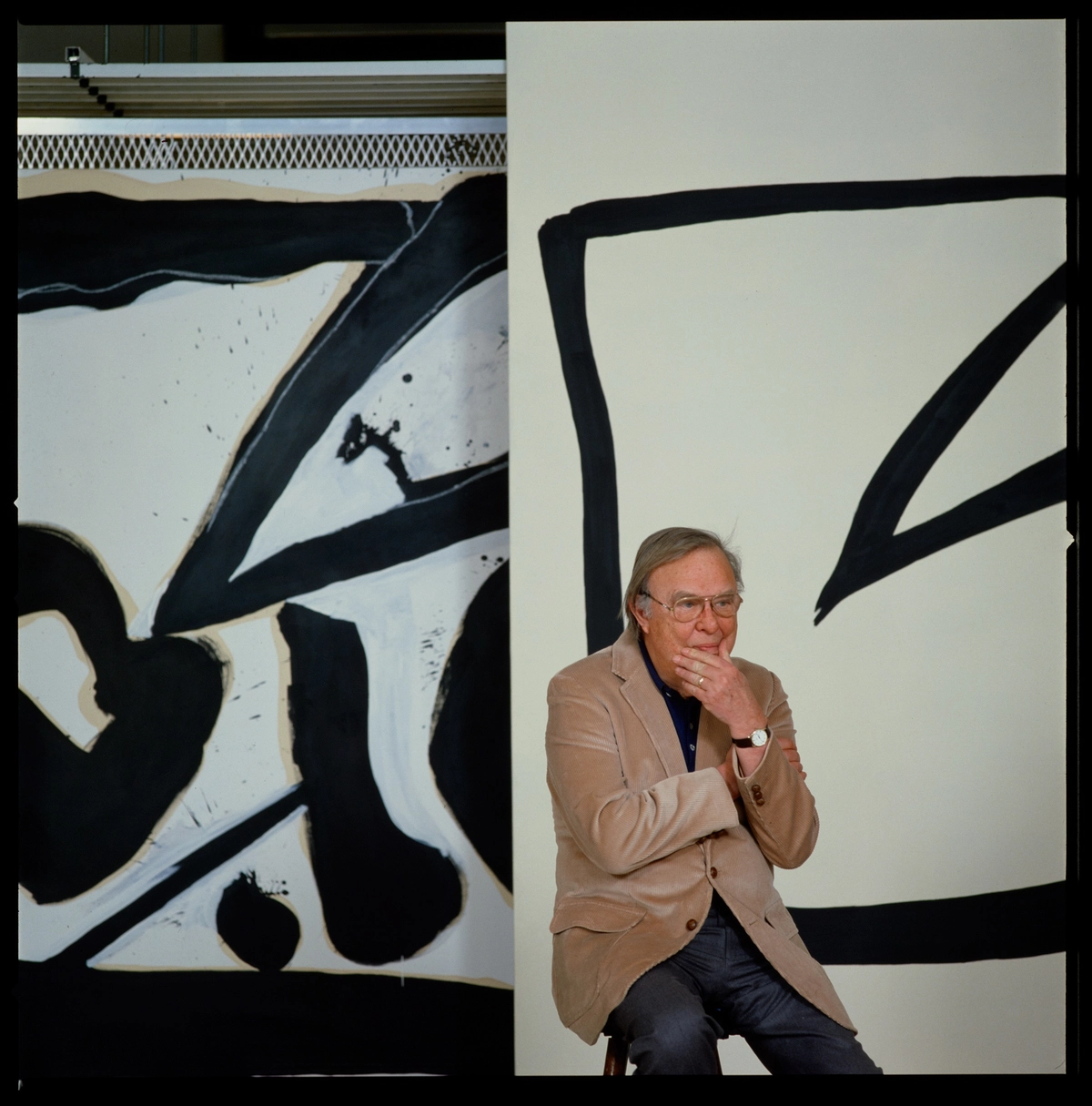
The Wall That Refuses to Whisper
There is something almost confrontational about a very large painting. It does not ask you to lean in. It asks you to step back, then reconsider, then step back again, until the work has effectively reorganized the room around itself and you realize, with some surprise, that you have been standing there for ten minutes. This is not an accident.
Scale in painting has always been a deliberate argument, a claim staked about what painting can and should do to a body in space. Understanding that argument means tracing a history that runs from royal commissions to postwar lofts in Lower Manhattan, from Paris salons to the contemporary studio practices of artists who are still very much rewriting the terms. The tradition of large scale painting is, at its root, a tradition of ambition made visible. For centuries, scale was a function of patronage.
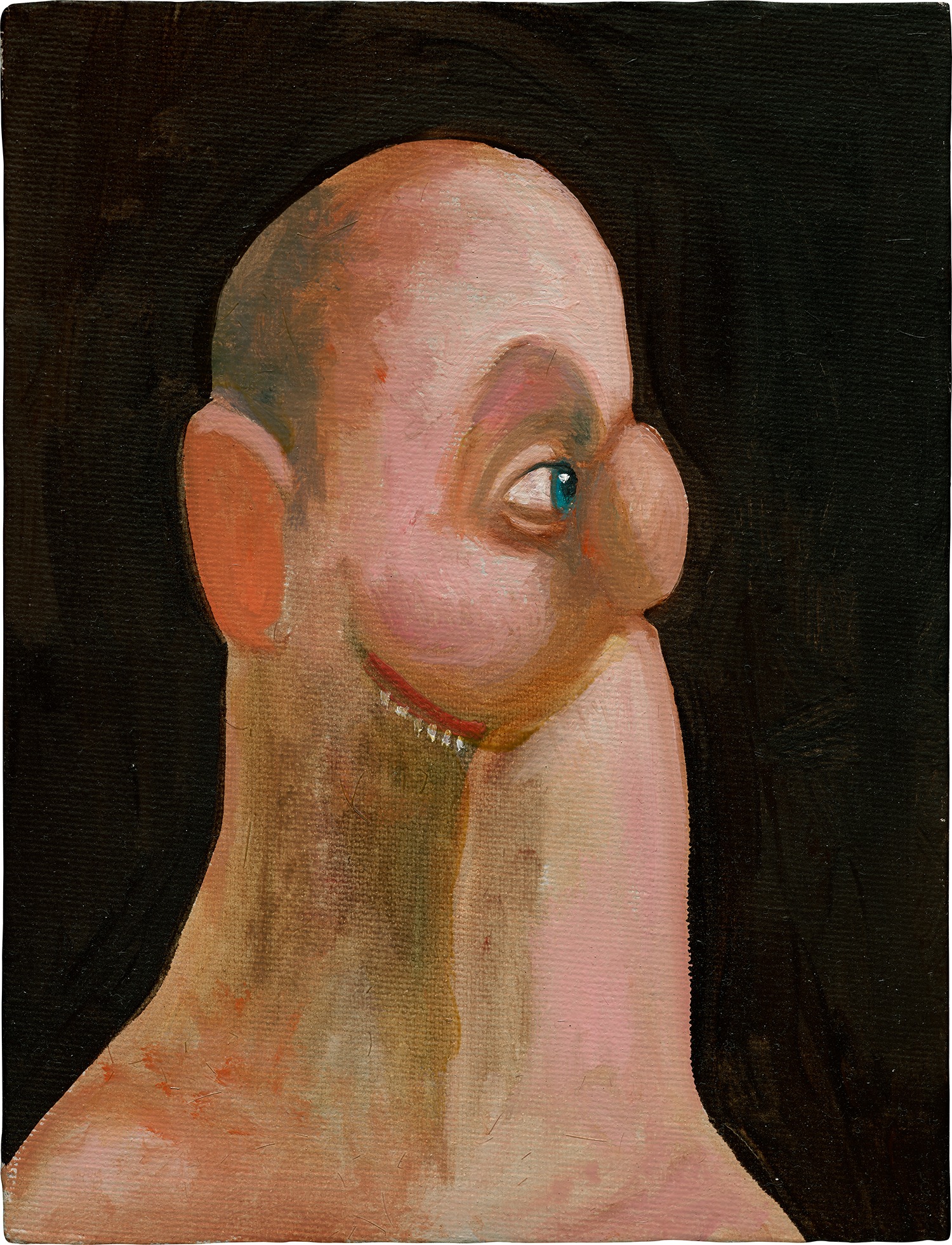
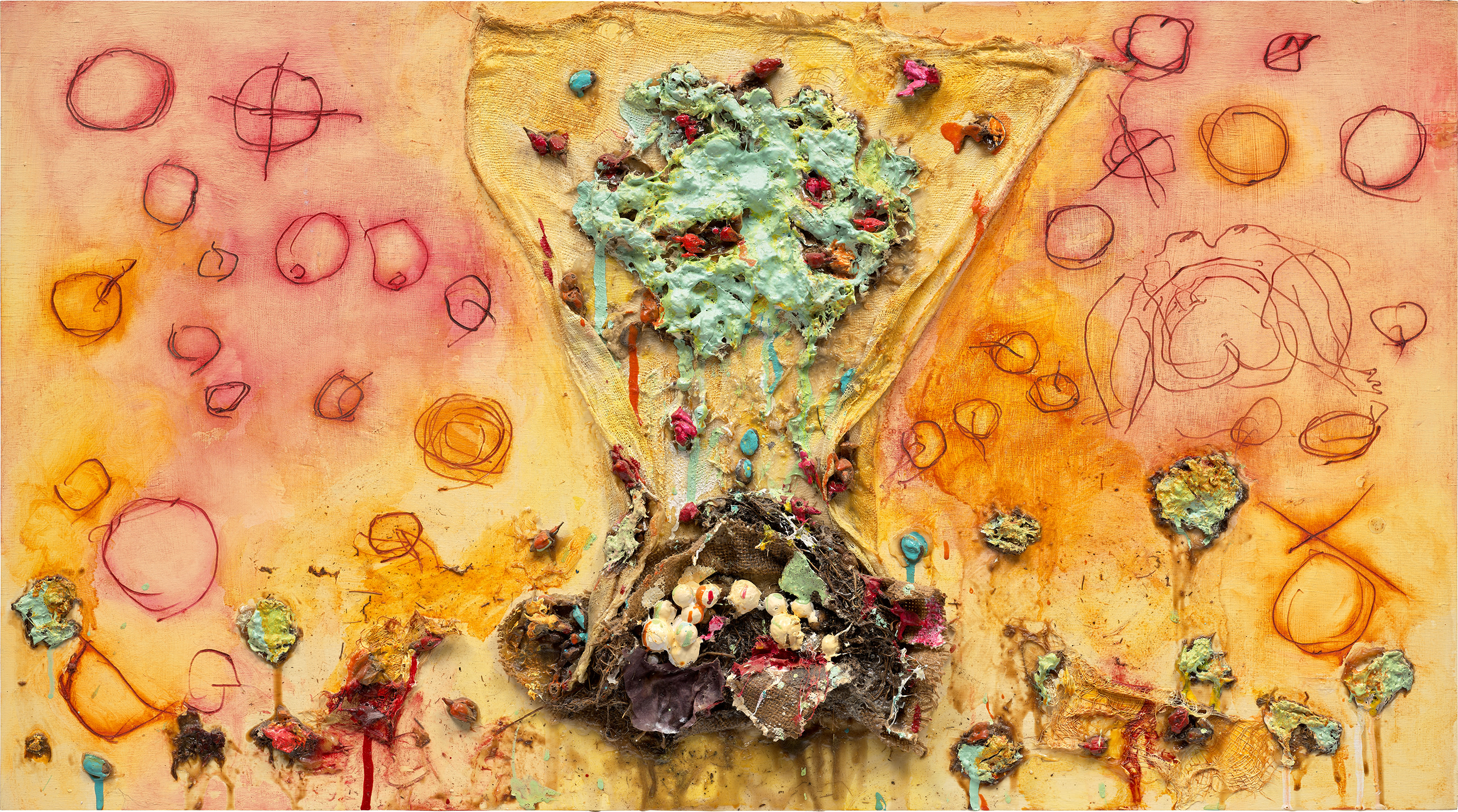
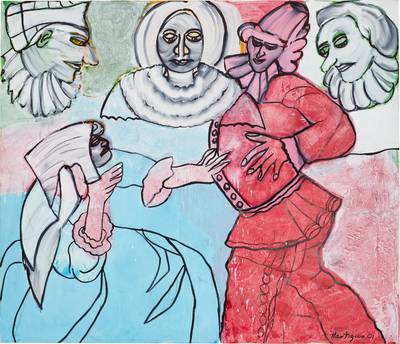
George Condo
The Trashman, 2008
The enormous canvases of the Baroque period, the sweeping history paintings that filled the walls of the Louvre Salon in the eighteenth and nineteenth centuries, these were works made to impress, to instruct, and to demonstrate the power of whoever had commissioned them. Rembrandt understood this dynamic with particular sophistication. His group portraits, including the monumental Night Watch completed in 1642, used scale not merely to accommodate many figures but to create a kind of theatrical pressure, a sense that something urgent was happening just at the edge of what the eye could process. The truly transformative shift came in the decade after the Second World War.
Artists working in New York began to approach scale not as a matter of subject matter or narrative but as a formal and emotional tool in its own right. The Abstract Expressionists understood that a very large painting could bypass the intellect and speak directly to the nervous system. Jackson Pollock working on the floor of his Long Island studio, Mark Rothko insisting that his paintings be hung close to the ground so viewers would feel enveloped rather than merely impressed: these were radical propositions about the relationship between painted surface and human presence. The gestural sprawl of Willem de Kooning, whose work appears on The Collection, belongs to this same charged moment when scale became synonymous with urgency.
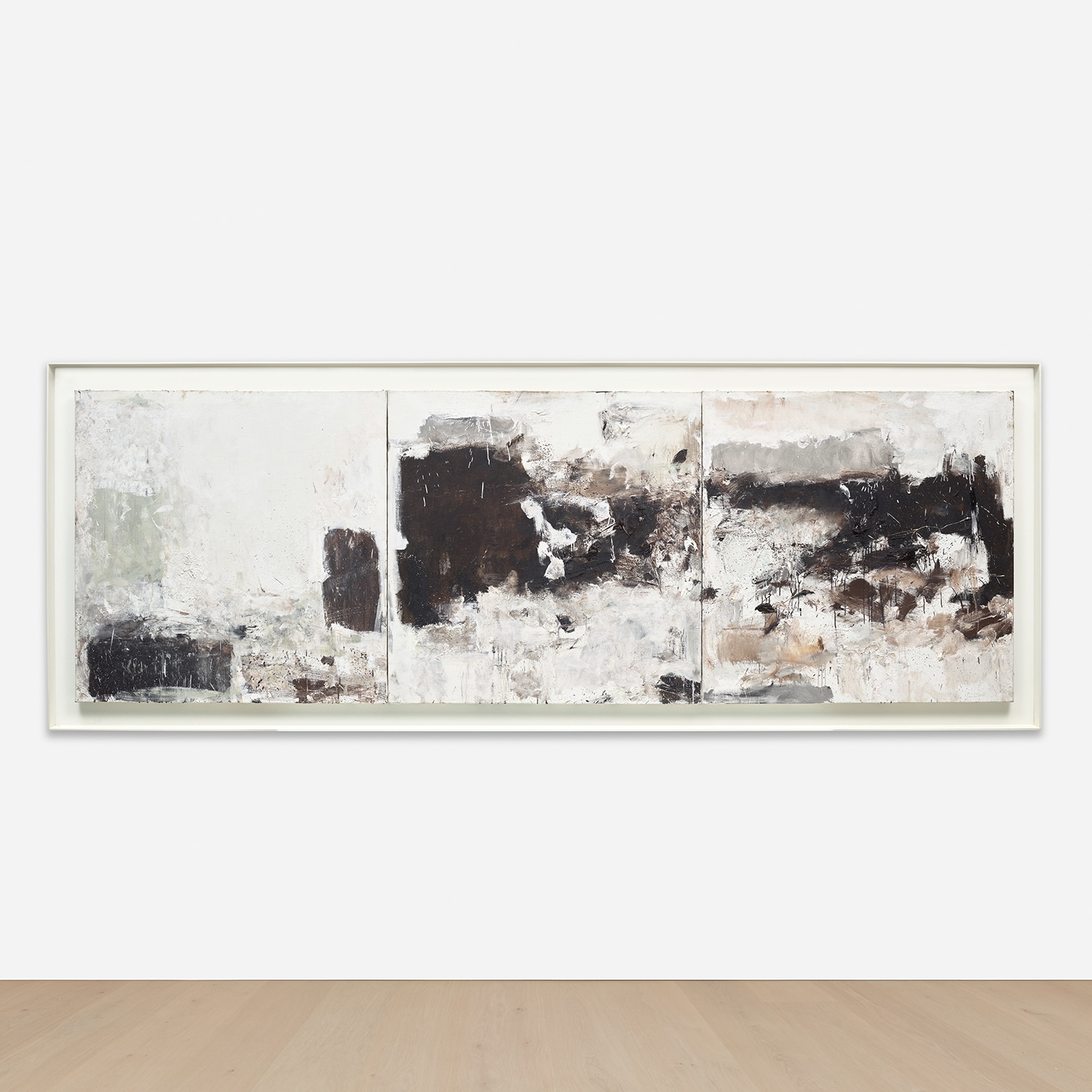
Joan Mitchell
Canada II, 1975
Joan Mitchell, one of the most significant painters of that generation, took the lessons of Abstract Expressionism and pushed them somewhere more lyrical and more rigorous at once. Her large multipanel works, many made in France after she settled in Vétheuil in the 1970s, achieve a scale that feels earned rather than imposed. The paintings vibrate with something close to weather, the sense of a landscape internalized and then released across six or eight or ten feet of canvas. Mitchell is well represented on The Collection, and spending time with those works makes clear why scale for her was never about spectacle.
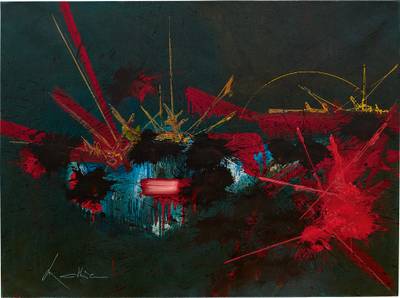
It was about the amount of feeling that needed room to exist. Robert Motherwell, also present here, brought a similarly emotional intensity to large formats, his Elegy to the Spanish Republic series accumulating over a hundred works across several decades and demonstrating that a sustained investigation of scale can become a lifelong conversation. The European postwar painters were conducting their own parallel experiments. Pierre Soulages, whose work appears on The Collection, developed what he eventually called Outrenoir, painting in and with and against pure black across canvases of considerable dimension.
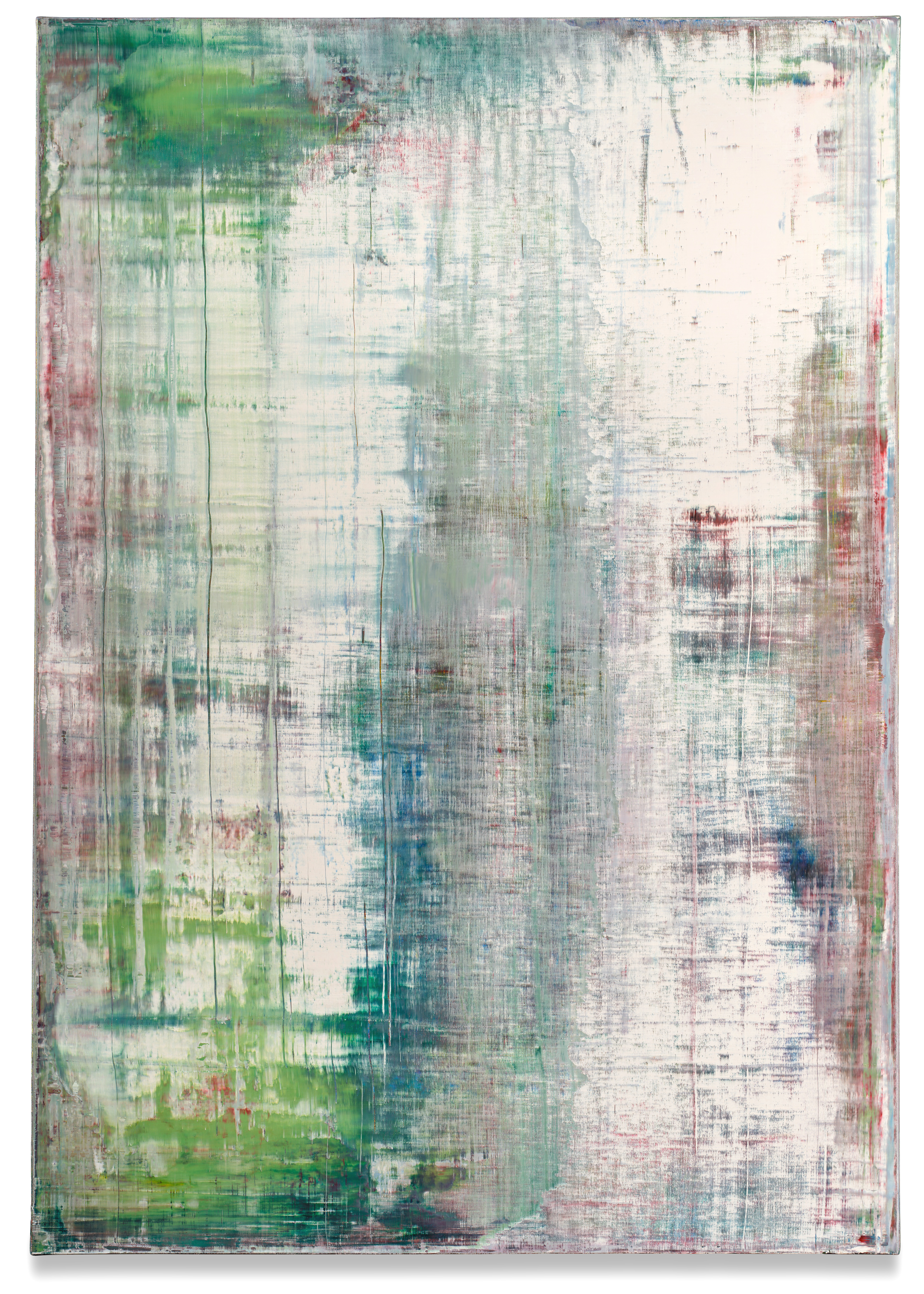
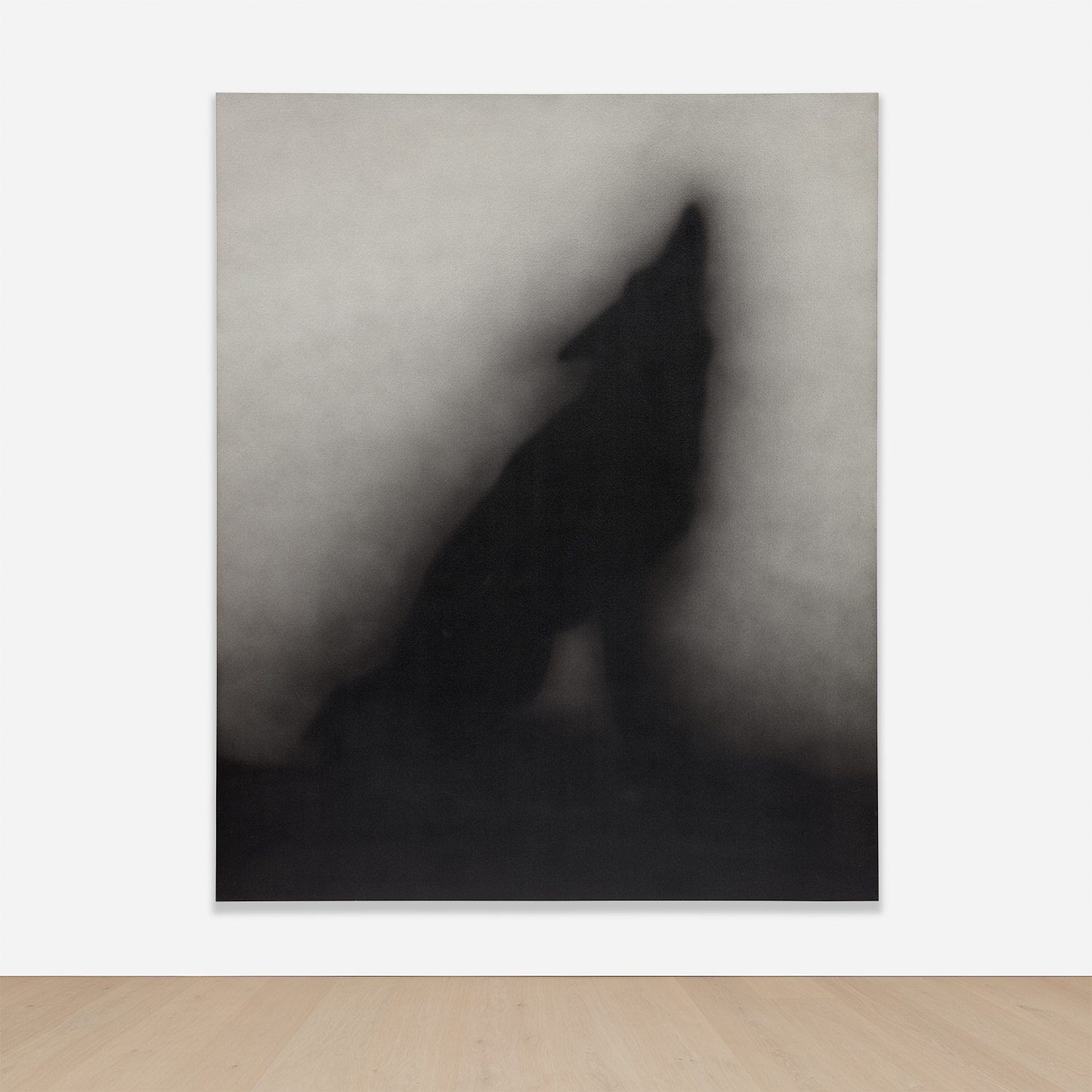
Gerhard Richter
Heu, 1995
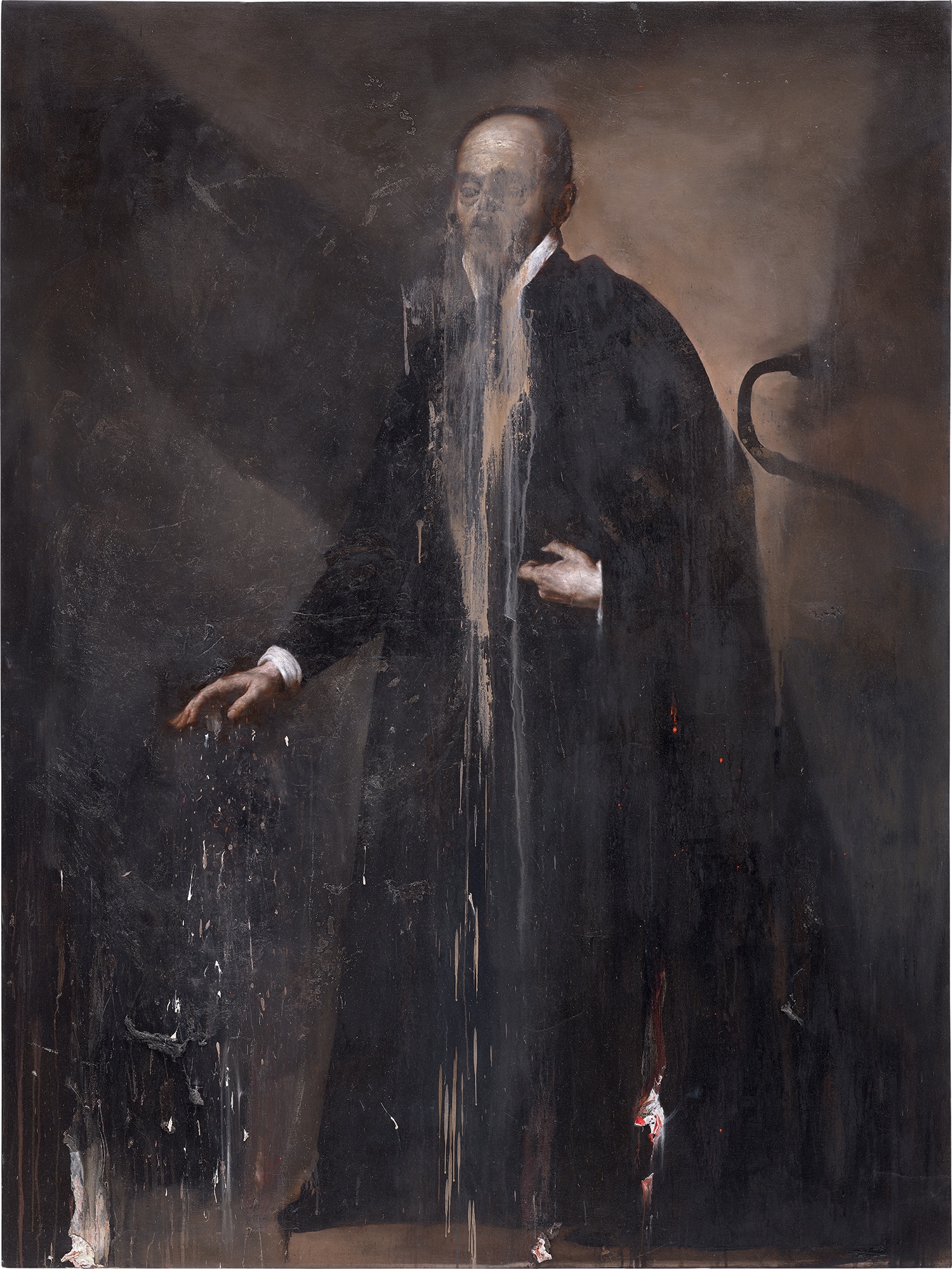
The scale of his works is inseparable from their optical logic: the larger the surface, the more the reflected light shifts as you move, and the more the painting behaves like something alive. Georges Mathieu staged public painting performances in the 1950s, working at enormous scale with theatrical speed, treating the large canvas as a kind of arena. Hans Hartung, also represented here, brought his own gestural intensity to large formats, and the work of Gillian Ayres in Britain pursued a related physicality, thick paint applied with force and generosity across surfaces that demanded space to breathe. Gerhard Richter, whose presence on The Collection is substantial, represents a different kind of argument about large scale painting.
His Abstract Pictures, many of them made at considerable scale using a squeegee dragged across wet paint, create surfaces of extraordinary complexity that reward both distant and close looking. The scale in those works generates tension: from far away they read as color fields, from close up they reveal a geology of layered marks and decisions. Pat Steir, whose waterfall paintings began in the late 1980s, uses scale to let gravity itself become a collaborator, pouring paint from the top edge of large canvases and allowing it to fall in curtains of color. Both Richter and Steir understand that very large painting is always partly about time, the time it takes to make, and the time it demands from a viewer.
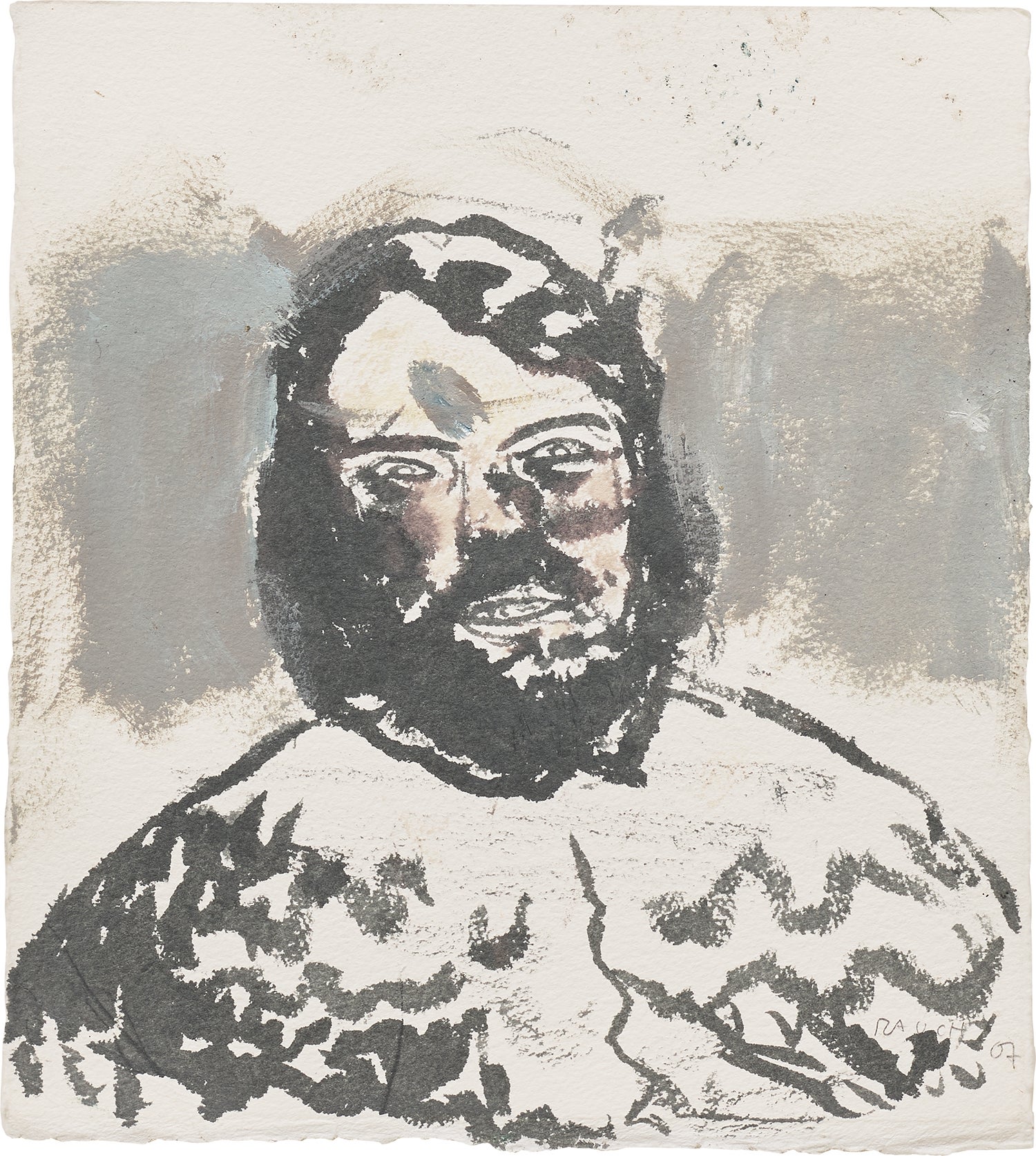
Neo Rauch
o.T., 2007
Contemporary painters continue to find new reasons to work large. Neo Rauch, whose theatrically strange figurative paintings appear on The Collection, uses scale to establish the dream logic his compositions require. A smaller Rauch would feel like an illustration. At full scale it feels like a place you have somehow entered.
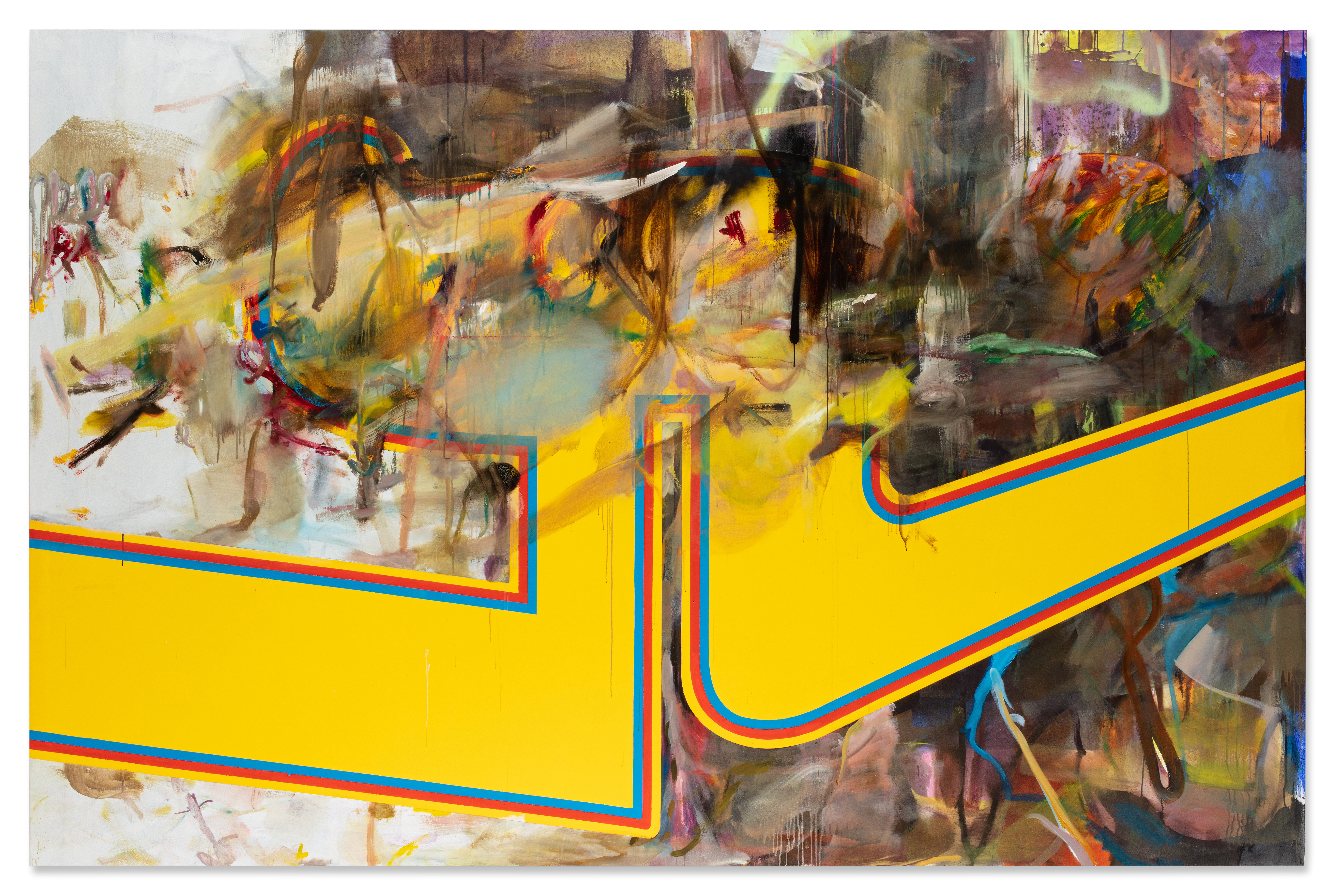
Georg Baselitz, working in inversion and with raw physical force, makes scale part of his ongoing argument with German painting history. Jadé Fadojutimi, one of the most compelling painters to have emerged in recent years, has spoken about how the large canvas gives her room to lose herself and find herself within the same work. Albert Oehlen brings an irreverent intelligence to large formats, collaging painting against painting, resisting resolution across surfaces that might span an entire wall. What persists across all of these practices, from Rembrandt to Fadojutimi, is the understanding that large scale painting makes a specific kind of demand on the viewer that nothing else quite replicates.
It cannot be reproduced adequately. It cannot be fully known from a screen. It insists on the physical encounter, on the body standing in a room, adjusting to something that will not adjust to you. In an era of images consumed instantly and endlessly, that insistence feels not nostalgic but necessary.
The large painting remains one of the few experiences in contemporary life that asks you, simply and firmly, to be present.