Nighthawks
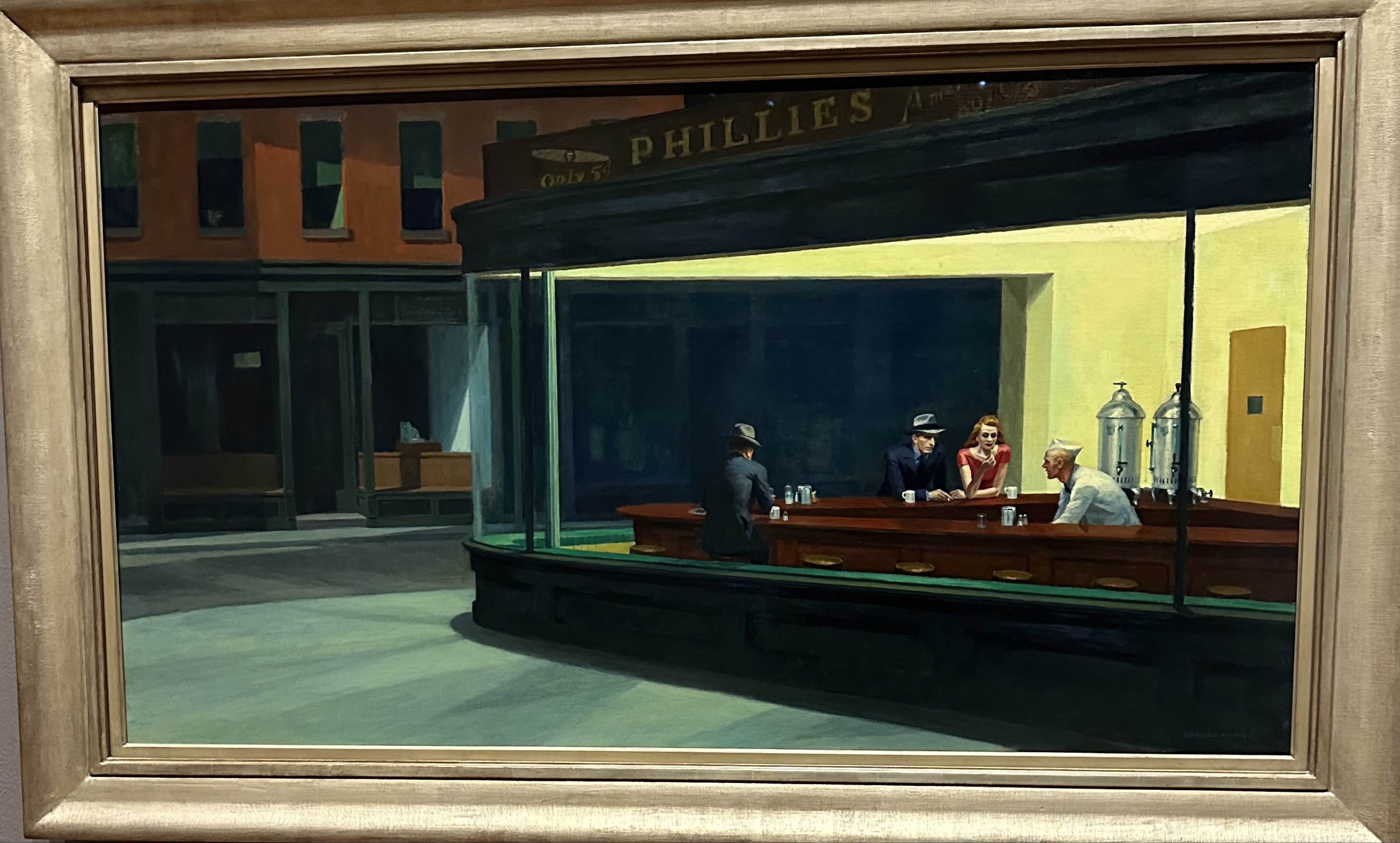
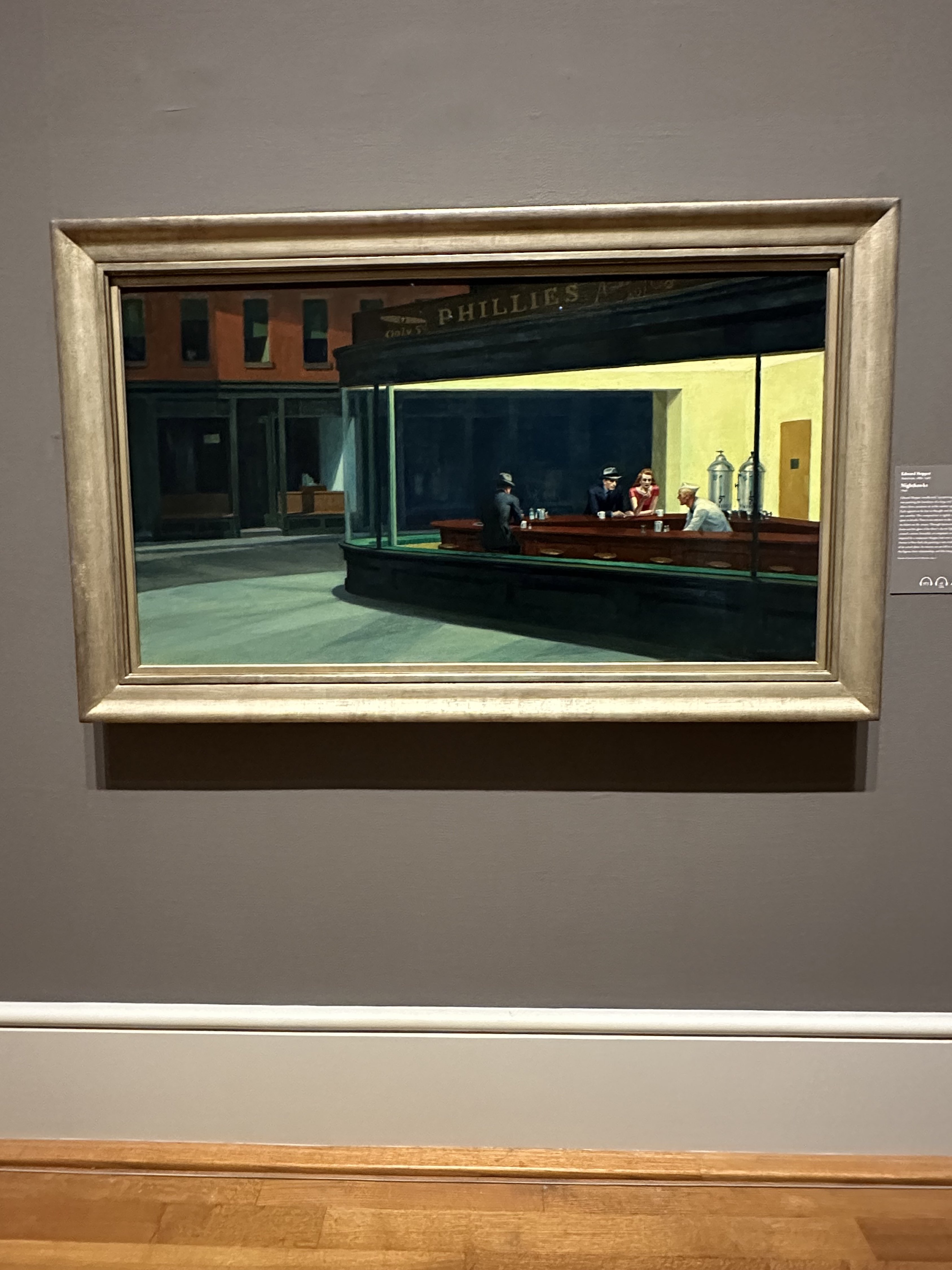
Edward Hopper's Nighthawks, completed in 1942 and housed at the Art Institute of Chicago, is one of the most iconic and sought after works in American art history. The painting depicts four figures in a late night diner illuminated by stark artificial light against a darkened urban streetscape, evoking a profound sense of urban isolation and existential solitude. Collectors prize this work as the definitive statement of mid century American Realism, its psychological depth and compositional mastery making it a cornerstone reference for any serious collection focused on modernist figuration.
- Location
- Art Institute of Chicago, Chicago, IL
Est. Current Value
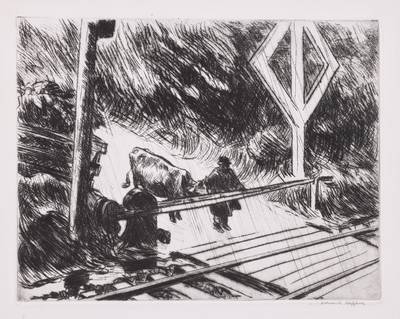
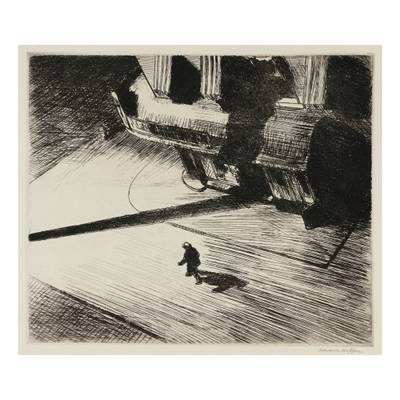
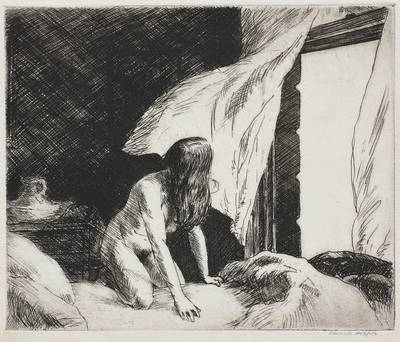
Spotted works by Edward Hopper
Artists in conversation
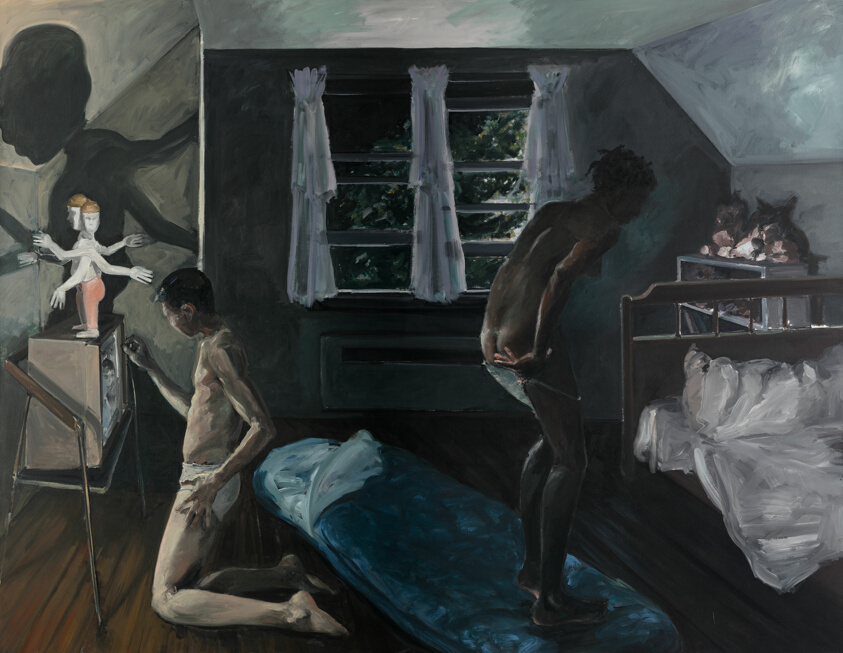
Eric Fischl
American · b. 1948
Fischl creates psychologically charged figurative oil paintings of American life with a similarly voyeuristic quality and sense of underlying unease, depicting figures in interior and suburban settings where social isolation and tension simmer beneath ordinary scenes.
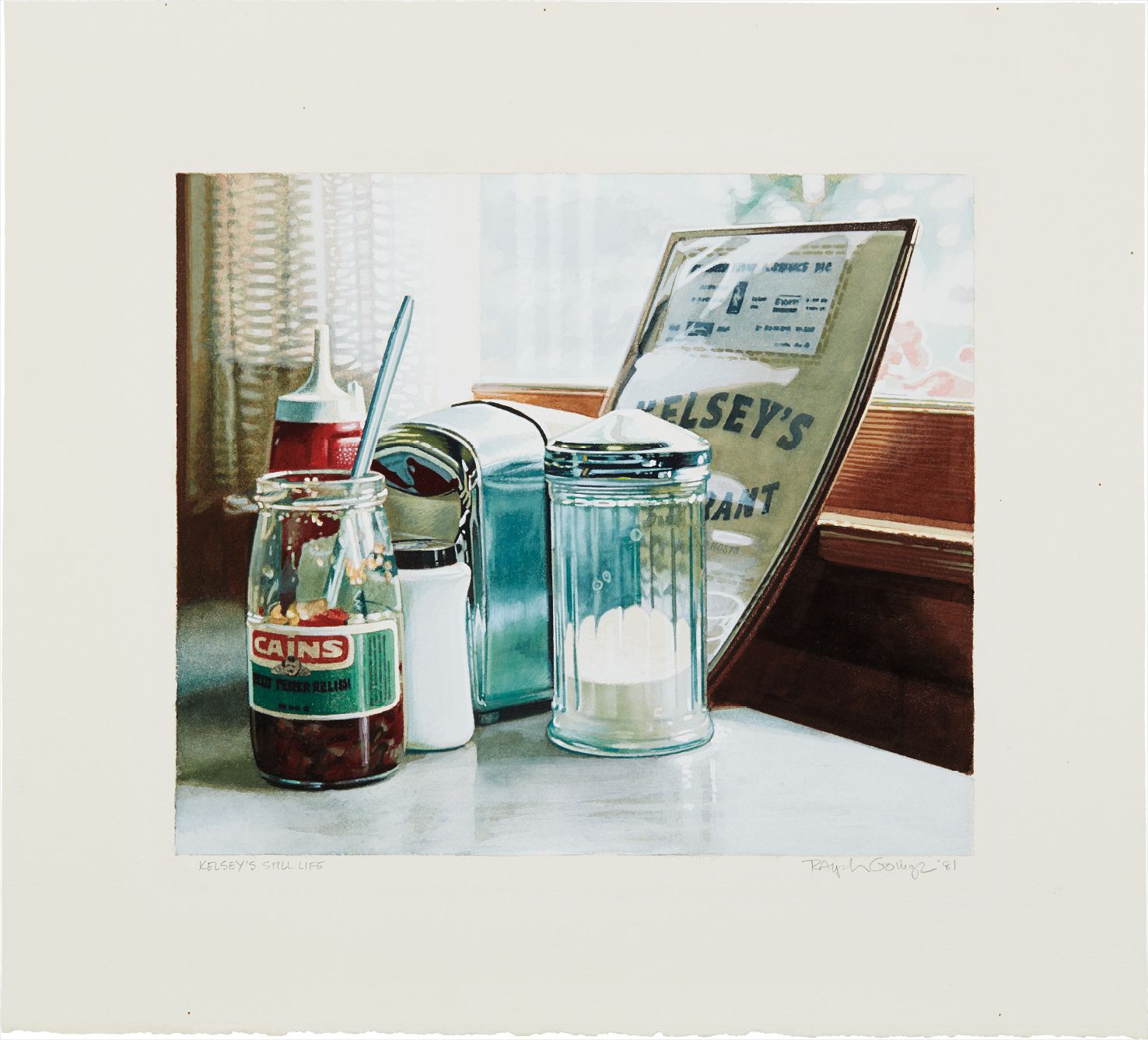
Ralph Goings
American · b. 1928
Goings painted photorealist diner and diner counter scenes with stark artificial lighting, stainless steel surfaces, and solitary or sparse human figures in American vernacular interiors that directly echo Nighthawks in subject matter and mood.
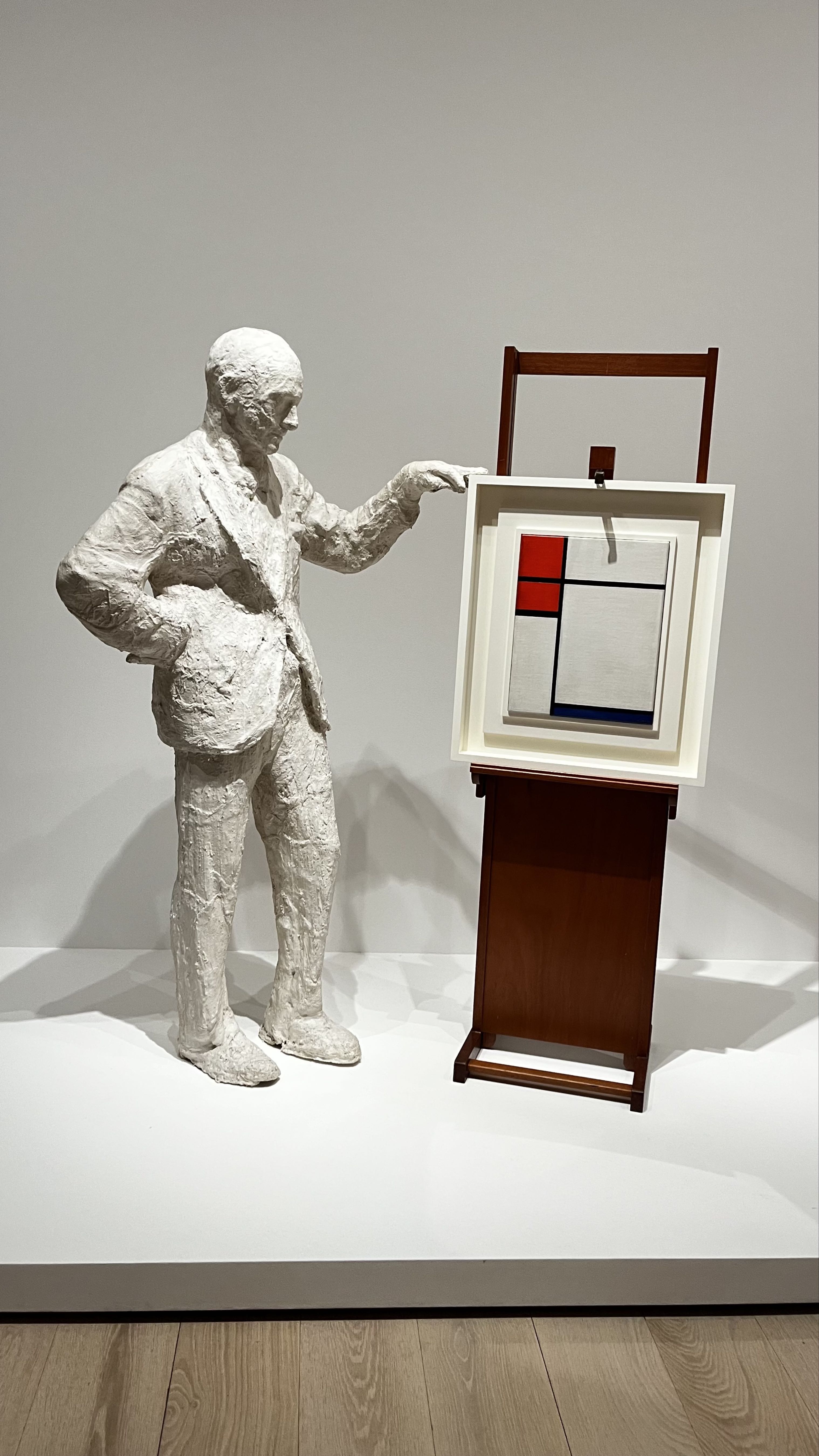
George Segal
American · b. 1924
Segal consistently depicted isolated American figures in diners, bus stops, and urban interior settings suffused with existential loneliness, translating the same mid century American alienation and nocturnal stillness that defines Nighthawks into three dimensional sculptural tableaux.
Start the Discussion
Request access to join the discussion