American Modernism
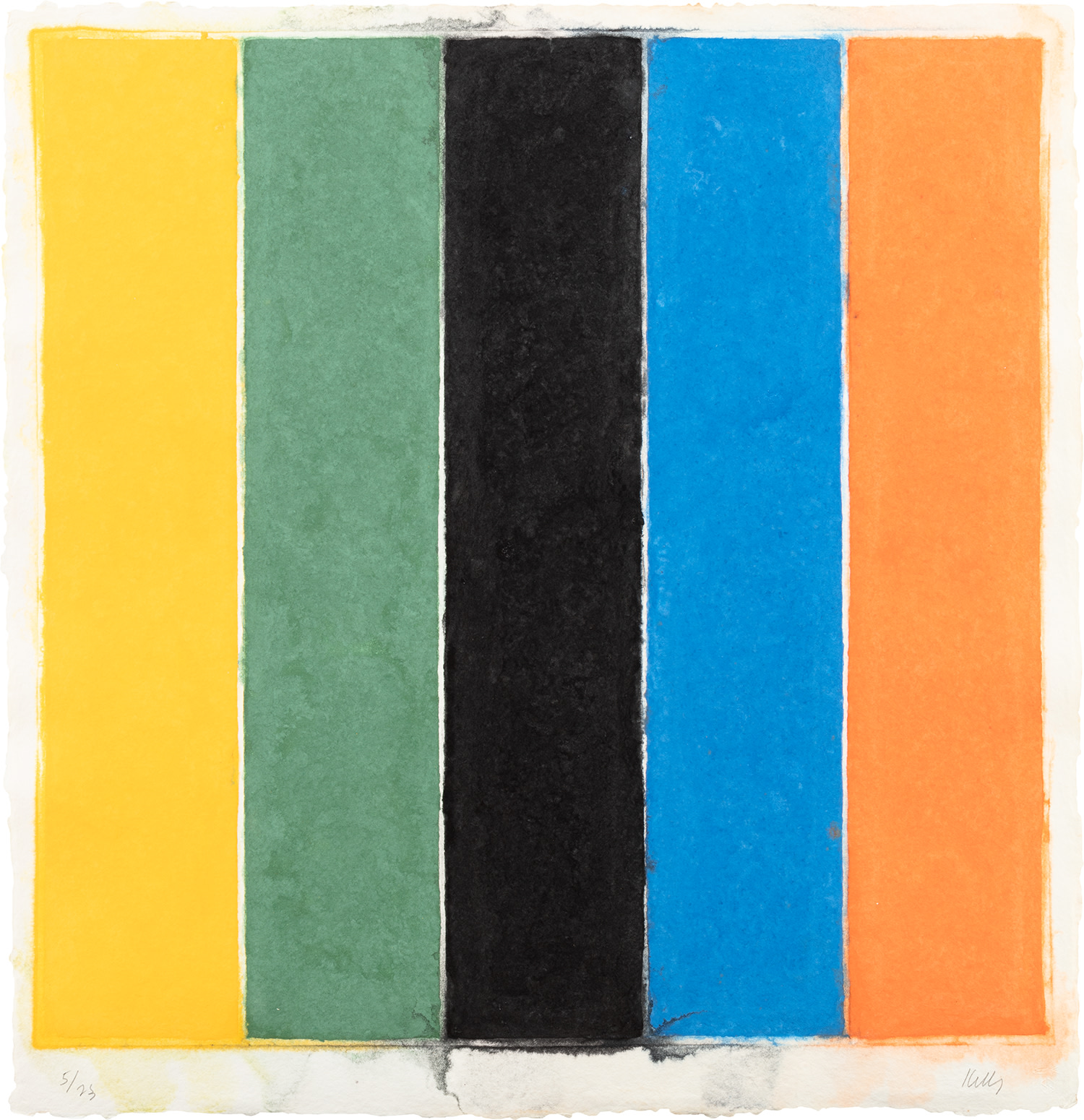
Ellsworth Kelly
Colored Paper Image XIII (Yellow Green Black Blue Orange), from Colored Paper Images (T. 309, A. 153)
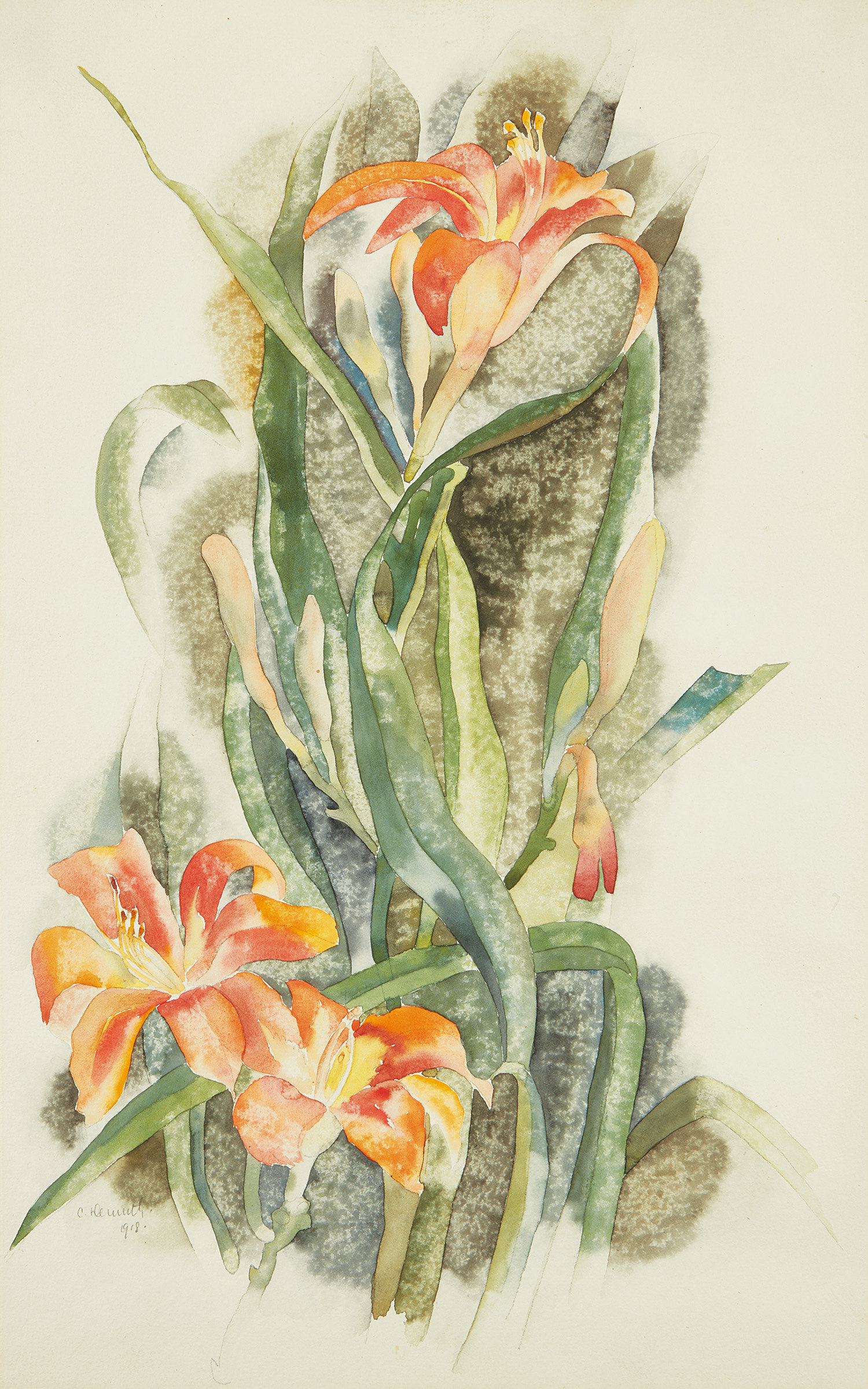
America Dreamed in Color and Broke Form
There is a particular electricity in American Modernism, a sense that artists were not simply adopting a European style but wrestling something entirely their own out of the industrial landscape, the jazz clubs, the open desert, and the gridded city streets. This was art made by people who felt the ground shifting beneath them and chose to paint the tremor rather than look away. The movement spans roughly the 1910s through the 1960s, but its urgency never fully resolves into a single style or school. That restlessness is precisely what makes it so alive on the wall.
The roots go back to the Armory Show of 1913, the watershed exhibition that introduced American audiences to Cézanne, Matisse, Duchamp, and the full force of European avant garde thinking. The shock was genuine and productive. American artists returned to their studios with new permission, a sense that representation could be fractured, that color could carry emotional weight independent of subject matter, that the picture plane itself was a territory worth mapping. What followed was not imitation but argument, a sustained national conversation about what it meant to make modern art in a country that was itself being remade.
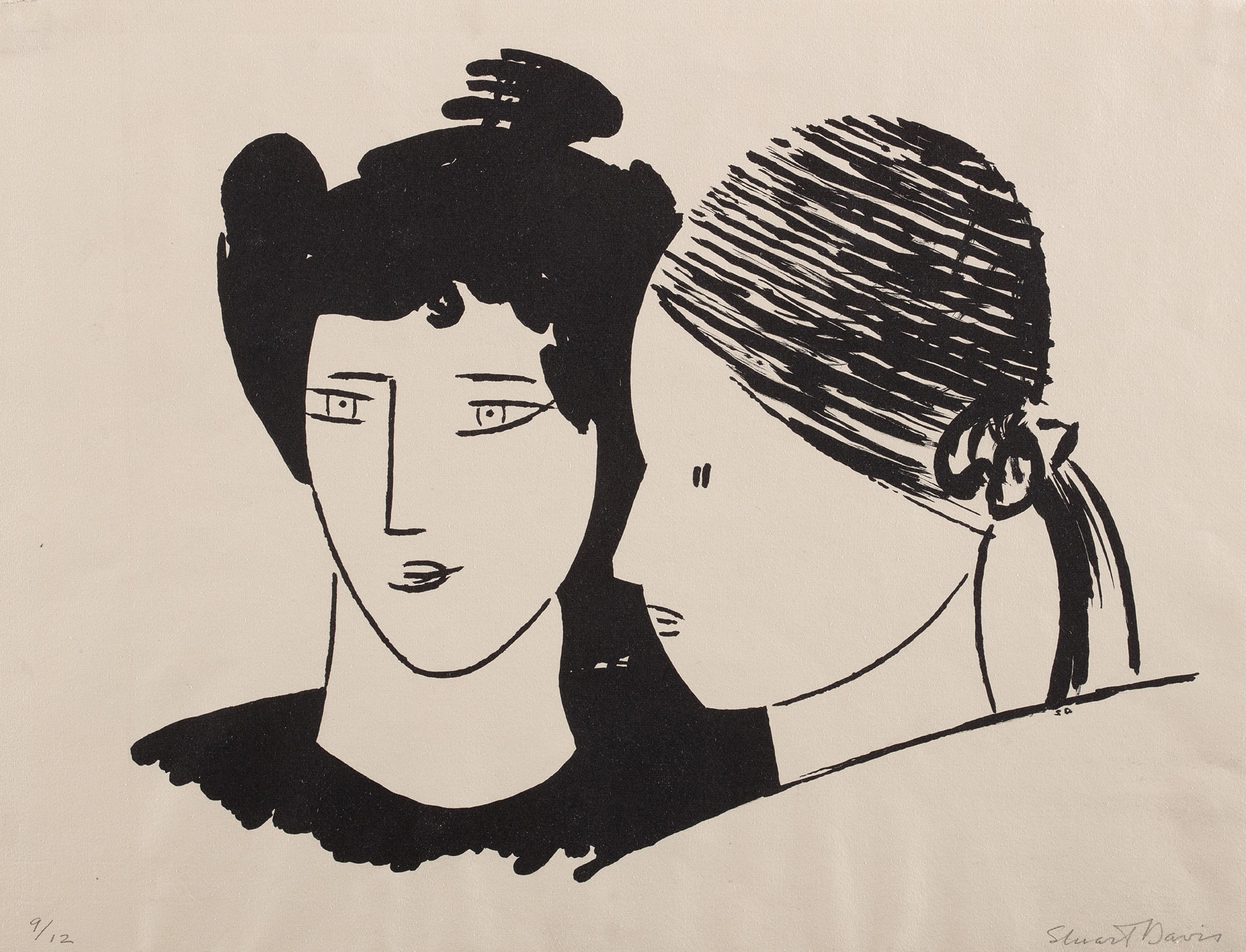
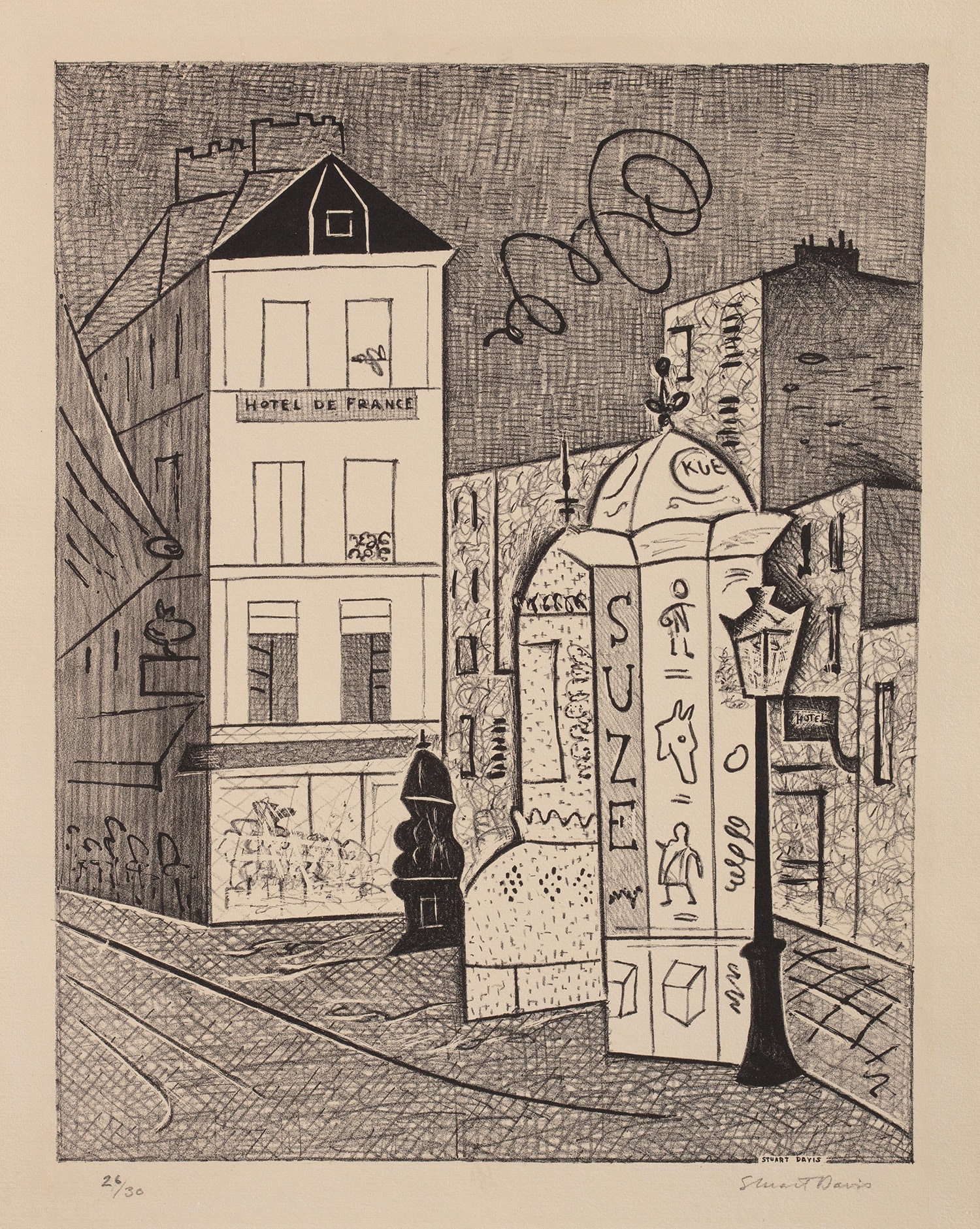
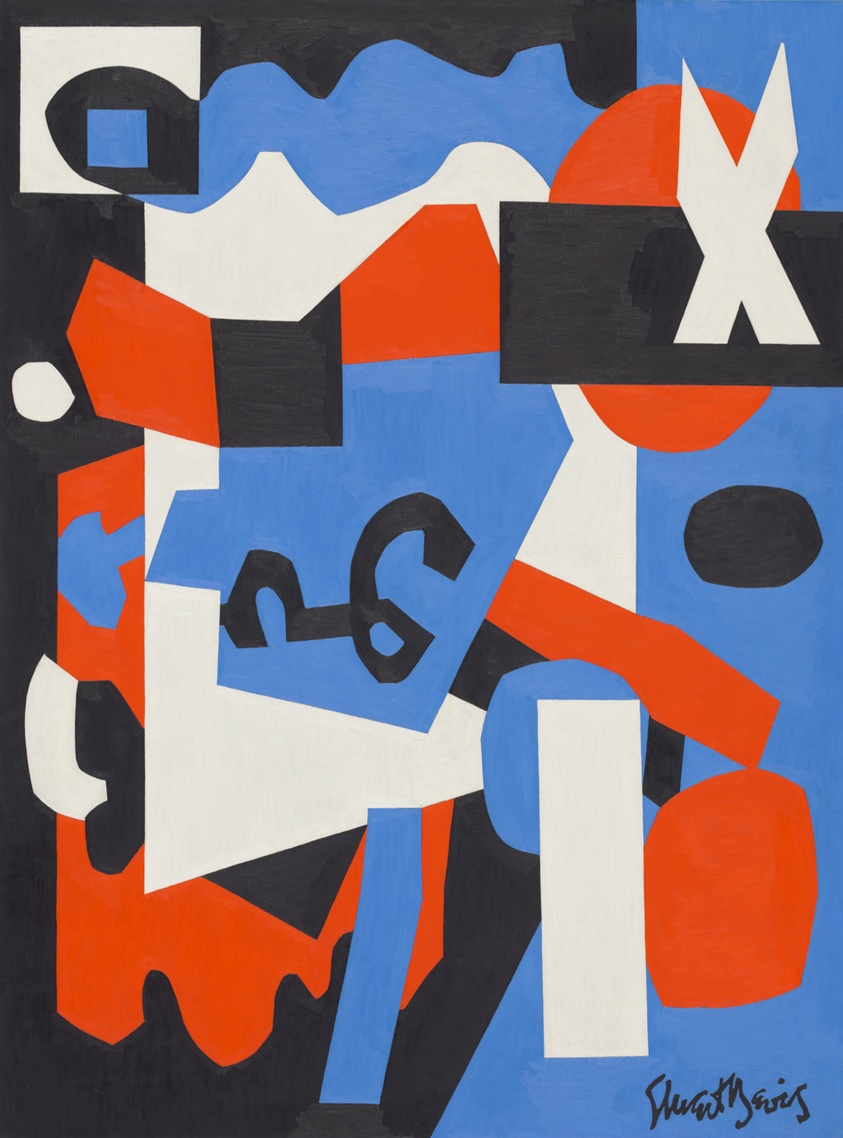
Stuart Davis
Two Heads (C. & M. 13)
Stuart Davis took that argument and ran with it straight into the vernacular. His paintings absorbed the rhythm of jazz, the typography of commercial signage, and the flat planes of Cubism and produced something that felt irreducibly American. Davis talked openly about painting what he called the American scene in terms of formal abstraction, and looking at his work now you can feel the two impulses held in productive tension. Similarly, Charles Demuth was finding geometric poetry in the grain elevators and factory stacks of Lancaster, Pennsylvania, his Precisionist canvases treating industrial America as a subject worthy of the most rigorous formal attention.
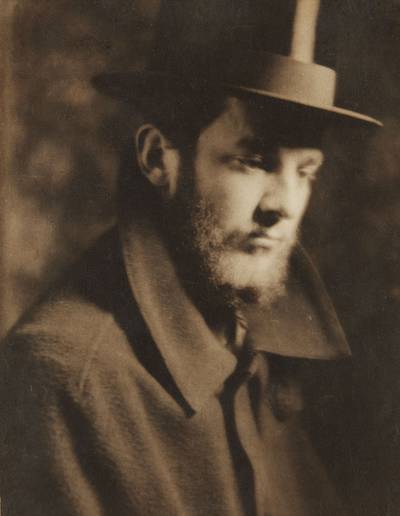
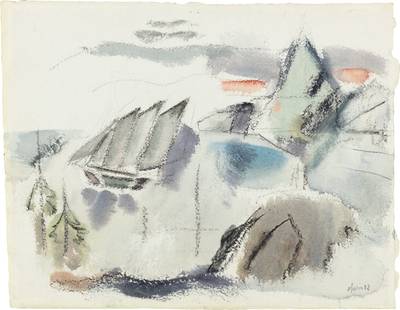
Not every modernist turned toward the machine. Georgia O'Keeffe moved in the opposite direction, finding in the bones and blossoms of the New Mexico desert a scale and stillness that was entirely her own. Her years in Abiquiú, beginning in earnest in the late 1940s after Alfred Stieglitz's death, deepened a practice already distinguished by its refusal to explain itself. Arthur Dove, who was championed by Stieglitz at his 291 gallery alongside O'Keeffe and John Marin, was perhaps the first American to make fully abstract paintings, his early nature abstractions from around 1910 anticipating directions that European painters would take years to explore.
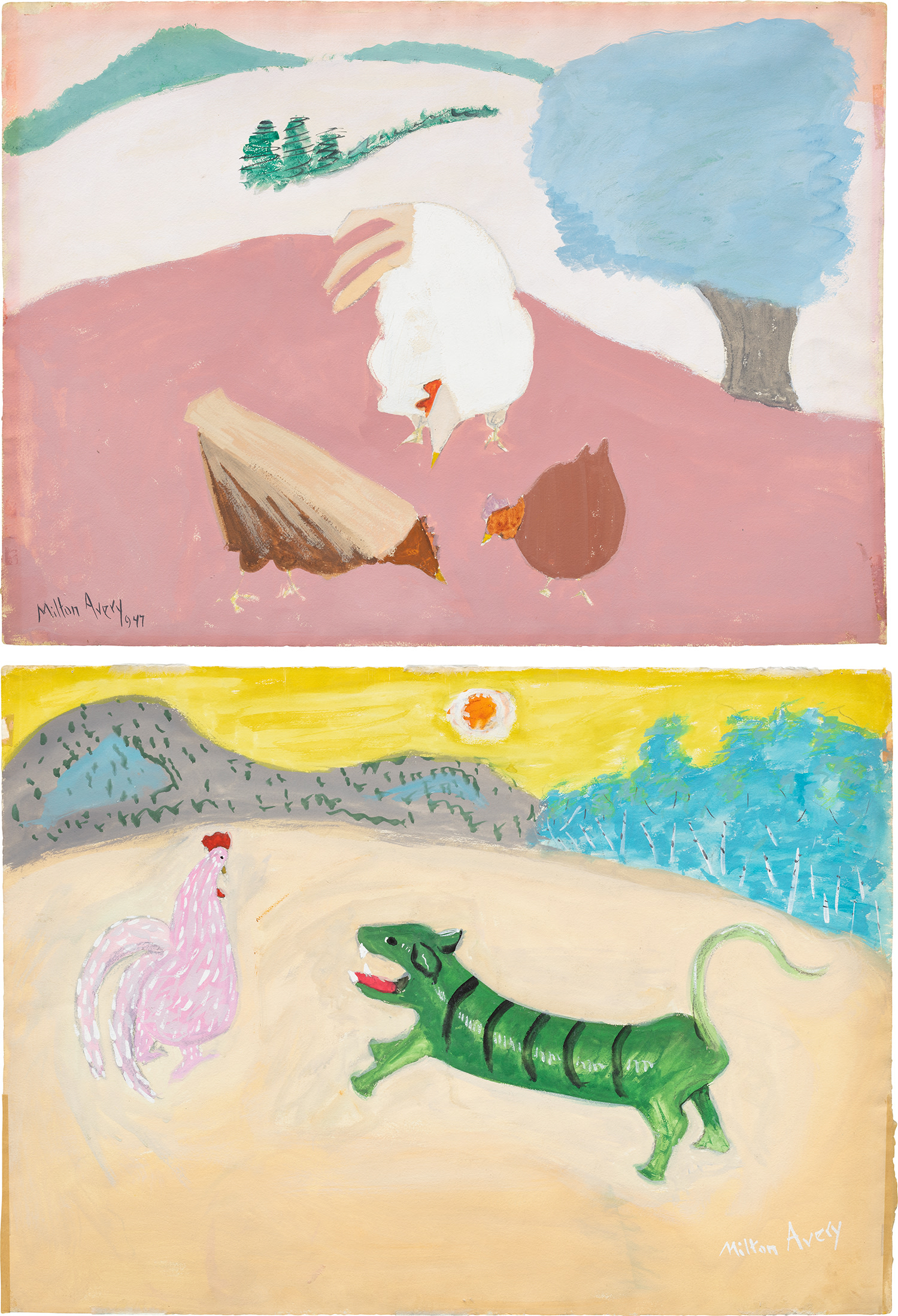
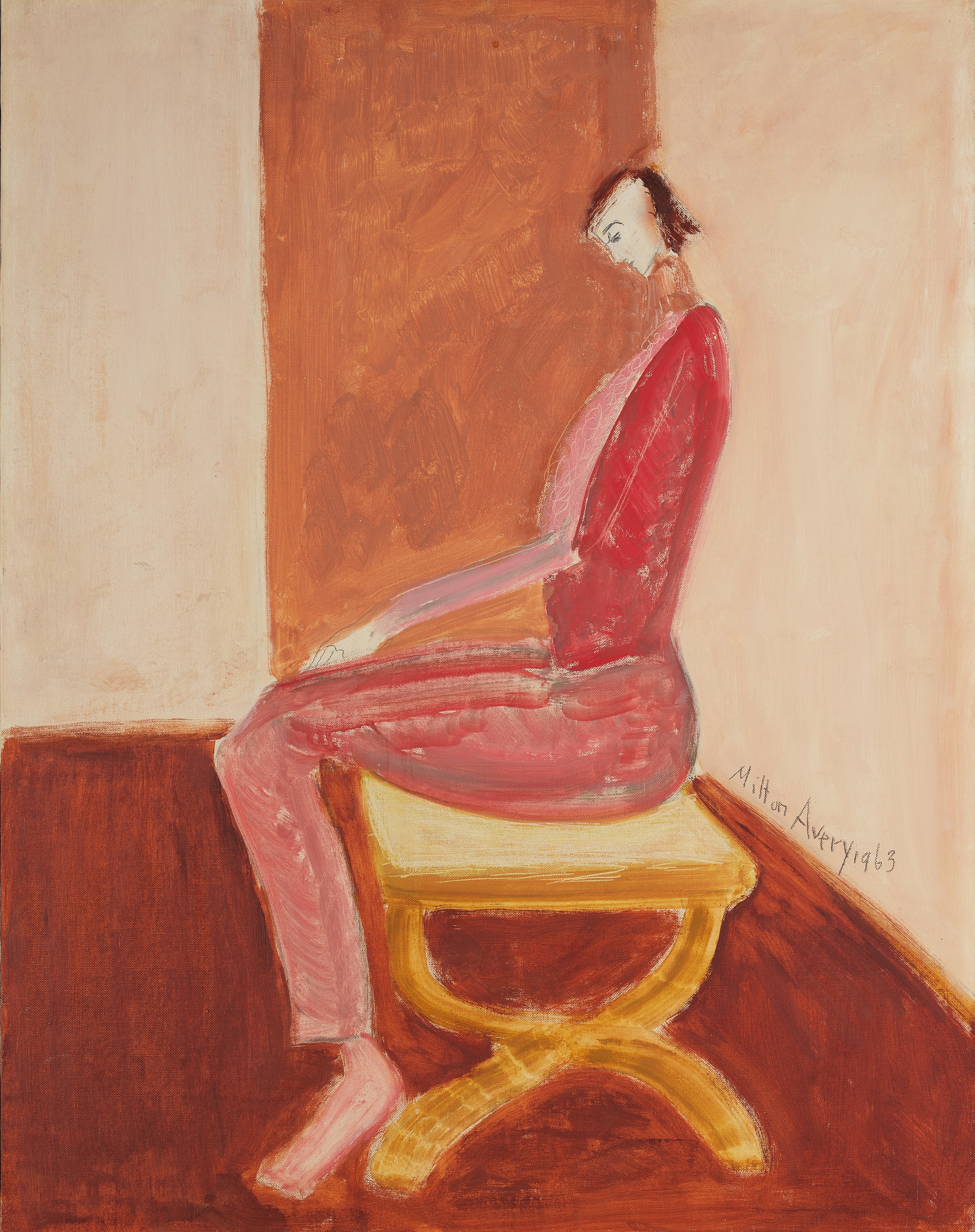
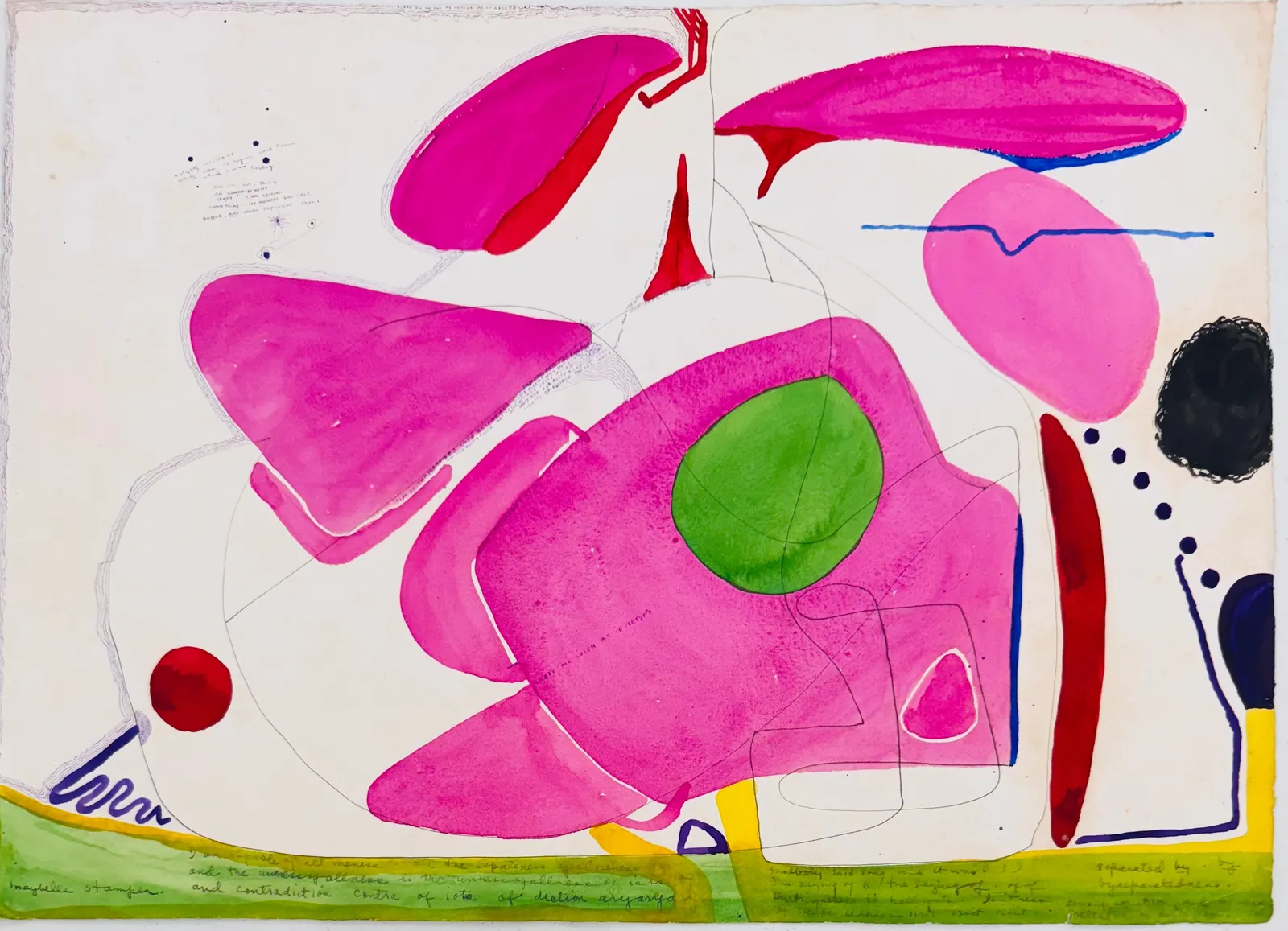
Milton Avery
The White Hen and Fantasy Creatures (double-sided), 1947
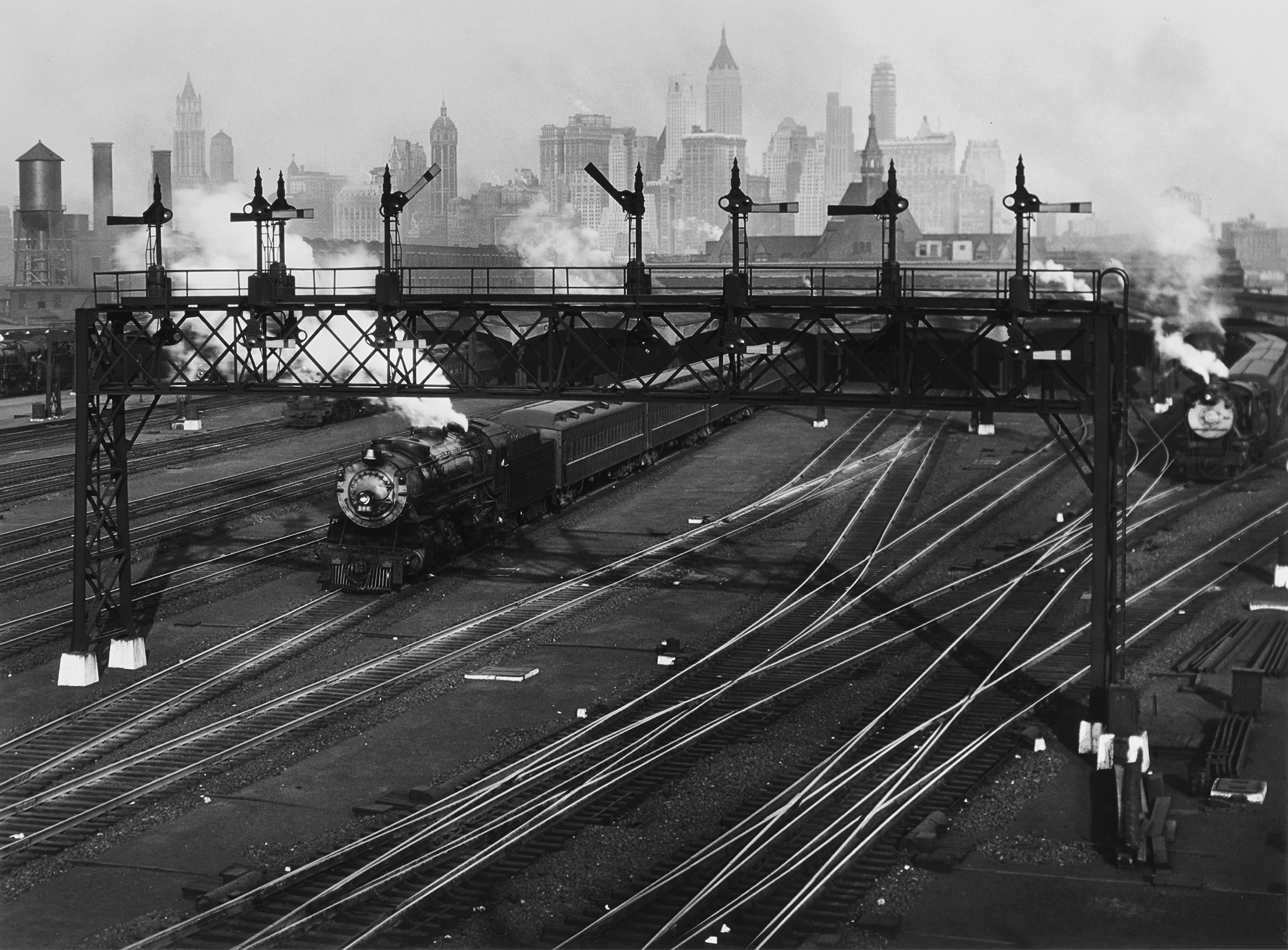
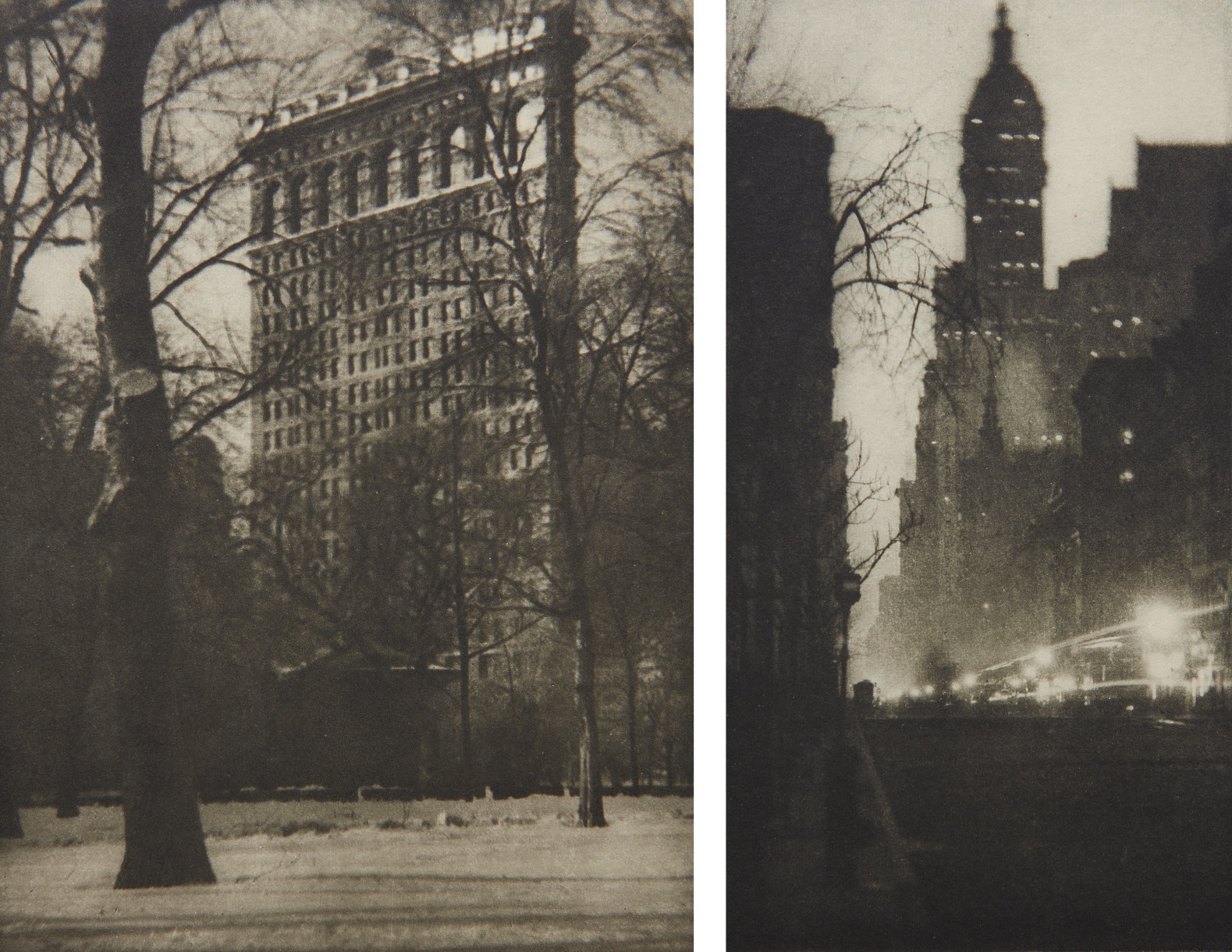
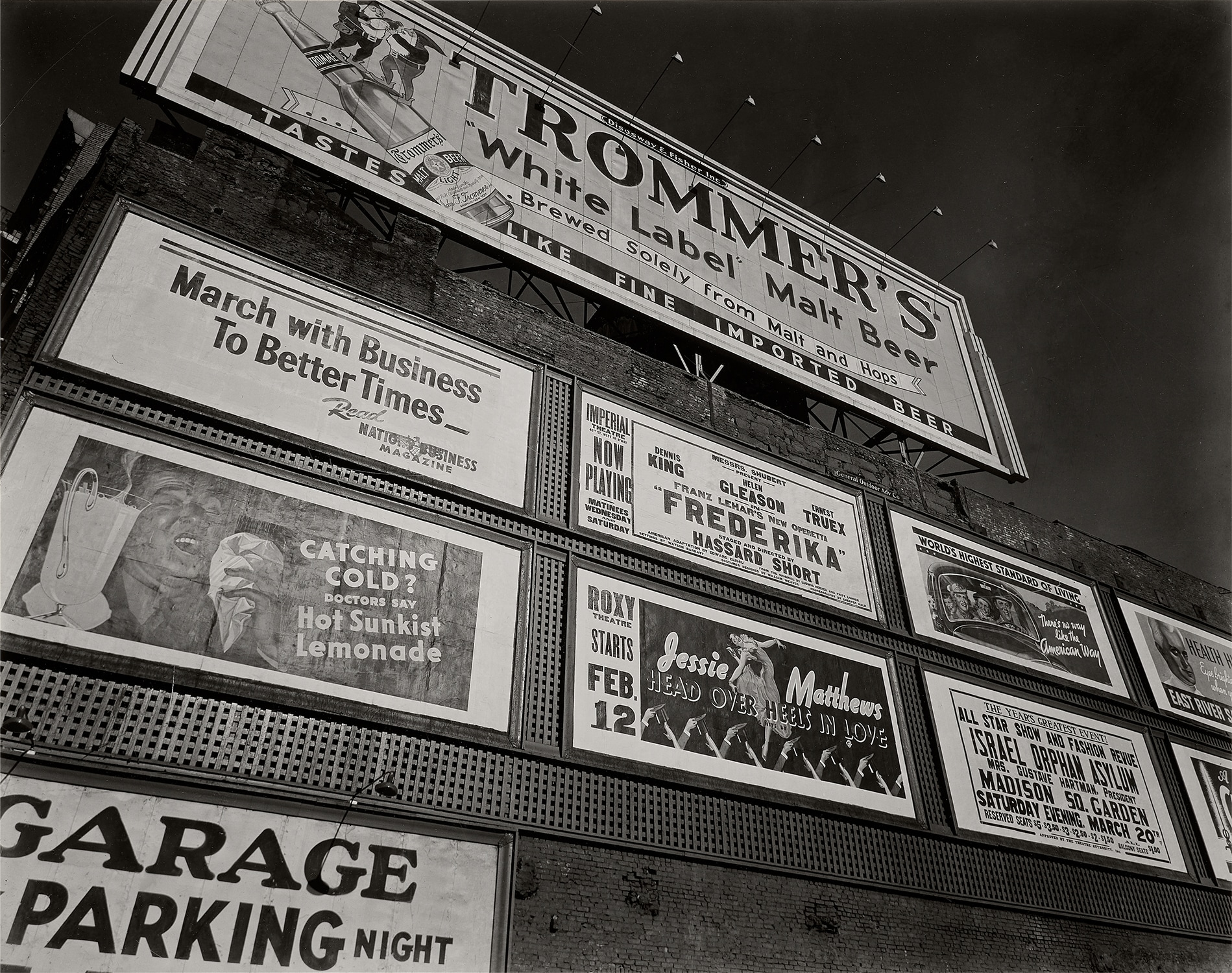
Milton Avery brought his own quieter radicalism, his flattened color fields and tender domestic subjects operating in a register that felt deeply personal even when the formal moves were bold. American Modernism also had a powerful relationship with photography that is sometimes underappreciated in survey accounts. Berenice Abbott's systematic documentation of New York in the 1930s, her Changing New York project supported by the Federal Art Project, was not mere reportage but a modernist act of spatial and social analysis. Alvin Langdon Coburn was ahead of almost everyone, his Vortographs from 1917 among the first truly abstract photographs made anywhere.
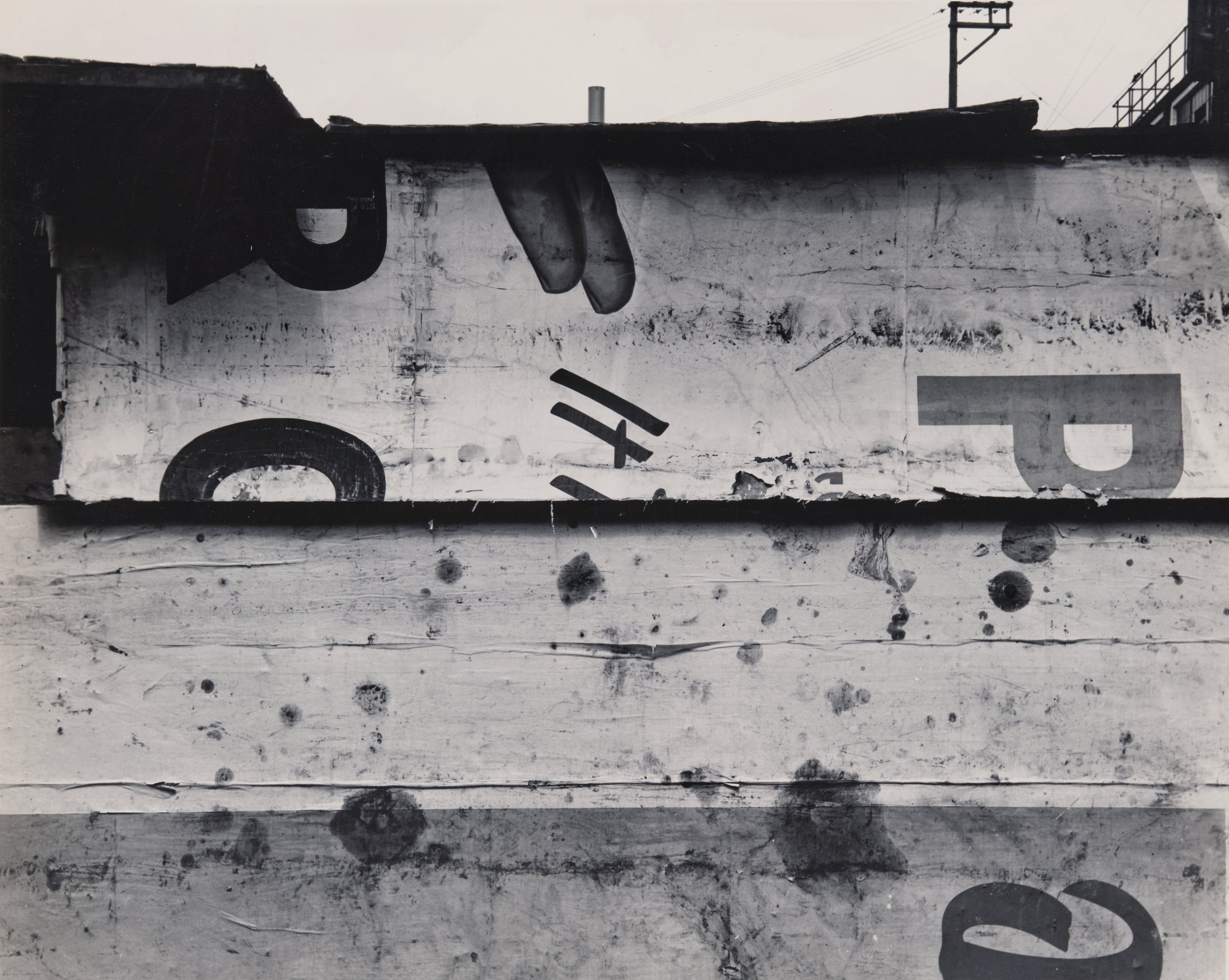
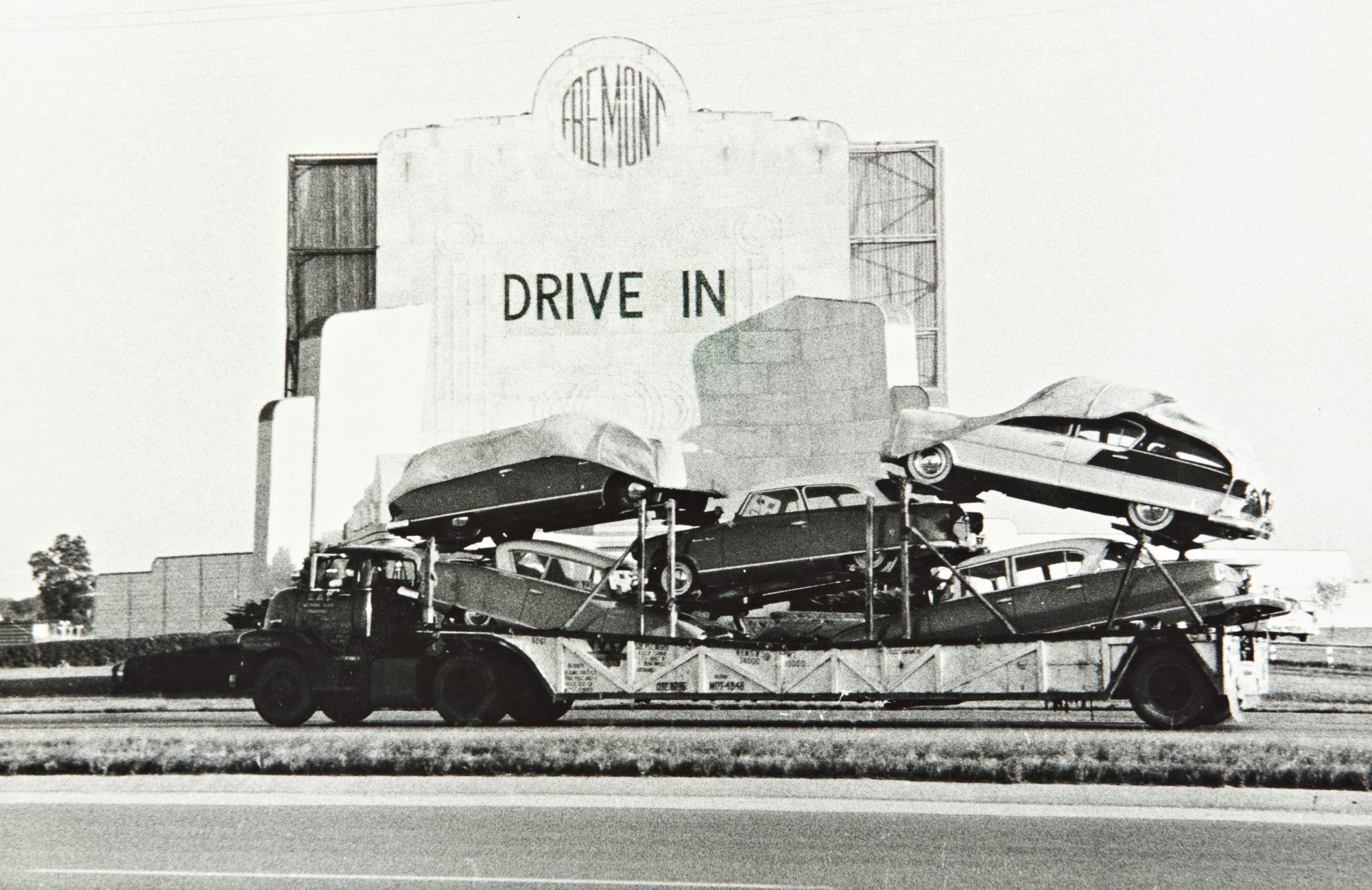
Aaron Siskind later built a bridge between the camera and Abstract Expressionism so convincingly that he exhibited alongside the painters, his close cropped surfaces of peeling paint and worn walls sharing a wall with work that reached similar visual conclusions through entirely different means. Robert Frank's arrival in America from Switzerland and the subsequent publication of The Americans in 1958 reframed what documentary photography could hold emotionally, and Margaret Bourke White brought modernist compositional instincts to journalism in ways that permanently altered the language of the magazine image. By the late 1940s and through the 1950s, the center of gravity had shifted dramatically toward New York and toward abstraction. Robert Motherwell, one of the rare Abstract Expressionists with serious art historical training, understood the movement's debt to Surrealism and to Picasso while insisting on its own American emotional pitch.
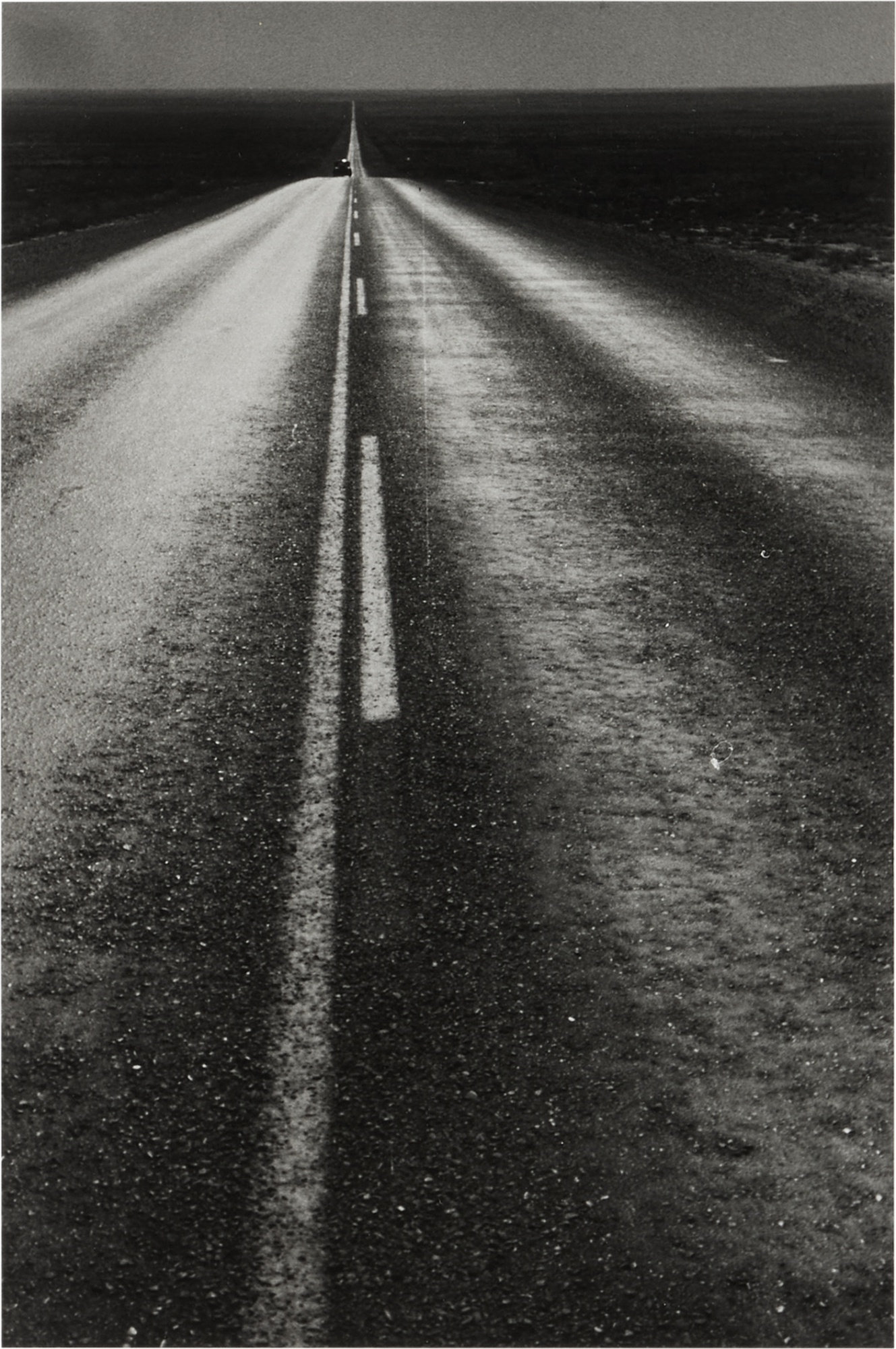
Robert Frank
'New Mexico' (U. S. 285), 1955
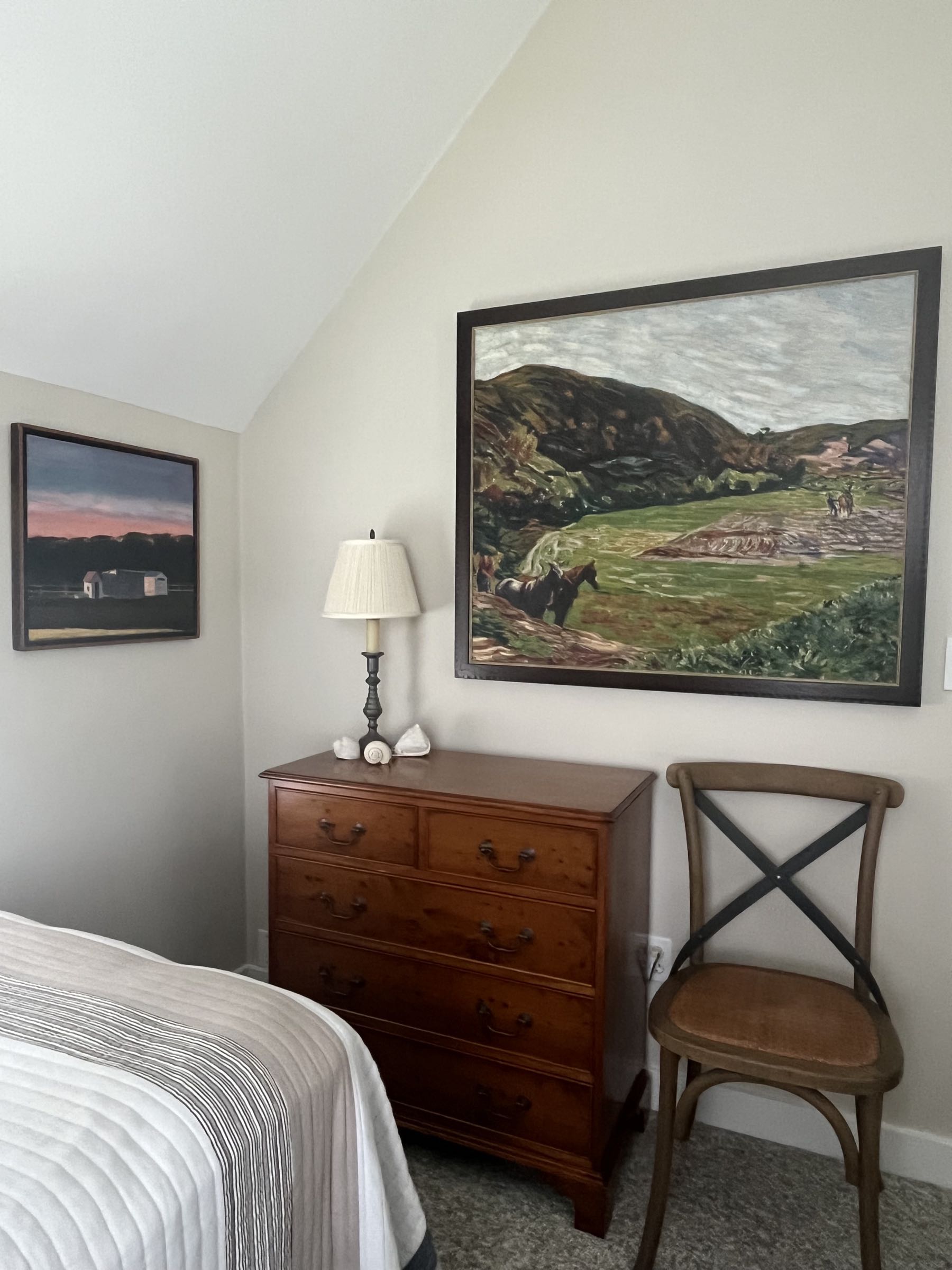
Clyfford Still was more combative about that independence, rejecting European influence with a ferocity that was itself a kind of performance. The scale of the work coming out of this period, the sheer ambition of what was being asked of the viewer, represented a genuine break. David Smith was doing something parallel in sculpture, taking the welded metal techniques of González and Picasso and forging an industrial American idiom that felt simultaneously monumental and intimate. Alexander Calder had already been moving between Paris and the United States for decades, his mobiles introducing time and chance into sculpture in ways that still feel radical.
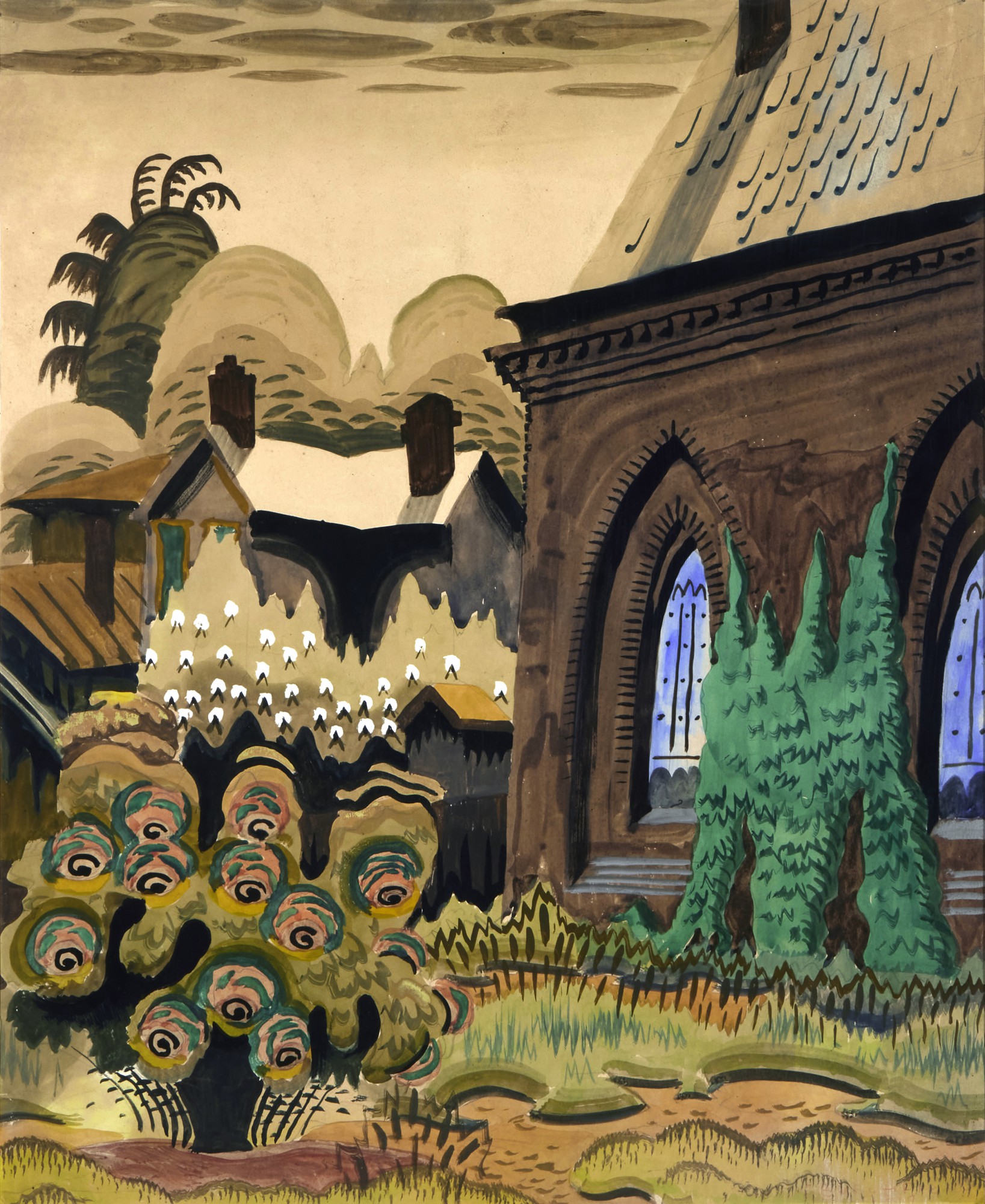
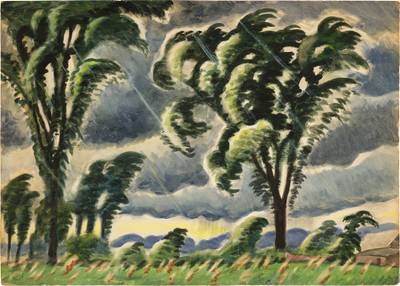
Romare Bearden belongs in any serious account of American Modernism, though he was for too long marginalized in mainstream surveys. His collages, developed with particular intensity from the 1960s onward, synthesized African American history, jazz, Caribbean memory, and Cubist fragmentation into a visual language of extraordinary richness. Guy Pène du Bois and Charles Burchfield were doing something different again, Burchfield in particular creating a body of work that sits oddly and magnificently between Expressionism and something close to visionary naturalism, his watercolors of midwestern seasons charged with an almost animistic energy. Ellsworth Kelly, emerging later, stripped painting back to the irreducible relationship between color and shape, his work a cool and confident last word in a very long argument about what a painting needs to be.
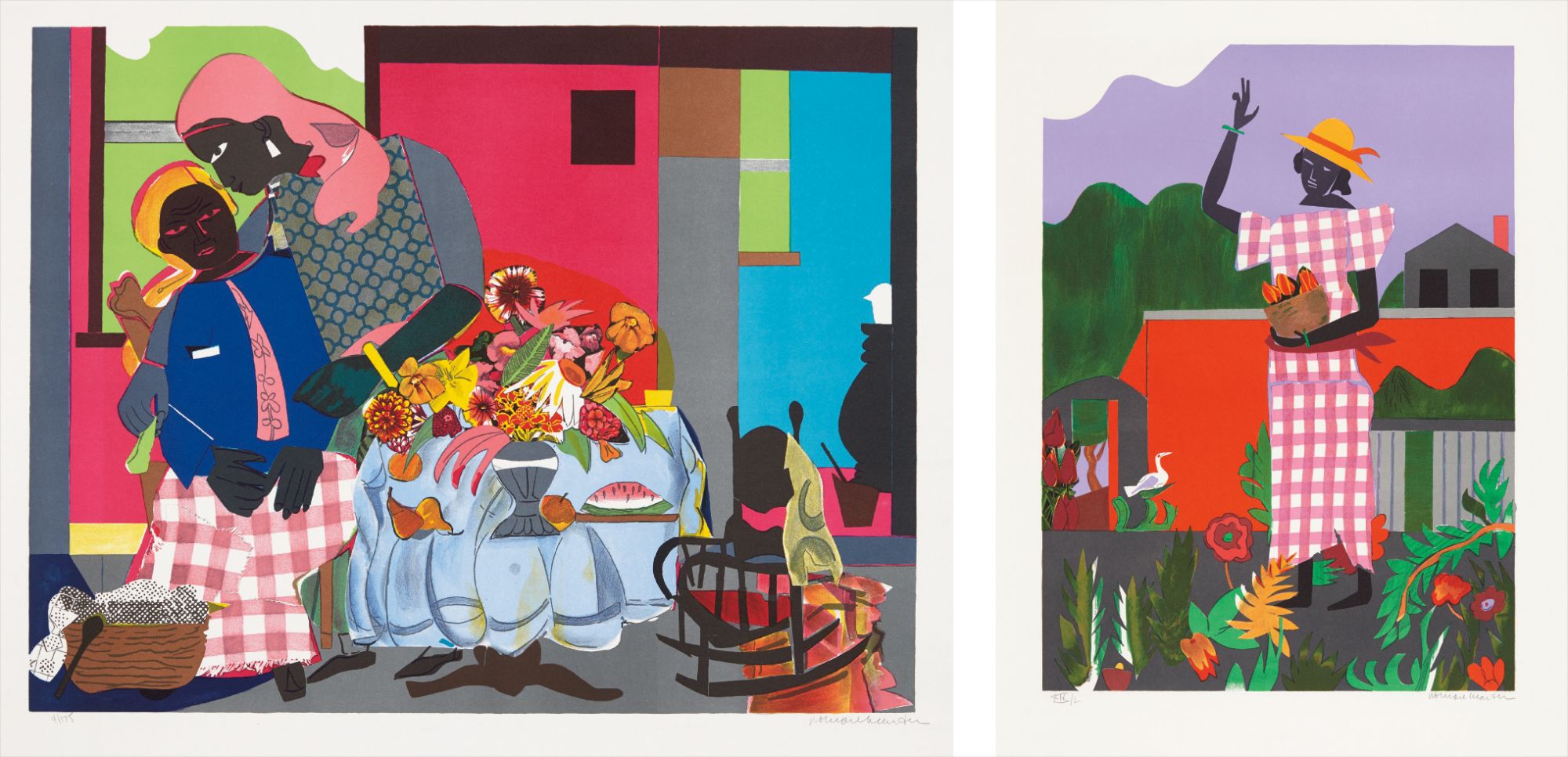
Romare Bearden
Girl in the Garden; and Morning
What continues to matter about American Modernism, for collectors and for anyone who spends serious time with twentieth century art, is the sheer breadth of what it contains. This is not a movement with a single manifesto or a tidy chronological arc. It is a set of overlapping conversations, arguments really, about identity and abstraction, about place and form, about who gets to count as a modern artist and what modern means in a country so large and so contradictory. The works gathered on The Collection represent many of those conversations simultaneously, offering not a textbook chapter but something closer to the actual texture of the movement: various, energetic, and still unresolved in the best possible way.