Victor Brauner
Artist Spotlight
Victor Brauner: Visionary Worlds Within Worlds
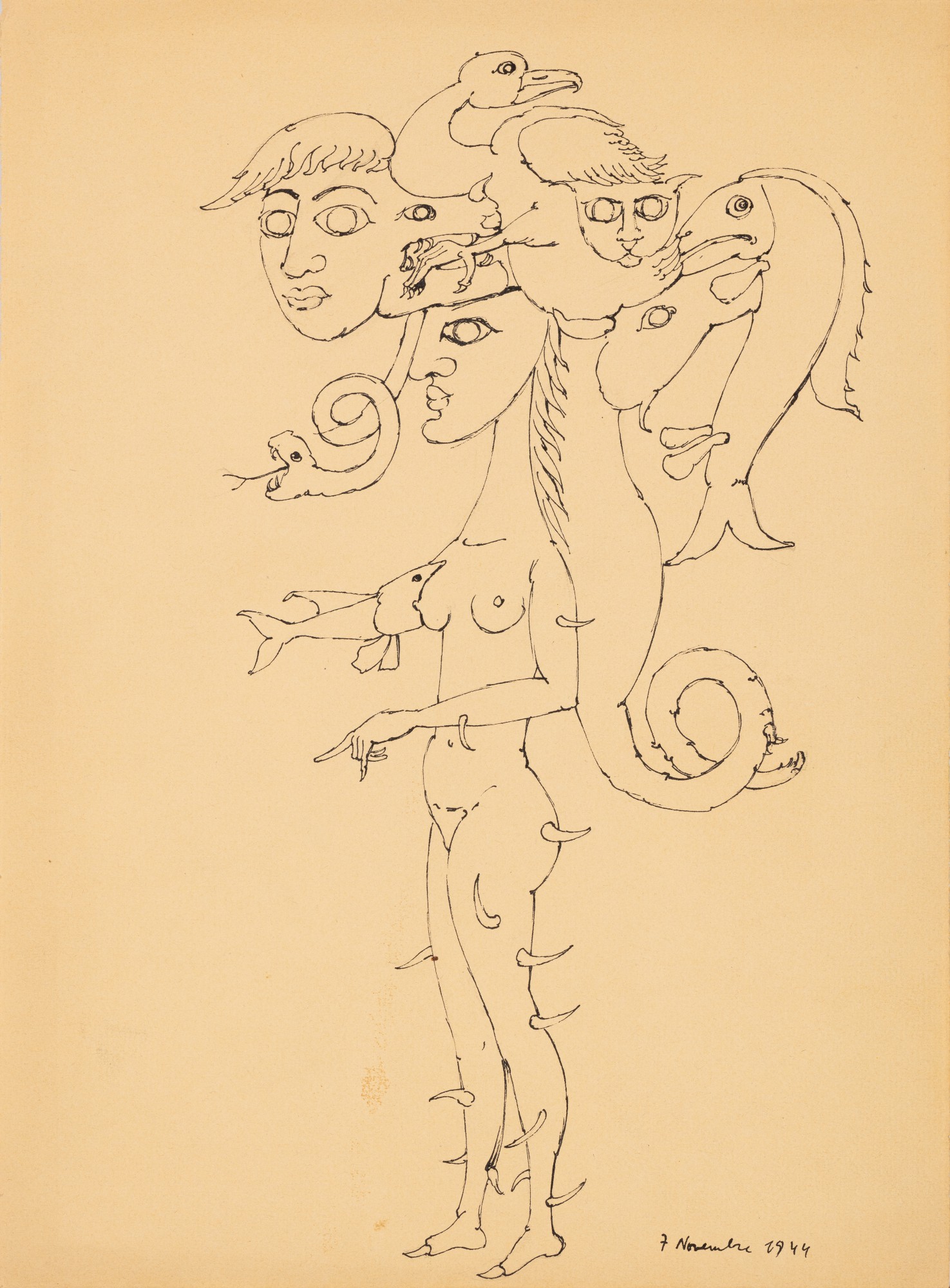
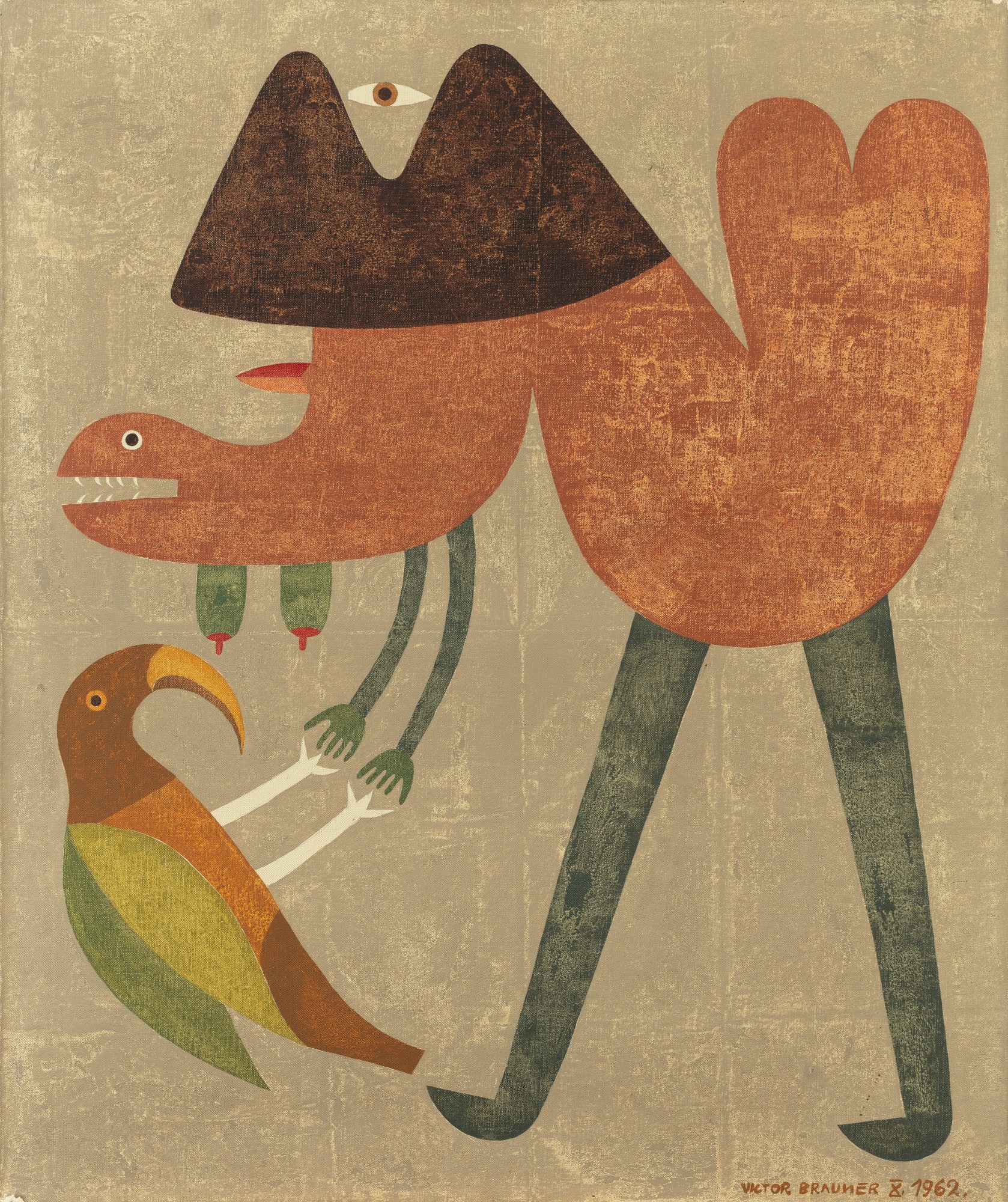
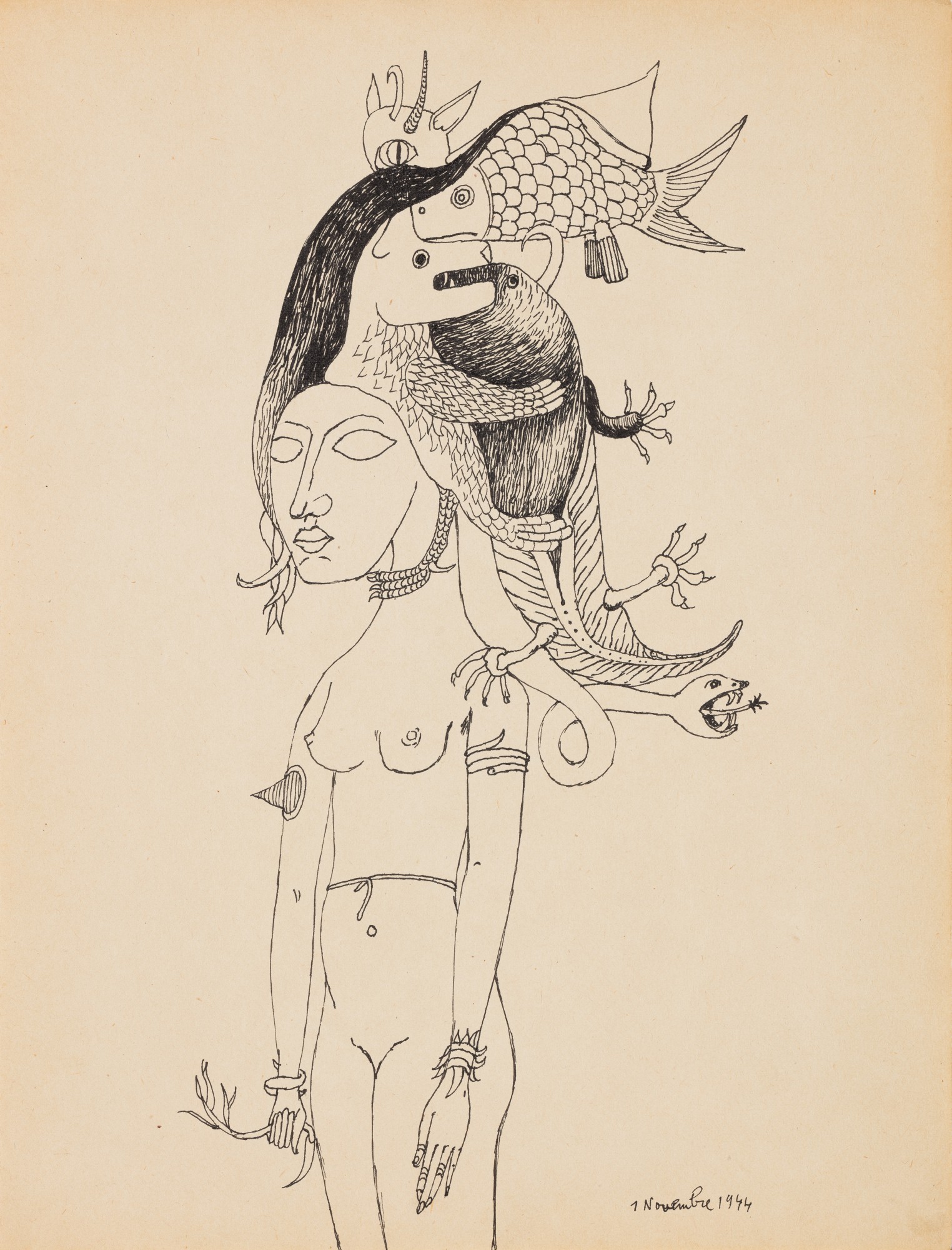
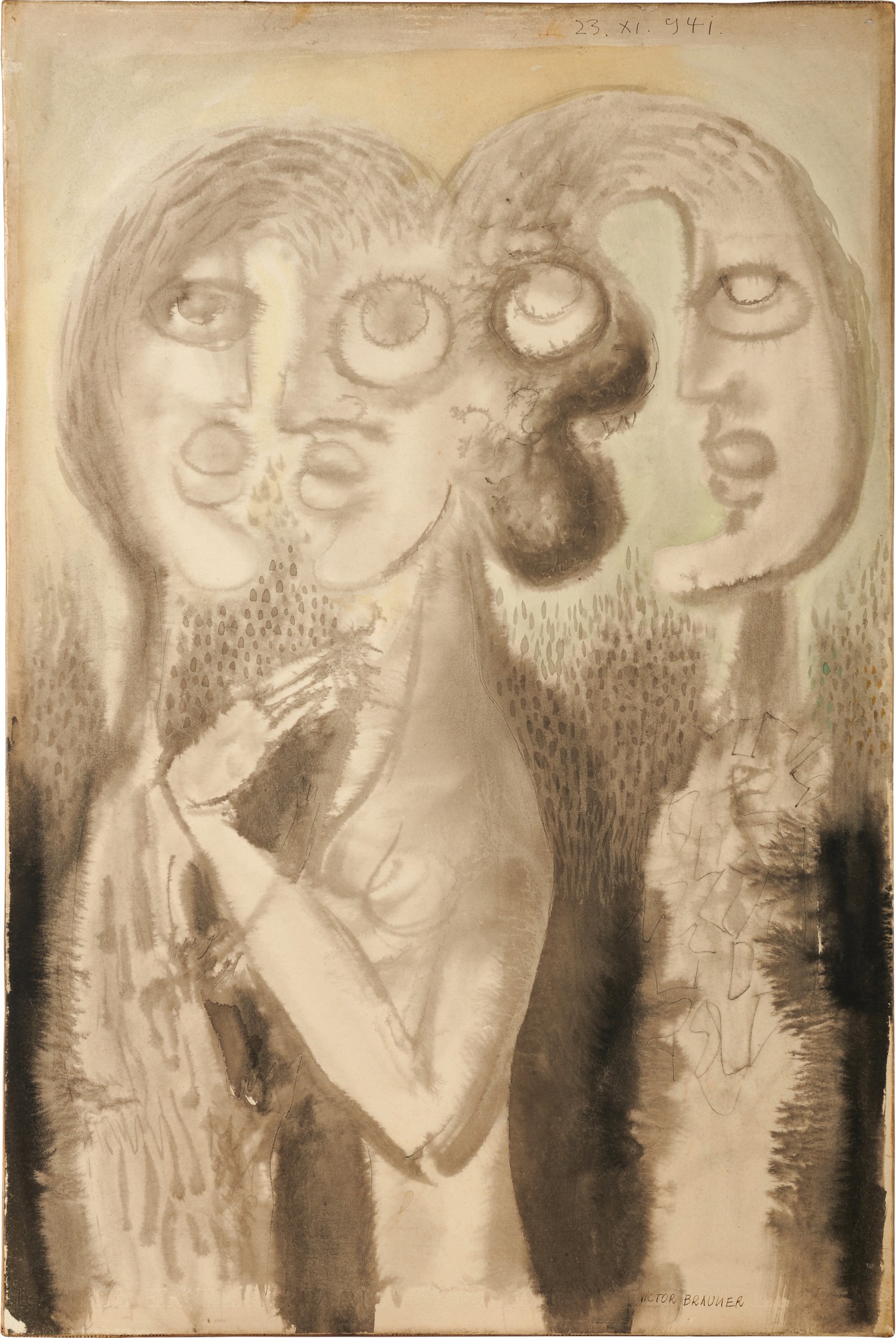
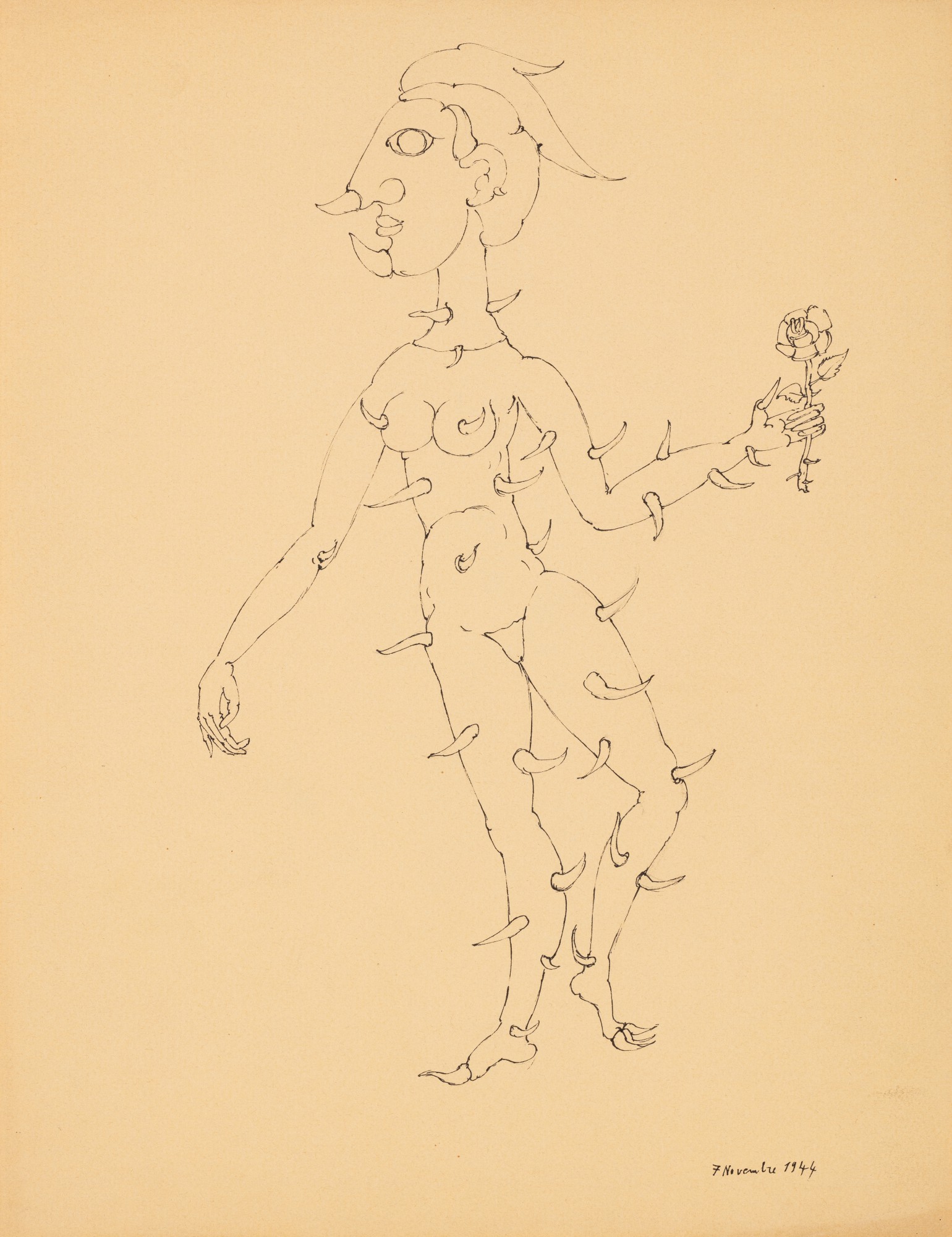
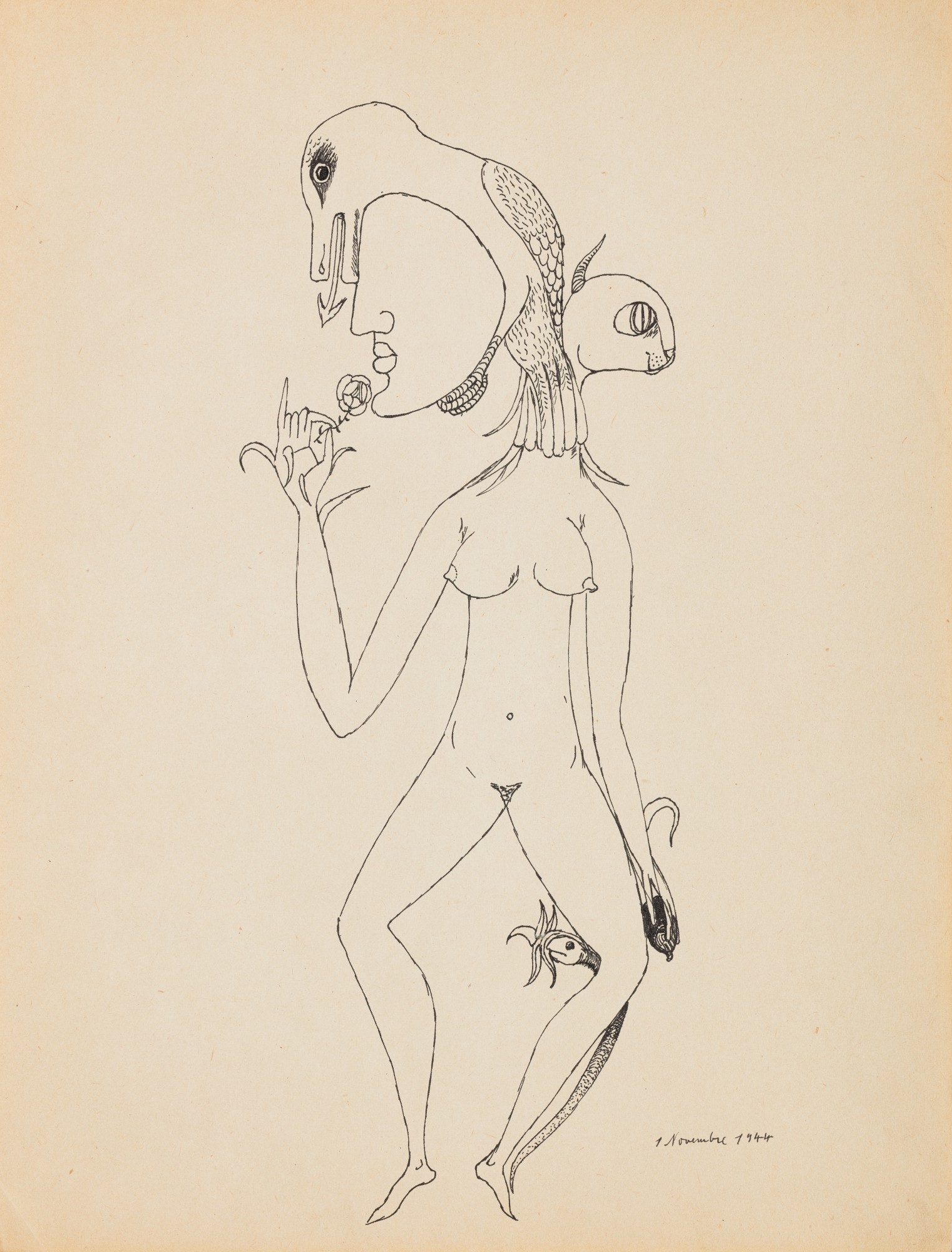
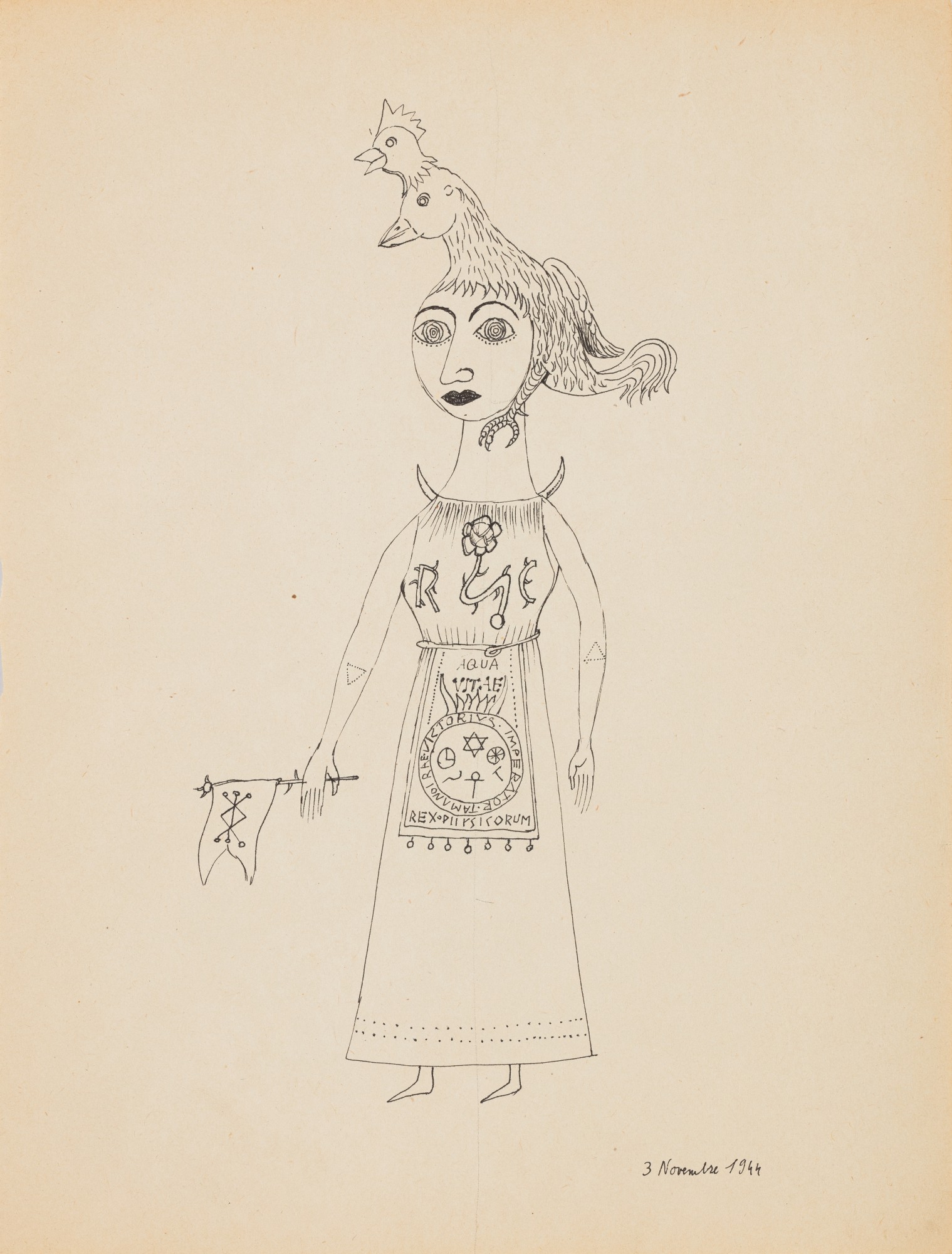
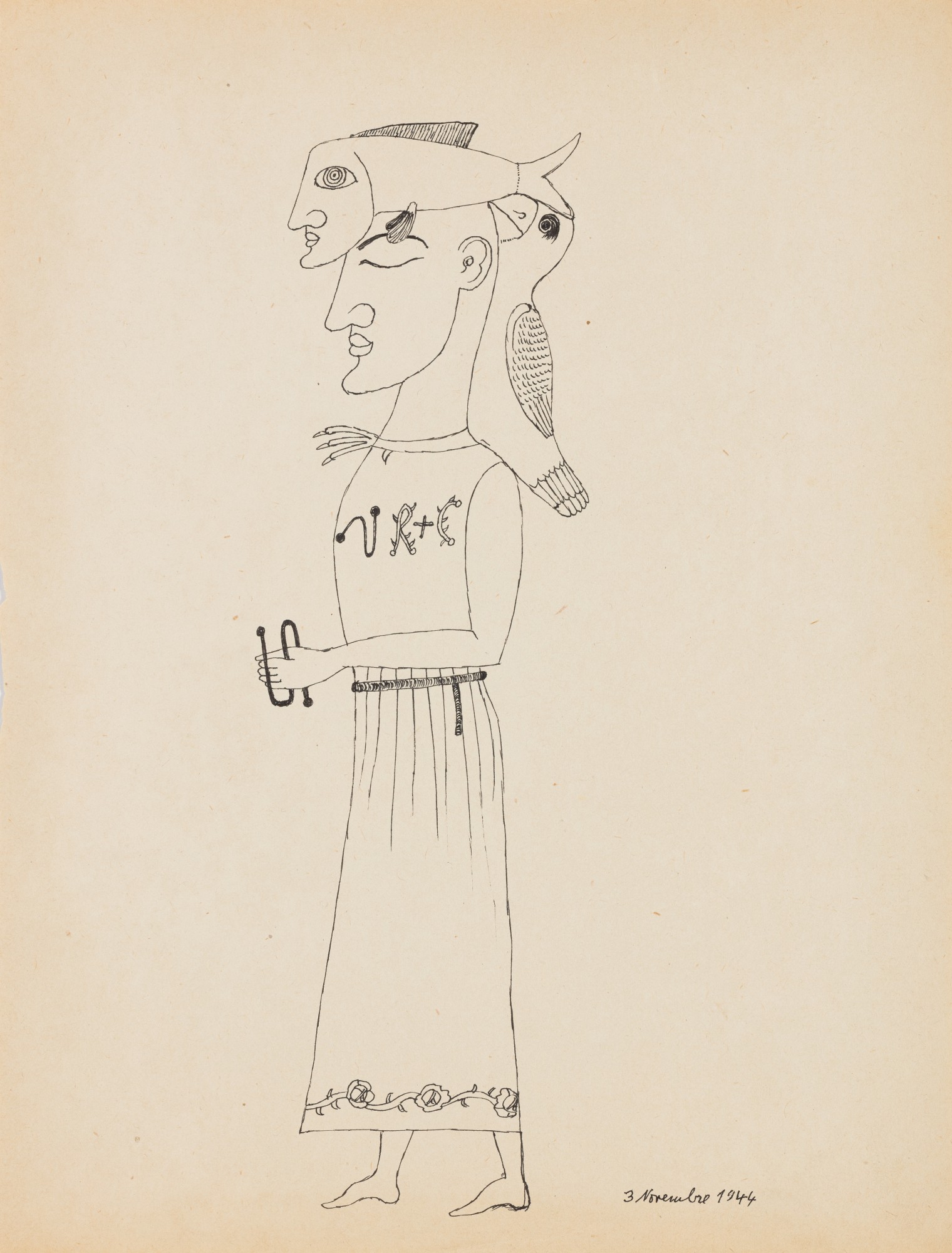
When the Centre Pompidou mounted its sweeping survey of Surrealism's international dimensions, one name kept surfacing with particular insistence among scholars and curators alike: Victor Brauner. The Romanian born painter, occultist, and mythmaker spent decades on the margins of the movement's official histories, overshadowed by louder personalities in the Paris circle, yet his work has proven to possess a staying power that grows more compelling with each passing generation. Today, as collectors and institutions alike reassess the full geographic and intellectual breadth of the Surrealist… Continue reading
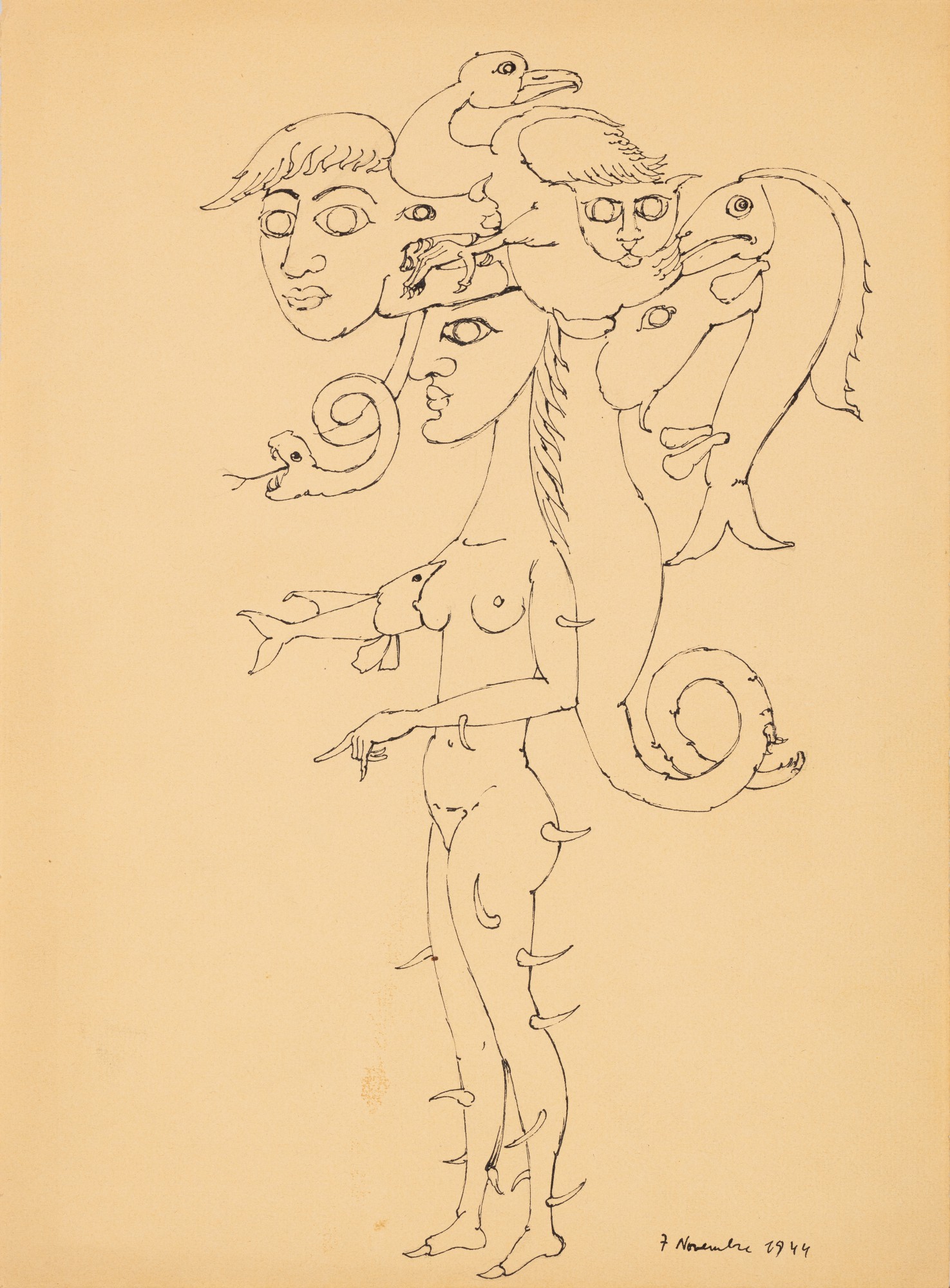
Artists in conversation
Remedios Varo
Varo shared Brauner's deep engagement with occult symbolism, metamorphosis, and fantastical figurative imagery rendered in meticulous painted detail. Both artists embedded esoteric and alchemical themes within surrealist narratives involving hybrid figures and mysterious transformations.
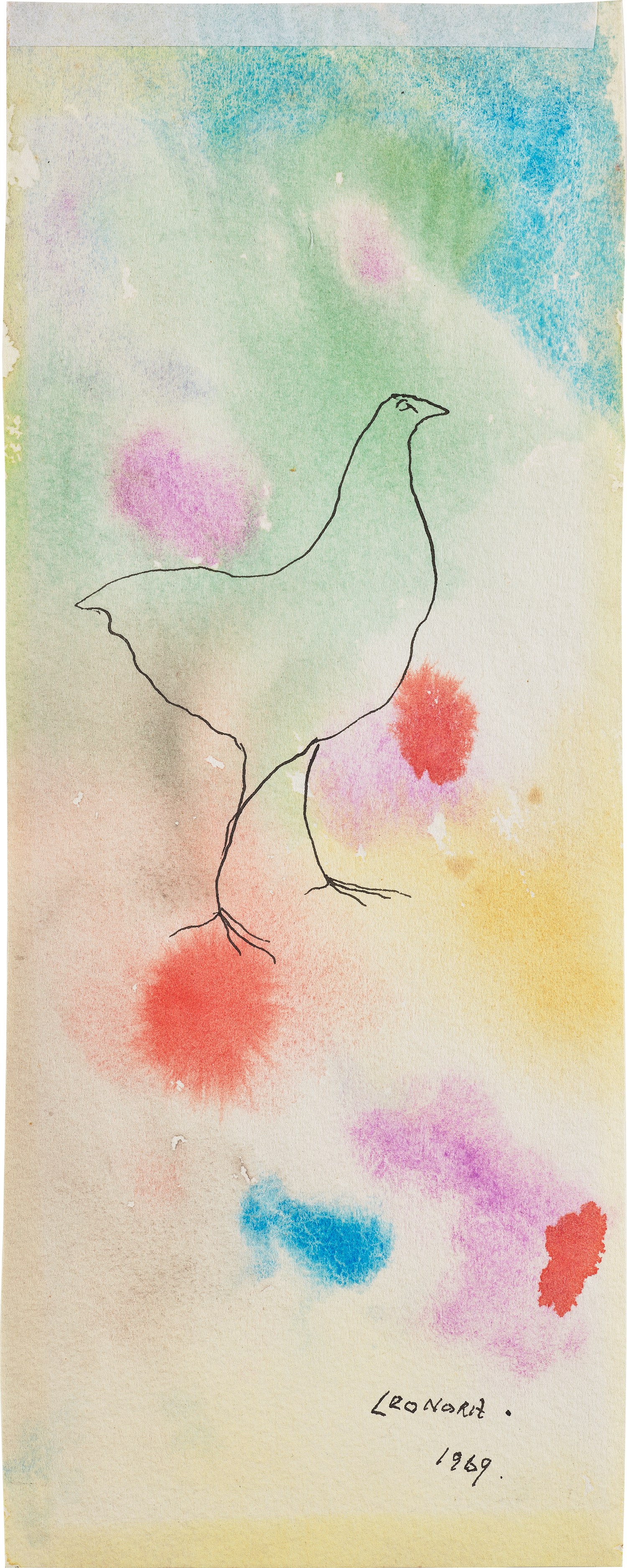
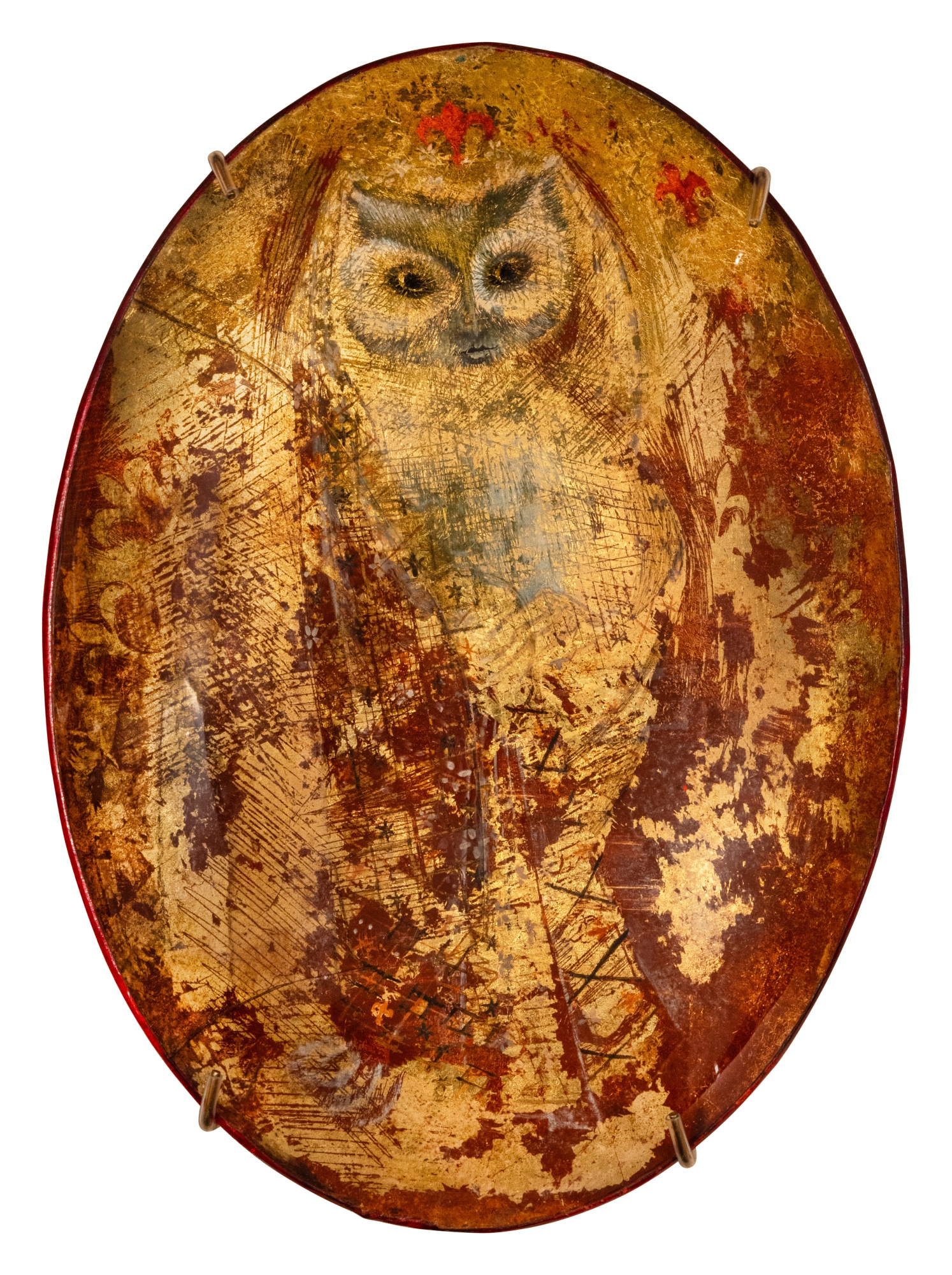
Leonora Carrington
Carrington's work parallels Brauner's in its fusion of occult symbolism, mythological hybrids, and poetic fantasy rendered through figurative oil painting. Her preoccupation with feminine mysticism and metamorphic creatures resonates closely with Brauner's symbolic vocabulary.
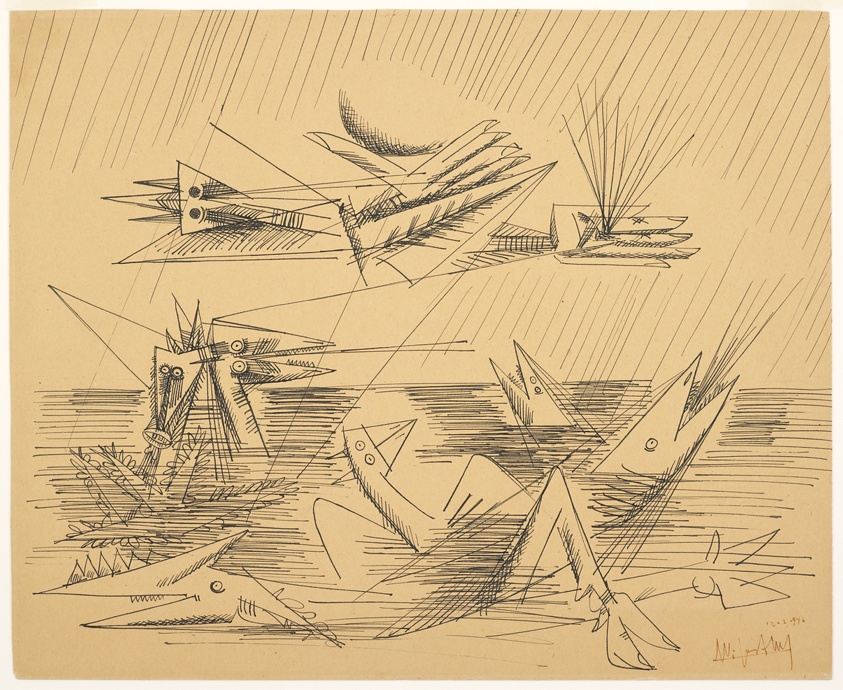
Wifredo Lam
Lam combined surrealist figuration with spiritual and symbolic imagery drawn from non-Western traditions, producing hybrid figures that recall Brauner's own totemic and metamorphic subjects. Both artists operated within the Paris surrealist circle while bringing distinctive cultural mythologies into their symbolic systems.
Artists who inspired them
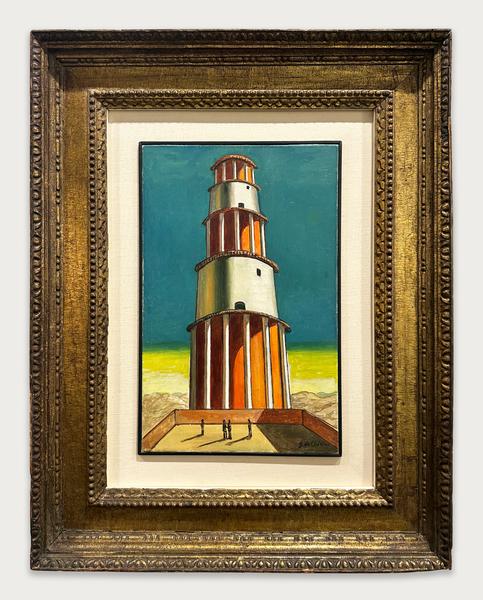
Giorgio de Chirico
De Chirico's metaphysical imagery and use of enigmatic symbolic objects deeply influenced Brauner's early surrealist development, shaping his interest in mysterious spatial environments and uncanny figuration. Brauner admired the way de Chirico constructed dreamlike scenes charged with psychological tension.
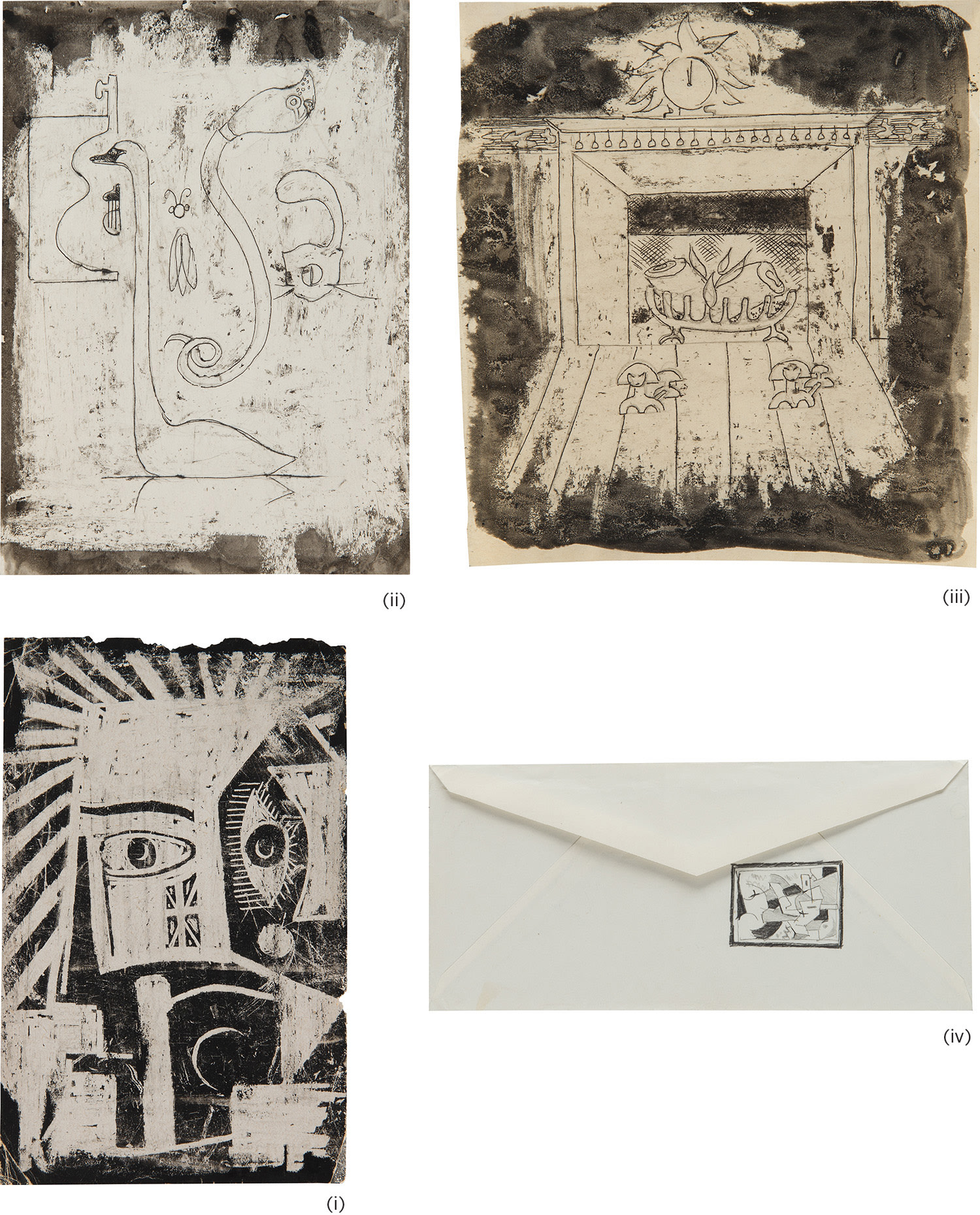
André Breton
As the ideological leader of Surrealism, Breton played a pivotal role in Brauner's integration into the surrealist movement after Brauner moved to Paris, directly shaping his theoretical and conceptual orientation. Breton's emphasis on the occult, automatism, and the subconscious aligned with and reinforced Brauner's own mystical preoccupations.
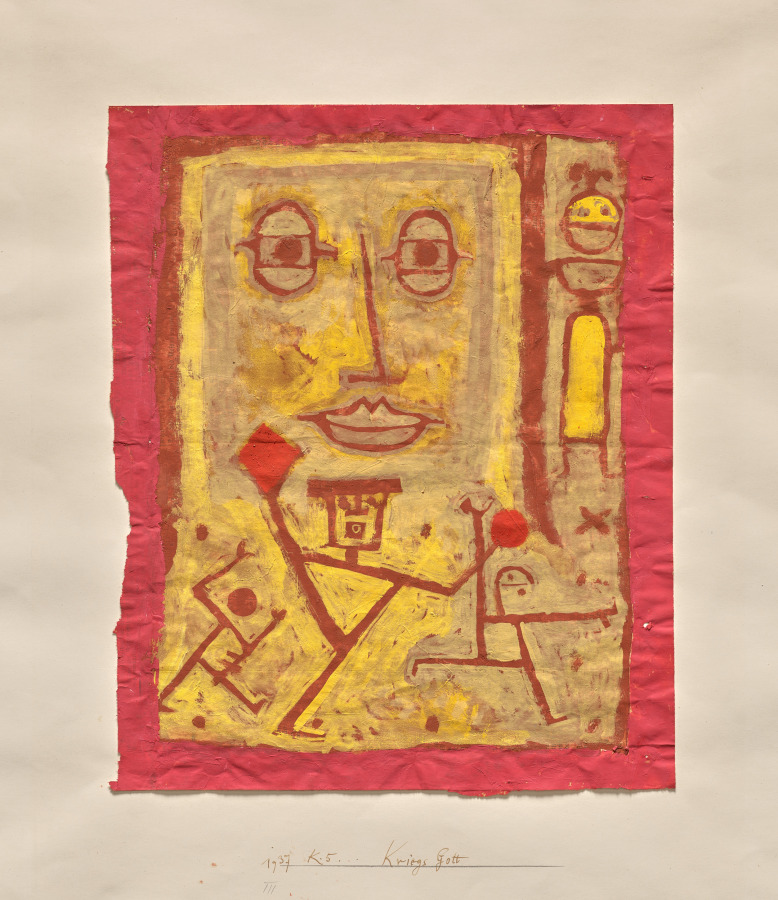
Paul Klee
Klee's integration of symbolic signs, hieroglyphic imagery, and a poetic personal mythology strongly influenced Brauner's development of his own pictographic and totemic visual language. Both artists treated the painted surface as a field for invented symbols carrying spiritual and psychological weight.