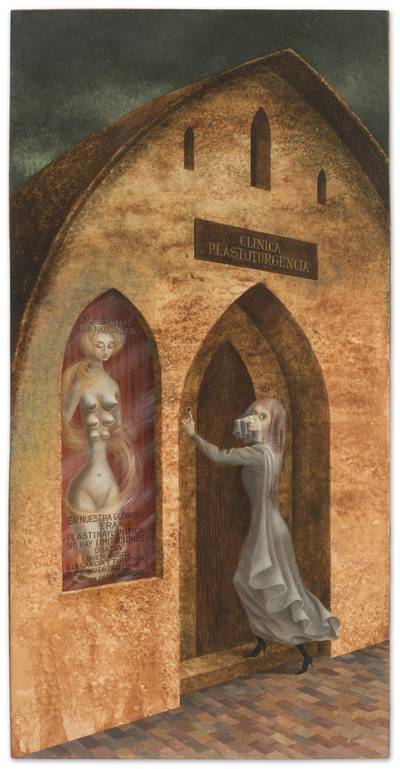
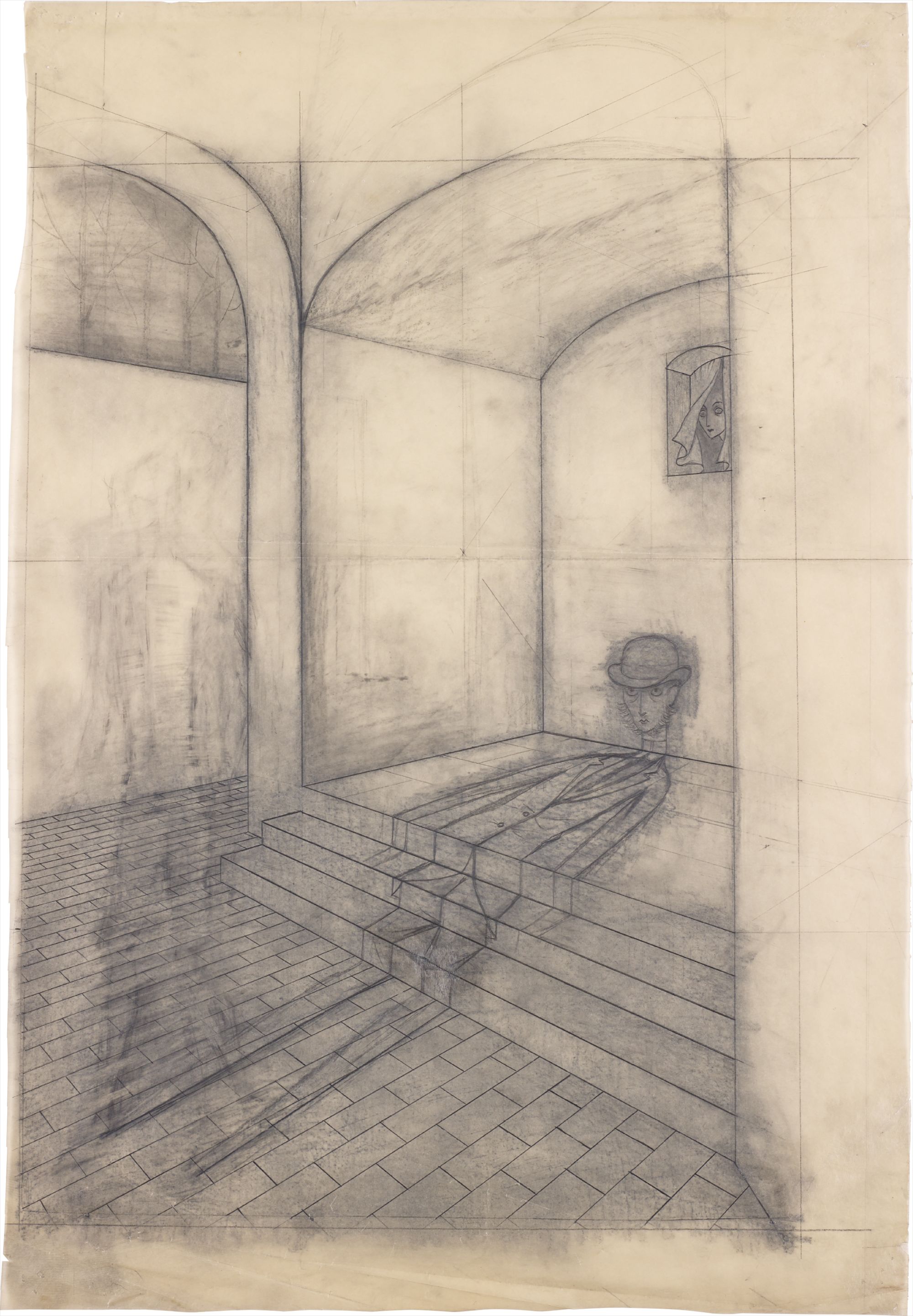
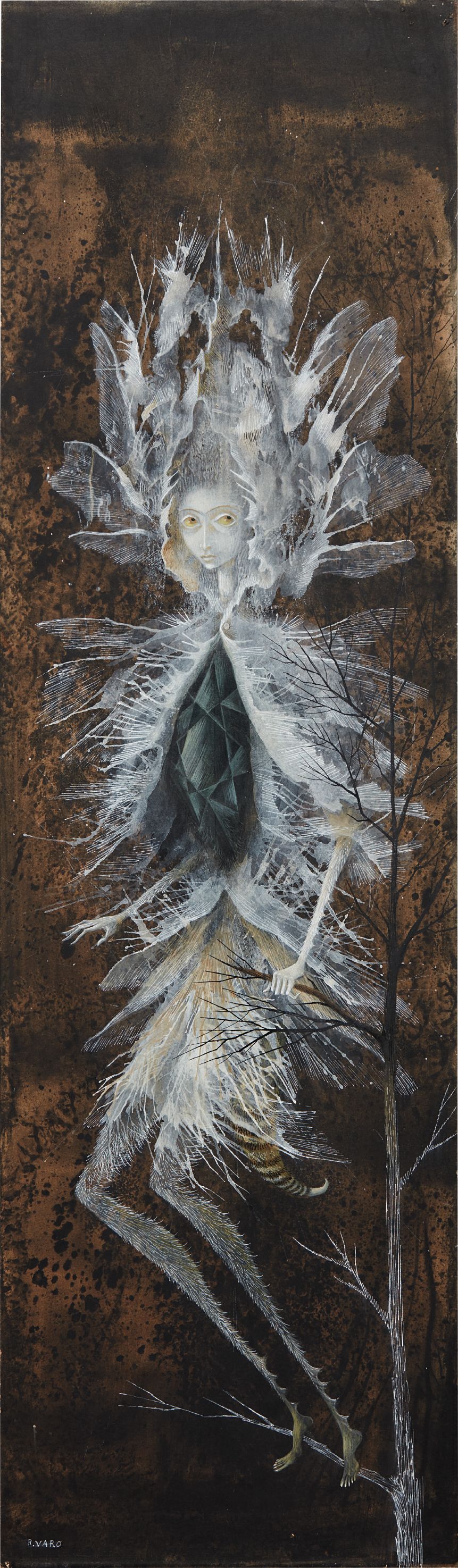
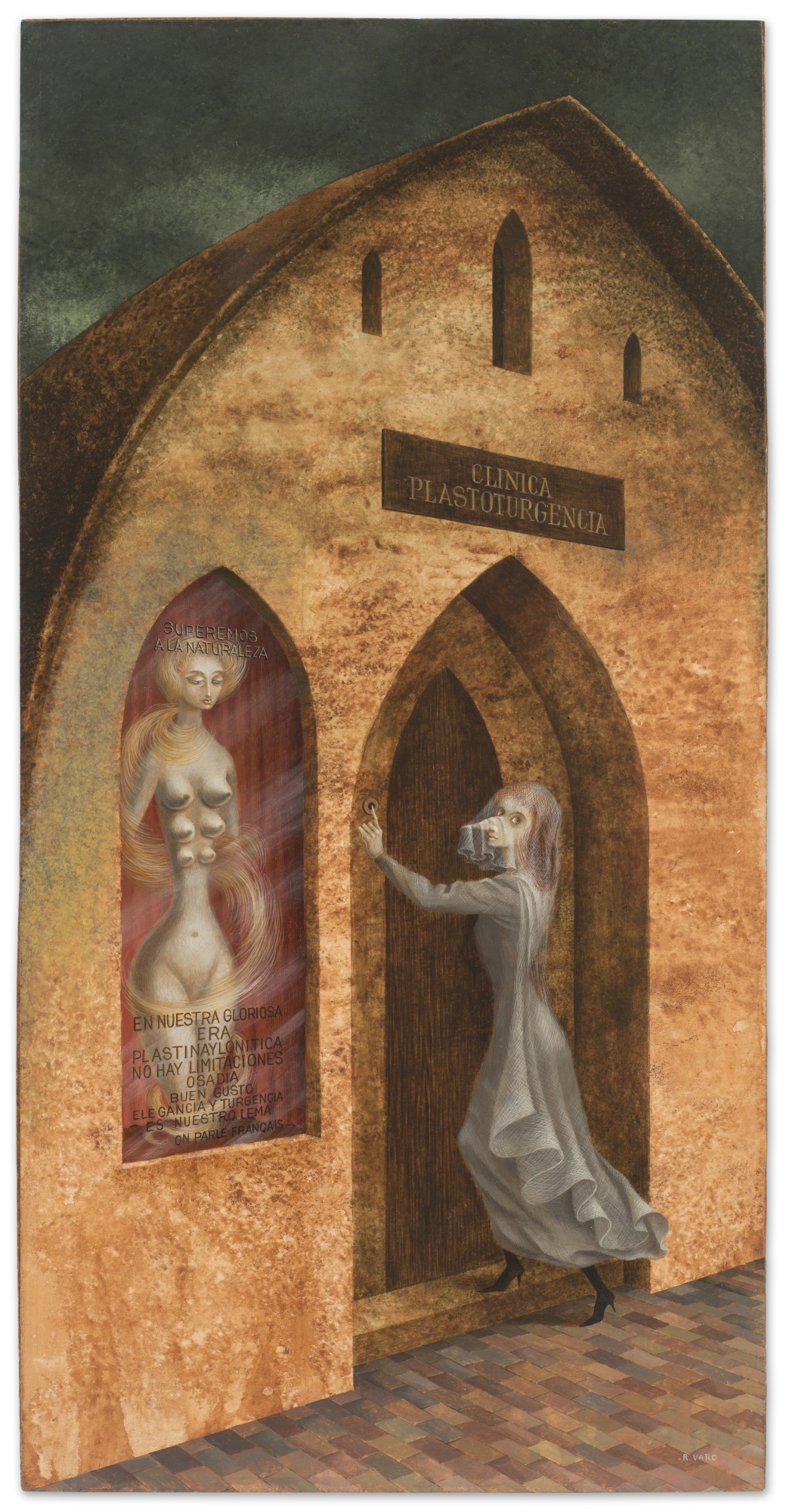
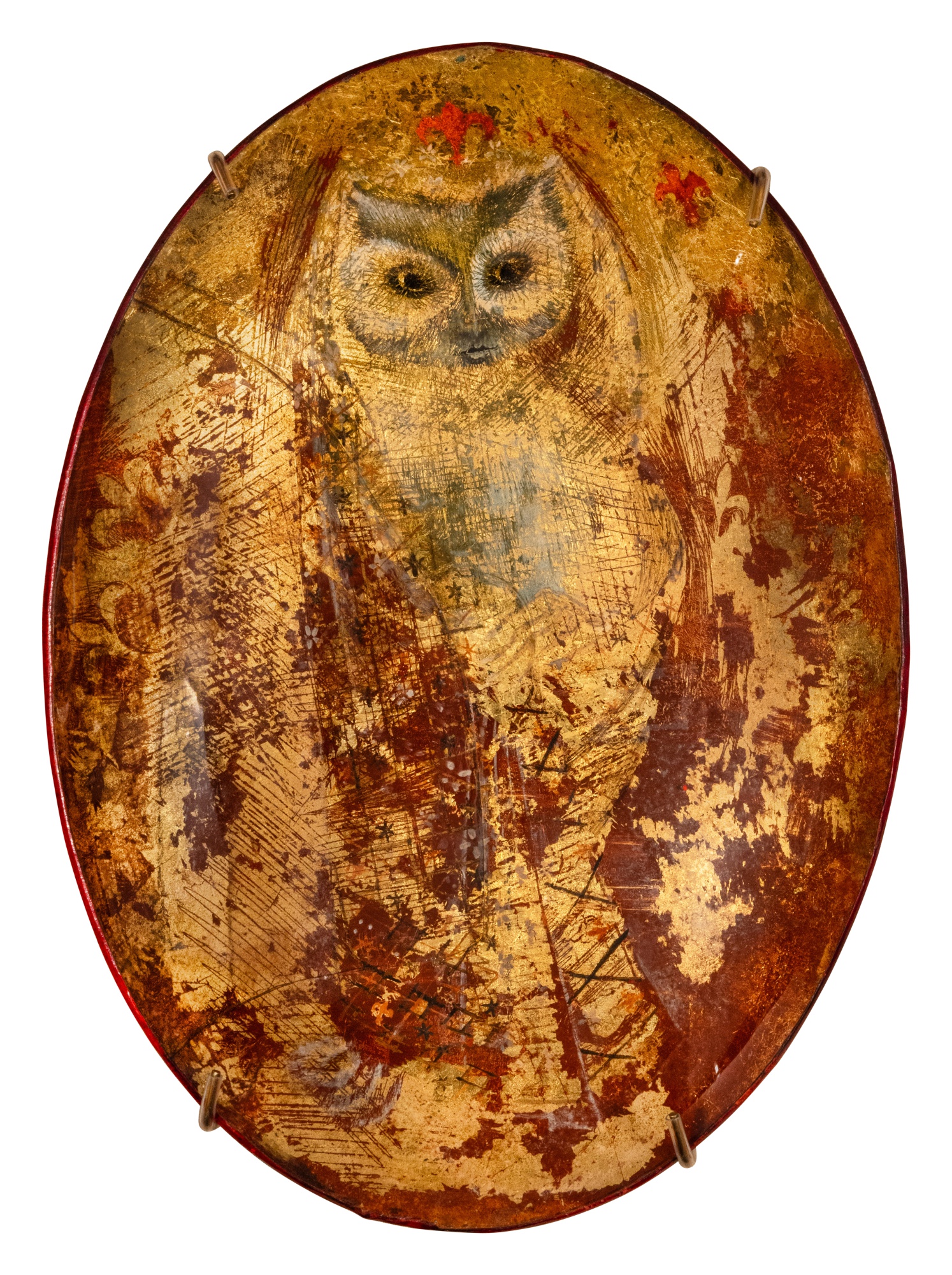
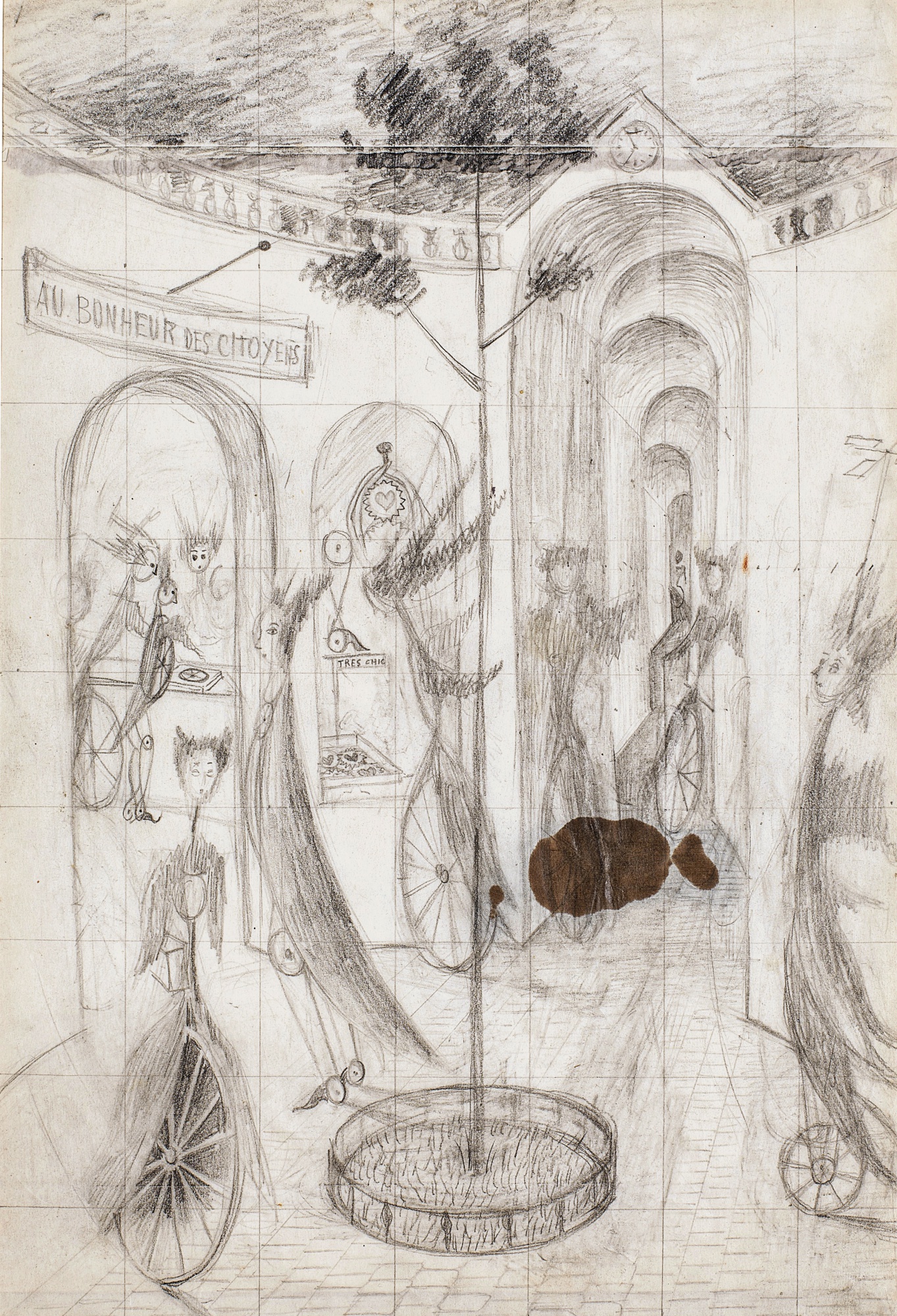
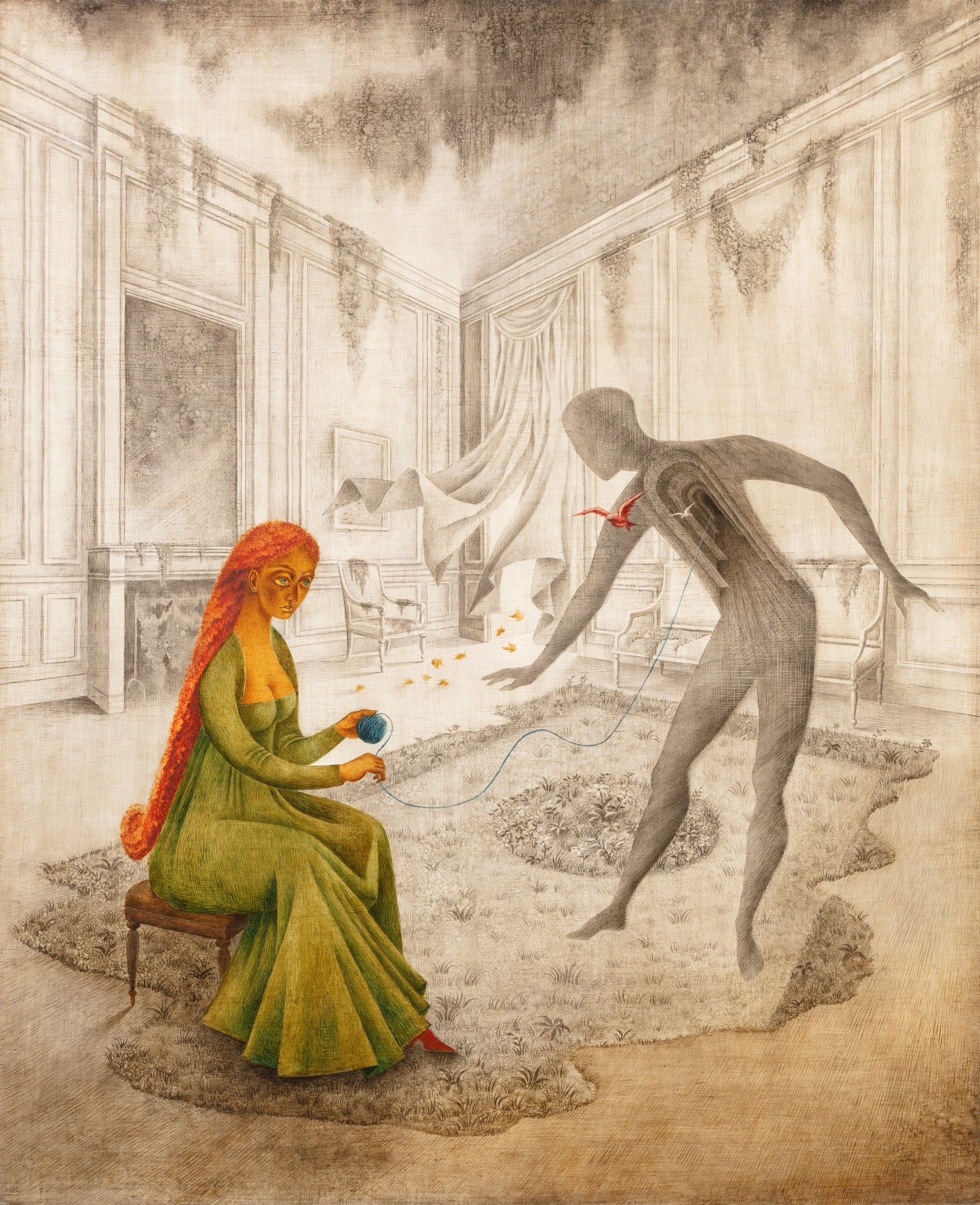
In 2000, the Museum of Modern Art in New York staged a landmark survey of Surrealism that brought renewed international attention to figures who had long been overshadowed by the canonical men of the movement. Among those who emerged with extraordinary force was Remedios Varo, the Spanish born painter whose visionary canvases seemed not merely to participate in Surrealism but to transcend it entirely, weaving something far more personal, more mystical, and more quietly radical. Today, as museums and collectors around the world continue to reassess the contributions of women to twentieth century art, Varo stands as one of the most luminous rediscoveries of our era, an artist whose work rewards every encounter with new layers of meaning and wonder. María de los Remedios Alicia Rodriga Varo Uranga was born in 1908 in Anglès, a small town in the Catalonian province of Girona, Spain. Her father was a hydraulic engineer, a detail that may seem incidental but proves essential to understanding her art. He encouraged her to draw technical diagrams and mechanical forms from an early age, instilling in her a fascination with precision, with the logic of systems, and with the strange beauty of things that work. She entered the Real Academia de Bellas Artes de San Fernando in Madrid in 1924, where she absorbed classical training while growing increasingly restless with its limitations. She was drawn to the unconventional, to the philosophers and alchemists whose texts she devoured alongside her studio practice. Varo moved to Paris in 1937, fleeing the violence of the Spanish Civil War, and it was there that she entered the inner circle of the Surrealist movement. She became close with André Breton, Max Ernst, and Benjamin Péret, the French poet who would become her partner. But even in the midst of that intoxicating intellectual world, she maintained a studied independence. She was never a passive muse or a peripheral figure. She was a practicing painter with her own rigorous cosmology, her own symbolic vocabulary, and her own questions about time, consciousness, and the nature of the feminine. When World War II made Europe untenable, she fled once more, this time to Mexico City in 1941, a journey that would prove transformative. Mexico City in the 1940s was a refuge for European intellectuals and artists, and Varo found in it not just safety but a creative home she could fully inhabit. She became close friends with Leonora Carrington, the British Surrealist painter who had also escaped Europe, and the two women formed a bond of profound artistic and personal intimacy. Together they explored alchemy, tarot, mysticism, and the esoteric traditions of multiple cultures. These interests were not decorative or fashionable for Varo; they were the core of her investigation. She painted slowly and with immense care, completing relatively few canvases in her lifetime, and each one bears the evidence of sustained thought. It was only in Mexico that her mature style fully crystallized, and her first major solo exhibition in Mexico City in 1956 was received with immediate and tremendous enthusiasm. The works that define Varo's legacy are small in scale but vast in implication. "Les Feuilles mortes," painted in 1956 in oil on board, exemplifies her signature approach: elongated figures engaged in mysterious but purposeful activity, navigating spaces that are simultaneously architectural and dreamlike. "Visita al cirujano plástico" from 1960 deploys her characteristic dark wit, depicting a scene of transformation and vanity that reads as both fantastical and uncomfortably contemporary. "La Mujer libélula," completed in 1961 in oil, gouache and ink on paper mounted on masonite, offers one of her most tender and strange visions of womanhood, the figure not constrained by her hybrid form but animated by it. And "Búho" from 1957, a breathtaking work in mixed media and gold leaf on leather mounted on glass, demonstrates her willingness to push beyond conventional painting materials into something closer to sacred object making. In each of these works, women are protagonists in a cosmos of their own devising, not subjects of the male gaze but agents of arcane knowledge. For collectors, Varo presents a genuinely compelling proposition. Her output was limited by the care she took and by a life cut short when she died in Mexico City in 1963, at the age of 54. Works on paper, including preparatory studies such as her "Study for Phenomenon" in pencil on tracing paper and the exquisite "Au bonheur des dames" in pencil on joined paper from 1956, offer a rare window into her creative process and carry with them an intimacy that her finished panels, extraordinary as they are, sometimes hold at a more ceremonial distance. Her works have appeared at major auction houses and have entered significant museum collections including the Museo de Arte Moderno in Mexico City, which holds a substantial group of her paintings and regards her as a foundational figure in Mexican modernism despite her European origins. Collectors who come to Varo often speak of a quality that is difficult to name but impossible to dismiss: the sense that each painting is a complete world, sealed and self sufficient, that one could spend a lifetime exploring. In the context of art history, Varo belongs to a constellation of women artists whose full significance is only now being properly understood. Her friendship with Leonora Carrington is well documented and clearly formative for both. Her relationship to Dorothea Tanning and Meret Oppenheim, fellow women of the Surrealist orbit who similarly carved out independent imaginative territories, is equally instructive. Like them, she took the Surrealist interest in the unconscious and the marvelous and bent it toward her own ends, producing work that is not simply Surrealism by a woman but something more singular and harder to categorize. She also anticipates later movements in feminist art practice in her consistent centering of female interiority and female agency, making her a figure of genuine relevance to younger generations of painters working today. Remedios Varo matters now not in spite of her strangeness but because of it. In a cultural moment that hungers for art with genuine spiritual weight, for images that propose alternative ways of inhabiting time and space and selfhood, her paintings feel less like historical artifacts than like messages from a parallel present. She was a woman who trained as a classical draughtsman, survived war and displacement, found community among visionaries, and then, in the relative calm of Mexico City, made paintings of such concentrated beauty and intelligence that they continue to astonish everyone who encounters them. To live with a work by Varo is to welcome into your home a quiet, enduring, and deeply generous form of magic.