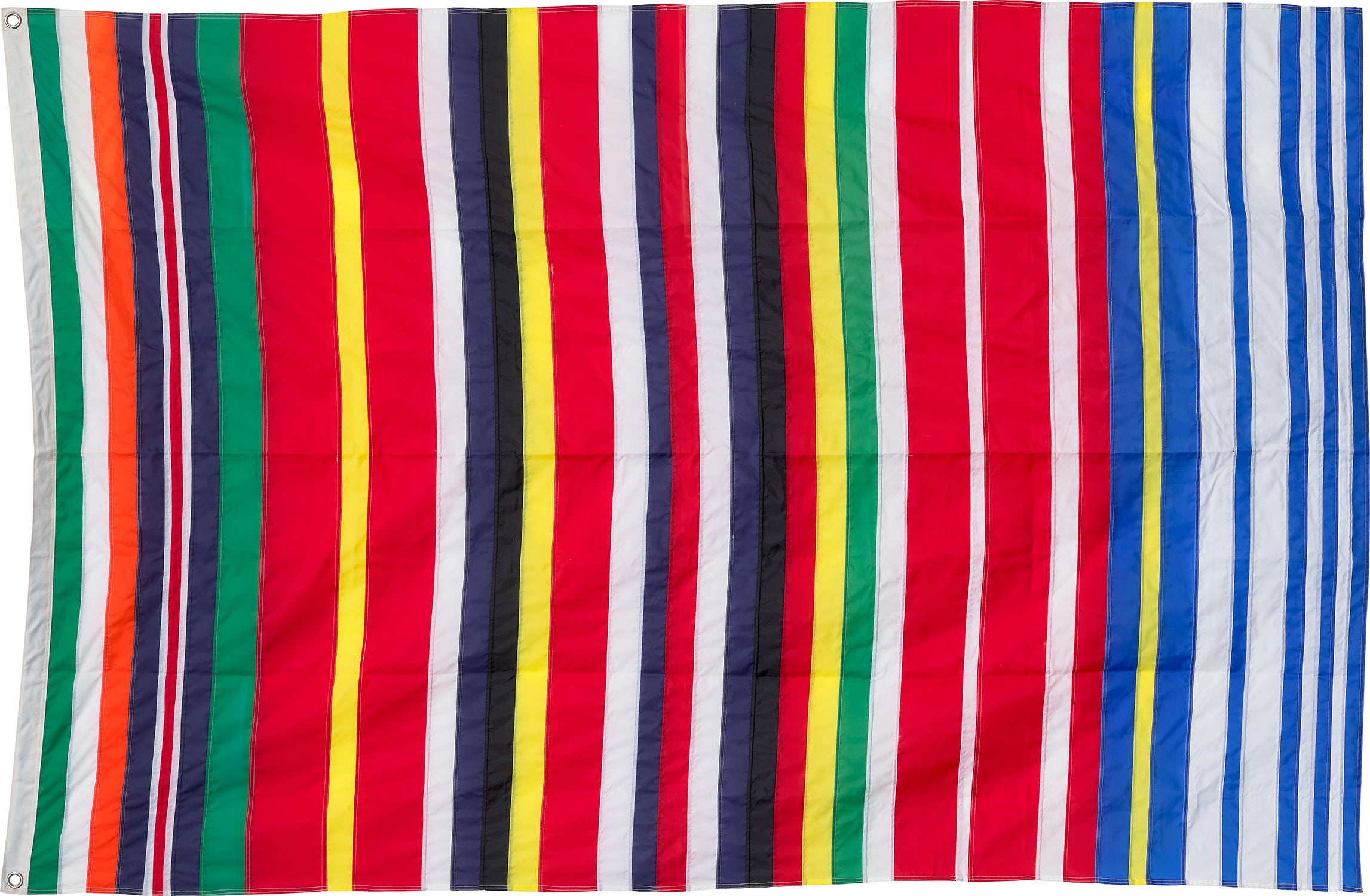
Rem Koolhaas
“
1
Works
Rem Koolhaas is primarily known as one of the world's most influential architects and urbanists rather than a visual artist in the traditional sense. Born in Rotterdam, he founded the Office for Metropolitan Architecture (OMA) in 1975 and has shaped contemporary architectural discourse through both built works and theoretical writings. His practice blurs the boundaries between architecture, urban planning, cultural theory, and visual communication, making him a significant figure in the broader landscape of contemporary spatial and conceptual practice. His research think-tank AMO, the mirror image of OMA, operates in the realm of media, politics, sociology, and technology, producing exhibitions, publications, and cultural analysis that position him at the intersection of design and visual culture. Koolhaas's influence on visual culture extends through his acclaimed books, including "Delirious New York" (1978) and "S,M,L,XL" (1995), which have become seminal texts that merge architectural theory with graphic design innovation. His curatorial work, particularly as director of the 2014 Venice Architecture Biennale titled "Fundamentals," demonstrated his ability to create compelling visual narratives about space, history, and modernity. His projects often incorporate striking visual elements, provocative graphics, and exhibition design that challenge conventional presentations of architectural ideas. The Prada Foundation collaborations and various museum exhibitions have showcased his approach to spatial storytelling and visual communication. While Koolhaas is not a visual artist in the conventional sense of painting or sculpture, his impact on visual culture, exhibition design, and the aesthetics of architectural presentation has been profound. His work has been featured in major museums including MoMA, and he received the Pritzker Prize in 2000. His theoretical provocations and visual methodologies have influenced generations of architects, designers, and artists who engage with urbanism, globalization, and the politics of space.
Artists in conversation