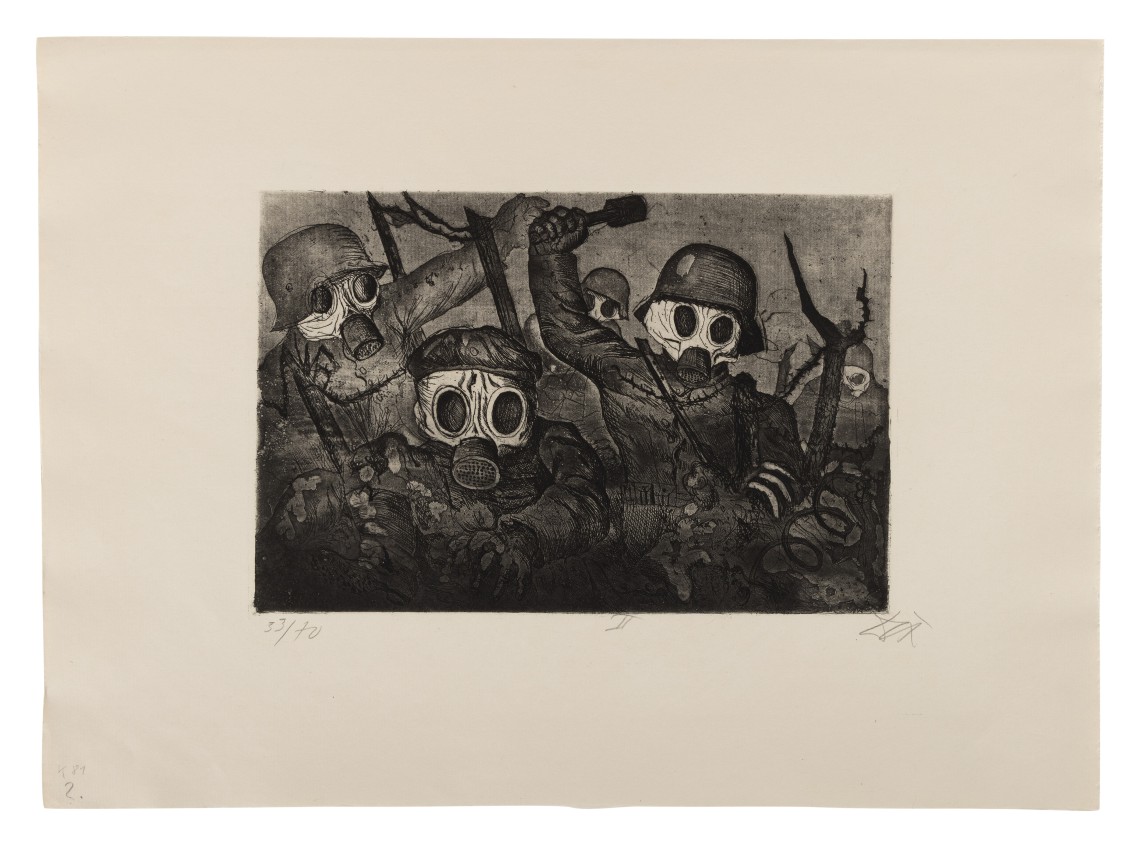
Otto Dix
Artist Spotlight
Otto Dix: A Vision That Changed Everything
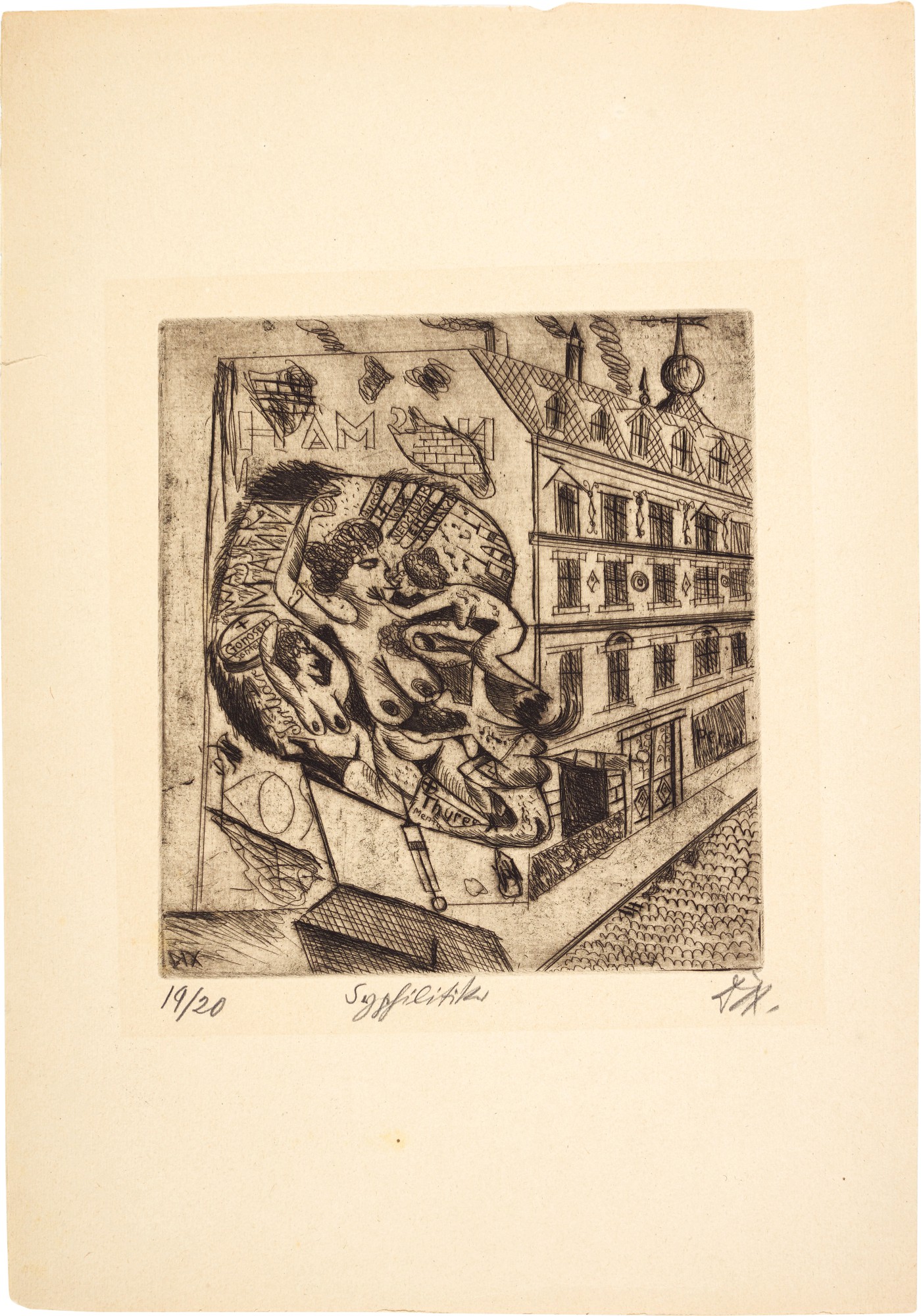
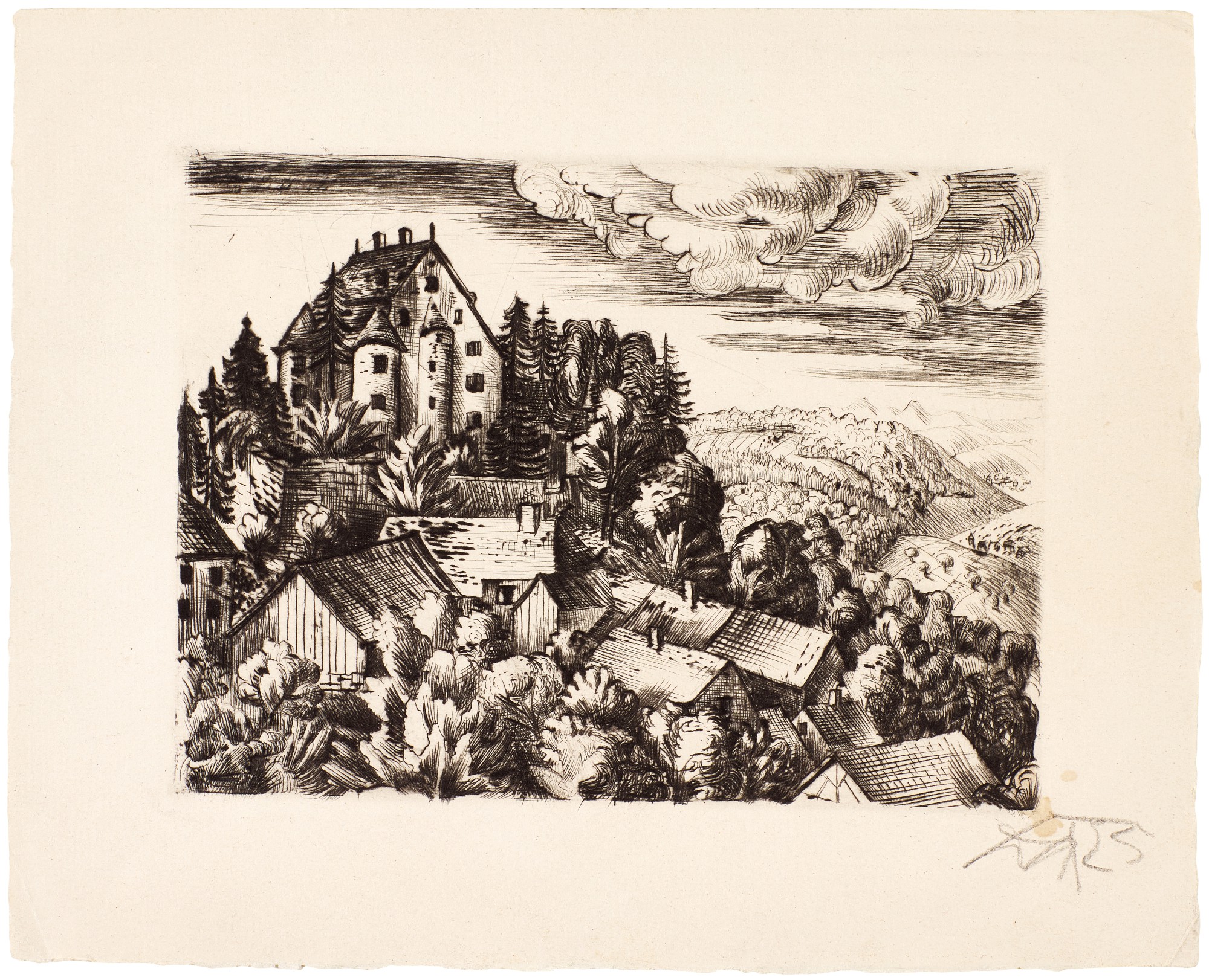
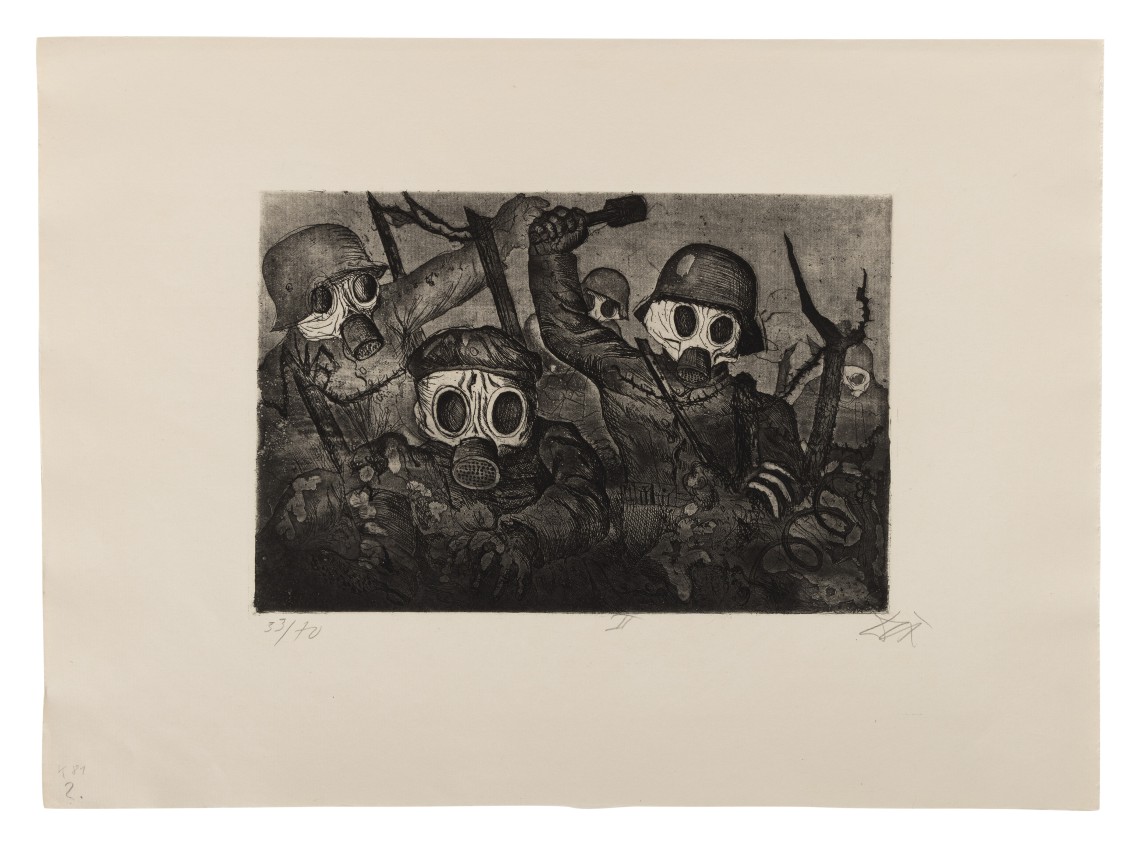
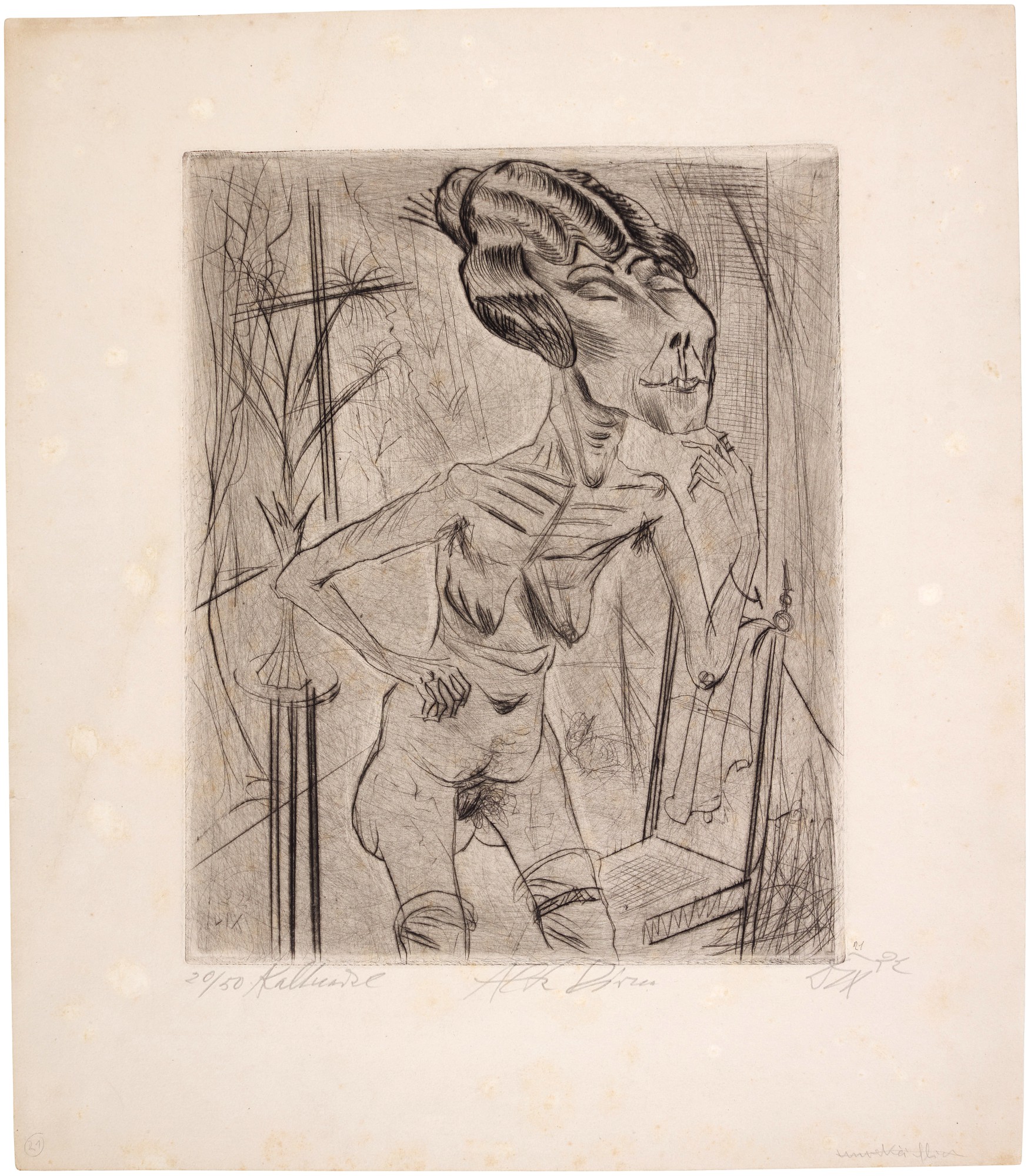
When the Kunstmuseum Stuttgart mounted its landmark retrospective of Otto Dix's work, visitors lined up around the block to stand before paintings that felt as urgent and alive as the day they were made. That hunger for Dix has never really abated. From Berlin to New York, from Tokyo to São Paulo, his work continues to surface at the center of conversations about what art can do when it refuses to look away. There is a reason museums compete fiercely for his prints and paintings, and why serious collectors treat a Dix acquisition as among the most meaningful of their careers. He was, and… Continue reading
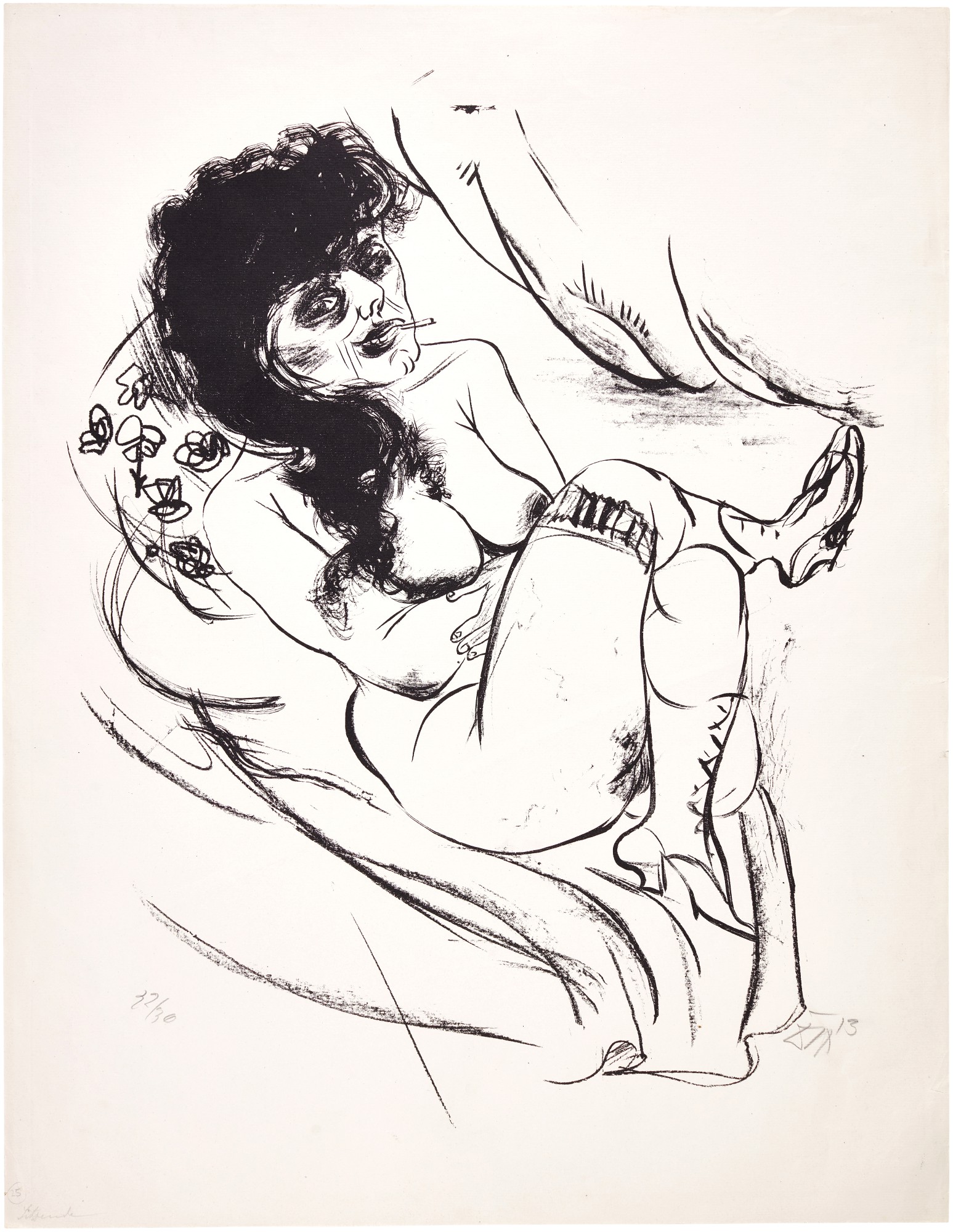
Artists in conversation
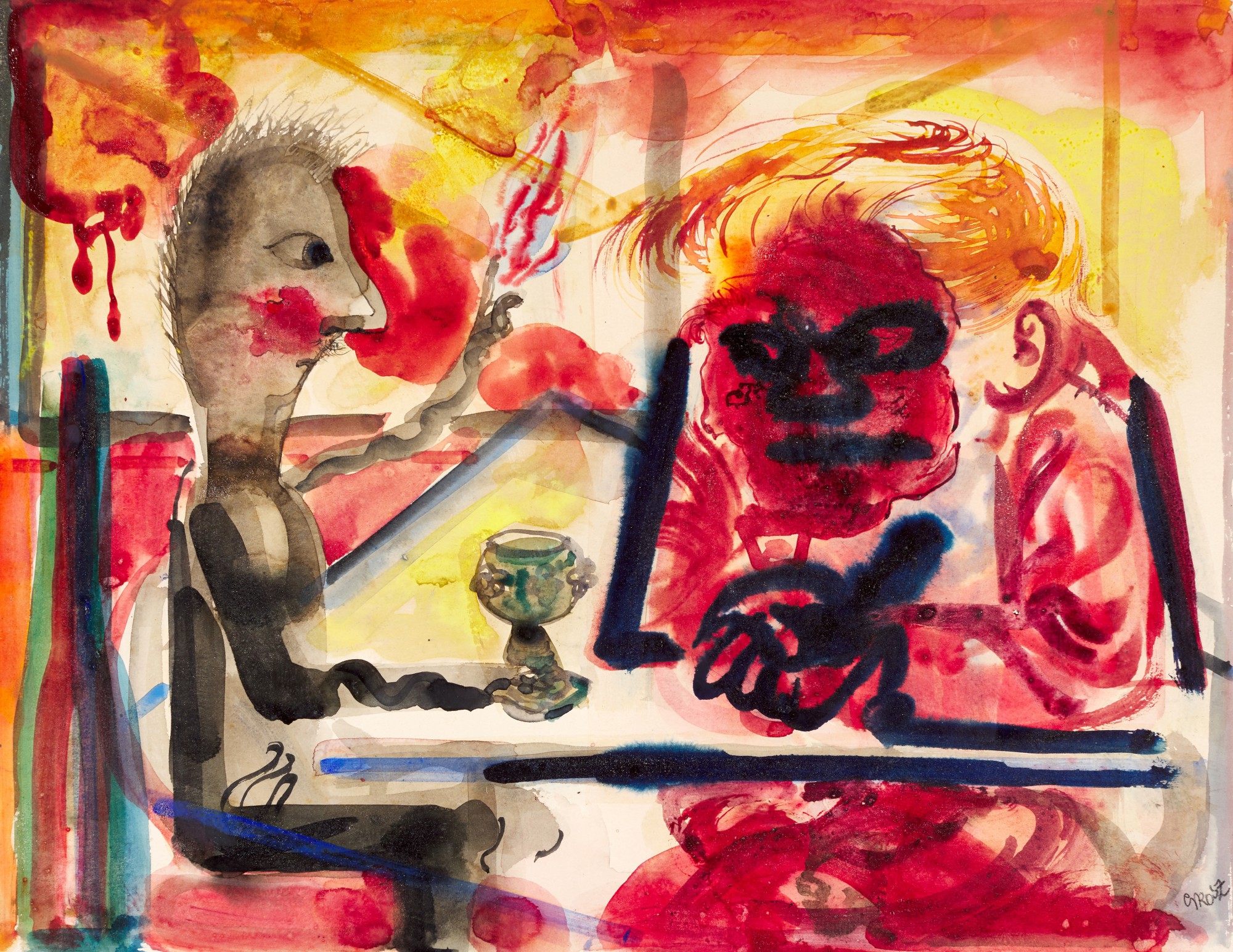
George Grosz
Grosz shared Dix's commitment to savage social satire and unflinching depictions of Weimar era corruption, using sharp figurative draftsmanship and biting caricature to expose moral decay in German society.
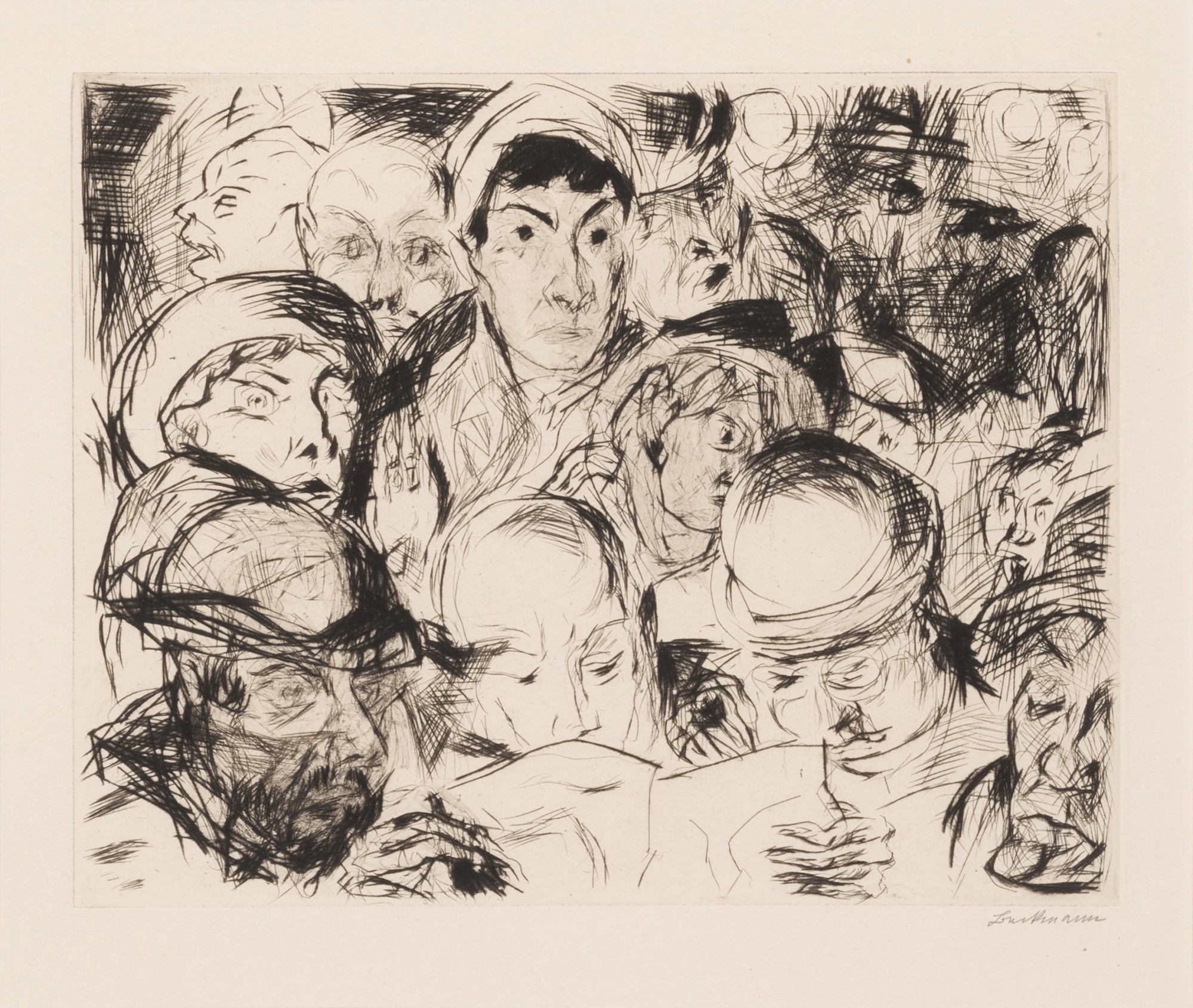
Max Beckmann
Beckmann worked in a similarly bold Expressionist figurative style with psychological intensity and social commentary, producing portraits and allegories that confronted violence and human suffering in 20th century Germany.
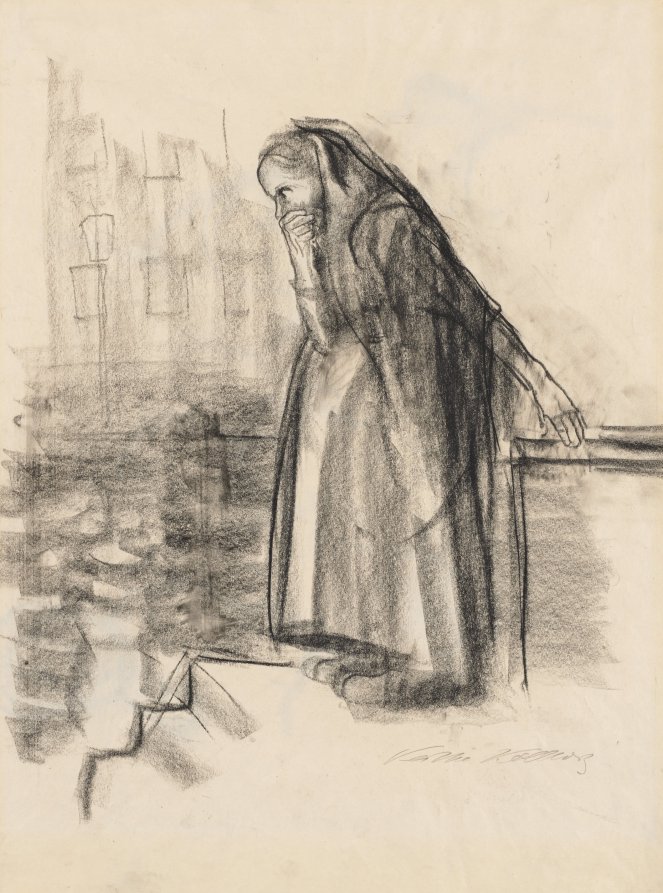
Käthe Kollwitz
Kollwitz produced powerful prints and drawings depicting working class suffering and the trauma of war with unflinching realism and emotional directness that parallels Dix's own confrontational social commentary.
Artists who inspired them
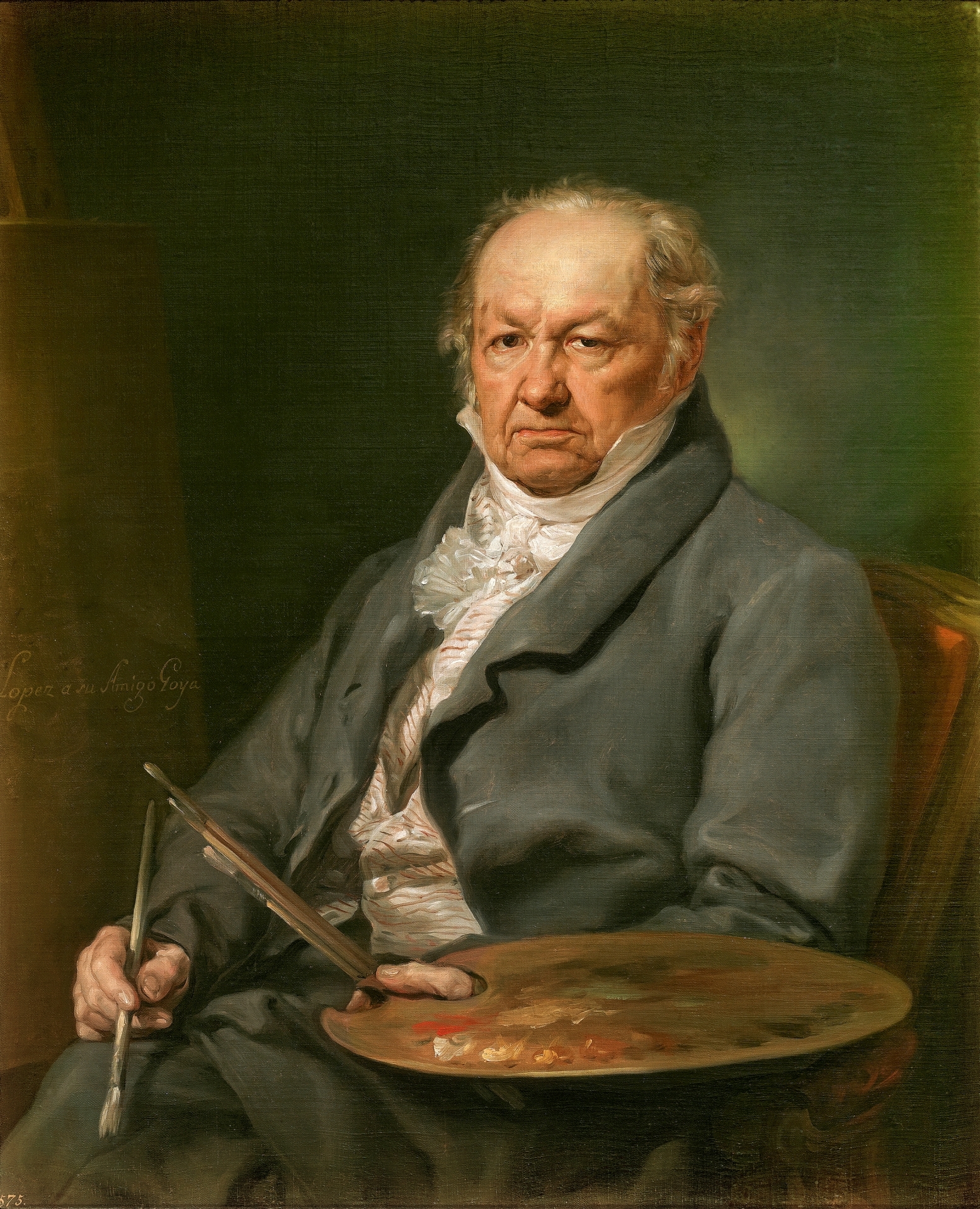
Francisco Goya
Dix explicitly admired Goya's unflinching depictions of war atrocity and human cruelty, and his own war prints echo Goya's Disasters of War in their brutal honesty and satirical condemnation of violence.
Hans Baldung
Baldung's macabre Northern Renaissance imagery combining eroticism, death and moral allegory directly informed Dix's own exploration of sexuality, decay and human mortality in his figurative works.
Artists they inspired
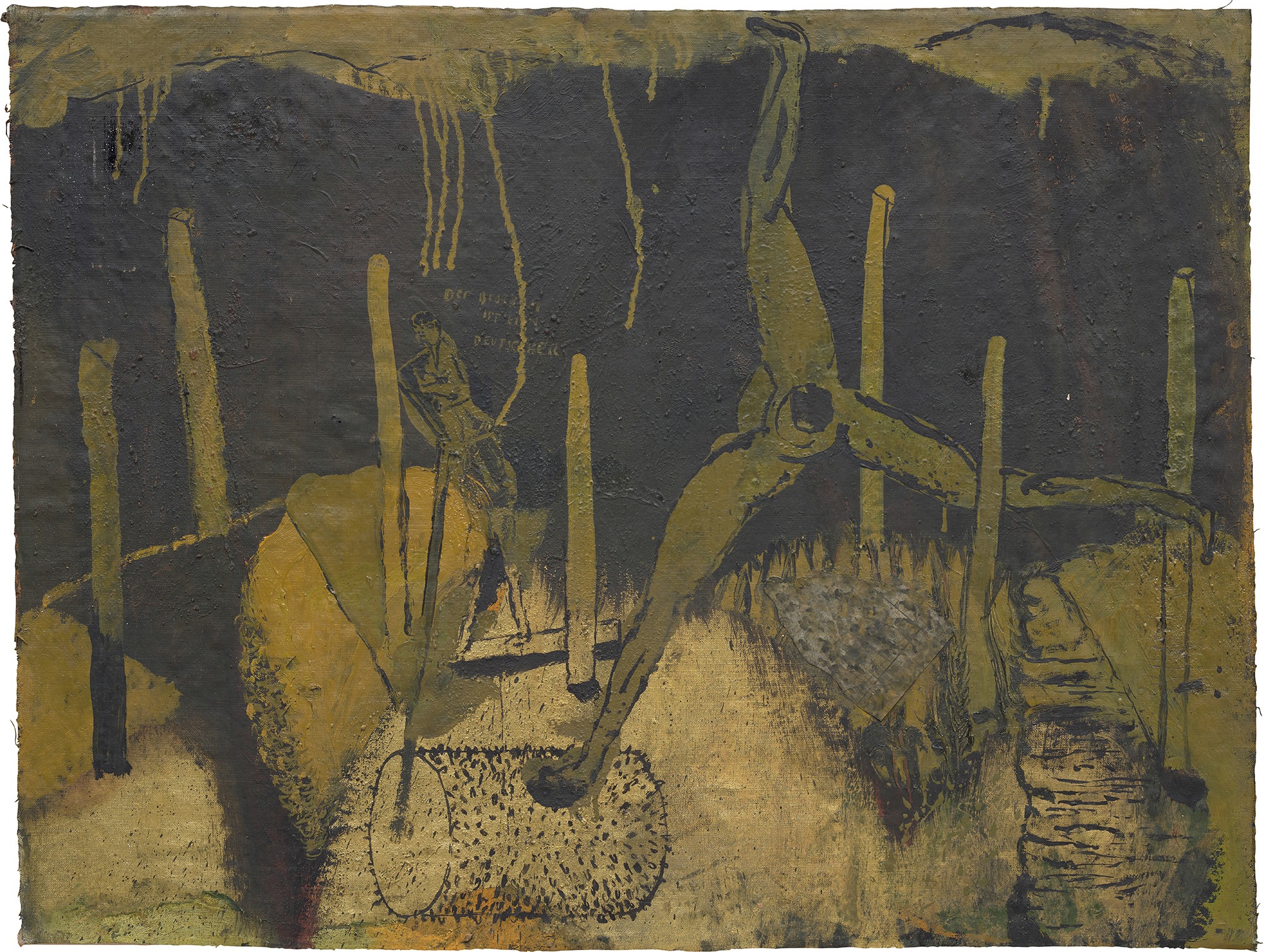
Neo Rauch
Rauch's psychologically charged figurative painting rooted in German tradition draws on Dix's New Objectivity legacy, combining dreamlike narrative with bold figuration and a distinctly German sense of unease.
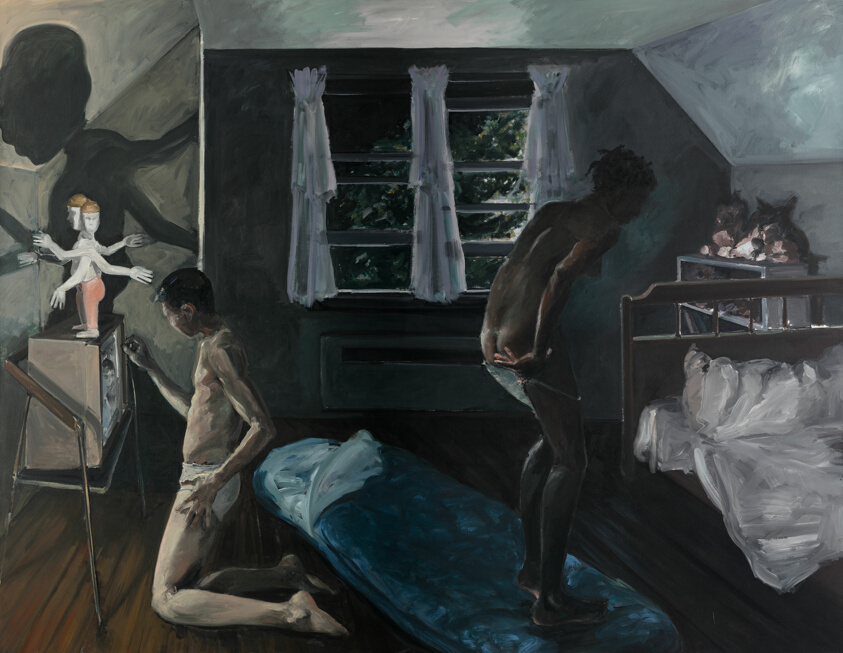
Eric Fischl
Fischl's unflinching realist figurative paintings exposing psychological tension and social discomfort in everyday scenes reflect a debt to Dix's model of using portraiture and figure painting as social commentary.

Jenny Saville
Saville's monumental and confrontational painted bodies engage with flesh, vulnerability and gender in ways that consciously extend Dix's tradition of unflinching figurative realism and psychological intensity.