Dark
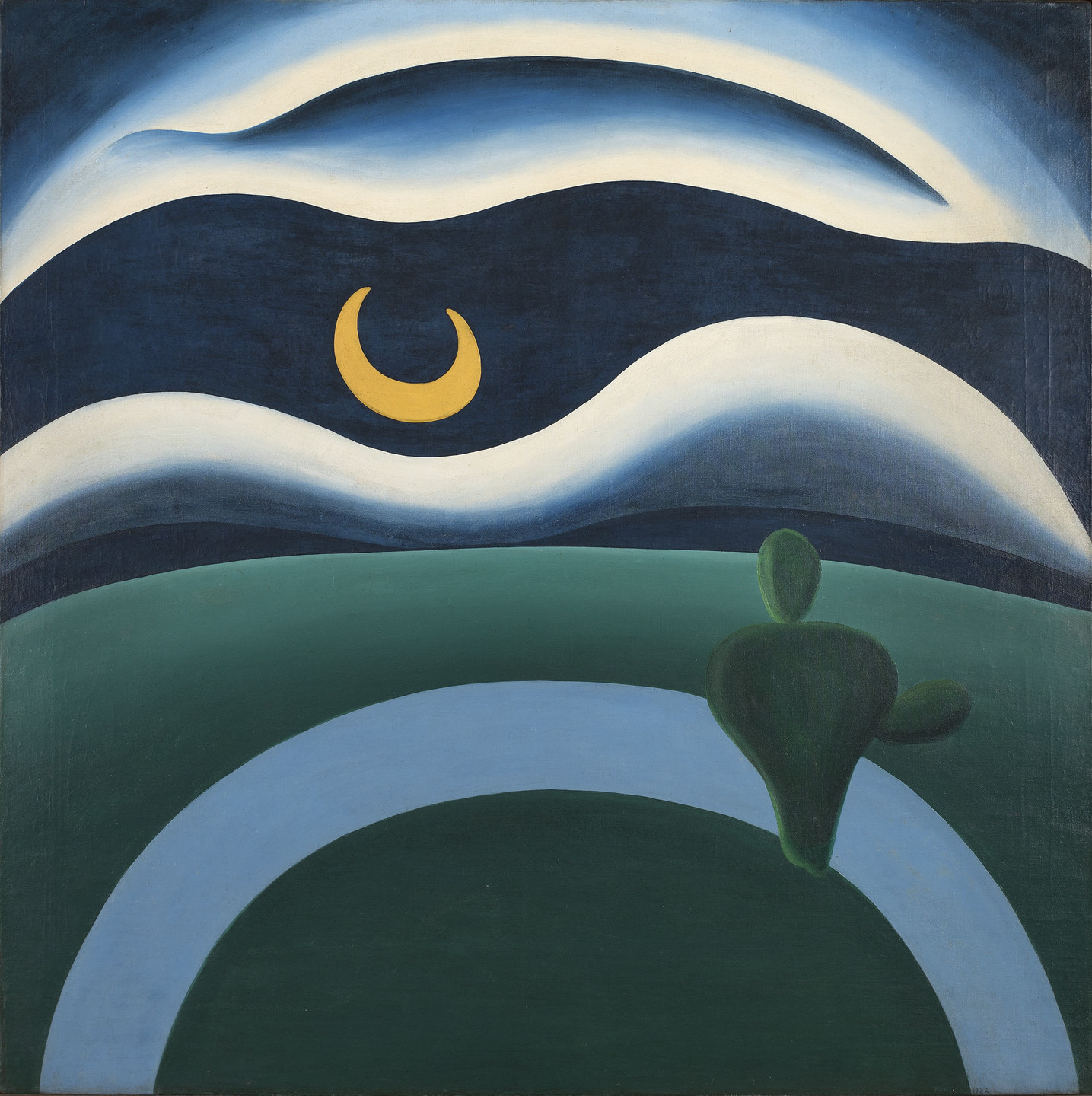
Tarsila do Amaral
The Moon, 1928
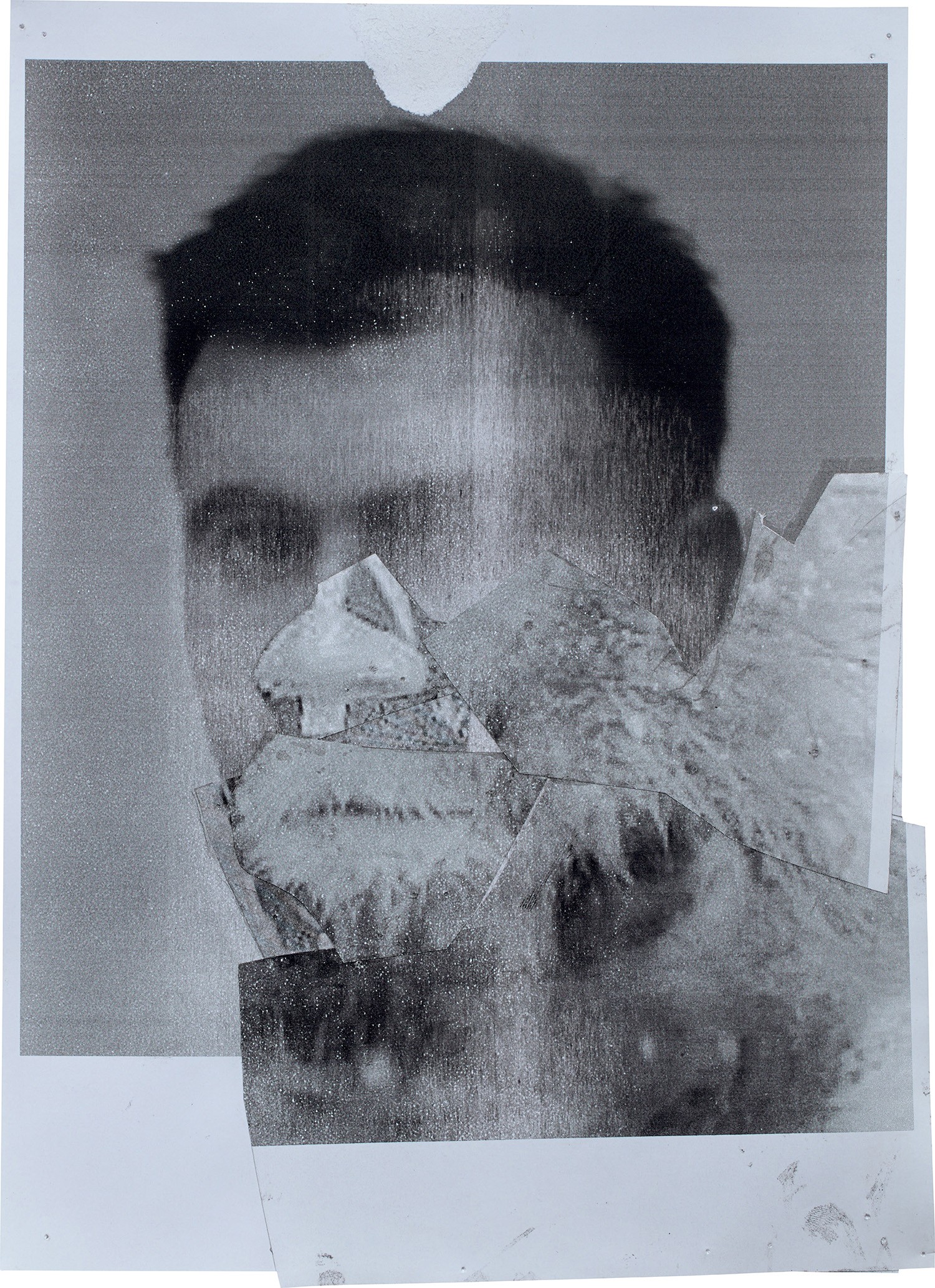
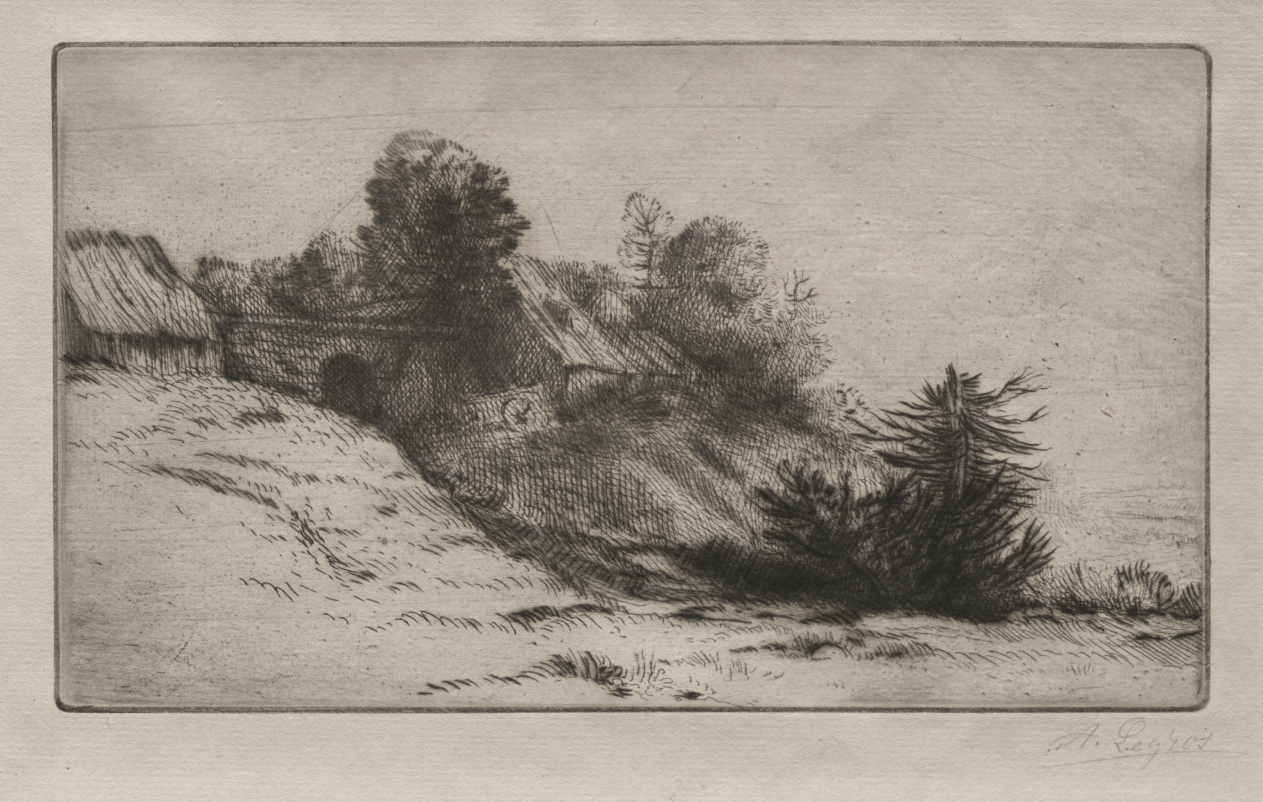
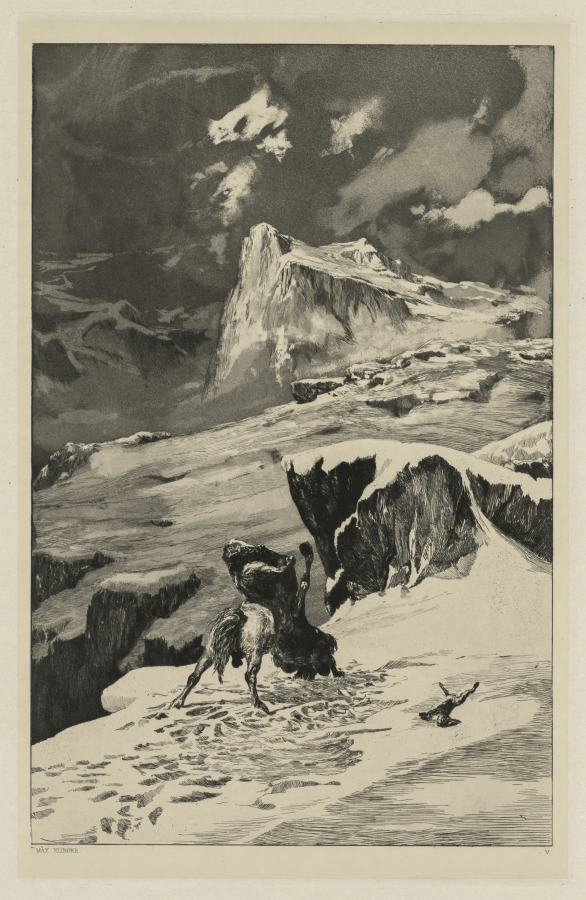
Into the Dark: Art's Most Lucrative Obsession
When Francis Bacon's Triptych inspired by the Oresteia of Aeschylus sold at Sotheby's London for over 84 million dollars in 2020, it confirmed something the market had been signaling for years: darkness, in the right hands, is not a liability but a gravitational force. Collectors who once hedged toward the decorative and the resolved have steadily turned toward work that unsettles, that refuses comfort, that carries the weight of something unfinished. The appetite for art that operates in shadow, psychologically and aesthetically, has never been more pronounced or more consequential. This shift is not purely commercial.
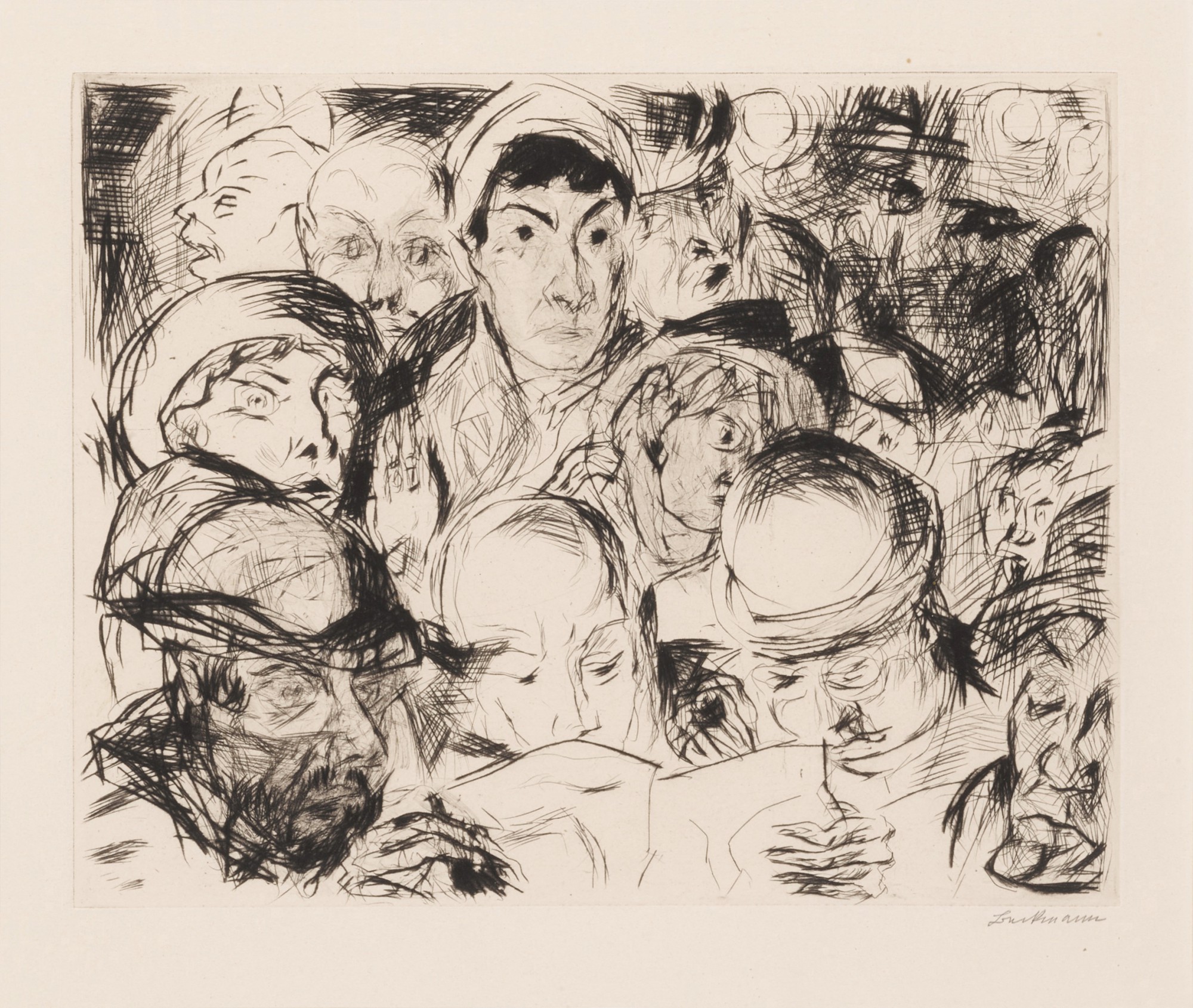
It mirrors a broader recalibration in how institutions frame their collecting and exhibition mandates. The Staatsgalerie Stuttgart's sustained commitment to German Expressionism, the Tate Modern's ongoing attention to artists like Kara Walker, and the Museum of Modern Art's persistent engagement with figures such as Max Beckmann all point toward an institutional consensus that the dark register in art is not a subcategory but a central tradition. Walker's retrospective presence across American institutions over the past decade, and her inclusion in the 2022 Venice Biennale's broader conversation about historical violence and representation, demonstrates how work that traffics in dread and confrontation has moved to the very center of the critical project. The auction record for Bacon, who is exceptionally well represented on The Collection, functions almost as a benchmark for this entire conversation.
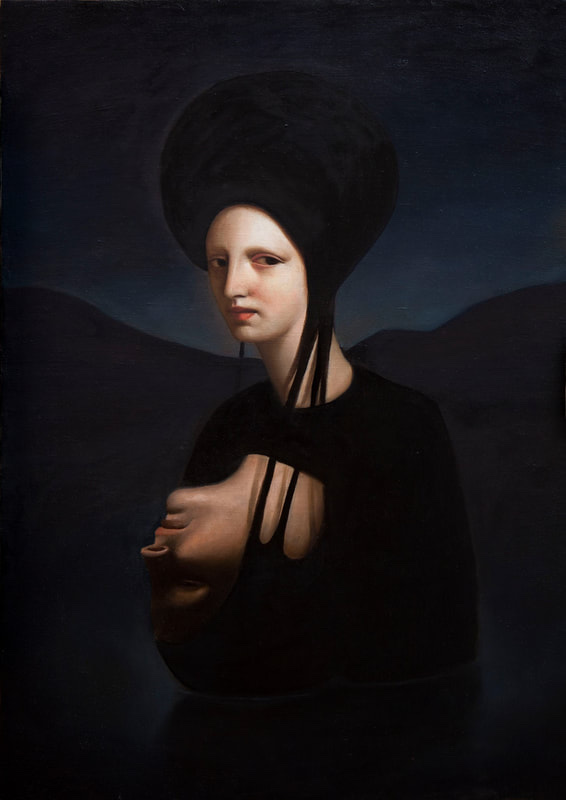
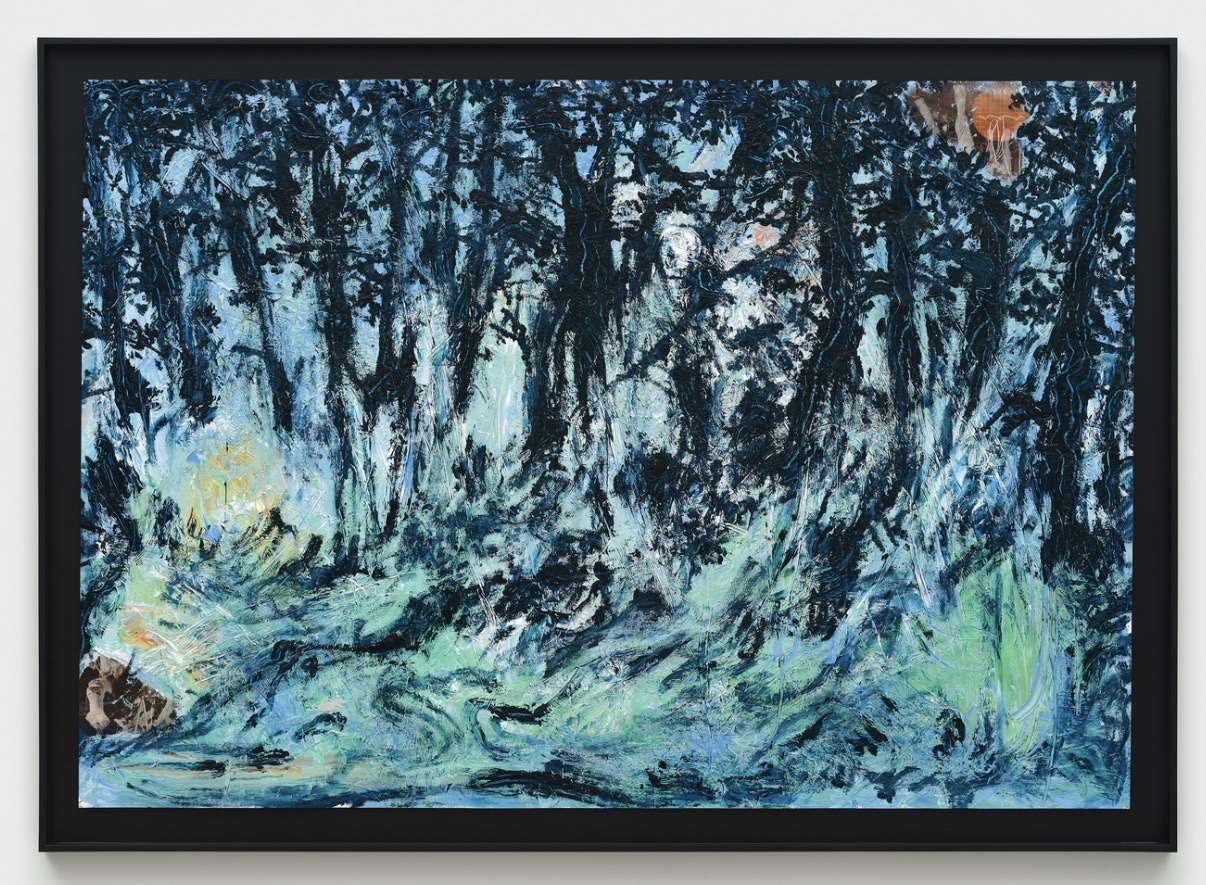
Alessandro Sicioldr
2018, 2018
His prices have remained among the most elevated in the postwar category for two decades, but what is interesting now is how his market has created permission for adjacent artists. Adrian Ghenie, whose painterly nightmares draw explicit lineage from Bacon while engaging with twentieth century historical trauma, has seen his prices rise sharply at Christie's and Phillips since his breakthrough inclusion in the Romanian Pavilion at the 2015 Venice Biennale. A single Ghenie canvas can now exceed three million dollars at auction, a figure that would have been unimaginable a decade ago. The market is reading him not as derivative but as a genuine heir to a tradition it values enormously.
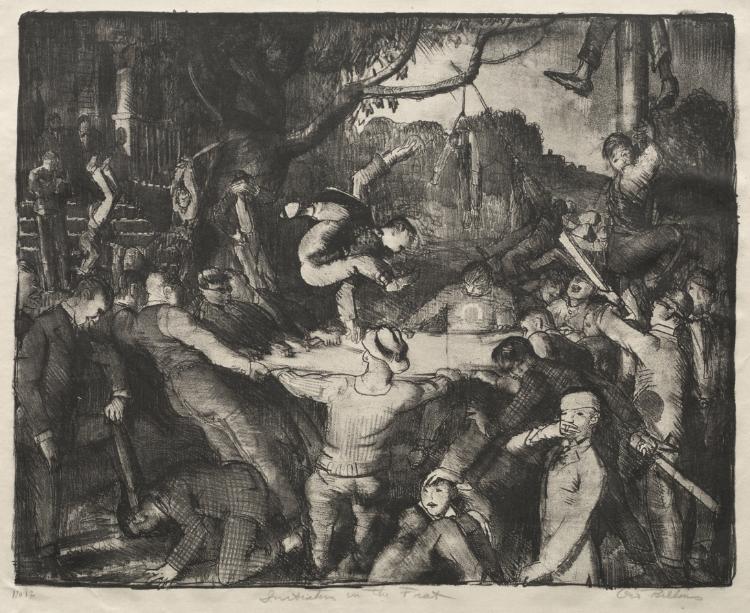
Otto Dix and George Grosz, whose work emerged from the Weimar Republic's particular atmosphere of moral collapse and political violence, have found renewed attention in the current moment. Their prints and drawings surface regularly at auction, and the scholarly apparatus around them has deepened considerably. Publications like October and Texte zur Kunst have run serious critical reassessments of both figures over the past several years, arguing that their satirical grotesquerie speaks directly to contemporary anxieties about democracy and spectacle. George Bellows, whose boxing paintings occupy a fascinating intersection between athletic energy and physical brutality, has also attracted fresh curatorial attention in American contexts, particularly around questions of bodies, violence, and the gaze.
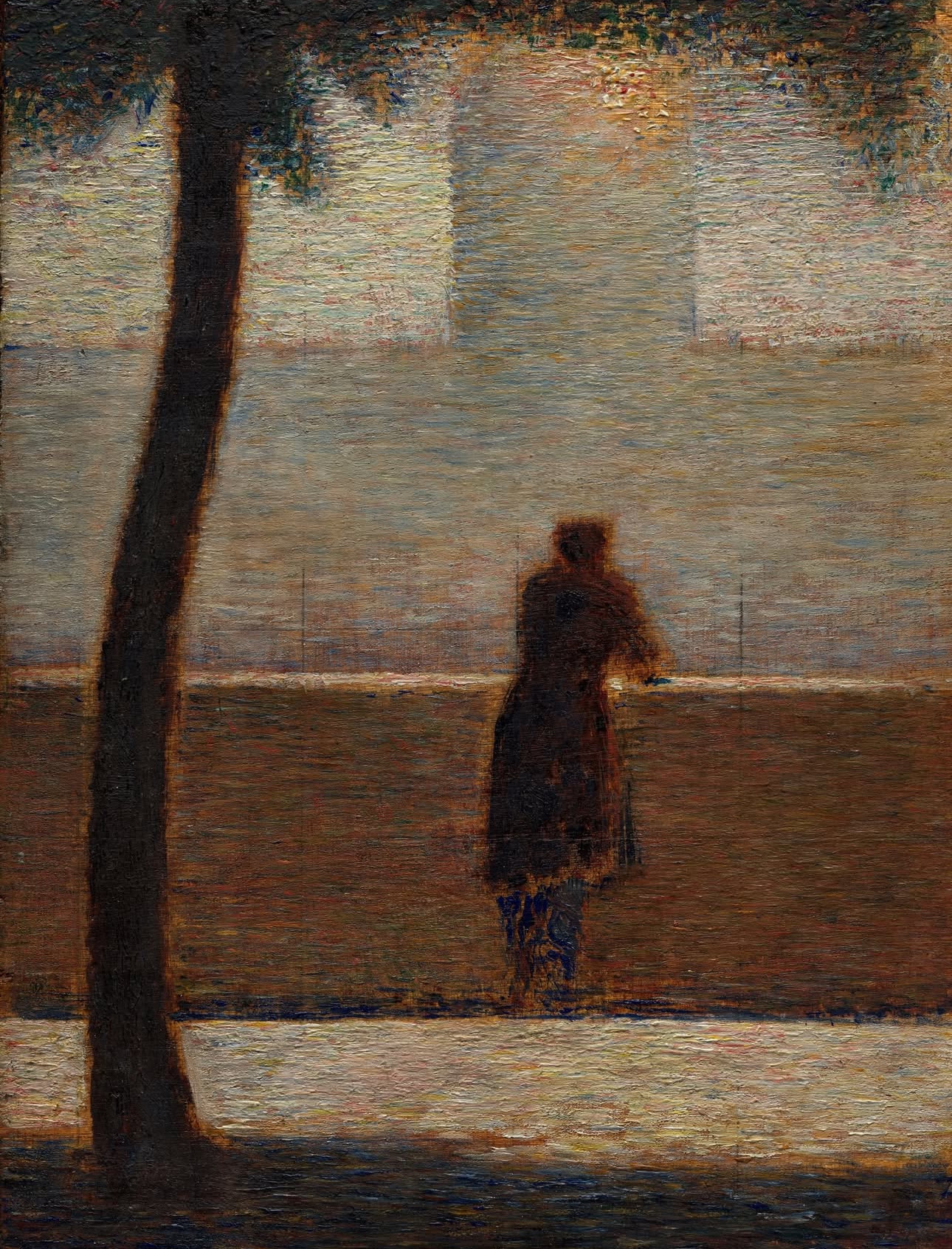
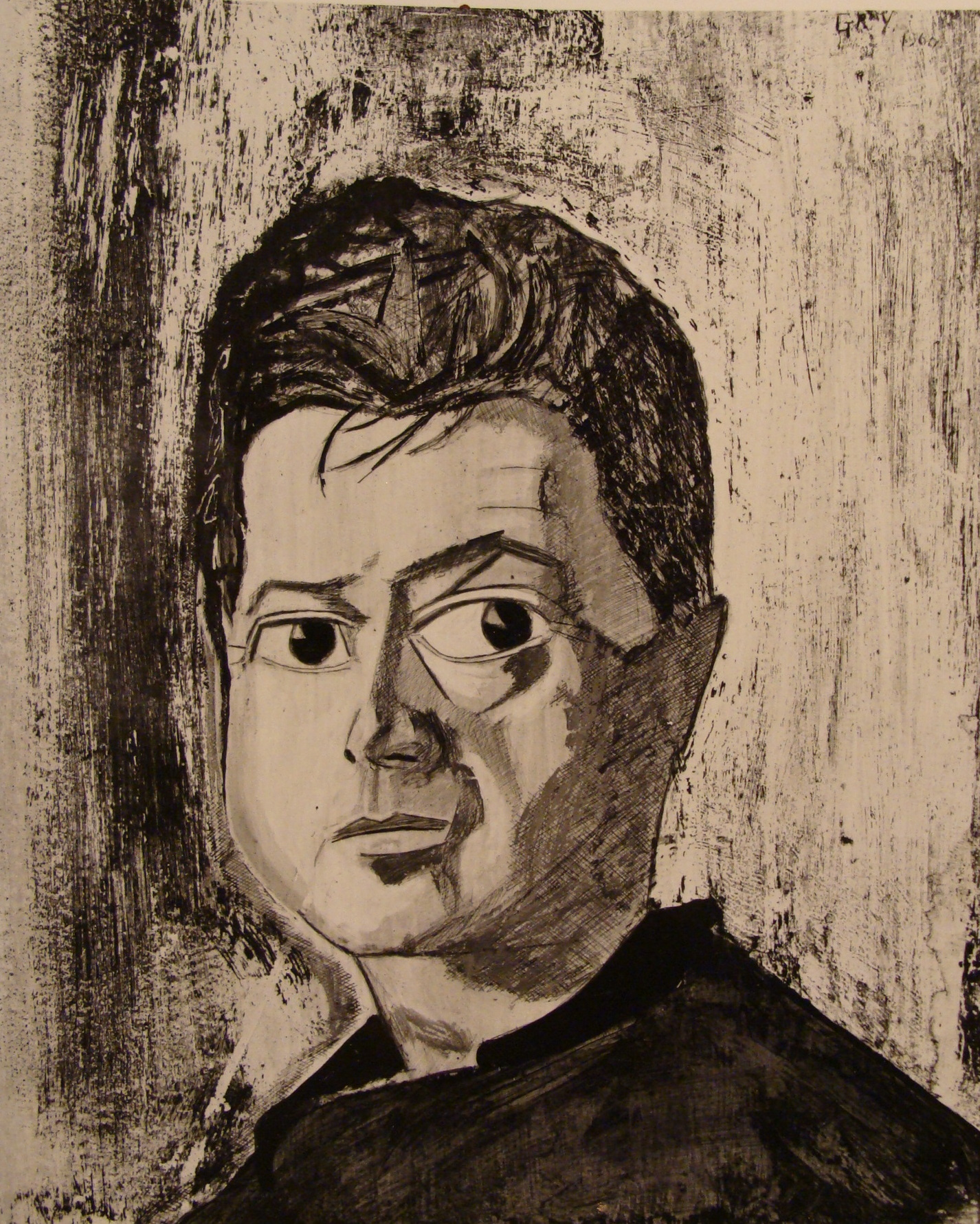
Georges Seurat
Man Leaning on a Parapet, 1881
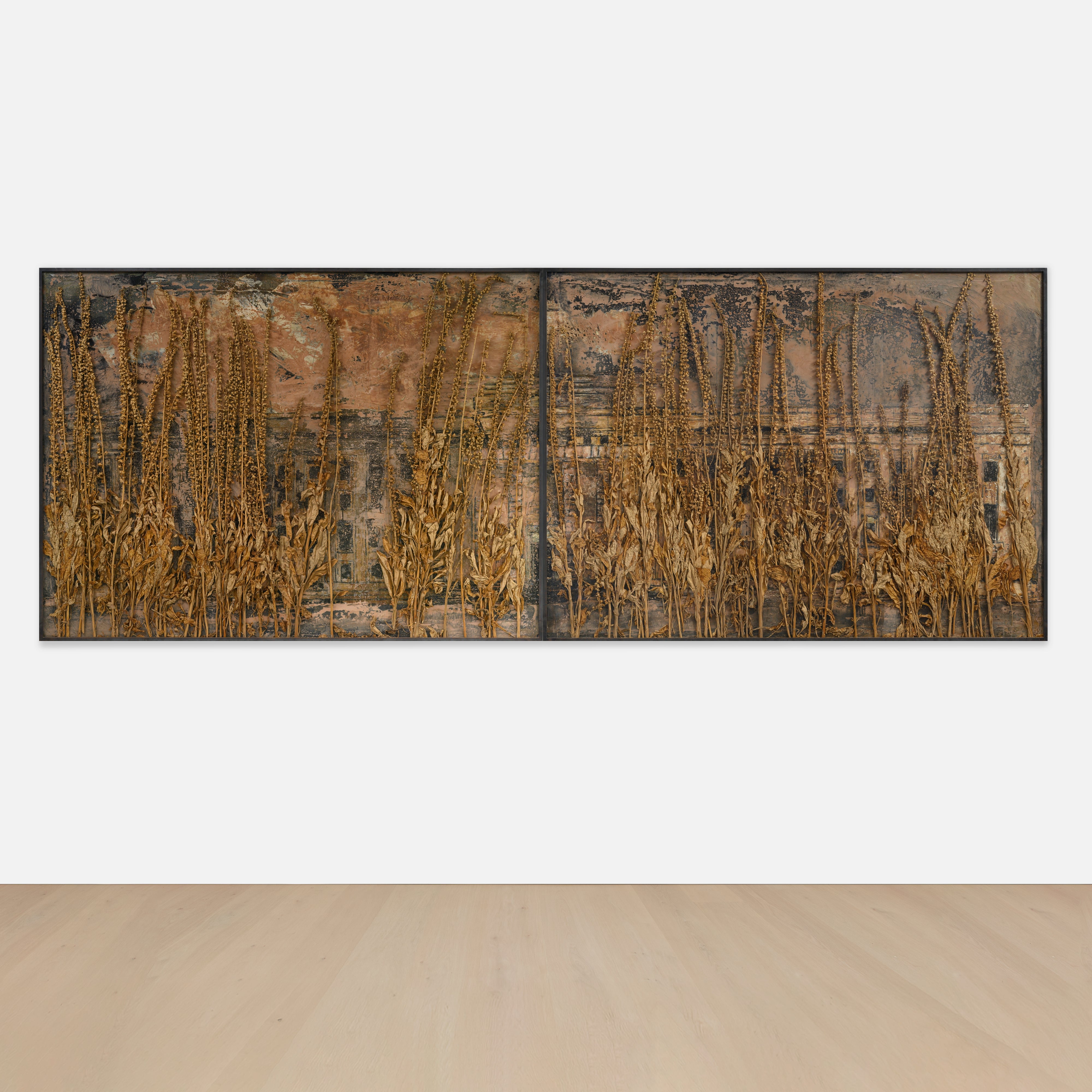
Anselm Kiefer stands somewhat apart from the rest of this conversation, operating at a scale and ambition that makes comparison difficult. His major retrospectives at the Centre Pompidou in 2015 and the Royal Academy in London in 2014 drew enormous crowds and confirmed his status as perhaps the most serious living painter engaged with darkness as a subject. His work addresses German guilt, mythological catastrophe, and the landscape as a site of historical wound. Prices for significant Kiefer canvases at auction routinely exceed four million dollars, and institutions from the Guggenheim to the Astrup Fearnley in Oslo actively seek his work.
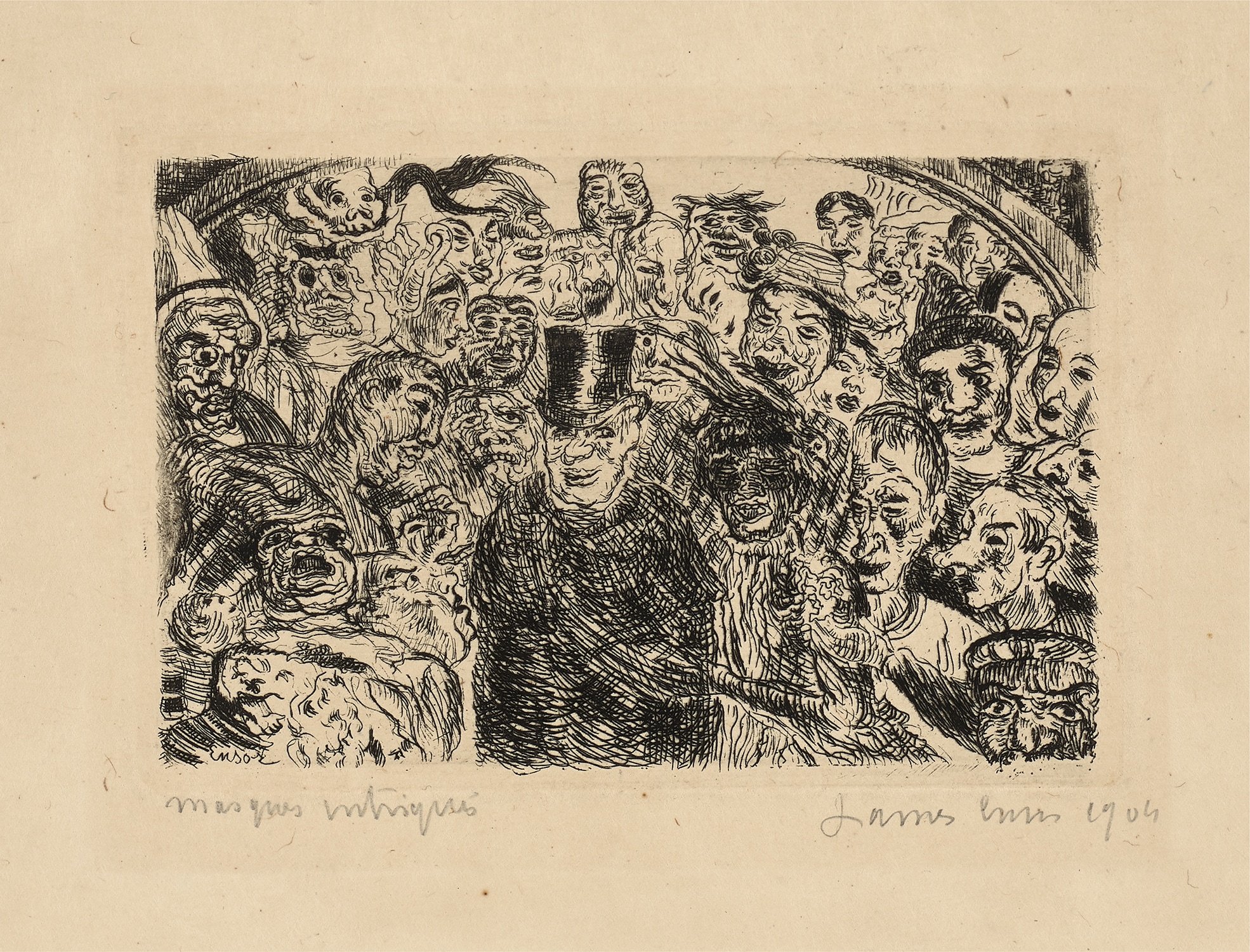
He occupies the Collection with considerable presence, and the range of his output makes him one of its most intellectually rich nodes. James Ensor, whose grotesque masked figures and carnivalesque chaos anticipated Expressionism and Surrealism both, has been the subject of a quiet but meaningful critical rehabilitation. The Royal Museum of Fine Arts in Antwerp, which holds his archive and a significant portion of his output, hosted a centenary exhibition in 2018 that attracted serious international attention. Ensor's work operates at the intersection of comedy and horror in a way that contemporary audiences find strangely legible.
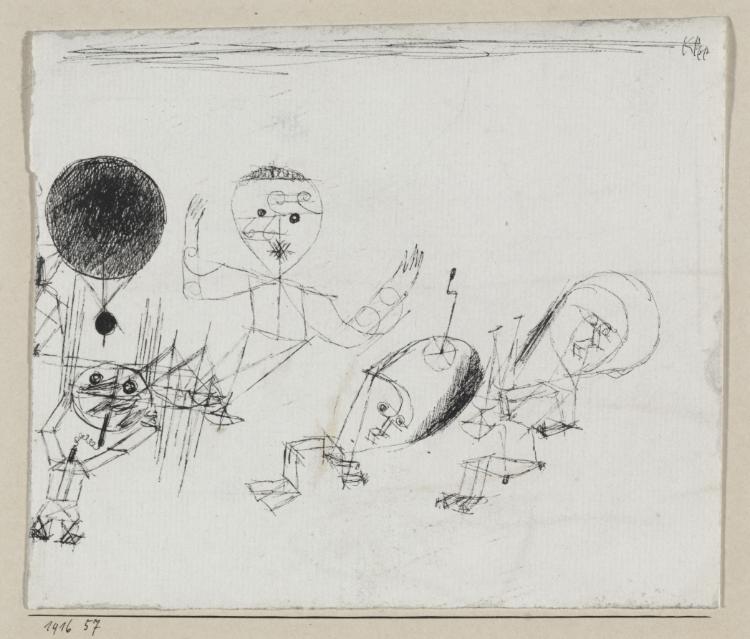
Paul Klee
With the Dot, 1916
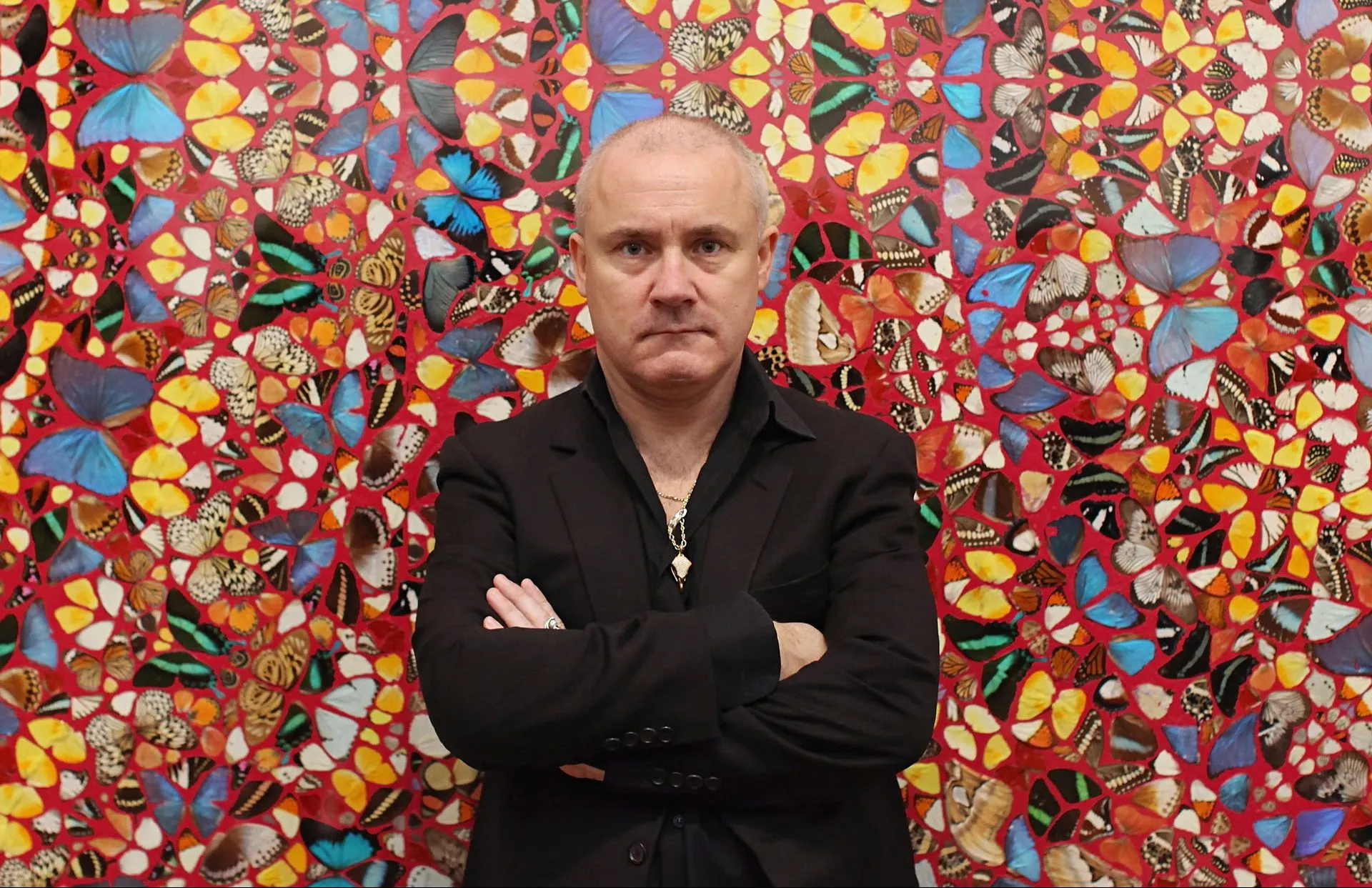
Damien Hirst, whose engagement with death, medicine, and mortality made him the most discussed British artist of the 1990s, continues to polarize critical opinion even as his market remains robust. His spot paintings and vitrines feel more settled now, but the work that foregrounds biological decay and bodily vulnerability retains a visceral charge. Among the writers and curators shaping this conversation, T.J.
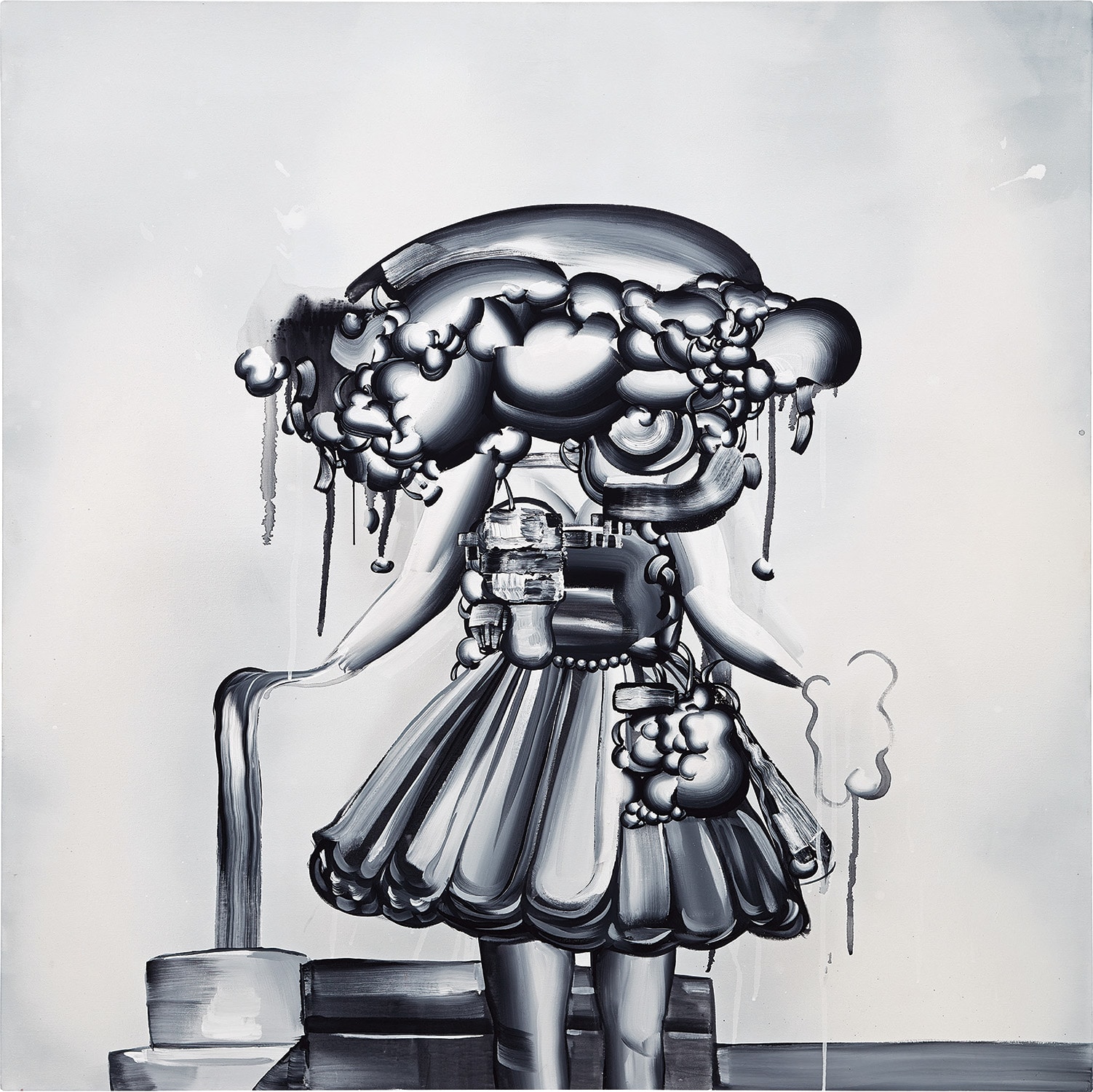
Clark's sustained attention to the social conditions of dark painterly traditions remains foundational. More recently, curators like Massimiliano Gioni and Adriano Pedrosa have been instrumental in reframing what institutions mean when they claim to collect the difficult. Frieze and Artforum have run substantial features on artists like Tomoo Gokita, whose monochromatic gouaches of distorted figures carry a quality of psychological menace that collectors in Tokyo, New York, and London have found consistently compelling. Ivan Albright, whose meticulous paintings of decay and mortality were celebrated at the Art Institute of Chicago as early as 1964, feels almost prescient in the current context, and there is quiet energy around reassessing his place in the American tradition.
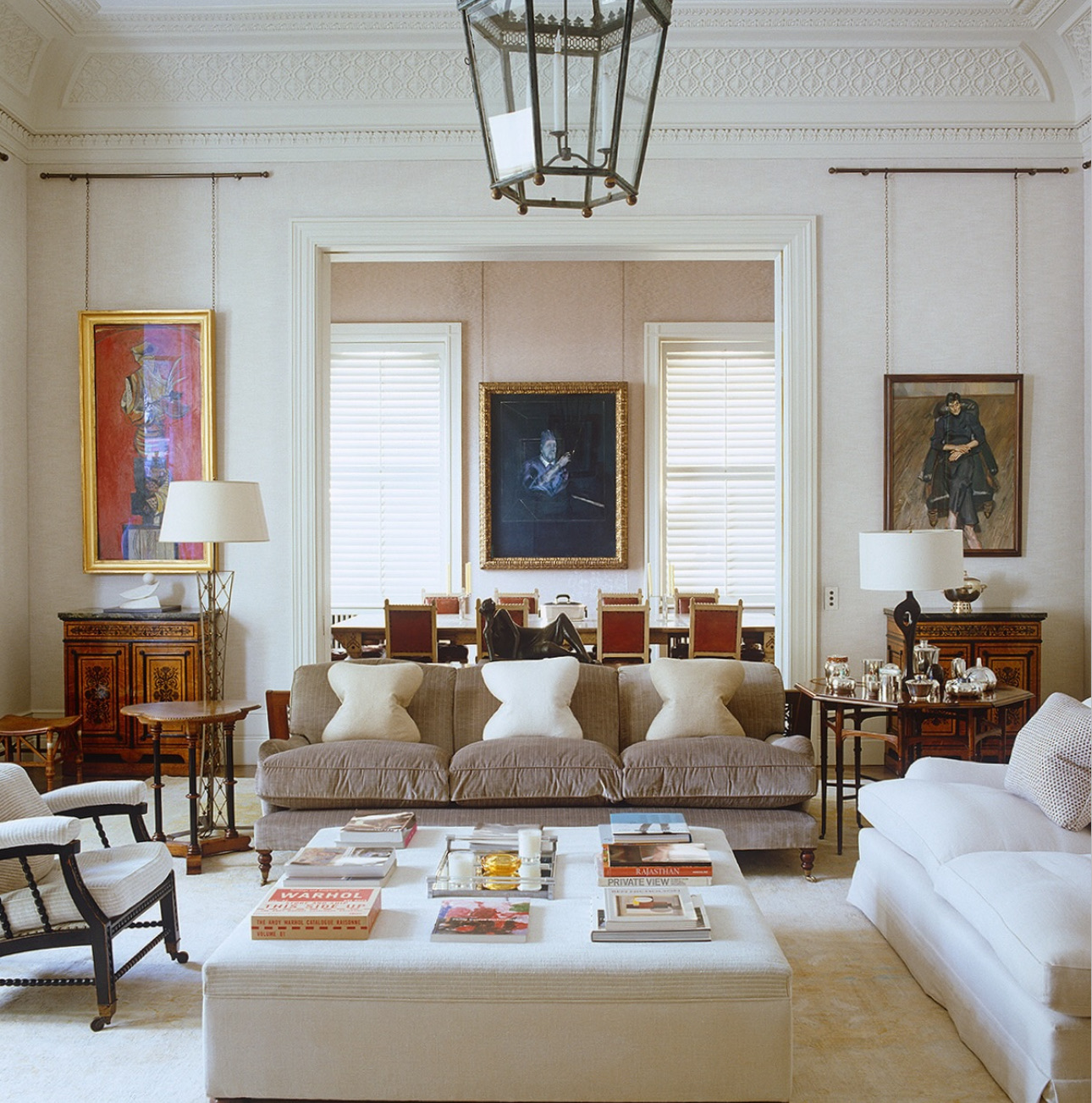
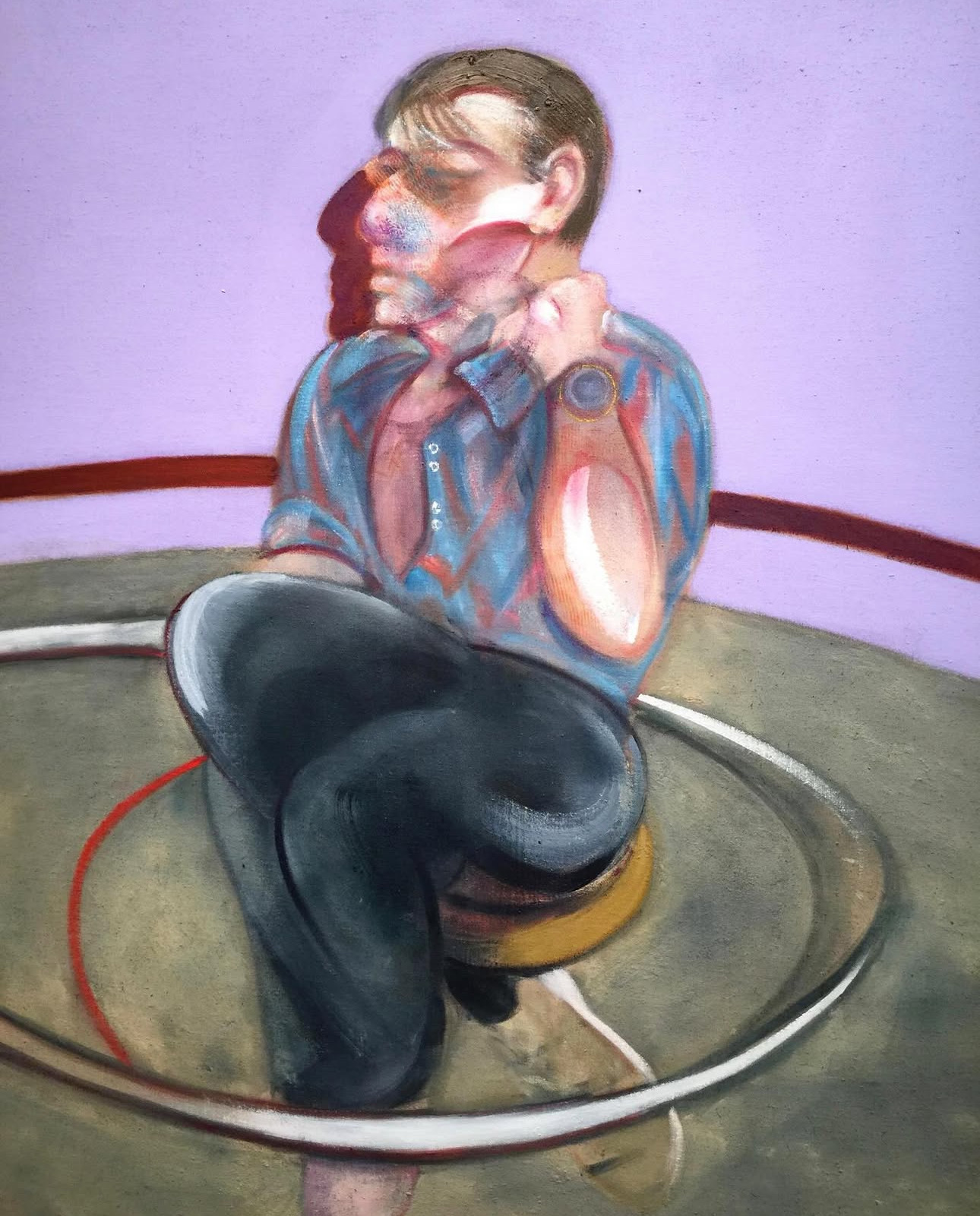
Francis Bacon
Untitled
What feels genuinely alive right now is the intersection between dark aesthetics and questions of history, trauma, and collective memory. Kara Walker's silhouettes, Andres Serrano's confrontational imagery, and Chiharu Shiota's installations of tangled thread and absence all suggest that darkness in contemporary art is less about individual psychological expression and more about shared historical weight. The surprise is that the market seems to understand this distinction and is pricing accordingly. Work that uses shadow and dread as mere stylistic affect is beginning to feel thin against work that earns its darkness through serious engagement with what humans have done to one another and to the world.
That is where the serious collecting is heading, and the Collection's depth in this territory reflects exactly that conviction.