Otto Dix
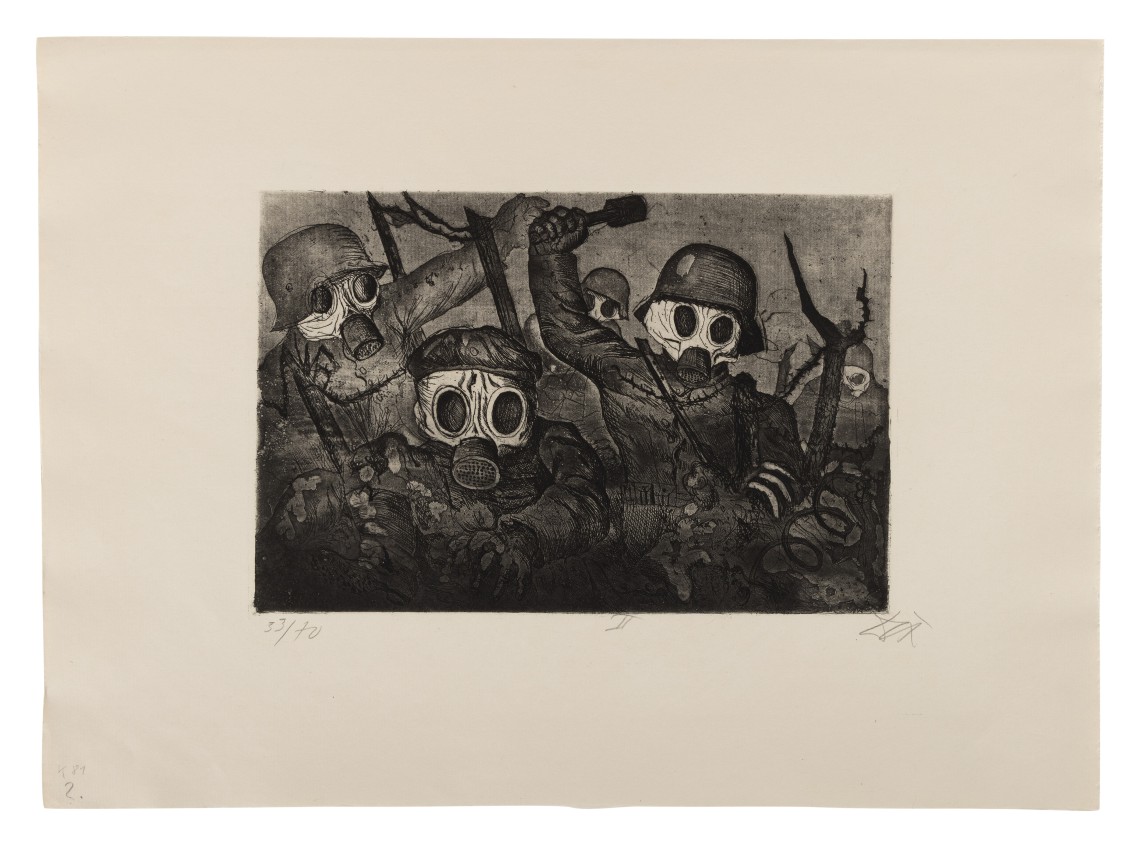
Otto Dix: A Vision That Changed Everything
Artist Spotlight · The Collection Editorial
“I had to experience how someone beside me suddenly falls over and is dead and the bullet has hit him squarely.”
Otto Dix, interview recounting his war experience
When the Kunstmuseum Stuttgart mounted its landmark retrospective of Otto Dix's work, visitors lined up around the block to stand before paintings that felt as urgent and alive as the day they were made. That hunger for Dix has never really abated. From Berlin to New York, from Tokyo to São Paulo, his work continues to surface at the center of conversations about what art can do when it refuses to look away. There is a reason museums compete fiercely for his prints and paintings, and why serious collectors treat a Dix acquisition as among the most meaningful of their careers.
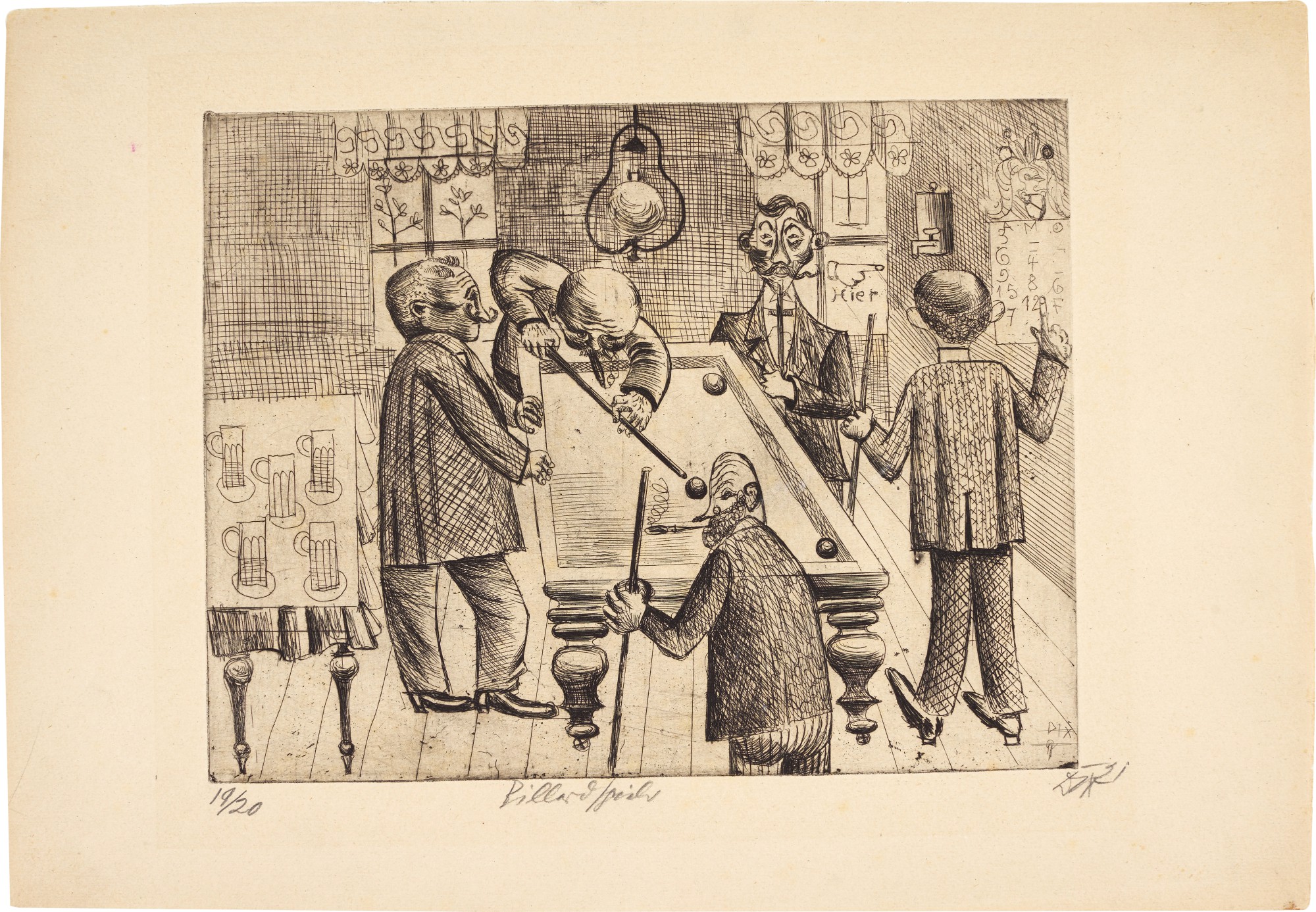
Otto Dix
Billardspieler (K. 12)
He was, and remains, one of the most consequential artists the twentieth century produced. Wilhelm Heinrich Otto Dix was born on December 2, 1891, in Untermhaus, a small town near Gera in the Thuringian region of Germany. His father was an ironworker, his mother a seamstress with a love of culture and an encouragement of her son's early creative instincts. Growing up in a working class household gave Dix an intimate familiarity with labor, with the textures of ordinary life, and with the bodies of people who worked hard and aged visibly.
That grounded perspective never left him. He studied at the Kunstgewerbeschule in Dresden from 1909, absorbing the technical traditions of the old masters alongside the radical new energies of German Expressionism. The formation was wide and serious, drawing on sources from Albrecht Dürer and Lucas Cranach to Vincent van Gogh and the crackling intensity of the Brücke painters. Then came the First World War, and everything changed.
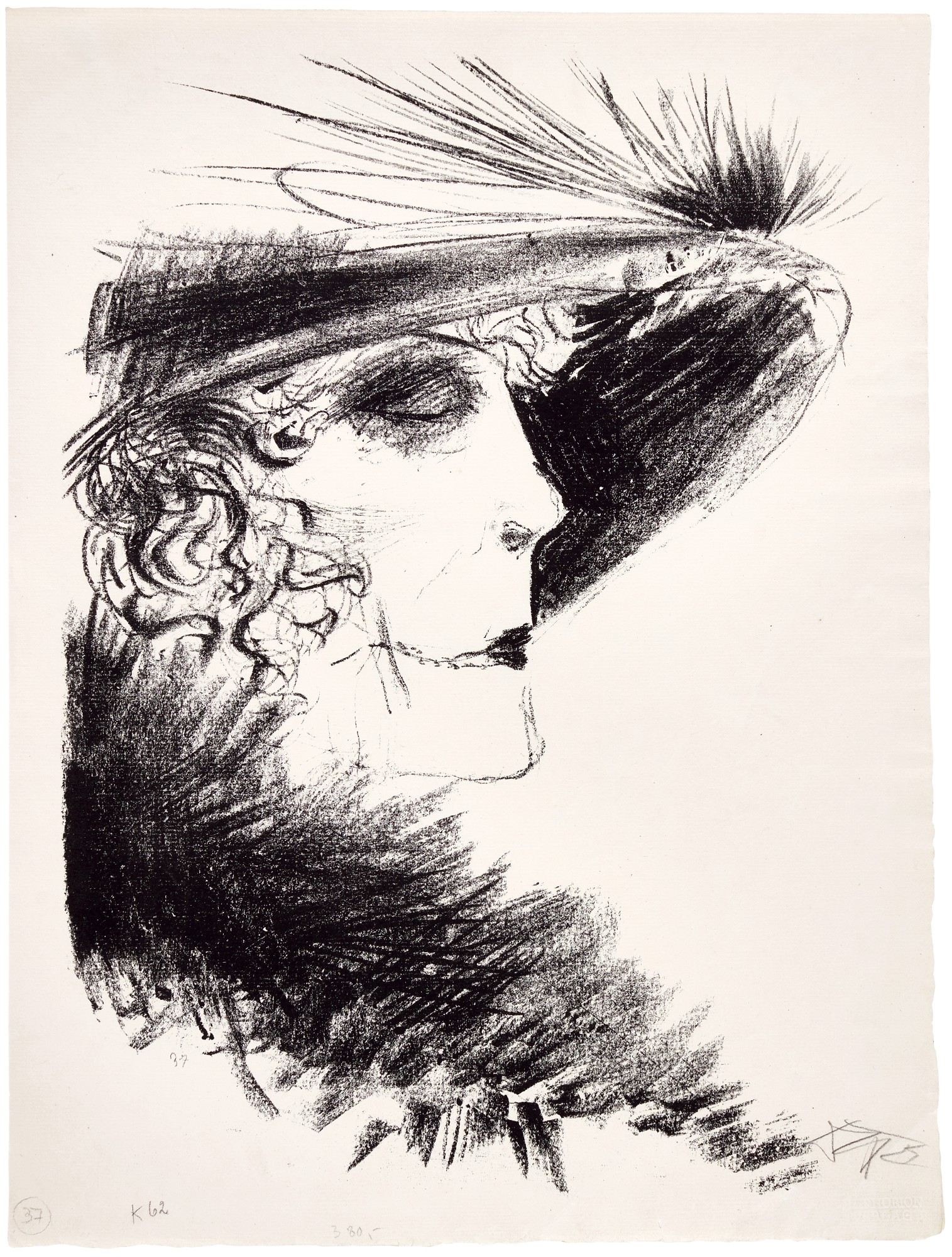
Otto Dix
Dame mit Reiher (K. 62II)
Dix enlisted voluntarily in 1914 and served as a machine gunner on both the Western and Eastern Fronts, earning the Iron Cross and surviving experiences of almost unimaginable violence. He kept sketching throughout, filling notebooks with images of the trenches, of wounded soldiers, of landscapes turned to mud and ruin. Where many of his contemporaries were destroyed by the war, Dix emerged from it with a ferocious artistic purpose. The conflict became the great subject from which all his subsequent work radiated outward.
“I painted in order to get the terrible images out of my system. It was all about exorcism.”
Otto Dix, on his war paintings
He returned to Dresden after the armistice and threw himself into his practice with extraordinary intensity, studying at the Dresden Academy under Otto Gussmann and engaging with the full ferment of Weimar Republic culture. Dix became one of the central figures of Neue Sachlichkeit, or New Objectivity, the movement that emerged in the early 1920s as a reaction against the inward emotion of Expressionism. Where Expressionism turned feeling into distortion, New Objectivity turned its merciless eye outward, onto the social world with all its cruelty, beauty, inequality, and absurdity. Dix shared this orientation with figures such as George Grosz and Max Beckmann, but his approach was distinctly his own.
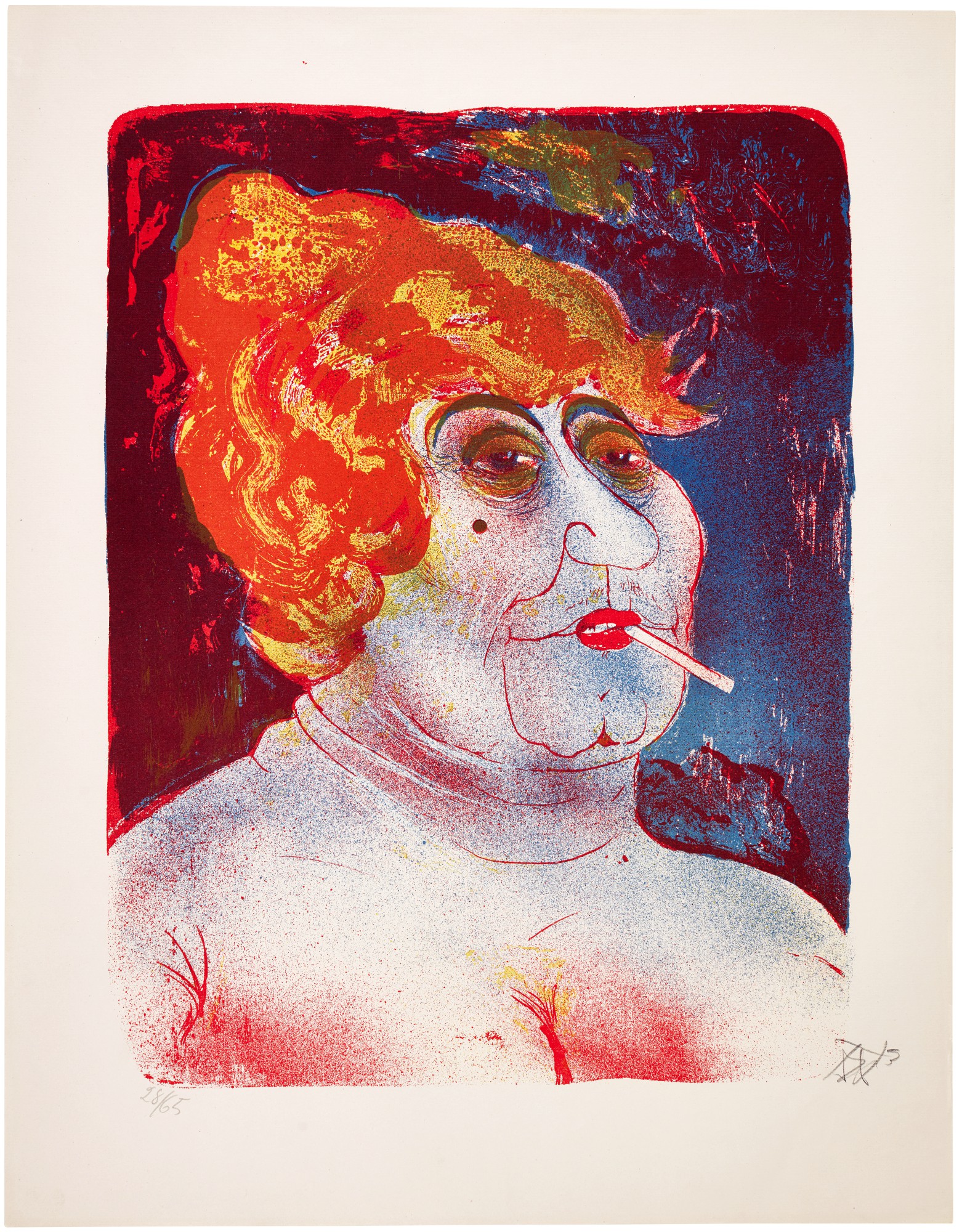
Otto Dix
Kupplerin (K. 69II)
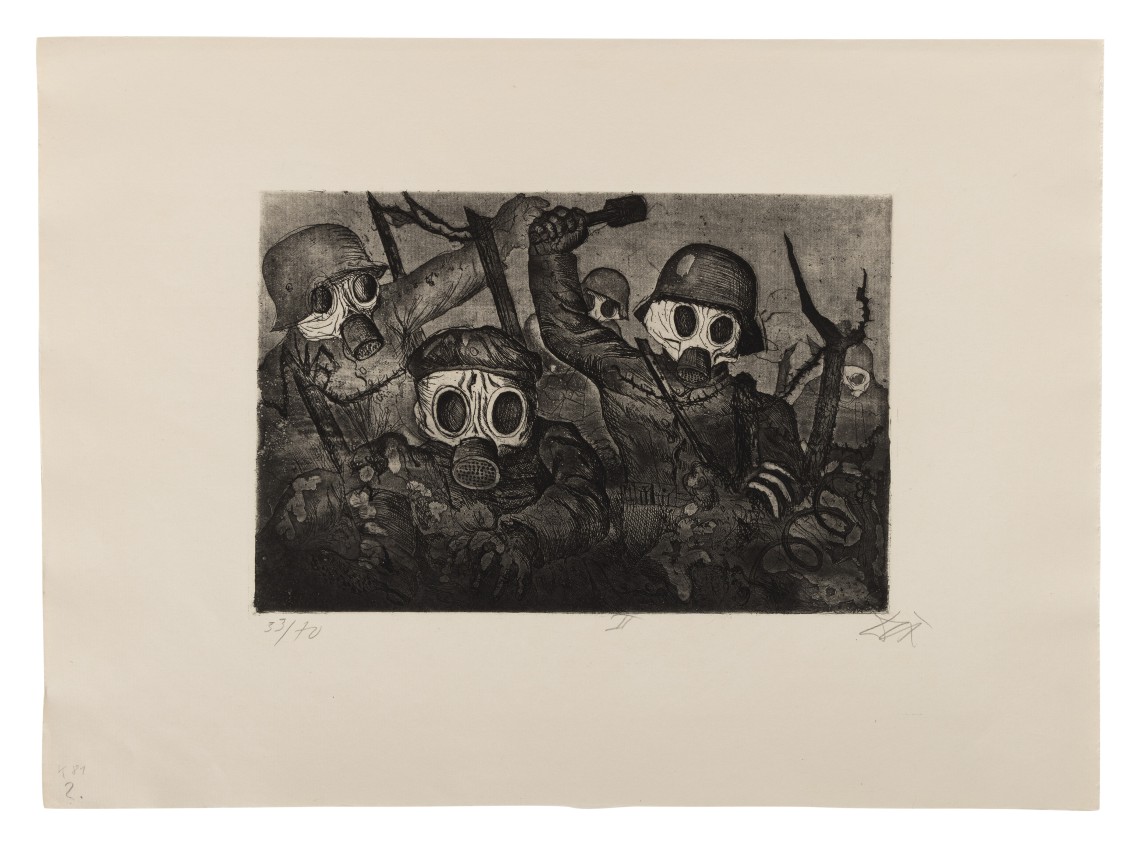
He combined a revival of old master technique, including the layered glazing methods of the Northern Renaissance, with subject matter drawn from the brothels, cabaret halls, veterans' hospitals, and street corners of Weimar Germany. The result was a body of work that was simultaneously technically dazzling and morally unflinching. Among the works that define his achievement, the portfolio series Der Krieg from 1924 stands as a monument of printmaking in the Western tradition. Comprising fifty etchings and aquatints, the cycle documents the full arc of trench warfare with a documentary ferocity and formal mastery that places it alongside Goya's Disasters of War as one of the great antiwar statements in the history of art.
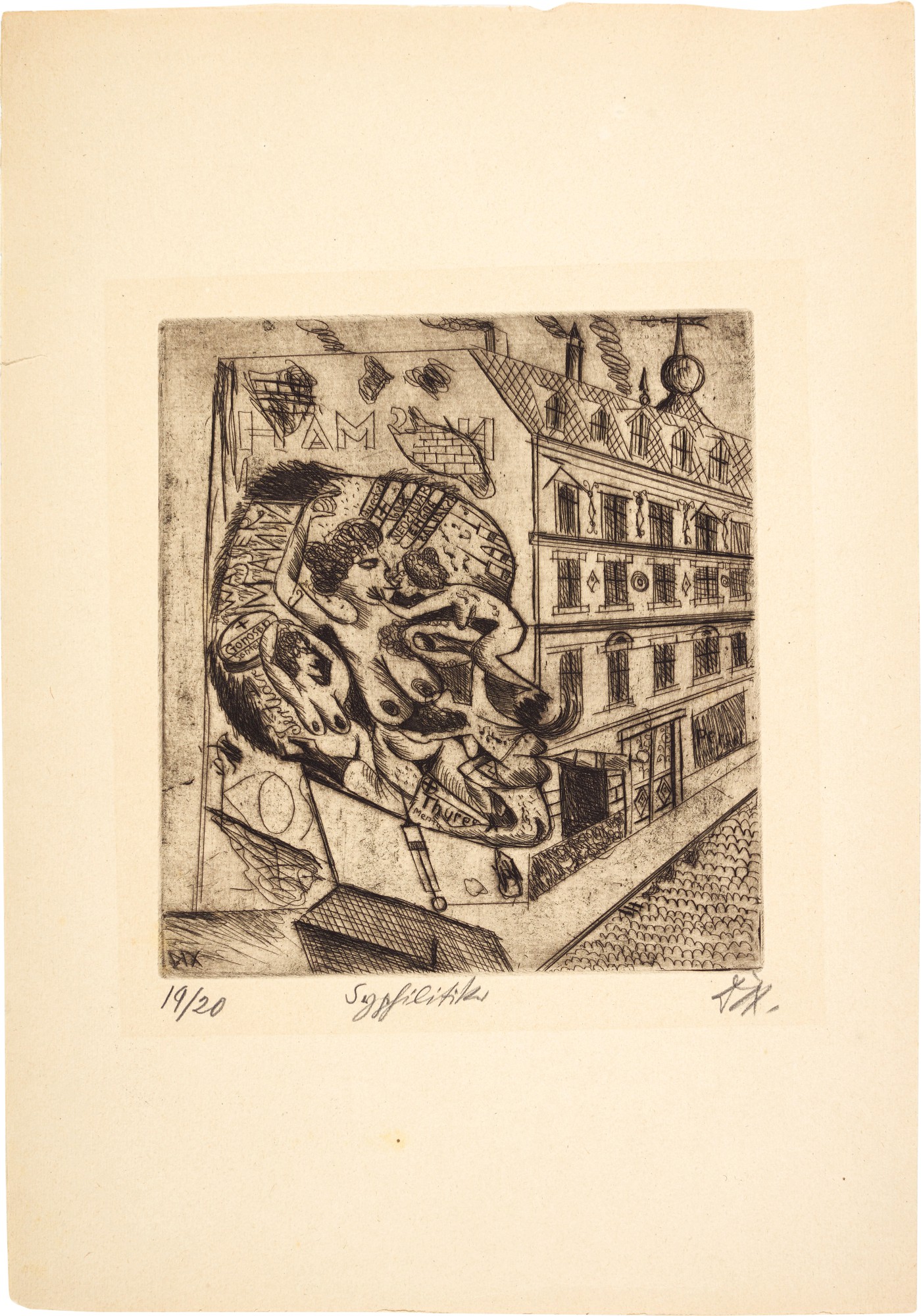
His paintings of this period, including the monumental triptych Der Krieg from 1929 to 1932 now housed at the Staatliche Kunstsammlungen Dresden, bring the same unstinting vision to an enormous scale. His portraits of Weimar society figures, his images of sex workers and veterans and cabaret performers, and his late landscapes of Lake Constance all demonstrate the extraordinary range of a painter who was never content with a single register. Works such as Syphilitiker, Lustmörder, Alte Dirne, and the tender and complex Liegender Akt show the full breadth of his curiosity and his technical command. For collectors, Dix presents one of the most rewarding areas of focused study within early twentieth century German art.
Otto Dix
Syphilitiker (K. 15)
His prints, including the Karsch catalogued etchings and lithographs, offer a point of entry that combines relative accessibility with profound art historical significance. The Karsch catalogue raisonné, compiled by Florian Karsch in 1970, remains the essential reference for authentication and provenance research. Auction records at Christie's, Sotheby's, and Ketterer Kunst in Munich have shown sustained strength for Dix's works across multiple decades, with his major prints regularly achieving significant results and his paintings commanding serious attention when they appear. What distinguishes a great Dix collection is not merely the presence of individual masterworks but an understanding of how his printmaking and his painting illuminate one another, how the intimacy of an etching and the ambition of a large canvas speak the same moral language.
Dix belongs to a generation of German artists whose work demands to be understood both on its own terms and in relation to the broader tradition of European figurative painting. George Grosz shares his satirical bite and his engagement with Weimar social pathology. Max Beckmann shares his monumental ambition and his complex relationship to German Expressionist roots. Ernst Ludwig Kirchner, one of the founders of the Brücke, influenced the young Dix even as Dix moved toward a harder, more classicizing mode of realism.
Further back, the ghost of Albrecht Dürer is palpable in Dix's engraving technique, and Matthias Grünewald's expressive intensity haunts his most extreme war images. To collect Dix is to situate oneself within one of the richest streams of Western art history. The Nazis declared his work degenerate in 1937, seized more than two hundred and sixty of his paintings from German museums, and included him prominently in the infamous Entartete Kunst exhibition designed to humiliate modernism. Dix survived by retreating to the shores of Lake Constance and painting landscapes that seemed innocuous but carried their own quiet defiance.
He was rediscovered by the international art world in the postwar decades and spent his final years as an honored figure in both East and West Germany, receiving the West German Order of Merit and the Rembrandt Prize before his death in Singen on July 25, 1969. The arc of his life, from Thuringian ironworker's son to canonical master, from condemned degenerate to celebrated national treasure, is itself a story of extraordinary resilience and creative commitment. His work endures because it insists on the full complexity of human experience, and because in its formal beauty and its moral seriousness, it remains one of the most powerful arguments for what painting can be.
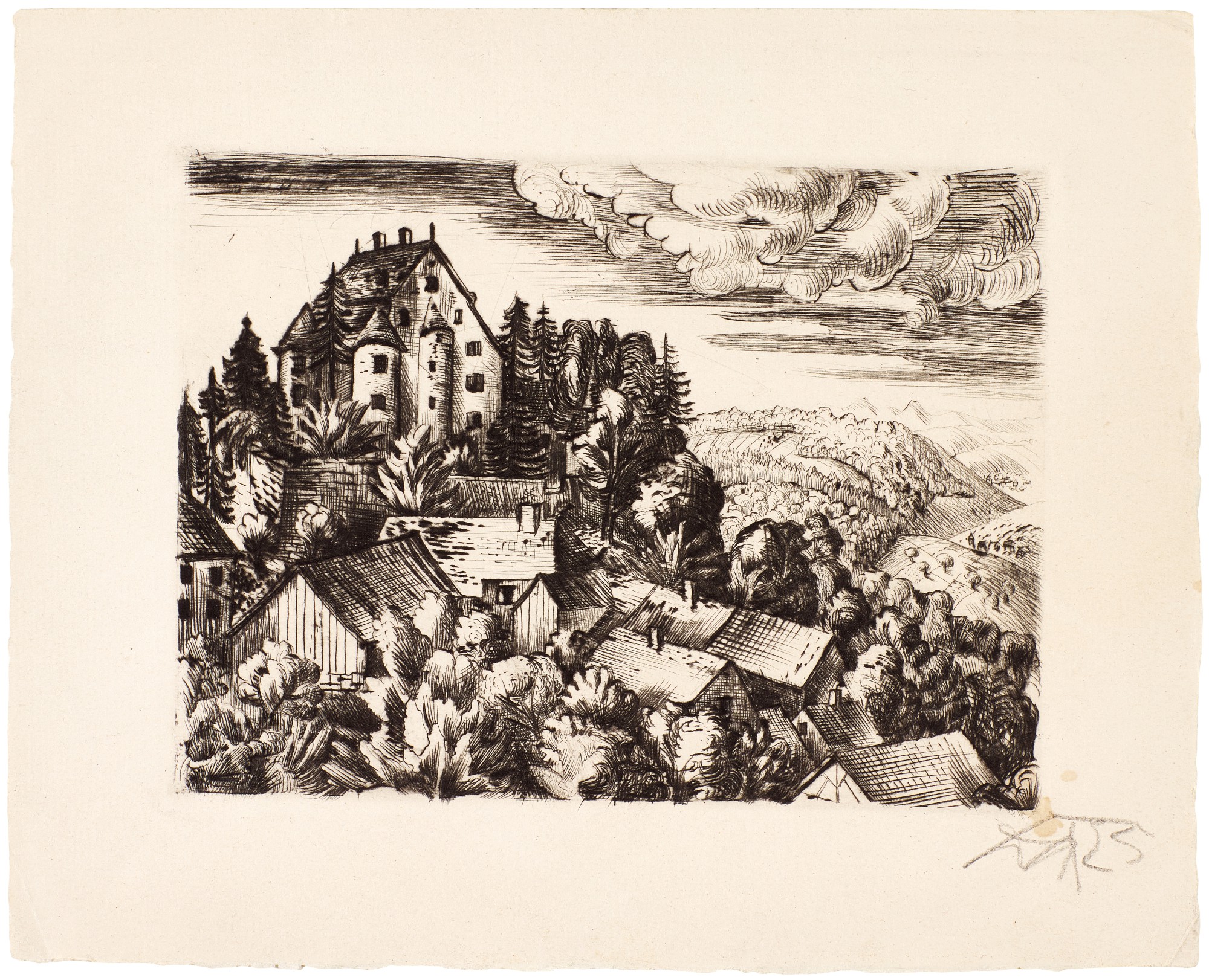
Featured Works
Explore books about Otto Dix

Otto Dix: His Life and Work
Peter Selz
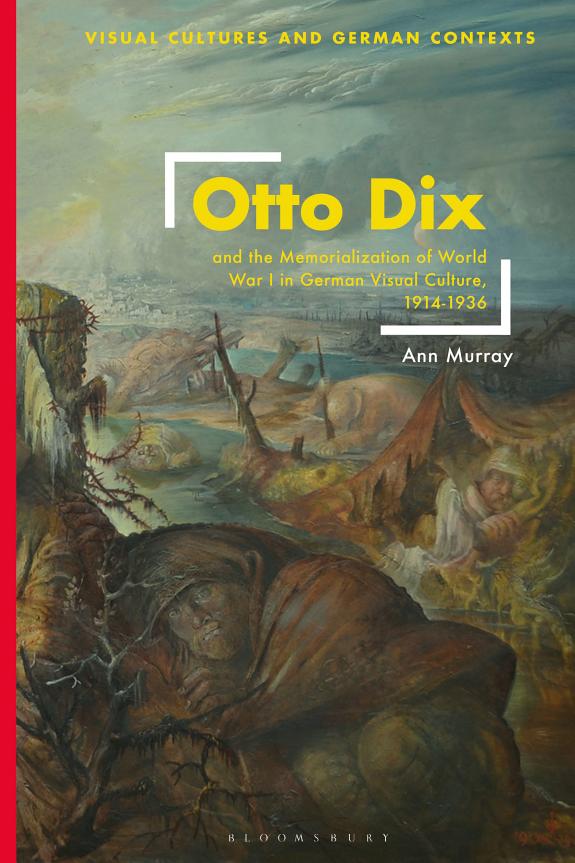
Otto Dix 1891-1969
Olaf Peters
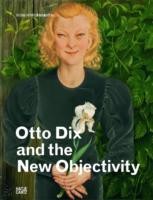
Otto Dix and the New Objectivity
Jennifer Gough-Cooper
Otto Dix: Weimar's Angry Painter
Ulrich Krempel
Otto Dix: The Graphic Work
Eva Karcher
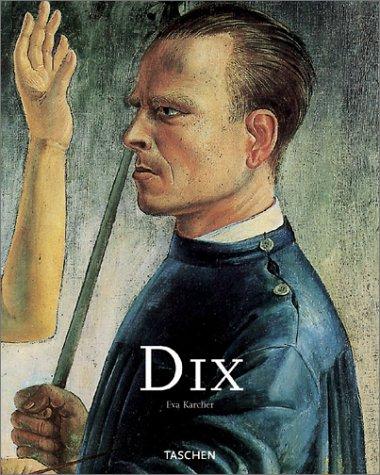
Otto Dix: Straight from the Heart
Rainer Schoch
Otto Dix: Drawings and Watercolors
Niels Jahns