Ori Gersht
Beauty and Memory, Brilliantly Illuminated
Artist Spotlight · The Collection Editorial
“I'm interested in the moment when beauty becomes something else, when it tips over into its opposite.”
Ori Gersht, interview with the Museum of Fine Arts Boston
In recent years, Ori Gersht has moved from the status of a critically admired photographer to something rarer: an artist whose work feels genuinely necessary. Major institutional surveys have brought his photographs and films to audiences at the Museum of Fine Arts Boston, the Tel Aviv Museum of Art, and the Photographers Gallery in London, each exhibition deepening the sense that Gersht occupies a singular position in contemporary art. His work asks profound questions about what images are for, what they cost us emotionally, and what they reveal about the civilizations that make them. To encounter a Gersht photograph in person is to feel the full weight of that inquiry, delivered with a beauty so precise it becomes almost unbearable.
Ori Gersht
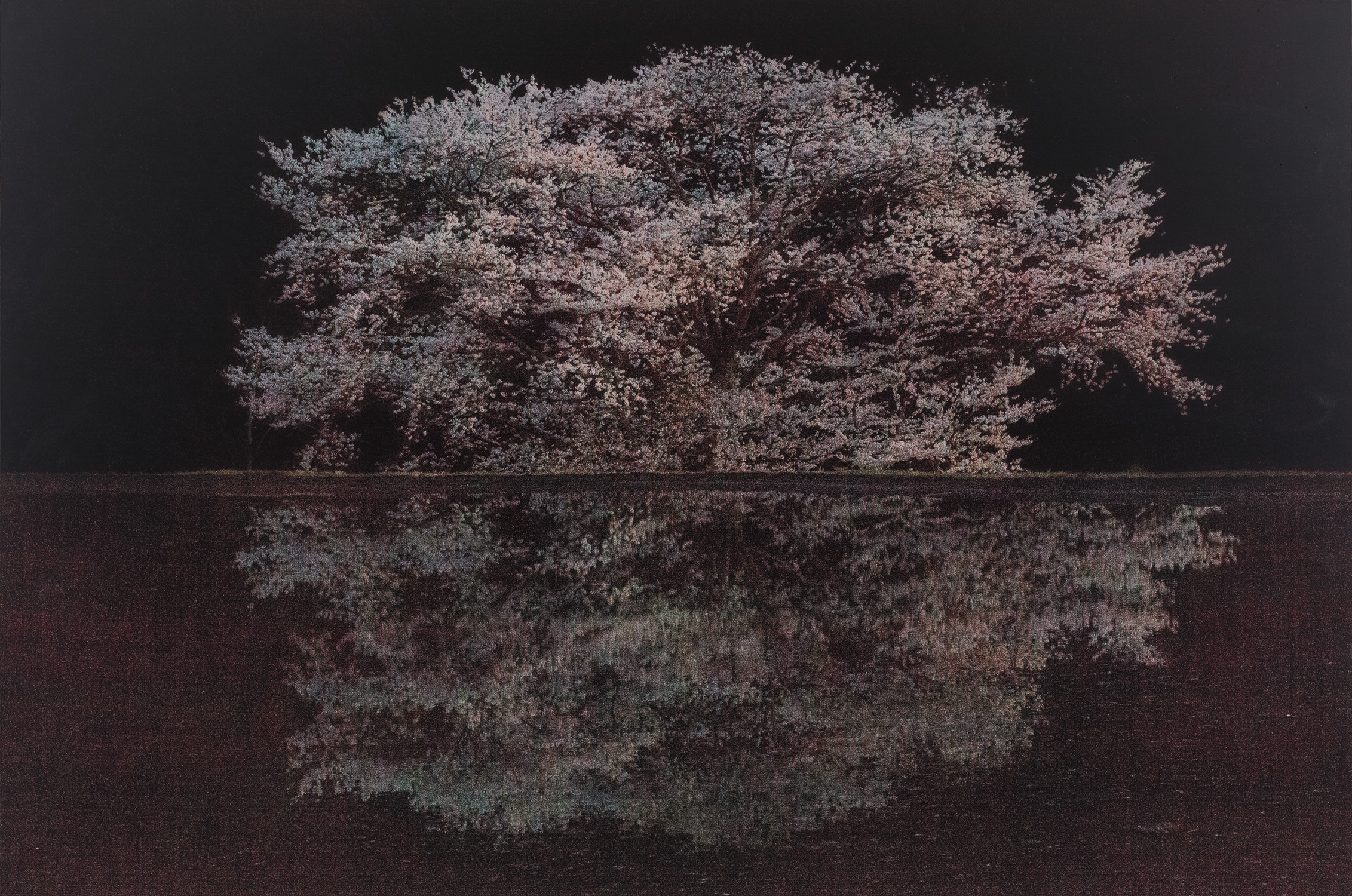
Virtual E01 from On Reflection
Gersht was born in Tel Aviv in 1967, growing up in a country shaped by conflict, displacement, and the living memory of catastrophe. Israel in those decades was a place where history was never abstract, where the landscape itself bore the marks of contested belonging. These formative conditions gave Gersht an acute sensitivity to what lies beneath surfaces, to the way a field, a flower, or a shoreline can carry invisible burdens of meaning. He moved to London to study at the University of Westminster, later completing graduate work at the Royal College of Art, immersing himself in a city whose museum culture and intellectual life expanded his references far beyond photography into painting, philosophy, and the poetry of ruins.
His early practice was rooted in documentary landscape photography, but Gersht quickly distinguished himself by refusing the neutrality that documentary often implies. Works from the late 1990s and early 2000s took him to landscapes scarred by historical violence, including the railway lines of Poland, the mountains of the Caucasus, and the terrain traversed by Walter Benjamin on his final journey before his death in 1940. These images were haunting precisely because they looked, on the surface, like beautiful landscape photography. The disturbance was conceptual and emotional rather than visual, which made it all the more powerful.
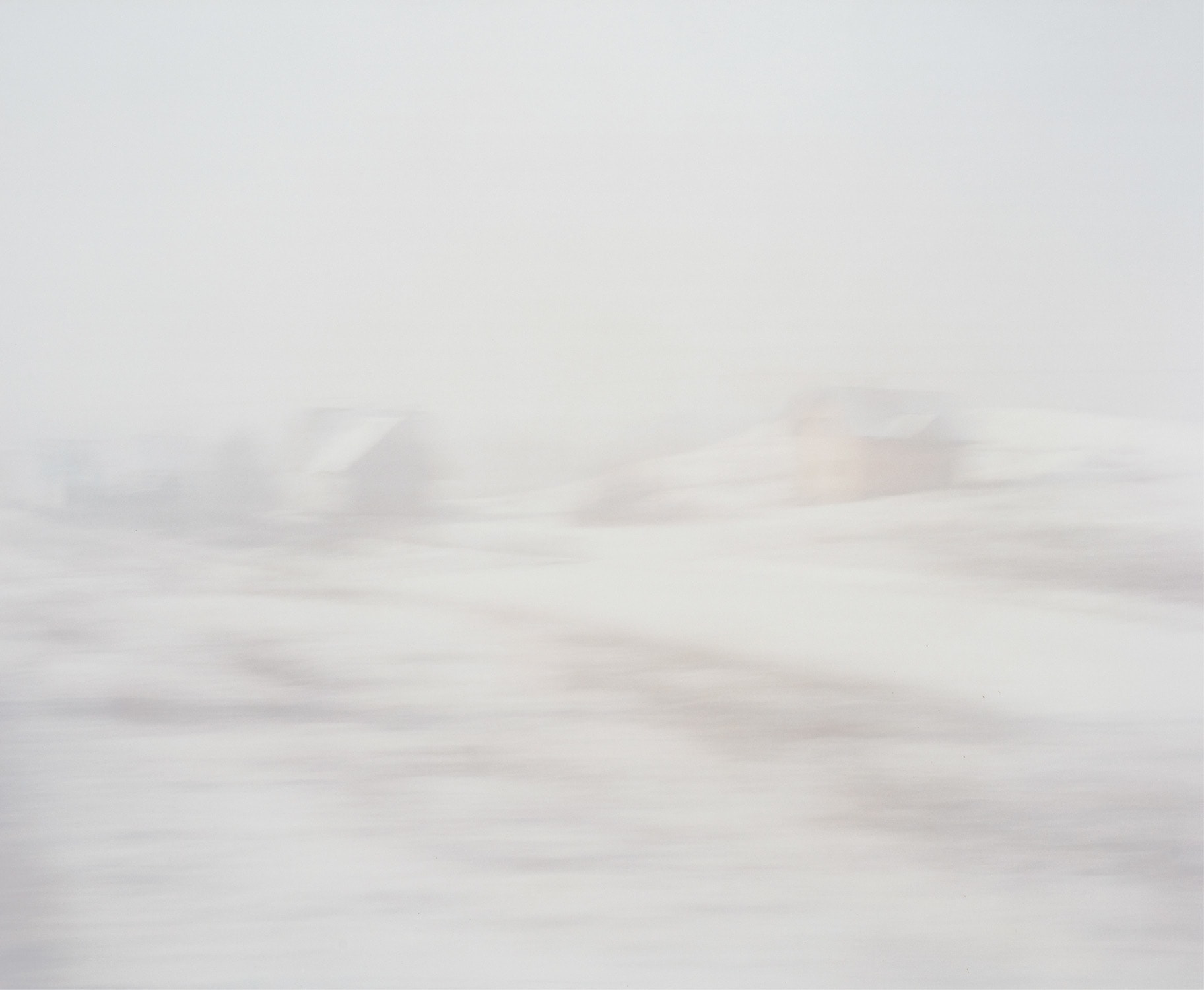
Ori Gersht
May or May Not from Liquidation
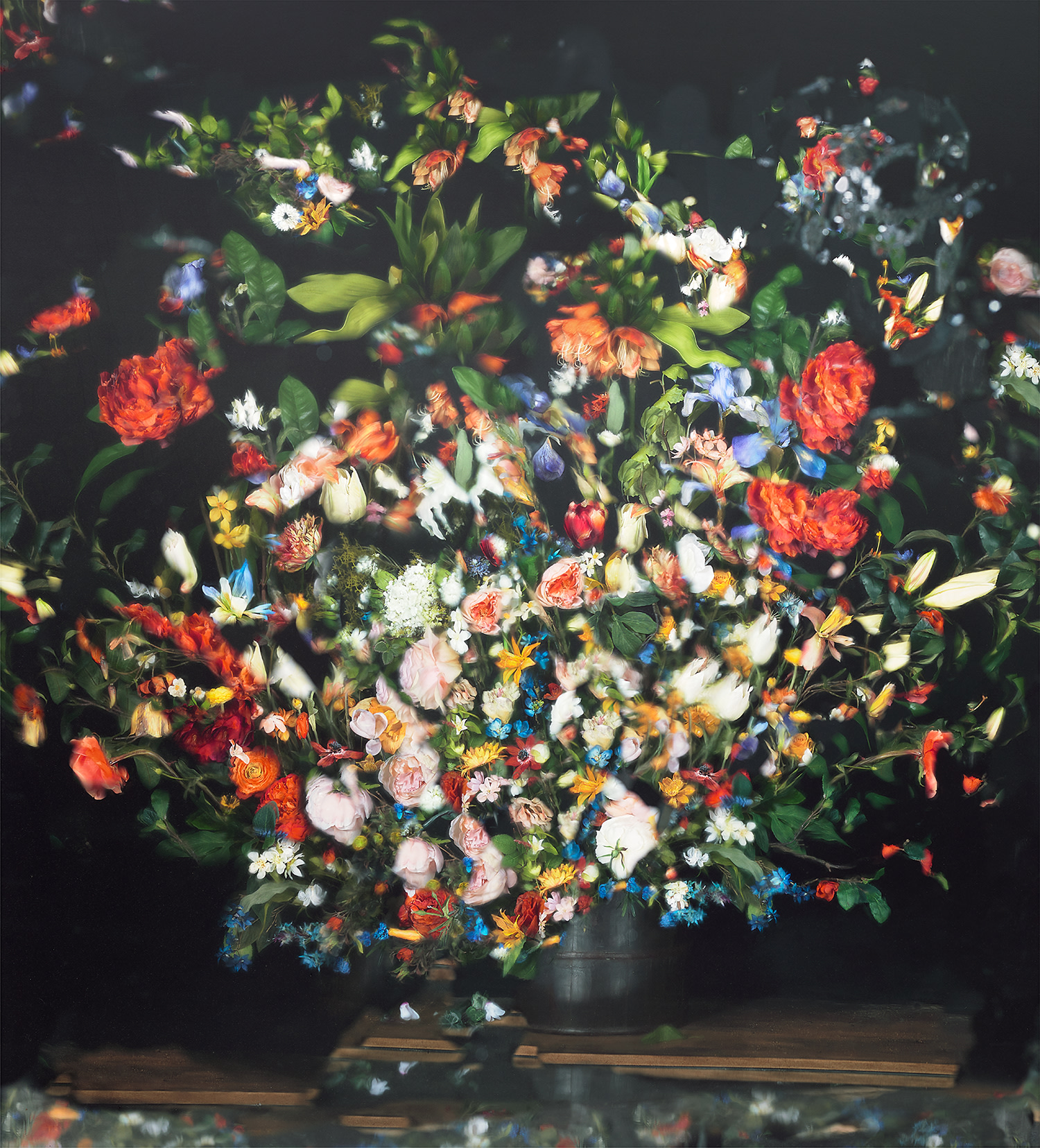
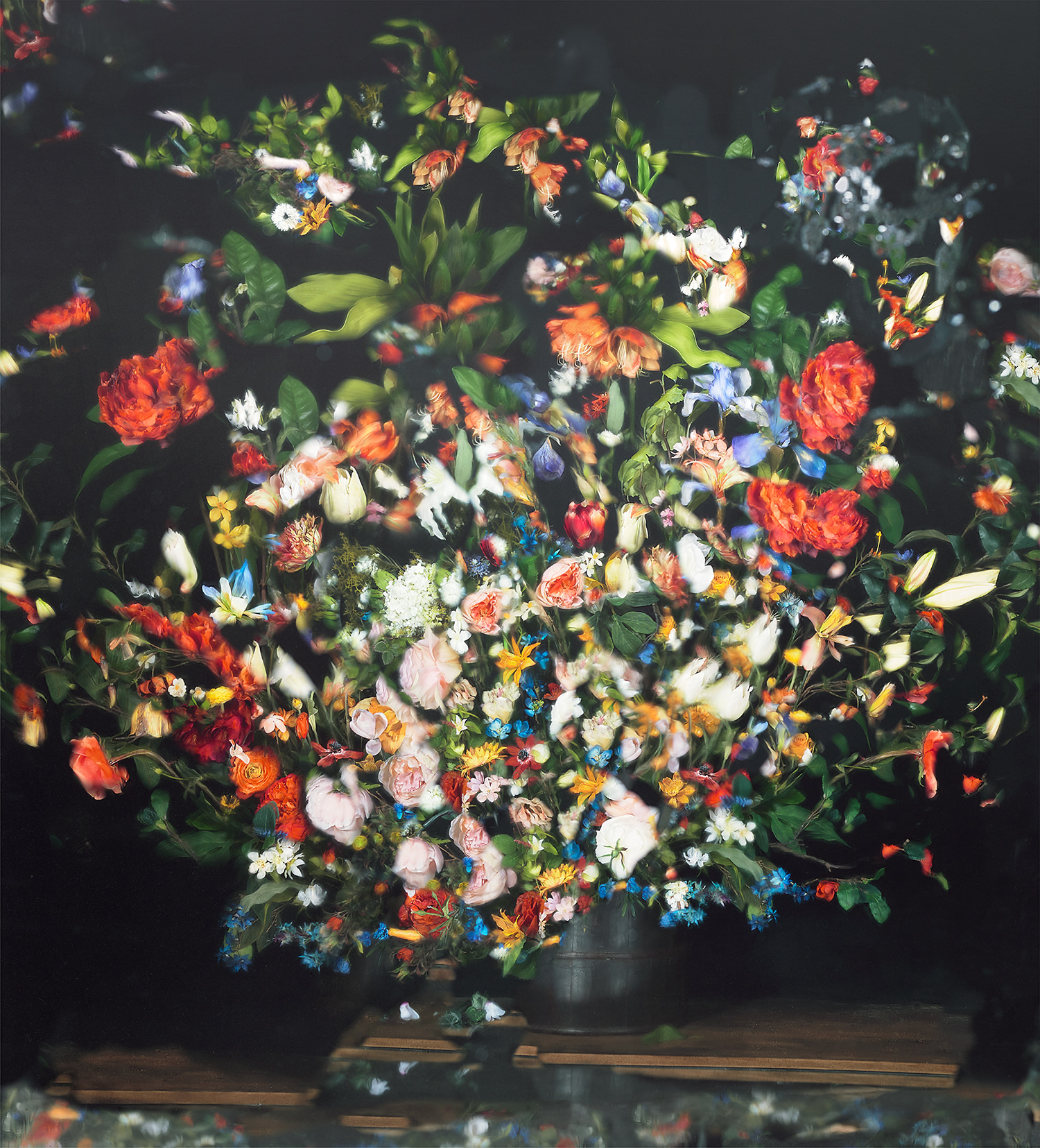
The viewer was invited into loveliness only to discover what that loveliness concealed. The breakthrough that brought Gersht to widespread international attention was his series Blow Up, developed in the mid 2000s. Working with elaborate studio setups and high speed cameras, he photographed bouquets of flowers at the precise moment of their destruction, detonating them with small explosive charges and capturing the split second of dispersal in still images of extraordinary resolution and color. The debt to Dutch Golden Age flower painting was explicit and deliberate.
Artists such as Jan van Huysum and Rachel Ruysch had spent lifetimes perfecting the painted illusion of floral abundance, knowing all along that their subjects were rotting even as they worked. Gersht accelerated that mortality to a single violent instant, then froze it in a chromogenic print of ravishing precision. Works such as Elephant 2 from the Flowers series, issued in small editions and acquired by collectors worldwide, distill this entire meditation into a single image that rewards sustained looking. The resulting photographs sit equally comfortably in conversation with seventeenth century Flemish still life and with the traditions of Conceptual art, which is part of what makes them so enduringly vital.
Ori Gersht
Elephant 2 (from Flowers)
Gersht has continued to expand this methodology across multiple series, each one opening new territory while remaining anchored in his central preoccupations. On Reflection brought him to landscape photography of unusual stillness, using mirrored water surfaces to create images that seem to exist between the world and its representation. Virtual E01 from that series is among the most quietly devastating of his works, the reflection dissolving the boundary between what is seen and what is imagined. Chasing Good Fortune traveled to Japan to examine landscapes associated with ritual and cultural memory, while the Liquidation series returned to interior spaces laden with European Jewish history.
Ghost, one of his sustained bodies of video and photographic work, used long exposure techniques in olive groves in Israel, rendering the ancient trees as luminous presences that seem to hover between the visible and the spectral. Ghost: Olive 6 exemplifies the series beautifully, the tree becoming almost architectural in its age and dignity. For collectors, Gersht represents one of the most coherent and intellectually serious bodies of work to emerge from the generation of artists who came of age in the 1990s. His photographs are technically meticulous, produced in strictly limited editions and issued through respected galleries including Angles Gallery in Los Angeles and CRG Gallery in New York.
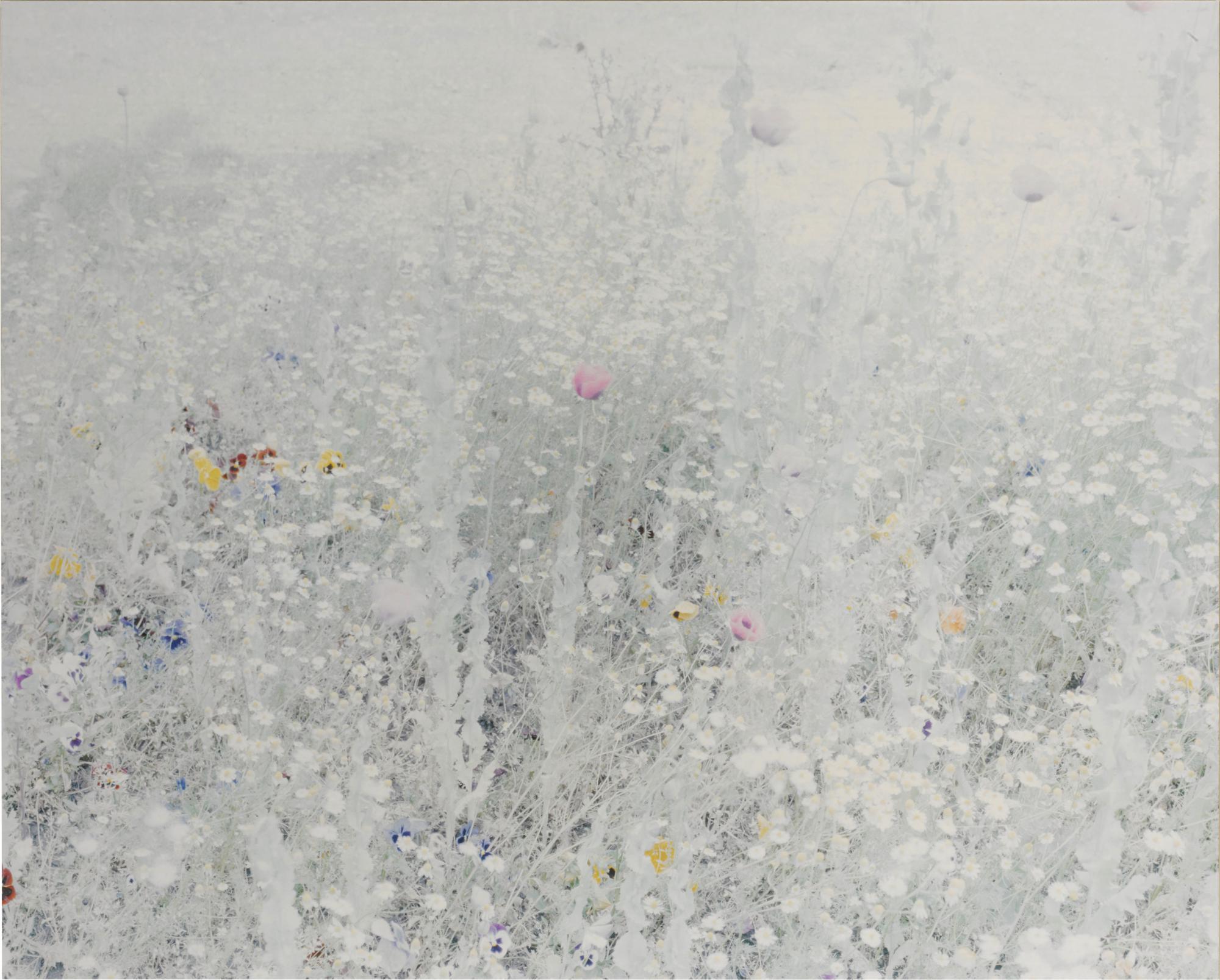
Ori Gersht
Against the Tide: Isolated from Chasing Good Fortune
Works on the secondary market have attracted sustained attention, with prices reflecting both the quality of the prints and the deepening institutional recognition the work has received over two decades. Collectors are drawn not only to the visual power of individual works but to the way they accumulate meaning in relation to one another, making a considered group acquisition particularly rewarding. The chromogenic print format that Gersht favors rewards the kind of careful installation that serious collectors bring to their spaces, the images requiring good light and a willingness to simply spend time. Within the broader landscape of contemporary photography, Gersht occupies a distinct position that invites comparison with artists including Andreas Gursky, whose large scale images similarly ask the viewer to reckon with beauty and its complications, and Wolfgang Tillmans, who shares Gersht's interest in the photograph as a vehicle for conceptual inquiry rather than mere documentation.
Closer to his particular obsessions, one might look at the work of Hiroshi Sugimoto, whose seascapes and theater photographs also locate transcendence in long exposure and exquisite printing, or at Idris Khan, who shares a British institutional formation and a fascination with layered historical meaning. Yet Gersht's combination of Middle Eastern biography, European art historical fluency, and technological adventurousness remains entirely his own. What makes Gersht matter so much at this particular moment is precisely the quality that has always defined his work: the refusal to let beauty serve as an escape from reckoning. In a cultural climate saturated with images, where photographs are produced and discarded at a rate that makes sustained attention seem almost utopian, his practice insists on slowness, depth, and consequence.
His flowers explode and his olive trees glow and his reflected landscapes shimmer, and each of these things is gorgeous, and each of them is asking something of you. That combination of pleasure and responsibility, of aesthetic generosity and moral seriousness, is vanishingly rare in any era. In this one, it feels like a gift.