Matta
Artist Spotlight
Matta's Cosmic Vision Burns Ever Brighter
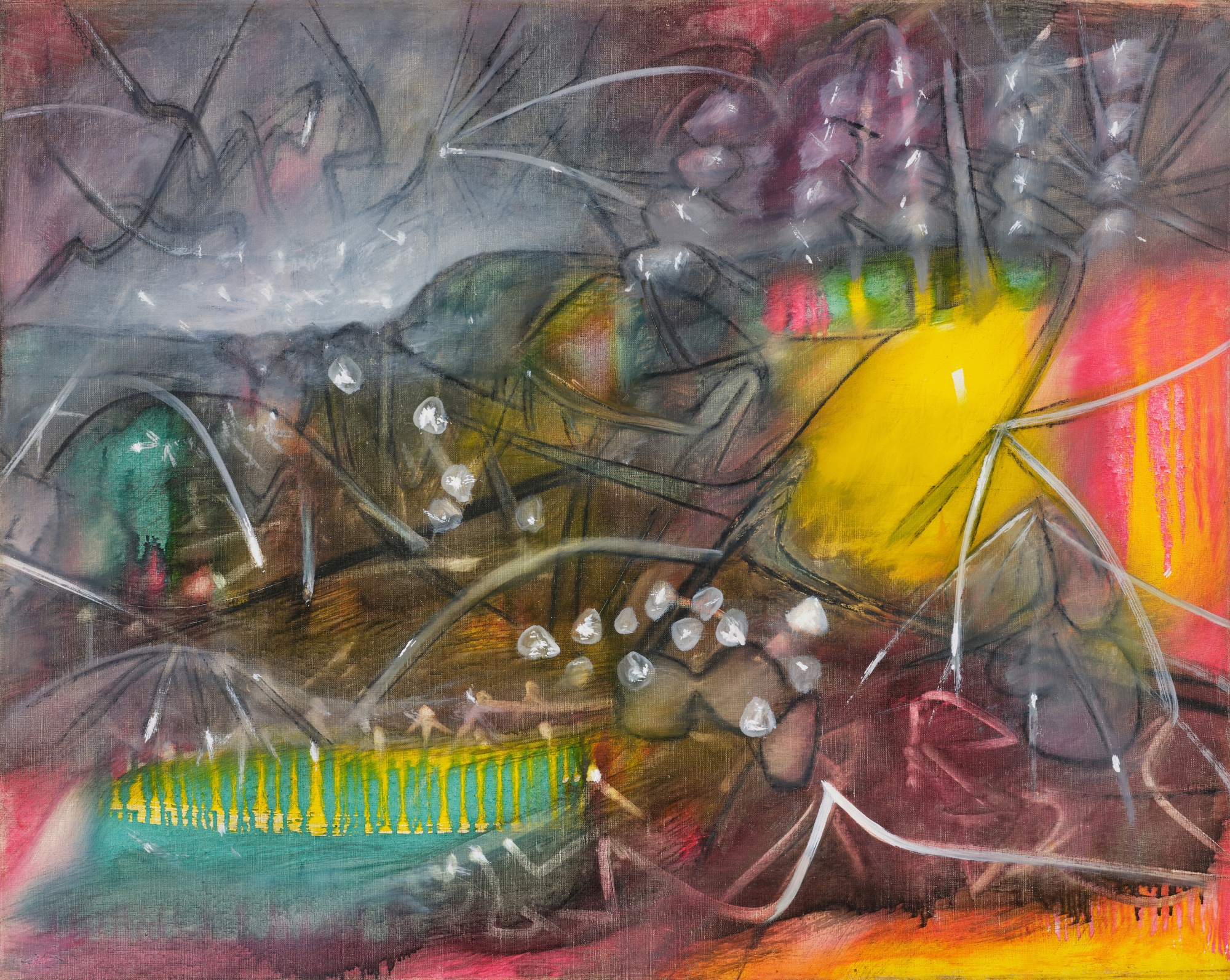
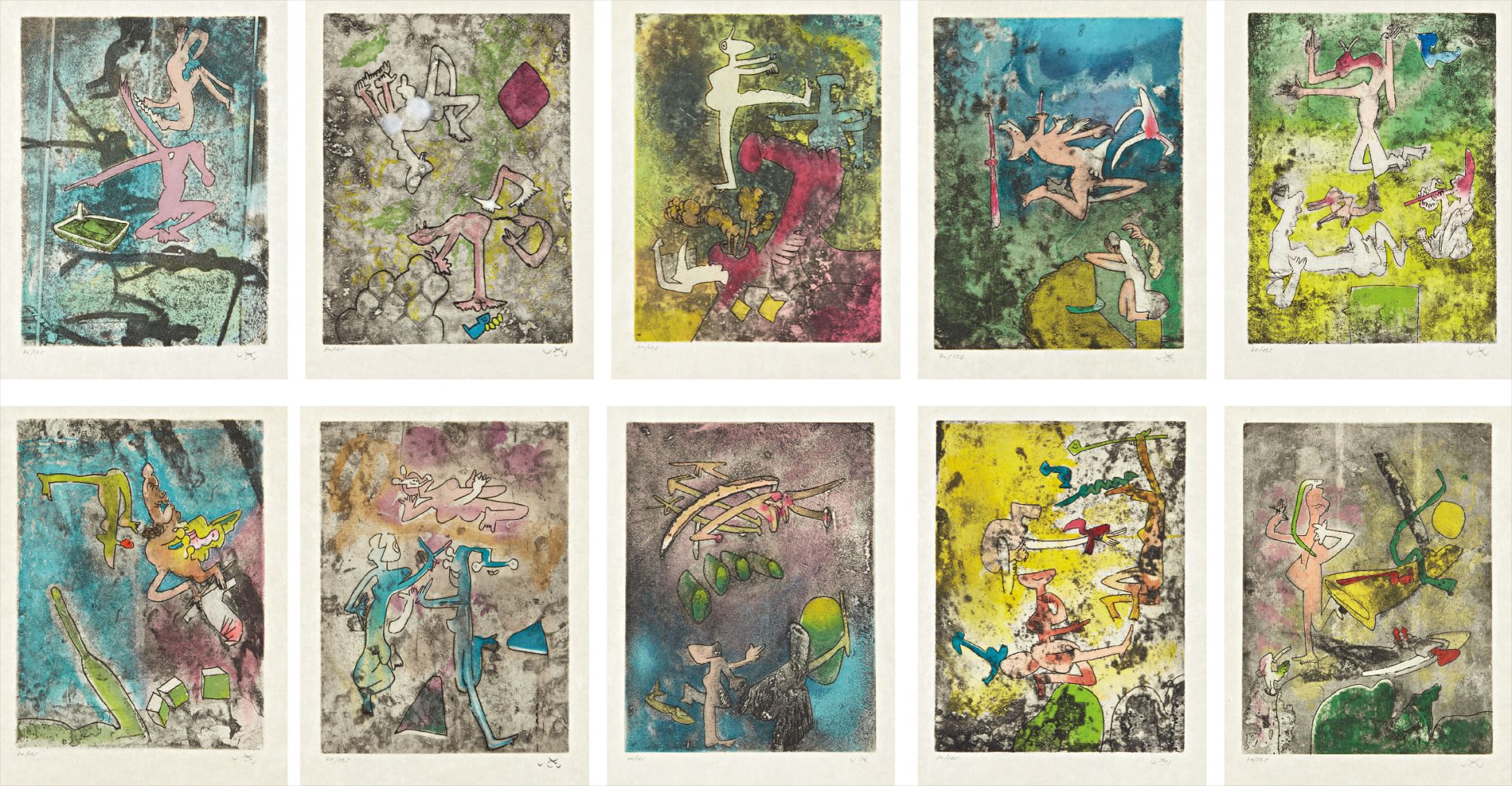
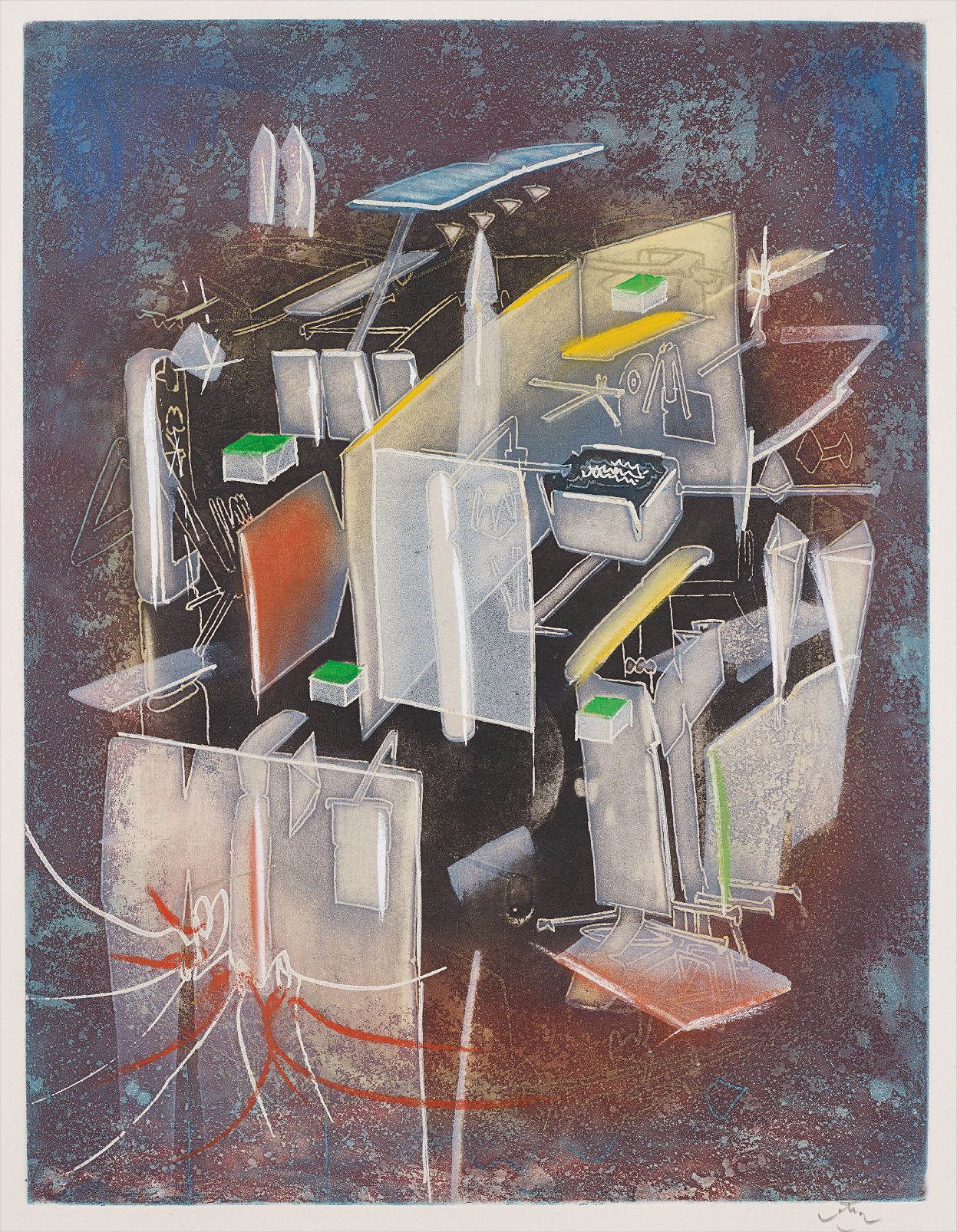
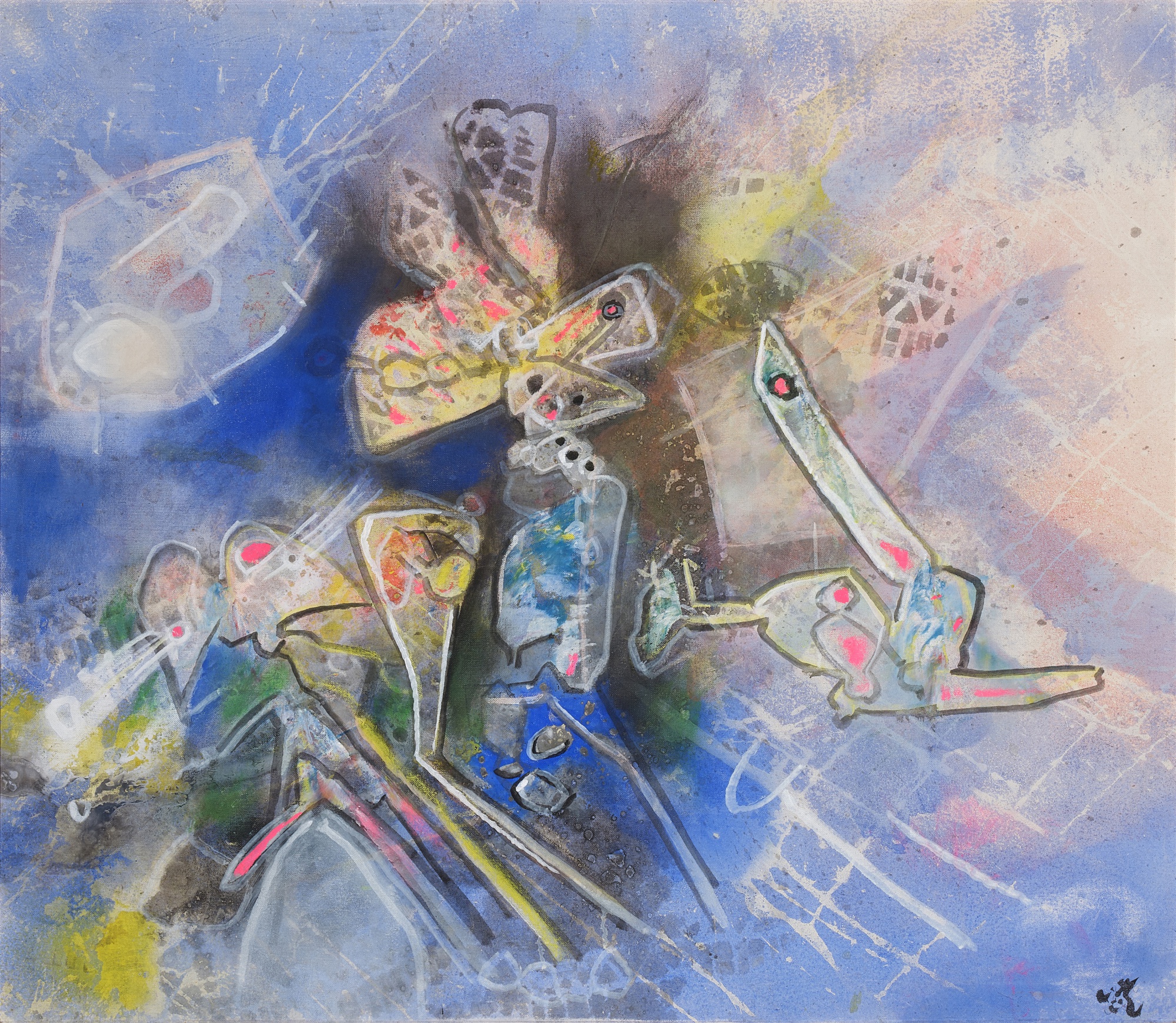
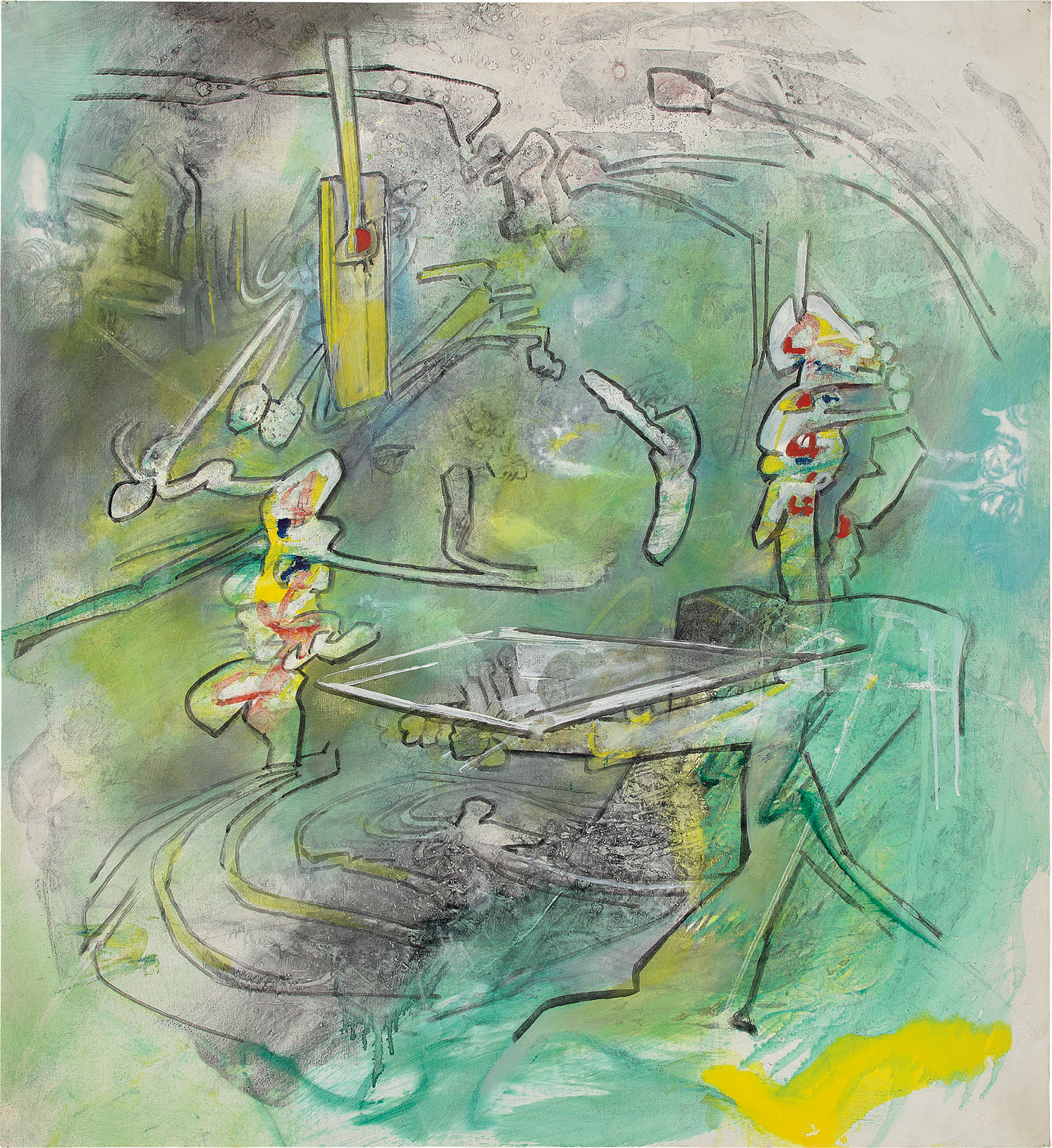
In 2022, the Centre Pompidou in Paris reaffirmed what devoted collectors and art historians have long understood: Roberto Matta is one of the twentieth century's most electrifying and irreplaceable visionaries. The museum's holdings of his work, alongside landmark retrospectives at institutions including the Museum of Modern Art in New York and the Museo Nacional Centro de Arte Reina Sofía in Madrid, have cemented his standing not as a footnote between movements but as a singular force who shaped the very course of postwar painting. Today, with renewed scholarly attention and a global… Continue reading
Spotted by
Artists in conversation
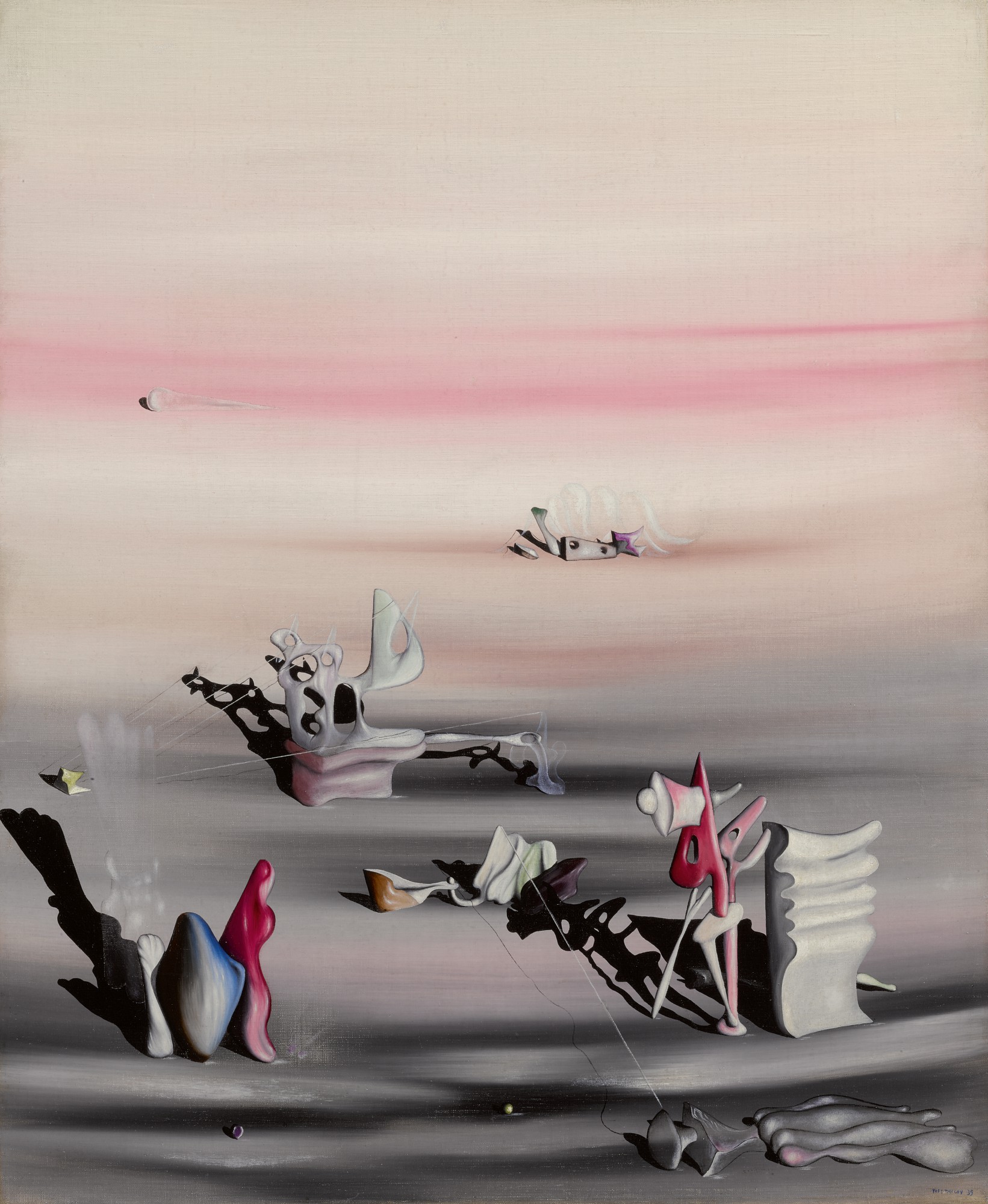
Yves Tanguy
Tanguy shared Matta's commitment to painting vast psychological dreamscapes populated by biomorphic and otherworldly forms rendered with precise technique. Both artists explored surrealist inner worlds that feel simultaneously cosmic and deeply personal.
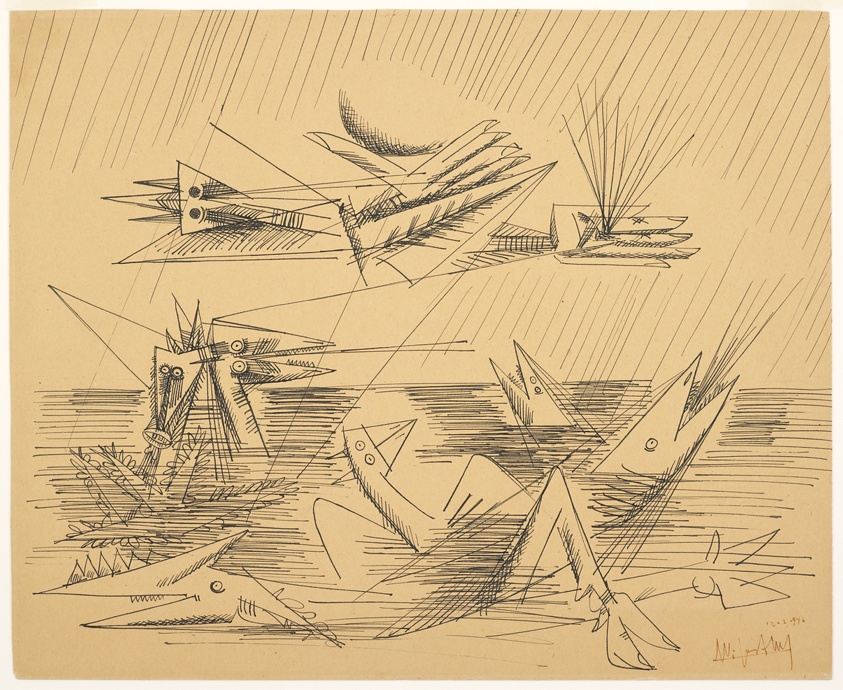
Wifredo Lam
Lam was a close contemporary of Matta within Surrealist circles and similarly fused biomorphic imagery with psychological and cultural mythology in explosive compositions. Both artists brought a Latin American sensibility to European Surrealism while expanding its formal vocabulary.
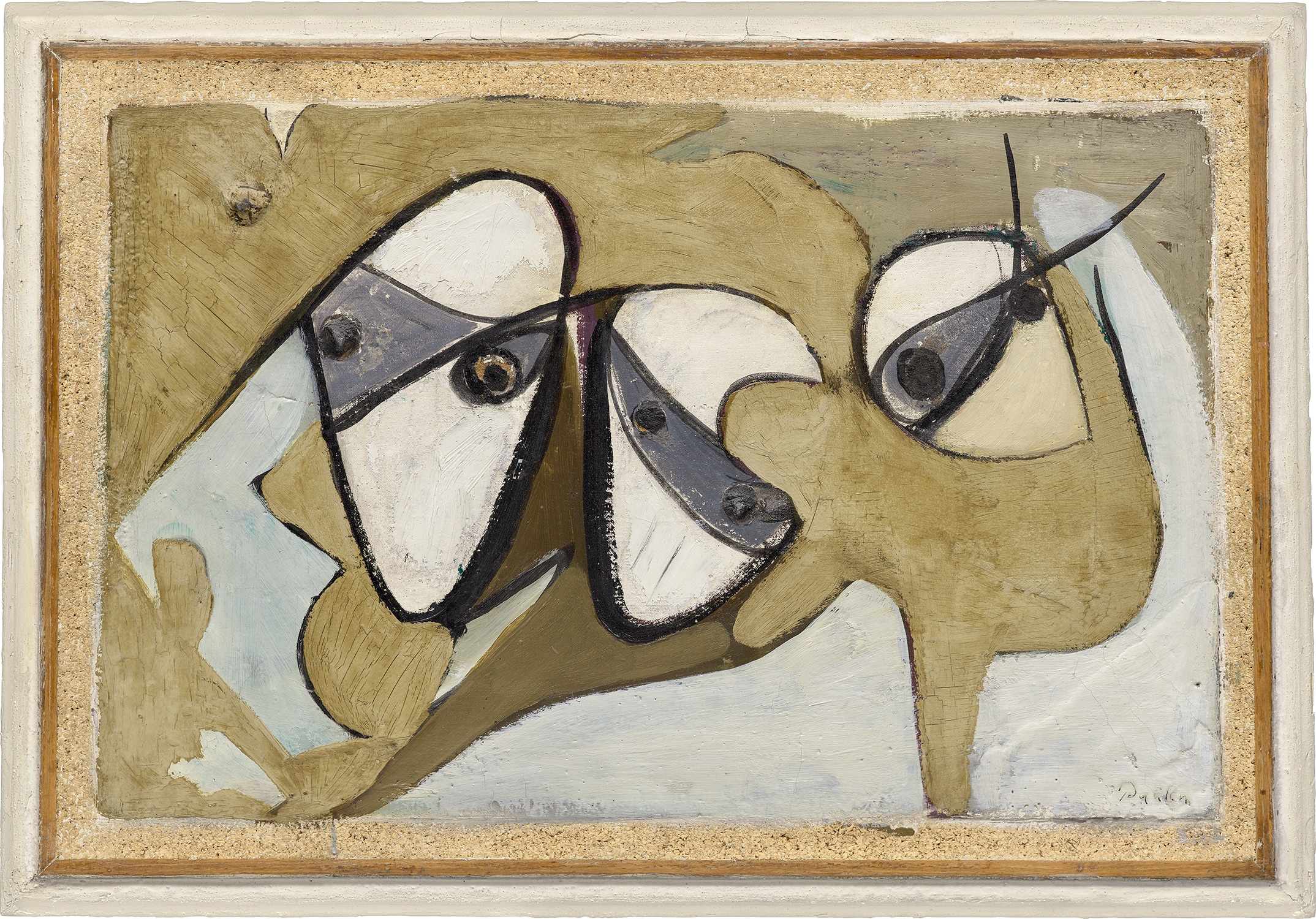
Wolfgang Paalen
Paalen produced cosmic and biomorphic Surrealist paintings that echo Matta's interest in primordial space and psychological abstraction. His explorations of mythological and scientific imagery parallel Matta's concept of inscapes as visual maps of interior worlds.
Artists who inspired them
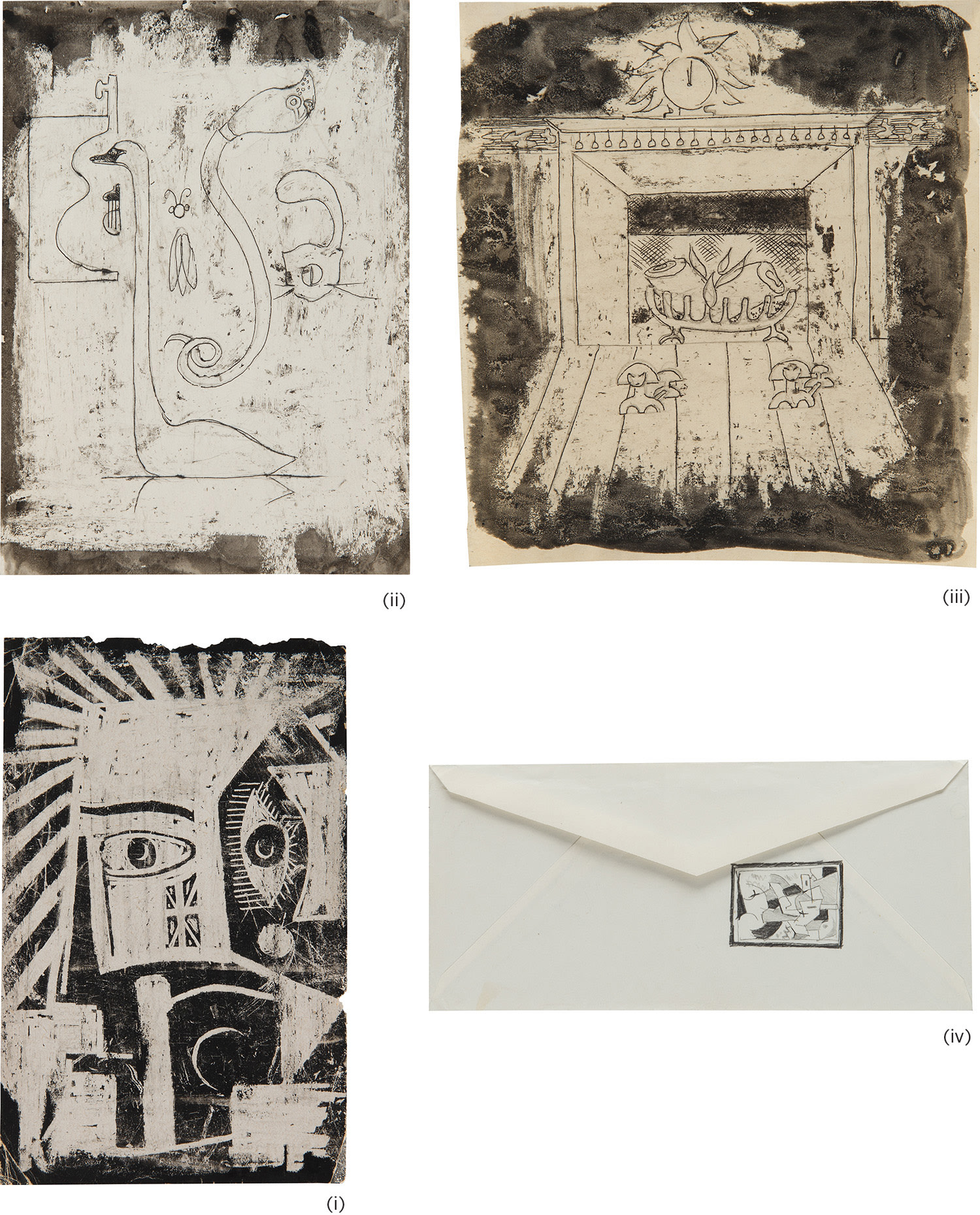
André Breton
Breton welcomed Matta into the official Surrealist movement and provided the theoretical framework of automatism and unconscious exploration that shaped Matta's entire practice. His mentorship gave Matta direct access to the intellectual core of Surrealism.
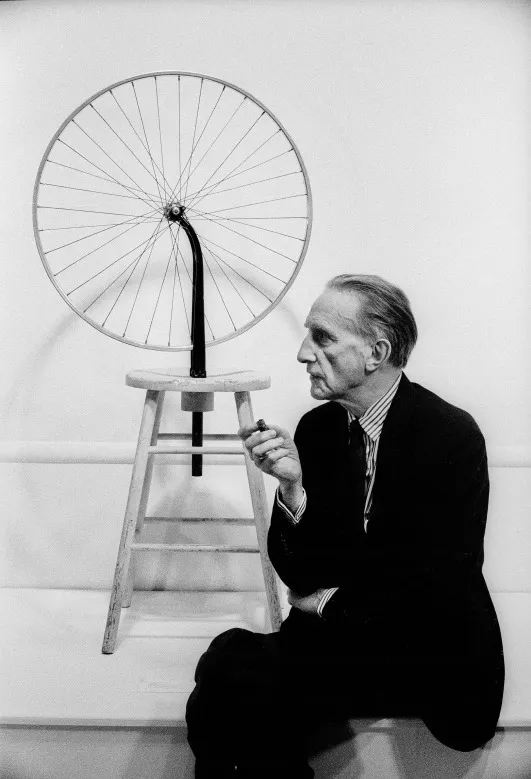
Marcel Duchamp
Duchamp's conceptual questioning of pictorial space and his mechanical imagery influenced Matta's integration of mechanical and technological forms into his psychological compositions. Their close friendship deepened Matta's engagement with ideas of dimensionality and conceptual art.
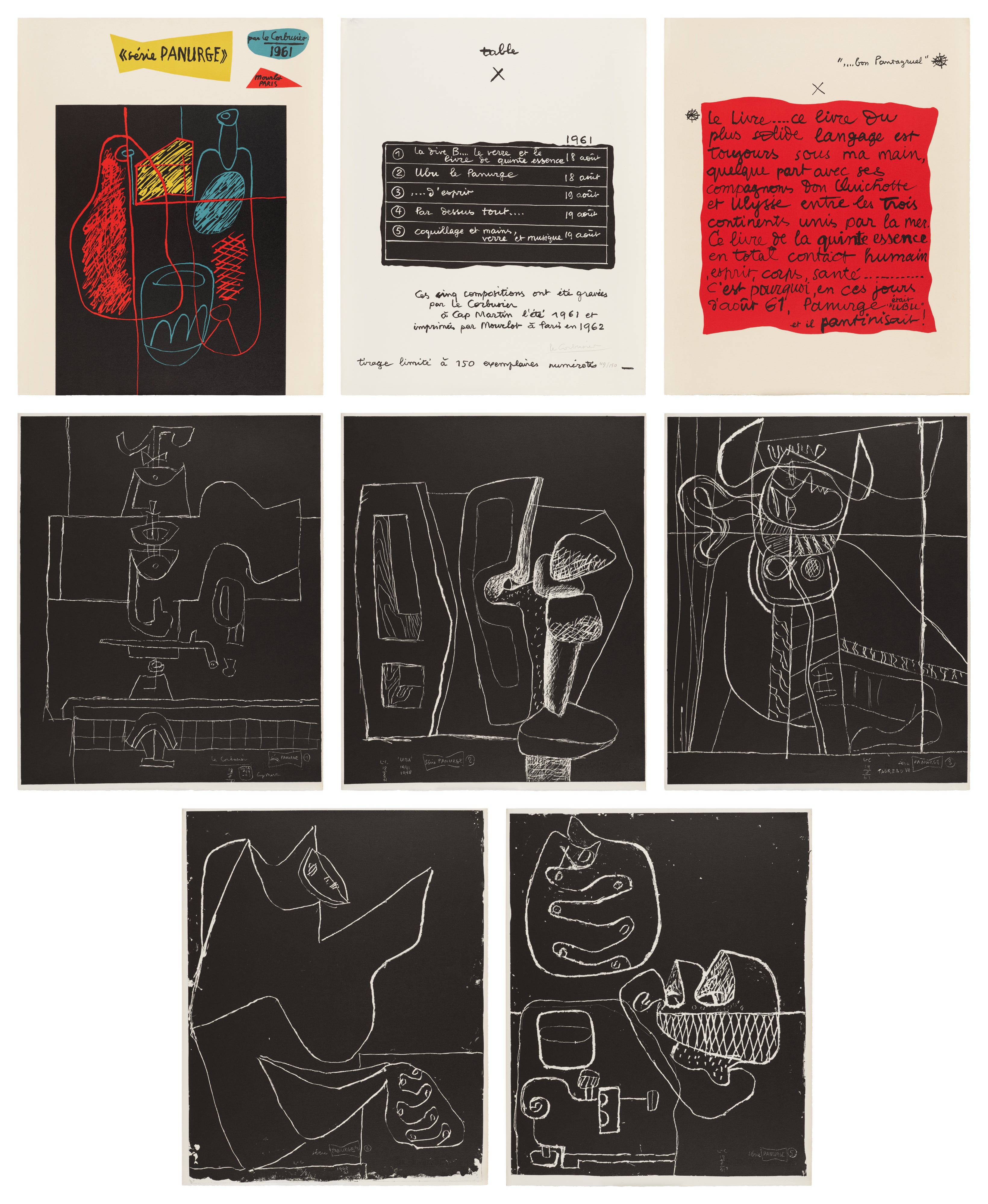
Le Corbusier
Matta worked in Le Corbusier's studio early in his career and absorbed a rigorous spatial and architectural thinking that informed his construction of vast imaginary spaces on canvas. This architectural training gave Matta a distinctive sense of perspective and spatial depth rare among Surrealists.
Artists they inspired
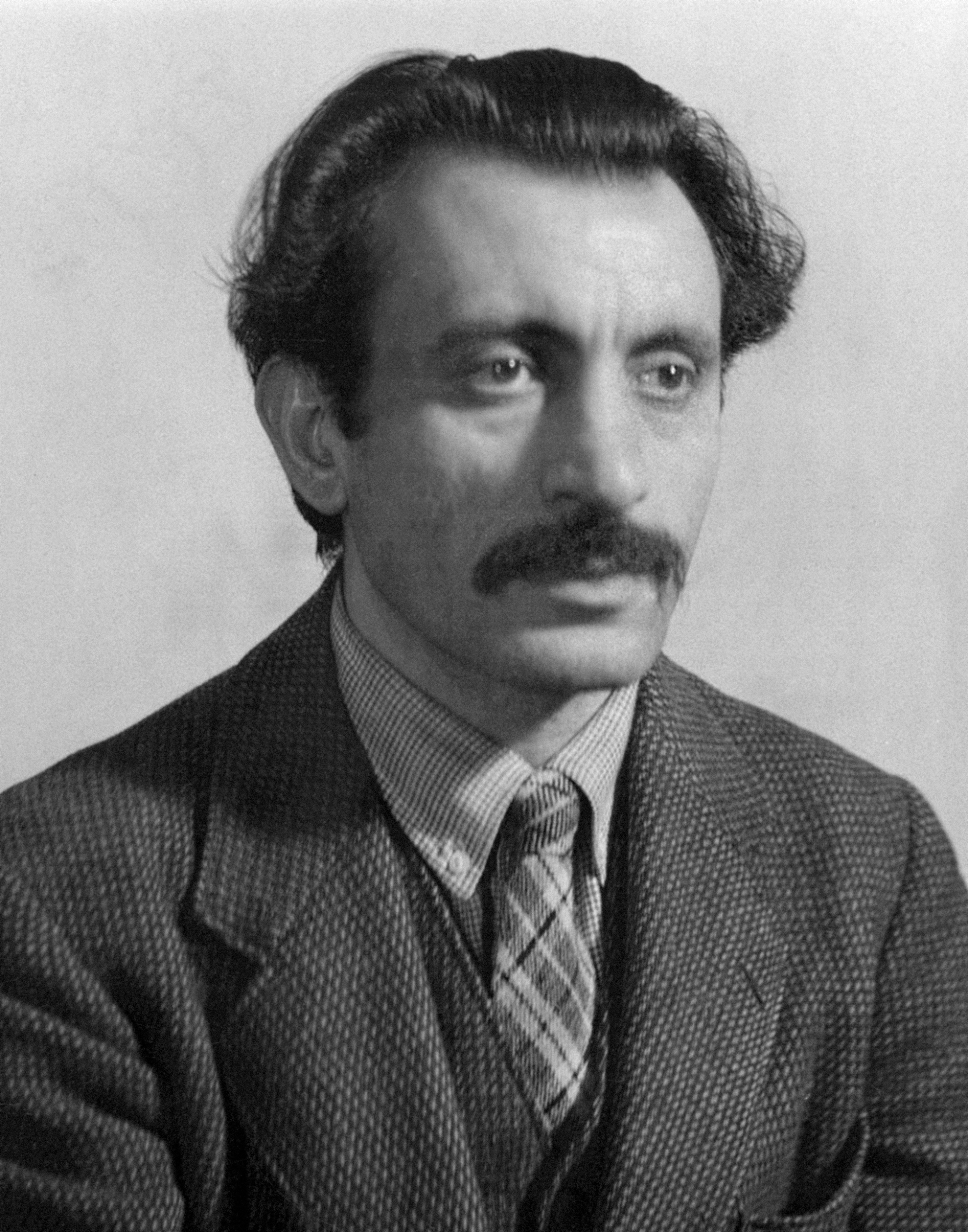
Arshile Gorky
Matta directly mentored Gorky during the early 1940s in New York, introducing him to automatism and biomorphic abstraction that transformed Gorky's work toward its mature lyrical style. Art historians widely credit Matta as one of the most decisive influences on Gorky's late and celebrated paintings.
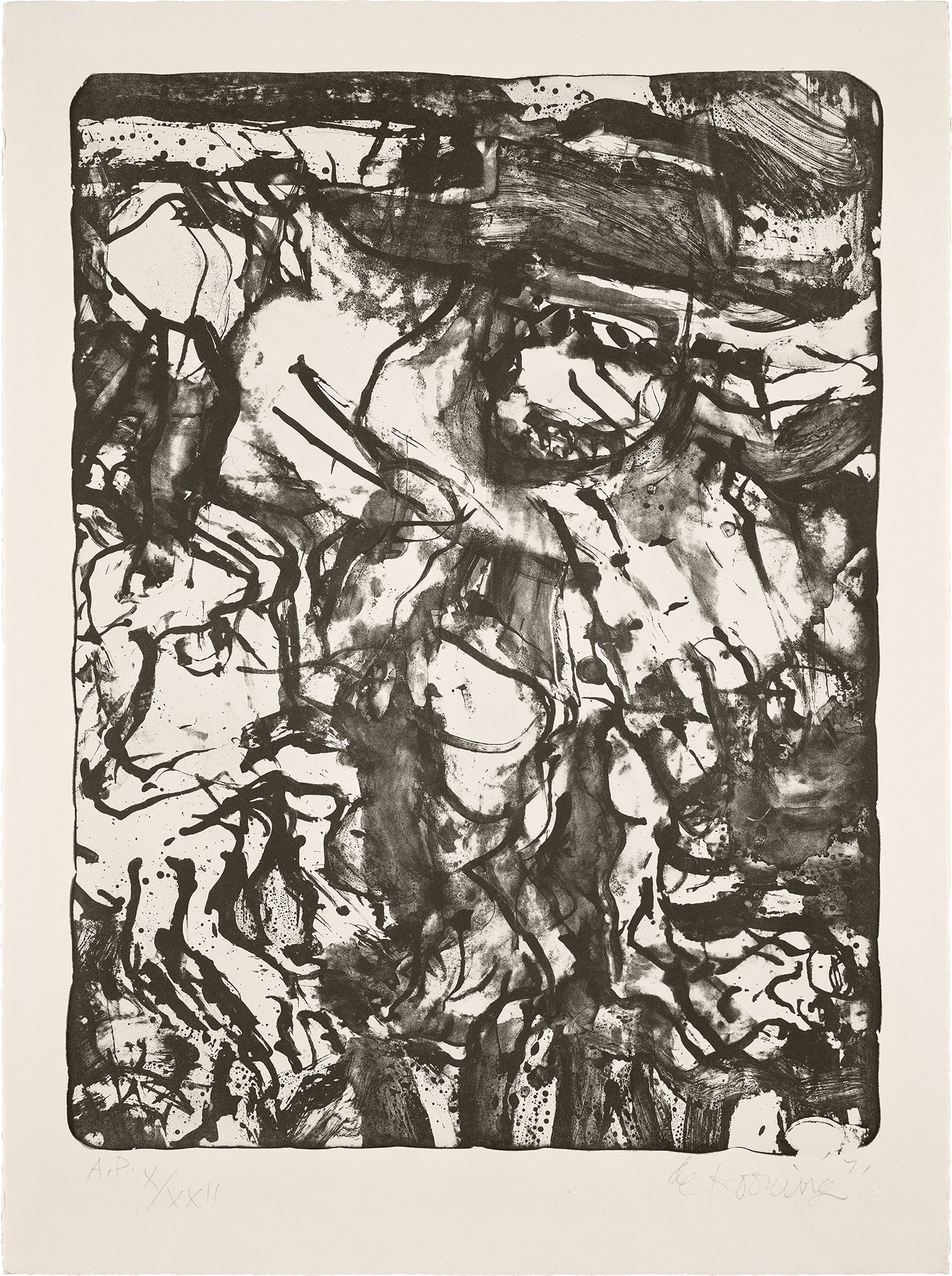
Willem de Kooning
De Kooning encountered Matta's automatist techniques and explosive spatial energy through their shared New York milieu in the 1940s, helping push his work toward the gestural abstraction of his mature period. Matta's fluid biomorphic forms and psychological intensity left a visible trace in de Kooning's figurative abstractions.