Ker-Xavier Roussel
2
Works
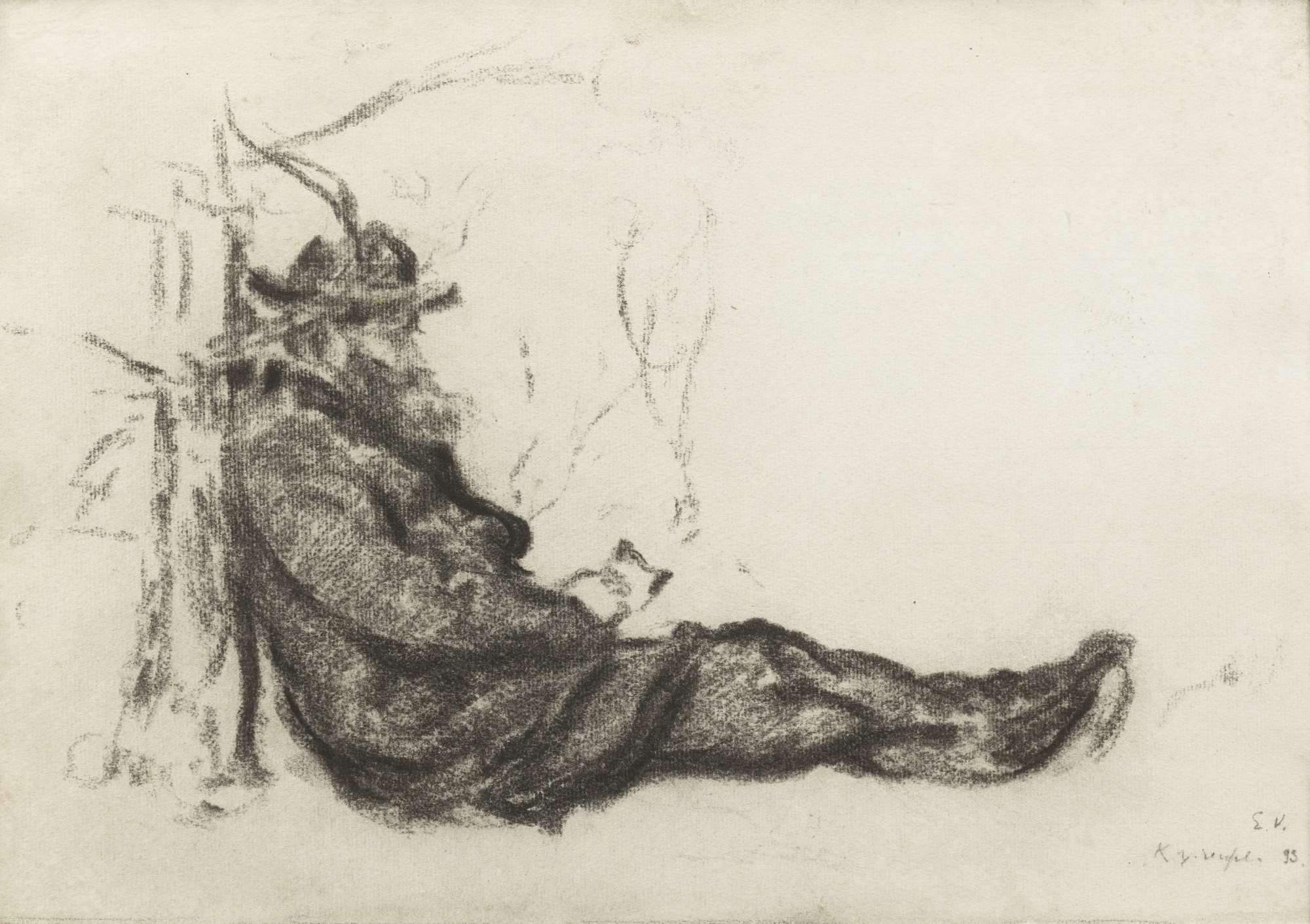
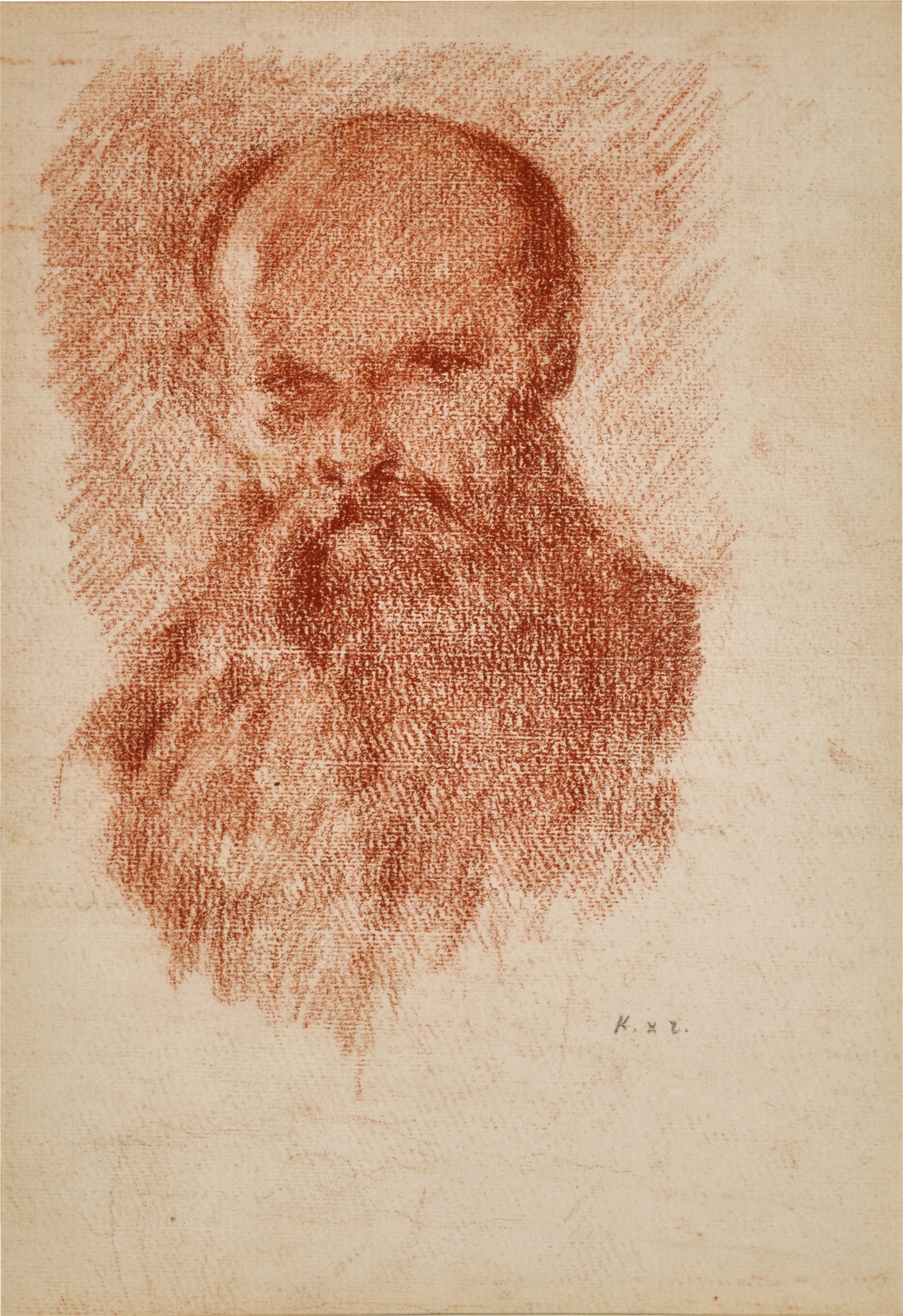
Ker-Xavier Roussel was a French painter, printmaker, and decorative artist closely associated with the Nabis movement, a post-Impressionist group that sought to infuse art with spiritual and symbolic meaning. Born in Lorry-lès-Metz, Roussel studied at the Lycée Condorcet in Paris where he formed lifelong friendships with fellow artists Édouard Vuillard and Maurice Denis. He later attended the Académie Julian, where the Nabis circle coalesced around Paul Sérusier's teachings inspired by Paul Gauguin. Roussel married Vuillard's sister Marie in 1893, further cementing his connection to the inner circle of this revolutionary artistic movement. His early work embraced the Nabis' decorative aesthetic, characterized by flattened perspectives, bold colors, and japonisme influences. While the Nabis eventually dissolved as a formal group, Roussel developed a distinctive mature style that set him apart from his contemporaries. He became particularly known for his mythological and Arcadian landscapes populated by nymphs, satyrs, and classical figures set in idyllic pastoral settings. These works combined the decorative sensibilities of his Nabis training with a more naturalistic approach to light and atmosphere, creating dreamlike scenes that evoked ancient Greece and Rome. His palette lightened considerably over time, moving toward luminous earth tones and sun-drenched Mediterranean colors. Roussel also created significant decorative panels and theater designs, including work for the Théâtre des Champs-Élysées and the Palais de Chaillot. Roussel's significance lies in his unique synthesis of symbolist decoration and classical mythology, bridging nineteenth-century symbolism with modernist concerns about color and form. Though somewhat overshadowed by his more famous Nabis colleagues like Vuillard and Bonnard, Roussel maintained a successful career throughout his life, exhibiting regularly at major Paris galleries and salons. His large-scale decorative works demonstrated the Nabis' vision of integrating art into everyday life, while his mythological subjects offered an escape into timeless pastoral beauty. He continued working until his death in 1944 at L'Étang-la-Ville, leaving behind a body of work that represents a distinctive voice within early twentieth-century French painting.
Artists in conversation