Sanguine
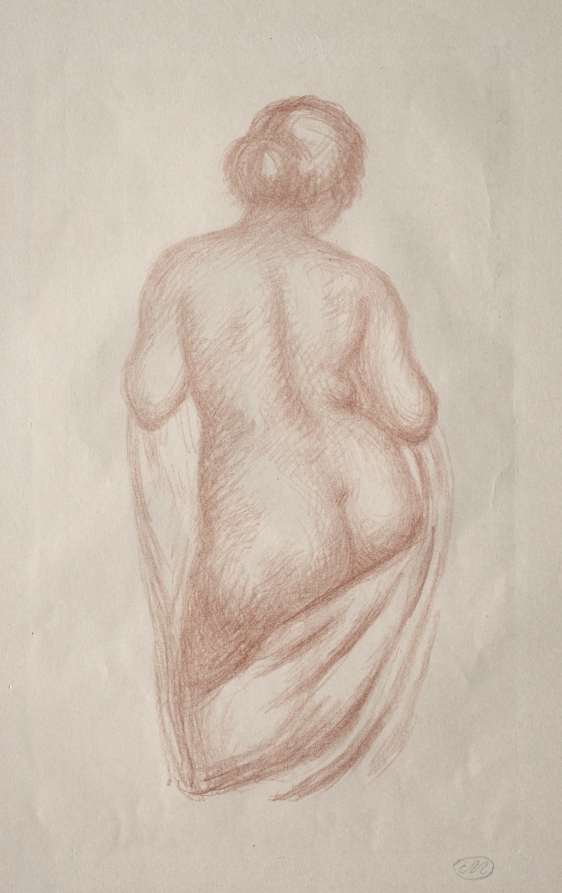
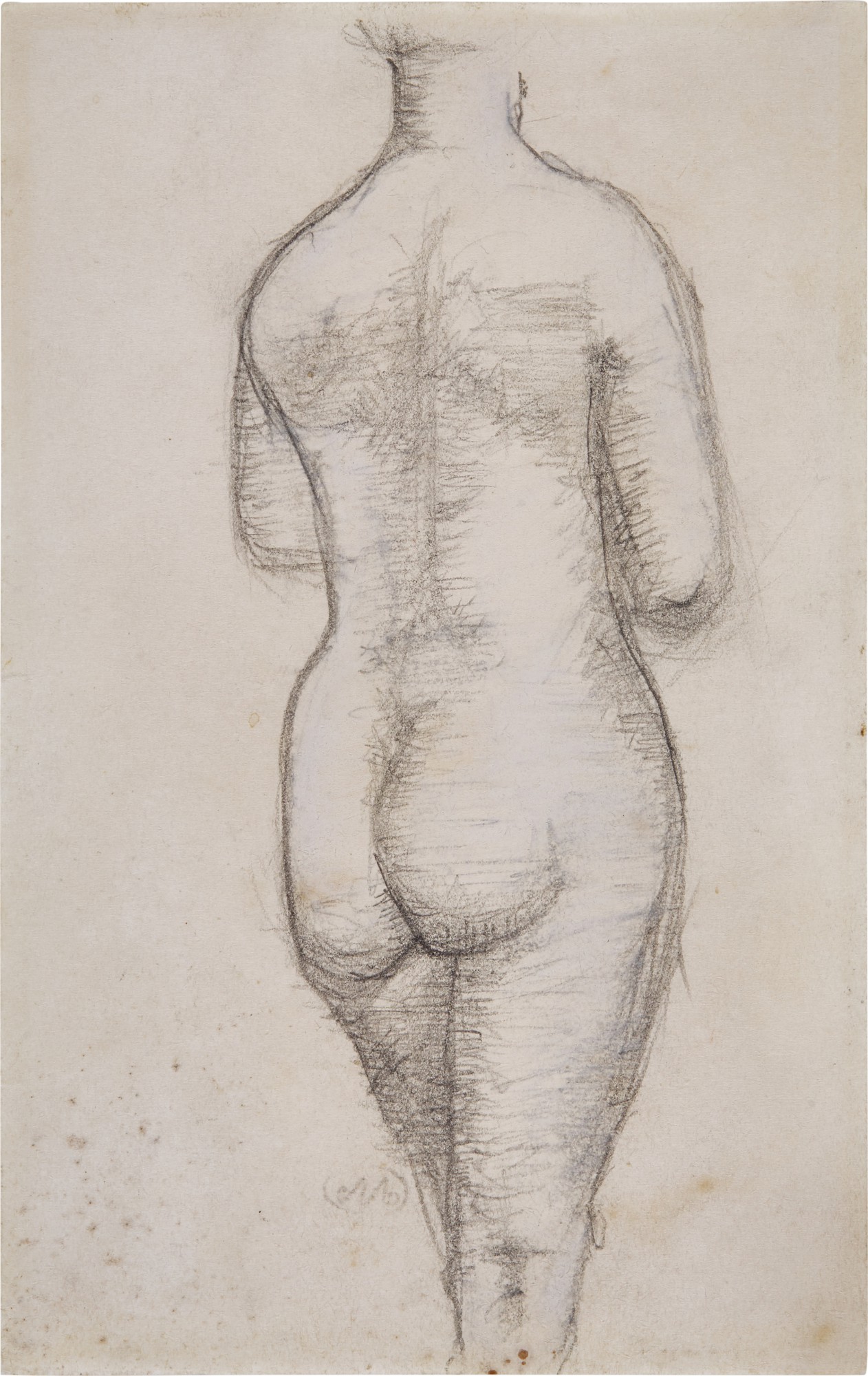
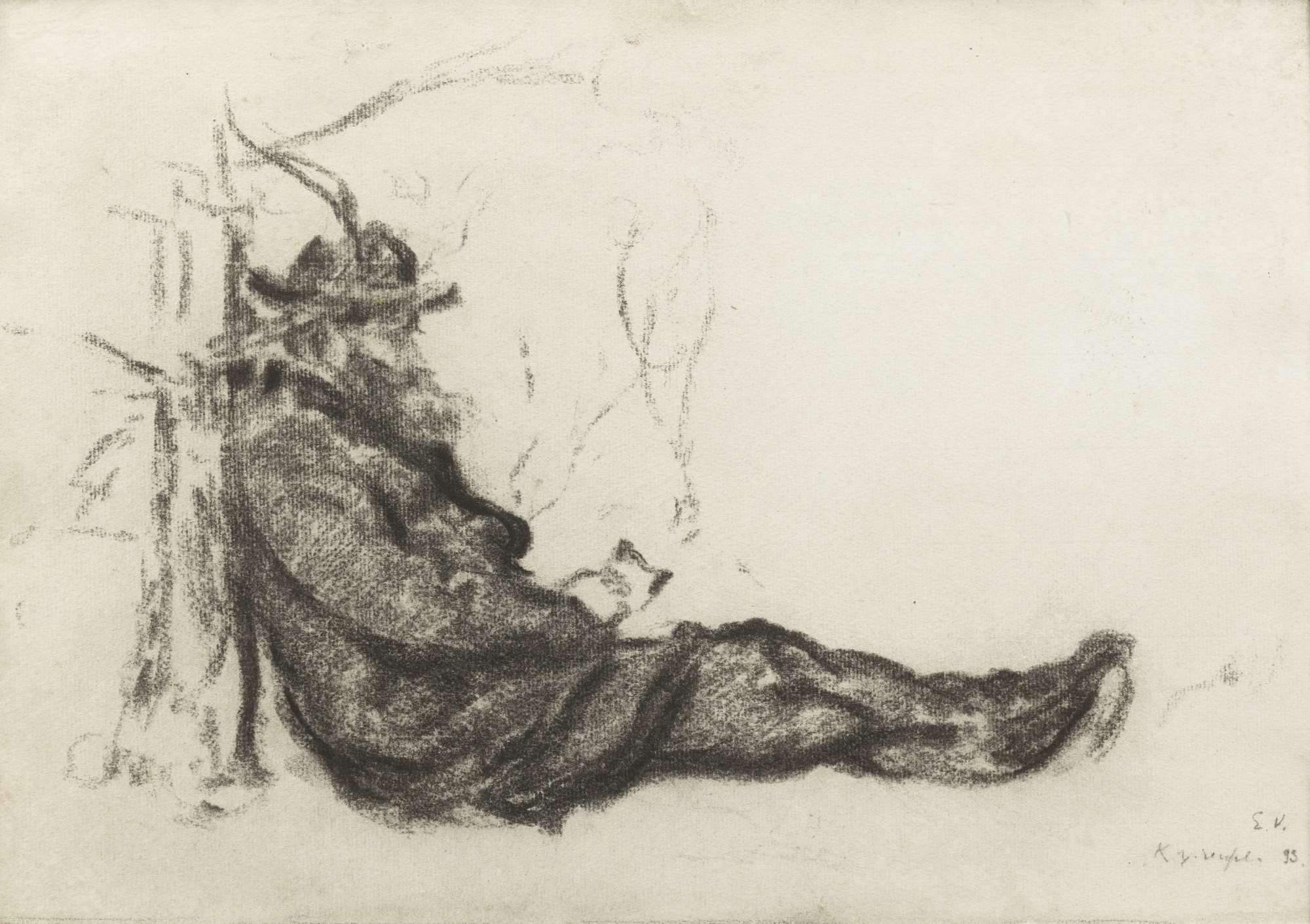
Aristide Maillol
Woman Seen from the Back, 1900


Red Chalk Is Having Its Reckoning
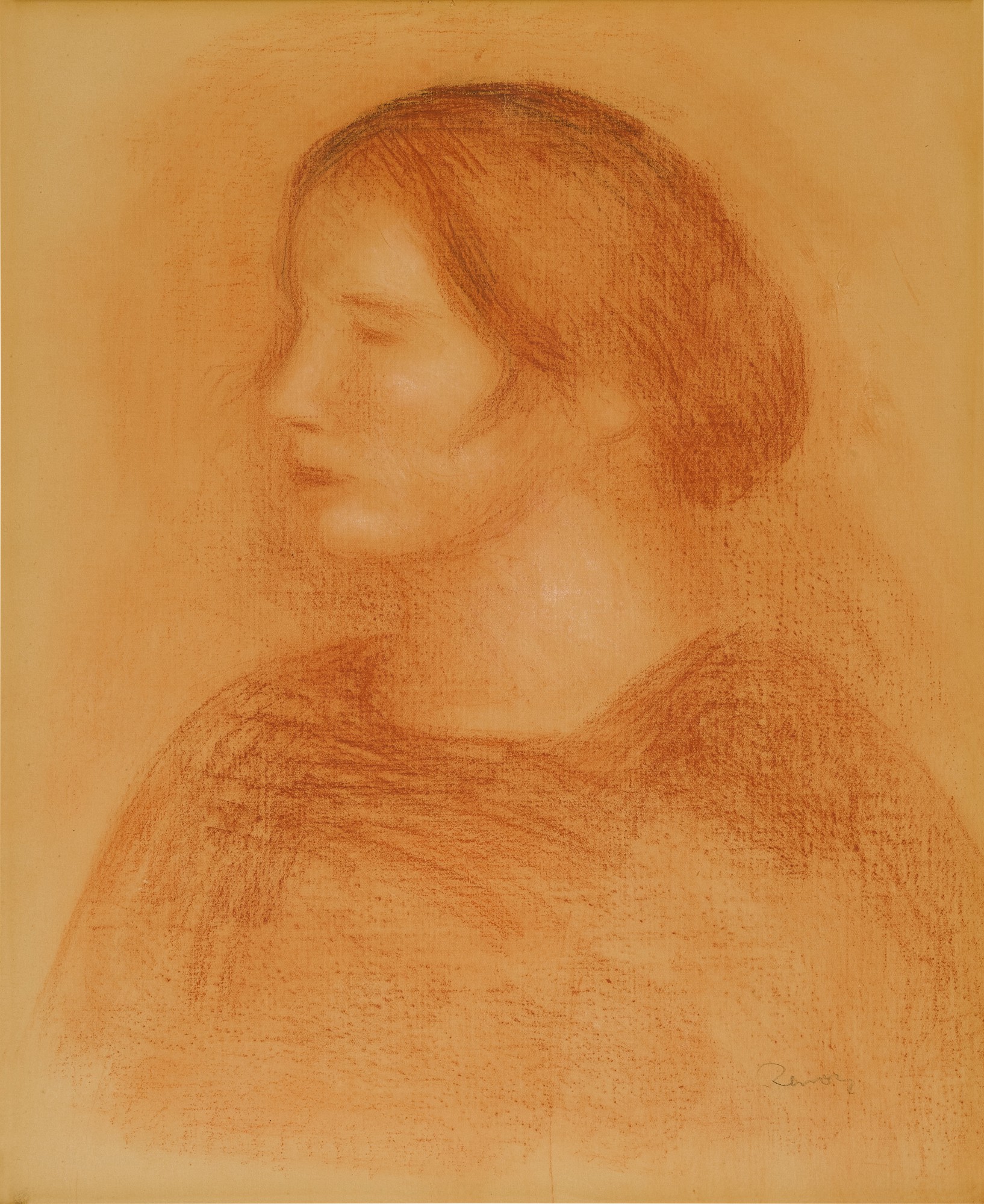
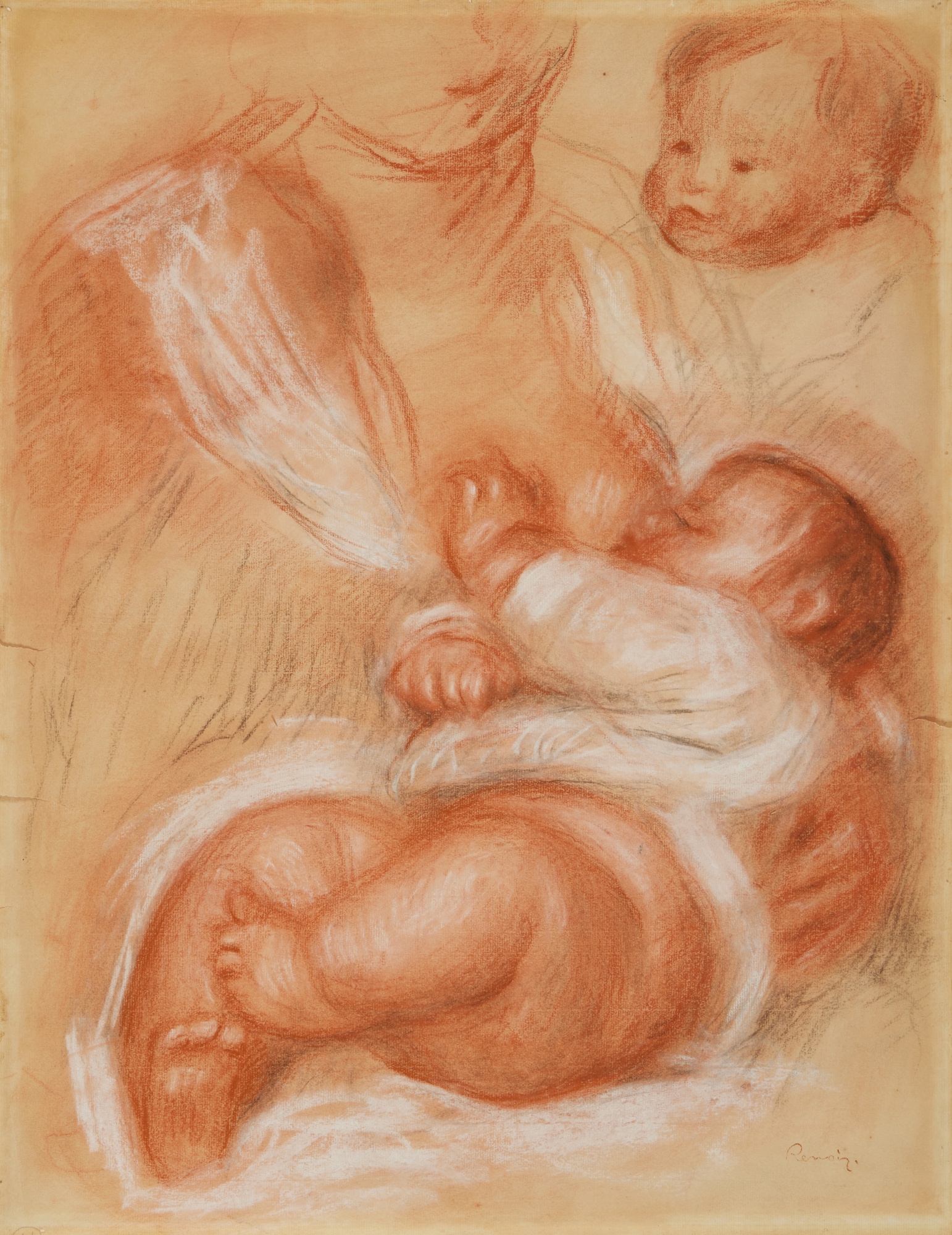
When a sanguine study by Pierre Auguste Renoir surfaced at Christie's Paris a few years ago and exceeded its high estimate by a considerable margin, the room took notice. It was not a painting. It was not even a finished drawing. It was a red chalk sketch, warm and searching, the kind of work that dealers once described as secondary and scholars quietly called essential.
That result said something the market had been building toward for years: works in sanguine, the iron oxide chalk that gives this medium its name and its particular burnished glow, are no longer treated as supporting characters in an artist's story. They are the story. Sanguine, that most intimate of drawing materials, has enjoyed a long institutional rehabilitation. The medium carries an almost tactile warmth, a reddish brown tone that seems to hold light rather than reflect it, which makes it singularly suited to the study of flesh, drapery, and gesture.
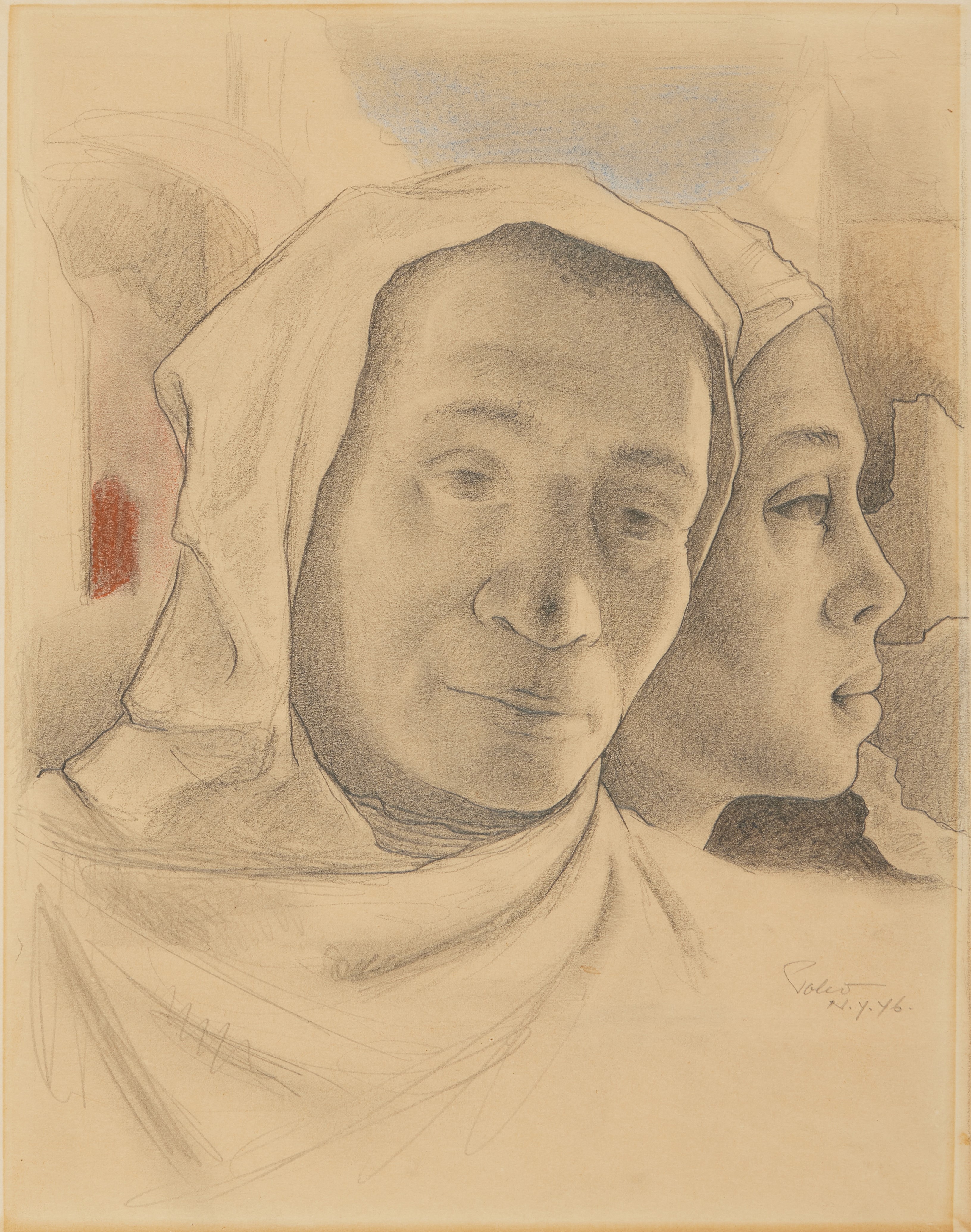
Héctor Poleo
Memorias de juventud
Artists from the Renaissance forward understood this. By the nineteenth and early twentieth centuries, figures like Renoir and Ker Xavier Roussel were using it not merely for preparatory work but as a primary mode of expression. What the market is only now fully pricing is what scholars have argued for decades: that the drawing is where you find the artist thinking. The exhibition landscape has done considerable work to shape this reappraisal.
The Louvre's sustained attention to the drawn work of the French tradition, including exhibitions dedicated to master drawings on paper, helped establish the curatorial argument. More recently, the Morgan Library and Museum in New York has been a consistent champion of works on paper across periods, with shows that reframe drawing not as a footnote to painting but as its own complete discipline. When institutions of that authority dedicate wall space and scholarship to red chalk studies, the collecting conversation shifts accordingly. Private collectors who had always known this are vindicated, and new collectors arrive with permission to trust their instincts.
Aristide Maillol
Woman Seen from the Back, 1900
At auction, the results across this category reveal a nuanced appetite rather than a simple surge. Renoir's sanguine works, where he captures a model's shoulder or the soft weight of a resting hand, tend to perform with quiet confidence. They rarely ignite bidding wars but they find their buyers reliably, which is in its own way a more meaningful signal. Aristide Maillol, whose sculptural sensibility translated directly into his drawing practice, commands serious attention when red chalk works appear.
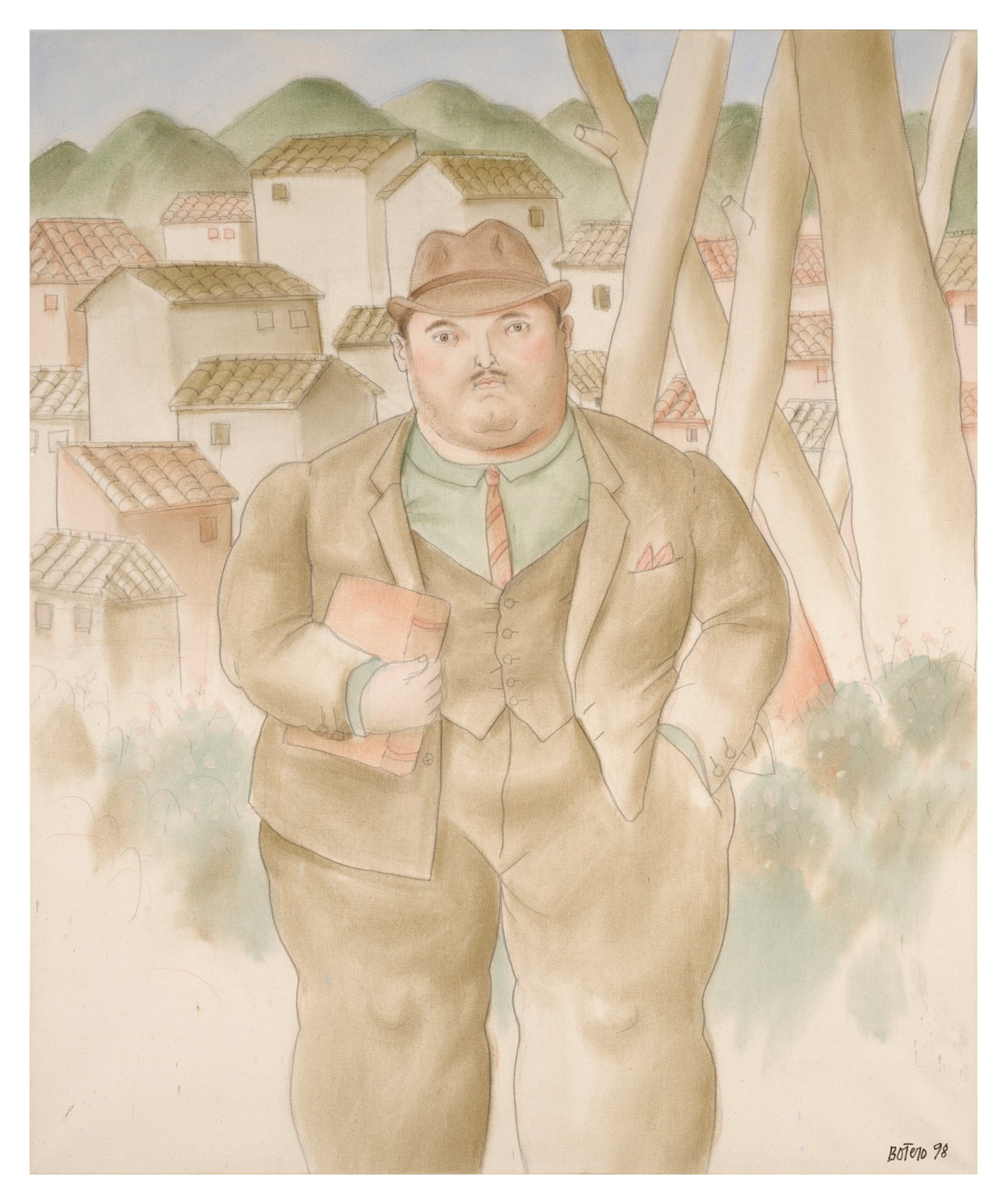
His figures carry the same monumental quality as his bronzes but with a looseness that the sculptures cannot achieve, and collectors respond to that tension. Fernando Botero's drawings, which share sanguine's appetite for volume and rounded form, draw a different kind of collector but occupy the same conversation about the relationship between drawing and three dimensional thinking. What is particularly interesting right now is how the critical conversation is expanding beyond the canonical European names. Héctor Poleo, the Venezuelan surrealist whose figurative work sits at a genuinely strange and compelling intersection of traditions, is attracting renewed scholarly interest, and works on paper are central to understanding how he developed his visual language.
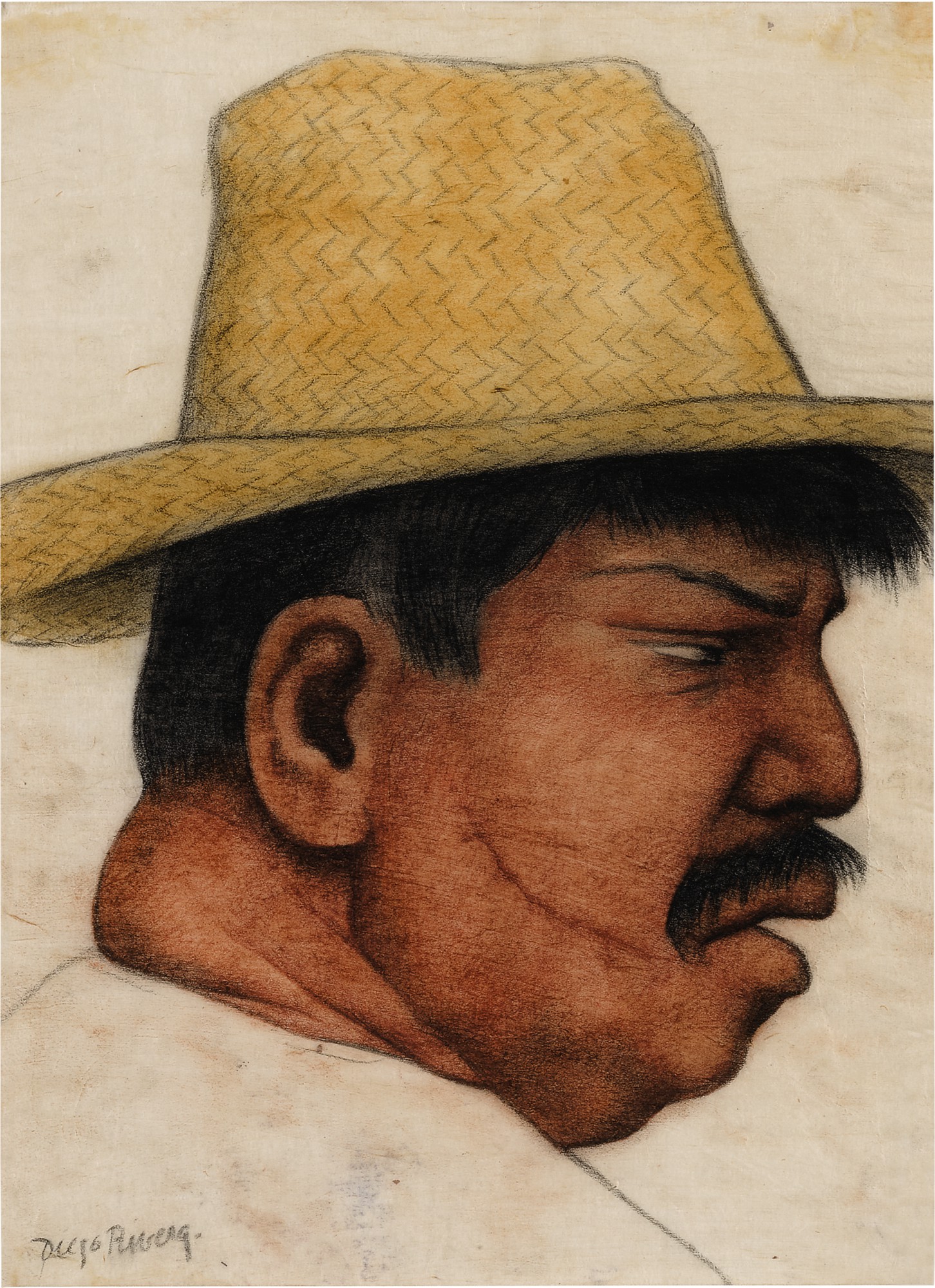
Diego Rivera
Hombre gordo, 1938
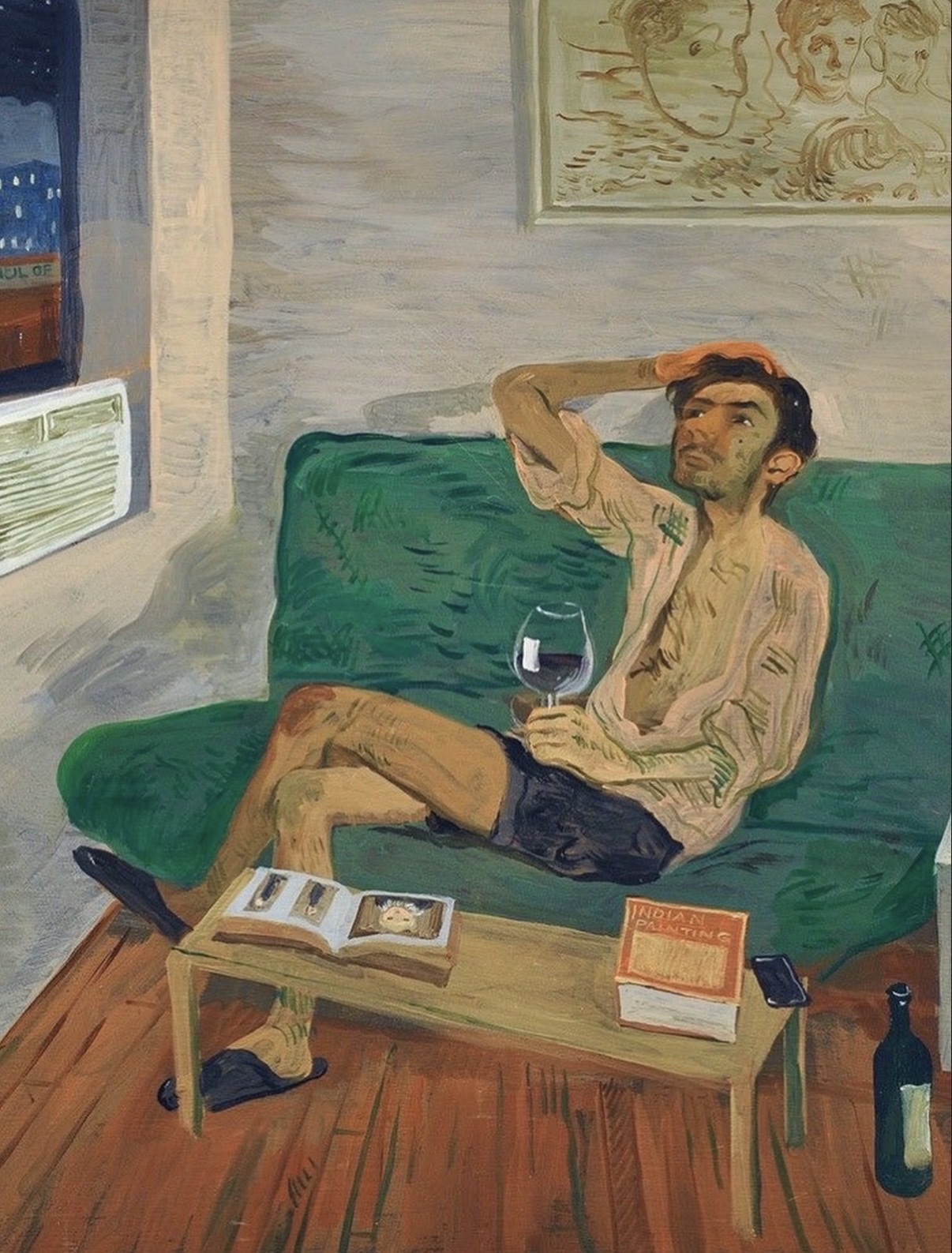
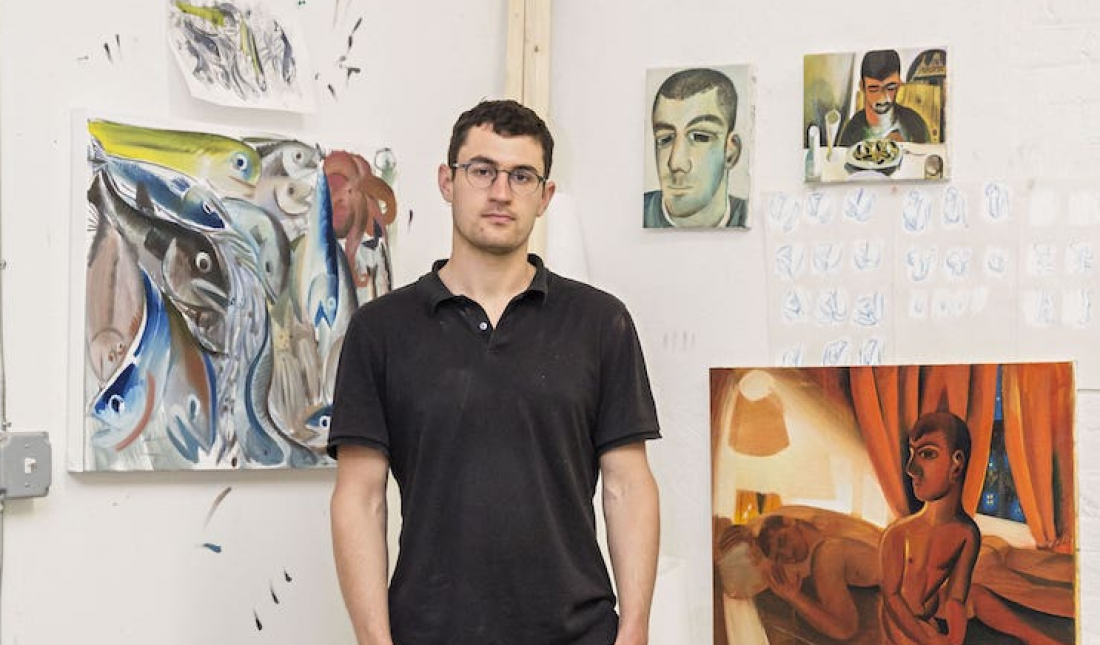
Diego Rivera's drawings, which reveal a different Rivera than the muralist most people know, are being examined with fresh eyes as institutions in Mexico and the United States mount more comprehensive retrospectives. When a curator of the caliber working at LACMA or the Museo de Arte Moderno in Mexico City turns sustained attention to an artist's works on paper, the market follows within a cycle or two. Louis Fratino occupies a different register entirely but belongs in this conversation because his work raises questions about what sanguine means to a younger generation of figurative artists. Fratino draws the body with an intimacy that is conscious of art history without being imprisoned by it, and his use of warm toned media connects him to a tradition he is simultaneously reimagining.
The critical attention he has received from publications like Artforum and from curators at the Hammer and the ICA in Boston has been unusually sustained for an artist at his career stage, which suggests that the conversation around figuration, drawing, and embodied warmth is one the field is hungry to have. Institutions collecting seriously in this space include not only the expected encyclopedic museums but also the dedicated drawing collections that have become quiet powerhouses of scholarship. The Städel in Frankfurt, the Albertina in Vienna, and the Royal Collection Trust have all made recent acquisitions and mounted programming that treats red chalk as a living medium with ongoing relevance rather than a historical curiosity. When the Albertina devotes resources to an area, private collectors in Europe pay attention.
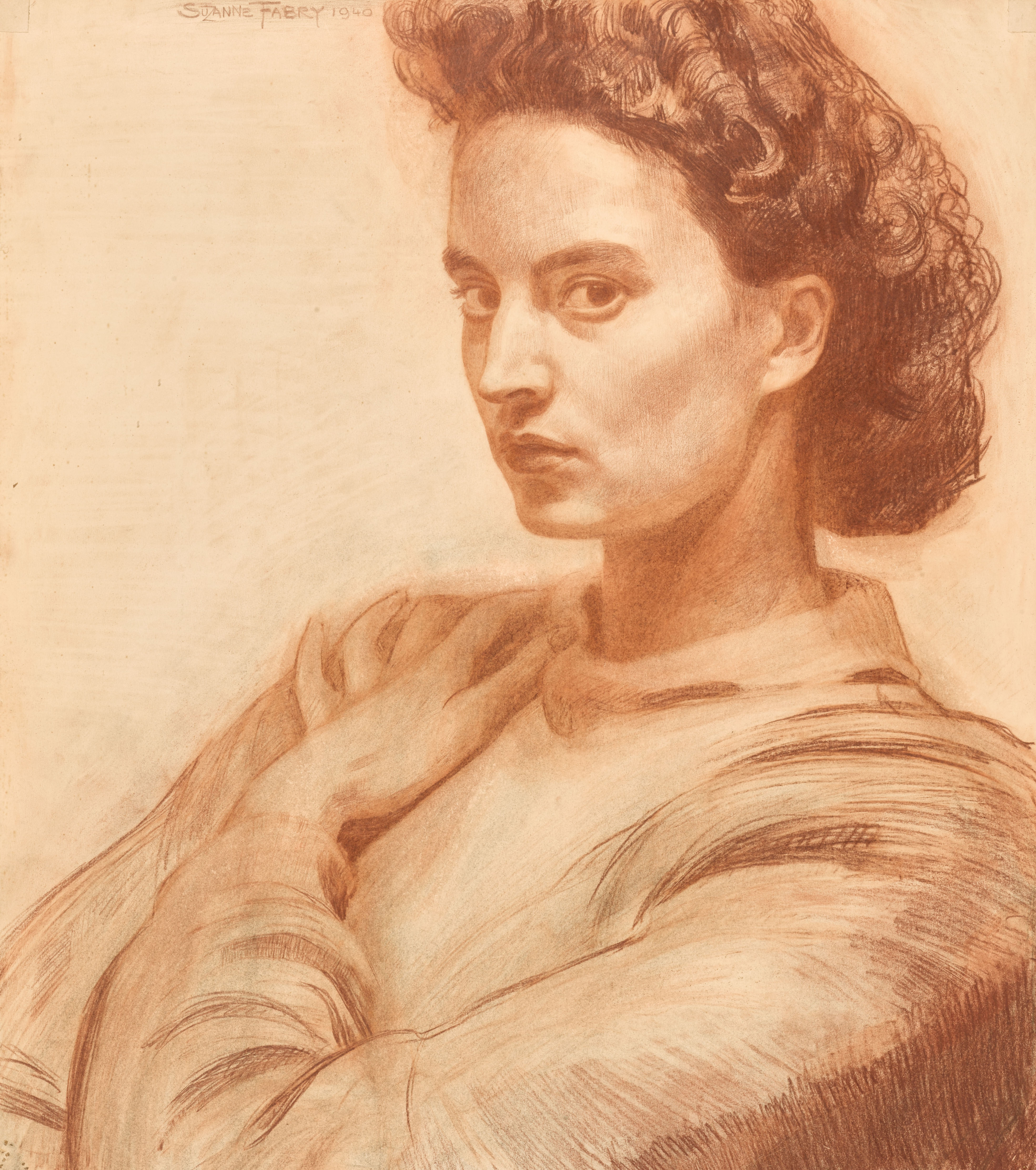
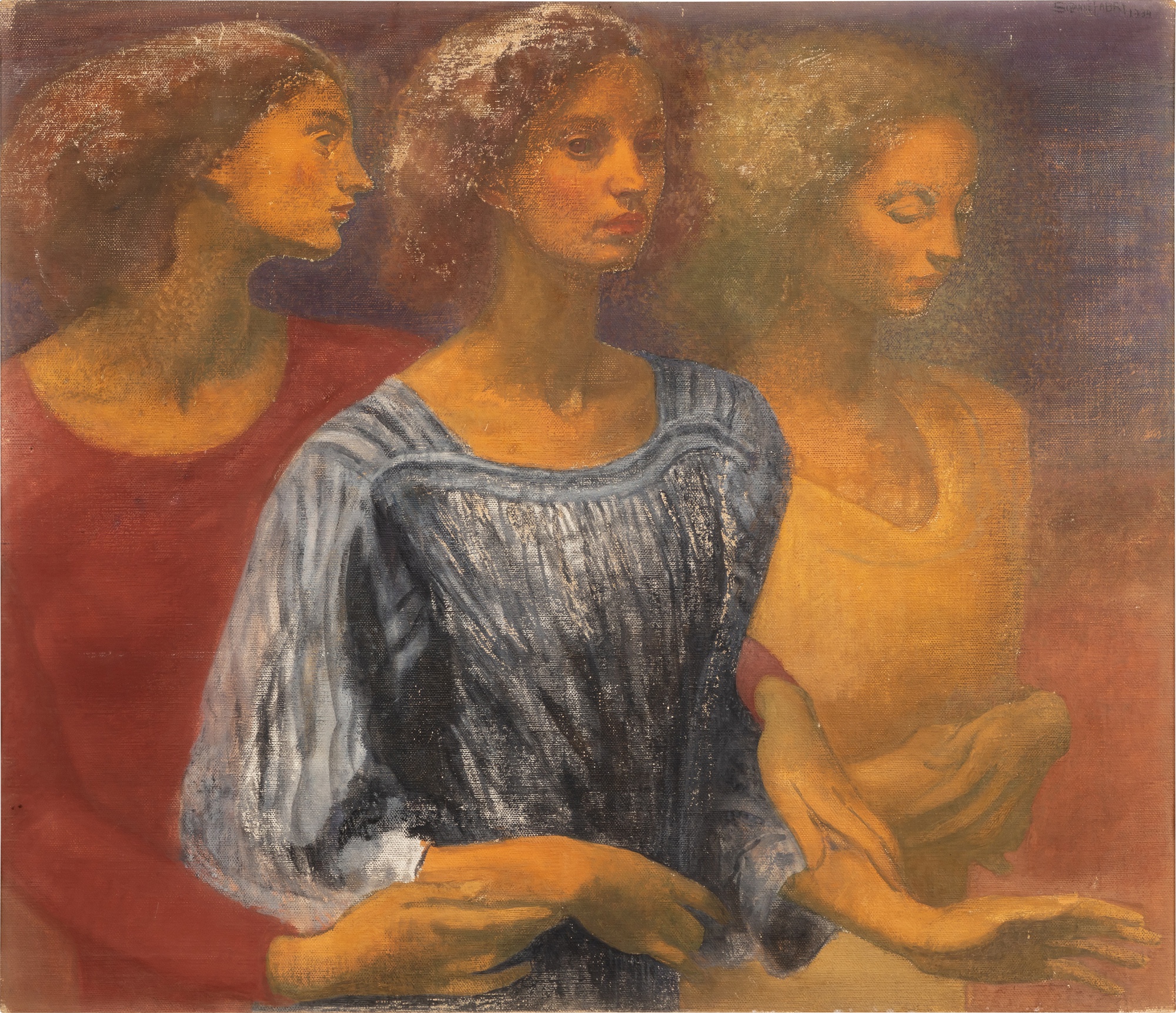
Suzanne Fabry
Tête (Autoportrait), 1940
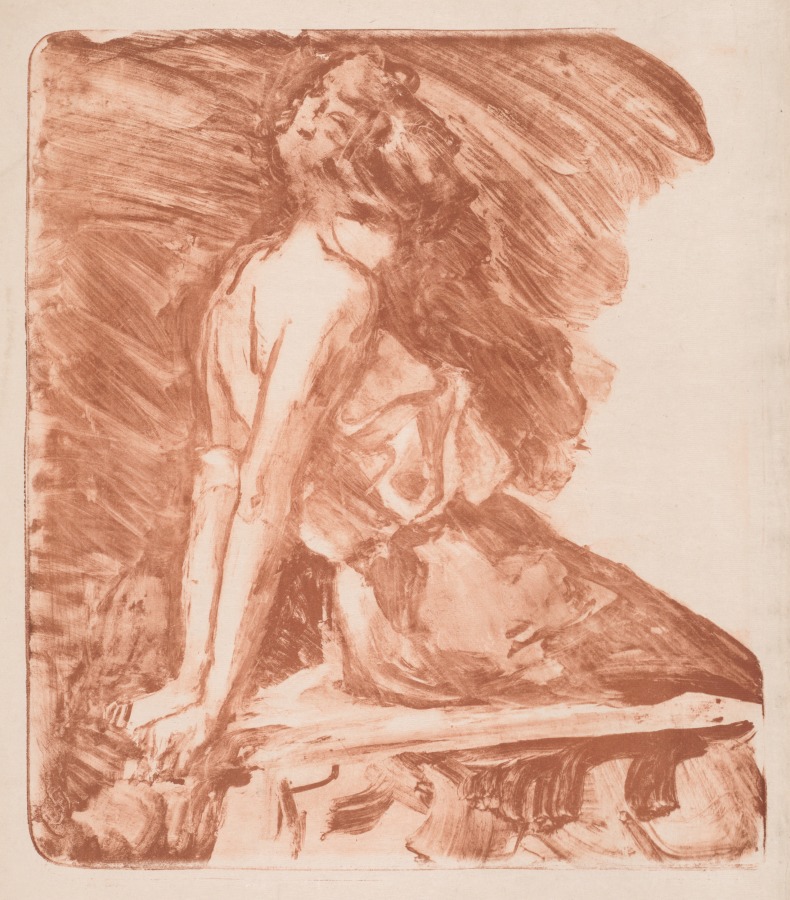
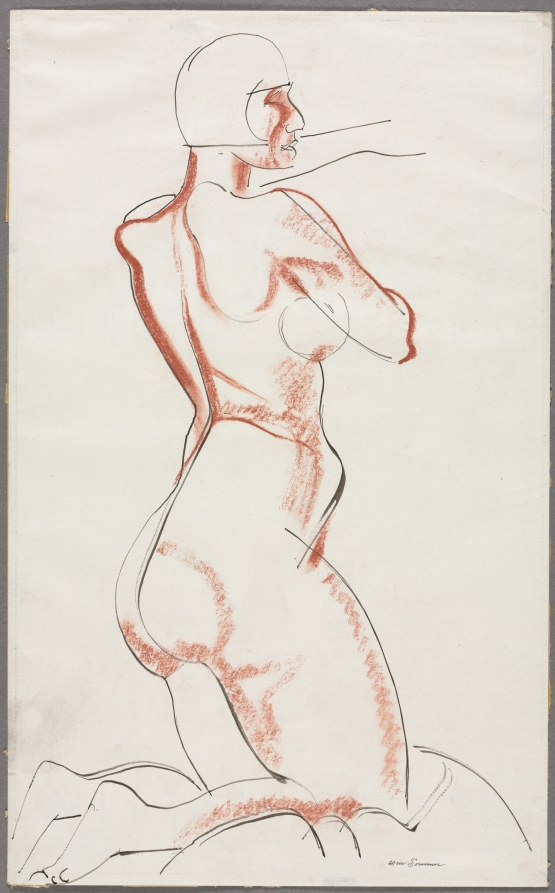
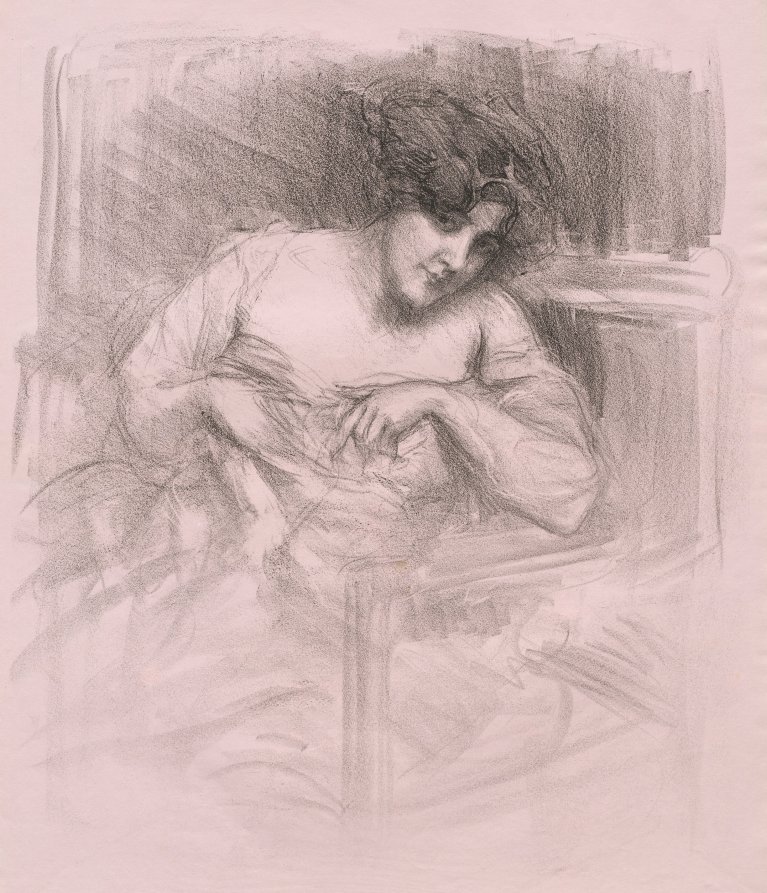
That kind of institutional validation has a long echo. Suzanne Fabry and William Sommer represent something important on the edges of this conversation: artists whose work in warm chalk and related media existed somewhat outside the dominant market narratives of their periods and are now being reassessed precisely because the field has developed more sophisticated tools for valuing works on paper. Albert de Belleroche, whose drawings of figures in social settings carry an almost cinematic quality, is similarly positioned. Odilon Redon's pastels and chalk works, always beloved by a devoted audience, now seem newly relevant in a moment when color, texture, and the mark of the hand are generating serious critical discourse.
The energy feels genuinely alive rather than speculative. This is not a category where collectors are buying ahead of the market hoping for a pop. The people acquiring sanguine works are, by and large, collectors who have spent time with drawings, who understand what they are looking at, and who find the medium's directness and warmth irreplaceable. That is a stable foundation.
The surprises coming may not be explosive prices but something more interesting: a broadening of the conversation to include artists from Latin America, from overlooked European traditions, and from the contemporary moment who are working in red chalk with full awareness of what they are entering into. That kind of depth tends to last.