Johan Deckmann
1
Works
Artist Spotlight
Johan Deckmann Finds Beauty in Everything
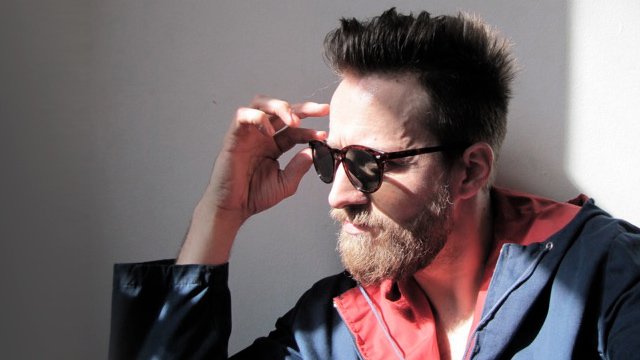
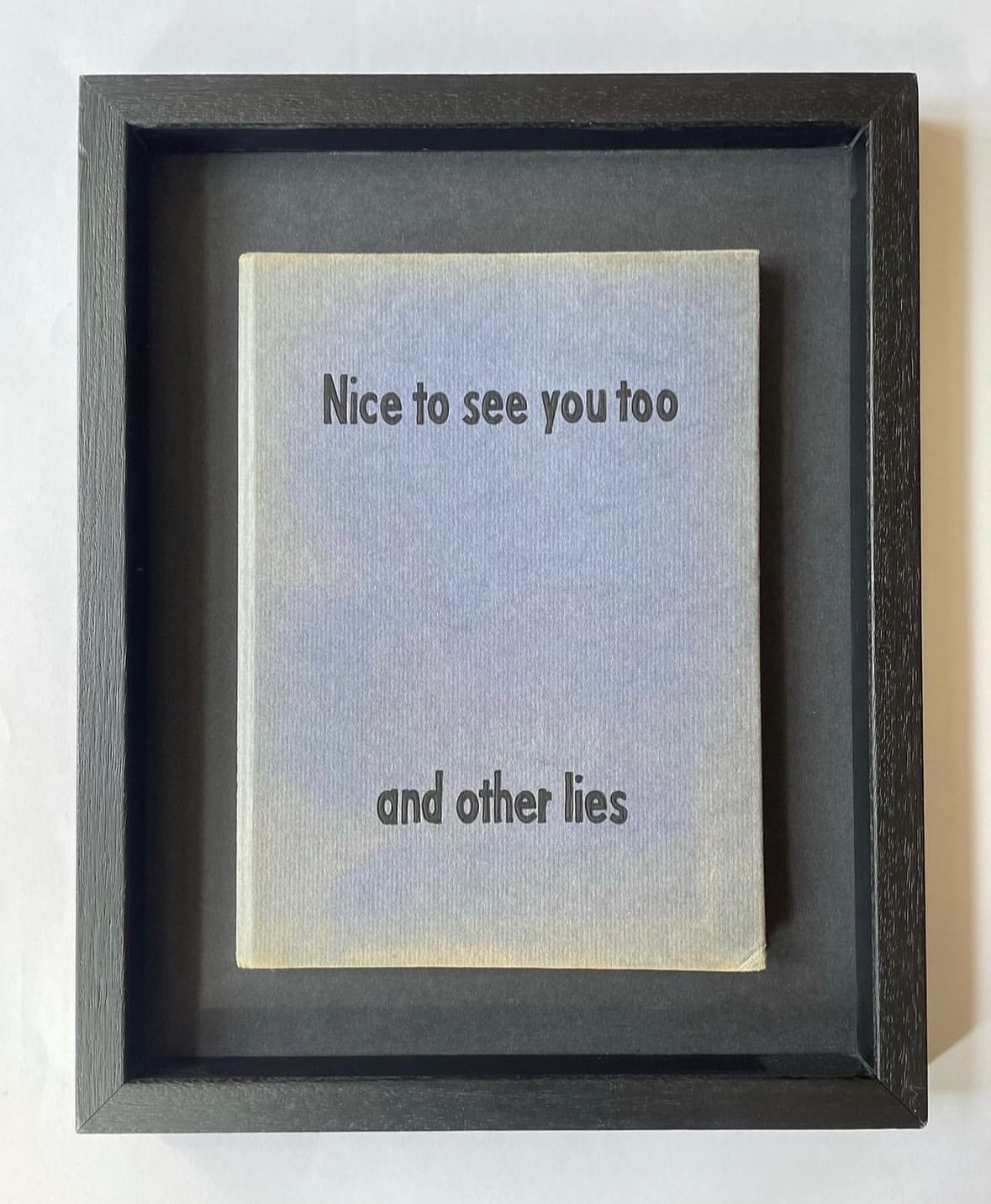
Something quiet and profound is happening in contemporary Danish art, and Johan Deckmann is at the center of it. His 2024 work "Nice To See You Too" arrived with the understated confidence of an artist operating at full creative maturity, a piece that layers acrylic paint across the surface of a book and transforms an everyday object into something genuinely arresting. It is the kind of work that stops you mid step, that makes you reconsider what a surface can hold and what meaning accumulates in objects we overlook. That a single gesture, paint meeting page, can carry this much emotional… Continue reading
Collectors
Artists in conversation
Danh Vo
Vo similarly works with found objects and assemblage to explore themes of fragmentation, history, and material transformation within a conceptual and minimalist framework. Collectors drawn to Deckmann's hybrid sculptural forms would find a natural resonance in Vo's practice.
Gabriel Orozco
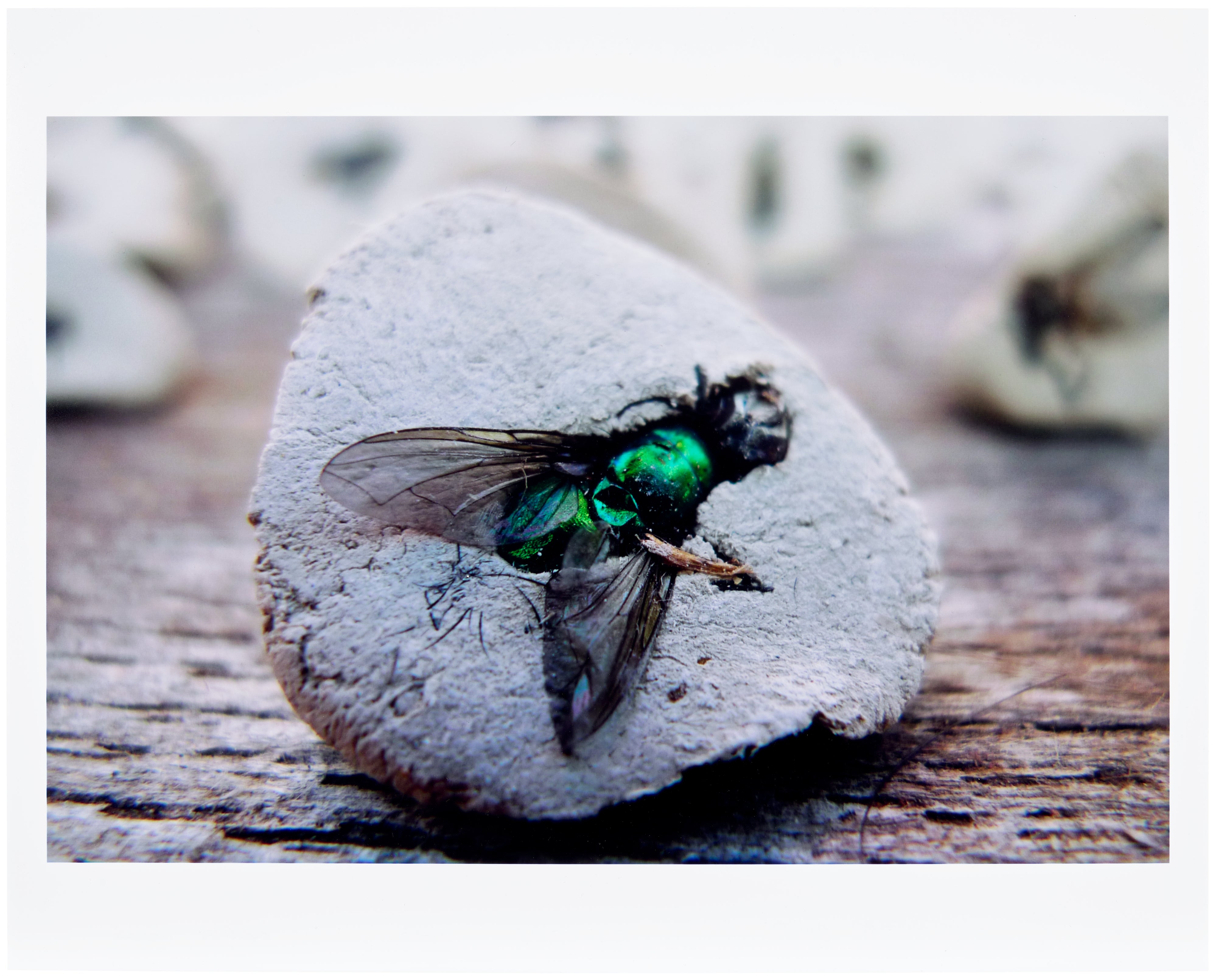
Orozco blurs the boundary between natural and manufactured through found object assemblages and installations that foreground decay and transformation. His conceptual mixed media approach shares significant common ground with Deckmann's sculptural explorations.
Mark Dion
Dion creates installations and assemblages that merge organic materials with industrial or institutional objects to examine the passage of time and systems of knowledge. This tension between the natural and the manufactured closely mirrors the thematic and material concerns in Deckmann's work.
Artists who inspired them
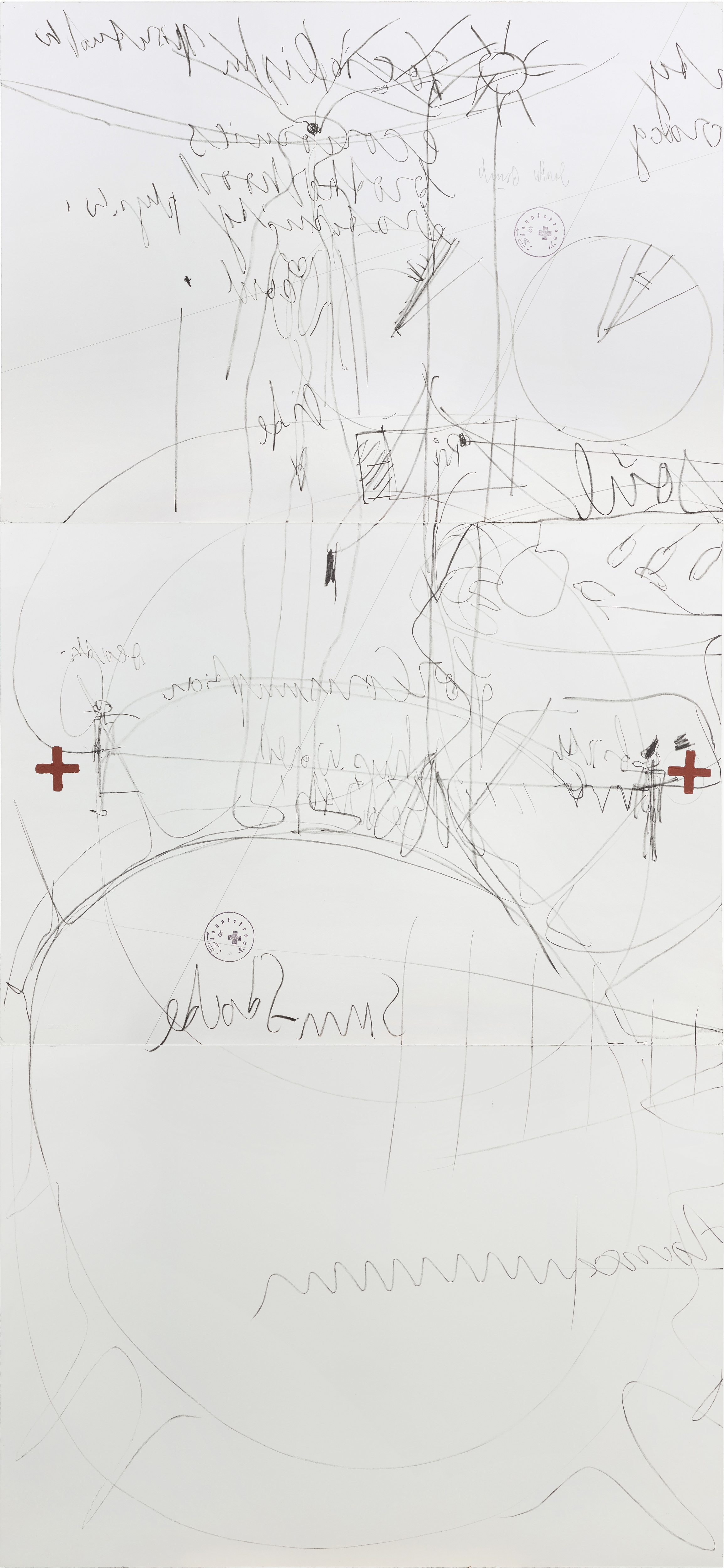
Joseph Beuys
Beuys pioneered the use of raw and organic materials such as felt and fat as carriers of conceptual meaning and transformation, a strategy that deeply informs Deckmann's own material philosophy. His expanded definition of sculpture as social and metaphysical practice laid groundwork that Deckmann's assemblage work builds upon.
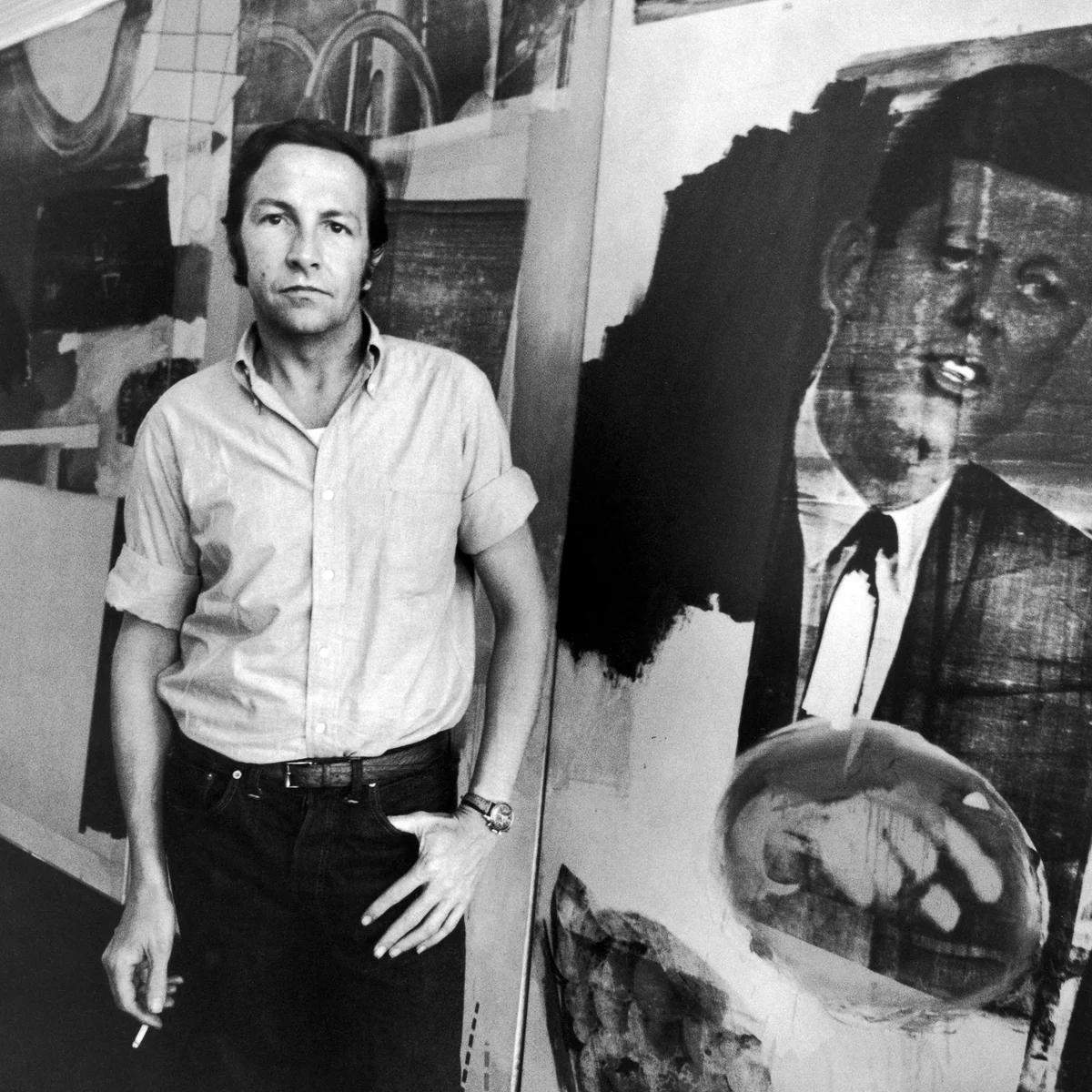
Robert Rauschenberg
Rauschenberg's combine paintings legitimized the fusion of found everyday objects with fine art, dissolving distinctions between the industrial and the handmade. Deckmann's assemblage and mixed media practice draws on this foundational precedent of incorporating detritus and manufactured materials into sculptural form.
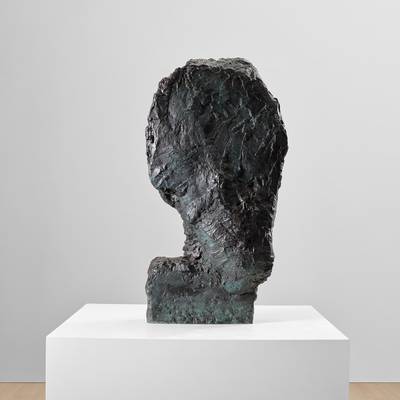
Per Kirkeby
Kirkeby's multidisciplinary practice as a fellow Danish artist connected natural science, materiality, and conceptual rigor in ways that would have offered Deckmann a culturally proximate model. His layered engagement with geology and organic form resonates with Deckmann's own material investigations.