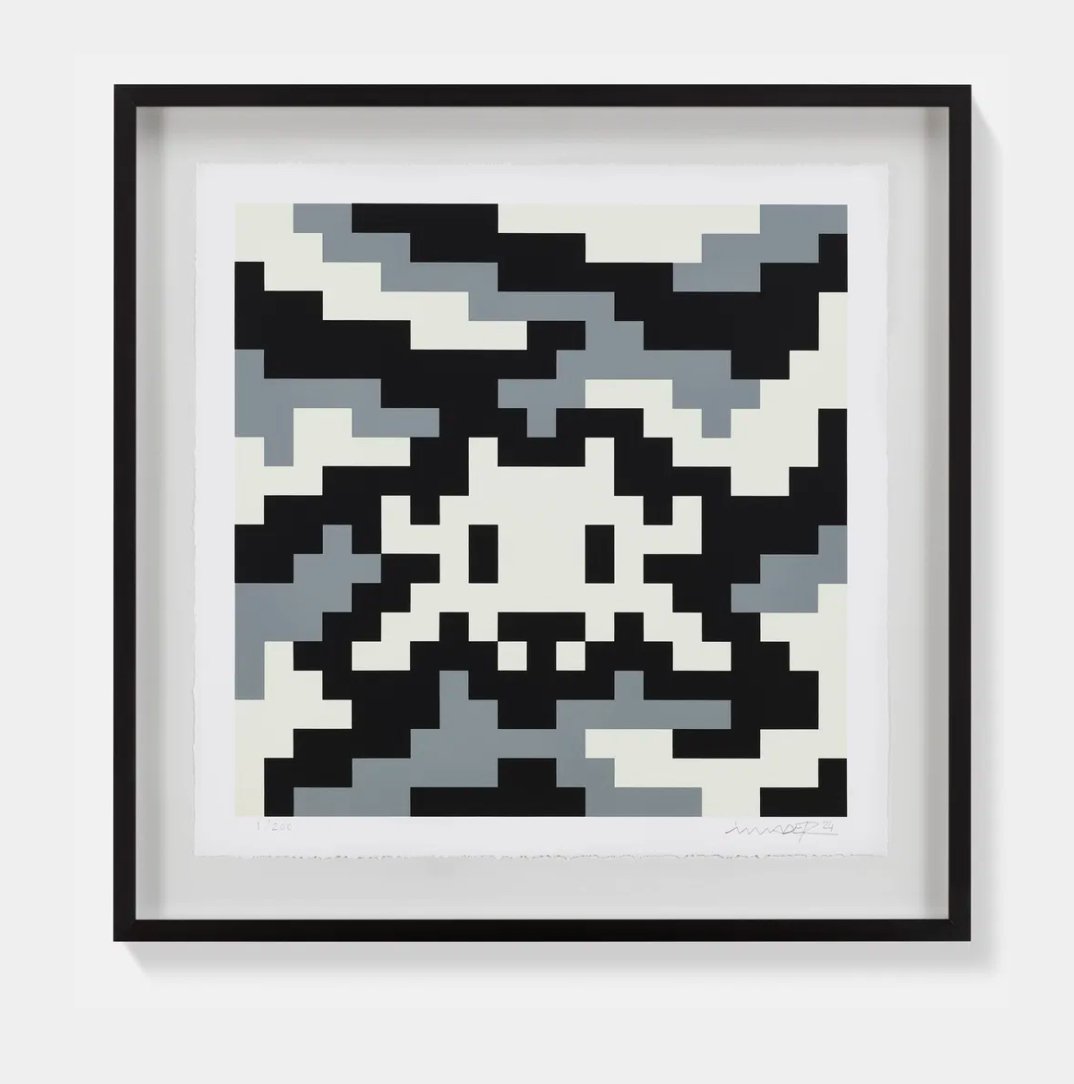
Emerging Artist
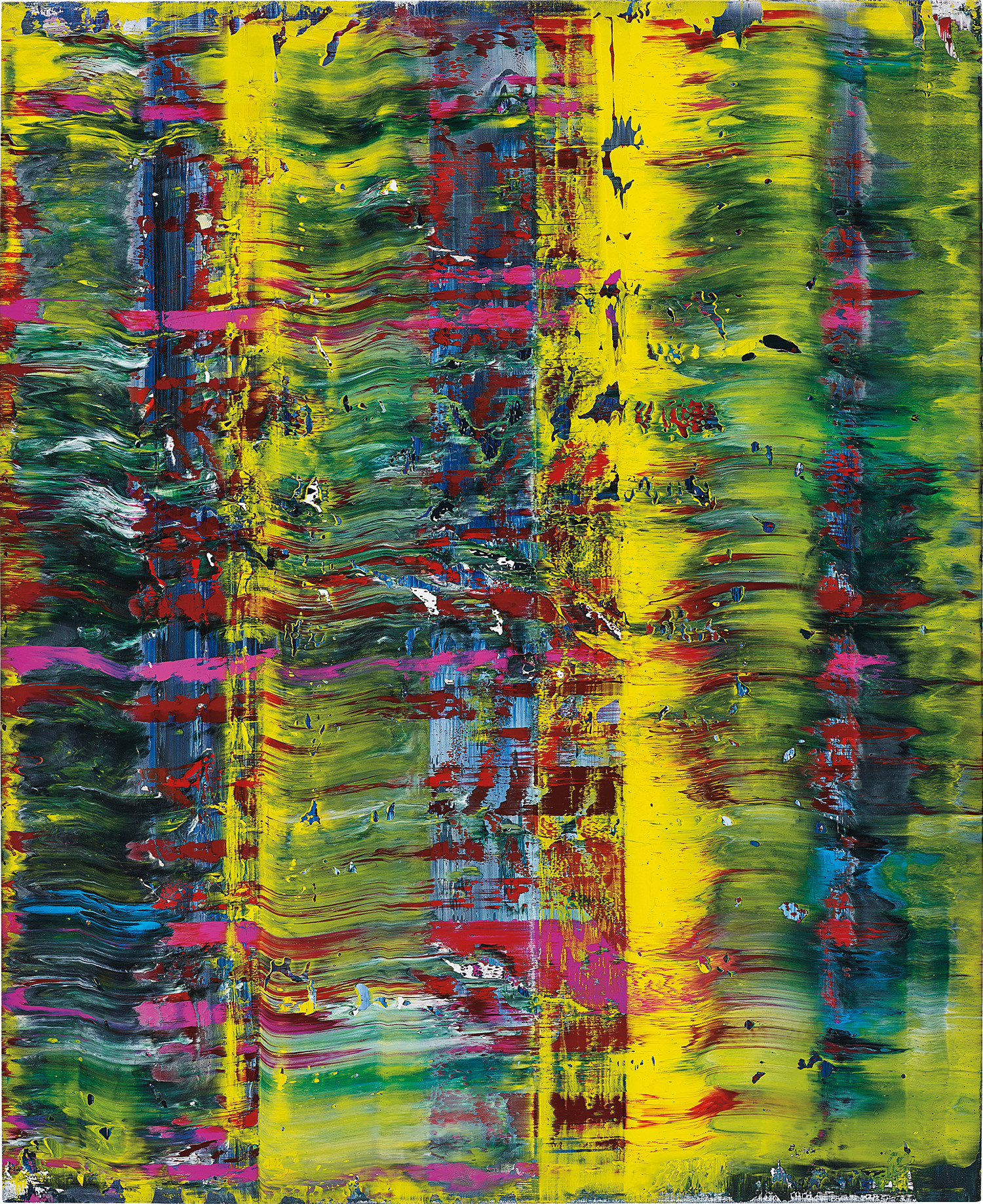
Ken Gun Min
Untitled

Who Gets to Be New Anymore?
At Sotheby's New York in May 2023, a painting by Oscar Murillo sold for well above its high estimate, a result that felt less like a surprise and more like a confirmation. Murillo had been the subject of institutional surveys, residencies across multiple continents, and sustained critical attention for over a decade. And yet the category attached to his early market career, emerging artist, still haunts the conversation around him. It raises a question that collectors and curators are increasingly forced to sit with: what does emerging actually mean, and who does that designation serve?
The term has always been slippery. In the 1980s it carried genuine risk, signaling work that had not yet passed through the filter of institutional validation. Today it functions more like a marketing instrument than a critical assessment. When galleries and fair organizers apply it, they often mean young in age, or early in market exposure, or simply not yet expensive enough to intimidate.
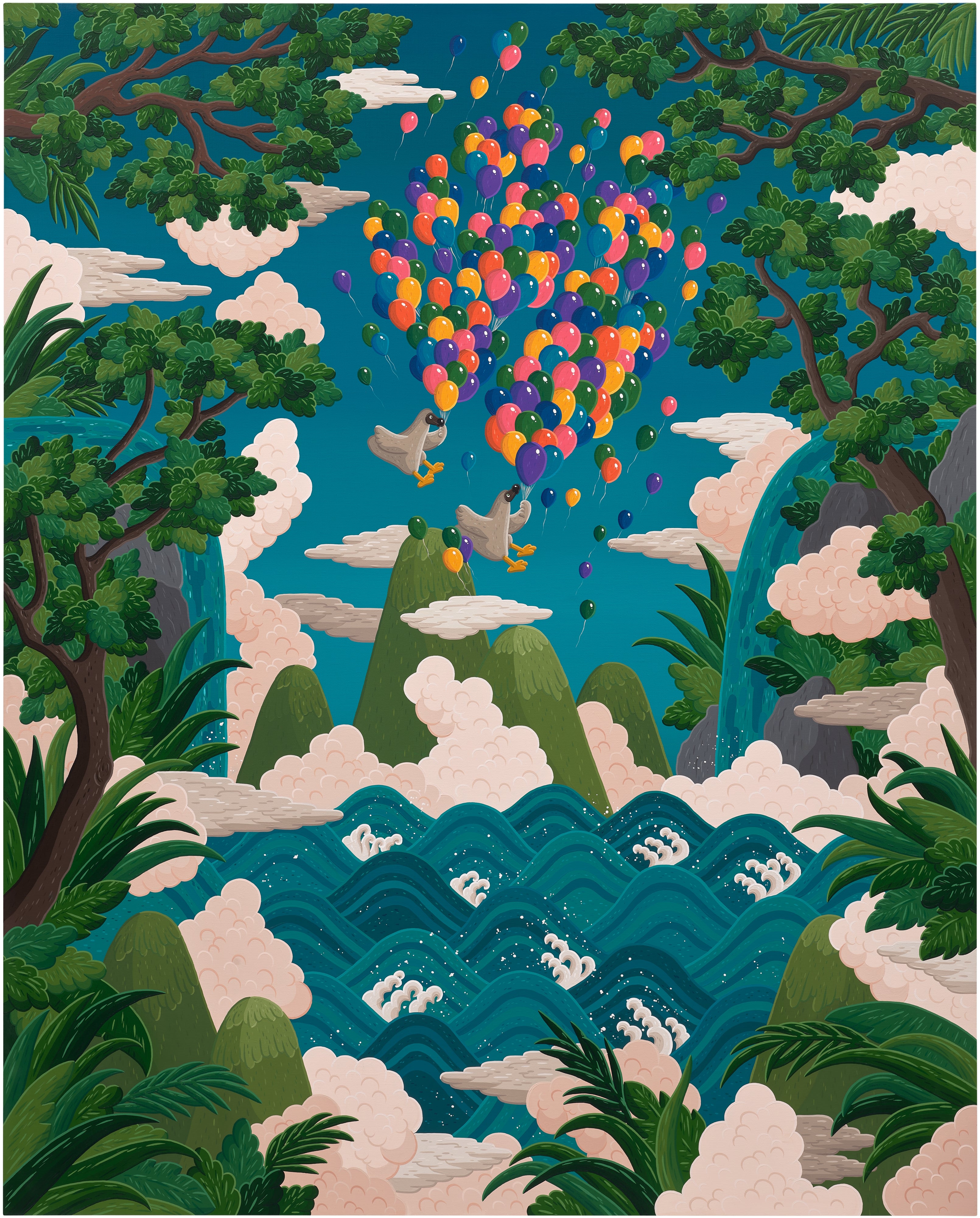
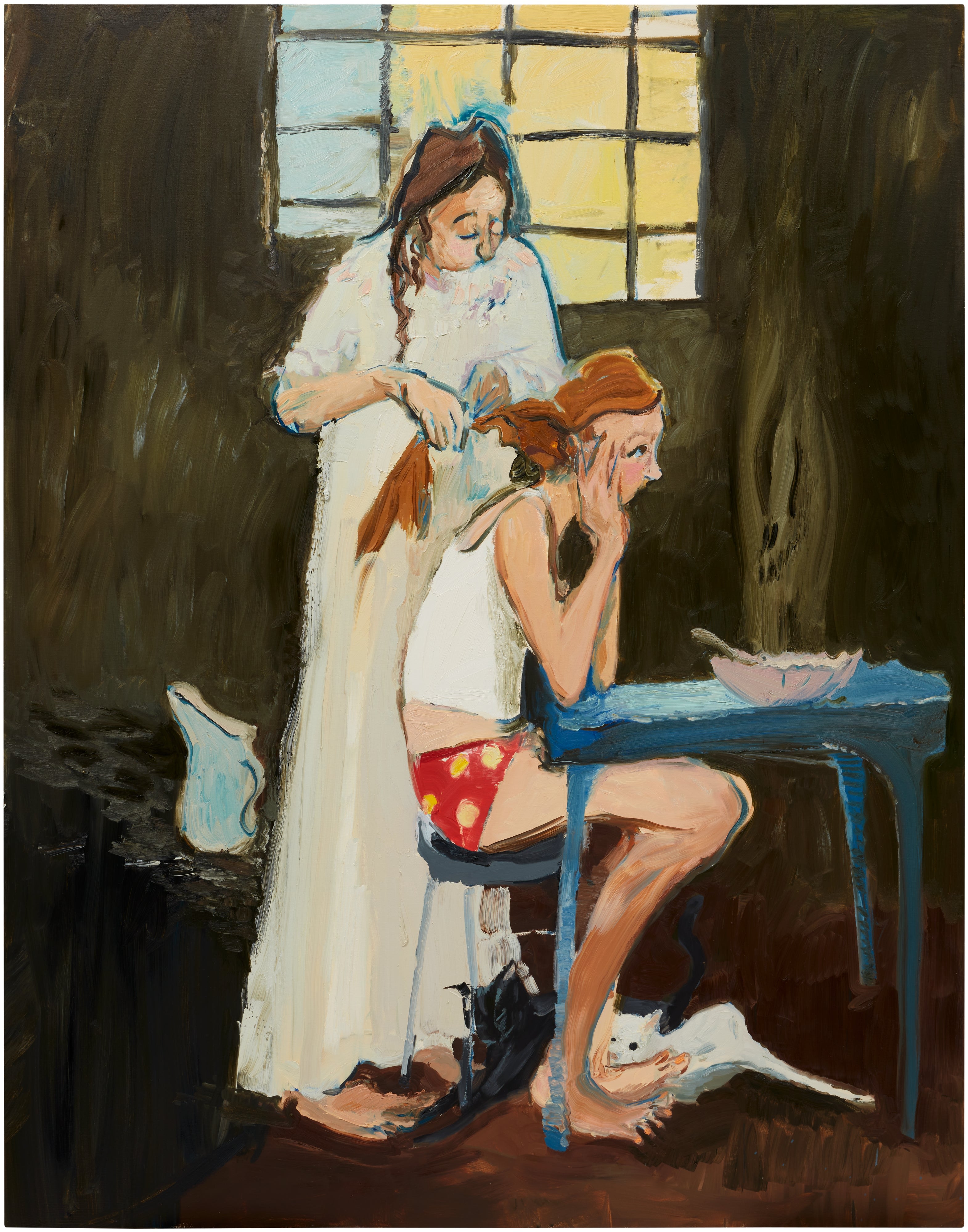
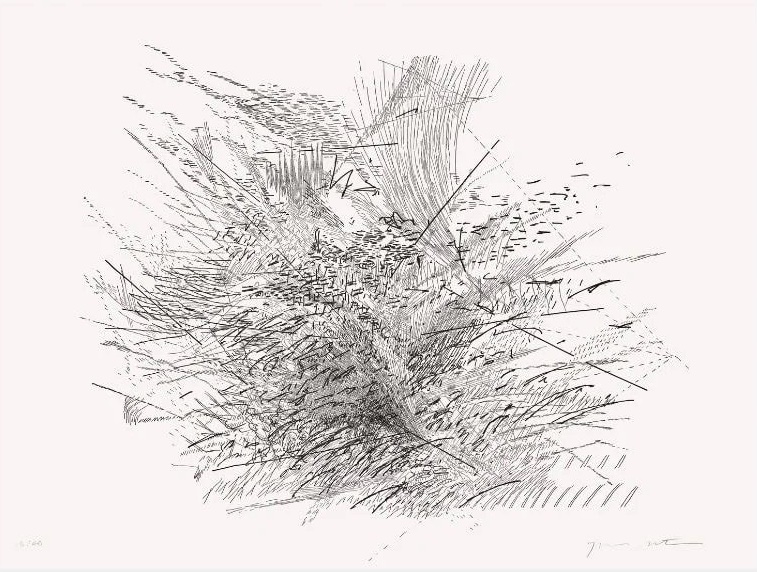
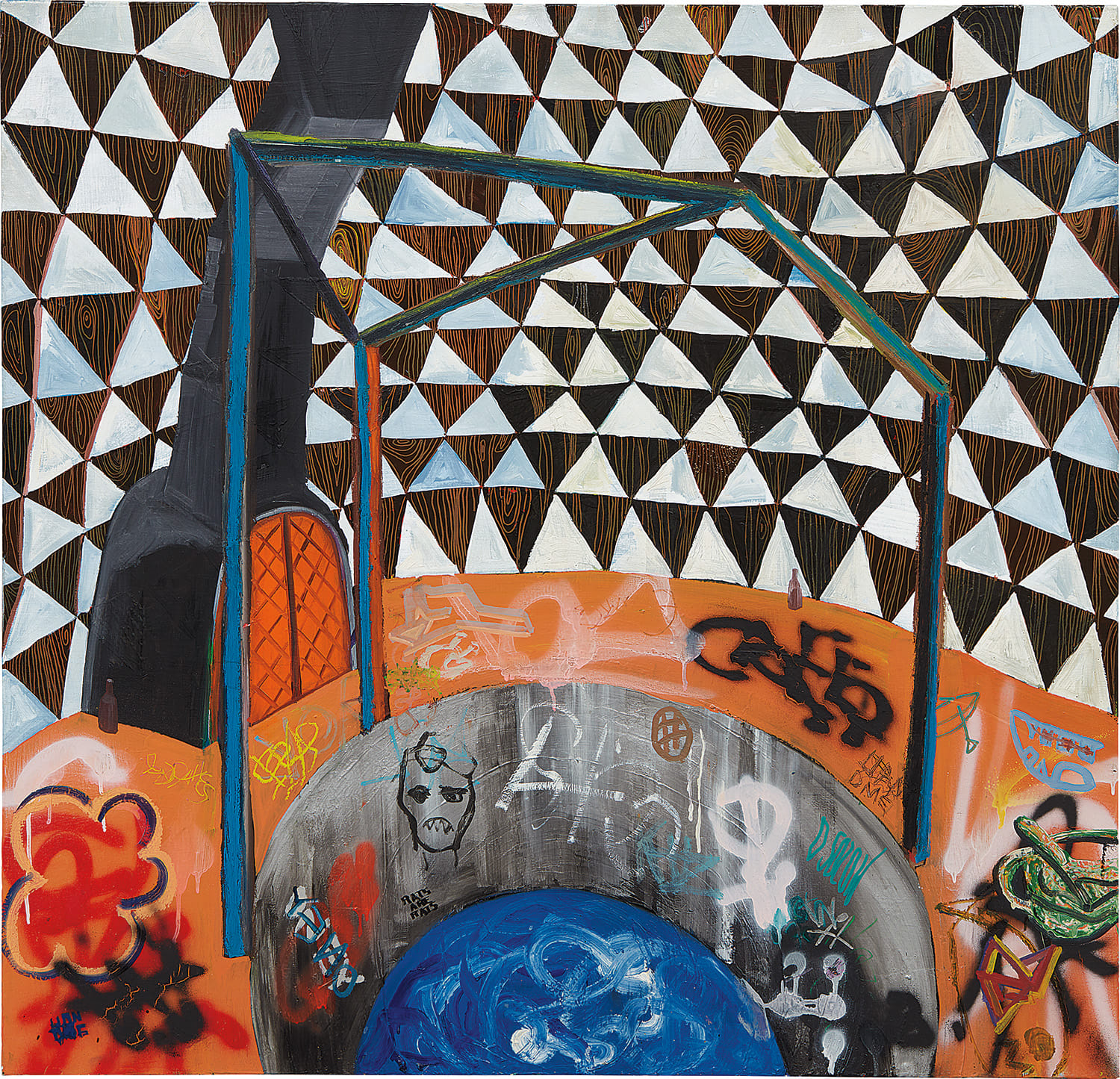
Kim Sunwoo
Flight Beyond the Tide, 2025
The result is a category that describes everything and therefore almost nothing. What it does reliably track, however, is appetite. The collector interest in emerging work has never been more organized, more globally networked, or more willing to move quickly. The exhibition history of this moment rewards close attention.
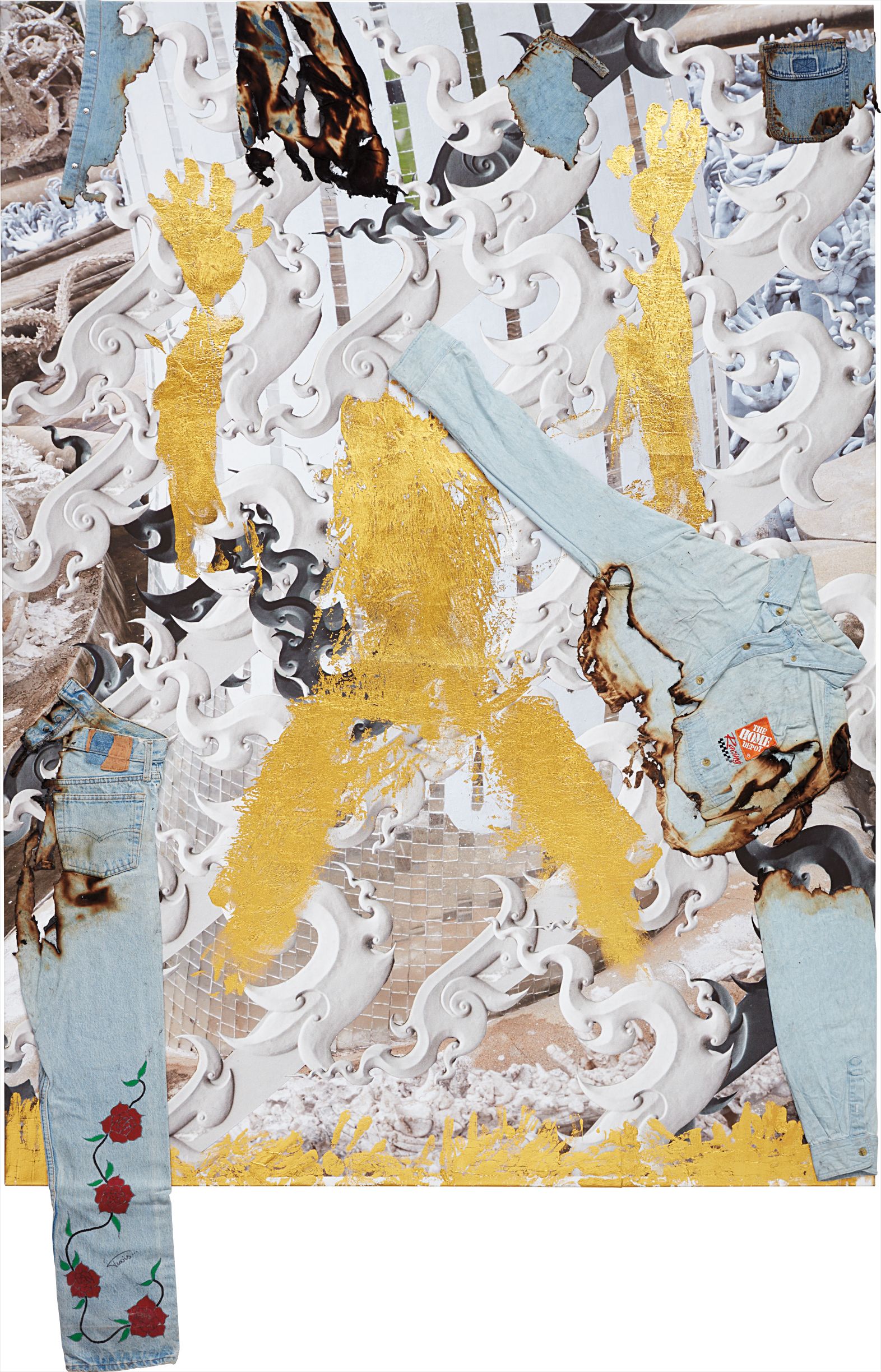
The New Museum's Triennial has functioned as a reliable barometer since its inception in 2009, surfacing artists who go on to define the decade that follows. More recently, shows like Mixing It Up at the Hayward Gallery in London and the consistently adventurous programming at institutions like the ICA in Los Angeles have demonstrated that the most interesting conversations about emerging practice are happening at the intersection of painting, material culture, and questions of identity formation. Korakrit Arunanondchai, whose work appears on The Collection, has moved through this ecosystem with particular fluency, building a practice that connects Thai spiritual traditions to the aesthetics of global youth culture in ways that have made him genuinely difficult to categorize. On the auction side, the results from the past several years reveal a market that is confident about certain names and actively speculative about others.
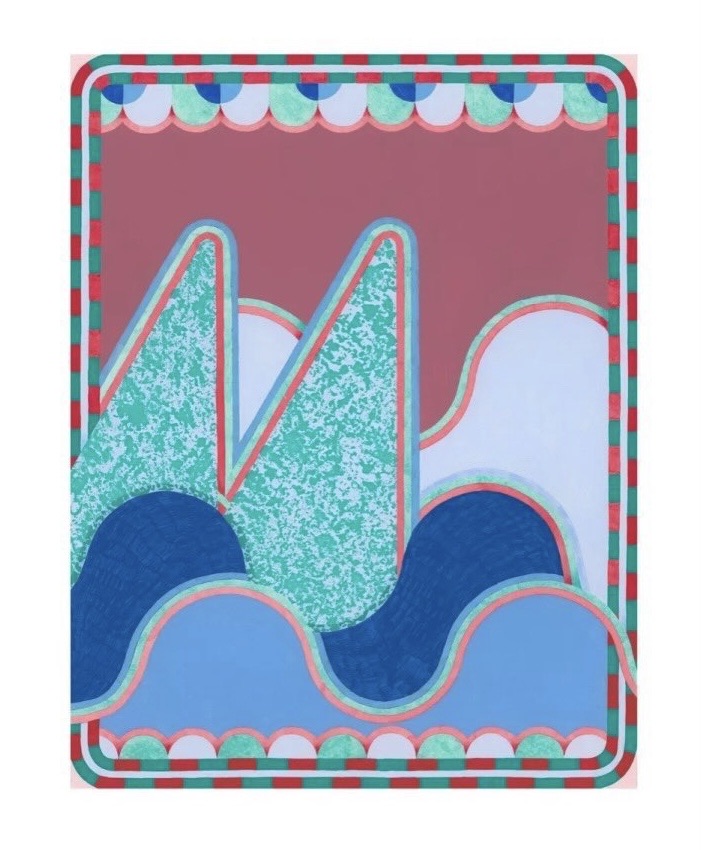
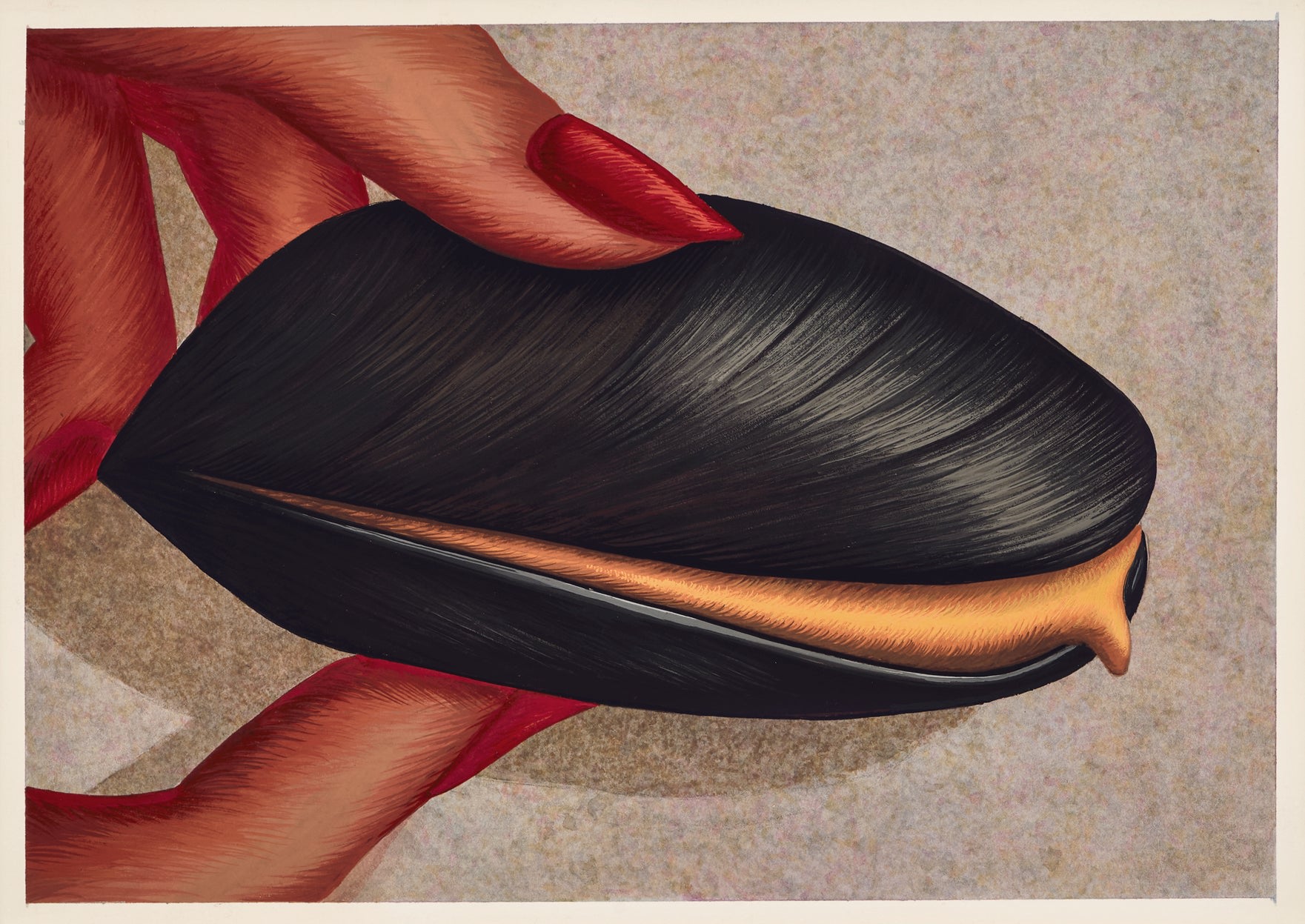
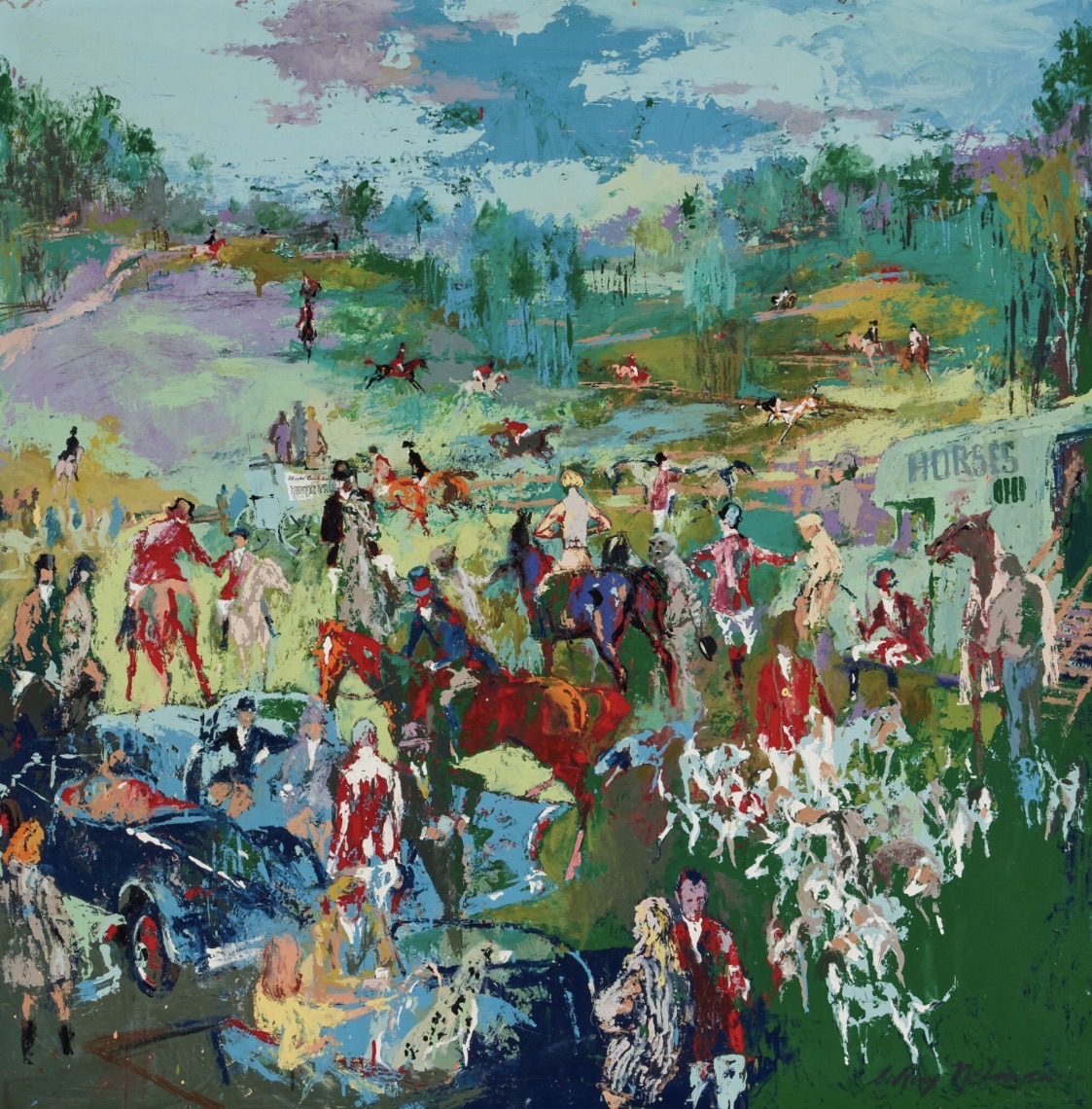
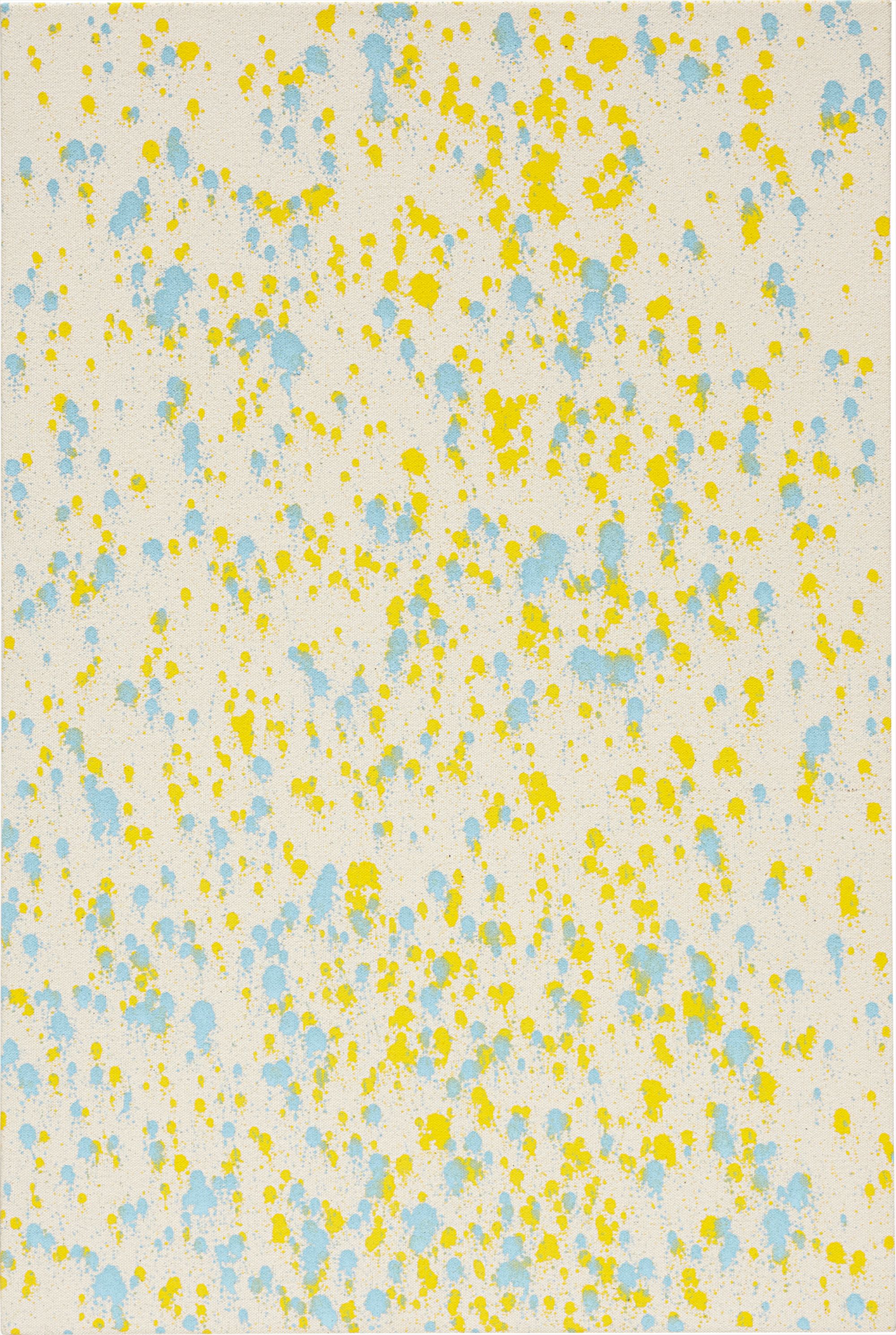
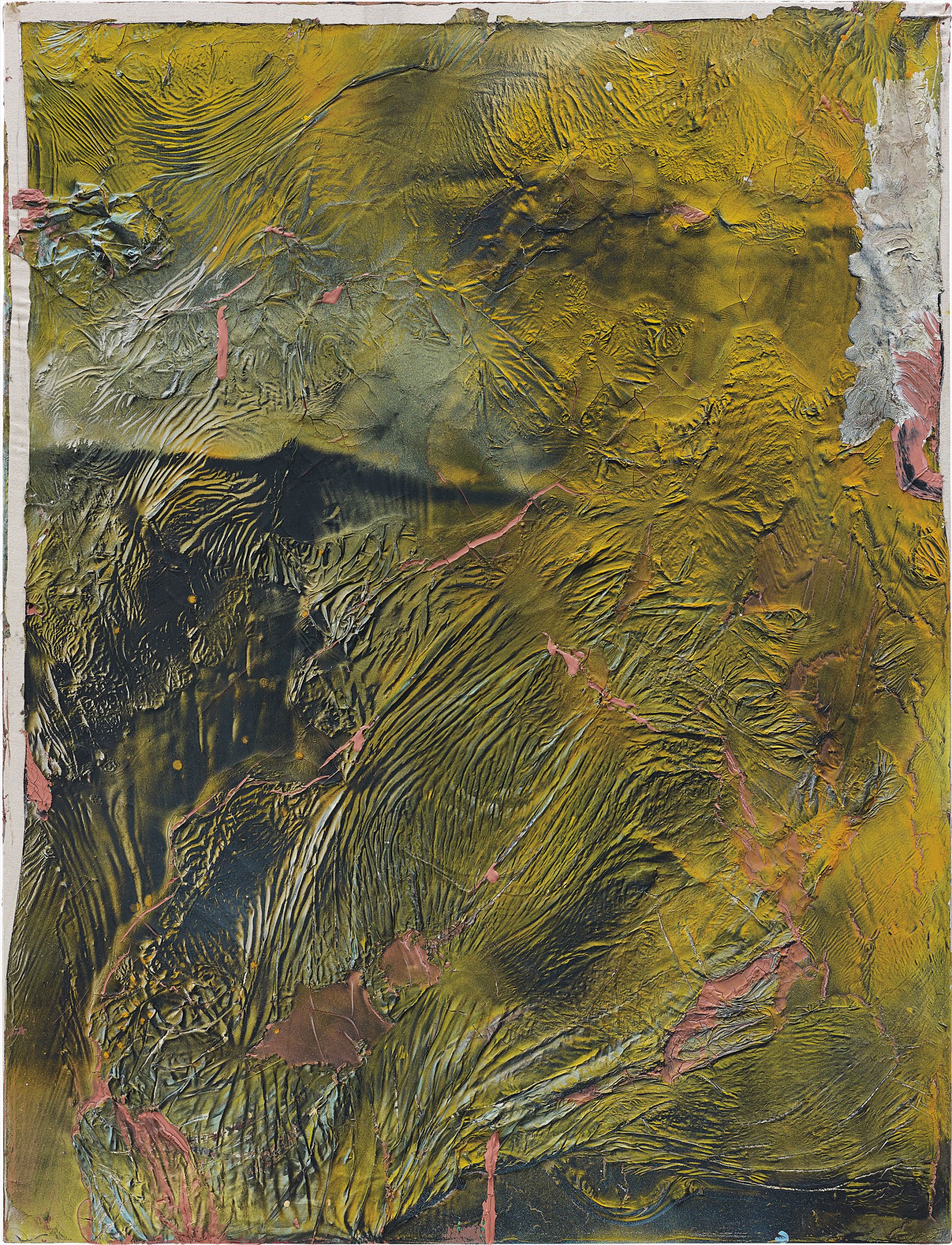
Mark Joshua Epstein
Untitled
Lucien Smith, well represented on The Collection, became something of a test case for the volatility inherent in early career collecting. His Rain Paintings generated extraordinary auction interest around 2013 and 2014, with works selling at multiples of their estimates at Christie's and Phillips. The subsequent cooling of that particular fever taught collectors something useful: the emerging market rewards patience and genuine looking in equal measure, and the artists who endure are the ones whose ideas outlast the initial excitement. Smith himself has continued working with real seriousness, and the longer view on his practice is more interesting than the auction spike ever was.
Shara Hughes presents a different case study entirely. Her richly colored, psychologically charged landscapes have built a secondary market that reflects sustained institutional and critical endorsement rather than speculative frenzy. Her inclusion in major group shows and the breadth of collector support she has attracted, both in North America and Europe, suggest a trajectory that feels grounded. Similarly, Tauba Auerbach, whose work on The Collection spans several years of practice, operates in a zone where the emerging label has long since become inadequate.

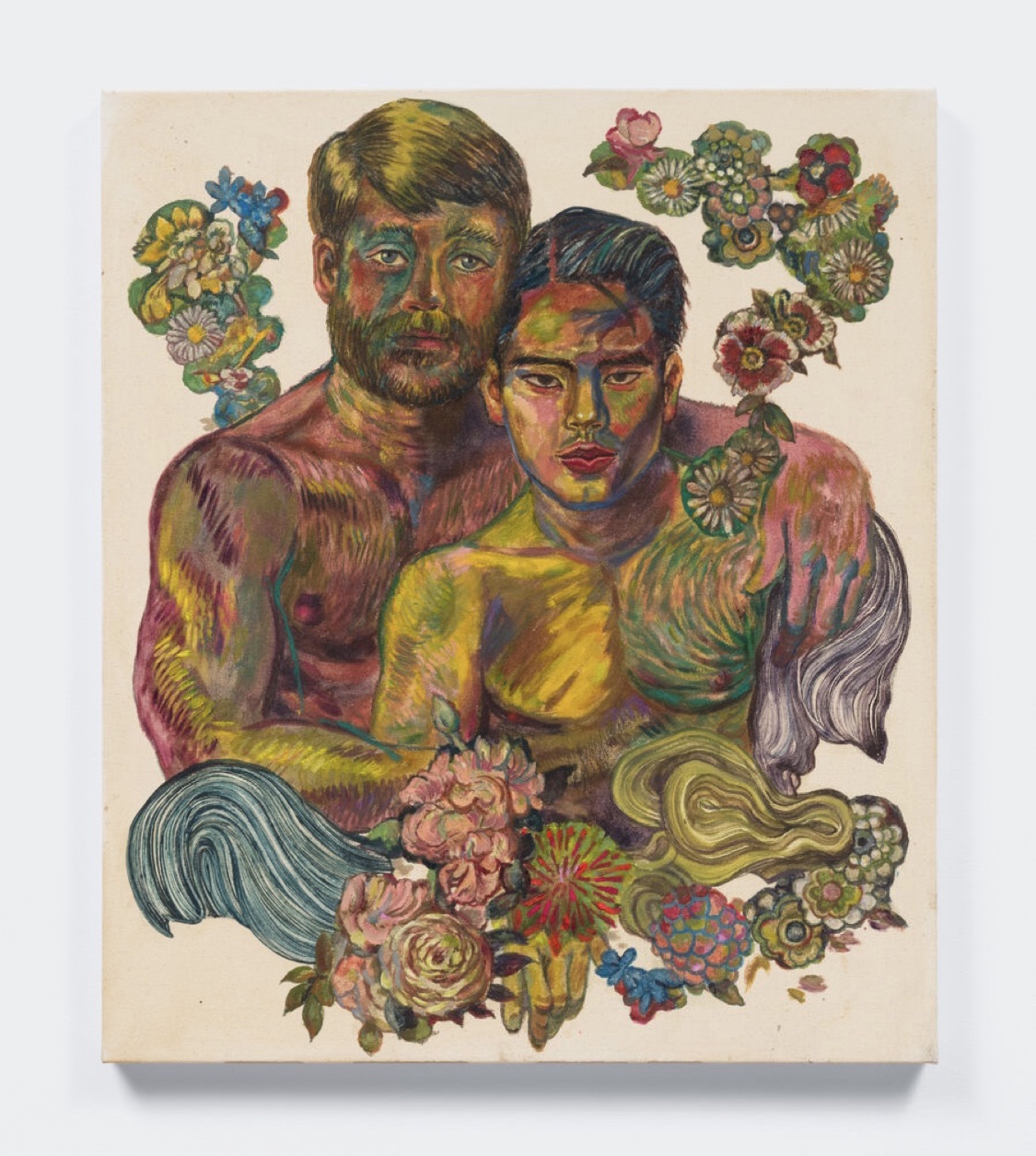
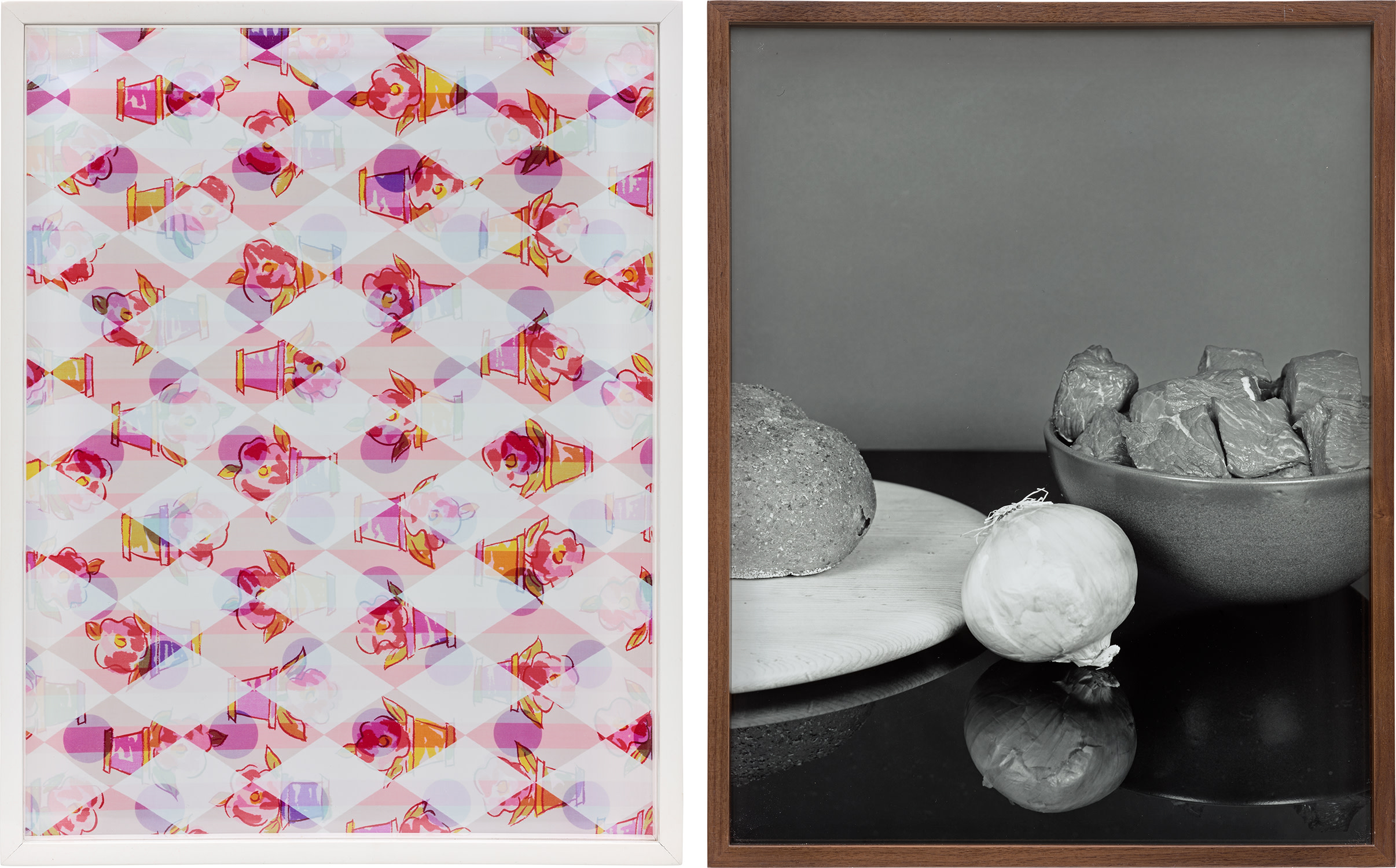
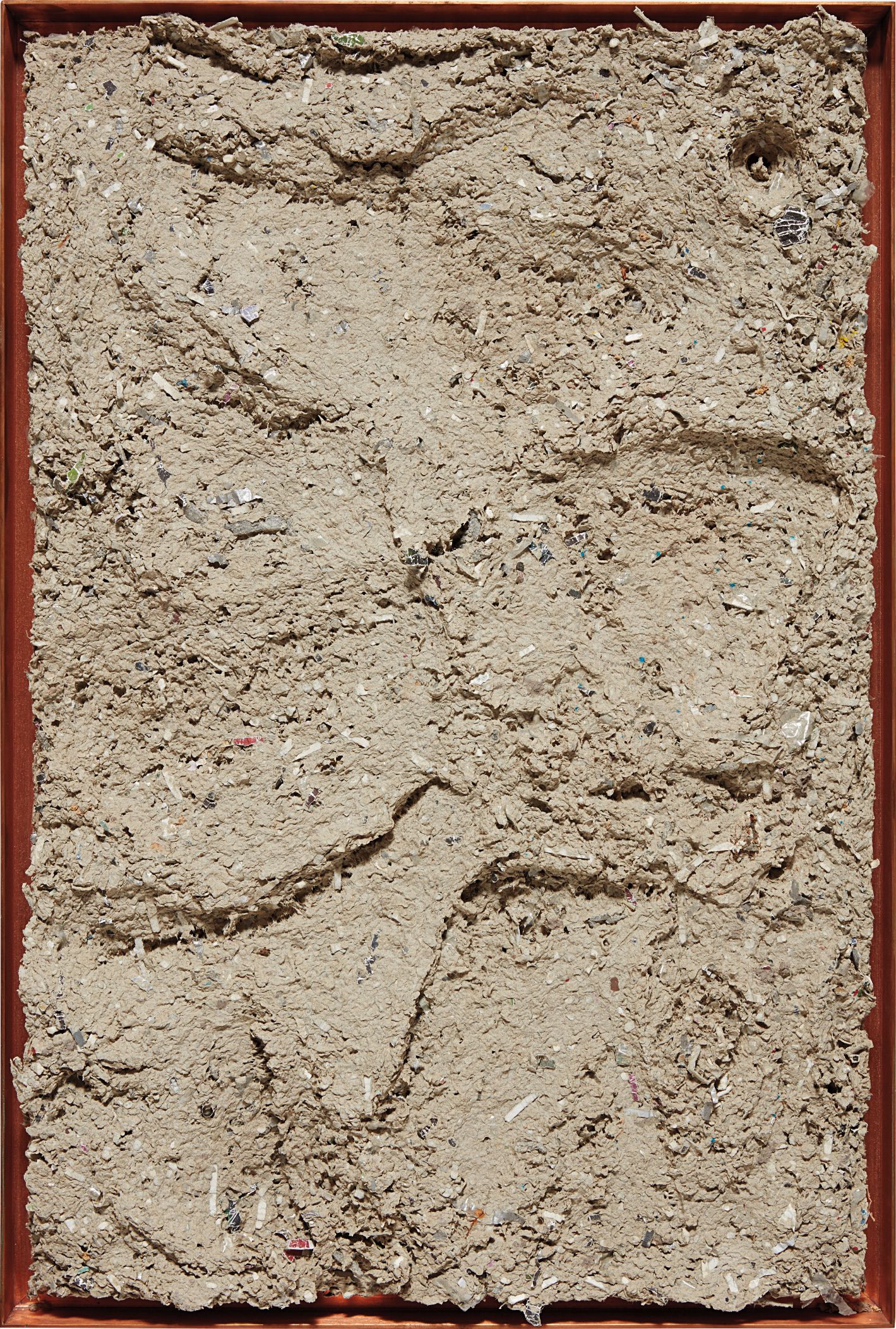
Sarah Lee
Two Half Moons, 2022
Her engagement with mathematics, weaving, and the philosophy of perception has made her a genuinely singular figure, and the institutions collecting her work, including the Museum of Modern Art and the San Francisco Museum of Modern Art, have treated it accordingly. The institutional picture is worth mapping carefully because it tells you where the critical energy is concentrating. The Rubell Museum in Miami, which holds one of the largest private collections of emerging and recently emerging work in the world, has been a reliable early signal for artists who go on to significant careers. Their acquisitions of work by Tony Lewis and others associated with a conceptually rigorous approach to painting and drawing reflect a collecting philosophy that prioritizes intellectual risk over decorative appeal.
The Zabludowicz Collection in London operates with a similar mandate, and their residency and exhibition programs have introduced international audiences to artists whose work might otherwise have taken years to reach that visibility. The critical conversation shaping how we understand emerging practice right now is being driven by a loose coalition of younger curators and writers who are increasingly skeptical of the neutrality of the category itself. Publications like Spike Art Magazine and the online spaces that have grown up around platforms dedicated to serious looking are asking harder questions about whose emergence gets celebrated and whose gets overlooked. Writers like Legacy Russell, whose book Glitch Feminism reframed digital and bodily identity in ways that opened new critical language for a generation of artists, have provided frameworks that curators are actively applying to exhibition making.
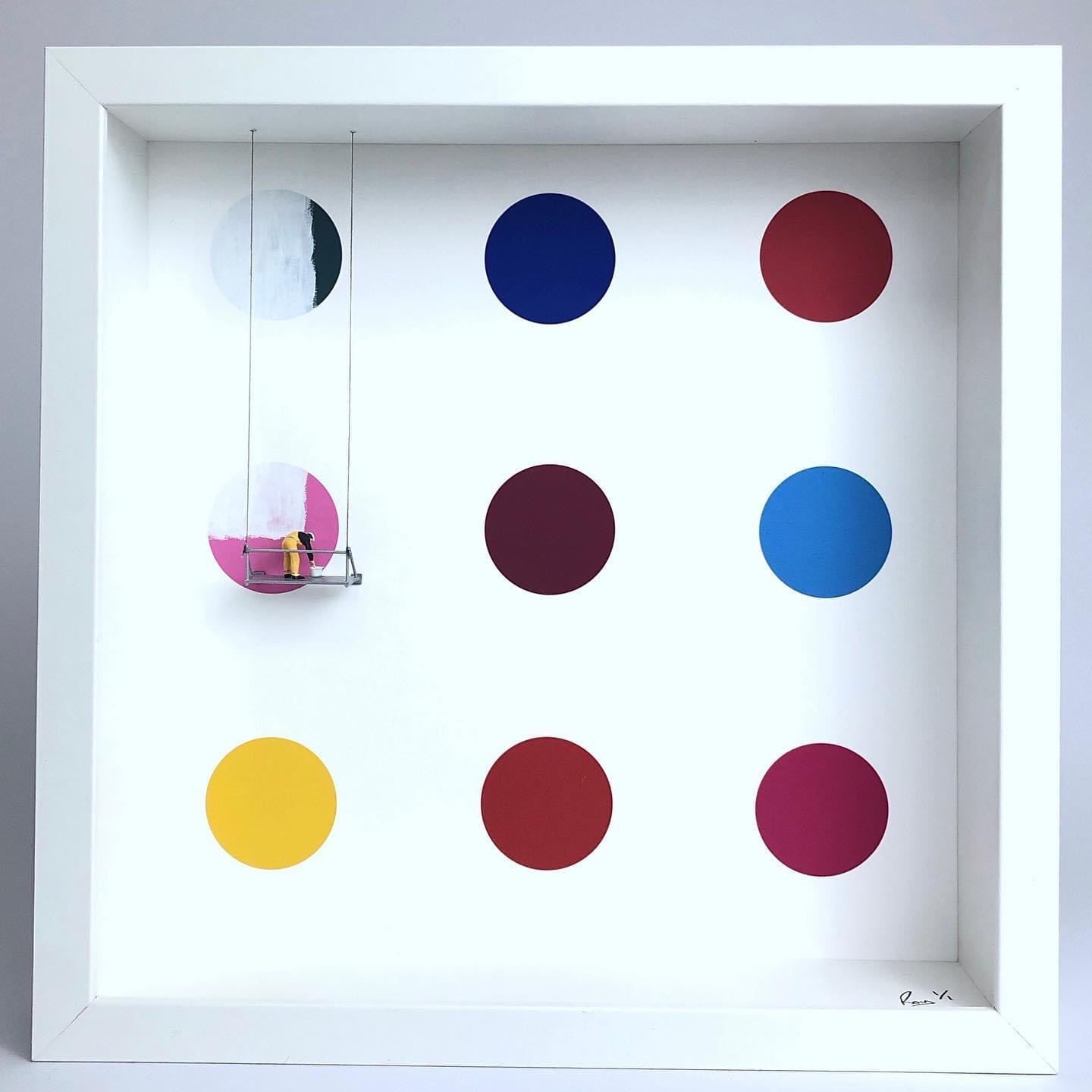
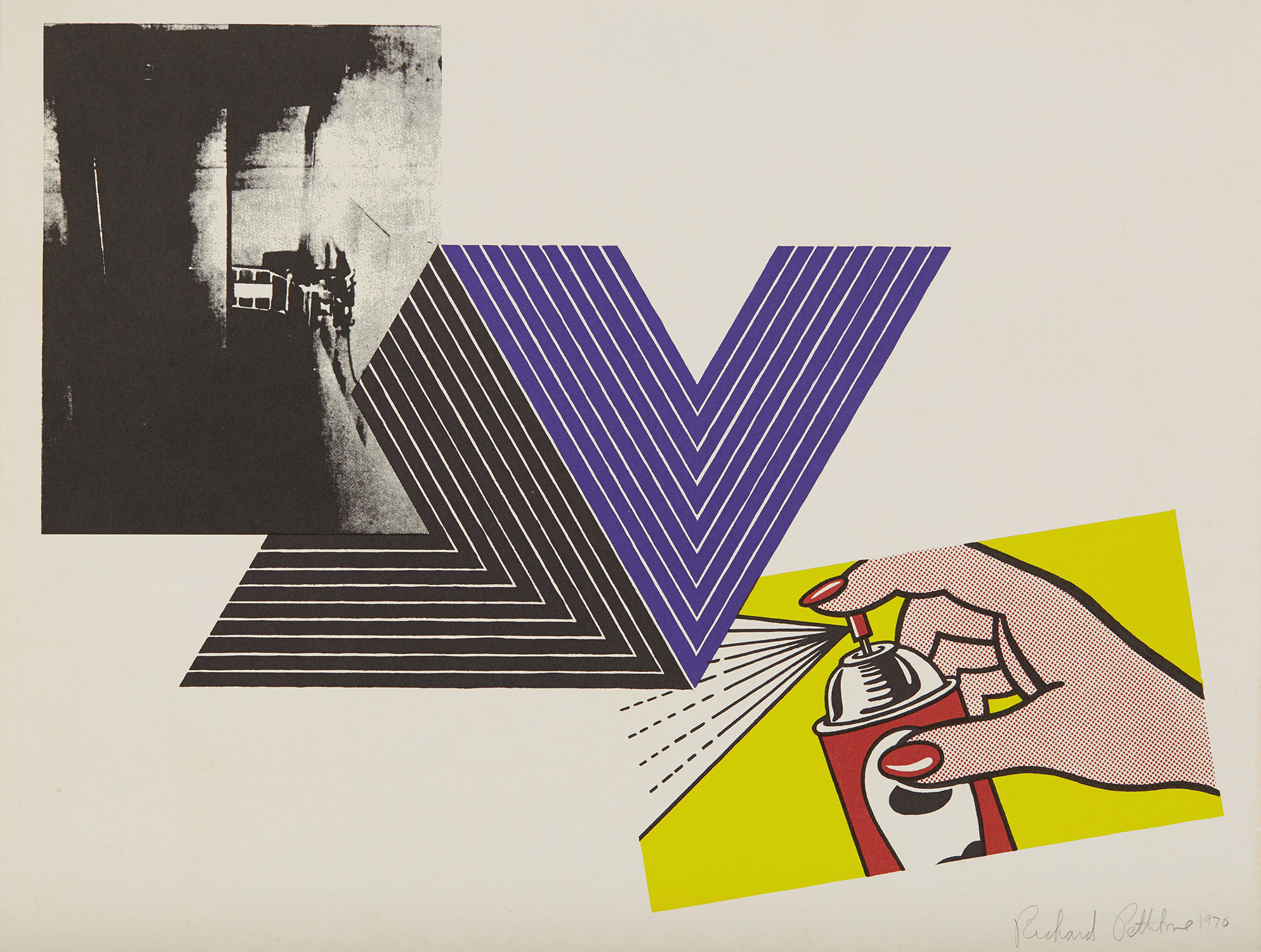
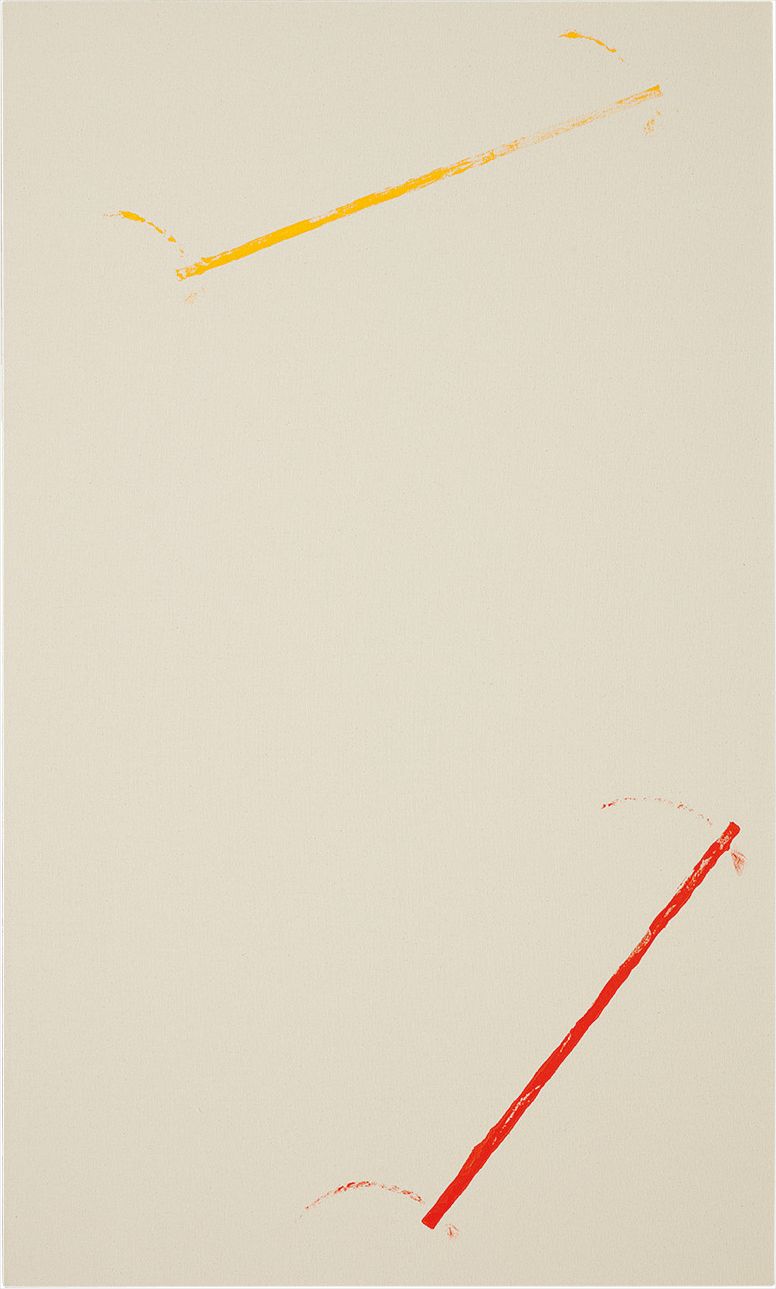
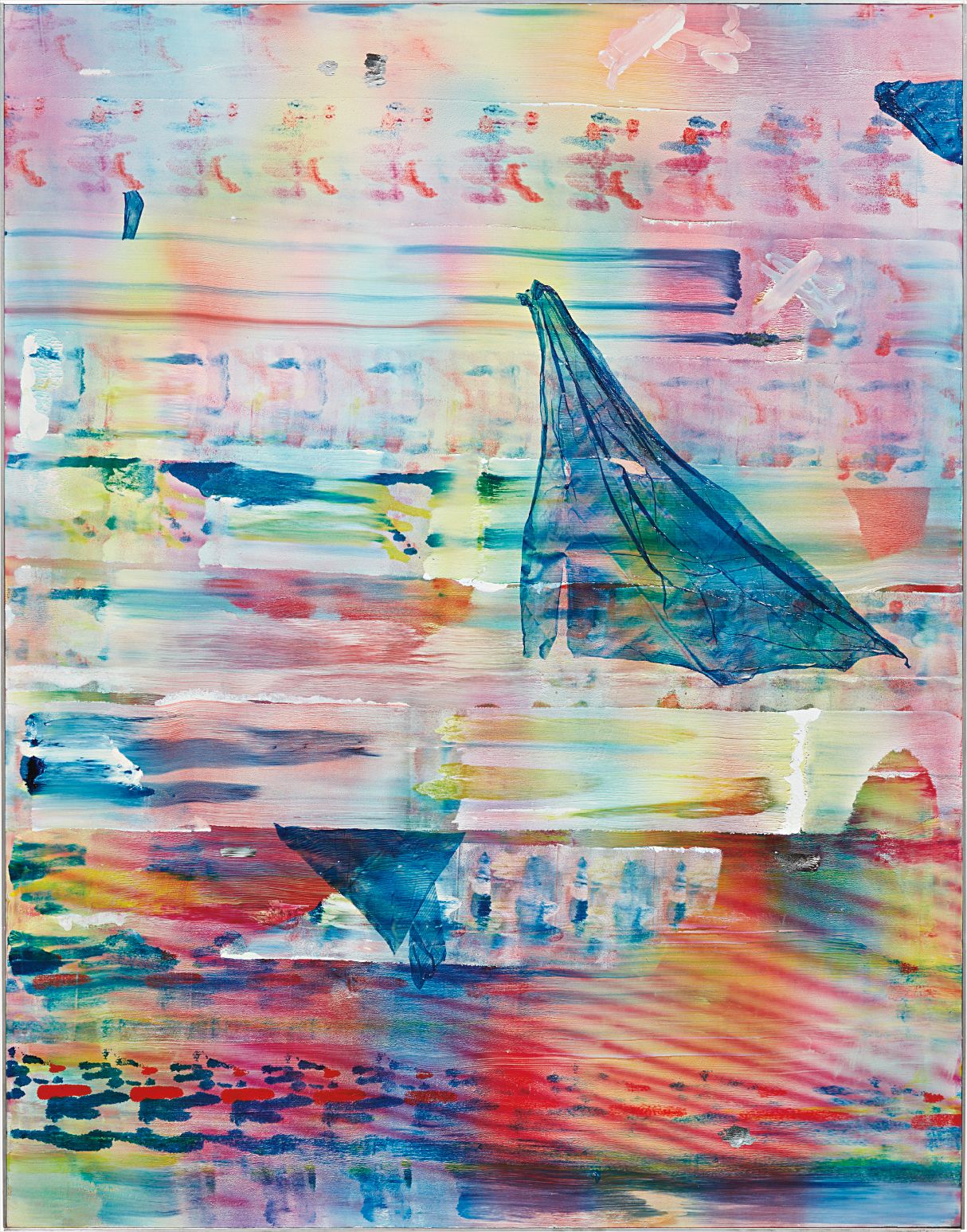
Roy's People
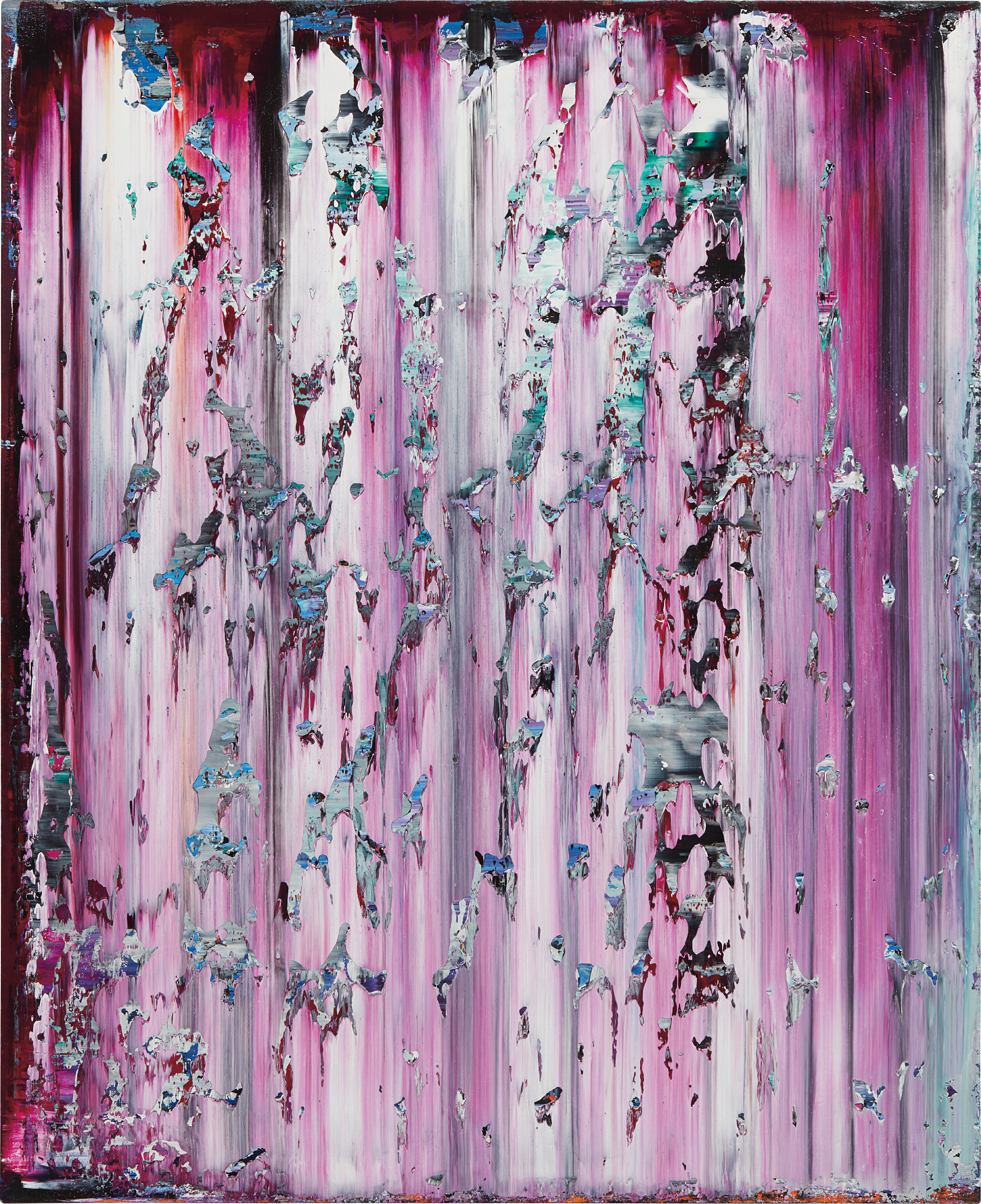
Scrubbed Out Spots 9, 2020
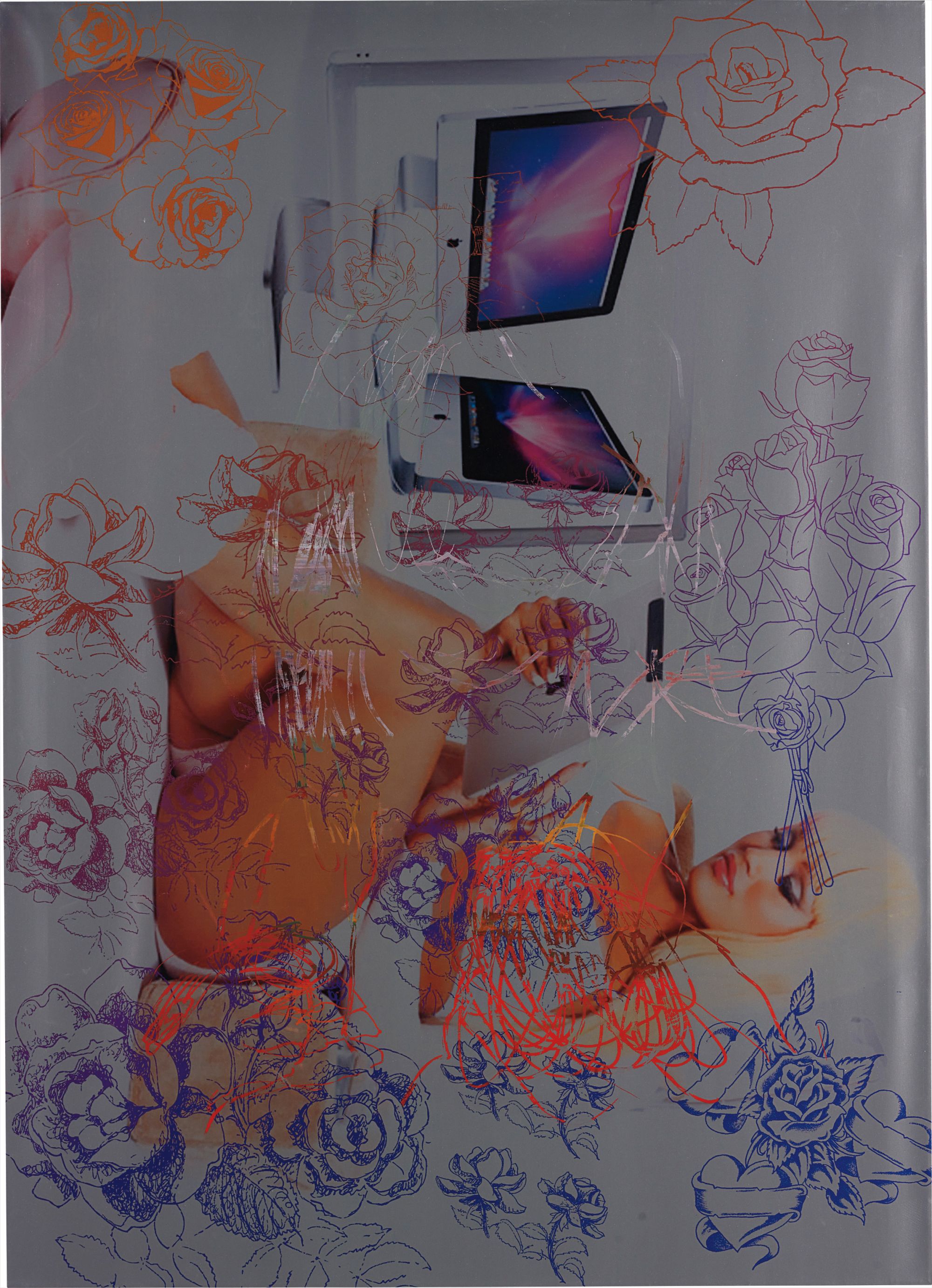
The question of identity, who an artist is understood to be and in relation to what community or tradition, has become inseparable from the question of how emerging work gets valued. What feels alive right now is the work being made at the edges of painterly abstraction and image culture, the territory that artists like Parker Ito and Ryan Sullivan have been navigating with genuine originality. Ito in particular has built a practice that absorbs internet aesthetics, art historical pastiche, and sincere feeling in ways that resist easy resolution. Sullivan's process paintings, which use the physical behavior of liquid paint as a kind of co author, have attracted serious institutional attention and suggest that the conversation about abstraction is far from settled.
What feels less vital is the version of emerging that is essentially a product category, work produced to satisfy a known collector profile rather than to push against one. The surprise, if there is one, may be that the most consequential emerging artists of this moment are not the ones generating the most auction heat. They are the ones being quietly acquired by museum curators who are thinking about collection gaps and long arcs rather than next season's fair. The collectors who have learned to track that slower signal, to follow the institutional eye rather than the auction result, tend to end up with the rooms that matter.
That has always been true. It just requires a different kind of attention to see.