Joel-Peter Witkin
Artist Spotlight
Joel-Peter Witkin: Beauty Forged From Darkness
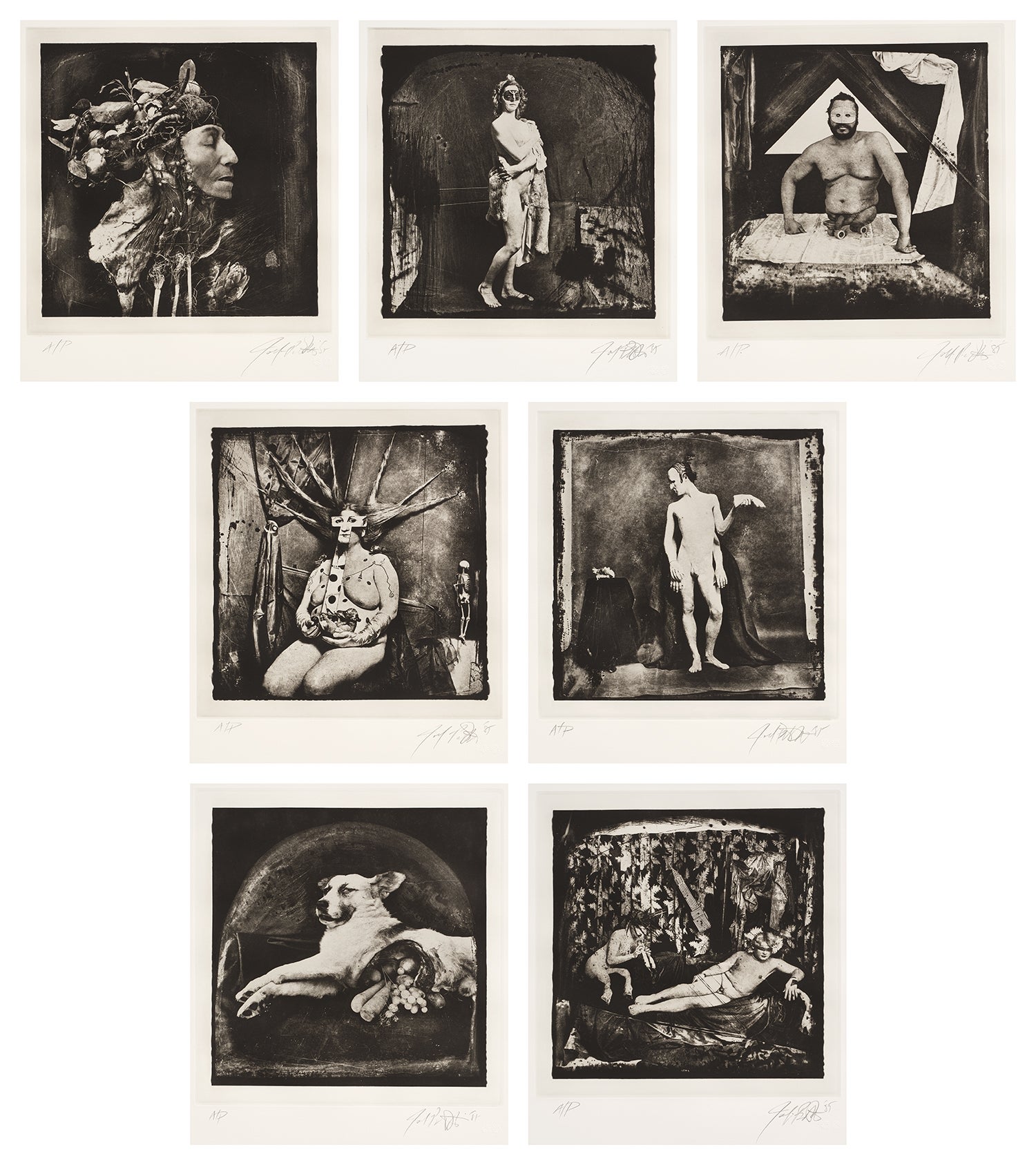
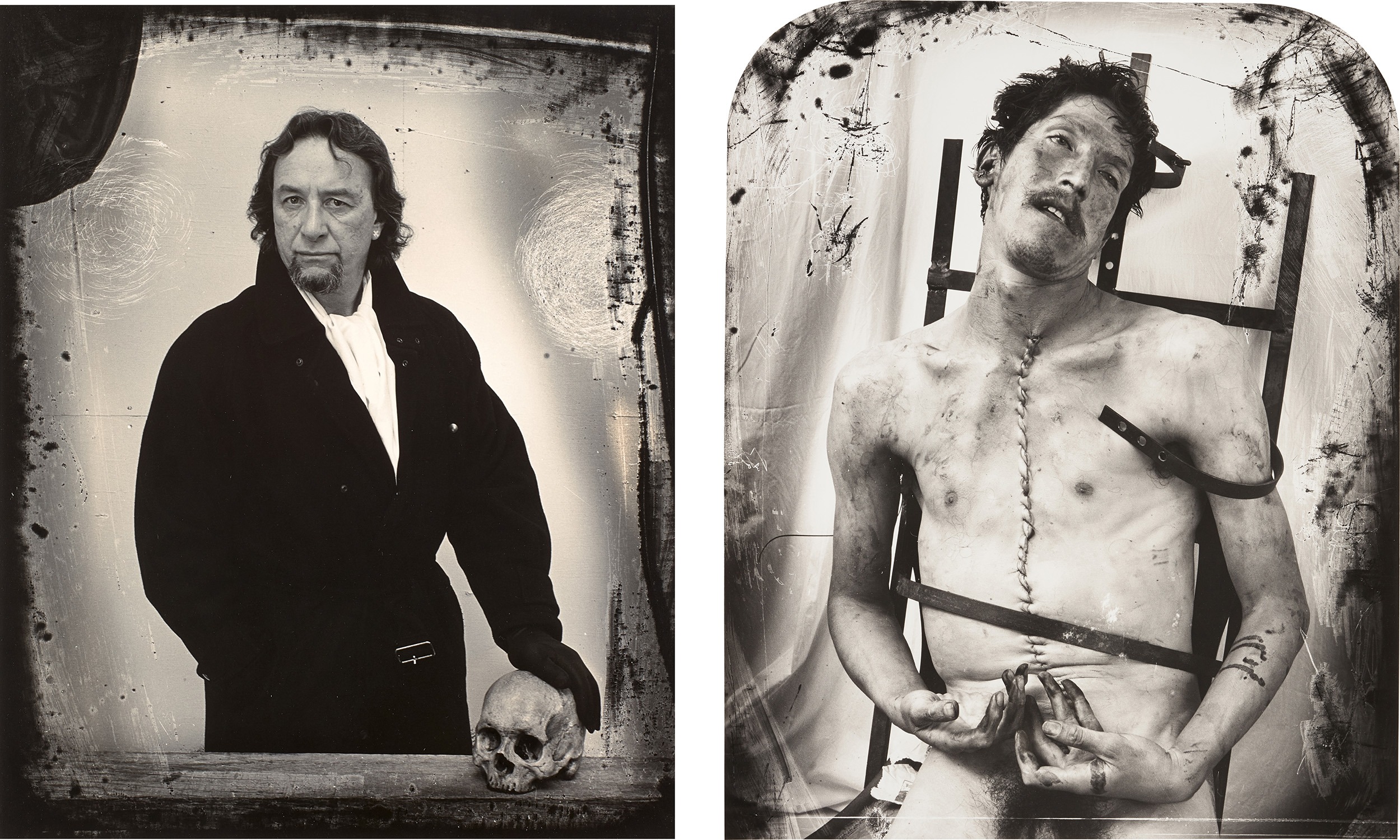
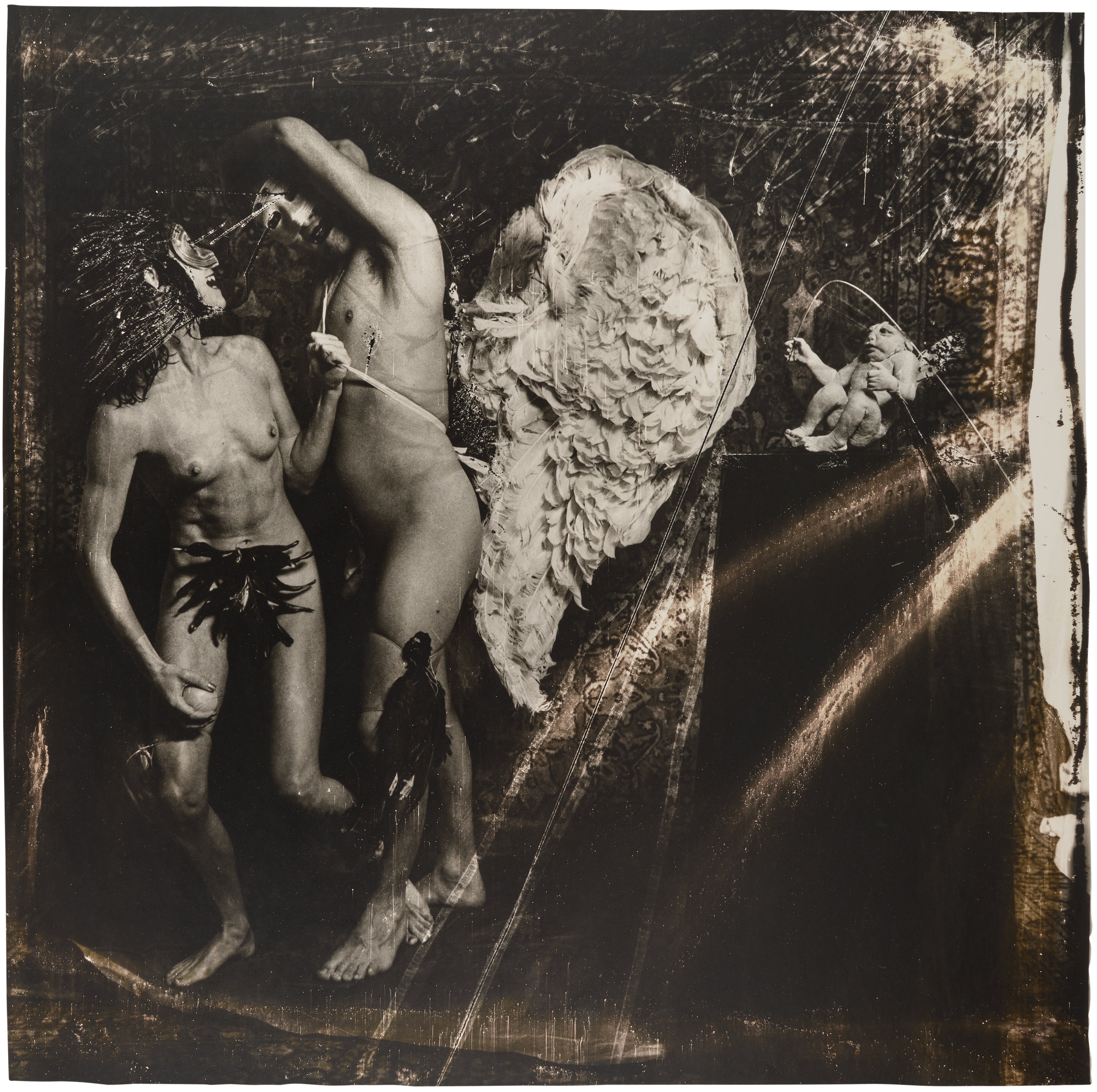
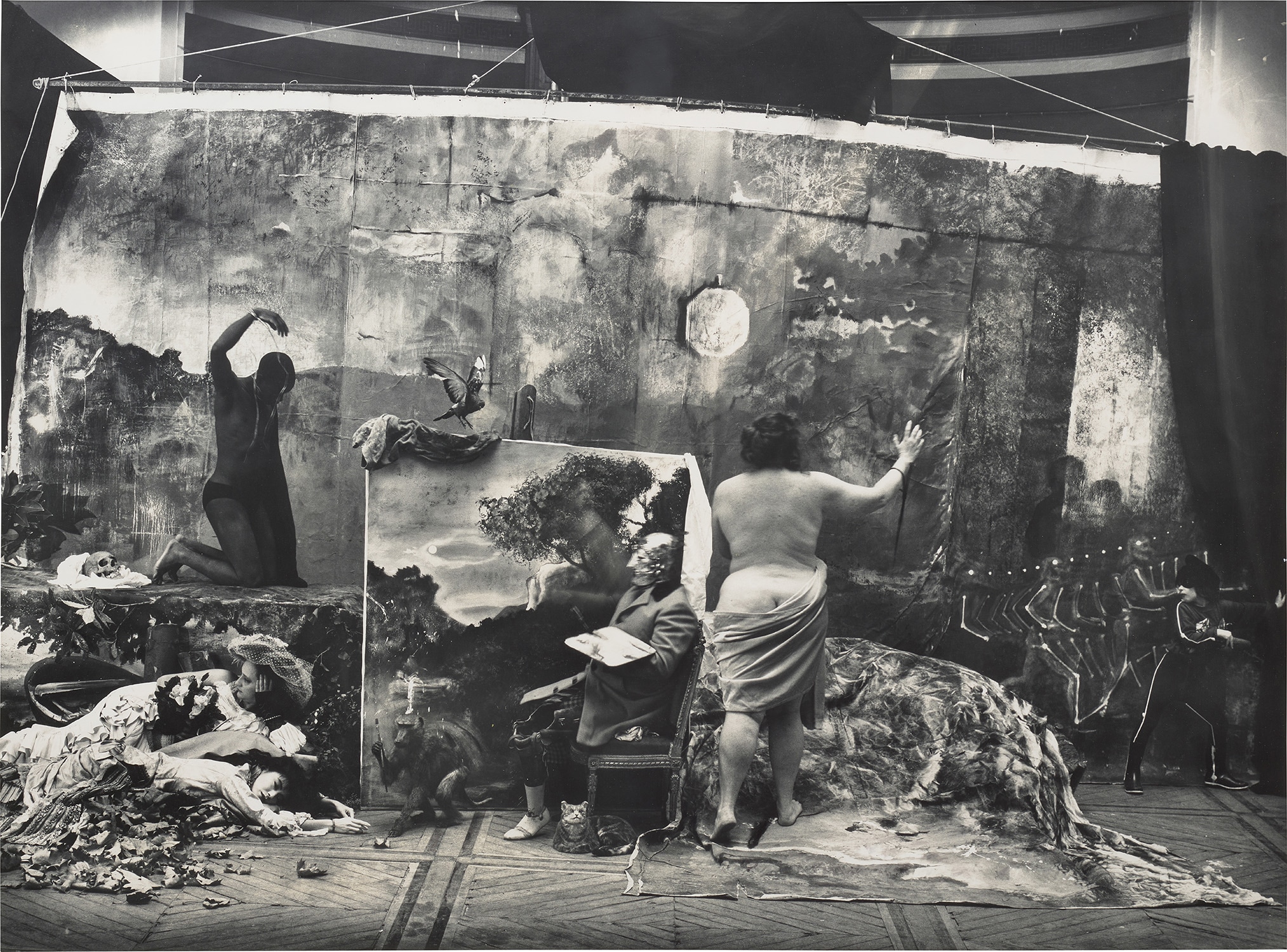
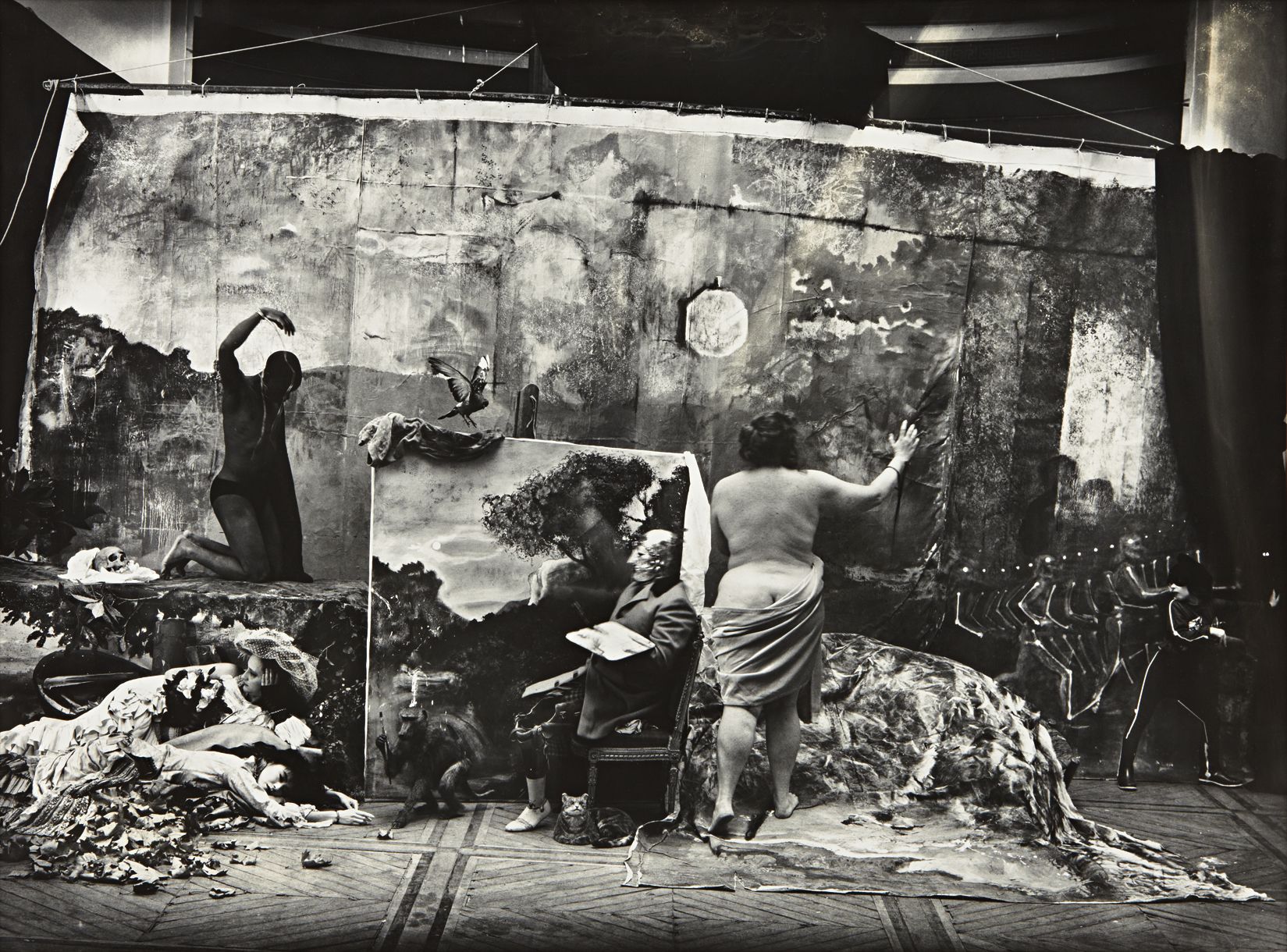
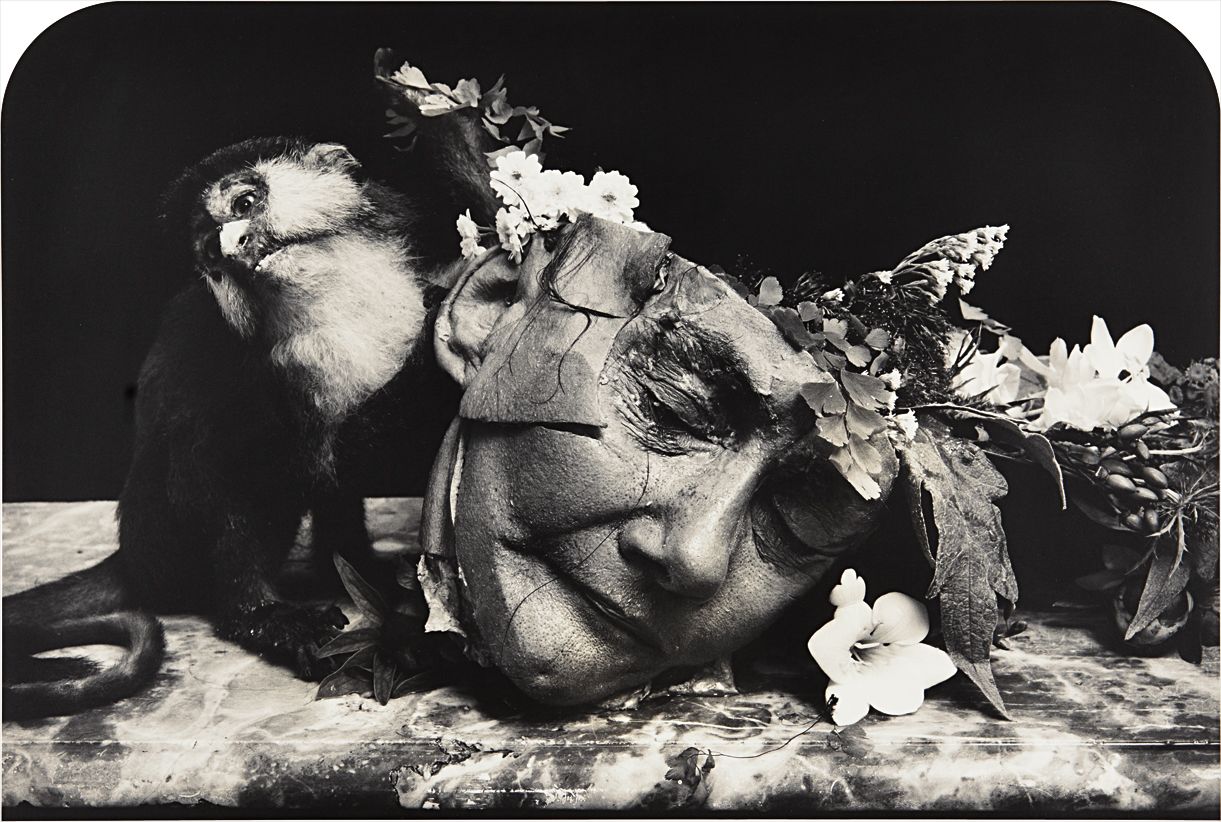
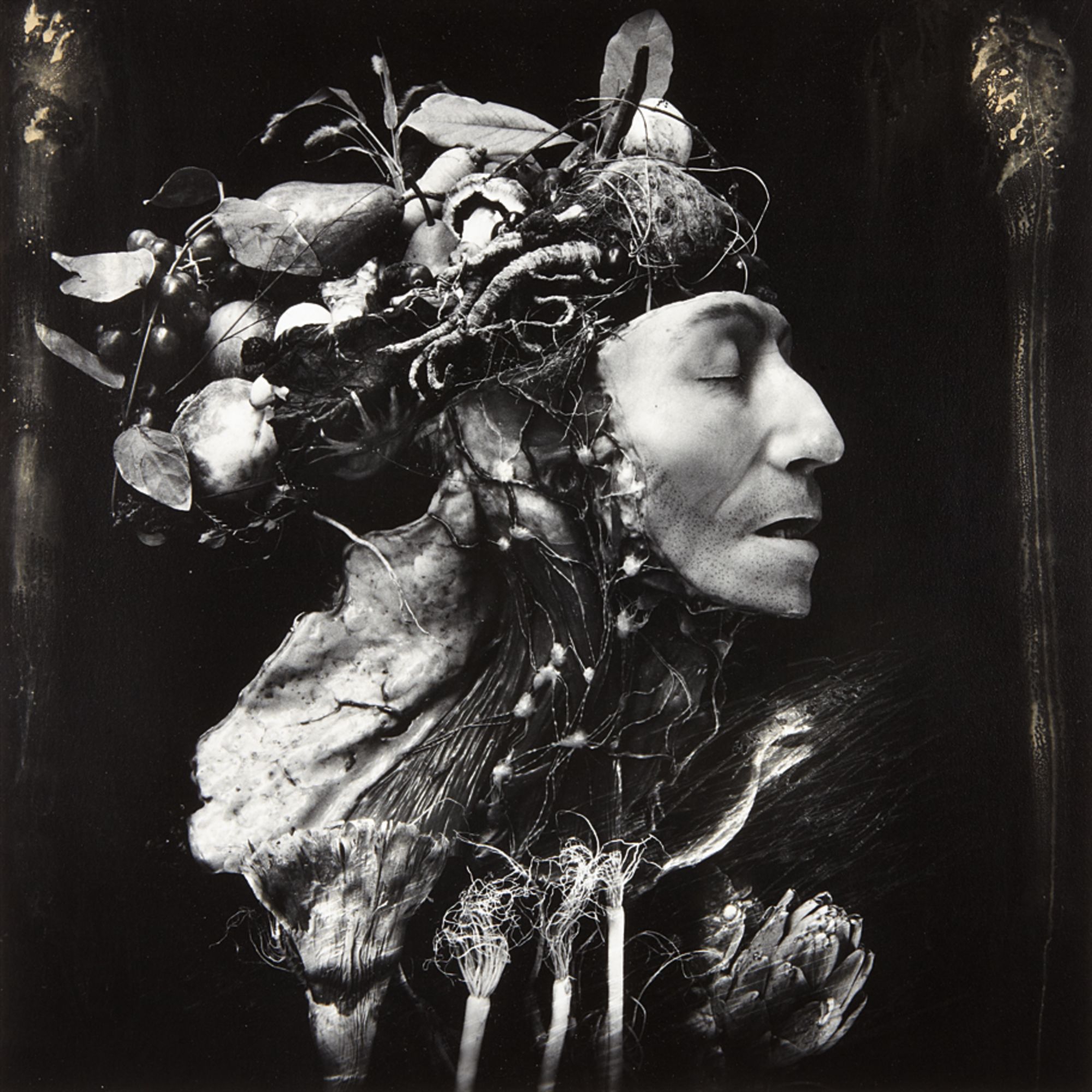
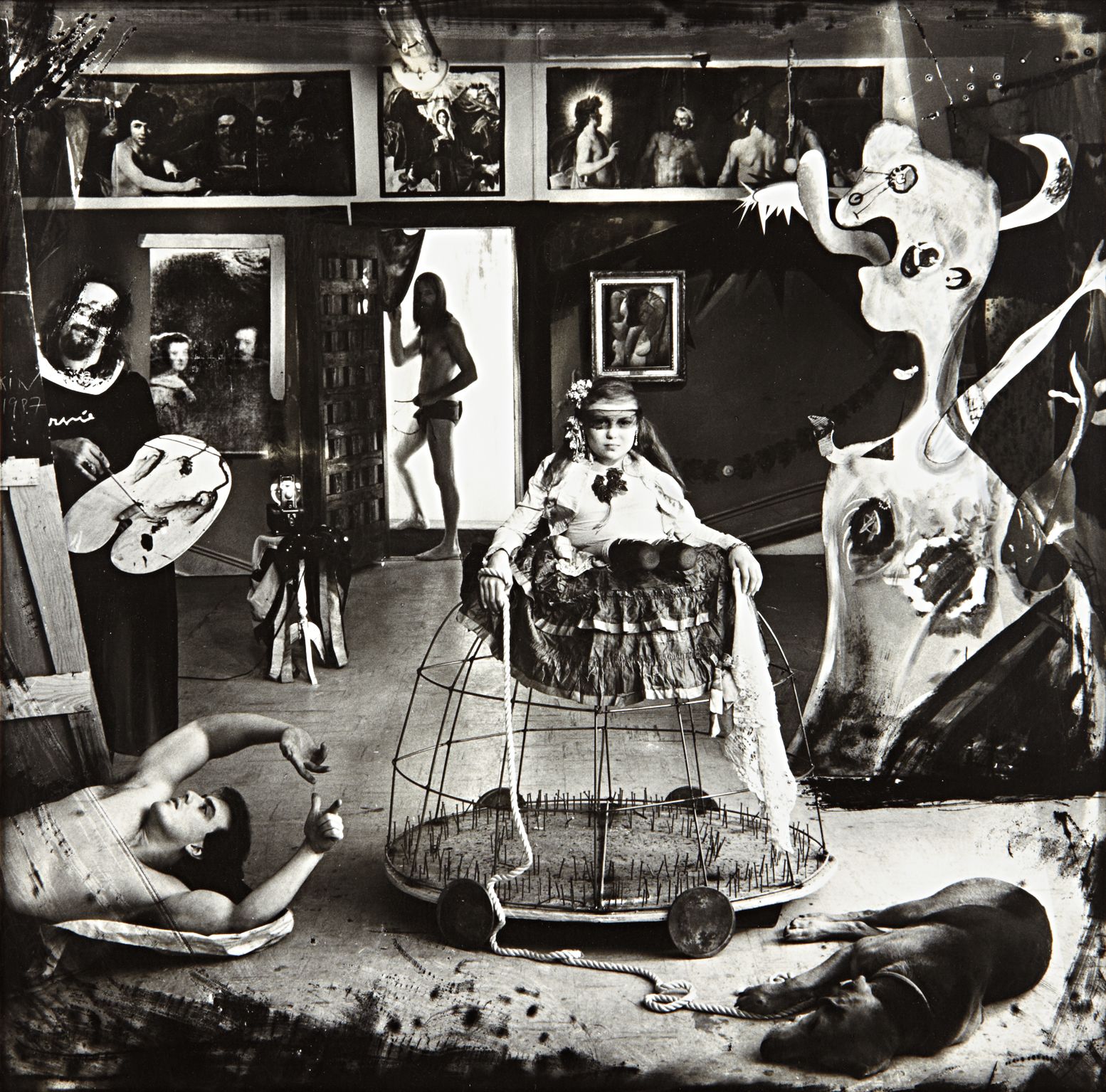
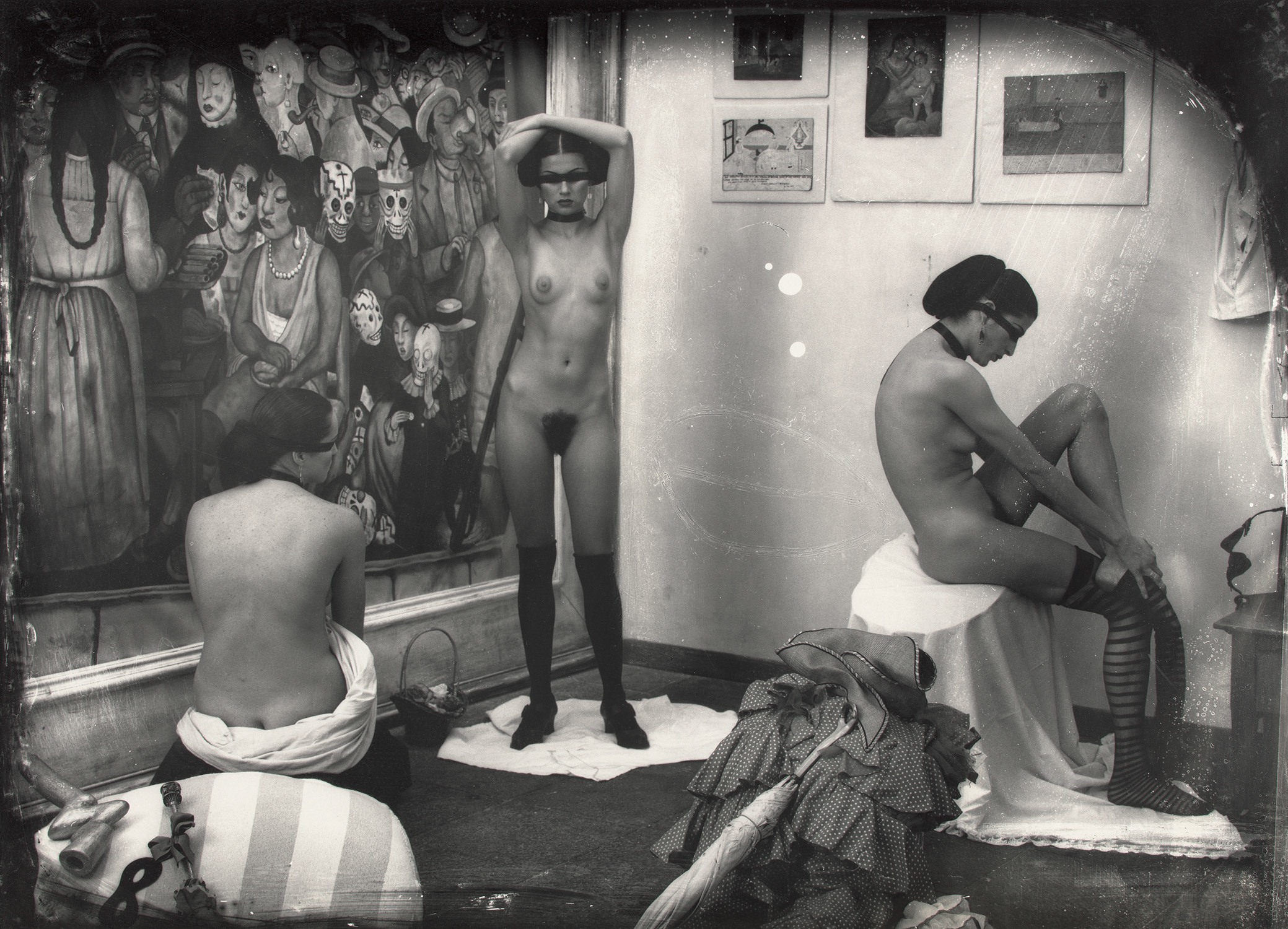
Few photographers working today command the kind of sustained, reverent attention that Joel Peter Witkin has earned across five decades of relentless, visionary practice. His gelatin silver prints, with their scratched and manipulated surfaces, their painterly toning, and their unflinching subjects, have migrated from the fringes of the art world to the permanent collections of the Metropolitan Museum of Art, the Bibliothèque Nationale de France, and the San Francisco Museum of Modern Art. A major survey of his work at the Musée de l'Elysée in Lausanne helped cement his standing in Europe as… Continue reading
Artists in conversation
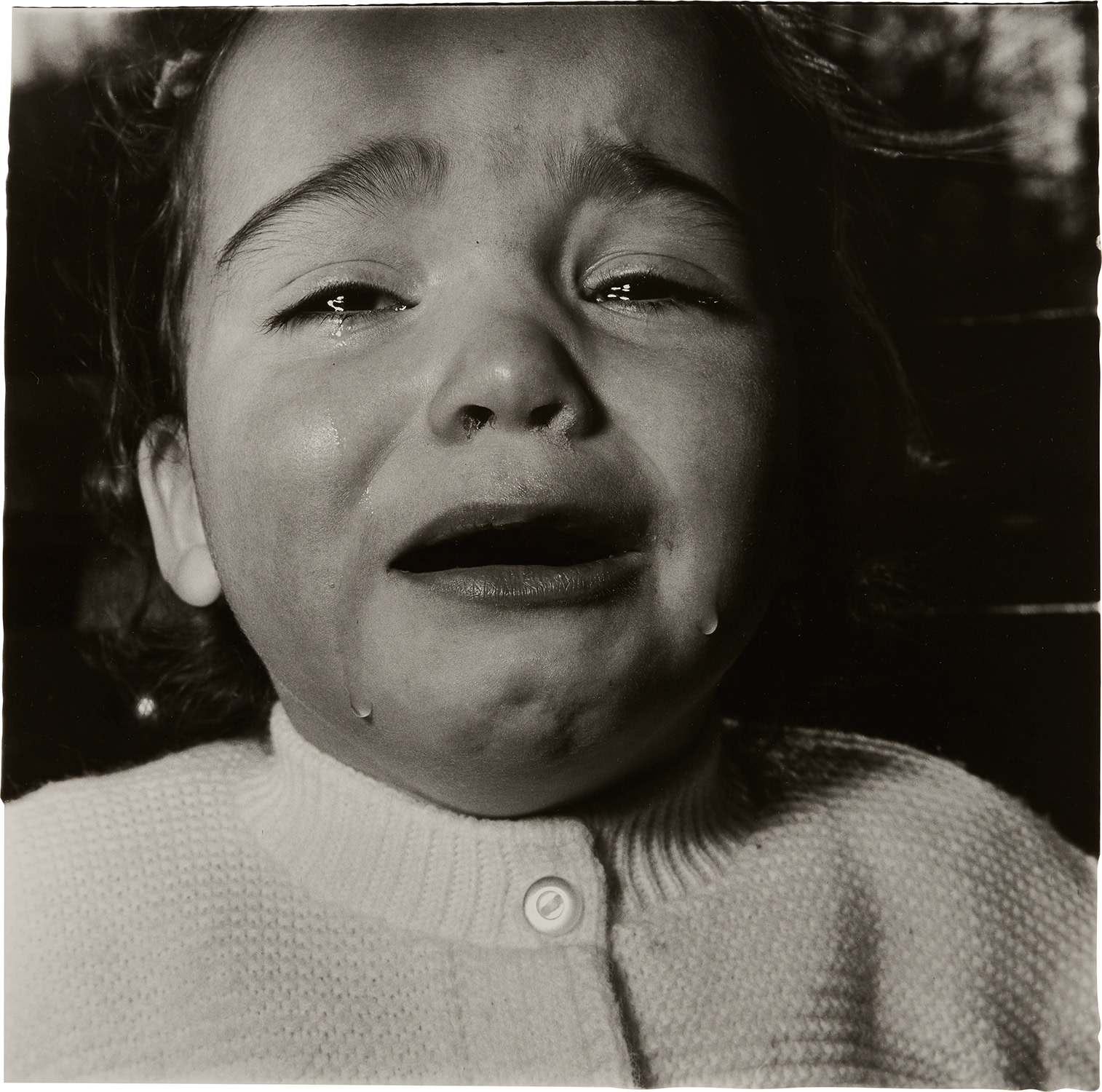
Diane Arbus
Arbus similarly photographed individuals existing outside mainstream society including people with disabilities and unconventional lifestyles, using the camera to confront audiences with the margins of human experience in a deeply unsettling yet compassionate way.
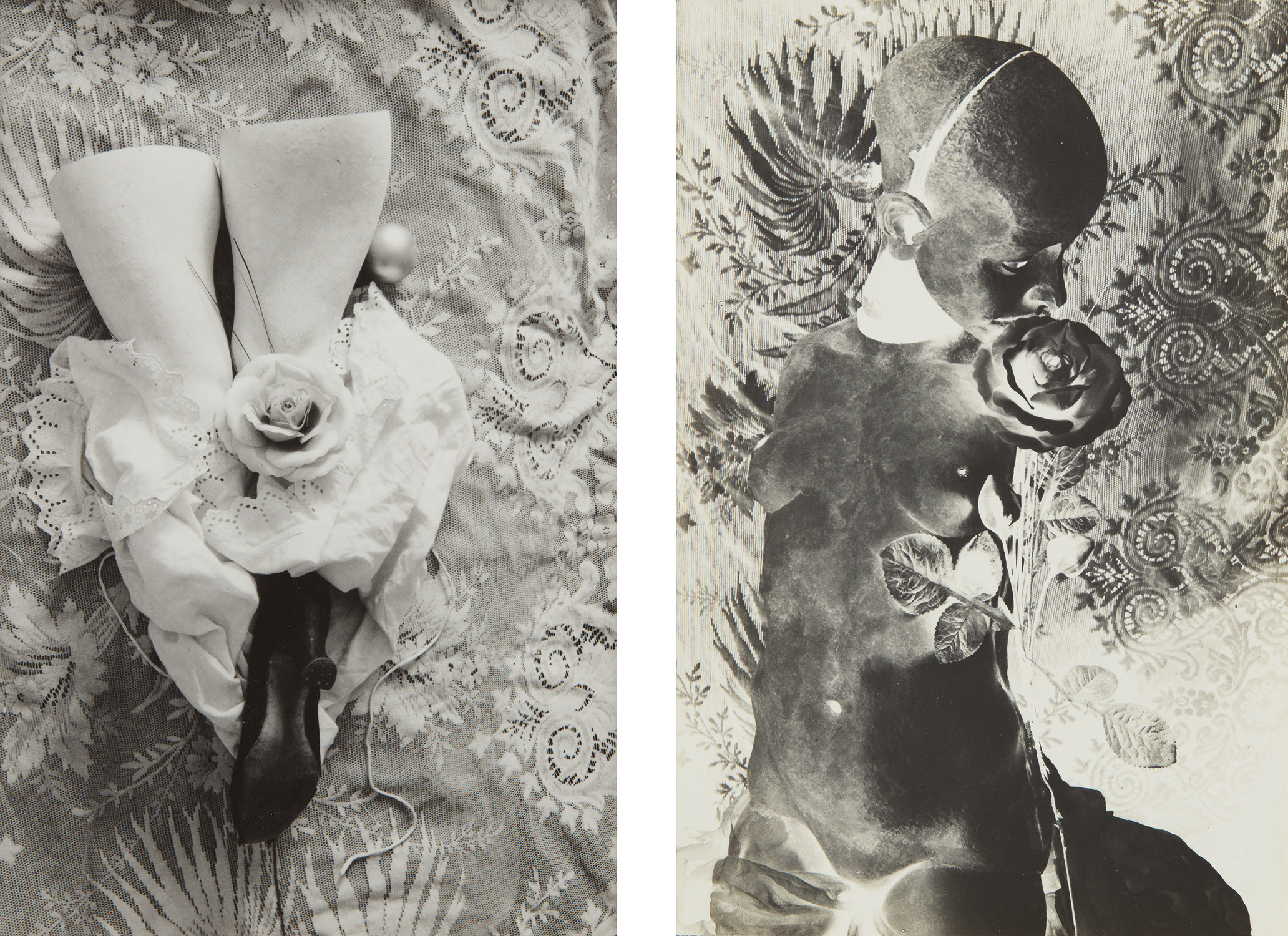
Hans Bellmer
Bellmer's Surrealist constructions of disarticulated doll bodies and his obsessive engagement with transgressive sexuality and the fragmented human form share a conceptual and aesthetic kinship with Witkin's tableau photography involving body parts and physical distortion.
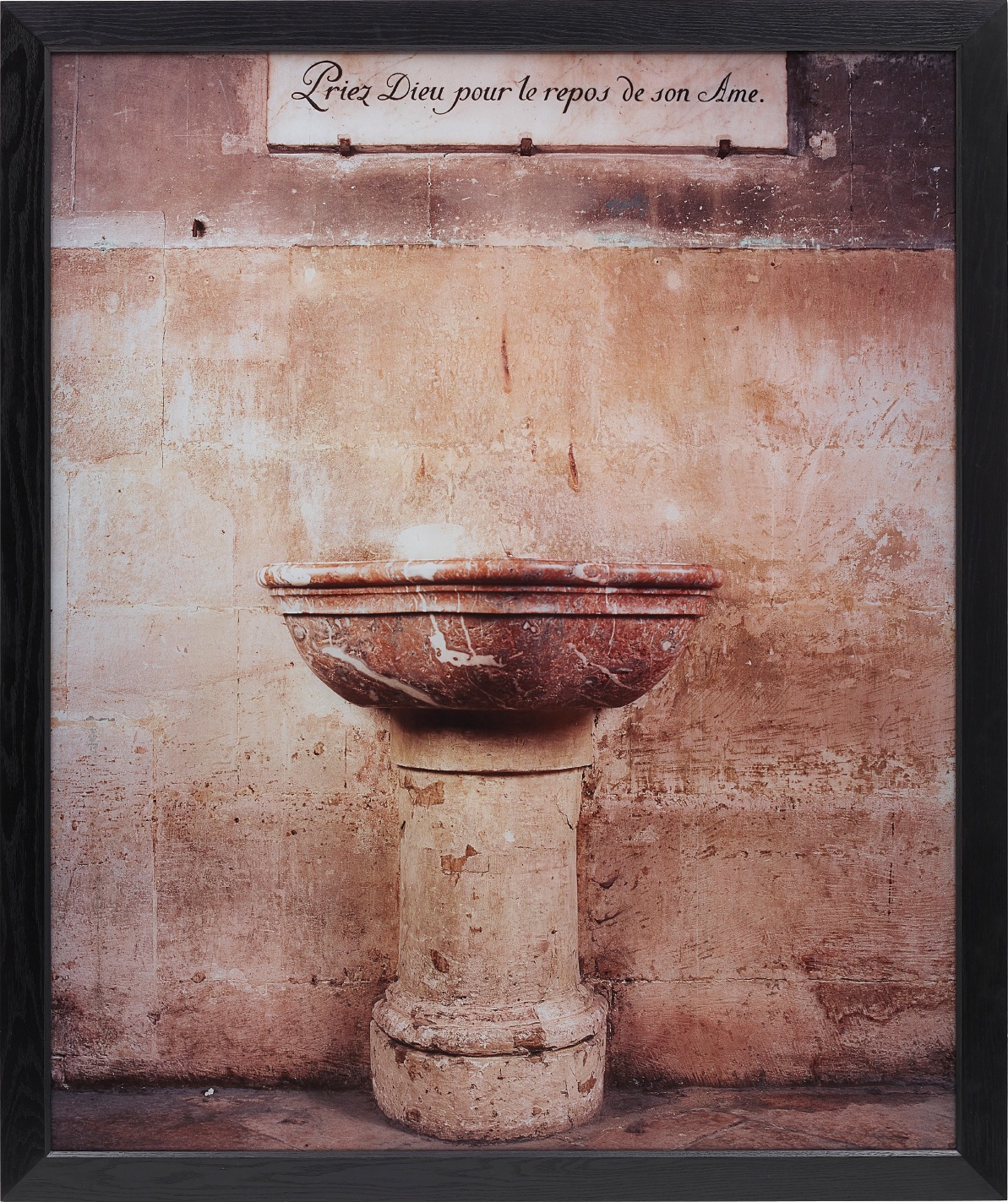
Andres Serrano
Serrano works with cadavers, bodily fluids, and religious iconography to provoke visceral responses, sharing Witkin's commitment to confronting mortality and cultural taboos through highly constructed and visually arresting photographic imagery.
Artists who inspired them
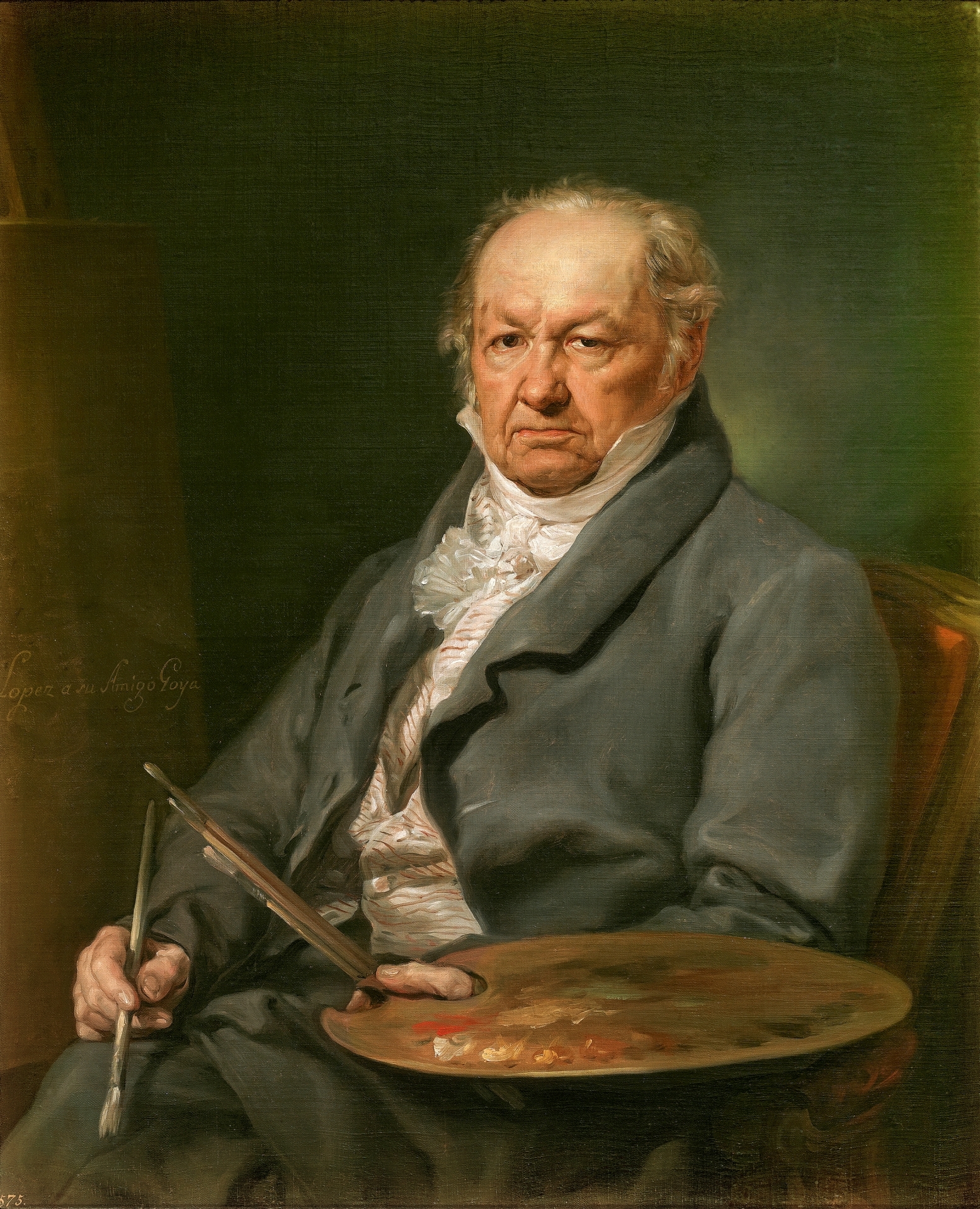
Francisco Goya
Witkin has explicitly cited Goya as a major influence, drawing on his dark and grotesque imagery from works like the Black Paintings and Disasters of War to inform his own explorations of human suffering, death, and moral ambiguity.
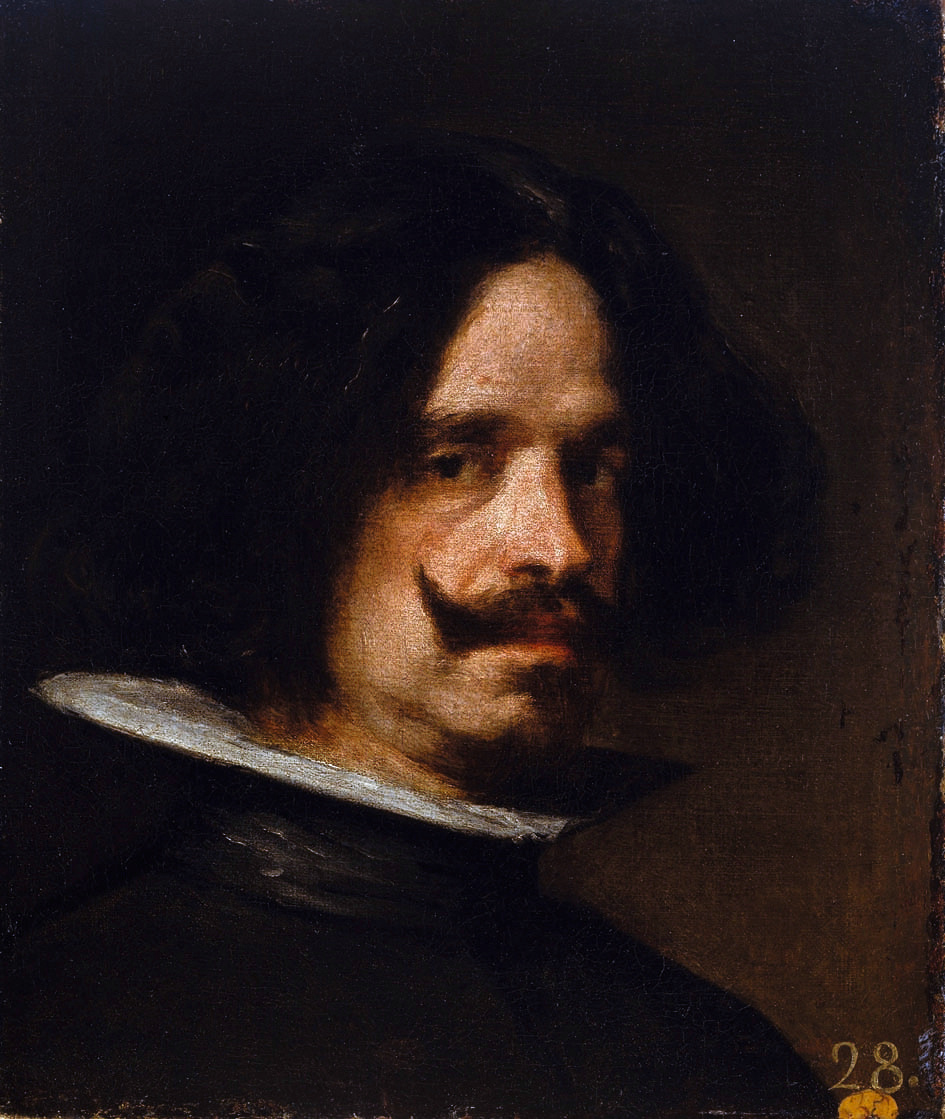
Diego Velázquez
Velázquez's Spanish Baroque portraiture including his sympathetic depictions of court dwarfs and marginalized figures directly informed Witkin's compositional strategies and his interest in presenting outsider figures with painterly gravitas and dignity.
Weegee
Weegee's unflinching documentary photographs of crime scenes, corpses, and urban outcasts helped establish a photographic tradition of confronting death and the grotesque that fed directly into Witkin's own dark and transgressive visual sensibility.
Artists they inspired
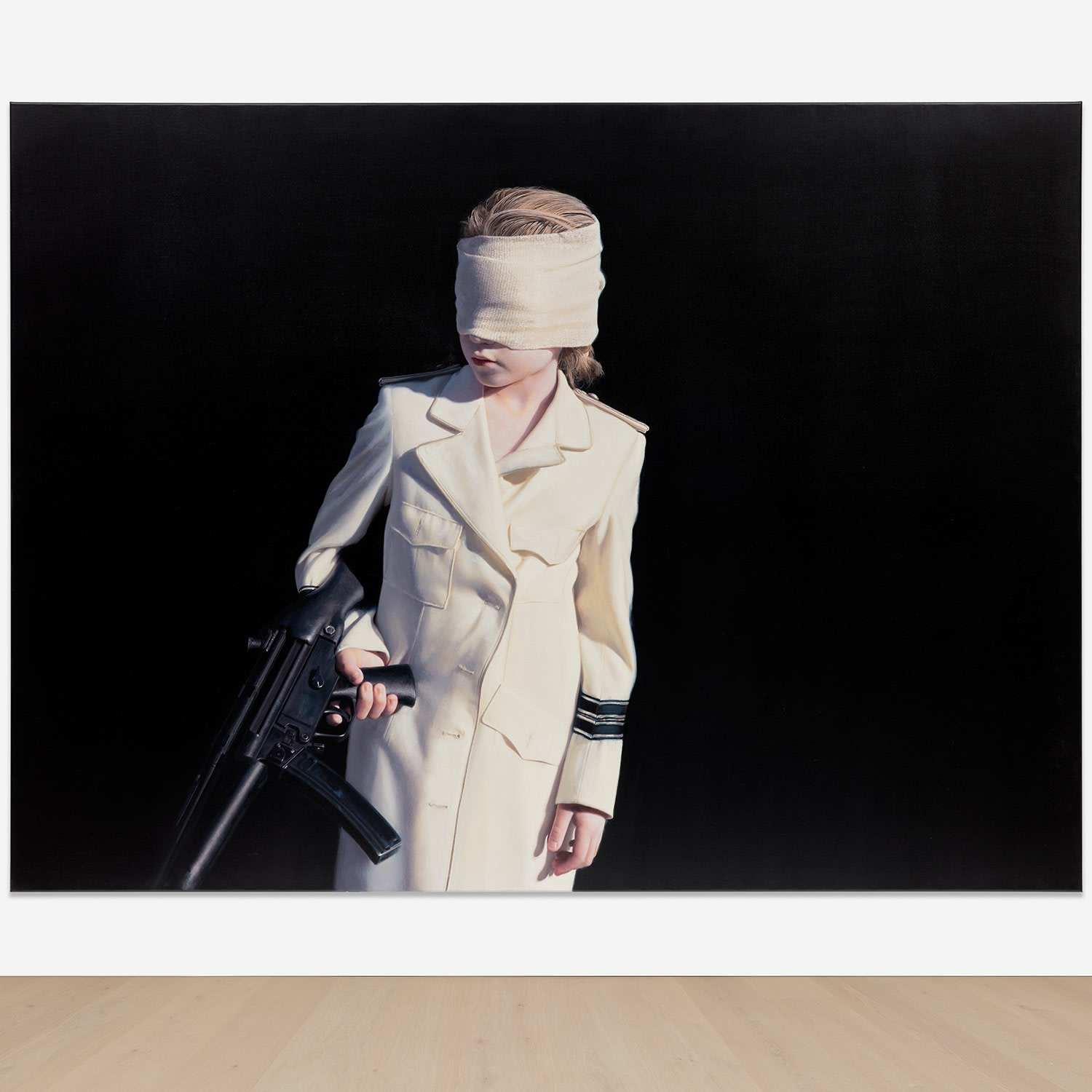
Gottfried Helnwein
Helnwein's elaborately staged and often disturbing photographic and painted tableaux featuring wounded children and grotesque imagery reflect a visual and conceptual debt to Witkin's pioneering use of the staged photograph as a vehicle for dark psychological and symbolic content.
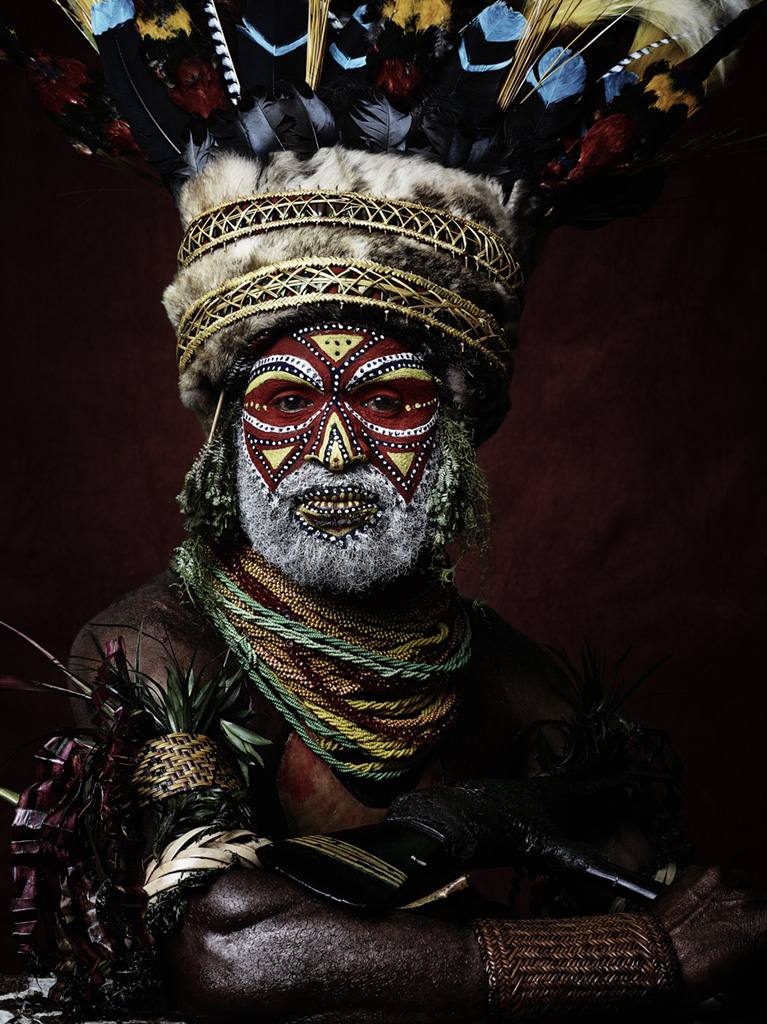
Sandro Miller
Miller's highly constructed and theatrically lit photographic work homaging major photographers including Witkin himself demonstrates the direct impact Witkin had on subsequent generations exploring tableau photography with macabre and conceptually layered imagery.