Fine Art Photography
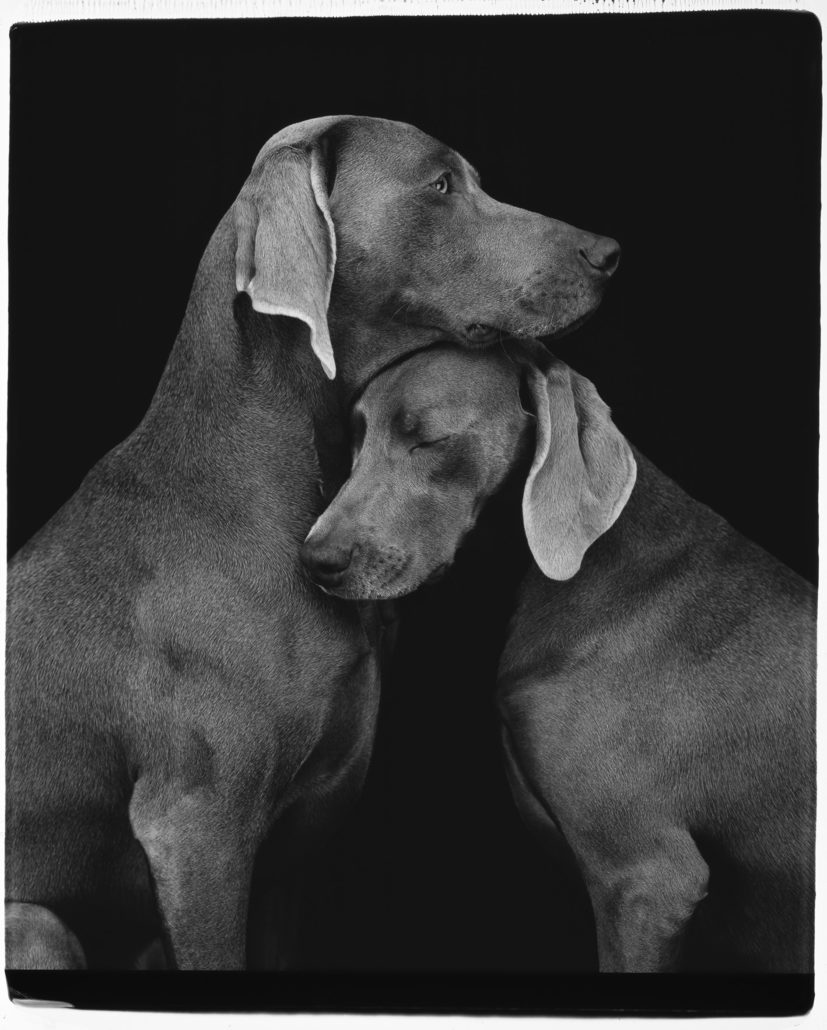
William Wegman
Friends, 2010

.jpg/400px-Kris_Humphries_NJ_Nets_2009_(cropped).jpg)

The Photograph That Commands the Room
When Christie's New York brought a vintage print of Ansel Adams's 'Moonrise, Hernandez, New Mexico' to auction a few years ago, the room stilled in the way rooms only do when everyone present understands they are watching something significant happen. The print sold well into six figures, and what struck observers was not simply the number but the quality of attention the work commanded. In a market crowded with digital natives and algorithmic collecting, here was a photograph made in 1941 that could still stop a sale room cold. That moment, repeated across various forms in auction houses and fair booths globally, tells you nearly everything about where fine art photography stands right now.
The market for serious photographic work has matured considerably since the uncertain days of the early 2000s, when even devoted collectors occasionally wondered whether the medium would ever achieve the institutional weight of painting or sculpture. Those questions feel almost quaint today. The Getty Museum, the Museum of Modern Art, the Victoria and Albert, and the Art Institute of Chicago have all deepened their photography holdings in meaningful ways over the past decade, acquiring not just historical material but contemporary work that sits comfortably alongside painting and installation. When institutions of that scale commit acquisitions budgets to a medium, they signal to private collectors that the conversation has changed permanently.
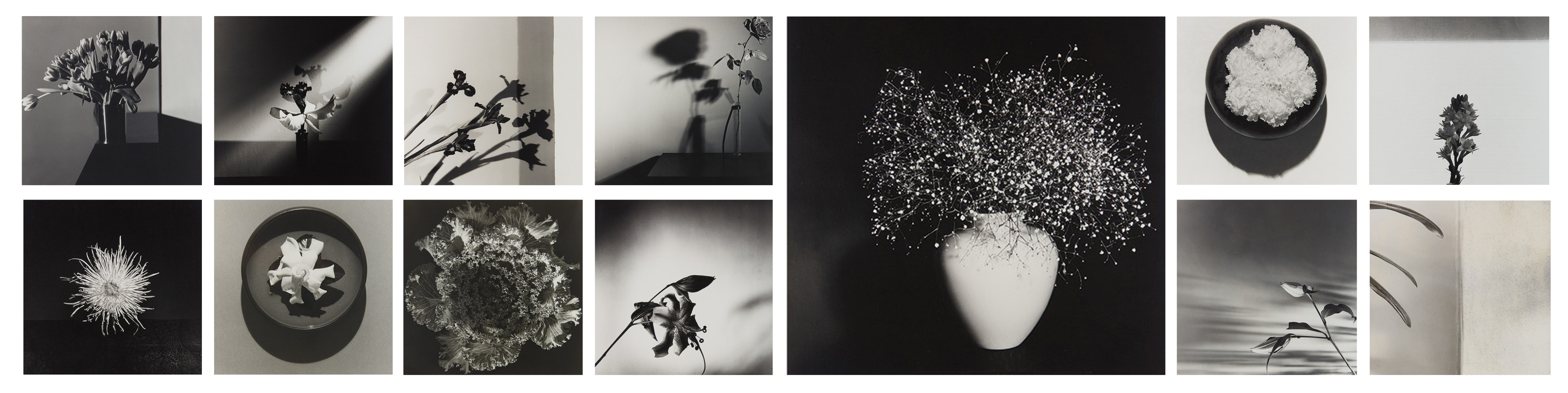
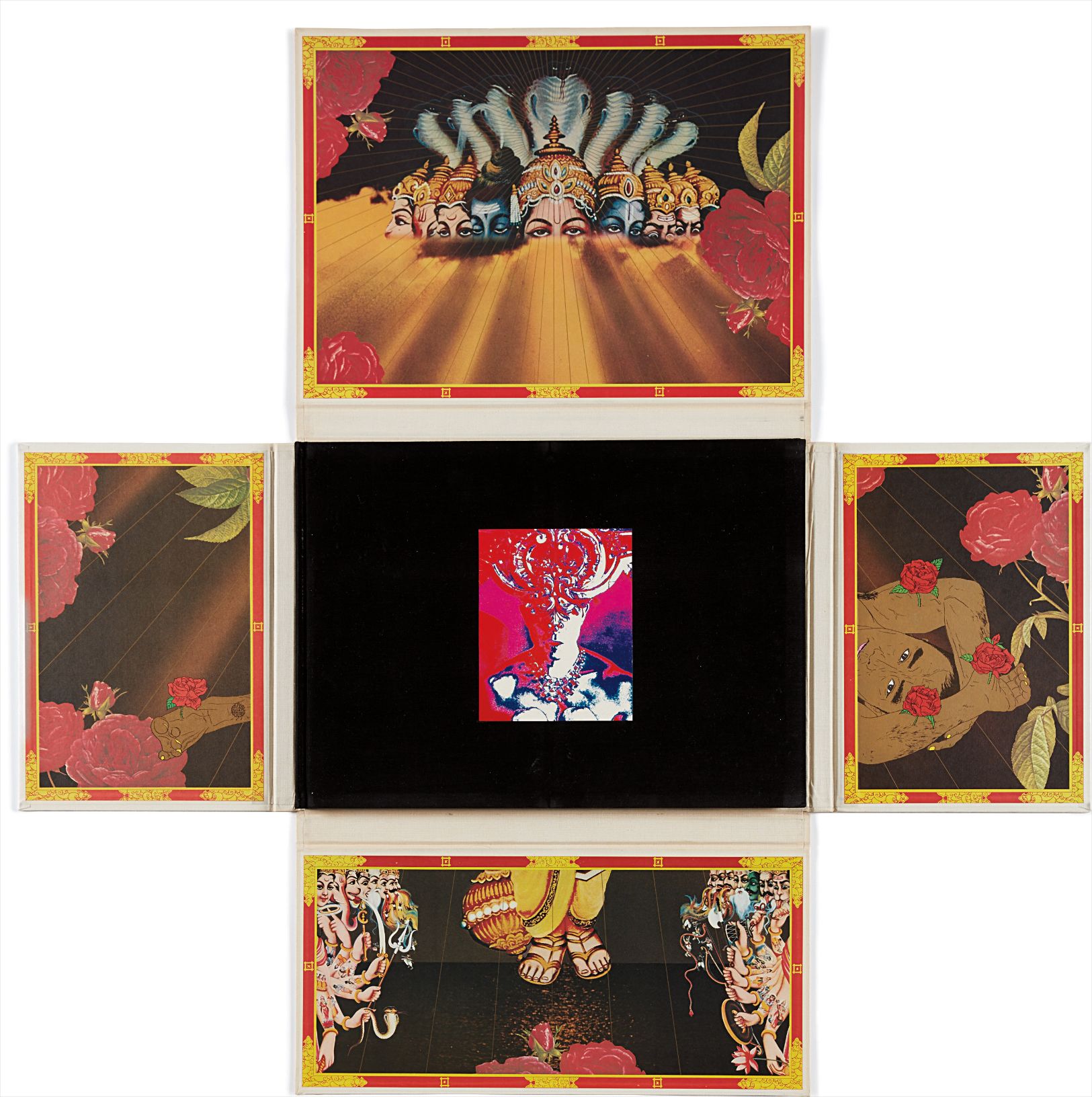
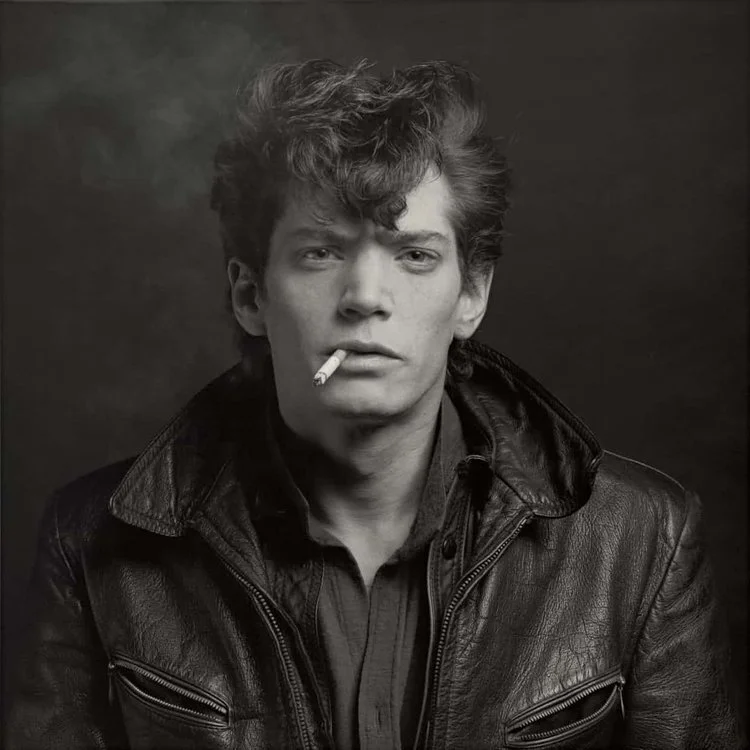
Robert Mapplethorpe
Y Portfolio
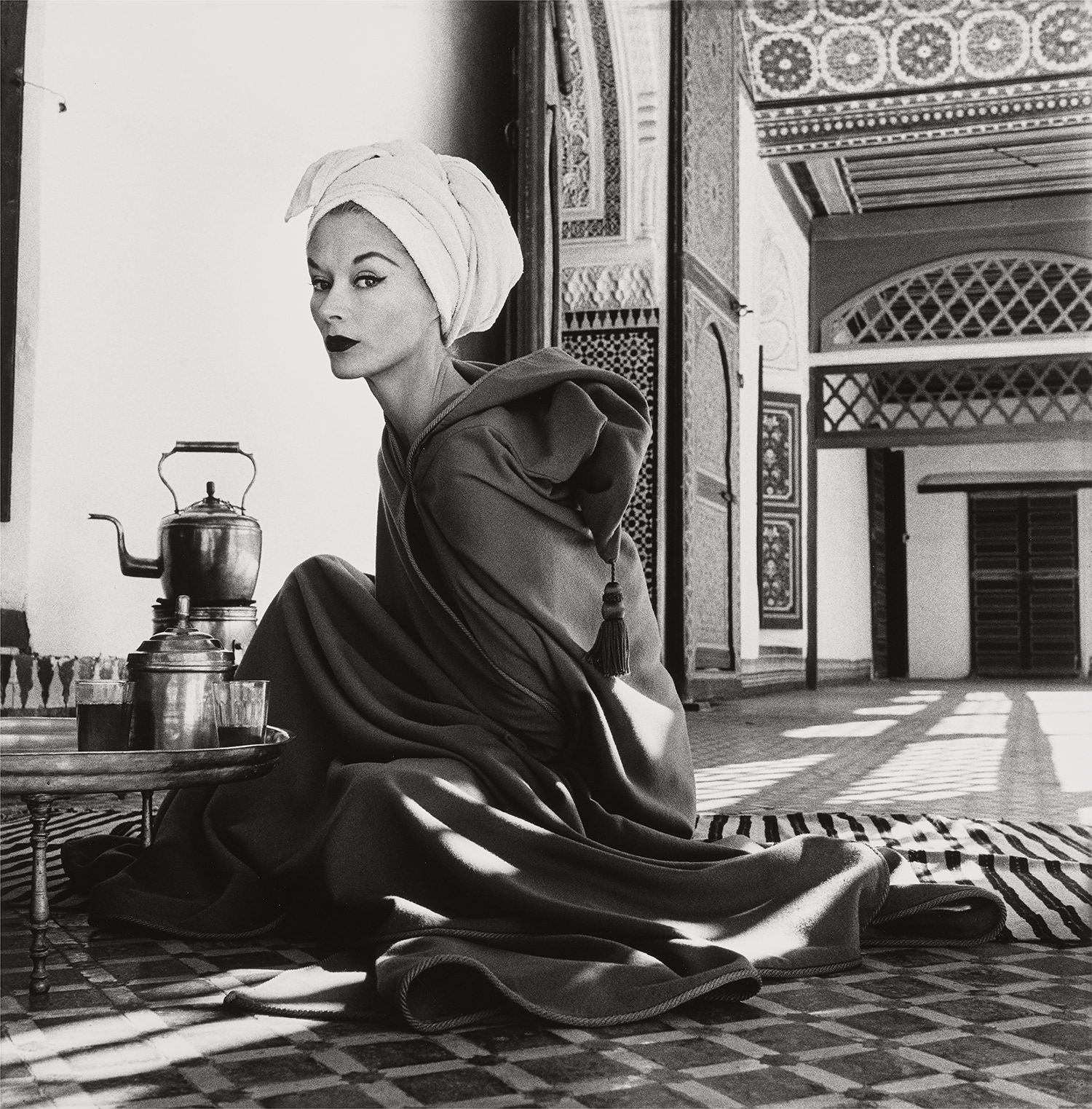
At auction, a handful of names from the history of the medium consistently set the terms of discussion. Robert Mapplethorpe remains one of the most closely watched names at Phillips and Christie's alike. His large format flower studies and his confrontational figure work from the late 1970s and 1980s continue to find fierce competition at the block, with strong vintage prints regularly exceeding expectations. Irving Penn occupies a similarly elevated position, with his platinum palladium prints from the Worlds in a Small Room series and his iconic still lifes attracting serious institutional and private buyers who understand that Penn essentially redefined what a photograph could aspire to look like.
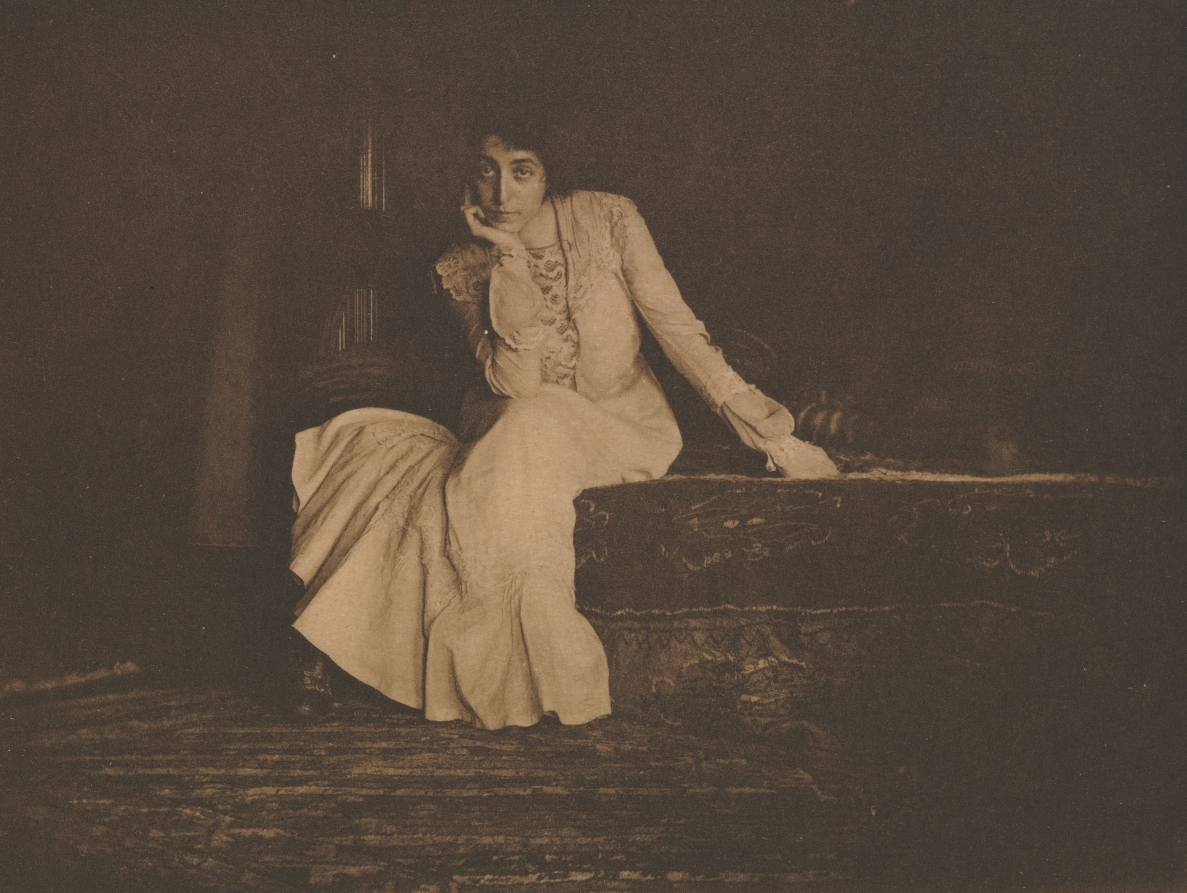
Edward Weston's prints, particularly those made at Point Lobos during the 1930s, remain benchmarks of what the medium can do with light and organic form, and the prices they command reflect a collector base that has never wavered. What is particularly interesting to watch right now is the reassessment of figures who were always respected but perhaps not fully priced to their cultural importance. Alfred Stieglitz, whose work established the very premise that photography deserved to be exhibited in galleries alongside painting, appears with increasing seriousness at specialist sales. Edward Steichen, whose career spanned pictorialism through commercial mastery at Vogue and the landmark Family of Man exhibition at MoMA in 1955, is being reconsidered by a generation of curators interested in the relationship between commercial and fine art practice.
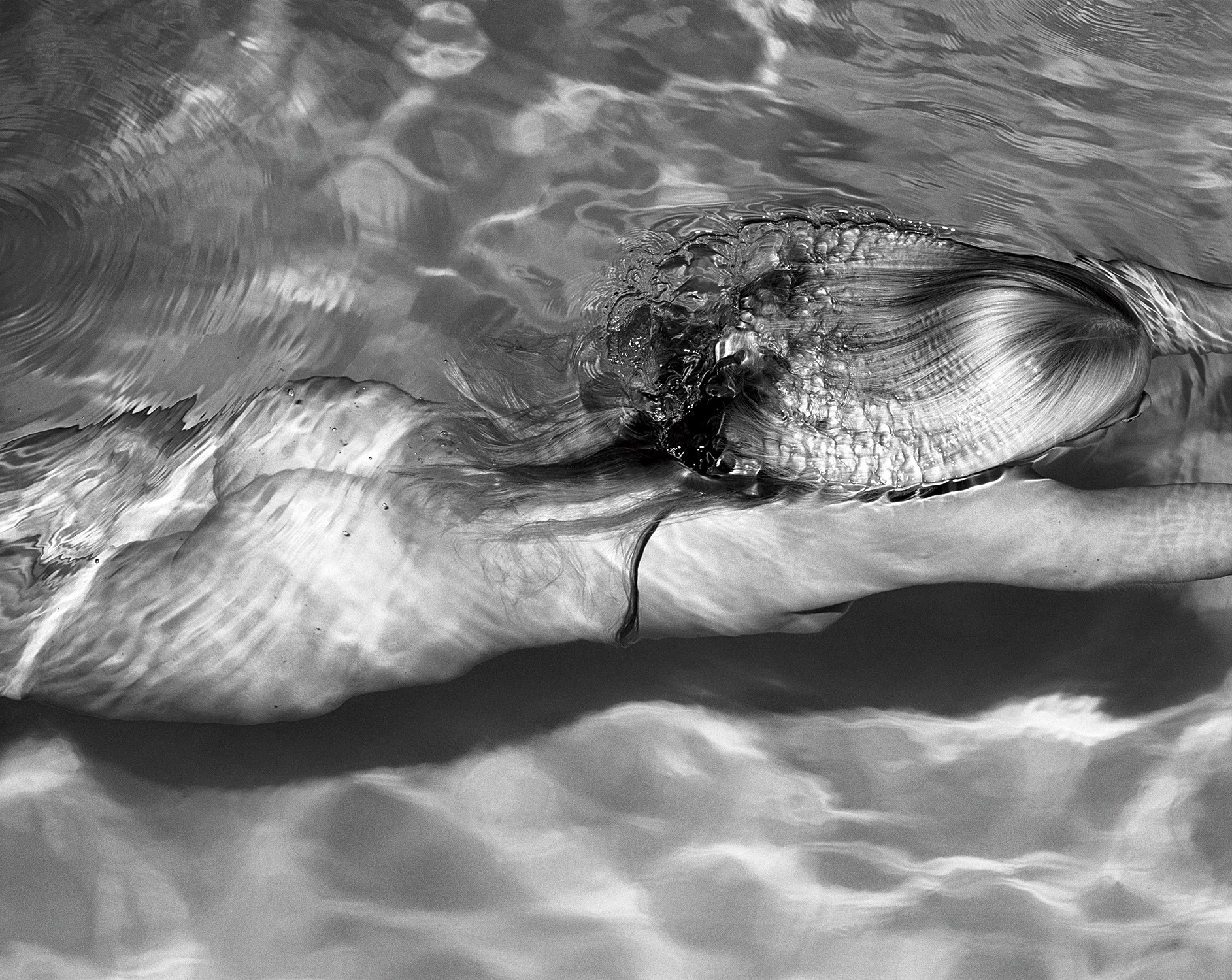
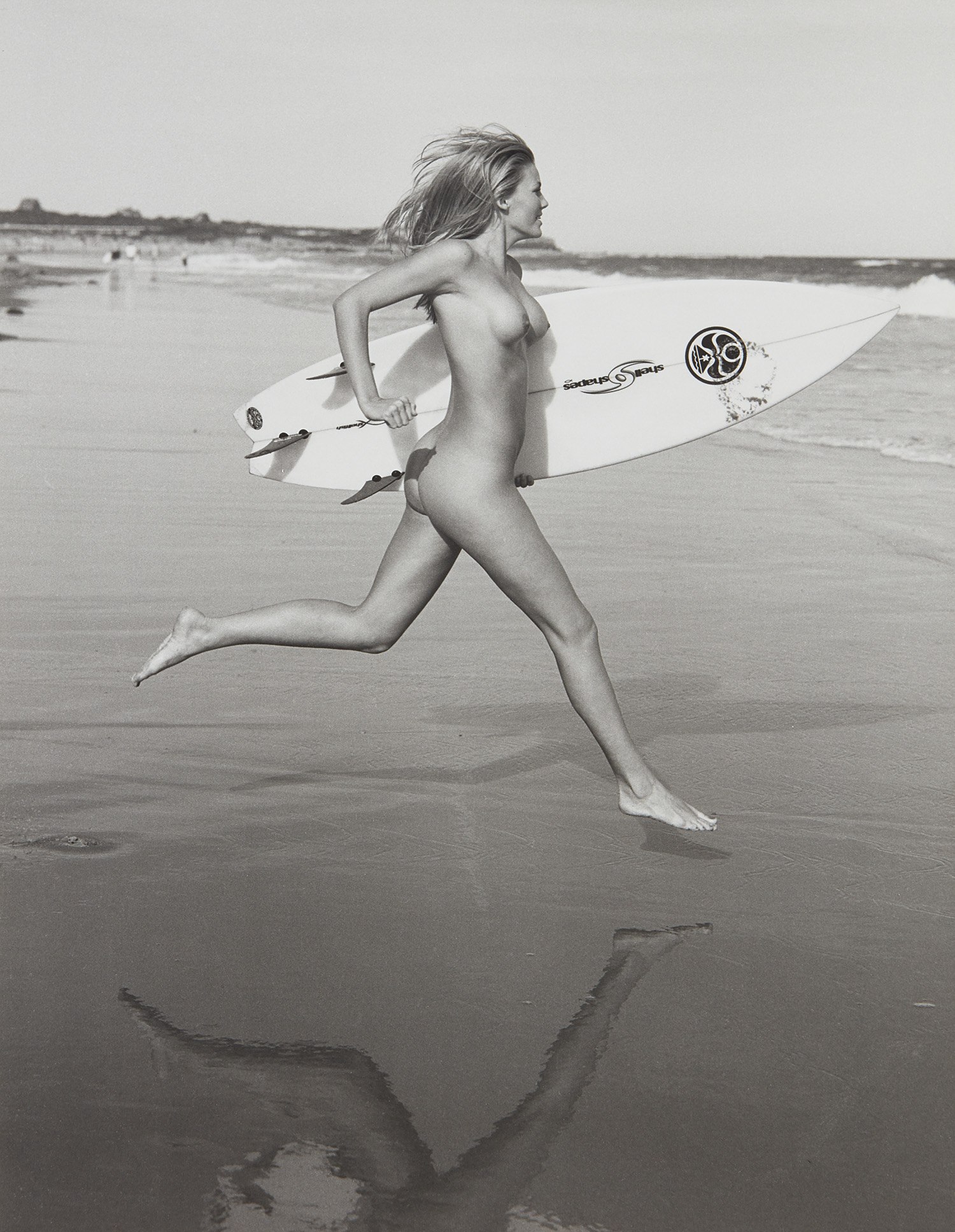
Michael Dweck
Mermaid 1, Amagansett
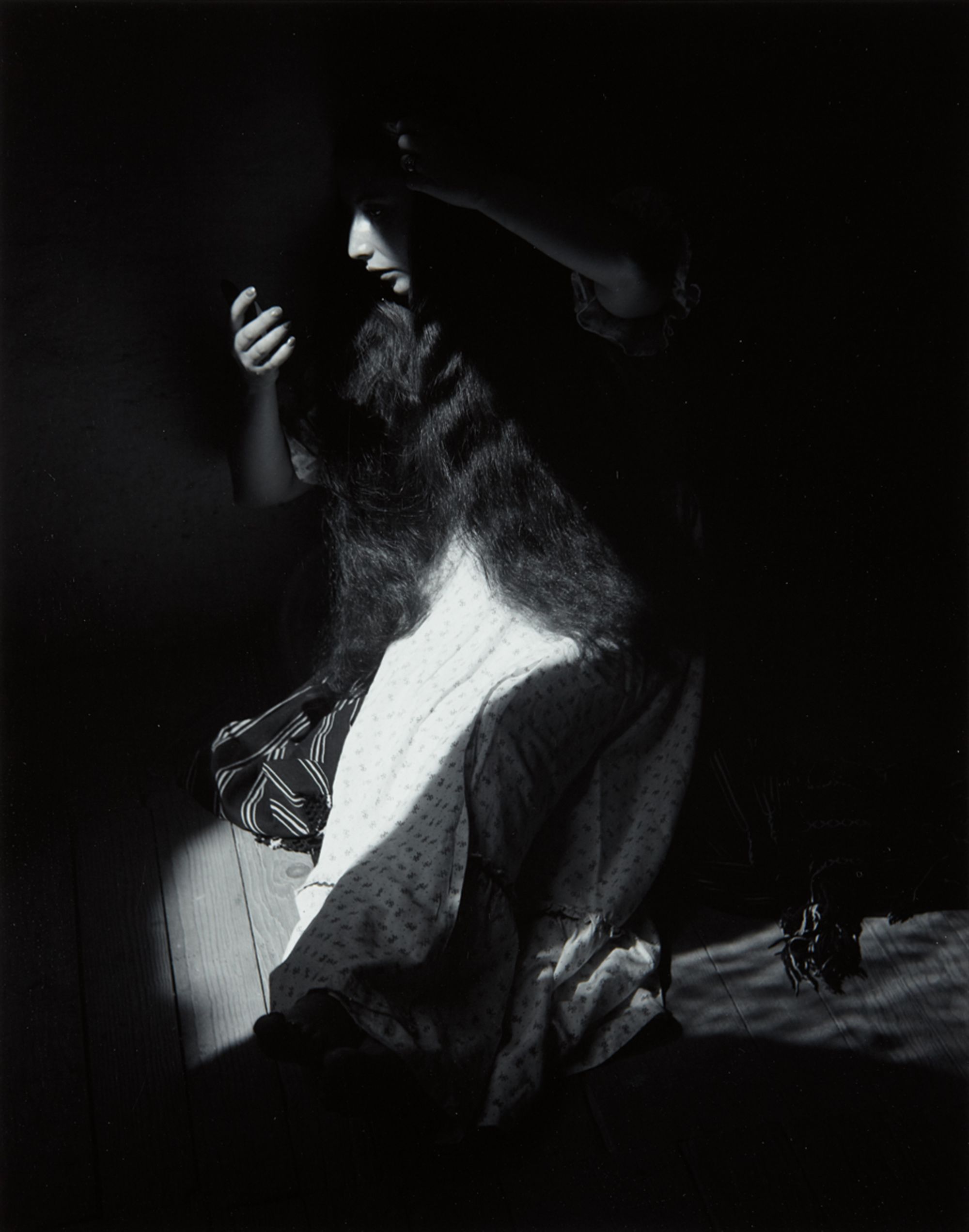
These are not cheap works, but they are not yet priced at the level their historical significance might eventually demand, which is something attentive collectors tend to notice. The critical conversation shaping the field is genuinely lively and sometimes contentious. Aperture Foundation continues to publish some of the most serious sustained thinking about photography as an art form, and its monographs on figures like Francesca Woodman have helped introduce younger collectors to an artist whose brief life and haunting self portraiture have achieved a kind of cult seriousness that translates clearly into market demand. Woodman, who died in 1981 at twenty two, is represented in major collections now, and her work shows up at auction with a frequency that would have surprised anyone observing the market even fifteen years ago.
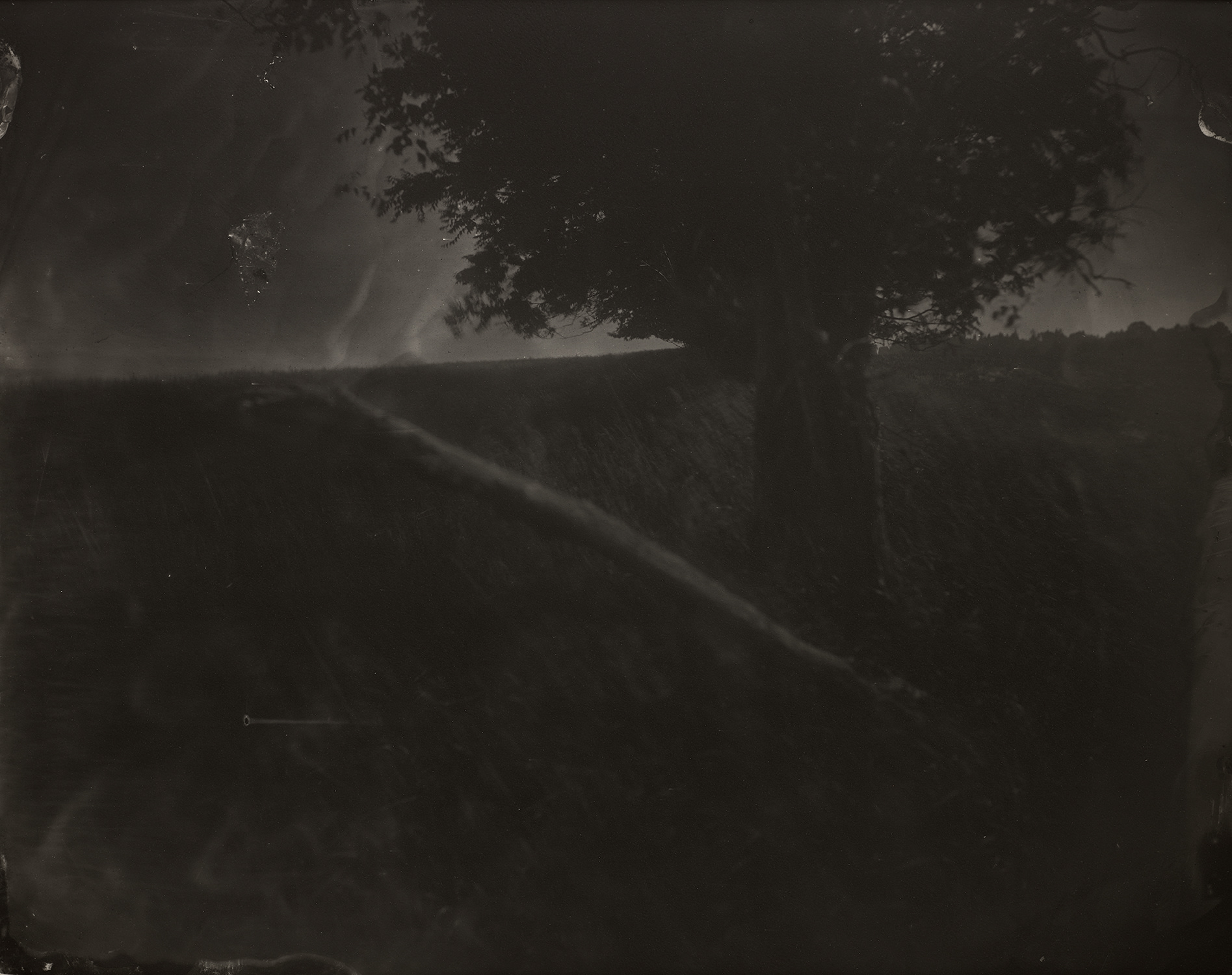
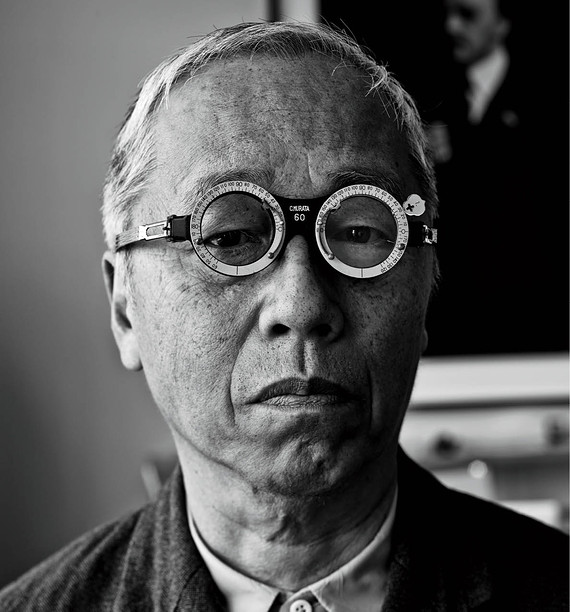
Sally Mann, whose large format work on Southern landscape and family has been the subject of major retrospectives including the Guggenheim Bilbao show in 2010, occupies an interesting position where critical esteem and collector enthusiasm seem finally to be moving in the same direction. Museum programming has played a crucial role in shaping all of this. The San Francisco Museum of Modern Art has long maintained one of the most rigorous photography programs of any institution in the United States, and its exhibitions tend to function as market signals whether curators intend them to or not. The Fondation Cartier in Paris has done remarkable work bringing photographers like Hiroshi Sugimoto to audiences who approach the work as fine art rather than documentary record.
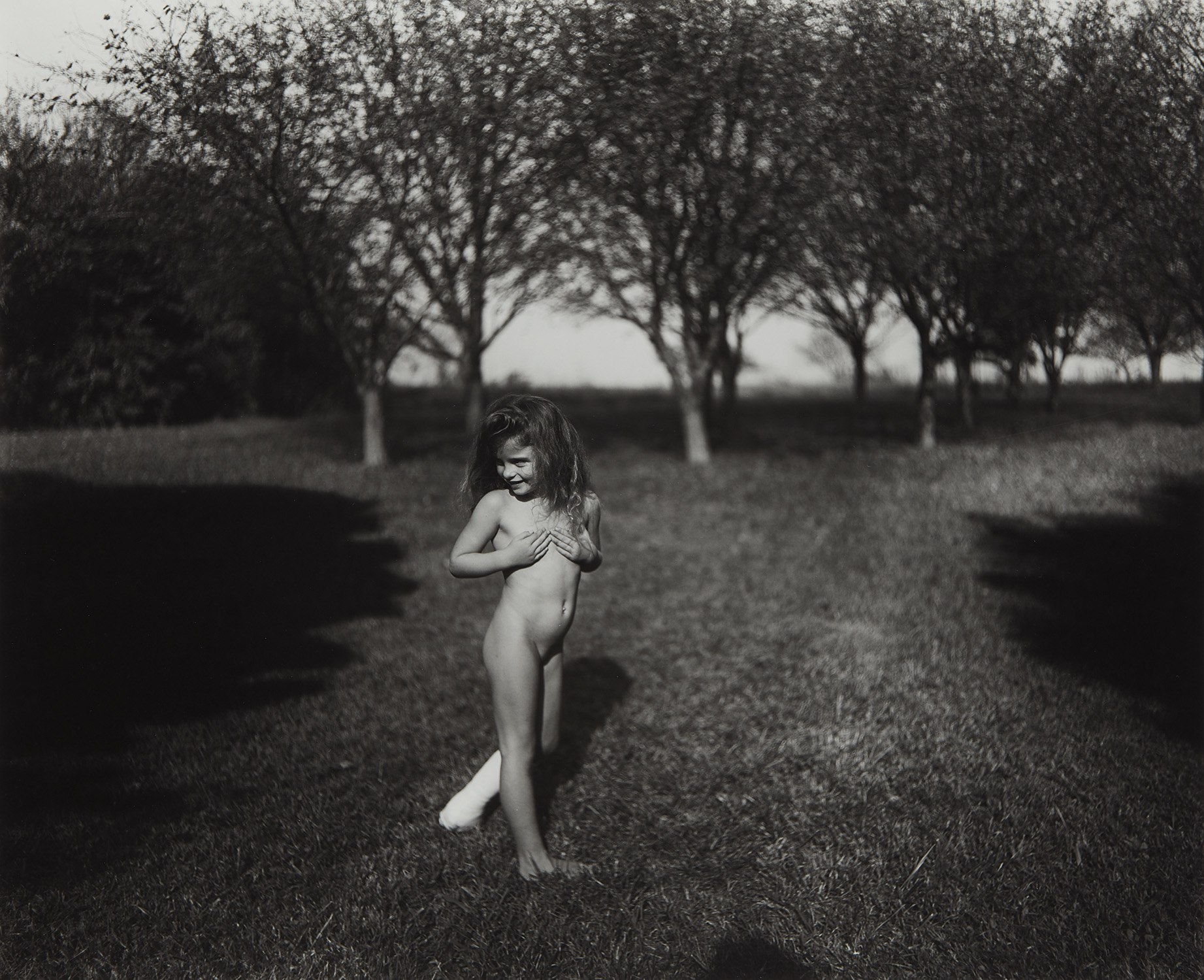
Sally Mann
Modest Child #2
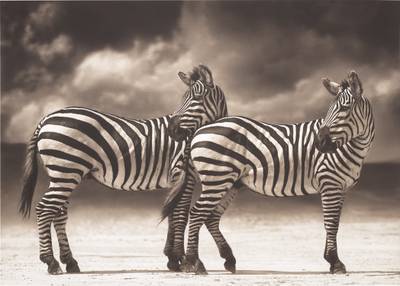
Sugimoto's long exposure seascapes and his theater interiors are among the most quietly radical photographs made in the last fifty years, and they have found their way into collections that previously would have spent that budget on painting without a second thought. The energy in the field right now feels concentrated around a few areas that seem worth tracking carefully. Photographers working at the intersection of landscape and environmental urgency, figures like Nick Brandt whose large scale documentation of vanishing African ecosystems carries both aesthetic weight and moral pressure, are attracting collectors who want work that participates in the cultural conversation of this particular moment. At the same time, the enduring glamour of the great fashion and portrait photographers, Helmut Newton, Herb Ritts, Horst P.
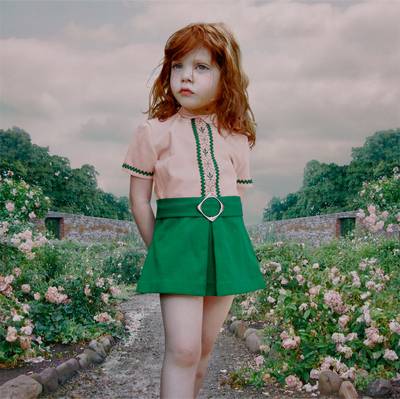
Horst, continues to generate serious interest at a price point that remains accessible relative to the works' historical importance and visual impact. And then there is the quieter surge of interest in photographers like Loretta Lux, whose digitally constructed images of children carry an uncanny dreamlike quality that feels increasingly relevant to a culture saturated with manipulated imagery. The works available on The Collection reflect the full range of this conversation, from canonical figures who established the medium's ambitions to contemporary practitioners who are testing its limits in genuinely new ways. What unites them is a shared understanding that the photograph is not merely a record but a proposition, an argument about what the world looks like and why that matters.
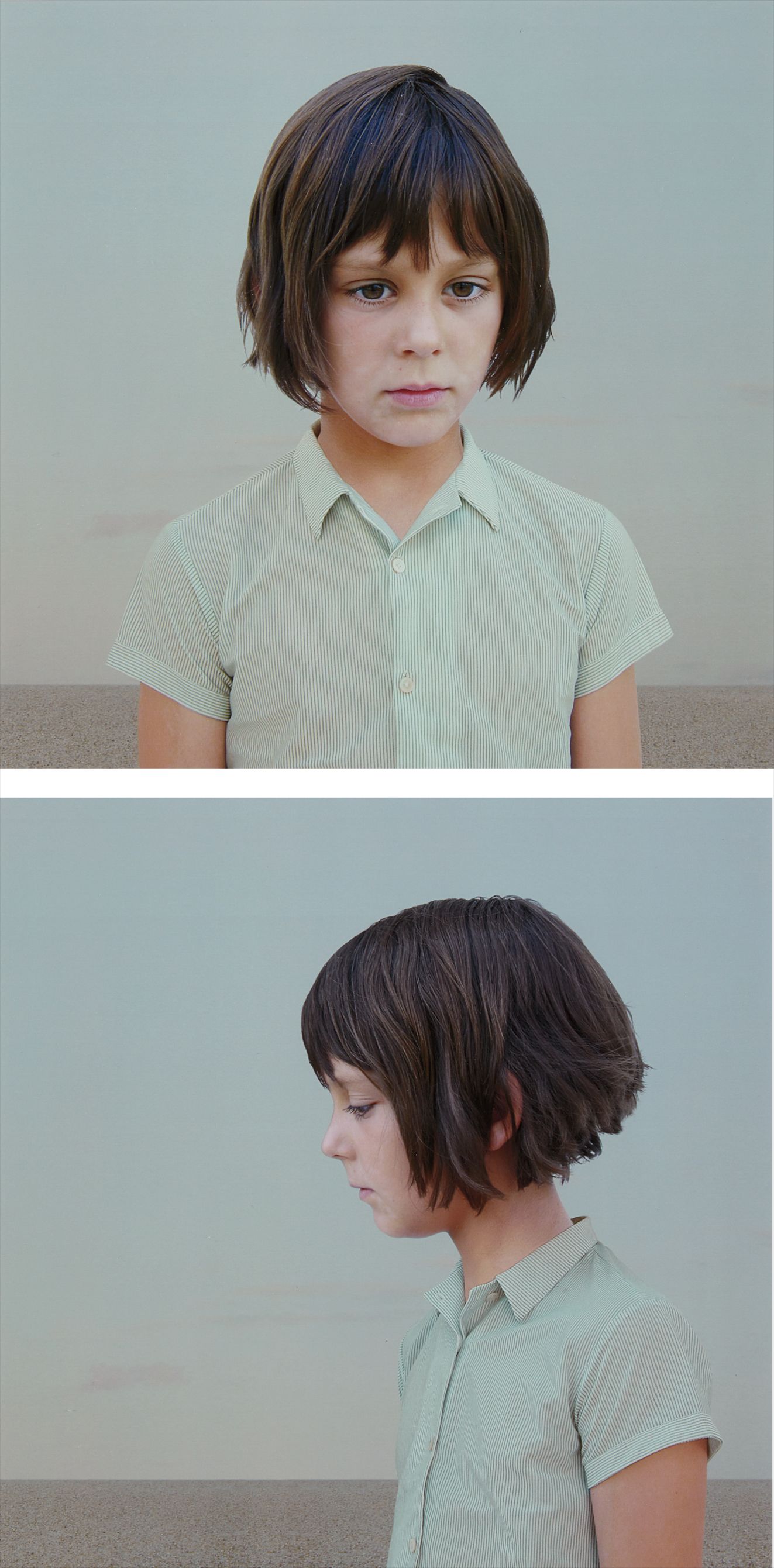
Loretta Lux
Maria 1 and Maria 2
Collectors who have spent time with this material know that a great photograph does not simply hang on a wall. It changes the wall it occupies, and eventually it changes the room.