Hilma af Klint
“
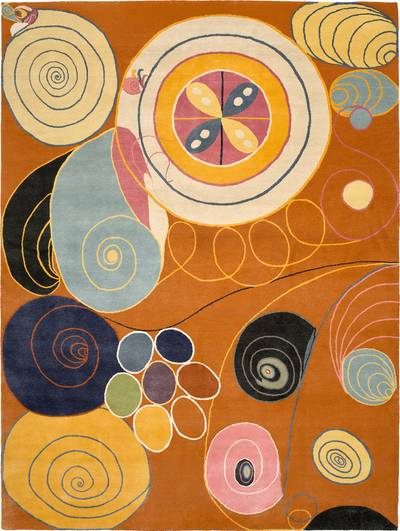
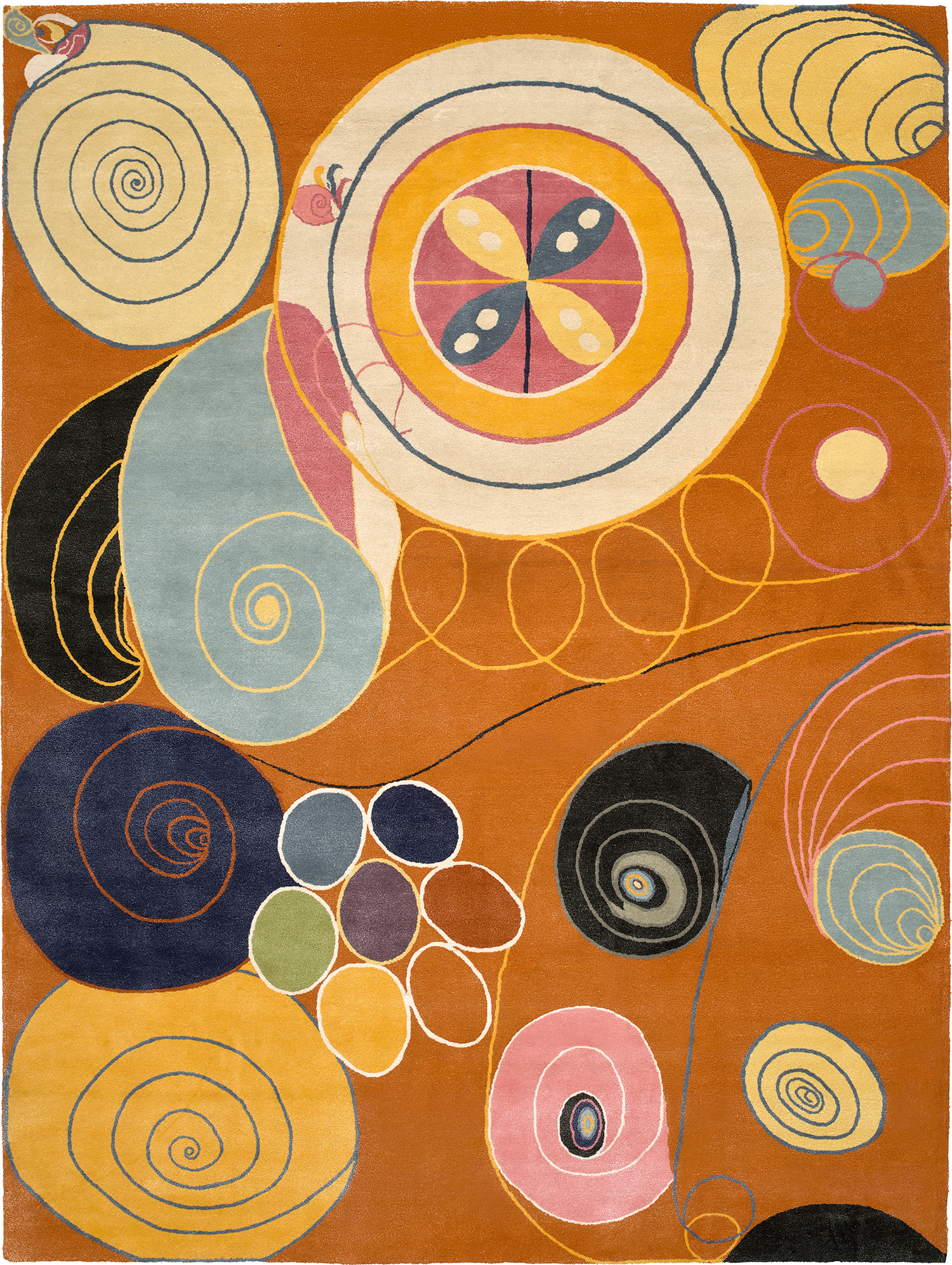
# Hilma af Klint Hilma af Klint was a Swedish artist born in 1862 who became a pioneering figure in abstract art, though her revolutionary work remained largely unknown during her lifetime. Initially trained in realistic landscape painting at the Royal Academy of Fine Arts in Stockholm, af Klint underwent a dramatic artistic transformation in the 1890s when she began attending séances and became involved with Theosophy, a spiritual movement that profoundly influenced her artistic vision. These spiritual interests led her to create abstract works years before the European avant-garde movements formalized abstraction as an artistic approach, making her arguably one of the first artists to develop a fully abstract visual language. Between 1906 and 1915, af Klint created her most significant body of work, a series of approximately 200 paintings known as the Temple murals, which she intended as decorations for a spiral temple designed to house her spiritual artwork. Her key series included the Evolution works, which explored themes of creation and transformation, and the multicolored geometric compositions that synthesized Theosophical concepts with innovative visual forms. Her works combined organic and geometric elements, vibrant color symbolism, and dynamic compositions that conveyed spiritual experiences and invisible cosmic forces. Though she exhibited her work during her lifetime and was part of the Swedish artistic scene, her radical abstractions did not align with dominant artistic trends and were largely dismissed or overlooked by critics and institutions. The rediscovery of af Klint's work in the late 20th century fundamentally altered art historical narratives about abstraction's origins, shifting focus from solely male European artists to include her visionary contributions. Her influence extended across multiple movements retroactively, with connections drawn to Expressionism, Constructivism, and Surrealism, though she transcended these categories. Today, af Klint is recognized as a crucial figure who expanded the possibilities of abstract art and demonstrated how personal spirituality and artistic innovation could converge, inspiring contemporary artists to explore beyond conventional artistic boundaries and challenging art historical canons that had previously excluded her legacy.
Artists in conversation