Spiritual
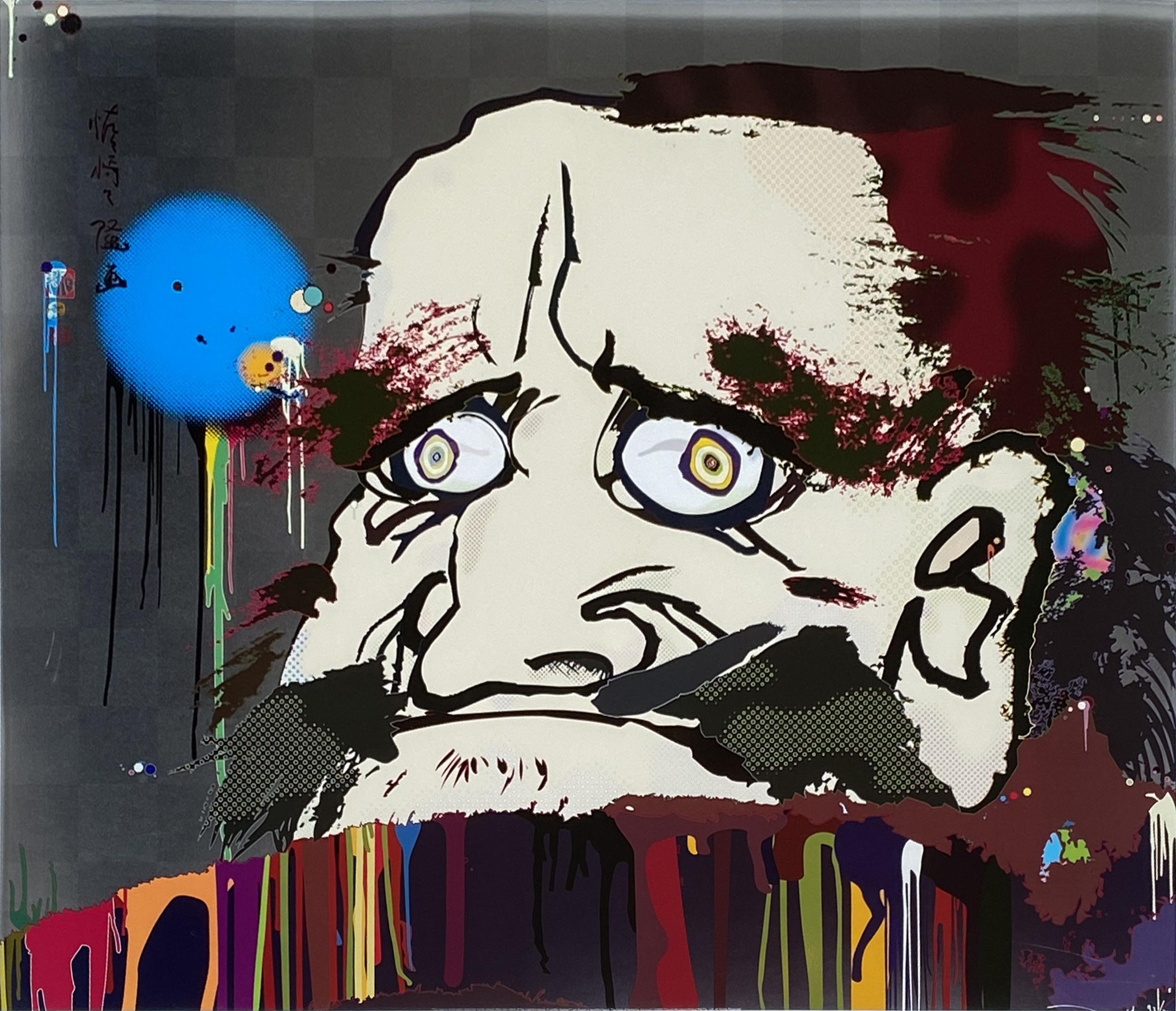
Takashi Murakami
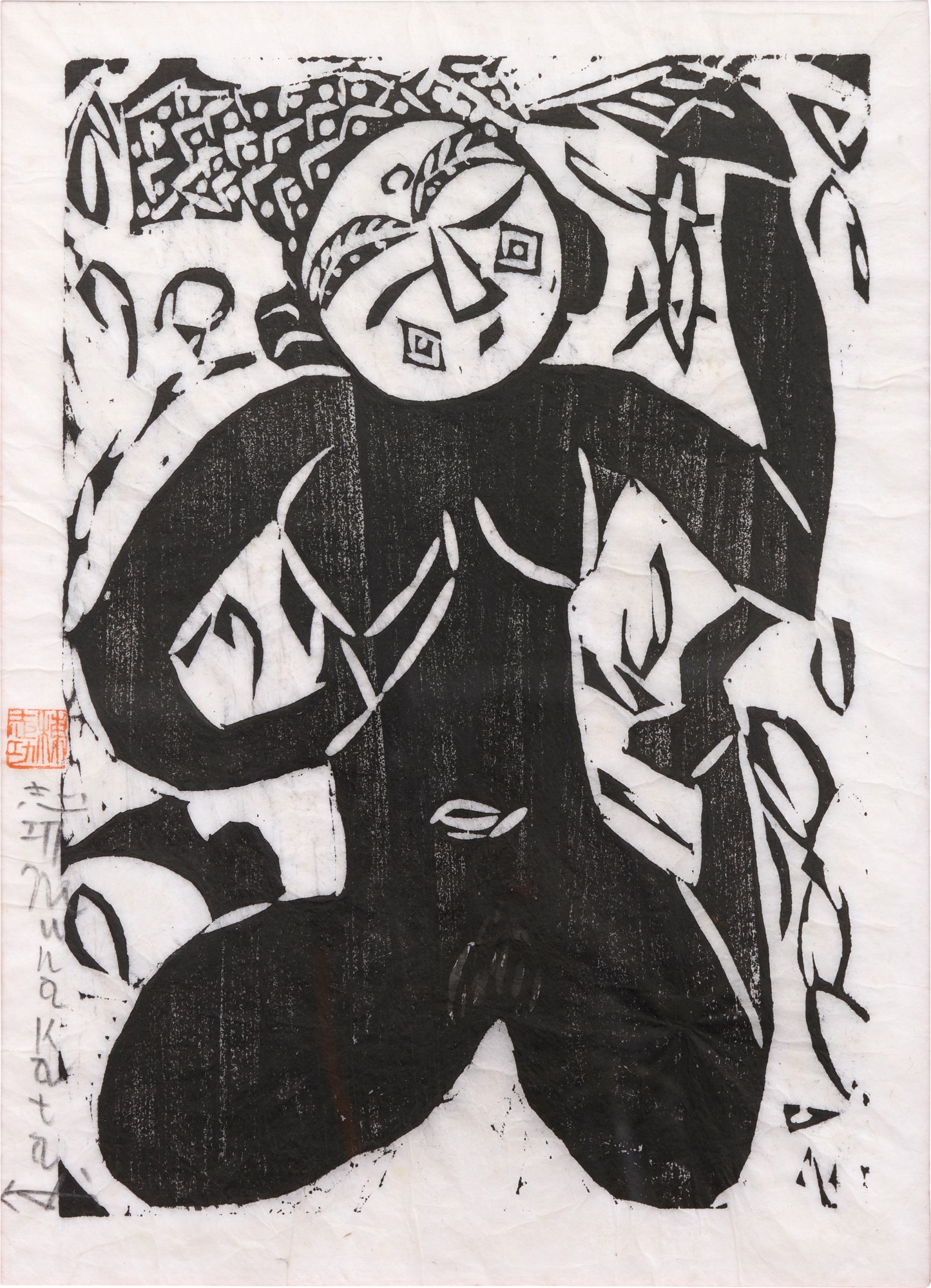
Buddha - Road to Illumination
The Sacred Is Back, and It Means Business
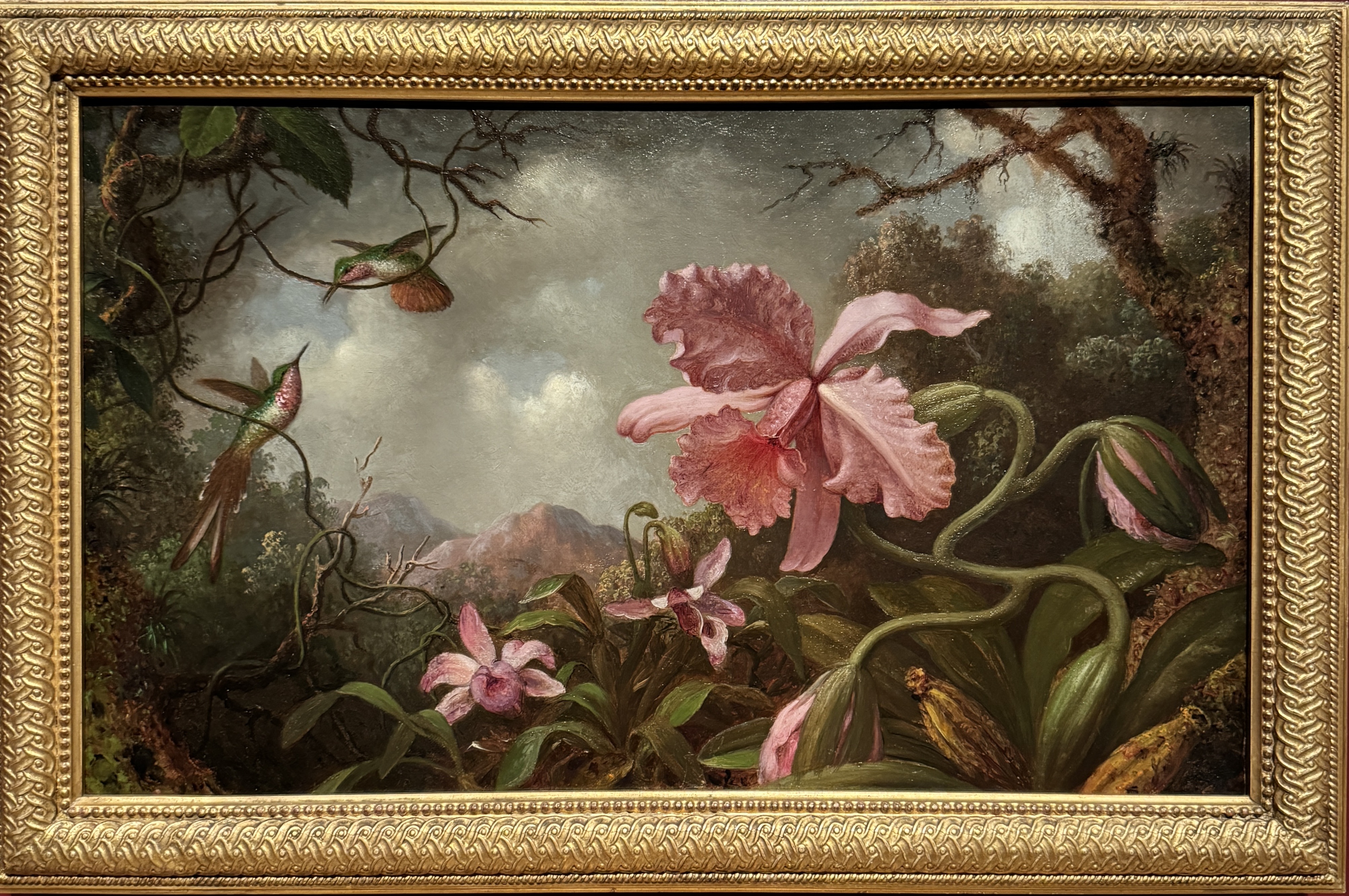
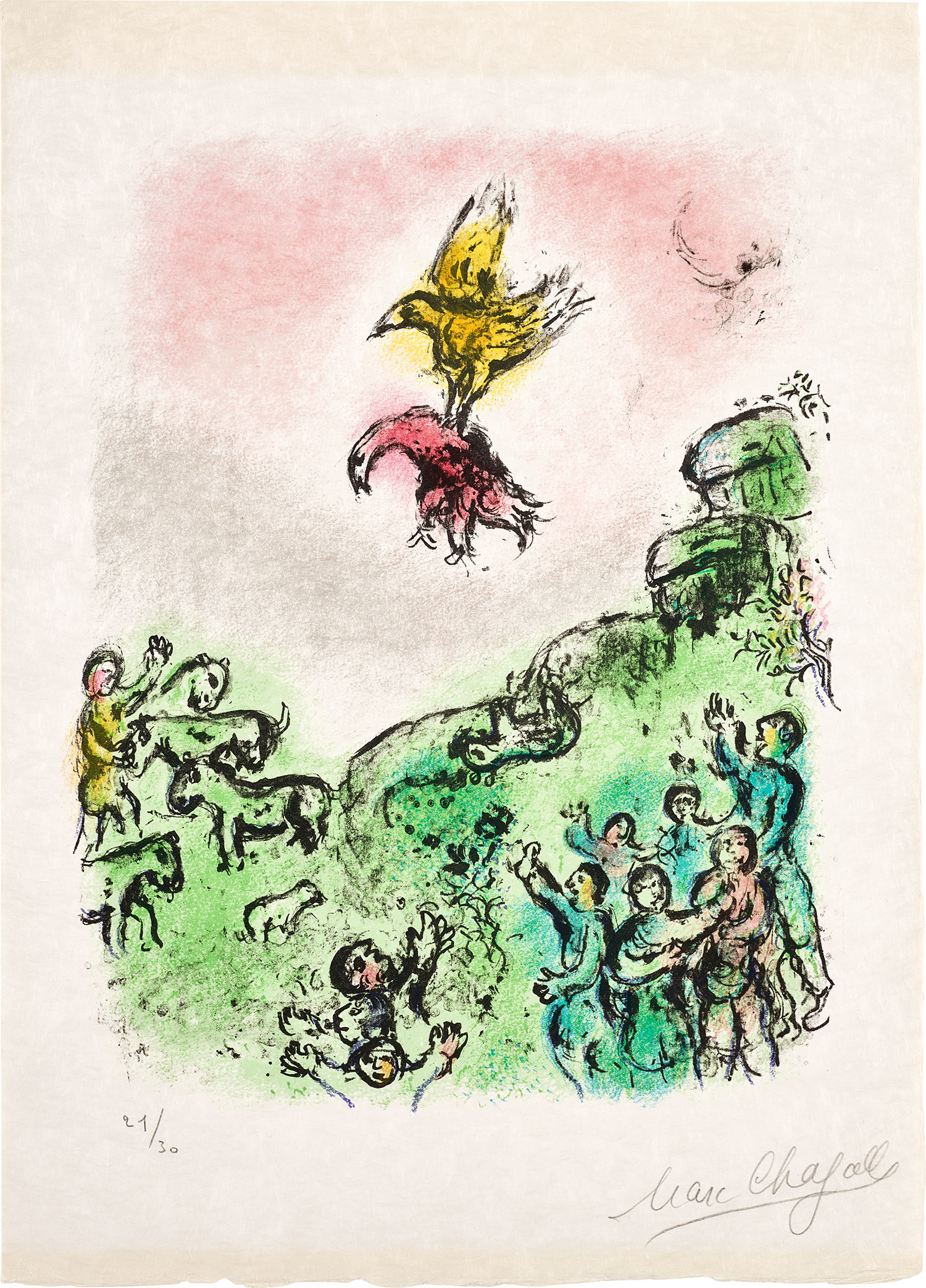
When Sotheby's offered a major Marc Chagall canvas in 2023, the room went quiet in the particular way it does when a work carries genuine weight. Chagall's paintings have always occupied an unusual position in the market, devotional without being churchy, rooted in Jewish mystical tradition while speaking to something broader about human longing. The result that evening confirmed what many collectors and curators had been sensing for several years: work that engages sincerely with the spiritual, the transcendent, and the sacred is no longer treated as a niche or unfashionable concern. It is, in many rooms, the most urgent conversation happening.
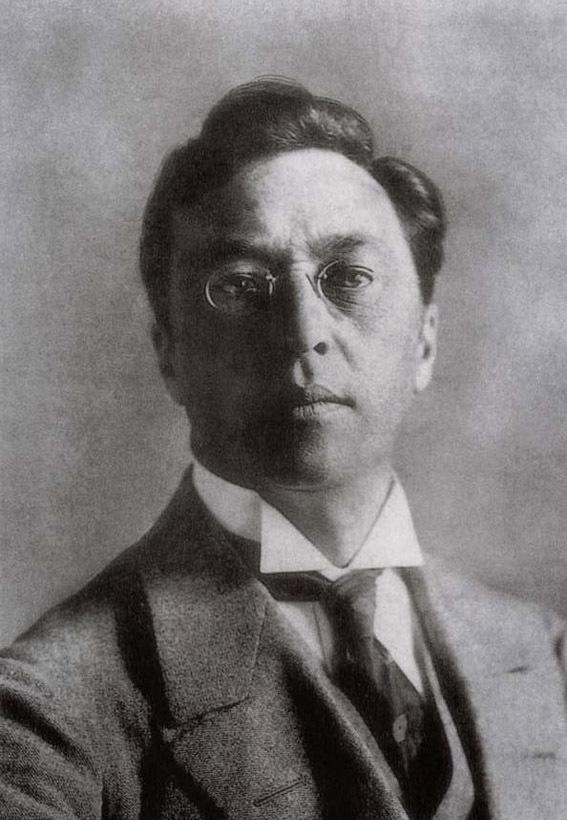
The shift has been building since at least the mid 2010s, when institutions began revisiting artists they had quietly sidelined during decades of irony heavy critical fashion. The Guggenheim Bilbao's survey of Wassily Kandinsky's late abstractions reminded audiences that his entire project was inseparable from Theosophy and his belief that color carried spiritual vibration. You cannot understand Kandinsky without that framework, and the exhibition made no apology for saying so plainly. The show recalibrated how a generation of younger collectors engaged with work from that lineage, and its influence rippled through auction rooms for years afterward.
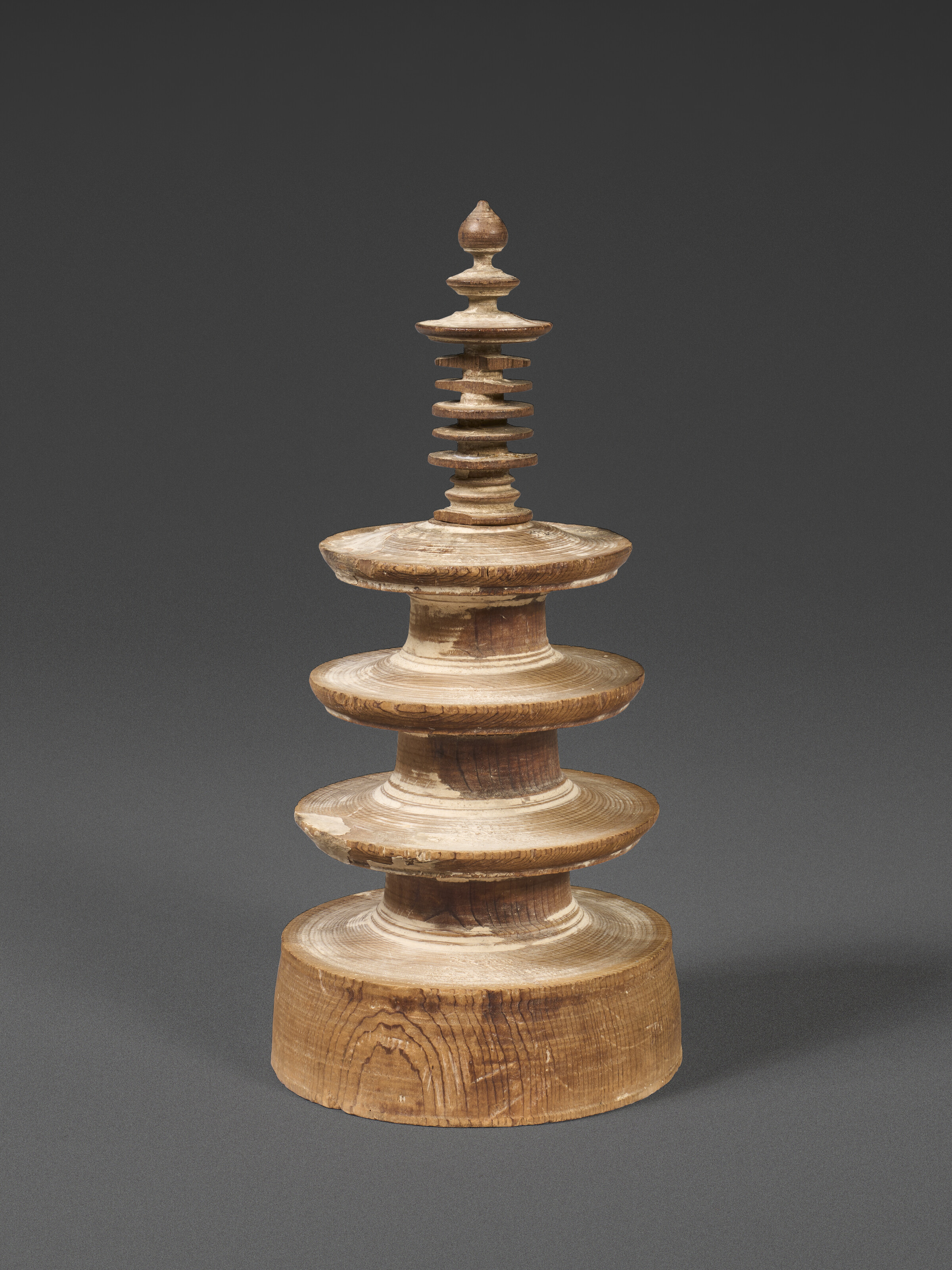
A Wood Pagoda From The Set Of 'one Million Pagodas' ( Hyakumanto )
NARA PERIOD (8TH CENTURY)
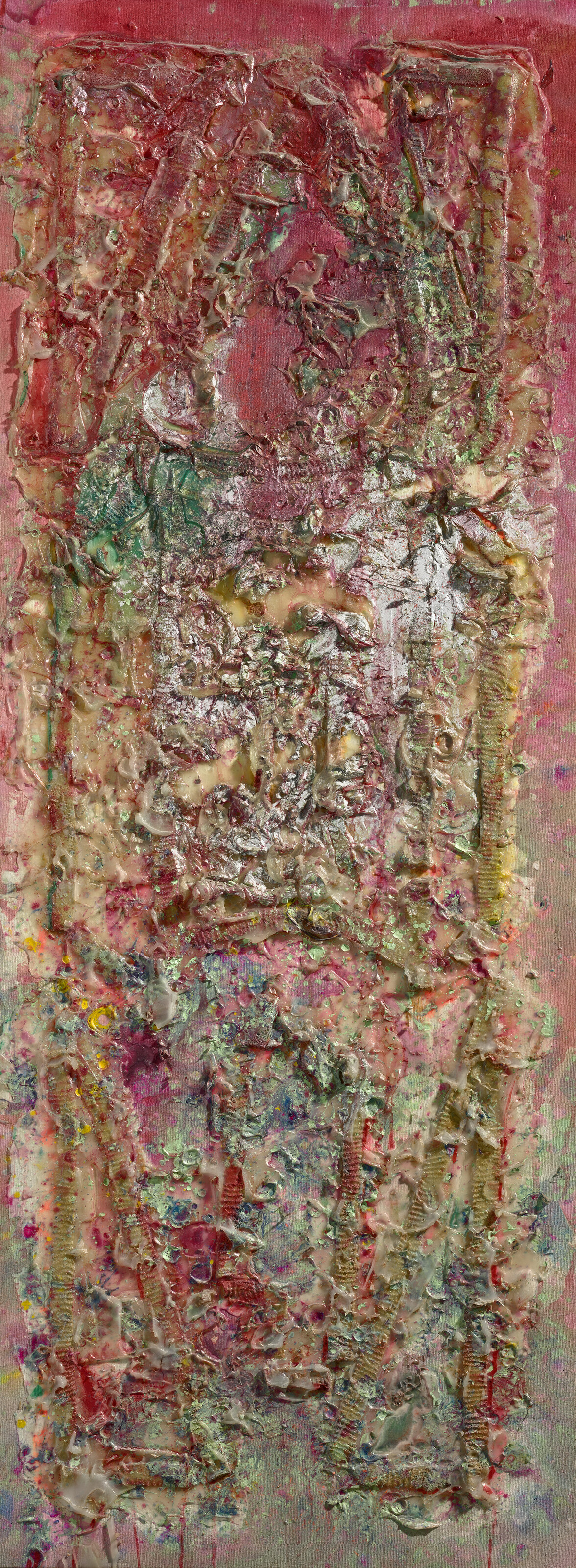
On the contemporary side, few developments have been as significant as the critical rehabilitation of artists working explicitly at the intersection of faith and visual culture. Genesis Tramaine, whose large scale paintings draw on Black Pentecostal experience and raw emotional ecstasy, has moved from gallery darling to genuine institutional fixture with remarkable speed. Her solo presentations have attracted the kind of sustained critical attention that leads to museum acquisitions, and her work on The Collection reflects that momentum. Similarly, Igshaan Adams, the South African artist whose woven and knotted works weave together Islam, Christianity, and Cape Malay cultural memory, has become one of the more discussed figures in contemporary practice after his inclusion in major international survey exhibitions.
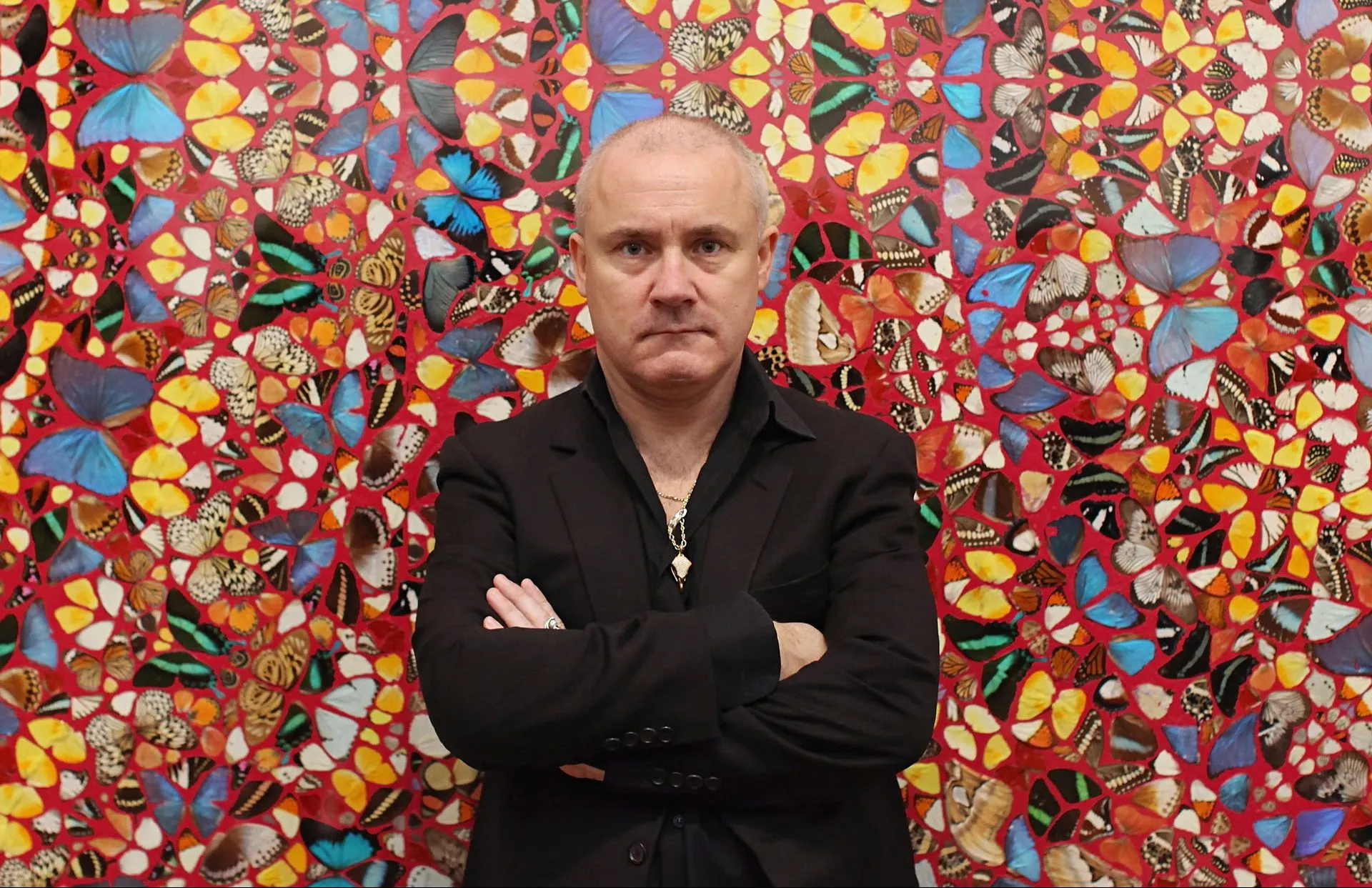
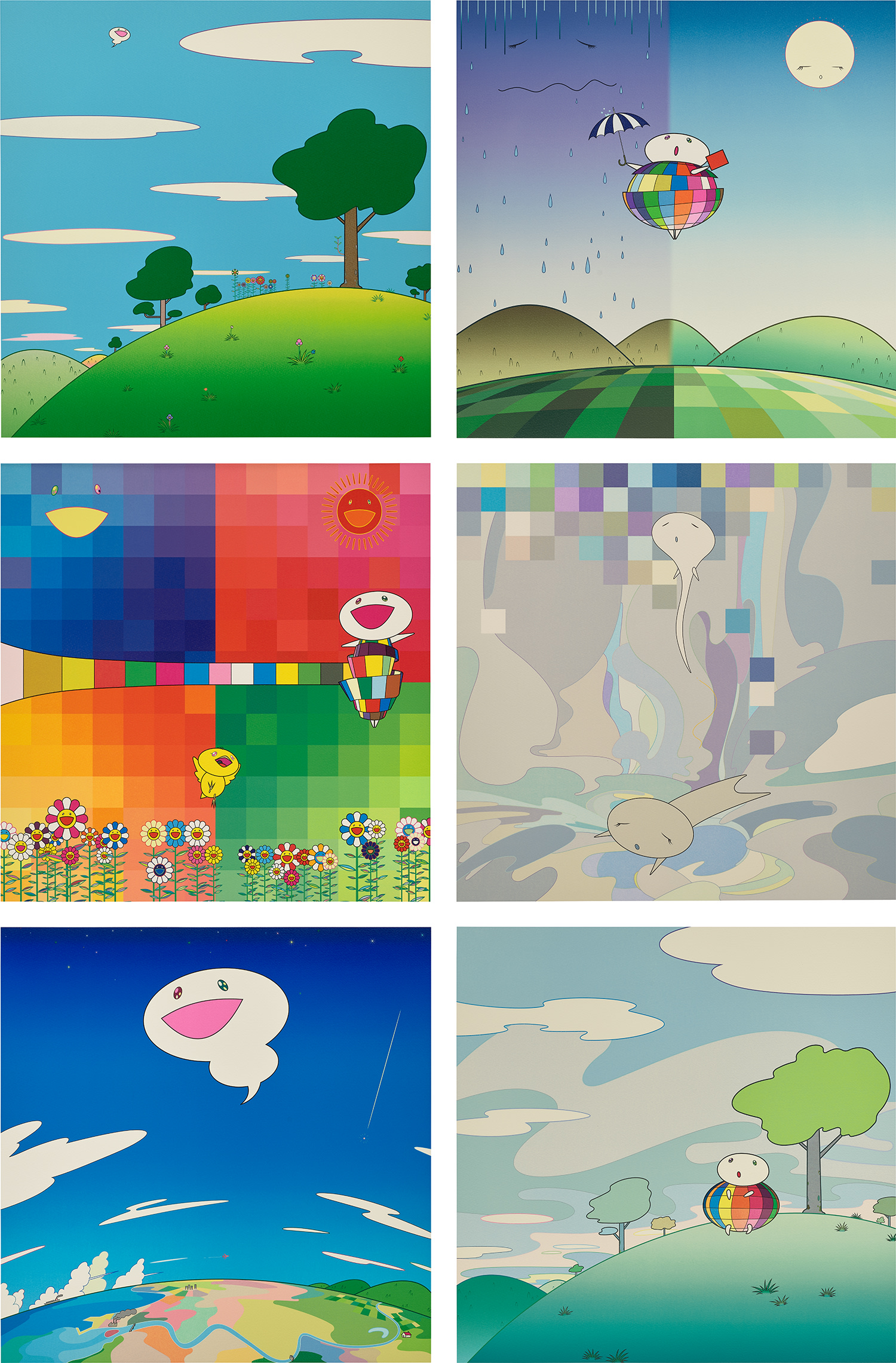
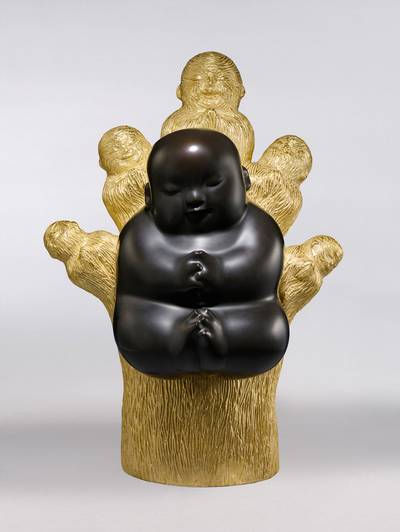
Both artists signal that the spiritual in contemporary art is not a retreat from political or social engagement but often its most concentrated form. The auction market tells a nuanced story. Damien Hirst's spot paintings and spin works, which occupy their own strange middle ground between pharmaceutical anxiety and meditative repetition, have seen fluctuating results over the past decade, but his more overtly religious imagery commands consistent interest from collectors who recognize that his engagement with mortality and resurrection is more than provocative posturing. Takashi Murakami, whose Buddhist and Shinto iconography is woven through his entire practice, has seen significant results at Christie's and Phillips as collectors have grown more sophisticated about the spiritual substrate beneath the pop surface.
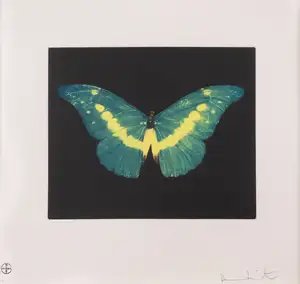
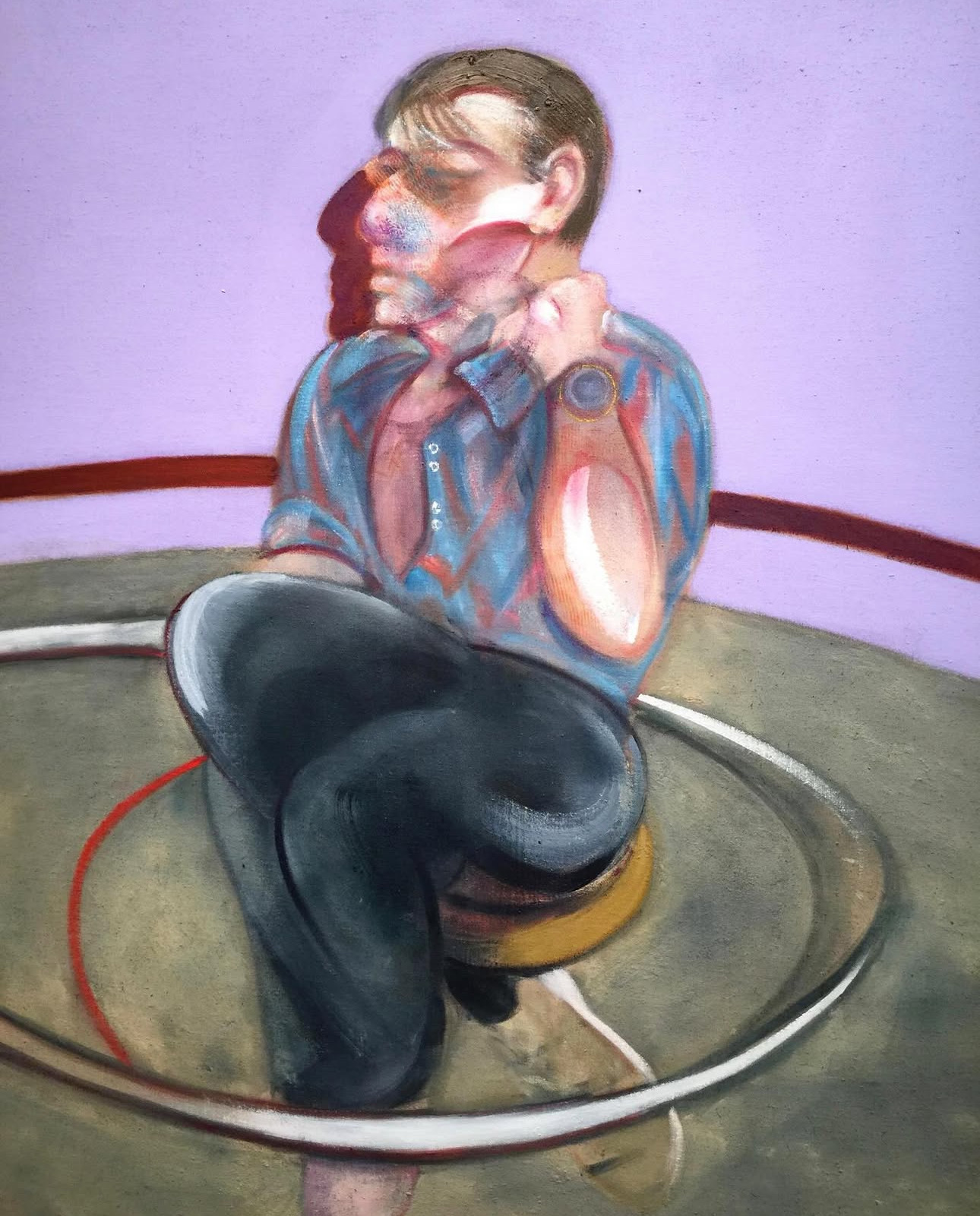
Damien Hirst
To Believe, from Butterfly Etchings
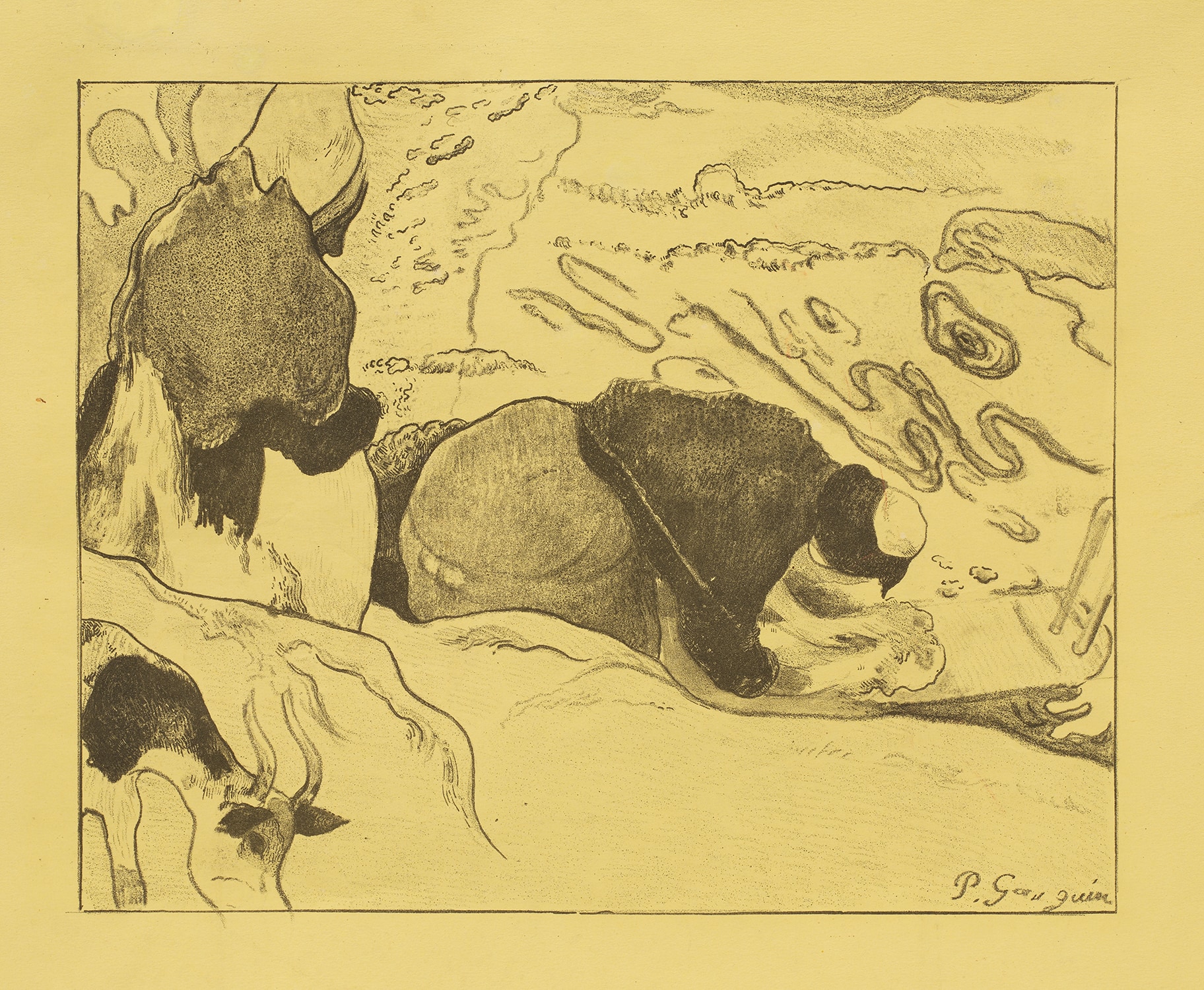
The prices reflect a market that has caught up with what critics understood much earlier. Paul Gauguin's Tahitian period works, which stage an encounter between Western yearning and Polynesian spiritual life, remain among the most contested in the canon, morally and commercially, but they consistently attract serious institutional and private attention when they appear. Museums have been decisive in shaping where collector energy flows. The Metropolitan Museum of Art's ongoing engagement with devotional objects across cultures has normalized the idea that sacred and aesthetic value are not separate categories.
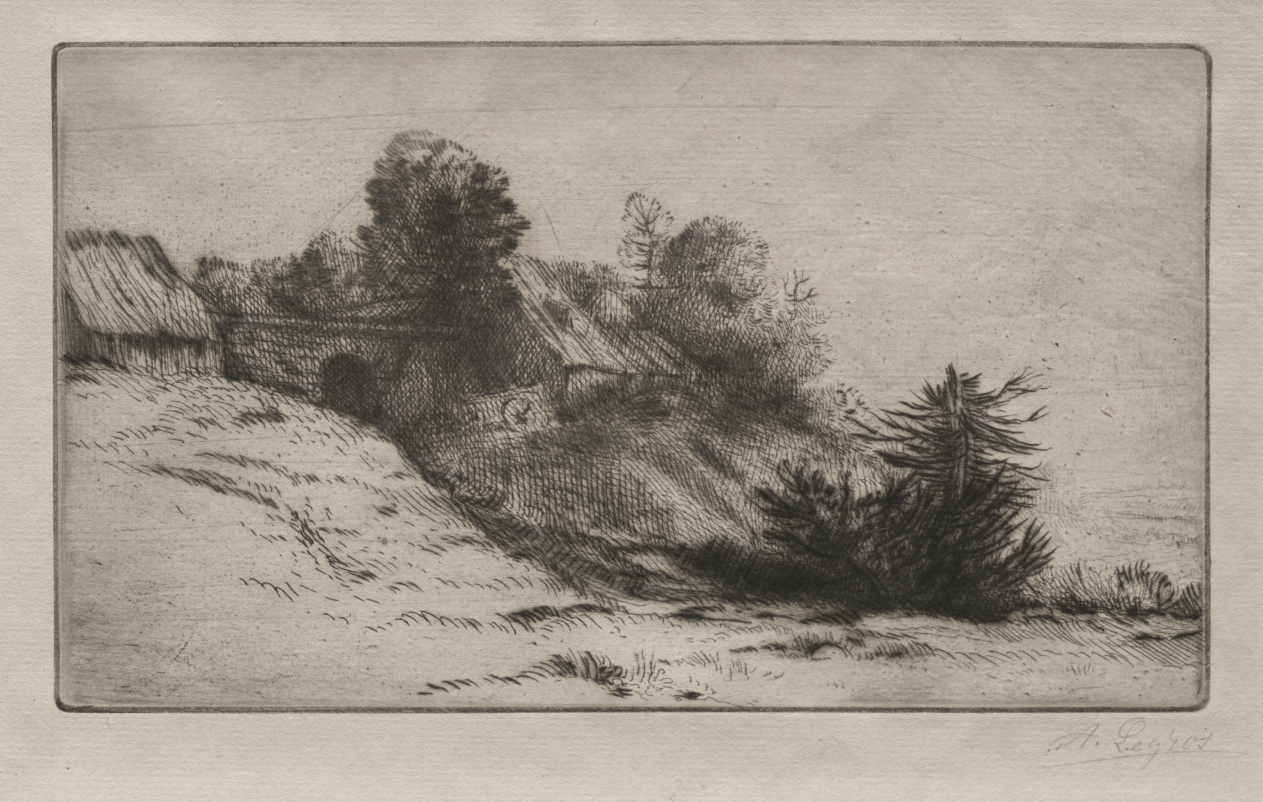
The Getty's exhibitions on medieval illuminated manuscripts brought new collector attention to works on paper with religious content, a category that Albrecht Dürer dominates with his extraordinary prints of apocalyptic and devotional subjects. Dürer's work appears with genuine strength on The Collection, and it is worth noting that the market for his prints has remained remarkably stable across cycles, a sign of deep institutional and private confidence. Odilon Redon's work, which bridges Symbolism and something more genuinely visionary, has benefited from renewed interest in artists who refused the secular rationalism of their moment, and major retrospectives in Paris and elsewhere have helped crystallize his reputation for a new generation. The critical conversation has been shaped in important ways by writers willing to take spiritual content seriously on its own terms rather than translating it into social or formal analysis.
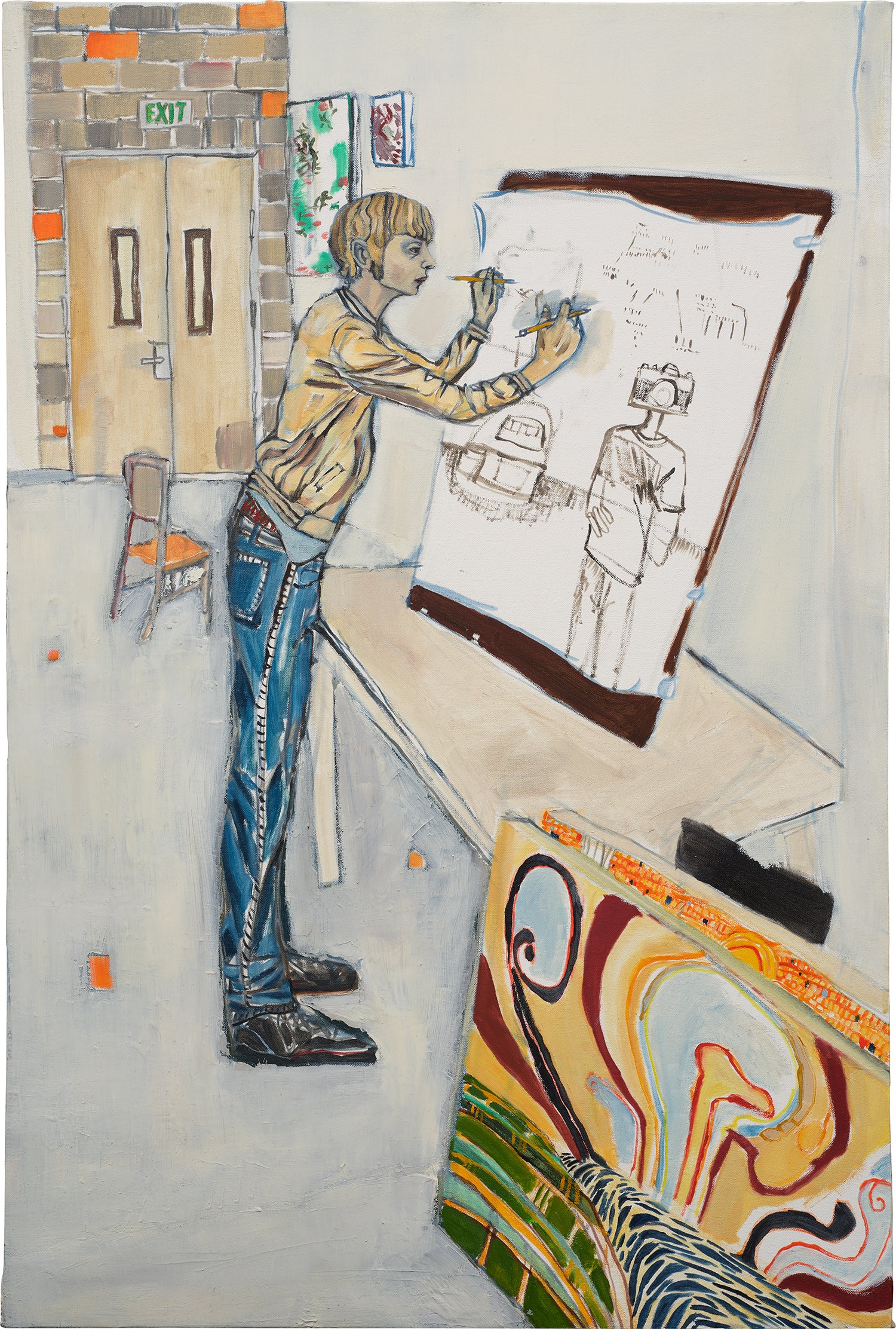
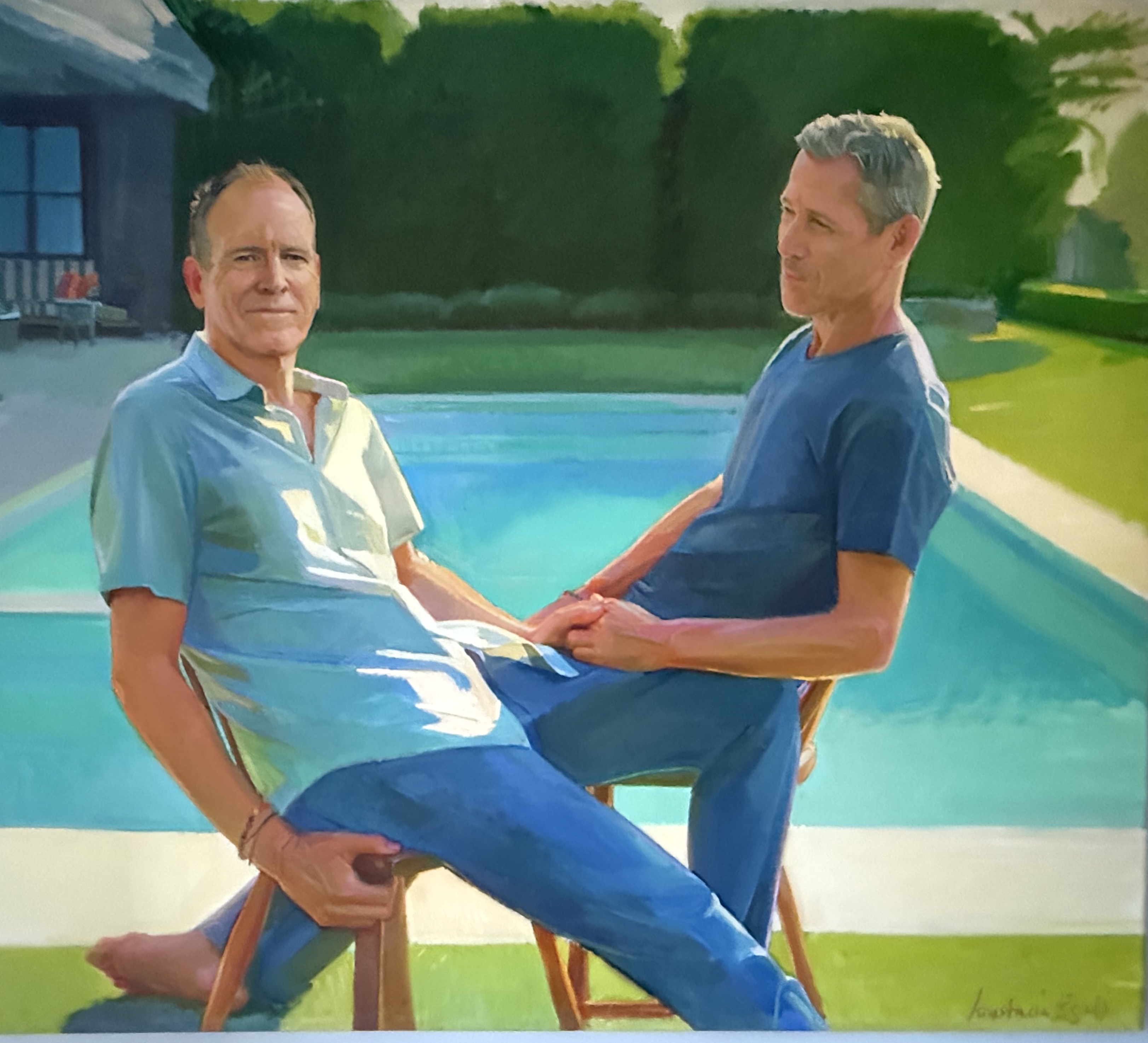
Raffi Kalenderian
Michael, 2004
Curator and writer Okwui Enwezor's sustained engagement with artists from outside the Western canon opened space for understanding how spirituality functions differently across traditions, a framework that now feels essential rather than optional. Publications like Frieze and Artforum have run significant features on figures like Li Chen, the Taiwanese sculptor whose serene Buddhist figures in bronze and resin occupy an unusual position between classical Chinese aesthetic tradition and contemporary gallery practice. Li Chen's work on The Collection deserves particular attention from collectors looking for artists whose international profile continues to grow. Minor White, the American photographer who developed a deeply contemplative, almost mystical practice around the medium, has also attracted renewed attention as photography collectors reassess the postwar American tradition.
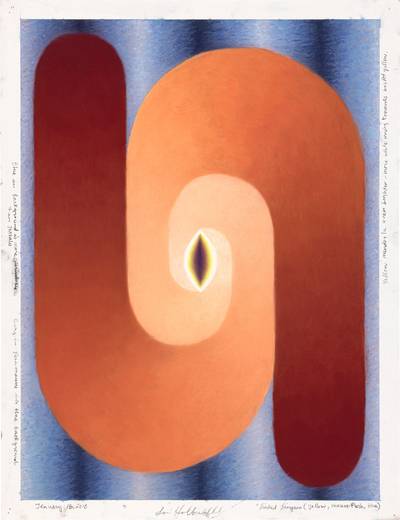
What feels alive right now is the convergence of several streams that ran separately for too long. The devotional and the psychedelic, the formally rigorous and the ecstatically felt, the globally diverse and the deeply local. Loie Hollowell's body based abstractions, which carry an almost devotional attention to physical and spiritual experience, sit naturally alongside the textile works of Igshaan Adams or the paintings of Sayed Haider Raza, whose tantric geometries bridge Indian philosophical tradition and European abstraction. Raza worked for decades without the full recognition his practice deserved in Western markets, and the current reassessment of his importance feels both overdue and energizing.
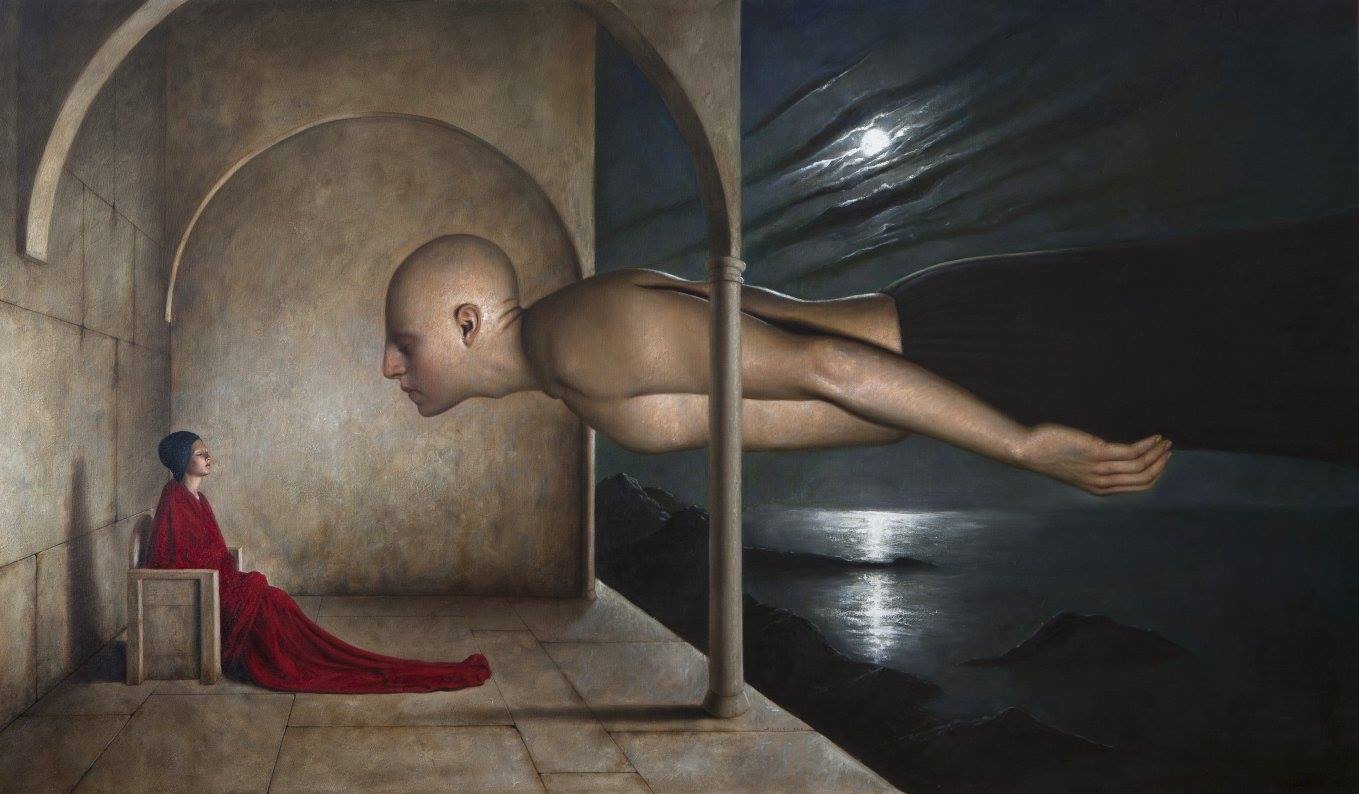
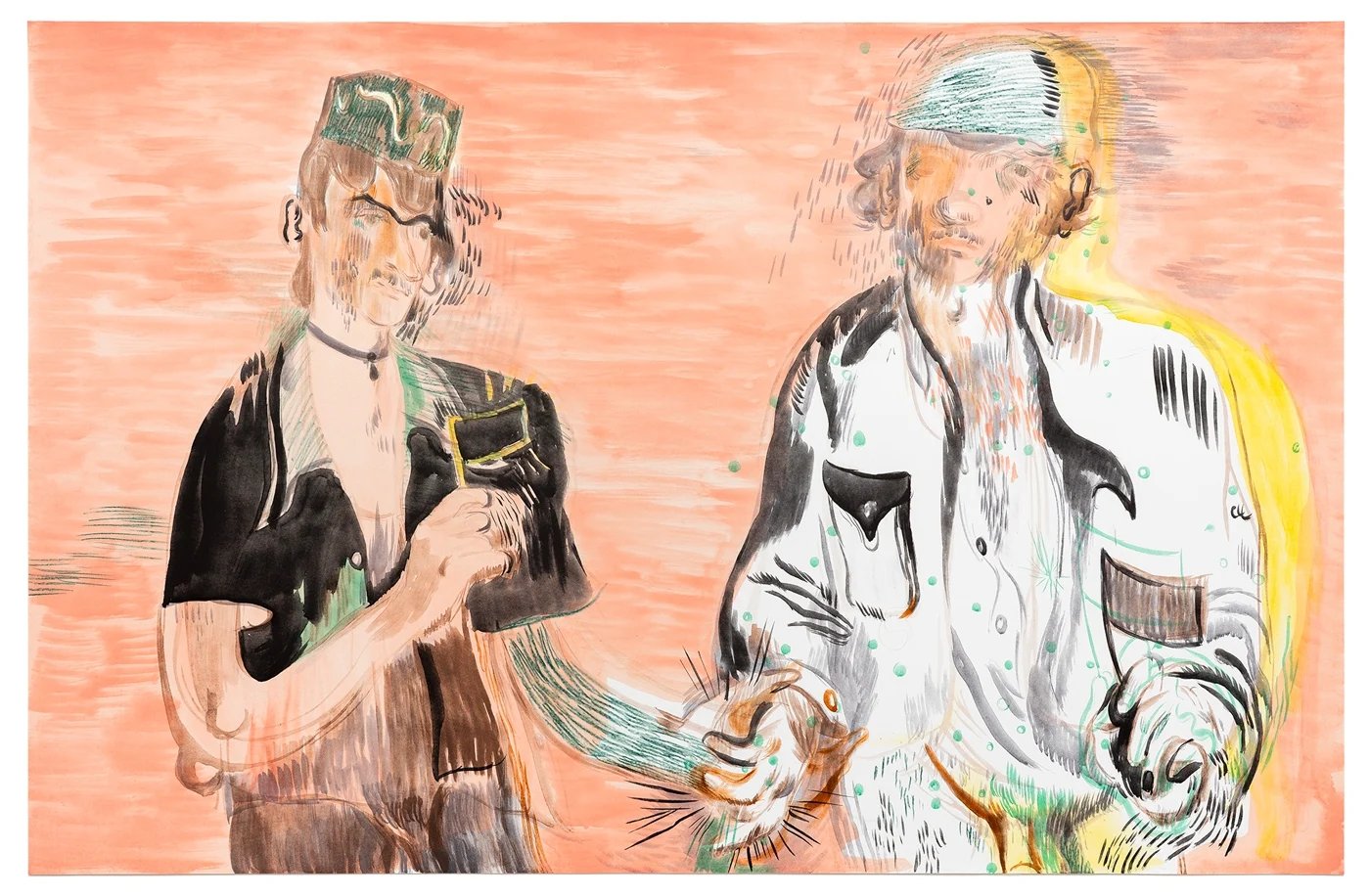
Alessandro Sicioldr
La Visita, 2018
Chris Levine, whose light installations have drawn audiences into genuinely contemplative experiences in unexpected venues, represents a different register of the same impulse. What feels settled, for now, is the argument about whether spiritual content is a legitimate concern for serious art. That argument has been decided, and it was decided in favor of the artists. What surprises may be coming is harder to say, but the smart money is on deepening collector attention to traditions outside the Western European mainstream, particularly work rooted in African, South Asian, and East Asian spiritual practice.
The Collection reflects this breadth, and collectors who engage with it as a living conversation rather than a taxonomy will find the territory more rewarding than they might expect.