Mona Hatoum
32
Works
1
Followers

Artist Spotlight
Mona Hatoum: Art That Transforms the World
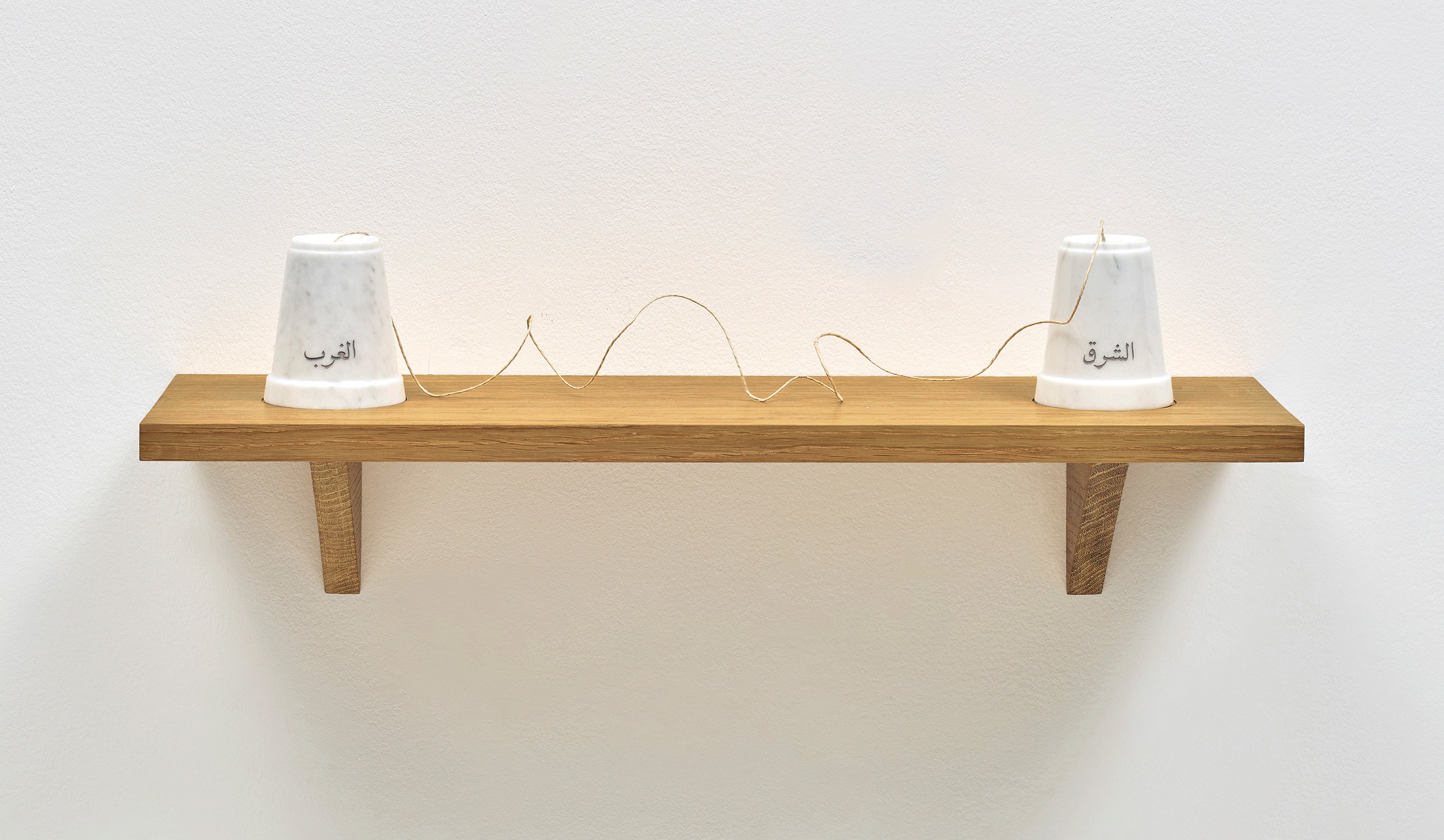
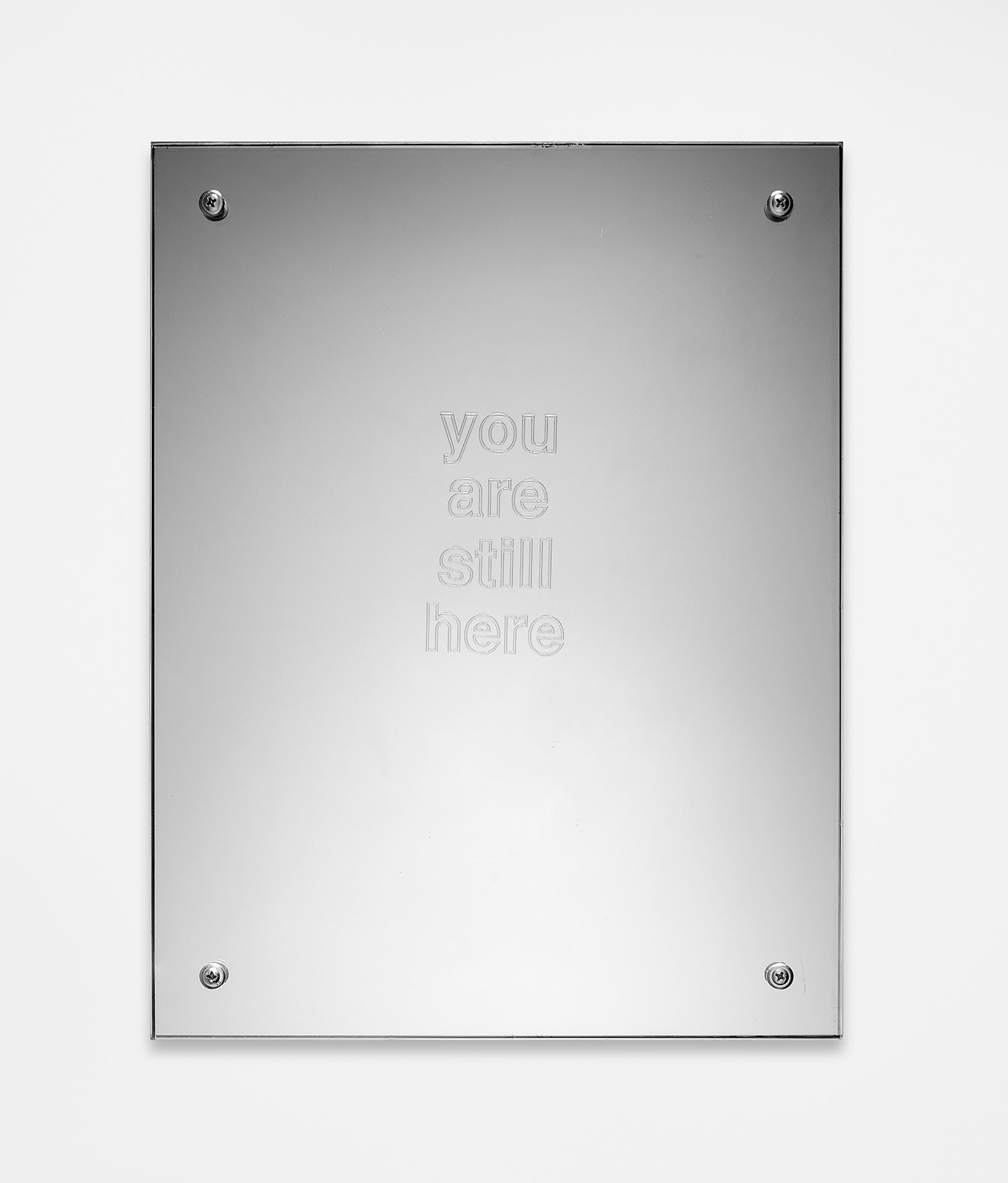
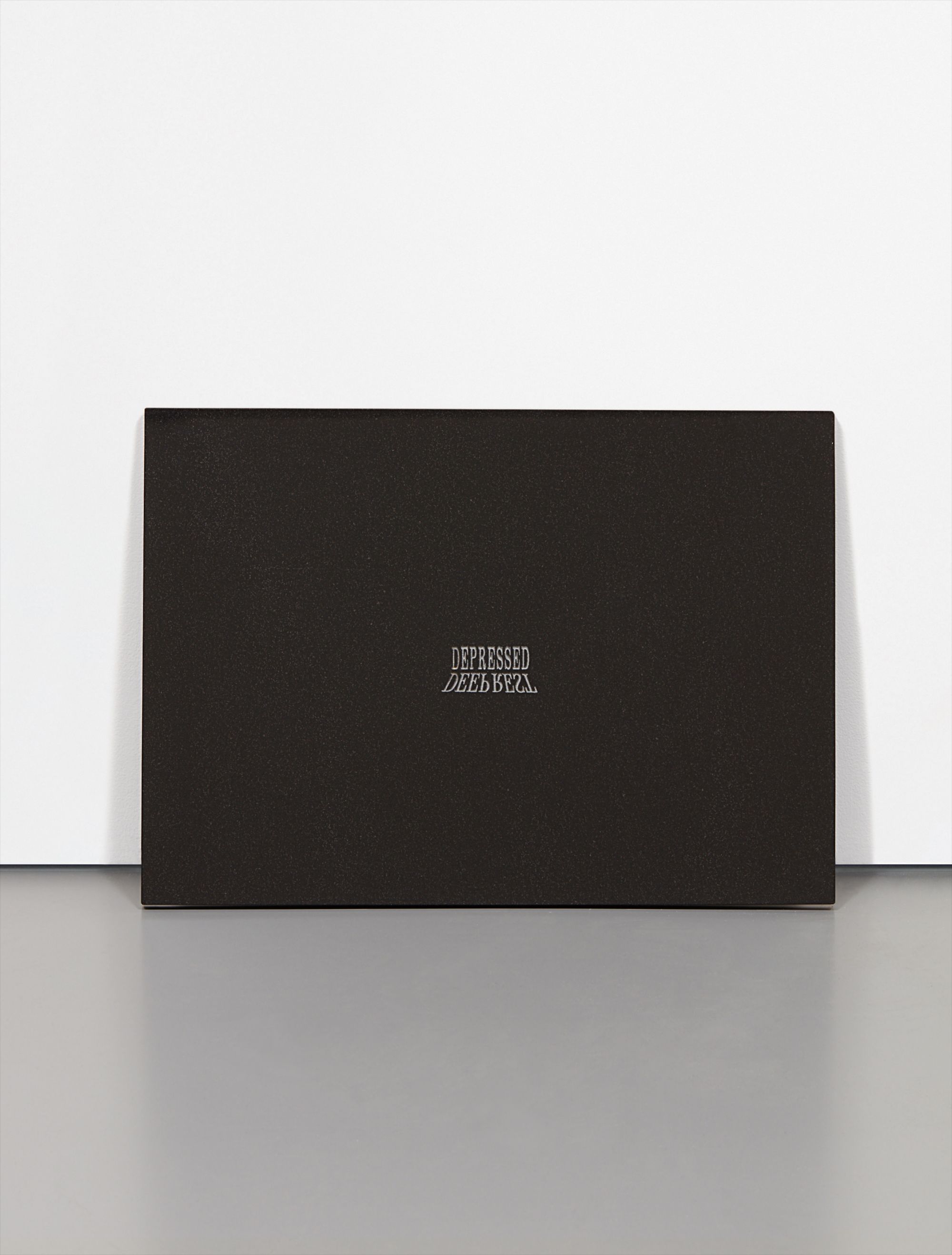
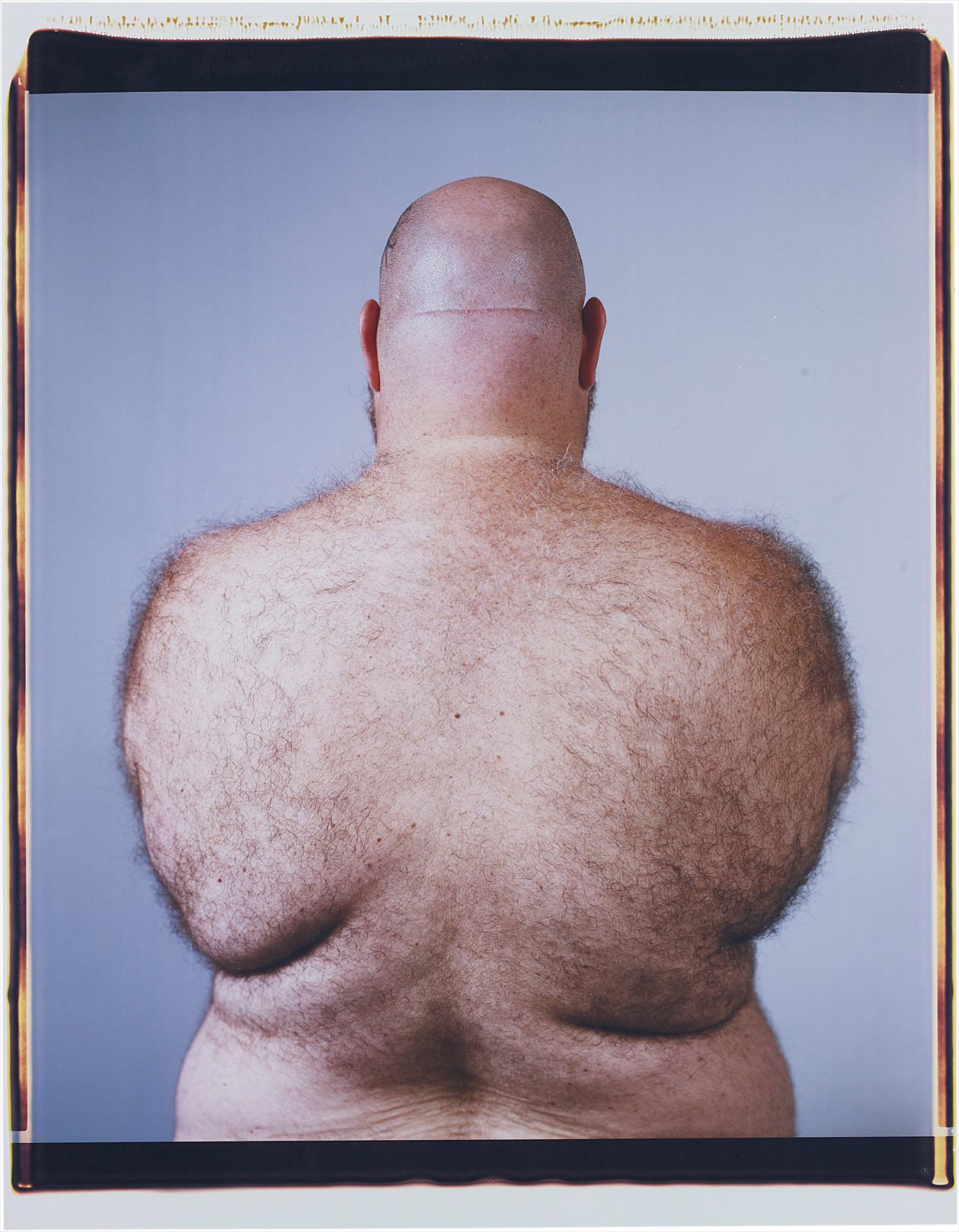
When Tate Modern dedicated a major retrospective to Mona Hatoum in 2016, visitors stood before her monumental installations in something close to reverence. The exhibition, which travelled to the Centre Pompidou in Paris and the Kiasma Museum in Helsinki, confirmed what the art world had understood for decades: Hatoum is among the most essential artists working today. Her ability to render the familiar strange, to locate both beauty and menace in the objects of everyday life, has made her work a touchstone for collectors, curators, and anyone who believes that art can hold the full complexity… Continue reading
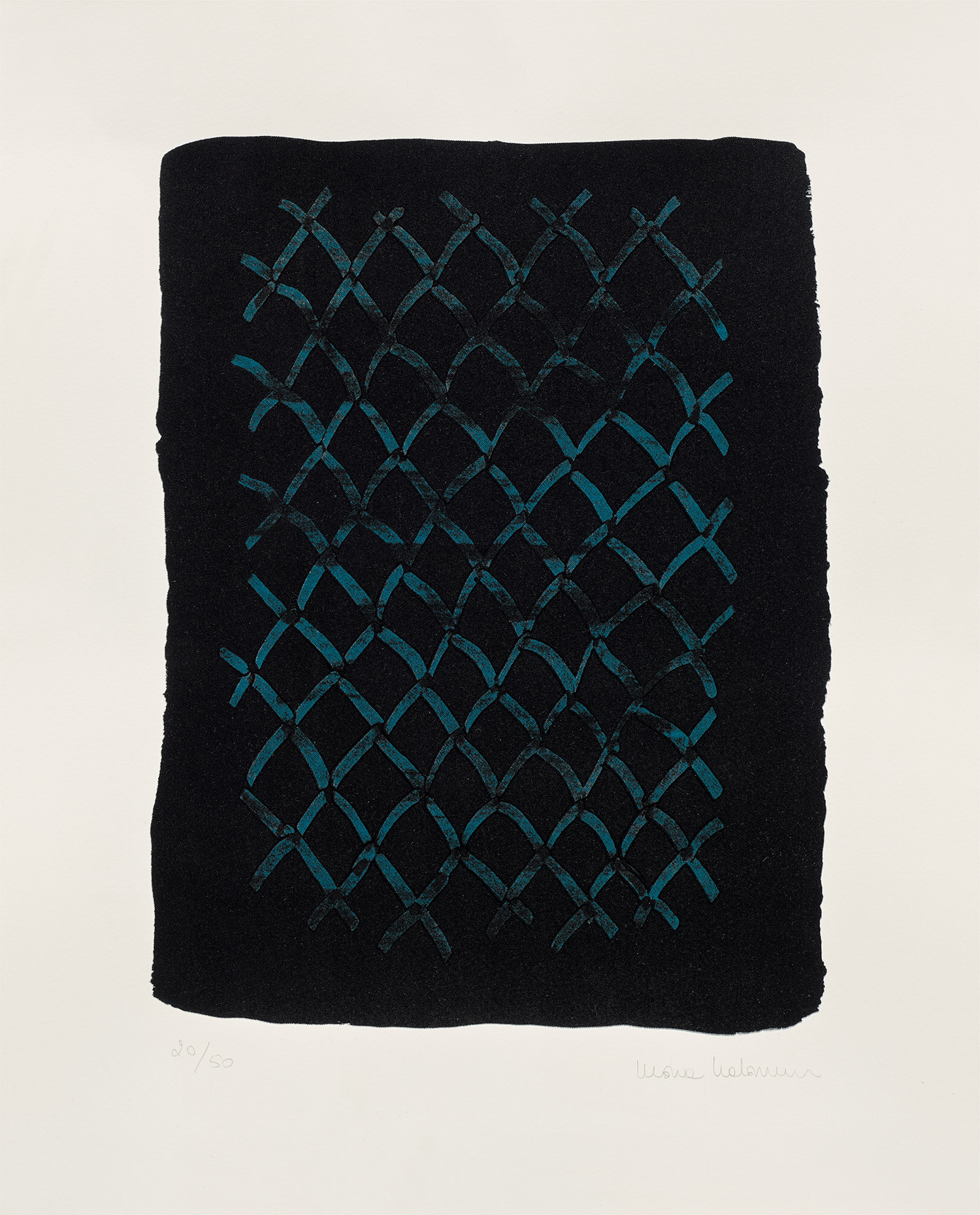
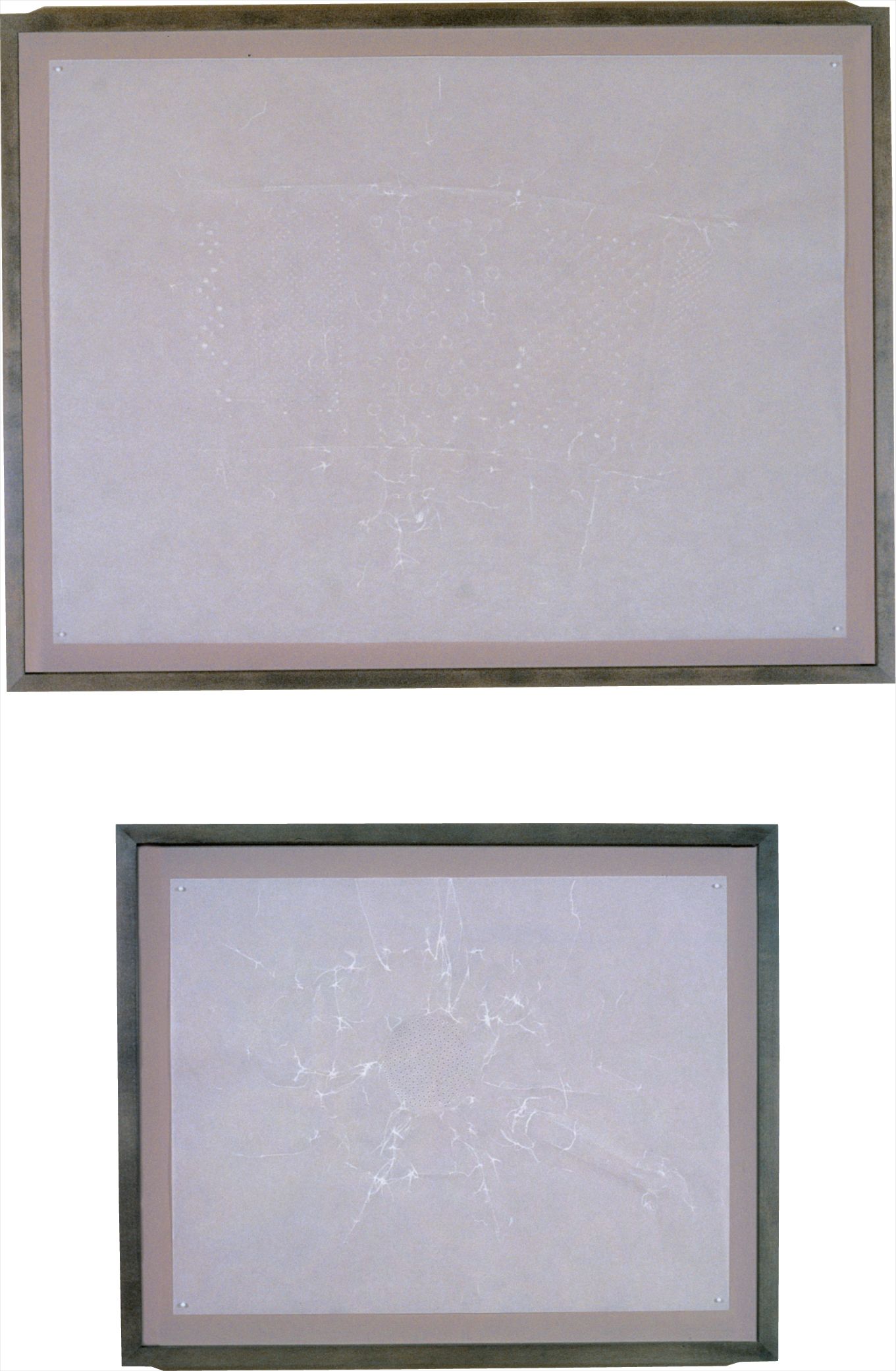
Artists in conversation
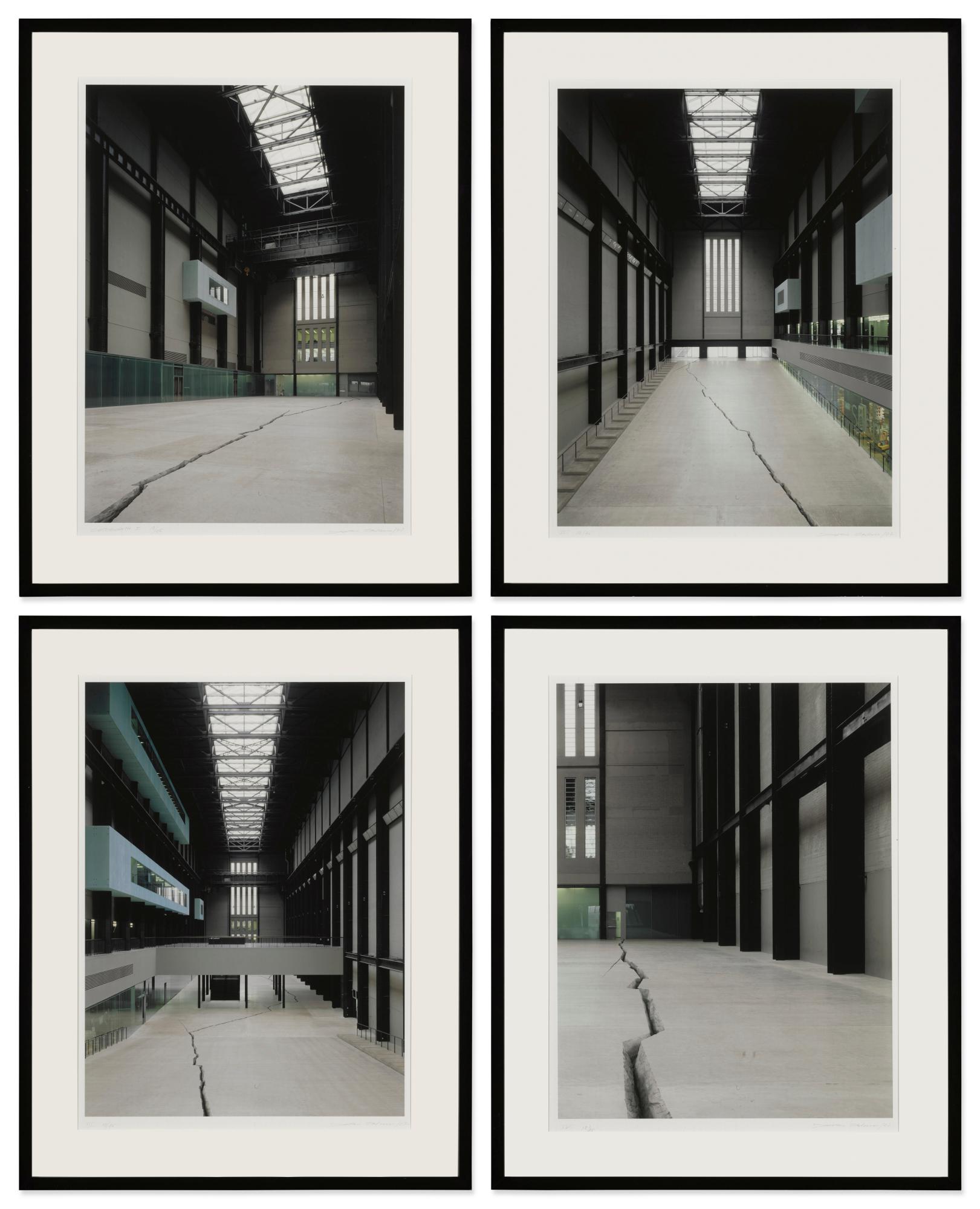
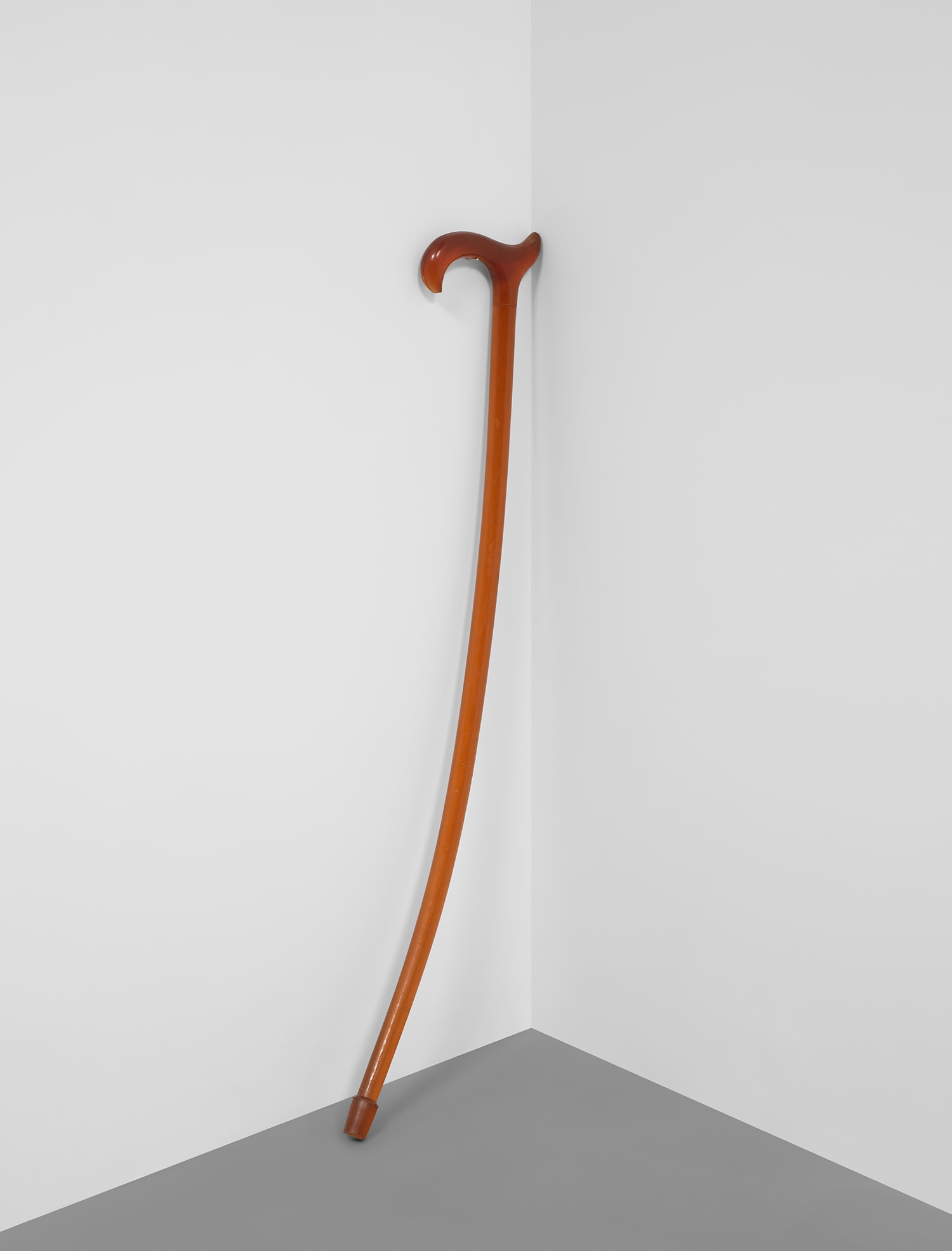
Doris Salcedo
Salcedo similarly transforms everyday domestic objects into haunting sculptures that address political violence, displacement, and collective trauma, making her work deeply resonant with Hatoum's aesthetic and conceptual concerns.
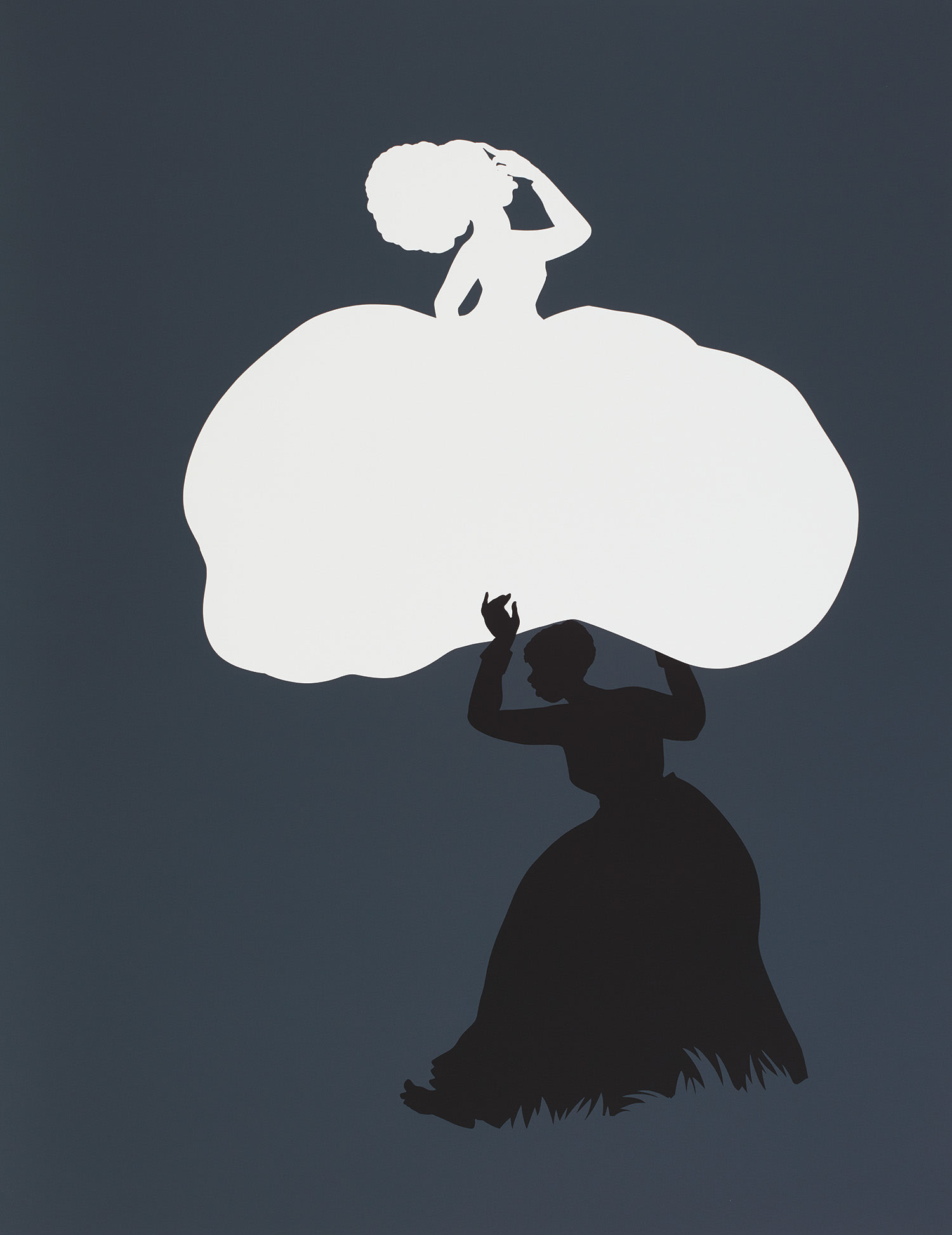
Kara Walker
Walker shares Hatoum's unflinching engagement with histories of oppression, bodily vulnerability, and identity, using visually seductive forms to deliver deeply unsettling political content.
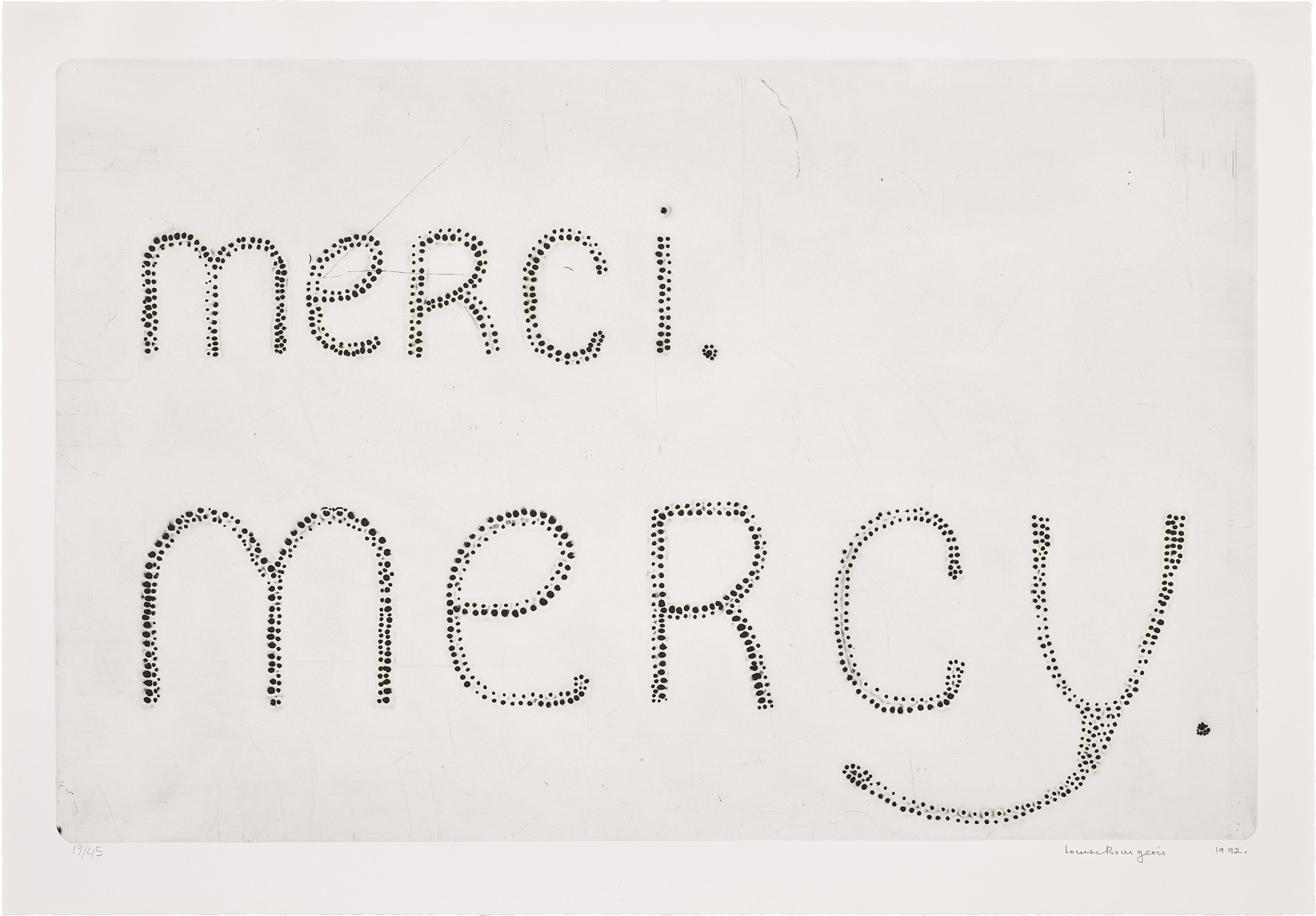
Louise Bourgeois
Bourgeois employed sculpture and installation to explore the body, domesticity, memory, and psychological tension in ways that closely parallel Hatoum's charged use of familiar objects to evoke fear and intimacy simultaneously.
Artists who inspired them
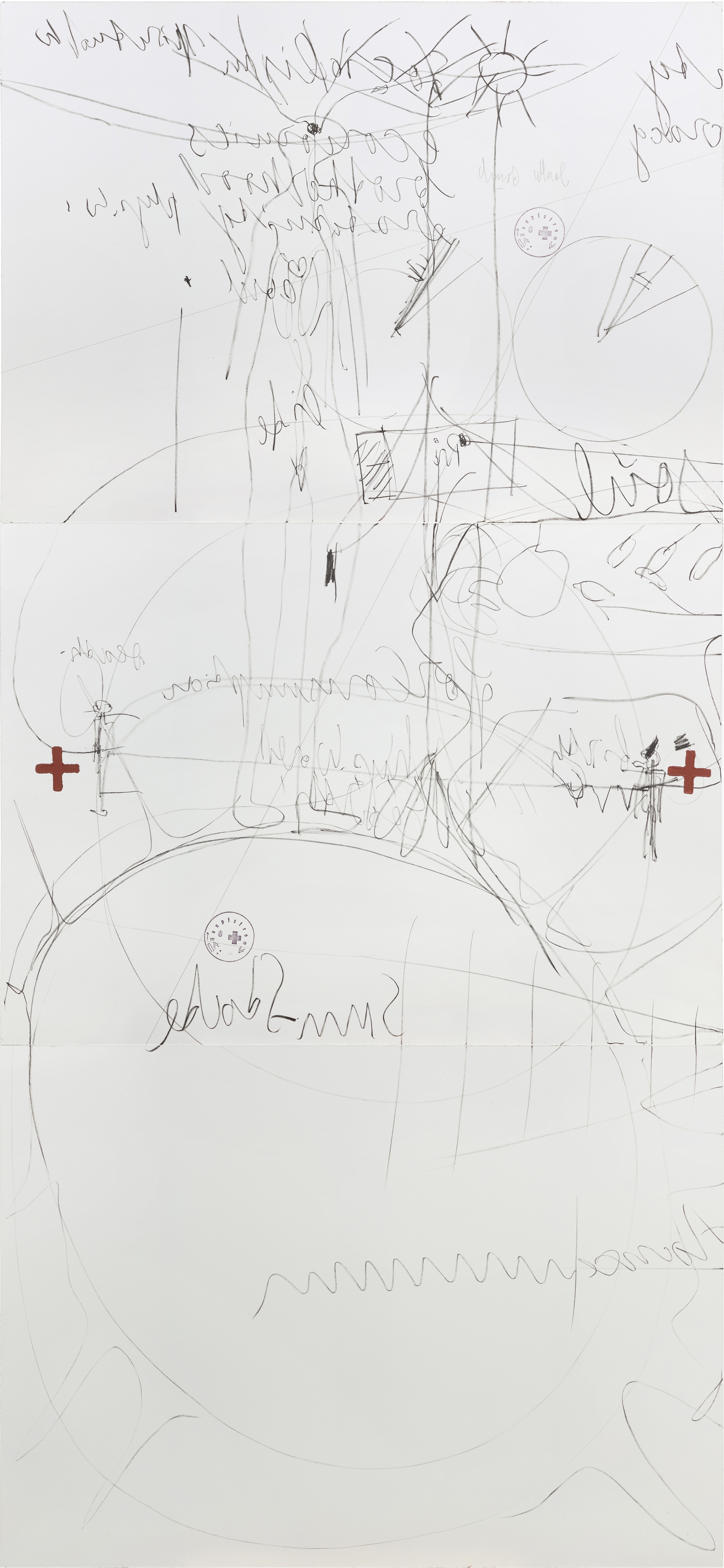
Joseph Beuys
Beuys expanded the boundaries of sculpture into performance and installation with a politically charged social mission, providing Hatoum with a model for art as a transformative act rooted in material and bodily experience.
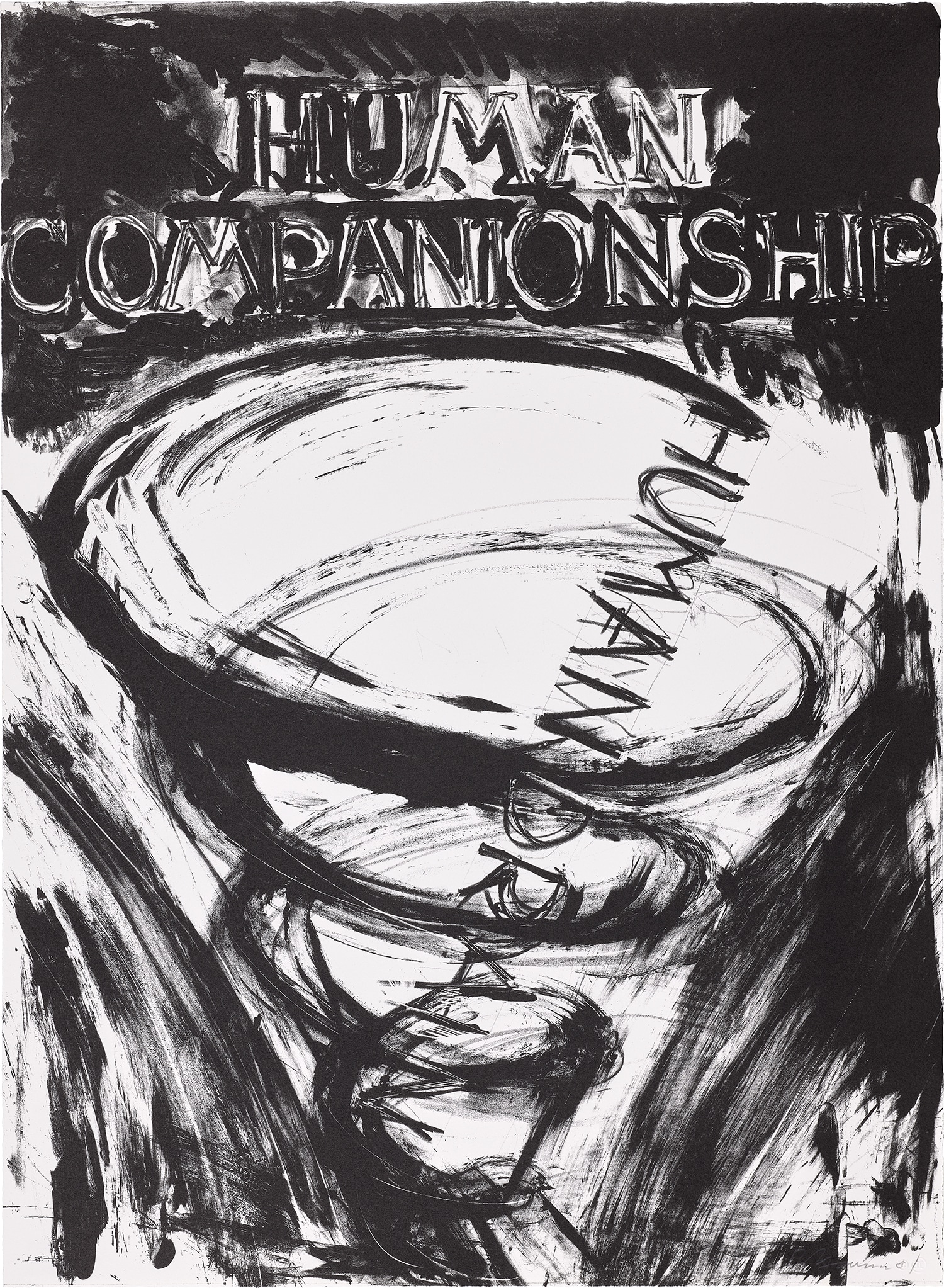
Bruce Nauman
Nauman's use of the body as subject and material in video and performance works directly informed Hatoum's early body based performance and video practice exploring surveillance, discomfort, and physical limits.
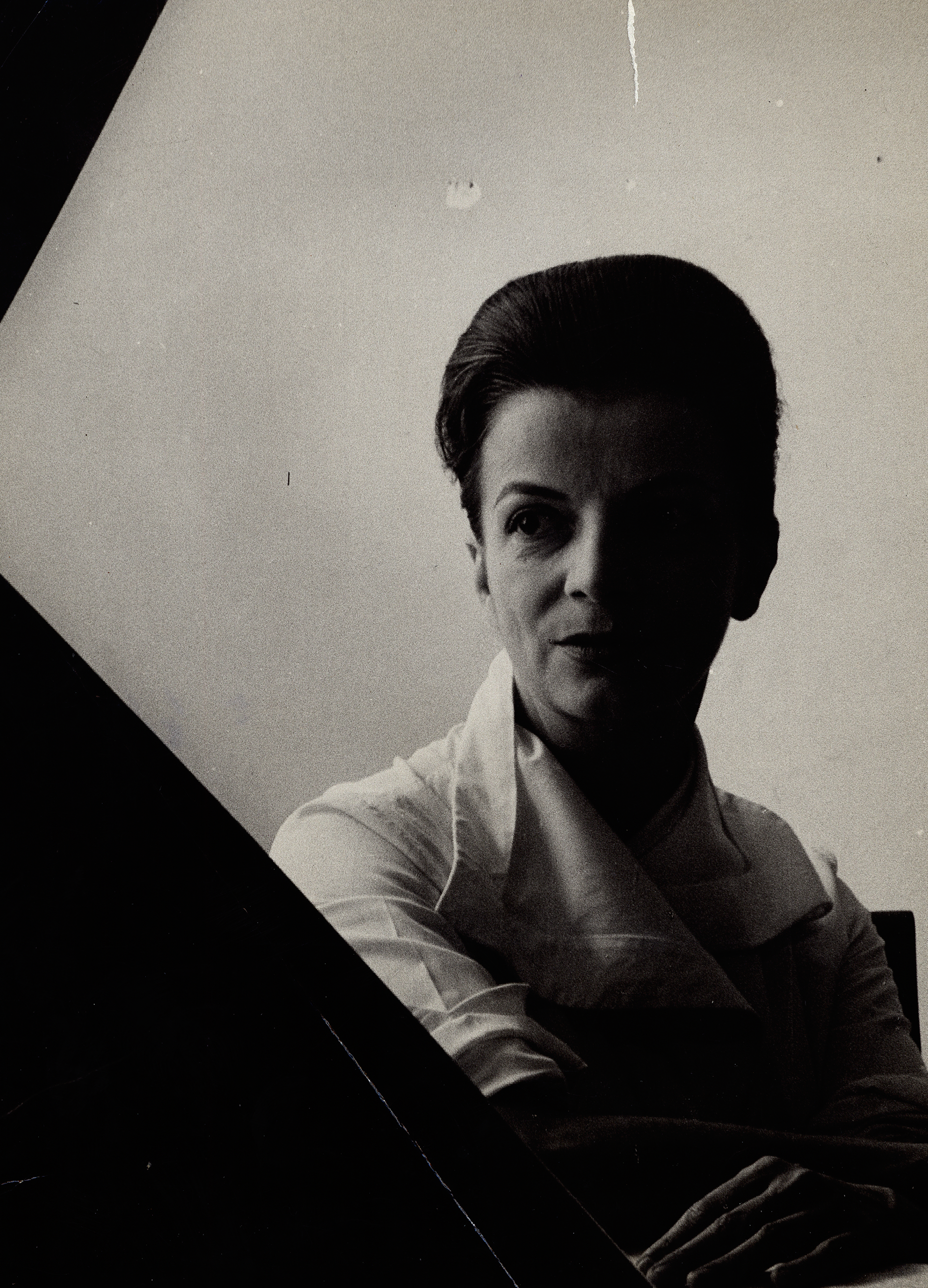
Lygia Clark
Clark's sensory relational objects and focus on the participatory body as a site of political and psychological experience deeply influenced Hatoum's interest in tactile, body centered installations that implicate the viewer physically.
Artists they inspired
Emily Jacir
Jacir has cited Hatoum as a formative precedent for Palestinian artists working in installation and video, adopting Hatoum's strategy of embedding political displacement and longing into formally rigorous conceptual art.
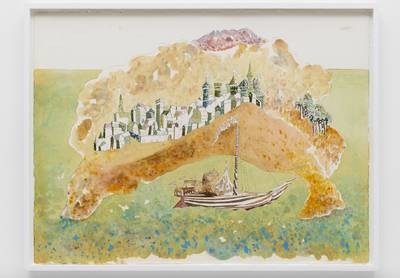
Wael Shawky
Shawky's use of installation and video to interrogate Arab identity, colonial history, and geopolitical power reflects a conceptual lineage shaped in part by Hatoum's pioneering example of Middle Eastern artists working critically in Western institutional spaces.