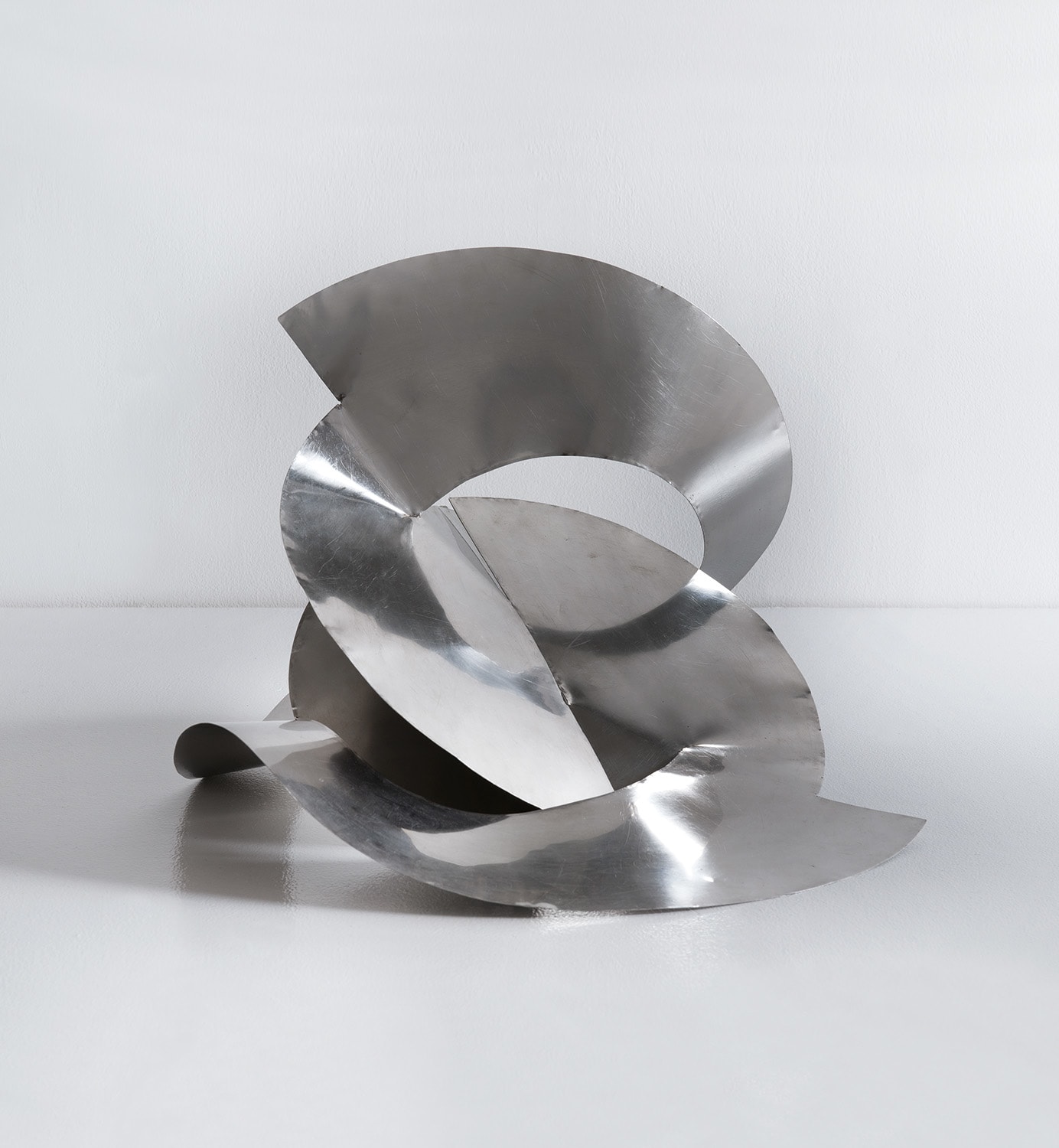
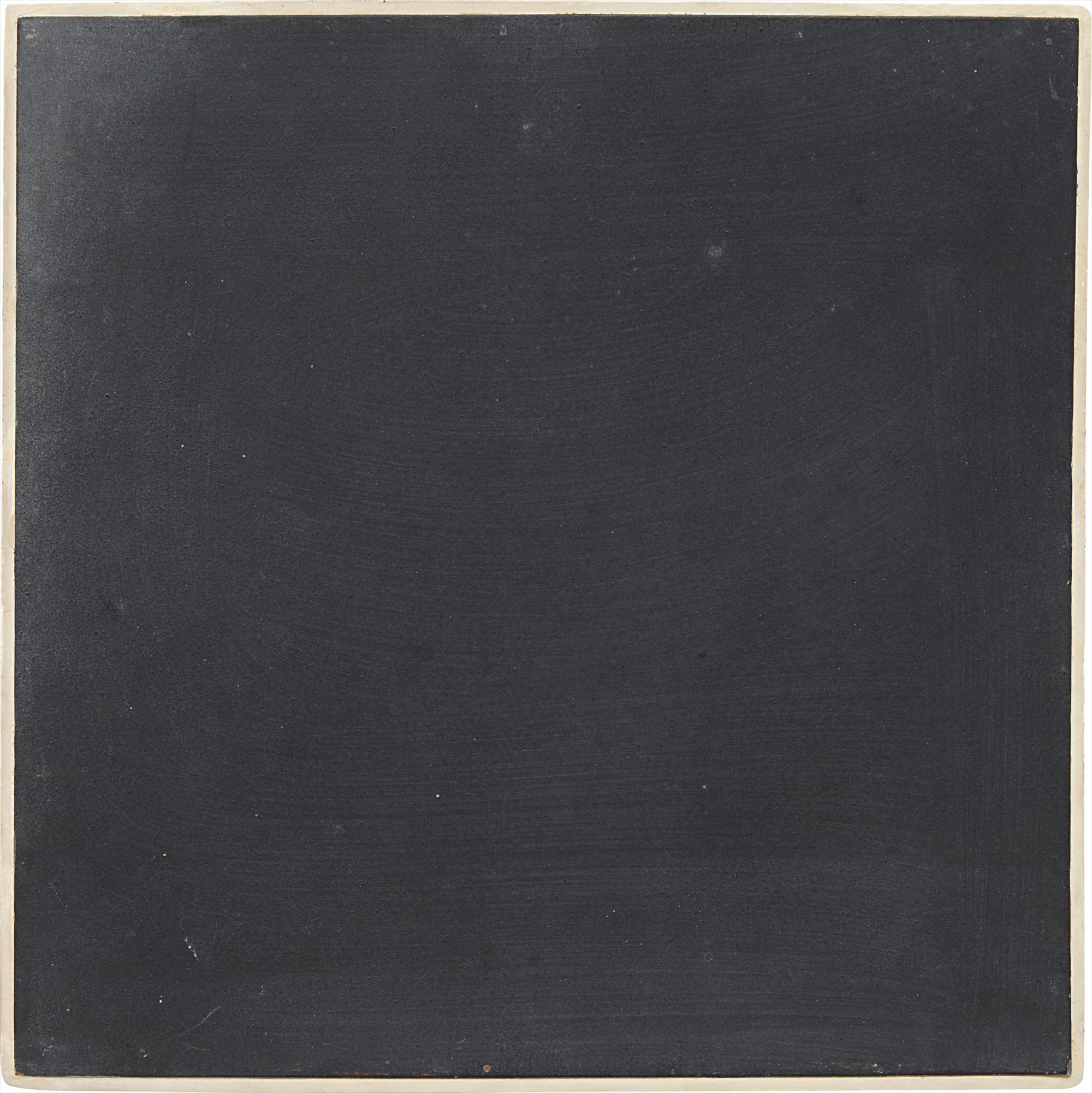
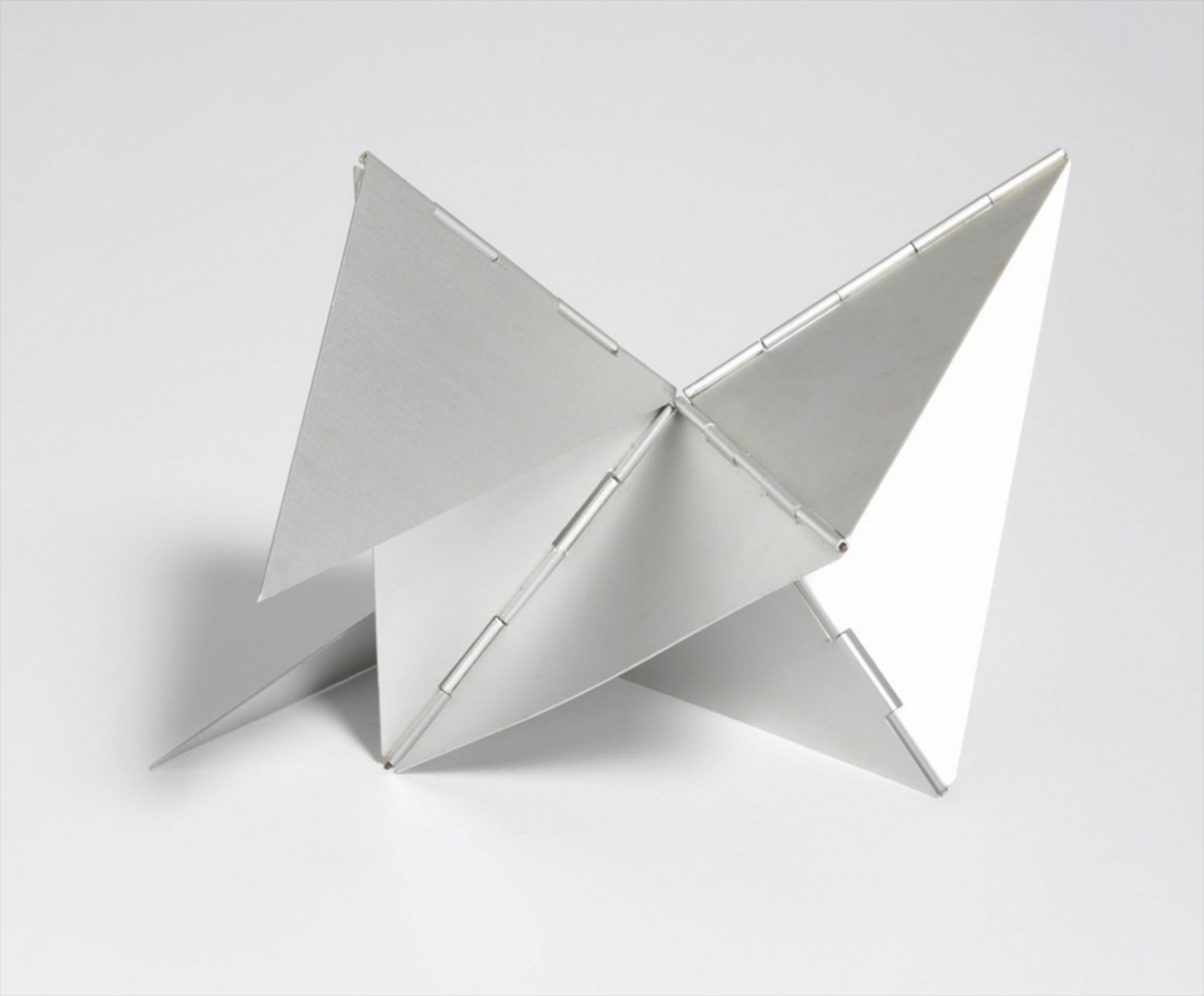
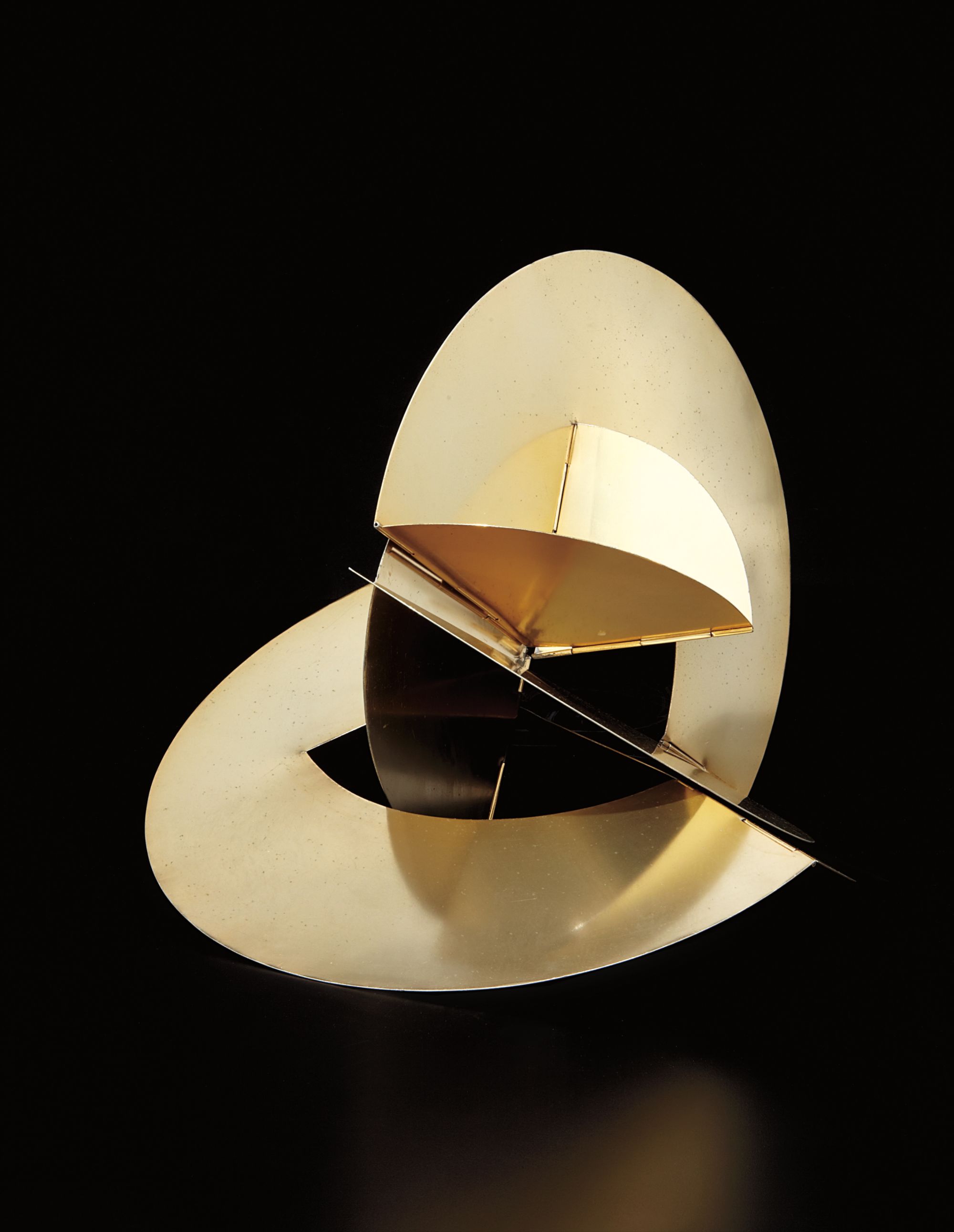
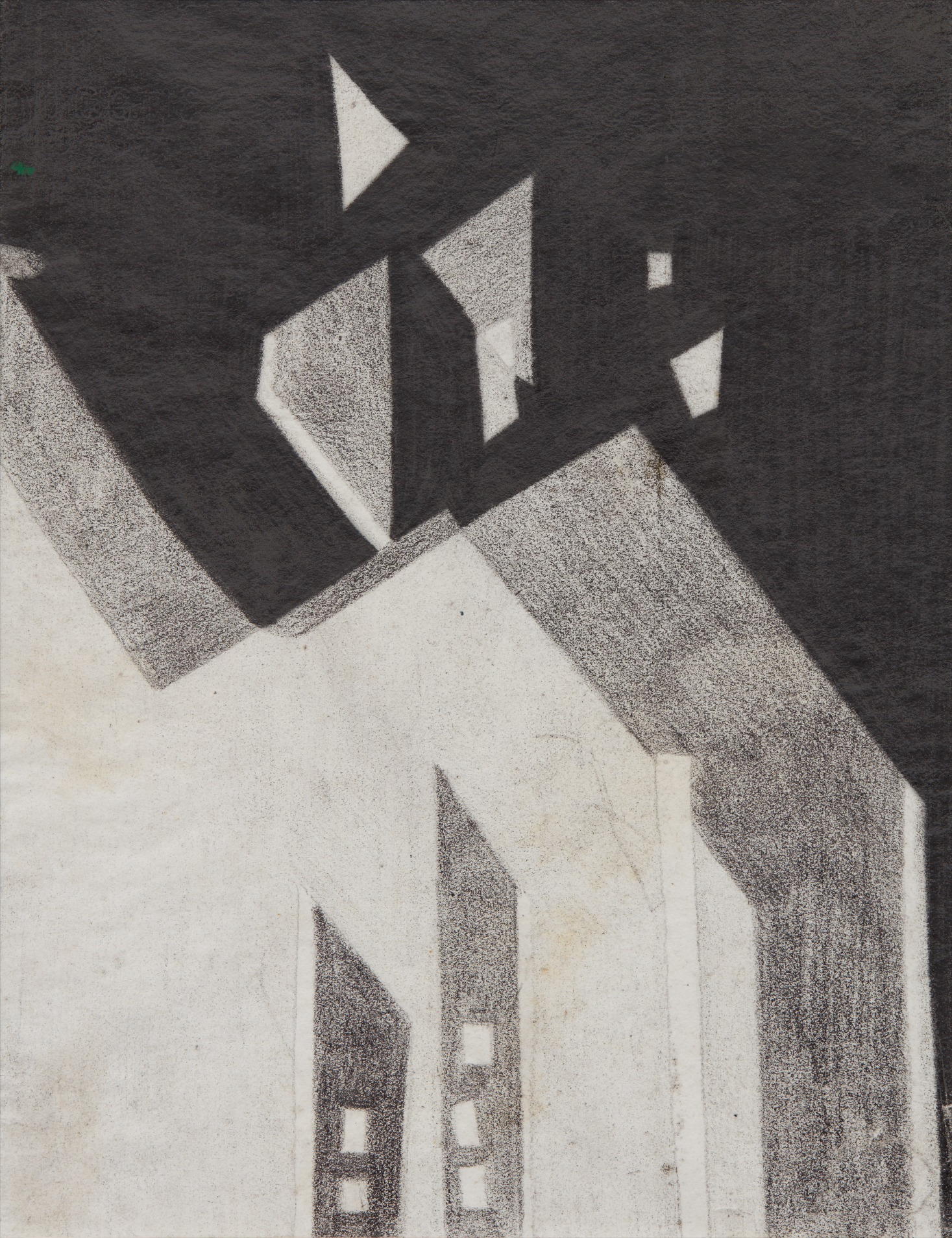
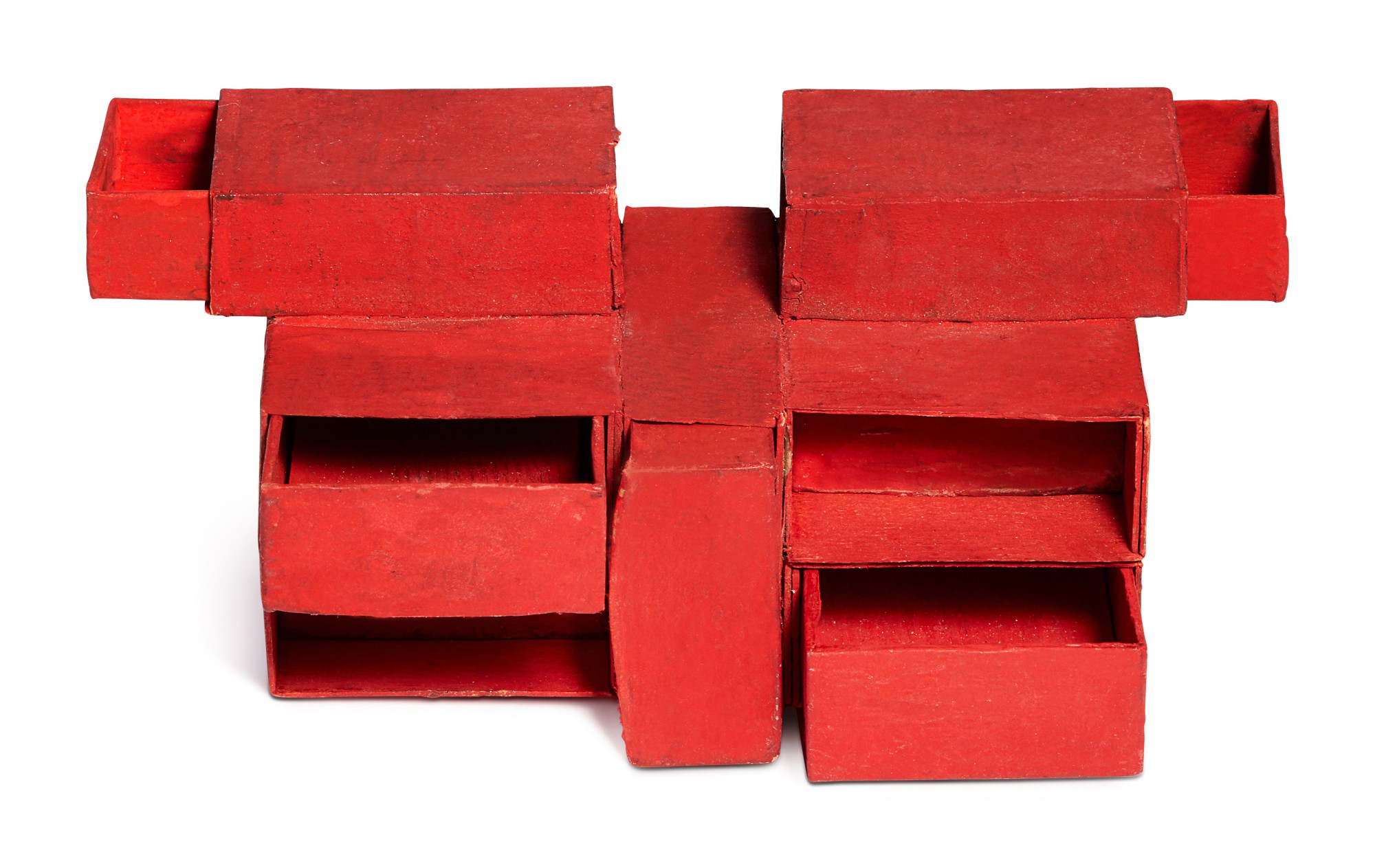
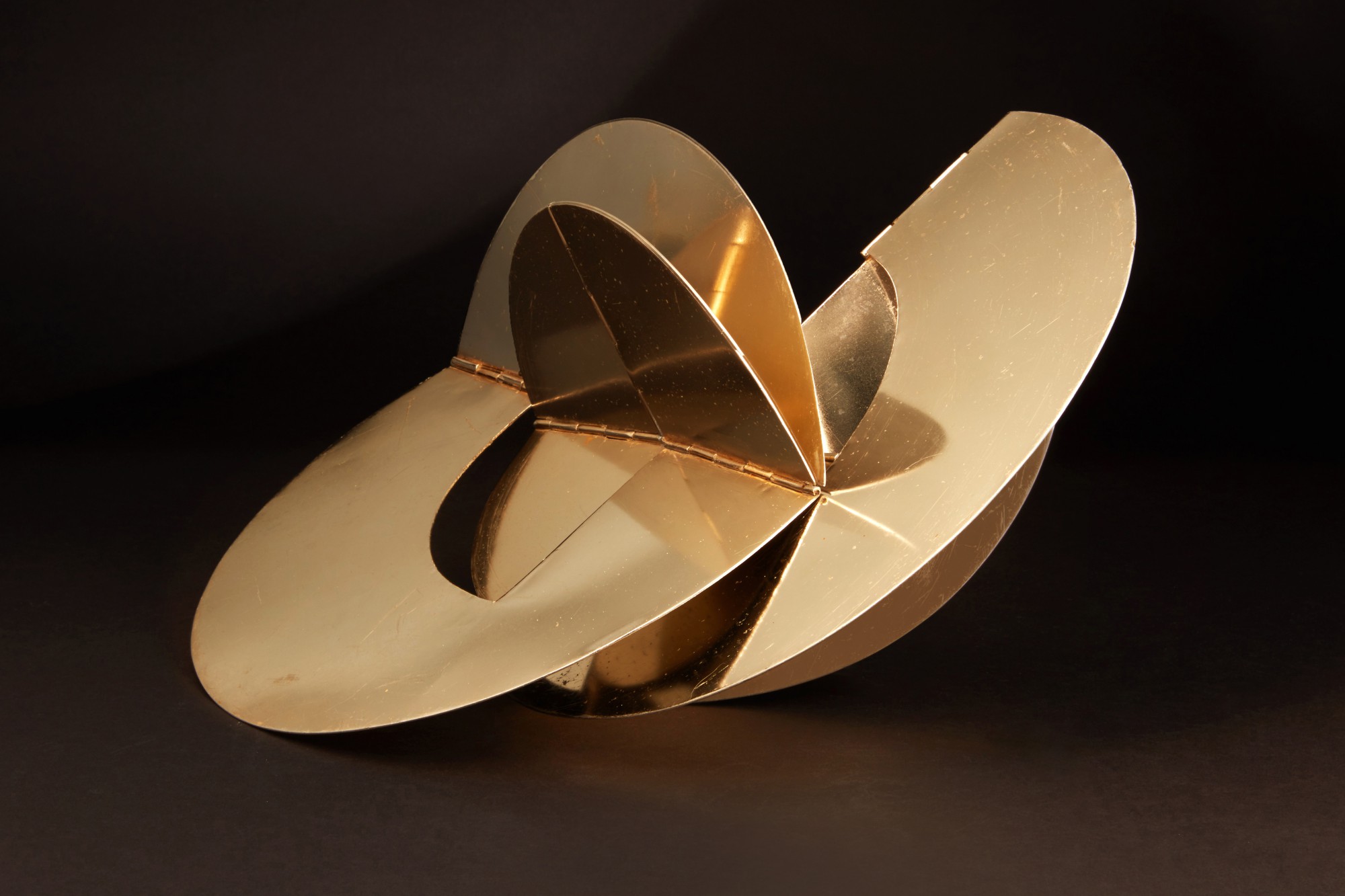
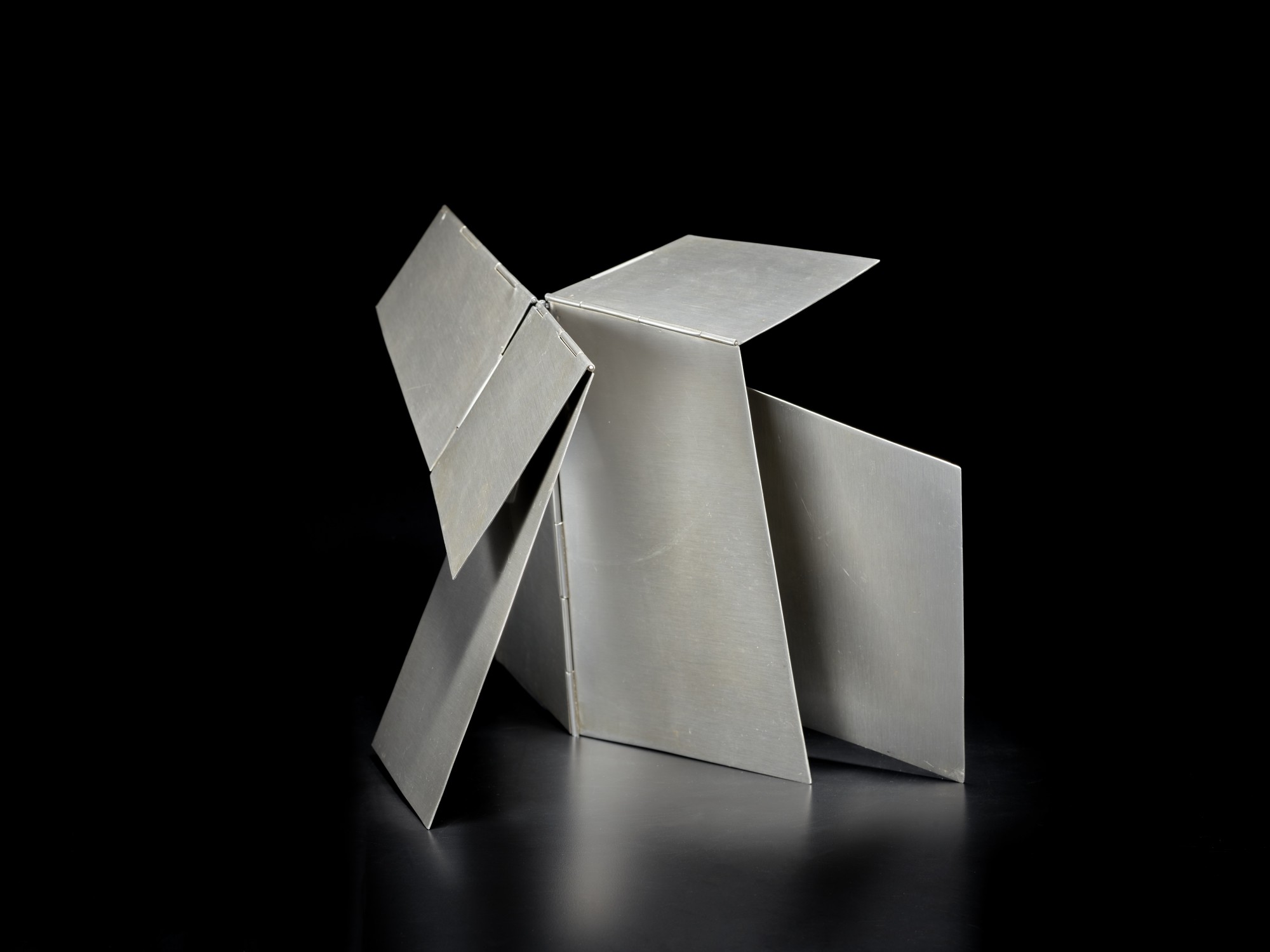
In 2014, the Museum of Modern Art in New York mounted a landmark retrospective for Lygia Clark, bringing together sculptures, relational objects, and therapeutic installations that stopped visitors in their tracks. The exhibition was a revelation for many who had encountered her name only in footnotes about Brazilian modernism, and it confirmed what scholars and devoted collectors had long understood: Clark was not simply an important artist from the Global South but one of the most genuinely original thinkers of the twentieth century. The show traveled with the kind of momentum reserved for artists whose ideas have aged into necessity, and it placed her squarely in conversation with Minimalism, Conceptualism, and performance art simultaneously, without belonging entirely to any of them. Lygia Clark was born in Belo Horizonte, Brazil, in 1920, into a family that offered her both privilege and a degree of intellectual freedom unusual for the era. She came to visual art relatively late, beginning serious study in Rio de Janeiro in the late 1940s before traveling to Paris in 1950 to work under the painter Fernand Léger and the architect Roberto Burle Marx. Paris in that moment was still metabolizing the aftermath of the European avant garde, and Clark absorbed its lessons without becoming a disciple of any single tendency. What she brought back to Brazil was not a style but a set of questions about the relationship between form, space, and the body that would animate her practice for the rest of her life. Returning to Brazil, Clark became a founding member of the Grupo Frente in 1954, a Rio de Janeiro collective committed to geometric abstraction and the renewal of visual culture in a rapidly modernizing country. By 1959 she was among the signatories of the Neo Concrete Manifesto, a document that would prove to be one of the most consequential texts in Latin American art history. The Neo Concrete movement, which she helped shape alongside Hélio Oiticica, Ferreira Gullar, and others, argued against the cold rationalism of concrete art and insisted on the expressive, phenomenological dimensions of form. For Clark, this was not an abstract philosophical position but a deeply felt conviction that art had to make contact with lived experience. The works that announced her singular genius were the Bichos, or Critters, a series of jointed aluminum sculptures she began developing around 1960. Constructed from flat metal planes connected by hinges, these objects invited and indeed required handling. Viewers were encouraged to fold, twist, and reconfigure them, meaning that no two encounters with a Bicho produced the same form. Works such as Bicho from 1960 and Bicho Parafuso sem fim from 1963, both realized in aluminum, demonstrated her extraordinary ability to make industrial materials feel alive and responsive. The Bichos were not passive objects to be contemplated from a distance; they were participants in a dialogue, and the person holding one was as much a co author as Clark herself. Her interests moved steadily toward the relational and the therapeutic through the 1960s and 1970s. After living and teaching in Paris from 1968 to 1976, where she held a position at the Sorbonne, Clark developed what she called Relational Objects: sensory props made of simple materials, stones wrapped in plastic, nets, fabric pouches filled with sand or air, that were used in guided therapeutic sessions she called Structuring of the Self. These late works occupied a genuinely unprecedented territory between art and healing, and they continue to provoke productive debate about where aesthetic experience ends and therapeutic practice begins. The earlier panel works, such as Espaço Modulado No. 6 from 1958 painted in automotive paint on panel, show the geometric rigor that underpinned everything she made, even as her practice grew increasingly immaterial. For collectors, Clark represents an extraordinary opportunity across multiple registers of her career. The aluminum Bichos are the most celebrated objects and command serious attention at auction, with major examples having appeared at Christie's and Sotheby's in recent years achieving prices that reflect both their art historical importance and their genuine scarcity. Equally compelling for the discerning collector are her works on paper, including graphite drawings that reveal the analytical precision behind her seemingly intuitive sculptural decisions, and pieces like Estrutura de caixas de fósforos vermelho from 1964, a work in gouache and adhesive on matchboxes that shows her ability to transform the everyday into something charged with formal intelligence. Her range across media means that collecting Clark is also a way of collecting an argument, a coherent and urgent argument about what art is for. Placing Clark within art history requires resisting the temptation to simply map her onto Northern Hemisphere movements. She anticipated many of the concerns of Minimalism and Arte Povera without knowledge of those movements in their formative stages, and her emphasis on participatory experience predates the relational aesthetics theorized by Nicolas Bourriaud by decades. Her closest peer and collaborator in spirit was Hélio Oiticica, and together they represent the full flowering of a distinctly Brazilian avant garde that engaged with the body, with space, and with social possibility in ways that European and North American art histories are still catching up to. She also resonates with contemporaries such as Mira Schendel and Anna Maria Maiolino, artists who brought rigorous formal thinking to bear on questions of identity, sensation, and connection. Lygia Clark died in Rio de Janeiro in 1988, just as the international art world was beginning to pay serious attention to the traditions she had helped create. The decades since have only deepened appreciation for the radicalism and the warmth of her vision. Her insistence that art must touch the body and change the person who encounters it feels less like a historical position than a standing challenge to contemporary practice. To hold a Bicho in your hands, to feel its planes shift and respond, is to understand something about freedom and collaboration that no amount of theoretical reading can fully convey. That is the gift she left, and it remains as alive as ever.