Provocative
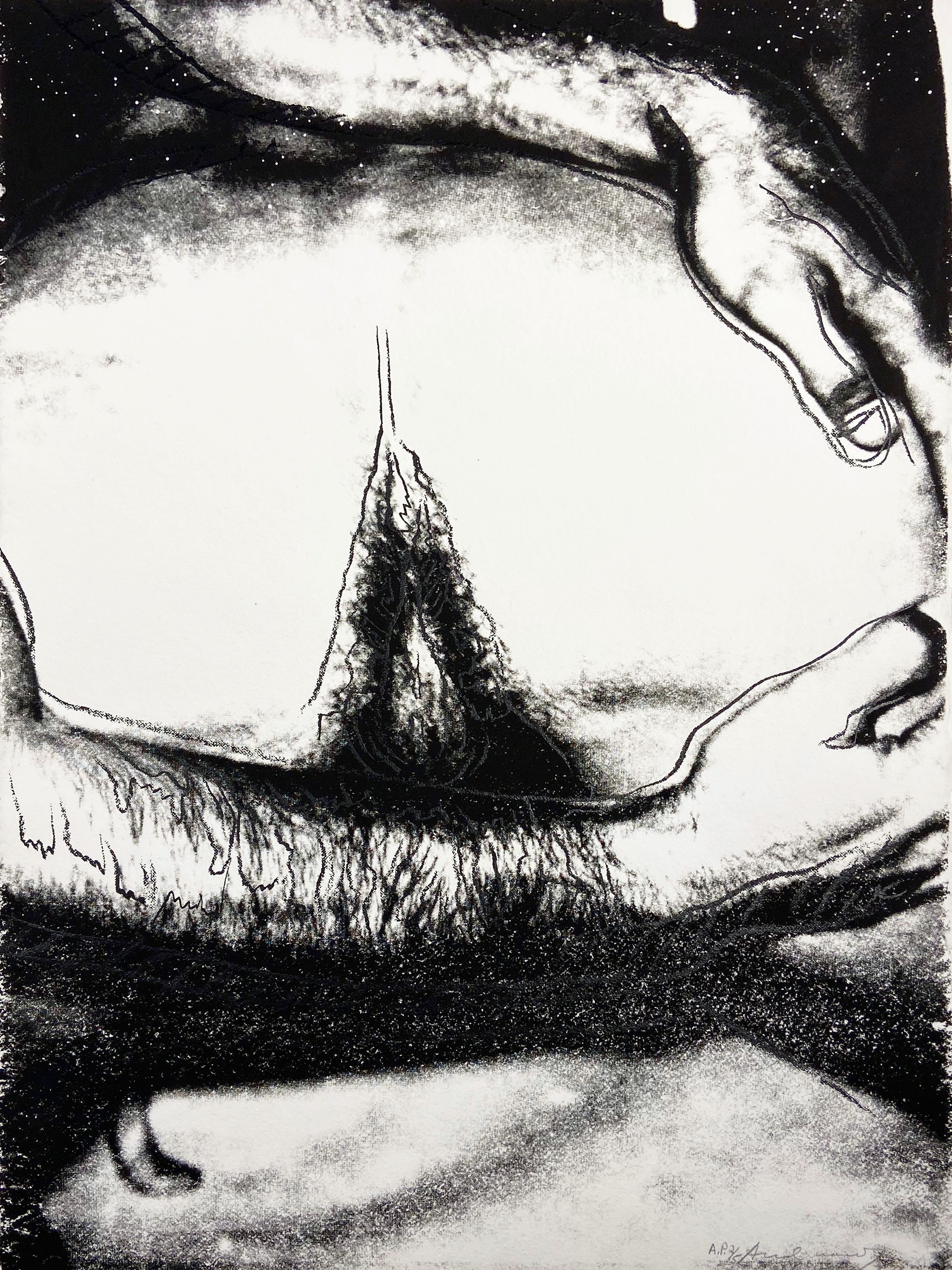
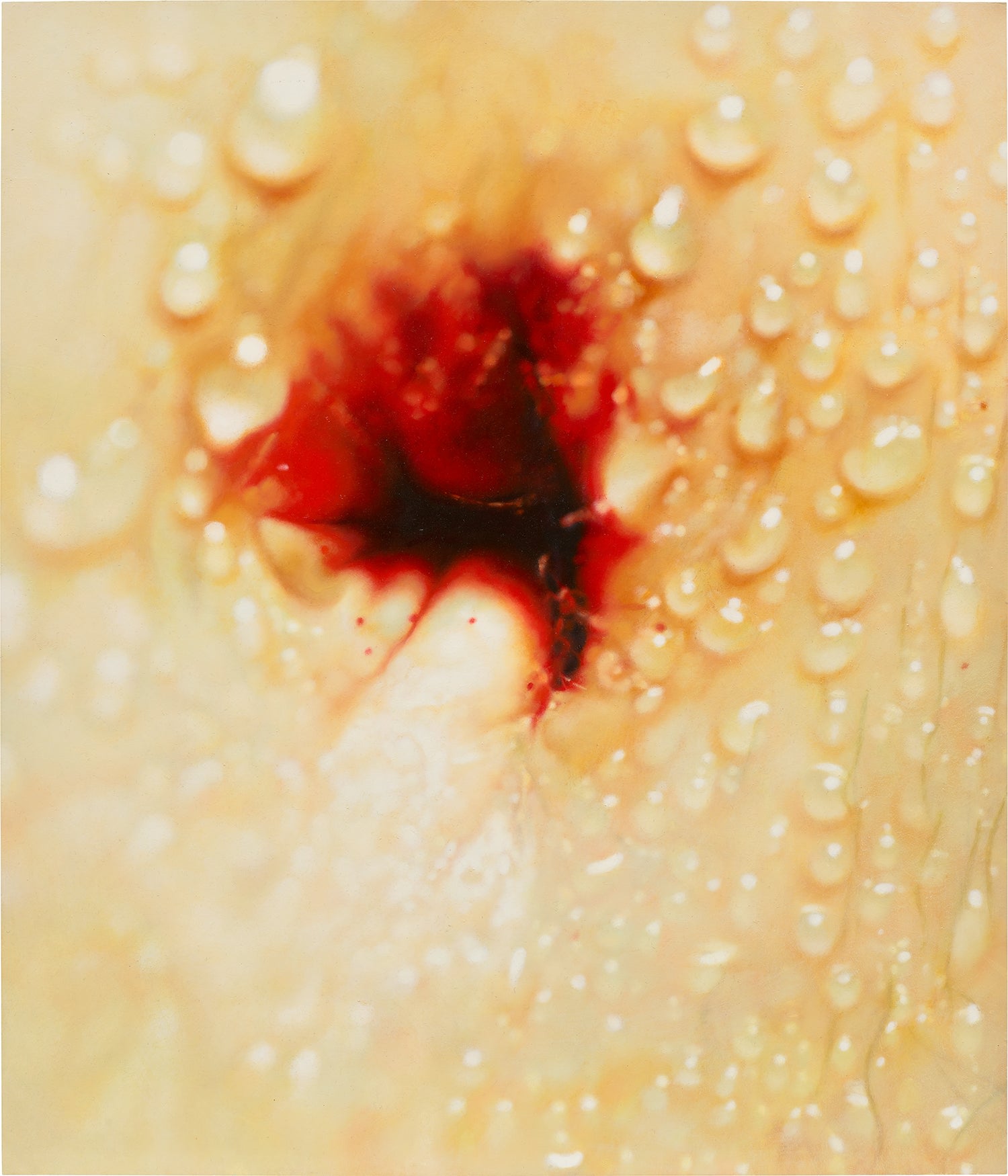
Andy Warhol
Sex Parts II.173, 1978


Art That Makes You Uncomfortable on Purpose
When Maurizio Cattelan's banana duct taped to a wall sold at Sotheby's in November 2024 for just over six million dollars, the art world did what it always does when confronted with provocation: it argued, it laughed, it paid. The work, titled Comedian, had first appeared at Art Basel Miami Beach in 2019 and promptly broke the internet, generating the kind of cultural noise that most artists spend entire careers chasing. That it commanded such a price five years later says something important not just about Cattelan's market but about the sustained appetite for work that refuses to behave. Provocative art has always existed, but the current moment feels distinct.
Institutions that once kept their distance from transgressive material are now actively programming it. The market is rewarding it at the highest levels. And a younger generation of collectors, many of them entering through digital platforms and secondary market channels, are drawn precisely to work that carries an edge, a risk, a refusal to be merely decorative. The question is no longer whether provocative art belongs in serious collections.
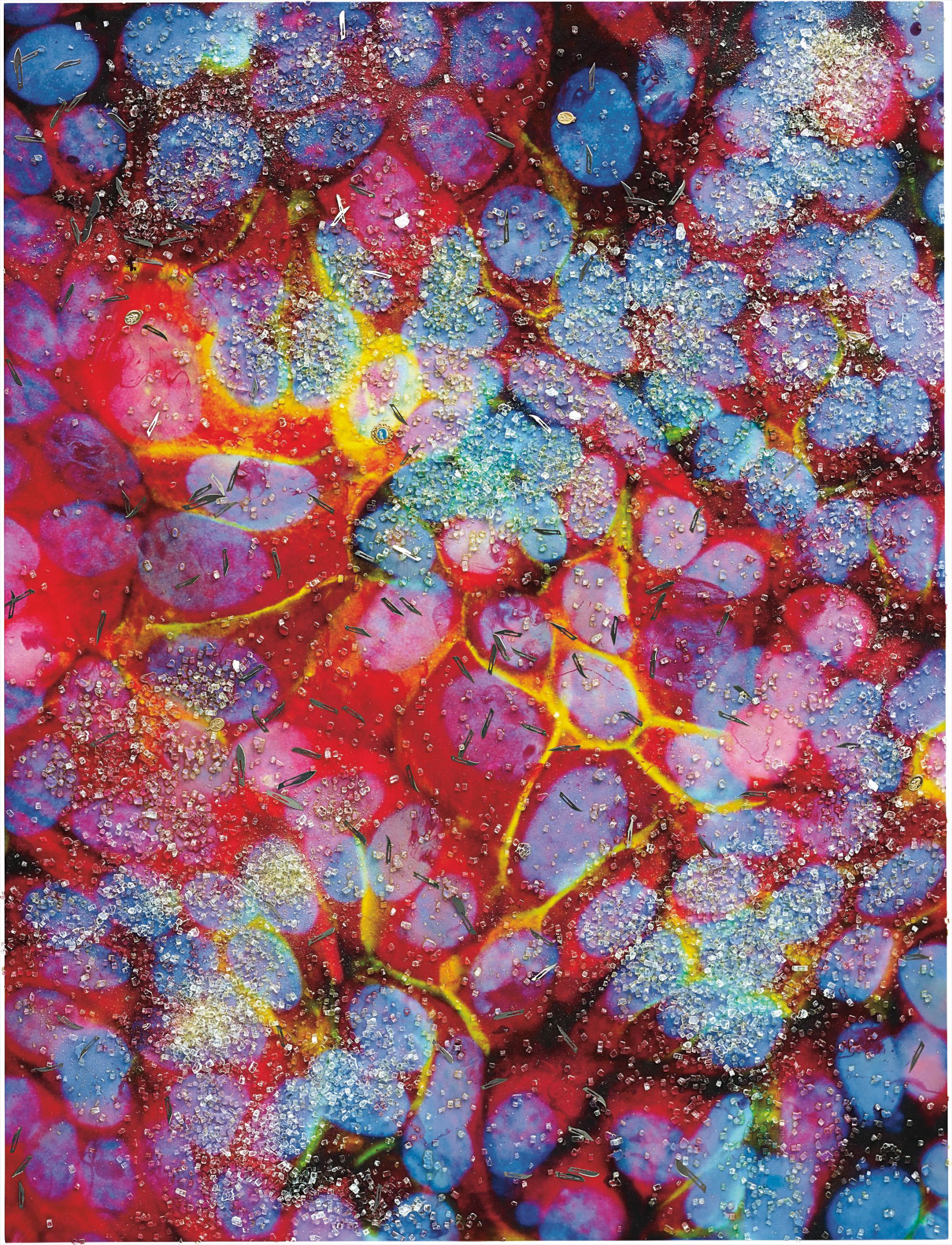
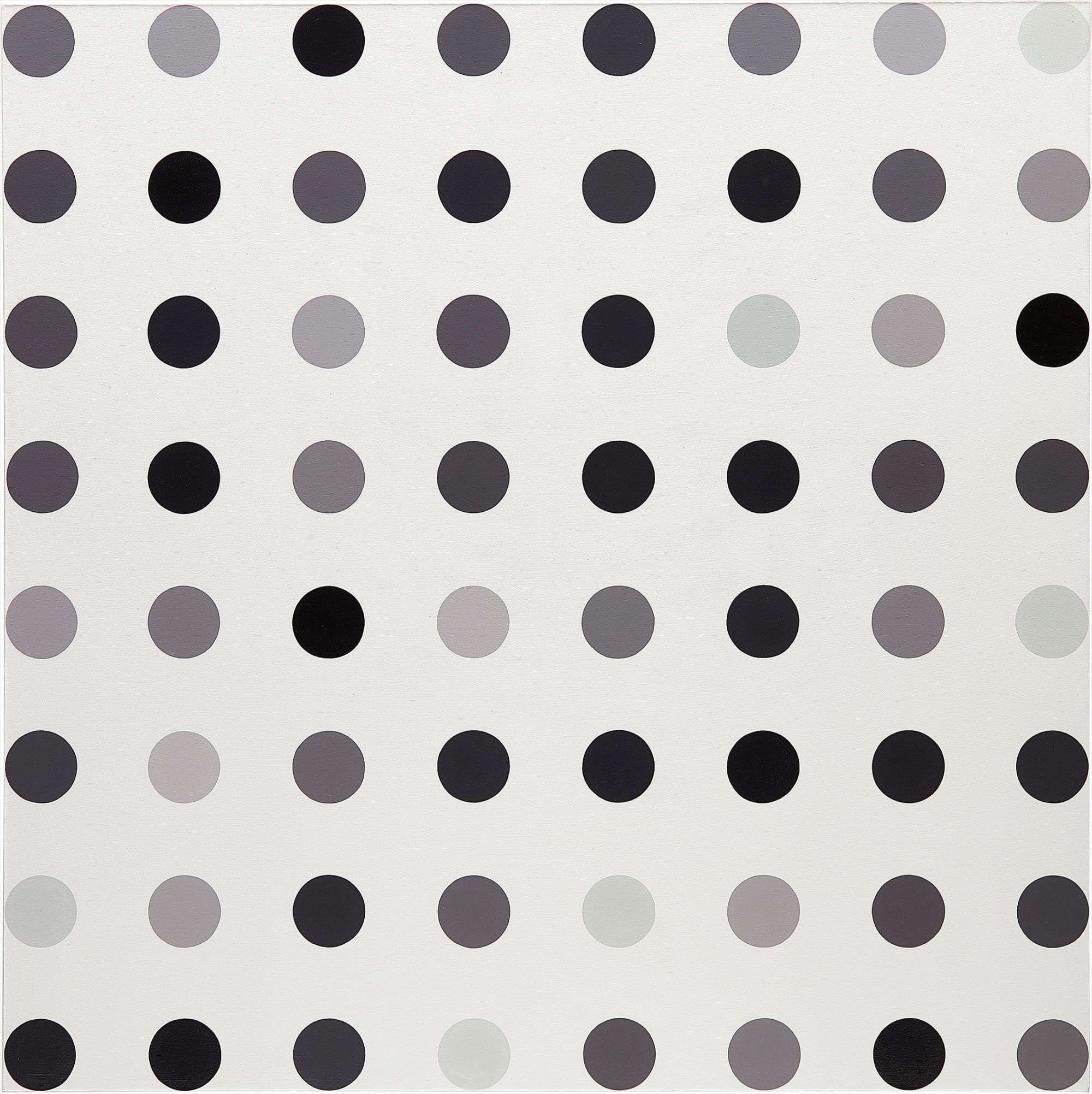
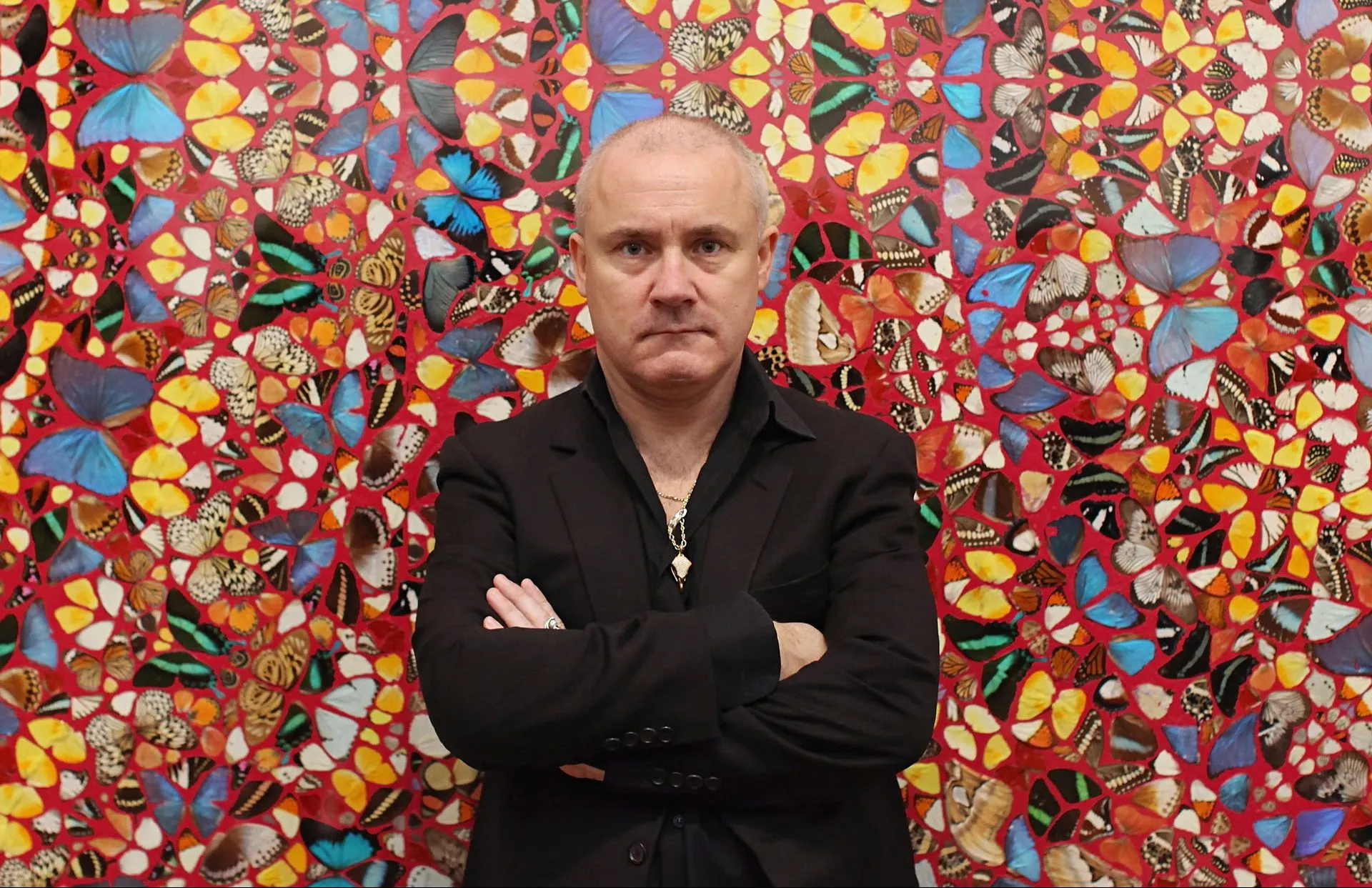
Damien Hirst
Second Series Biopsy: M122/105-Breast_cancer_cells,_immunofluorescent_light_micrograph-SPL.jpg, 2008
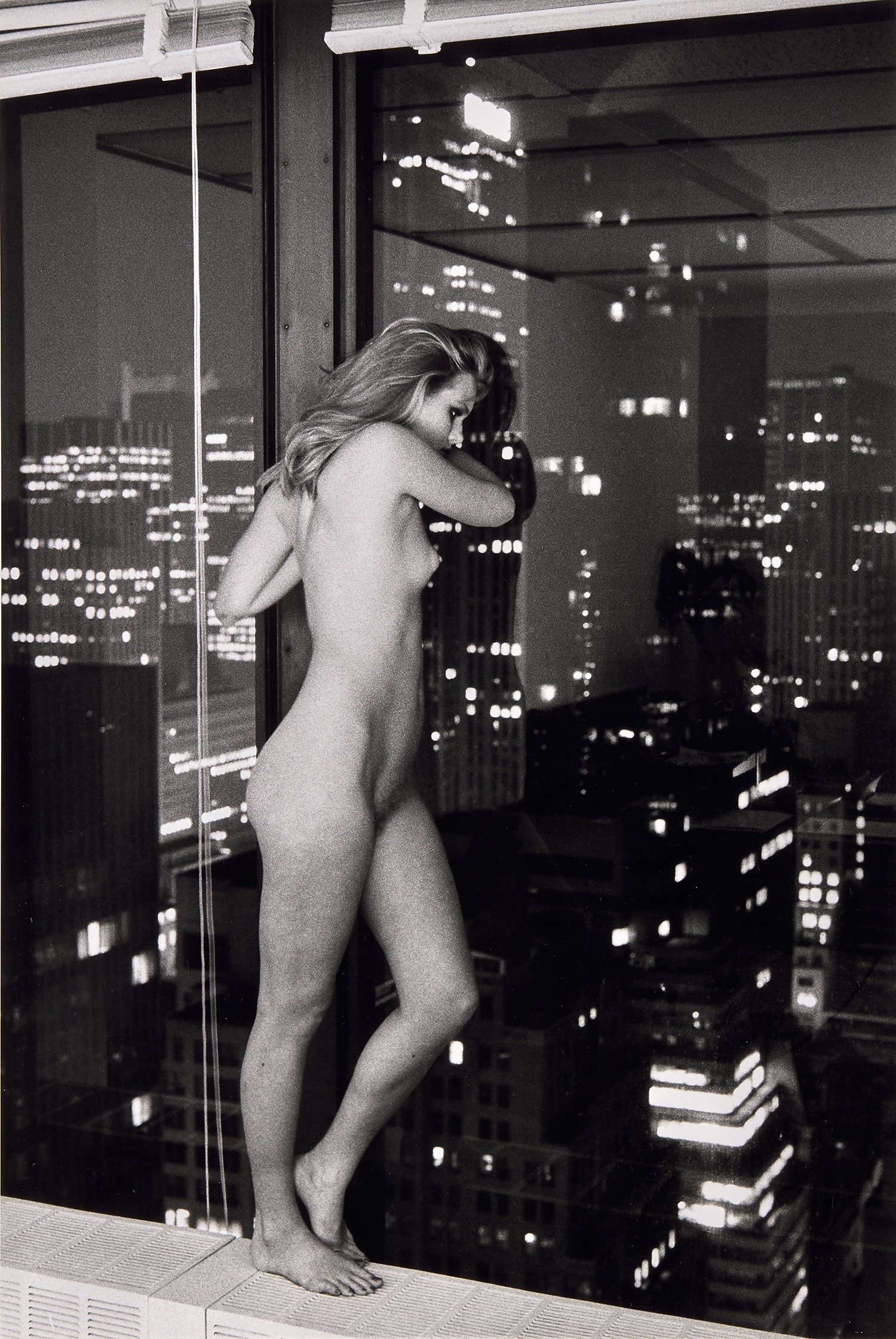
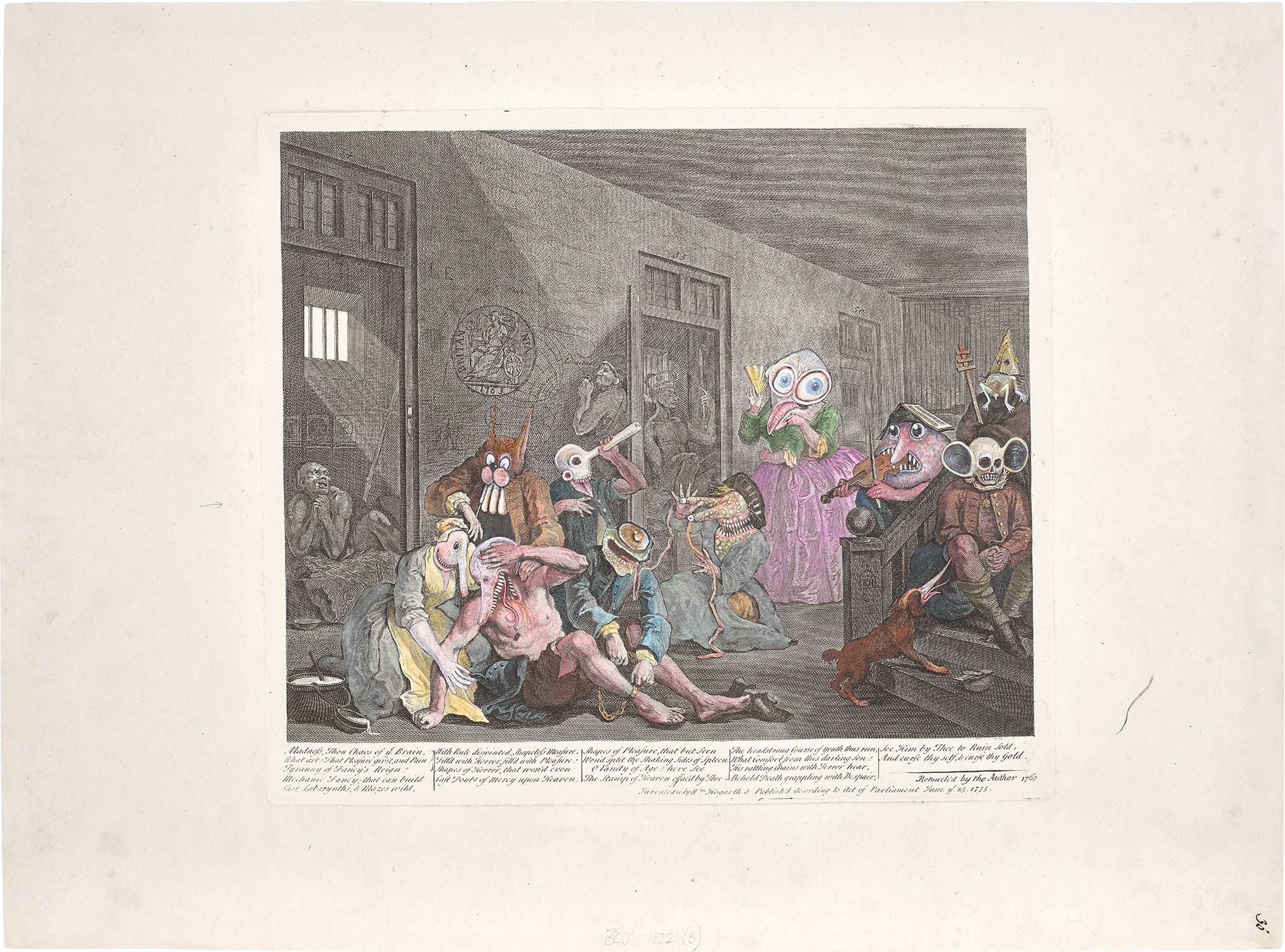
It is which provocative art will hold its meaning over time. The artists who consistently command serious auction results in this space tend to be those whose provocation is rooted in genuine ideas rather than shock alone. Damien Hirst remains one of the most closely watched figures in this regard, his market complex and debated but his best work, particularly the spot paintings and natural history pieces, continuing to find strong results at Christie's and Sotheby's. Helmut Newton's photographs have aged into something closer to canonical, with prints regularly achieving significant sums at auction as collectors reassess his contribution to the visual language of power and desire.
Andy Warhol, always the godfather of this particular conversation, anchors the upper tier of the market whenever major works appear, and his presence reminds us that provocation without craft rarely survives. Some of the most interesting auction energy in recent years has gathered around artists who operate in the space between art and activism. Ai Weiwei's work carries an additional layer of moral weight that the market has consistently recognized, with major pieces drawing institutional and private competition whenever they appear. Barbara Kruger, whose text based work has never been more culturally legible than it is right now, has seen renewed collector interest as her visual language migrates back into contemporary discourse.
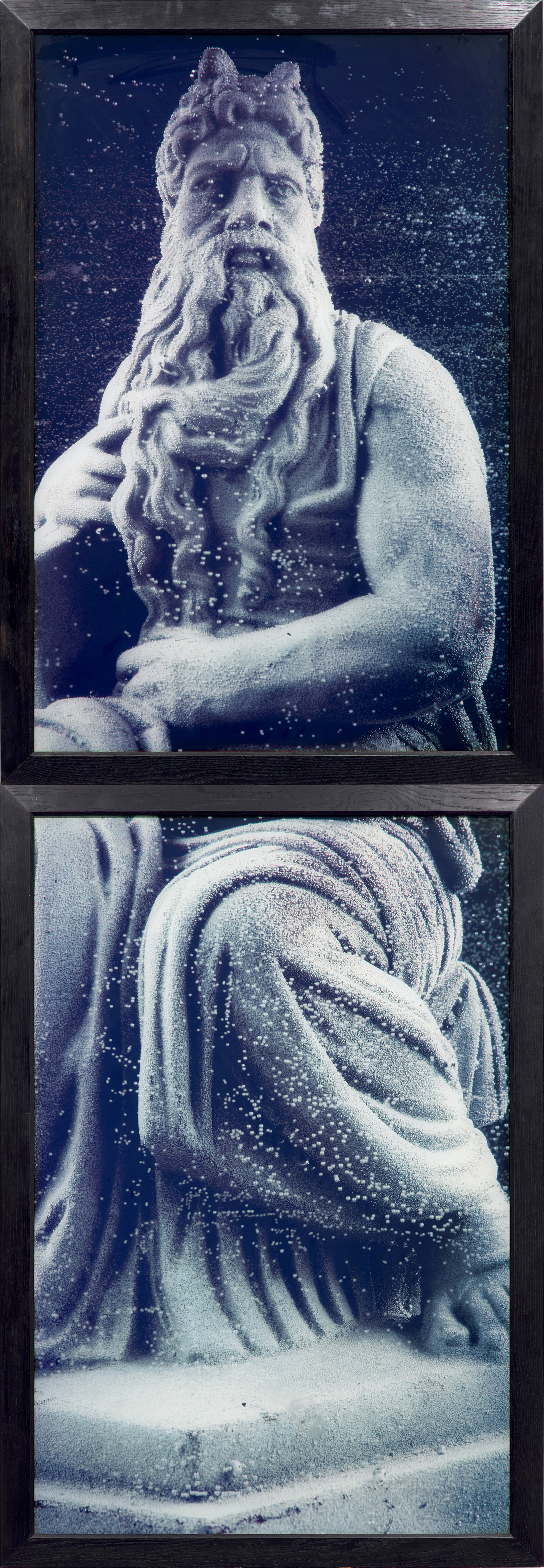
Andy Warhol
Sex Parts II.173, 1978
Richard Prince's Instagram paintings and nurse paintings sit in a more contested critical space, but their auction performance has been persistently strong, suggesting that collectors are comfortable with work that makes lawyers nervous. Exhibitions have played a central role in legitimizing this territory for a new generation. The Andres Serrano retrospectives that toured European institutions brought renewed critical attention to work that had been politically weaponized in the culture wars of the late 1980s, allowing viewers to encounter it on its own formal terms. Robert Mapplethorpe's retrospectives at the Getty and at the Guggenheim Bilbao similarly reframed work that was once considered legally dangerous as essential photographic history.
These shows matter not just for what they say about the artists but for what they signal to collectors: that institutions have decided to hold the line, to claim this work as part of the permanent record. The critical conversation around provocation has shifted considerably in recent years. Writers like Chris Kraus and curators like Massimiliano Gioni have pushed back against the idea that provocation is inherently juvenile or that transgression is an end in itself. What they argue for instead is a reading of this work that takes its formal intelligence seriously, that asks what it is actually doing beyond the initial confrontation.

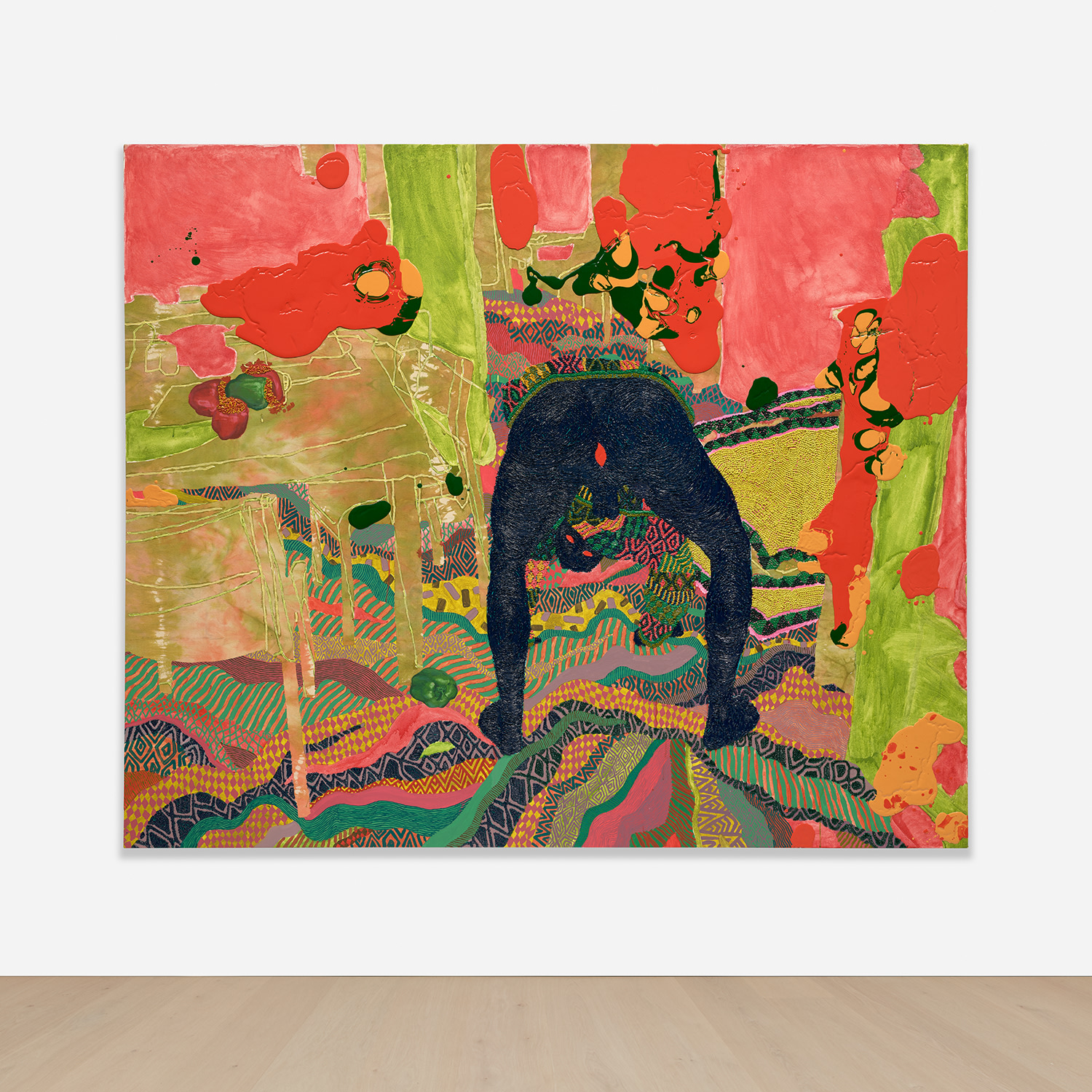
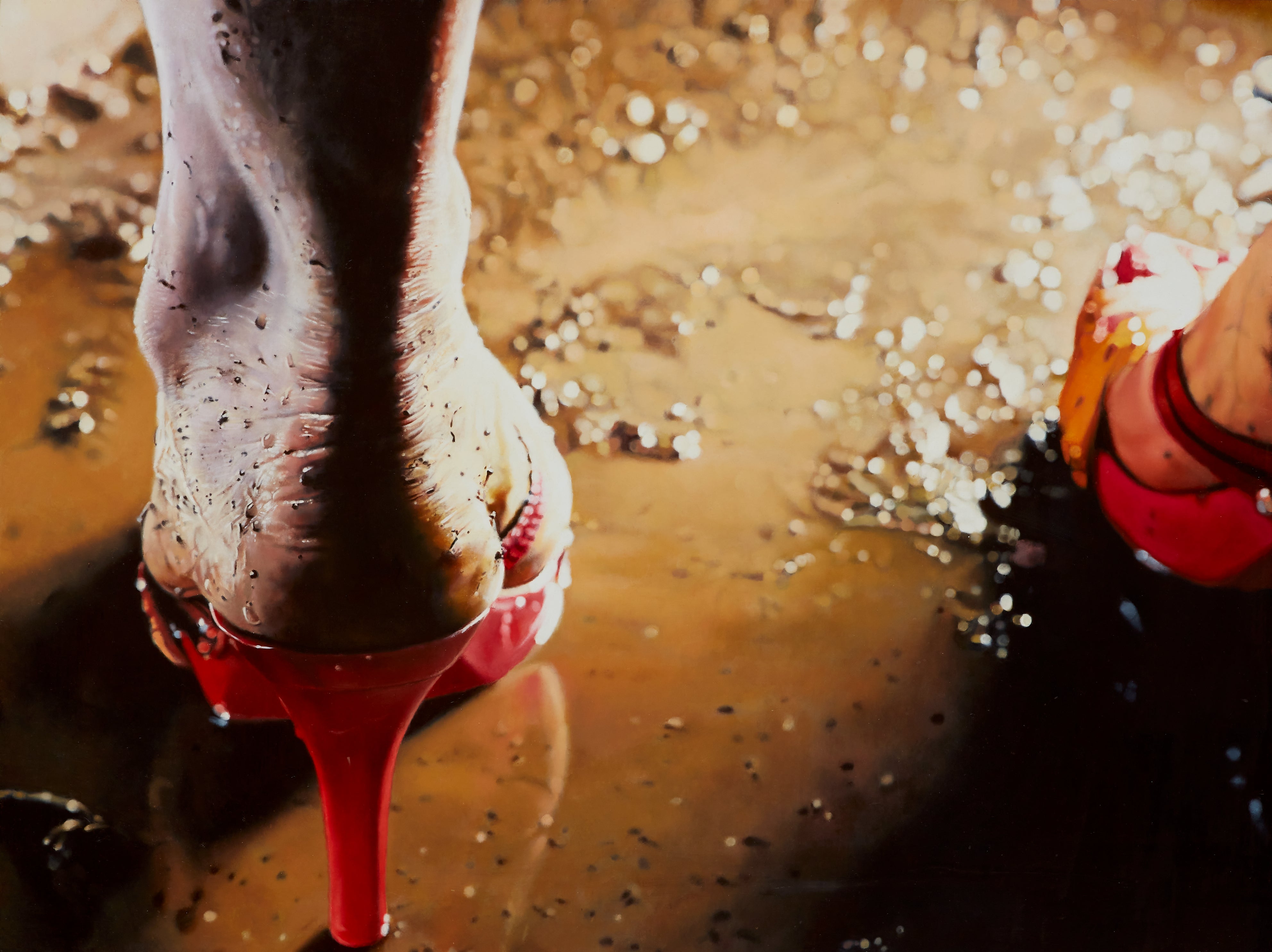
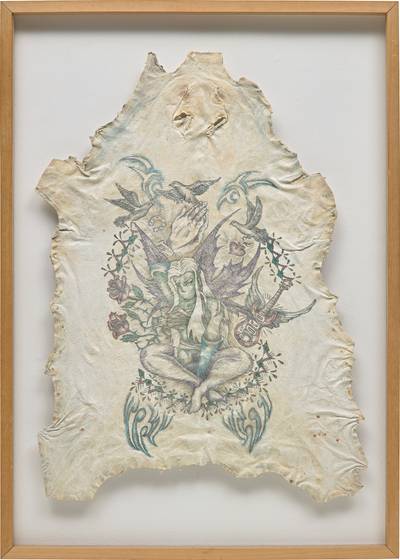
Banksy
Crude Oil (Vettriano), 2005
This framing has been good for artists like Sarah Lucas, whose sculptures and photographs operate through wit and material intelligence as much as through disruption, and for artists like Paul McCarthy, whose work is genuinely difficult but whose influence on subsequent generations is now undeniable. Banksy occupies a peculiar position in all of this. The market for his work is enormous and impossible to ignore, with prints and originals regularly achieving prices that would have seemed absurd twenty years ago. But the critical establishment has been slow to fully embrace him, and the debate about his place in the canon remains lively.
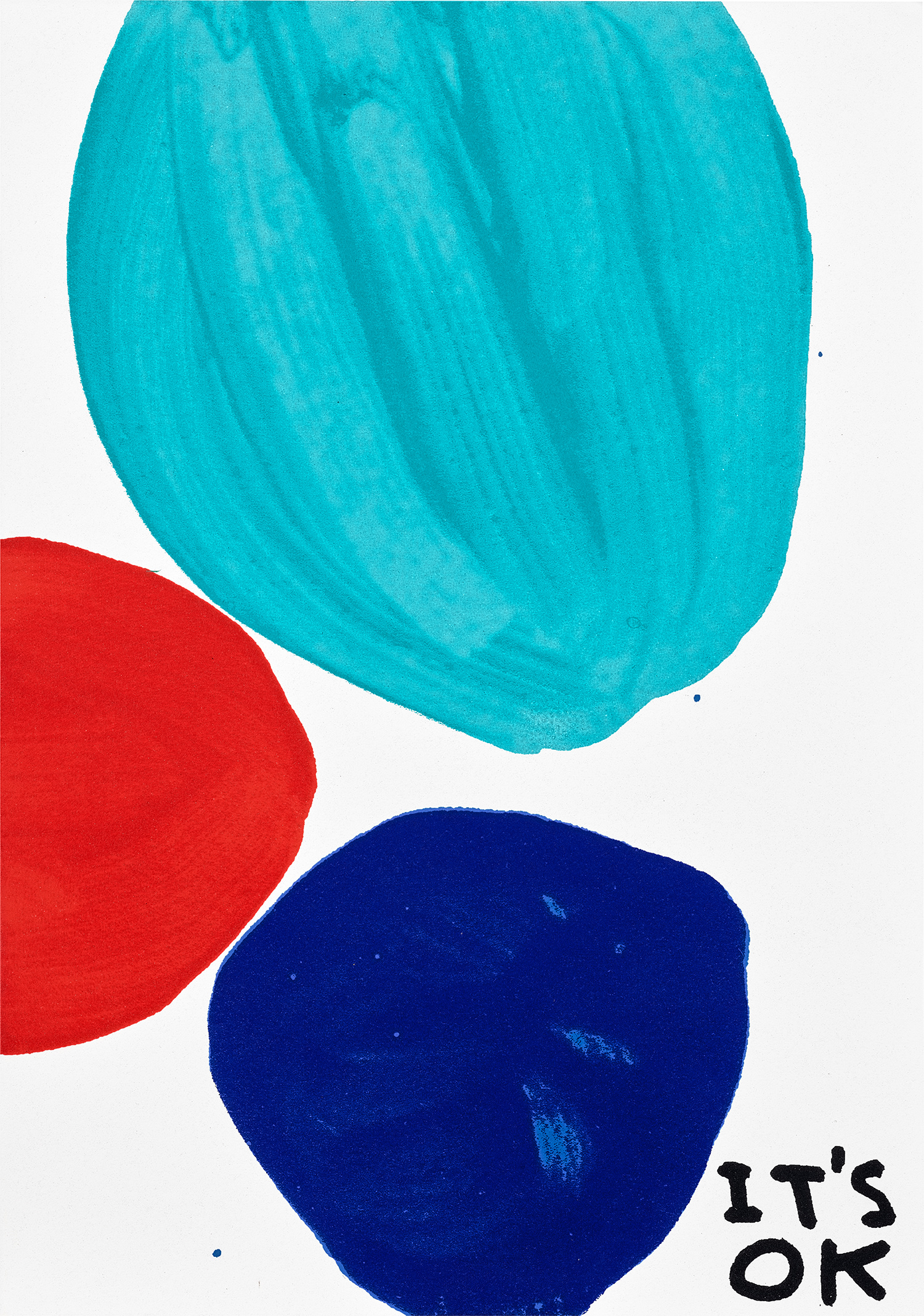
What is interesting is that this very debate, his ambiguous status, seems to be part of what sustains collector interest. The tension between street credibility and auction house legitimacy is itself the provocation. Similarly, artists like David Shrigley and Grayson Perry have built substantial collector bases by working in registers that feel accessible but carry genuine subversive intelligence beneath the surface. Looking ahead, the energy in this space feels concentrated around a few specific pressures.
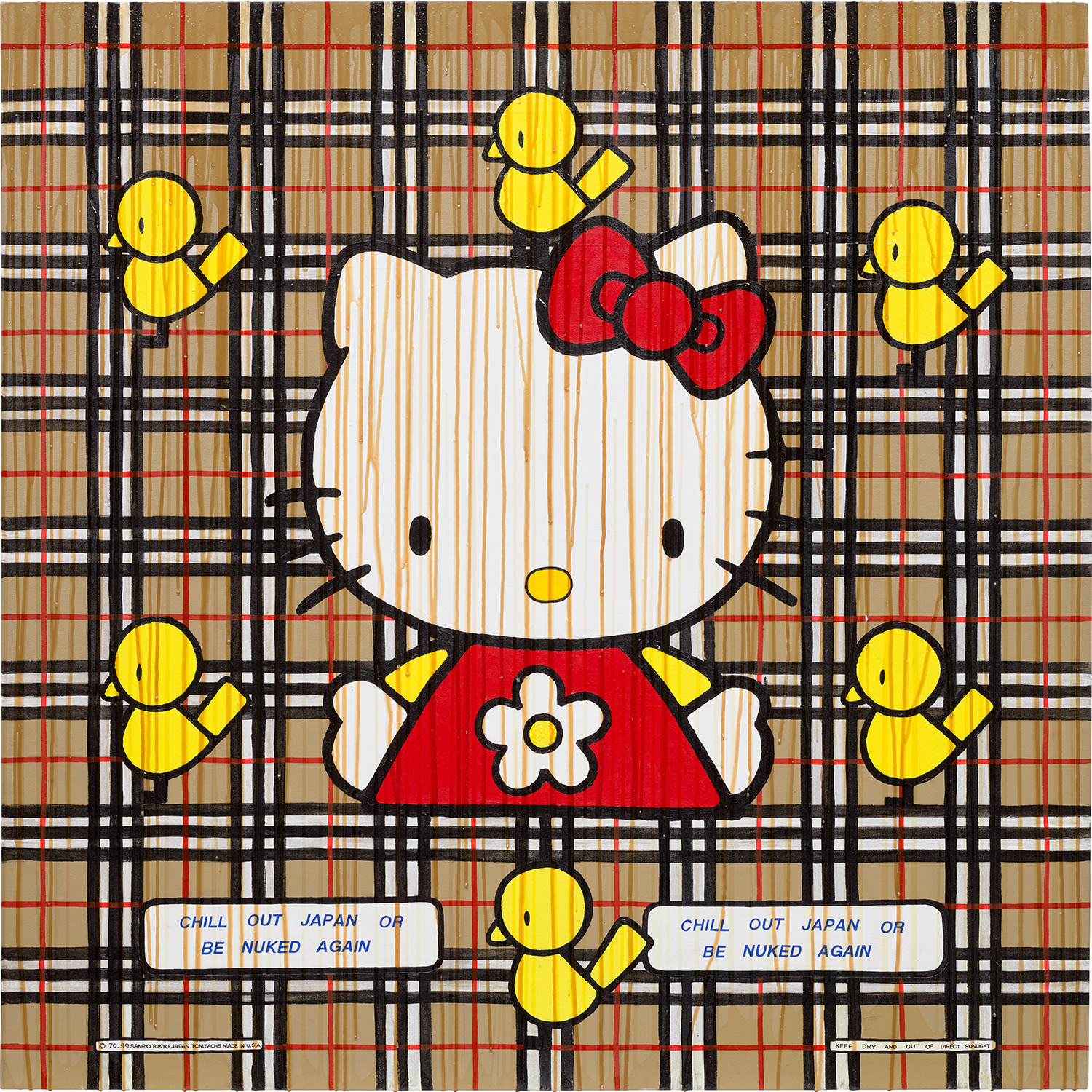
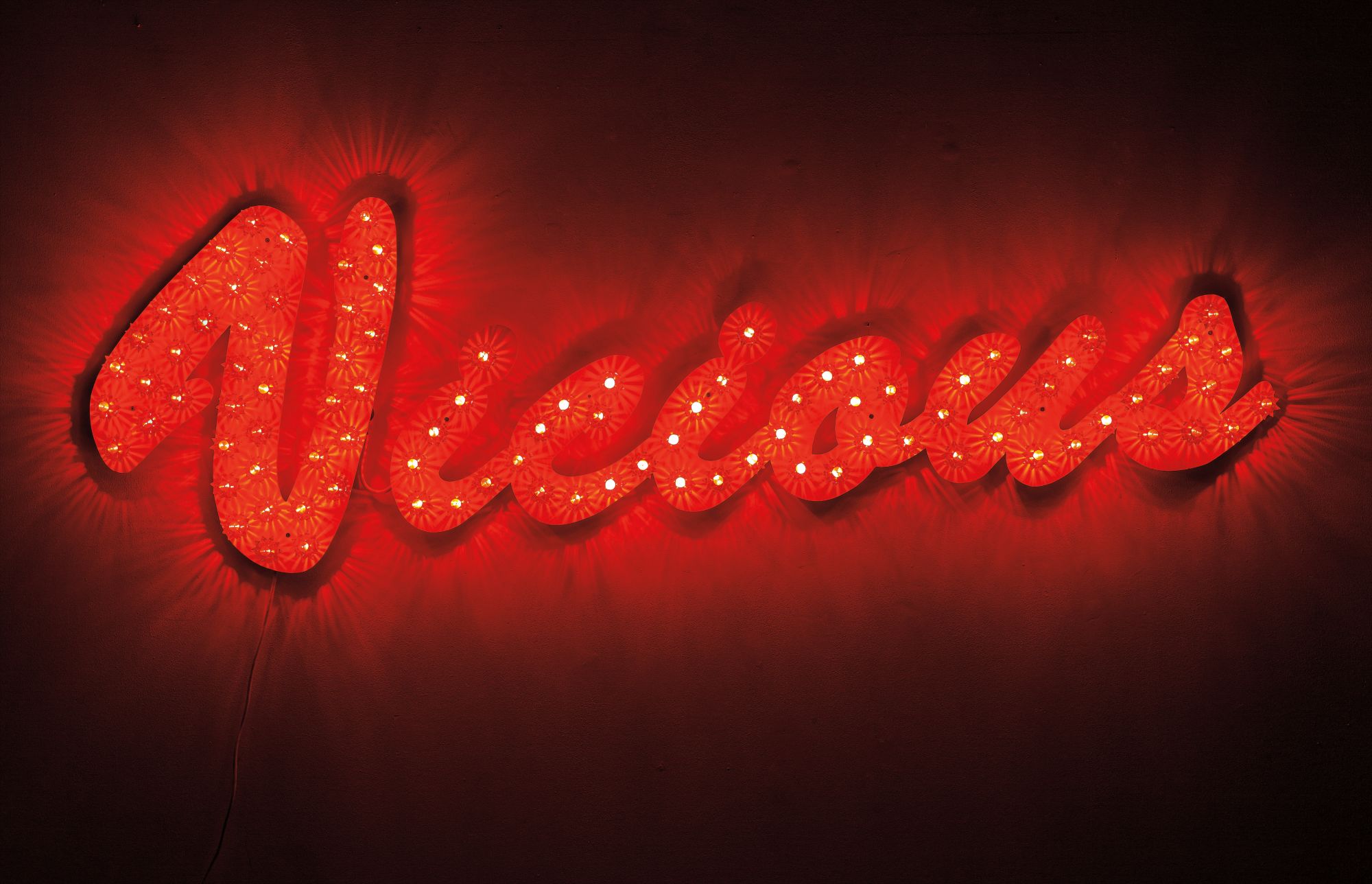
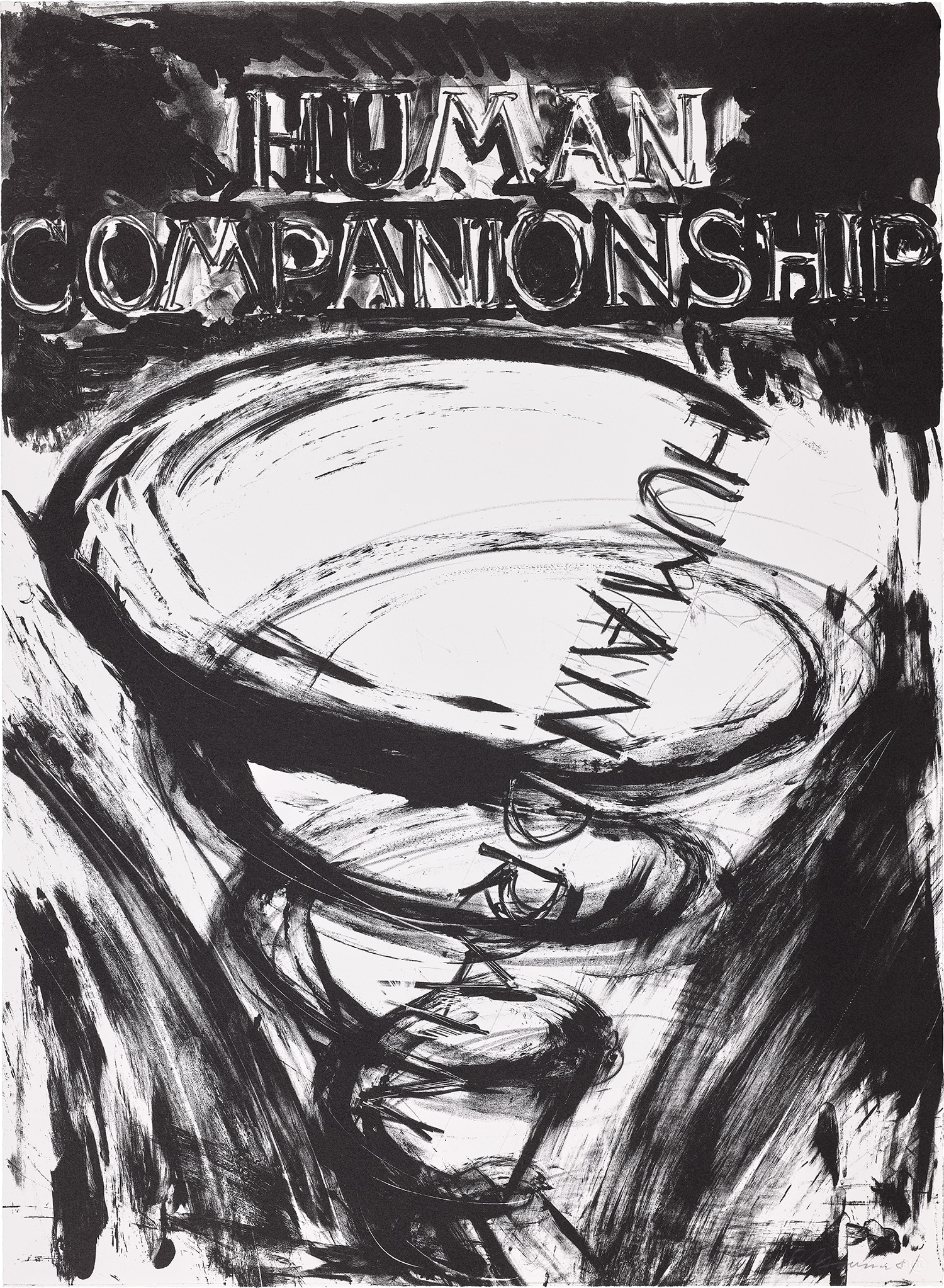
Tom Sachs
Chill Out Japan or be Nuked Again, 1999
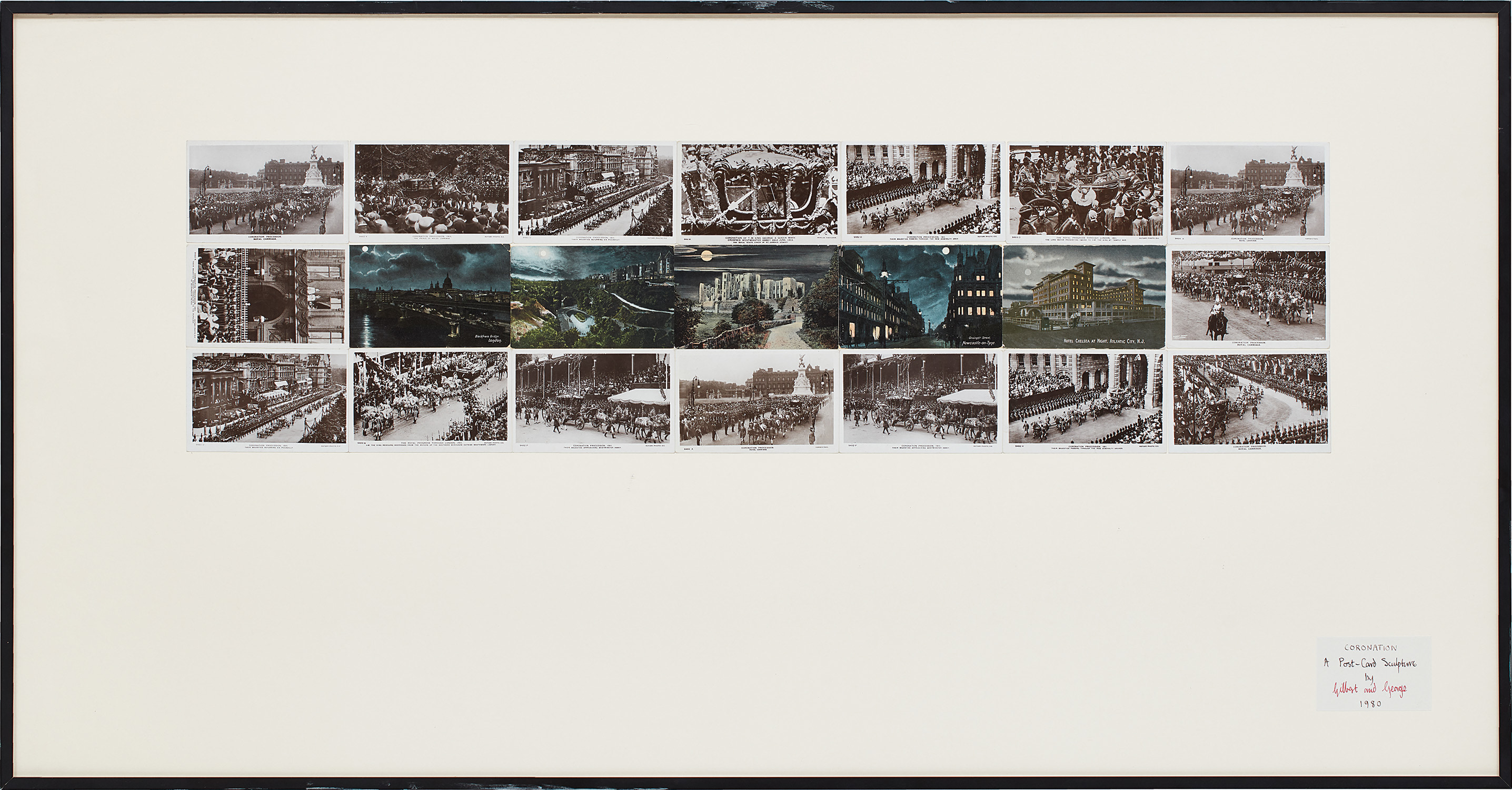
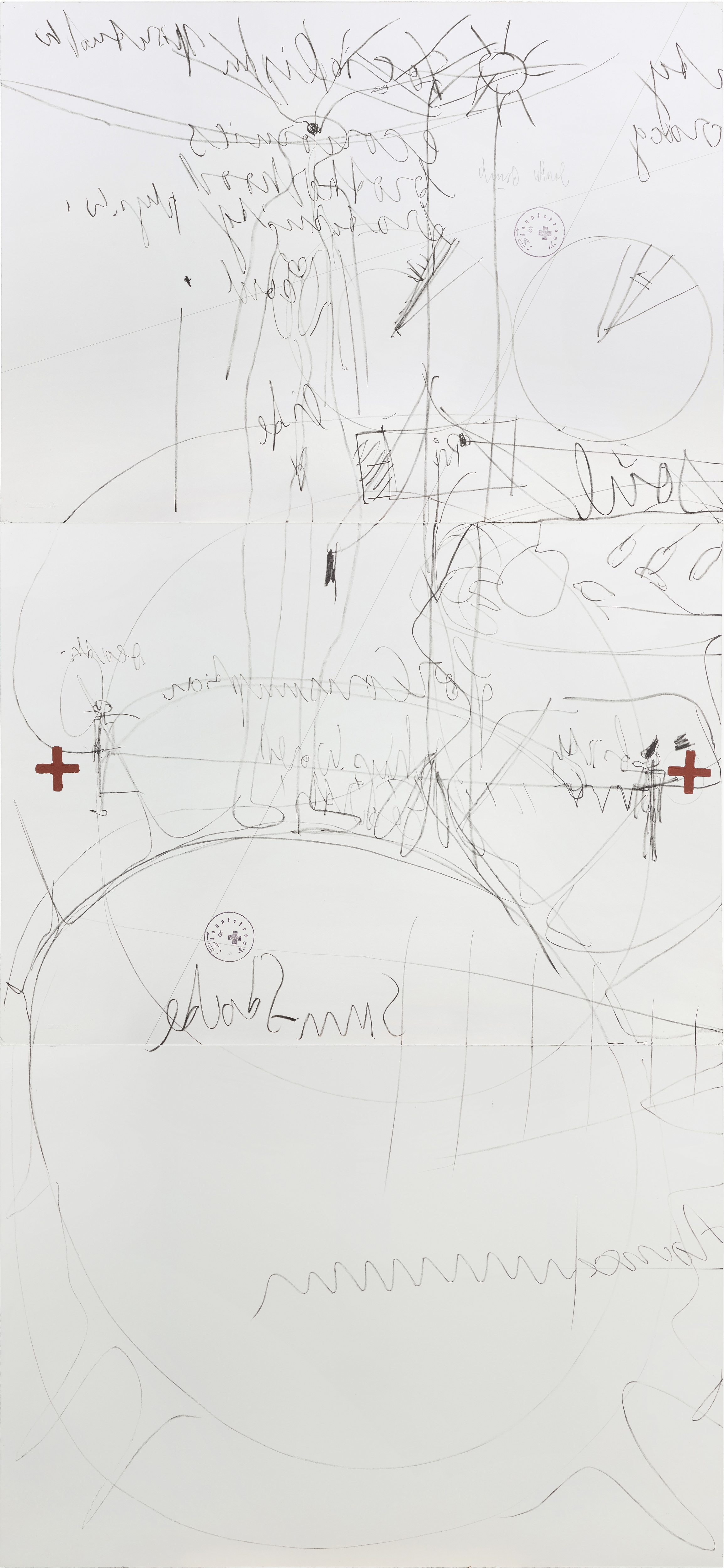
The ongoing renegotiation of what counts as harmful versus challenging imagery is shaping how institutions program and how collectors think about risk. Artists like Santiago Sierra, whose work explicitly implicates the viewer in structures of exploitation, are receiving more sustained curatorial attention as political urgency reasserts itself in the culture. The work of Gilbert and George, whose retrospectives have toured with considerable institutional enthusiasm, demonstrates that a long career built on provocative imagery can resolve into something that feels both radical and beloved. What The Collection holds in this space reflects the full range of this conversation, from work that still has the power to disturb to work that has settled into something closer to beloved disruption.
The most experienced collectors in this category tend to share one trait: they are comfortable sitting with discomfort, with work that does not resolve easily, that continues to ask something of you years after you acquired it. That, in the end, is what separates the provocative from the merely shocking. Shocking work exhausts its effect quickly. Truly provocative work just keeps going.