Matthew Brandt
Artist Spotlight
Matthew Brandt Makes Nature Develop Itself
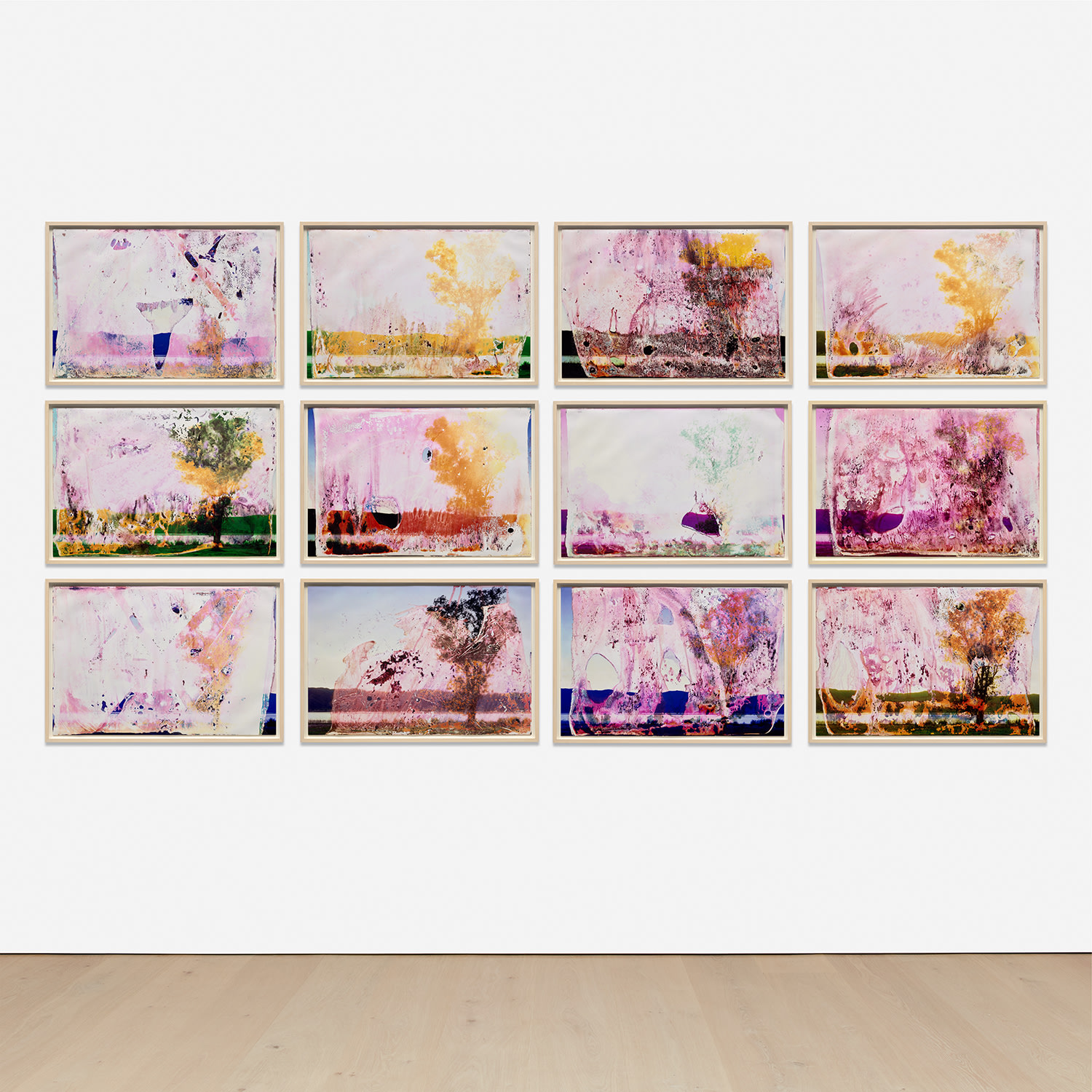
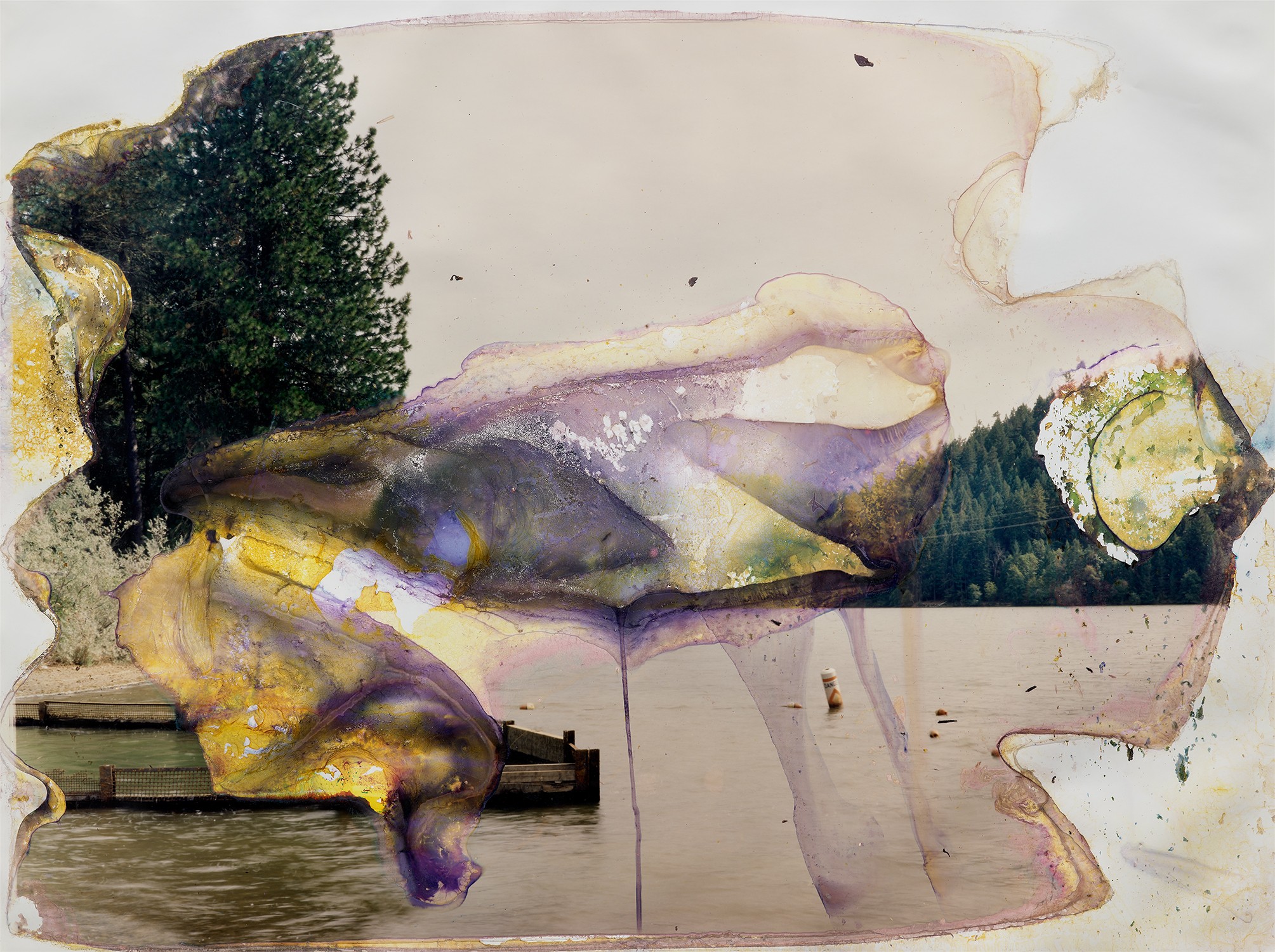
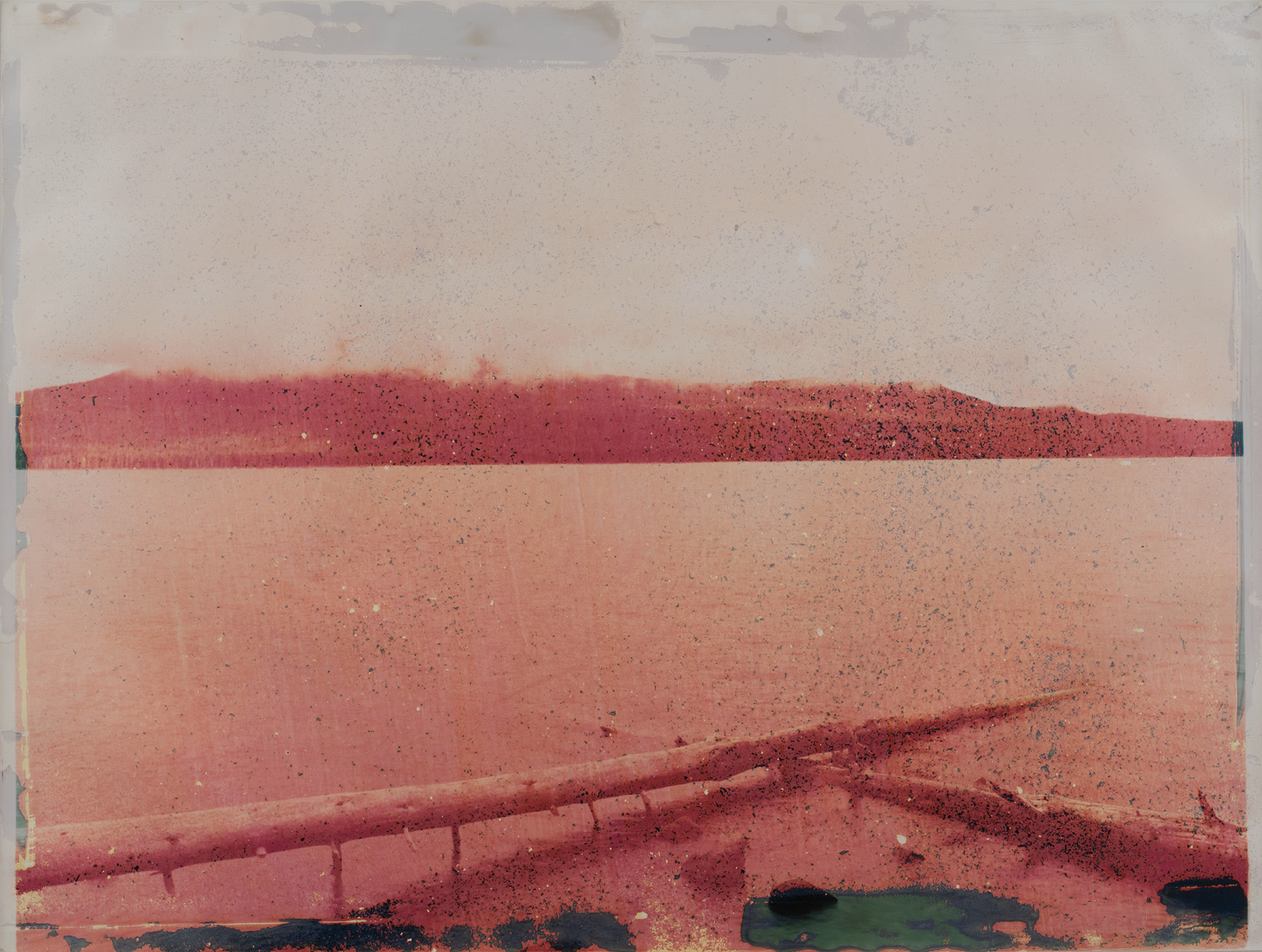
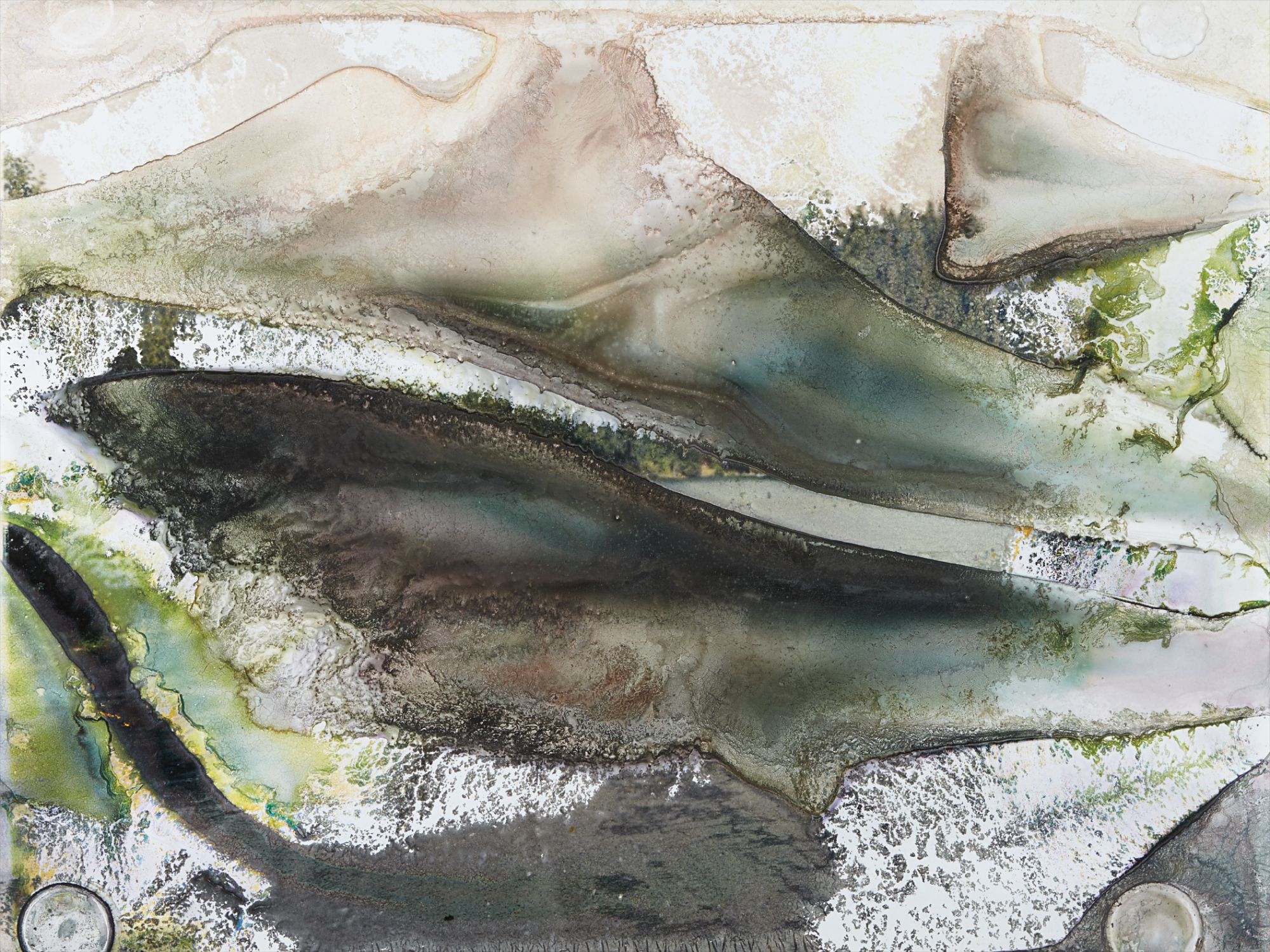
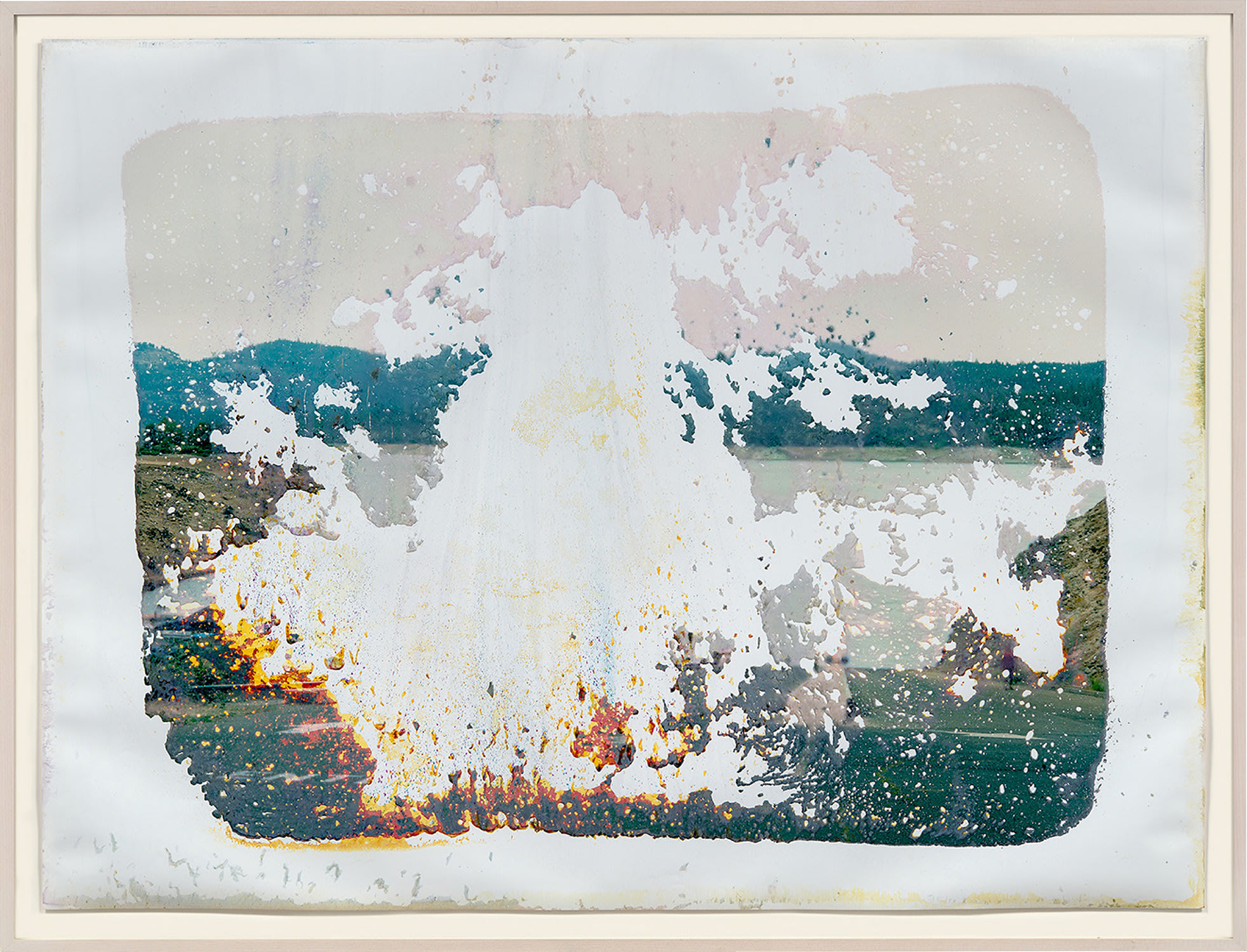
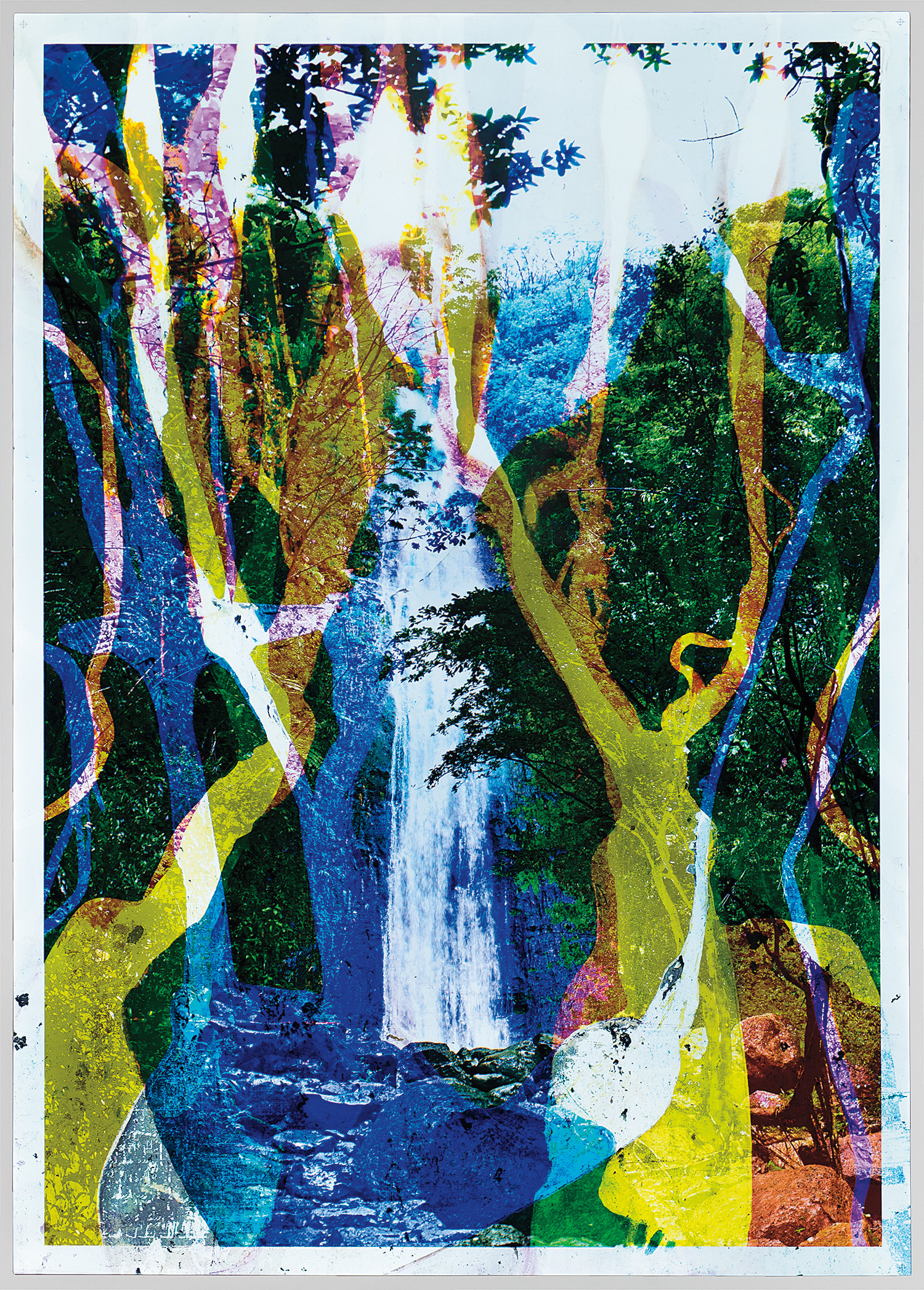
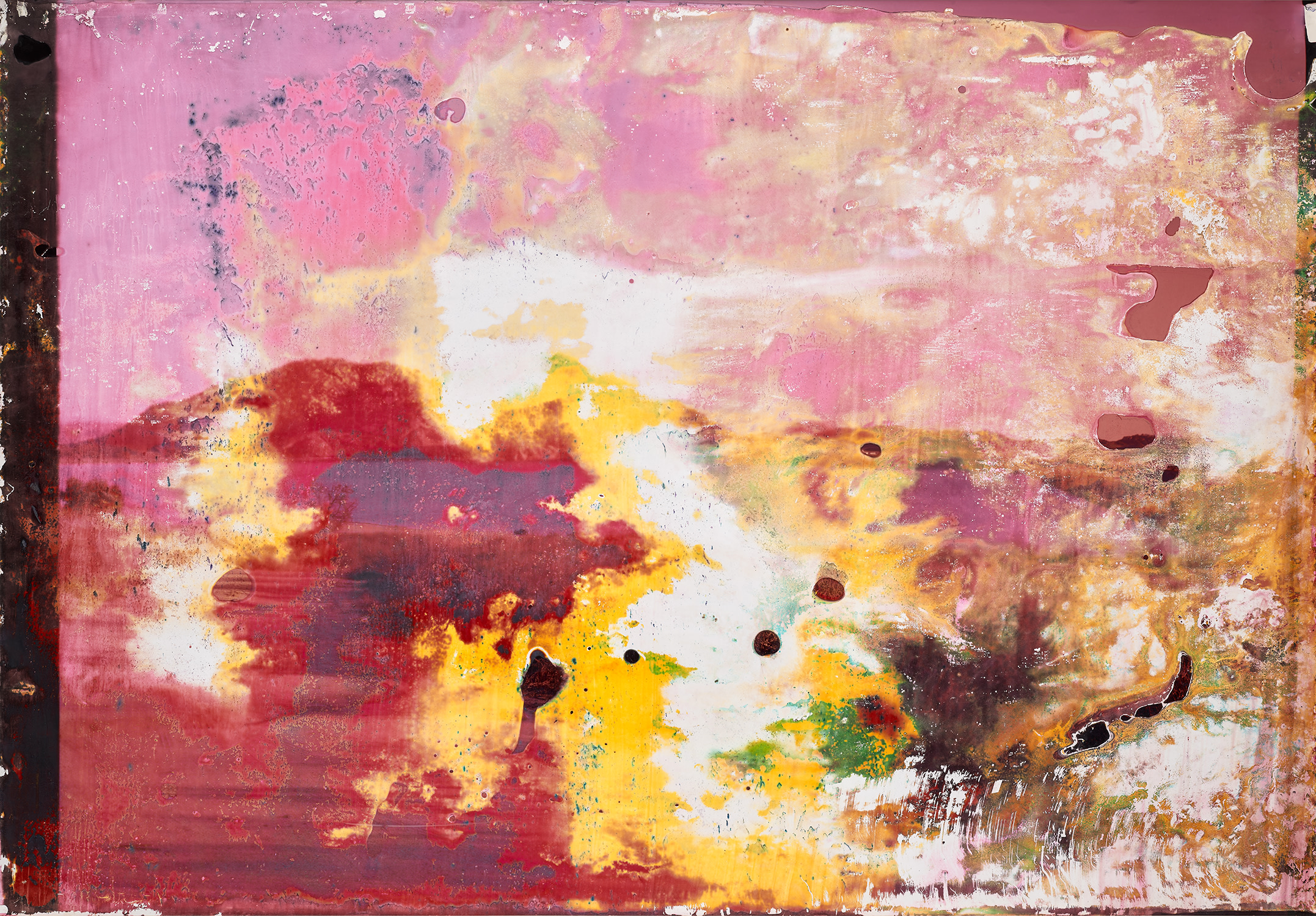
There is a particular kind of attention being paid to Matthew Brandt right now, and it feels well earned. Over the past several years, his work has moved steadily from the margins of experimental photography into serious institutional and collector conversation, with his series Lakes and Reservoirs earning a place among the most formally inventive bodies of photographic work produced by any American artist of his generation. Galleries including Yossi Milo Gallery in New York, which has long championed his practice, have presented his work to audiences who arrive expecting photography and… Continue reading
Artists in conversation
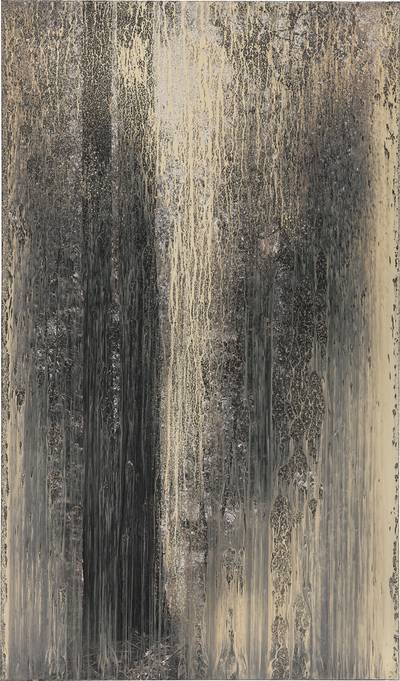
Binh Danh
Binh Danh embeds photographic images directly into organic materials such as leaves using chlorophyll printing, sharing Brandt's commitment to fusing the physical subject matter with the photographic medium itself. Both artists explore memory and the natural world through materially experimental photographic processes.
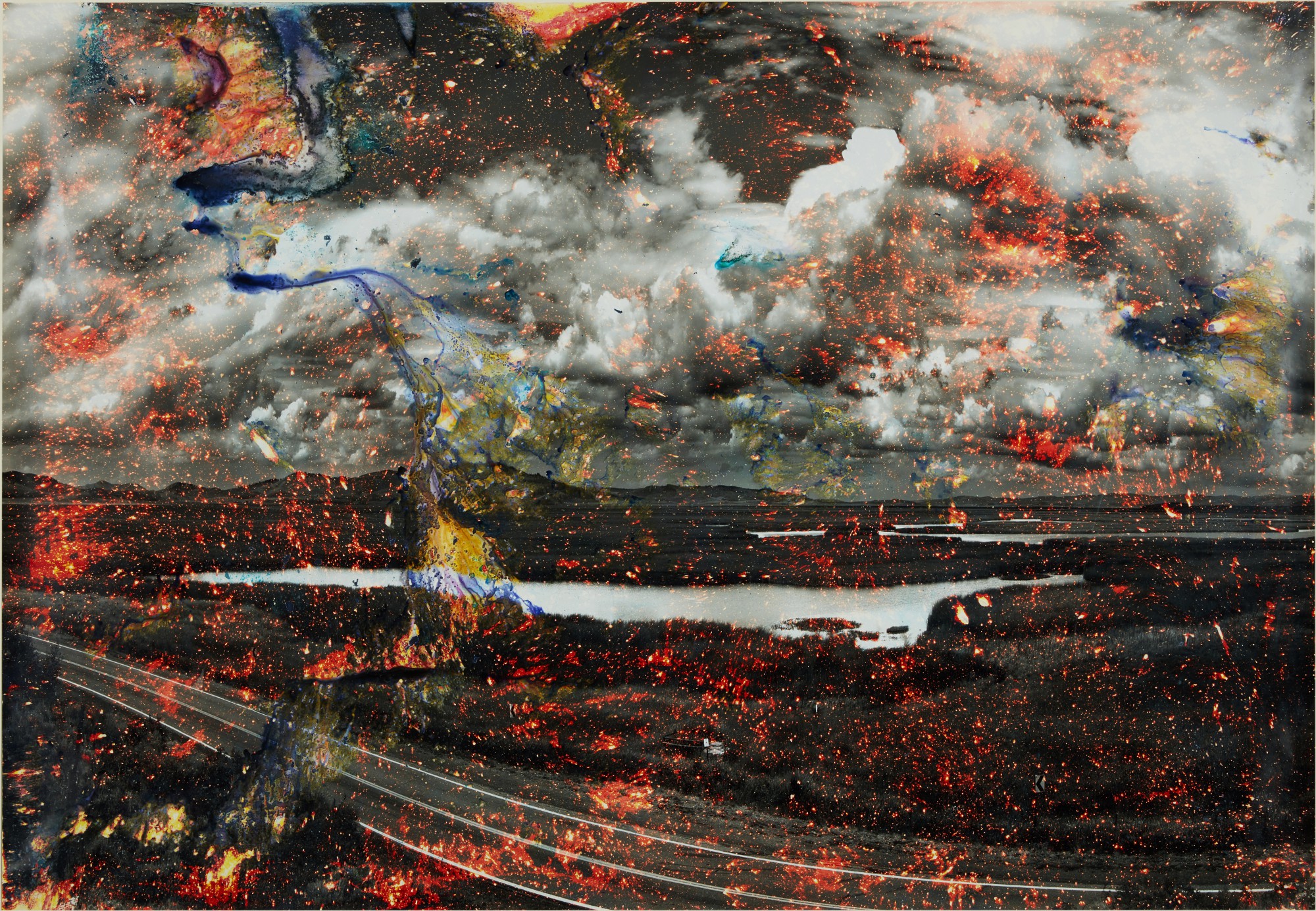
Chris McCaw
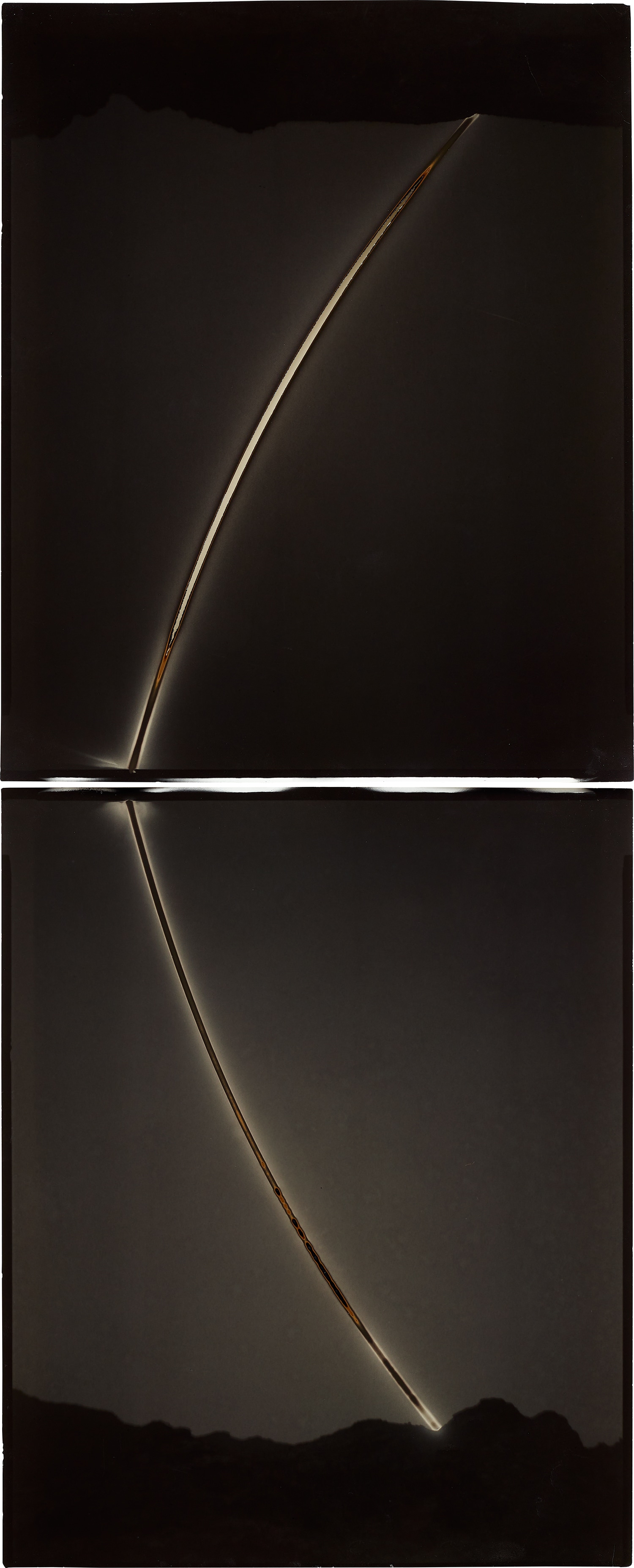
Chris McCaw uses extreme long exposures that allow the sun to literally burn traces into photographic paper, creating a conceptual bridge between the subject and the physical print that closely mirrors Brandt's approach. His large format landscape based work shares Brandt's interest in allowing nature to author its own image.
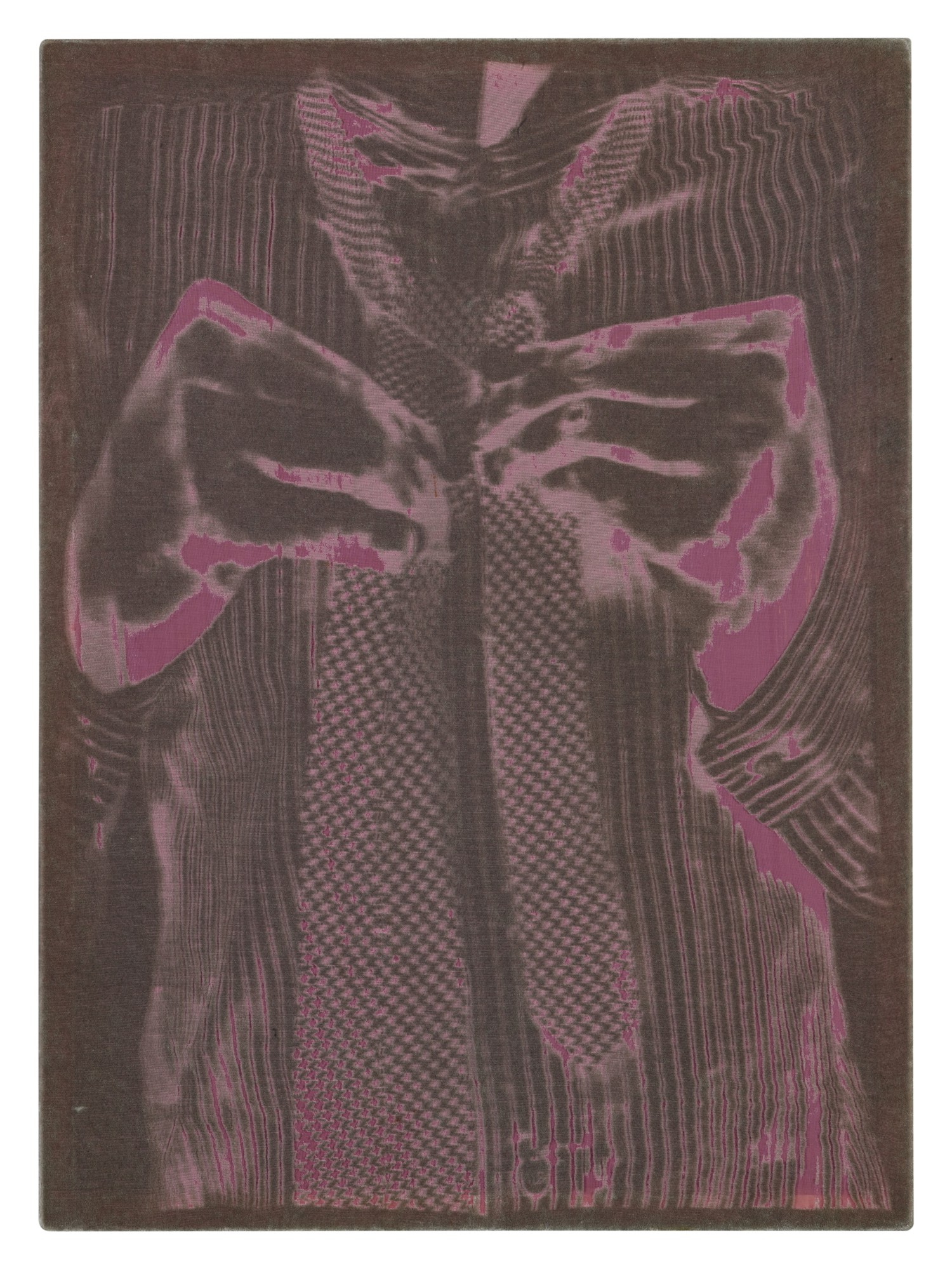
Penelope Umbrico
Penelope Umbrico works conceptually with photography by interrogating how images are materially and culturally constructed, paralleling Brandt's interest in collapsing the boundary between a photograph's content and its physical substrate. Both work within a contemporary American conceptual photography context that questions the transparency of the medium.
Artists who inspired them
Robert Rauschenberg
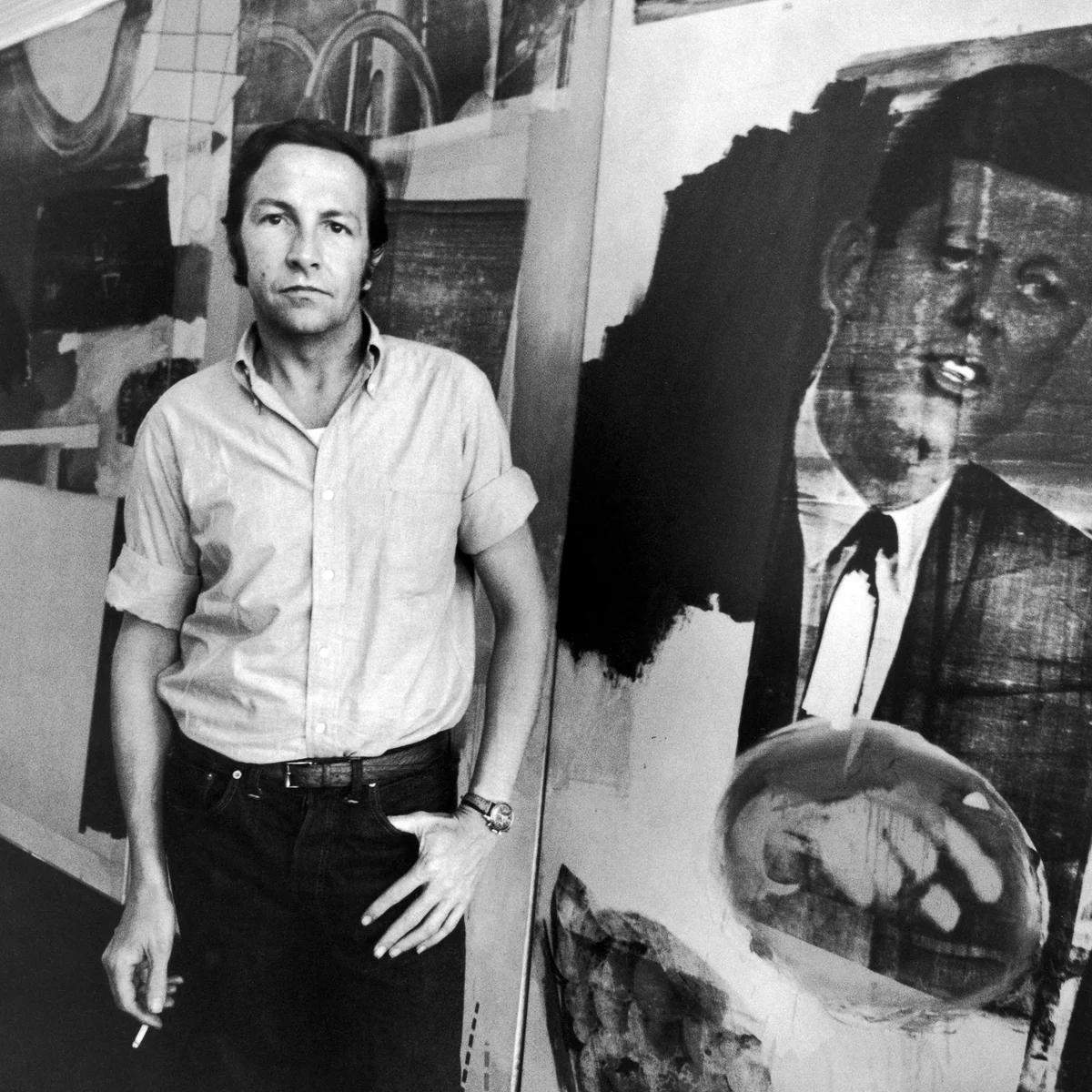
Rauschenberg pioneered the integration of found and organic materials into image making through his Combines and transfer works, establishing a precedent for dissolving boundaries between painting, photography, and physical substance. His experimental materiality and embrace of process as meaning directly informs Brandt's practice.
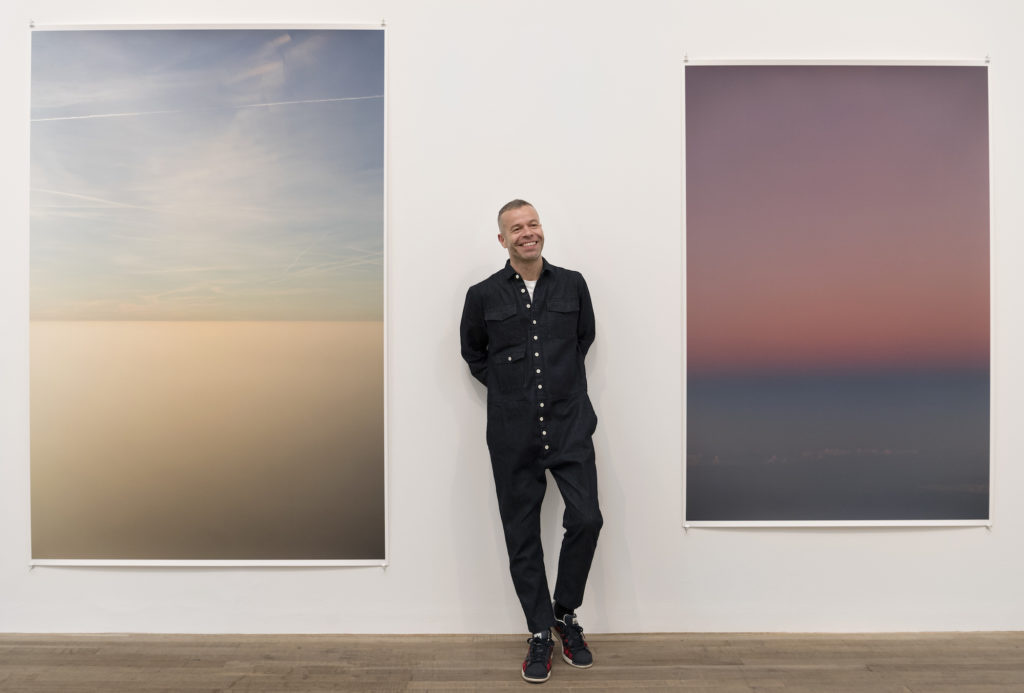
Wolfgang Tillmans
Tillmans pushed the boundaries of photographic abstraction through his darkroom based abstract works and his treatment of the photographic print as a physical object in its own right. His influence can be felt in Brandt's willingness to allow chemical and material processes to generate meaning beyond the original photographic subject.
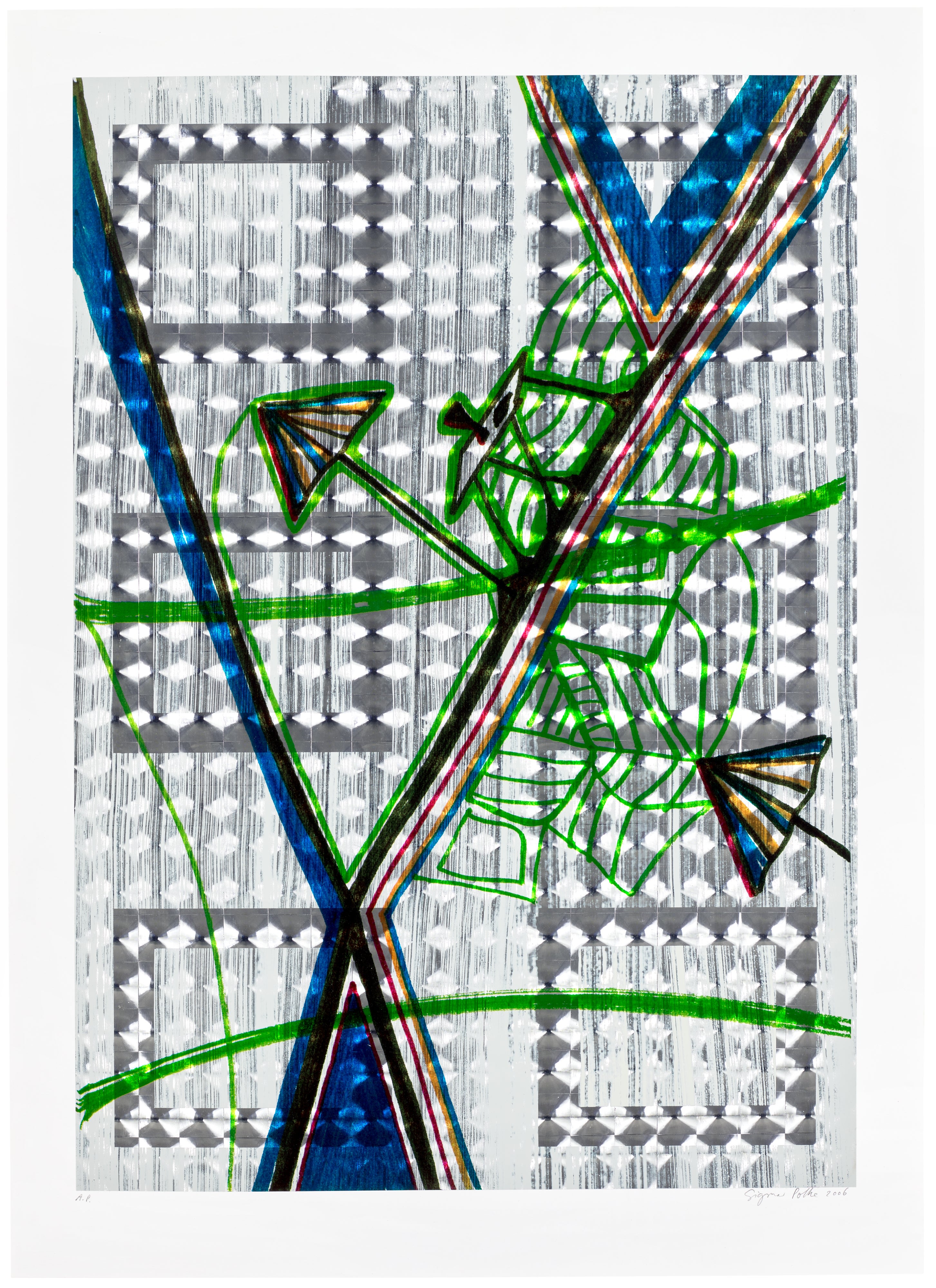
Sigmar Polke
Polke experimented extensively with toxic and unconventional chemical substances in his photographic and painterly works, allowing materials to react unpredictably on surfaces to produce richly textured and abstract results. This attitude of surrendering control to material process is a key conceptual foundation for Brandt's use of lake water and organic matter in developing prints.