Matthew Brandt
Matthew Brandt Makes Nature Develop Itself
Artist Spotlight · The Collection Editorial
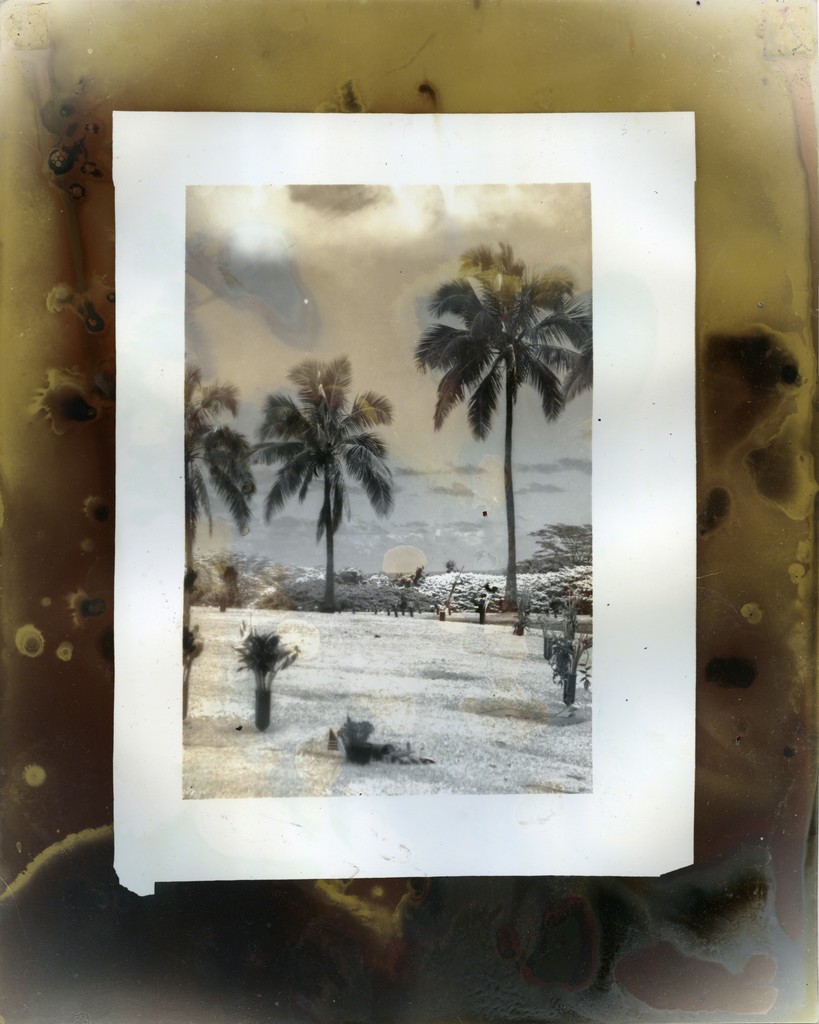
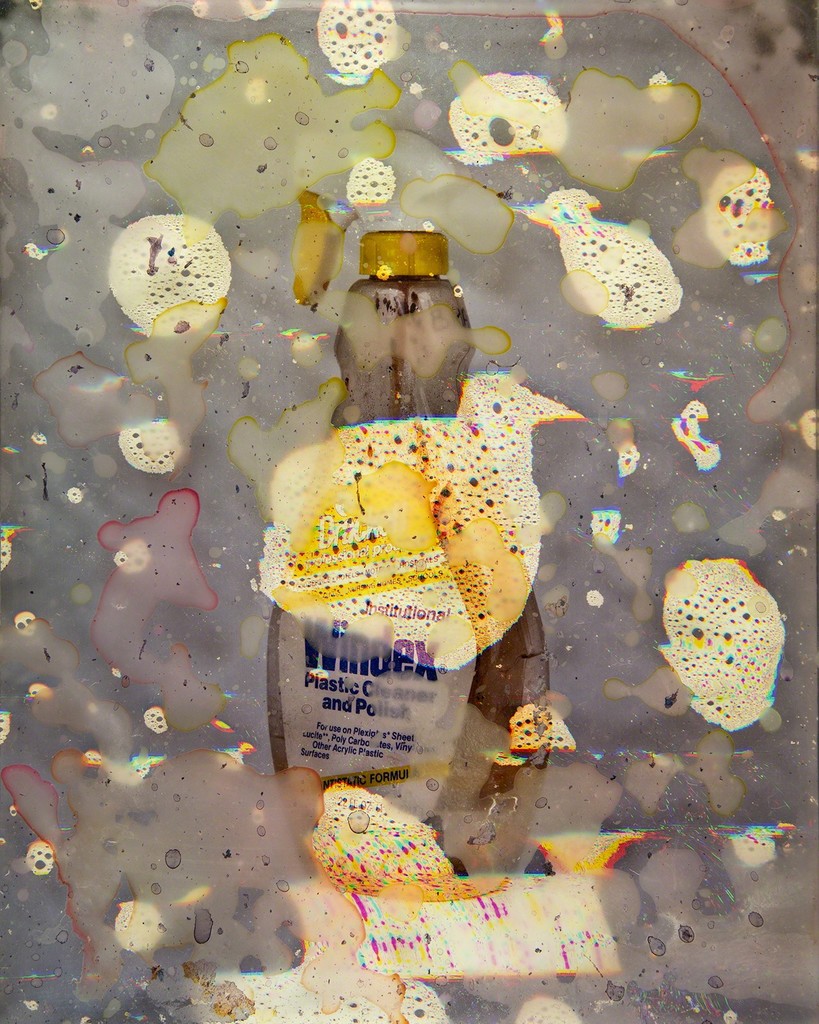
There is a particular kind of attention being paid to Matthew Brandt right now, and it feels well earned. Over the past several years, his work has moved steadily from the margins of experimental photography into serious institutional and collector conversation, with his series Lakes and Reservoirs earning a place among the most formally inventive bodies of photographic work produced by any American artist of his generation. Galleries including Yossi Milo Gallery in New York, which has long championed his practice, have presented his work to audiences who arrive expecting photography and leave uncertain, in the most rewarding possible way, about exactly what they have seen. Brandt was born in 1982 and came of age in a moment when photography was undergoing profound redefinition.
Matthew Brandt
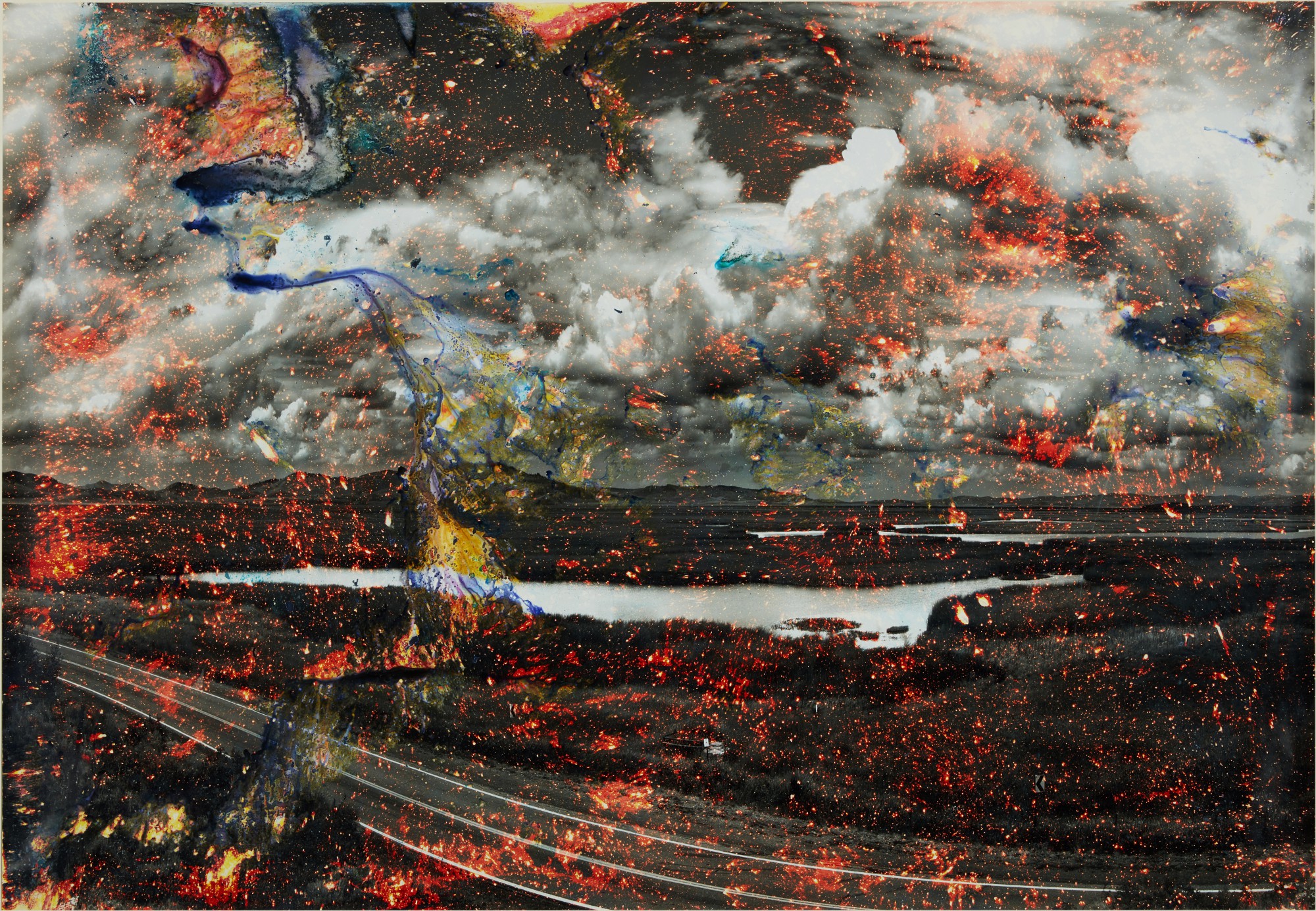
Grays Lake ID 6 (from Lakes and Reservoirs)
Digital tools were rapidly replacing analog processes, and the question of what a photograph could or should be was genuinely open. Rather than resolving that question in favor of convenience or clarity, Brandt moved in the opposite direction entirely. He turned toward the material, the wet, the slow, and the irreversible. His education included study at UCLA, where the proximity to both the California landscape and a rich tradition of conceptual art practice shaped his sensibility in ways that continue to be visible in every series he has produced.
The formation of his practice was not an overnight revelation but a sustained inquiry into what photography actually is at its most fundamental level. Brandt became fascinated with the chemical and physical processes that produce an image, and he began to ask whether those processes could be made to carry meaning rather than simply deliver one. The answer he arrived at was both elegant and radical: what if the subject of the photograph literally became the substance through which the photograph was made? This question, simple to state and enormously difficult to execute, became the animating logic of his entire career.
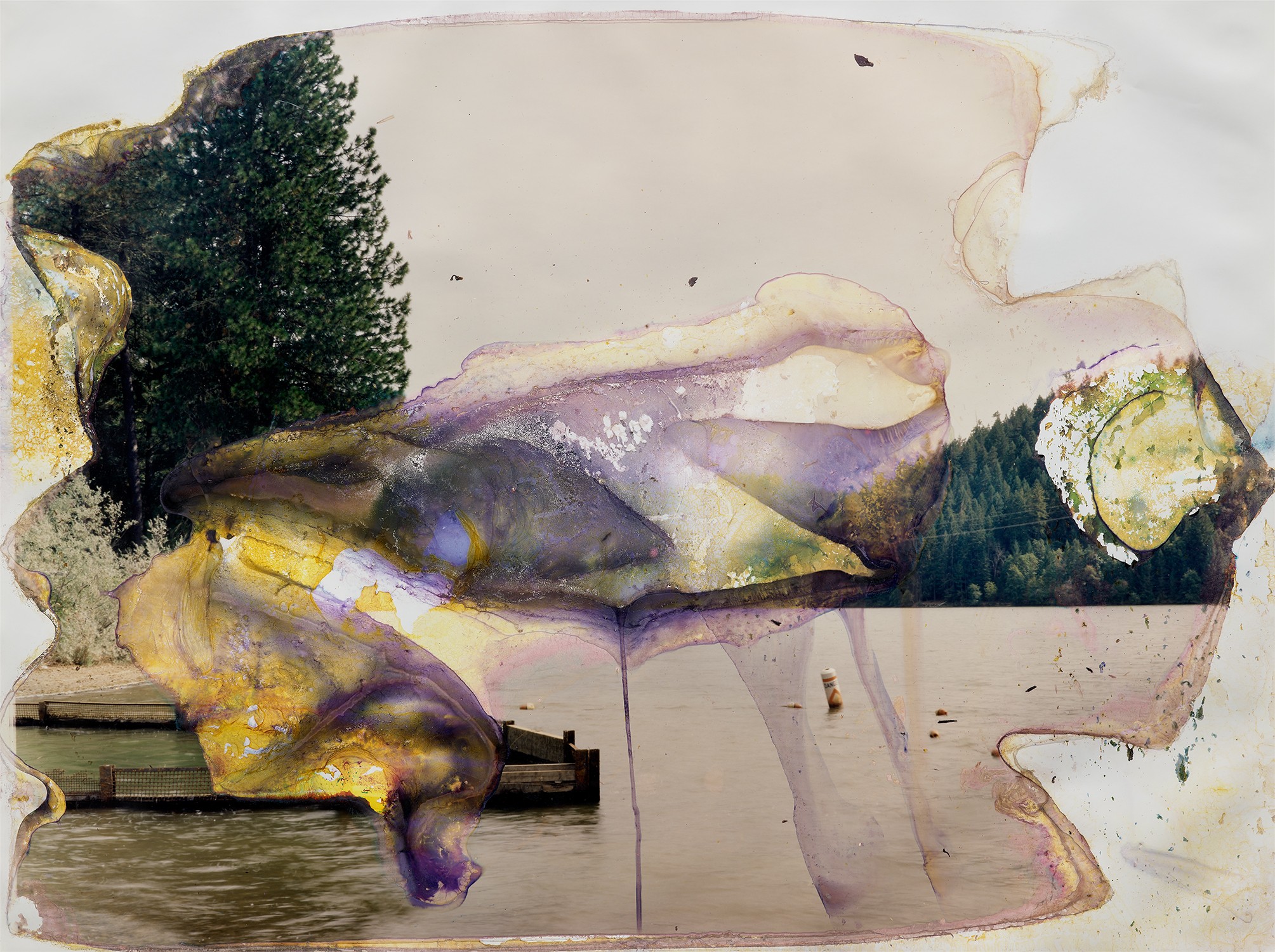
Matthew Brandt
Lake Selmac, OR 8 from Lakes and Reservoirs
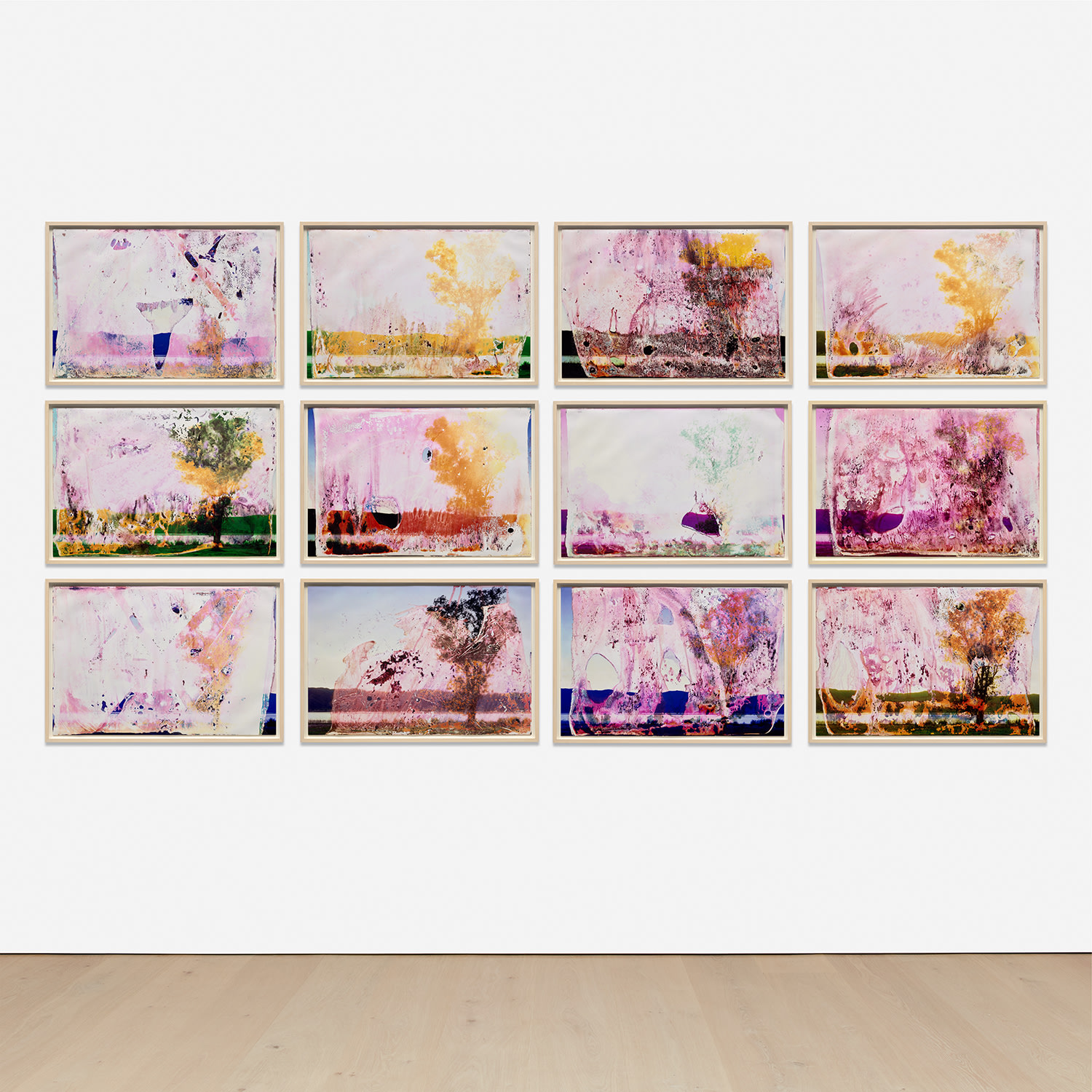
The Lakes and Reservoirs series is where this logic finds its most celebrated expression. To make these works, Brandt traveled to bodies of water across the American West, photographed them, and then processed the resulting chromogenic prints by soaking them in water drawn from the very lakes depicted. The results are images in which the water of Lake Elsinore, Diamond Lake, Lake Selmac, O'Dell Lake, and Lake Perris, among others, has literally eaten into, stained, bloomed across, and transformed the photographic surface. What you see in a finished print from this series is both a landscape and a record of that landscape acting upon itself.
The photographs are unique objects, each one unrepeatable, because the chemistry of each lake is its own and the interaction between water and print is never predictable. This is photography understood as collaboration between artist and environment, between intention and contingency. Beyond the lakes, Brandt has pursued this methodology across a range of materials with equal rigor and visual intensity. His Waterfalls series applies similarly transformative processes to images of cascading water, producing surfaces that seem to tremble and dissolve.
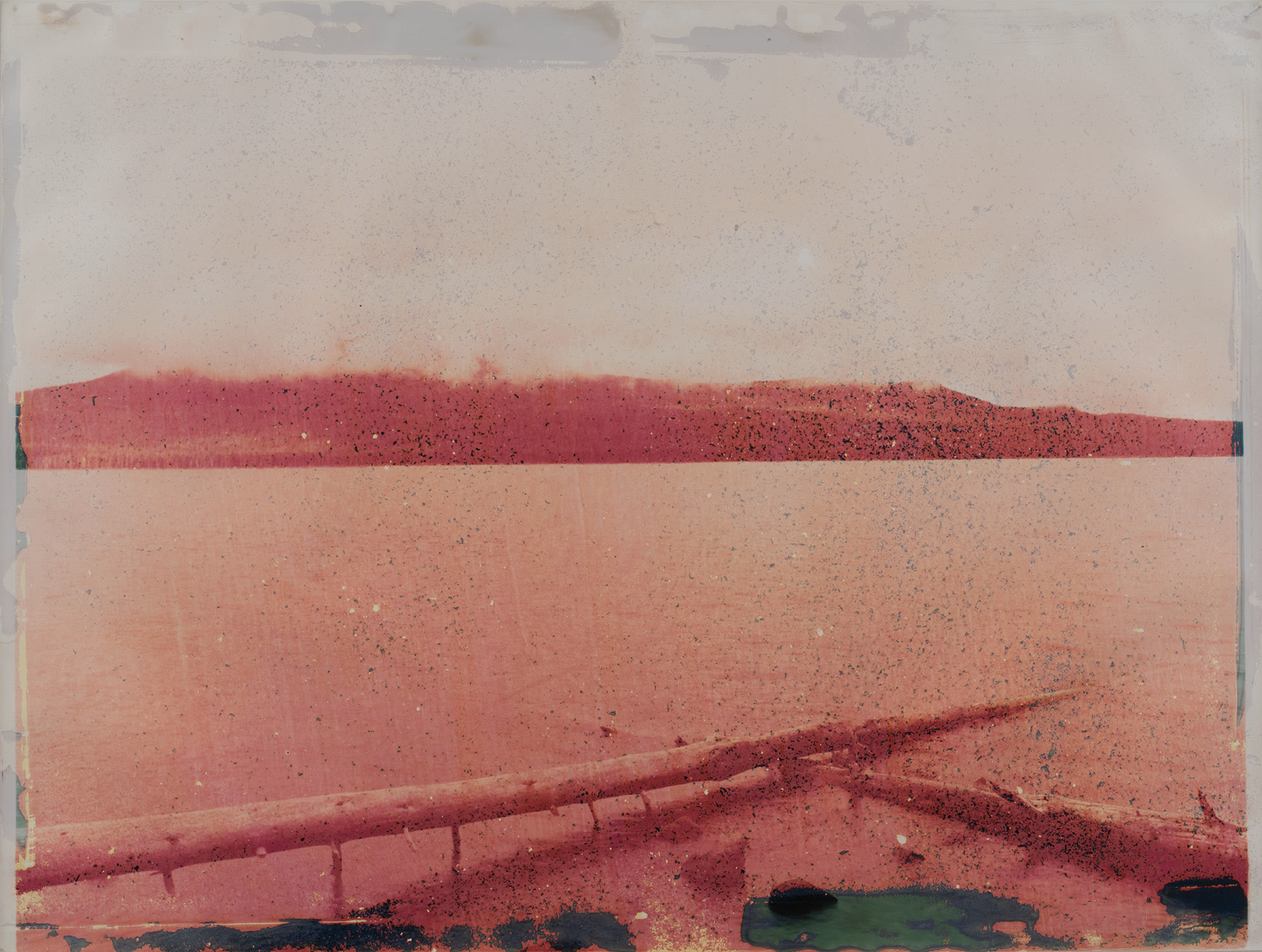
Matthew Brandt
Diamond Lake, OR 3 from Lakes and Reservoirs
His Silver series, represented by works such as AgXID9A, pushes gelatin silver printing into new territory by applying additional silver chemistry directly to the surface, creating prints that accumulate a physical presence far beyond what conventional photography allows. The Kool Aid works, in which brightly colored powder drink mix is used to develop or alter photographic prints, bring a pop sensibility and a kind of joyful absurdism to the same underlying question about materials and meaning. Across all of these series, what unifies the work is a commitment to letting the world participate in its own depiction. For collectors, the appeal of Brandt's work operates on several levels simultaneously.
At the most immediate level, the objects are simply beautiful. The surfaces of the Lakes and Reservoirs prints, with their blooms, striations, tide marks, and unexpected color shifts, reward sustained looking in a way that most contemporary photography does not. Each work is genuinely unique, which matters enormously in a market where editions and reproducibility are constant concerns. Collectors drawn to the intersection of photography and painting, or to work that sits confidently in the space between process art and landscape tradition, find in Brandt a rare coherence of concept and visual result.
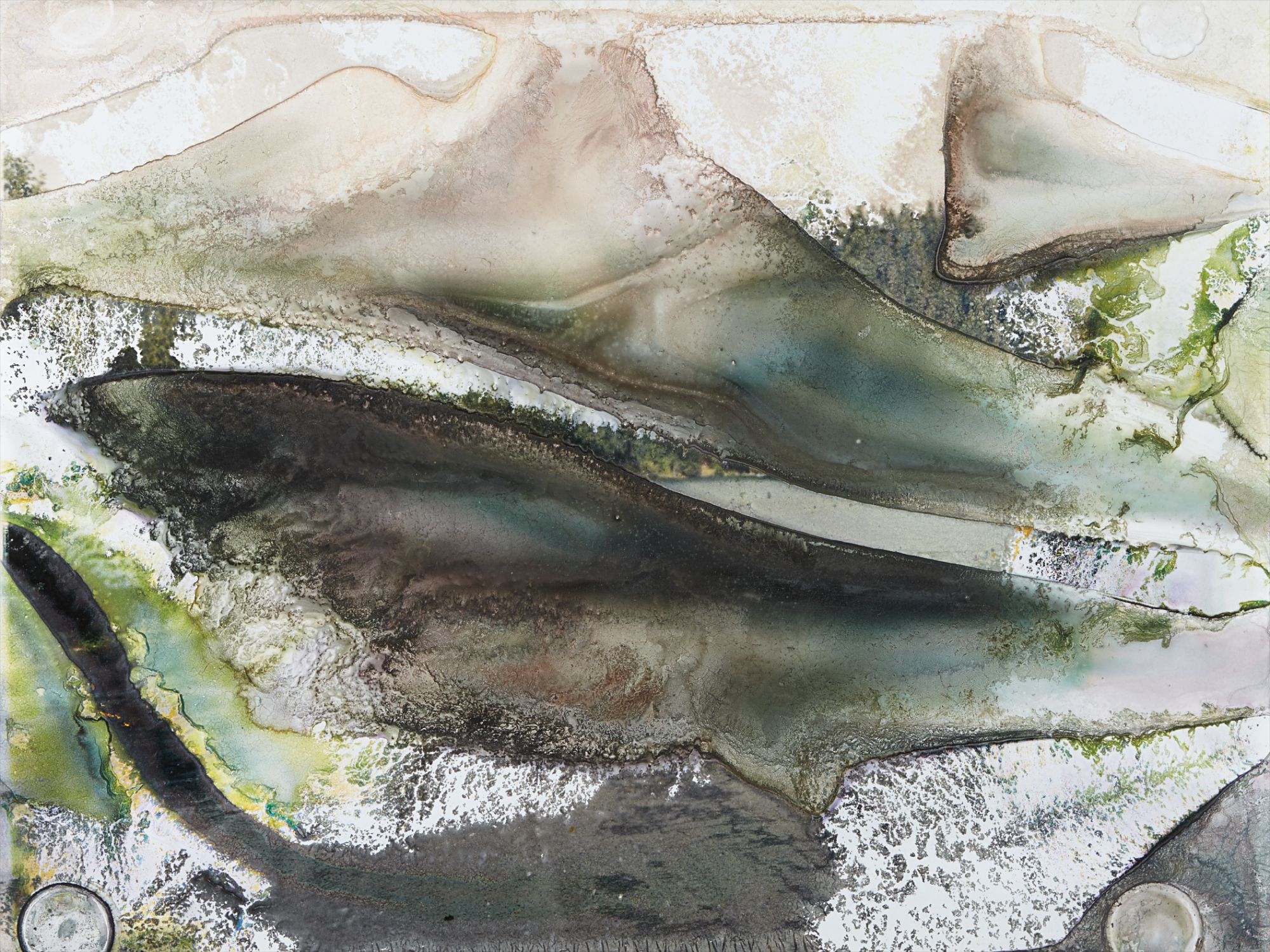
Matthew Brandt
Hills Creek Lake, OR 7 from Lakes and Reservoirs
His work has attracted serious institutional attention, and examples from the Lakes and Reservoirs series in particular have become reference points for discussions of what photography can achieve when it refuses its own conventions. Within the broader context of art history, Brandt's practice enters into dialogue with a number of significant precedents. The California conceptualists of the 1960s and 1970s, artists who interrogated the nature of materials and processes as the very subject of their work, are clearly relevant ancestors. The tradition of experimental photography that runs from Man Ray through the photograms of Moholy Nagy and into the work of artists like Sigmar Polke, who was fascinated by the chemical unpredictability of photographic processes, provides another lineage.
More recently, Brandt's work resonates with artists such as David Benjamin Sherry, whose large format landscape photographs engage with the American West in saturated and transformative ways, and with painters who blur the boundaries between their medium and photographic imagery. What distinguishes Brandt within this company is the specificity and rigor of his indexical logic: he is not simply using unusual materials, he is insisting that the connection between image and material be literal, geographical, and verifiable. The reason Matthew Brandt matters today is not merely historical or theoretical, though the historical and theoretical dimensions of his practice are genuinely rich. He matters because his work arrives at a moment when the image is everywhere and means less and less, when photographs are produced and consumed at a scale that would have been unimaginable even twenty years ago, and he insists, quietly and persistently, that a photograph can be a singular thing.
He insists that the world photographed can leave a physical trace on the surface that records it. In doing so, he restores to photography something it is in danger of losing entirely: a sense of consequence, of the real pressing itself into the image with weight and permanence. That is a contribution worth celebrating, and it is one that collectors and institutions are increasingly recognizing as central to the art of our moment.
Featured Works