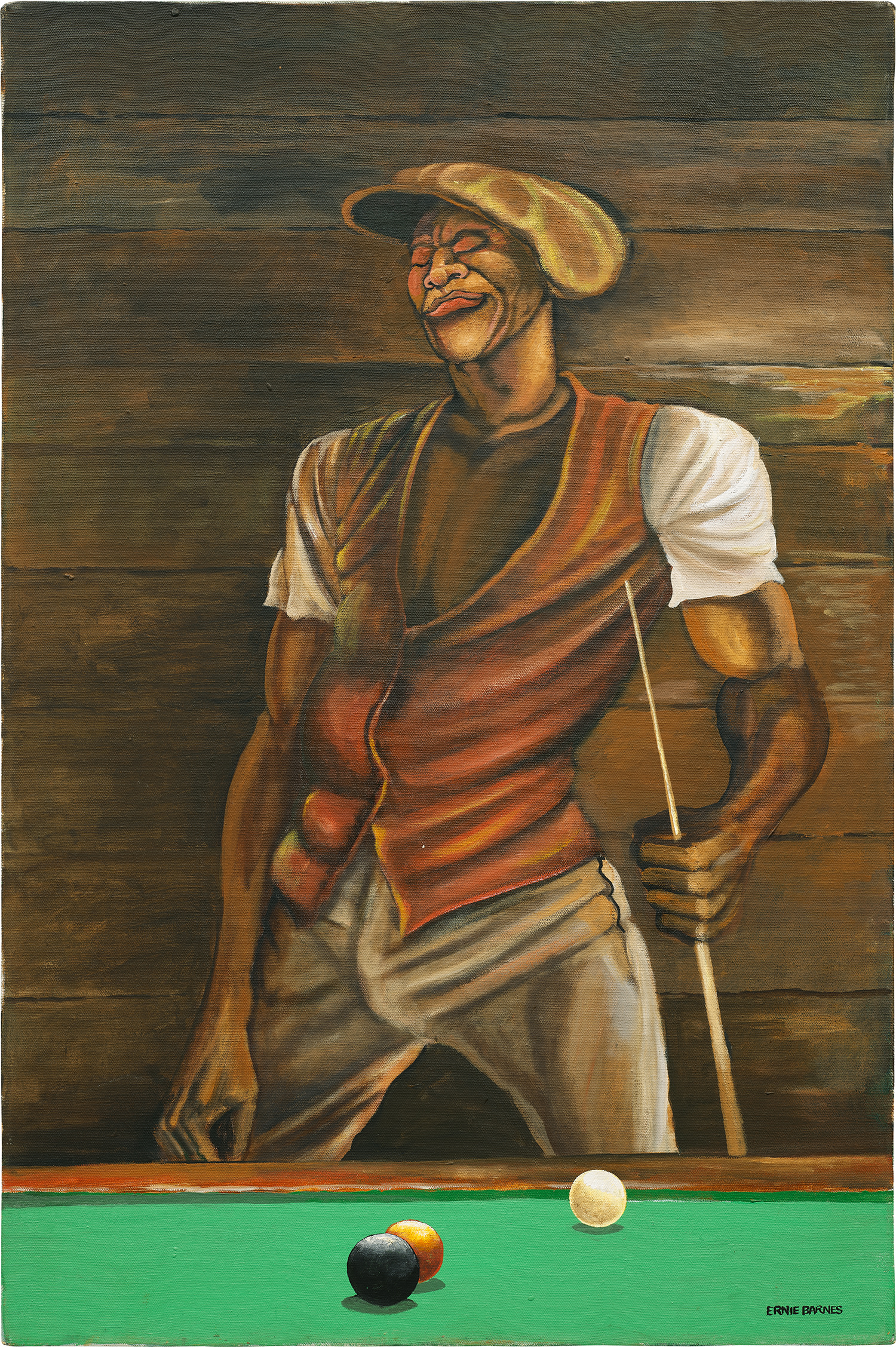
Ernie Barnes
Artist Spotlight
Ernie Barnes: The Poet of Black Joy
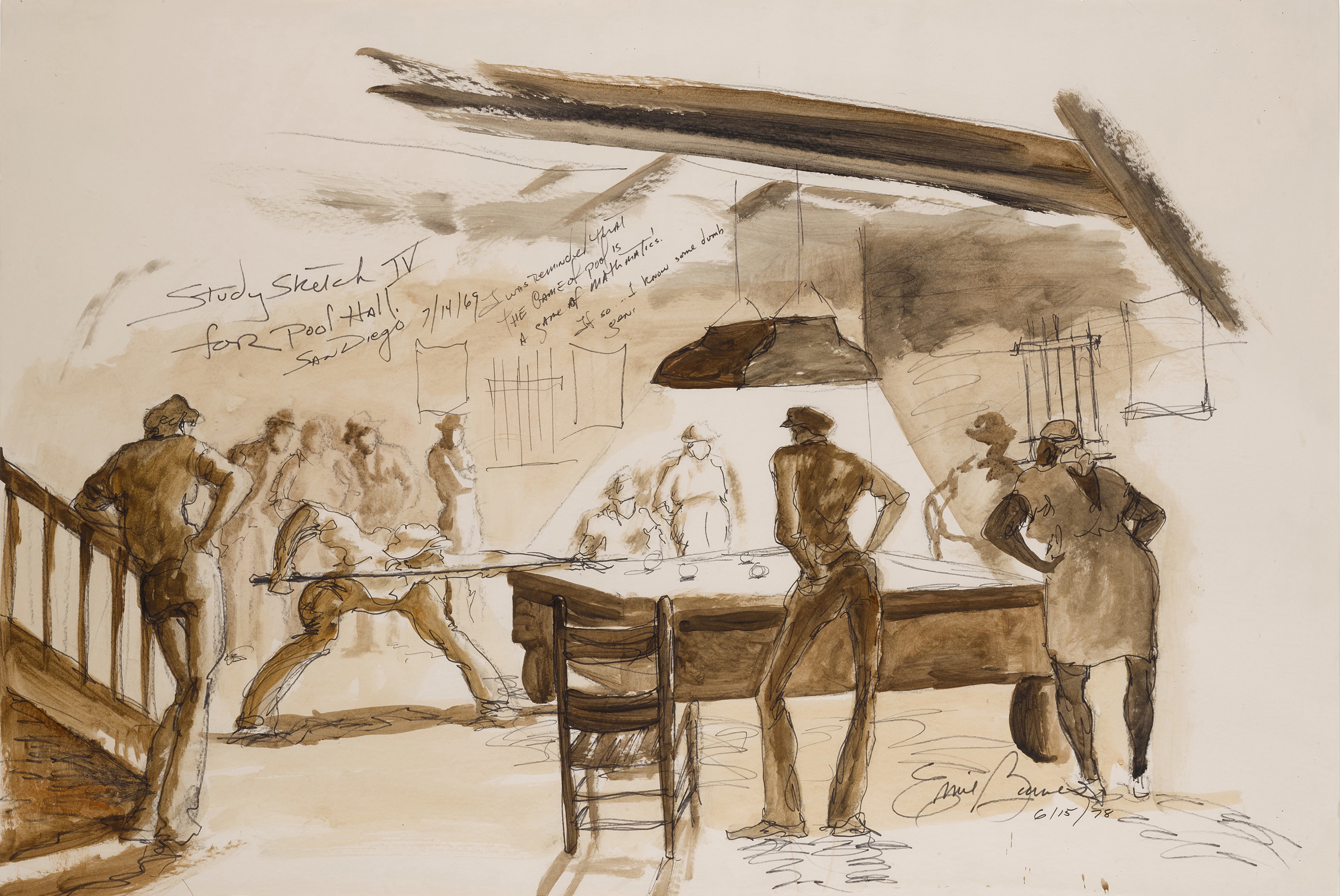
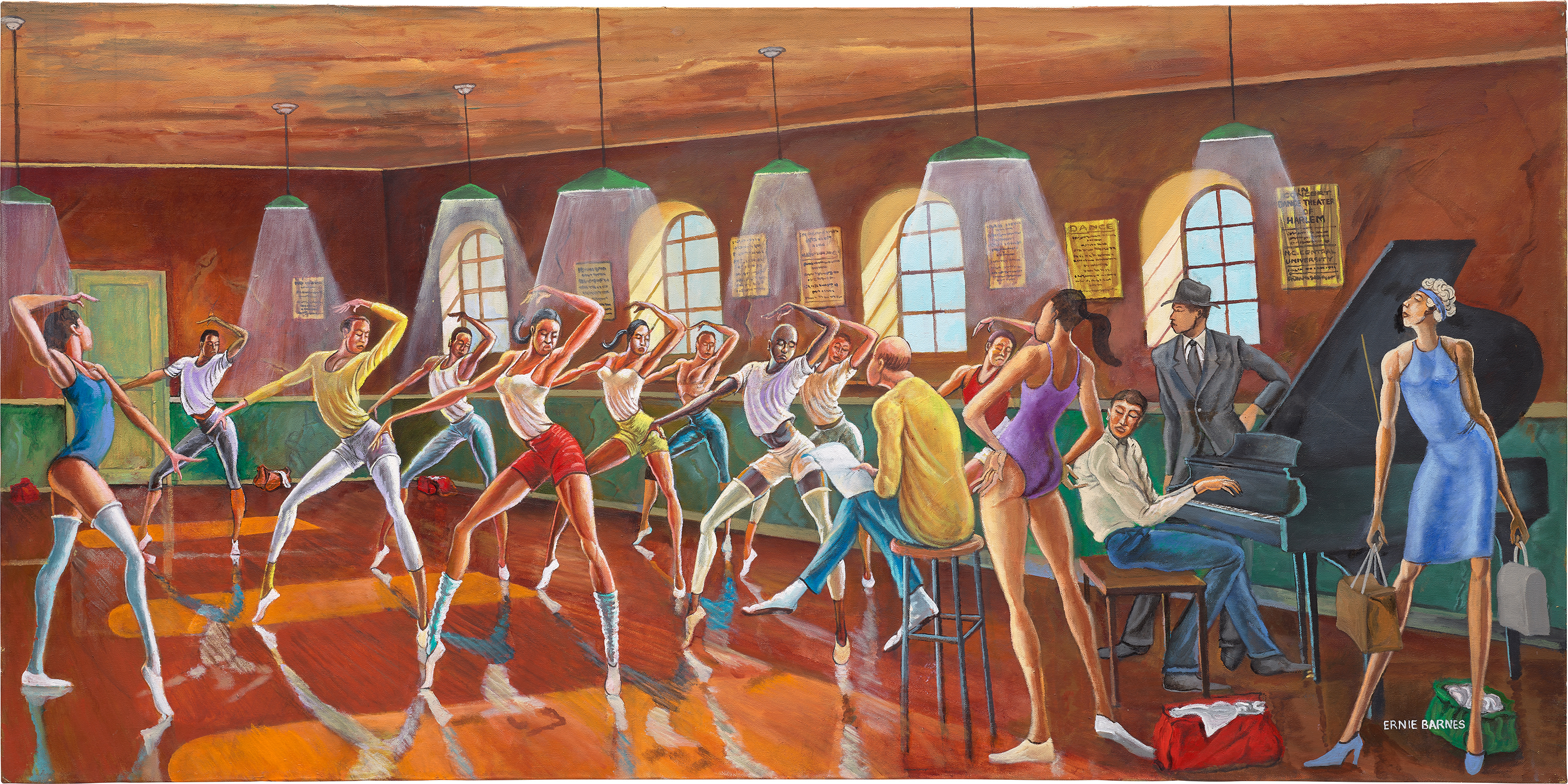
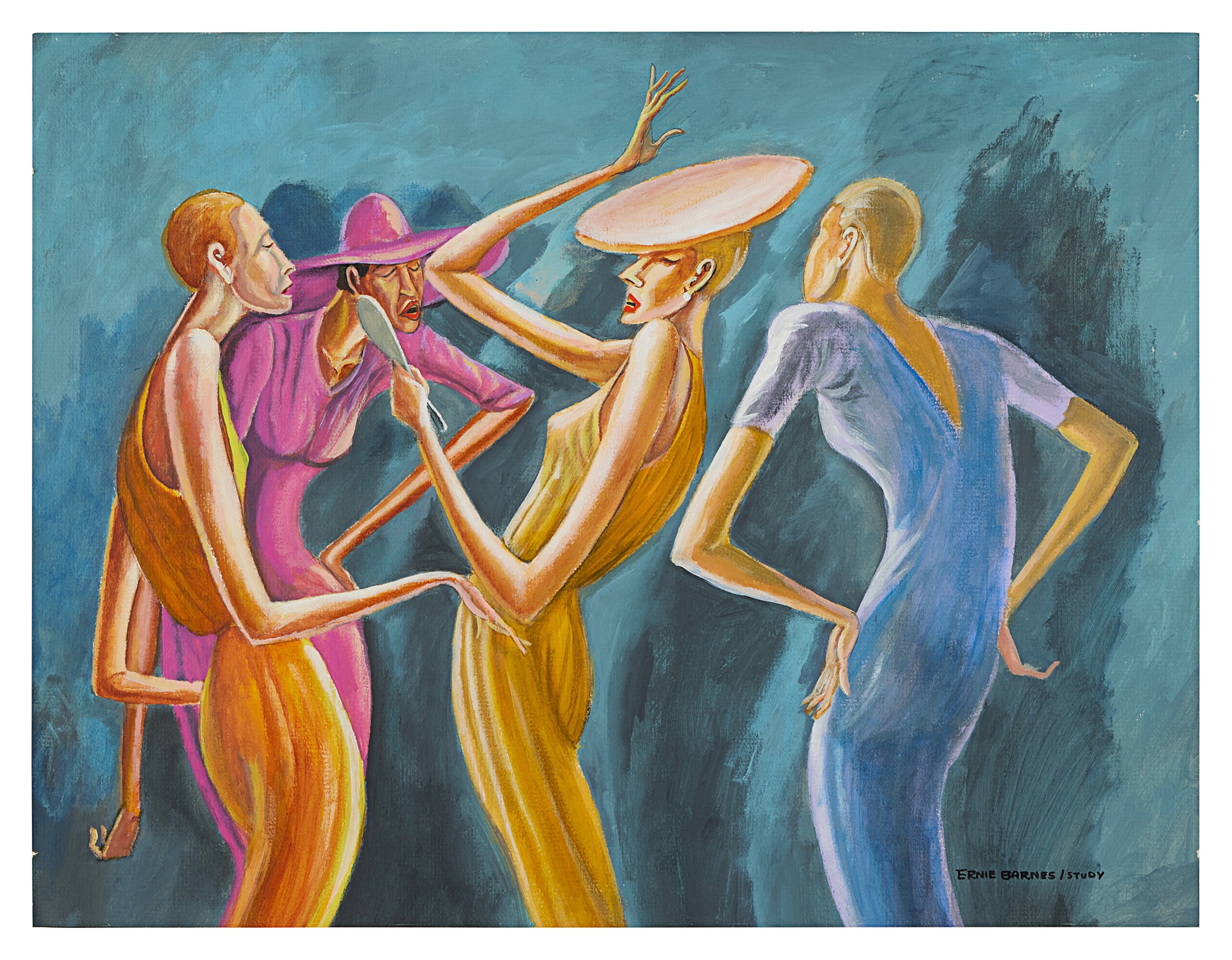
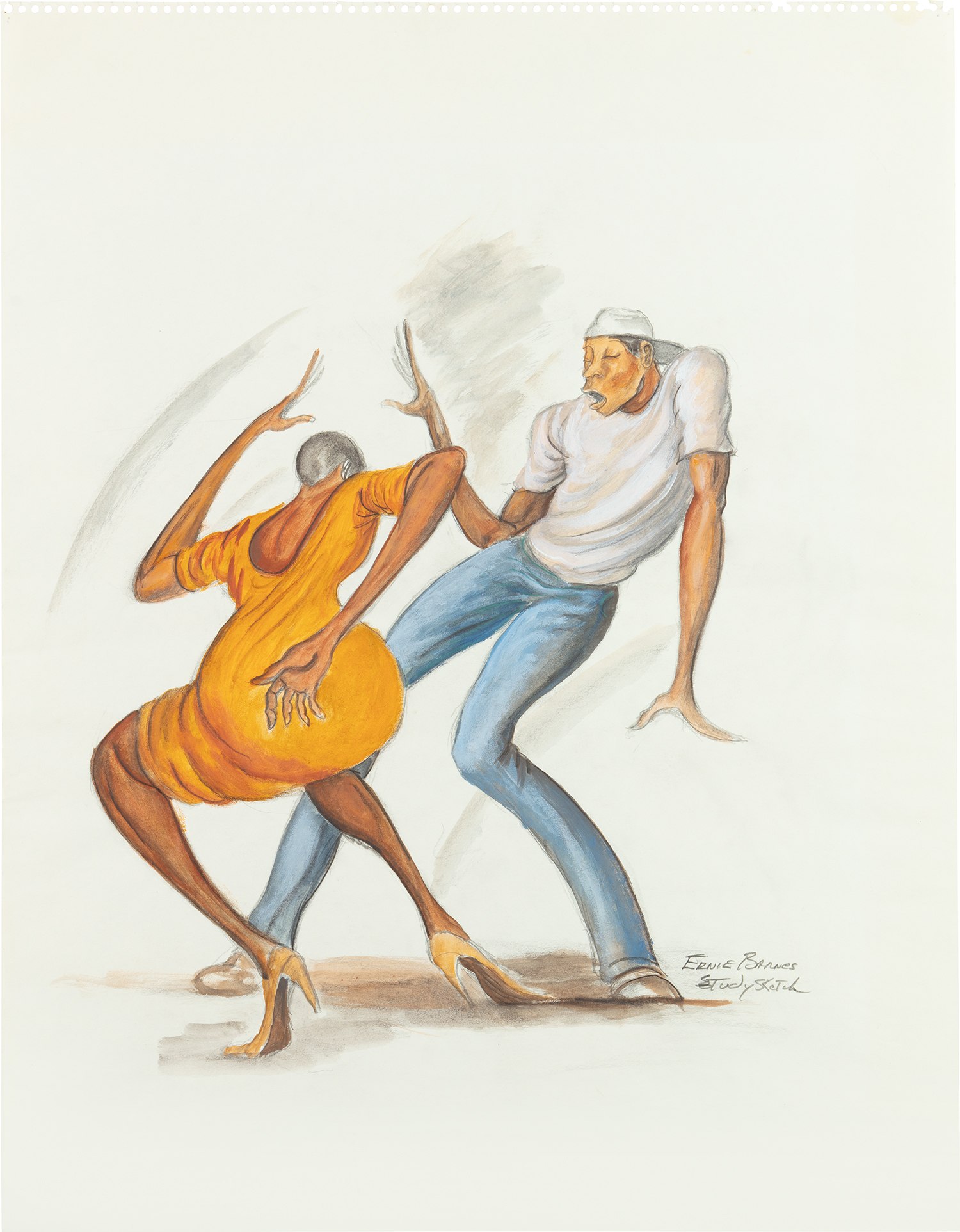
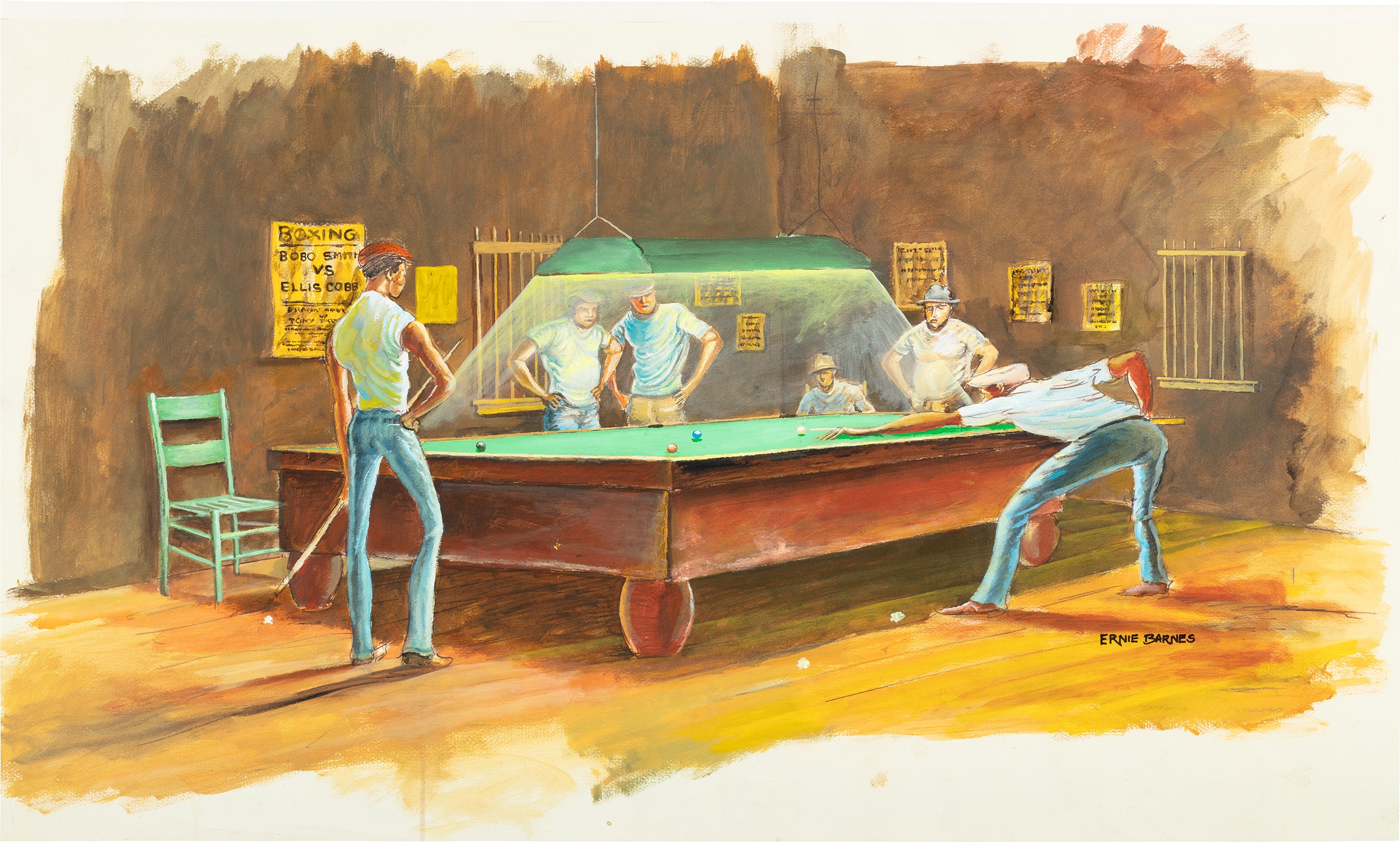
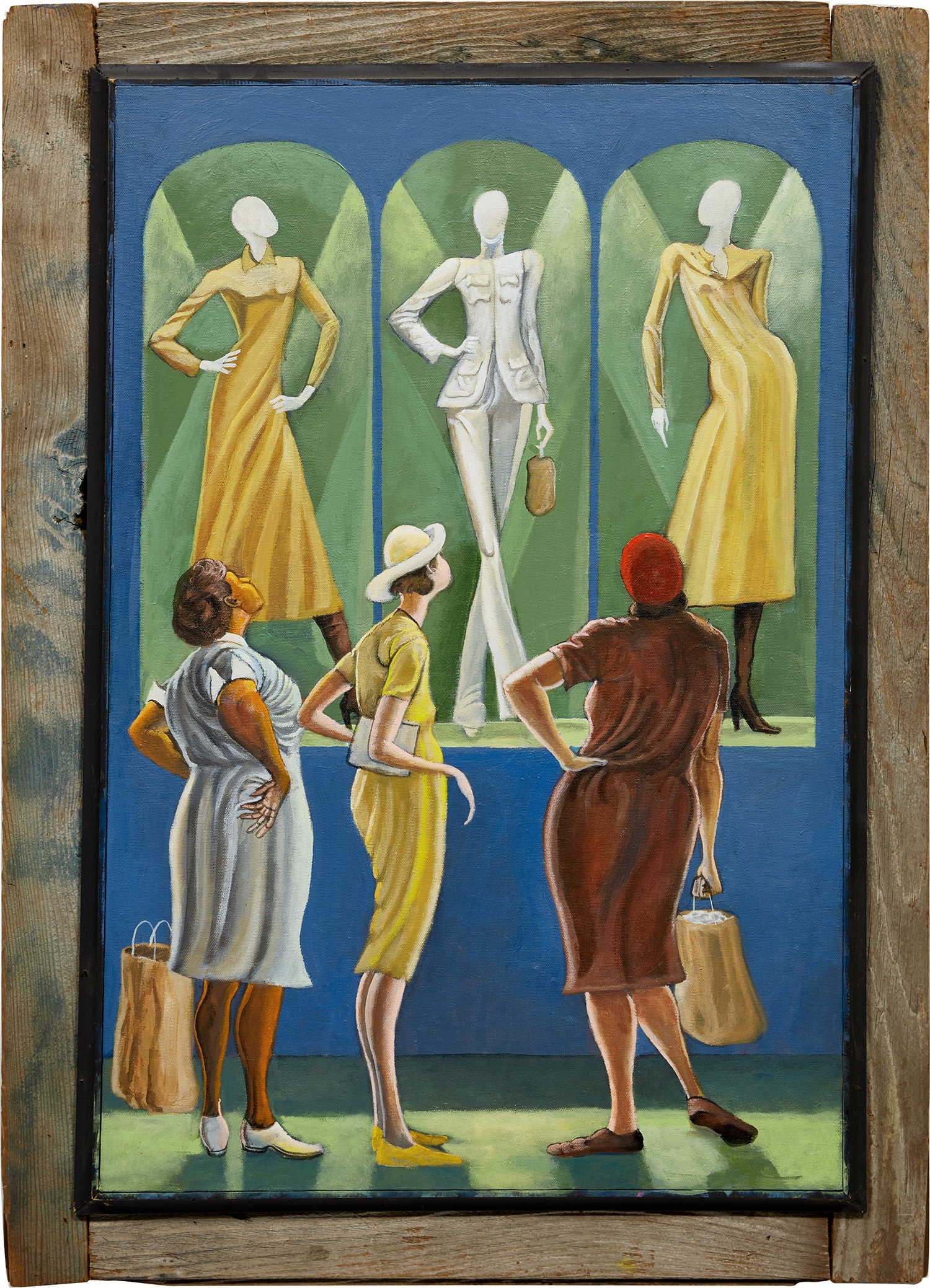
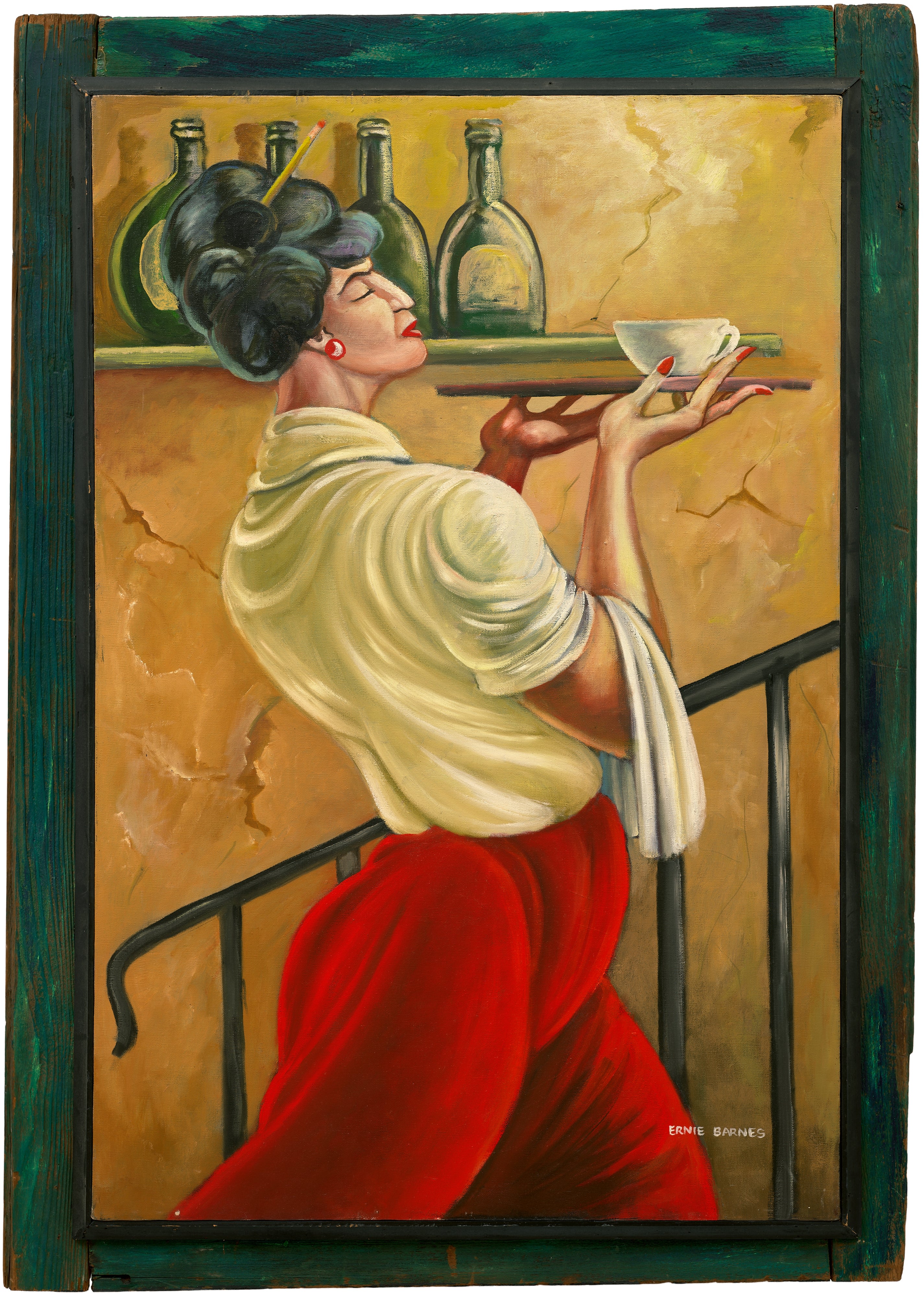
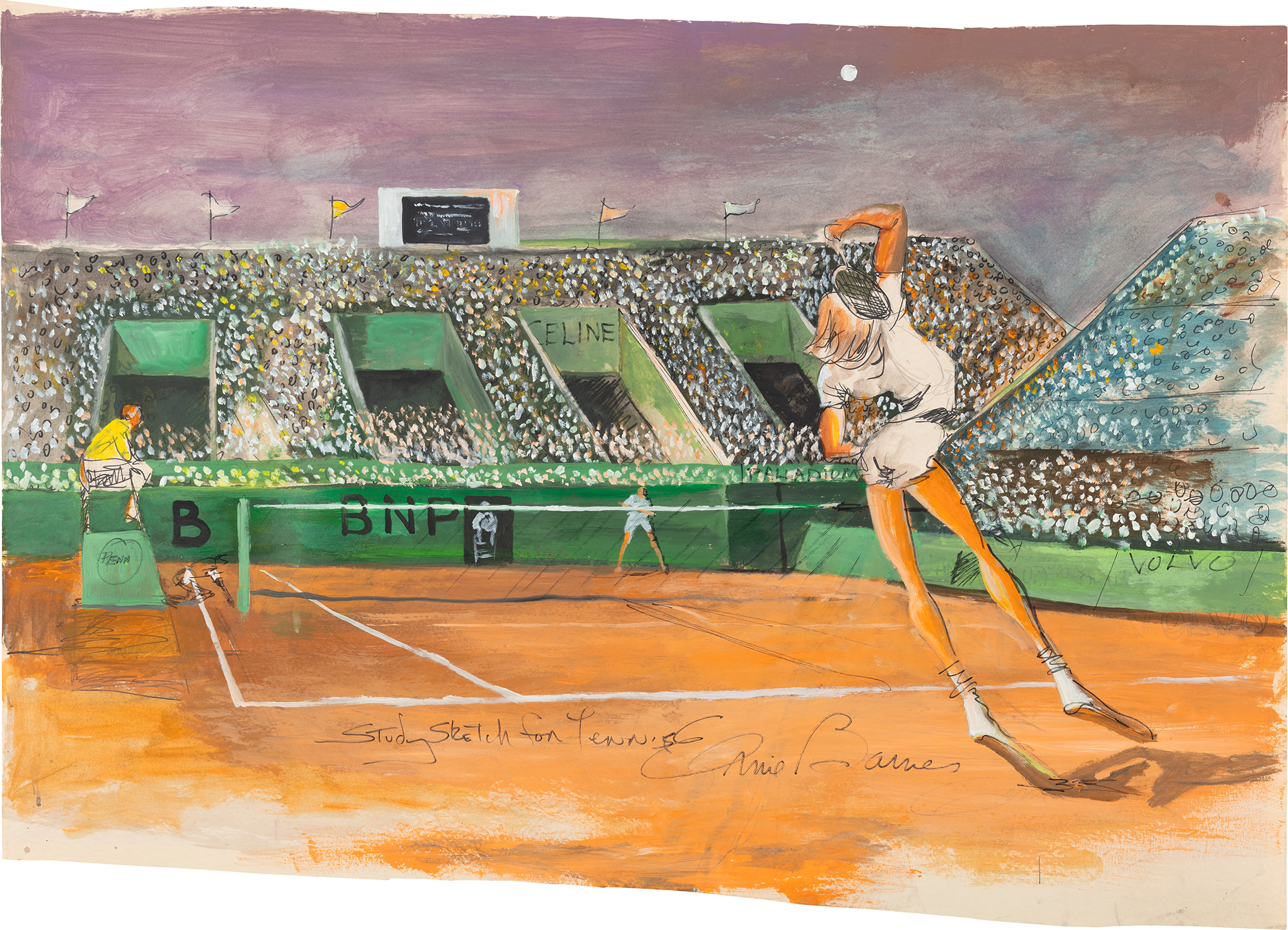
There is a particular moment in American cultural memory that belongs entirely to Ernie Barnes. On the closing credits of the beloved television series Good Times, a canvas filled with swirling, ecstatic dancers froze the nation in its tracks. The painting was called The Sugar Shack, and it depicted something that fine art had rarely dared to celebrate so openly: the pure, embodied pleasure of Black people at leisure, in motion, alive with rhythm and community. When Marvin Gaye chose the same image for the cover of his 1976 album I Want You, the painting crossed from living room television… Continue reading
Artists in conversation
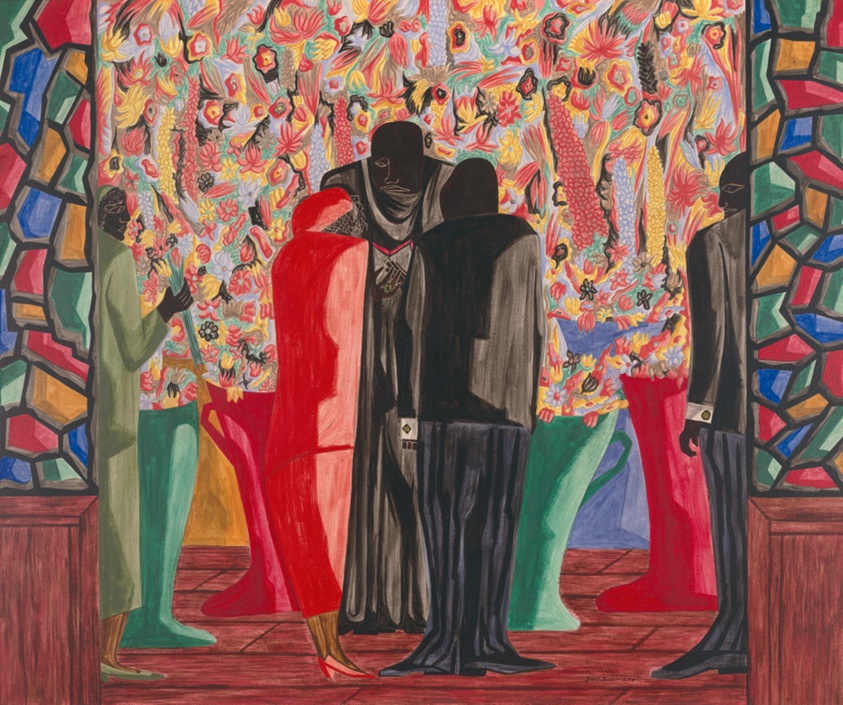
Jacob Lawrence
Lawrence shared Barnes's commitment to depicting African American life and culture through bold figurative compositions with strong narrative energy and social commentary. Both artists used dynamic movement and expressive form to celebrate Black community experiences.
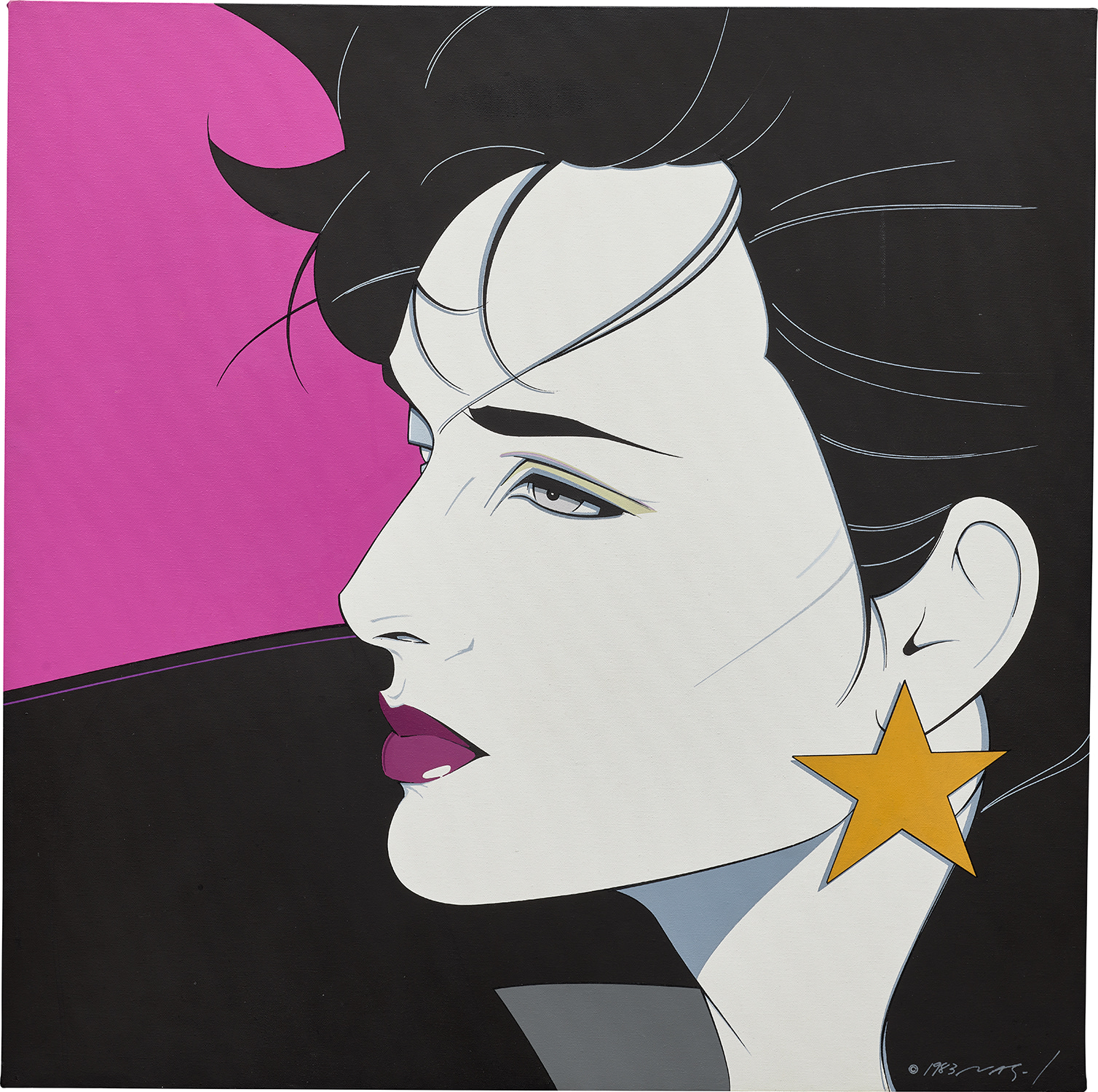
Romare Bearden
Bearden similarly focused on genre scenes of African American everyday life including music and social gatherings rendered with expressive vitality and cultural pride. His elongated and rhythmically composed figures share a visual energy closely aligned with Barnes's aesthetic.
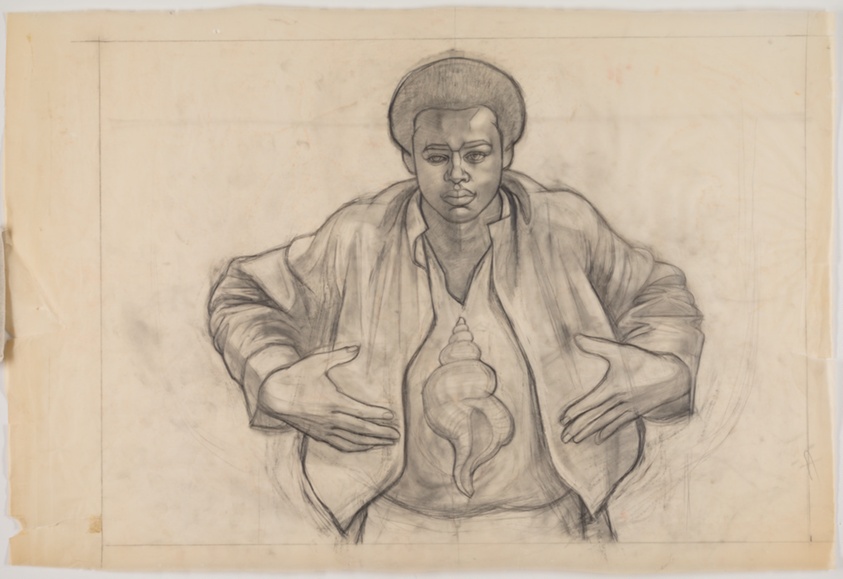
Charles White
White was a celebrated figurative artist devoted to portraying the dignity and experience of African Americans with expressive emotional power. His monumental and graceful treatment of Black figures resonates strongly with Barnes's own figurative language and humanist subject matter.
Artists who inspired them
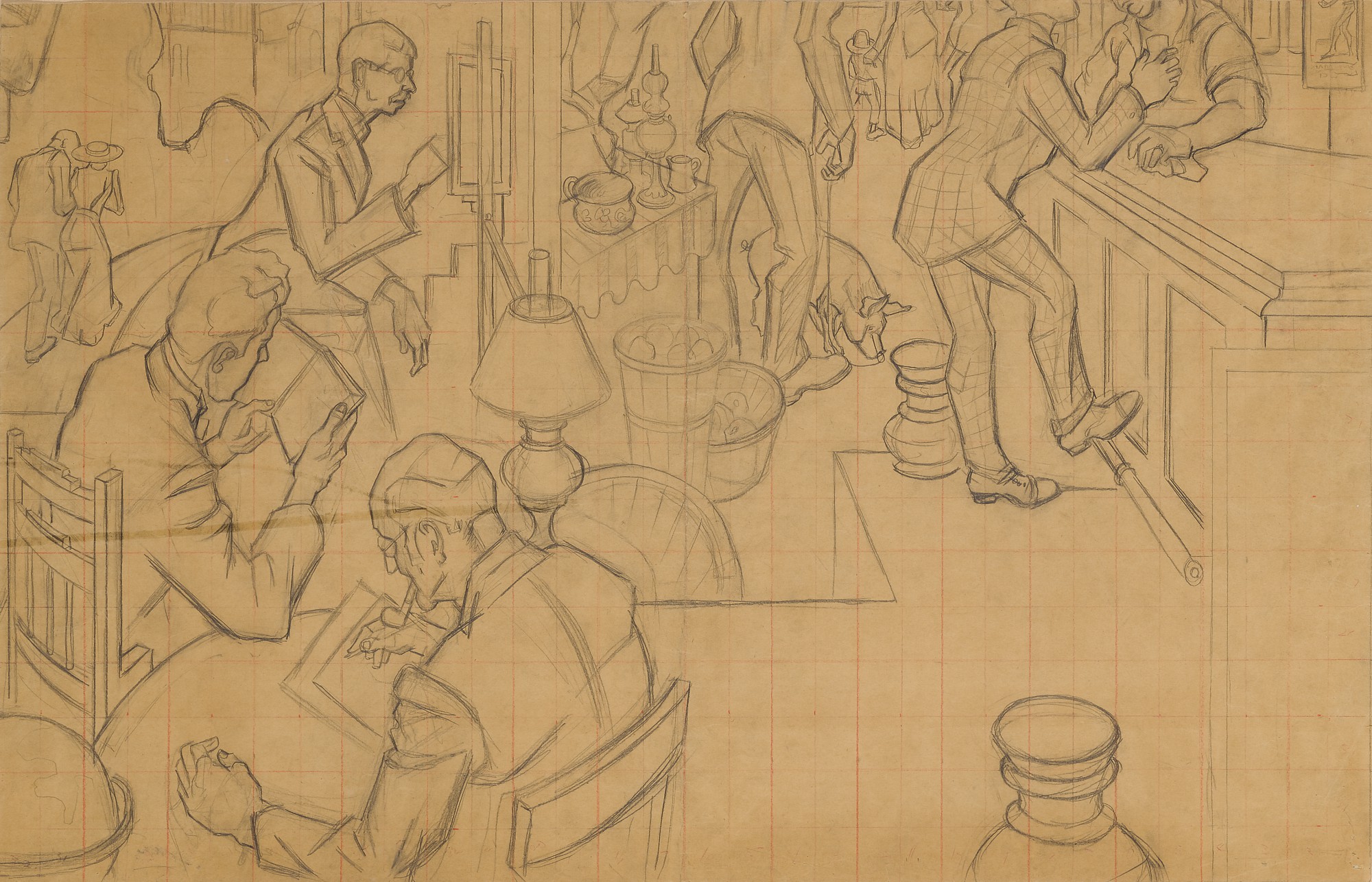
Thomas Hart Benton
Benton's muscular elongated figures and swirling dynamic compositions in American regionalist murals were a direct stylistic touchstone for Barnes as he developed his signature style of energetic figure painting. Barnes has cited Benton's sense of physical movement as a formative influence on his work.
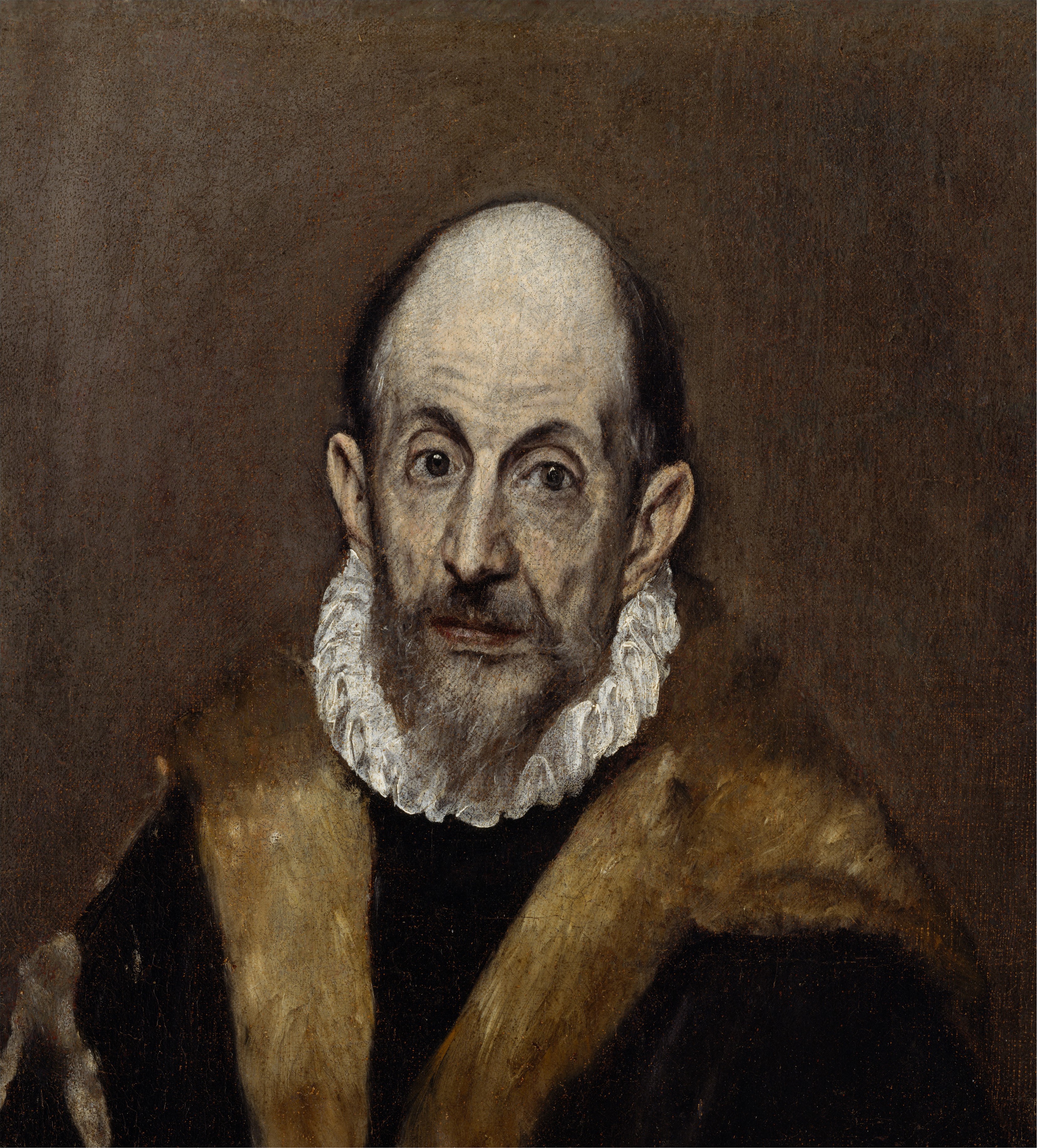
El Greco
Barnes openly acknowledged El Greco as a primary inspiration for the distinctive elongation of his figures which gives his paintings their spiritual and kinetic quality. El Greco's expressively stretched human forms translated powerfully into Barnes's depictions of athletes and dancers.
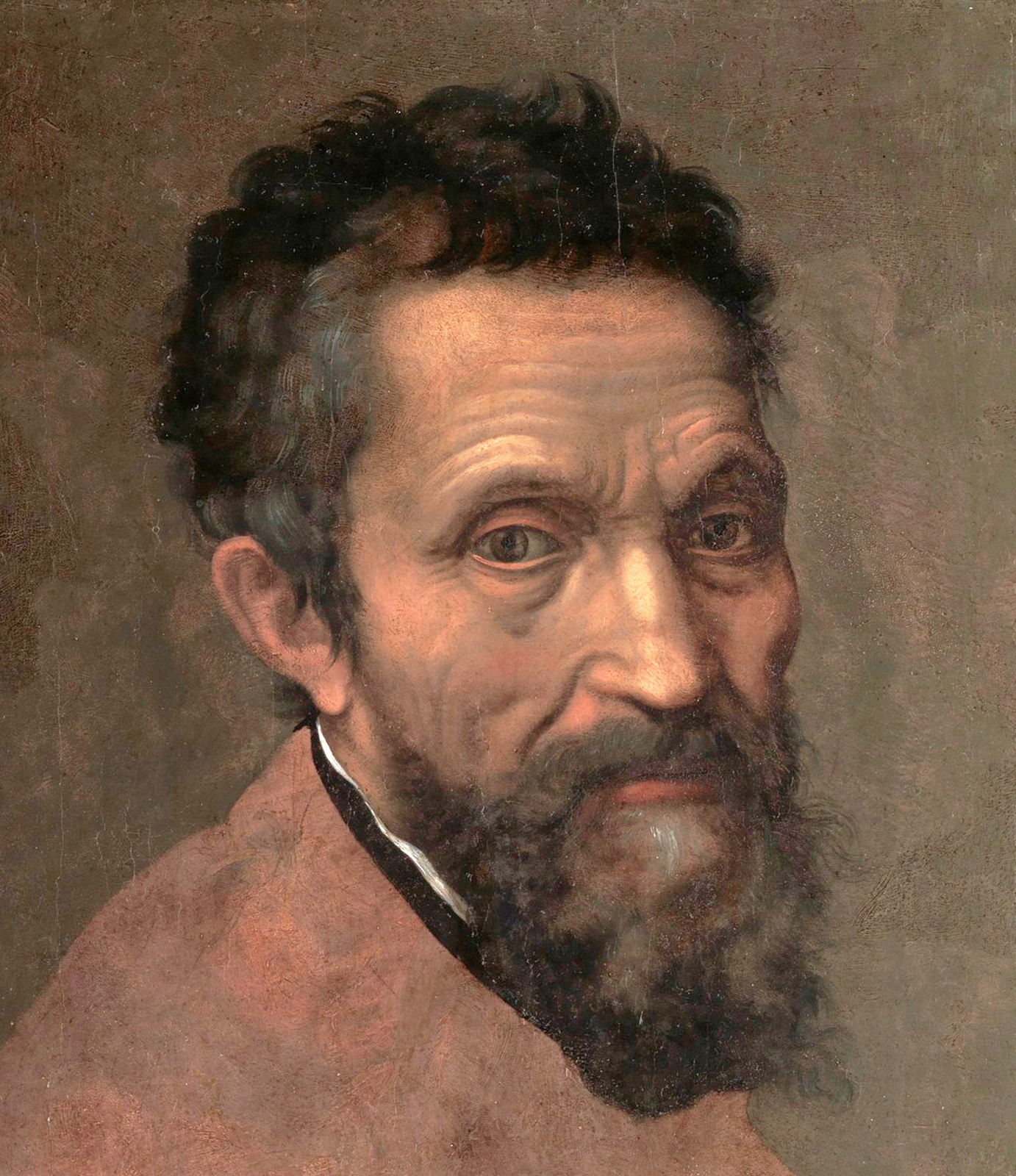
Michelangelo
Barnes studied Michelangelo's treatment of the human body and its muscular expressiveness as a foundation for rendering athletic and physically powerful figures. The sculptural weight and heroic grandeur of Michelangelo's forms informed how Barnes celebrated the Black body in motion.